
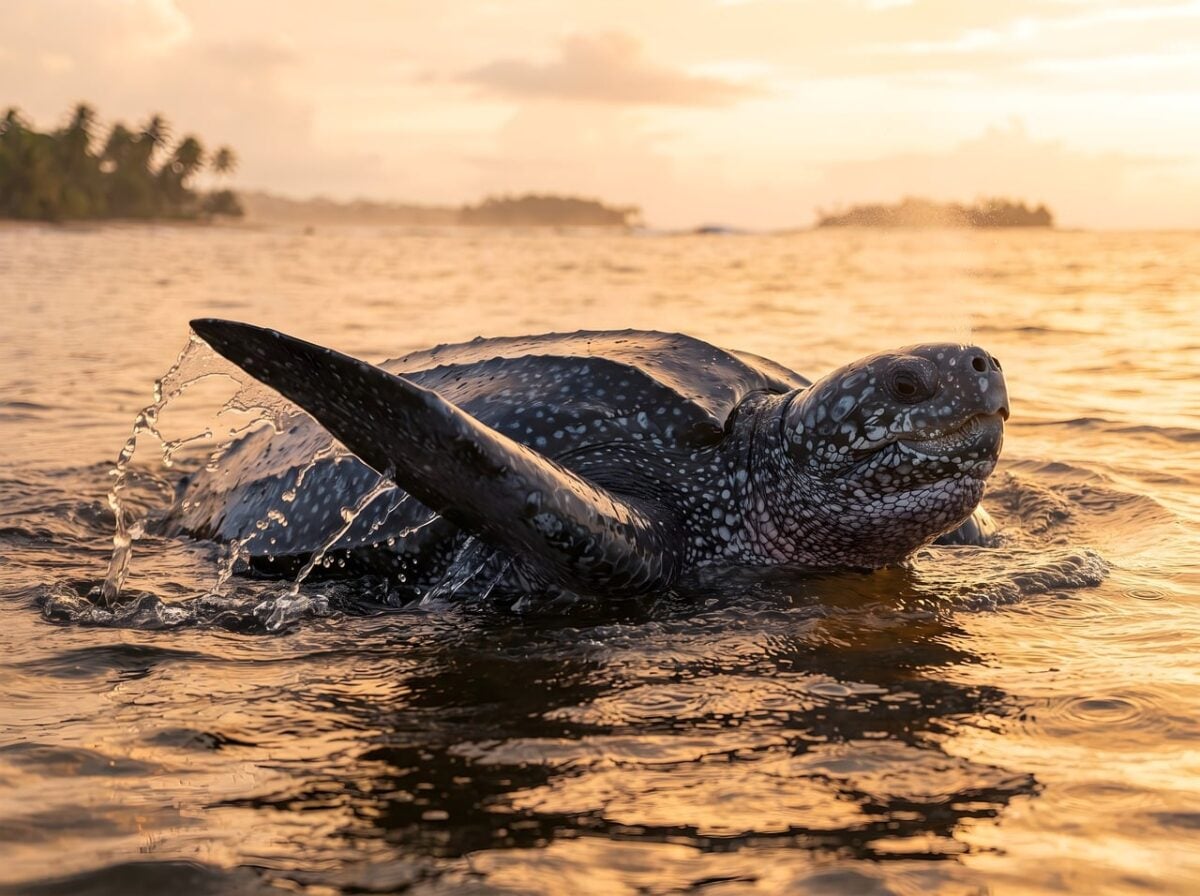
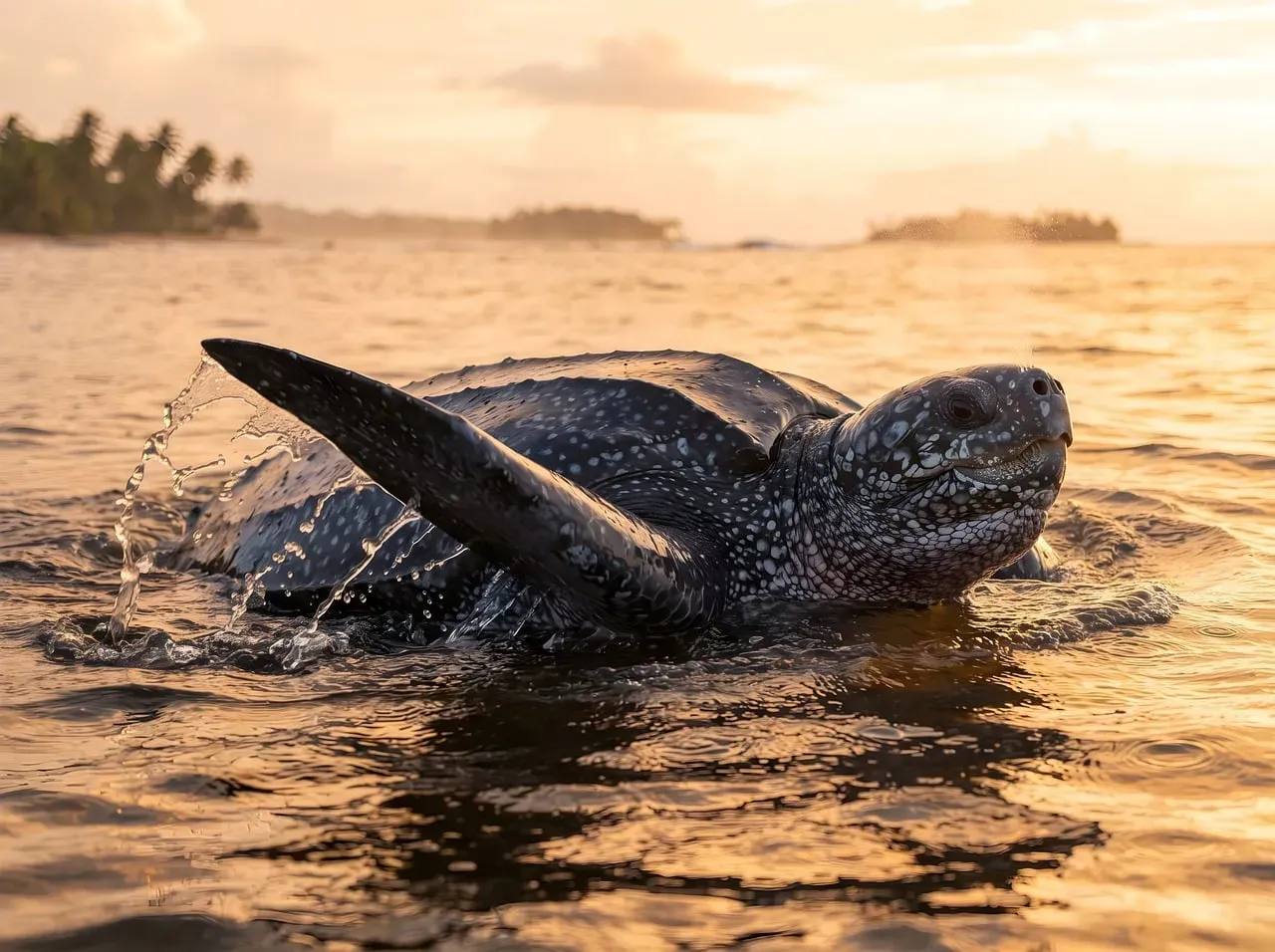
Picture an animal the size of a small car, with a shell like rubbery leather, vanishing into water so deep that sunlight gave up hundreds of meters earlier. It isn’t a whale or a seal. It’s a reptile that still has to come up for air.
The leatherback sea turtle has been tracked by satellite tags for a few decades now, and the records keep surprising researchers. Its diet is mostly soft, watery jellyfish, yet it powers some of the longest journeys of any reptile on Earth. So how does a creature like this pull it off?
The Giant Among Sea Turtles
🔥 Would you like to save this?
We'll email this post to you, so you can come back to it later!
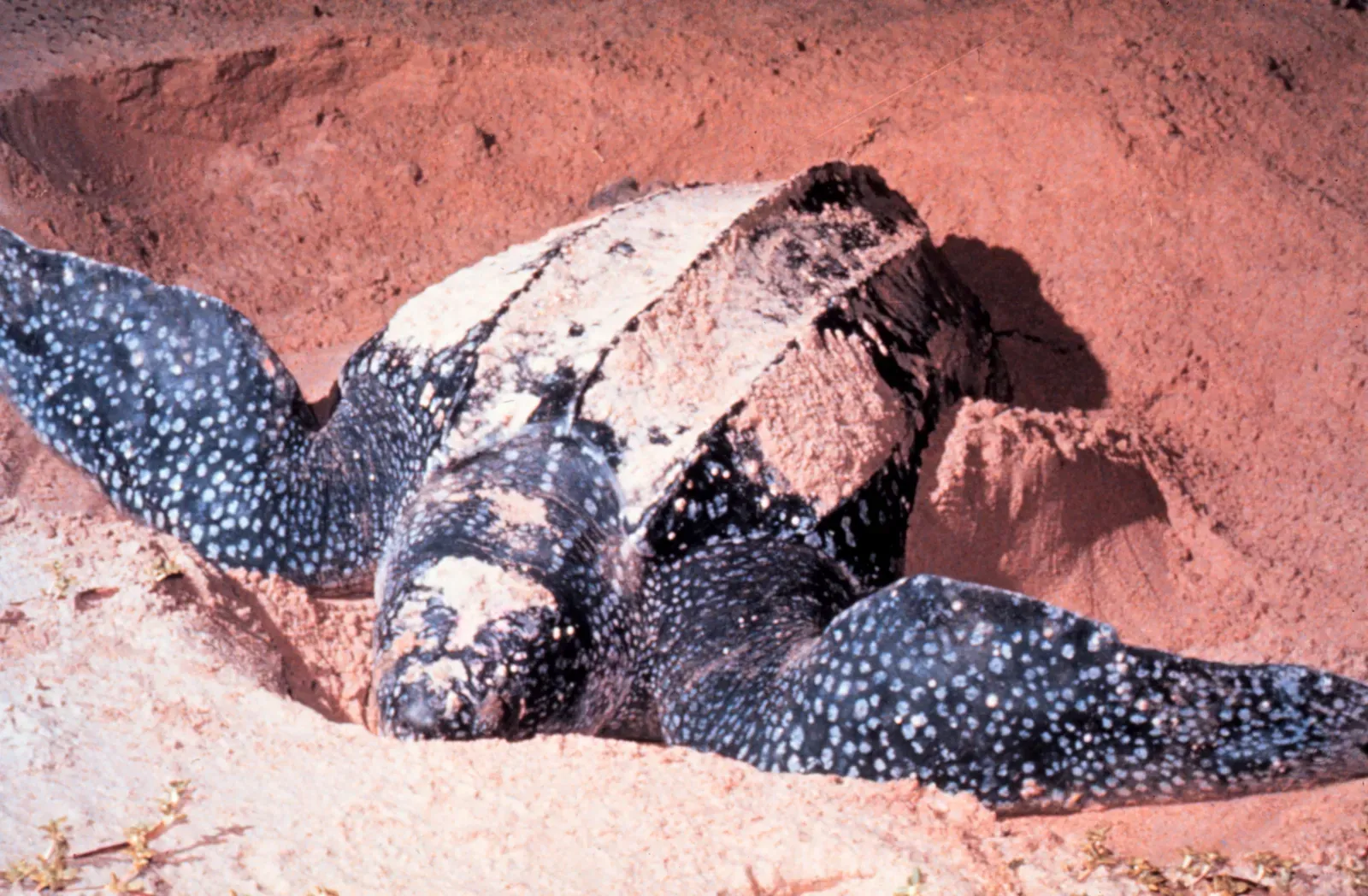
Leatherbacks, known to science as Dermochelys coriacea, are the largest living sea turtles. Adults can stretch close to two meters long, and big individuals can weigh well over 500 kilograms. Few reptiles alive today are heavier.
They’re also the last survivors of their own family line. Every other living sea turtle belongs to a different group with hard, bony shells. The leatherback’s lineage is ancient, and it’s built on a very different plan.
That plan matters for everything that follows. The body shape, the flexible shell and the huge flippers all connect to a life spent crossing open ocean rather than hugging coastlines.
A Shell Built Like Leather, Not Armor
🔥 Would you like to save this?
We'll email this post to you, so you can come back to it later!
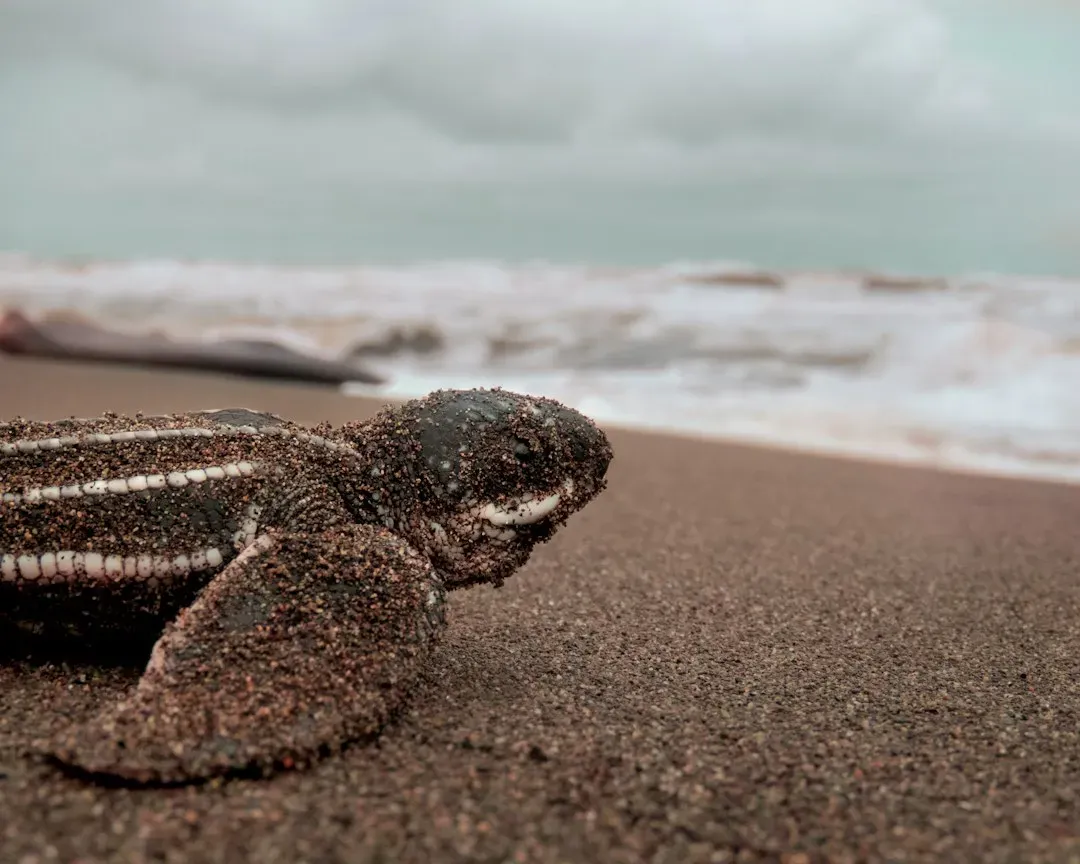
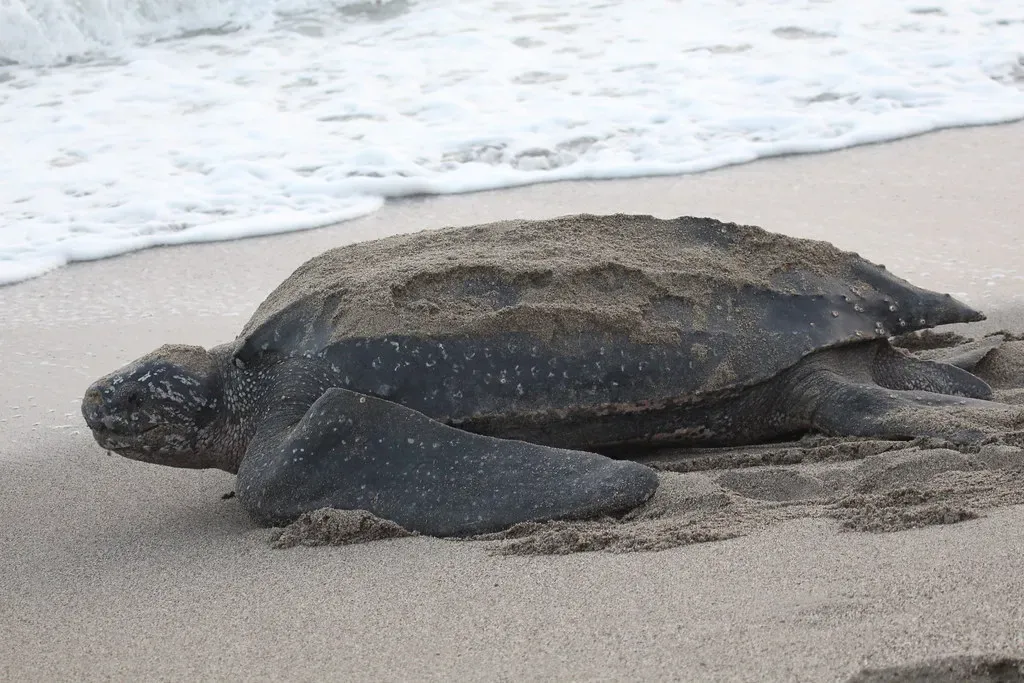
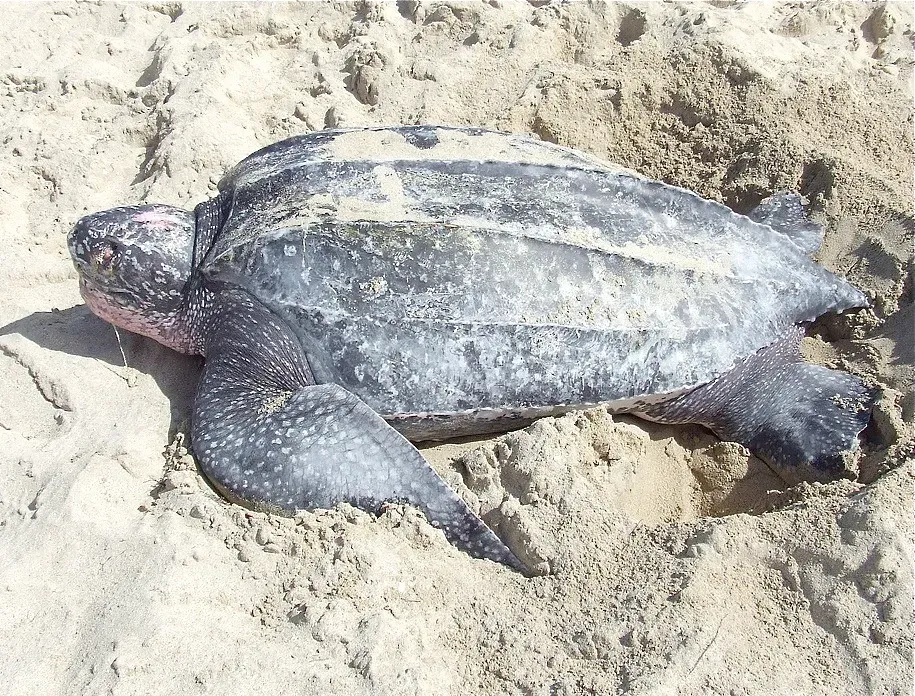
Instead of hard plates, a leatherback has a carapace made of thin bone fragments embedded in firm, oily connective tissue, covered by a skin like leather. Seven ridges run along its back, giving it a streamlined, almost boat like profile. The whole structure is flexible.
Researchers think that flexibility helps with deep diving, because a rigid shell isn’t ideal when pressure climbs fast. The body can tolerate squeezing in a way a stiff box could not. That’s an informed interpretation rather than a fully settled explanation, so it’s best read as a leading idea.
The front flippers are enormous too, sometimes spanning more than the turtle’s own body length. They work like long wings, driving steady, efficient strokes. For an animal that travels this far, efficiency is everything.
How Deep Can a Leatherback Really Go?
🔥 Would you like to save this?
We'll email this post to you, so you can come back to it later!
Yes, the headline number holds up. A study published in 2008 reported a leatherback dive of about 1,280 meters, which is deeper than most people expect any turtle could manage. That puts leatherbacks among the deepest diving air breathing animals, behind a few whales and elephant seals.
Still, that record is the extreme, not the routine. Most leatherback dives are far shallower, often staying within the upper couple hundred meters of the ocean. The very deep ones are rare events that tags happened to catch.
Many dives also last only minutes, though leatherbacks can stay under for much longer when needed. Scientists are still piecing together how much of this behavior is feeding, resting or simply moving through the water column.
Why Jellyfish Are Worth the Trip
🔥 Would you like to save this?
We'll email this post to you, so you can come back to it later!
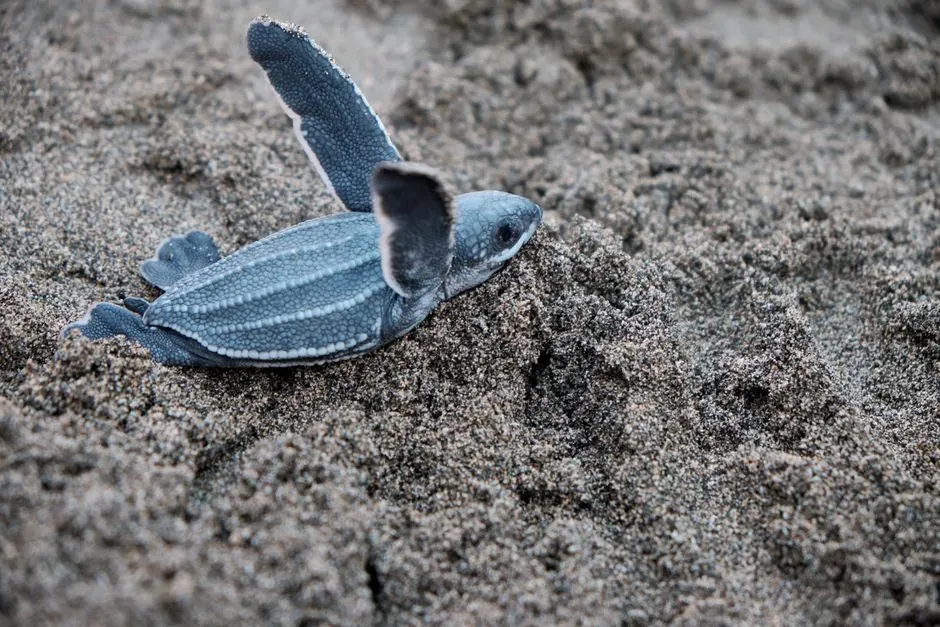
Jellyfish are mostly water. A single one offers very little energy, so a leatherback has to eat a lot of them to fuel a body that large. Some estimates suggest a turtle may eat an amount close to its own body weight over a day, though numbers like that vary and are hard to measure in the wild.
Why not eat something richer? Because jellyfish are abundant, easy to catch and often gather in dense patches. For a big, slow reptile, a floating buffet beats chasing fast prey.
Leatherbacks also eat other soft bodied animals such as salps and sea squirts. Jellies are still the headline item, and the turtle’s whole anatomy seems tuned for them.

Dog Stairs for Bed 18" H, 4-Step Dog Steps for High Bed
Check Price on AmazonAs an Amazon Associate, we earn from qualifying purchases.
10/9/2026 2:42 pm GMTi

PetSafe Oasys Pet Fountain, 1/2 Gallon (64 oz), Small Dogs & Cats
Check Price on AmazonAs an Amazon Associate, we earn from qualifying purchases.
10/8/2026 8:14 am GMTi

Earth Rated XL Dog & Puppy Pee Pads, Discreet Top, Max Absorbency
Check Price on AmazonAs an Amazon Associate, we earn from qualifying purchases.
10/7/2026 1:28 pm GMTi

Halloween Dog Collar with Bow, Orange Cute Ghost Collar,
Check Price on AmazonAs an Amazon Associate, we earn from qualifying purchases.
10/9/2026 2:43 pm GMTi

Glass Hummingbird Feeder for Outdoors Hanging, 16 oz Leak-Proof Nectar Feeder with Bee Guards & Ant Moat
Check Price on AmazonAs an Amazon Associate, we earn from qualifying purchases.
10/7/2026 1:22 pm GMTi
Anatomy for a Slippery Diet
🔥 Would you like to save this?
We'll email this post to you, so you can come back to it later!
Inside the throat, leatherbacks have backward pointing, spine like structures called papillae. They work a bit like a one way gate, helping hold slippery prey while the turtle pushes seawater back out. Without them, a jellyfish would simply slide away.
The jaws are scissor like rather than crushing. A leatherback doesn’t need to grind anything, because jellyfish give way easily. It needs grip and a smooth path down.
Some of the deep dives probably tie into this menu. Jellyfish and similar prey often shift up and down in the water over a day, and tracking data suggest turtles can follow them. Nighttime often brings shallower feeding, while daytime dives tend to go deeper.
Crossing Entire Oceans
🔥 Would you like to save this?
We'll email this post to you, so you can come back to it later!
Leatherbacks are among the great travelers of the animal world. In one famous tracking study published in 2007, a female tagged in Indonesia swam across the Pacific toward the Oregon coast, covering roughly twenty thousand kilometers in a little under two years. That’s about as long as a trip around half the planet.
Other turtles move between tropical nesting beaches and cold, productive feeding zones in places such as the North Atlantic and the northeast Pacific. Their travels follow food. Where jellyfish bloom, leatherbacks eventually turn up.
No single compass explains this. Researchers think turtles use a mix of cues, including Earth’s magnetic field, and they return to nest on beaches in the region where they hatched. Plenty of the details are still being worked out.

Smart Bird Feeder with Camera Solar Powered, 2K HD Live Video, 10,000+ Bird Species AI Identification
Check Price on AmazonAs an Amazon Associate, we earn from qualifying purchases.
10/7/2026 1:22 pm GMTi

Halloween Cat Costume Cloak Witch Hat Pet Accessories
Check Price on AmazonAs an Amazon Associate, we earn from qualifying purchases.
10/9/2026 2:44 pm GMTi

2 Pcs Halloween Pet Hat Bandana Set, Witch Pumpkin Costumes for Dogs
Check Price on AmazonAs an Amazon Associate, we earn from qualifying purchases.
10/9/2026 2:45 pm GMTi

Portable Dog Water Bottle Foldable Dog Travel Water Bottle
Check Price on AmazonAs an Amazon Associate, we earn from qualifying purchases.
10/7/2026 1:29 pm GMTi

Air Purifiers for Home Pets Large Room Up to 3000 Ft²,HEPA Air Cleaner with Washable Double-Side Filter, PM2.5 Air Quality Monitor,15dB Sleep Mode for Bedroom Odor Dust Pollen,White
Check Price on AmazonAs an Amazon Associate, we earn from qualifying purchases.
10/8/2026 8:23 am GMTi
Staying Warm in Cold Water
🔥 Would you like to save this?
We'll email this post to you, so you can come back to it later!
Here’s a surprise. Leatherbacks venture into chilly seas that would stop most reptiles, including waters off Canada and northern Europe. Their large size helps them hold heat, as do thick fat layers and an oily shell.
Blood vessel arrangements in the flippers are also thought to reduce heat loss. Scientists often call this combination of size and metabolism a form of gigantothermy. It lets a cold blooded animal keep its core warmer than the surrounding water.
That ability is why leatherbacks can chase jellyfish into high latitudes. It’s also one reason they stand apart from other sea turtles, which mostly stay in warmer water.
Our Say on the Leatherback’s Future
🔥 Would you like to save this?
We'll email this post to you, so you can come back to it later!
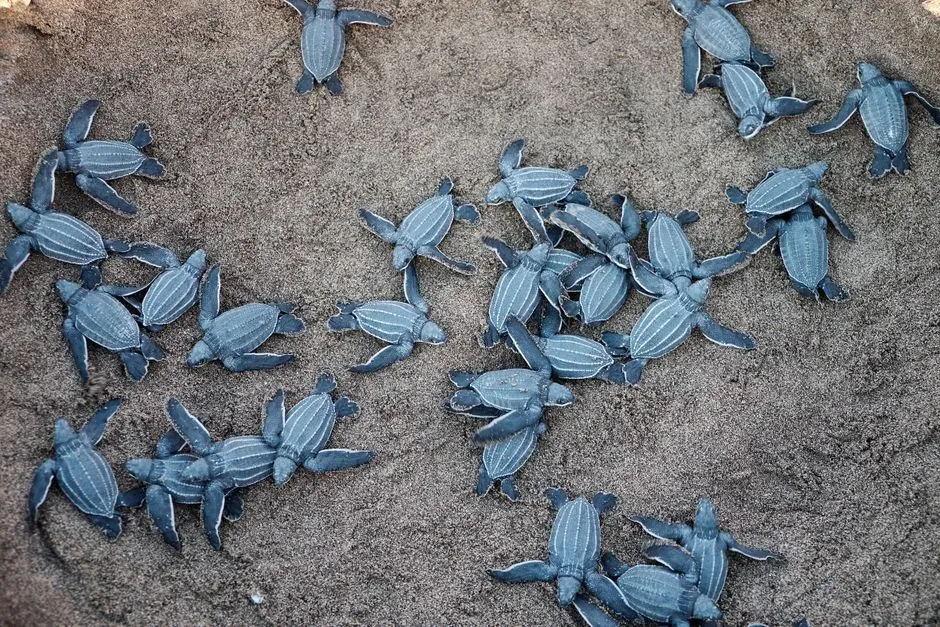
This is a remarkable animal facing very ordinary human problems. Plastic bags can look like jellyfish, fishing gear snags turtles that cross ocean basins, and nesting beaches lose ground to development and rising seas. The species is listed as Vulnerable globally by the IUCN, and some regional populations, including parts of the Pacific, are in far worse shape.

Professional 7 in 1 Dog Paw Cleaner for Dogs & Cats - Includes 1 Portable Paw Washer, 1 Bath Brush
Check Price on AmazonAs an Amazon Associate, we earn from qualifying purchases.
10/7/2026 1:26 pm GMTi

Hand Blown Glass Hummingbird Feeders for Outdoors Hanging, 24oz Wild Bird Nectar Feeder
Check Price on AmazonAs an Amazon Associate, we earn from qualifying purchases.
10/7/2026 1:23 pm GMTi

Glass Hummingbird Feeder for Outdoors Hanging
Check Price on AmazonAs an Amazon Associate, we earn from qualifying purchases.
10/7/2026 1:21 pm GMTi

Orthopedic Extra Large Dog Bed, Waterproof Washable XL Pet Bed 44"
Check Price on AmazonAs an Amazon Associate, we earn from qualifying purchases.
10/7/2026 1:32 pm GMTi
I think the most striking thing is how little we’d know without tags and patient researchers. A turtle that can dive past a kilometer and cross an ocean doesn’t recognize national borders, so protecting it takes cooperation across many countries. Local beach rules alone won’t be enough.
My view is simple. Cutting plastic waste and making fishing gear safer are not abstract goals here, because they directly decide whether these long journeys continue. The leatherback has survived for a very long time, and it would be a poor joke if a plastic bag finished it off.

- What It Means When a Black Cat Crosses Your Path – and Why Some Cultures See It as Good Luck - November 7, 2026
- Marine Biology Says Leatherback Sea Turtles Can Dive Deeper Than 1,000 Meters and Cross Entire Oceans to Feed on Jellyfish - November 7, 2026
- What It Means When a Hawk Circles Above You According to Generations of Folklore - November 7, 2026