
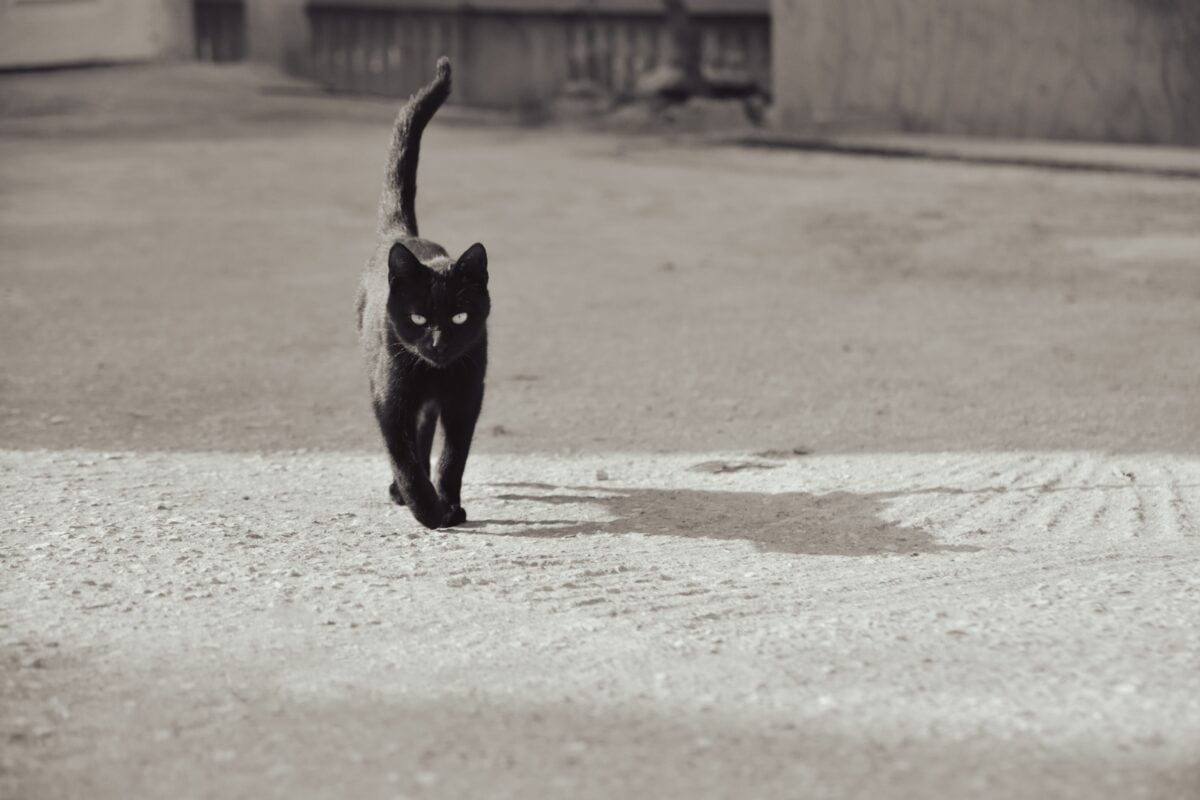
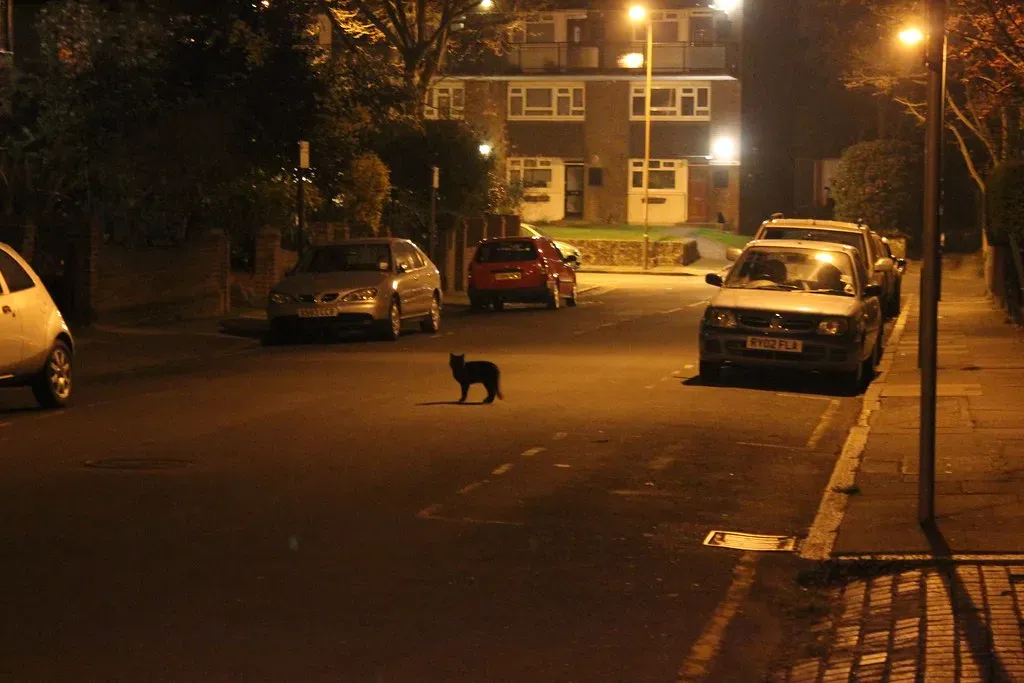
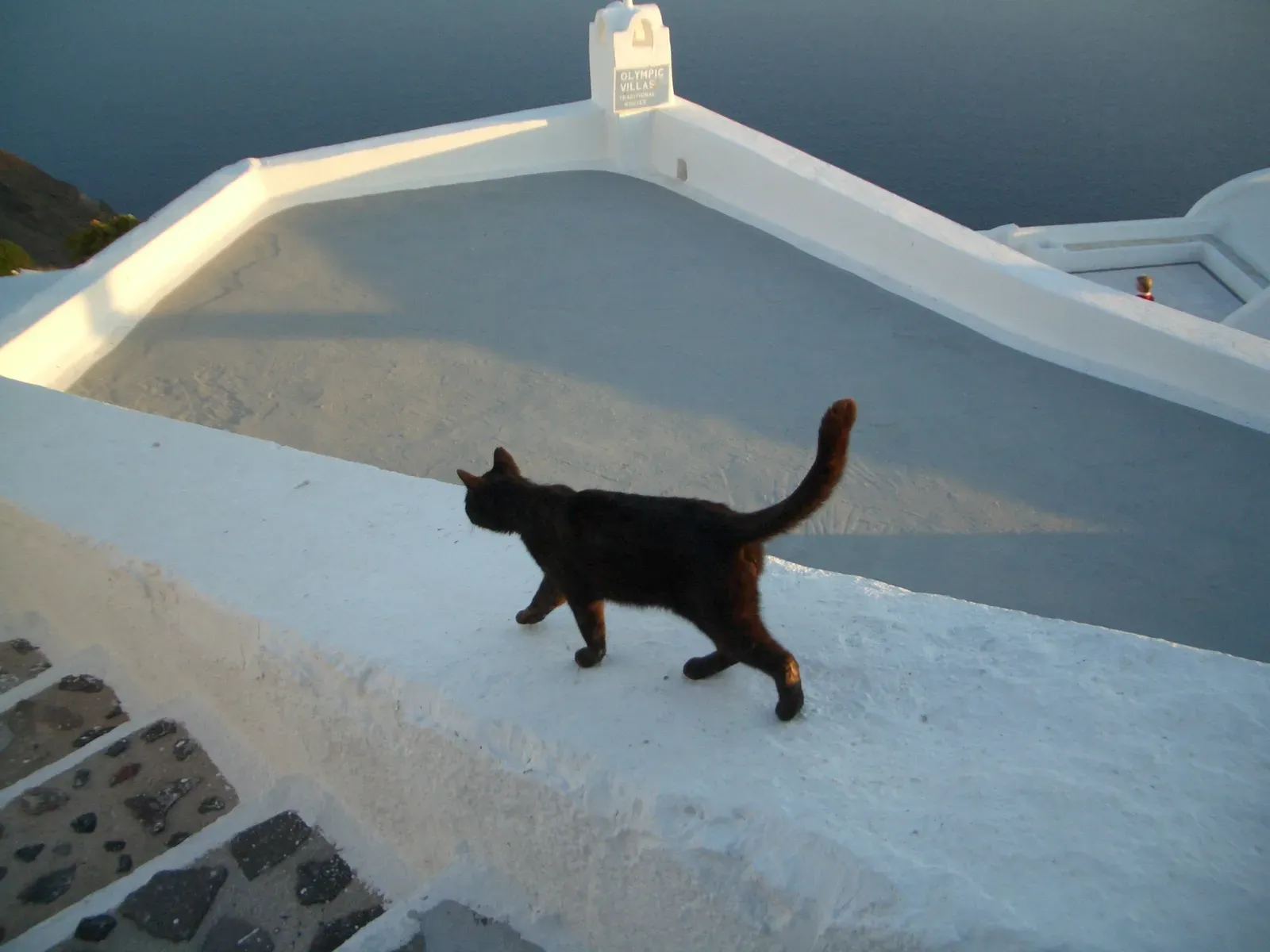
Imagine stepping out for an evening walk when a glossy black cat slips across the pavement right in front of you. The moment can feel charged, even if you do not consider yourself superstitious. That brief encounter has carried wildly different meanings depending on where and when it happens.
Folklore around black cats stretches back centuries and continues to shape how people react today. Some traditions treat the crossing as a warning, while others welcome it as a sign of coming good fortune. The same animal and the same action produce opposite interpretations across cultures.
Tracing the Roots of Black Cat Lore
🔥 Would you like to save this?
We'll email this post to you, so you can come back to it later!
Stories linking black cats to omens emerged in medieval Europe amid widespread fears of witchcraft. People sometimes viewed the animals as disguises for demons or companions to sorcerers, which turned an ordinary sighting into something ominous. Those associations traveled with settlers and took root in new places over time.
Earlier civilizations held far more positive views of cats in general. Ancient societies admired their ability to control pests and protect stored food. The color black itself carried different symbolic weight depending on the region and era, sometimes representing mystery or protection rather than threat.
Bad Luck in Many Western Eyes
🔥 Would you like to save this?
We'll email this post to you, so you can come back to it later!
In parts of the United States and continental Europe, a black cat crossing the path remains a classic bad omen for many. The belief often traces to the idea that the cat might be carrying a curse or acting on behalf of a witch. Direction sometimes matters in these traditions, with certain crossings seen as more troubling than others.
These ideas gained strength during periods of religious tension when anything associated with the night or the unknown invited suspicion. Over generations the notion became embedded in popular culture through stories, holidays, and casual conversation. The result is a lingering unease that still surfaces for some people even in modern times.
Lucky Encounters in Britain and Ireland
🔥 Would you like to save this?
We'll email this post to you, so you can come back to it later!
British and Irish folklore often reverses the script and treats a black cat crossing the path as a positive sign. The RSPCA has noted that UK traditions link black cats with good luck rather than misfortune. A simple sighting can be read as an encouraging moment rather than a warning.
Some accounts suggest the luck extends to the home itself. A black cat that chooses to enter or linger near a house may be welcomed as a protective presence. These views appear in regional sayings that have survived alongside the more widely known negative interpretations.
Black Cats as Harbingers of Prosperity in Scotland
🔥 Would you like to save this?
We'll email this post to you, so you can come back to it later!
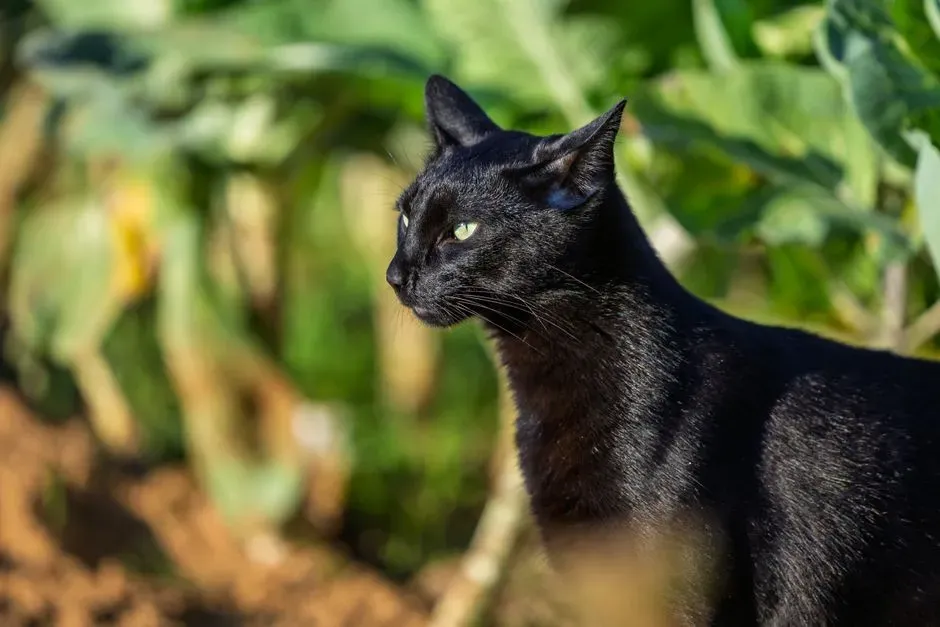
Scottish lore frequently connects the arrival of a black cat with future success and abundance. A stray black cat appearing at a new home or on the doorstep is sometimes taken as evidence that prosperity will follow. The association may tie into older Celtic ideas about certain animals carrying special qualities.
Welsh traditions add another layer by linking black cats with good health for the household. The presence of such a cat is thought to help keep illness at bay. These beliefs emphasize the cat as a beneficial visitor rather than an intruder to avoid.

Glass Hummingbird Feeder for Outdoors Hanging
Check Price on AmazonAs an Amazon Associate, we earn from qualifying purchases.
10/7/2026 1:21 pm GMTi

Portable Dog Water Bottle Foldable Dog Travel Water Bottle
Check Price on AmazonAs an Amazon Associate, we earn from qualifying purchases.
10/7/2026 1:29 pm GMTi

Professional 7 in 1 Dog Paw Cleaner for Dogs & Cats - Includes 1 Portable Paw Washer, 1 Bath Brush
Check Price on AmazonAs an Amazon Associate, we earn from qualifying purchases.
10/7/2026 1:26 pm GMTi

Orthopedic Extra Large Dog Bed, Waterproof Washable XL Pet Bed 44"
Check Price on AmazonAs an Amazon Associate, we earn from qualifying purchases.
10/7/2026 1:32 pm GMTi

2 Pcs Halloween Pet Hat Bandana Set, Witch Pumpkin Costumes for Dogs
Check Price on AmazonAs an Amazon Associate, we earn from qualifying purchases.
10/9/2026 2:45 pm GMTi
Romantic and Protective Symbols in Japan
🔥 Would you like to save this?
We'll email this post to you, so you can come back to it later!
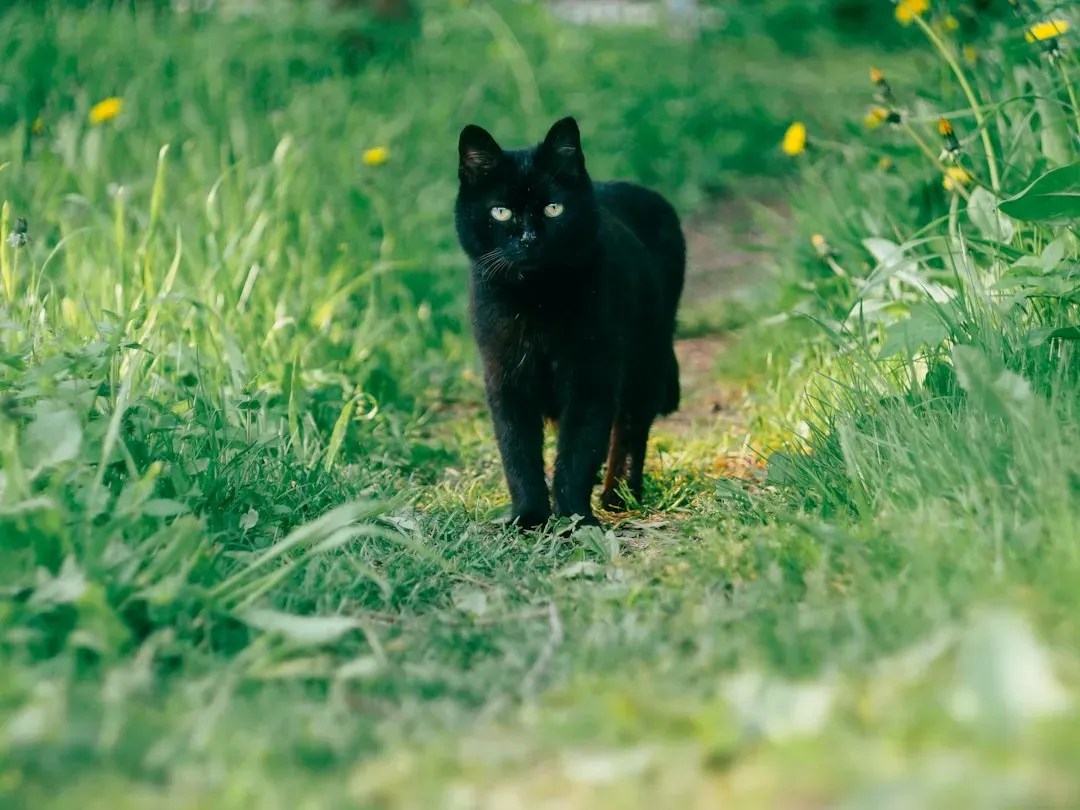
Japanese folklore often casts black cats in a favorable light, especially for matters of the heart. A black cat crossing the path can be seen as a signal of romantic good fortune or general luck. Some people even greet the animal politely in the hope of strengthening the positive effect.
Black versions of the maneki-neko, or beckoning cat figurine, are valued for their supposed ability to ward off evil and bring protection. The color is thought to offer a shield against misfortune while inviting better outcomes. These symbols appear in homes and businesses as quiet reminders of potential good fortune.
Sacred Status in Ancient Egypt
🔥 Would you like to save this?
We'll email this post to you, so you can come back to it later!
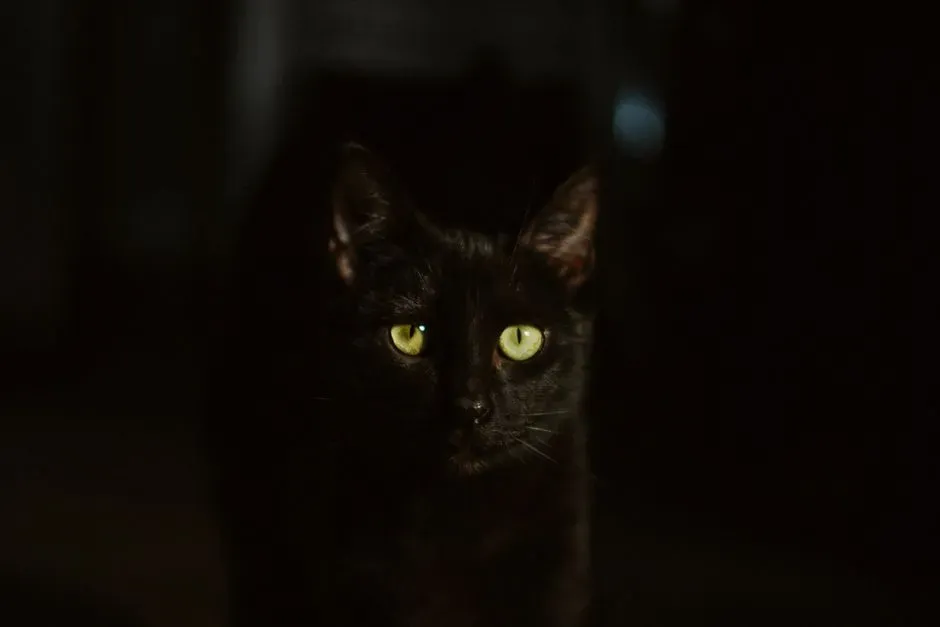
Ancient Egyptians held cats in high regard, with black cats sometimes linked to the goddess Bastet. The deity represented protection, fertility, and household well-being, and cats were seen as living embodiments of those qualities. Killing or harming a cat could bring serious consequences in that society.
The practical benefits of cats, such as keeping rodents away from grain stores, reinforced their revered status. Over time the animals became symbols of divine favor and everyday security. These early positive associations stand in contrast to later European developments and show how cultural context shapes animal symbolism.

Hand Blown Glass Hummingbird Feeders for Outdoors Hanging, 24oz Wild Bird Nectar Feeder
Check Price on AmazonAs an Amazon Associate, we earn from qualifying purchases.
10/7/2026 1:23 pm GMTi

Air Purifiers for Home Pets Large Room Up to 3000 Ft²,HEPA Air Cleaner with Washable Double-Side Filter, PM2.5 Air Quality Monitor,15dB Sleep Mode for Bedroom Odor Dust Pollen,White
Check Price on AmazonAs an Amazon Associate, we earn from qualifying purchases.
10/8/2026 8:23 am GMTi

Dog Stairs for Bed 18" H, 4-Step Dog Steps for High Bed
Check Price on AmazonAs an Amazon Associate, we earn from qualifying purchases.
10/9/2026 2:42 pm GMTi

Earth Rated XL Dog & Puppy Pee Pads, Discreet Top, Max Absorbency
Check Price on AmazonAs an Amazon Associate, we earn from qualifying purchases.
10/7/2026 1:28 pm GMTi

Halloween Cat Costume Cloak Witch Hat Pet Accessories
Check Price on AmazonAs an Amazon Associate, we earn from qualifying purchases.
10/9/2026 2:44 pm GMTi
Practical Reasons Behind Seafaring Beliefs
🔥 Would you like to save this?
We'll email this post to you, so you can come back to it later!
Sailors in several traditions prized black cats aboard ships for both symbolic and practical reasons. The animals were believed to bring fair weather and safe passage while also controlling the rat population that threatened cargo and ropes. A contented black cat on board was considered an asset for the entire crew.
Fishermen’s families sometimes kept black cats at home with the hope that the animals would watch over loved ones at sea. The dual role of pest control and omen made the cats especially valuable in maritime communities. These beliefs blended everyday utility with deeper cultural hopes for protection during dangerous work.

Smart Bird Feeder with Camera Solar Powered, 2K HD Live Video, 10,000+ Bird Species AI Identification
Check Price on AmazonAs an Amazon Associate, we earn from qualifying purchases.
10/7/2026 1:22 pm GMTi

Halloween Dog Collar with Bow, Orange Cute Ghost Collar,
Check Price on AmazonAs an Amazon Associate, we earn from qualifying purchases.
10/9/2026 2:43 pm GMTi

Glass Hummingbird Feeder for Outdoors Hanging, 16 oz Leak-Proof Nectar Feeder with Bee Guards & Ant Moat
Check Price on AmazonAs an Amazon Associate, we earn from qualifying purchases.
10/7/2026 1:22 pm GMTi

PetSafe Oasys Pet Fountain, 1/2 Gallon (64 oz), Small Dogs & Cats
Check Price on AmazonAs an Amazon Associate, we earn from qualifying purchases.
10/8/2026 8:14 am GMTi
Seeing Beyond the Superstition
🔥 Would you like to save this?
We'll email this post to you, so you can come back to it later!
Ultimately the meaning attached to a black cat crossing the path says more about human history and imagination than about the cat itself. The same quiet animal can represent danger in one place and opportunity in another, depending on the stories a community tells. That flexibility reveals how superstitions adapt to local fears, values, and needs over time.
Modern life offers a chance to appreciate black cats for what they actually are: affectionate companions that happen to carry extra cultural baggage. Adopting one or simply enjoying the sight of a sleek black cat moving through the world can turn an old symbol into something personal and positive. The real luck may lie in recognizing that perspective shapes the encounter more than any ancient rule ever could.

- What It Means When a Black Cat Crosses Your Path – and Why Some Cultures See It as Good Luck - November 7, 2026
- Marine Biology Says Leatherback Sea Turtles Can Dive Deeper Than 1,000 Meters and Cross Entire Oceans to Feed on Jellyfish - November 7, 2026
- What It Means When a Hawk Circles Above You According to Generations of Folklore - November 7, 2026