


Bison, the majestic giants of North America’s grasslands, have captured our imagination for centuries. These impressive creatures, often incorrectly called buffalo, are surrounded by a wealth of misconceptions that have persisted through time. From their physical capabilities to their behavior and conservation status, myths about bison continue to circulate in popular culture and casual conversations. As America’s national mammal and a symbol of wilderness and conservation success, it’s important to separate fact from fiction when it comes to these iconic animals. Let’s explore and debunk 16 common myths about bison that simply aren’t true, providing accurate information that helps us better understand and appreciate these remarkable creatures.
Myth 16 Bison and Buffalo Are the Same Animal

Perhaps the most persistent myth about bison is that they’re interchangeable with buffalo. This is categorically false. True buffalo species include the African Cape buffalo and the Asian water buffalo, which are genetically distinct from American bison. Bison belong to the genus Bison and are native to North America and parts of Europe, while buffalo belong to different genera (Syncerus and Bubalus) and are native to Africa and Asia. The confusion stems from early European settlers who called bison “buffalo,” and the name stuck in popular culture. Physically, bison have distinctive humps at their shoulders and larger heads, while true buffalo have no shoulder hump and typically have larger horns. Despite the common misnomer, even in expressions like “buffalo nickel” or “buffalo robe,” these items actually depict bison, not buffalo.
Myth 15 Bison Are Slow and Lumbering

Don’t let their massive size fool you—bison are remarkably agile and fast. Contrary to the myth that they’re slow, lumbering creatures, bison can reach speeds of 35-40 miles per hour, about as fast as a racehorse. They can also sustain these speeds for considerable distances. Additionally, bison are extremely agile, able to spin around quickly, jump high fences (clearing heights of up to six feet), and maneuver with surprising grace. Their ability to pivot quickly on their front legs while kicking their hind legs in the air makes them formidable when threatened. This combination of speed and agility has contributed to their survival against predators and should command respect from humans, who often underestimate how quickly a bison can charge when feeling threatened.
Myth 14 Bison Are Gentle Giants
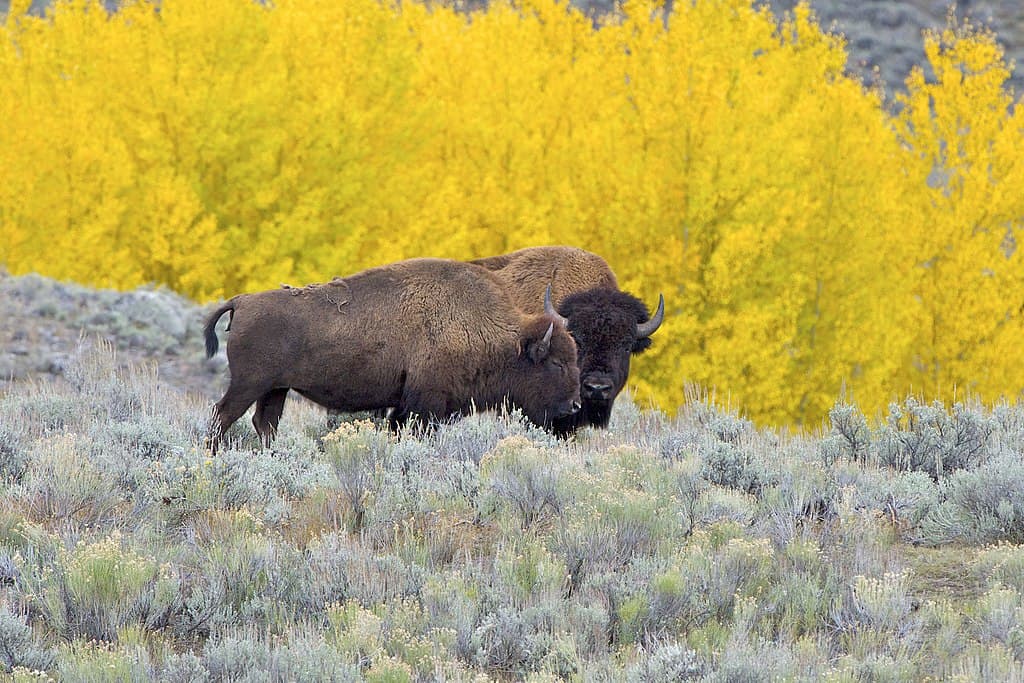
Despite their sometimes calm demeanor, bison are not the gentle giants many people imagine. They are wild animals with unpredictable temperaments and should never be approached or treated as tame. Every year, visitors to places like Yellowstone National Park are injured because they incorrectly assume bison are docile like cattle. In reality, bison are responsible for more injuries to park visitors than any other animal, precisely because people underestimate their wild nature. Bison can become aggressive with little warning, especially during mating season (July-August) or when protecting their young. They communicate their discomfort through tail positioning, pawing the ground, or head bobbing—subtle signs that many visitors miss before it’s too late. While they generally avoid confrontation with humans, they won’t hesitate to defend themselves if they feel threatened.
Myth 13 Bison Were Never in Danger of Extinction

Some people believe that concerns about bison extinction were exaggerated, but historical records clearly refute this myth. Before European settlement, an estimated 30-60 million bison roamed North America. By the late 1800s, this number had plummeted to fewer than 1,000 individuals—one of the most dramatic population collapses of any species in recorded history. This devastating decline resulted from a combination of commercial hunting, government-supported extermination campaigns aimed at depriving Native American tribes of a vital resource, and habitat loss. By 1902, only 23 wild bison remained in Yellowstone National Park. The species’ survival hung by a thread, with a few small herds maintained by private ranchers providing the genetic stock for recovery efforts. The bison’s near-extinction and subsequent recovery represent one of conservation’s most cautionary tales and success stories.
Myth 12 All Bison Are Pure Bison
Many people assume that all animals identified as bison today are genetically pure, but this is far from true. Most bison in private herds have some degree of cattle gene introgression, the result of deliberate crossbreeding programs in the late 1800s and early 1900s. Ranchers crossbred bison with cattle in attempts to create hardier beef cattle or more manageable bison. Studies suggest that only about 1.6% of bison today are free of cattle genetics. The most genetically pure bison populations are found in Yellowstone National Park, Wind Cave National Park, and Elk Island National Park in Canada. Conservation efforts now include genetic testing and careful breeding programs to preserve and, where possible, increase the population of genetically pure bison. This genetic integrity is crucial for maintaining the distinct adaptations that make bison uniquely suited to North American ecosystems.
Myth 11 Bison Are Just Wild Cattle

While bison and domestic cattle both belong to the family Bovidae, they are distinct species with different evolutionary histories and ecological roles. Bison (Bison bison) and cattle (Bos taurus) diverged from a common ancestor approximately 1 million years ago. Physiologically, bison have evolved specifically for the North American climate, with their massive head and shoulders designed to plow through deep snow and their thick winter coat protecting them from extreme cold. Ecologically, bison play a keystone role in prairie ecosystems that cattle cannot replicate. Their grazing patterns, wallowing behavior (creating depressions that fill with water), and even their dung support specific plant communities and wildlife. Research shows that bison graze differently than cattle, contributing to greater plant diversity in grasslands. These distinctions make bison irreplaceable components of North American ecosystems rather than simply “wild cattle.”
Myth 10 Bison Only Lived on the Great Plains
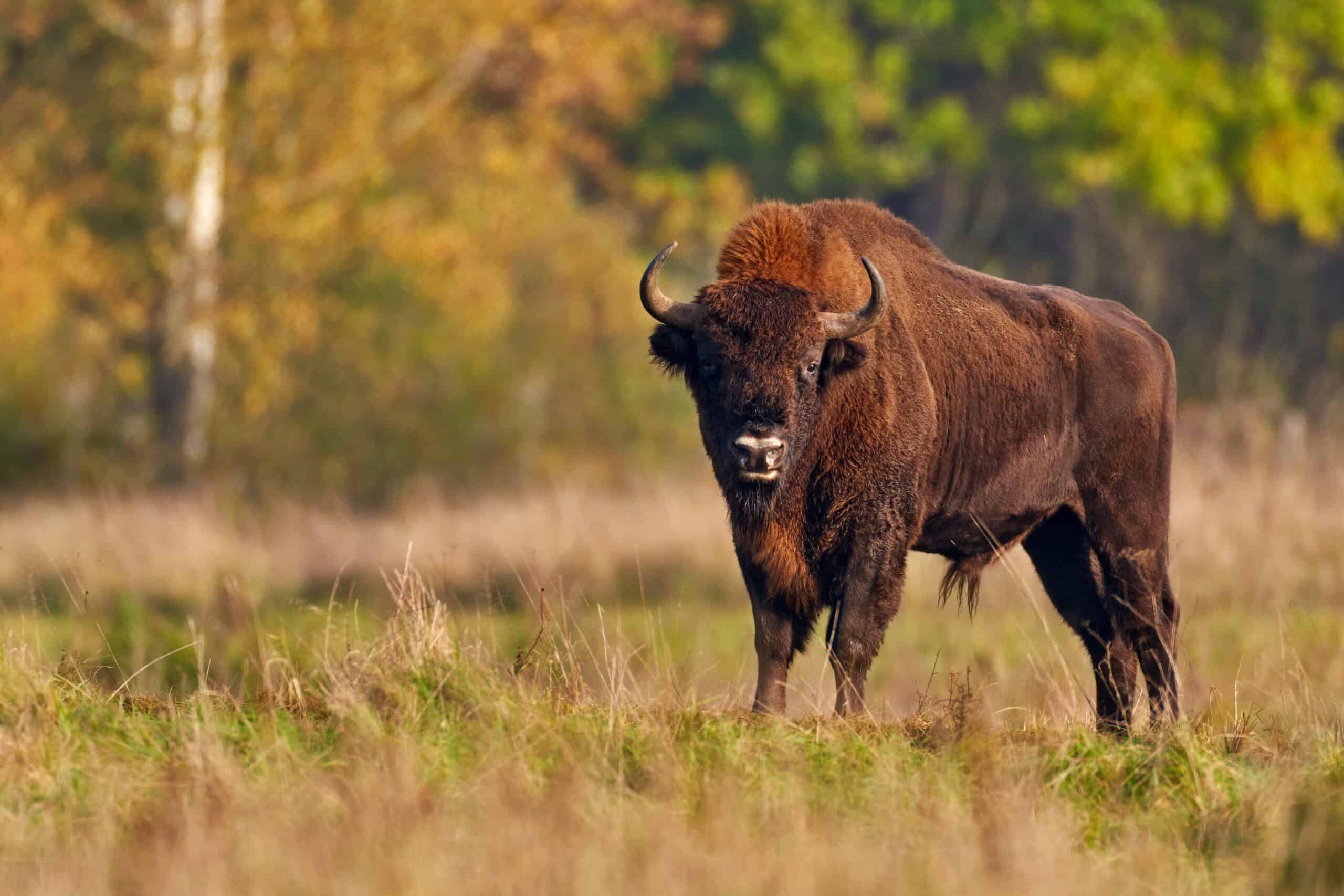
A common misconception is that bison were exclusively animals of the Great Plains. In reality, bison historically occupied a much wider range across North America. Before European colonization, bison could be found from Alaska to Mexico and from the Rocky Mountains to the eastern woodlands, including areas now encompassing 48 U.S. states, parts of Canada, and northern Mexico. Wood bison (Bison bison athabascae), a northern subspecies, thrived in forested areas of Canada and Alaska. There were even distinct eastern populations adapted to forest and woodland habitats that some researchers have proposed as a separate subspecies. Bison once browsed in the Appalachian Mountains and grazed in meadows from New York to Georgia. This extensive historical range demonstrates bison’s adaptability to diverse ecosystems beyond the stereotypical Great Plains habitat most commonly associated with them today.
Myth 9 Bison Only Eat Grass

While bison are primarily grazers, the notion that they eat only grass oversimplifies their diet. Bison are adaptive feeders whose diet changes seasonally and regionally. They primarily consume grasses and sedges, but they also browse on shrubs, twigs, and leaves, particularly in winter when grass is scarce or snow-covered. In mountainous regions, they may incorporate more woody plants into their diet, while in riparian areas, they may consume more forbs (broad-leaved plants). Research shows that bison select different plant species throughout the year, demonstrating sophisticated foraging strategies that help them meet nutritional needs across seasons. Their digestive system, featuring a four-chambered stomach similar to other ruminants, allows them to efficiently extract nutrients from plant material that would be indigestible to many other animals. This dietary flexibility has been key to their ability to thrive across diverse North American ecosystems.
Myth 8 Bison Charge When They See Red

The myth that bison charge when they see red colors, similar to the misconception about bulls, is completely false. Bison, like cattle, are actually color-blind to red. They have dichromatic vision, meaning they primarily see blues and greens but have difficulty distinguishing red from green. A red jacket or vehicle won’t trigger aggression any more than other colors. What does provoke bison to charge is perceived threat, invasion of their personal space, or feeling cornered. Bison may charge when people approach too closely (recommended safe distance is at least 25 yards), when they feel their calves are threatened, or during rutting season when bulls are particularly territorial. Movement, rather than color, is much more likely to trigger a response—quick movements or running near bison can activate their predator-response behaviors. Understanding these actual triggers is essential for safe wildlife viewing and dispelling dangerous misconceptions about what provokes these powerful animals.
Myth 7 Bison Are Solitary Animals

Contrary to the belief that bison are loners, they are highly social animals with complex herd structures. Bison typically live in several types of groups: mixed herds containing females (cows), their offspring, and some younger males; bachelor groups of bulls; and occasionally, temporarily solitary older bulls. These social structures shift seasonally, with larger aggregations forming during breeding season (July-August) and winter. Communication within herds is sophisticated, involving vocalizations, body postures, and scent. Bison demonstrate clear social hierarchies, particularly among males during rut. Their social nature served crucial survival functions historically, providing protection against predators and allowing collective knowledge about water sources and grazing areas to be shared. Even their famous “wallowing” behavior—rolling in dirt depressions—has social components, as these wallow spots become communication centers through scent marking. Far from being solitary creatures, bison have evolved complex social behaviors that remain important even in today’s protected herds.
Myth 6 Bison and Humans Never Coexisted Peacefully
The notion that humans and bison have always been in conflict ignores thousands of years of sustainable coexistence between bison and Indigenous peoples. For countless generations before European colonization, Native American tribes developed cultural practices and hunting methods that allowed human communities to depend heavily on bison while maintaining healthy bison populations. Tribes like the Blackfeet, Lakota, and Comanche built complex cultural, spiritual, and economic systems around sustainable bison use, utilizing nearly every part of the animal and developing hunting practices that avoided wasteful killing. Many tribes incorporated bison into their spiritual worldviews, creating a relationship of respect rather than pure exploitation. This relationship changed dramatically with European westward expansion, commercial hunting, and intentional extermination campaigns. Today, many tribal nations are at the forefront of bison restoration efforts, working to rebuild both the ecological relationship and the cultural connections that were nearly lost during the 19th century.
Myth 5 Bison Are Now Fully Recovered as a Species
Despite their impressive recovery from near-extinction, it would be incorrect to consider bison fully recovered as a species. While no longer in danger of biological extinction, with approximately 500,000 bison in North America today, this number is misleading. About 95% of these animals are privately owned and managed as livestock, often containing cattle genes. Only about 30,000 bison are in conservation herds managed for ecological and conservation purposes rather than meat production. Additionally, bison occupy less than 1% of their historical range, and most conservation herds are small and isolated, raising concerns about genetic diversity. True ecological recovery would require larger connected populations fulfilling their natural ecological role across more extensive landscapes. Conservation biologists generally agree that bison remain “ecologically extinct” throughout most of their former range—physically present but unable to fulfill their keystone role in grassland ecosystems due to limited numbers, restricted movements, and fragmented habitat.
Myth 4 Raising Bison Is Just Like Raising Cattle

Ranchers who transition from cattle to bison quickly discover that bison husbandry differs significantly from cattle management. Despite superficial similarities, bison retain much more of their wild nature and require different handling approaches. Bison are more independent calvers, rarely needing human assistance during birth compared to many domestic cattle breeds. They’re also more weather-hardy, requiring less winter shelter and supplemental feeding in harsh conditions. However, bison present unique challenges: they can jump fences that would contain cattle, requiring stronger, taller fencing (typically 6 feet high); they’re more difficult to handle, making traditional cattle chutes and corrals often inadequate; and they maintain stronger wild instincts that can make them dangerous if mishandled. Bison also have different grazing patterns than cattle, often covering more territory and utilizing a wider variety of plants. Successful bison ranchers learn to work with these wild tendencies rather than against them, adapting their management practices to the bison’s natural behaviors instead of trying to force bison to behave like cattle.
Myth 3 All Bison Have the Same Physical Characteristics
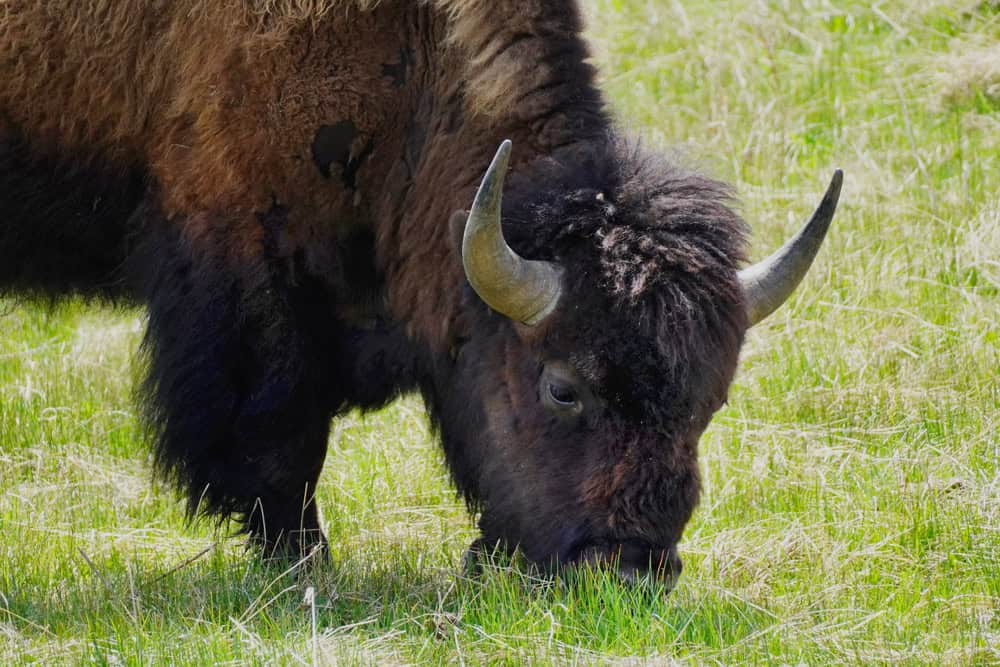
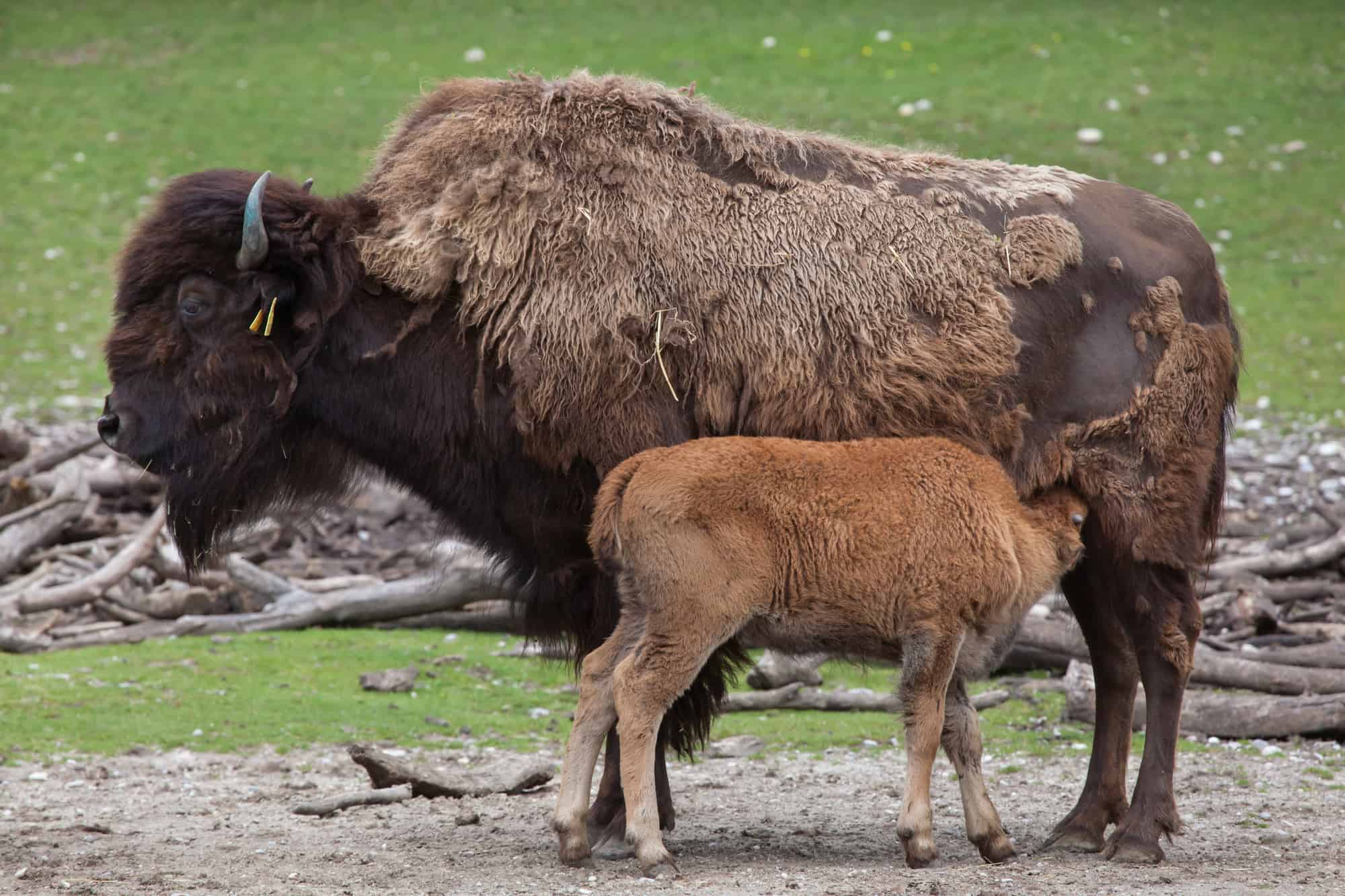
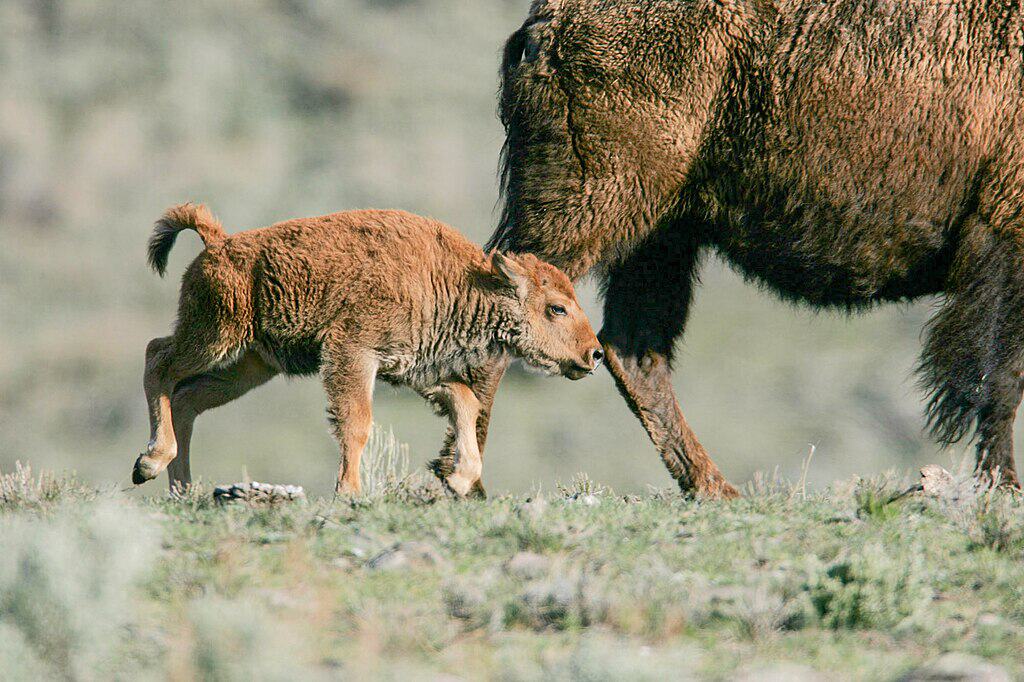
The perception that all bison look identical overlooks significant variations within the species. North America is home to two subspecies: the plains bison (Bison bison bison), which is more common and widespread, and the wood bison (Bison bison athabascae), which is larger, darker, and adapted to northern forests. Beyond these subspecies distinctions, individual bison vary considerably in size, coloration, and horn shape. Bulls typically weigh between 1,600-2,200 pounds, but some exceptional individuals have reached nearly 3,000 pounds. Coat color ranges from light brown to nearly black, with calves born with a distinctive reddish coloration that darkens as they mature. Horn size and shape vary among individuals and between sexes, with bulls typically having thicker, more curved horns. Age brings visible changes too—older bison often have worn or broken horns and graying faces. Regional adaptations also exist within populations, with northern bison typically growing larger and developing thicker winter coats than their southern counterparts. This diversity reflects bison’s adaptability across their once-vast range.
Myth 2 Bison Are Not Intelligent Animals

The stereotype of bison as dim-witted creatures couldn’t be further from the truth. Bison demonstrate remarkable intelligence adapted to their ecological niche. They exhibit excellent spatial memory, remembering migration routes, water sources, and prime grazing areas across vast territories. Research has documented their ability to problem-solve, particularly regarding obstacles and food access. Their social intelligence is especially notable—bison maintain complex social structures with recognized hierarchies and demonstrate cooperative behaviors during threats, with adults forming protective circles around calves when predators approach. They show evidence of teaching behaviors, with experienced herd members appearing to guide younger animals to water and food sources. Bison also display emotional intelligence, forming bonds and showing signs of grief when herd members die. Their communication system includes vocalizations, body postures, and scent signals that convey complex information within the herd. Rather than lacking intelligence, bison possess cognitive abilities finely tuned to the challenges of survival in their natural environment.
Myth 1 Bison Don’t Face Threats Today

Despite their improved conservation status, bison continue to face significant challenges in the modern world. Habitat fragmentation remains perhaps the greatest threat, with development, fencing, and roads preventing bison from undertaking natural movements and migrations. Genetic challenges persist, with many conservation herds too small to maintain optimal genetic diversity without careful management. Disease issues complicate conservation efforts, particularly brucellosis in the Greater Yellowstone Ecosystem, which has led to policies restricting bison movements. Climate change is increasingly impacting bison habitat, altering plant communities and water availability in grassland ecosystems. Political and social obstacles also exist, including resistance from some agricultural interests to bison restoration on public lands. Additionally, many conservation herds lack the space needed for natural population growth, requiring controversial management actions like culling or transfers. While no longer facing imminent extinction, bison conservation remains a complex work in progress, balancing ecological goals with human land uses and perceptions.
Conclusion: Understanding the True Nature of American Bison
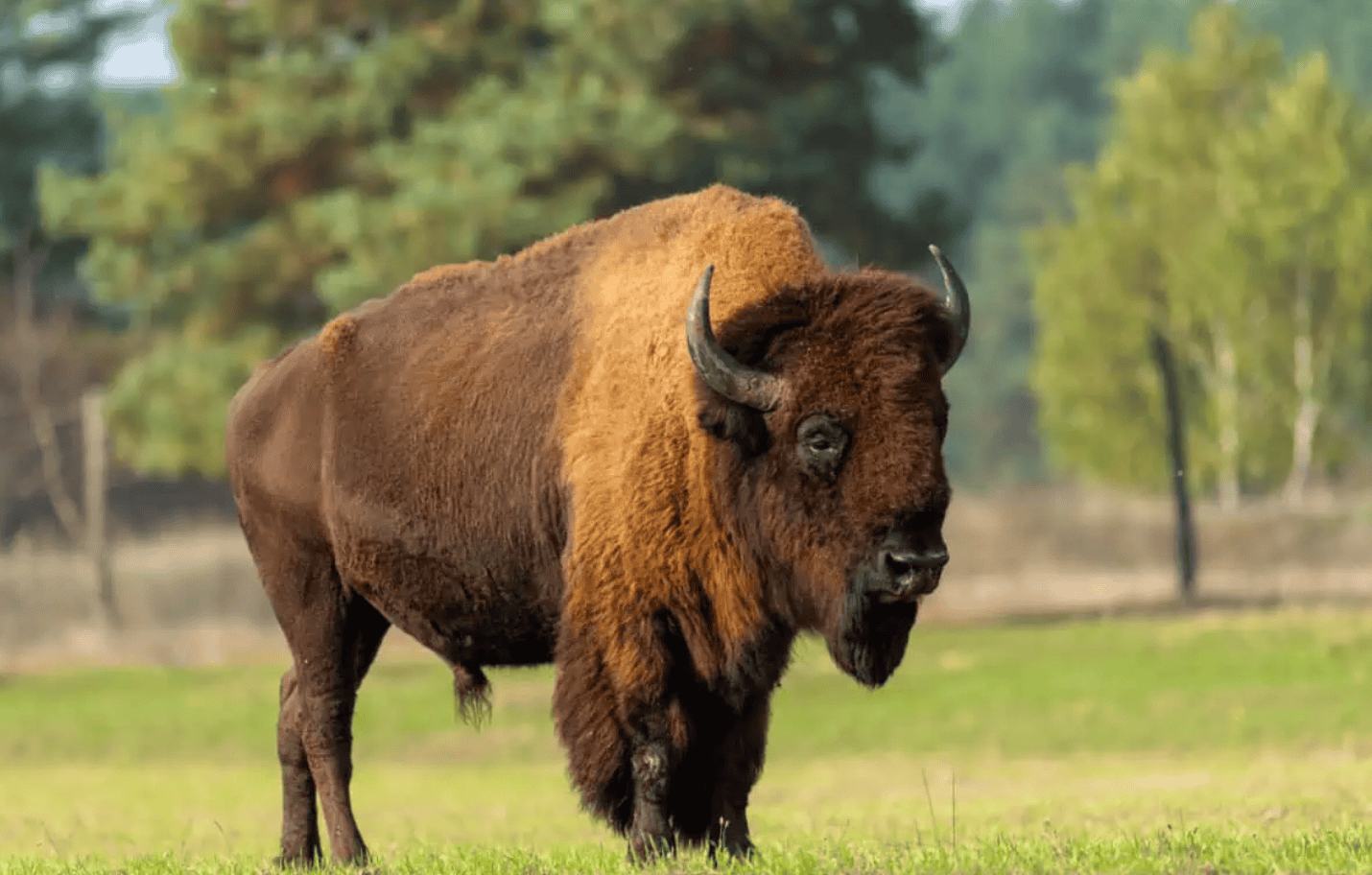
The American bison is far more than a relic of the past or a symbol on a coin—it’s a living testament to resilience, adaptability, and ecological importance. As we’ve seen, many long-standing myths about bison obscure their true nature, from their surprising agility and complex social lives to their ongoing conservation challenges. Dispelling these misconceptions isn’t just about correcting trivia—it’s about fostering informed respect for a species that once shaped entire ecosystems and Indigenous cultures across North America. Today, as we continue efforts to restore bison to their rightful place on the landscape, it’s vital that our understanding be grounded in science and history, not outdated stereotypes. Bison are not slow, simple, or fully recovered—they are intelligent, powerful, and still in need of thoughtful stewardship. By recognizing the truths behind these 16 myths, we not only honor the bison’s past but help pave the way for a future in which this magnificent animal can thrive once again across more of its historic range.

As a little kid, I fell in love with nature, wildlife, and animals. Living in the USA, South Africa, Italy, China and Germany gave me the opportunity to discover the world's Wildlife. My favorite animals are Mountain Gorillas, Siberian Tigers, and Great White Sharks.
I'm a certified PADI Open Water Diver, went to Everest Base Camp and Trekked Gorillas in Uganda. I hold a Master of Science in Economics and Finance.
Please send any feedback to feedback@animalsaroundtheglobe.com
- 11 Most Endangered Insects Buzzing in America Today - July 22, 2026
- 10 Most Frequently Googled Animal Birth Facts - July 22, 2026
- 10 Incredible Migration Journeys in the Animal Kingdom - July 22, 2026