
Here’s the twist: the quiet dog snoozing in the corner might be your least settled one. Silence can mean a dog has shut down, not that it’s content. The real signs of a peaceful home are smaller, stranger and far more fun to spot than stillness.
These 16 habits come from what behaviourists and animal researchers have documented about canine body language. Some are obvious once you know to look. Others hide in plain sight, in how your dog sleeps, eats, blinks and even yawns. The one saved for #1 has been measured in a lab in a way that may change how you see your dog across the room tonight.
#16 – Sleeps Deeply, Out in the Open
🔥 Would you like to save this?
We'll email this post to you, so you can come back to it later!
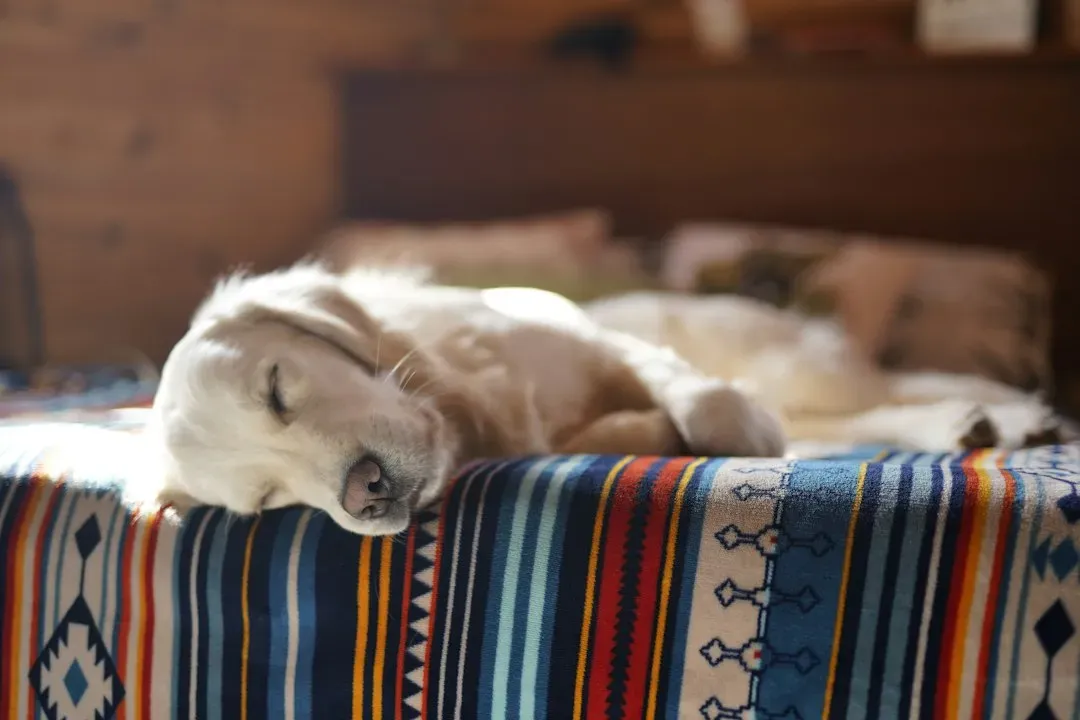
A dog sprawled across the living room floor, legs stretched out and belly to the ceiling, is showing you something no trainer can fake.
Sleep is the most vulnerable state for any animal. Dogs in tense or unfamiliar surroundings tend to sleep lightly, ready to bolt at the first odd noise. Sleep researchers have documented a “first-night effect” in dogs placed in a new environment, with their sleep disrupted compared with a familiar setting.
So when your dog flops onto their side and lets go completely, that’s trust in action. Adult dogs often sleep 12 to 14 hours a day, which means a settled dog spends more than half their life in a state of total vulnerability, and they spend it right around you.
Look for these signs:
- Side-sprawling or belly-up in open space
- Slow, heavy breathing
- Twitching paws or muffled “woofs” while dreaming
One caution: a dog curled tightly in a doorway may simply be keeping watch. Read the whole picture, not one pose.
But the next sign is quieter, and most owners miss it completely…
#15 – The Long, Heavy Sigh

🔥 Would you like to save this?
We'll email this post to you, so you can come back to it later!
That dramatic huff before your dog lies down usually isn’t attitude. It’s often relief.
Trainers and behaviourists commonly read a sigh as contentment when it comes with a specific posture. The dog lies down, rests their head on their paws, and their eyes go soft or half-closed. The body is announcing that the day’s work is done.
Context changes everything, though. The very same sigh can mean “ahh, finally” or “fine, I give up.” A dog who sighs and flops after you ignore their request for a walk is resigned, not relaxed.
Here’s how to tell the two apart:
- Content sigh: loose muscles, soft eyes, a gradual settle
- Resigned sigh: stiffer body, eyes still tracking you, sighing after being ignored
A settled household produces plenty of the first kind. The dog doesn’t need anything from you in that moment. They’re simply done, comfortable and in no hurry.
And the way your dog eats might say even more than the sighs…
#14 – Eats Calmly and Steadily
🔥 Would you like to save this?
We'll email this post to you, so you can come back to it later!
A relaxed dog’s food bowl tells a bigger story than most owners realise.
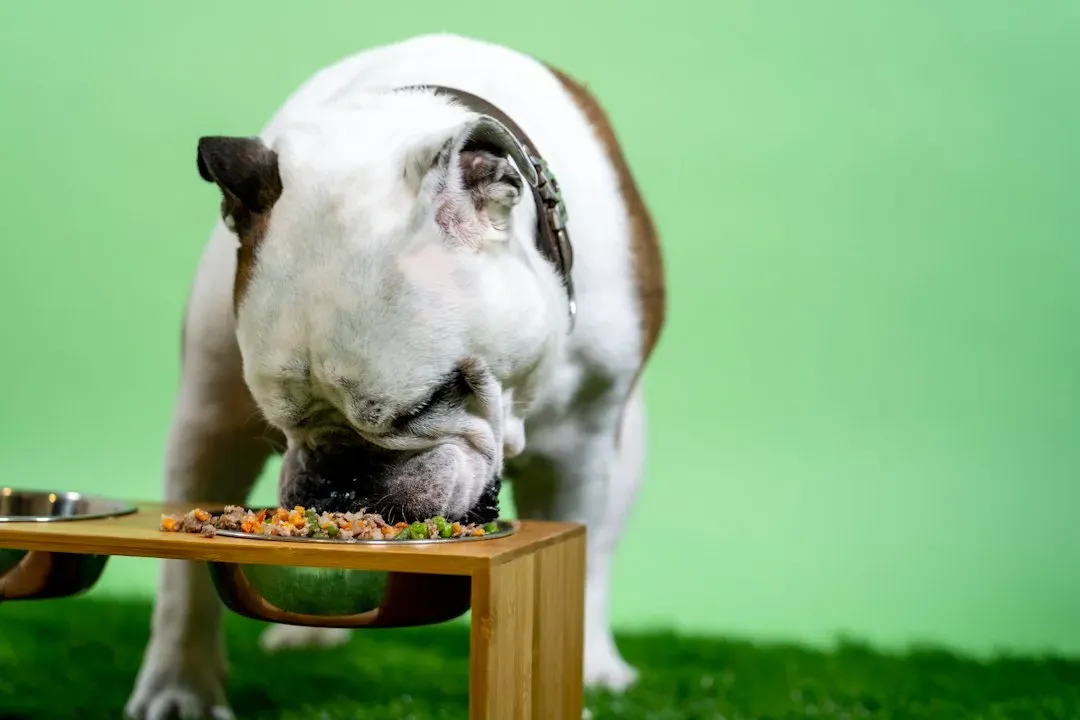
Stress commonly dampens appetite in dogs, which is why vets always ask how a pet is eating. A settled dog walks to the bowl, eats at a steady pace, and wanders off when finished. They don’t scan the room between bites or gulp like the food might vanish.
Many dogs who “inhale” their dinner in seconds get written off as just greedy. Some behaviourists question that. Fast eating can have roots in past competition for food or in anxiety, though breed and habit play a part too.
Signs of a settled eater:
- Approaches the bowl without hesitating
- Doesn’t freeze or stiffen when you walk past
- Leaves the bowl without guarding it
Any sudden change in appetite deserves a vet visit. Don’t assume it’s a behaviour issue, because illness can look a lot like pickiness.
But the next sign is one most of us explain away as pure personality…
#13 – Shrugs Off Everyday Noise

🔥 Would you like to save this?
We'll email this post to you, so you can come back to it later!
The vacuum, the dishwasher, the doorbell: a settled dog notices all of it and lets it pass.
Here’s the part most people miss. Dogs can hear pitches far above the human range, so your home is much noisier to them than it is to you. A dog who still stays relaxed is processing a lot and deciding that none of it is a threat.
Settled doesn’t mean never startling. Every dog jumps sometimes. What matters is how fast they recover.
What recovery looks like:
- A quick head turn or ear flick
- A glance at you for information
- A return to resting within seconds
A dog who reacts to everything for minutes at a time is telling you the environment feels unpredictable. A dog who barks twice at the doorbell, checks, and returns to their bed has learned that this house is safe.
Don’t mistake zero reaction for calm, either. A dog who doesn’t react at all to loud sounds may be shut down, so look for healthy, brief curiosity.
Fast Facts
- People hear up to roughly 20,000 Hz. Dogs can detect sounds up to around 45,000 Hz, and some estimates run higher.
- Dogs have more than a dozen muscles controlling each ear, which helps them swivel toward a sound.
- Panting, trembling or hiding after a noise points to stress rather than calm.
- The number to watch is recovery time, not whether your dog flinched at all.
Next up is a sign that has nothing to do with noise and everything to do with space…
#12 – Roams the Whole House Freely

🔥 Would you like to save this?
We'll email this post to you, so you can come back to it later!
Your dog drifts from room to room like they hold the deed to the place.
Settled dogs explore. They don’t hug the walls, hide under tables, or wait at the edge of a room for permission. Many rotate sleeping spots through the day, such as a sunny patch in the morning and cool tile in the afternoon.
Then there’s the couch debate. Plenty of owners insist a dog must stay off the furniture to “know their place.” The “alpha” idea traces back to studies of unrelated captive wolves, and its best-known popularizer, David Mech, spent decades walking it back.
Modern behaviour science doesn’t support the notion that a dog on the sofa is plotting a takeover. A dog who moves confidently through shared space is simply comfortable.
Your house rules are your call, and a dog can be perfectly settled with rooms off limits. What matters is that the dog doesn’t treat any part of their world as a threat.
But the real giveaway might be written on your dog’s face, as #11 shows…
#11 – Soft Eyes and a Loose Face

🔥 Would you like to save this?
We'll email this post to you, so you can come back to it later!
You can read a settled dog from across the room if you know where to look.
A relaxed dog has a smooth brow, soft eyes, a slightly open mouth and ears in a neutral position. The muscles in the face aren’t bunched or pulled back. Many dogs also blink slowly, which looks sleepy and unbothered.
A stressed dog looks different. Whale eye, where the whites of the eyes show as the dog angles their head away but keeps watching, is one of the classic early warning signs.
Face signals to compare:
- Relaxed: soft gaze, loose lips, neutral ears
- Tense: hard stare, tight closed mouth, lip licking, whale eye
A settled household produces dogs with the first set most of the time. The tense signals show up occasionally, then vanish once the trigger is gone.
That brings us to something your dog seems to know before you do…
#10 – Knows the Routine and Waits for It
🔥 Would you like to save this?
We'll email this post to you, so you can come back to it later!
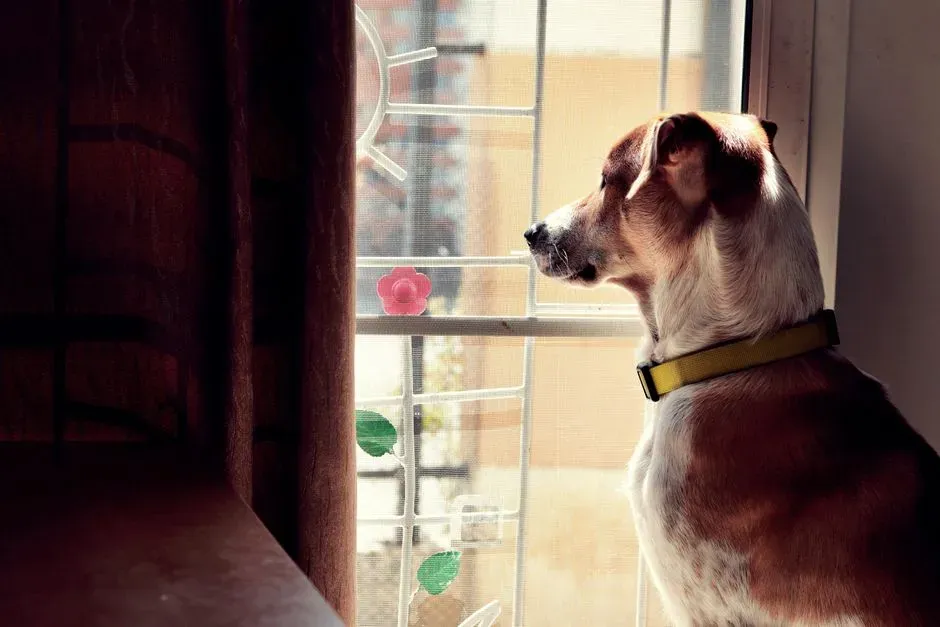
The dog parked by the door at exactly walk time isn’t psychic. They’re paying closer attention than you are.
Dogs learn cues fast. They pick up routine signals you never realise you give, like the jingle of keys, the click of a lamp, or the moment you reach for a particular pair of shoes.
Predictability lowers stress for most animals, and that’s the point. A settled household has a rhythm, and the dog has learned it.
What this looks like in practice:
- Wanders toward the kitchen around dinnertime
- Settles near the door before a usual walk
- Waits calmly when the routine runs late
That last one matters most. An anxious dog escalates when things are delayed, with pacing, whining or demanding. A settled dog trusts that the good thing is coming and finds a comfy spot to wait.
Routine doesn’t have to mean rigid. Dogs in settled homes handle the odd schedule change well because the baseline is stable.
At a Glance
- Sound cues: keys, a rustling bag, a cupboard opening
- Sight cues: a leash in your hand, shoes by the door, the lights going on
- Rhythm cues: the same time of day, the same order of events
- Settled response: interest, then patience
The next sign flips this around, because it’s about what your dog does when nobody is watching…
#9 – Entertains Themselves
🔥 Would you like to save this?
We'll email this post to you, so you can come back to it later!
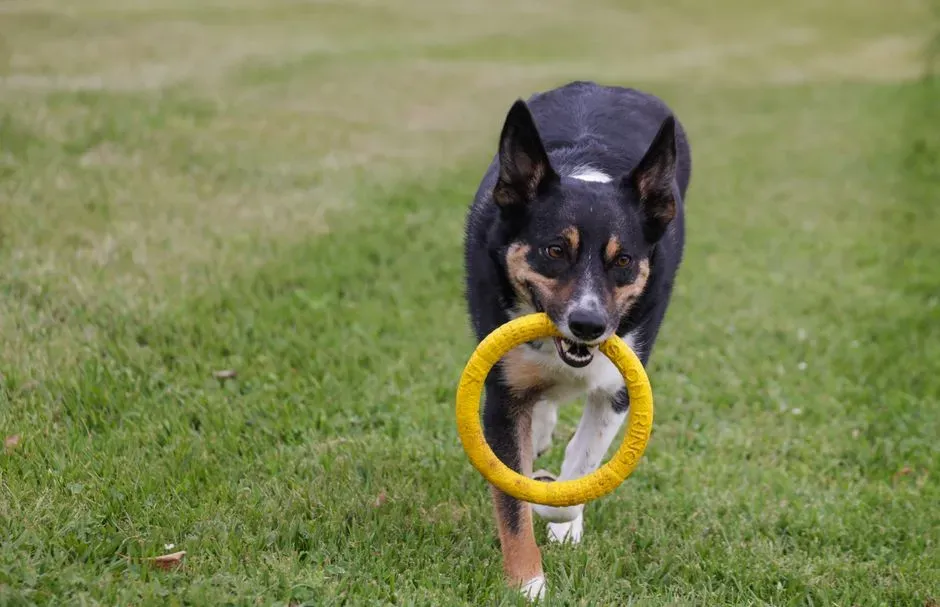
A dog who can chew a toy alone for twenty minutes is more secure than one who needs you every second.
Solo play, chewing and sniffing around the garden are all signs of a dog whose basic needs feel met. Animal welfare researchers often treat play as a positive welfare indicator, because animals rarely play when they feel threatened, hungry or unwell.
Chewing and licking are also considered self-soothing behaviours by many trainers. A dog who settles with a chew toy after a busy morning is managing their own energy.
Independent doesn’t mean distant, either. This dog still wants you. They simply don’t unravel when you’re busy.
Good solo habits include:
- Settling with a chew or puzzle toy
- Sniffing around the garden without constantly checking on you
- Carrying a toy from room to room, then dropping it and napping
But when your dog does want company, they have a very specific way of asking in #8…

Smart Bird Feeder with Camera Solar Powered, 2K HD Live Video, 10,000+ Bird Species AI Identification
Check Price on AmazonAs an Amazon Associate, we earn from qualifying purchases.
10/7/2026 1:22 pm GMTi

Earth Rated XL Dog & Puppy Pee Pads, Discreet Top, Max Absorbency
Check Price on AmazonAs an Amazon Associate, we earn from qualifying purchases.
10/7/2026 1:28 pm GMTi

Halloween Dog Collar with Bow, Orange Cute Ghost Collar,
Check Price on AmazonAs an Amazon Associate, we earn from qualifying purchases.
10/9/2026 2:43 pm GMTi

Hand Blown Glass Hummingbird Feeders for Outdoors Hanging, 24oz Wild Bird Nectar Feeder
Check Price on AmazonAs an Amazon Associate, we earn from qualifying purchases.
10/7/2026 1:23 pm GMTi

Glass Hummingbird Feeder for Outdoors Hanging
Check Price on AmazonAs an Amazon Associate, we earn from qualifying purchases.
10/7/2026 1:21 pm GMTi
#8 – The Play Bow
🔥 Would you like to save this?
We'll email this post to you, so you can come back to it later!
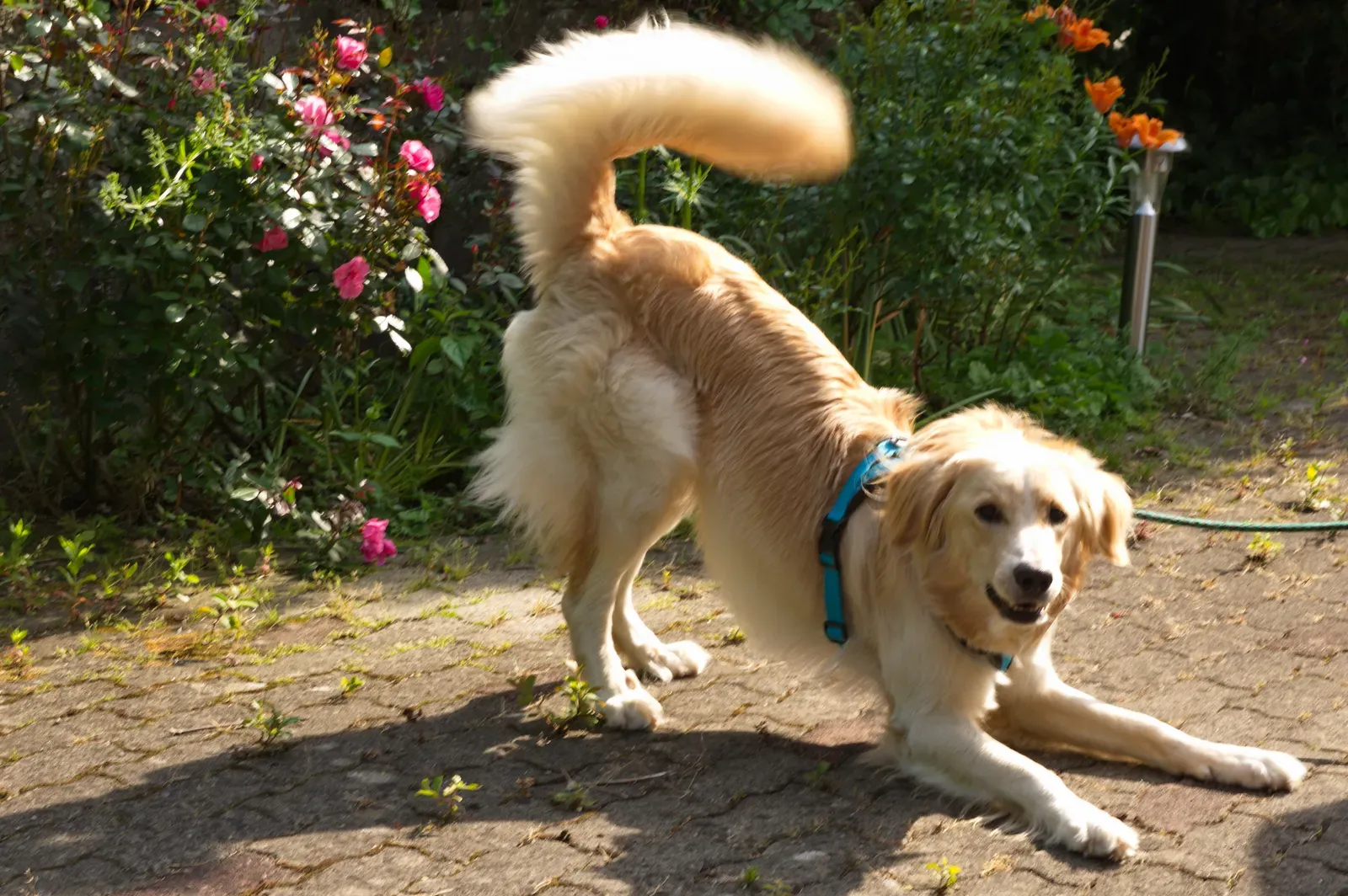
Front legs down, rear in the air: it’s the most honest invitation in the animal kingdom.
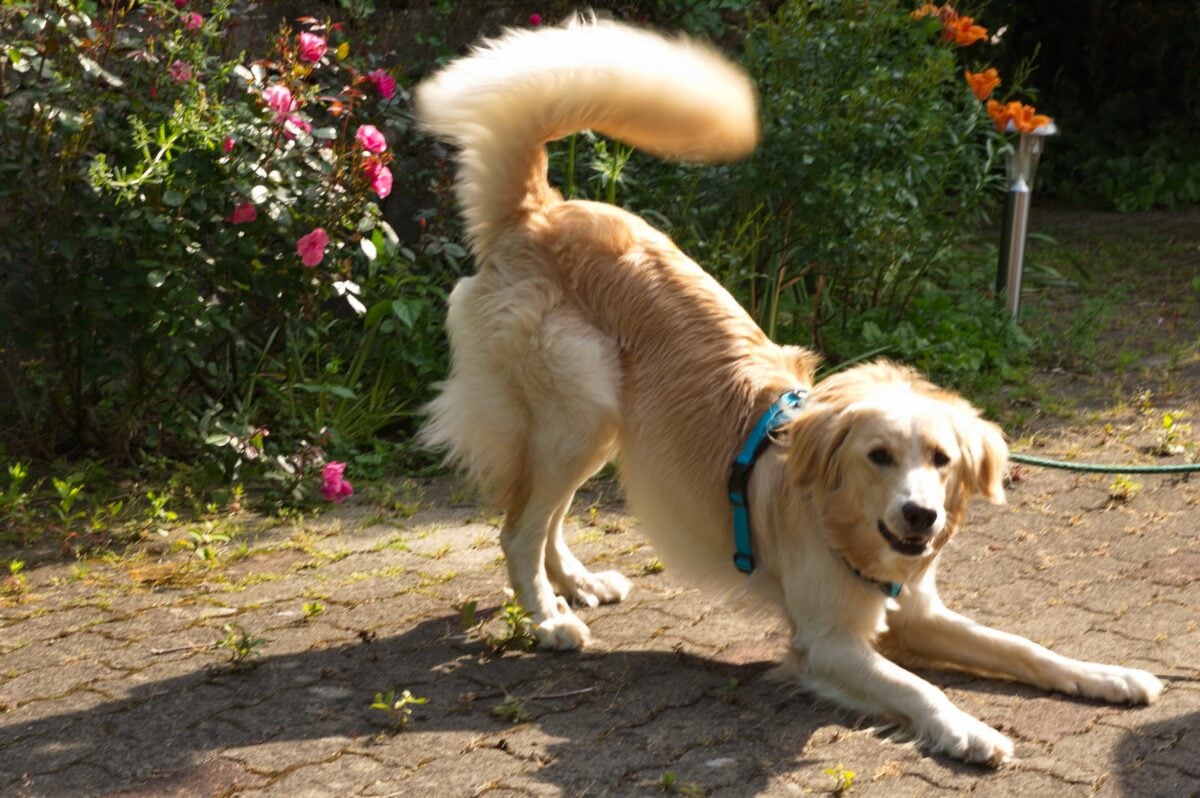
Researcher Marc Bekoff documented that dogs use the play bow to signal that what follows is play. It works as a disclaimer. Dogs often bow right before or after a move that could be misread as aggressive, such as a hard bite or a sudden chase.
When a dog bows at you, they’re doing something clever. They’re checking that you understand the game before it starts.
This only happens in homes where the dog feels safe. A dog who is anxious or unsure of the people around them rarely initiates play at all.
Watch for these extras:
- Bouncy, exaggerated movements
- A loose, open mouth
- Pauses mid-game, as if checking you’re still in
And what happens when all that play energy boils over? That’s #7…
#7 – Zoomies, Then a Fast Crash
🔥 Would you like to save this?
We'll email this post to you, so you can come back to it later!
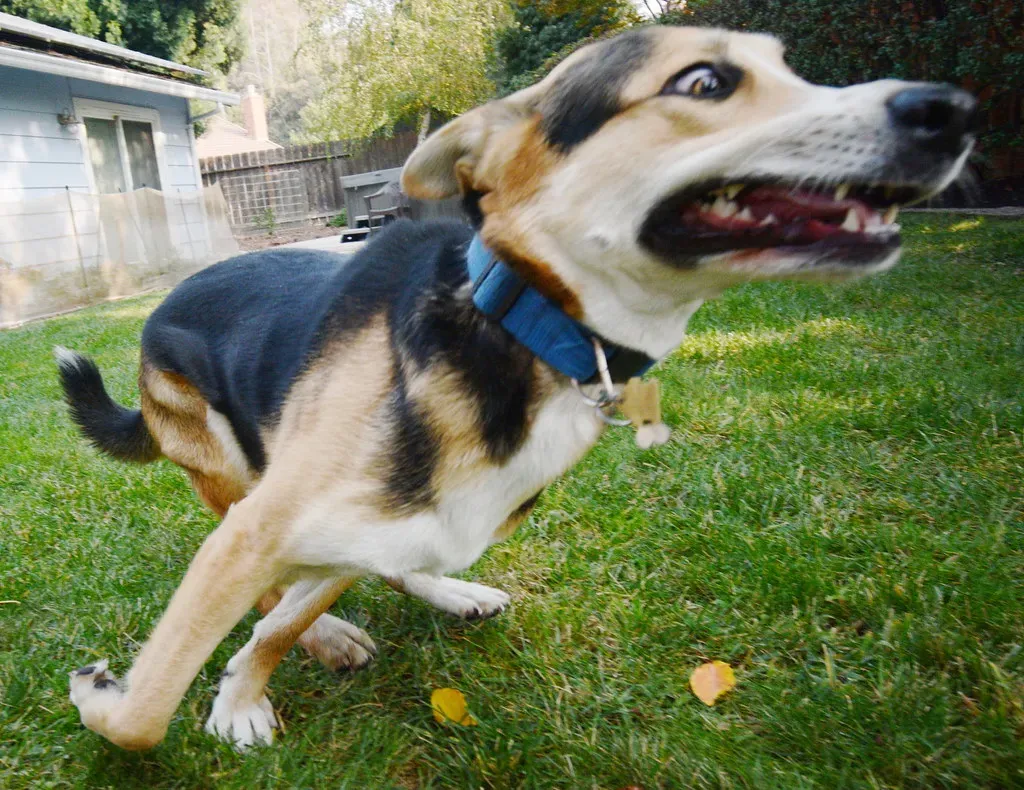
Your dog tears around the living room like they’ve lost their mind, then drops onto the rug like nothing happened.
Those bursts have a name: frenetic random activity periods, or FRAPs. They’re common after baths, at certain times of day, or after a stretch of being cooped up. Many behaviourists see them as a release of pent-up energy or excitement.
Plenty of people believe a calm dog never gets zoomies. That’s backwards, because many well-adjusted dogs have regular zoomies and settle again within minutes.
The key is the crash. A settled dog burns through the energy and then winds down on their own.
Worth watching for:
- Bursts that end within a few minutes
- A dog who flops and relaxes afterwards
- Zoomies in safe, open spaces rather than near hazards
The red flag isn’t the zoomies. It’s a dog who can’t settle at all, even after exercise.
That takes us to the moment you walk back through the door, as #6 reveals…
#6 – A Wiggly Welcome That Fizzles Out Fast
🔥 Would you like to save this?
We'll email this post to you, so you can come back to it later!
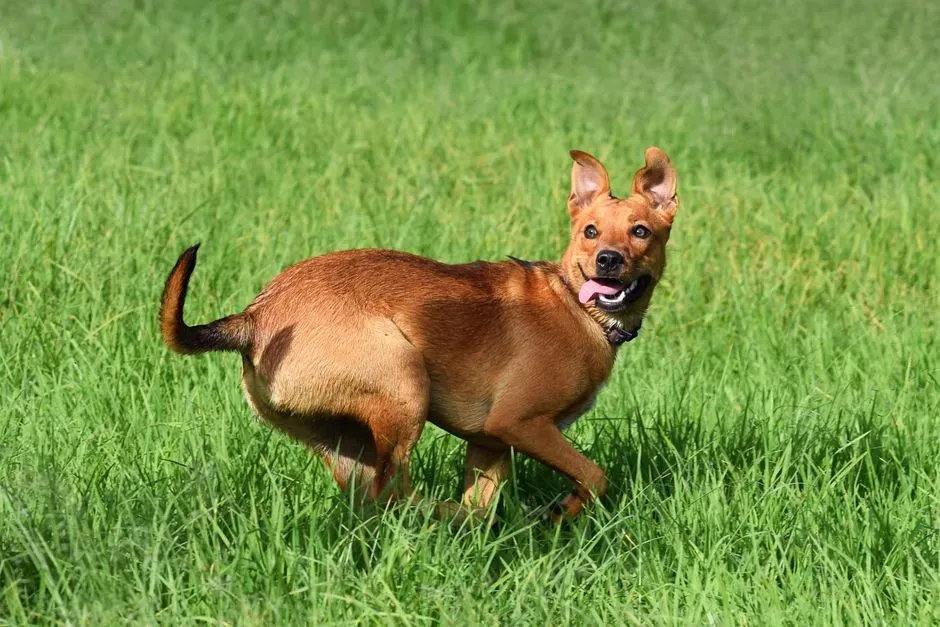
The way a dog greets you at the door reveals how safe home feels.
A settled dog’s greeting is loose and wiggly. The whole back half sways, the tail wags broadly, and the face stays soft. Some dogs grab a toy to bring you.
Tail position and looseness matter as much as speed. One well-known study found dogs wag more to the right when they see something they like, such as their owner, and more to the left when they see something unfamiliar or threatening. That research has limits, but it suggests wag direction carries emotional information.
Then comes the part that matters. Within a minute or two, the dog drops the excitement and gets on with their day. They aren’t frantic, jumping non-stop or scrambling for attention.
But many owners misread the next sign completely, and it’s all about distance…
#5 – Picks a Spot Near You, Not On You
🔥 Would you like to save this?
We'll email this post to you, so you can come back to it later!
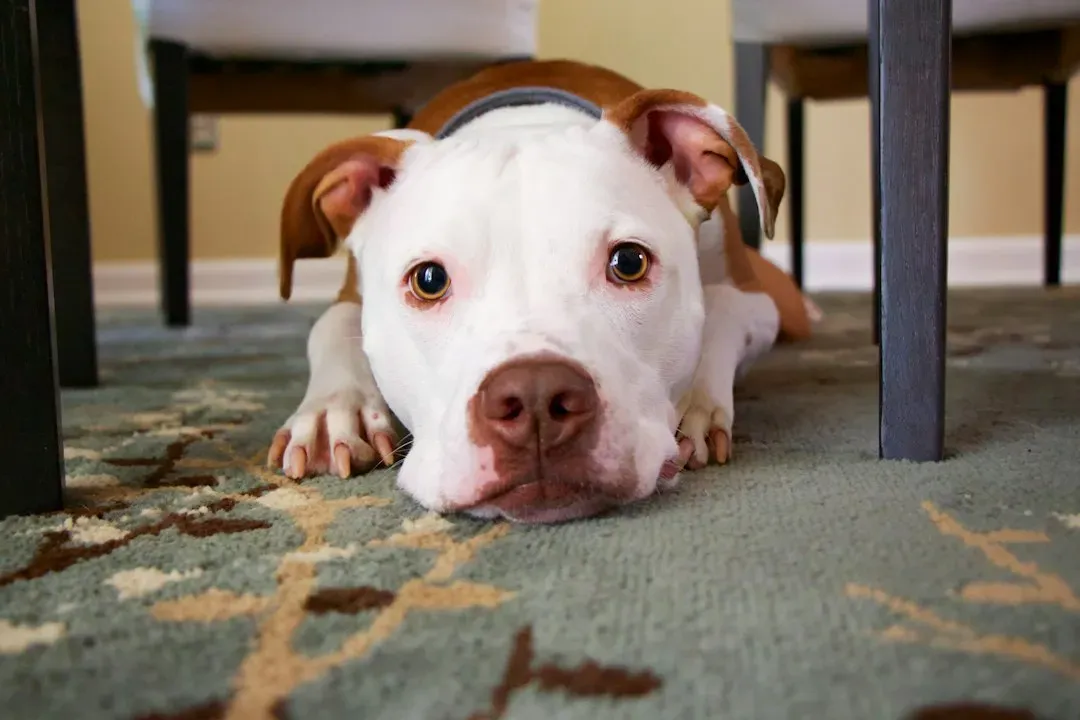
The most settled dogs often choose a spot in the same room, not glued to your legs.
Think of the “velcro dog” who follows you everywhere, even to the bathroom. Many owners treat that as the ultimate sign of bonding. Plenty of behaviourists argue it can signal anxiety, especially if the dog panics the moment you go out of sight.
A truly settled dog does something subtler. They follow you briefly, then settle within sight or earshot. They may nap in another room and come find you later.
Here’s what comfortable closeness looks like:
- Naps in the same room, within line of sight
- Leans against you while relaxed
- Wanders off and returns without fuss
Proximity by choice is the point. The dog isn’t desperate for contact, and they aren’t avoiding it. They’re simply comfortable, with you as part of the scenery.
Not every velcro dog is anxious, of course. Breed and personality matter, so judge the body language as well as the behaviour.
Quick Compare
- Anxious shadow: follows you everywhere, then paces or whines when a door closes between you.
- Settled companion: follows briefly, then picks a spot and relaxes, even out of sight.
- The tiebreaker: a loose body and soft face point to comfort. A tense body points to worry.
And speaking of connection, #4 is the one scientists are still arguing about…

Halloween Cat Costume Cloak Witch Hat Pet Accessories
Check Price on AmazonAs an Amazon Associate, we earn from qualifying purchases.
10/9/2026 2:44 pm GMTi

Air Purifiers for Home Pets Large Room Up to 3000 Ft²,HEPA Air Cleaner with Washable Double-Side Filter, PM2.5 Air Quality Monitor,15dB Sleep Mode for Bedroom Odor Dust Pollen,White
Check Price on AmazonAs an Amazon Associate, we earn from qualifying purchases.
10/8/2026 8:23 am GMTi

Professional 7 in 1 Dog Paw Cleaner for Dogs & Cats - Includes 1 Portable Paw Washer, 1 Bath Brush
Check Price on AmazonAs an Amazon Associate, we earn from qualifying purchases.
10/7/2026 1:26 pm GMTi

Orthopedic Extra Large Dog Bed, Waterproof Washable XL Pet Bed 44"
Check Price on AmazonAs an Amazon Associate, we earn from qualifying purchases.
10/7/2026 1:32 pm GMTi

Dog Stairs for Bed 18" H, 4-Step Dog Steps for High Bed
Check Price on AmazonAs an Amazon Associate, we earn from qualifying purchases.
10/9/2026 2:42 pm GMTi
#4 – Yawns When You Yawn
🔥 Would you like to save this?
We'll email this post to you, so you can come back to it later!
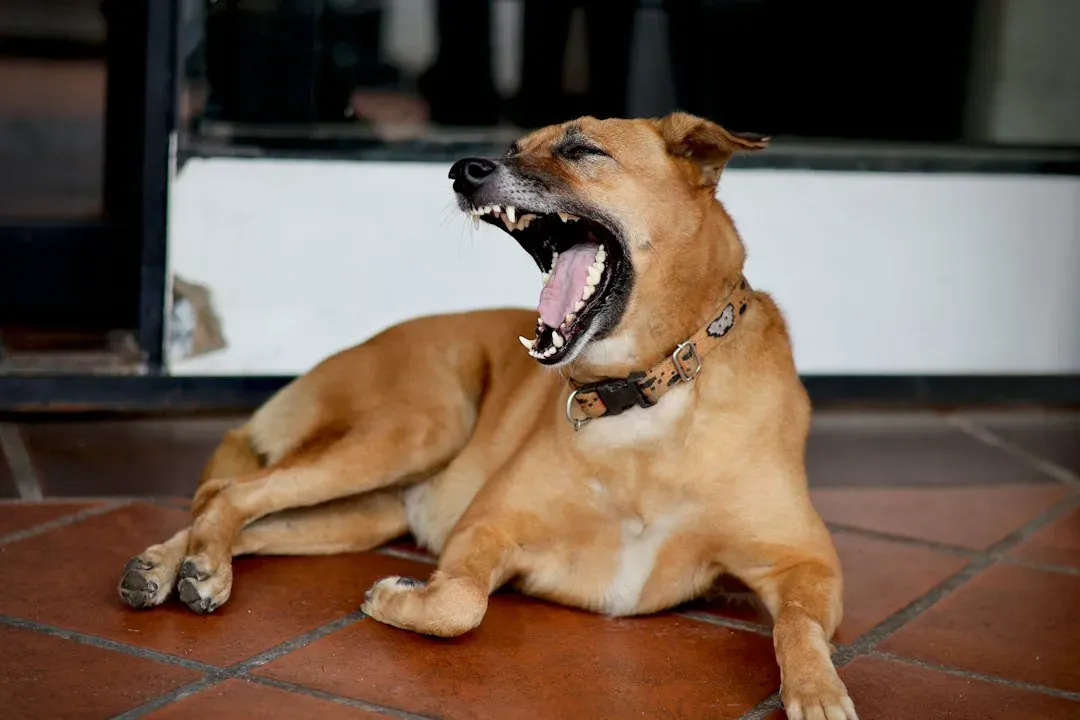
If your dog yawns right after you do, you may be watching a bond in action.
Contagious yawning has been documented in dogs, and some research suggests it’s stronger with familiar people than with strangers. One study found dogs yawned more when they heard a familiar person’s yawn than when they heard a stranger’s. Researchers still debate whether this reflects empathy or something simpler.
Yawning isn’t always a bonding signal, though. Dogs also yawn when stressed, nervous or conflicted. The yawns that signal relaxation come in a relaxed context: lying down, soft eyes, loose body.
How to tell the difference:
- Relaxed yawn: slow, sleepy, loose face
- Stress yawn: tense body, wide eyes, often paired with lip licking
Try yawning in front of your dog on a quiet evening. If you get an answering yawn, enjoy it, but don’t treat one yawn as proof of anything. Look for the pattern over time.
The next sign is where the research on dogs and their people gets seriously interesting…
#3 – Checks In During Walks
🔥 Would you like to save this?
We'll email this post to you, so you can come back to it later!
The dog who sniffs happily ahead, then glances back at you, is doing something scientists take seriously.
Researchers adapted the “Strange Situation” test, originally designed for babies and caregivers, to study dogs. They found that many dogs treat their owner as a secure base, exploring more confidently when their person is present.
On walks, this shows up as a rhythm. Your dog explores, checks in, explores again. They aren’t anxious about losing you. They’re confident you’re there.
Signs of a secure base:
- Glances back at you during walks
- Returns when you call, without delay
- Explores new places with curiosity, not frozen fear
An insecure dog often shows the opposite. They either stay glued to your leg or ignore you completely and treat you as irrelevant.
But there’s a test of security that’s far tougher, as #2 shows…
#2 – Stays Relaxed When You Leave
🔥 Would you like to save this?
We'll email this post to you, so you can come back to it later!
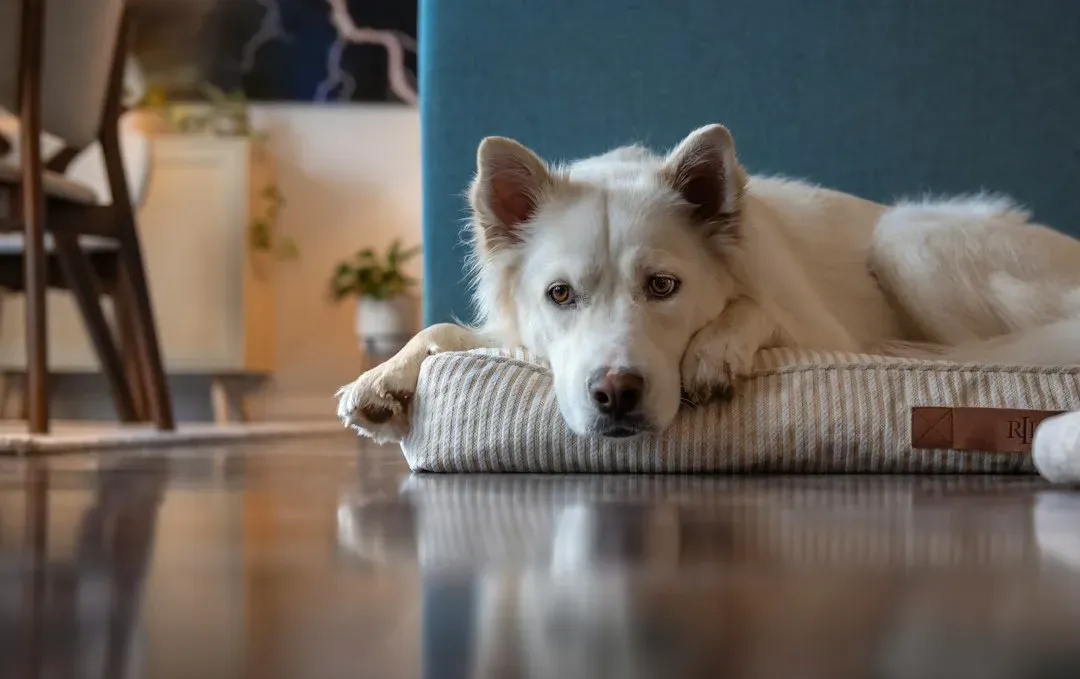
The real test of a settled home is what your dog does when the door closes behind you.
A settled dog may sigh, wander to a favourite spot and nap or chew. They don’t pace, howl, destroy furniture or soil the house. They’ve learned that departures are temporary and that you always come back.
Separation distress is common, and it deserves compassion rather than punishment. A quiet house isn’t proof your dog is calm, because pacing and panting make no noise. A pet camera can show you what your ears can’t.
Signs to look for on video:
- Settling within minutes of your departure
- Napping or chewing a toy
- No sustained pacing, panting or vocalising
If your dog struggles, a vet or qualified behaviourist can help. Gradual practice works for many dogs, but severe cases need professional support.
And the final sign is the one science has measured in a surprising way, in #1…

Portable Dog Water Bottle Foldable Dog Travel Water Bottle
Check Price on AmazonAs an Amazon Associate, we earn from qualifying purchases.
10/7/2026 1:29 pm GMTi

2 Pcs Halloween Pet Hat Bandana Set, Witch Pumpkin Costumes for Dogs
Check Price on AmazonAs an Amazon Associate, we earn from qualifying purchases.
10/9/2026 2:45 pm GMTi

PetSafe Oasys Pet Fountain, 1/2 Gallon (64 oz), Small Dogs & Cats
Check Price on AmazonAs an Amazon Associate, we earn from qualifying purchases.
10/8/2026 8:14 am GMTi

Glass Hummingbird Feeder for Outdoors Hanging, 16 oz Leak-Proof Nectar Feeder with Bee Guards & Ant Moat
Check Price on AmazonAs an Amazon Associate, we earn from qualifying purchases.
10/7/2026 1:22 pm GMTi
#1 – Holds Your Gaze With Soft Eyes
🔥 Would you like to save this?
We'll email this post to you, so you can come back to it later!
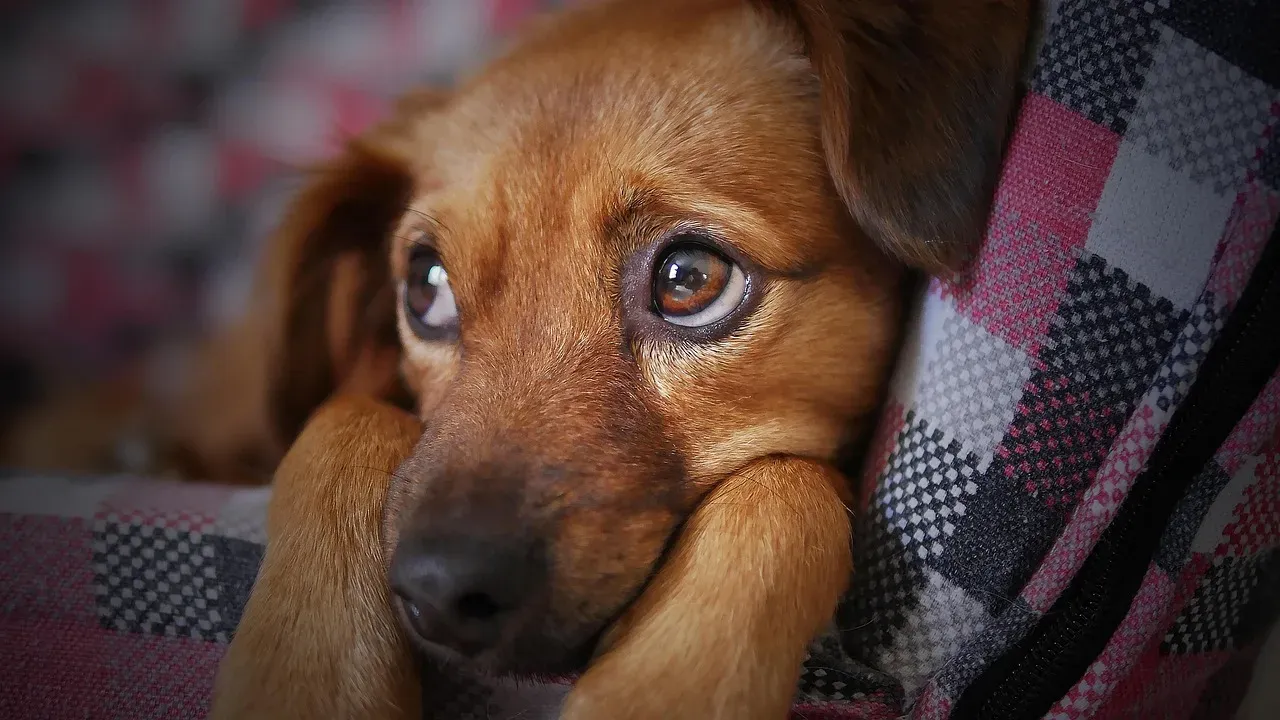
The most telling sign of a settled home is a quiet, soft look across the room.
In a 2015 study published in Science, Japanese researchers found that mutual gazing between dogs and their owners raised oxytocin levels in both. Oxytocin is often called the bonding hormone. The result was a feedback loop of looking, bonding and looking again.
Wolves raised by humans didn’t show the same oxytocin response, which suggests this loop is something dogs developed alongside us.
The look has to be soft. A relaxed gaze, with blinking and a loose face, is a bonding signal. A hard, unblinking stare is not, and staring down an unfamiliar dog is a mistake that can provoke conflict.
Why It Stands Out
- It was measured, not guessed. The researchers tracked oxytocin changes using urine samples.
- It runs both ways. Dog and owner each get a hormonal lift from the exchange.
- It seems to be a dog-specific trait. Hand-raised wolves didn’t match the response.
- It’s free to try. Offer a soft glance and a slow blink, never a stare.
Your dog watching you across the room, then blinking slowly and settling back down, is saying something simple. You’re the safest thing in their world.
That quiet moment is the real measure of every sign on this list.
A settled dog isn’t a perfect one. It’s a dog who sleeps deeply, eats steadily, bounces back from surprises and trusts you enough to look away from you.
Here’s my opinion: the “velcro dog” is overrated as a bond symbol, and the dog who naps in the next room is quietly the more secure one. Training matters, but the home you create matters more.
Your dog’s body language is the scoreboard, and it doesn’t lie. Which of these 16 signs did you spot in your own dog first?

- 16 Things a Dog Does That Mark a Genuinely Settled Household - November 8, 2026
- 14 Breeds That Take Longest to Settle After a Move - November 8, 2026
- You walk through the door after a long day, and your cat doesn’t sprint to meet you. - November 8, 2026