
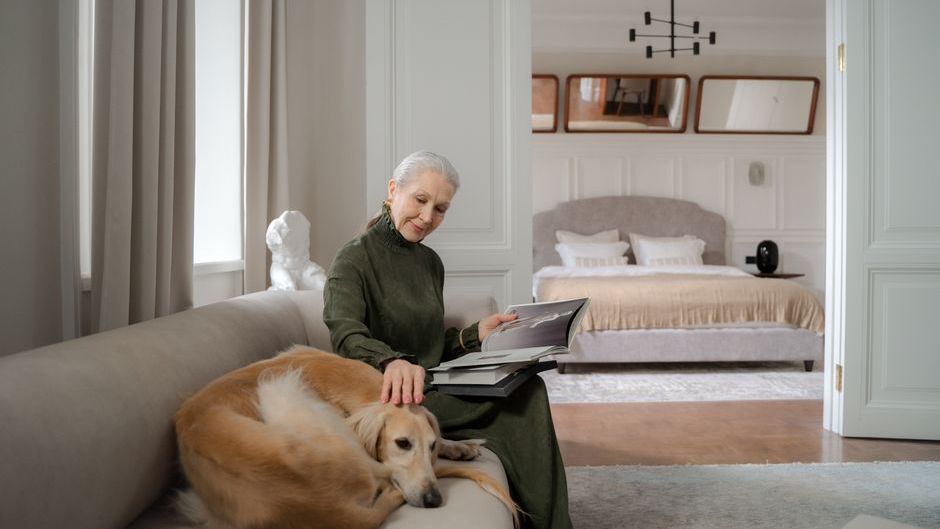
Everyone loves the idea of a senior dog: slower, softer, grateful just to be near you. But behind that heartwarming image is a set of experiences that rarely make it into Instagram captions or casual conversation. The sleepless nights. The guilt. The quiet, creeping grief you feel for a dog who is still alive. Senior dog ownership is one of the most emotionally complex relationships a person can have – and almost no one talks about it honestly.
What follows isn’t a list of cute observations. It’s the stuff longtime owners think about at 2 a.m. but never say out loud – not to their vet, not to their family, and sometimes not even to themselves. Some of it is practical. Some of it is uncomfortable. And at least one of these will make you feel like someone finally said what you’ve been sitting with alone.
#1 – The Unspoken Question of When Enough Is Enough

No other moment in pet ownership carries this much weight, and no one hands you a rulebook for it. Vets quietly report that most families wait too long out of fear – fear of regret, fear of judgment, fear of being the one who made the call – and that waiting often means the dog suffers in the final weeks in ways that could have been avoided. The question doesn’t arrive all at once. It builds slowly, showing up in the middle of the night while you watch your dog struggle to stand, or in the car ride home from yet another appointment where the news wasn’t good.
The most honest thing most vets will tell you privately is this: choosing a humane, earlier release is often the final act of real love, not a failure of it. But society still frames it as giving up, which means owners carry the decision like a secret shame even after it’s done. There is no perfect moment. There is only the weight of knowing your dog better than anyone else does – and trusting that knowledge when it matters most.
Worth Knowing
- Most vets recommend using a quality-of-life scale – tracking good days vs. bad days over a week – as a practical decision-making tool.
- Common signs owners watch for: inability to stand unassisted, refusal to eat for multiple days, loss of interest in human interaction.
- End-of-life services including palliative care, euthanasia, and cremation typically range from $200 to $500+ – planning ahead removes one barrier from an already difficult moment.
- In-home euthanasia services are available in most U.S. cities and allow a dog to pass in a familiar, calm environment.
#2 – The Shifting Bond That No Longer Feels Reciprocal
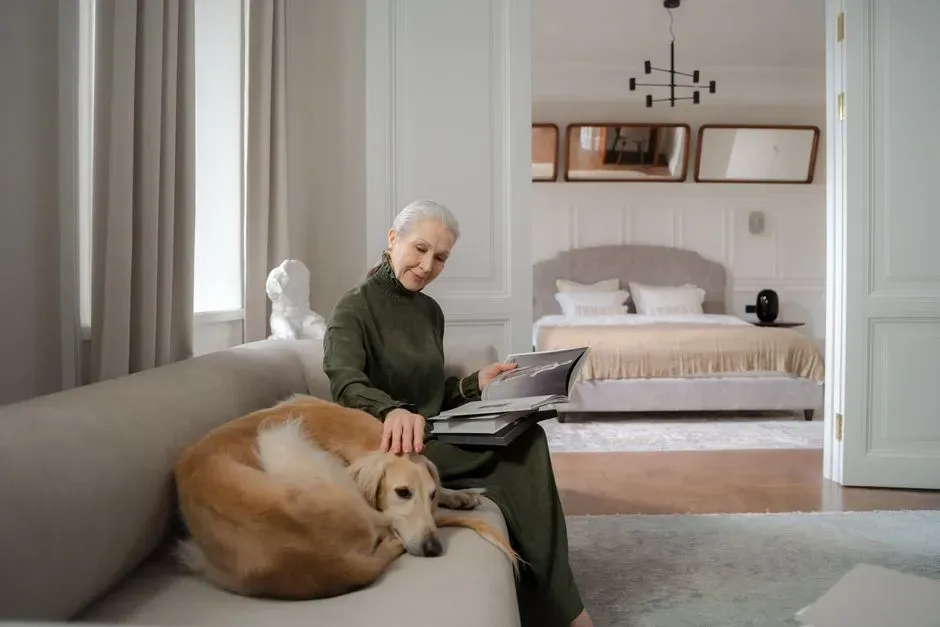
There’s a particular kind of grief that hits when you realize the dog who used to race you to the door now just watches from across the room. The relationship quietly flips – less partnership, more caregiving – and no one warns you how strange that feels. The dog still needs you completely, maybe more than ever, but the easy, joyful back-and-forth that defined the relationship for years has faded. You give. They receive. And you love them anyway, even as you mourn the version of them that used to give back.
What surprises most owners is the complicated emotional texture of it: relief mixed with sadness during calm moments, pride mixed with exhaustion during hard ones. You’re not a bad person for noticing the shift. You’re just someone who loved a dog long enough to reach the part of the story that doesn’t get talked about at the dog park.
#3 – Treatment Decisions That Pit Cost Against Comfort
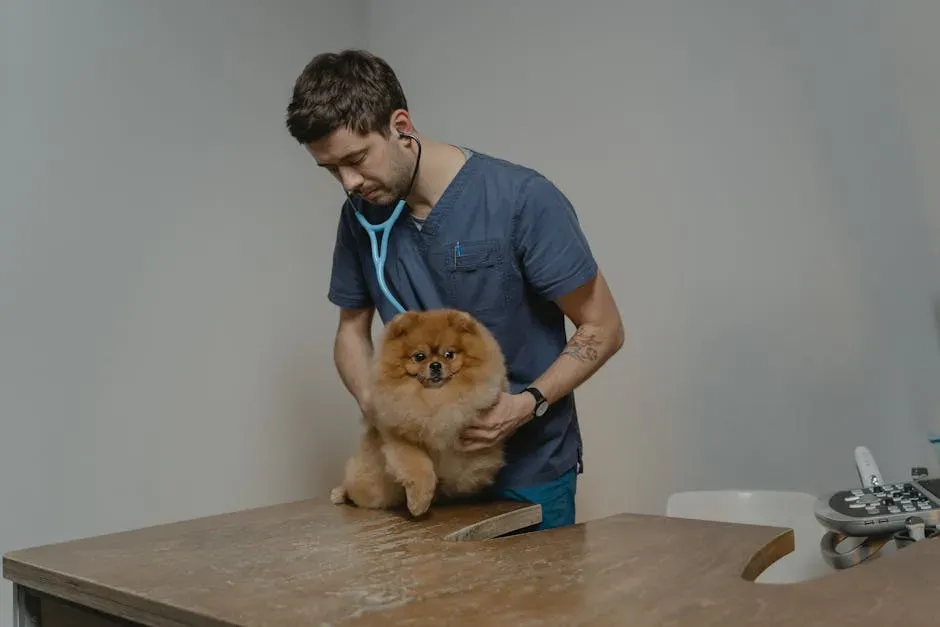
When a vet presents options – chemotherapy, advanced imaging, surgical intervention – the conversation in the room and the conversation in your head are often two very different things. The one in the room sounds clinical and hopeful. The one in your head is calculating how many more months this buys, whether those months will be good ones, and whether you can actually afford to find out. Most owners feel enormous pressure to pursue every available option because saying no feels like saying you don’t love your dog enough.
But a growing number of veterinary professionals are willing to say what many families are already thinking: aggressive intervention in a dog’s final chapter often serves the owner’s emotional needs more than it serves the dog’s comfort. That’s not a judgment – it’s a deeply human response to impending loss. The more useful question isn’t “what can we do?” but “what will actually make his days better?” Those two questions sometimes have the same answer. Often, they don’t.
#4 – The Quiet Realization That Walks Feel Like Chores
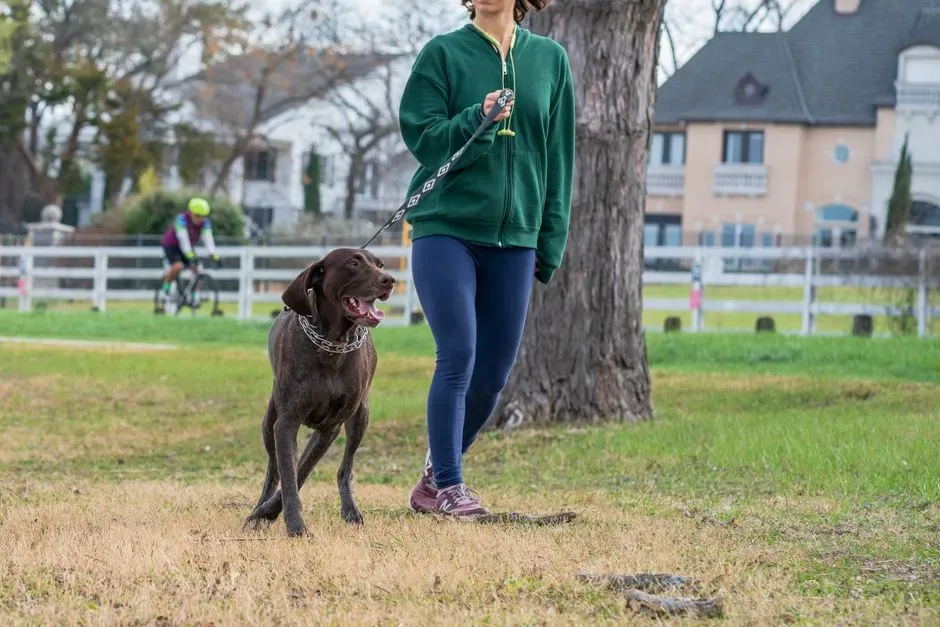
You used to grab the leash and feel a surge of shared excitement – the dog spinning circles, you already smiling. Now you coax them off the bed, match their pace down the block, and turn back at the corner because that’s as far as they want to go. It’s still time together. But somewhere between the long weekend hikes and the slow shuffle to the mailbox, you started calling it a walk mostly out of habit.
The part no one says out loud is the frustration – not at the dog, exactly, but at the loss of what the walk used to be. You miss the mutual energy. You miss being pulled forward. Some owners quietly admit they’ve started resenting the obligation, and then immediately feel guilty for resenting it, and then feel guilty about the guilt. That cycle is more common than you’d think, and naming it is the first step toward making peace with it.
#5 – Weight That Creeps Up Despite Smaller Portions

You cut back the kibble. You switched to a senior formula. You said no to the table scraps. And still, the vet raises an eyebrow at the scale. Metabolism slows with age, activity drops, and the two feed each other in a frustrating loop – the heavier the dog, the more the joints hurt; the more the joints hurt, the less they move. It’s not a discipline problem. It’s biology, and it’s hard to outrun.
What stings for a lot of owners is the social dimension. People see an overweight senior dog and assume the owner is being careless or indulgent, when the reality is often that the owner is fighting a losing battle against pain-driven inactivity and a body that simply doesn’t process food the way it used to. Gentle, low-impact movement and weight-appropriate portions do help – but progress is slow, and the judgment from strangers tends to arrive a lot faster than the results.
At a Glance: The Senior Dog Weight Spiral
- Pain reduces movement → less activity burns fewer calories → weight increases
- Extra weight loads joints → more pain → even less movement
- Joint supplements (omega-3, glucosamine) range from $20–$60/month and can help interrupt this cycle
- Prescription or senior-specific dog food can cost $800–$2,400/year for a medium-sized dog – and that’s before medical add-ons
- Short, frequent walks on soft surfaces (grass, dirt paths) are gentler on arthritic joints than a single long sidewalk outing
#6 – Breath That Turns Noticeably Foul
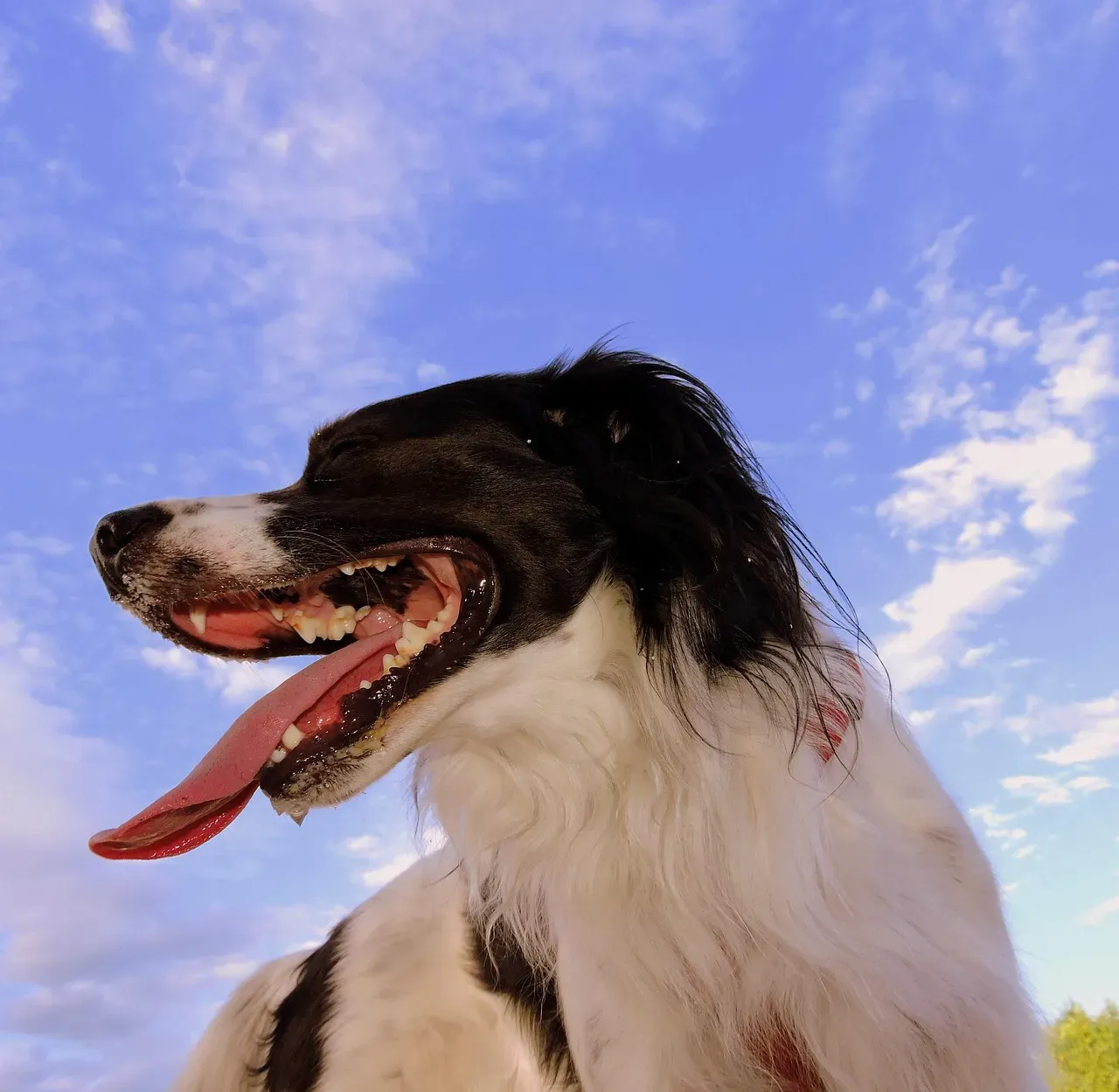
At some point the dog breathes near your face and you have to stop yourself from pulling back. Dental disease progresses quietly in dogs – often for years – until the odor becomes impossible to ignore in close quarters. By the time most owners notice it, there’s already significant buildup or infection present. Vets recommend annual cleanings, but the cost and the legitimate concern about anesthesia in older dogs means many owners delay, and delay, and delay some more.
Here’s what doesn’t come up in polite pet conversation: untreated dental infections don’t stay in the mouth. Bacteria can travel and contribute to problems in the heart and kidneys – organs that are already working harder in an aging body. The breath is the symptom you smell. The consequences can be the ones you don’t see coming. If cost is the barrier, it’s worth asking your vet about staged cleanings or payment options, because this is one of the more fixable problems on this list.
Fast Facts: Dental Disease in Dogs
- Studies report periodontal disease prevalence of 80–89% in dogs over age 3 – by senior years, it is nearly universal
- In 2023, 73% of dogs seen at Banfield Pet Hospital were diagnosed with dental-related issues
- Periodontal disease has been linked to heart and kidney disease – the mouth is not an isolated system
- Small and toy breeds face disproportionately higher risk due to crowded teeth
- Annual dental cleanings are recommended; ask your vet about anesthesia-risk assessment for older dogs before ruling it out
#7 – Clinginess That Feels More Demanding Than Sweet
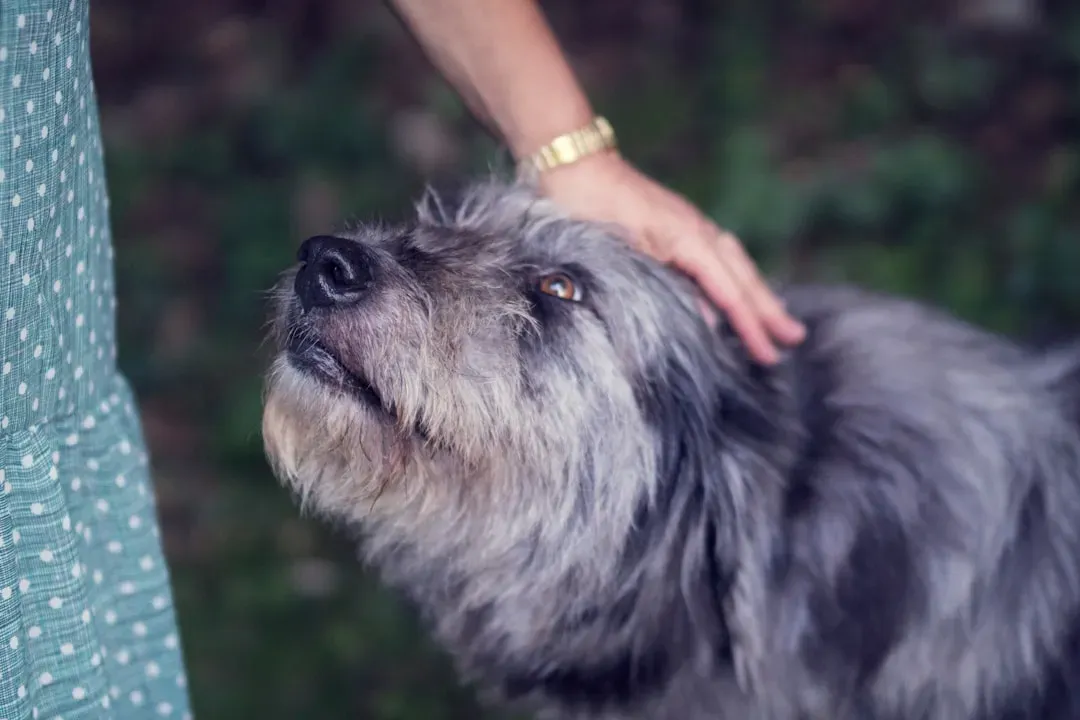
In the beginning, it’s touching – the dog follows you from room to room, curls at your feet, rests their chin on your knee. But when it becomes constant, when you can’t step into the bathroom alone, when you feel a prickle of irritation at the shadow always underfoot, the sweetness starts to carry a different weight. Separation anxiety in senior dogs often intensifies as vision and hearing fade – the dog can’t see you across the room, so proximity becomes the only way they feel safe.
Many owners respond by quietly restructuring their lives: short errands timed to the minute, cameras installed in the living room so they can check in from the grocery store parking lot, plans canceled because leaving feels worse than staying. They don’t talk about it because it sounds like complaining about a dog that loves them. But it’s real, and it’s a form of caregiving fatigue that deserves to be named without apology.
#8 – Appetite Swings That Defy Simple Fixes
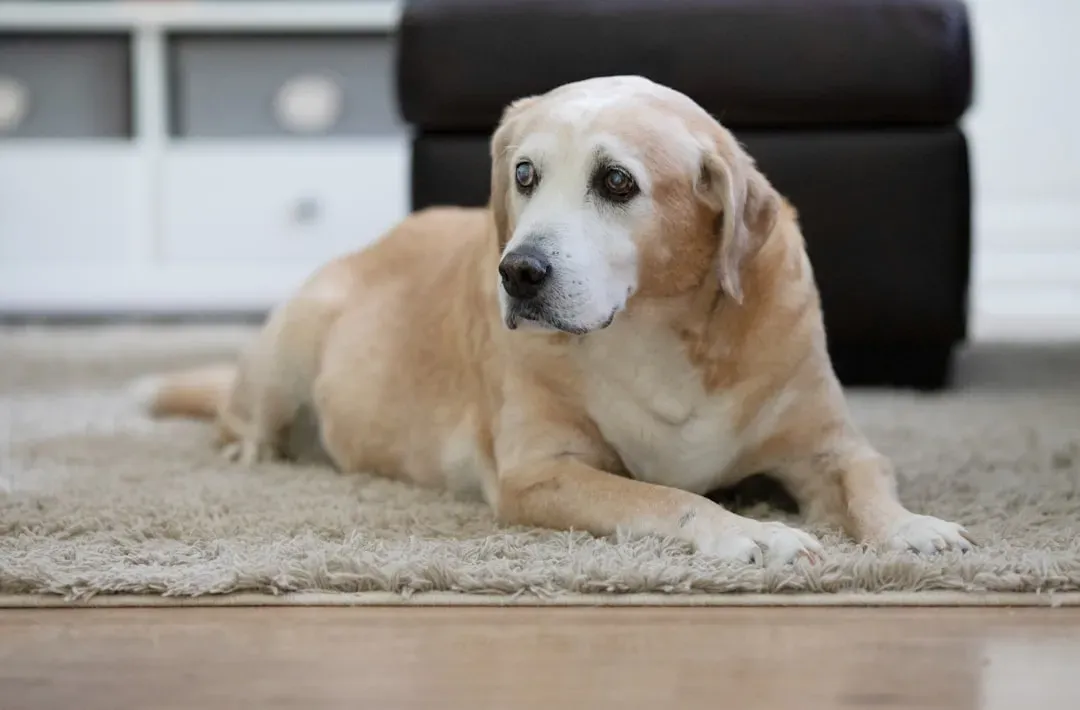
One morning they inhale their bowl before you’ve set it down. The next, they turn away from the same food like you’ve insulted them. Appetite inconsistency in senior dogs is genuinely maddening, partly because it signals so many different things – dental pain, nausea from medications, metabolic changes, or plain old sensory decline that makes familiar smells less appealing. Owners typically cycle through a rotating parade of toppers, broths, and “just try this” experiments before a vet eventually mentions that a dental cleaning under anesthesia might be the actual answer.
There’s also a quieter, harder-to-prove belief that some long-time owners carry: that older dogs sometimes eat less not because of any single physical cause, but because something in them has begun to shift inward. Whether that’s a real phenomenon or a story humans tell themselves to make sense of the unexplainable is an open question. What’s not open is that unexplained appetite changes always deserve a vet conversation, not just a new topper.
#9 – Confusion Over Basic Routines

The dog stands at the wall instead of the door. They walk to their water bowl and then just stand there, forgetting why they came. They look up at you with an expression that used to mean “I know exactly what you’re about to do” and now just means confusion. Canine cognitive dysfunction – the dog equivalent of dementia – affects a significant portion of dogs in their final years, and it tends to show up first in exactly these small, disorienting moments that are easy to dismiss as quirks.
Most owners hide the extent of it from visitors, partly because explaining it is exhausting and partly because watching someone else’s face fall at the news is its own small grief. Enrichment puzzles and structured routines genuinely can slow the progression, but the results vary widely and the primary caregiver often carries the management of it almost entirely alone. That isolation is one of the least-discussed parts of advanced senior dog care – and one of the most real.
Fast Facts: Canine Cognitive Dysfunction (CCD)
- CCD affects an estimated 14–22.5% of dogs over age 8, per the American Animal Hospital Association’s 2023 Senior Care Guidelines
- By ages 11–12, 28% of dogs show at least one sign of cognitive decline; that number rises to 68% by ages 15–16
- The odds of CCD increase roughly 52% with each additional year of age, according to the Dog Aging Project
- CCD is widely underdiagnosed – many owners and vets mistake its signs for “normal aging”
- Structured daily routines, nightlights, and mental enrichment activities are among the most accessible management tools
#10 – The Morning Stiffness That Takes Longer to Shake
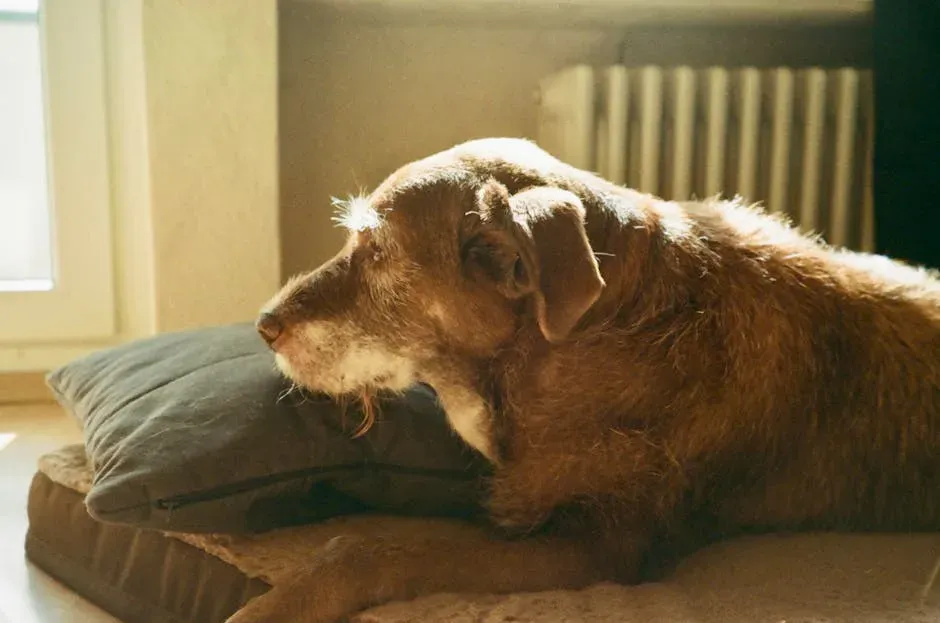
You hear it before you see it – the grunt when they shift position, the creak of effort as they push themselves off the floor. Morning stiffness in arthritic dogs can take five, ten, sometimes fifteen minutes to ease, and watching it happen every single day rewires your relationship with the word “routine.” Arthritis affects the vast majority of senior dogs, yet many owners wait until visible limping appears before starting any kind of pain management, partly because the earlier signs are so gradual they’re easy to rationalize away.
The frustrating truth is that early intervention genuinely helps – weight management, low-impact movement, and anti-inflammatory support can make a measurable difference in quality of life – but compliance tends to drop the moment the dog has a few good days and starts to seem “okay” again. Then the cycle restarts. If your dog is taking longer than a minute or two to get moving in the morning, that’s not just old age being charming. That’s pain, and it’s manageable more often than people realize.
Quick Compare: Early vs. Late Arthritis Intervention
- Early (before limping): Weight management + supplements + gentle movement – lower cost, higher quality-of-life payoff
- Late (after limping appears): Prescription NSAIDs, possible imaging, specialist referrals – higher cost, more complex management
- About 80% of dogs show signs of arthritis by age 8; most owners don’t start managing it until signs are obvious
- Large breeds (Labs, Shepherds, Goldens) face earlier onset due to greater joint stress – monitoring should begin around age 5–6
#11 – Cloudy Eyes That Change Recognition
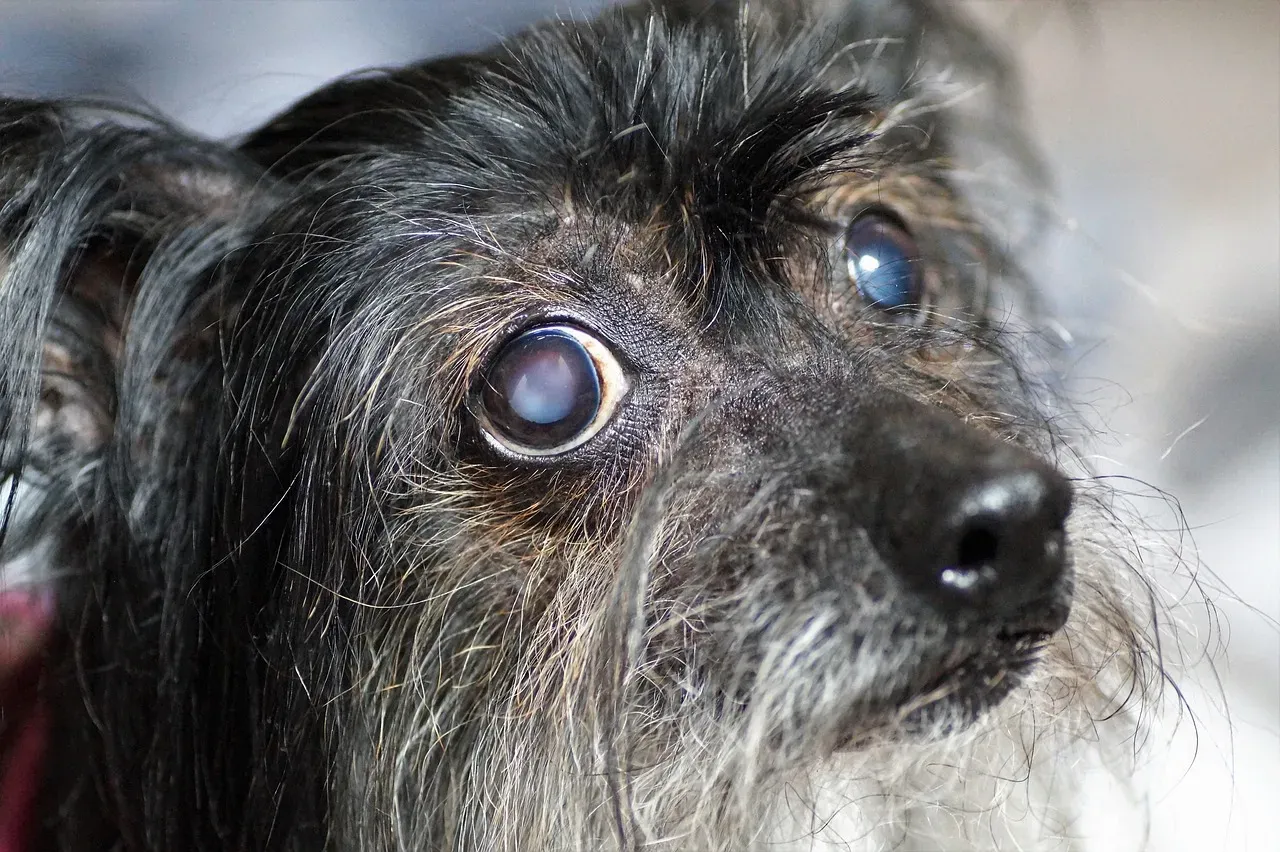
You walk into the room and the dog startles – not because they didn’t hear you, but because you came into focus too slowly. The clouding that comes with cataracts or nuclear sclerosis tends to develop gradually, which means owners often don’t register how significant the vision loss has become until the dog bumps into furniture or fails to find a treat on the floor. By then, the dog has likely been quietly compensating for months, learning your home by smell and sound and memory.
What owners rarely talk about is how this changes the emotional experience of the relationship in subtle, personal ways. Eye contact has always been the silent language between dog and human – studies on the oxytocin bond between dogs and their owners point to mutual gazing as one of its central mechanisms. When that becomes harder, something in the connection shifts. It doesn’t disappear. But it changes, and acknowledging that change honestly is more useful than pretending it isn’t happening.
#12 – Commands Repeated Louder Each Month

You call the dog’s name and nothing happens. You call it again, louder. Then again, with the clap and the whistle and the wave, until you feel slightly ridiculous in your own backyard. Hearing loss in senior dogs follows a familiar pattern – high frequencies go first, then the lower ones – and owners often spend months increasing their volume before anyone suggests switching to hand signals. The good news is that dogs adapt to visual cues remarkably well once the shift is intentional.
The less-discussed problem is what hearing loss can mask. A dog that stops responding to their name or to environmental sounds may not just be deaf – they may also be in pain that’s suppressing their usual reactions. Sudden or rapid changes in hearing responsiveness are worth flagging with a vet, not just accepted as the inevitable march of age. And on the purely emotional side: shouting at a dog who can’t hear you and watching them not respond creates a specific kind of loneliness that nobody really has words for.
#13 – House Accidents That Feel Like a Step Backward

The first time it happens, you chalk it up to a long wait or an upset stomach. The fifth time, you’ve quietly moved the good rug to another room. Incontinence in senior dogs creeps in gradually and for a variety of reasons – weakened sphincter muscles, urinary tract infections, spinal changes, or cognitive decline that breaks the connection between the urge and the trained response. Owners often blame themselves for not catching it sooner, as though a cleaner floor is a measure of how much they love their dog.
What rarely gets said publicly is how many families switch to dog diapers or belly bands in complete secrecy, quietly managing a situation they haven’t even told their own household members about. There’s real shame wrapped around this particular change – it feels like a regression, like something is being lost that defined the relationship. The more useful framing is that it’s a medical symptom, not a character flaw in the dog or a failure in the owner. But knowing that and feeling it are two very different things.
Worth Knowing: Why Accidents Happen in Senior Dogs
- Weakened sphincter muscles – especially common in spayed females; often treatable with medication
- Urinary tract infections – more frequent in older dogs; identifiable with a simple urine test
- Spinal compression – can disrupt nerve signals to the bladder without causing obvious back pain
- Cognitive dysfunction – the dog forgets the trained response, not the desire to please
- Dog diapers, waterproof mattress pads, and enzyme-based cleaners are practical management tools, not admissions of defeat
#14 – Toys Left Untouched for Weeks at a Time
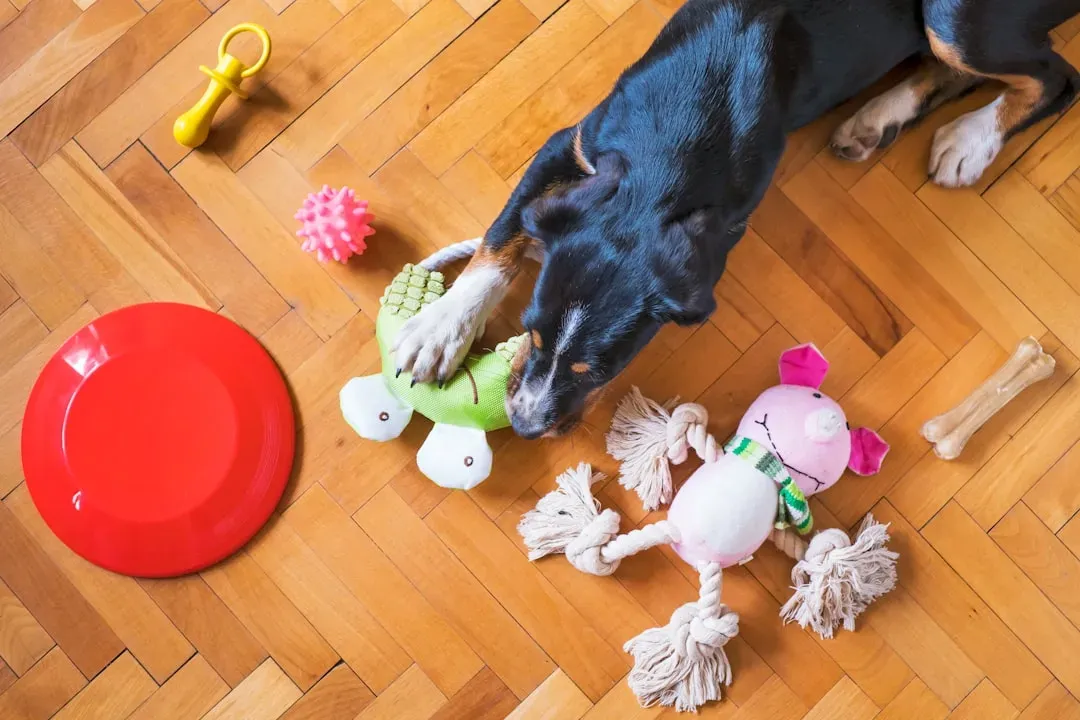
The squeaky hedgehog that used to cause pandemonium sits in the corner, dusty, completely ignored. You buy a new one just in case – different texture, different squeak – and it gets sniffed once before the dog walks away. Owners tend to interpret this as boredom or mood, but the more accurate read is often that play has become uncomfortable. Joint pain, dental soreness, or sensory changes can make a tug rope or a tennis ball feel like more trouble than it’s worth.
There’s a quiet, guilty truth some owners admit only to themselves: when the toy budget shrinks, there’s a small, shameful exhale of relief. Not because they wanted the dog to lose interest, but because constant enrichment and stimulation is work, and when the dog opts out, so does the obligation. That’s not a character flaw – it’s exhaustion. But if the toy basket has been untouched for more than a few weeks, it’s worth mentioning to your vet rather than accepting it as just “how things are now.”
#15 – The Sudden Vet Bill Spikes No One Budgets For
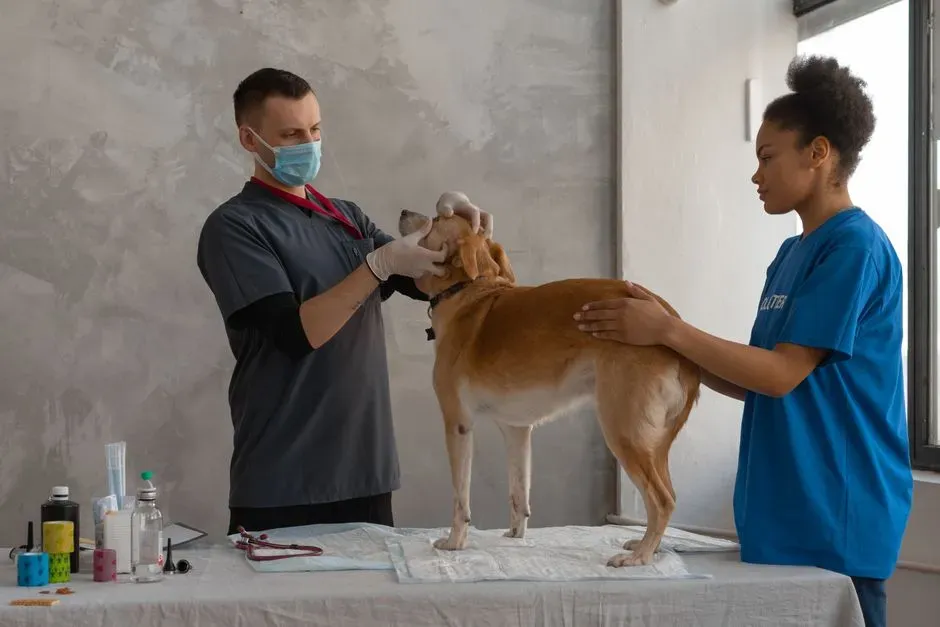
The annual wellness visit used to be straightforward. Now it’s a gateway to bloodwork panels, imaging referrals, specialist consultations, and prescription food trials – and the total at the front desk has started requiring a moment to breathe before you hand over your card. Senior dog care costs escalate faster than most owners anticipate, and they tend to land at the worst possible time: during retirement years, during financial uncertainty, during the exact period when people are trying to spend less, not more.
The part that generates the most private resentment – rarely spoken, often felt – is the compounding pressure of loving a dog you’d do anything for while genuinely not being able to do everything. Preventive care started earlier, including joint supplements and dental cleanings in middle age, can soften some of these costs. But once the problems are visible, the expenses tend to cascade. Knowing that in advance doesn’t make the bills easier. It just means you can have honest conversations before the crisis, not during it.
At a Glance: What Senior Dog Care Actually Costs
- Routine vet visit: $70–$174 per visit; seniors typically need two visits per year
- Annual preventive care (exams, bloodwork, vaccines): $500–$1,500 for dogs, depending on size and location
- Prescription or senior-specific food: $800–$2,400/year for a medium-sized dog
- Joint/omega supplements: $20–$60/month
- Pet insurance premiums for senior dogs: often $70–$150/month – and premiums rise with age
- Emergency or specialist care: $150–$5,000+ depending on condition
#16 – The Nighttime Pacing That Disrupts More Than Just Sleep
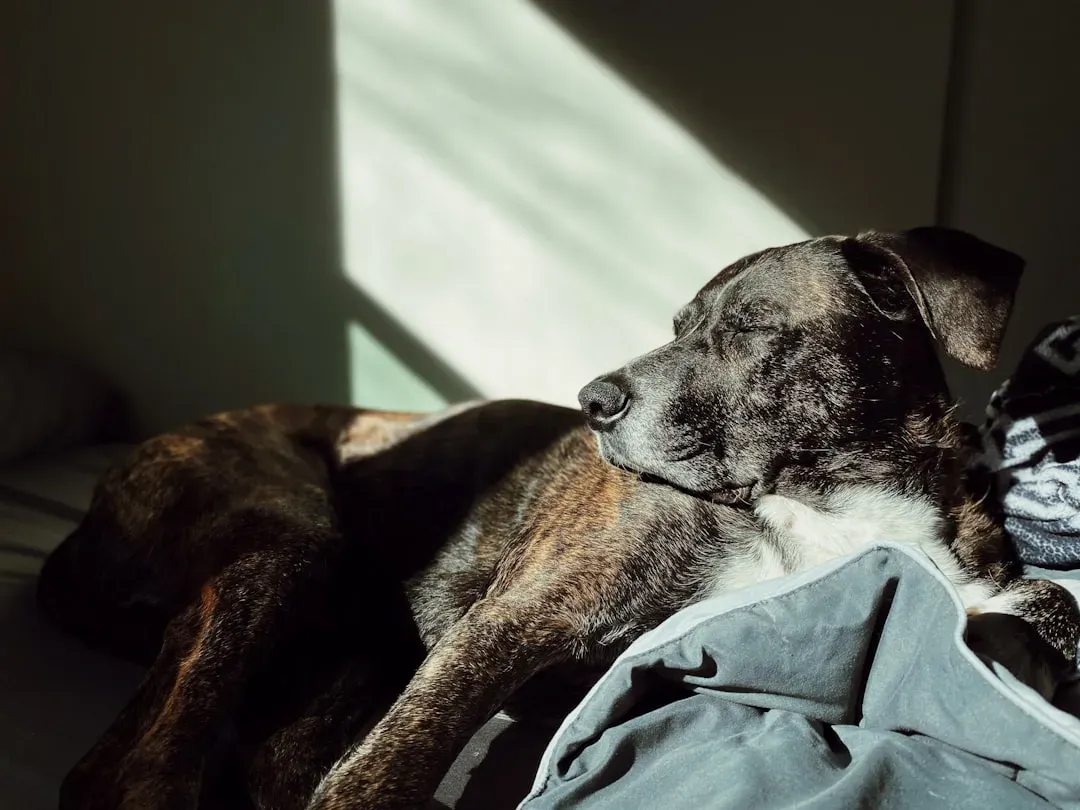
It’s 3 a.m. and the dog is circling the bedroom again, nails clicking against the floor in a loop that doesn’t stop. You lie still for a while hoping it’ll pass. It doesn’t. You get up, settle them, go back to bed. Twenty minutes later, it starts again. Studies show that CCD prevalence reaches approximately 28% in dogs aged 11–12 and climbs to 68% by ages 15–16 – and nighttime disorientation is one of its most disruptive hallmarks. The dog isn’t restless. They’re lost, in a room they’ve slept in for years.
Many owners quietly reinstall baby gates or start crating their dog again, and then spend considerable time feeling guilty about it – as though a senior dog needing structure is a betrayal of the freedom they’ve earned. But safety matters, and sleep deprivation in the caregiver matters too. What almost no one says aloud is how much the nighttime disruption affects not just the owner’s rest, but their patience, their clarity, and their ability to be present for all the other things on this list. The nights are where a lot of this really lives.
“CCD is a real condition and the symptoms far exceed what could be considered normal for senior pets – but even so, there are medications, treatments, and at-home changes that can help.”
Dr. Julie Buzby, ToeGrips for Dogs
Senior dog ownership doesn’t end with a montage of soft light and peaceful naps. It ends – when it ends – in a series of hard calls, quiet compromises, and a love that keeps showing up even when it costs more than you budgeted for emotionally or financially. The dogs that bring you to your knees with grief are almost always the ones that changed you the most. That part, at least, is worth saying out loud.

- 10 Fascinating Facts About the Petrified Forest's Stone Trees - August 6, 2026
- 7 Things Skunks Do Before They Spray - August 6, 2026
- 7 Reasons Sea Otters Matter to California's Kelp Forests - August 6, 2026