
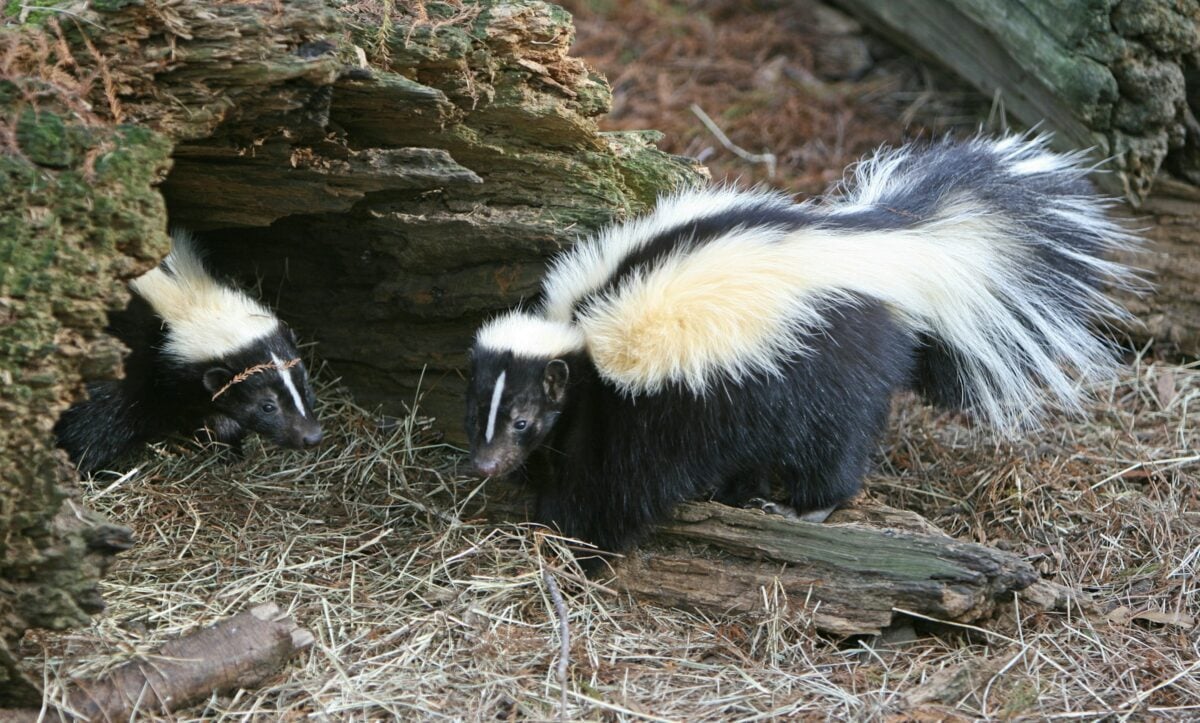
If skunks could talk, they’d probably admit they really don’t want to spray you. That famous skunk stink is more like a last-resort emergency button than a casual greeting, and skunks go through a surprising little checklist of warning behaviors before they actually pull the trigger. Learning to read those signals can mean the difference between a funny story and throwing your clothes away.
Once you know what to look for, skunks stop being mysterious “walking stink bombs” and start looking like what they are: cautious, near-sighted little insect hunters just trying to mind their own business. Let’s walk through the seven big things skunks typically , and how you can use that knowledge to avoid a very long, very smelly day.
1. Freezing In Place To Size You Up
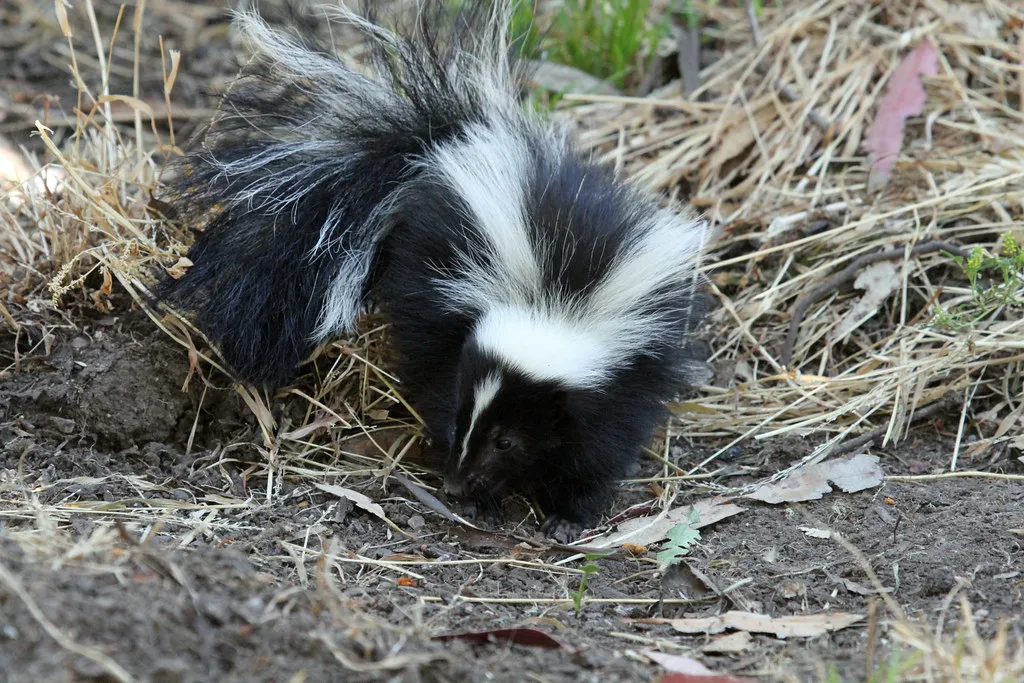
One of the first things a skunk does when it notices you is surprisingly simple: it freezes. This isn’t dramatic or aggressive; it is more like a nervous pause while it tries to figure out what you are and whether you are a real threat. Skunks do not see very well, so that frozen moment is their way of listening, sniffing, and trying to make sense of the situation.
From a distance, this can look almost cute, like the skunk is posing. In reality, it is deciding whether it can ignore you, slip away quietly, or if it needs to escalate. If you freeze right back, stay quiet, and give it space, that tense moment often dissolves without anything more happening. Think of it as the skunk saying: “Let me just check what’s going on here before I panic.”
2. Sniffing The Air And Lifting Its Head
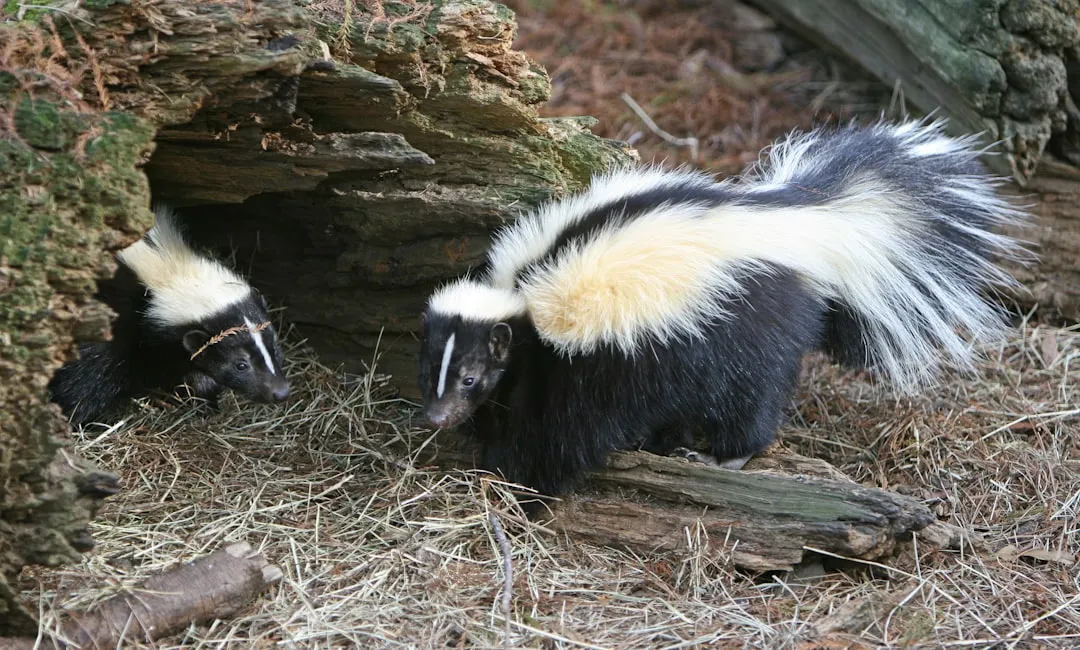
After that initial freeze, many skunks lift their head slightly and start testing the air. Their nose is one of their best tools, and they use it to figure out exactly where you are and how close you are getting. You might also notice them turning their head or body a bit, like someone angling their ear to hear better, except the skunk is mostly “listening” with its nose.
This sniffing phase is still firmly in the curiosity stage, not outright aggression. If you back away slowly and avoid sudden movement, the skunk often decides the situation is safe enough to just carry on or waddle in another direction. When I lived in a rural area, I saw this play out in real time: a skunk in the driveway sniffed the air, paused, and then simply veered off into the bushes when I stopped walking and gave it room.
3. Turning Around To Point The Business End At You
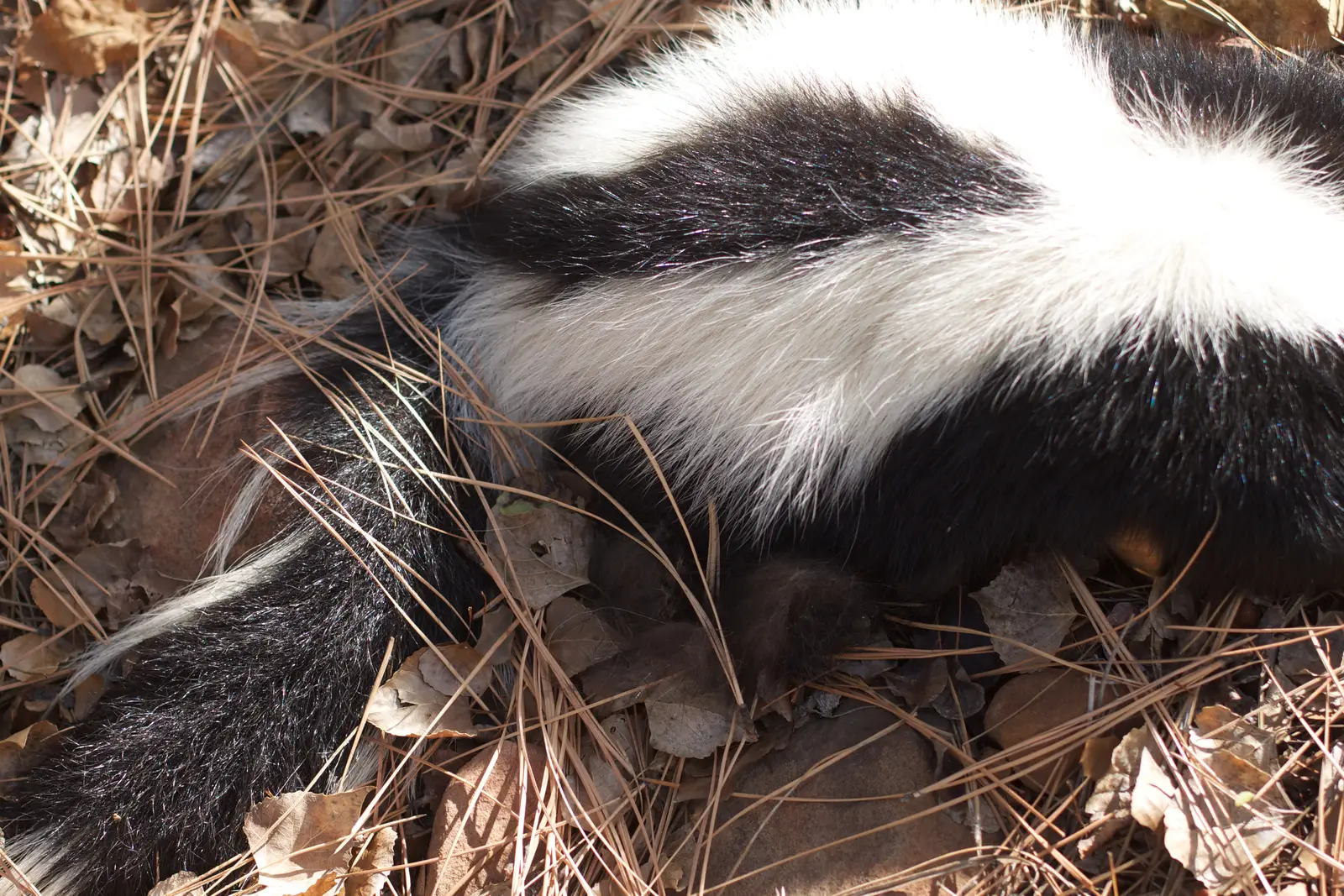
Here’s where it gets serious: when a skunk deliberately turns its back so the tail end faces you, that is not a snub, it is a warning. Skunk spray glands sit near the base of the tail, and they can aim surprisingly well. Pivoting so the rear is aimed at a perceived threat is like a person taking off the safety on a can of pepper spray and holding it at chest level.
If you ever see this, take it as your big, obvious signal to retreat. This posture means the skunk is preparing for the possibility of spraying, even if it has not fully committed yet. At this stage the animal is not wondering if you are a threat anymore; it has already decided you might be, and it wants you to know it has a very effective weapon ready to go.
4. Raising And Puffing Up The Tail
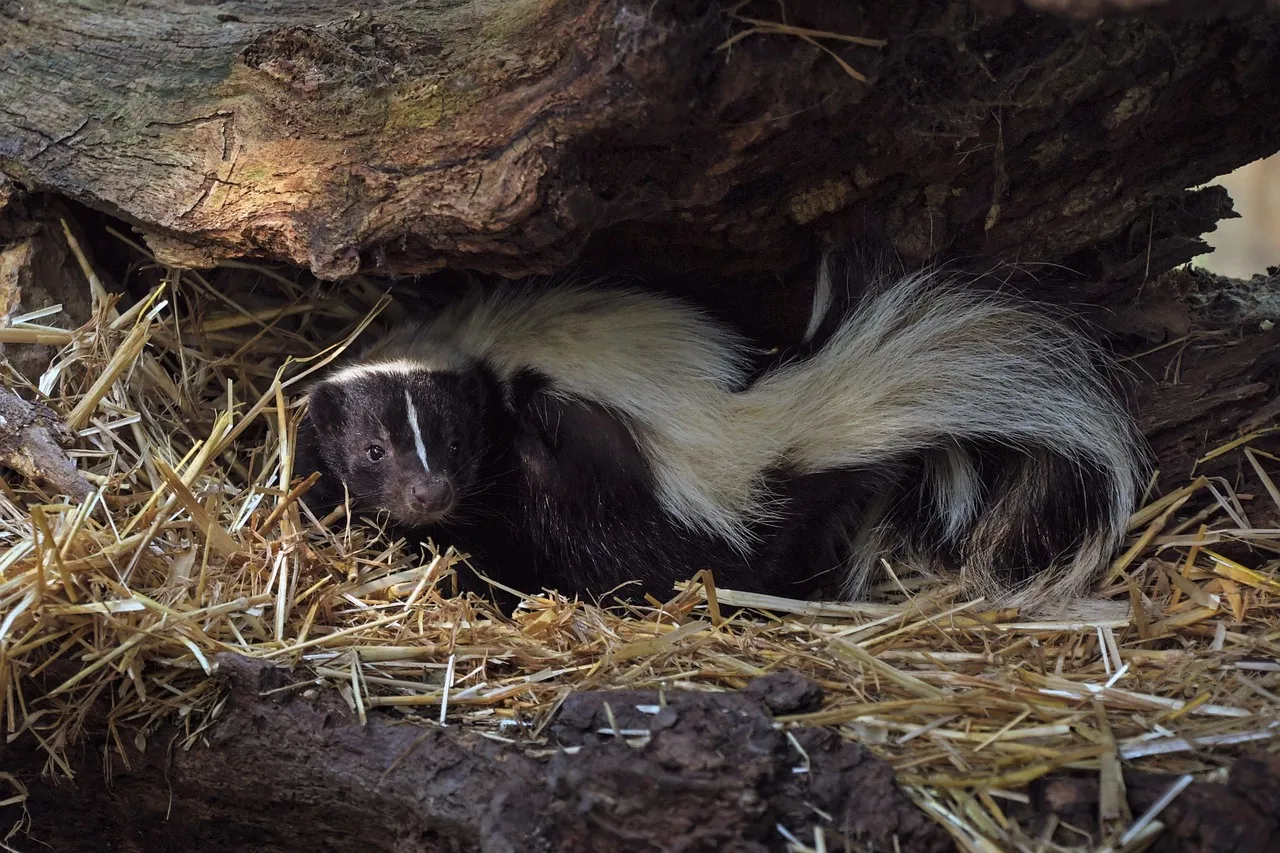
The tail is the skunk’s built-in warning flag. Before they spray, skunks often lift their tail high and fluff it out to look larger and more intimidating. It is the same visual trick a cat uses when it puffs up its fur, only in this case the tail is also literally the delivery system for that notorious smell.
This tail display does two jobs at once: it makes the skunk look bigger and more dramatic, and it “aims” the spray apparatus into position. If you picture a bright warning triangle on the back of a vehicle, that is basically what a raised skunk tail is. Seeing it up and flared should make you think: this is no longer a casual encounter, this is a countdown you still have time to walk away from.
5. Stamping Their Front Feet In Warning
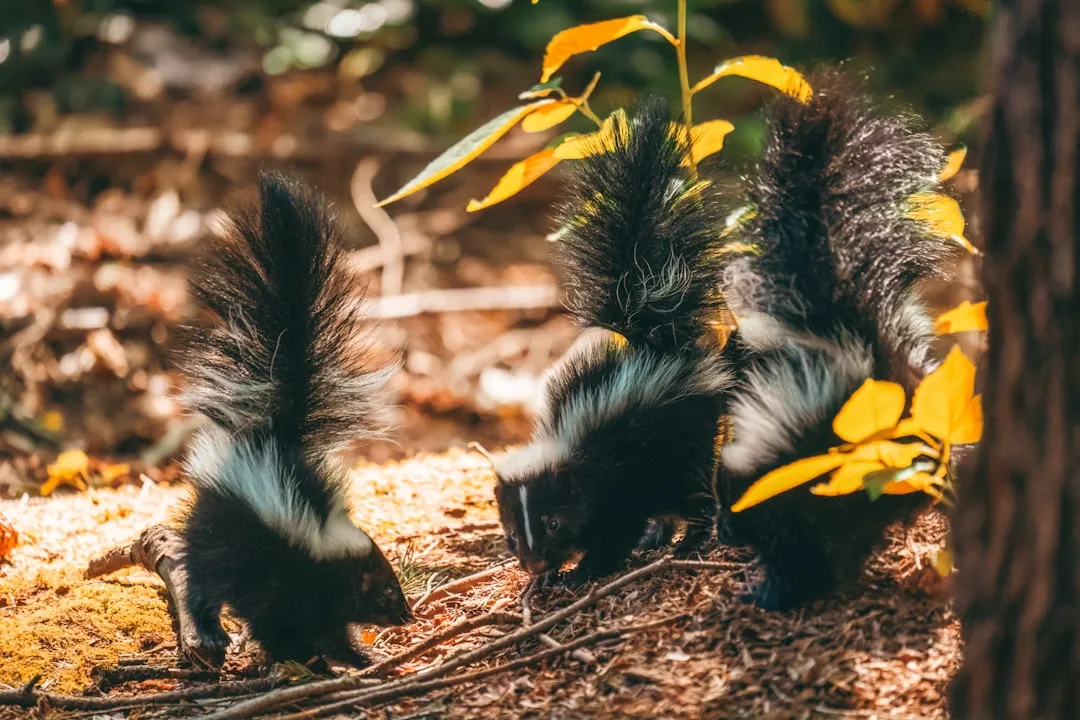
One of the most classic pre-spray behaviors is front-foot stomping. The skunk will smack its front feet on the ground, sometimes repeatedly, in a sharp, jerky motion. It can look weirdly dramatic, almost like a tiny, furious dance routine, but it is not random at all. It is a clear, deliberate signal: “Back off now, or I’m using my last resort.”
That stamping is often paired with body rocking or short lunges, but up to this point the skunk is still warning, not yet spraying. In my opinion, this is the behavior people most underestimate. If a skunk is stomping at you and you keep moving closer for a photo or to “shoo it away,” you are basically ignoring a flashing red light. The smartest move is to stop, slowly step back, and let the skunk win the argument.
6. Hissing, Growling, And Short False Charges
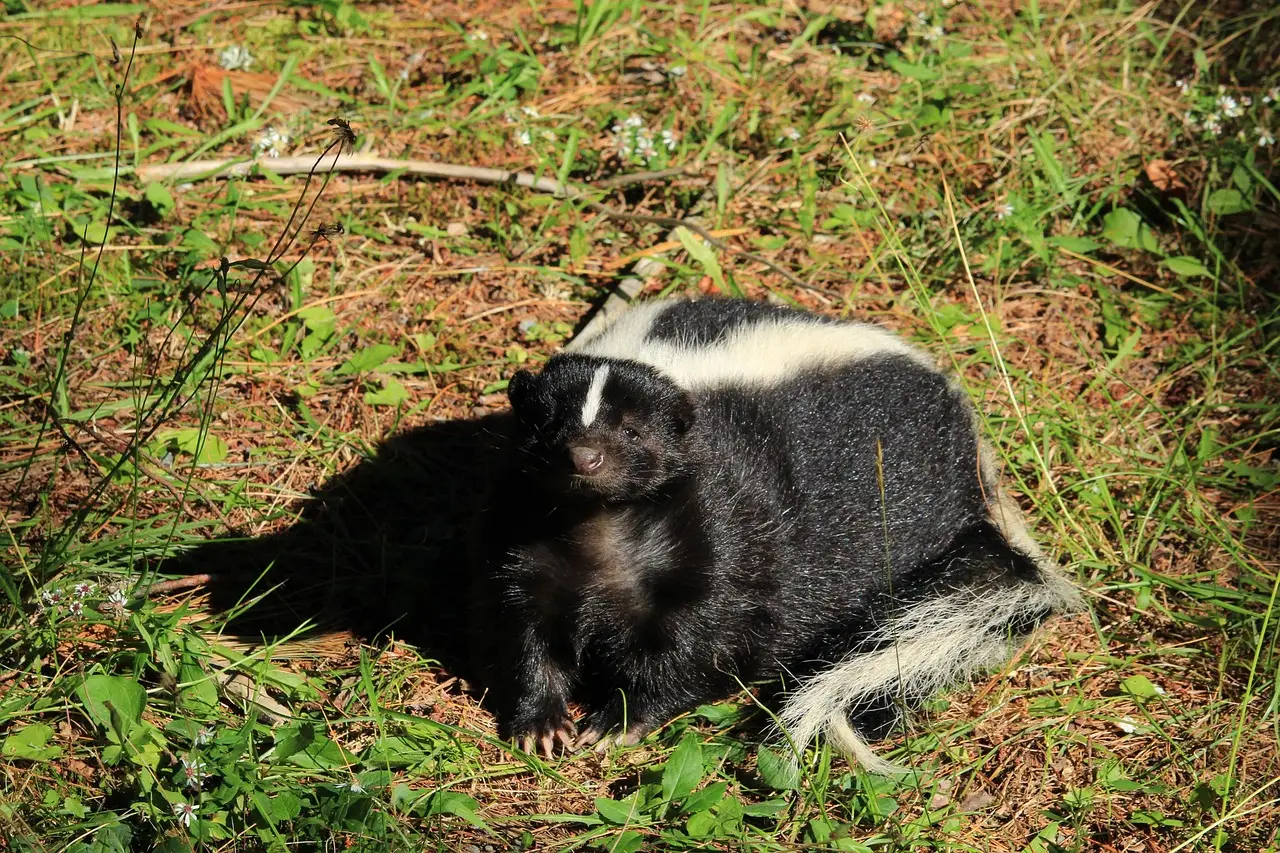
As the situation escalates, some skunks add sound and motion to their warning routine. You might hear hissing, low growling, or see short, bluff charges forward that stop just shy of contact. These moves are meant to startle you into leaving without forcing the skunk to spend its precious spray, which takes time and energy for the animal to replace.
Think of this as the equivalent of someone yelling and stepping into your personal space rather than throwing a punch. It feels intense, but it still means the skunk is hoping you will reconsider your choices. If you back off as soon as you see or hear these behaviors, you almost always avoid getting sprayed. Push through that line, and you are practically volunteering to be the skunk’s next cautionary tale.
7. Performing The Famous “Handstand” Display
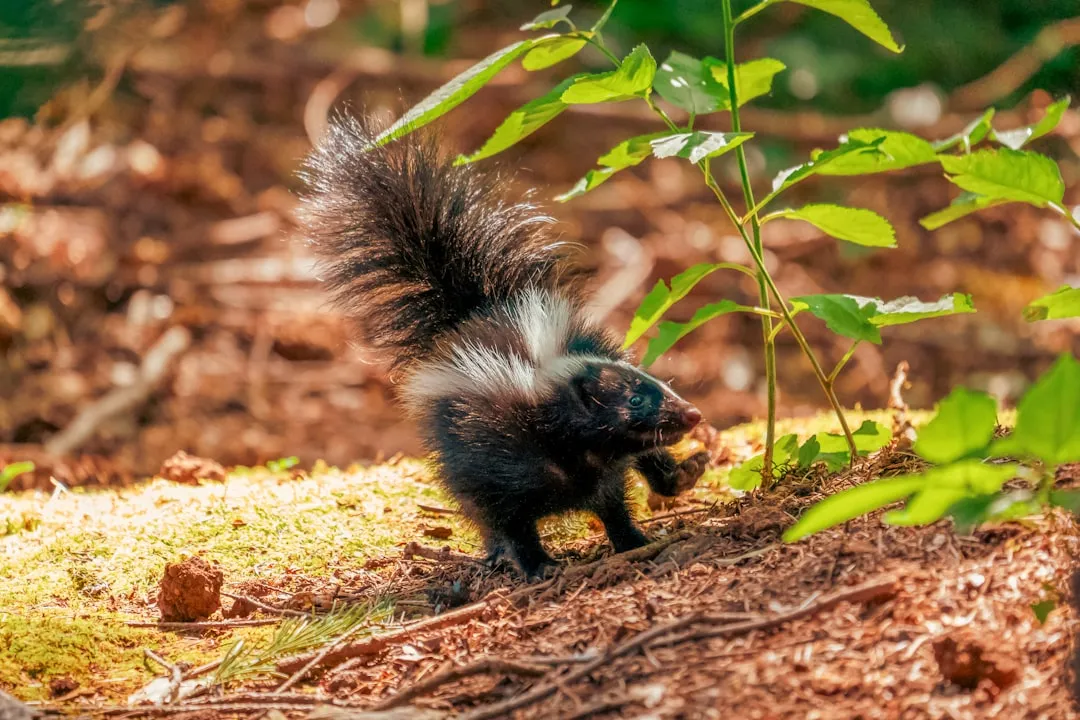
In some species and in younger skunks, you might see one of the most dramatic pre-spray moves of all: a kind of handstand display. The skunk raises its back end high, sometimes balancing partly on its front feet, tail arched, rear end pointed straight at the perceived threat. It looks almost acrobatic and a little ridiculous, but that is exactly why it works so well as a warning.
This display is the closest thing to a visual siren the skunk has. When it goes upside down or tilts that tail high while still facing you, it is making absolutely sure you know what is coming next if you do not back away. I would argue this is the skunk’s version of shouting at full volume. If you ever see that pose, treat it as your last clear chance to leave unsprayed.
8. Slowly Backing Away While Keeping You In Sight
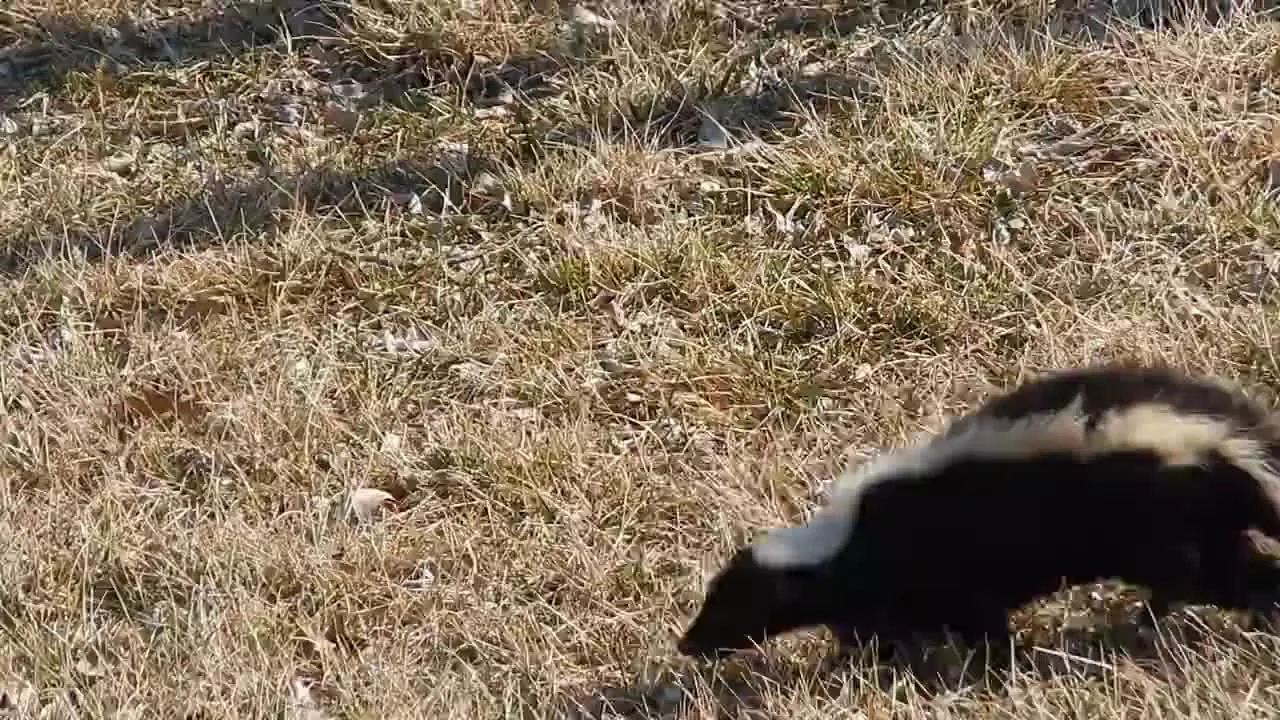
Here is the part people often miss: even when a skunk is clearly upset, it will usually try to leave the situation if you let it. Many skunks will begin to back away slowly, often still facing you or at least keeping you in their field of awareness. They prefer retreat over attack, because once they use their spray, they are temporarily more vulnerable to predators.
When a skunk is backing off, that is your cue to do the same. Give it a wide, calm corridor to escape, keep your voice low or stay silent, and avoid chasing or cornering it. In a way, both of you are looking for the same outcome: to go your separate ways without turning the encounter into a smelly disaster.
Conclusion: Skunks Are Warning You Long Before They “Nuke” You
The more you learn about skunk behavior, the more unfair their bad reputation starts to feel. They are not roaming around the neighborhood looking for victims; they are cautious, conflict-avoiding animals with a very dramatic last line of defense. Freezing, sniffing, turning, tail-raising, stomping, hissing, and even the wild handstand act are all chances they give you to make a better choice and walk away.
My honest opinion? We tend to treat skunks like walking hazards instead of small, nervous neighbors trying very hard not to waste their only serious defense on us. If you read their signals and respect their boundaries, you will almost never get sprayed – and you might even start to find them oddly charming. Next time you see that black-and-white shape at dusk, will you panic first, or remember that the skunk is desperately hoping you just let it be?

- 7 Things Skunks Do Before They Spray - August 6, 2026
- 7 Reasons Sea Otters Matter to California's Kelp Forests - August 6, 2026
- 8 Backyard Birds That Remember Safe Gardens After Migration - August 6, 2026