
Ask a random person on the street if wild animals really “bond” with humans, and most will laugh. Tolerate the food-bringer? Sure. Fall for someone? Never. That’s the popular myth, anyway.
Sanctuary workers who’ve spent decades elbow-deep in enclosures tell a stranger story. A surprising number of species pick exactly one person, usually early, and then refuse to budge – not for years, not even when that human moves departments, disappears for months, or gets replaced by someone doing the identical job with identical treats. It looks less like preference and more like something etched in stone. Here’s what the people who actually live this every day say happens, one animal at a time.
#16 – Hyenas: The “Laughing” Guardians of One Chosen Human
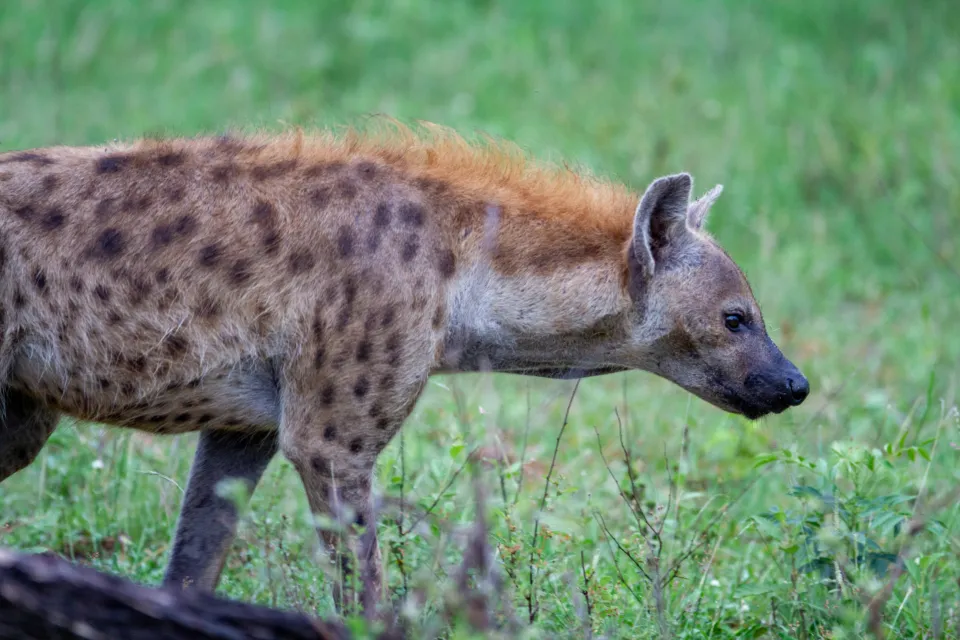
Sanctuary staff will tell you hyenas are nothing like the bumbling cartoon villains movies sold us. They’re strategic, deeply social, and shockingly picky about people. In several long-term rescue centers, spotted hyenas raised from pups will fixate on one specific caretaker by the time they’re just a few months old. That human becomes their safe base – the hyena vocalizes differently when they approach, sits still for medical checks that would otherwise spark chaos, and even wedges itself between that person and strangers.
What’s unsettling is how airtight the loyalty stays. New staff can spend years handing out food and gentle attention, and the hyena still swivels toward “their” human the second that person walks into view. Pull the chosen caretaker away during a tense moment and the agitation spikes almost instantly. Some behaviorists call it a super-charged version of imprinting tangled up with the species’ complex clan instincts – but hyenas are just the warm-up act.
#15 – Ravens: The Bird That Never Forgets a Face
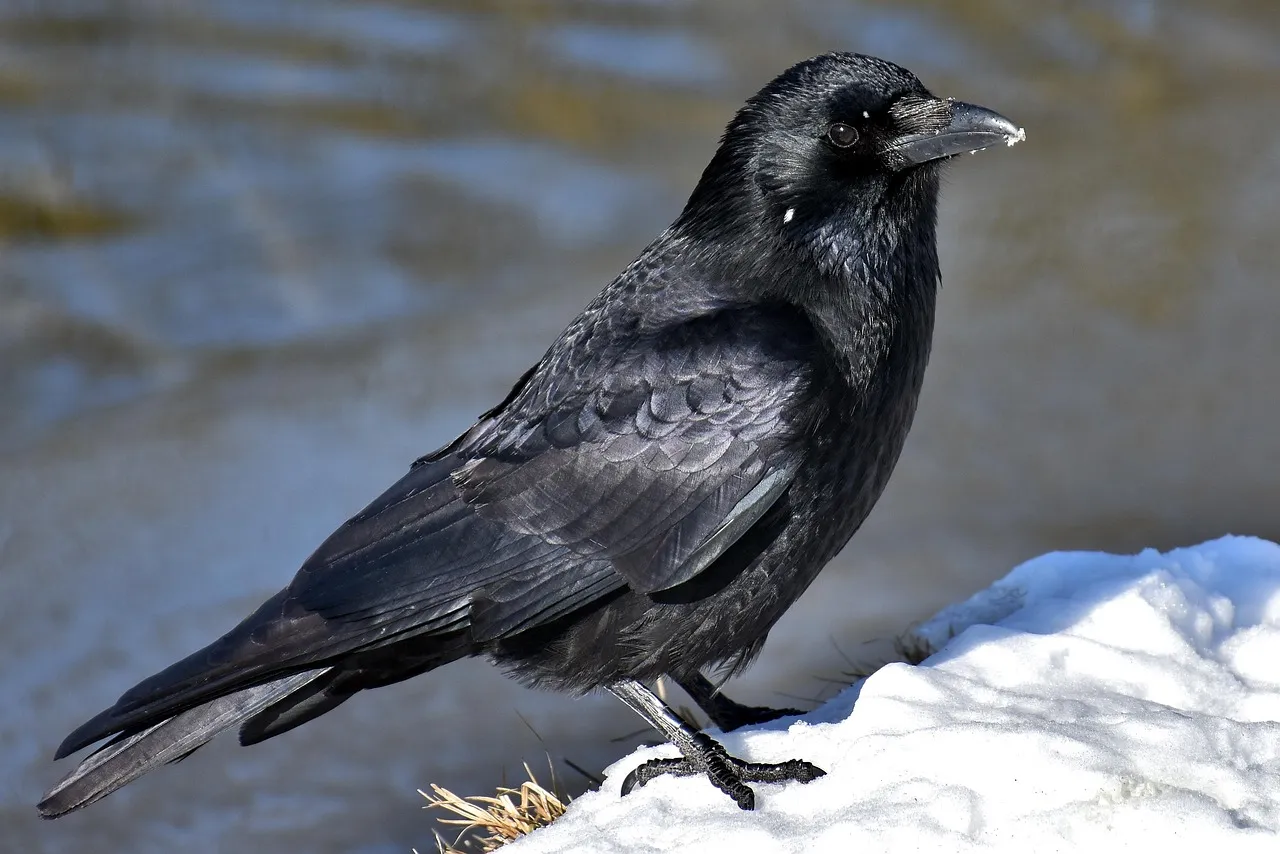
Everyone assumes parrots are the “people birds,” but keepers who’ve worked both quietly insist it’s ravens that form the most stubborn one-person alliances. Ravens can recognize individual human faces for years and hold onto grudges or affection with eerie precision. In sanctuary rehab, a young raven will often single out one staff member during its first intensive weeks, and that preference becomes almost impossible to unwrite.
Fast Facts
- Ravens belong to the corvid family, alongside crows and magpies – some of the sharpest birds on the planet.
- Corvids have been documented remembering specific human faces for years, holding onto both trust and grudges.
- A raven’s brain-to-body ratio rivals that of some primates, fueling its complex social memory.
- Wild ravens can live over a decade, giving plenty of time for a one-person bond to deepen.
Workers describe ravens that will fly past a room full of people just to land on one arm, dropping gifts of sticks, shiny scraps, or bits of food at that person’s feet. Take the favorite away, and the same bird can turn aloof or outright hostile toward anyone who tries the exact same routine. Socializing helps with safety, but the pecking order never lies: one human on top, everyone else a distant second.
#14 – Wolves: The Quiet, Unshakeable Pack Choice
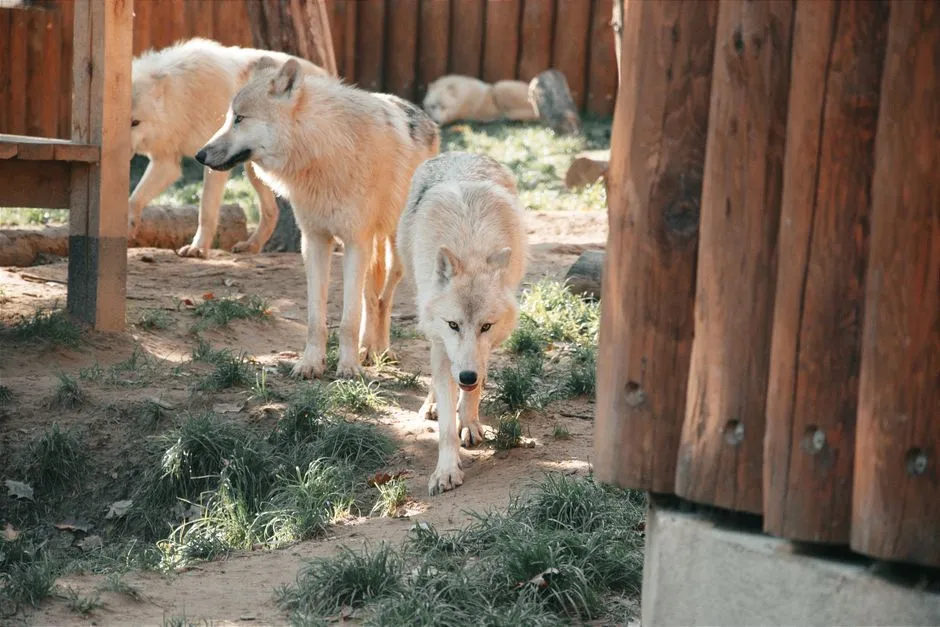
There’s a popular myth that wolves see humans as either “alpha” or nothing. Sanctuary reality is stranger and gentler than that. In socialized packs, caregivers report that each wolf tends to anchor tightly to one person from a narrow developmental window – often whoever did the early bottle-feeds or sat through the terrifying first days after a rescue.
That chosen human isn’t always the most dominant handler in the building. Sometimes it’s the quiet intern who read a paperback outside the enclosure for hours on end. Yet the wolf tracks that person’s every move, softens its whole body around them, and tolerates handling that no one else can safely attempt. Even after long separations, keepers have watched wolves greet that one person with tail wags and full-body leans they never offer anyone else – a bond some biologists dismiss as reinforcement history, but that plenty of sanctuary staff swear feels like family.
#13 – Cheetahs: Anxious Sprinters With One Human “Reset Button”
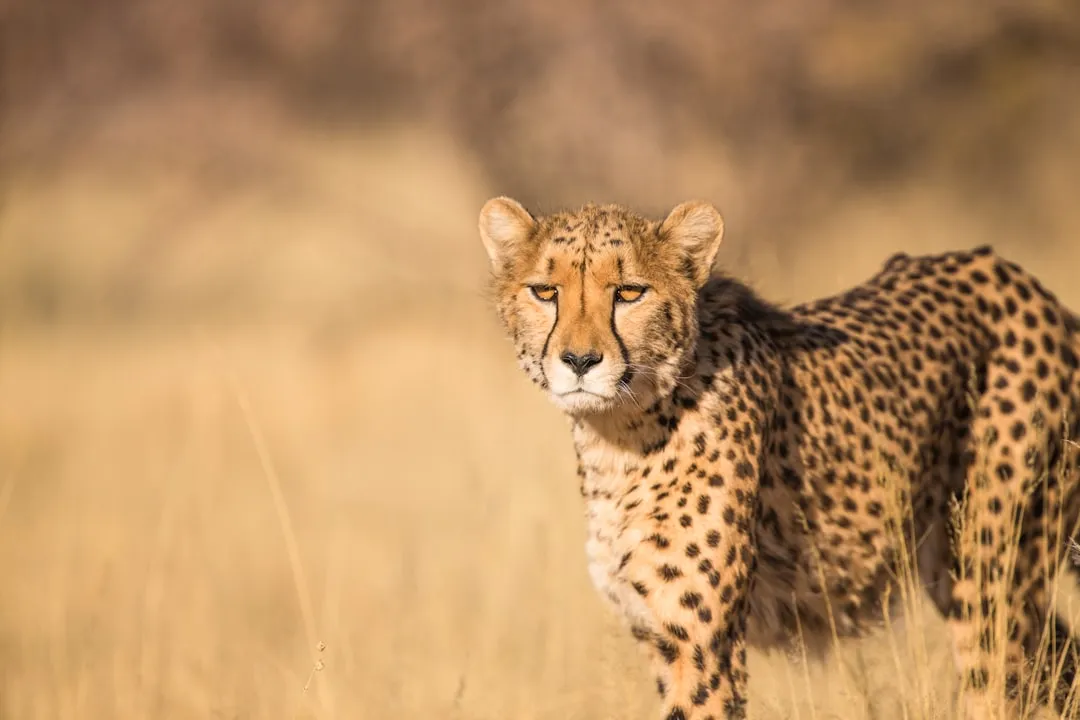
Cheetahs are famously high-strung in captivity – it’s why some zoos pair them with calm companion dogs. But sanctuaries see a different, more human-specific pattern: cheetahs often lock onto one caretaker as their emotional anchor, especially whoever handled their earliest medical work.
Keepers describe cheetahs pacing and refusing food until that one person steps into view – and the shift can be instant. The tail drops, the tension melts out of the shoulders, and the cat suddenly accepts an injection or exam that’s impossible with anyone else. The strangest part is how permanent it stays: years later, with entirely different staff logging more hours, the original chosen human remains the only reliable calm-down switch the animal has ever had.
#12 – Red Foxes: The Chaos Gremlins With a Secret Favorite
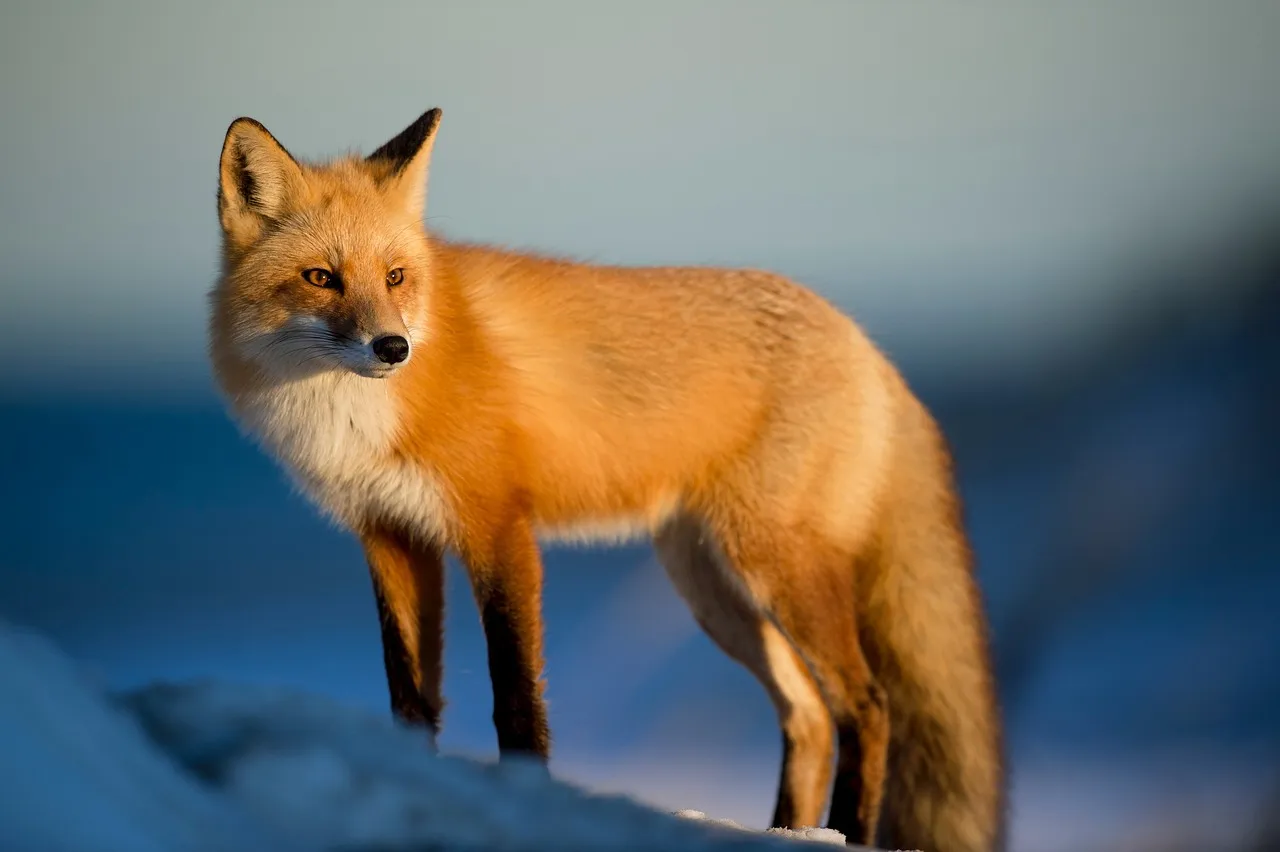
Anyone who’s adopted a “domestic” fox learns fast that foxes are not house dogs. Sanctuary workers see the clearest version of this: foxes are little agents of chaos – except with exactly one human. Many hand-raised red foxes decide almost immediately that one caretaker is theirs, and everyone else becomes tolerated furniture.
With that chosen person, the fox goes soft: gentle vocalizing, relaxed ears, even choosing to nap nearby. The same fox might nip, shriek, or spray urine at other staff attempting the identical approach. Loyalty doesn’t always track with who feeds them, either – some foxes ignore their primary feeder entirely in favor of whoever did quiet, low-pressure cleaning nearby. Once that line is drawn, it holds. Even months of rotation won’t stop the fox from bolting straight to its original pick.
#11 – Elephants: The Long-Memory Loyalists
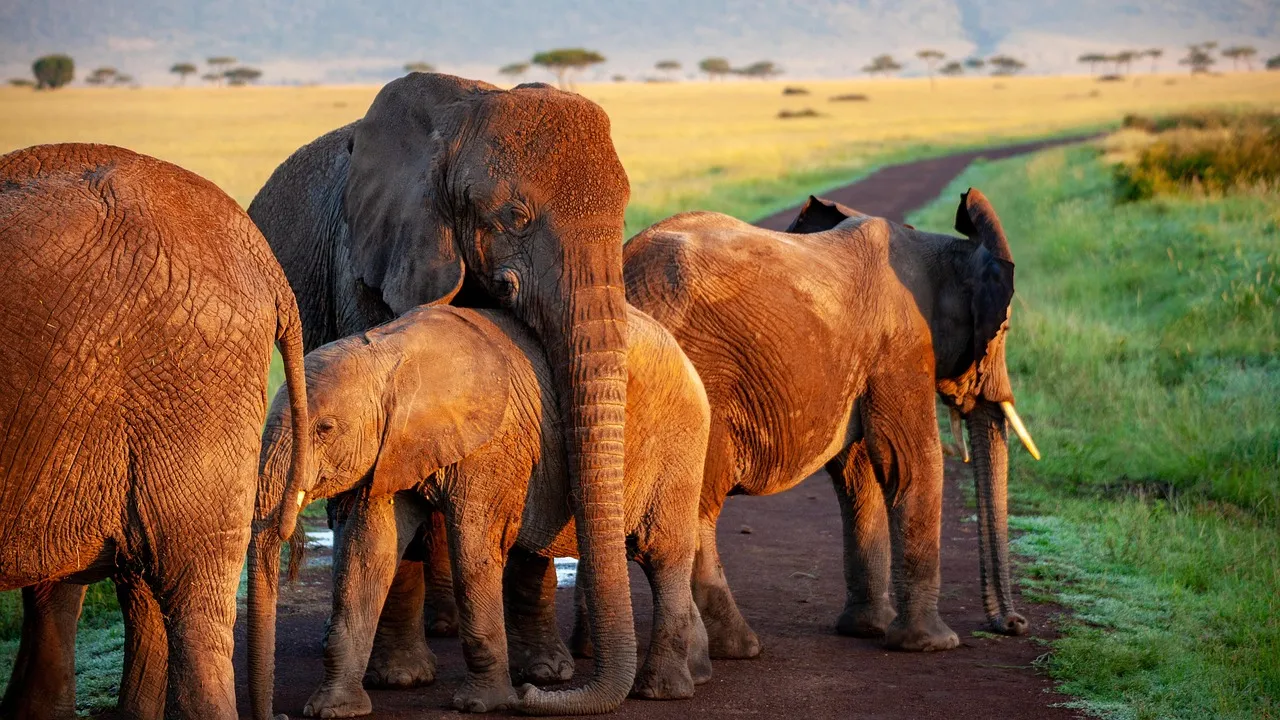
Everyone’s heard elephants never forget. Sanctuary staff say that’s only half the story – the other half is that they rarely replace a trusted human once they’ve chosen one. Rescued elephants, especially survivors of logging or tourism abuse, often pick a single keeper – frequently the first person who offered consistent kindness after years of harm – and build a bond that can outlast decades.
Worth Knowing
- African elephants can live 60-70 years in the wild, giving a single bond decades to solidify.
- Elephants have one of the largest brains of any land mammal, with a hippocampus tied to long-term memory.
- Rescued elephants from logging or tourism camps often carry visible scars from years of harsh handling.
- Tight-knit, matriarchal herd structures may explain why elephants default to trusting one steady, reliable figure.
Elephants will follow that human’s voice across a crowded facility, respond faster to their cues, and grow visibly distressed if that person leaves for too long. There are documented cases of an elephant recognizing a former caretaker after years apart, walking straight past a dozen other staff members to reach them. Modern welfare science warns against over-romanticizing this, but people on the ground keep seeing the same thing: once an elephant decides you’re safe, that category almost never flips back.
#10 – Snow Leopards: Ghost Cats With One Loud Exception
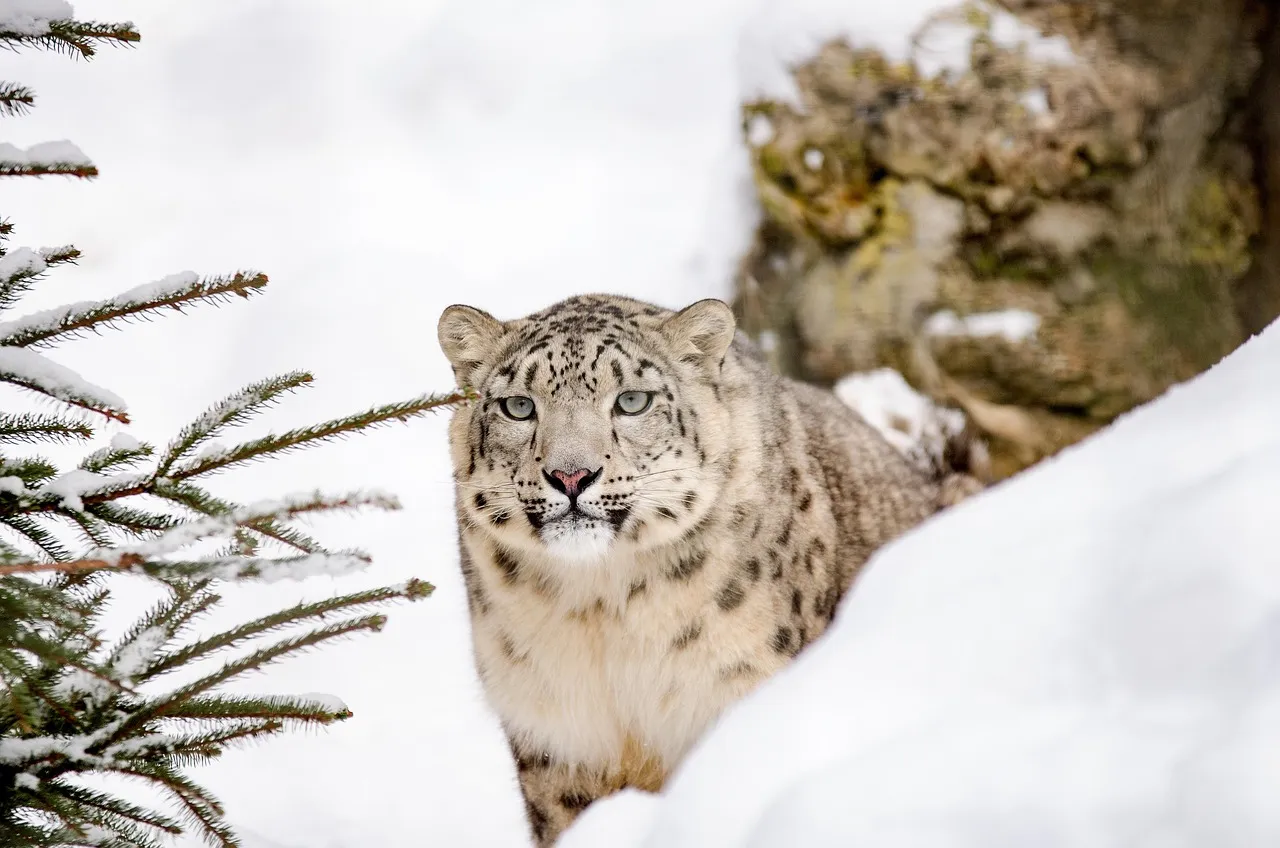
Snow leopards are called “ghosts of the mountains” for good reason – even in sanctuaries, they dodge eye contact and stay elusive whenever they can. Which makes this recurring, slightly eerie anecdote among big cat keepers stand out: the most withdrawn snow leopards sometimes make a single, permanent exception for one specific human.
Staff describe cats that vanish from everyone – until that one person shows up, at which point the cat comes to the front of the enclosure, chirps, and rubs against the mesh. The choice rarely lines up with rank or routine; it might be a volunteer who once sat outside for weeks, reading aloud during a slow medical recovery. Once the bond sets, it freezes in place. Other staff can earn tolerance, but they never eclipse the original chosen figure. For an animal built to disappear, that’s about as loud a statement as it gets.
#9 – African Grey Parrots: Hyper-Smart and Hyper-Selective
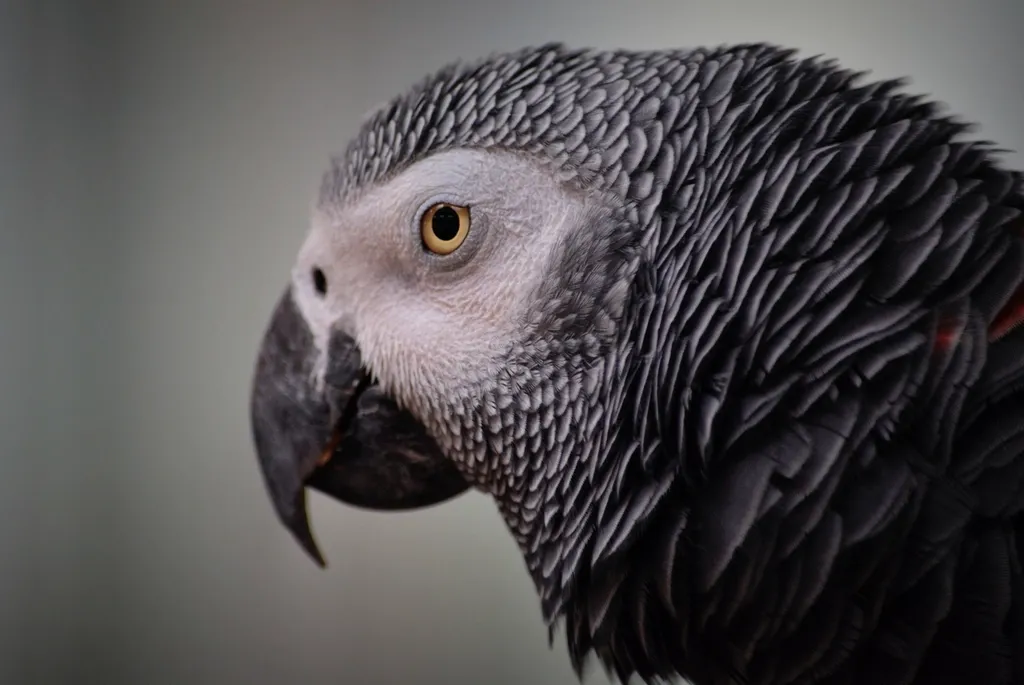
Most people assume parrots “like everyone” as long as the treats keep coming. Long-term keepers of African greys roll their eyes at that idea. These birds think roughly like toddlers, and they’re just as capable of petty, unshakeable bias. In many rescues, a grey will select one human during its first stable months and then make everyone else’s job noticeably harder.
They’ll step up willingly only for that person, mimic their voice on a loop, and shriek their name the moment they walk past. Meanwhile they bite or stonewall other staff offering the exact same rewards. Some sanctuaries have birds abused by one gender who now trust only the opposite gender – but even inside that group, a single favorite still rises to the top. The kicker: once it’s set, that preference survives new buildings, new teams, even years of change, like a social tattoo that never fades.
#8 – Capuchin Monkeys: The Calculating Best-Friend Makers
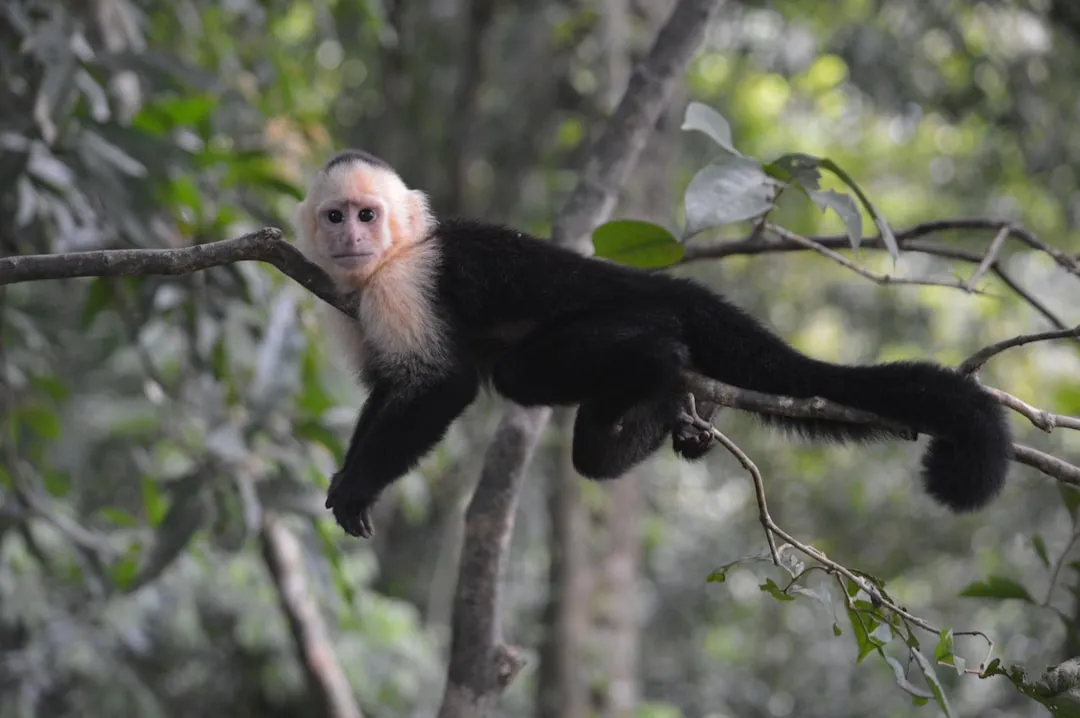
Capuchins are the overachievers of the monkey world – tool users, problem solvers, gifted manipulators. In captivity, they’re notorious for cliques and blatant favoritism. Sanctuary workers repeatedly note that each capuchin tends to elevate one human above everyone else, treating them like a lifelong best friend.
With that chosen person, the monkey might share food, groom through the fence, or insist on being carried by them specifically during medical procedures. Everyone else, even skilled trainers using flawless positive reinforcement, gets cooperation without warmth. What’s telling is how resistant this hierarchy is to change – if the favorite reduces contact or switches shifts, the monkey’s excitement reignites the instant they reappear. Keepers say you can almost watch the math happen: the capuchin already ran the numbers and picked its person. Everyone else is still negotiating.
#7 – Dingoes: The Wild Dogs Who Only Hedge Their Bets Once
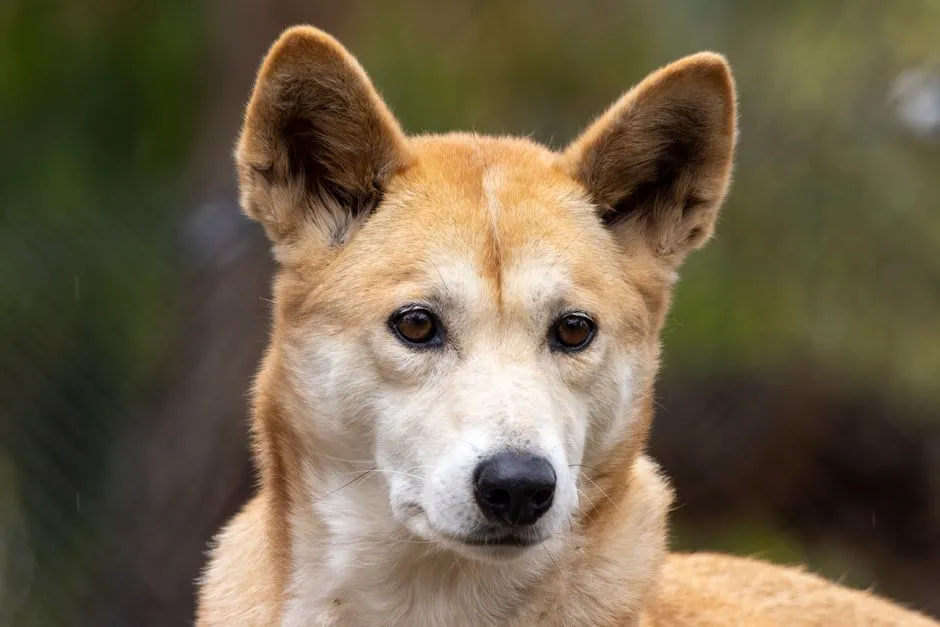
Dingoes sit in an awkward space between dog and wolf, and their social behavior shows it. In Australian sanctuaries and research centers, handlers often describe dingoes that warm to one human quickly and then lock that choice in for good, even while staying cautious around everyone else. It reads less like clinginess and more like a mutual pact.
These dingoes shadow their chosen person along the fence line, respond keenly to their calls, and tolerate handling that leaves them tense with anyone else. The deciding factor often seems to be who respected their boundaries early on – the people who pushed too fast rarely become the favorite, no matter how many treats they offer later. Some behaviorists tie this to their semi-wild ecology: trusting the wrong individual can be dangerous in the wild, so dingoes hedge their bets exactly once, then commit.
#6 – Tigers: The Terrifyingly Loyal Introverts
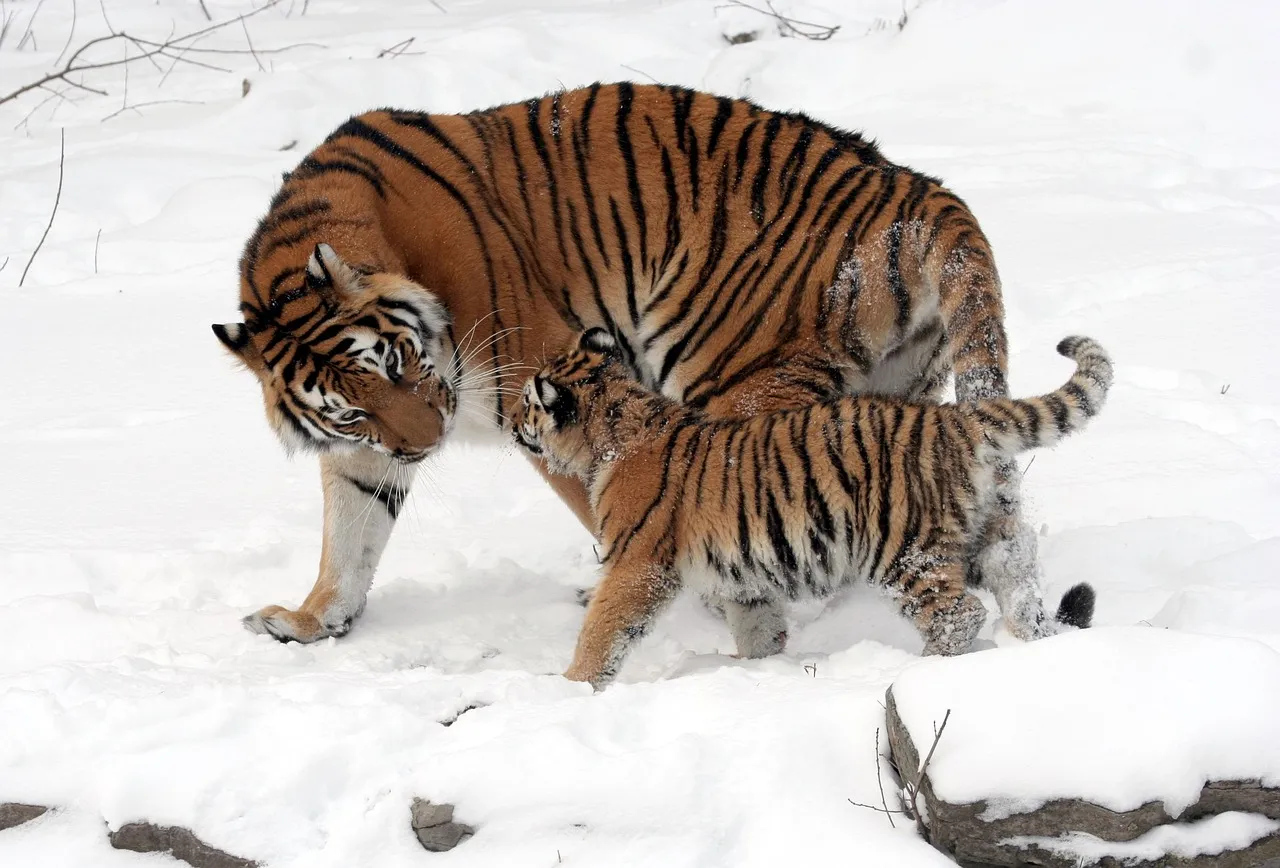
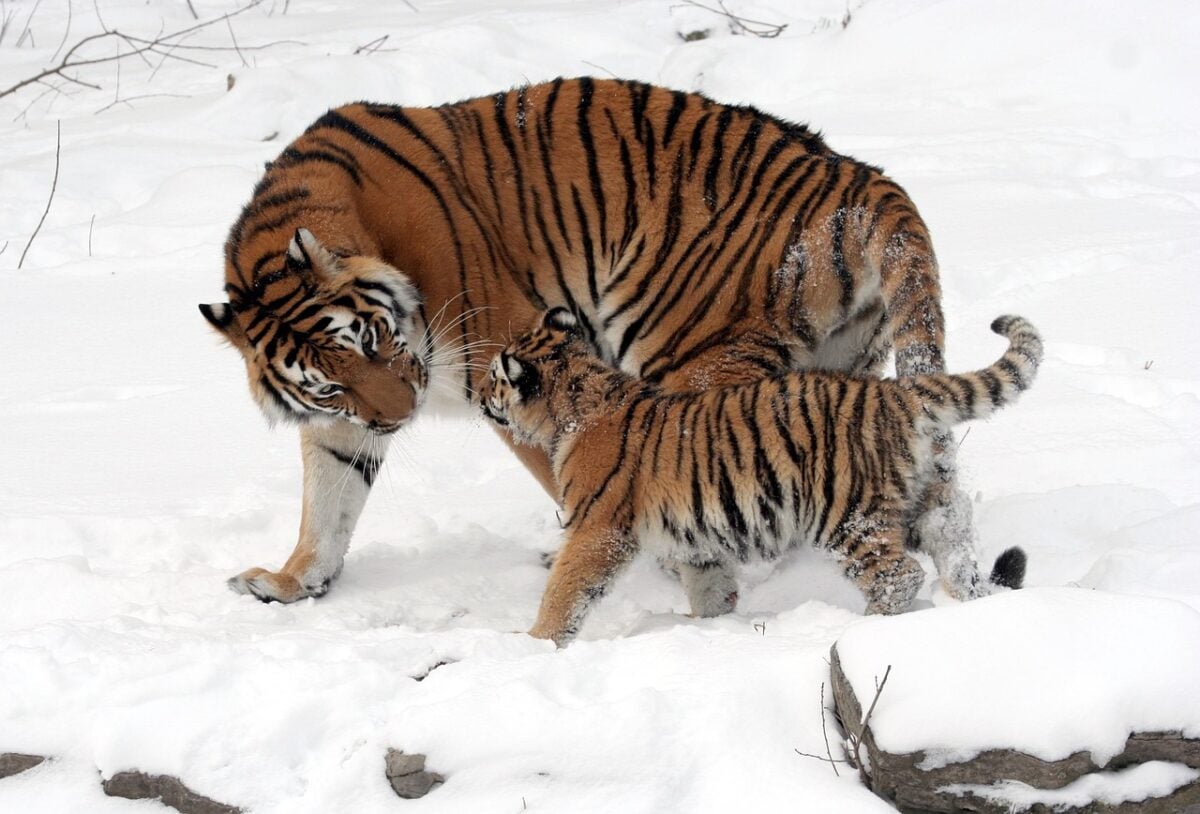
Ask anyone who works with big cats: if a tiger decides it likes you, you never fully relax around it again – in a good way. Staff in reputable sanctuaries insist tigers are not pets, but they’ll also admit something else quietly: many tigers appear to choose one human early and behave permanently differently with that person.
Quick Compare
- Popular myth: Tigers are unpredictable loners who bond with no one.
- Sanctuary reality: Many tigers form a single, lasting attachment to one caretaker.
- With strangers: Distant, tense, sometimes defensive body language.
- With their person: Soft chuffing, relaxed posture, and recognition of a voice from across the compound.
The bond shows up in body language long before there’s any physical closeness. With their chosen human, tigers chuff softly, roll onto their sides, or trail the person along the perimeter fence. Try the same moves as a different handler and the tiger goes cold, sometimes hostile. New staff who assume “it’s just conditioning” watch a tiger ignore them entirely, then perk up and react from across the compound to the voice of its longtime favorite.
#5 – Bears: Grudge-Keepers With One Exception
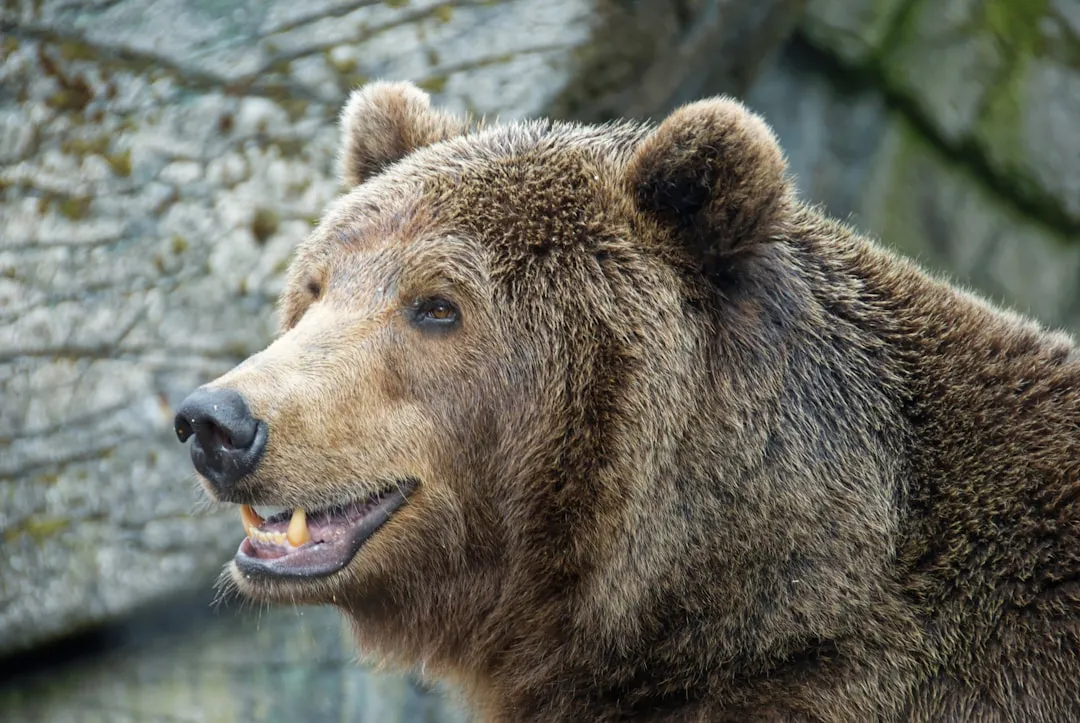
Bears get painted as loners, but captivity reveals a surprisingly sharp memory for individual people. Sanctuary workers see the same split over and over: bears remember exactly who stressed them and who didn’t. A rescued bear will often single out one human who handled its early trauma gently and grant that person a tolerance nobody else gets.
That one caretaker can approach the fence closer, give injections with less sedation, or walk by without triggering the usual pacing. Other staff doing the identical job at the identical time may still get bluff charges or avoidance. The bond survives absence, too – a bear moved to another part of the property can visibly relax when that one person reappears after months away. Facilities avoid “friendship” language for good reason, but the risk-management reality is hard to ignore: one human is often the bear’s single exception in a world of carefully catalogued threats.
#4 – Otters: The Noisy Little Loyalists
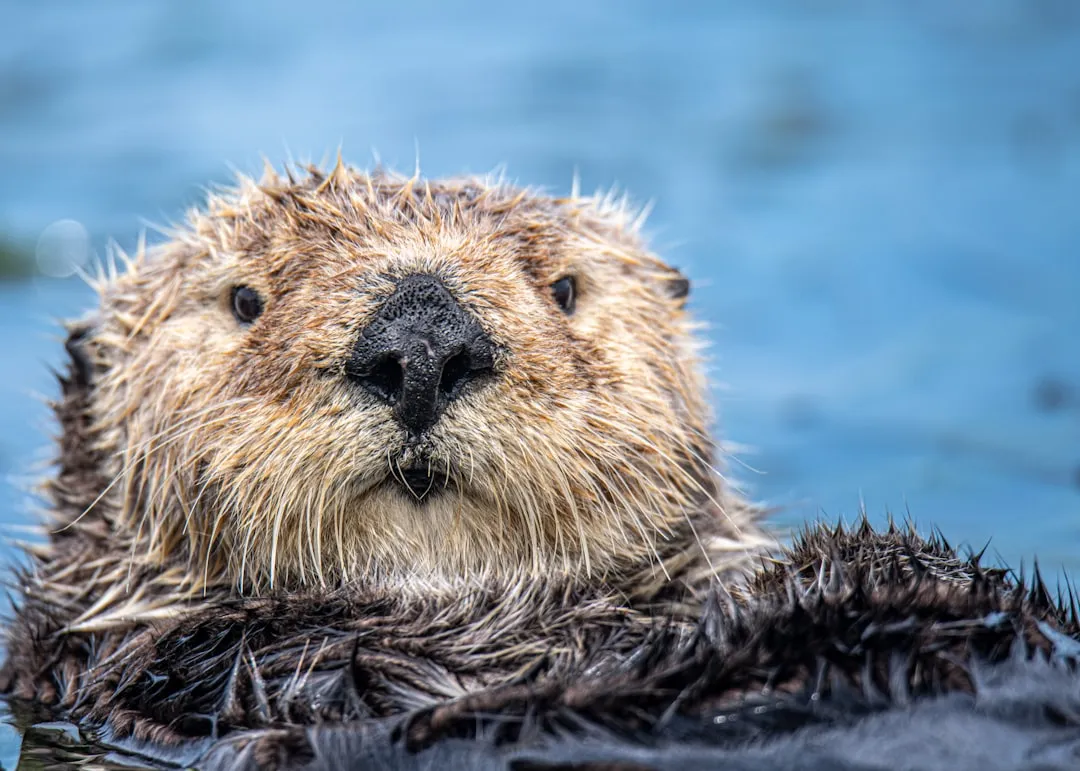
River and Asian small-clawed otters look like cartoon characters, but their social lives run deeper than the cute act suggests. In multi-keeper sanctuaries, it’s common for one otter – usually rescued young – to decide a single human belongs in the “in-group” while treating everyone else as a tolerated outsider.
You can actually hear the difference. Workers describe otters that scream, chirp, and paw at the glass for exactly one keeper, while barely glancing at anyone else. That favored person can introduce new enrichment or changes with far less protest, almost as if their presence vouches for the group’s safety. Even when another staff member handles feeding for months, the emotional spike still belongs to the original human – it’s charming right up until you realize how political it is, because once the otter commits, reversing that choice is nearly impossible.
#3 – Genets and Civets: The Night Shift’s Secret Loyalists
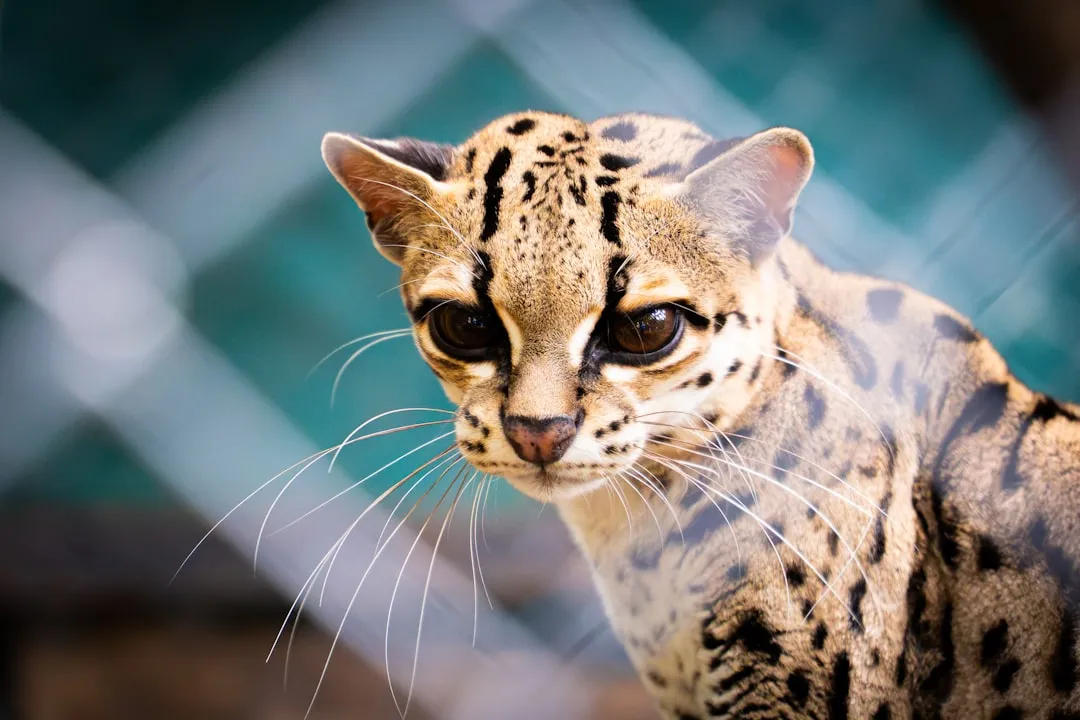
You won’t see them in mainstream nature documentaries, but night-shift sanctuary staff bring them up fast: small nocturnal carnivores like genets and civets are startlingly consistent “one-person animals.” High-strung and easily stressed, these animals treat their earliest human experience as make-or-break.
In facilities where one caregiver handles most of the overnight feeds, genets and civets often funnel almost all their trust – and their rare affection – toward that person alone. They’ll climb onto their shoulders, accept handling, even doze off nearby. Swap in another keeper doing the exact same routine, and you get defensive postures, musk spraying, or flat-out avoidance. Staffing patterns can shift for years, and the animal will still treat that original caretaker as the one safe constant in a dark, unpredictable world.
#2 – Gibbons: The Song-Bond Specialists
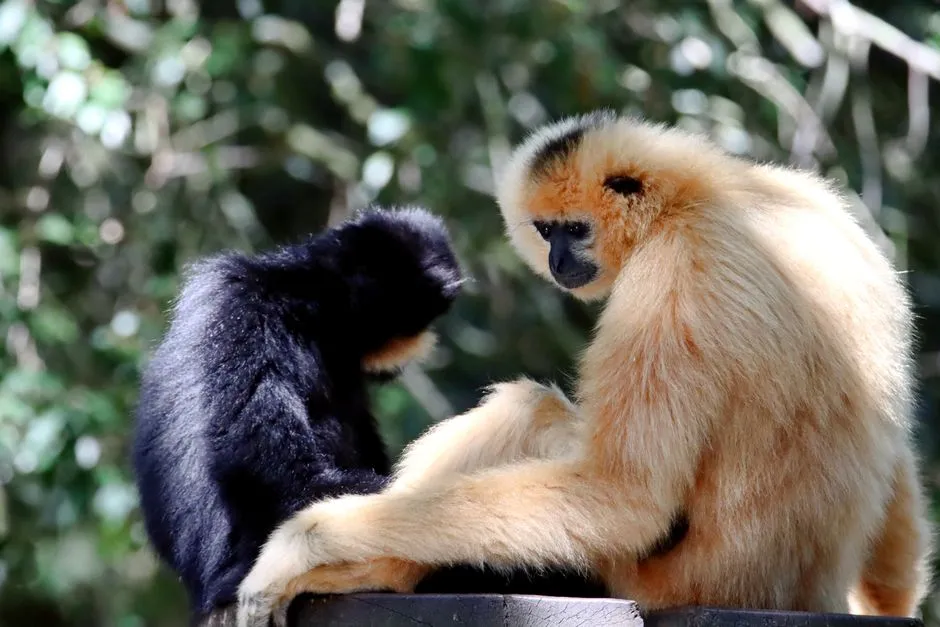
Gibbons, the small apes with the massive voices, have some of the strictest pair-bonding instincts in the primate world. So it’s not exactly a shock that in sanctuaries, they often project that same lifelong pair-bond straight onto one chosen human.
Why It Stands Out
- Gibbons are true monogamous pair-bonders in the wild, a rarity among primates.
- Their duets are used to reinforce and announce an existing bond, not just mark territory.
- Redirecting that instinct onto a human means the attachment carries the same intensity as a wild pair bond.
- Jealousy toward other gibbons shows the bond is treated as exclusive, not casual.
Keepers describe gibbons that only start their signature duet when a particular person shows up, adjusting their song to “answer” that human’s voice. Once a gibbon decides, good luck rerouting it – they reach for that person first during medical work, stare after them when they leave, and can turn visibly jealous if the human interacts warmly with other gibbons. Everyone else, even experienced staff, gets polite distance that never fully closes. It’s one of the clearest cases of a species’ deepest social wiring getting redirected onto a human, then frozen there for good.
#1 – Rescued Macaws: The Ride-or-Die Parrot Partners
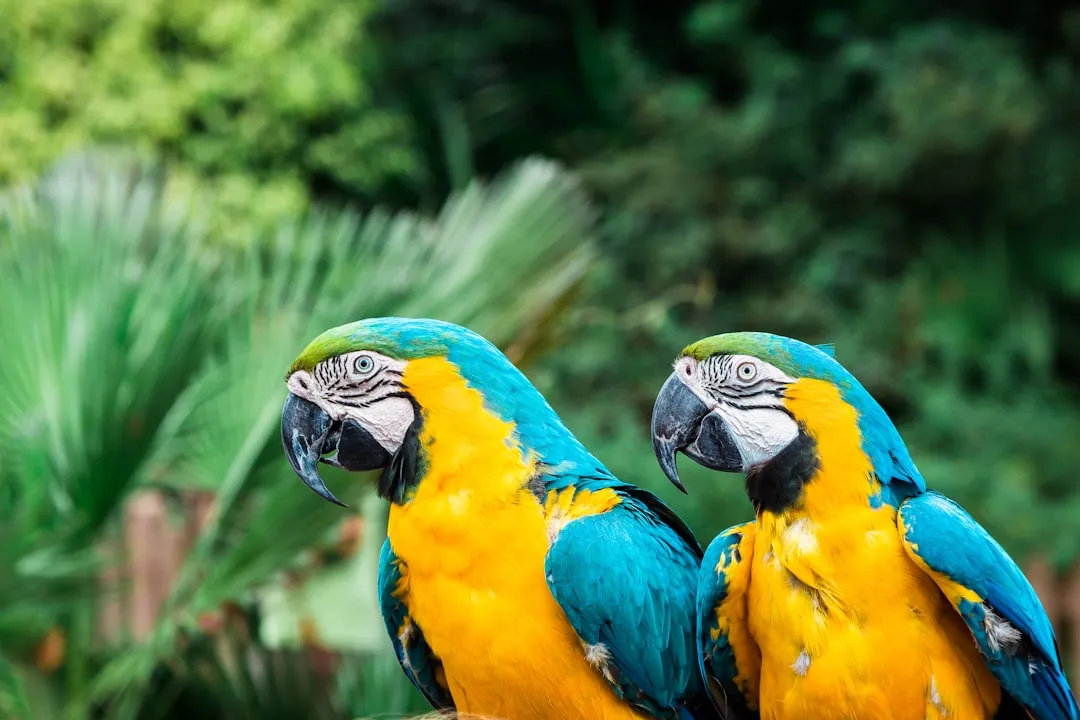
If there’s one group sanctuary workers name almost unanimously as “picks one human and never lets go,” it’s the big macaws – blue-and-gold, scarlet, green-winged, all of them. Especially the rescues. Many of these birds arrive with a history: decades with a single owner, then a heartbreaking surrender. Once they land in a sanctuary, they often choose one staff member within weeks and rebuild that same lifelong-partner dynamic all over again.
The fallout can be rough on everyone else. That macaw might cuddle, preen, and coo sweetly with its chosen human, then lunge or scream at anyone else who dares get close. Staff can pour months of patient training into softening those edges, and the underlying ranking barely shifts. Even when the favorite changes roles or all but disappears from daily duty, the bird’s reaction to their rare visits – frantic calling, full-body excitement, desperate attempts to reach them – says everything: the choice was made once, and the macaw has zero interest in revising it.
Elephants never forget a good friend, and they never forget a bad one either.
Common saying among elephant sanctuary keepers
The Bottom Line

Here’s the uncomfortable truth sanctuary workers live with every single day: a lot of wild and semi-wild animals do not distribute their trust fairly. They hedge hard, and they hedge early. From tigers and elephants to ravens and macaws, the same pattern keeps repeating – one human gets elevated fast, and that decision turns out to be almost immune to everything that happens afterward.
That’s not a Disney bond. It’s a survival strategy, built out of memory, fear, and selective attachment, and it’s a lot more honest than the internet’s favorite line that “animals love everyone who’s kind to them.” The people doing 5 a.m. feeds and midnight sedations know better. Most of these animals pick one person, hold that choice for life, rarely forgive a real betrayal, and almost never promote anyone new to the top spot again.
Did we miss an animal you’ve seen do this in real life? Sanctuary staff, rehabbers, and volunteers – drop your stories below.

- 16 Wild Animals Sanctuary Workers Say Choose One Human Early and Never Once Change Their Mind - August 8, 2026
- 18 Animals That Bond So Completely With One Person They Never Truly Settle With Anyone Else Again - August 8, 2026
- 17 Gentle Things an Ageing Horse Does in Its Final Season That Owners Understand Far Too Late - August 8, 2026