
Most people assume animals will happily love anyone who feeds them. Walk into any shelter and ask a volunteer if that’s true, and you’ll get a tired laugh instead of a yes.
A surprising number of species form bonds so intense that losing “their” person doesn’t just make them sad, it can change who they are. Some stop eating. Some lash out at total strangers for no obvious reason. Some just go quiet and stay that way. Shelters and rescues talk about these “one-person animals” constantly behind the scenes, but almost nobody hears about it until they’ve already brought one home and can’t figure out why it won’t warm up. If you’ve ever wondered why that “difficult” rescue dog, bird, or even fish never quite relaxes around you, this is probably why. Here are 18 animals that, once they choose someone, almost never fully hand that trust to anyone else again.
#18 – Ferrets: Tiny Clowns, Intense Attachments
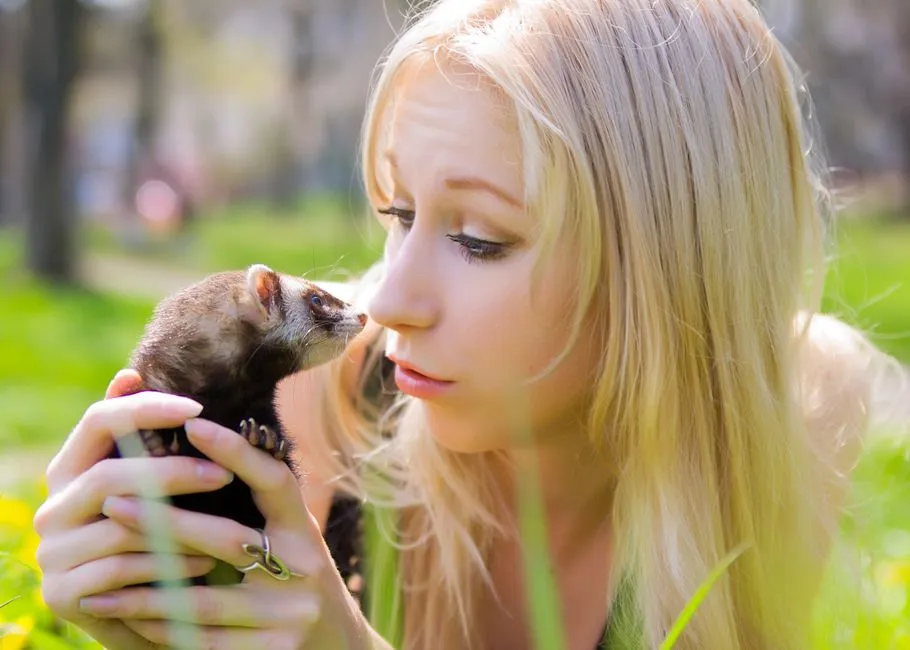
Ferrets look like chaos gremlins who’d love anyone with a snack, but long-term owners tell a very different story. These little predators imprint hard on whoever handles them most, the person who feeds them, cleans up after them, and wrestles with them on the floor. Over time that turns into a clear, consistent favorite, one human they’ll follow room to room and burrow into their laundry for.
When that person disappears, plenty of ferrets get noticeably depressed and sluggish. Rescue workers say older ferrets can struggle badly after being rehomed. Some stop eating normally, hide more, or turn nippy with new people who try handling them exactly the way their original person did. They may eventually tolerate someone new, but that goofy, fully-relaxed trust rarely comes back the same. People call them stubborn. Really, they’re grieving.
#17 – Chinchillas: The “Don’t Touch Me… Except You” Crowd
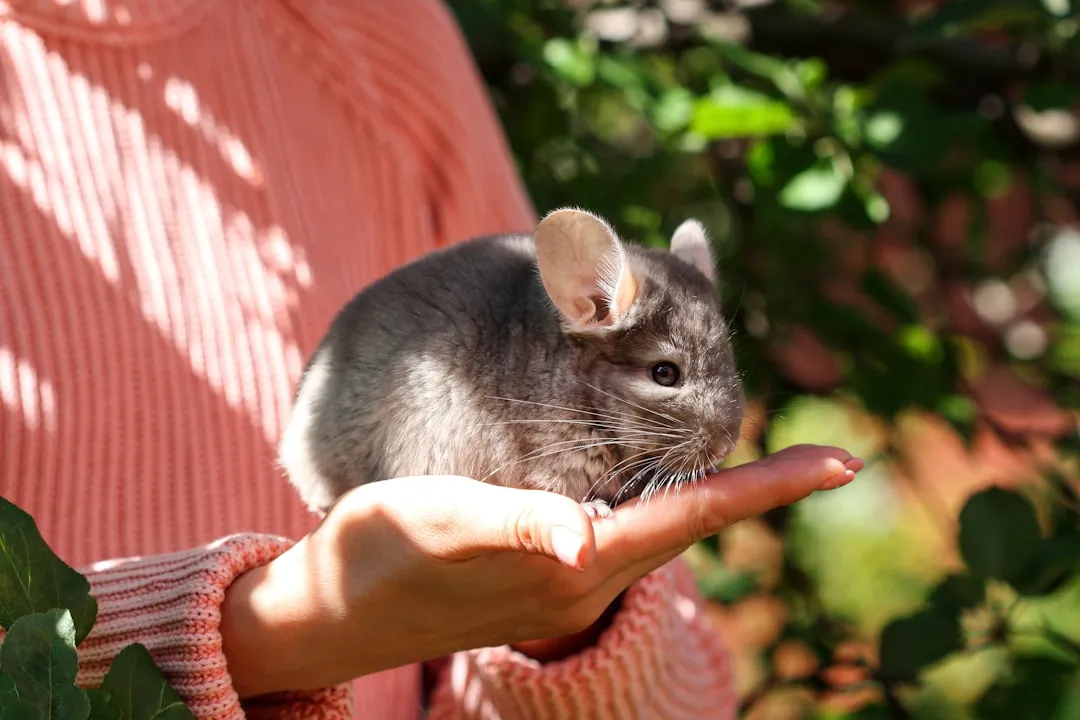
Most people see a fluffy chinchilla and assume it wants endless cuddles. In reality, chinchillas are prey animals with trust issues wired straight into their DNA. Most will only tolerate one person, someone who consistently moves slowly, respects their space, and learns their specific quirks over time.
That patient handling eventually turns into a deep, oddly specific bond, and the chinchilla starts seeking out exactly one human for comfort. When that person vanishes through a rehome, a breakup, or a move to college, many chinchillas regress hard. They go back to bolting, biting, or refusing to be picked up, even by a genuinely kind new owner. Some never fully recover their old comfort level. Experienced keepers put it bluntly: chinchillas are easy to scare and brutally hard to win back.
#16 – African Grey Parrots: Genius Minds, One Chosen Person
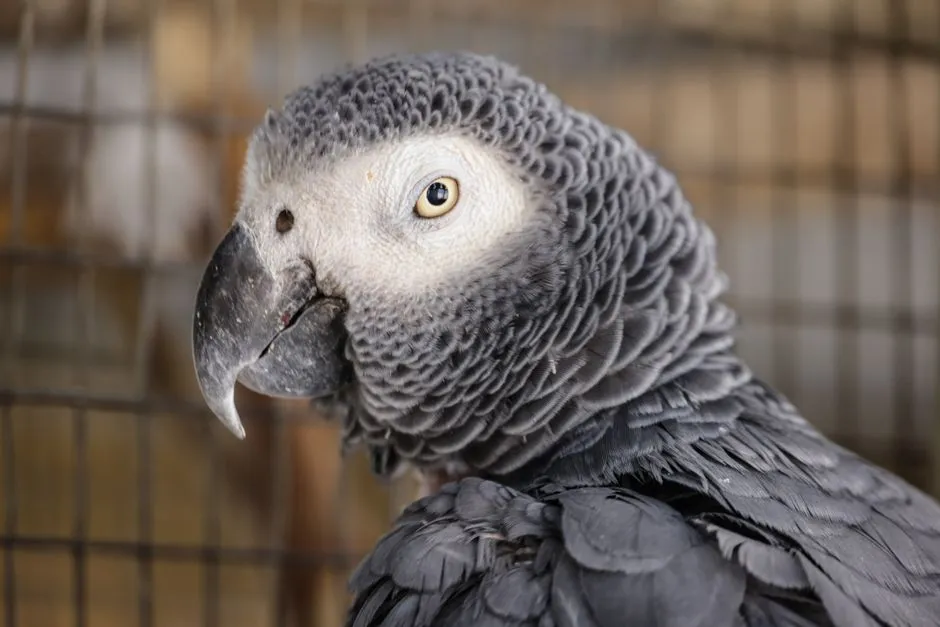
African greys are famous for their intelligence, but their emotional lives get wildly underestimated. These birds don’t just bond, they fixate. In many homes, a grey will clearly select one person, often not even the one who originally bought it, and that person becomes its flock mate for life.
They’ll preen that person’s hair, call out their name, and scream when they leave the room, while flat-out ignoring or attacking everyone else. When an African grey loses its chosen human, the fallout can be brutal: feather plucking, obsessive calling, self-injury, sudden aggression. Some eventually adjust to a patient new owner, but long-time parrot rescuers will tell you the same thing every time: you’re never the original. It’s a big reason experts argue these birds deserve to be treated like lifelong partners, not casual pets.
Fast Facts
- This revolutionary bird was the colleague and test subject of Dr. Irene Pepperberg for 30 years during her research into bird intelligence.
- He knew about 150 words, and could place them into categories.
- He even understood the abstract idea of zero, a concept that does not arise in humans until around age 4.
- When Alex died in September 2007, his last words to Pepperberg were “You be good. I love you.”
#15 – Cockatoos: Velcro Birds That Don’t Let Go
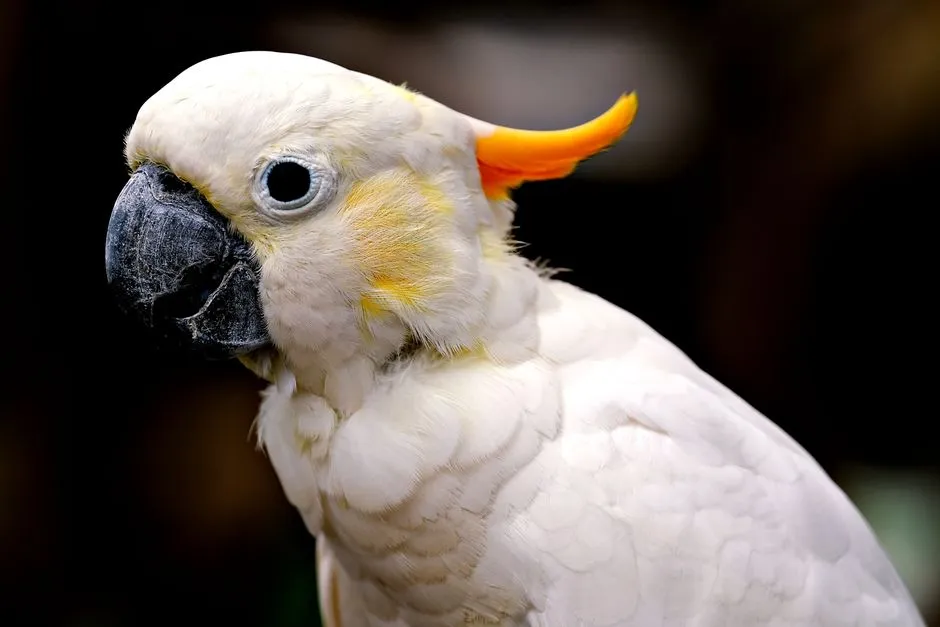
Cockatoos have a reputation for being needy, and “needy” doesn’t come close to covering it. These birds don’t just want attention, they want your attention specifically. Once a cockatoo locks onto its favorite human, it can turn intensely possessive, screaming when separated, trying to drive off other people, even destroying things when it feels ignored.
Rehomed cockatoos are some of the saddest cases in bird rescue. Many arrive already heartbroken, plucked bald, or chronically stressed because “their” person moved, divorced, or simply burned out on the responsibility. A new owner can offer a safe, loving home, but that deep, relaxed trust the bird had before is often gone for good. It looks adorable on TikTok. In real life, that level of clinginess can quietly wreck a bird’s mental health.
#14 – Lovebirds: Tiny Name, Massive Loyalty
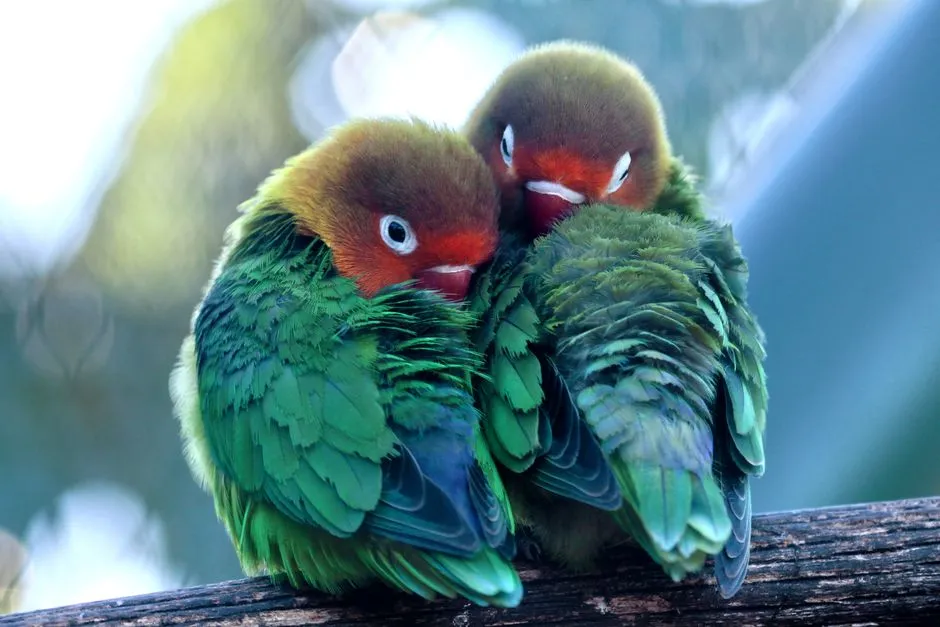
Lovebirds get sold as “starter parrots,” which might be some of the worst advice in the entire pet world. These birds are built to pair-bond for life. If you don’t give them another bird, they’ll often redirect that entire instinct onto you instead.
Once that happens, they can become ferociously loyal to one person, following them everywhere, begging for contact, biting anyone else who dares to intrude. When the chosen human disappears, whether it’s a vacation, a breakup, or a permanent rehome, lovebirds can spiral. They may scream nonstop, self-pluck, or refuse to interact with anyone new. Some eventually transfer that attachment to another bird, but the human bond they had rarely comes back at the same intensity. Plenty of “angry” lovebirds in rescue are really just heartbroken ex-soulmates.
#13 – Miniature Pigs: Farmyard Codependency
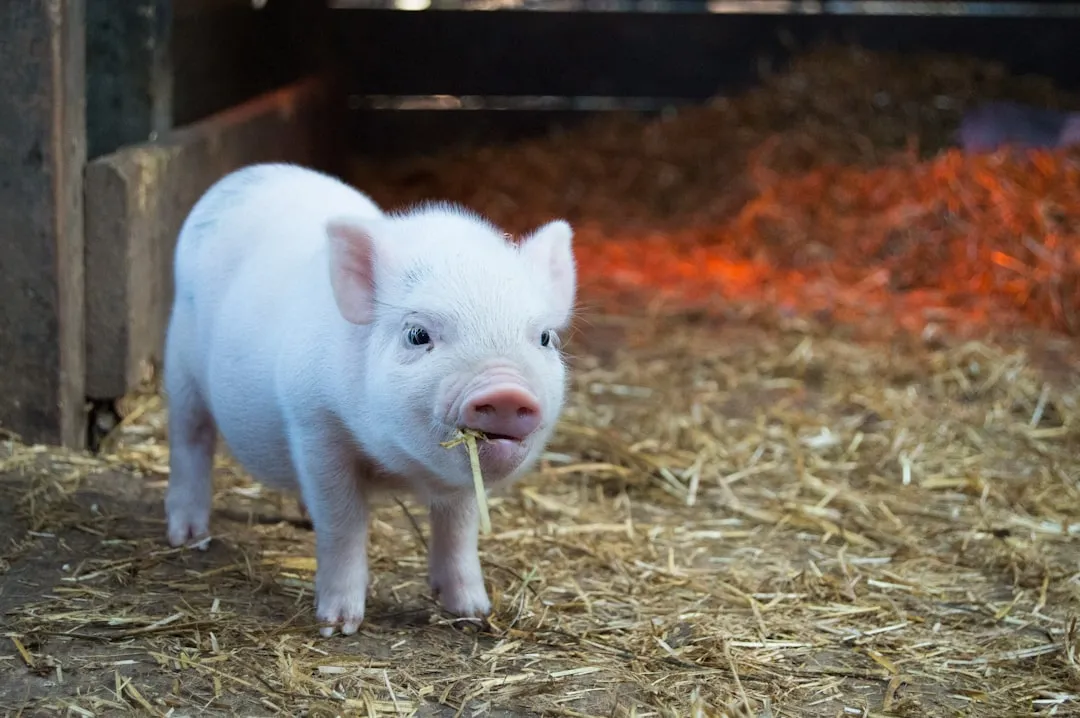
The internet sold mini pigs as cute, low-maintenance house pets. Reality: they’re highly social, hyper-sensitive animals that often latch onto one person as their entire herd. That’s the hand that feeds them, trains them, and comforts them when something spooks them.
Many pigs will follow that one person like a dog, scream when separated, and get visibly jealous when someone else gets too close. Rehoming a bonded pig can go badly fast. Some become withdrawn, stop responding to training entirely, or flip straight into aggression with new people who don’t read them correctly. Rescue workers say there’s a real, visible difference between pigs surrendered young and those surrendered after years with one owner. The second group often never fully relaxes again.
#12 – Border Collies: Workaholics With One True Boss
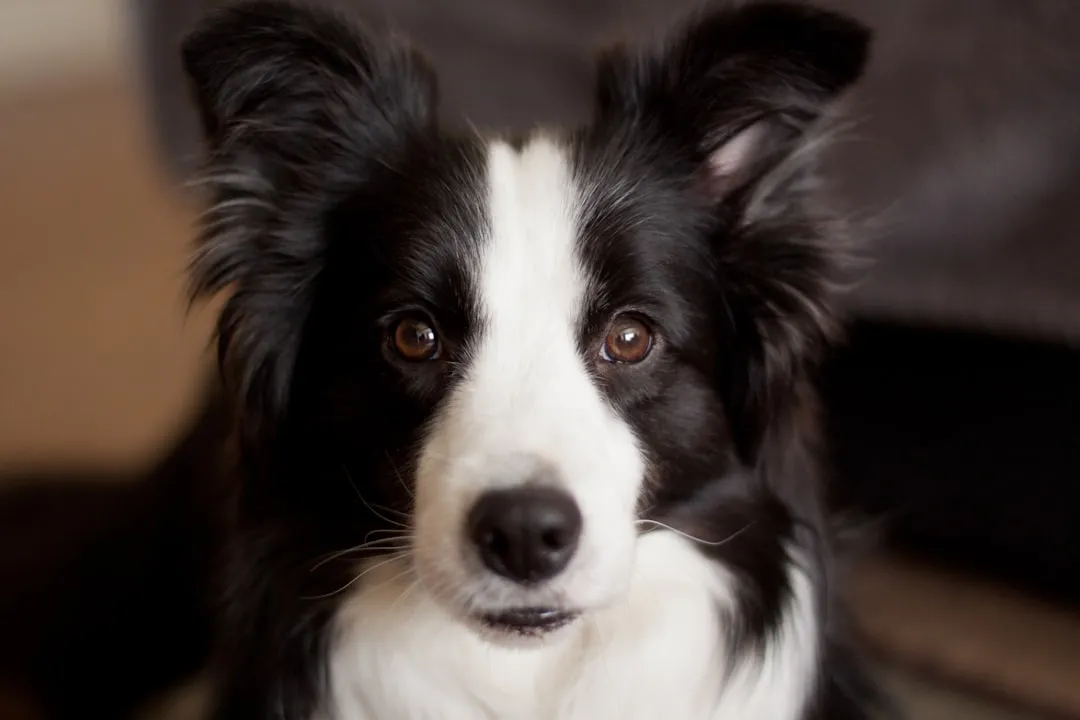
Border collies aren’t family dogs in the traditional sense. They’re working partners, wired to take direction from a single handler. On a farm, that’s exactly what makes them brilliant. In a pet home, it means they often bond so intensely with whoever trains and exercises them that everyone else becomes background noise. They read that one person’s body language like a script and tune out commands from anybody else.
When a bonded border collie gets rehomed as an adult, the fallout can be messy. Some pace obsessively, whining and searching for their old handler for weeks. Others go quietly anxious or destructive, performing commands mechanically but without the old spark. A few rebuild real trust with serious work, but many never show that same effortless, joyful focus again.
Quick Compare
- Family-first breeds (Labs, Goldens): affection spreads fairly evenly across the whole household.
- Single-handler working breeds (Border Collies, Shepherds, Malinois): loyalty narrows hard onto whoever trains and directs them.
- The tell: a family dog greets everyone at the door; a working breed is scanning the door for one specific person.
#11 – German Shepherds: Guardians Who Choose Once
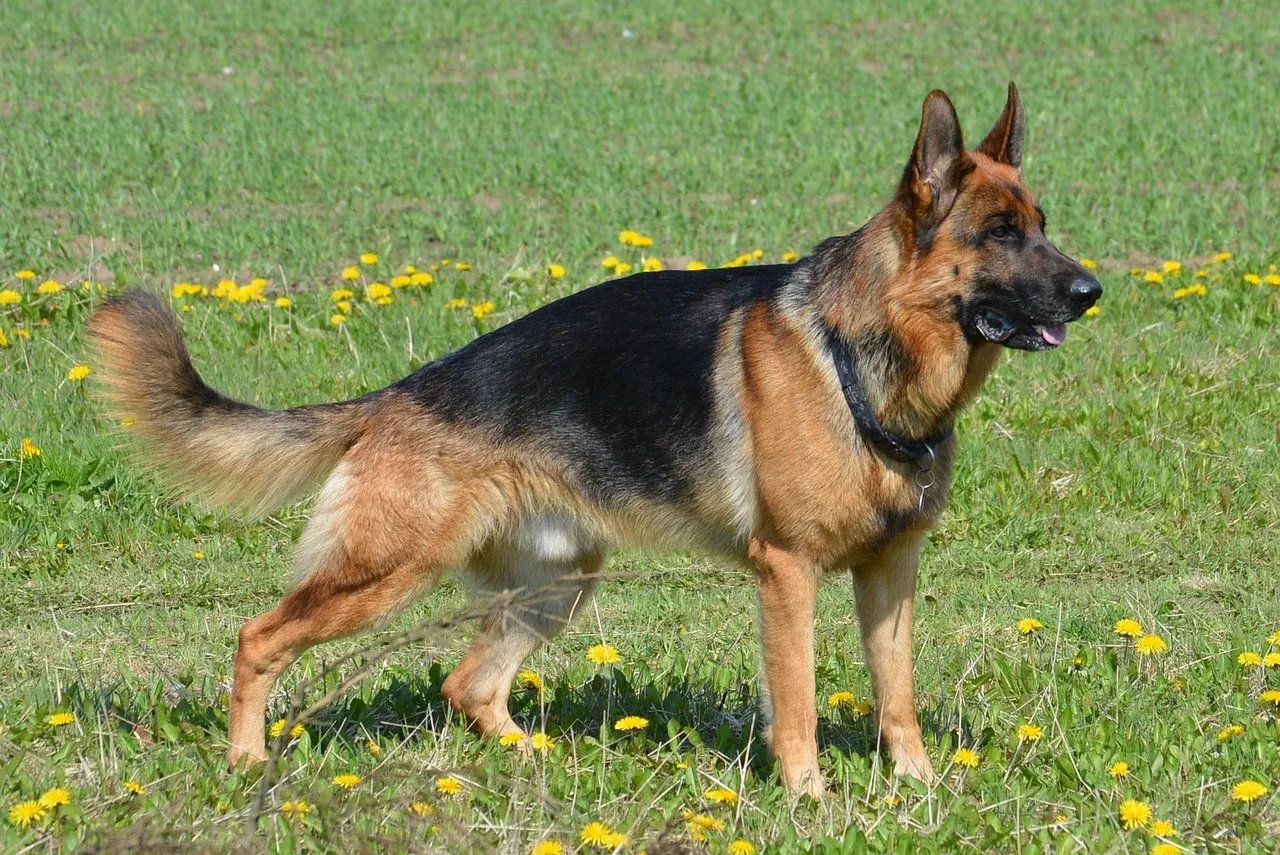
German shepherds get marketed as family protectors, but working-line shepherds in particular tend to pick one primary person to guard and obey. Usually it’s whoever trains them, sets the boundaries, and puts in the structured time. Over months, they start shadowing that person room to room, sleeping facing the door, stepping in if anyone seems even slightly threatening.
Losing that central figure can scramble a shepherd’s entire world. These dogs are overrepresented in rescue cases involving sudden aggression or crippling anxiety. They may refuse to eat, bark frantically every time a door opens, or patrol the house endlessly like they’re still searching. Some adjust with an experienced new handler, but many keep a watchful, grieving edge that never fully goes away. People call it training. Long-time handlers know there’s more going on underneath.
#10 – Belgian Malinois: One-Handler Missiles
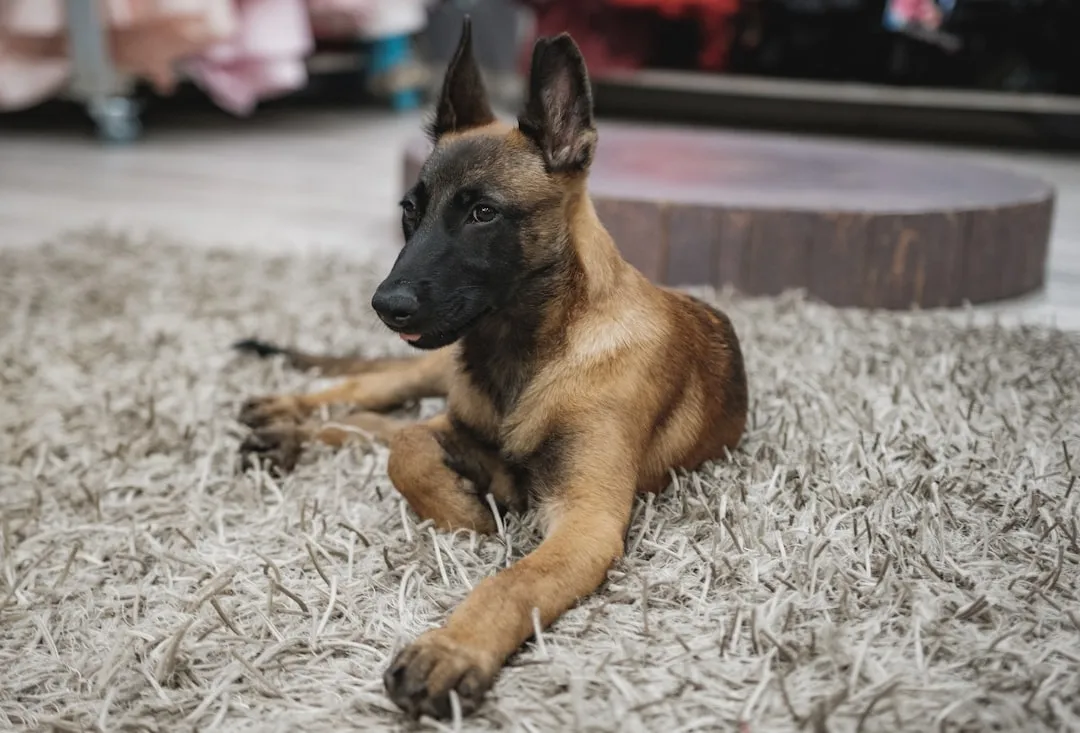
If German shepherds are loyal, Malinois are obsessed. These dogs are bred as single-handler working animals for military, police, and protection work, meant to operate in tight partnership with exactly one human. They thrive on structure from that person and can turn openly hostile toward anyone who tries to step into that role. In the right hands, it’s impressive. In an average home, it can be chaos.
When a Malinois loses its handler, the fallout can get ugly fast. Many land in rescue labeled “unmanageable” or “dangerous,” not because they’re bad dogs, but because they’re grieving and confused. They may redirect aggression, spin in crates, or self-mutilate from stress. A few slowly bond to a skilled second owner, but seasoned trainers quietly admit that some Malinois never truly get over losing their first person.
#9 – Akitas: Stoic, Selective, and Unforgiving
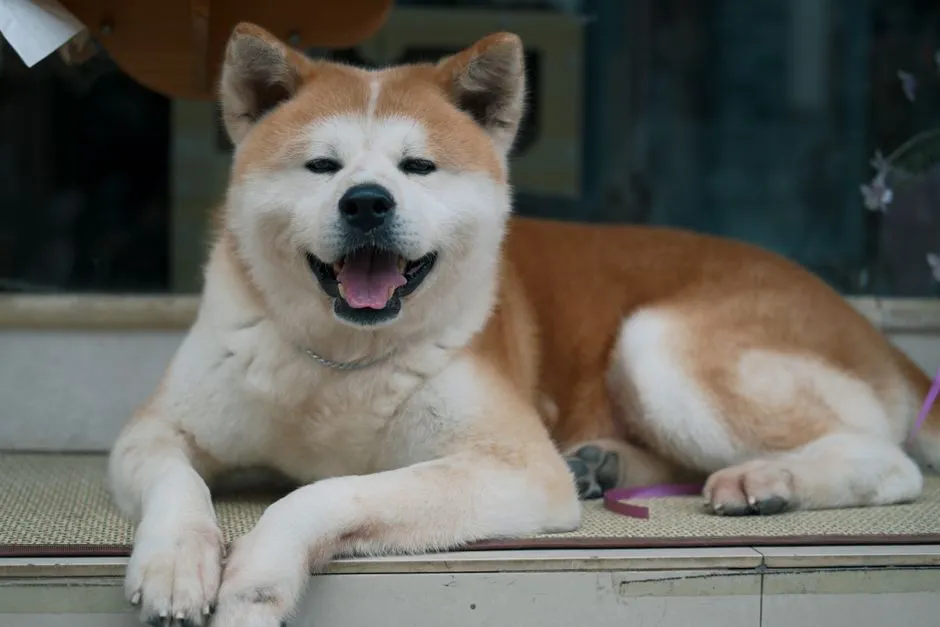
Akitas aren’t clingy. They’re dignified, aloof, sometimes borderline cold. But once one decides someone is theirs, the loyalty is almost mythical. They’ll lean subtly against that person, follow at a distance, calmly position themselves between their human and any stranger. Earning that bond usually takes years of quiet, consistent presence, and it’s almost always reserved for one specific person.
Break that bond through divorce, rehoming, or neglect, and an Akita may never emotionally reset. Many settle into new homes polite but distant, tolerating handling without ever showing the soft, goofy side their original person got to see. Some grow more suspicious and reactive after a major loss, essentially deciding that letting anyone in that far again just isn’t worth the risk again. People call it independence. Long-time Akita owners call it permanent heartbreak.
#8 – Certain Cats (Siamese, Bengals, and Beyond): The One-Human Myth Breakers
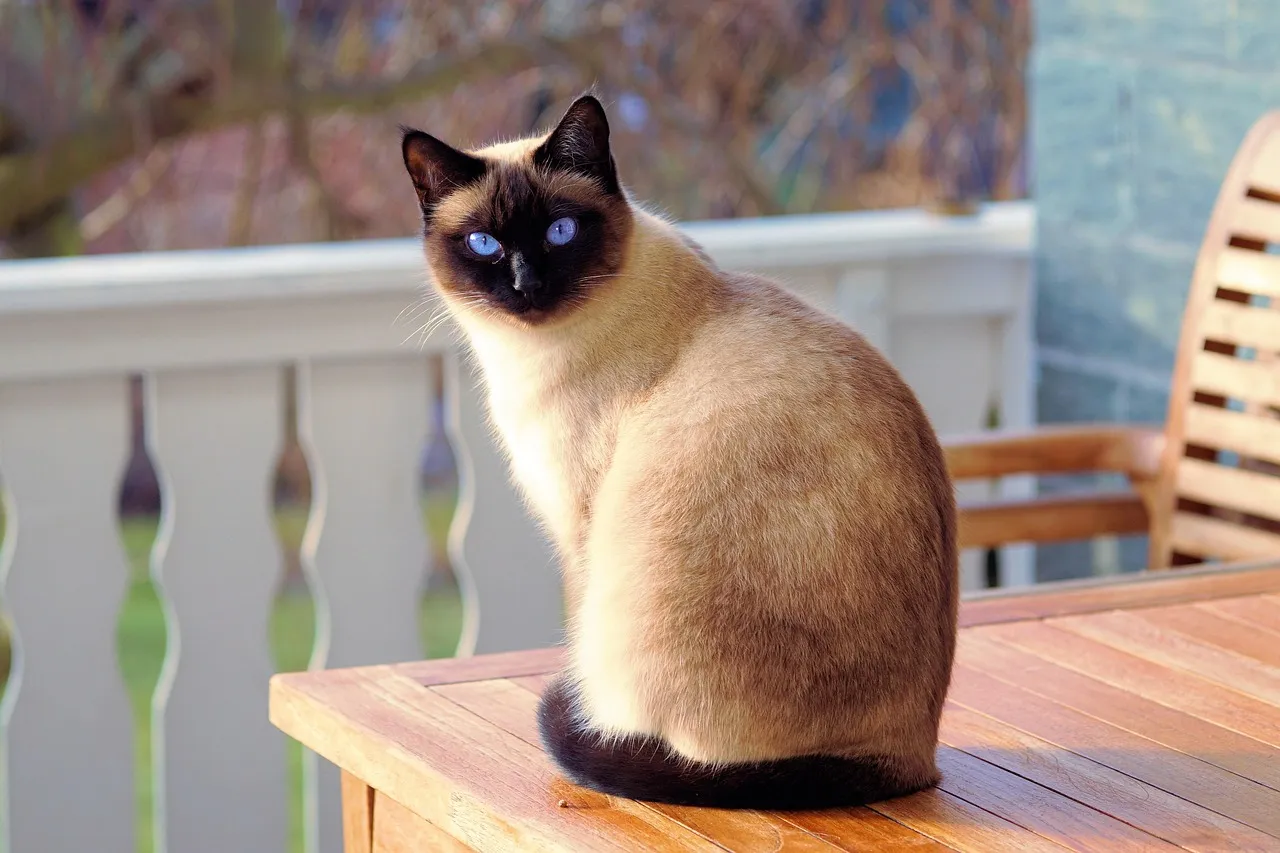
“Cats don’t care who you are” might be the most wrong cliche on the internet. Plenty of breeds, especially Siamese, Bengals, and rescues with rough histories, will quietly pick one human and pour everything into them. They follow that person around, vocalize constantly at them, and show clear separation distress when they leave: pacing, crying, even inappropriate urination.
When their chosen human disappears, these cats can unravel fast. Some start over-grooming bald patches, hiding for days, or turning uncharacteristically aggressive with everyone else in the house. A new owner might provide a perfectly stable home, but the easy, deep cuddle-trust the cat had before may never fully return. Shelters are full of “unadoptable” grumpy cats who were, until recently, perfectly lovely with exactly one person.
#7 – Horses: Herd Animals, Single Hearts
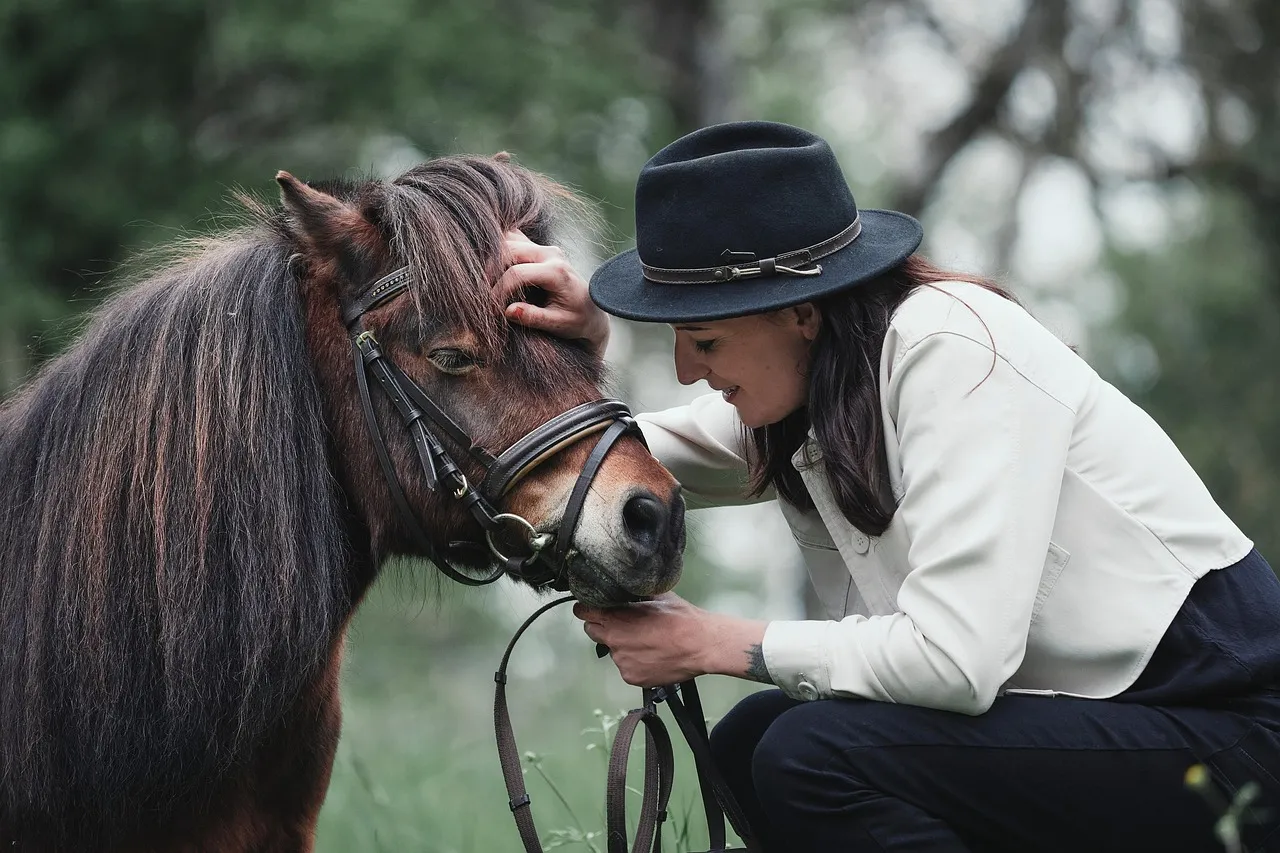
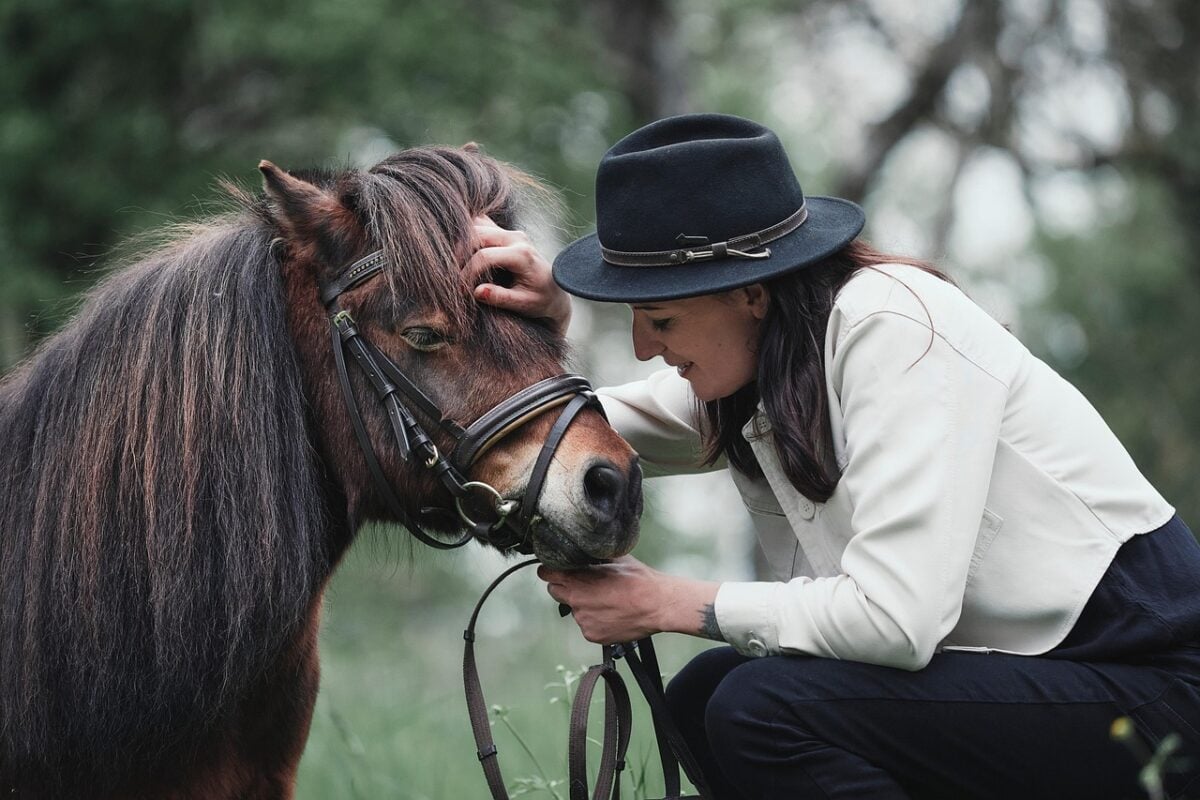
Horses evolved to depend on a tight, predictable herd. In modern life, that herd often shrinks down to one rider or caretaker. Over time, many horses build a massive trust reserve for that single human, tolerating clumsy cues from others but only truly relaxing around their person. They lower their head when that human approaches, match their walking pace, and get visibly anxious the moment they’re separated.
When a bonded horse is sold or moved on, the aftermath can be heartbreaking. Some stop eating well, fence-walk obsessively, or refuse to be caught out in the field. They might still work obediently for a new rider while staying tense, braced, ready to spook at nothing. A few build a second serious bond eventually, but plenty of seasoned riders will quietly admit: you’re often borrowing a heart that still belongs to someone else.
#6 – Ravens and Crows: Wild Brains, Personal Obsessions
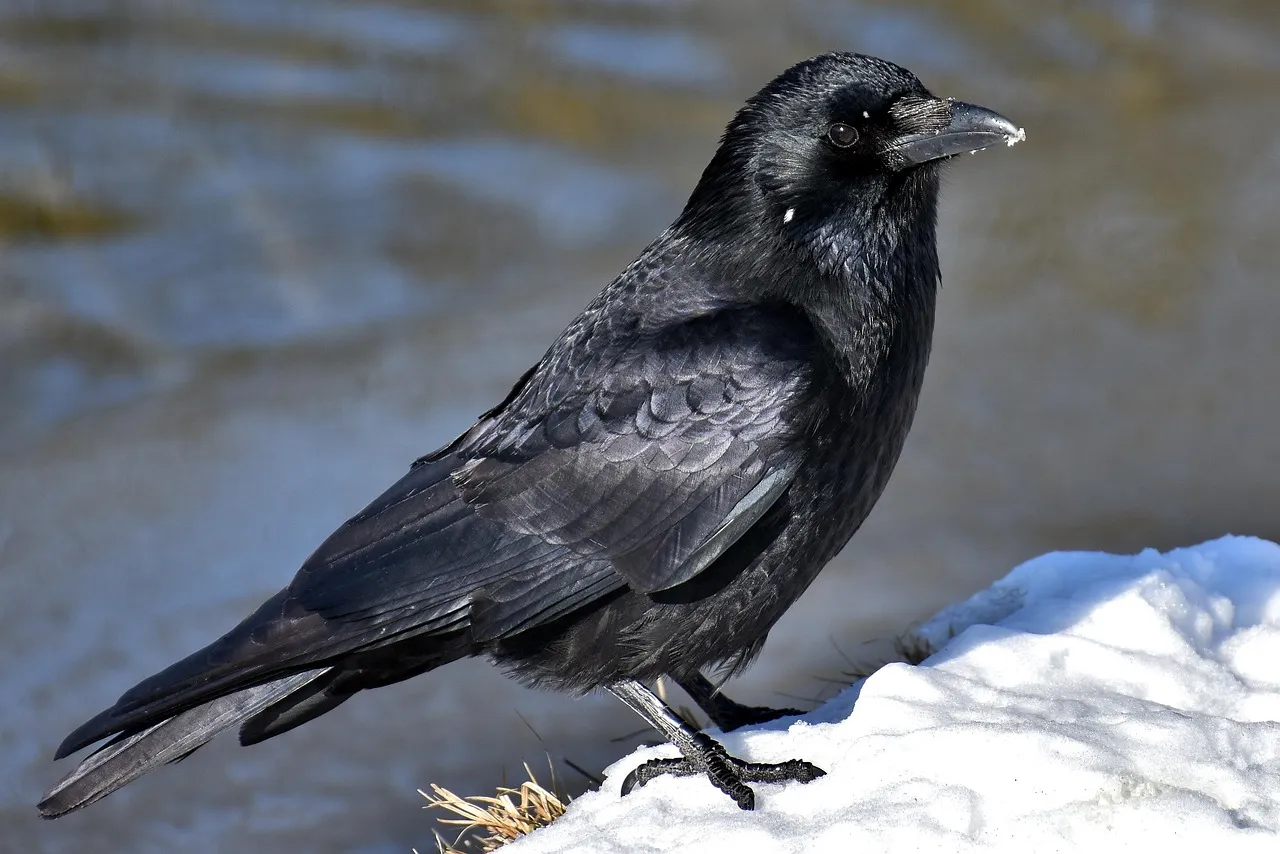
Corvids, ravens, crows, magpies, aren’t pets, but in rehab centers and long-term sanctuaries, something striking shows up anyway. These birds remember individual humans for years and can become intensely fixated on one caretaker who feeds, trains, or enriches them. They follow that person, bring them little “gifts,” and behave noticeably differently the second that specific human walks in.
When that bond breaks, whether the rehabber moves, dies, or gets reassigned, corvids have been observed refusing food, vocalizing loudly for long stretches, or redirecting aggression at everyone else. They may eventually tolerate a new caretaker, but the unique, playful back-and-forth they had often fades away completely. They don’t just lose someone who feeds them. They lose a social partner. It’s part of why experienced rehabbers actively warn against over-bonding: the bird ends up paying the emotional price.
Worth Knowing
- A cognitively advanced, social bird, the American crow, quickly and accurately learns to recognize the face of a dangerous person and continues to do so for at least 2.7 years.
- The research has uncovered evidence that the birds use their keen perceptive abilities to distinguish between what they consider to be good and bad humans, forming opinions that can last for years.
- “The regions of the crow brain that work together are not unlike those that work together in mammals, including humans.”
#5 – Large Pythons and Boas: Calm for One, Chaos for Others
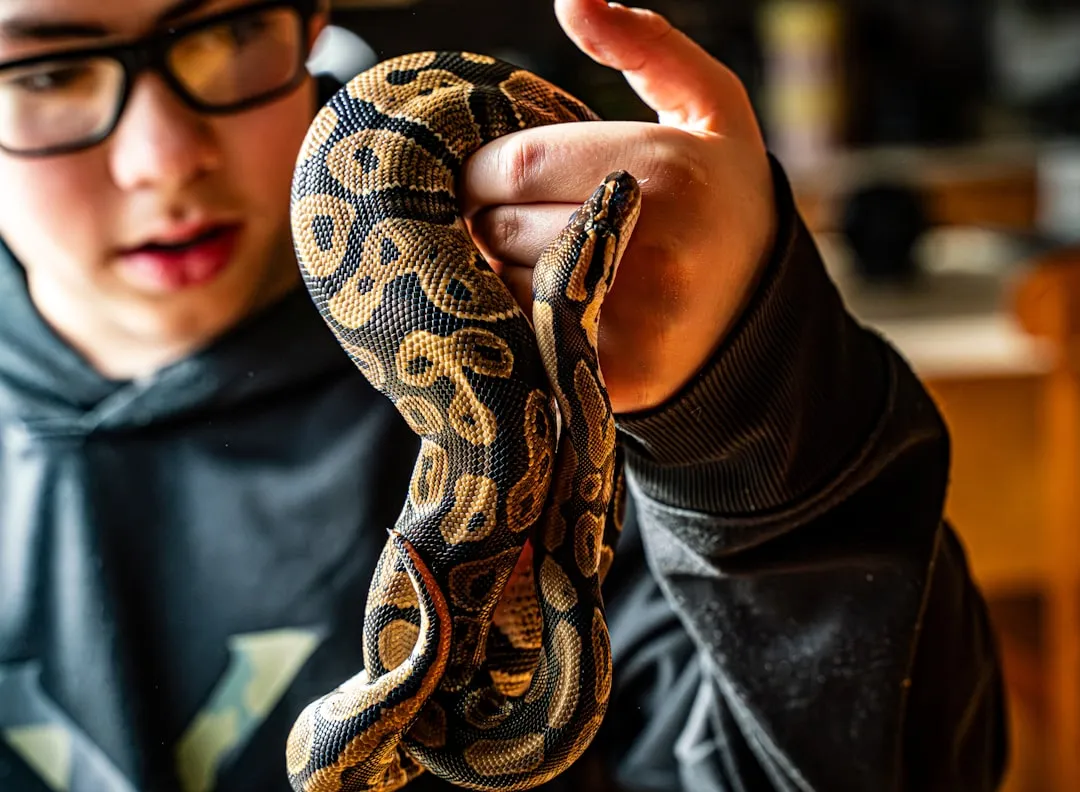
Snakes rarely make it onto “emotional bond” lists, but long-time keepers know certain large constrictors, boas, Burmese pythons, retics, behave significantly calmer and more predictable with one consistent handler. That person learns to read the micro-signals: tongue-flick rhythm, body tension, eye positioning. The snake, in turn, gets used to that specific scent, handling style, and routine.
Rehoming an adult giant can be a wake-up call. Some become flighty, more prone to defensive strikes, or refuse food after a big change, even when the husbandry is textbook perfect. It looks like plain stress, but experienced handlers describe it differently: they miss their person, just not the way a dog would. Most eventually stabilize, but many never reach that same unbothered, draped-over-your-shoulders calm they had with their first serious keeper.
#4 – Betta Fish: Tiny Tanks, Huge Fixations
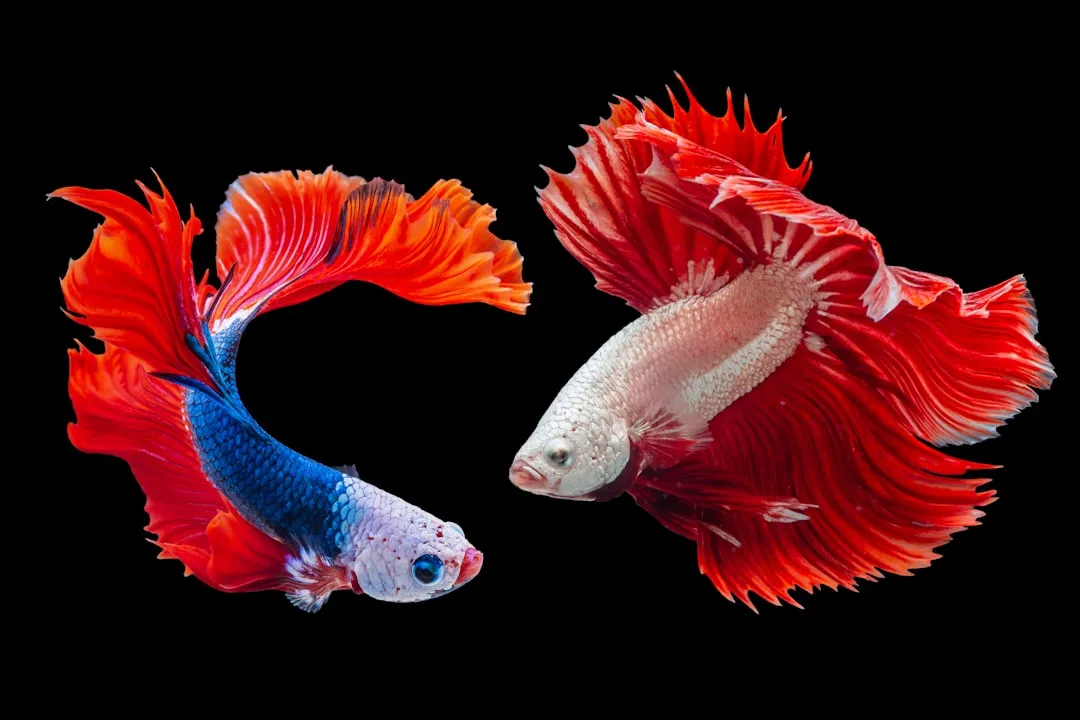
Betta fish get sold as disposable desk decor, but anyone who’s kept one long-term knows they often fixate on one particular human. They’ll swim to the front of the tank only when that specific person approaches, flare less around them, and even follow a finger along the glass while completely ignoring anyone else in the room. For a creature with a brain the size of a grain of rice, the pattern is hard to explain away.
When a betta gets moved to a new home, especially an older fish, many become noticeably withdrawn. They hide under decor, eat less aggressively, or stop rushing the glass when people walk by. Do they survive? Usually, yes. Do they ever show the same interactive enthusiasm they had for their original person? Long-time keepers say often not. It’s subtle, but it fits the same pattern running through this entire list: once they decide who matters, nobody else quite measures up.
#3 – Wolves and High-Content Wolfdogs: Bonded Beyond Domestic
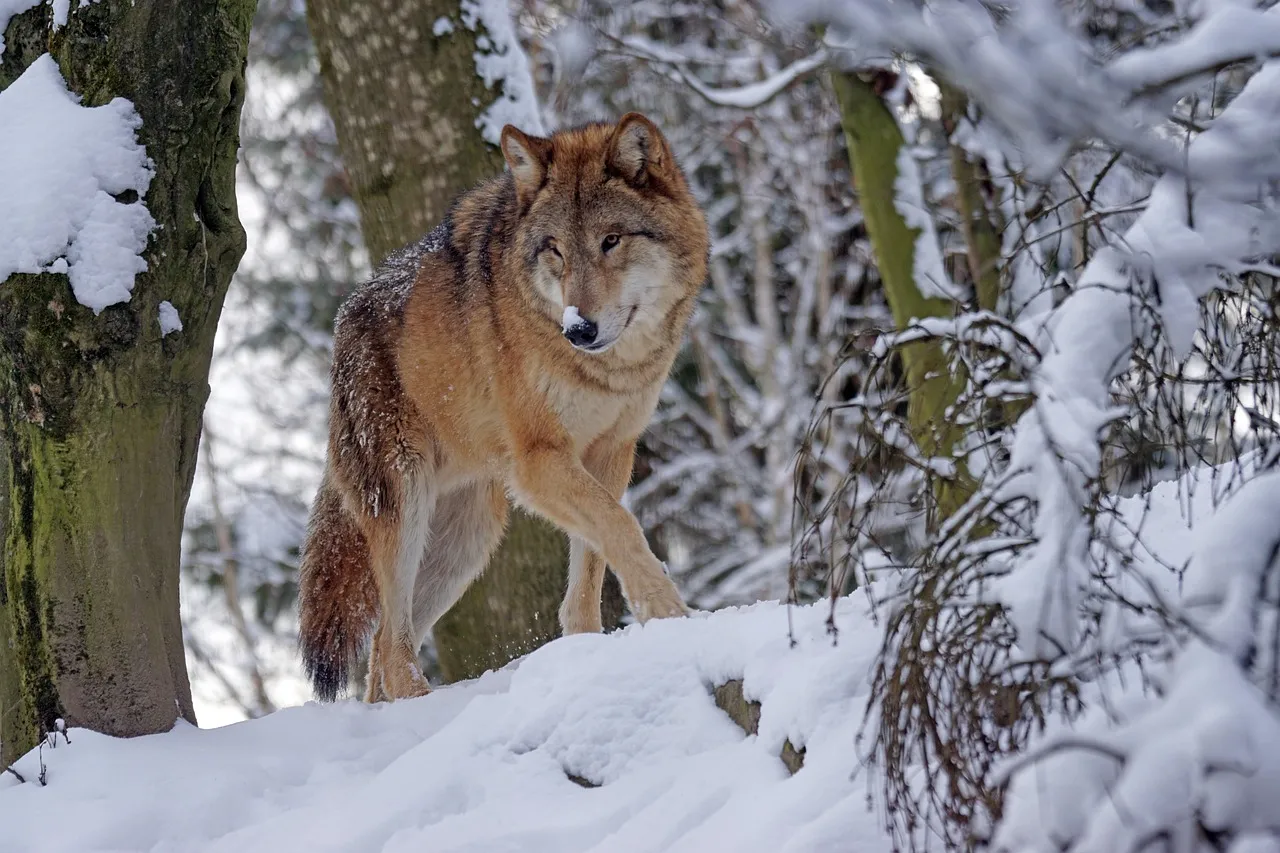
In facilities that house wolves or high-content wolfdogs, handlers almost always report the exact same thing: these animals pick one or two humans they trust completely, and everyone else stays permanently filed under “other.” It can take months, sometimes years, of steady, patient work before a wolf allows touch from even one caretaker. Once that bond finally forms, it runs shockingly deep: calm eye contact, leaning into a touch, subtle play most people never even get to see.
If that bonded human disappears from their world, the animal’s behavior can unravel fast. Some become more skittish, refusing to approach any staff at all. Others turn reactive, lunging at the fence when they used to be completely relaxed there. A few slowly reattach to another handler, but even that new person can usually sense they’re stepping into a role that’s already emotionally occupied. This isn’t a dog that will simply “get used to it.” It’s a different species running on entirely different social rules.
#2 – Old-World Monkeys (Macaques, Baboons): Dangerous Devotion
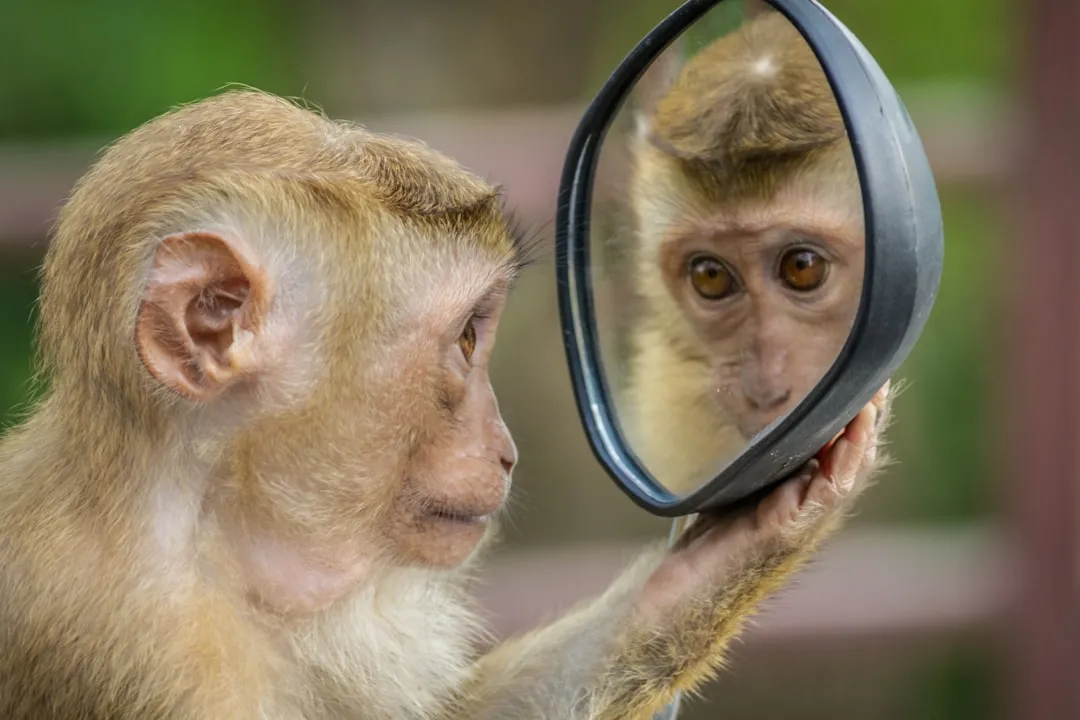
Primates may be our closest relatives, but that doesn’t make the bond any easier to manage. In research centers and sanctuaries, Old-World monkeys like macaques or baboons often develop a hyper-focused attachment to a single familiar caretaker. They recognize that person from a distance, call out to them, calm down dramatically the moment they’re near, and grow agitated when they leave.
When separated permanently, these primates can show textbook grief responses: refusing food, withdrawing completely, escalating aggression toward everyone else around them. A new caretaker might eventually be tolerated, even liked, but the first deep attachment tends to set a standard nothing else quite reaches. Ethologists have warned for decades that hand-reared primates are emotionally “glued” to their early humans in ways that are nearly impossible to replicate. It’s a major reason ethical experts push so hard against private primate ownership in the first place.
#1 – Certain Shelter Dogs With Trauma Histories: The Once-In-A-Lifetime Bond
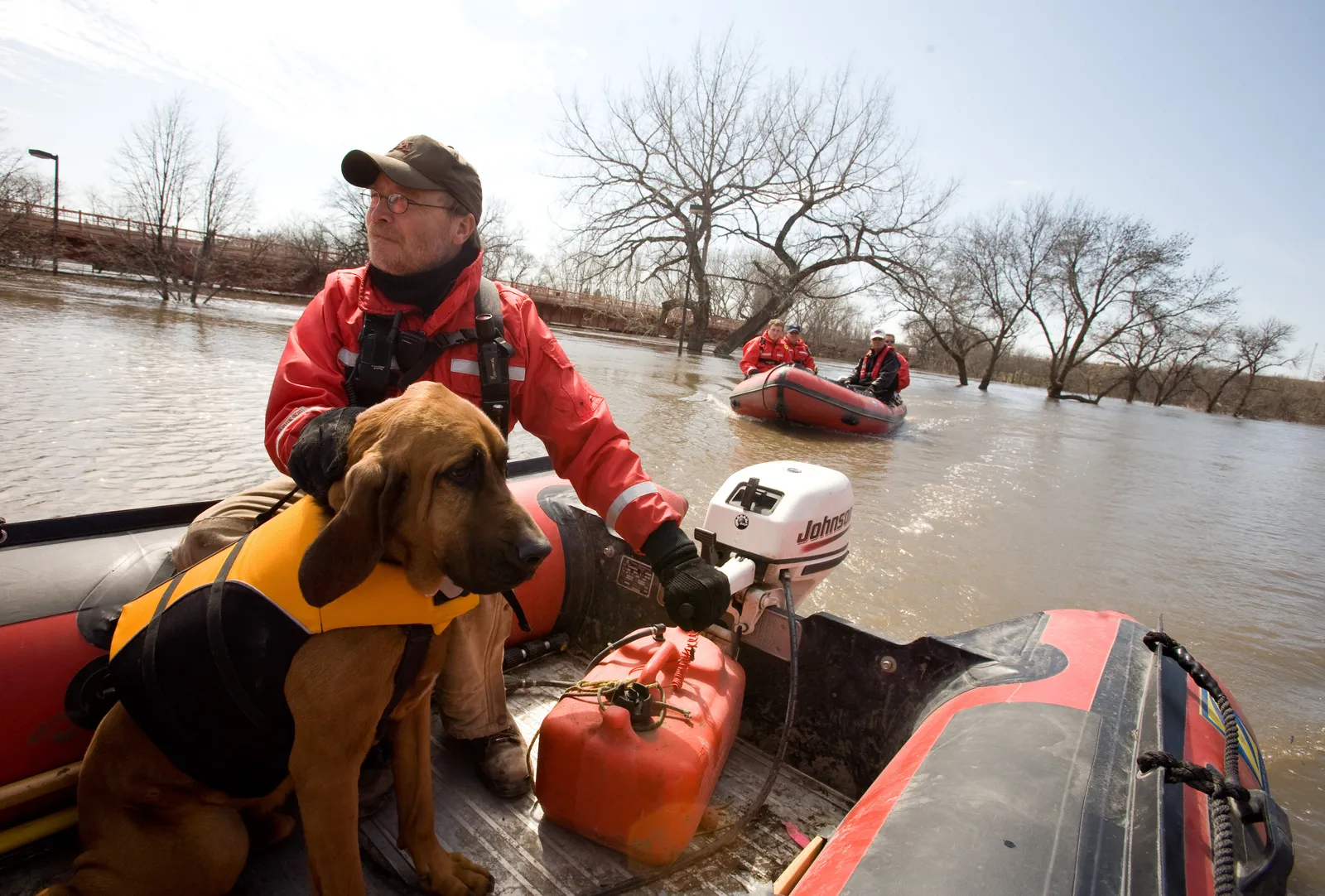
Not a breed. Not a species quirk. The most intense one-person bonds on this entire list show up in deeply traumatized shelter dogs, the ones who’ve bounced between homes, known real neglect, or completely shut down in a kennel. When one human finally breaks through that wall, sitting on the floor for weeks, hand-feeding, advocating for them when no one else would, that dog can attach in a way that’s almost frightening to witness.
These dogs don’t just prefer their person. They orbit them. They track every step, panic when separated, and show obvious discomfort when anyone else tries to hug, leash, or even sit too close. And here’s the hard truth rescues see over and over: if that bond breaks again, another surrender, another rehome, many of these dogs never truly come back from it. They may live safely with someone new, but that open, trusting, silly version of themselves is often gone for good.
The bond with a dog is as lasting as the ties of this earth can ever be.
Konrad Lorenz
It’s brutal, and it’s exactly why some shelter staff say, quietly and only half-joking, “This one can only leave once.”
The Bottom Line
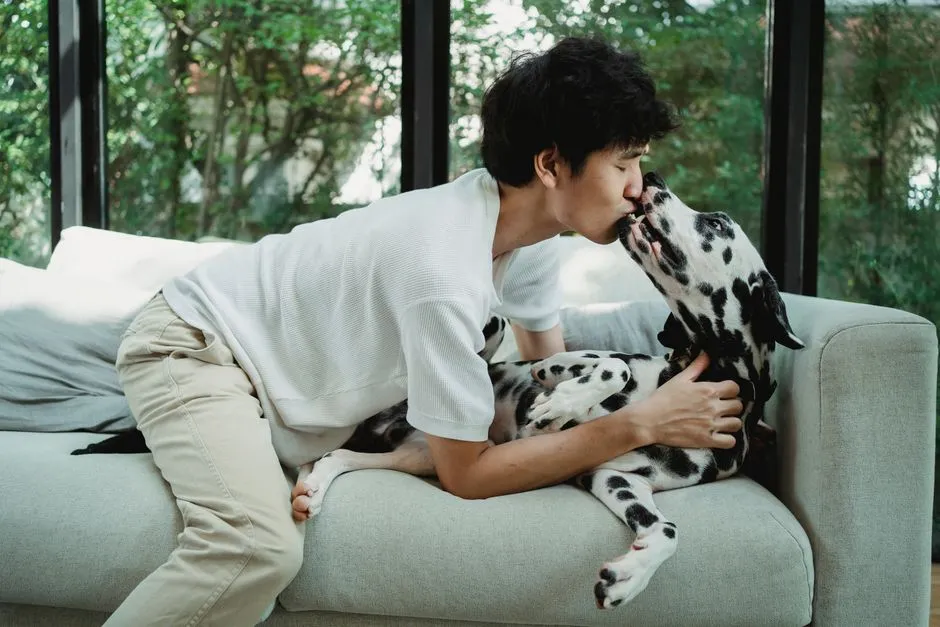
Across species, from parrots to pigs to shelter dogs, the pattern holds up disturbingly well: some animals don’t just bond, they choose. And once they choose, they rarely hand that level of trust to anyone else again.
At a Glance
- Birds: African greys, cockatoos, and lovebirds fixate hard on one flock leader.
- Working dogs: Border Collies, German Shepherds, and Malinois answer to a single handler.
- Small and exotic: chinchillas, ferrets, and even betta fish quietly play favorites.
- Wild and rescued: ravens, wolves, primates, and traumatized shelter dogs form the deepest, hardest-to-replace bonds of all.
We like to pretend every pet just “needs a good home,” as if love were interchangeable. For one-person animals, it’s never about a generic situation. It’s about a specific relationship, built slowly, and not easily replaced. That doesn’t mean rehoming is always wrong, sometimes it’s genuinely the only ethical option left. But it does mean we should stop pretending animals reset like phones wiped back to factory settings. If this list proves anything, it’s that they remember, they compare, and they grieve.
Which of these surprised you, or is there an animal you know personally that never got over losing “their” human? Tell us in the comments.

- 18 Animals That Bond So Completely With One Person They Never Truly Settle With Anyone Else Again - August 8, 2026
- 17 Gentle Things an Ageing Horse Does in Its Final Season That Owners Understand Far Too Late - August 8, 2026
- 17 Gentle Things an Ageing Horse Does in Its Final Season That Owners Understand Far Too Late - August 8, 2026