
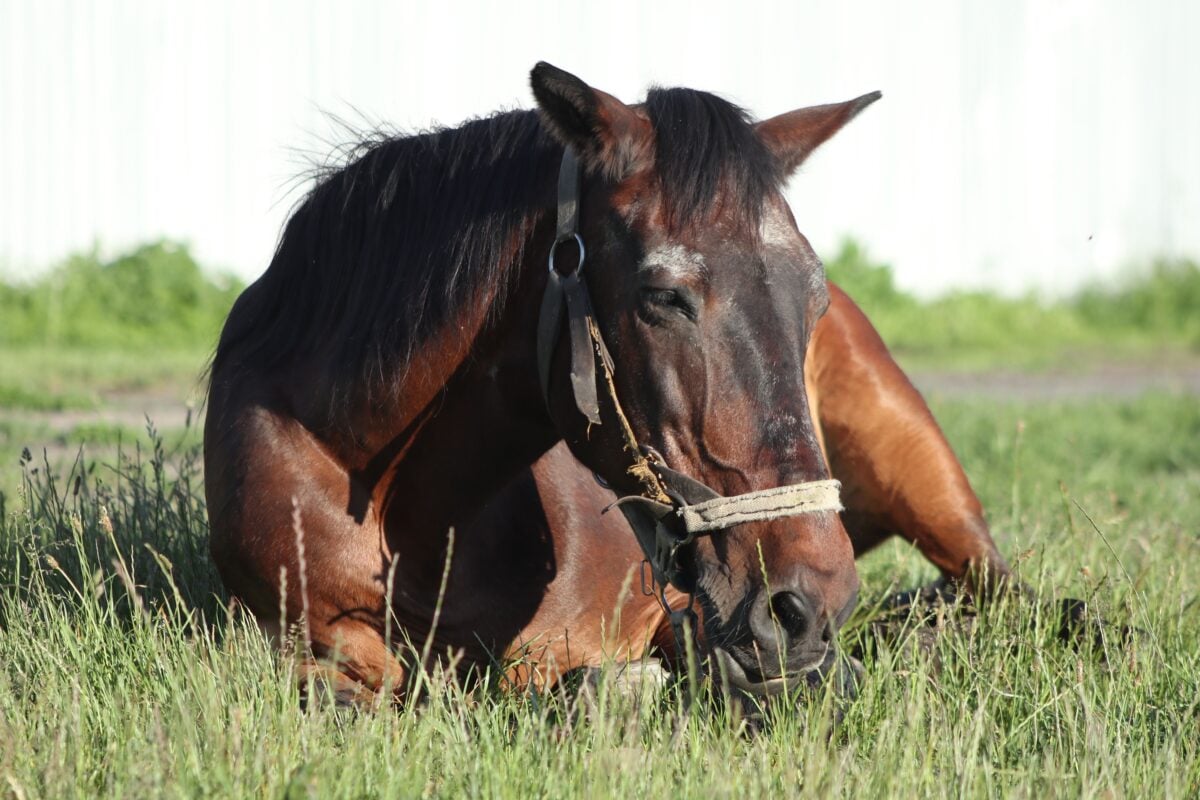
Most people picture a horse’s final season as one dramatic decline – a sudden limp, a sad refusal to eat, an unmistakable goodbye. That’s almost never how it actually goes. The real ending is quieter than that, built from a hundred small, almost polite adjustments most owners don’t even register as ageing until much later.
Here’s what makes this so unsettling: many of these signs look like good behavior. A slower walk. A gentler personality. Fewer of the tantrums that defined their younger years. It’s easy to mistake all of it for a horse mellowing gracefully – right up until you realize what their body was actually asking for the whole time. These are the 17 gentle signals ageing horses give in their last season, and what they were quietly trying to tell us.
#17 – The Slower Walk to the Gate
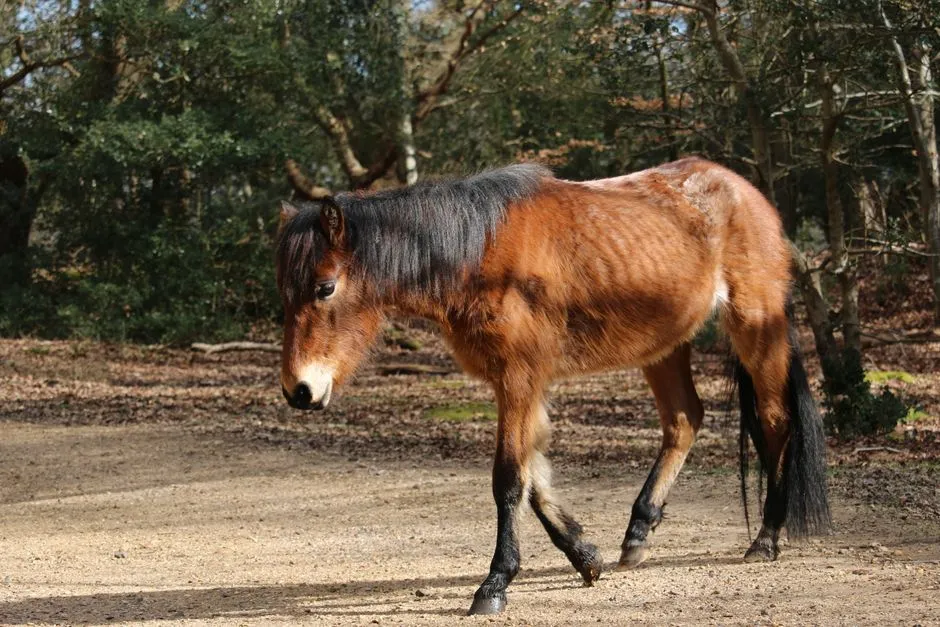
You notice it first in tiny ways: the horse who used to power-walk to the gate now ambles. It looks relaxed, even “zen,” so it’s easy to shrug off.
In reality, that slower walk often reflects mild joint pain, reduced muscle strength, or simple fatigue. Older horses can lose muscle mass (sarcopenia) and joint cartilage gradually, so they budget their energy more carefully. What looks like “taking in the scenery” might be an ageing body pacing itself to stay comfortable instead of rushing.
Owners often love this phase because the horse seems calmer, safer, and more “kid-friendly.” The mistake is missing that this new pace might be compensatory.
A slower walk can mean stiff hocks, low-grade arthritis, or reduced cardiac fitness. If you only see it as a personality shift, you may delay simple changes – like softer footing, shorter walks, or pre-ride warm-ups – that would reduce discomfort.
#16 – Choosing Softer Ground Without Being Asked
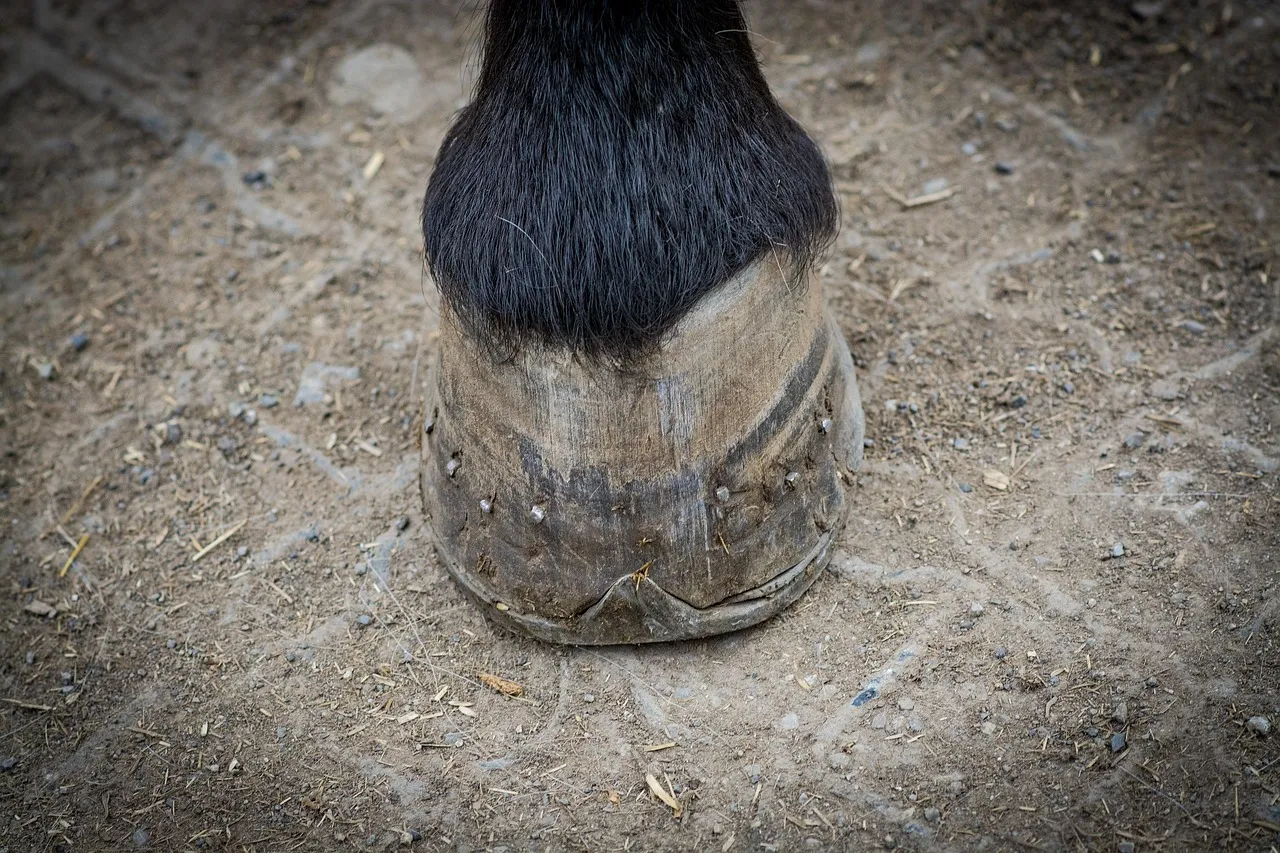
One day you realize your horse no longer marches confidently down the gravel driveway. Instead, they pick the grassy edge, skirt the rutted path, or hesitate at rocky patches. It doesn’t look dramatic, just… picky.
In biomechanics terms, this is classic self-protection. Ageing horses develop thinner soles, arthritic joints, and less elastic tendons, so each footfall matters. They instinctively steer toward softer ground to reduce concussive forces on joints and hooves.
Fast Facts
- Most horses are classified as “senior” once they pass age 15, though many stay active well into their twenties.
- Osteoarthritis is one of the most common conditions diagnosed in older horses.
- Hoof soles tend to thin with age, making rocky or hard ground noticeably more uncomfortable.
- Reduced tendon elasticity means senior horses absorb shock less efficiently than younger ones.
Many owners interpret this as “being stubborn” or “barn sour” when the horse balks at certain paths. In truth, it can be a clear early indicator of foot soreness, navicular changes, or arthritic fetlocks.
The kindest response is to listen: avoid hard, uneven surfaces, consider hoof protection, and shorten distances. When a horse quietly reroutes itself, it’s not misbehaving; it’s advocating for its own comfort in the only language it has.
#15 – The Softer, Shorter Canter Stride
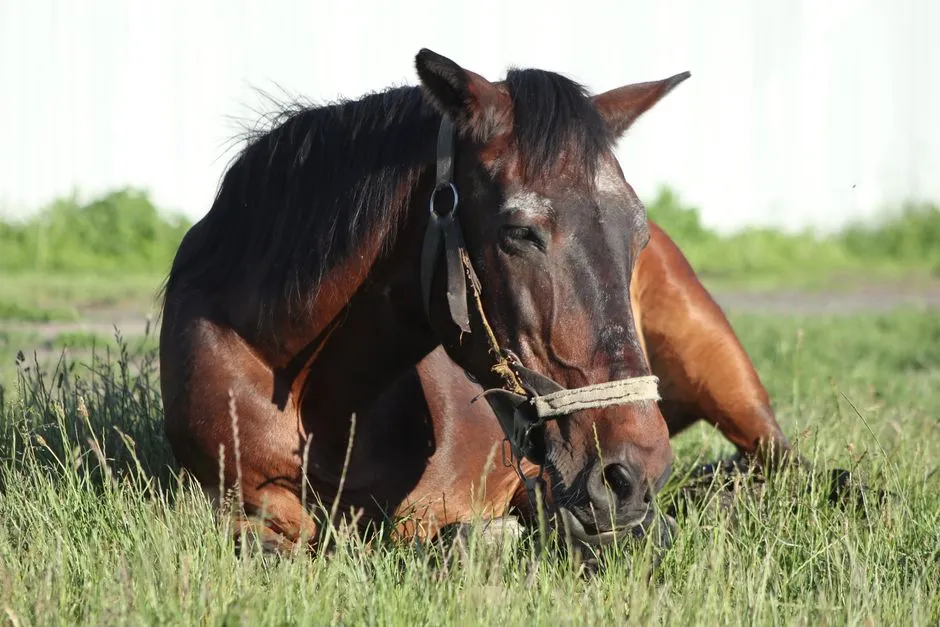
The canter tells the truth before the walk ever does. In their prime, horses offer big, rolling strides and easy transitions. In the final season, you may notice the canter becoming shorter, more “up and down,” or harder to pick up on one lead.
That’s not laziness. Canter requires more power and spinal flexibility than walk or trot, so subtle weakness and pain show up here first. Arthritis in hocks, stifles, or the lumbosacral joint can quietly reduce stride length.
Many riders misread this change as a training issue: “He’s behind the leg,” “She’s ignoring my aids,” or “He’s being opinionated.” In reality, the horse is rationing effort, choosing a gait and stride that hurt less.
Pushing harder rarely “fixes” it; it just teaches the horse to associate work with discomfort. Gentle conditioning, joint support, and redefining what “work” looks like in old age are far kinder than more spur or more stick.
#14 – Standing a Little Longer After Lying Down
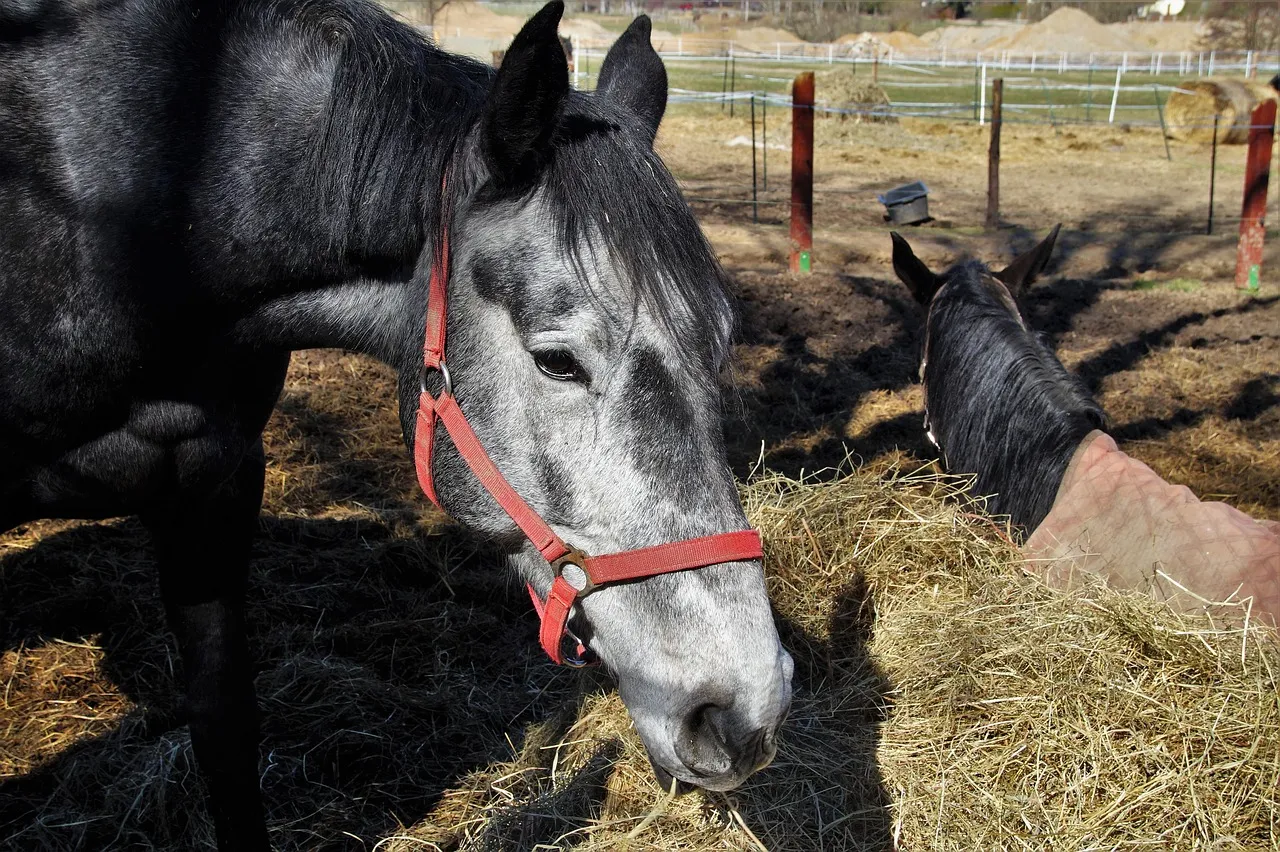
Healthy horses lie down, rest, then pop back up in one fluid motion. Ageing horses often start to lie down less frequently, and when they do, they’ll pause after standing – stock still, head neutral, almost “resetting.”
To the casual eye, it’s nothing. Biomechanically, it can indicate stiff joints, weaker core muscles, and reduced balance, turning lying down and rising into a deliberate, calculated movement instead of an automatic one.
The heartbreaking twist: many older horses sleep less deeply because getting up is hard. They spend more time dozing on their feet, which can worsen fatigue and irritability.
When you see a senior horse take a few moments to “stabilize” after standing, it’s your cue to check bedding depth, stall size, and turnout footing. Make it easy – and safe – for them to lie down and get up. Owners often recognize what this meant only in hindsight, after the horse is gone.
#13 – A New, Quiet Distance from the Herd
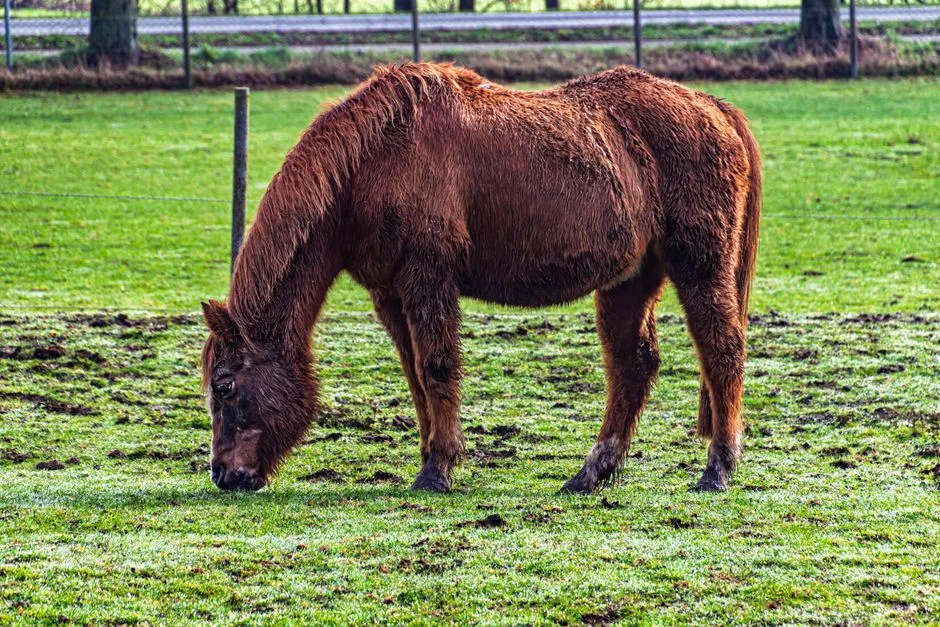
Horses are social, and for years your gelding may have been the comedian or the boss. Then one season, he starts lingering at the edge of the group, sharing a fence line but not every game.
People often say, “He’s mellowing with age.” Sometimes that’s true… but often it’s more complicated. Pain, slower reflexes, and declining vision or hearing can make high-energy herd life stressful, so older horses gently opt out of the chaos.
This distance isn’t always a sign of depression; it can be an intelligent adjustment. A horse who can’t spin or kick as fast may avoid crowded hay feeders or rough youngsters because they know they can’t compete.
Still, increased isolation can slide into loneliness if we’re not paying attention. The most humane response is intentional companionship: safe pasture buddies, separate hay piles, or even part-time stall neighbors. Quiet withdrawal isn’t “anti-social”; it’s often an ageing horse’s survival strategy.
#12 – Eating Slower, Yet Leaving a Little Behind
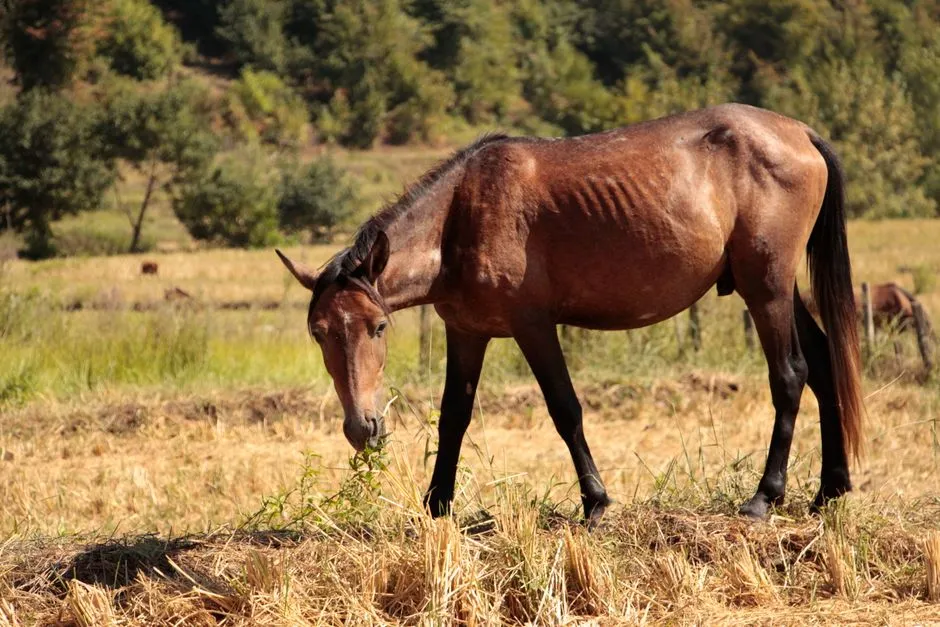
Owners love to say, “He’s always been a good eater.” Then one year the grain bucket comes back with a rim of leftovers, or hay takes twice as long to disappear. It’s tempting to blame boredom or pickiness.
In reality, slower eating in seniors is frequently tied to dental changes, reduced saliva, or early metabolic shifts. Worn teeth, hooks, or missing molars make chewing hay harder, so they grind more slowly, rest more often, and may choose softer mouthfuls.
Here’s the nuance most people miss: an old horse can still look “round” while quietly losing muscle and struggling with certain feeds. That partial bucket is often your first, gentlest red flag.
Instead of insisting “he’s just being fussy,” it’s time for a dental exam, feed re-evaluation, and possibly switching to soaked or senior rations. Many owners realize too late that what looked like “he’s just over it today” was actually low-grade discomfort every single meal.
#11 – A Subtle Change in Eye Expression
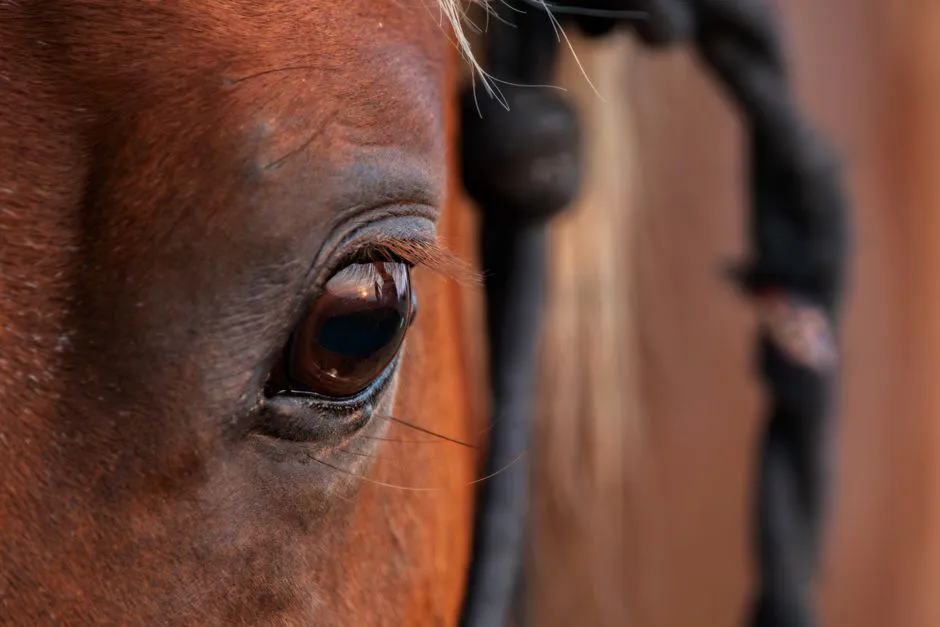
Most owners swear they can read their horse’s eyes – and they’re not wrong. With age, though, the eye tells quieter stories: a soft cloudiness, slower tracking of movement, or a slightly more guarded gaze.
Lenticular sclerosis, early cataracts, and reduced night vision are common in older horses, and they don’t always start with dramatic signs like bumping into things. Instead, you might notice hesitation in dim barns, reluctance to enter bright-to-dark spaces, or a new startle at sudden motion.
Many people dismiss this as “spooky” or “opinionated” behavior. In reality, the visual world is shifting under the horse’s feet. Asking them to load confidently into a shadowy trailer or work under dazzling arena lights without adjustments is, frankly, unfair.
Simple changes – better lighting, patient transitions between light levels, and safer, more predictable environments – can transform their confidence. By the time we admit, “His eyes weren’t what they used to be,” we’ve often already ignored months of gentle warnings.
#10 – Choosing to Walk Beside You, Not in Front
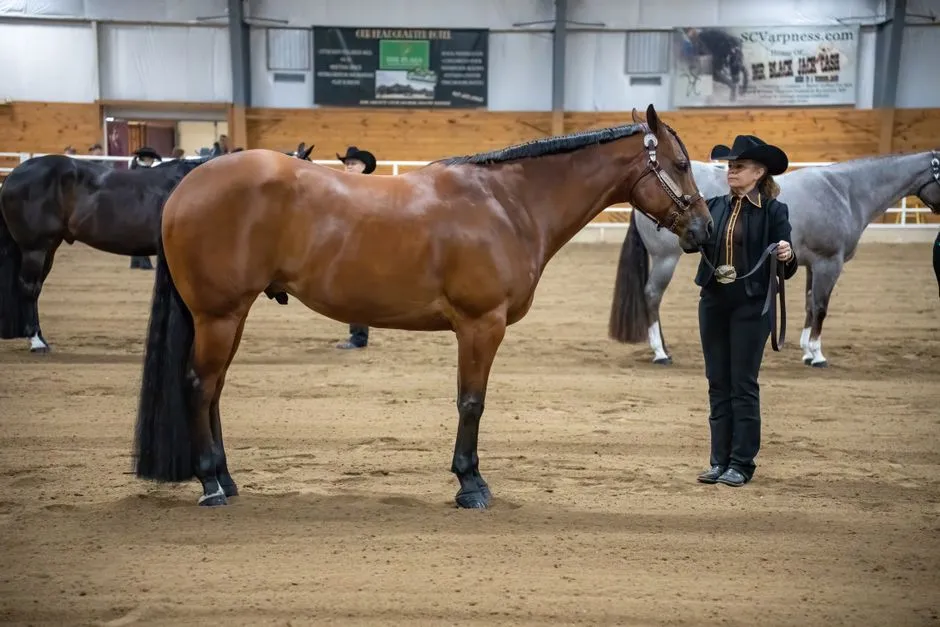
You might notice that the horse who once forged ahead on the lead rope now falls in step right at your shoulder, or even slightly behind. It feels respectful. Polite. “Finally, good manners.”
But behaviorists point out that ageing horses often adjust their position to feel safer and to use you as a “visual anchor,” especially if balance or confidence on certain surfaces is fading. Staying beside you lets them subtly mirror your steps and avoid surprises.
This isn’t a bad thing – but it’s often misunderstood. Some owners celebrate it as training success rather than seeing the underlying vulnerability.
When the horse lags on slopes, hesitates at water crossings, or “sticks” to you in windy conditions, that may be more about fear of falling or sensory overload than obedience. The kindest thing you can do is slow down, widen your path, and let your body language say, “You’re safe with me.” That gentle shadow at your side is an ageing horse’s quiet compliment – and quiet plea.
#9 – More Time With the Head Low and Neck Relaxed
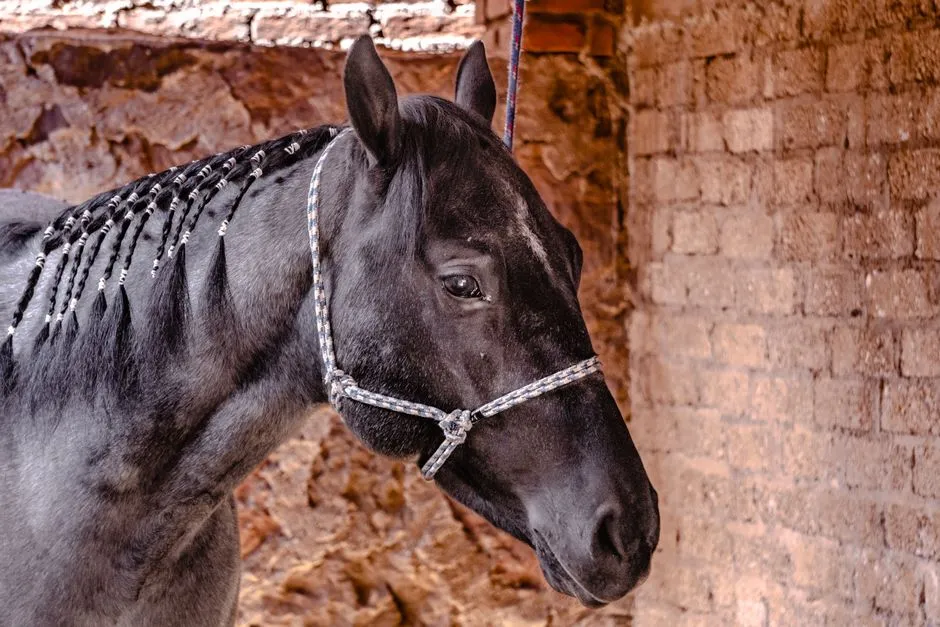
In younger years, your horse might stride around with a proud, upright neck, ears pricked. In later seasons, you see them more often with the head low, neck muscles softened, eyes half-lidded.
It looks peaceful – and often is – but there’s also physiology here. Lowering the head stretches the nuchal ligament, eases tension in the poll, and can relieve pressure in arthritic neck joints. For older horses, this position is literally easier on their body.
Where we go wrong is demanding a “show frame” or high head carriage from a horse whose cervical joints no longer love that job. That posture that once looked powerful in the ring can tip into discomfort in their twenties.
Allowing long, low stretches, bitless or softer bitting, and more “head freedom” becomes less a training choice and more a welfare decision. When seniors spend more time grazing posture even when not eating, they may be self-medicating their own stiffness.
#8 – Sleeping More in Short, Light Bouts
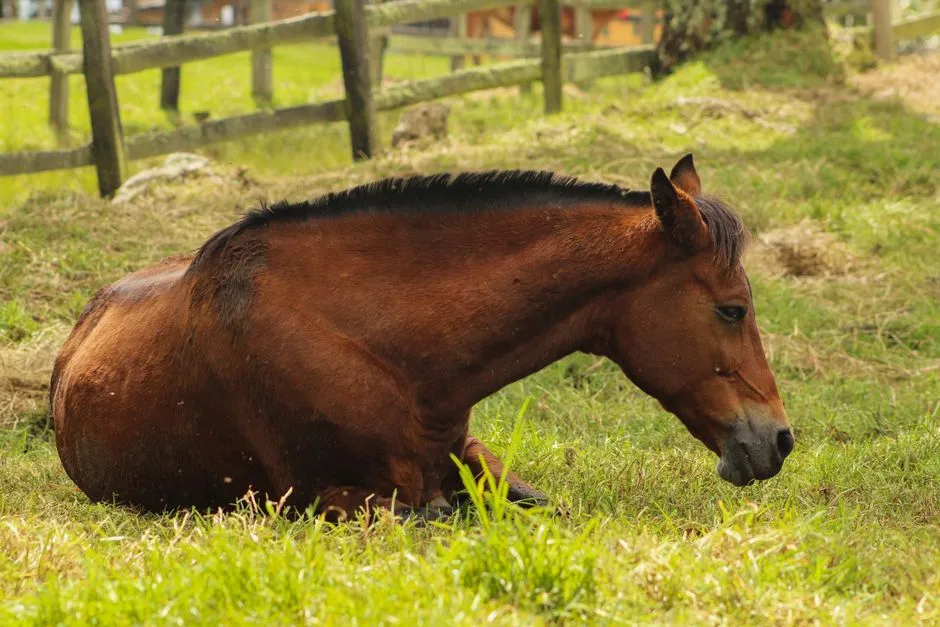
As horses age, their sleep pattern often shifts. You’ll see them standing in their favorite corner, eyes closed, hip cocked, more often than before.
At first glance it just looks like “chilling out,” but physiologically, old horses may have trouble achieving deep REM sleep because getting up and down is harder on joints and muscles. So instead of a few long, deep sleep sessions, they accumulate lots of shallow dozing.
At a Glance
- True deep sleep only happens lying down; horses can doze standing but can’t reach REM that way.
- Healthy horses only need a modest stretch of REM sleep each day, but it has to happen fully recumbent.
- Joint pain or fear of struggling to rise again can keep older horses from lying down long enough to get it.
- Chronic short-sleeping can show up as daytime irritability, clumsiness, or sudden dozing episodes.
This has consequences. Light sleep doesn’t restore the body and mind as effectively. Chronic low-level sleep deprivation can make an older horse more irritable, less tolerant of change, and mentally slower in training or handling.
Owners sometimes label this as “grumpy old man syndrome” without realizing it’s partly a housing and comfort problem. Softer bedding, safe companions, and pain management can all help them lie down more confidently. Those extra dozing sessions aren’t just laziness; they’re a coping strategy.
#7 – A Quieter Response to Flies and Irritations
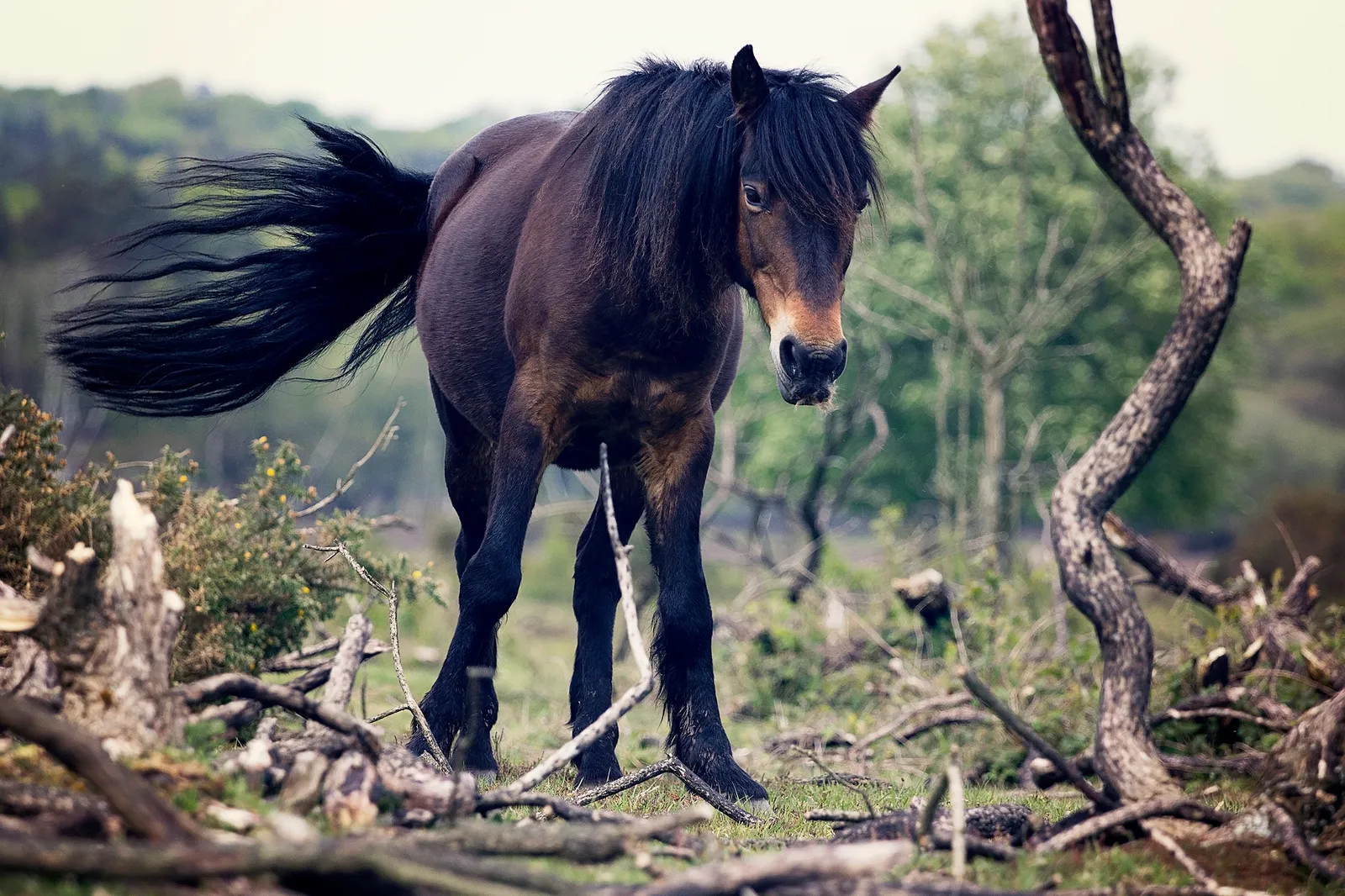
Remember when a single fly would send your horse into a tail-swishing, skin-twitching frenzy? In the final season, some horses react less vigorously: slower tail swishes, fewer stomps, or even apparent indifference.
Many people assume they’re just calmer or “past caring,” but that underestimates the biology. Ageing can blunt sensory perception and slow nerve conduction, meaning itch, tickle, or light pain may register differently or more slowly.
There’s a darker possibility too: some seniors simply don’t waste energy on constant, explosive reactions because the payoff isn’t worth the effort. That doesn’t mean the flies bother them less – it can mean they’ve adapted by tolerating more discomfort.
When a horse stops protesting, we often stop noticing. Good insect control, fly sheets, and thoughtful turnout times arguably matter more in a senior’s last season than ever before. Quiet is not always comfort; sometimes it’s resignation.
#6 – Standing Slightly Wider or Under Themselves
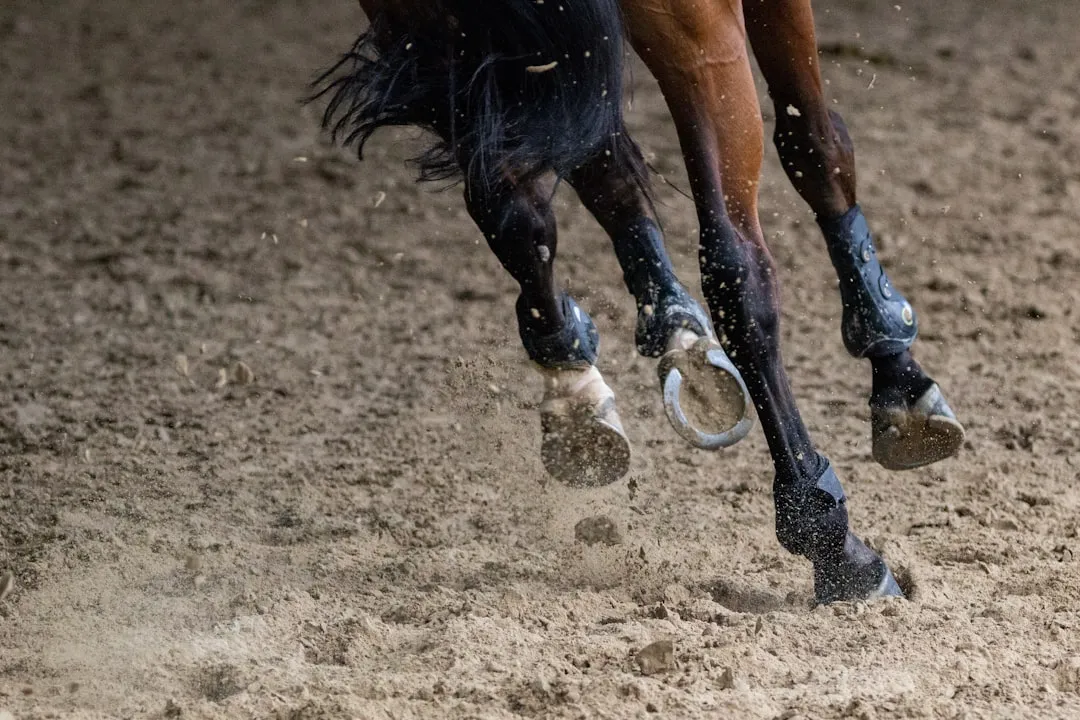
A sharp-eyed owner sometimes sees it first in a photo: the hind legs a bit more camped under, or the front legs set a touch wider apart. It’s subtle enough to ignore in real time.
Yet postural shifts are one of the body’s clearest pain maps. Arthritic hocks, sore backs, or laminitic feet all change how a horse distributes weight, and seniors become experts at micro-adjustments that let them stay upright and functional.
Instead of thinking, “He always stands like that,” it’s worth asking when you first saw it. Wide-front stance may indicate front foot pain; parking under with the hind legs can signal hock or stifle discomfort.
These aren’t necessarily emergencies, but they are invitations to intervene earlier: hoof care, pain relief, surface changes, and workload adjustments. Many owners only connect that odd stance with chronic pain when reviewing old photos after euthanasia, and the realization can be gutting.
#5 – Greeting You with Ears, Not Energy
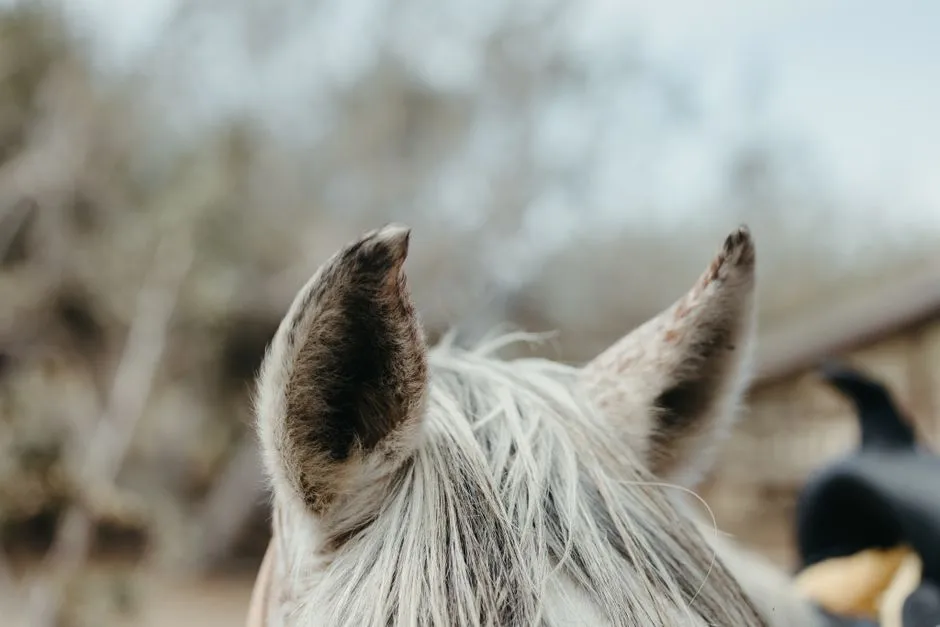
In their younger years, many horses greet the owner with motion: pacing the fence, trotting over, calling out. In the final season, the greeting often becomes quieter. They may lift their head, flick their ears forward, and watch you with a soft eye – but stay right where they are.
That stillness can sting, especially if you read it as lost enthusiasm. In truth, older horses frequently conserve physical energy while still showing strong social and emotional interest. The emotional bond is still there – sometimes deeper than ever – but the body no longer wants to sprint for every arrival.
You see the affection in subtle signs: a low nicker when you’re close, nudging into your chest, resting their chin on your shoulder. Mistaking reduced movement for reduced love is one of the cruelest misunderstandings of ageing.
They’re not “over you”; they’re simply prioritizing comfort. When the horse chooses to tell you with ears and eyes instead of feet, that’s still a greeting worth honoring.
#4 – Taking Longer to “Warm Up” Mentally and Physically
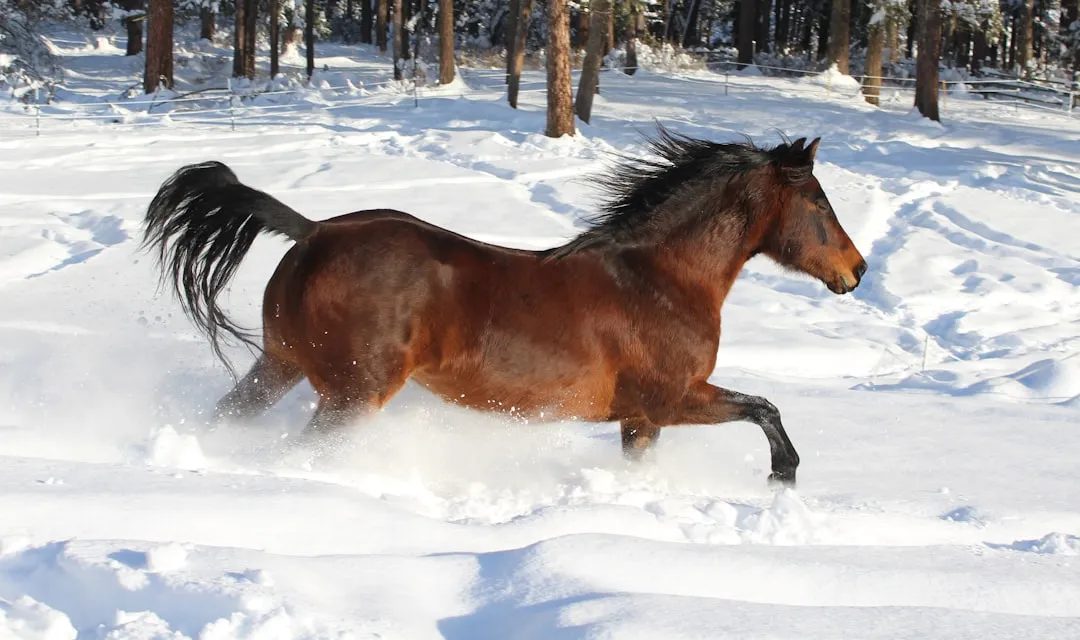
In the final season, you may notice your horse isn’t really “there” for the first 10-15 minutes of handling or light work. The body feels stiff, the brain a touch foggy. Then, slowly, they loosen – stride length improves, ears perk, reactions sharpen.
This isn’t drama; it’s physiology. Ageing muscles need more time to increase blood flow and flexibility, while older nervous systems can take longer to transition from rest to alert engagement.
Quick Compare
- Young, fit horse: Loose and reactive within a couple of minutes; ready for full work almost immediately.
- Senior horse: May need 10-15 minutes of slow, low-impact movement before joints and muscles fully engage.
- Young horse: Recovers quickly after exertion, with little lingering stiffness.
- Senior horse: May show stiffness again the next morning, even after a gentle session.
Where owners go wrong is expecting a senior to start like a fit 8-year-old. Rushing warm-up or demanding instant focus can sour an older horse mentally and physically.
A better pattern is a long, gentle start: in-hand walking, large circles, soft flexions, then deciding if ridden work is fair that day. The “warm-up window” becomes a daily welfare barometer. Ignoring it is how many well-meaning people ride their horse’s last good years harder than they realize.
#3 – Being Strangely Brave About Things That Used to Terrify Them
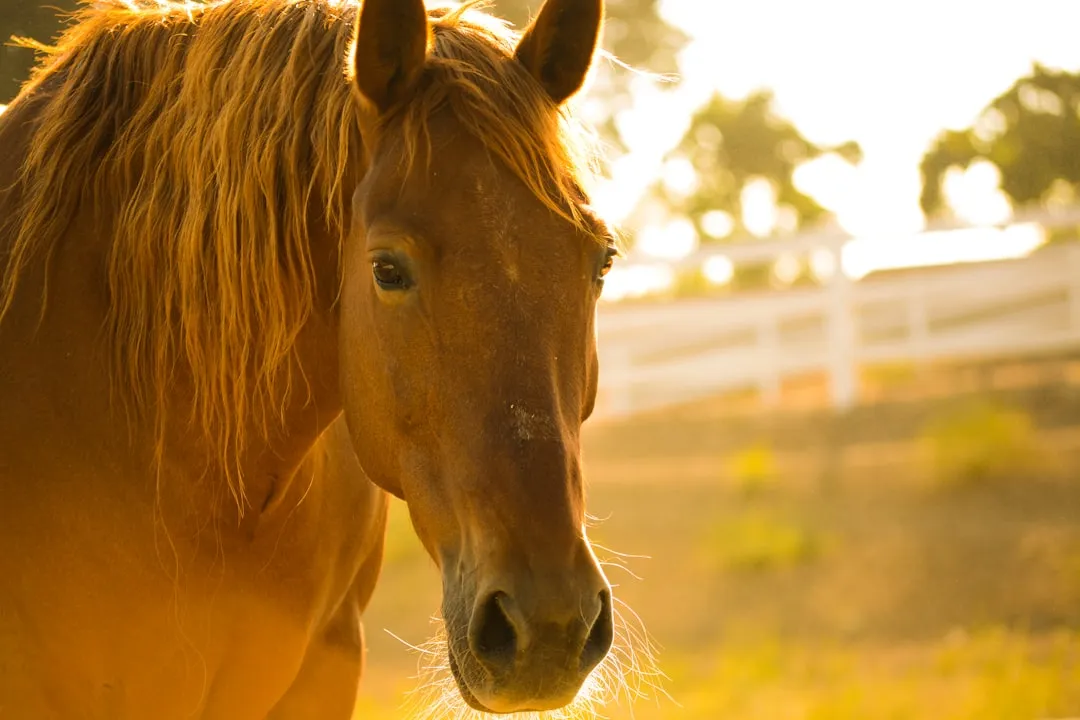
Here’s one that surprises people. Some older horses become unexpectedly bold in their final season. The tarp that was once a dragon is now boring. The flapping banner gets a glance and a sigh.
Owners celebrate this as “He finally grew up!” And sure, experience plays a role. But behavior research suggests age can bring reduced reactivity – not just from wisdom, but from lower adrenaline surges and sometimes even mild cognitive changes. In other words, the edges are sanded off.
The horse isn’t necessarily fearless; they’re less physiologically primed to explode. This can be a gift – trail rides become safer, shows less dramatic.
Yet it can trick people into thinking the horse is at their “best” right when the body is, invisibly, at its most fragile. Many owners push for “one more season” of performance because the brain is at its calmest, ignoring what the joints, tendons, and organs are quietly saying.
#2 – Seeking Out Your Touch More Deliberately
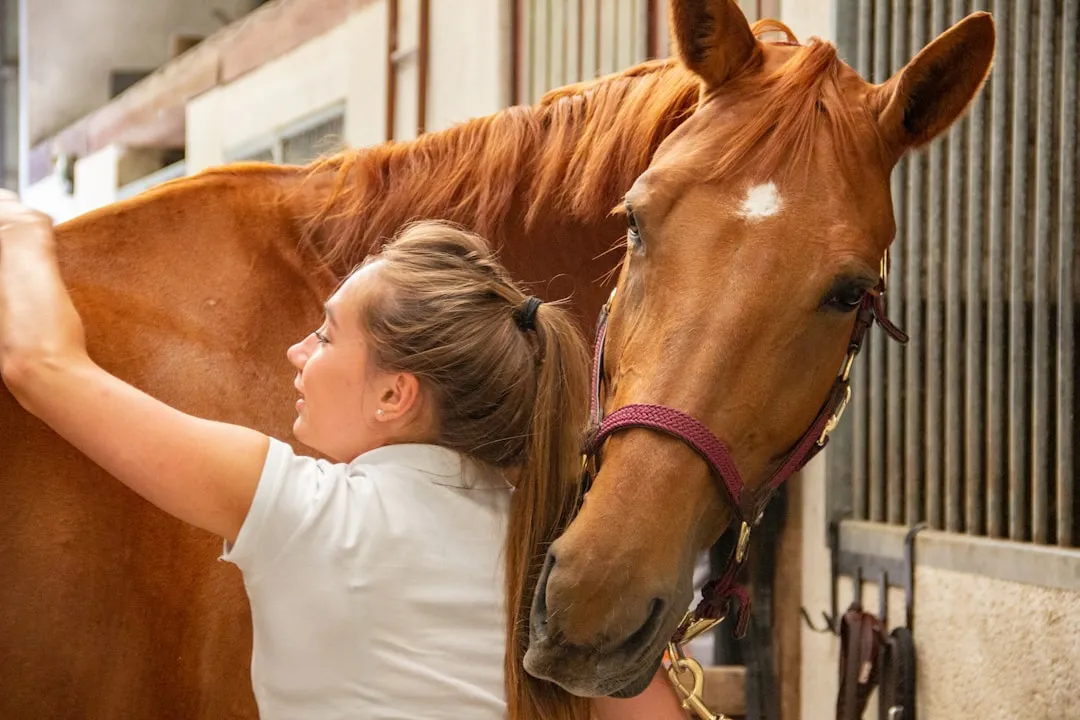
As horses age, some become more obviously affectionate. They’ll rest their head against your chest, follow you after you stop scratching, or turn their neck so your hand lands on a specific itchy spot.
It feels sentimental to say “He really needs me now,” but there’s biology under the emotion. Gentle grooming and touch lower heart rate, reduce stress hormones, and may even ease chronic pain perception in horses. Seniors learn very precisely what soothes them – and who provides it.
There is no secret so close as that between a rider and his horse.
Robert Smith Surtees
This is where many owners underestimate their influence. In the last season, your hands are not just symbolic comfort; they’re part of the horse’s pain management, emotional regulation, and sense of safety.
Ignoring those deliberate lean-ins or rushing through grooming to “get the ride in” misses the whole point. Often, the horse is very clearly saying, “This, right here, is what I need from you now.”
#1 – Quietly Letting You Set the Pace… Until the Day They Don’t
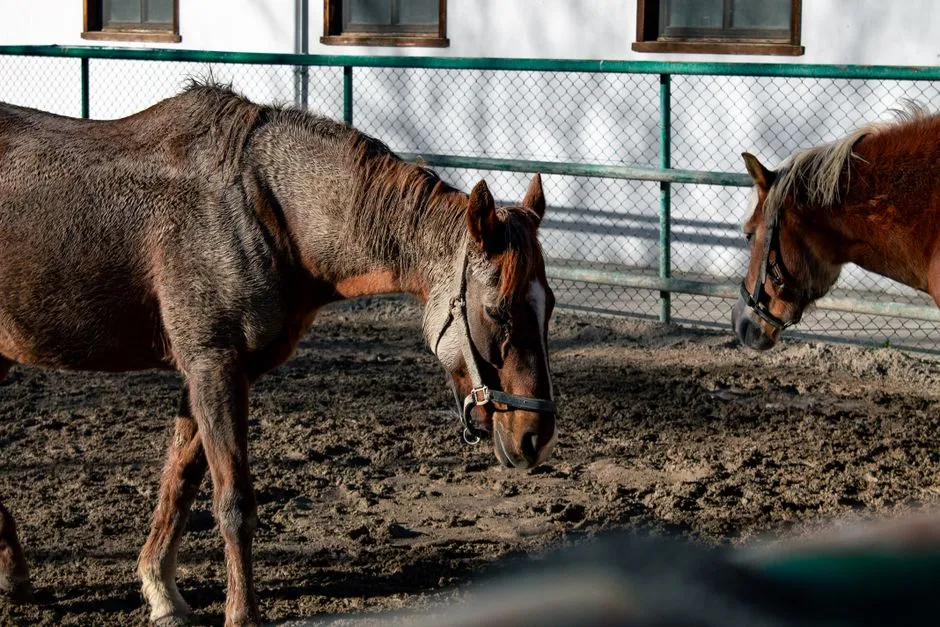
The gentlest, most devastating pattern many owners recognize only afterwards is this: for months or years, the ageing horse adapts. They walk slower when you walk slower, stop when you stop, turn back when you decide the trail is enough.
They accept smaller circles, shorter rides, longer grooming sessions. They allow you to be the one who redefines “normal,” even when “normal” is clearly shrinking.
Then, one day, something shifts. Maybe they refuse to pick up the trailer ramp. Maybe they plant their feet at the arena gate. Maybe they lie down and are in no hurry to get up, even when you call.
That “no” is often the first truly unambiguous line they draw about what they can’t or won’t do anymore. The tragedy is that, culturally, we expect them to keep going until we decide they’re done. In reality, many horses whisper for years and shout only once – and owners understand the message fully only in hindsight.
The Bottom Line
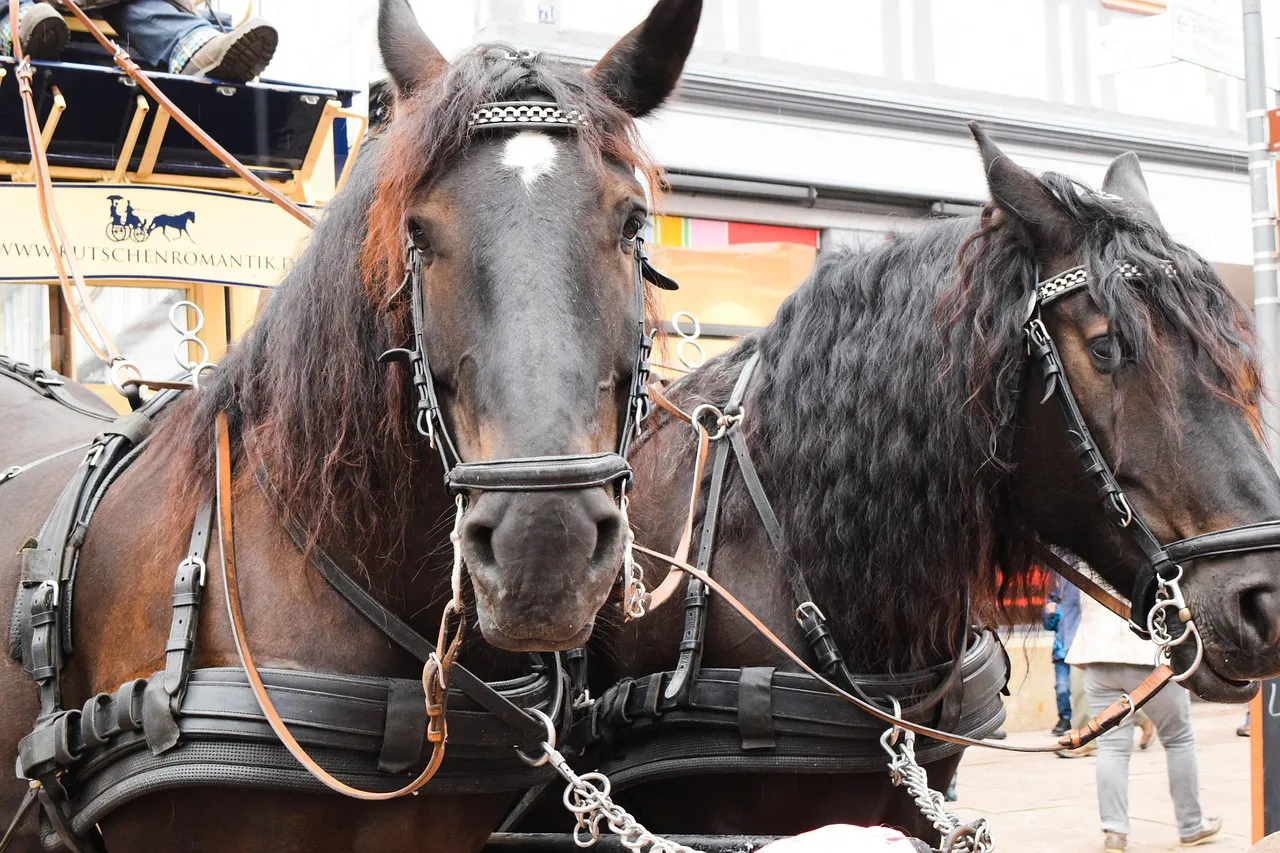
Ageing horses rarely crumble all at once. They edit themselves down with a thousand tiny choices: softer footing, slower greetings, quieter reactions, more deliberate sleep and posture.
Worth Knowing
- A slower walk, a shorter canter stride, and reluctance on hard ground often show up months before an official diagnosis.
- Herd withdrawal and quieter reactions can look like calm maturity while masking pain or fading senses.
- Leftover feed, changed stance, and longer warm-up times are among the easiest early signs to miss.
- Most of these signals are subtle by design – ageing horses are experts at hiding discomfort.
Each of the 17 signs above is gentle enough to dismiss, which is exactly why so many people do. The uncomfortable truth is that our industry still celebrates “one more season” far more loudly than it celebrates retiring a horse while they still feel mostly good.
In my view, the bravest, most loving owners are the ones who listen early – who take the slower walk, the leftover grain, the changed stance, and the quiet “no more, please” as data, not disobedience.
Did we miss a subtle behavior your old horse showed you in their final season? Drop it in the comments – other owners might recognize their own horse in your story.

- 17 Gentle Things an Ageing Horse Does in Its Final Season That Owners Understand Far Too Late - August 8, 2026
- Is Your Ageing Horse Nearing the End? 18 Quiet Signs That Only Lifelong Riders Ever Recognise - August 8, 2026
- 17 Things Wildlife Biologists Wish More People Understood About the Hummingbirds Visiting Their Yard Each Summer - August 8, 2026