Most horse owners are convinced they’ll just “know” when their horse starts aging. They picture a swayback, a grey muzzle, maybe a slower trot around the paddock. Equine vets know better, and honestly, they’ve stopped trying to argue about it at the barn aisle.
Aging almost never shows up as one big obvious moment. It shows up as a dozen tiny inconveniences that owners explain away in real time – “just the weather,” “he’s being lazy today,” “she’s in one of her moods.” Vets have a name for that pattern too: missed windows. Here are the 17 signs they check first, and the exact excuses that keep owners from catching them in time.
#1 – “Just A Little Slower To Warm Up”
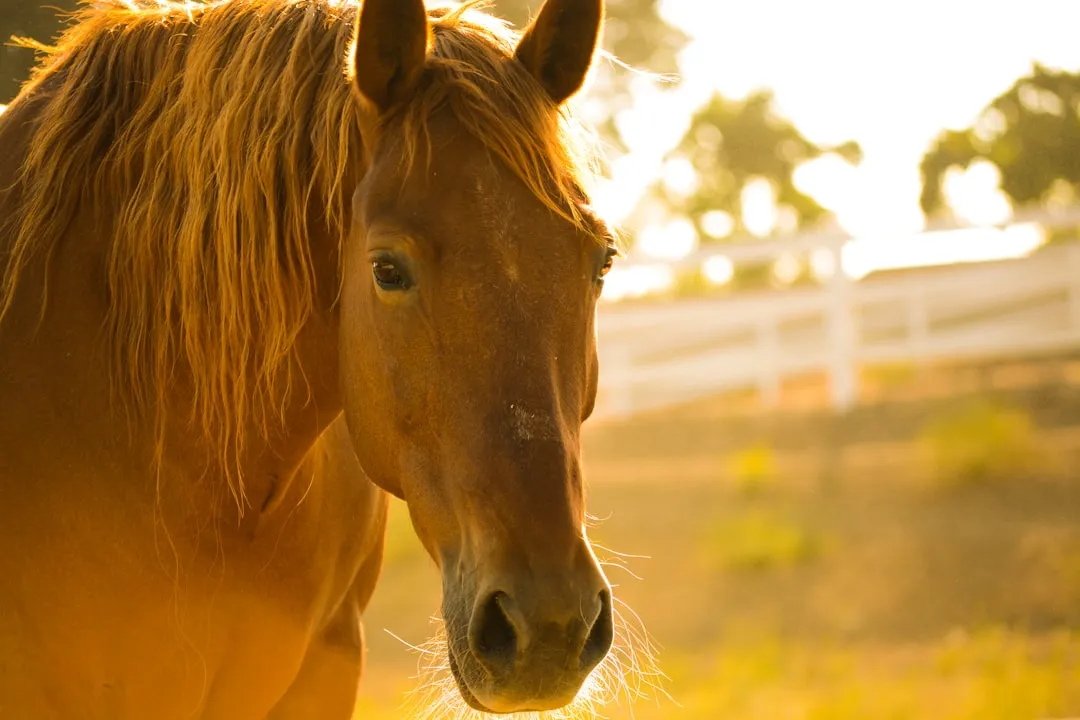
Owners shrug this one off constantly. Vets quietly panic. That extra ten minutes your gelding suddenly needs to loosen up in trot is one of the earliest aging flags there is, and it rarely gets treated like one.
Owners call it stiffness, laziness, or winter blues. Vets hear low-grade joint change – often the very first whisper of arthritis settling into hocks, stifles, or fetlocks. If the first few circles feel wooden and then the horse “magically” loosens up, that’s not attitude. That’s cartilage already changing long before any visible lameness shows up under saddle.
Fast Facts
- The prevalence of osteoarthritis is greater than 50% in horses older than 15 years, and in horses over 30 years, it increases to 80-90%.
- Osteoarthritis represents up to 60% of all lameness cases in horses of any age.
- A major challenge in managing it is that by the time clinical signs like lameness are observed, irreversible cartilage damage has already occurred.
#2 – Tiny Changes In Topline, Not Just “Losing A Bit Of Muscle”
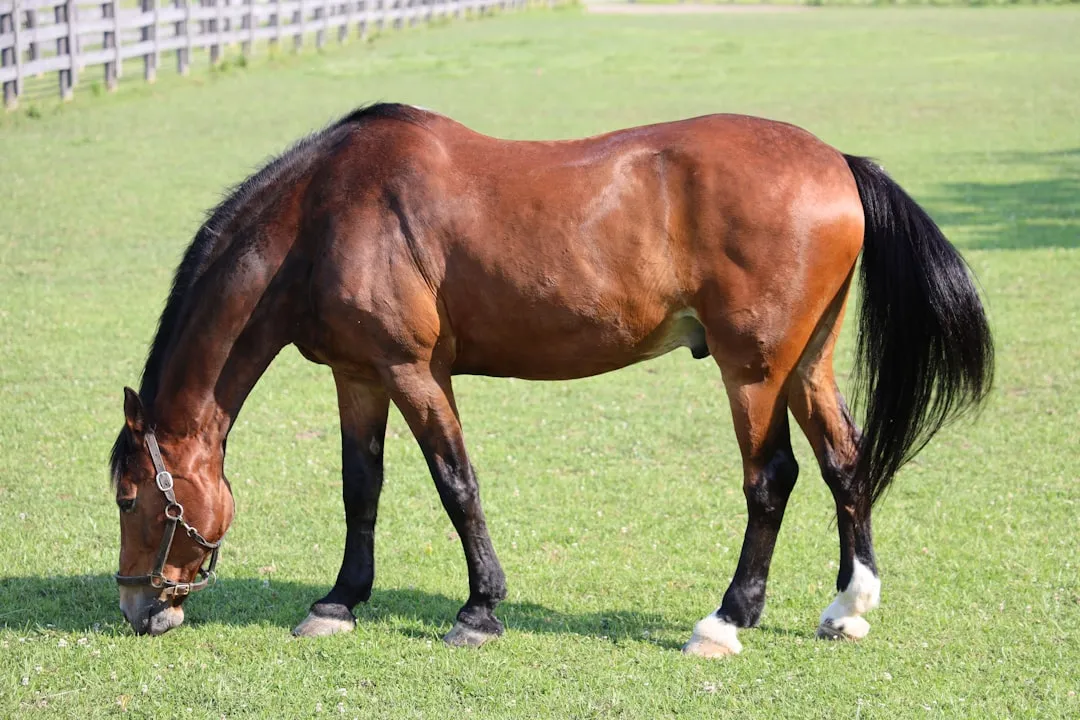
Owners call it “out of work shape.” Vets call it aging in progress. One of the first places a vet’s eyes go is over the back and around the withers, because a horse that used to have a smooth, well-filled topline but now shows slight hollowing behind the shoulders isn’t just unfit.
Older horses lose muscle faster and rebuild it slower, especially once low-grade pain has them quietly guarding their back. “He’ll muscle up once we ride more” is often the opposite of what that back actually needs. A saddle that suddenly bridges or leaves dry spots, or a horse that flinches at a soft brush along the spine, is telling on itself long before anyone books a lameness exam.
#3 – Sudden Picky Eating Or Slower Hay Time
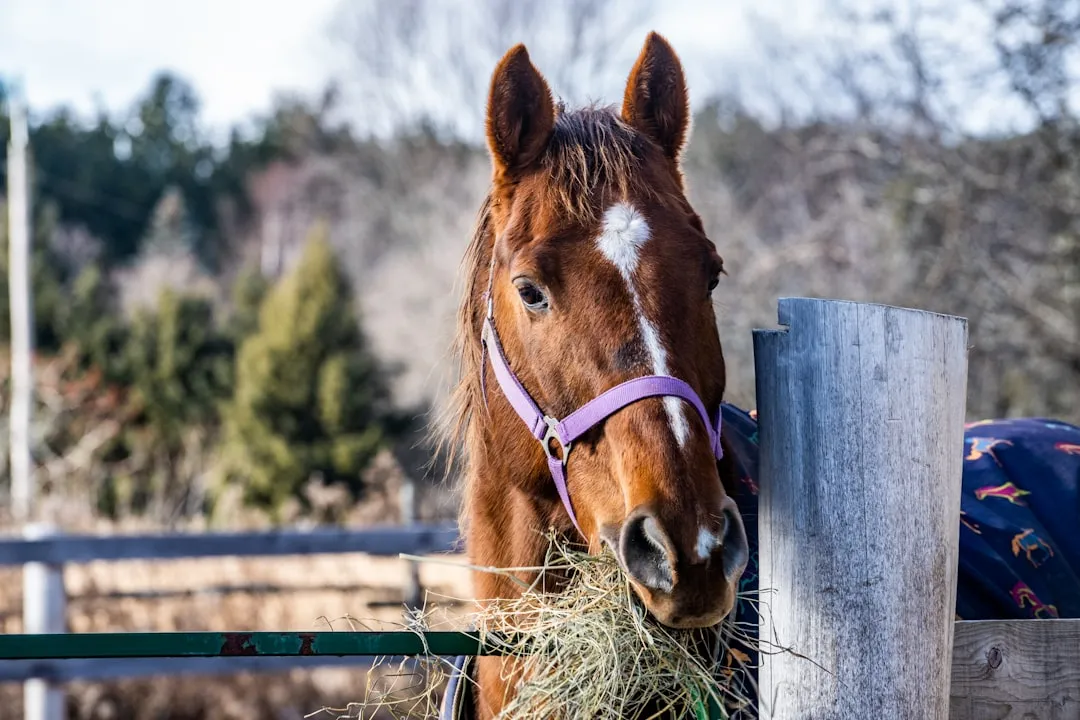
When a once-greedy horse starts leaving feed in the bucket, most owners blame the brand. Vets immediately think teeth, ulcers, or a metabolic shift happening underneath the surface. Aging mouths develop sharp points, wave mouth, loose teeth, and painful gaps between teeth called diastemata.
Horses hide this pain remarkably well. The tells are small: taking longer to finish hay, dropping half-chewed clumps of forage, or wandering off from hard feed after a few mouthfuls. Calling it “fussy” feels harmless. It just happens to be one of the most common ways real dental pain and early Cushing’s disease slip past unnoticed for months.
#4 – Seasonal Coat Changes That Don’t Quite Look Right
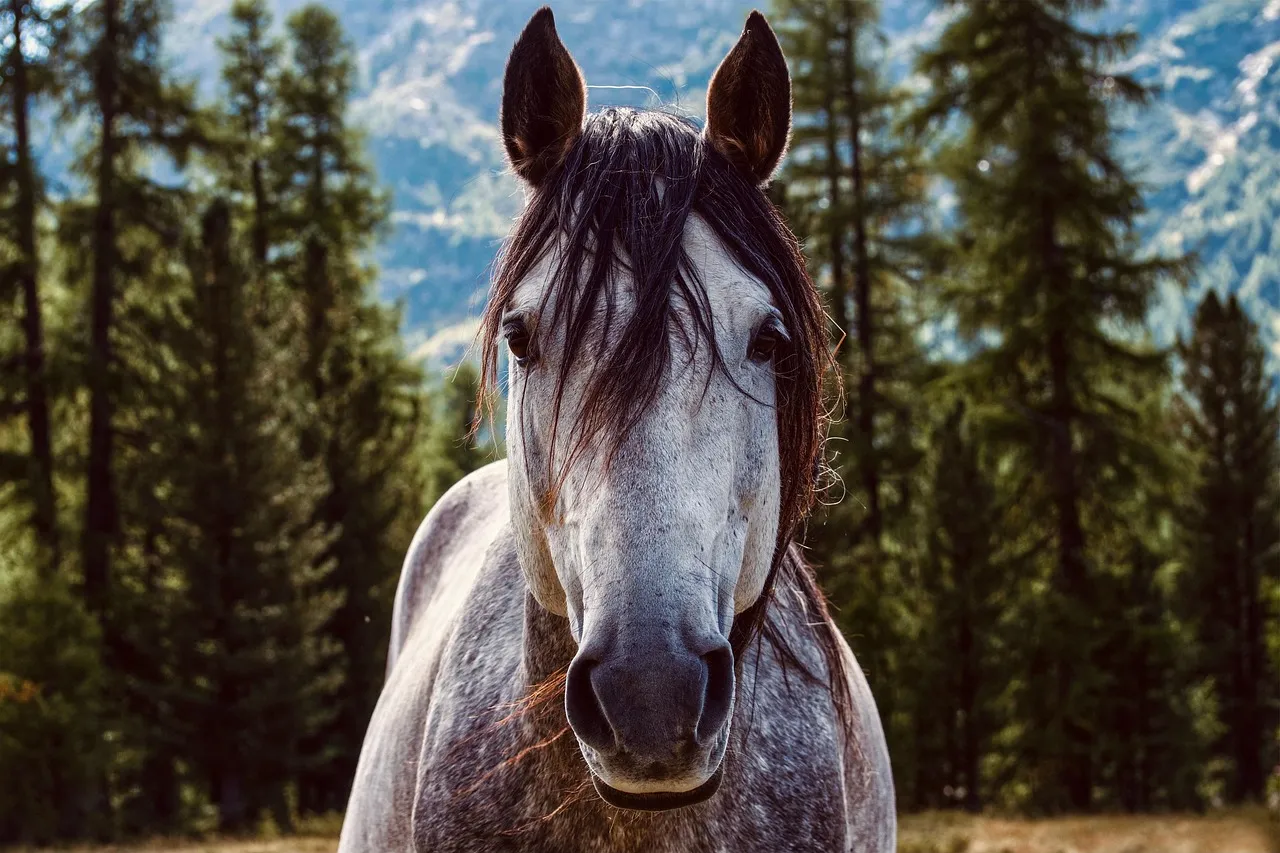
Most owners obsess over dapples. Vets obsess over timing. Aging horses often show their age in the coat long before they go properly grey – not by what the coat looks like, but by when and how it sheds.
A horse still holding a winter coat into late spring “because the weather’s been weird” is waving a flag most people walk right past. Vets are already thinking pituitary dysfunction, thyroid involvement, or age-related hormonal drift. An older horse that suddenly grows a long, curly, oddly dull coat isn’t being cute and woolly – that’s a textbook early sign of PPID, and it’s treatable if it’s caught while it still looks like nothing.
Worth Knowing
- Reported prevalence of PPID ranges from 15% to 22% of horses older than 15 years.
- The disease primarily affects those over the age of 10, with 19 being the average age at diagnosis.
- Hirsutism, a long curly hair coat, is a common finding and is characterized by failure to shed a long curly hair coat.
#5 – Slightly Sunken Hollows Above The Eyes
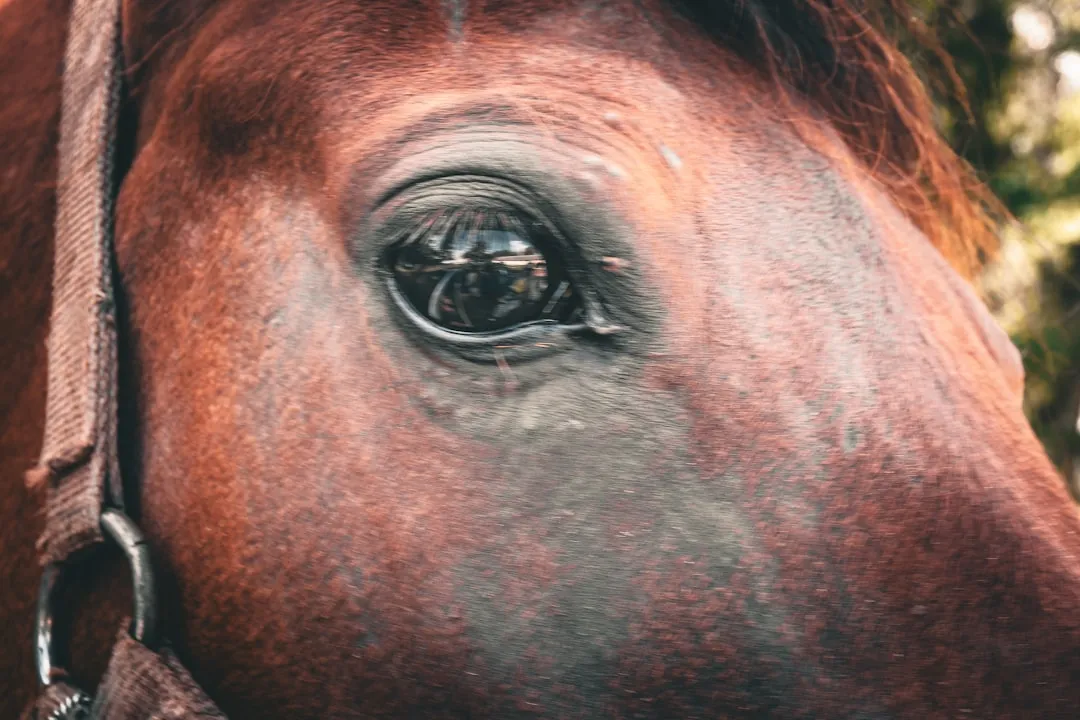
Owners call it character. Vets call it an early aging marker they track photo by photo. Those small hollows above the eyes, over what’s technically the supraorbital fossa, deepen with time in a way that’s easy to dismiss as “just the breed” or “a bit skinny.”
Increasing hollowness over months often lines up with fat and muscle loss, dehydration, or a metabolic shift working quietly in the background. It’s rarely diagnostic on its own, but vets log it every visit because it’s one of the few visual cues that changes gradually enough for owners to miss entirely – until it’s staring back at them from last year’s photo next to this year’s.
#6 – “He’s Just Getting Grumpier To Groom”
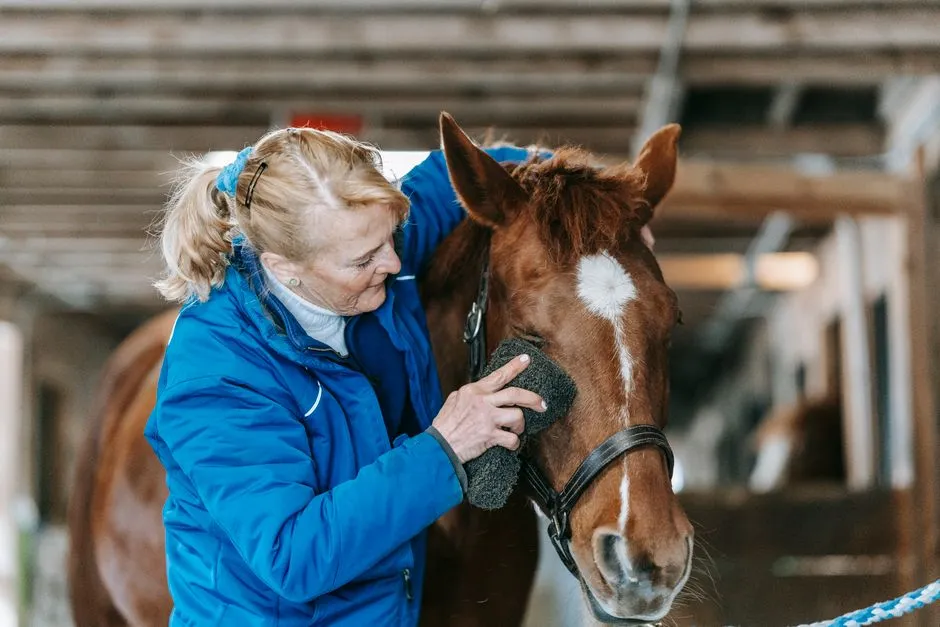
Behavior shifts are one of the most underrated aging signs there is. When an older horse suddenly hates being groomed – ears back, tail swishing, flinching over the ribs – owners tend to blame attitude, hormones, or the new kid hanging around the barn.
Vets see chronic low-grade pain instead: ulcers, an arthritic back, rib soreness, sometimes early kissing spine. Aging horses rarely scream. They whisper through little protests that get filed away as personality quirks. A horse that once loved being curried and now pins its ears at a soft brush isn’t being dramatic. It’s telling you exactly where it hurts.
#7 – Minor Hoof Changes You Only Notice In Old Photos
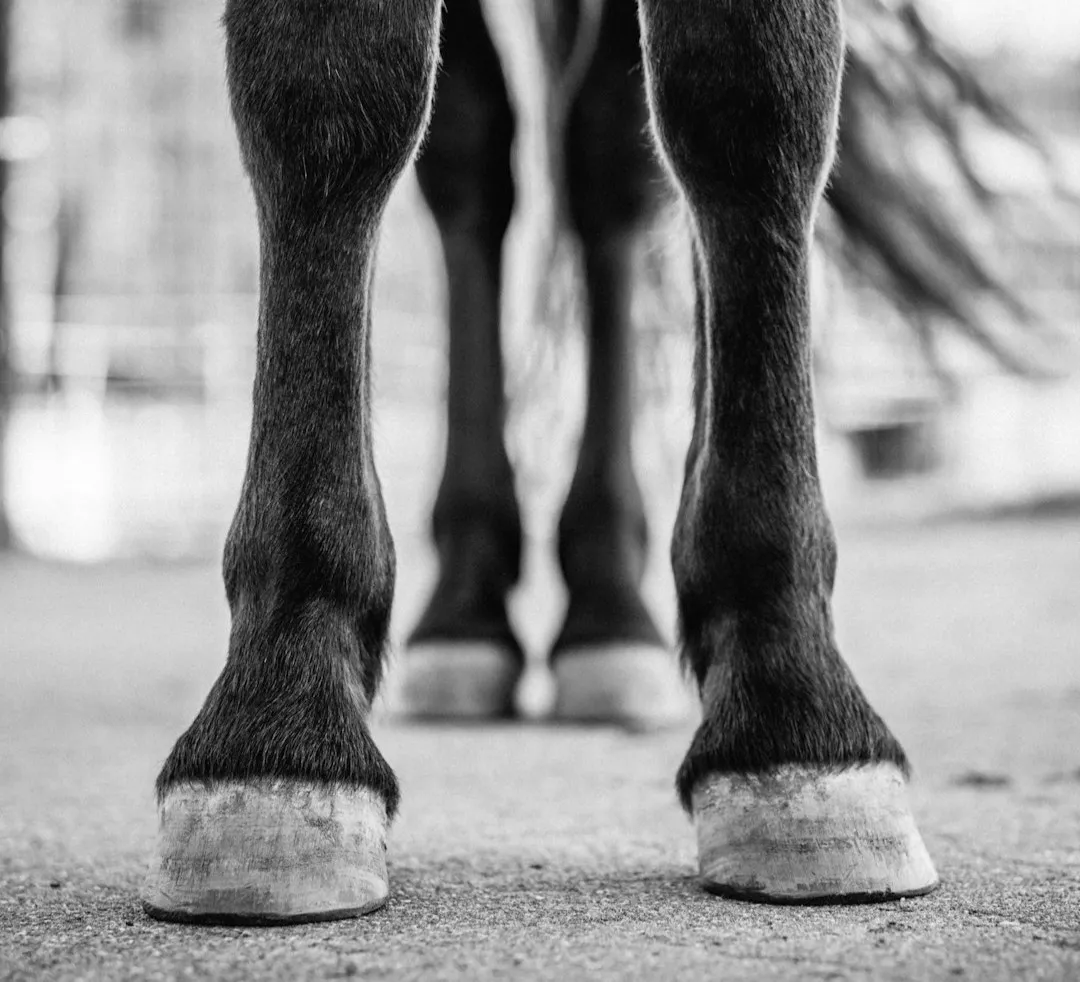
Vets look down before they look anywhere else, and for good reason. Hoof quality quietly deteriorates with age – more cracks, subtle flares, a stretched white line, small shifts in heel height that owners chalk up to “the farrier cycle” or hard ground.
Good farriers and vets see something else entirely: early metabolic strain, circulation changes, or the very first hints of laminitic risk, especially in easy-keepers and older ponies. A white line that’s quietly stretched compared to last year, or subtle growth rings tied to stress or diet, is often the first place insulin resistance announces itself, long before a horse ever takes a lame step.
#8 – Changes In Manure And Urine That Get Blamed On Hay
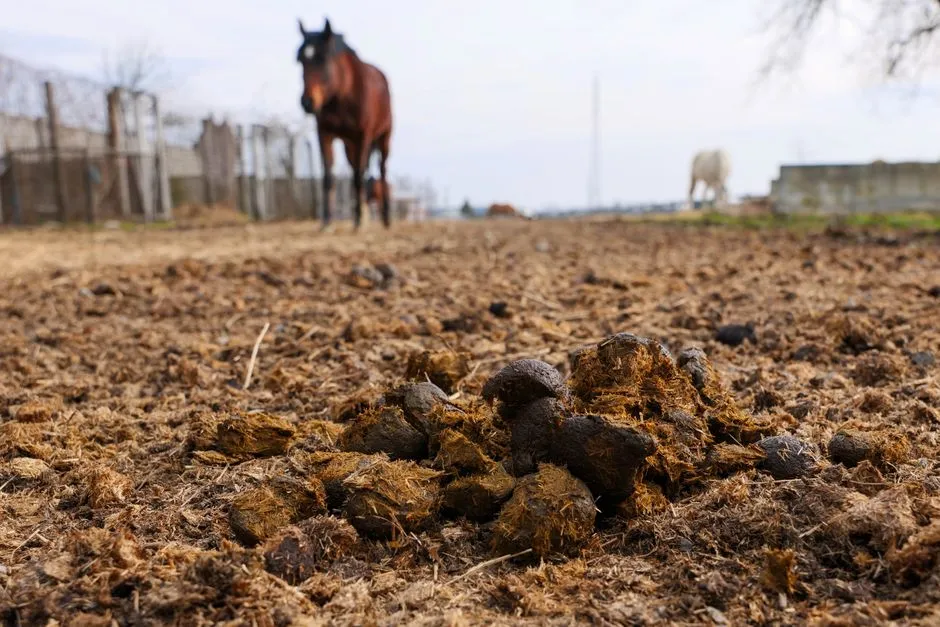
Boring? Absolutely. Critical? Just as much. Older horses often show their age through manure and urine long before any dramatic weight loss shows up. “The hay must have changed” is the go-to excuse, every time.
Vets watch for chronic loose manure, unusually dry balls, a stronger urine smell, or new scald marks on the legs – all of which can point to dental trouble, gut changes, kidney shifts, or endocrine disease working quietly in the background. Most owners only worry when there’s blood or obvious diarrhea. Vets know the gut and kidneys age in silence for years, and these small shifts are the earliest check-engine light available.
#9 – The “He Just Trips Sometimes” Excuse
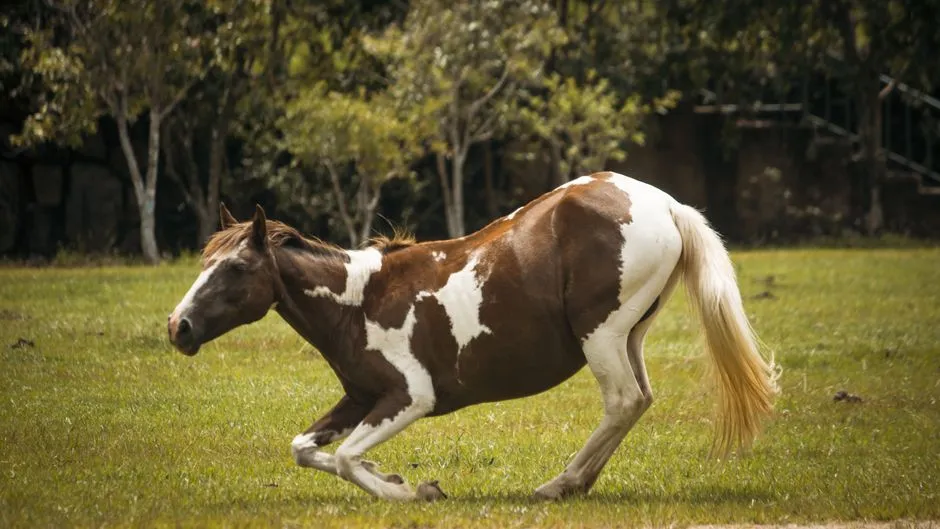
Every vet has heard some version of this sentence a thousand times over. A horse that stumbles occasionally on flat, familiar ground isn’t usually clumsy or bored. Vets hear proprioceptive change, subtle neurologic decline, early arthritis, or plain foot soreness working against a horse that’s compensating brilliantly, right up until it doesn’t.
Owners explain it away as laziness, deep footing, or a horse “not paying attention.” Vets ask sharper questions instead – is it always the same limb catching the toe, and has it gotten more frequent this year? Most people never realize how many preventable falls start out as little trips everyone chose to ignore for months.
#10 – Subtle Eye Changes That Aren’t “Just Getting Pretty”
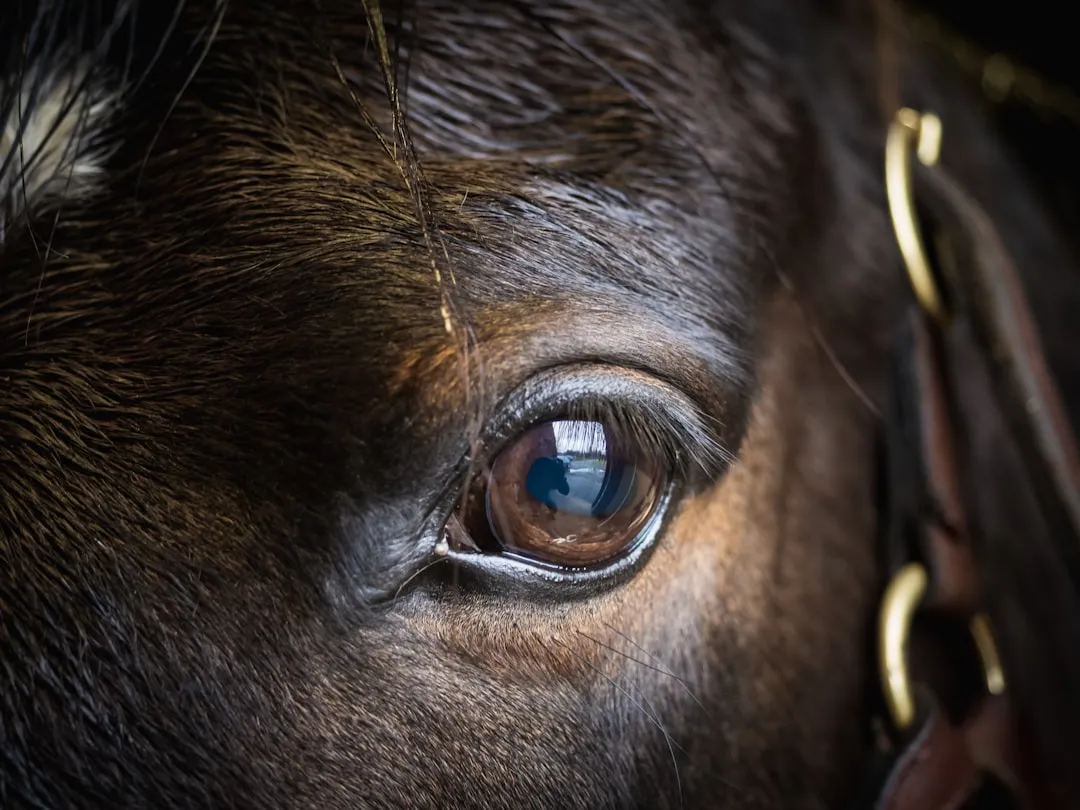
Cloudy eyes get romanticized constantly as some kind of “wise old soul” look. Vets see something far less poetic: early cataracts, uveitis scarring, or age-related changes in the lens itself. Horses adapt to reduced vision so well that owners often miss it entirely, until the horse starts spooking differently or hesitating at shadows it used to walk through without a second glance.
A bluish haze at certain angles, enlarged corpora nigra casting odd shadows, excess tearing or sudden sensitivity to bright light – none of these need to add up to blindness to already be affecting confidence and safety. Waving off eye changes as “normal for an old horse” is one of the more dangerous habits in this whole list, especially for anyone still trail riding or jumping.
Quick Compare
- Normal aging: faint lens haze or a slightly duller eye, but no change in confidence or behavior.
- Worth a vet call: new hesitation at shadows, spooking at familiar objects, or squinting outdoors.
- Don’t wait on this one: sudden cloudiness, visible tearing, or discomfort that appears within days.
#11 – Tiny Weight Shifts In The Hind End At Rest
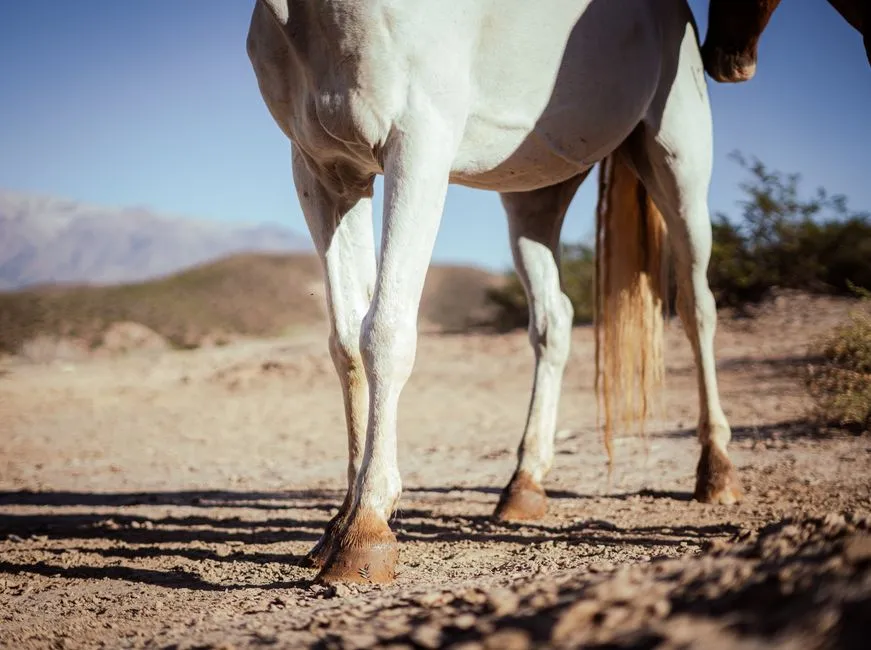
What your horse does standing quietly in the crossties matters just as much as what he does under saddle, and vets know it. Constant hind-leg swapping, resting the same limb over and over, or subtly pointing a toe can reveal early hock, stifle, or SI joint discomfort long before it shows up anywhere else.
“He always stands funny” is the usual explanation. What’s actually happening is a body quietly trying to unload a painful joint. One hind leg resting far more than the other, or a toe barely touching down instead of bearing full weight, is one of the earliest signs of hind-end aging – often showing up years before an obvious head bob ever will.
#12 – Slight Mood Swings Under Saddle, Not Just “Being Fresh”
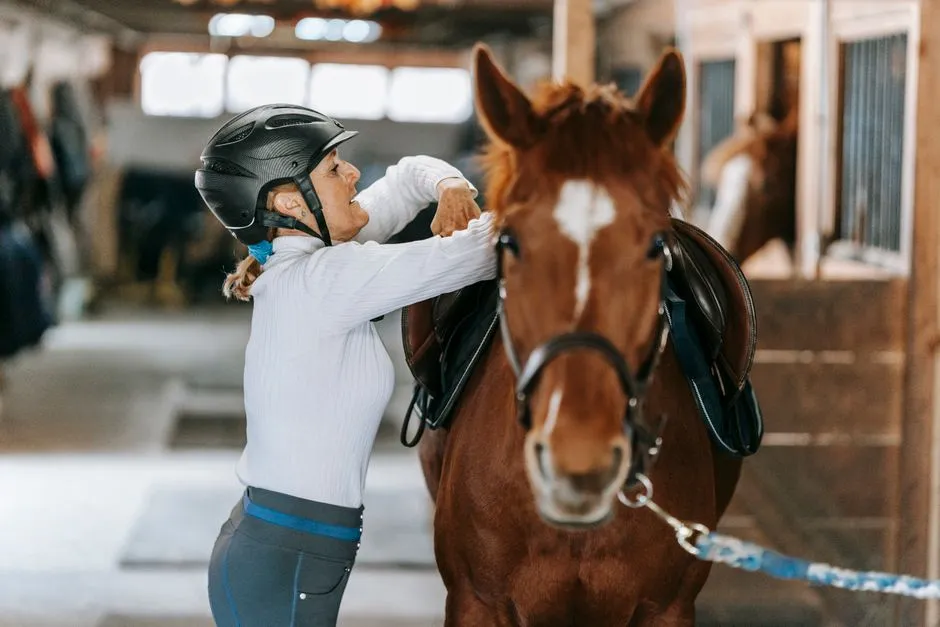
When an older horse’s personality under saddle quietly starts to shift, vets don’t reach for the trainer’s number first. “He’s just cheeky lately” or “she’s testing me” are pain narratives wearing a training-problem disguise. Aging joints, backs, and lungs all change how a horse feels about work long before any visible lameness shows up.
A once-keen horse suddenly arguing about transitions, refusing familiar fences, or feeling unusually tense didn’t get more difficult overnight. Sudden reluctance to canter on one lead, explosive reactions to nothing in particular, a creeping loss of forward that no amount of schooling fixes – social media loves calling this “naughty.” Vets call it the loudest language pain has left once a horse can’t fake it anymore.
#13 – Respiratory Changes That Get Blamed On Dust
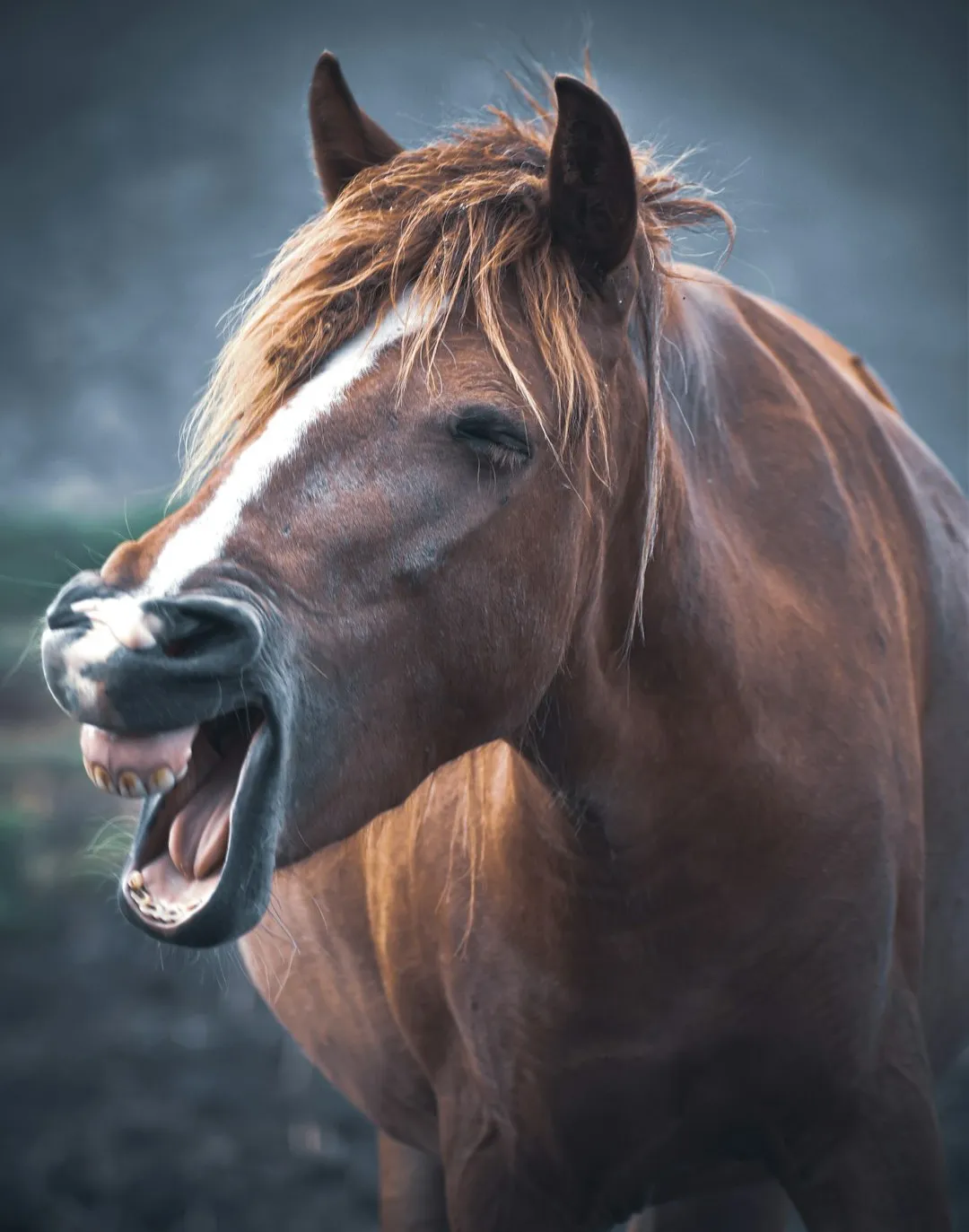
“As soon as we water the arena, he’s fine” is not a diagnosis, no matter how often it gets repeated at the barn. Older horses commonly develop early inflammatory airway disease or heaves-like changes that get mislabeled as a dusty barn cough or being unfit after winter.
Vets stay tuned to the small stuff – a slightly louder breathing noise, a faint belly push at the canter, a cough that shows up at the start of every single ride. A horse coughing two or three times in warm-up, breathing noticeably harder after mild work than it did last year, or carrying a faint wheeze under exertion is manageable early. Wait until it’s wheezing in the stall, and manageable turns into chronic.
#14 – The “Pot-Bellied” Look Sitting On A Weak Topline
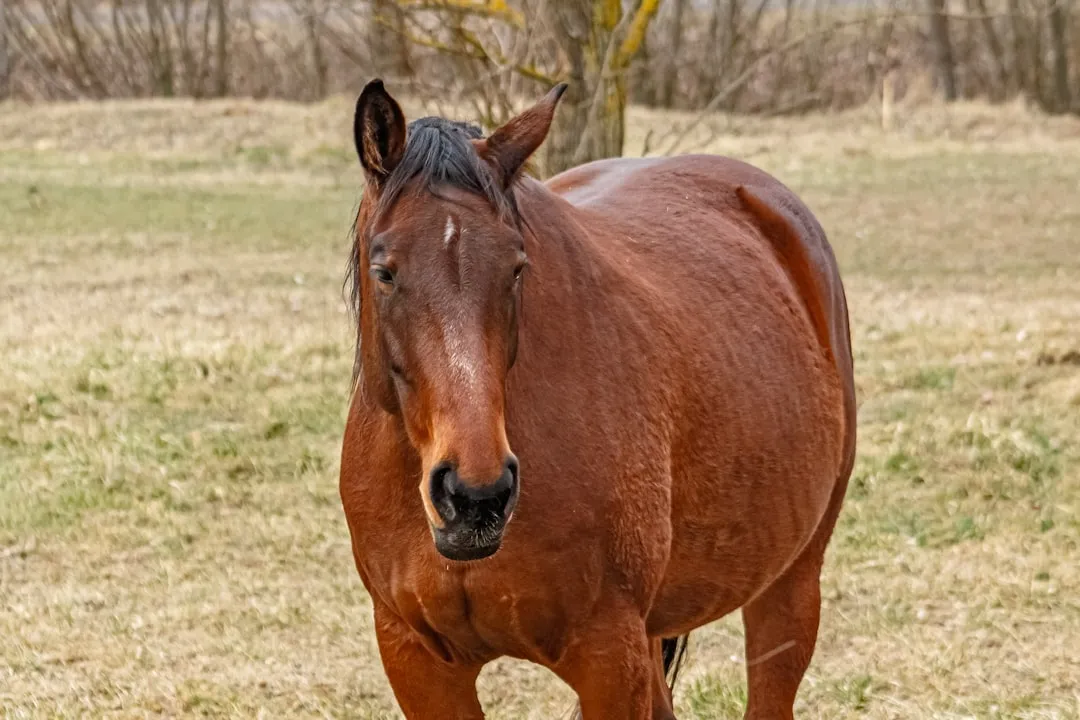
Owners call it easy-keeper body. Vets see an aging metabolism. That classic older-horse silhouette – a biggish belly, a narrow topline, sometimes a cresty neck – gets sold as “good grass condition” more often than it should be.
What’s usually underneath is reduced core muscle, a history of parasite load, and frequently early insulin resistance or PPID. A hay belly without matching muscle isn’t flattering. It’s diagnostic. Most owners still measure health by rib visibility alone, which fails older horses badly – fat pads above the eyes or along the tailhead tell a much more honest story than a quick glance at the ribs ever will.
Why It Stands Out
- Approximately 30% of horses with PPID also show signs of insulin dysregulation, the hallmark of Equine Metabolic Syndrome.
- Cresty neck and fat deposits around the tailhead, sheath, and supraorbital fossa often show up before the ribs ever change.
- Knowledge of insulin status is important for assessing laminitis risk and informing dietary management.
#15 – Drinking Patterns That Quietly Drift
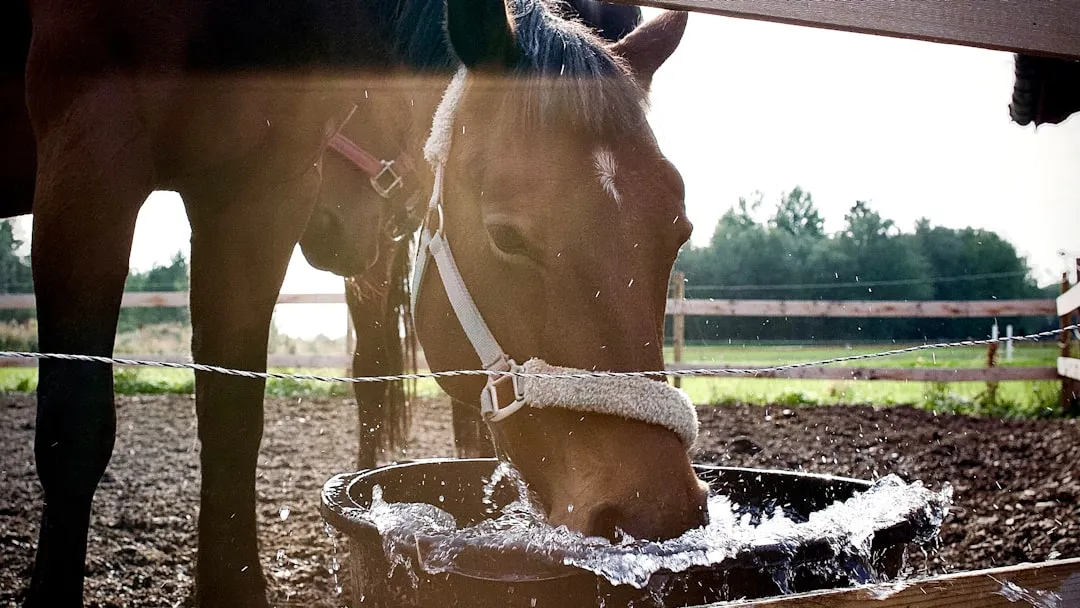
Owners tend to only notice water intake once the bucket’s bone dry. Vets notice the drift long before that. An older horse suddenly draining buckets, or barely touching them compared to its usual habit, is flashing an aging sign that’s easy to blame on “the weather” or “the new trough.”
Kidney function, endocrine disease – especially PPID – chronic low-grade pain, and even dental trouble all quietly tweak thirst. Subtle excess drinking, known as polydipsia, is a common early finding in metabolic and renal aging. Waiting until a horse is visibly dehydrated or urinating constantly means waiting until the easy window has already closed.
#16 – “He Just Doesn’t Bounce Back Like He Used To”
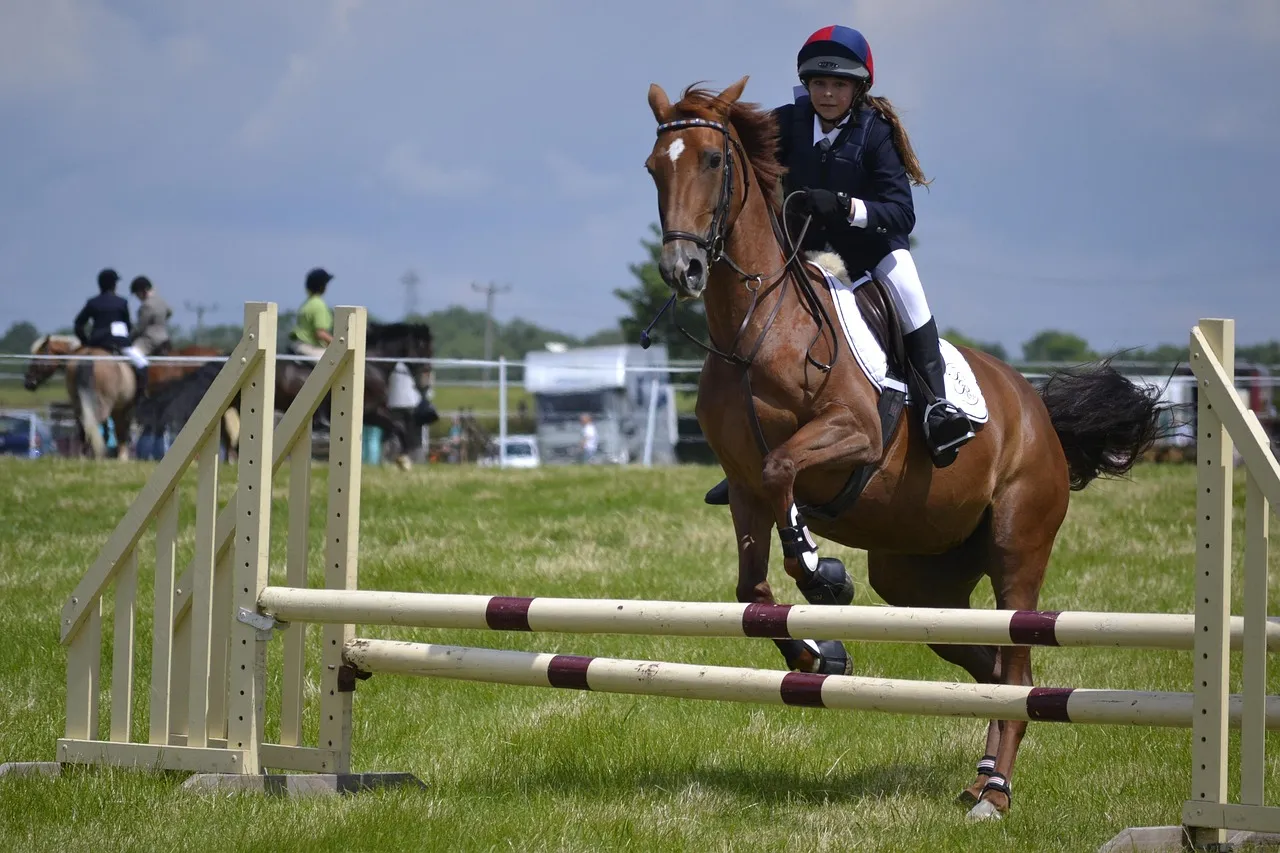
Recovery time might be the single most honest aging marker there is, and it’s the one most owners choose not to see. A horse that used to finish a jump school, cool out fast, and be totally normal the next day – but now seems muscle-sore, sluggish, or slightly off for a full 48 hours – is telling you plainly that his body is aging.
Owners often spin this as the horse “finally calming down” or “a bit tight from that big ride.” Vets see joints, muscles, lungs, and recovery systems all struggling to keep pace with the work they used to shrug off. Aging is often less about what a horse can still do, and far more about how long he pays for it afterward.
#17 – Owners Saying “He’s Fine, He’s Just Old”
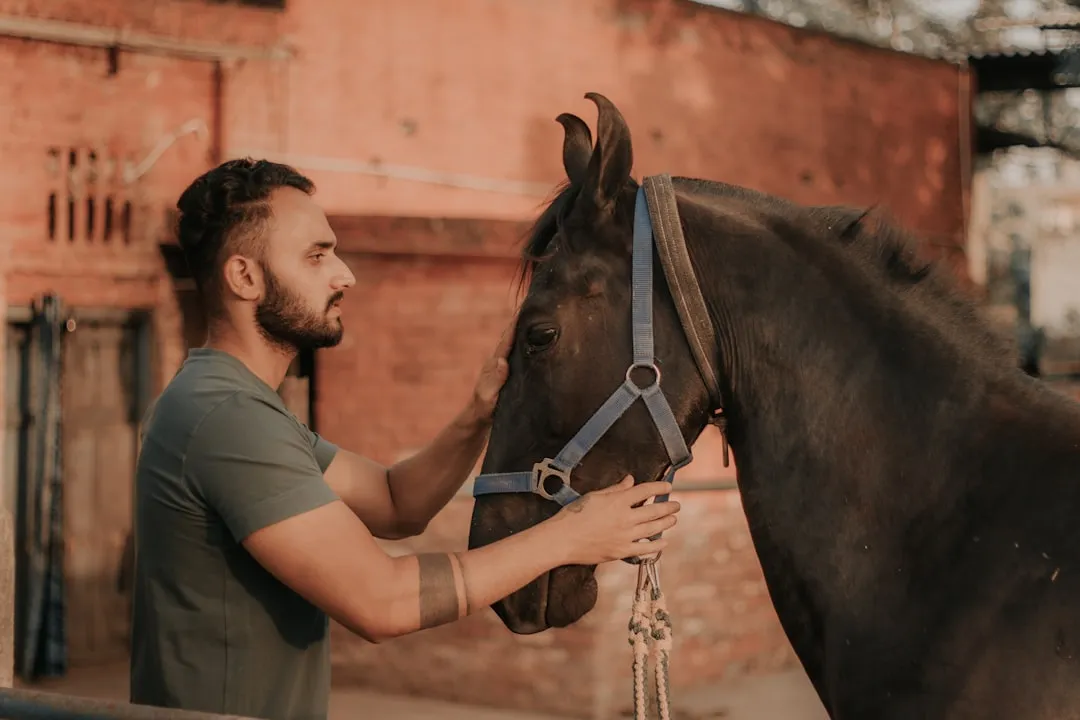
This is the single biggest aging sign equine vets take seriously, and the one owners excuse into oblivion more than any other. When an owner casually waves off a pile of small changes with “he’s just old,” vets hear an alarm bell most people can’t hear yet.
Aging is not an acceptable diagnosis for unmanaged pain, untreated disease, or preventable discomfort. Arthritis is a diagnosis. PPID is a diagnosis. Airway disease is a diagnosis. “Old” is a story owners tell themselves so they don’t have to act on it, and it’s the one obstacle vets fight harder than any actual disease on this list.
Here’s the part nobody wants to hear: none of these 17 signs show up overnight, and none of them are actually about the horse’s age at all. They’re about how long an owner is willing to keep calling a real problem a personality trait. A slower warm-up, a weird shedding season, a grumpier grooming session, a belly that grows while the topline melts away – every single one of these is manageable if it’s caught while it still looks like nothing.
I’ll say the unpopular part plainly: “he’s just old” is not compassion, it’s avoidance. The horses who age well aren’t the lucky ones – they’re the ones whose owners stopped explaining things away and started asking their vet the annoying, over-cautious questions a season too early instead of a season too late. If you’ve caught yourself making one of these excuses this year, that’s not a failure. It’s the exact moment your horse needed you to notice.