
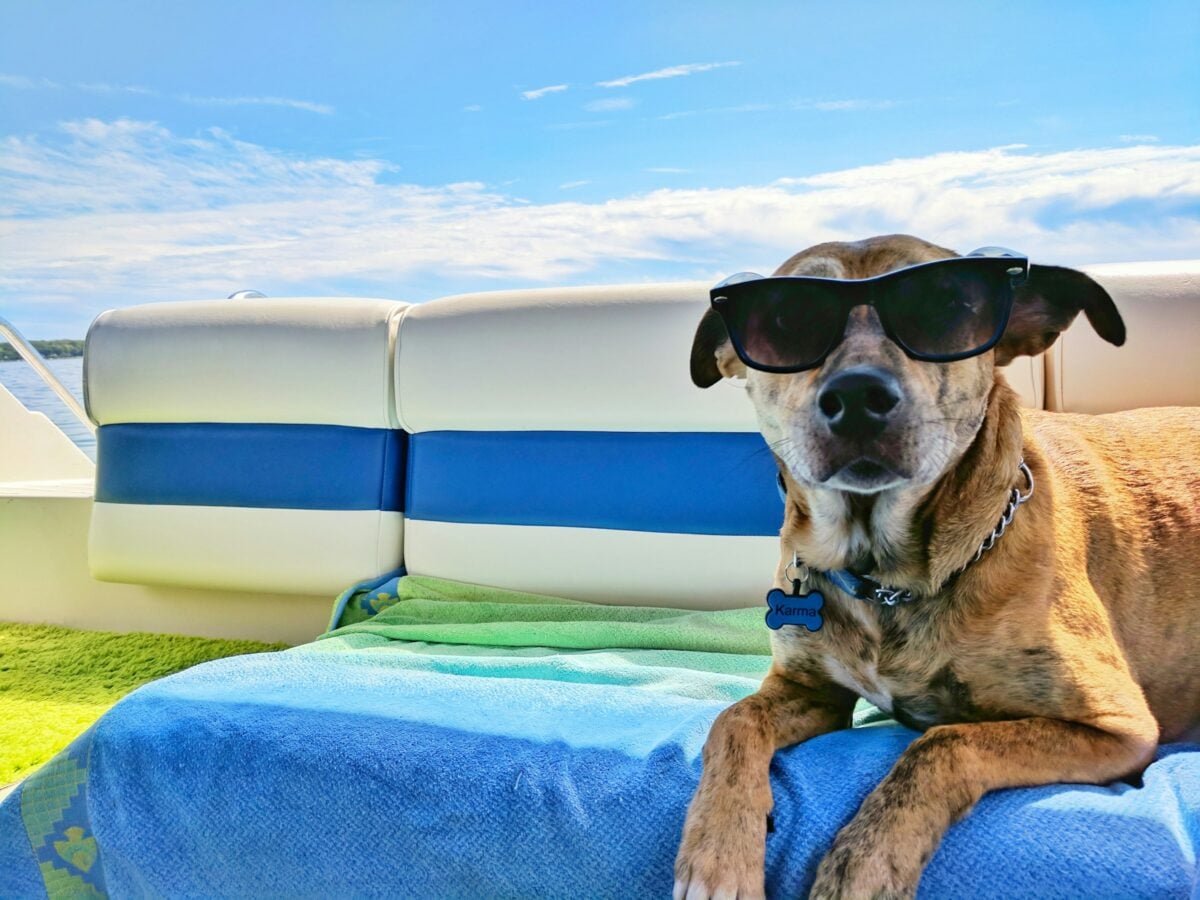
There’s something almost sacred about the way an old dog moves when it thinks it’s alone. The stiffness melts a little, the mask of “I’m fine, human” drops, and you get these raw, honest flashes of who they really are inside that aging body. Some of those moments are heartbreakingly tender; others are hilarious in a way only a gray-muzzled goofball can be.
If you’ve ever walked back into the room quietly and caught your senior dog mid-weirdness, you already know there’s a secret second life going on when you’re not looking. These hidden habits are more than just quirks: they’re tiny clues about comfort, pain, memory, and how deeply your dog trusts you. Here are fourteen things older dogs often do only when they think nobody’s watching – and what those private rituals might really mean.
1. The Slow, Silent Room Patrol
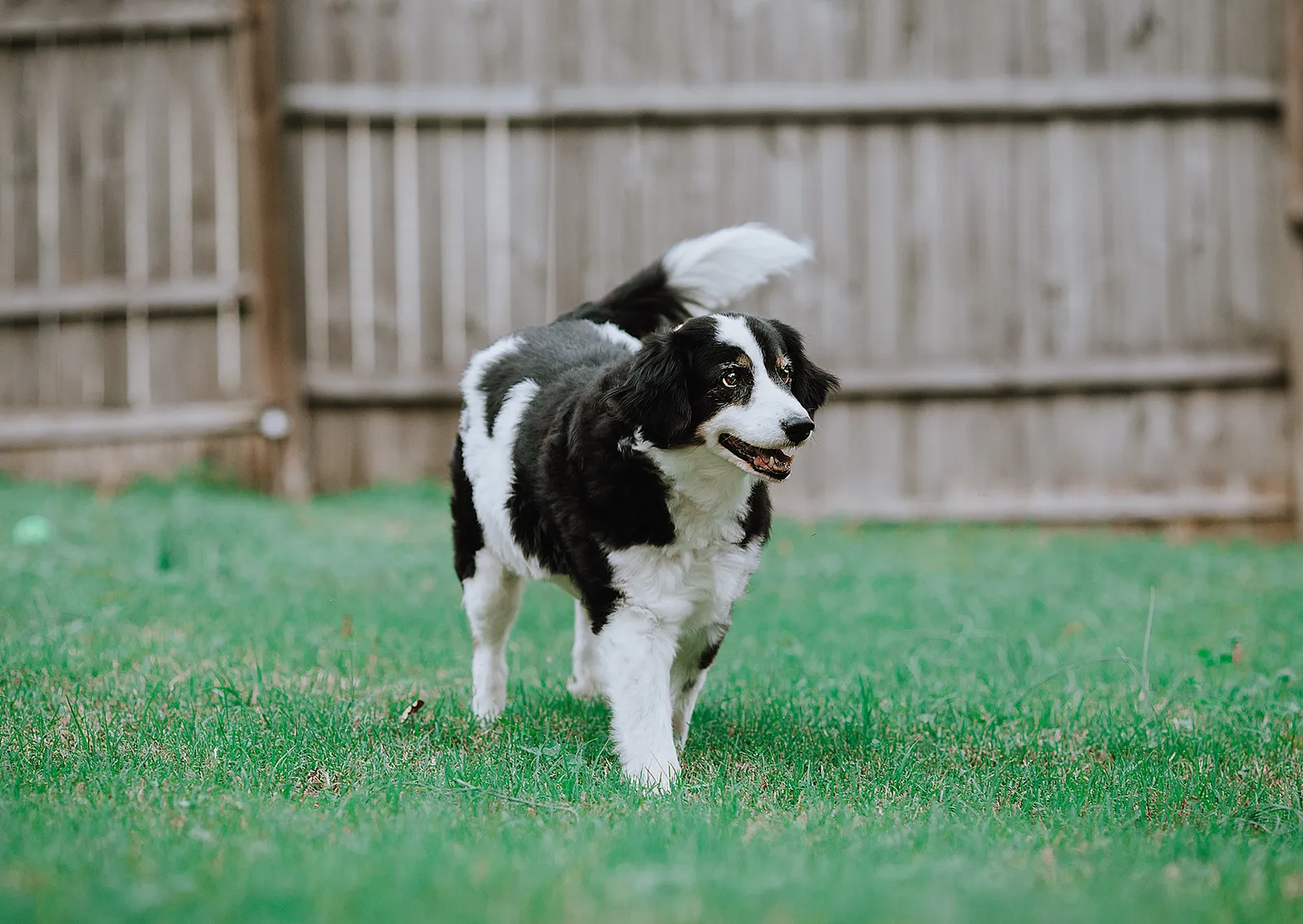
When an old dog believes it’s alone, it will often do a slow wander around the room or the house, stopping to sniff corners, check the door, and quietly scan familiar spots. It does this much more gently than a young dog’s hyper zoomies, almost like a security guard doing one last round. If you’ve ever watched from a distance, it’s part nostalgia tour, part safety check.
This low-key patrol can be a sign your dog is making sure everything is “how it should be” in its territory. In older age, when senses can fade and routines matter more, that quiet walk-through seems to reassure them. If that wander suddenly becomes confused pacing or they look lost in a familiar area, though, that can be a reason to talk with a vet about pain, anxiety, or cognitive decline.
2. Secret Puppy Play Sessions
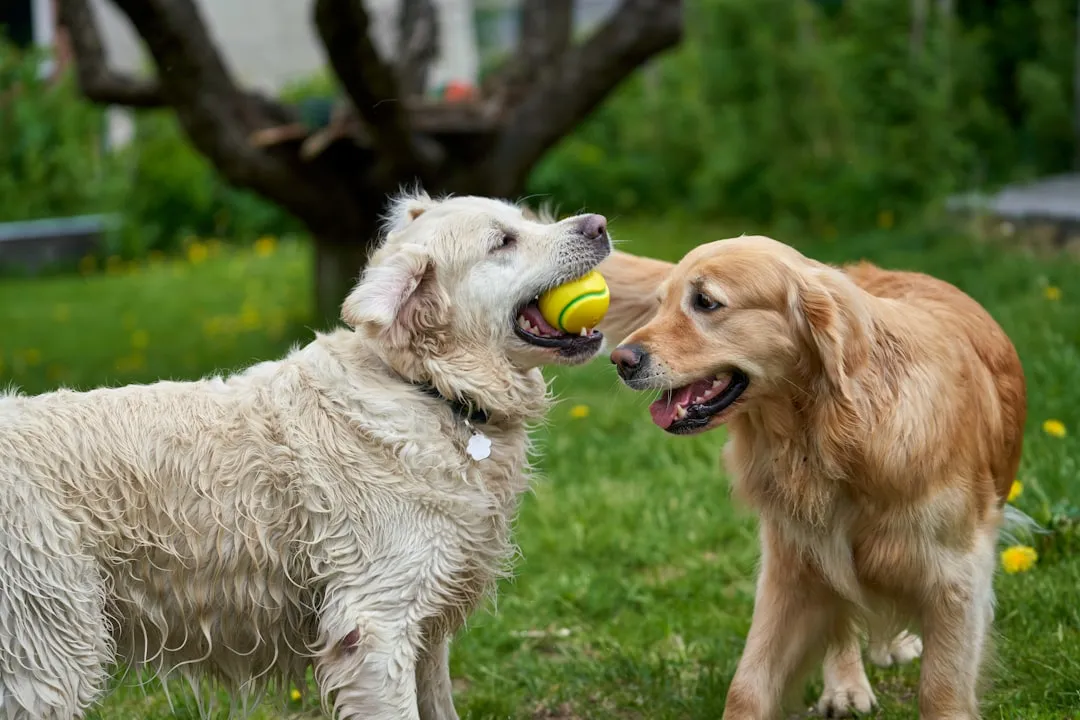
A lot of senior dogs act far older when people are around, almost like they feel pressure to be calm and “well behaved.” Leave the room, though, and some will suddenly bow to a toy, do a hesitant little spin, or toss a squeaky across the floor in the most gentle, old-dog way. It’s like they let themselves be goofy only if no one can see them fail the landing.
That hidden play can be pure gold for understanding how they really feel. If your dog still tries to play in private, it’s a sign that, under the arthritis and naps, there’s still a spark. Sometimes I’ve only caught these moments in reflections or on a quiet camera feed, and it honestly feels like seeing a ghost of the puppy they used to be. It’s a good reminder to offer more low-impact games that respect their age but still feed their joy.
3. The Deep, Heavy “Nobody Needs Me” Sigh
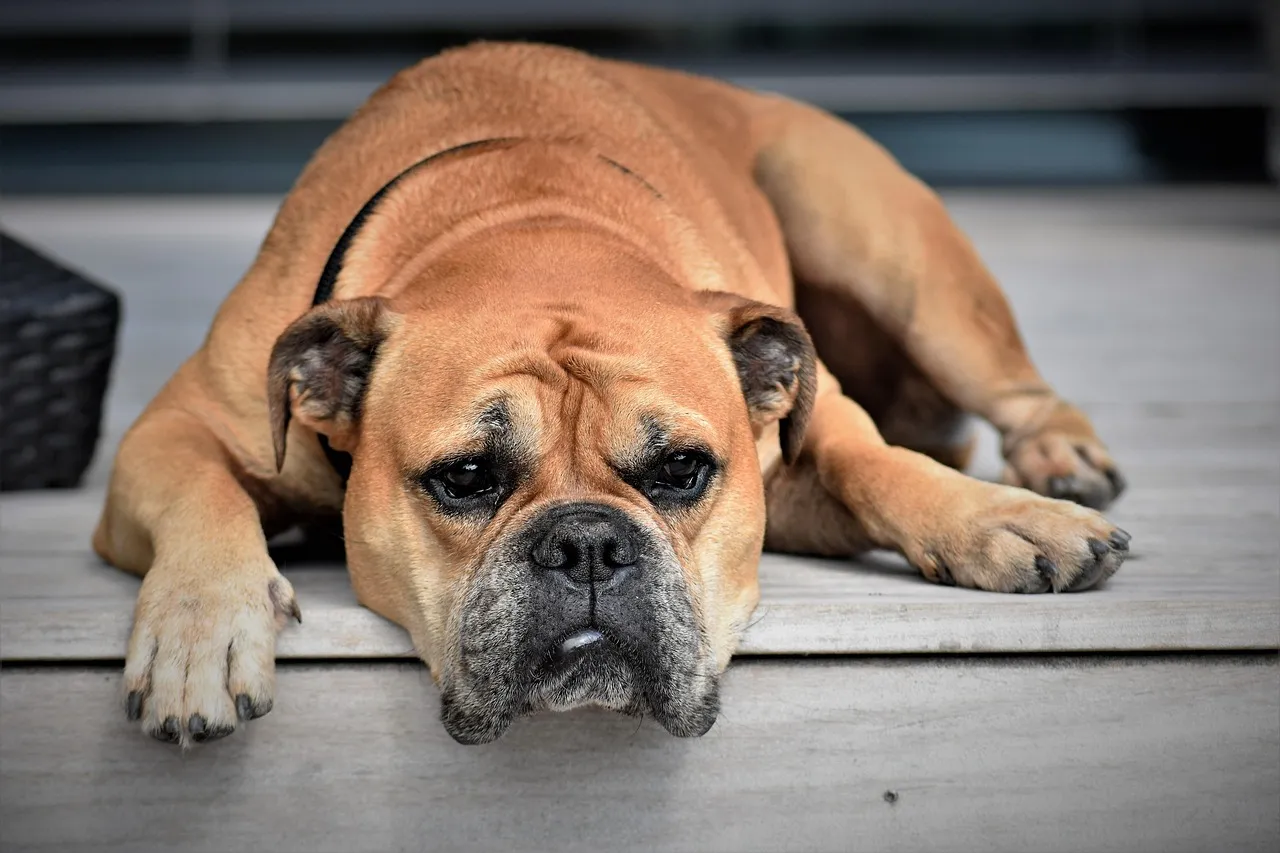
There’s a particular sigh old dogs do when they finally accept that, for this moment, nobody needs anything from them. It’s different from a bored huff. It’s long, low, and comes right before they melt into the bed, as if they’re physically setting down the job of watching over you. They often only do it when the house is quiet and everyone seems settled.
That sigh is more than just a breath; it’s a nervous system reset. For a dog that’s spent a lifetime tuned to your footsteps, your moods, your comings and goings, relaxing off-duty is a big deal. When they believe you’re not around, they may finally allow their muscles to let go, their eyes to fully close, and their guard to drop. Hearing that sound from the hallway can be both comforting and a little bittersweet – it’s the sound of a tired soul finally resting.
4. Quiet Self-Soothing Licks and Grooming
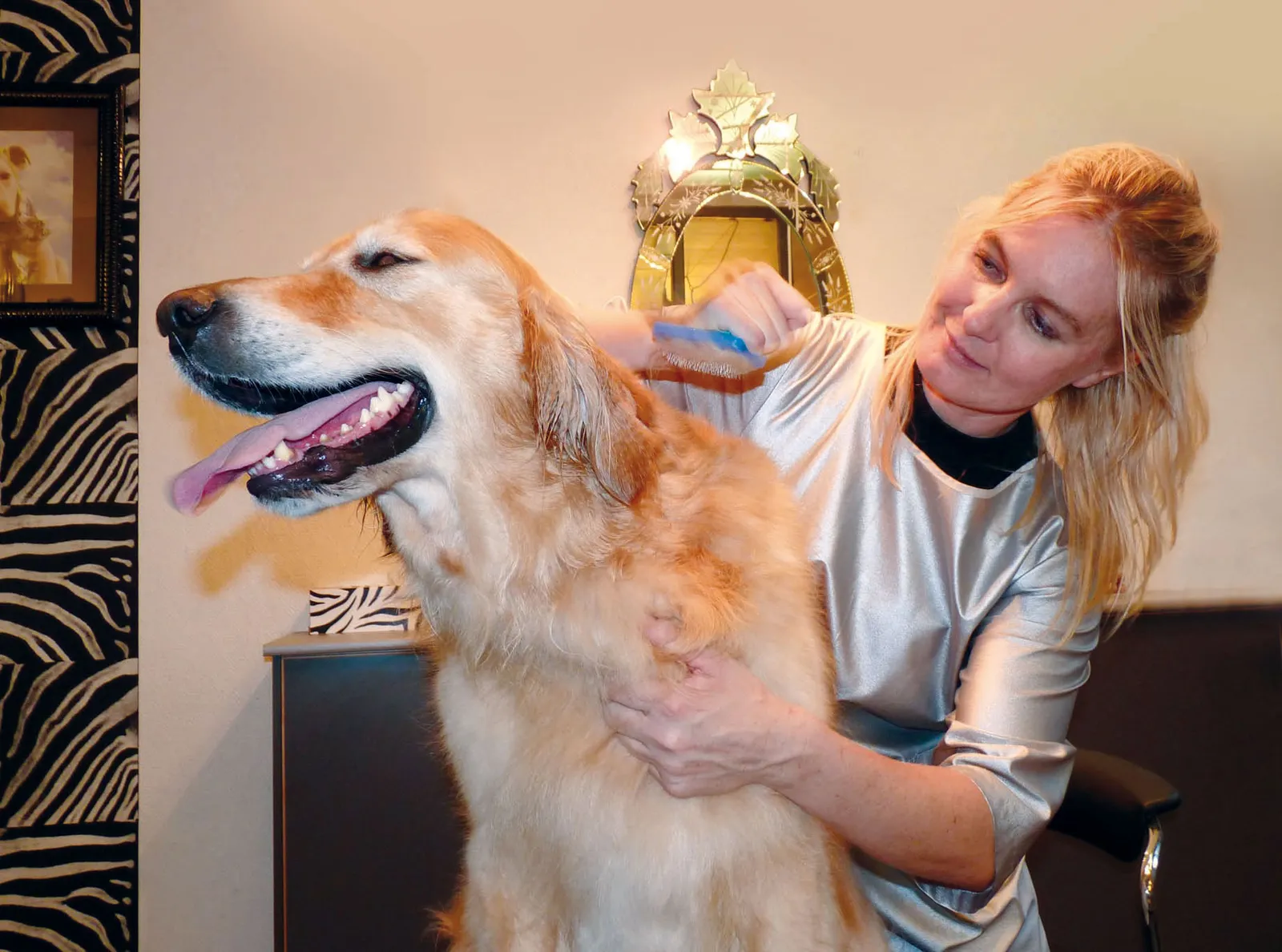
Lots of older dogs groom themselves more when they think no one can see, especially paws, joints, or sore spots. They may slowly lick a hip, nibble around their toes, or clean their belly quite methodically. At a glance it looks like normal grooming, but with senior dogs, it often has a pain-management element: the warmth and pressure of licking can temporarily soothe discomfort.
If you unexpectedly walk in, some dogs pause as if they know they’ve revealed a weakness. That secret self-care routine can be a subtle red flag that something hurts more than you realized, especially if the same area gets all the attention. Catching this private behavior is your cue to check skin, joints, and paws more closely and to ask your vet whether pain relief, supplements, or environmental tweaks might make their days easier.
5. Visiting “Ghost Spots” From Their Youth
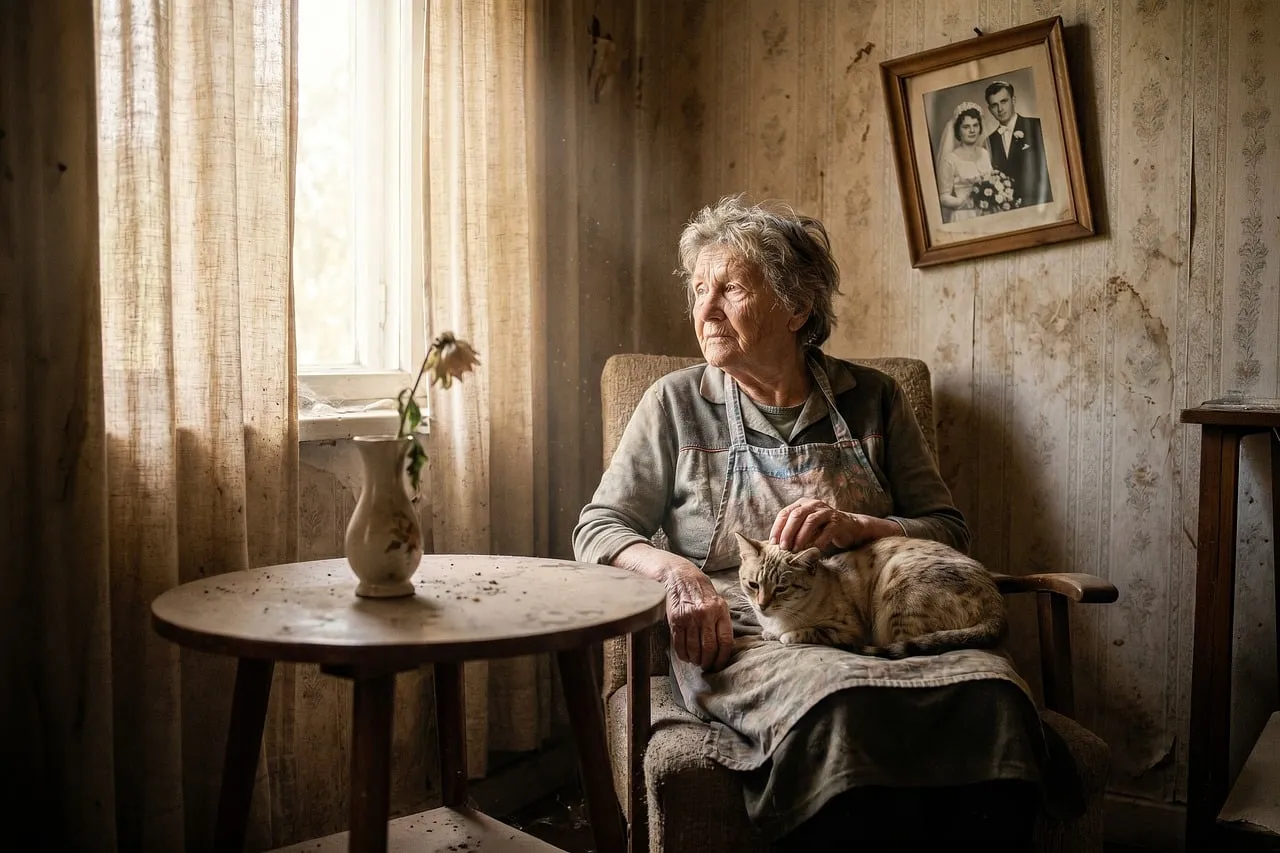
Old dogs sometimes wander over to places they loved when they were younger – the back corner of the yard where they used to dig, the spot behind the couch where they hid toys, the door where a favorite person used to come in. When they think they’re alone, they might stand there quietly, sniffing the air like they’re replaying a memory you can’t see.
Watching this from afar can be surprisingly emotional. It’s like seeing someone flip through a mental photo album, standing in the doorway of an old childhood bedroom. Even if dogs don’t remember the past the way we do, their bodies recognize safe, meaningful places. If your senior dog revisits those ghost spots, creating little comfort rituals there – like placing a soft bed or a water bowl nearby – can feel like honoring their history.
6. Testing the “Forbidden” Furniture
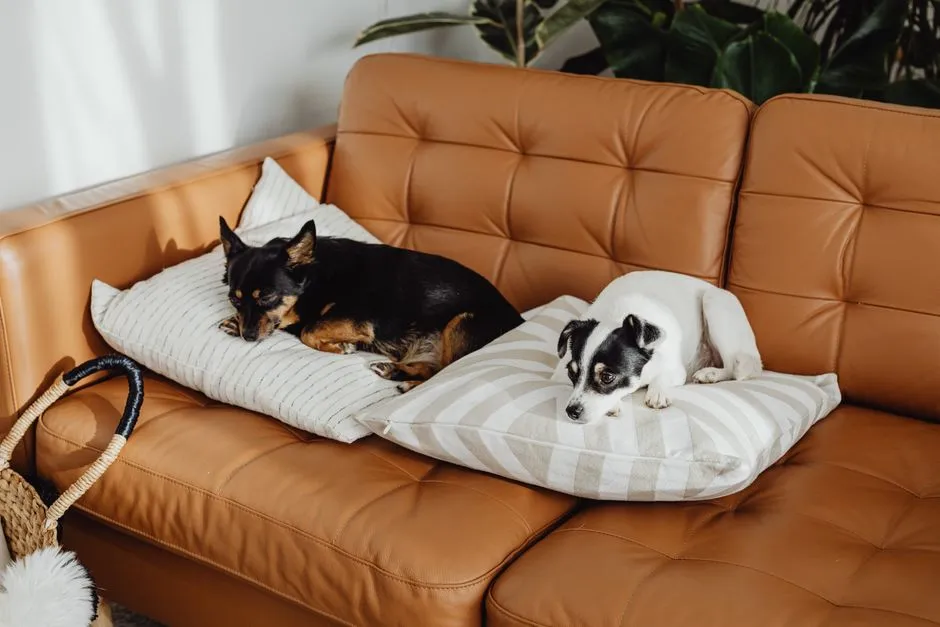
Many older dogs that have been trained to stay off couches or beds will quietly test the rules when they are sure nobody is watching. They might start with just putting their chin on the cushion, then one paw, and eventually, if no one appears, ease their stiff body up for a stolen moment of softness. It’s rarely a clumsy scramble; it’s a slow, calculating climb born of both desire and sore joints.
When you catch them mid-sneak, the guilty look is almost comical – but I’ll be honest, at a certain age, I think they’ve earned the couch. That secret climb tells you something important: the floor may not be comfortable enough anymore. Instead of just scolding, it might be time to upgrade their own bed’s padding, raise it off the cold ground a bit, or accept that the sofa is now a shared retirement home.
7. The Subtle Stare Into Empty Space
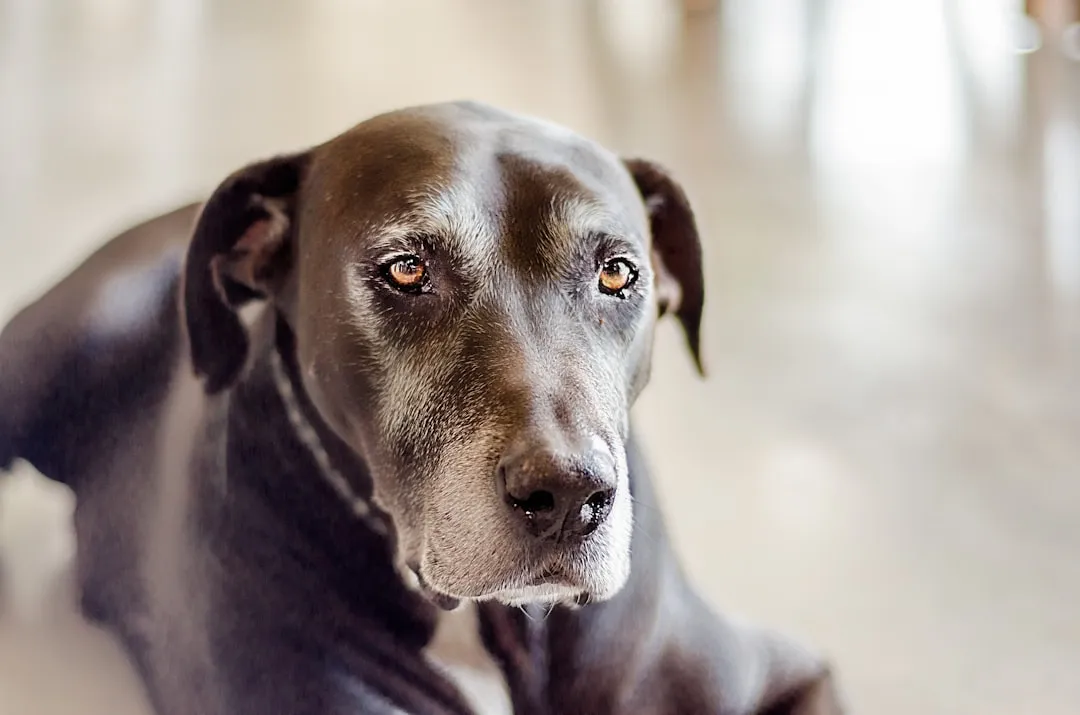
Every now and then, a senior dog will find a quiet corner, lie down, and just stare at what seems like nothing. No sounds, no movement, no obvious trigger – just a long, thoughtful gaze into the middle distance. They’re more likely to do this when the house is calm and you’re out of sight, as if being alone opens up some inner world they don’t tap into while they’re busy monitoring you.
Is it age-related brain change, or just deep relaxation? Often it’s harmless, a kind of mental drift you might recognize from yourself when you zone out thinking about life. But if the staring comes with confusion, getting stuck, or hesitation to respond to their name, it could signal cognitive issues that deserve attention. Either way, that quiet contemplation is a reminder that there is more going on inside their head than we tend to give them credit for.
8. Rearranging Their “Retirement Den”
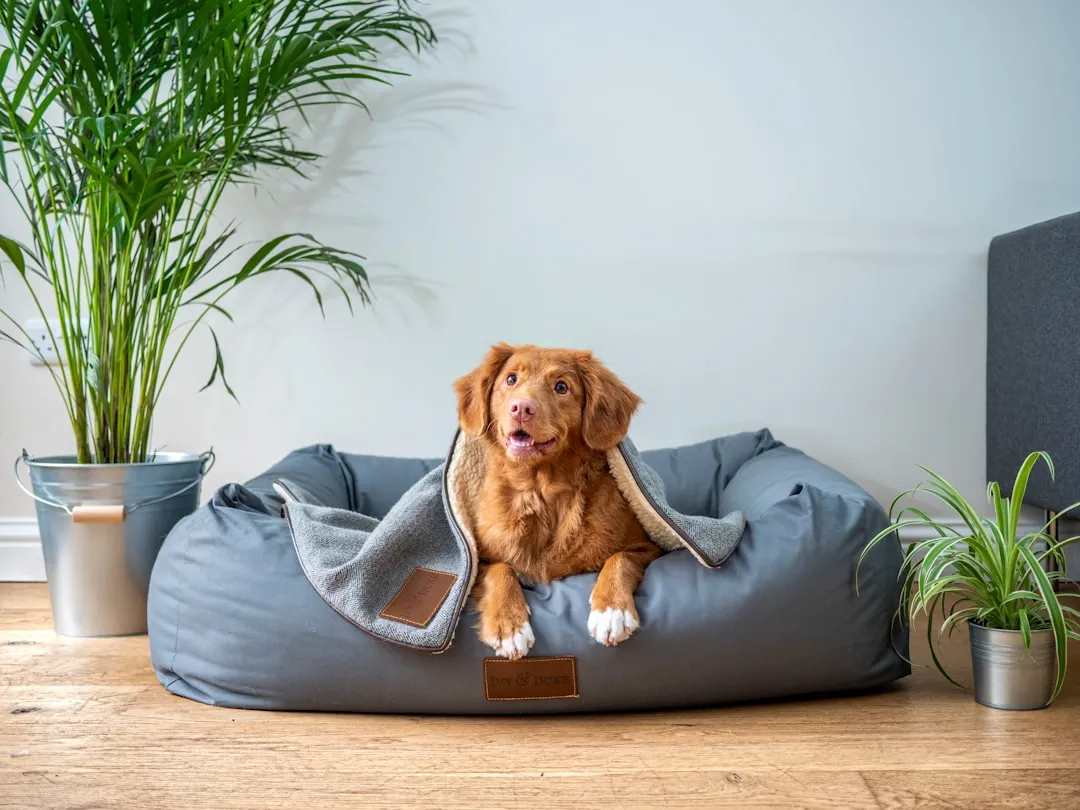
When you leave an old dog with a blanket pile or a favorite bed, don’t be surprised if they conduct a full remodel the moment you walk away. Many seniors will nudge, dig, and circle until the nest is exactly how they want it, then collapse with a satisfied grunt. They often pause if you re-enter, as if they’re oddly private about this little interior design project.
This behavior is not just fussiness – it’s survival instinct blended with aging bodies. Older joints and sore muscles make pressure points harder to tolerate, so they quietly customize their bedding to support and protect what hurts most. Letting them have enough loose blankets, pillows, or bolsters to shape their own perfect corner can significantly improve their comfort, even if it looks like they’ve started a tiny linen tornado in the living room.
9. Sniffing and Sorting Old Toys Like Memories
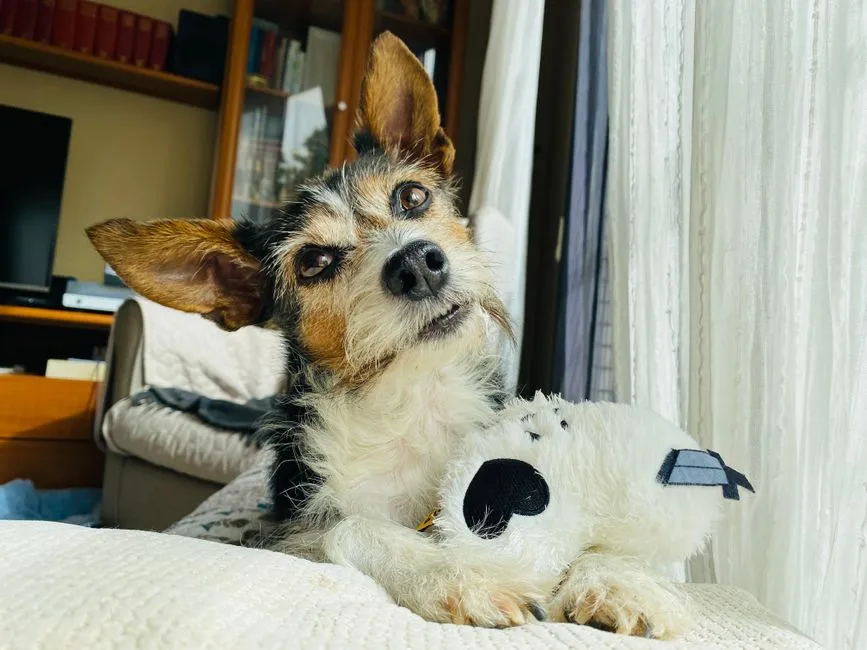
One surprisingly tender thing seniors do when alone is nose through their toy basket or the random stash under the furniture. Instead of wild playing, they might pick up a single toy, carry it to their bed, and just rest with it. Sometimes they simply sniff each one and move on, like they’re taking inventory of their life’s small treasures.
To us it looks small, but for them it may be a way to reconnect with familiar scents and feelings that bring comfort. Smell is incredibly powerful for dogs, and older dogs can rely on it even more as vision or hearing fades. Watching from the doorway while your gray-faced friend carefully chooses a battered stuffed animal can be a quiet, beautiful moment – a sign that the things that mattered when they were young still matter now, just in a softer way.
10. Quietly Checking Every Human Scent in the House
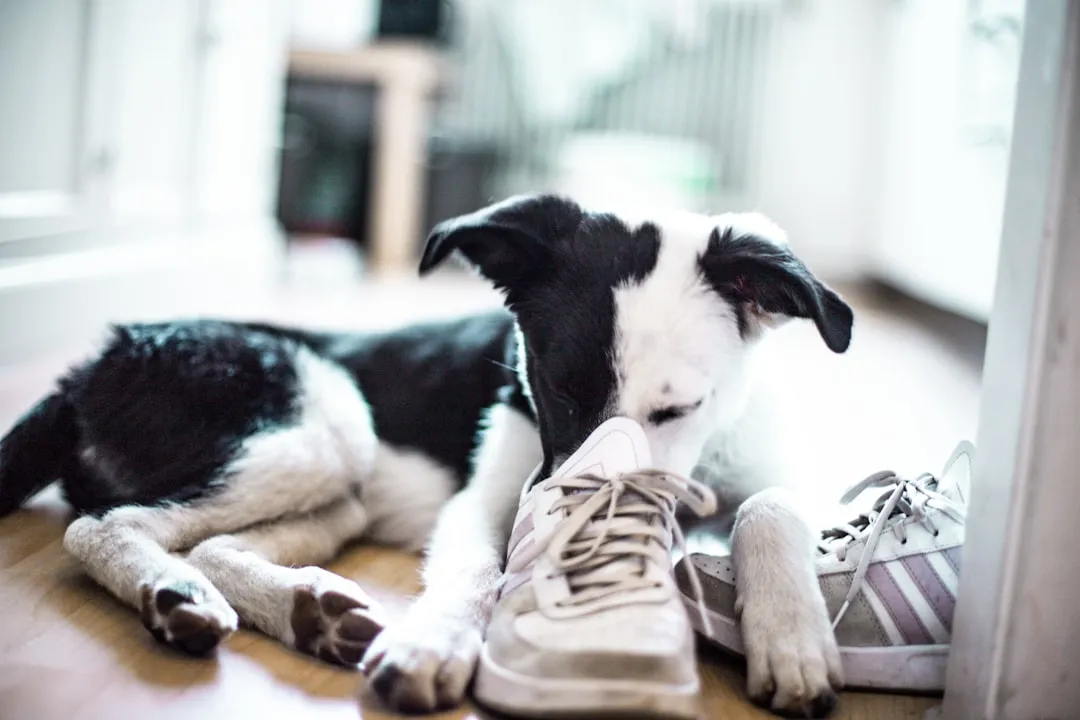
When they think you are out or deeply busy, some older dogs will do a subtle scent tour of the people they love. They may nuzzle your shoes, sniff your empty chair, visit the side of the bed, or gently investigate the laundry pile. It is rarely frantic; it is more like a soft roll call using their nose instead of their eyes.
This hidden ritual is one of the purest signs of attachment. To an old dog, your smell is safety, family, and predictability all rolled into one. They may not need you physically in the room every second, but they quietly confirm you are part of their world by keeping track of your scent. If you catch them doing this, leaving an intentionally worn shirt or blanket in their favorite resting spot can make solo time feel less lonely.
11. Taking Extra-Careful Steps on Slippery Floors
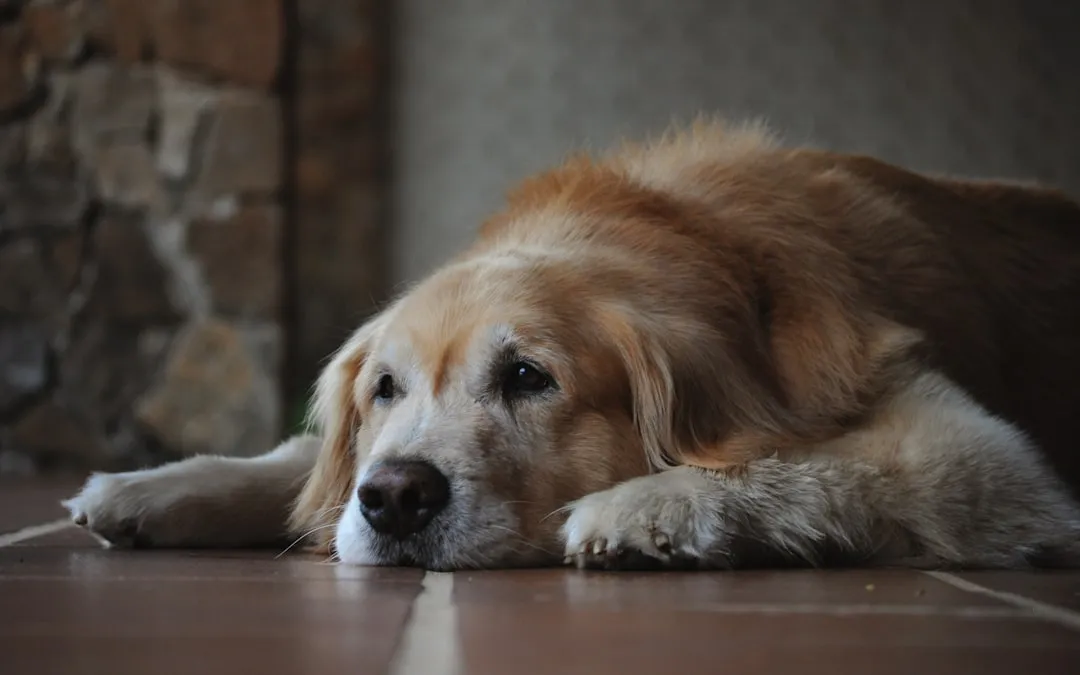
When they think no one is around to watch, a lot of senior dogs will move differently on slick surfaces. Instead of pretending everything is fine, they slow down, widen their stance, and place each paw carefully, sometimes hugging the edges of the room for traction. The performance of “I’m still strong” they put on when you’re standing nearby quietly disappears.
This secret caution is a huge clue that the floors might be more dangerous than they admit in front of you. Older dogs can be surprisingly proud; they will push themselves to keep up when you are there, then tiptoe conservatively when alone. If you notice this, adding rugs, runners, or yoga mats in key paths is not spoiling them – it is fall prevention for a family member who just cannot say, “Hey, I’m scared of slipping now.”
12. Guarding the House From the Quietest Sounds
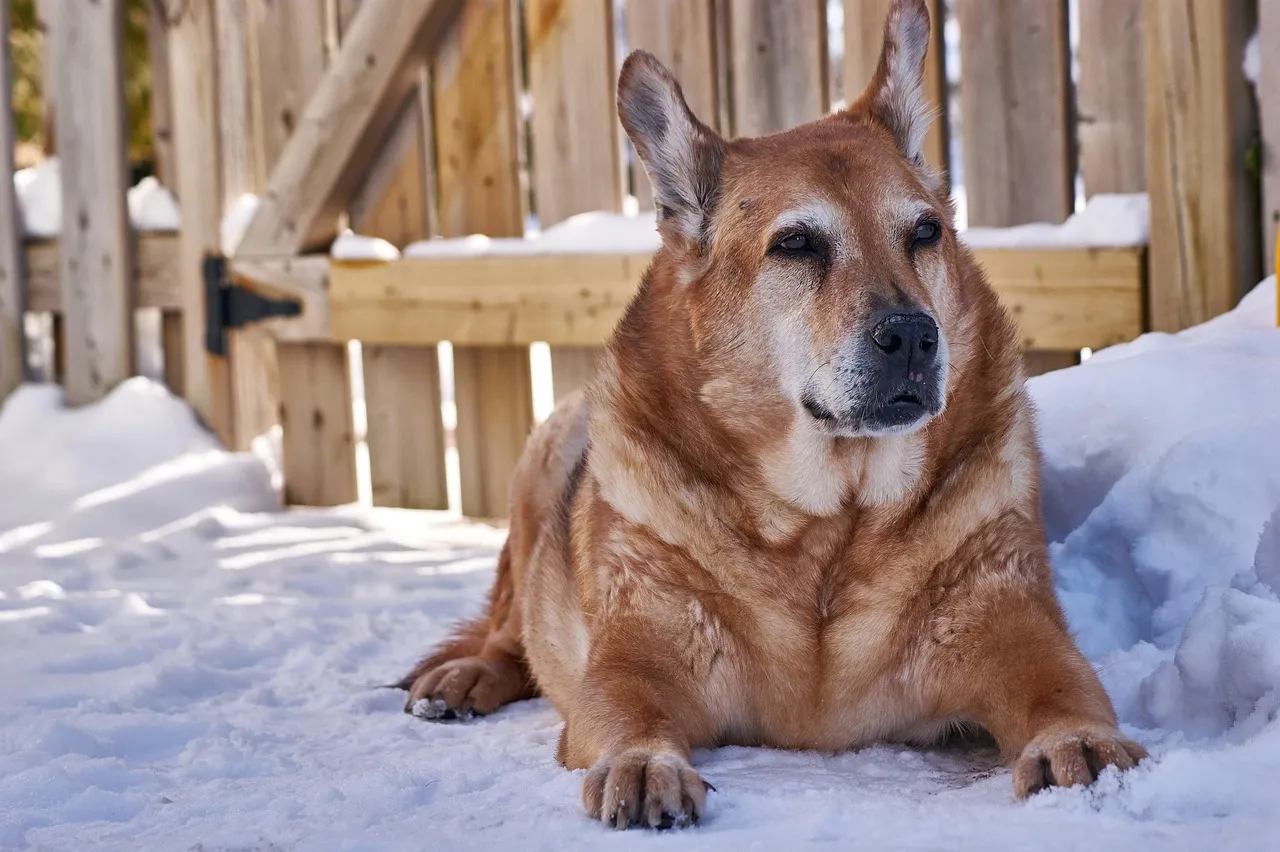
Even in old age, many dogs hang on fiercely to their job as home guardian. When they think they’re the only one awake or home, you may see them perk up at faint noises outside, sit facing the door, or do a slow circuit near windows and entryways. They may not bark loudly like they did as youngsters, but their body language says they are still on watch.
There is something incredibly touching about a dog who can barely jump into the car but still drags themselves up to check a rustle at the door. It shows how seriously they take their role, long after their body has stopped cooperating fully. If you value that instinct – as most of us do – rewarding those efforts with calm praise and comfort when you do catch them on duty helps them feel that they are still contributing, still needed, still the protector they have always tried to be.
13. Sneaking in a Little Sun Worship

Left to their own devices, many old dogs will quietly seek out a patch of sunlight and arrange themselves just so, often moving inch by inch as the beam drifts across the floor. They seem to only fully relax into this ritual when they are unobserved, stretching their old bones and closing their eyes in what looks pretty close to bliss.
That private sunbathing session can help with warmth, stiff joints, and general mood. Heat can feel incredibly soothing on aging bodies, the same way a warm bath eases a human’s sore back. If you notice your senior dog always finds the light when no one is looking, setting up a bed or mat in that sunny zone is a small kindness that can transform their afternoons from tolerable to deeply content.
14. Practicing Their “I’m Okay” Act
One of the most heartbreaking things older dogs do when they think no one sees is drop the brave face. Maybe they take a little longer to stand up, hesitate before jumping down a step, or pause to stretch a stiff leg. Then, the second they notice you might be watching, they speed up, straighten a bit, and pretend everything is fine. It is an act of love and pride, and it can hide how much they are really struggling.
This private vulnerability is exactly why quiet observation matters so much in a senior dog’s life. You cannot rely only on how they act when they know your eyes are on them, because they will often use their last reserves of energy to reassure you. The real story is told in those stolen, unguarded moments – how they move, rest, and cope when they believe nobody else is watching.
Conclusion: The Quiet Truth Your Old Dog Is Trying to Tell You
In the end, the secret life of an old dog is not really about mystery at all – it is about honesty. When they think they are alone, they stop performing and start telling the truth with their bodies: where it hurts, what still brings joy, which spaces comfort them, and how deeply they are still trying to take care of you. Those small, hidden behaviors are often more trustworthy than anything they do when you are standing right in front of them.
My own opinion is simple and a little blunt: once a dog reaches those silver-muzzle years, we owe it to them to become quiet detectives. Not paranoid, not morbid – just observant and compassionate. If you pay attention to what your old dog does when it believes nobody is watching, you stop guessing what it needs and start really seeing it. And honestly, for a friend who has spent a lifetime watching over you, is there any better way to return the favor?
