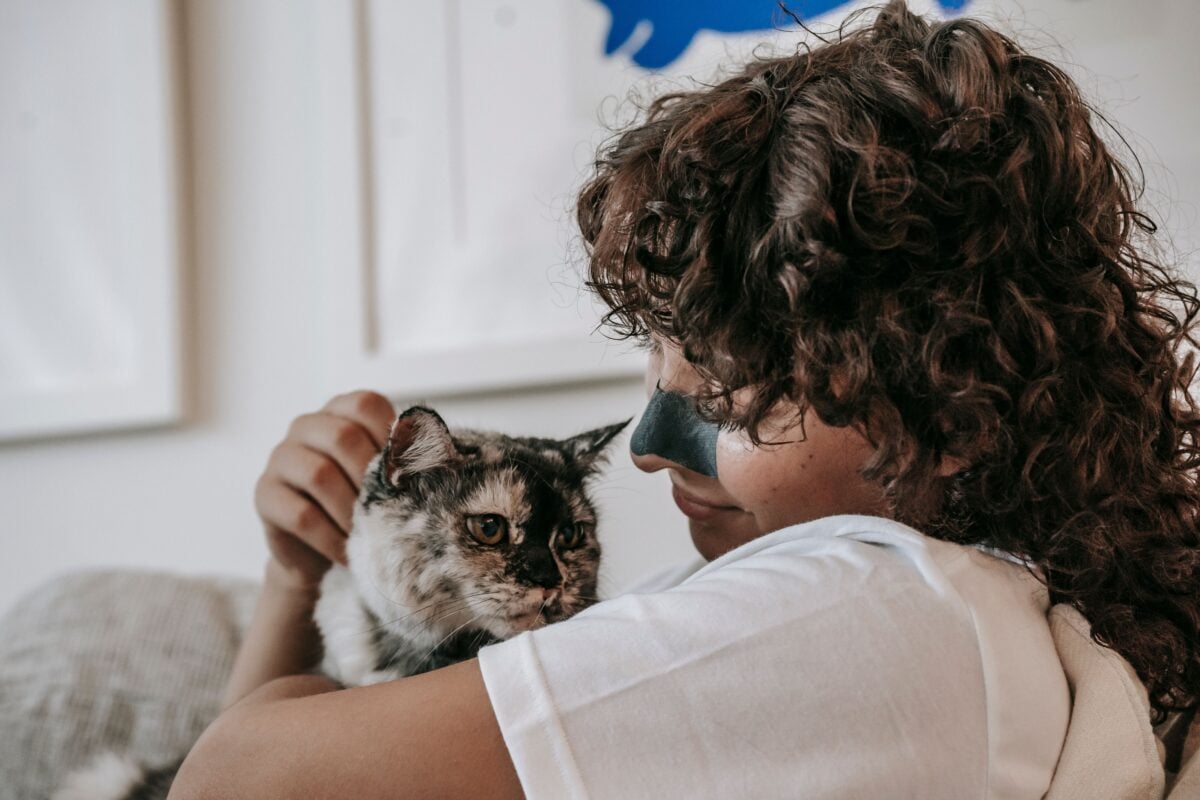
Everyone assumes an aging cat gets colder – sleepier, pickier, more content to watch the world from a windowsill than from your lap. That’s the story people tell about old cats. It’s also, once you actually watch how bonded senior cats behave, almost backwards.
As cats get older, their circle of trust doesn’t widen. It shrinks, hard, down to one person. And once that happens, they start doing small, strange, oddly specific things they will not do for anyone else alive. Keep going, because by the time you hit #1, you’ll probably recognize your own cat in ways that get a little hard to read through.
#19 – They Sleep So Close You Can Feel Every Breath
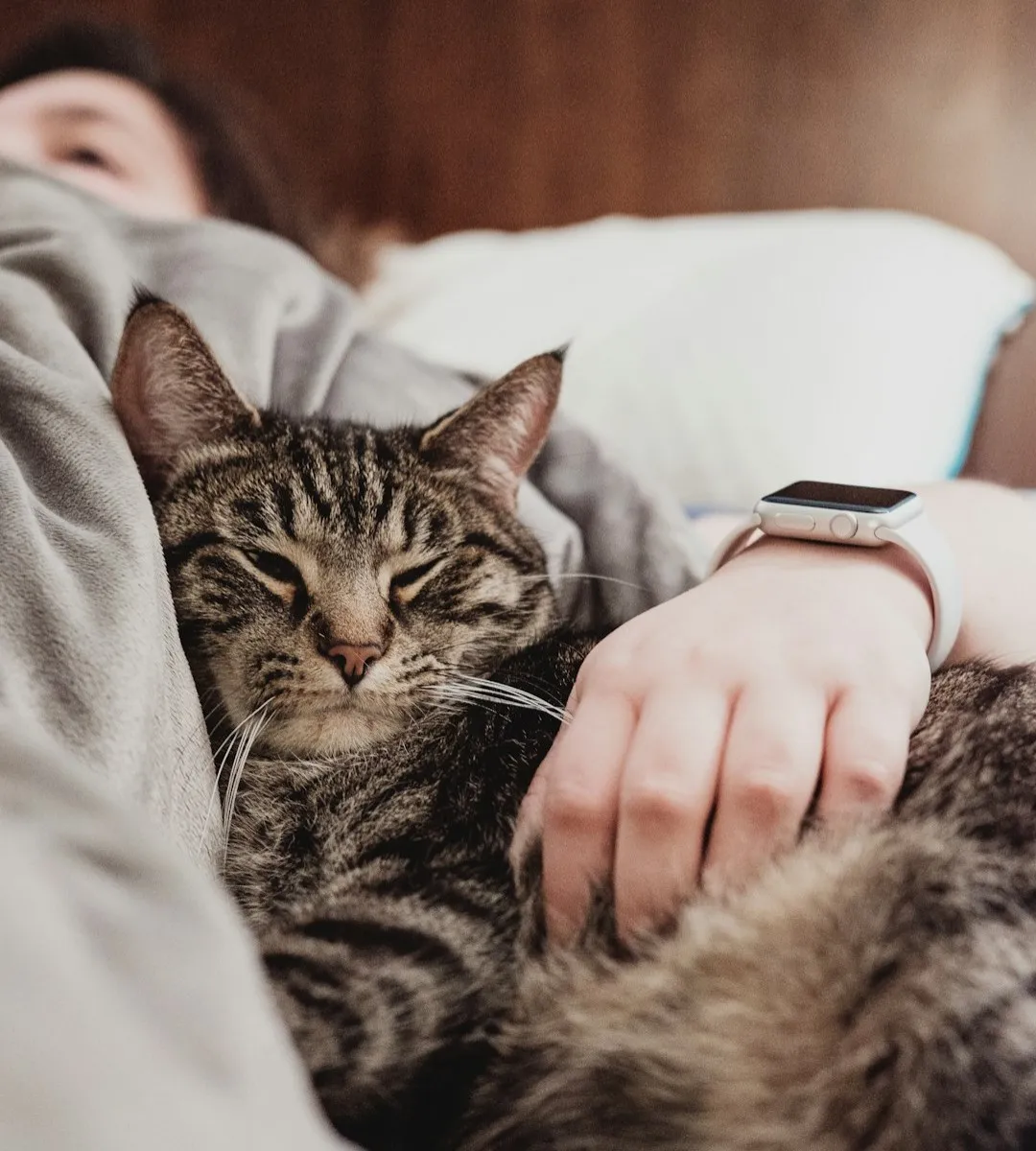
When a senior cat curls up practically inside your ribcage, it’s not just about warmth. Older cats deal with arthritis, thinning muscle, and shaky temperature control, so yes, they hunt for warm, safe real estate. But choosing your body over the softest blanket in the house, every single night, is a trust test you already passed without even trying.
A young cat naps “near” you on the couch. A bonded senior wedges into your side, your chest, your pillow, like they’ve filed a permanent lease. If they go fully limp there – slow breathing, loose paws, belly slightly exposed – they’ve quietly decided you’re the safest place on earth. #18 is where it gets almost eerie.
#18 – They Slow-Blink at You Like You’re the Only One in the Room
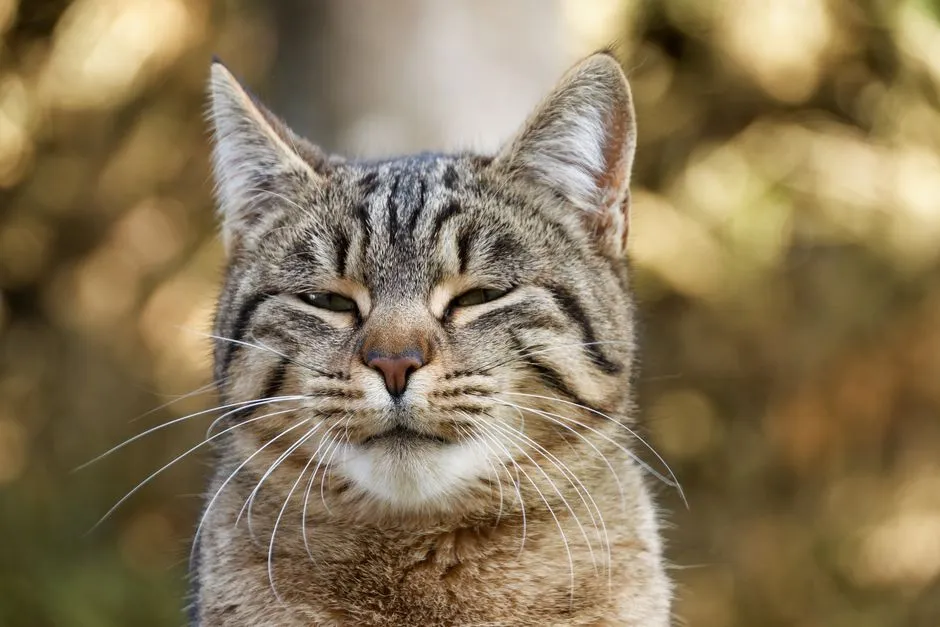
Most people think the slow blink is just a cute cat thing. Behaviorists read it as the closest thing a cat has to saying, “I trust you enough to close my eyes near you.” As cats age, they get stingier with energy and attention, so when a senior cat still performs that soft, deliberate blink, it’s not sleepiness. It’s a chosen ritual.
Watch the sequence: eyes meet yours, lids soften, close halfway, then fully, then open slowly again. Mirror it back and if they repeat it, you’re inside what some behaviorists call a trust loop. Most older cats won’t bother doing this for guests or casual hands – it’s simply too intimate to waste. Wait until you hear the sound they save only for you in #17.
#17 – They Greet You With a Raspy, Private “Old Cat” Meow
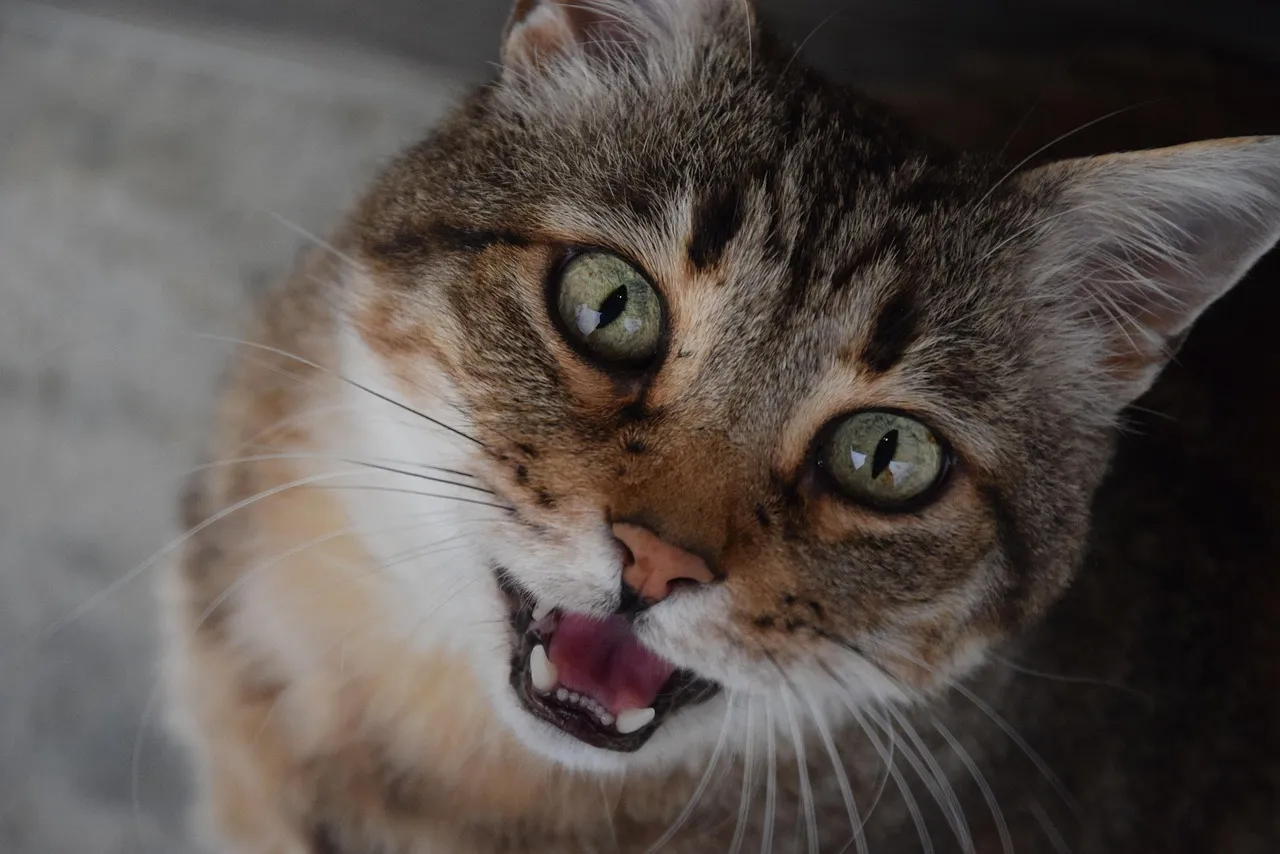
A senior cat’s voice changes with age – softer, raspier, sometimes closer to a croak than a chirp. What most owners never realize is that cats develop individual social calls for specific people. If your older cat has a meow it uses only for you, that’s not decline. That’s a private language nobody else gets to speak.
Maybe it’s a distinct greeting sound the second you walk in. Maybe it’s a softer, almost kittenish trill they never use on anyone else in the house. Cats don’t waste vocal effort on people who don’t respond reliably, so if your senior cat drags itself off the couch just to croak at you, that’s not annoyance. That’s them marking your arrival as an event. #16 costs them actual pain – and they pay it anyway.
#16 – They Carefully Choose Your Lap Over Easier Spots
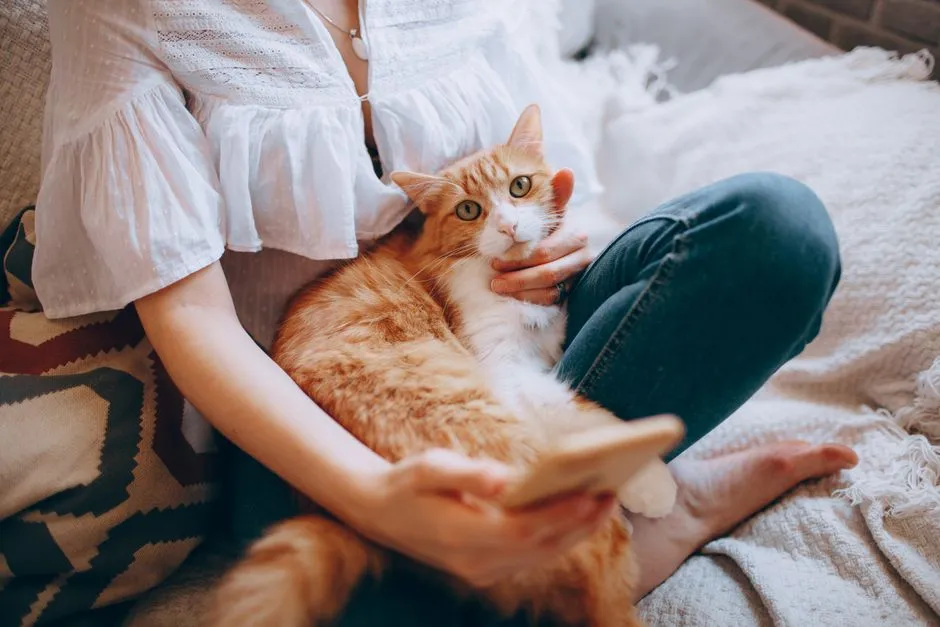
When joints ache and jumping hurts, senior cats get ruthlessly selective about where they climb. So a cat who still struggles onto your lap, bypassing a closer chair or a padded pet bed, is handing you a real compliment. They’re spending limited, painful energy specifically to be pressed against you.
Watch the ritual closely: a measuring pause, a careful claws-assisted climb, then a long process of circling and adjusting before the heavy, total-body sigh. Vets will quietly tell you they can spot the chosen human the moment they walk into an exam room – the senior cat drags itself to exactly one lap. #15 is the one most owners get completely wrong.
Worth Knowing
- Vets generally start calling cats “senior” around age 11 and “geriatric” past age 15.
- Arthritis quietly affects a large share of older cats, since cats rarely limp even when genuinely sore.
- Jumping height and frequency are often among the very first things to change as feline joints stiffen.
- A cat still climbing onto a favorite lap despite joint pain is spending real, limited energy on purpose.
#15 – They Expose Their Aching Belly Only When You’re Around
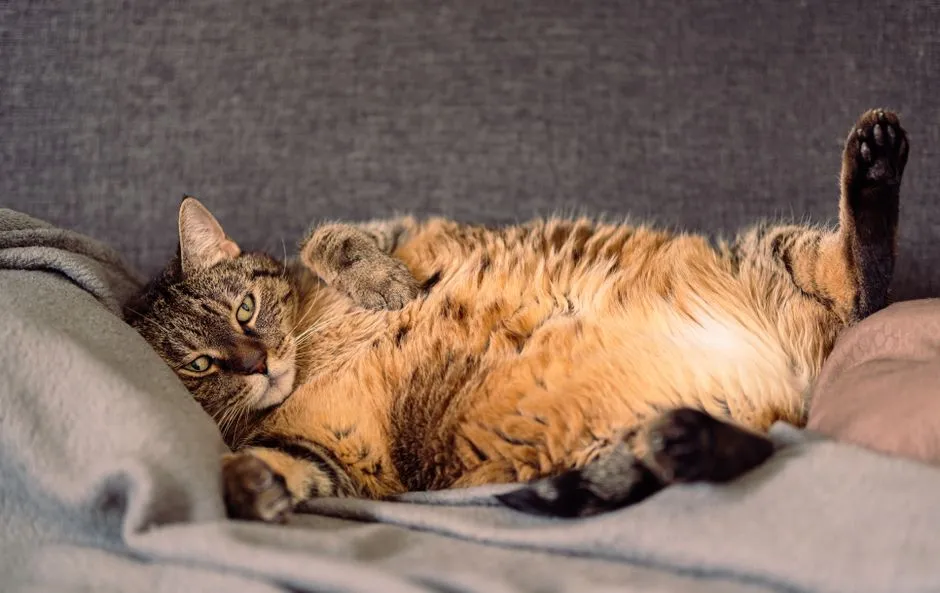
Belly exposure is one of the most misread signals in cat behavior. It usually doesn’t mean “pet me here.” It means “I feel safe enough to be defenseless, but don’t push it.” In a senior cat with stiff joints and slower reflexes, rolling onto its back in front of you is a much bigger gamble than it looks.
Some seniors will sprawl into that loose “frog” position only near their person, or roll onto their side the second you speak in a familiar, soft tone. If they actually let you rest a hand there without a defensive clamp-down, that’s rare. They know they can’t spring up like a kitten anymore, so they’re betting their most vulnerable posture entirely on your kindness. #14 looks like nothing – until you map it.
#14 – They Follow You Slowly From Room to Room Like a Shadow
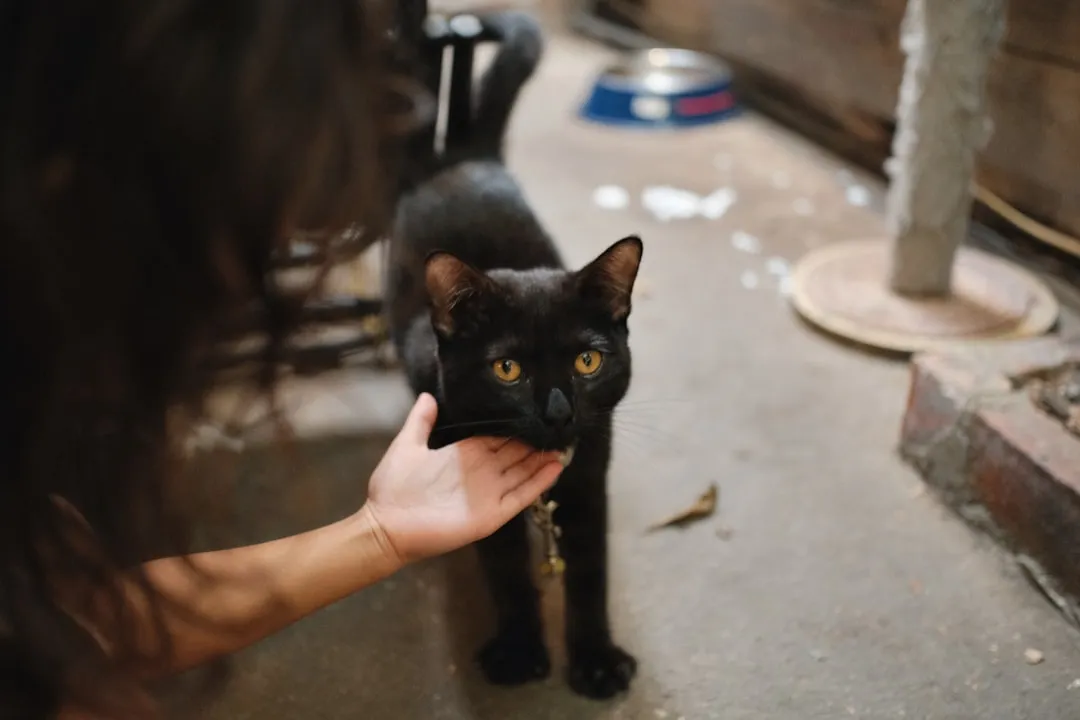
Most people write off a trailing senior cat as boredom or hunger. It’s usually something quieter than that. As cats age, their world shrinks – less climbing, less exploring, fewer bursts of energy – but proximity to their chosen person is the one thing that doesn’t fade in a truly bonded cat.
They don’t always demand attention when they follow. Sometimes they just curl up in the same room, facing your direction, content to simply be near. Leave too long, and they relocate to close the gap again. It isn’t clinginess in the human sense – it’s a slow, quiet safety check, over and over. #13 is an honor most people mistake for annoyance.
#13 – They Groom You Like You’re Part of Their Colony
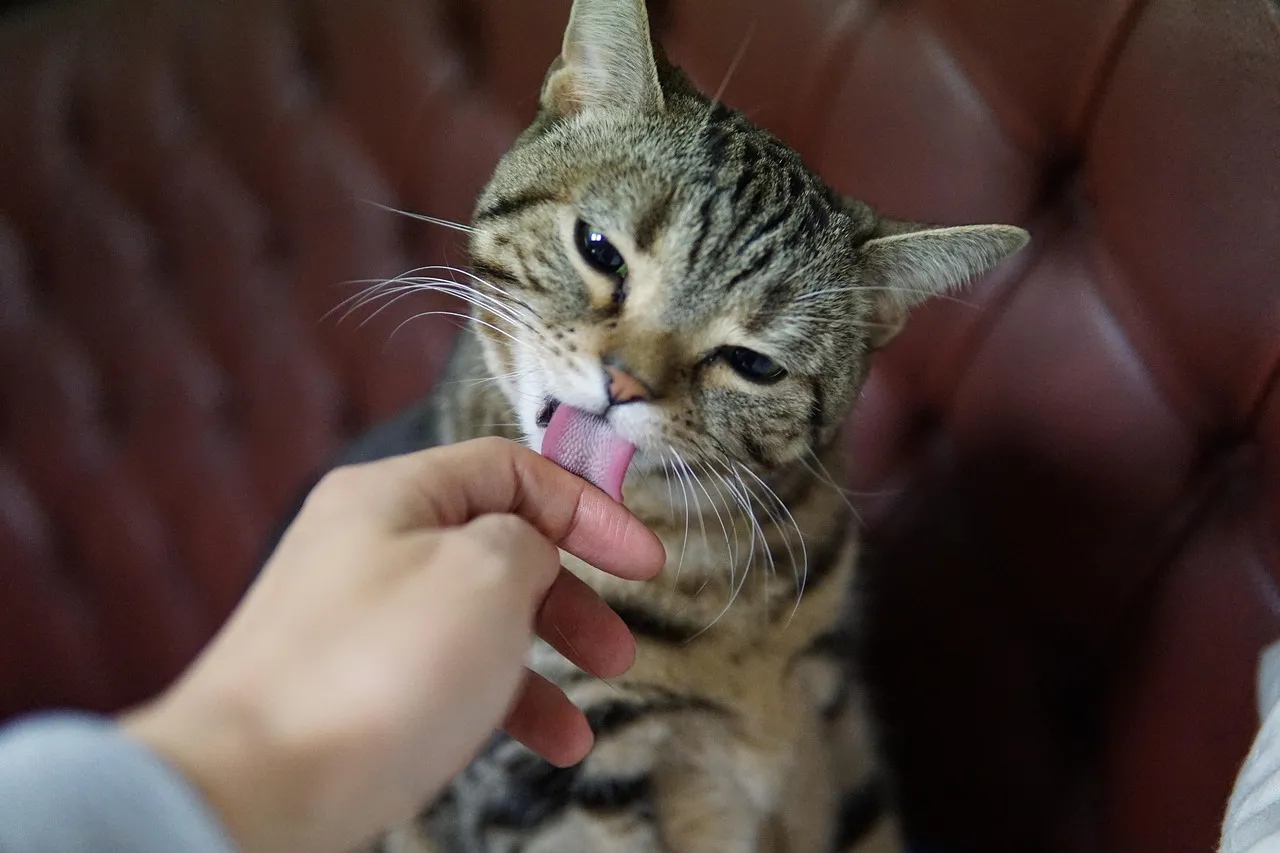
Cats don’t groom just anyone. Allogrooming – mutual grooming between cats – is reserved for bonded allies in a colony. So when your senior cat licks your hairline, your eyebrows, your hands, they’re formally slotting you into their social structure. Older cats get pickier with grooming overall, so if they still “wash” you, that’s not a nuisance behavior. That’s an honor.
You might notice repetitive licking of your fingers right after you pet them, a fixation on your hair when you’re lying down, or a small grooming ritual on your face before they settle to sleep. It can feel a little scratchy and obsessive. It’s also, from their point of view, genuine care – and they don’t waste it on strangers. #12 proves they’re listening closer than you think.
#12 – They “Check” on You When You Cough, Cry, or Sound Different
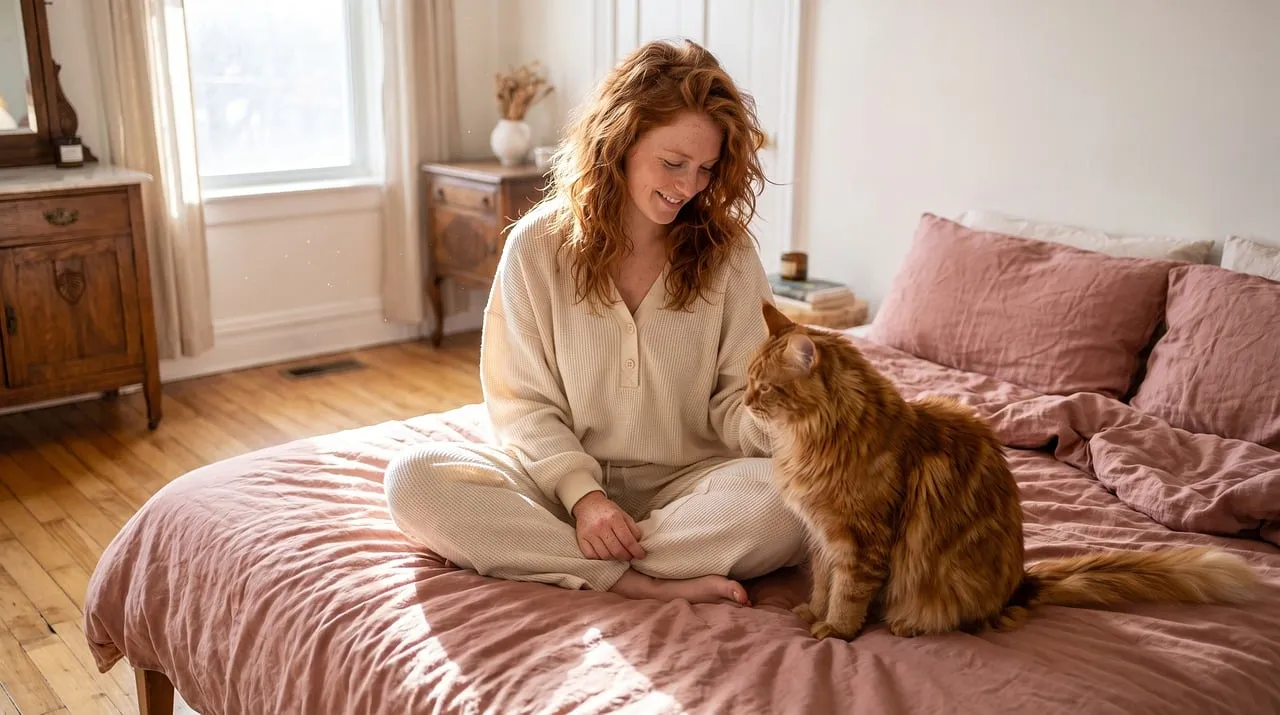
People love to argue over whether cats actually register human emotion. With bonded seniors, the answer shows up in tiny, involuntary reactions. Older cats learn your vocal baseline, and a sudden cough, a sob, or a raised voice can yank them out of a deep sleep faster than a dropped food bowl ever could.
Watch for the ears swiveling toward you from across the room, the slow walk over, the quiet sit-and-stare, or a paw or shoulder gently leaned against you. Is it empathy or curiosity? Probably both. But a cat that ignores every other noise in the house and only investigates when you sound off isn’t indifferent – it’s paying closer attention than most people give it credit for. #11 sounds rude. It’s actually the opposite.
#11 – They Turn Their Back to You – and Stay There
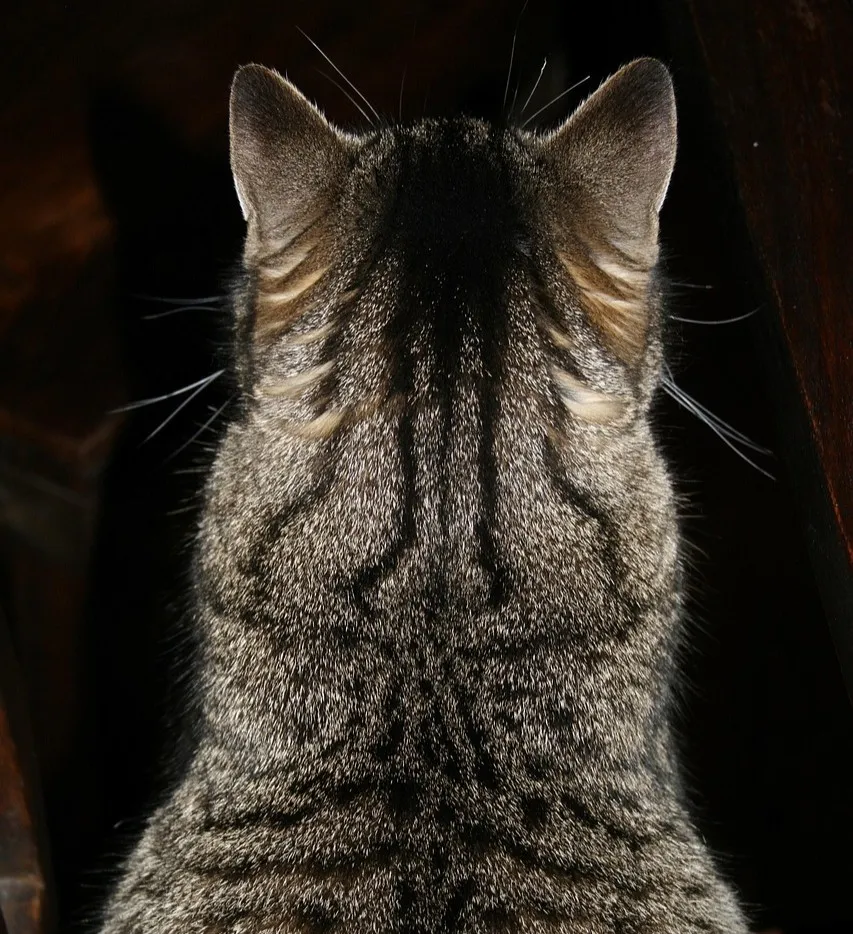
This one starts arguments. Some people assume a cat turning its back is a snub. In feline body language, it’s nearly the opposite signal. Exposing their spine and the back of their head means they genuinely don’t expect an attack from that direction – which, for a senior cat with slower reflexes, is a serious act of trust.
Notice when it happens: settling on your desk facing away but still within arm’s reach, sitting on the bed facing the door while you sit behind them, napping with their back pressed against your leg instead of their front. Bonded cats do this with each other in multi-cat homes, splitting the watch. When a senior cat does it with you, they’ve basically assigned you lookout duty. #10 is the one your cat is literally branding you with.
#10 – They Share Their Scent on You Like a Signature
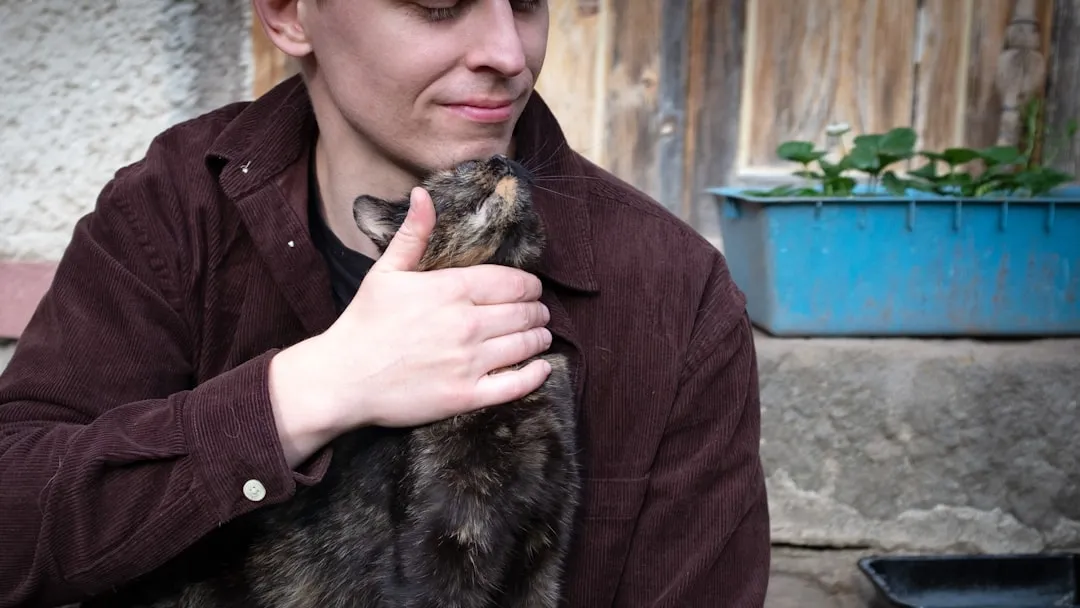
Cats are scent machines, and as they age, they conserve energy by cutting back on the high-effort stuff – fewer wall scrapes, fewer marathon cat-tree sessions. So if your senior cat still headbutts your chin, rubs its cheek against your glasses, or drags its tail across your hand on the way by, you are their scent project, specifically.
Look for slow, deliberate cheek rubs on your hand or phone, forehead bonks aimed right at your mouth or chin, or a tail wrap around your wrist when they pass. They’re not just asking for attention – they’re labeling you as theirs in the most literal way a cat knows how. In multi-person homes, the heaviest scent-marking almost always lands on one chosen human. Everyone else gets the leftovers. #9 is where trust turns into something closer to loyalty.
Quick Compare
- Young cats: frequent wall and furniture scraping, marking territory broadly across the whole house.
- Senior cats: far less general marking, but concentrated cheek rubs, head bonks, and tail wraps aimed at one person.
- Young cats: scent-mark objects and spaces.
- Senior cats: scent-mark a person, treating them like part of the territory worth protecting.
#9 – They Tolerate Handling Only From You
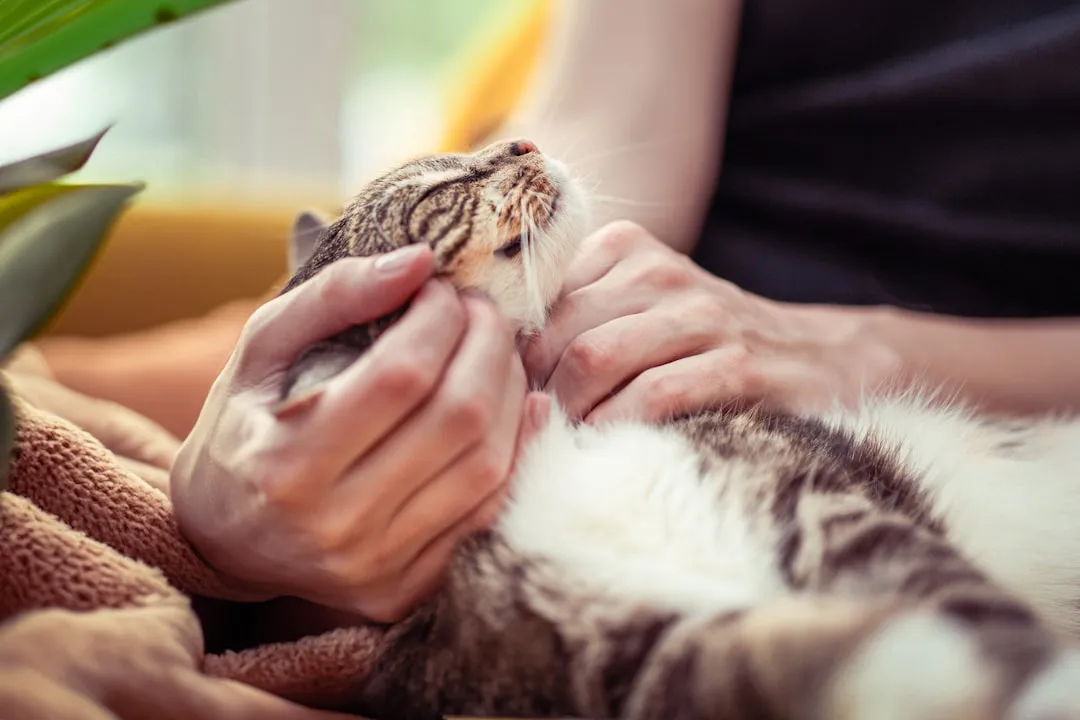
Plenty of senior cats hate being picked up or handled once their joints stiffen and their patience thins. That’s exactly why it matters so much when an older cat allows nail trims, gentle lifting, or medication from one specific person and nobody else. It’s a calculated decision: if someone’s going to touch me while I’m uncomfortable, it’s going to be you.
You might see them hiss or bolt from anyone else who tries, then submit – grudgingly – the moment it’s you holding them. Vet visits go smoother when you’re the one doing the holding. They’ll let you check teeth, ears, or a stubborn mat that no stranger would ever get near. It’s not spite toward everyone else. It’s a strict hierarchy of trust that only gets sharper with age. #8 will make you rethink every “gift” they’ve ever left you.
#8 – They Bring You Gifts, Even When Play Drive Has Faded
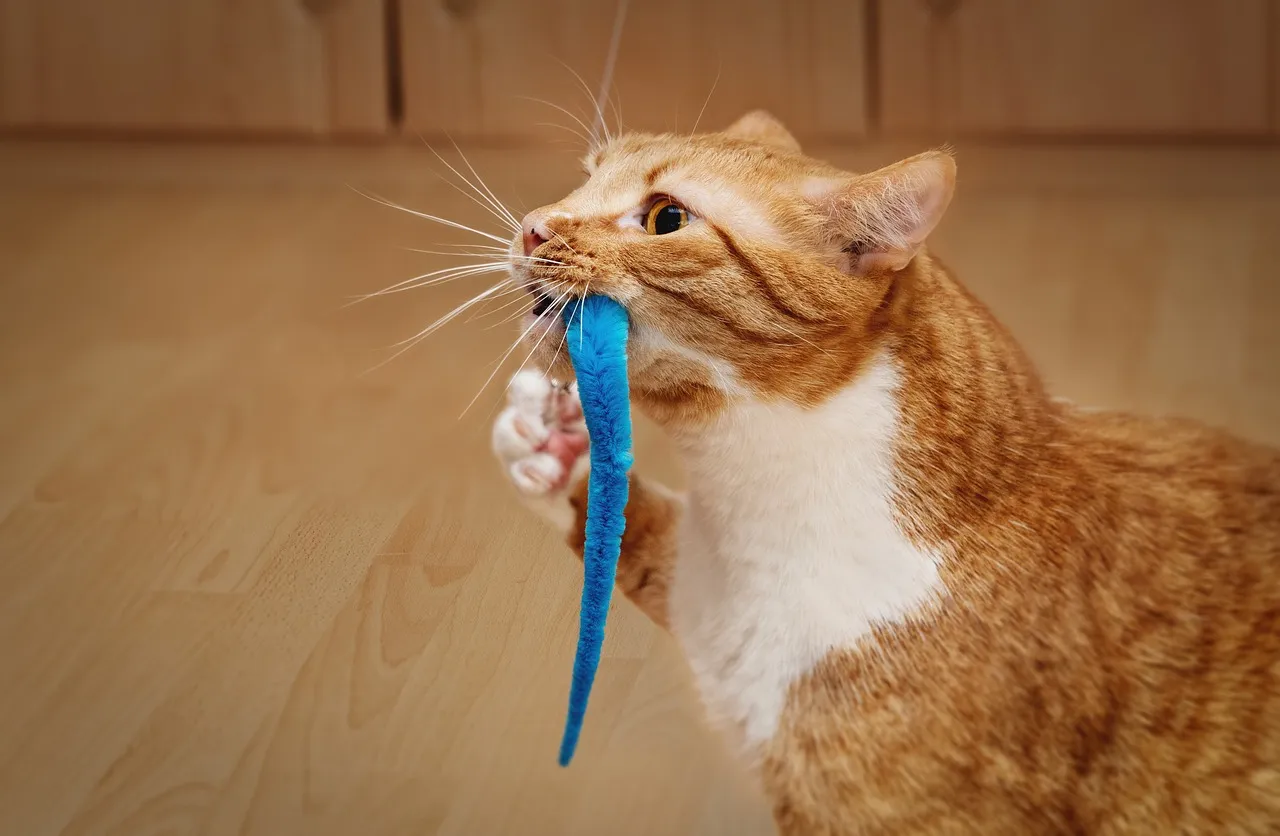
Toy-carrying and gift-dropping usually peak in younger, more playful cats. So when a senior cat with almost no play drive left still drags a toy mouse, a sock, or a crumpled receipt to your feet, that’s not random leftover instinct. It’s them spending precious, limited energy on a ritual meant specifically for you.
Notice where these “gifts” land – near your bed, your desk chair, your shoes, never scattered randomly through the house. Some cats vocalize while carrying the item, then drop it and stare straight at you, almost waiting for a reaction. Even fully indoor cats keep this hunting-and-sharing instinct alive; age just narrows who it’s aimed at. If you’re the only one getting offerings, that’s about as clear a sign of chosen-person status as it gets. #7 flips the whole household’s schedule around one person.
#7 – They Match Their Routine to Yours, Not the Other Way Around
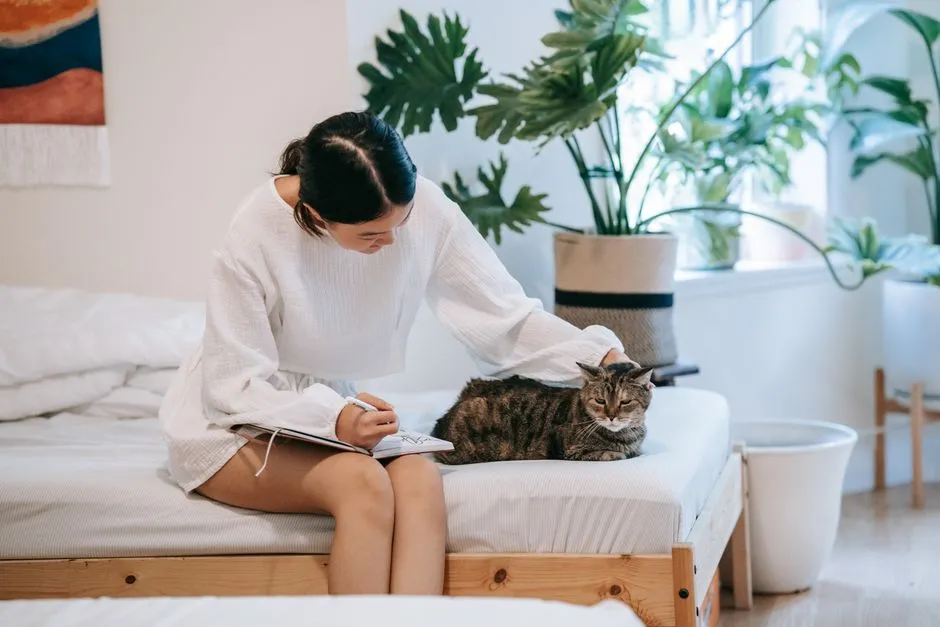
In multi-human households, senior cats usually pick one schedule to orbit – and it’s almost always the person they trust most. If your older cat’s sleep, feeding, or patrol times quietly reorganize around your patterns, you’ve become the center of its internal clock, whether you noticed or not.
Maybe they wake up the second your alarm goes off, even if they could easily sleep longer. Maybe they wait by the door at the exact time you usually come home, ignoring everyone else’s comings and goings. Maybe they only eat reliably when you’re the one in the room. People assume cats are rigid about their own schedule. Bonded seniors quietly prove that’s not always true. #6 is the deepest kind of trust a prey animal can offer.
#6 – They Relax Their Guard Enough to Dream Next to You
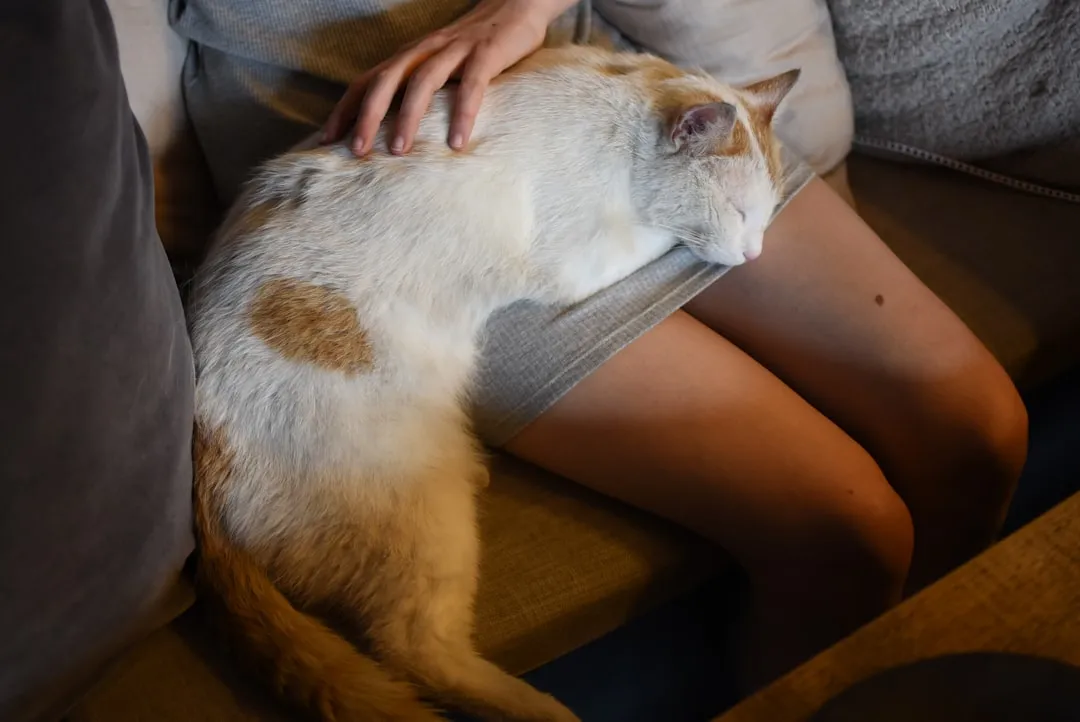
Cats are light sleepers by nature – it’s a survival trait. Real dreaming, with twitching paws, whiskers, and soft vocal murmurs, only happens in a much deeper sleep state, one where they’re far less able to react to a threat. A senior cat that slips into that state pressed against you is gambling its own safety on your protection.
Look for twitching paws while their body is fully draped over your legs, soft sleep-meows or chattering with zero startle response when you shift, or a full-body flop into instant deep sleep the moment you settle. In plain terms, they’re outsourcing their vigilance entirely to you. It’s especially moving in cats who came from rough starts – a nervous former stray falling into real, deep sleep against you is a dramatic shift from survival mode to something like peace. #5 shows up exactly when things fall apart.
Fast Facts
- Domestic cats sleep roughly 12 to 16 hours a day, often more as they get older.
- True deep sleep, where dreaming and twitching happen, tends to arrive in short bursts rather than long stretches.
- Cats are naturally lighter sleepers than many pets, waking easily to check for threats.
- Slipping into deep sleep pressed against one specific person signals an unusually high level of trust in that spot.
#5 – They Choose You as Their Safe Spot During Storms or Fireworks
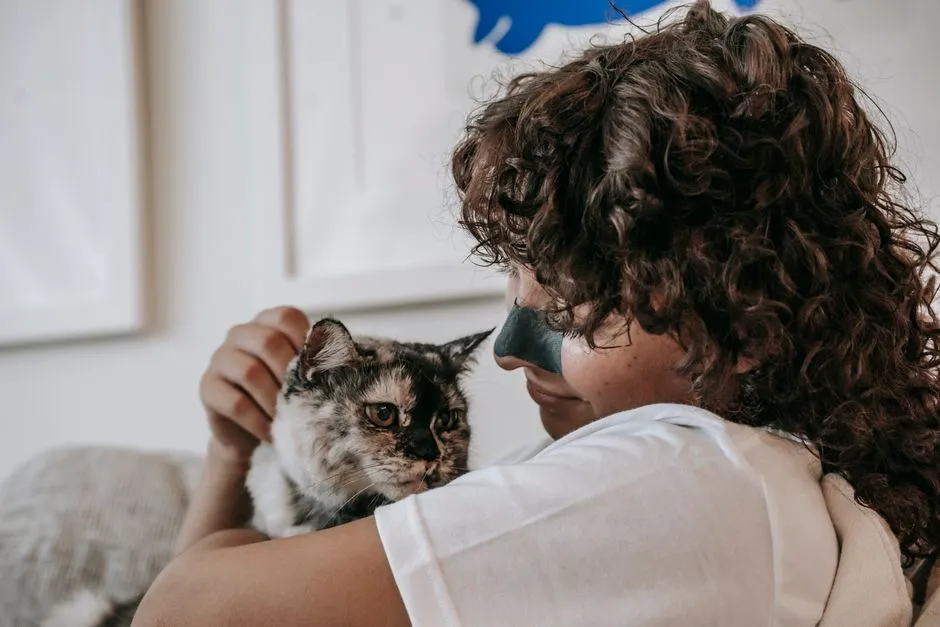
Not every cat has noise anxiety, but plenty do, and it often gets worse with age as hearing and nerves both shift. When things get loud or chaotic, senior cats look for a den. The telling part isn’t that they hide – it’s exactly who they choose to hide with.
Watch for a normally independent cat pressing tightly against you the second thunder starts, ducking under your blanket or between your legs instead of under the couch, or anxiously tracking your movement until it can reattach itself to you. The same pattern shows up during any household chaos – movers, repairs, visitors. A cat that has truly chosen one person will consistently orbit them the moment the world feels unpredictable. #4 is the side of your cat nobody else ever sees.
#4 – They Show You Their Kitten Side No One Else Sees
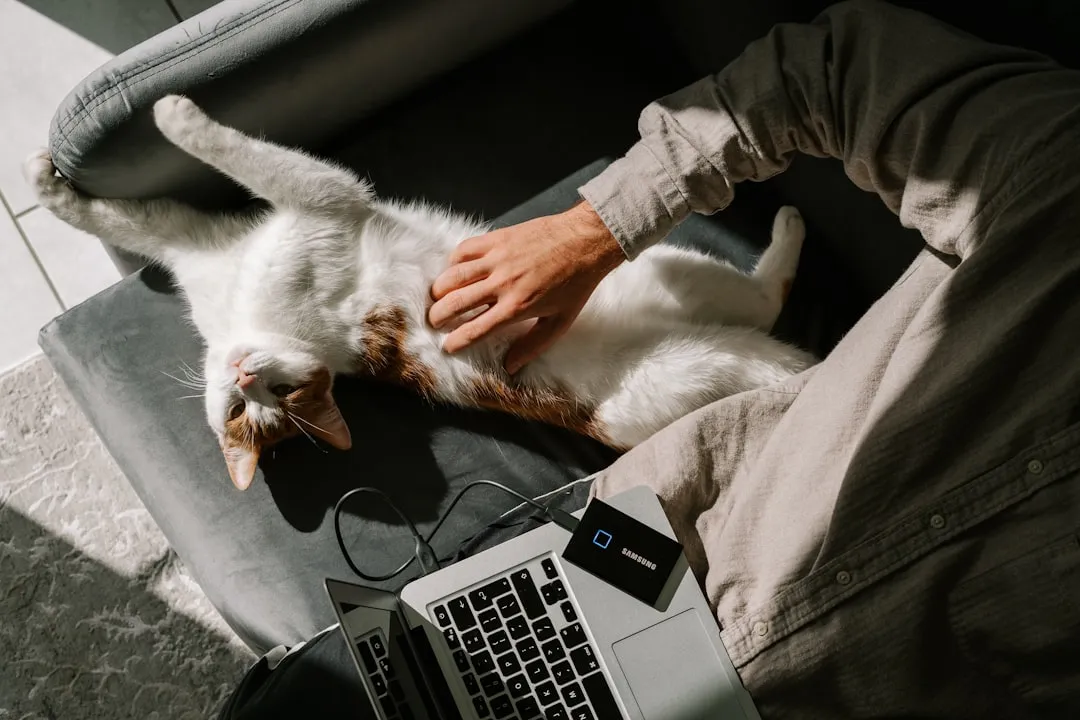
Here’s an odd, under-discussed fact: plenty of senior cats get more kittenish with their chosen person, not less. Soft pawing, tiny mews, a dramatic full-body flop like a baby – these are behaviors normally reserved for their mother or their most trusted companion, and suddenly they’re doing it on your chest at eleven years old.
Everyone else insists the cat is grumpy or aloof, right up until you show them a video of it kneading and chirping like a bottle-fed kitten in your lap. Look for kneading specifically on you and not the blanket, high-pitched mews they never use with anyone else, or exaggerated, almost silly stretching the moment you walk in. It’s less about “staying young for you” and more about feeling safe enough to drop the adult survival mask entirely. That regression isn’t random. It’s reserved. #3 is subtle, but once you notice it, you can’t unsee it.
#3 – They Start Asking Your Permission With Their Eyes
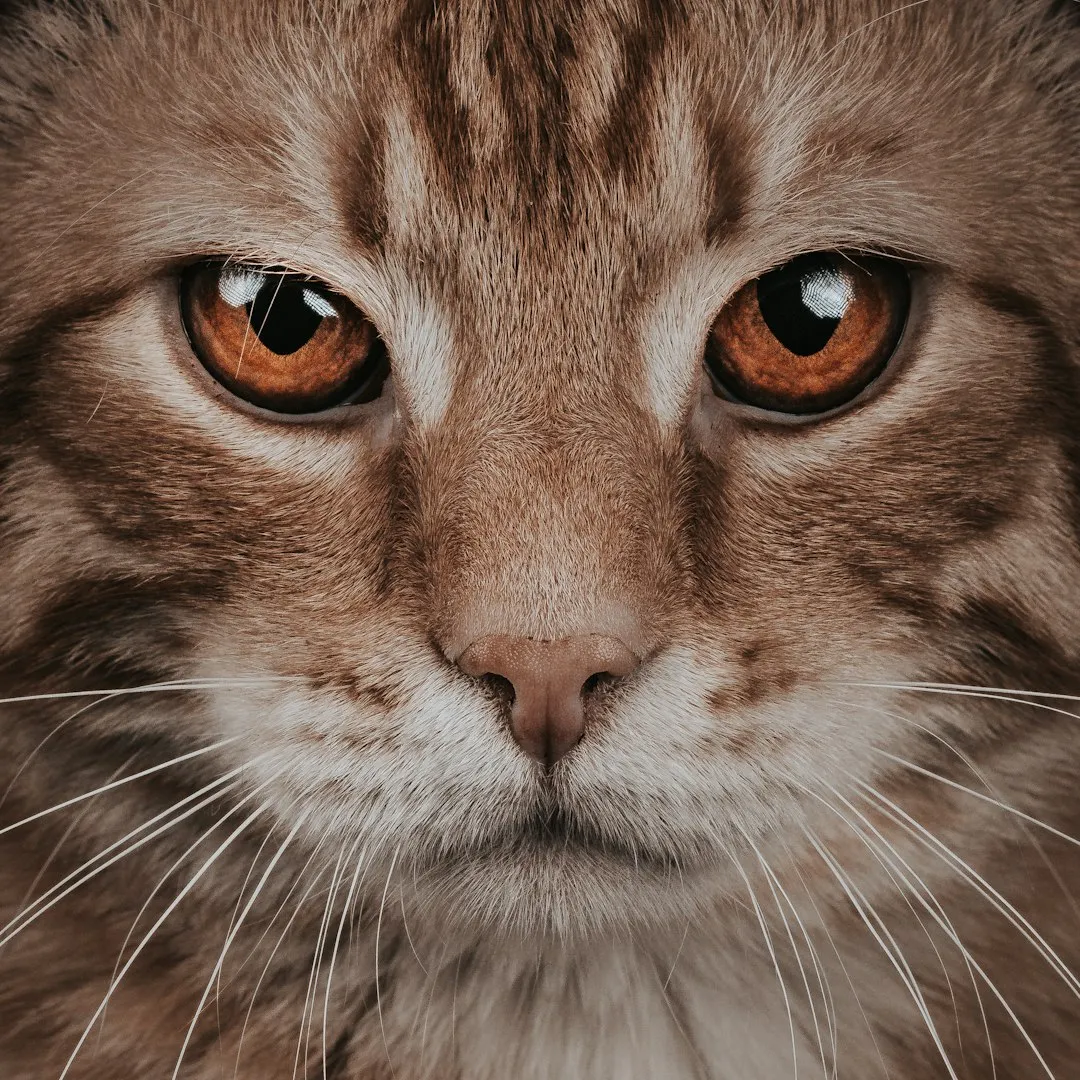
This one is quiet, but it says a lot. Deeply bonded senior cats will often pause and look at you before doing something – jumping onto the bed, climbing into your lap, shifting position near you. That brief eye contact functions almost like a check-in: is this okay? It’s a world away from the impulsive chaos of a young cat who just leaps first.
You might catch a long glance before they step onto your keyboard, a look toward your face before they settle on a sore leg, or a pause at the edge of your pillow, eyes meeting yours, before they finally move closer. Skeptics will call this pure projection. People who’ve actually lived with a strongly bonded senior cat see the pattern too consistently to dismiss it. #2 happens the second you walk through the door.
#2 – They Wait for You to Come Home Before Truly Relaxing
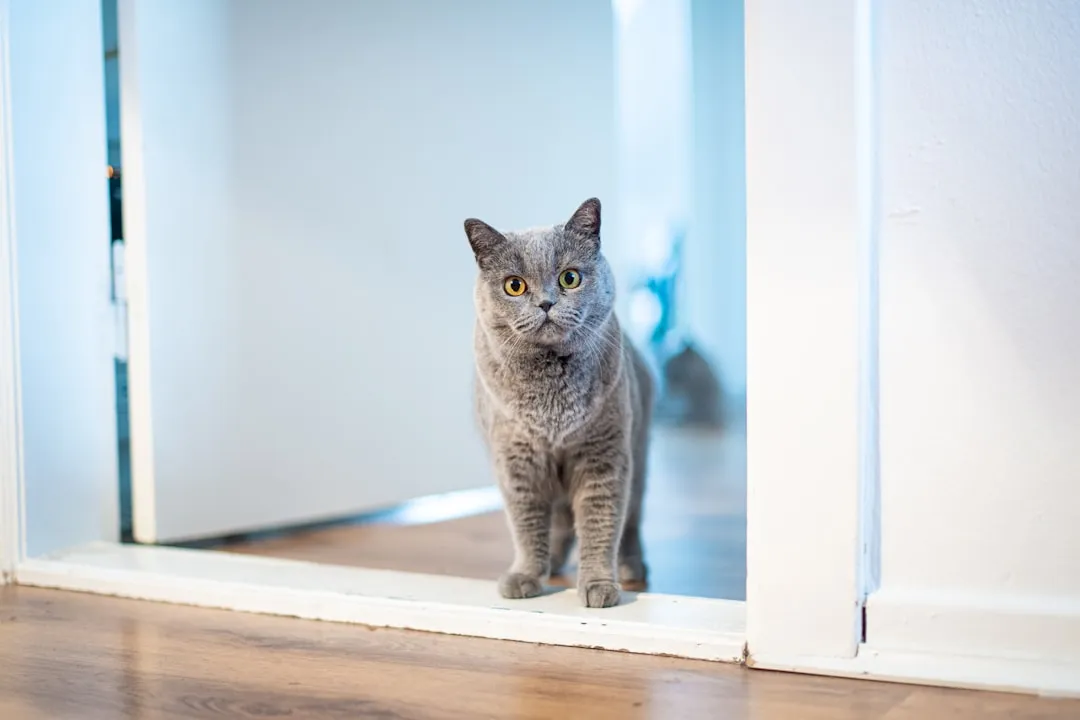
Some bonded senior cats will eat, use the litter box, even nap lightly while you’re gone – but they never fully let go. Owners often describe them as “on edge” around anyone else, even familiar faces, until one specific person walks back through the door.
Watch for hovering near the door or window right around your usual arrival time, refusing to settle anywhere except within arm’s reach of you on a chaotic day, or brushing off every attempt from other people to comfort them while you’re gone. Some call this separation anxiety. In seniors, it’s closer to selective safety-seeking – you’re the one predictable constant in a world and a body that are both quietly changing on them. #1 is the one that changes how people remember everything before it.
#1 – They Choose to Spend Their Hardest Moments With You
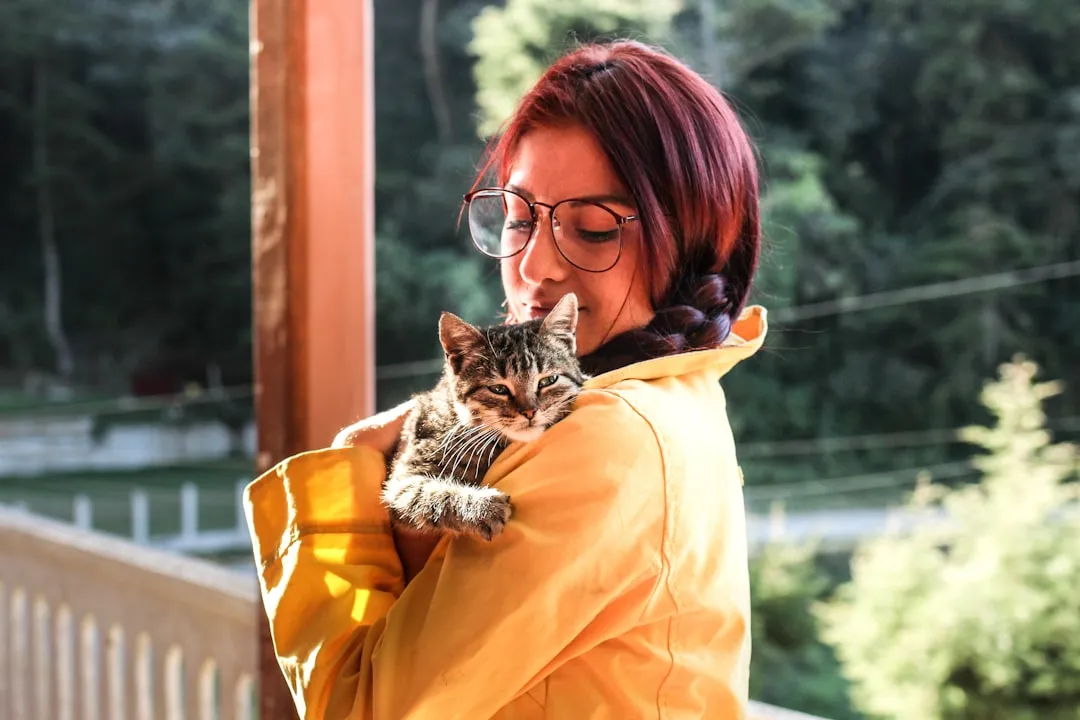
This is the one nobody really wants to talk about, and it’s also the clearest sign of all. There’s a popular myth that cats crawl off alone to die. In reality, many senior cats who have truly chosen a person seek that human out more intensely during illness, pain flares, or the final stretch of life – not less.
Cats choose us; we don’t own them.
Kinky Friedman
They may hide from everyone else in the house and still drag themselves to your side of the bed. A normally private cat may insist on lying across your chest even when breathing is hard. A cat that resists handling from anyone else may allow you, and only you, to comfort them at the vet. This isn’t sentimental projection – it’s attachment in its rawest, most stripped-down form. When their body is failing, they want the one place that has always felt safe: you. Most people only understand how thoroughly they were chosen once they look back at these final weeks.
Why It Stands Out
- Many animals instinctively withdraw when unwell, which makes this reversal in bonded cats especially notable.
- Seeking out one person during pain or illness reflects deep, specific trust rather than general comfort-seeking.
- This behavior often intensifies exactly when a cat has the least energy left to spare.
- It’s frequently the moment owners say they finally understood how thoroughly they were chosen.
The Bottom Line
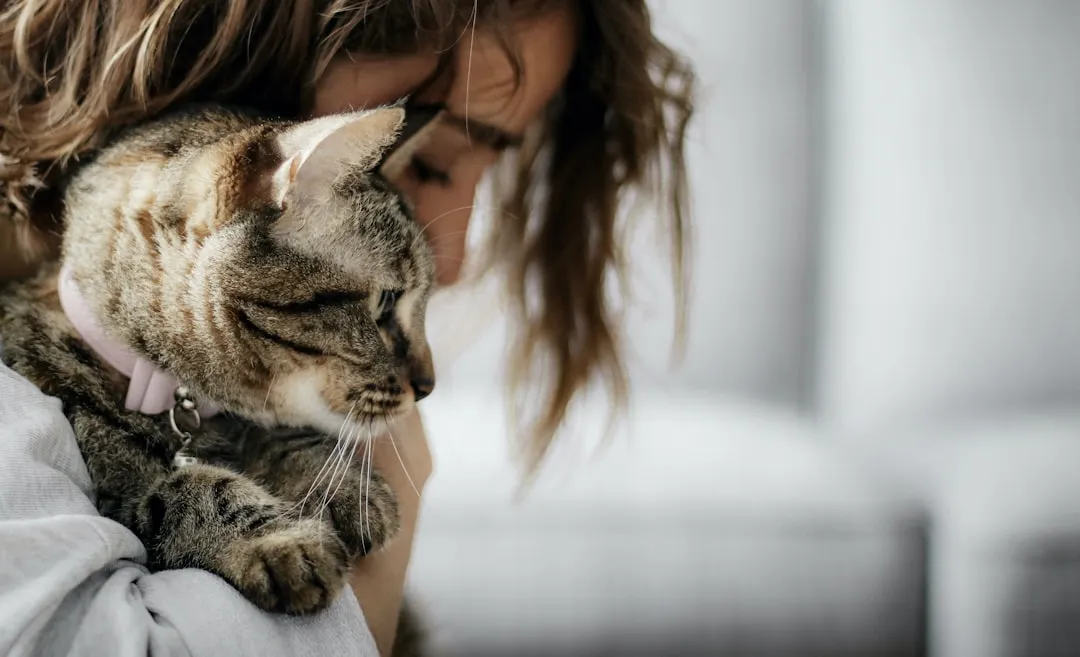
Senior cats aren’t distant little statues quietly waiting out their days. They’re brutally honest about who they trust, especially once their world gets smaller and their body slows down. The shadowing, the deep sleep on your legs, the private raspy meow, the storm-time clinging, the way they’ll tolerate uncomfortable handling from you and absolutely no one else – none of that is random.
It’s a running list your cat has been quietly building, one small decision at a time: you’re my person. Some people will insist cats don’t feel attachment like this. Anyone who’s actually sat with a senior cat through its final years tends to disagree, and disagree loudly. If even a handful of these behaviors sound familiar, trust it – your cat didn’t just get used to you. It chose you, on purpose, out of everyone else in the house.