

Every cat lover dreads the day they’ll have to say goodbye to their beloved feline friend. While all cats eventually age and pass away, some breeds face shorter lifespans due to genetic predispositions, health complications, and breeding practices that prioritize appearance over longevity. These heartbreaking realities affect certain breeds more than others, leaving devoted owners with less time to cherish their companions. Understanding which breeds are most vulnerable can help potential cat parents make informed decisions and provide the best possible care for their furry friends.
#17 Himalayan
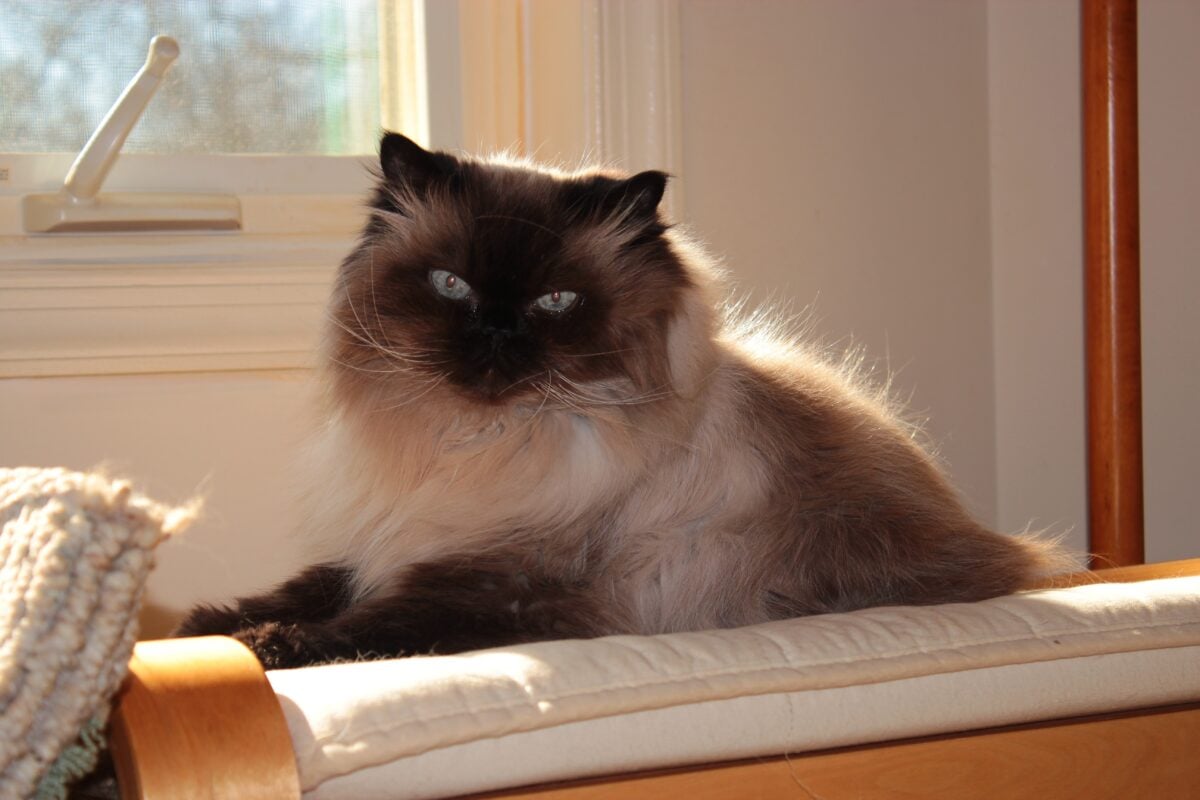
The Himalayan cat, a cross between the Persian and Siamese, is loved for its striking blue eyes and long, luxurious coat. Unfortunately, its beauty comes with a price. Himalayans often inherit the Persian’s brachycephalic (flat-faced) structure, which makes them prone to breathing difficulties, dental issues, and tear duct problems. These health complications can reduce their overall quality of life if not carefully managed.
On top of that, Himalayans are predisposed to polycystic kidney disease (PKD), a condition that can develop silently and progress over time. Combined with a higher risk of heart disease, their average life expectancy is often 9–12 years, shorter than many other cats. Regular veterinary care and a focus on preventative health measures are critical for helping them live as long and comfortably as possible.
#16 Bengal Cats – Wild Beauty With Genetic Costs
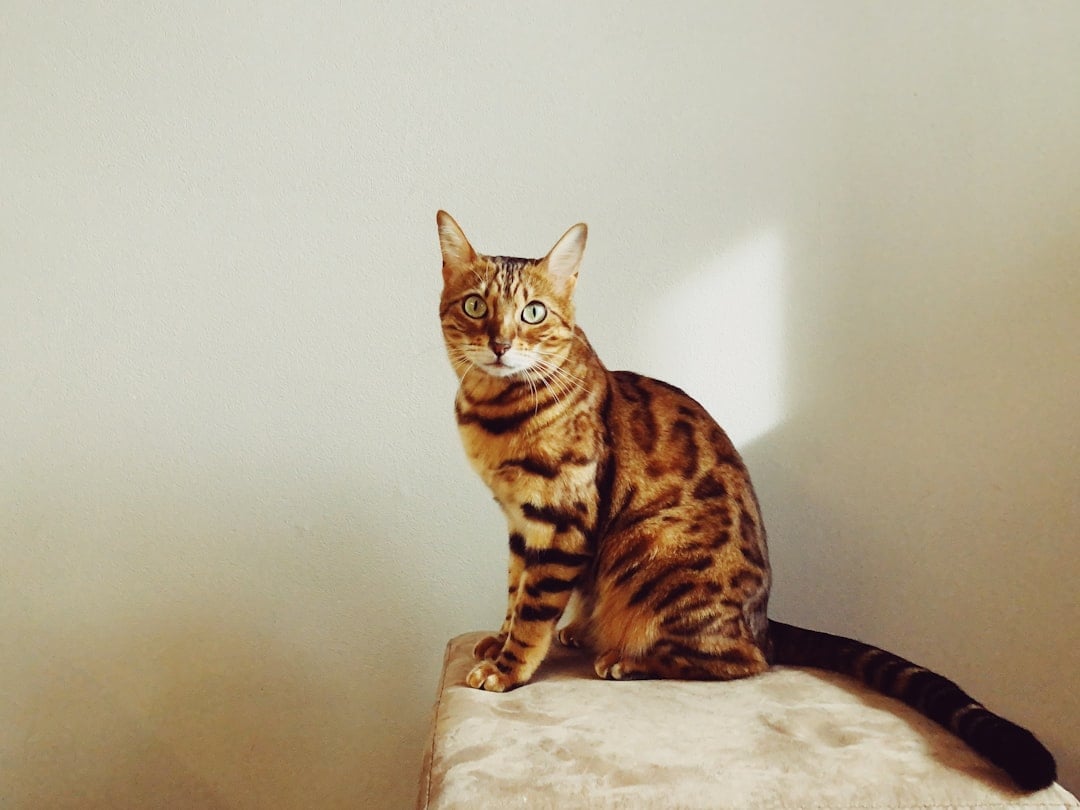
The Bengal was created by combining domestic cats with the Asian Leopard cat, retaining a wild appearance with distinctive leopard-like spots, rosettes, arrowheads, and marbling. On average, Bengals have a life expectancy of 7 – 8.5 years on average, although some individuals will reach mid and late teens, depending on many factors.
These energetic cats pay a price for their exotic heritage. Studies suggest that some breeds, such as Sphynx and Bengal, had a particularly short life expectancy. Their hybrid background contributes to various health complications that can significantly impact their lifespan, making them one of the breeds with concerning longevity statistics.
#15 Burmilla Cats – Accidental Beauty With Limited Years
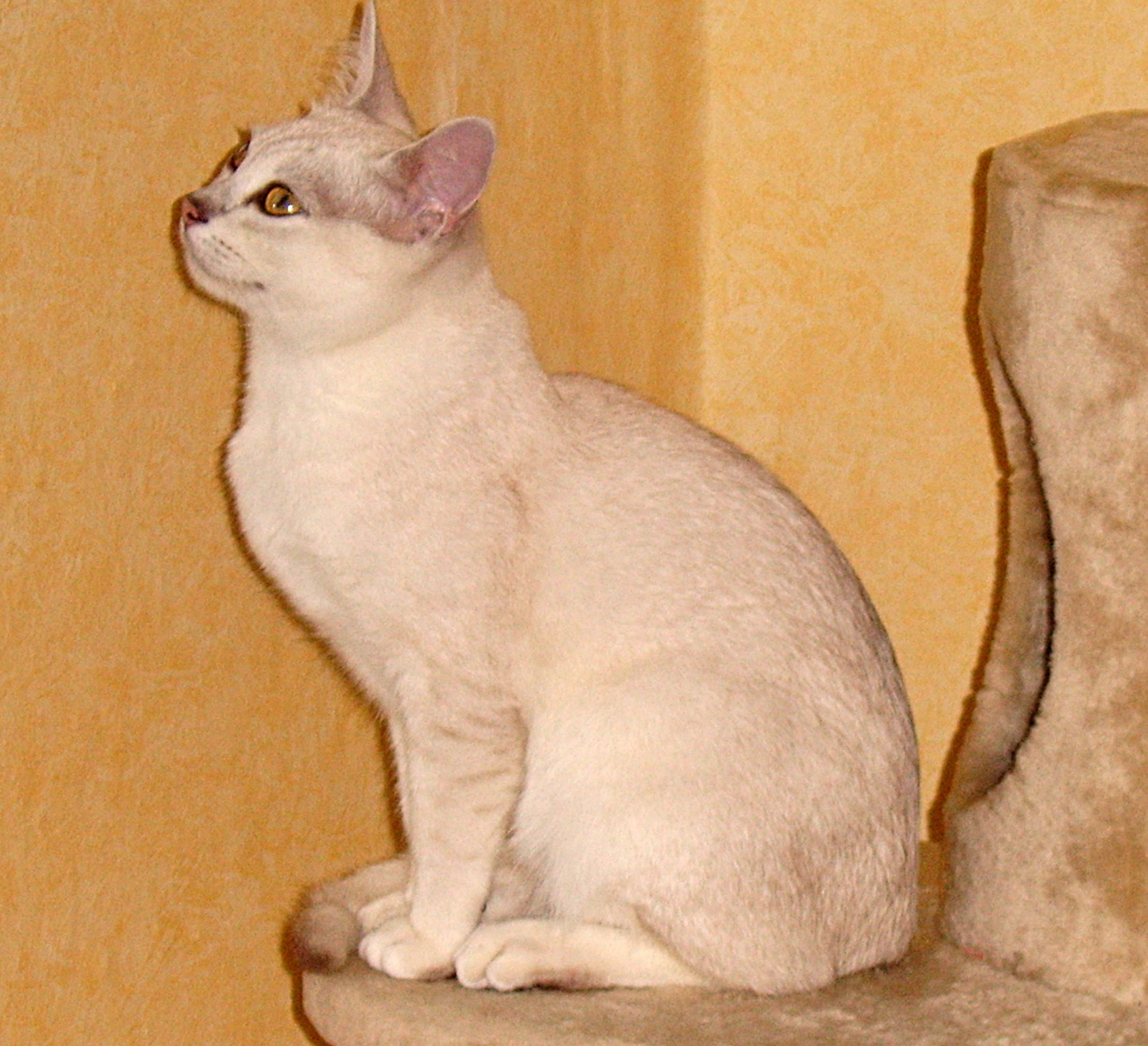
In 1981, a Chinchilla Persian male and a Lilac Burmese bred, and produced four kittens that were so attractive breeders stuck with the mix, with life expectancy for this breed being 7 to 12 years. They are medium-sized cats with slender bodies, distinctive “make-up” lines around the eyes, nose, and lips, and a distinguishing sparkling silver coat, staying kitten-like into adulthood, being playful, curious, and affectionate with their owners, but are believed to have a rather wide lifespan of around 7-12 years.
Despite their accidental origin story, Burmillas face health challenges that limit their time with families. The wide range in their lifespan suggests significant variability in health outcomes, with some cats thriving while others struggle with inherited conditions from both parent breeds.
#14 Exotic Shorthair Cats – Persian Problems Without The Fur
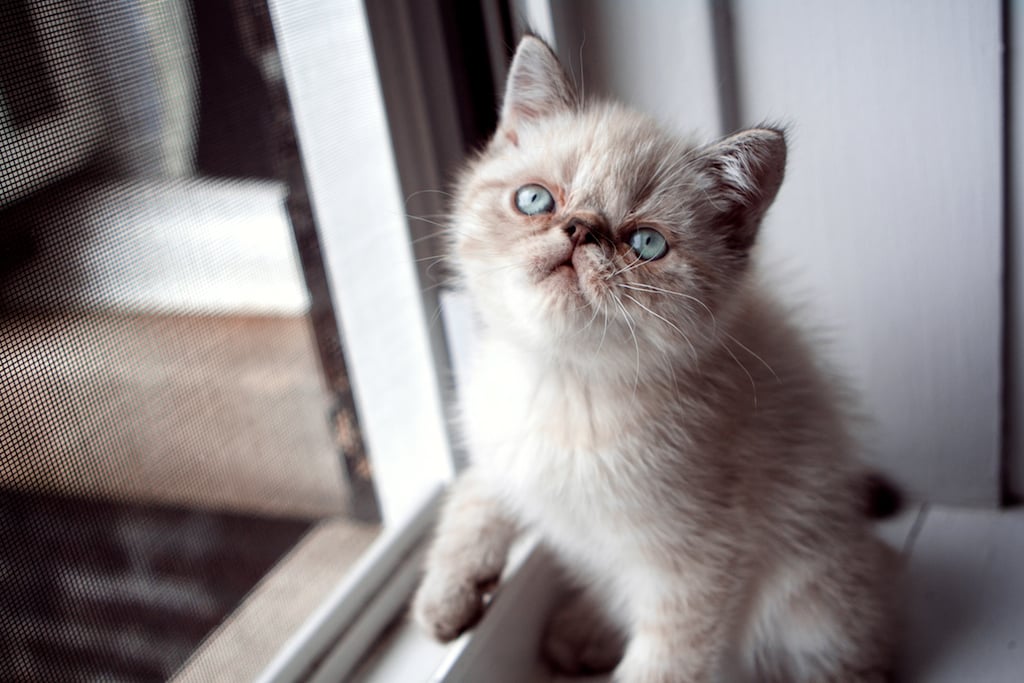
Exotic shorthairs were bred as a short-haired alternative to Persians, having a round, flat face with large eyes and small ears, and they have a cobby, low-to-the-ground body and a short, dense coat. These cats are prone to several health issues, which can limit their lifespan to between 8 and 11 years.
Because of their brachycephalic faces, they are subject to breathing problems and can cause snoring or wheezing, and their short jaws can lead to overcrowding of teeth, which can cause dental issues. These Persian-derived features create a perfect storm of health complications that significantly reduce their life expectancy.
#13 Cymric Cats – Manx Cousins With Similar Struggles
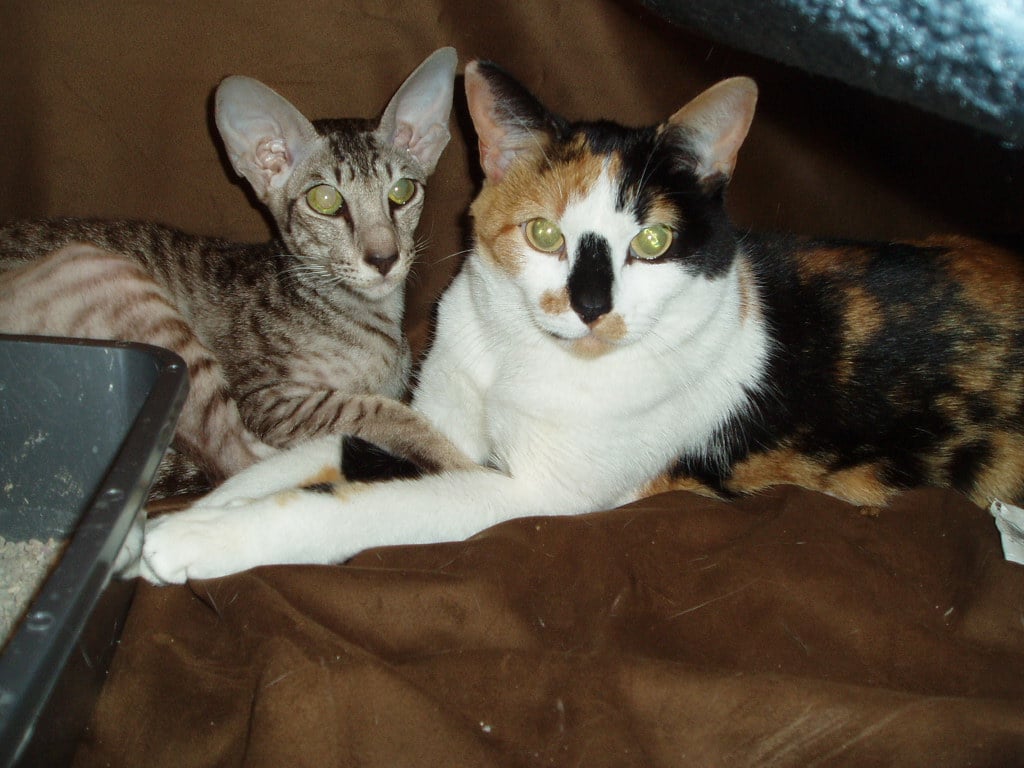
The Cymric is similar to the Manx breed, and some cat registries consider the Cymric as simply a longhaired version of the Manx, being muscular, compact cats with large eyes and widely spaced ears. These cats are believed to have an average lifespan of 8-12 years.
Like their Manx relatives, Cymrics often inherit the tailless gene that can cause serious spinal issues. Many are born without tails due to genetic mutations that affect their vertebrae, potentially leading to mobility problems and neurological complications that impact their overall health and longevity.
#12 Scottish Fold Munchkin Mix – Double Genetic Burden
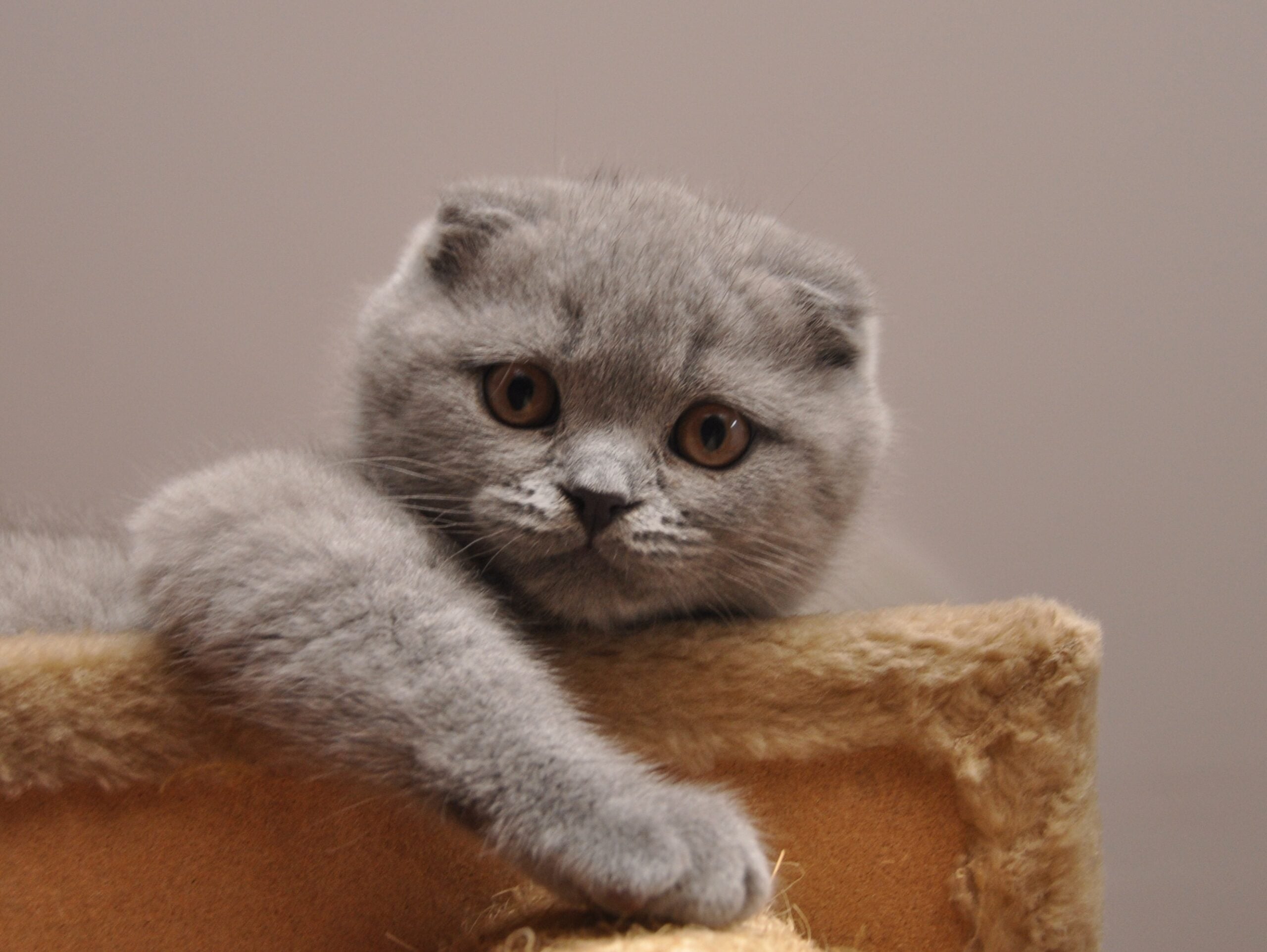
A healthy Scottish Kilt can live a good, long life of 11 to 15 years of age, but because of their parent-breeds, these little cats can get all the associated health problems. Osteodystrophy is a disease common in Scottish Fold caused by the genetic anomaly that can further cause arthritis that affects the bones of the legs, translating into stiff bones, low mobility, and severe pain.
The short legs gene can be a fatal one and in serious cases, the kitten doesn’t live past 3 months of age. This devastating combination of two genetic mutations creates a breed with serious welfare concerns, as veterinarians and animal welfare experts question the ethics of deliberately breeding cats with such high health risks.
#11 Japanese Bobtail – Ancient Breed With Modern Challenges
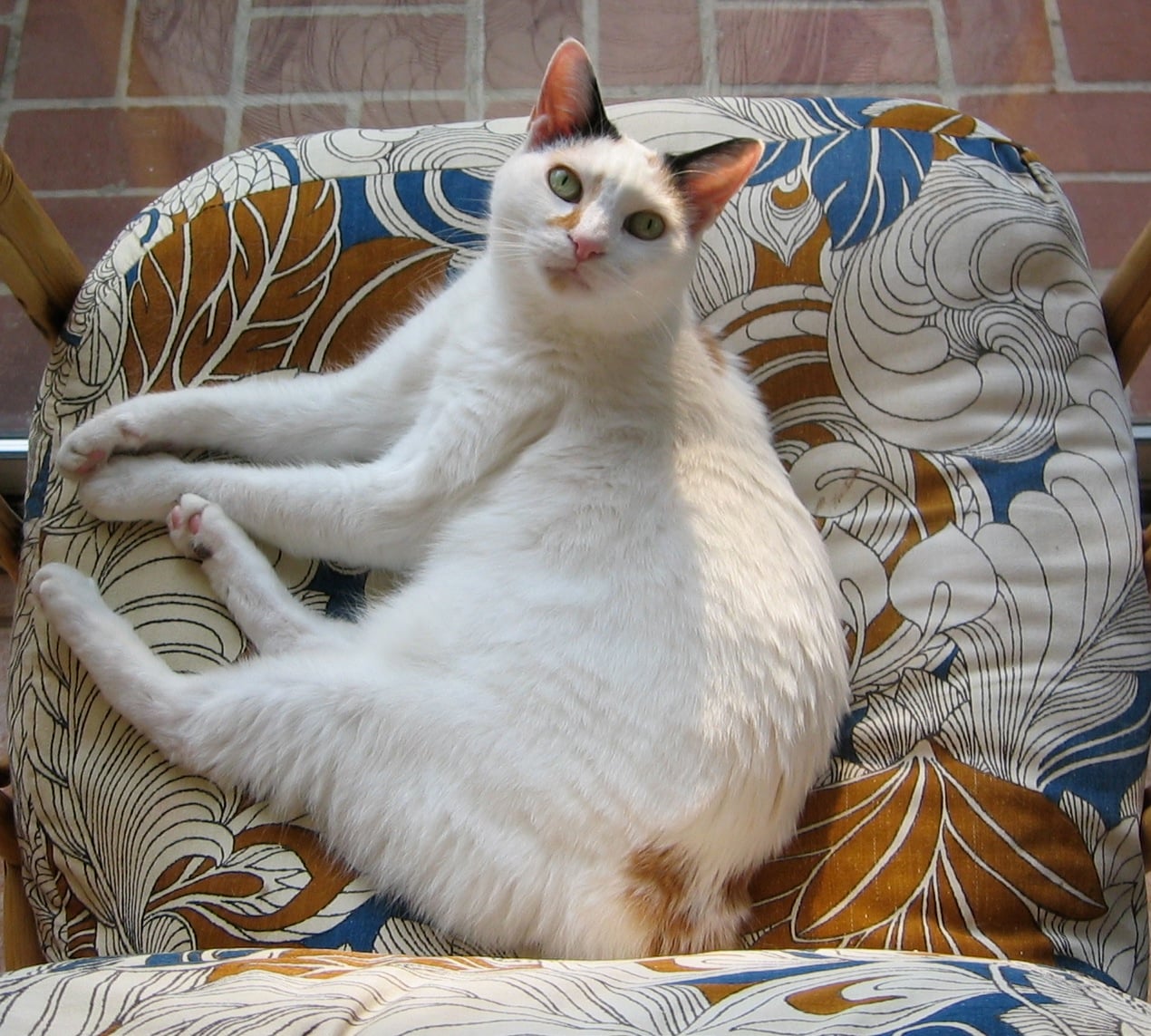
The defining characteristic of the Japanese Bobtail is their unusual curled-in short tail that resembles a rabbit’s tail more than a cat’s, being an ancient breed that has been around in their native Japan for centuries. This breed has a lifespan of approximately 9 to 15 years, being generally active and social cats that love to be around humans.
While their distinctive bobbed tail gives them charm, it also indicates potential spinal complications. The genetic mutation affecting their vertebrae can sometimes impact their mobility and nervous system function, contributing to their placement among breeds with shorter lifespans.
#10 California Spangled – Leopard Looks With Health Costs

Bred to resemble wild cats, the California Spangled looks distinctly leopard-like with their spotted coat and lean, muscular body, but they are particularly affectionate and form strong bonds with their owners, being docile, gentle, and loving cats. The breed tends to have a lifespan of 10 to 15 years, though it is believed these cats may have a life expectancy of 10-12 years.
This rare breed was developed specifically for appearance, sometimes at the expense of longevity. Their limited gene pool and selective breeding for specific visual traits may have inadvertently concentrated genetic health issues that affect their lifespan and overall wellbeing.
#9 Oriental Shorthair – Siamese Relatives With Health Hurdles
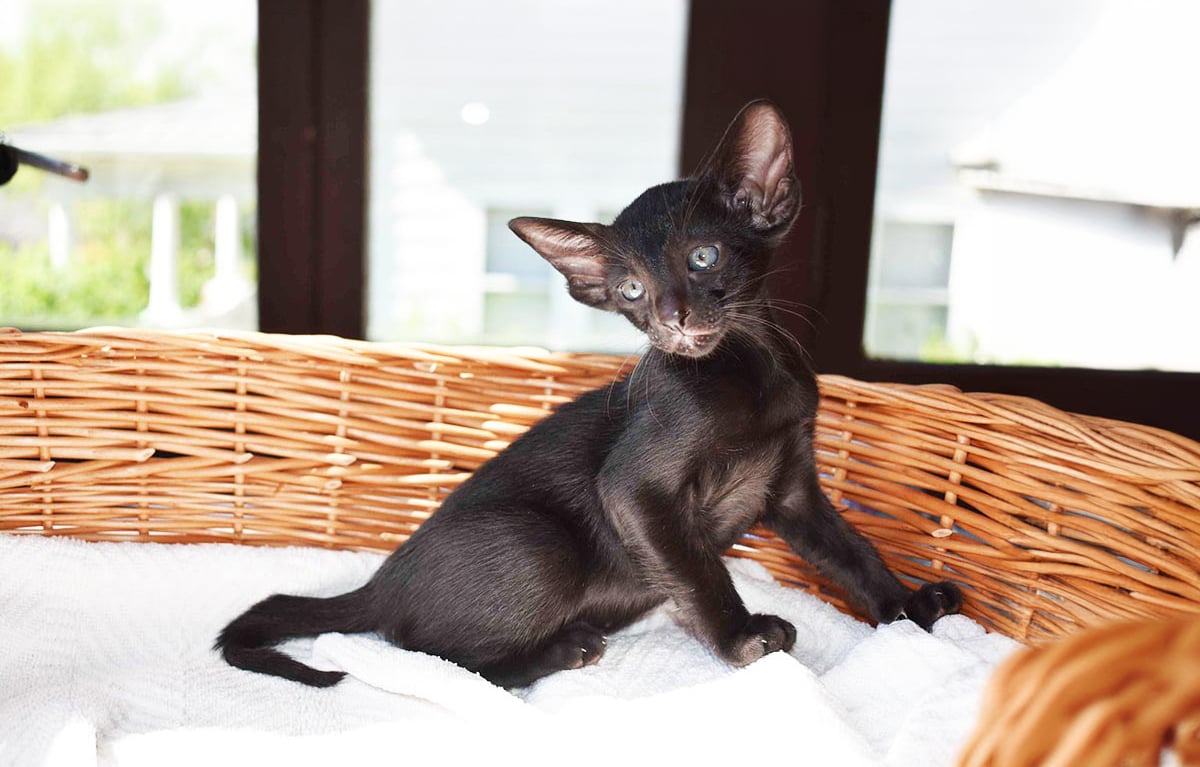
The Oriental Shorthair looks very similar to a Siamese but their coats come in an array of 300 colours and patterns, living for around 12 to 15 years, but can be prone to health conditions such as Progressive Retinal Atrophy, Glaucoma and Amyloidosis. These conditions significantly impact their quality of life and can reduce their expected lifespan.
Despite their striking appearance and diverse color options, Oriental Shorthairs inherit many of the same genetic predispositions as their Siamese cousins. Their slender build and specific facial features, while beautiful, can contribute to various health challenges throughout their lives.
#8 German Rex – Curly Coated With Limited Longevity
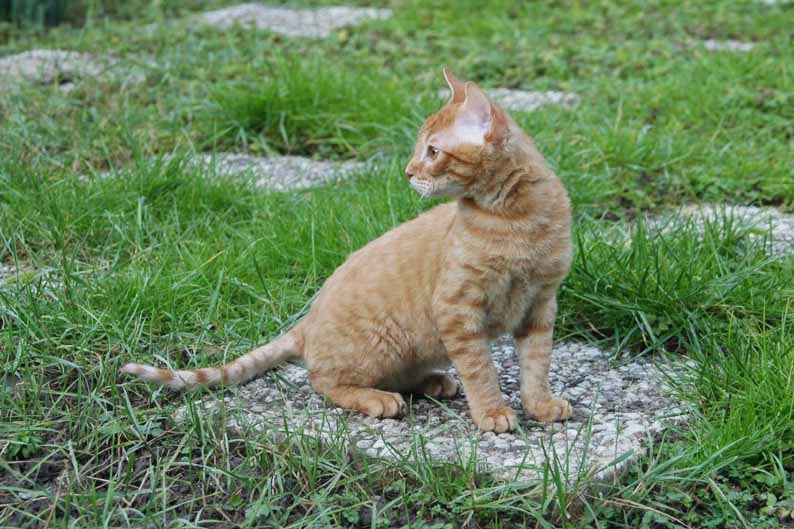
With a similar temperament to a Cornish, or Devon Rex, this breed is affectionate, playful, and intelligent, with a healthy German Rex having a typical life span of 10 to 15 years. Their distinctive curly coat results from a genetic mutation that, while aesthetically pleasing, may be linked to other health concerns.
The German Rex’s unique coat texture comes from the same type of genetic variations that affect other Rex breeds. These mutations, while creating their signature appearance, can sometimes be associated with skin sensitivities and other health issues that impact their overall lifespan and wellbeing.
#7 Ocicat – Domestic Cats With Wild Appearance Challenges
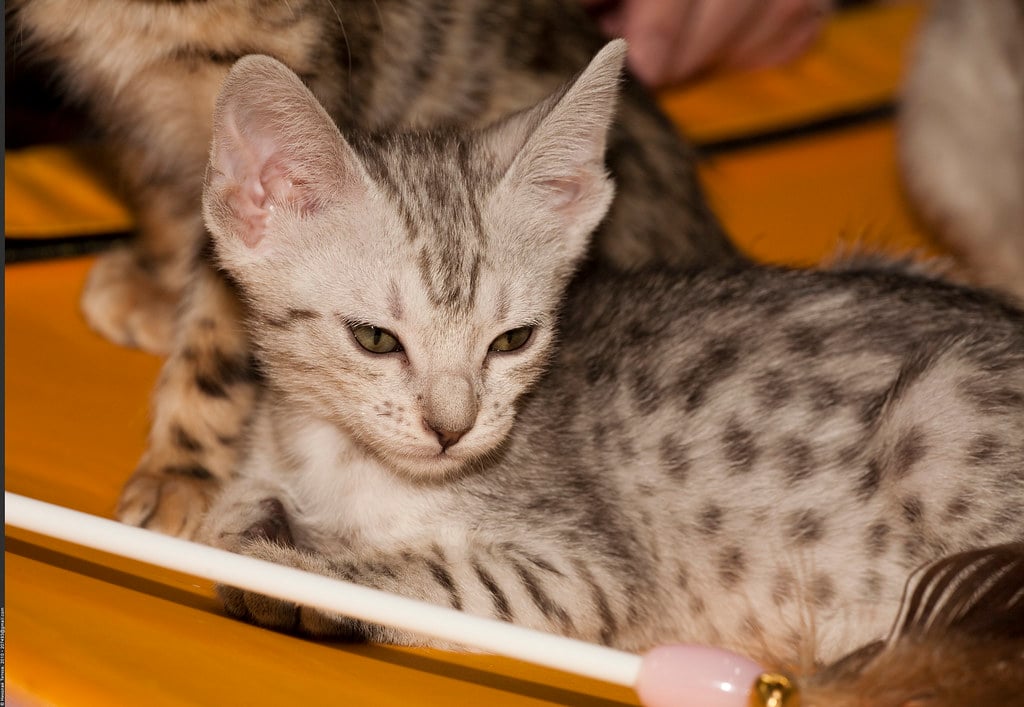
Spotted like a wild cat but with the temperament of a domestic animal, the breed is named after the exotic Ocelot mammal, with Ocicats generally expected to live for about 10 to 15 years. Their wild-type markings result from careful breeding that sometimes concentrates genetic issues.
While Ocicats are generally healthy compared to some other breeds on this list, their selective breeding for specific spotted patterns has occasionally led to genetic bottlenecks. Some bloodlines may carry hereditary conditions that can affect their longevity, though responsible breeding practices are helping to address these concerns.
#6 Singapura – Tiny Cats With Big Health Concerns
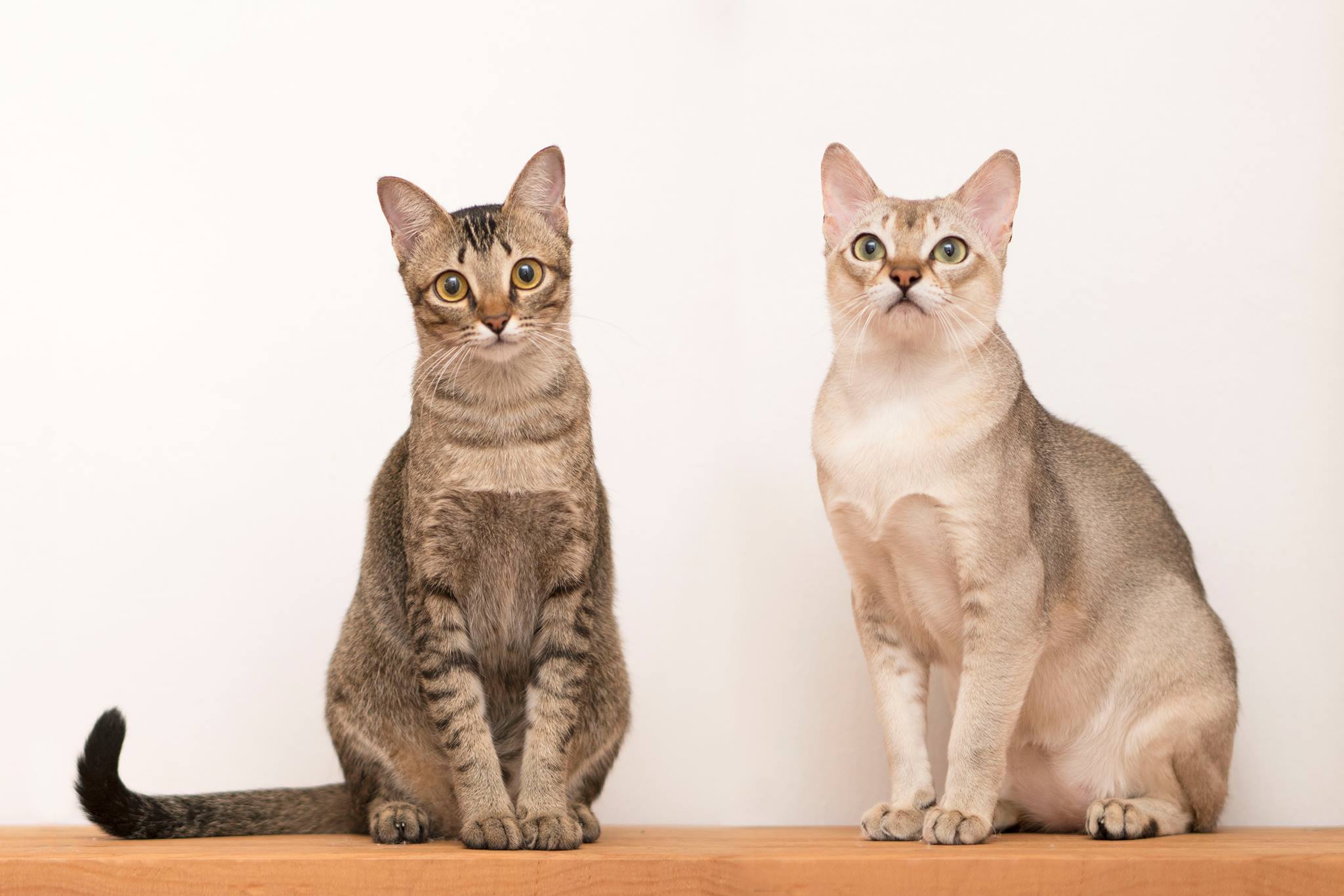
Singapuras are generally of good health have a life expectancy of around 9 to 15 years. Despite being one of the smallest domestic cat breeds, they face various health challenges that can impact their lifespan. Their diminutive size, while endearing, can sometimes indicate underlying genetic issues.
The Singapura’s small stature and limited genetic diversity due to their relatively recent recognition as a breed can lead to inherited health problems. Their tiny size may also make them more vulnerable to injuries and complications during medical procedures, affecting their overall life expectancy.
#5 American Wirehair
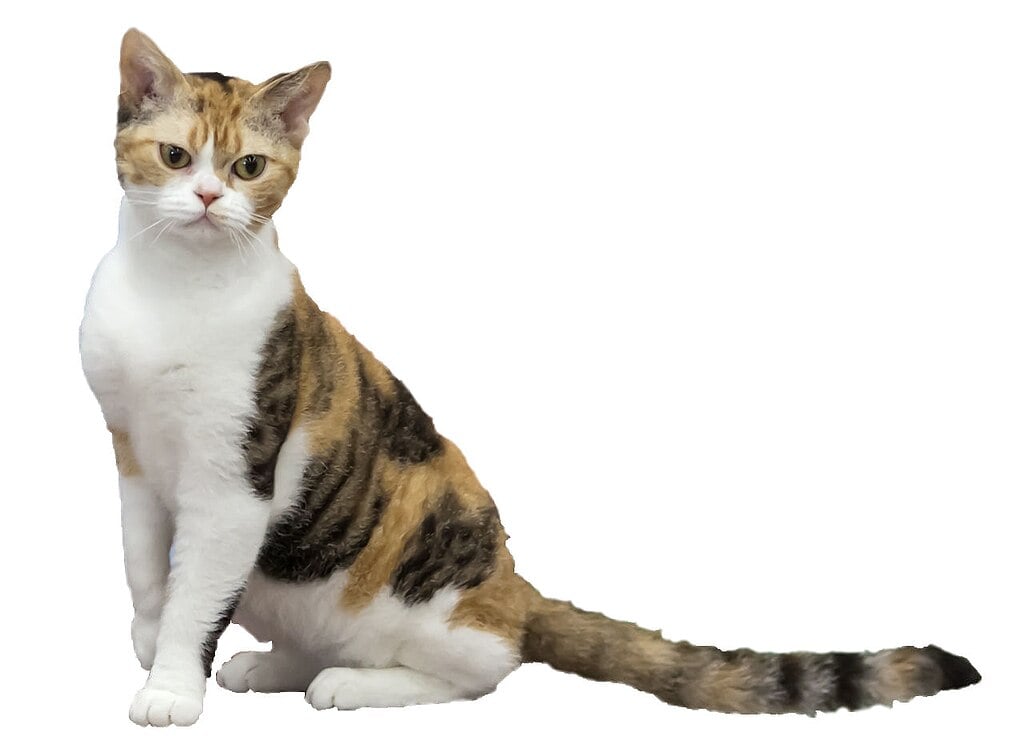
The American Wirehair is a rare U.S. breed recognized for its springy, crimped coat. While generally sturdy, this breed has a tendency toward heart problems, especially hypertrophic cardiomyopathy (HCM), which can significantly shorten life expectancy. These cats usually live around 7–12 years, making them one of the shorter-lived purebreds compared to typical house cats.
Their relatively low genetic diversity, since the breed is still rare and originates from a limited gene pool, increases the risk of inherited conditions. Though affectionate and playful, American Wirehairs benefit from careful monitoring, routine checkups, and a heart-healthy diet to minimize health challenges.
#4 Sokoke – Rare Heritage With Limited Data
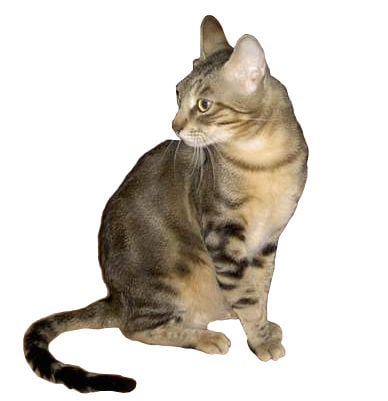
The rarest breed of domestic cat in the world, the Sokoke hails from the coastal zone of Kenya, and with a lean build and “ticked” tabby cat appearance, the Sokoke can live for 12 to 15 years. Their extreme rarity means limited genetic diversity and unknown health predispositions.
Being the world’s rarest domestic cat breed means Sokokes have a very small gene pool, which can concentrate both beneficial and harmful genetic traits. Their recent domestication from wild African cats also means potential health issues are still being discovered as the breed develops.
#3 Persian Cats – Beautiful But Burdened
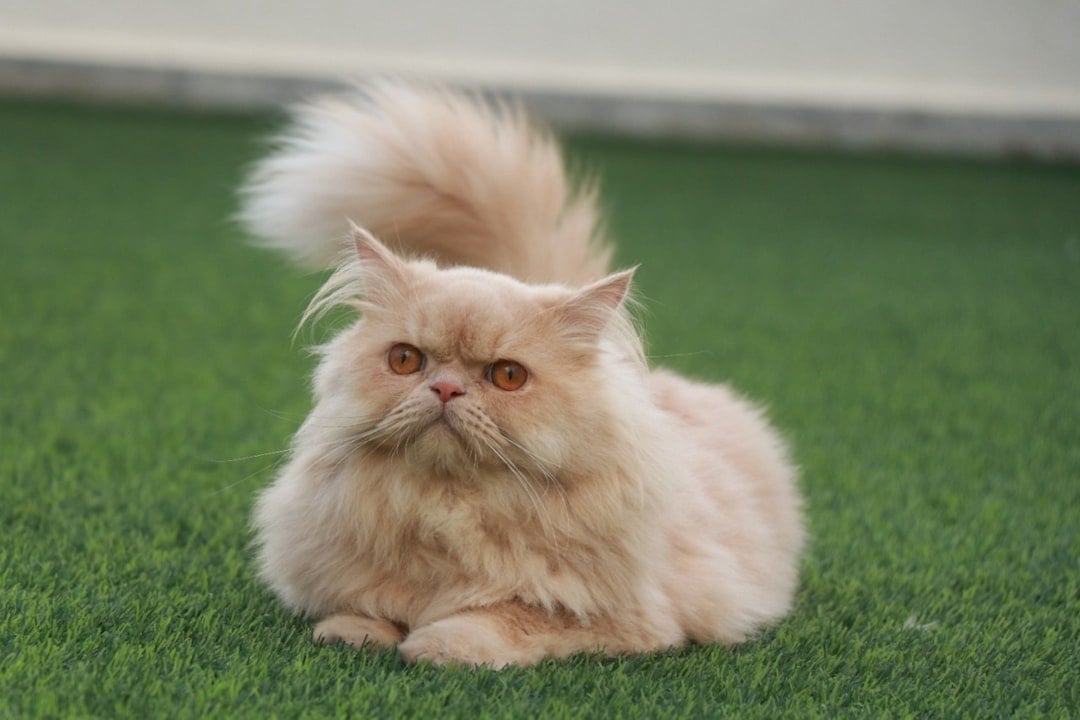
A 2024 UK study found a life expectancy of 10.93 years for the Persian (9.63–12.23) compared to an overall of 11.74 years. Despite their popularity, almost two thirds of Persian cats suffer from at least one health condition, with haircoat disorders, dental disease, overgrown nails and eye discharge being the most common conditions diagnosed, many related to the long coat and flat face characteristic of the Persian breed.
Polycystic kidney disease (PKD) which causes kidney failure in affected adult cats has an incidence rate of 36–49% in the Persian breed, with hereditary polycystic kidney disease prevalent in the breed, affecting almost half of the population in some countries. Their brachycephalic faces also cause breathing difficulties and numerous other complications that significantly impact their quality of life and longevity.
#2 Tonkinese
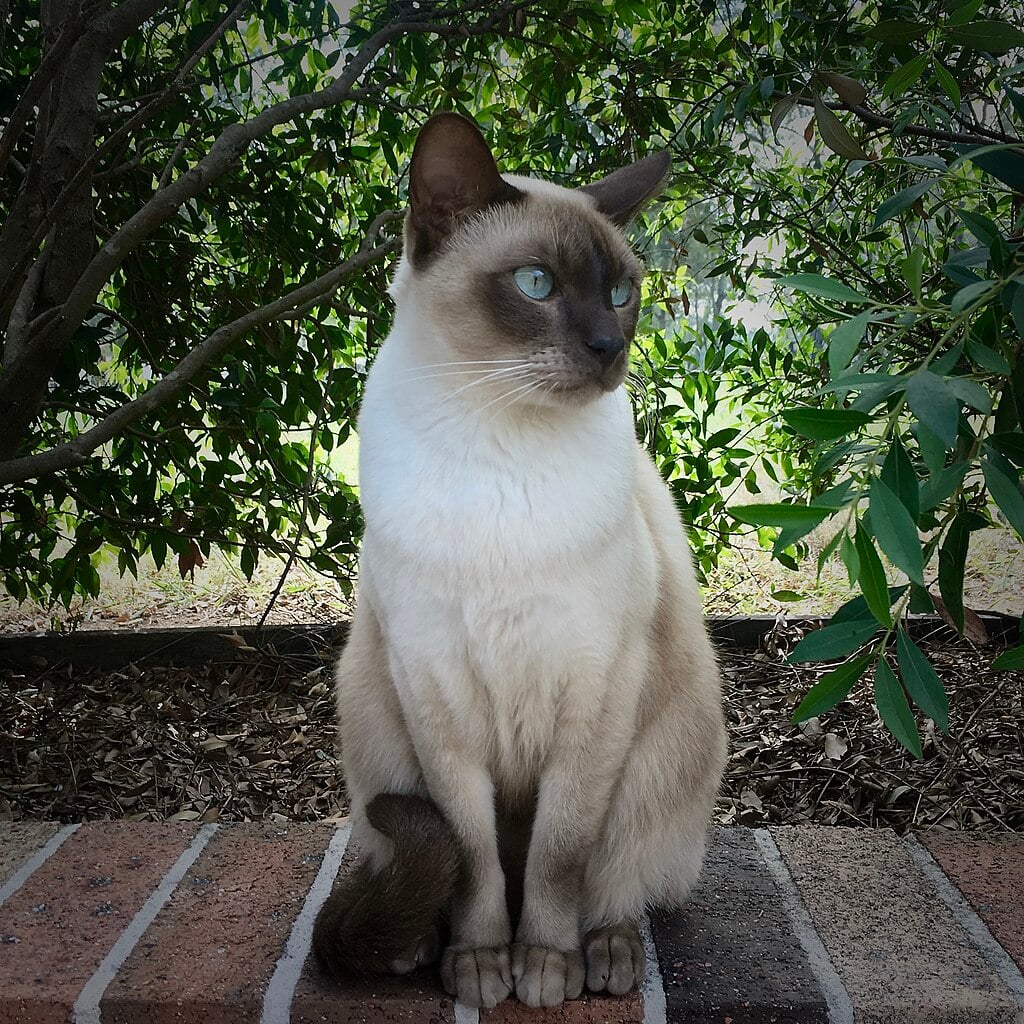
The Tonkinese cat, a lively cross between the Siamese and Burmese, is admired for its affectionate nature and striking aqua eyes. Unfortunately, the genetic mix also brings along health vulnerabilities. Burmese heritage can predispose Tonkinese cats to diabetes, while Siamese ancestry increases the risk of dental issues and certain cancers. These factors combine to give them an average life expectancy of 9–13 years.
Tonkinese cats are highly social and thrive in active households, but their playful energy sometimes masks underlying health problems until they become more serious. Responsible breeding practices and consistent medical care can help extend their lives, but compared to other long-lived breeds, Tonkinese are considered somewhat shorter-lived.
#1 Munchkin Cats – Short Legs, Shortened Lifespans
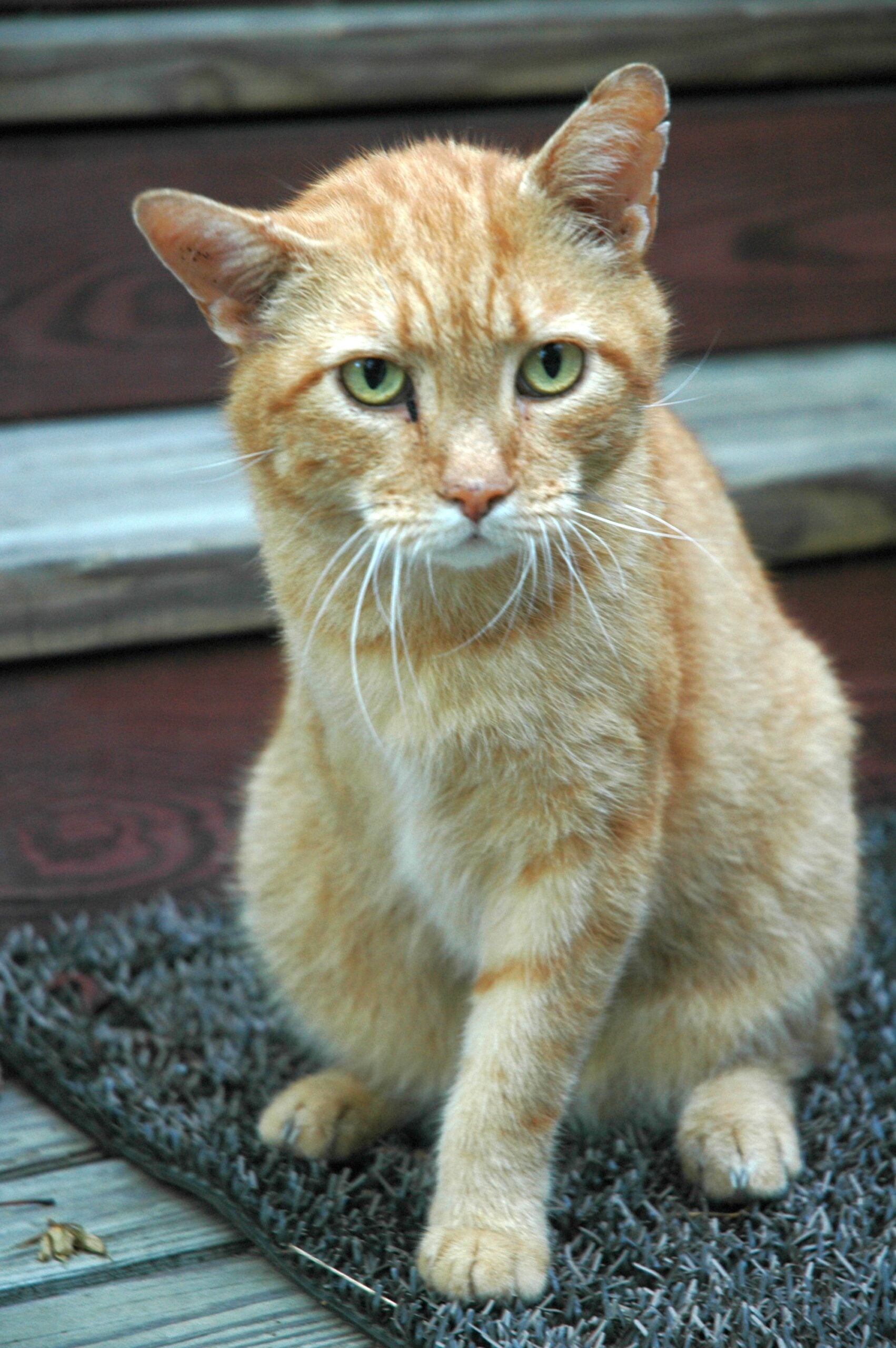
The Munchkins, although generally healthy, can suffer from spinal problems, as the gene that causes the short legs could also favor lordosis, characterized by short spinal muscles that cause the spine to curve down. They can suffer from back pain, arthritis, and difficulty breathing, with breeding munchkin cats being problematic because if 2 munchkins are bred to each other to ensure an all-munchkin litter, 25% of the offspring will be born dead.
The physical changes typical of Munchkin cats have the potential to cause adverse effects on the animal’s health and welfare, including restrictions of the cat’s mobility and expression of natural behaviours, and abnormal limb development which could have detrimental impacts on the joints. Their characteristic dwarfism comes at a significant cost to their long-term health and wellbeing.
Conclusion
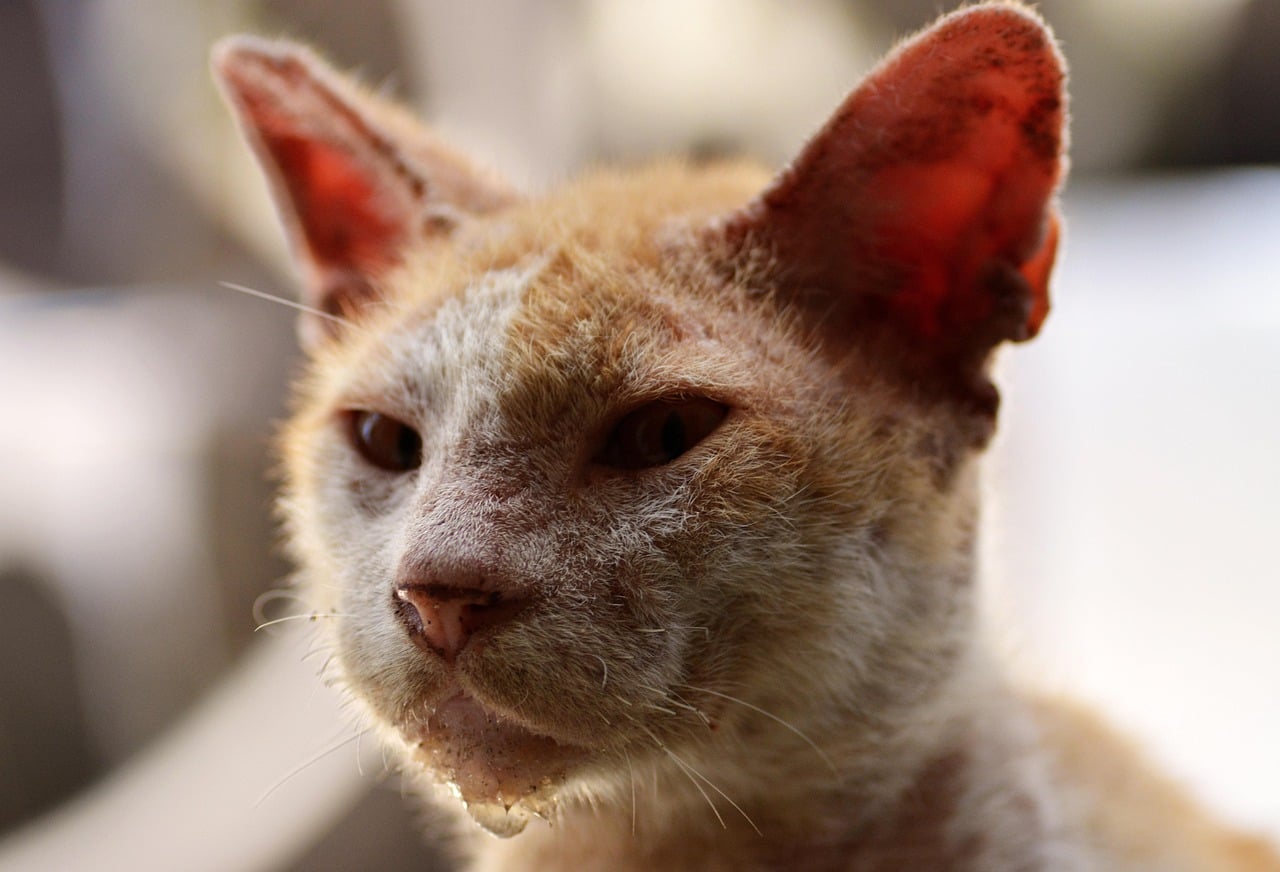
The harsh reality facing these seventeen cat breeds serves as a sobering reminder that selective breeding for specific appearances often comes with devastating health consequences. From the Sphynx’s alarming 6.68-year average lifespan to the Persian’s breathing difficulties and kidney disease, these breeds pay a heavy price for human aesthetic preferences. Many of these conditions cause chronic pain, mobility issues, and severely reduced quality of life for the cats who inherit them.
While some individual cats from these breeds may defy the odds and live longer, healthier lives, the statistics paint a clear picture of the welfare concerns inherent in these breeding practices. For potential cat owners, understanding these realities is crucial for making informed decisions and providing the specialized care these breeds require. Perhaps most importantly, supporting ethical breeding practices and prioritizing health over appearance could help future generations of these beloved breeds live longer, happier lives. Did you expect these lifespans to be so dramatically shortened by breeding choices?

As a little kid, I fell in love with nature, wildlife, and animals. Living in the USA, South Africa, Italy, China and Germany gave me the opportunity to discover the world's Wildlife. My favorite animals are Mountain Gorillas, Siberian Tigers, and Great White Sharks.
I'm a certified PADI Open Water Diver, went to Everest Base Camp and Trekked Gorillas in Uganda. I hold a Master of Science in Economics and Finance.
Please send any feedback to feedback@animalsaroundtheglobe.com
- The Most Bizarre Dinosaur Fossil Ever Discovered And Why It is a Mystery - July 16, 2026
- The 12 Most Adventurous Cat Breeds That Love the Outdoors - July 16, 2026
- 17 Cat Breeds With The Shortest Life Expectancy - July 16, 2026