
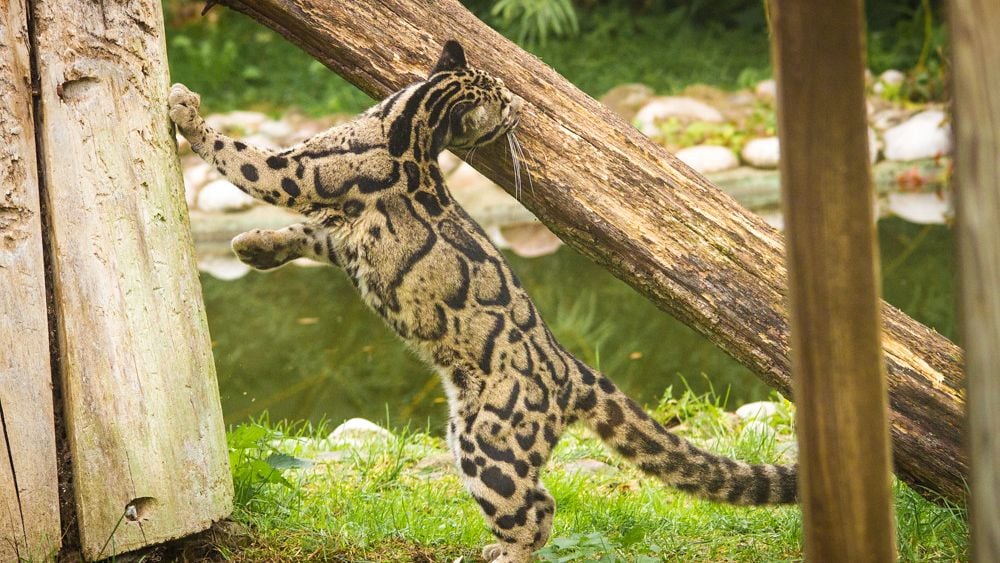
Somewhere high in the mountains, a pale shadow moves across the snowy rocks. In a dense rainforest thousands of miles away, another ghost vanishes into the canopy before anyone can notice. These aren’t mythical creatures. They’re among the rarest, most secretive cats on Earth, and most people will never see one in their lifetime.
have always fascinated us. Their power, their grace, the way they seem to embody the wild itself. Yet some of these magnificent predators have become so scarce, so adept at avoiding human eyes, that they’ve earned reputations as phantoms. What makes a cat truly elusive isn’t just low numbers, though. It’s the combination of vanishing habitat, incredibly shy behavior, and an almost supernatural ability to disappear. Let’s dive in and discover which felines have mastered the art of invisibility.
The Snow Leopard: Ghost of the Mountains
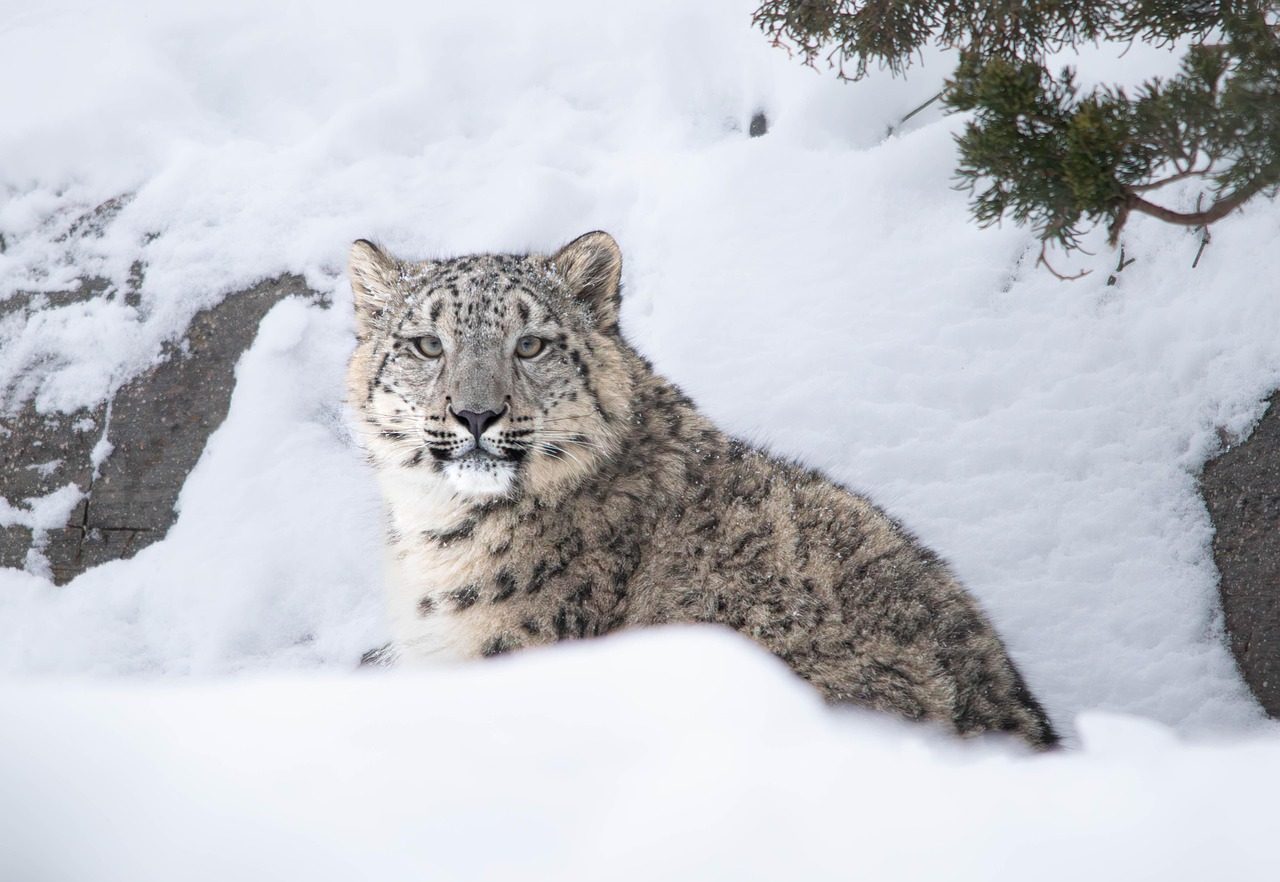
The snow leopard is often called the Ghost of the Mountains, and there’s even a saying in Nepal that it’s more difficult to see one than to see God. Living in some of the most inhospitable terrain on the planet, these cats patrol territories that can span hundreds of square kilometers across Central Asia’s highest peaks.
Their coat of grey fur with black blotches allows them to merge so seamlessly with the environment that you could be staring right at it yet not see it. I think that’s what makes them so captivating. They’re not just rare, they’re practically invisible even when they’re right there in front of you.
Snow leopards are classified as vulnerable, with an estimated population of only roughly four thousand to six thousand remaining worldwide. Sightings are exceedingly rare, with encounters being celebrated as success stories for conservation efforts. When photographers do manage to capture them on film, it often involves weeks of waiting in freezing temperatures, scanning mountainsides through binoculars for the tiniest flicker of movement.
What’s remarkable is how these cats have adapted to life at extreme elevations. Their fur is long and dense, with even the soles of their feet covered in hair like built-in thermal boots, and their wide paws act like natural snowshoes. Still, all that evolutionary genius won’t save them if their alpine habitat continues to shrink.
The Amur Leopard: Rarest of Them All
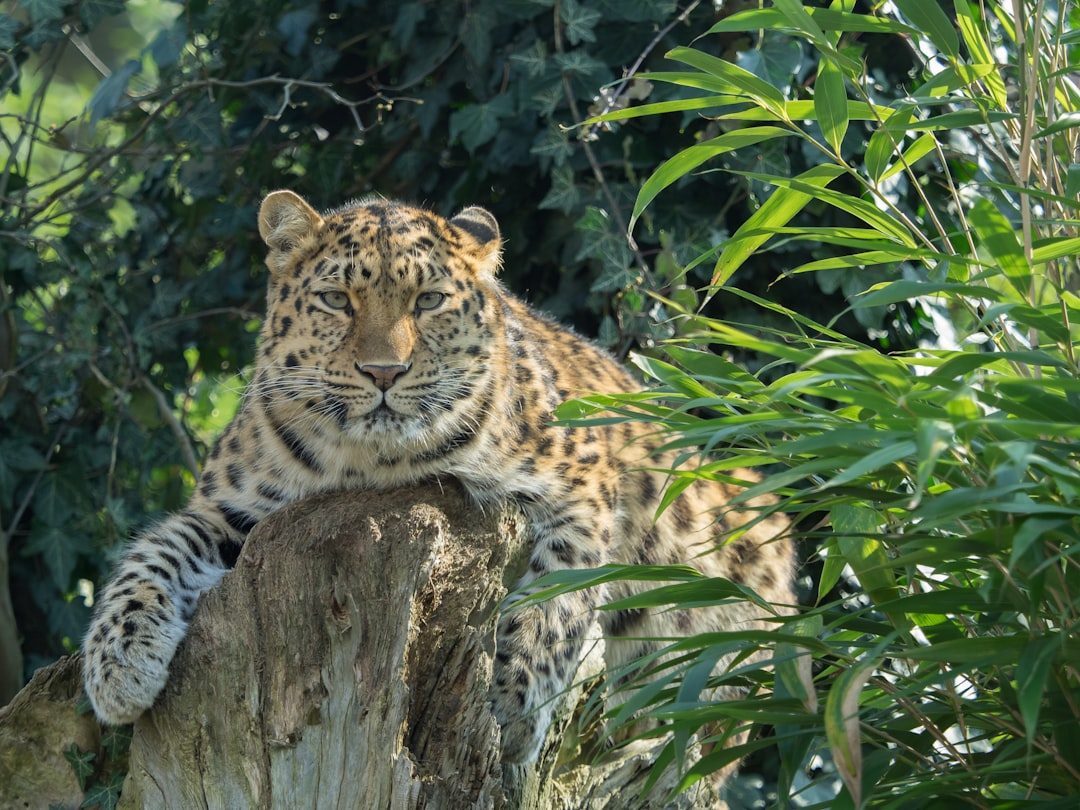
If snow leopards are ghosts, then Amur leopards are nearly extinct spirits. With fewer than a hundred left in the wild, the Amur leopard is considered the rarest big cat on Earth. Think about that for a second. Fewer than a hundred individuals of an entire subspecies, scattered across the temperate forests of the Russian Far East and northeastern China.
As of 2023, the population was thought to comprise roughly one hundred twenty-eight to one hundred thirty sub-adult and adult individuals. That’s a frighteningly small gene pool. The gene pool has such low genetic diversity that the population is at risk from inbreeding depression, which means these cats face health challenges that could prevent their recovery even with conservation help.
These leopards have developed morphological adaptations to withstand the harsh climates of high-altitude temperate forests. Their thick fur grows up to about three inches long in winter, and their coat is paler than other leopard subspecies for camouflage in the snow. Yet despite being perfectly built for their environment, habitat loss and poaching have pushed them to the very edge.
Here’s the thing that gets me. Conservation efforts have actually shown some progress, with numbers slowly climbing from the desperate lows of previous decades. Since the Land of the Leopard National Park was created in 2012, the population jumped to about eighty individuals in 2018. It’s proof that focused protection works, though there’s still a long, uncertain road ahead.
The Clouded Leopard: Secretive Tree Dweller
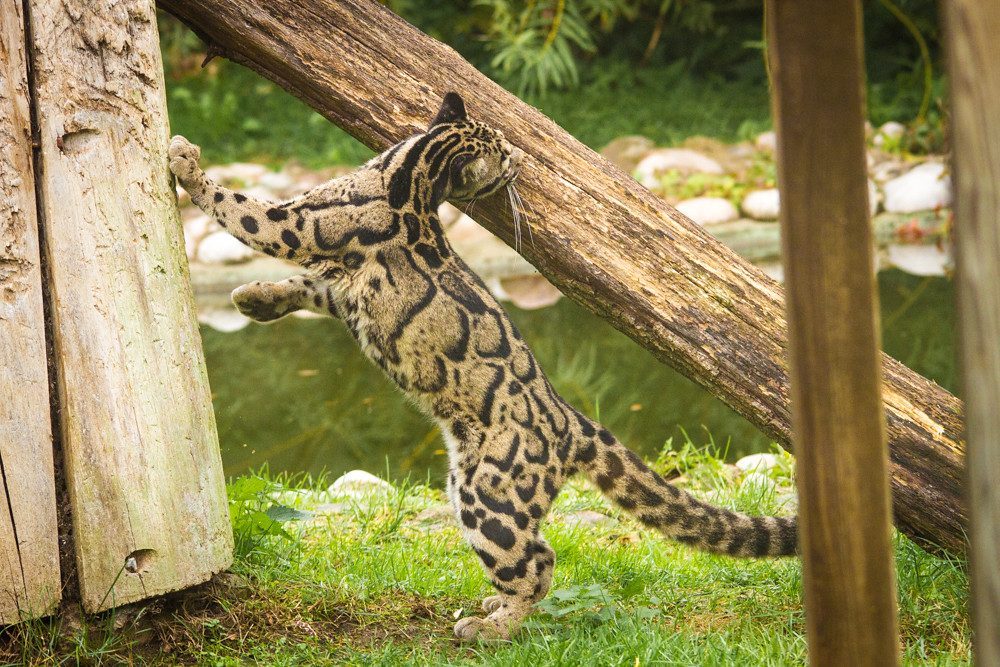
The clouded leopard is very secretive and has been difficult for scientists to study in their natural habitat, despite being a good-sized cat. These medium-sized felines inhabit the dense rainforests of Southeast Asia, spending much of their lives in the trees where they’re nearly impossible to spot.
What makes clouded leopards so fascinating is their incredible climbing ability. The smallest of the big cat species, the clouded leopard is also the most acrobatic, and one of the best climbers in the entire wild cat family, with flexible ankle joints allowing it to climb down trees head-first. They can even hang from branches using only their hind feet. Imagine that level of arboreal mastery.
These cats have long canine teeth that are longer in proportion to skull size than those of any other species of wild cat. They have the longest canines relative to body size among big cats and are sometimes referred to as the modern-day sabre-tooth. Those teeth aren’t just for show, either. They’re hunting tools perfected over millions of years.
The exact population in India is unknown because of its secretive nature, with rough estimates suggesting a few thousand individuals, while globally the total number of mature clouded leopards is believed to be under ten thousand. Their rainforest habitat keeps disappearing, carved up by logging operations and palm oil plantations. Let’s be real, we’re destroying their homes faster than they can adapt.
The Andean Mountain Cat: South America’s Mystery
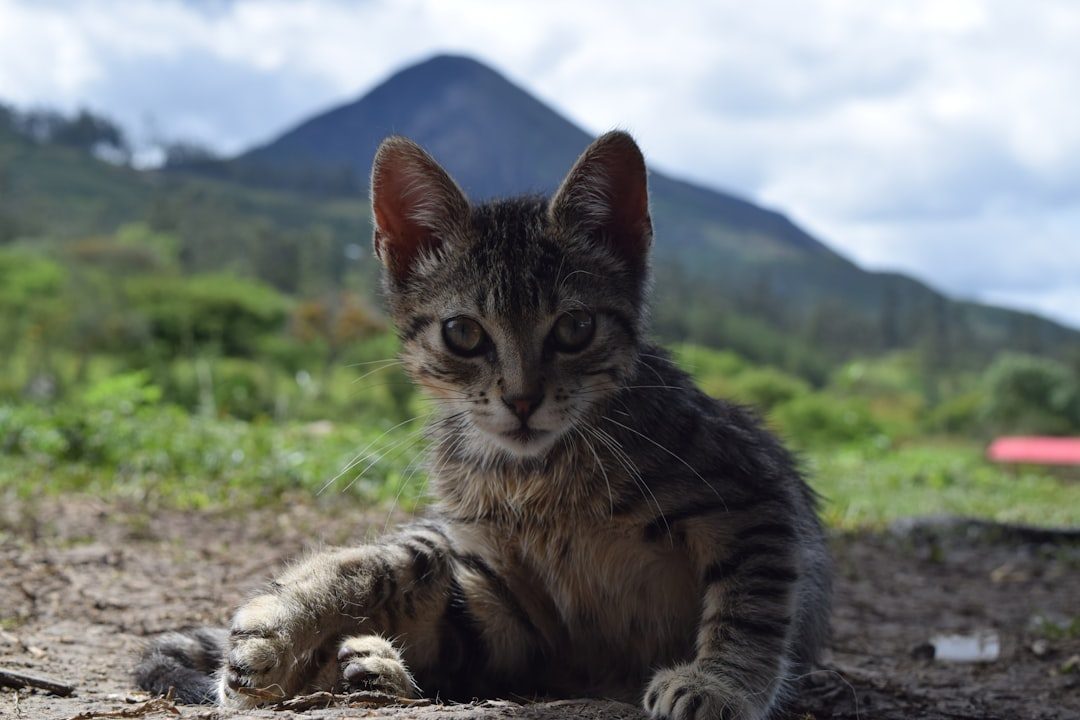
The Andean mountain cat is one of the world’s most endangered wild cats and one of South America’s rarest felids, and it’s also one of the least known. Living exclusively in the high Andes, these small cats are so elusive that scientists can go years between sightings.
This small, sturdy cat is difficult to find, with there having been only ten recorded sightings in twenty-five years. Ten sightings. In a quarter century. That’s not just elusive, that’s practically mythical. Fewer than fifteen hundred individuals are thought to exist in the wild, scattered across some of the most inhospitable terrain in South America.
The Andean mountain cat lives only at high elevations in the Andes, with records indicating it lives at elevations from roughly six thousand feet to over thirteen thousand feet. A 2016 study counted only approximately thirteen hundred seventy-eight adults in existence, scattered over more than six hundred thousand square miles of highlands. That’s an incredibly low density across a vast, rugged landscape.
These magnificent animals are one of the rarest, most elusive wild cats in the world, and because scientists can go many years between sightings, there is still very little known about this beautiful species. We don’t even know basic facts about their reproduction or lifespan with certainty. They remain one of nature’s best-kept secrets.
The Javan Leopard: Indonesia’s Vanishing Predator
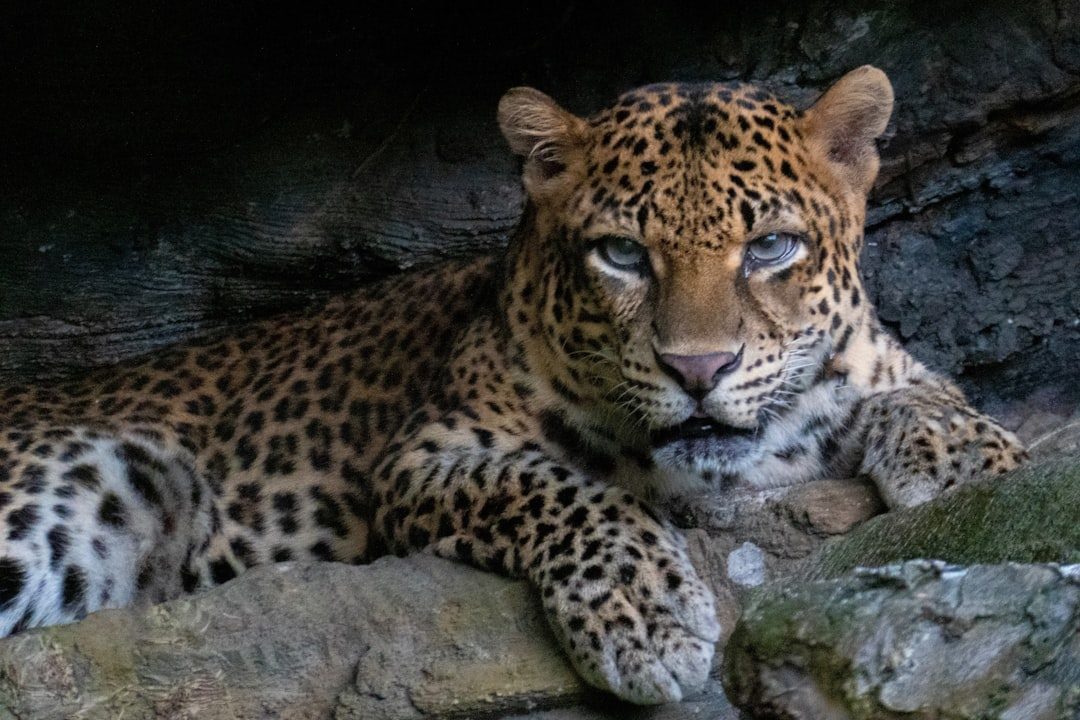
On the crowded island of Java in Indonesia, another leopard subspecies fights for survival. The Javan leopard faces pressures that most big cats never encounter: an island habitat shared with millions of humans, where every patch of forest is precious and conflicts are inevitable.
These leopards are forest specialists, adapted to the dense tropical jungles that once blanketed much of Java. Their secretive nature keeps them hidden from human eyes, which is both a survival strategy and what makes them so difficult to study. Researchers rely heavily on camera traps to document their presence, as actual sightings are exceptionally rare.
Habitat fragmentation is the Javan leopard’s greatest enemy. As Indonesia’s human population grows and expands, forests are carved into smaller and smaller islands of green surrounded by agriculture and development. These isolated populations can’t interbreed, can’t expand their territories, and become increasingly vulnerable to local extinction events.
What strikes me is how these cats persist despite everything working against them. They hunt at night, avoid humans when possible, and somehow maintain their presence in forests that grow smaller each year. It’s hard to say for sure, but their continued survival seems to depend entirely on whether humans decide their remaining habitat is worth protecting.
The Iberian Lynx: Europe’s Comeback Cat
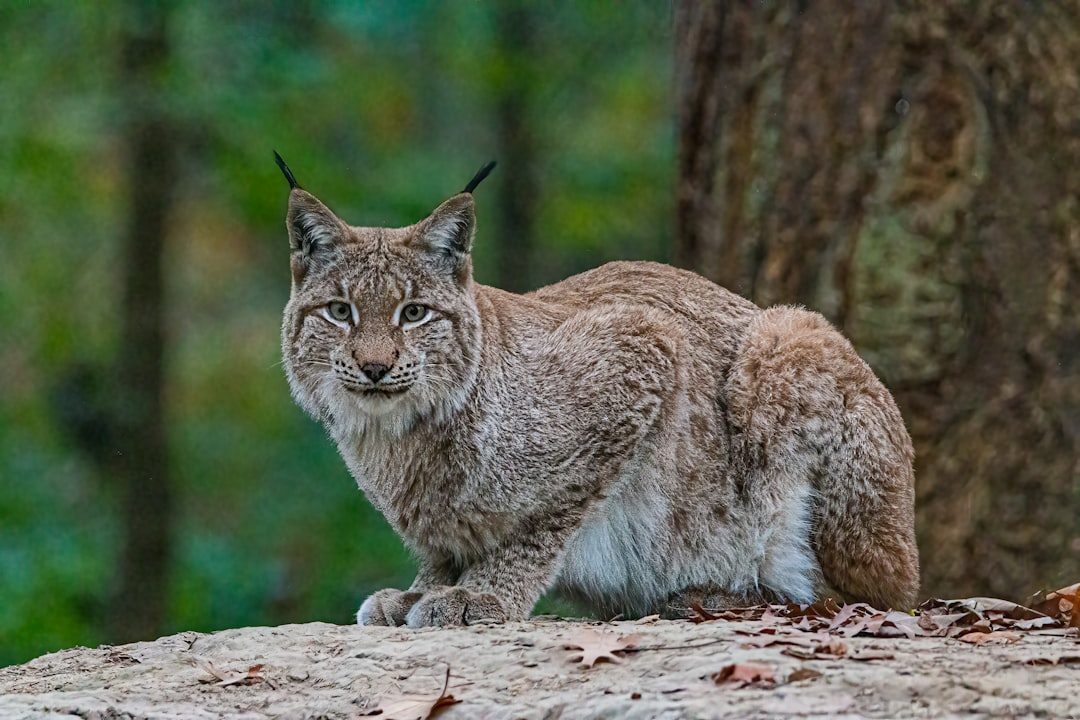
Formerly the world’s most endangered wild cat, the Iberian lynx has made a slow but steady recovery. This Mediterranean predator came terrifyingly close to extinction, with populations crashing to just a few dozen individuals at their lowest point.
Unlike some of the cats on this list, the Iberian lynx has a success story to tell. Conservation efforts including breeding programs and rabbit population restoration have revived their numbers, though vehicle collisions remain a significant danger. Intensive conservation efforts have helped increase numbers to over one thousand cats, despite the Iberian lynx remaining the world’s most endangered cat species.
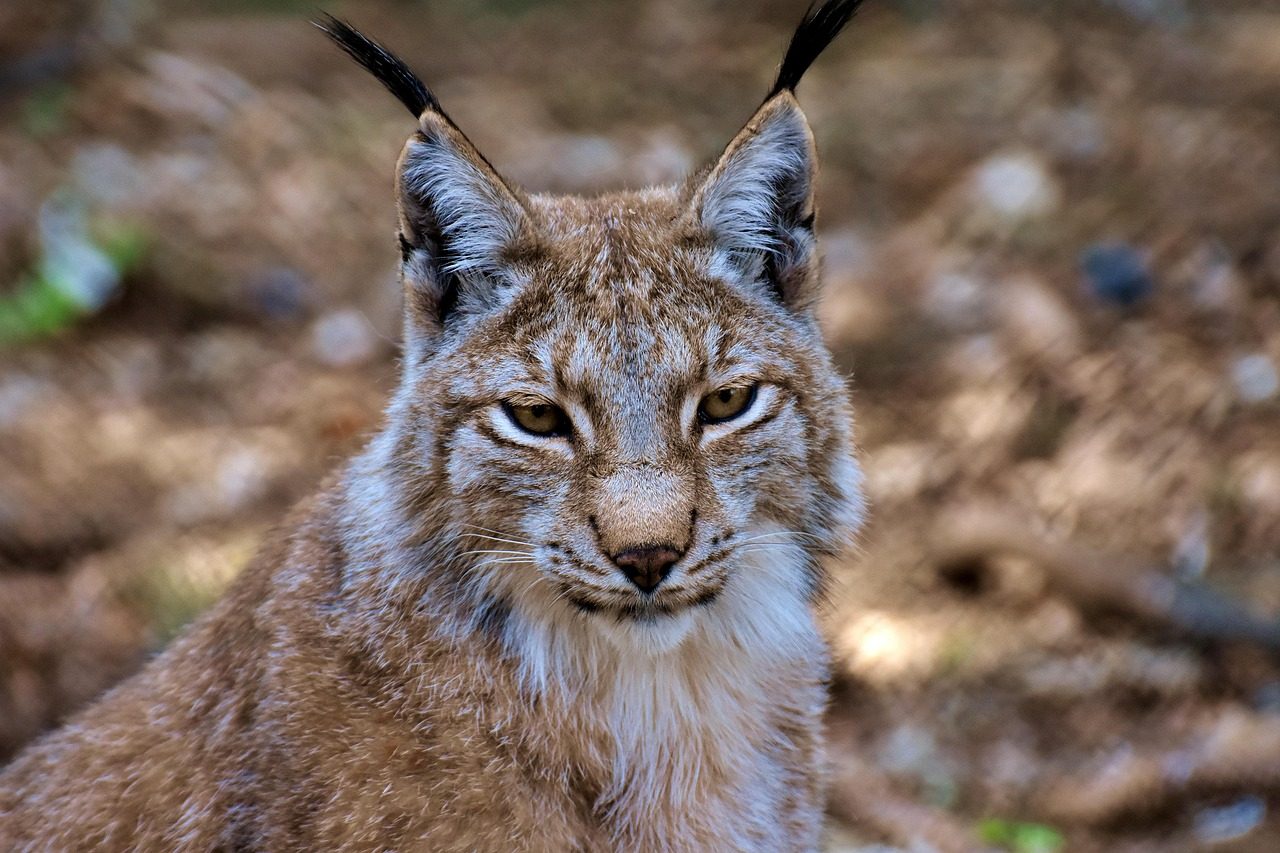
These cats with their distinctive tufted ears and spotted coats are charismatic ambassadors for endangered species. They’ve shown that with enough dedication, funding, and coordinated effort, even a species on the brink can step back from the edge. Their habitat in the scrublands and forests of Spain and Portugal is now carefully managed and protected.
Still, the lynx isn’t out of danger yet. The population remains small, fragmented, and vulnerable to disease outbreaks or habitat changes. Though no longer critically endangered, it remains a cautionary tale about how close extinction can come. Every individual matters when your entire species numbers in the hundreds rather than thousands.
The Sunda Clouded Leopard: Island Phantom
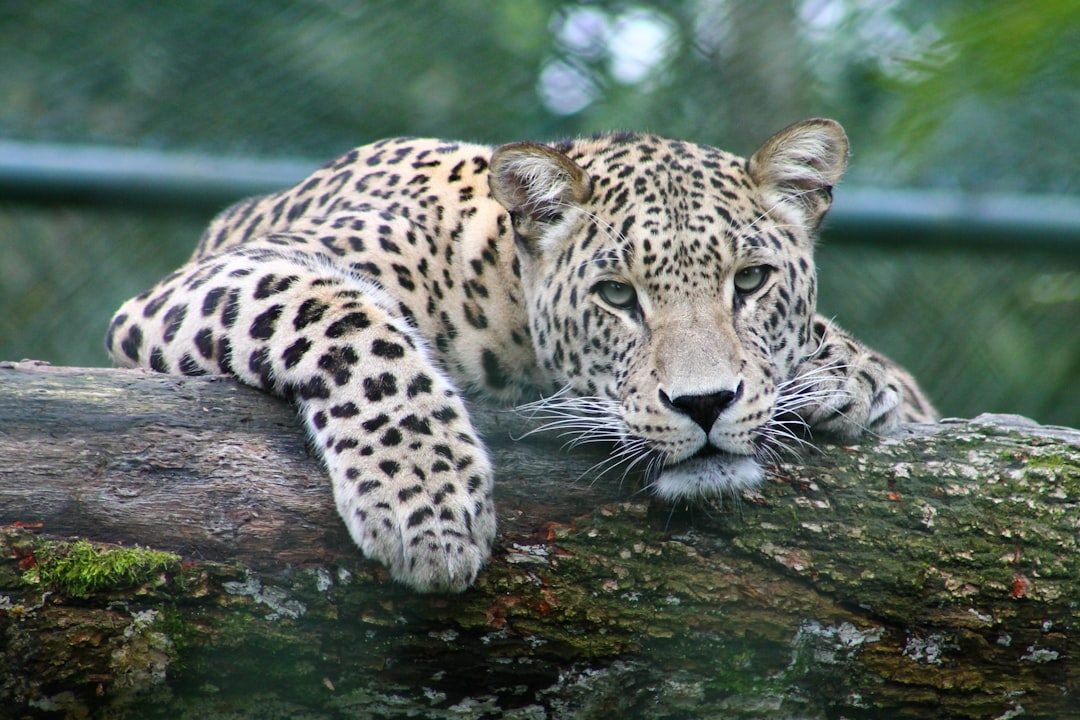
Recognized as a separate species just in 2006, the Sunda clouded leopard remains one of the most mysterious big cats, native to Borneo and Sumatra with striking cloud-like patterns across their fur. For years, scientists thought these island cats were the same species as mainland clouded leopards, but genetic studies revealed them as distinct.
Scientists estimate fewer than ten thousand remain, but exact numbers are difficult to determine due to their secretive nature, as these elusive cats are rarely seen even by researchers who study them. Living on islands might seem like it would make them easier to study, but dense rainforest and naturally low population densities keep them hidden.
Their exceptionally long canine teeth are proportionally larger than those of any other living cat, and combined with short, powerful legs make them formidable tree-dwelling hunters. They’ve evolved to be perfectly adapted to life in the forest canopy, hunting and even sleeping among the branches.
Deforestation for palm oil plantations has destroyed much of their habitat. Borneo and Sumatra have lost staggering amounts of rainforest in recent decades, and what remains is increasingly fragmented. These cats need connected forest corridors to survive, and those corridors are disappearing fast.
Conclusion: Protecting What We Rarely See
Here’s what strikes me most about these . They’ve survived for millions of years, adapting to harsh mountains, dense forests, and remote islands. Yet in just a few decades of human expansion, we’ve pushed them to the edge of extinction. Their elusiveness once protected them, but now it makes conservation efforts exponentially more difficult. How do you save a cat you can barely find?
The good news is that targeted conservation works when we commit to it. The Iberian lynx proves that. Protected areas, anti-poaching efforts, habitat corridors, and community engagement can pull species back from the brink. However, it requires sustained effort, funding, and political will.
These cats are more than just beautiful animals. They’re apex predators that maintain ecosystem balance, symbols of wild places that still exist on our crowded planet, and links to an evolutionary past stretching back millions of years. Losing them would mean losing something irreplaceable. What do you think about it? Should we pour resources into saving species most people will never see, or focus conservation efforts elsewhere?

- The World’s Most Elusive Big Cats - July 16, 2026
- Discover the Ancient Art of Falconry: A Global Heritage of Human-Animal Bonds - July 16, 2026
- 7 Common Misconceptions About Bats That You Need to Know - July 16, 2026