
When contemplating the deadliest creatures in the animal kingdom, imaginations often run wild with images of ferocious predators. However, the deadliest animal in the United States might surprise you—it’s not a bear, a wolf, or a shark. The true culprit is far more diminutive and unassuming yet responsible for more human deaths annually than these sensationalized predators combined.
Unmasking the Culprit: The Mosquito

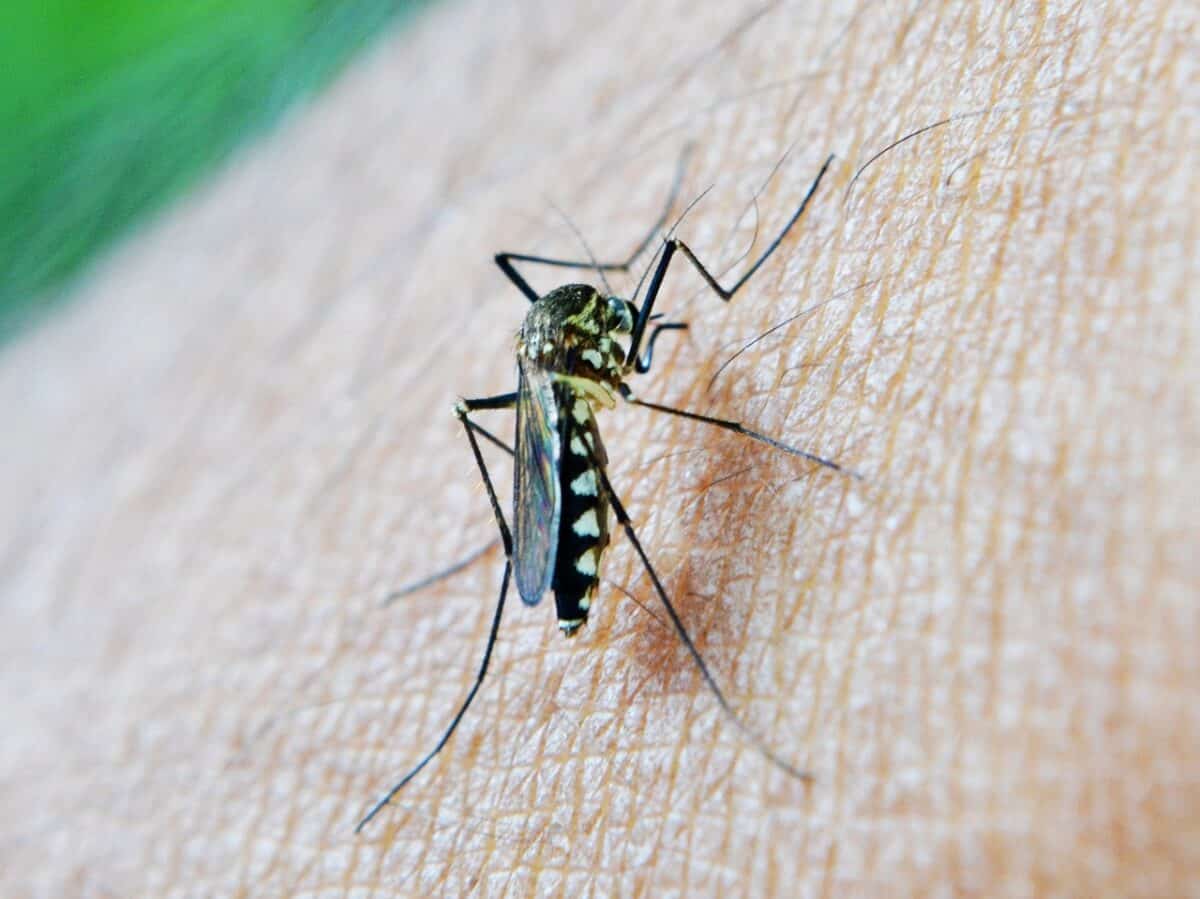
The mosquito, a tiny, buzzing insect, holds the title of the deadliest animal in the United States. While they might seem like nothing more than a mild annoyance during a summer evening, mosquitoes are responsible for transmitting serious diseases such as West Nile virus, Zika, and various forms of encephalitis. These tiny vectors of disease might not seem formidable, but their impact on human health is significant.
Understanding Mosquito-Borne Diseases

Mosquitoes spread disease through their bites, transmitting pathogens into the bloodstream of their hosts. Although they do not cause the diseases themselves, they serve as carriers, or vectors, for these infectious agents. For example, the West Nile virus, primarily transmitted by mosquitoes, can lead to severe neurological illnesses in some people.
The Variety of Mosquito Species

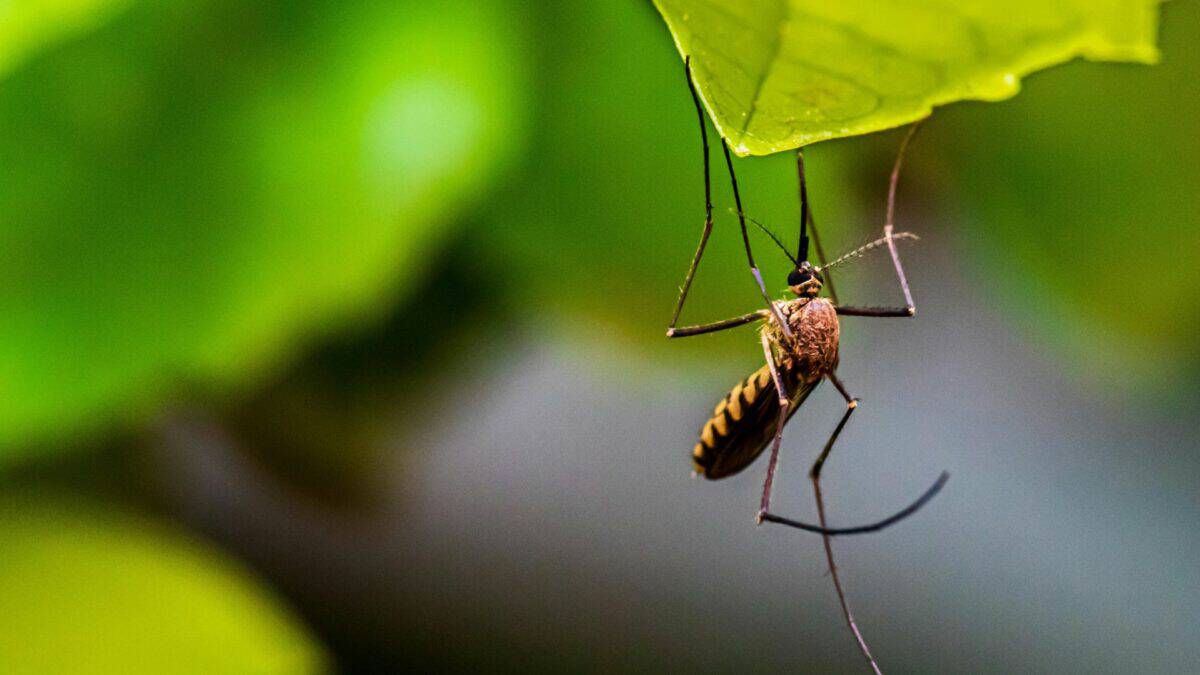
Mosquito. Image by Nathan Cima via Unsplash. Source: Unsplash
In the United States, there are over 200 species of mosquitoes, but not all are responsible for spreading diseases. Species like Aedes aegypti and Aedes albopictus are more notorious for transmitting viruses. Understanding which mosquitoes are dangerous is crucial for targeted control and prevention measures.
The Mosquito Life Cycle

Mosquitoes go through four stages in their life cycle: egg, larva, pupa, and adult. They thrive in standing water, where eggs are laid, and larvae develop before transforming into pupae. Effective mosquito control efforts often focus on disrupting this life cycle, particularly by eliminating standing water where they breed.
Mosquito Habitats and Distribution

Mosquitoes are remarkably adaptable and can be found in various habitats, from urban areas to rural landscapes. They favor warm, moist environments, which is why they are more prevalent during warmer months and in regions with abundant rainfall or standing water sources.
The Impact of Climate Change on Mosquito Populations

Climate change plays a significant role in altering mosquito distributions and populations. Warmer temperatures can expand their habitats further north and extend their breeding season. This shift increases the risk of mosquito-borne diseases spreading to new areas previously unaffected by these pests.
Preventative Measures Against Mosquitoes

Reducing the risk of mosquito bites involves several preventative strategies. Wearing long sleeves, using insect repellents, and installing window and door screens can minimize exposure. Local authorities also implement control measures like spraying and releasing mosquito predators into the environment.
The Role of Public Health Interventions
Public health initiatives are crucial in managing and mitigating the impact of mosquito-borne diseases. Surveillance and monitoring of mosquito populations help identify outbreaks, while educational programs inform the public about prevention methods.
Mosquitoes: A Necessary Evil?
While mosquitoes are widely seen as a nuisance and health threat, they also play a role in the ecosystem. As a food source for various animals and as pollinators, they contribute to biodiversity. However, the delicate balance between their ecological role and their threat to human health remains a challenging aspect of mosquito management.
Innovations in Mosquito Control

Advancements in technology and science have led to innovative methods of mosquito control. Genetic modification and the release of sterile mosquitoes are groundbreaking techniques aimed at reducing populations without relying heavily on chemical pesticides, which can have adverse environmental effects.
Looking Beyond America: Global Perspective

Mosquitoes are a global issue, not limited to the United States. Worldwide, mosquitoes transmit diseases such as malaria and dengue fever, claiming lives and posing significant public health challenges. Understanding their impact on a global scale informs local strategies and fosters international collaboration in research and public health initiatives.
Conclusion: Living in a Mosquito’s World

The mosquito’s status as the deadliest animal in the United States underscores the importance of awareness and preventive measures. By understanding their life cycle, distribution, and potential for disease transmission, individuals and communities can better protect themselves from these tiny, yet lethal, insects. As we continue to research and innovate, the goal remains to balance mosquito control with ecological preservation, ensuring that human health and environmental integrity coexist.

- The Deadliest Animal in the US Isn’t What You Think - July 16, 2026
- You’re More Likely to Spot a Moose Than a Deer in This State - July 16, 2026
- Can Snakes Give Birth Without Mating? - July 15, 2026
Leave a comment
You must be logged in to post a comment.