
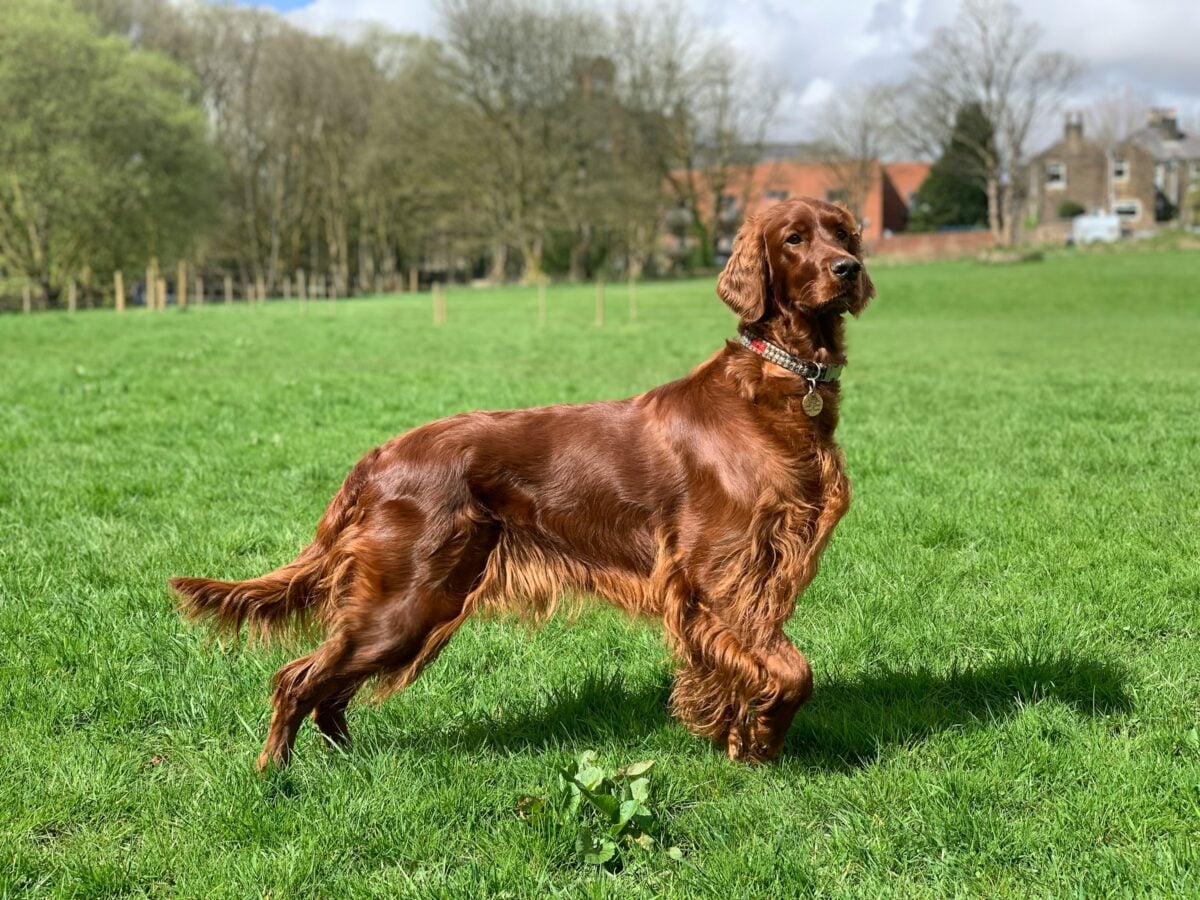
You’d think a dog breed dying out would come with warning signs. A headline. A rescue campaign. Someone sounding an alarm before it’s too late.
In reality, most breeds don’t go out with a bang. They go out in silence – one missed litter, one retired breeder, one generation of buyers who chose a designer mix instead. Breeders across the country are quietly naming the same 17 breeds as “on the edge,” and the scary part is how many of these dogs are calmer, healthier, and more capable than the trendy pups flooding your feed. Here’s who’s disappearing, and why almost nobody noticed until now.
#17 – Skye Terrier: Too Dignified for the Algorithm

Breeders will tell you bluntly: the Skye Terrier is one bad headline or fashion shift away from vanishing for good. This long, low, dignified terrier once walked beside British nobility and inspired statues in its own honor. Today, annual registrations in some major kennel clubs are often counted in double digits, not hundreds.
Part of the problem is looks. The Skye doesn’t photograph as “cutesy” as a Yorkie or Maltese, even though it’s every bit as loyal, and its short legs and long back make casual buyers nervous about spinal issues, sometimes unfairly compared to what we accept in other breeds. They’re stubborn, intensely devoted, and built for owners who want a thinking dog, not a plush toy. Many Skye breeders now say they can name almost every active breeder left in their entire country. That’s nothing compared to what’s happening with #16.
#16 – Otterhound: Rare, Ridiculous, and Running Out of Time
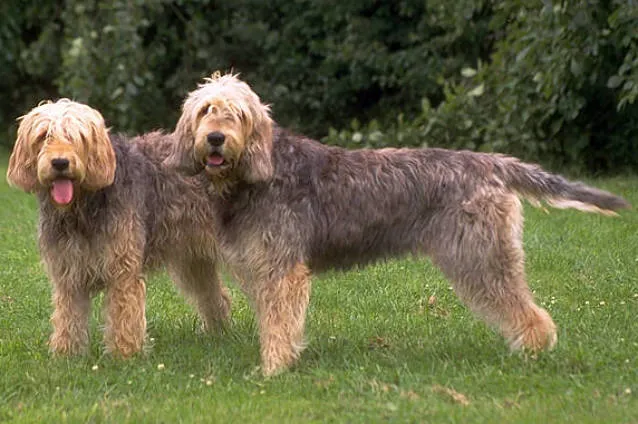
Ask show breeders which breed feels one bad year away from real trouble, and the Otterhound comes up almost every time. This shaggy, comical scent hound was bred to hunt otters, a job that vanished decades ago and never got replaced. Global population estimates sometimes hover in the low hundreds, not thousands, making it one of the rarest recognized breeds on earth.
Ironically, the exact things people say they want in a dog – a big nose, a clownish personality, a scruffy coat full of character – are all right here. But Otterhounds are big, genuinely smelly (that oily coat is waterproof for a reason), and need real exercise, not a lap around the block. Apartment dwellers swipe left instantly, and even outdoorsy families default to Labs because trainers and vets simply know them better. That “unknown” factor is quietly starving the breed of new blood. That’s nothing compared to what’s happening with #15.
Fast Facts
- Originally bred in England to hunt otters along riverbanks in packs
- Males can weigh well over 100 pounds, with a rough, oily, waterproof double coat
- Classified in the Hound Group; built for stamina in water, not speed on pavement
- Widely cited as one of the rarest purebred dogs in the world today
#15 – Sussex Spaniel: Drowning in Its Cousins’ Shadow
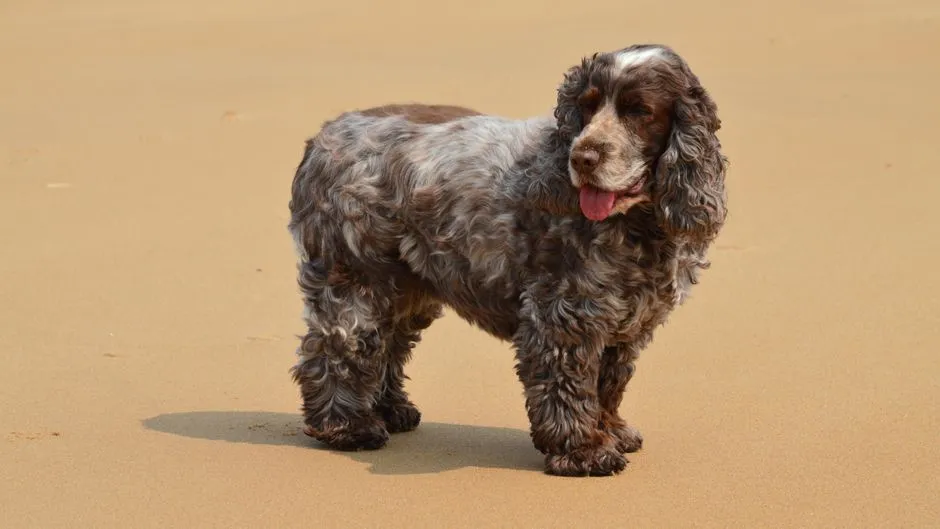
Everyone chases flashy show spaniels, but quiet insiders worry the Sussex Spaniel is slowly drowning in the shadow of its glamorous relatives. Long, low, golden-liver, and wearing a permanently sad expression, it’s one of the oldest British spaniel breeds still standing. Yet in many years, some kennel clubs register fewer than 100 puppies nationwide – a rounding error next to the thousands of Cockers and Springers born every year.
These dogs mature slowly, think for themselves, and don’t always look “Instagram-ready” with their heavy bone and serious face, which clashes hard with modern instant-gratification expectations. There’s also a branding problem: people assume a Sussex is just a “weird Cocker” rather than a distinct breed with its own hunting legacy. Breeders often hold waitlists not because demand is high, but because there are so few litters to go around. Some quietly wonder if they’re the last generation keeping the lineage alive. That’s nothing compared to what’s happening with #14.
#14 – Dandie Dinmont Terrier: Proof That Cute Isn’t Enough

The Dandie Dinmont Terrier might be the strongest proof that being adorable simply isn’t enough to survive as a modern breed. Named after a fictional character in a 19th-century novel, it has a ridiculously charming silhouette – low body, big head, and a signature topknot of hair. Still, annual registrations in several countries are sometimes in the single digits, and most people have literally never seen one in real life.
The grooming needed to keep that trademark outline isn’t trivial, and casual owners rarely want a terrier that looks soft but is secretly opinionated. There’s an uncomfortable truth underneath it all, too: people who used to fall for Dandies now get Cavapoos or Yorkiepoos instead, because those puppies are easier to market and more profitable for inexperienced breeders. Dandies, with their careful health testing and low-volume litters, simply can’t compete in that attention economy. A surprising number of Dandie breeders are already retirement age, with almost no one younger stepping in behind them. That’s nothing compared to what’s happening with #13.
#13 – Curly-Coated Retriever: The Retriever Everyone Forgot Existed
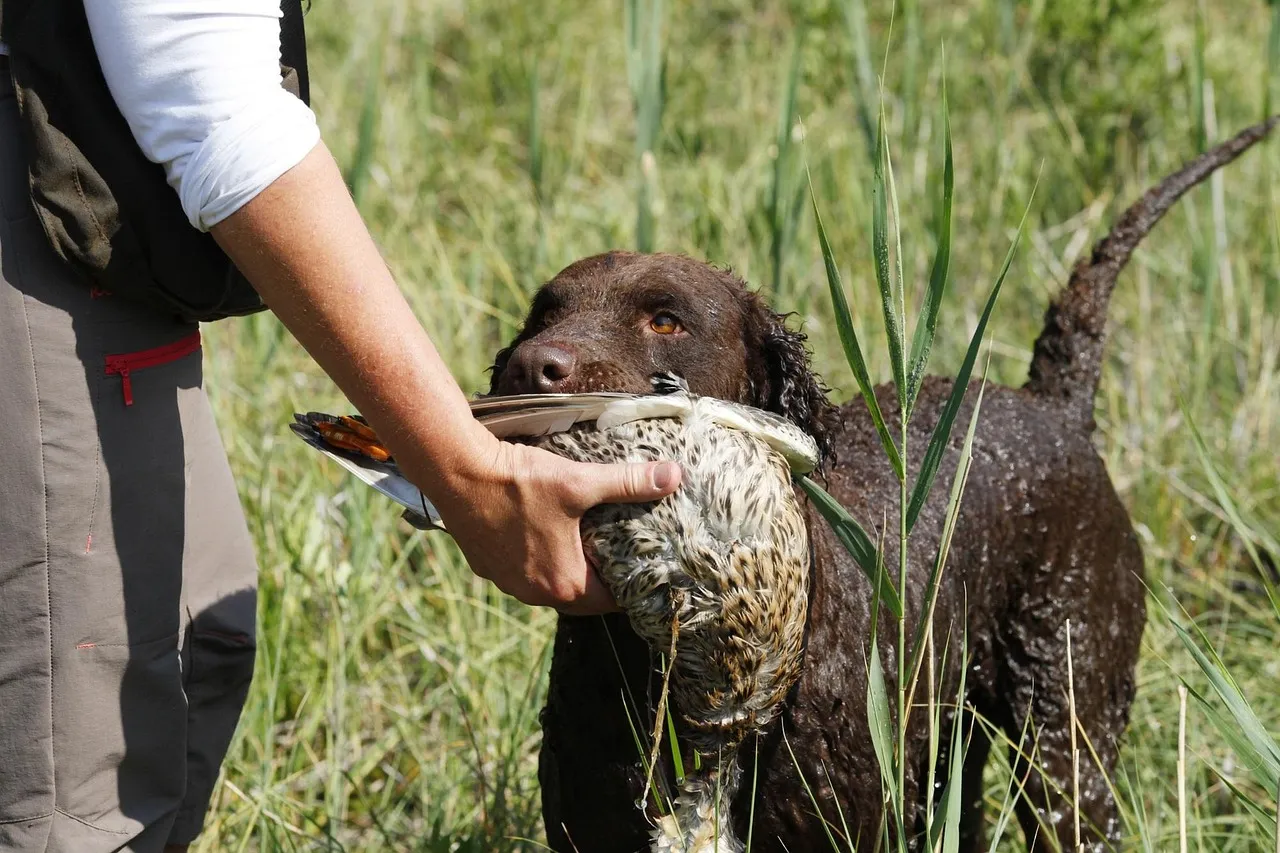
Everybody knows Labs and Goldens. Almost nobody realizes there’s another retriever quietly slipping toward the edge: the Curly-Coated Retriever, a tall, athletic gundog covered in tight curls and actually one of the oldest retriever breeds alive. At some dog shows, you’ll sometimes see more judges in the room than Curlies entered.
Most people assume they’re some kind of poodle mix rather than a purebred with serious field credentials. They’re also more independent than the average Golden, which frustrates first-time owners expecting a soft, eager-to-please marshmallow. Curly-Coats were built for cold water and rough cover, not just posing for family photos, and that purpose-bred toughness can overwhelm households that don’t train consistently. Hunters default to Labs instead, simply because trainers, gear, and media all center around them, leaving a tiny network of determined breeders to carry the Curly-Coat’s torch alone. That’s nothing compared to what’s happening with #12.
#12 – Irish Red and White Setter: The Original Version Nobody Remembers
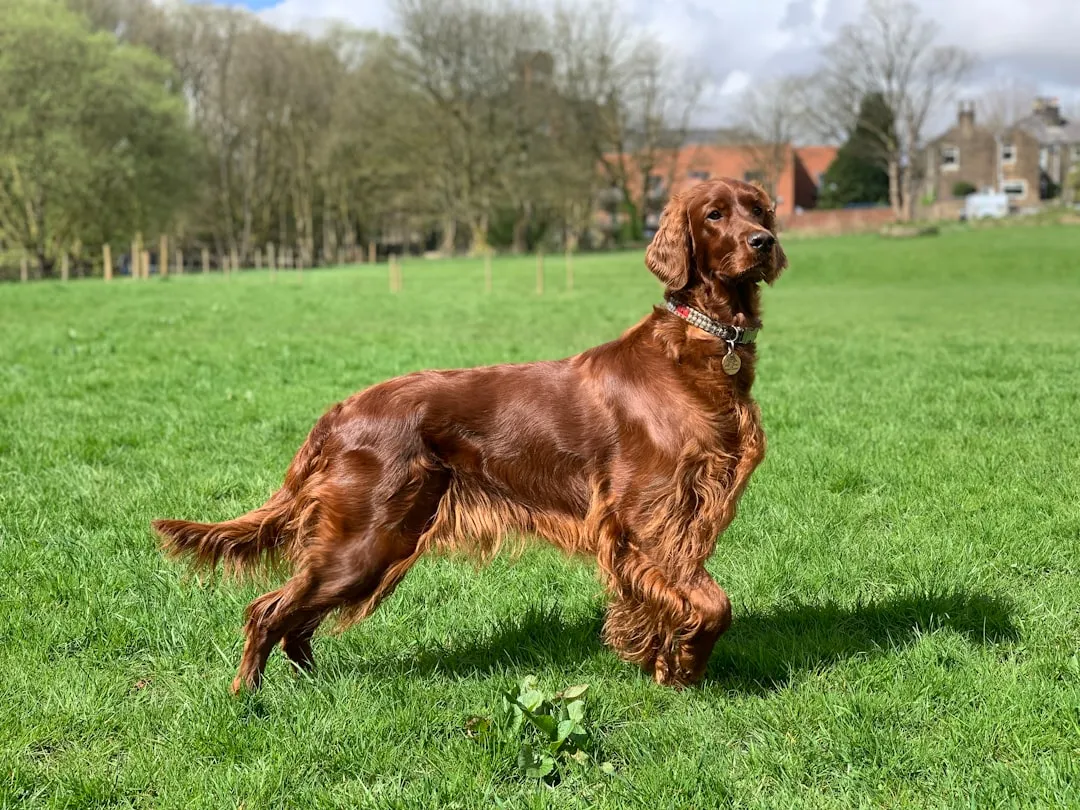
Most people don’t even realize there are two Irish setter breeds, and that confusion is exactly the problem. The Irish Red and White Setter is the original color pattern, developed for serious bird work, before the solid red version became a glamorous show and pet favorite and pushed it toward near-extinction. A small group of breeders brought it back, but puppy numbers remain tiny, often just a few litters per country per year.
This isn’t only about color. The red-and-white version tends to keep more of the working style and moderate build that hunters actually want in the field. But show rings and social media reward the dramatic, deep-red, heavily feathered dogs that look “movie ready,” so the practical, old-school version has to fight for attention all over again. Breeders warn that one or two slow years of interest could undo decades of careful recovery work. That’s nothing compared to what’s happening with #11.
Quick Compare
- Irish Red and White Setter: Original patched coat, moderate build, bred first and foremost for practical fieldwork
- Irish Setter (solid red): Taller, more flamboyant, heavily feathered coat that became a show-ring and pet favorite
- Numbers today: The red-and-white version still produces only a handful of litters per country each year
#11 – American Foxhound: A Native Breed Most Americans Have Never Met
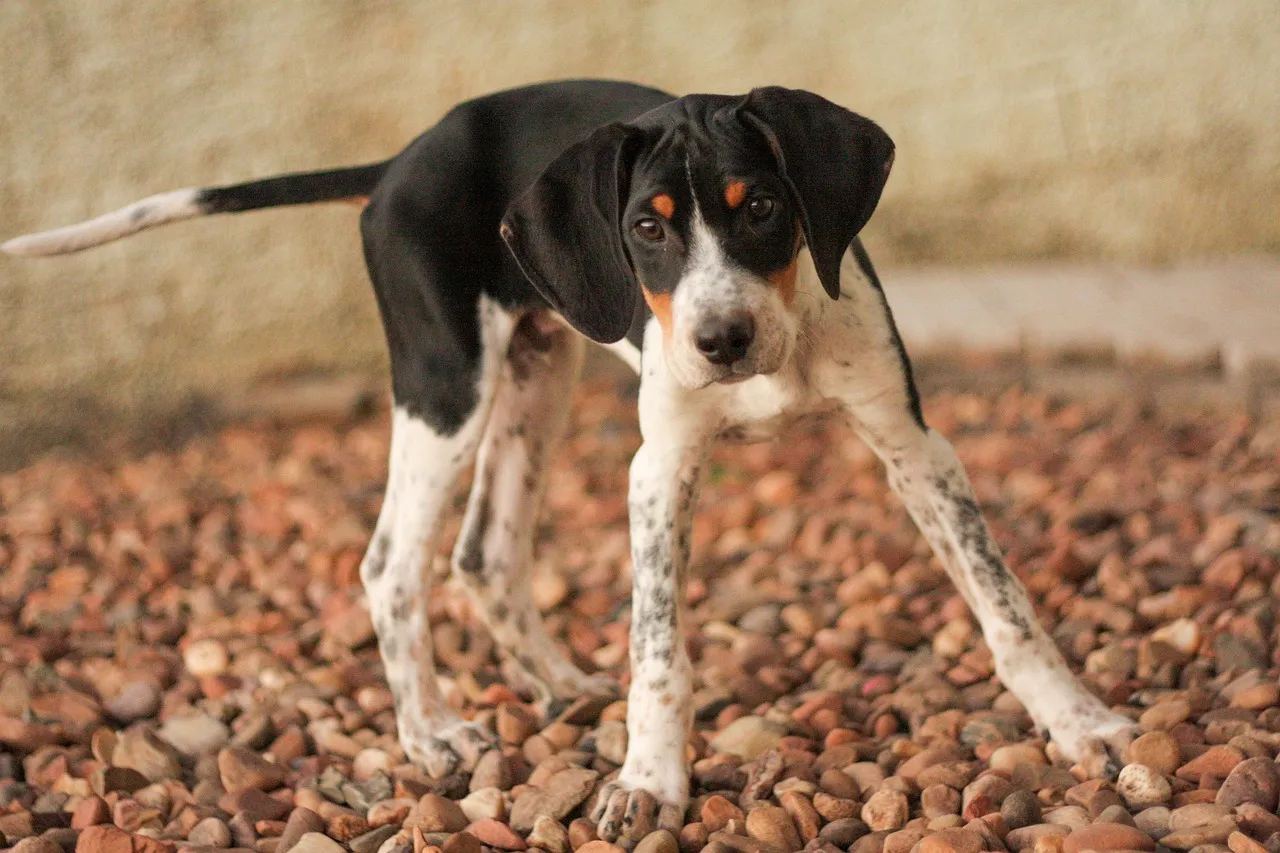
The American Foxhound is technically a native U.S. breed, but it’s vanishing so quietly that many Americans have never even heard of it. Built for speed and stamina in big hunting packs, it was never designed to be a suburban pet. As traditional foxhunting declines and rural land disappears, entire working packs have disbanded, taking decades of bloodlines down with them.
Most remaining dogs live in rural kennels, not family homes, so they’re rarely seen at dog parks or on social media, and the average buyer confuses them with Beagles or generic hound mixes. There’s a brutal practicality problem too: these are high-drive, loud-voiced hounds that don’t thrive cooped up in apartments. When people try them as pets without doing their homework, it often ends in frustration and more pressure on rescue groups. Unlike trendy scent hounds such as Dachshunds, there’s no big lobby campaigning to save the Foxhound while its numbers quietly slip. That’s nothing compared to what’s happening with #10.
#10 – Glen of Imaal Terrier: The Best Terrier No One’s Heard Of
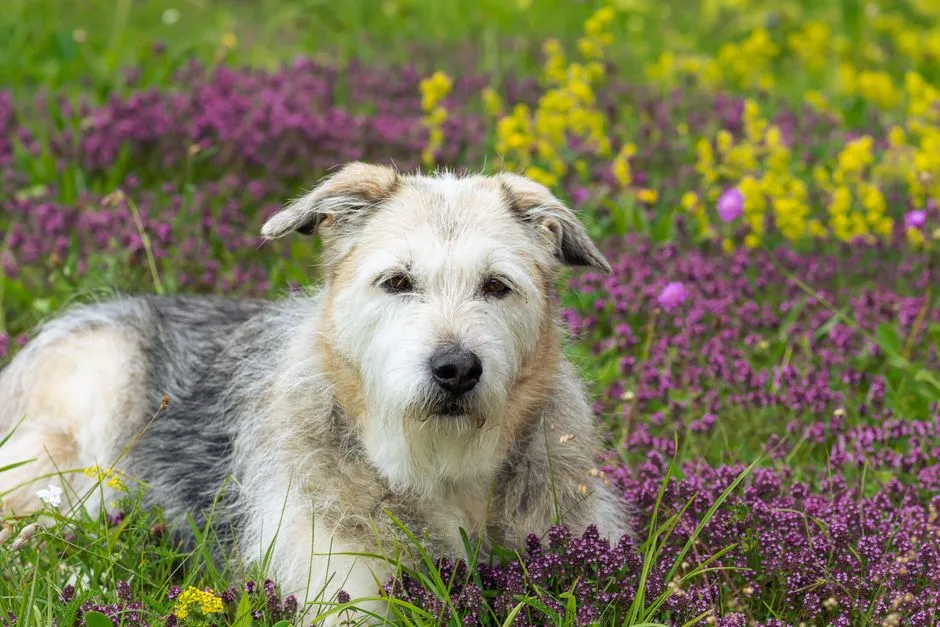
If any breed proves that “rare” and “desirable” aren’t the same thing, it’s the Glen of Imaal Terrier. Bred as a low, powerful farm dog from a remote Irish valley – tough enough for vermin, quiet enough to work indoors – it’s now one of the lesser-known terriers worldwide, with very small annual litter numbers almost everywhere.
That low-key temperament actually works against it. It’s not as flashy as a Westie, not as portable as a Yorkie, and not as instantly recognizable as a Scottie, so it becomes invisible in a market driven purely by optics. Grooming is another hidden barrier, since Glens should be hand-stripped rather than clippered to keep their classic hard coat, and very few salons know how to do it. Add in slow maturity and a stubbornly puppyish streak, and impulse buyers run the other way. Dedicated fans call the Glen the best terrier no one has heard of, and they mean it. That’s nothing compared to what’s happening with #9.
At a Glance
- Origin: County Wicklow’s remote Glen of Imaal valley in Ireland
- Job: farm vermin control, built low and powerful rather than fast
- Coat: harsh, weather-resistant, meant to be hand-stripped, not shaved
- One of the last terrier breeds to gain full AKC recognition, in the early 2000s
#9 – Norwegian Lundehund: A Genetic Miracle Running Out of Time
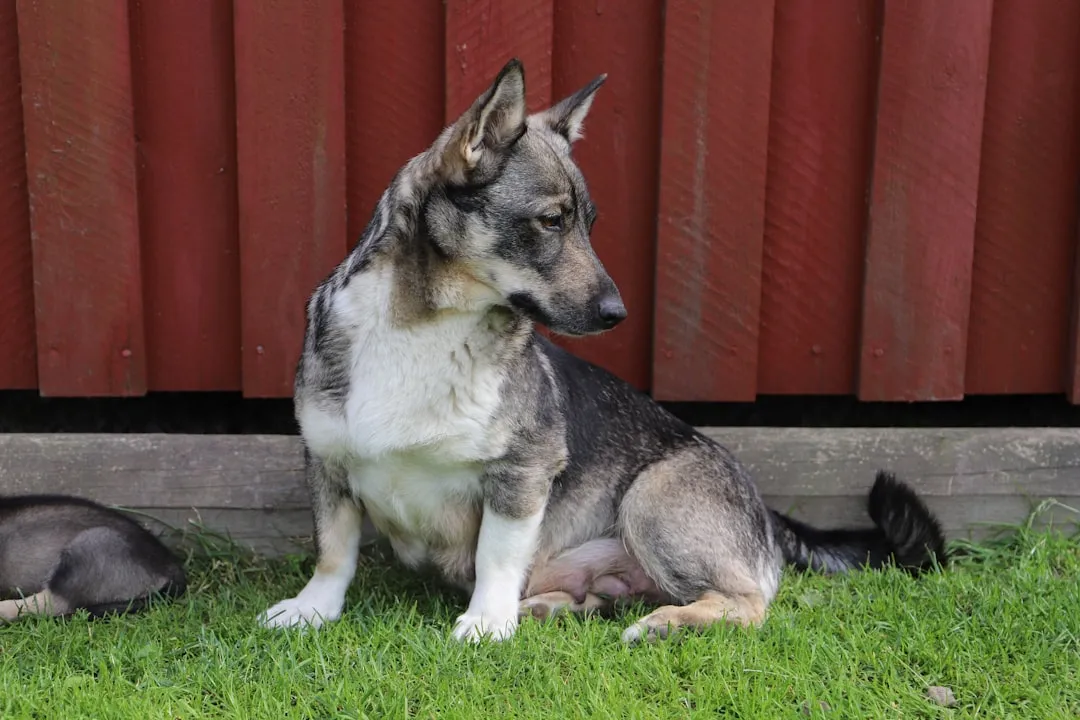
The Norwegian Lundehund doesn’t just look different. It literally bends the rules of canine anatomy, and that very uniqueness may be its biggest curse. Bred to climb cliffs and retrieve puffins, it has extra toes, extreme flexibility, and the strange ability to fold its ears completely shut.
Some individuals can touch the back of their head with their spine while standing, a party trick most owners never expect.
Along with those quirks comes a complicated health picture. The breed has a tiny gene pool, and a serious digestive syndrome has long haunted it, scaring off potential owners and breeders alike. Many Lundehund lovers accept a lifetime of special diets and careful vet selection because they believe the breed is worth it, but the average pet buyer isn’t signing up for a lifelong science project. The result is extremely low numbers and an aging breeder base racing to widen the gene pool before it’s too late. That’s nothing compared to what’s happening with #8.
#8 – English Setter: Beautiful, Beloved, and Still Losing Ground
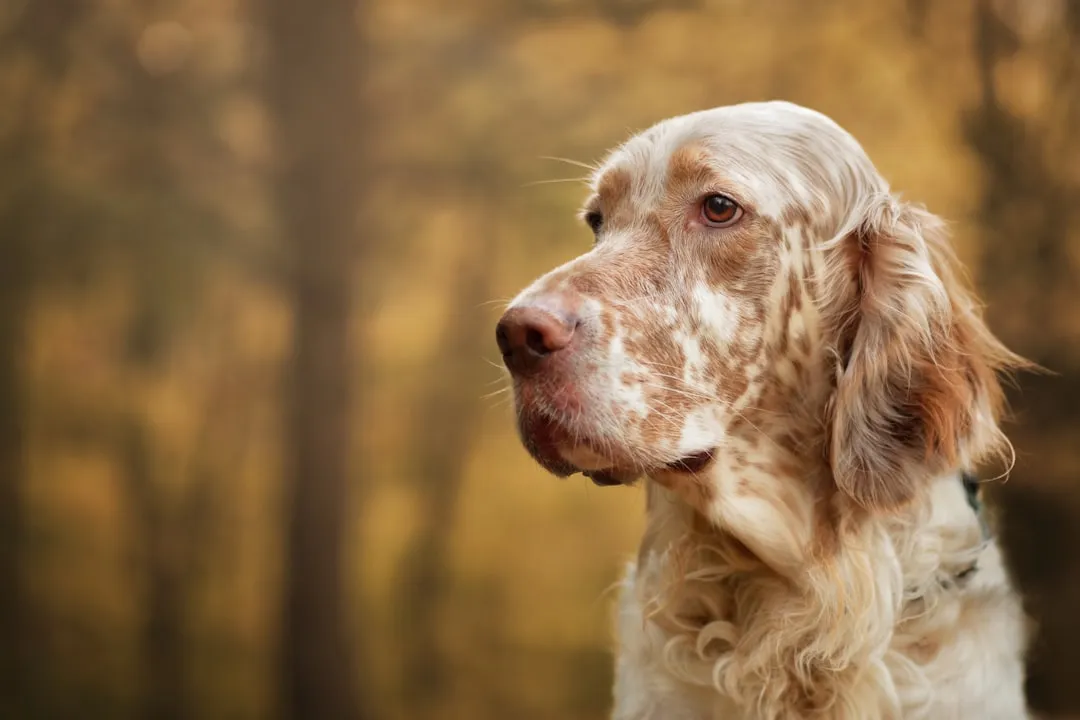
It sounds absurd to say a dog this breathtaking is fading, but that’s exactly what’s happening with the traditional English Setter. In show photos it looks glamorous and timeless. In real life, field-bred lines are losing ground to more “practical” multi-purpose breeds like Labs and versatile continental gundogs.
Heavy grooming demands for the show-type coat push many active families away, and the breed suffers from a split identity: hardcore hunters want lighter, higher-drive dogs, while pet homes only ever see the heavily feathered show style. Serious hunters sometimes leave the breed entirely for German Shorthaired Pointers or Brittanys, while overwhelmed pet owners slide toward doodles instead. Those who love the Setter’s sweet temperament and classic bird-dog style quietly panic over shrinking litter counts, fearing it will become “connoisseur-only” within a generation. That’s nothing compared to what’s happening with #7.
#7 – Komondor: The Living Mop Vanishing in Plain Sight
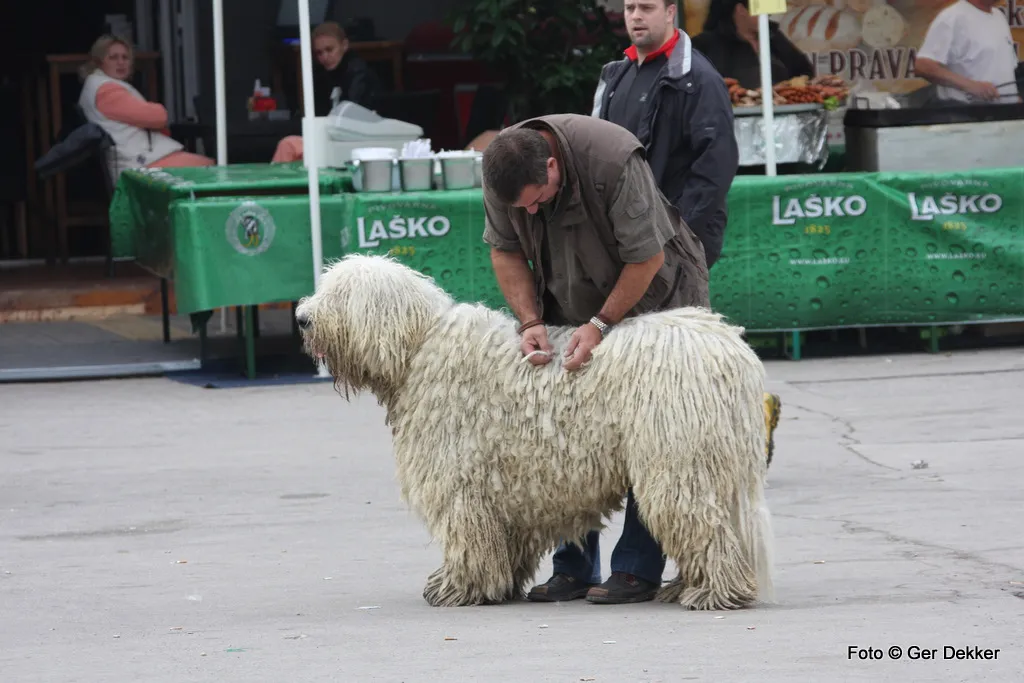
You’d think a living mop would be impossible to ignore, yet the Komondor is vanishing right in front of the camera. This massive Hungarian livestock guardian is instantly recognizable thanks to its dramatic white cords, but behind every viral photo is a brutal reality: properly maintaining those cords is a full-time hobby, not a casual weekend trim.
Add in strong protective instincts and total independence, and you get a dog utterly unsuited to crowded suburbs, which is exactly where most pet buyers live. Komondors were built to think for themselves on open land guarding flocks without constant human direction, and that same brain in a small backyard causes problems fast. Many farmers now rely on electric fencing, cameras, and mixed-breed guardians instead, shrinking the Komondor’s working niche even further. Breeders quietly admit that if fashion ever swings away from extreme coats and big dogs, this breed could drop dangerously low, fast. That’s nothing compared to what’s happening with #6.
#6 – Briard: The Dog People Admire but Never Actually Buy
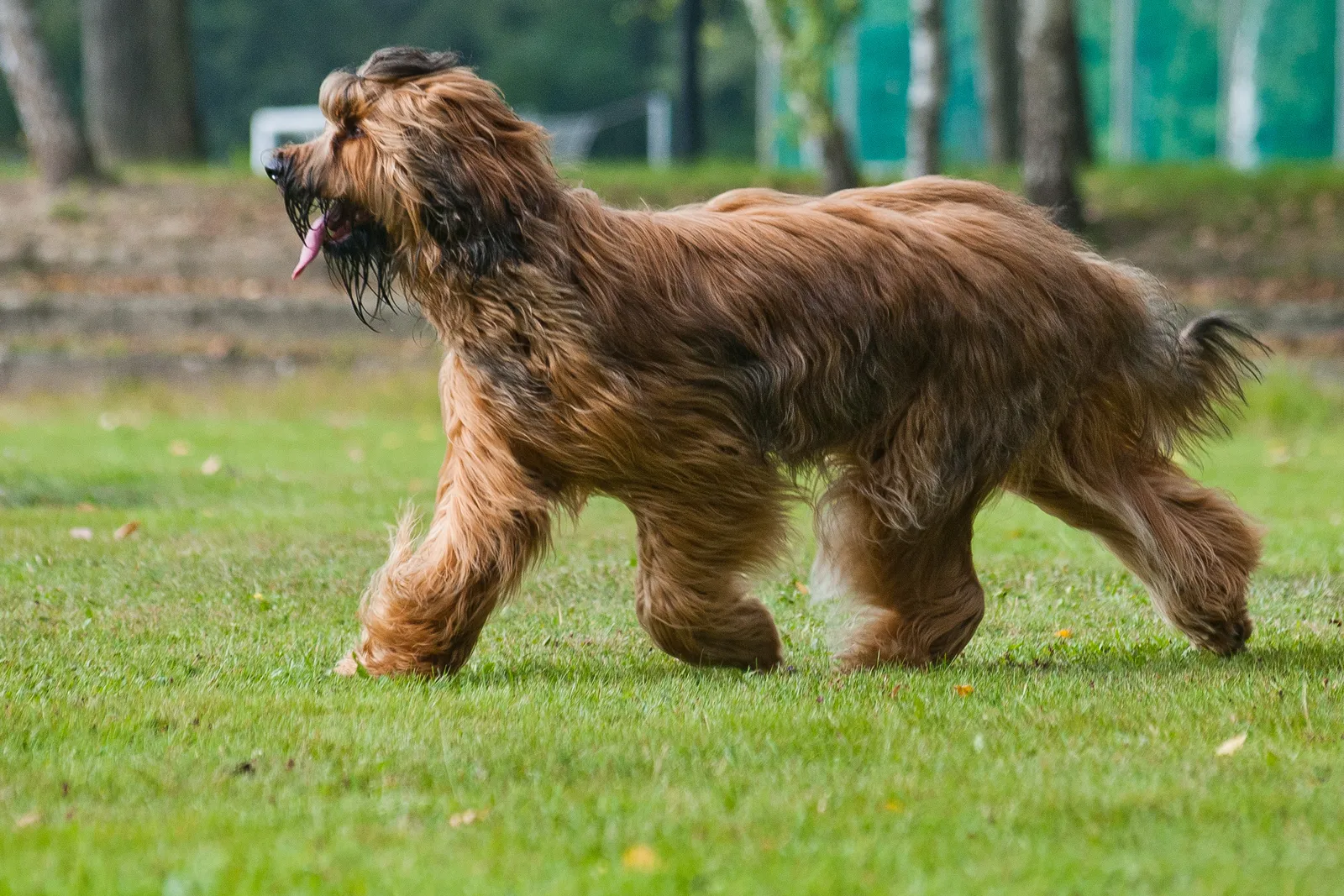
The Briard is the kind of dog people fall in love with at a show, and then never actually bring home. This French herding breed looks like something out of a movie – big, shaggy, and effortlessly dramatic. But living with one isn’t a soft-focus experience; these dogs are intense, territorial, and often suspicious of strangers if they aren’t socialized correctly.
That’s a hard sell in an era where people want a therapy-dog temperament wrapped in a guardian’s body, and the thick coat mats easily without regular grooming most households can’t commit to. The Briard’s original job – actively herding and guarding stock – is fading in most regions, leaving very few families with the land and lifestyle to use one as intended. City dwellers drawn in by the look are often unprepared for the breed’s brains and bossiness, shrinking the pool of truly suitable homes year after year. Longtime breeders are worried enough to start talking publicly about sustainability. That’s nothing compared to what’s happening with #5.
#5 – Pyrenean Shepherd: Brilliant, Intense, and Almost Invisible
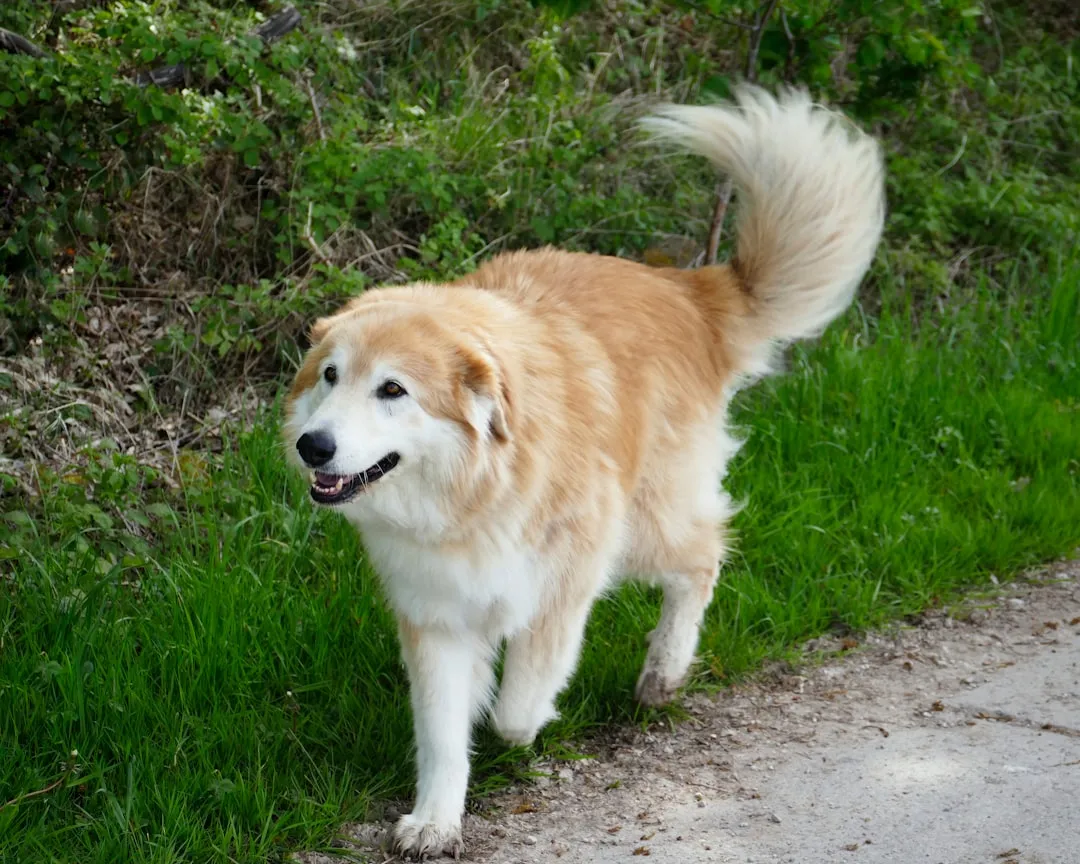
If you’ve never heard of the Pyrenean Shepherd, that’s exactly the problem breeders are begging people to notice. This wiry, high-octane French herder comes in two coat types and is one of the smallest true herding breeds, yet it remains almost invisible outside niche sport circles.
Agility competitors adore them for their speed and drive, but the average family scrolling for a “cute small dog” only sees Poms and Frenchies. The Pyrenean’s sharp mind and intensity, brilliant on stock and in sport, can feel completely overwhelming in a casual pet home, and without an outlet for that brain, they’ll invent their own hobbies – often herding kids, bikes, or anything else that moves. Breeders often have long waitlists made up entirely of performance homes, yet overall registration numbers stay tiny and hover on the edge of viability. Some quietly admit they worry about losing older lines forever. That’s nothing compared to what’s happening with #4.
#4 – Smooth Fox Terrier: Original, Overshadowed, Overlooked
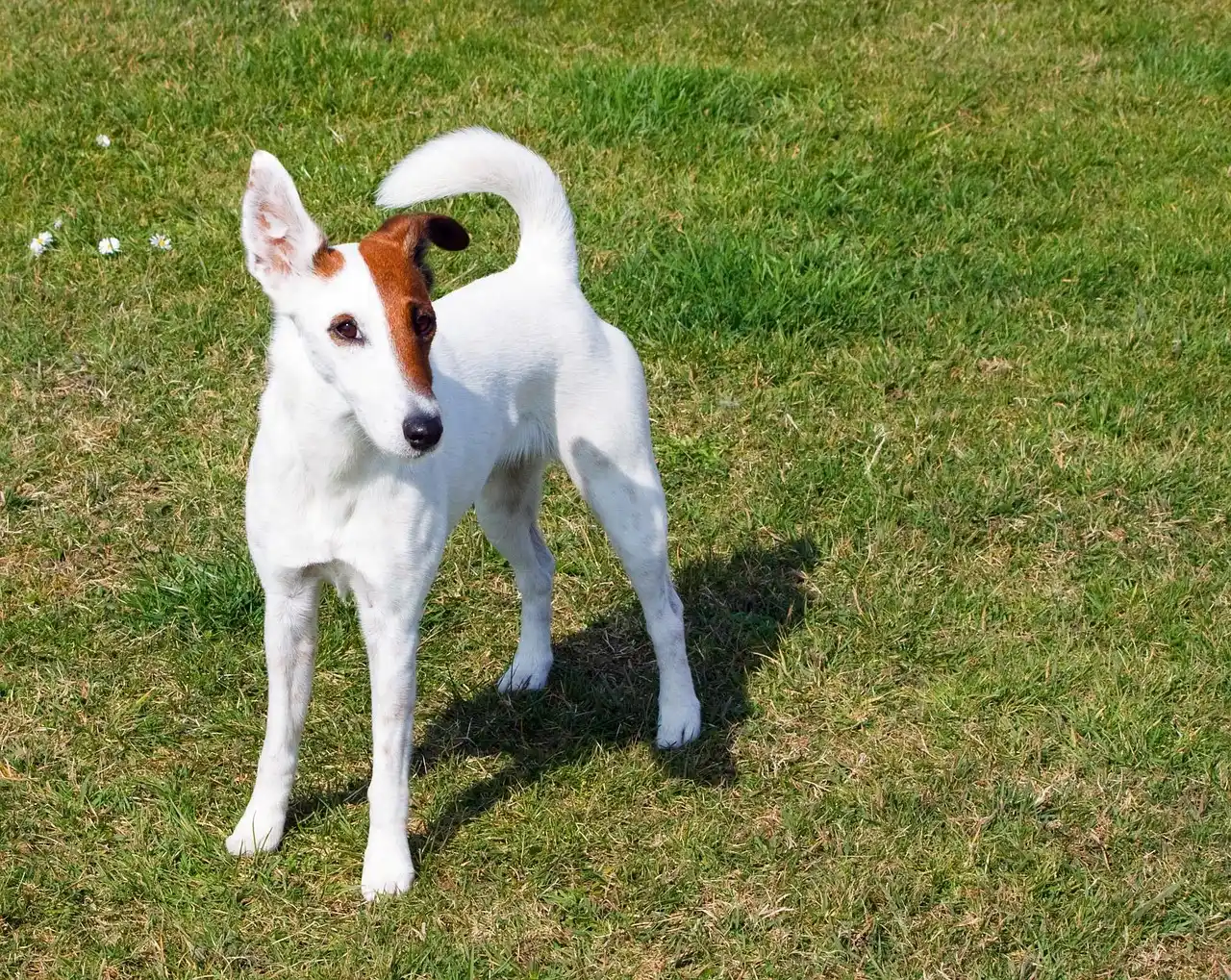
Terrier lovers argue about this one more than they admit: has the Smooth Fox Terrier been overshadowed to the point of slow disappearance? Once a familiar face at dog shows, it’s now been eclipsed by its wire-haired cousin and flashier small terriers. In some regions, you can go years without seeing a single Smooth Fox Terrier entered in a major show.
The pet market doesn’t help, since people looking for a small, short-haired terrier default to Jack Russells or mixed-breed rescues, leaving the Smooth lost between options despite being the original Fox Terrier type. Personality-wise they’re smart, bold, and occasionally too much, and without experienced homes that drive quickly turns into nuisance behavior. Many casual owners gravitate toward calmer, softer breeds instead, turning the Smooth into a connoisseur’s dog – loved intensely by a few, ignored by everyone else. With so few active breeding programs left, every lost line hits harder than people realize. That’s nothing compared to what’s happening with #3.
#3 – Field Spaniel: The Breed That Almost Vanished Once Already
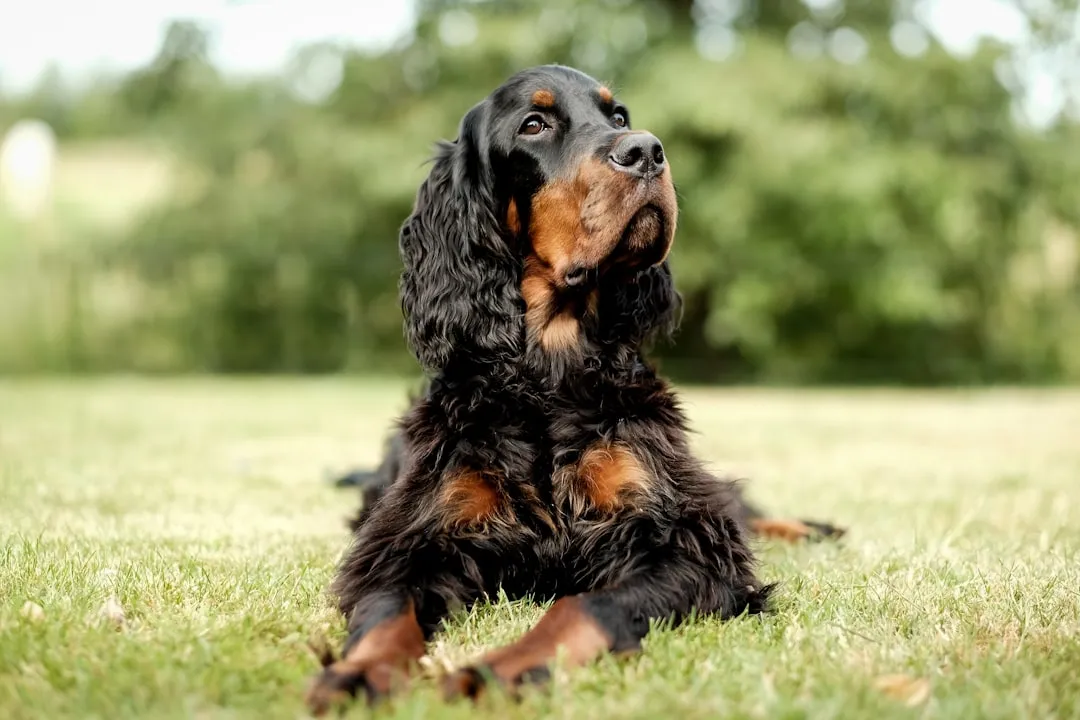
Ask spaniel enthusiasts which breed keeps them up at night, and you’ll hear the same name over and over: the Field Spaniel. It was originally meant to be the “just right” spaniel – not as big as a Springer, not as busy as some Cockers, but solid and steady. Instead, it nearly disappeared completely in the mid-20th century and still hasn’t fully recovered.
Many countries register only a handful of litters each year, leaving almost no visibility for the average dog lover to stumble across one, let alone understand what makes it special. Fields mature slowly, both mentally and physically, which throws off impatient owners used to fast-developing breeds, and their quieter, more thoughtful nature makes them less “marketable” in a world chasing chaos and comedy. Breeders are blunt about it: without intentional support from people who actually seek them out, the Field Spaniel could slide right back toward the brink it once faced. That’s nothing compared to what’s happening with #2.
#2 – Harrier: The “Beagle on Stilts” Nobody Can Identify
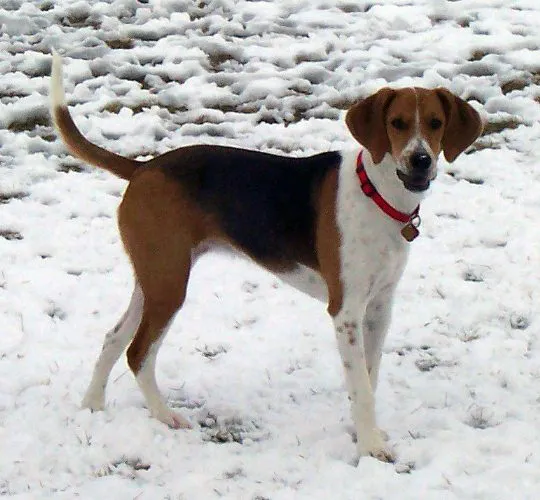
Most people can’t even correctly identify a Harrier on sight, and that invisibility is exactly why the breed is at risk. It looks like a Beagle on stilts, but it’s actually an old English hunting hound built for stamina rather than cuteness. In some major kennel clubs, annual registrations have dropped into the double digits, a number some breeders openly describe as “dangerously low.”
The breed’s original job – hunting hare in packs – has mostly vanished, and it’s struggled to reinvent itself as a mainstream companion. Vets and trainers call them “big Beagles,” shelters label them generic hound mixes, and potential owners can’t find reputable breeders within reasonable driving distance. In the right home – active, patient, scent-hound savvy – Harriers make stable, genuinely fun companions, but that “right home” pool is tiny and awareness campaigns are almost nonexistent. Many insiders quietly fear that losing just a few key kennels could push the breed into true crisis. That’s nothing compared to what’s happening with #1.
#1 – English Toy Spaniel: Living in the Cavalier’s Shadow
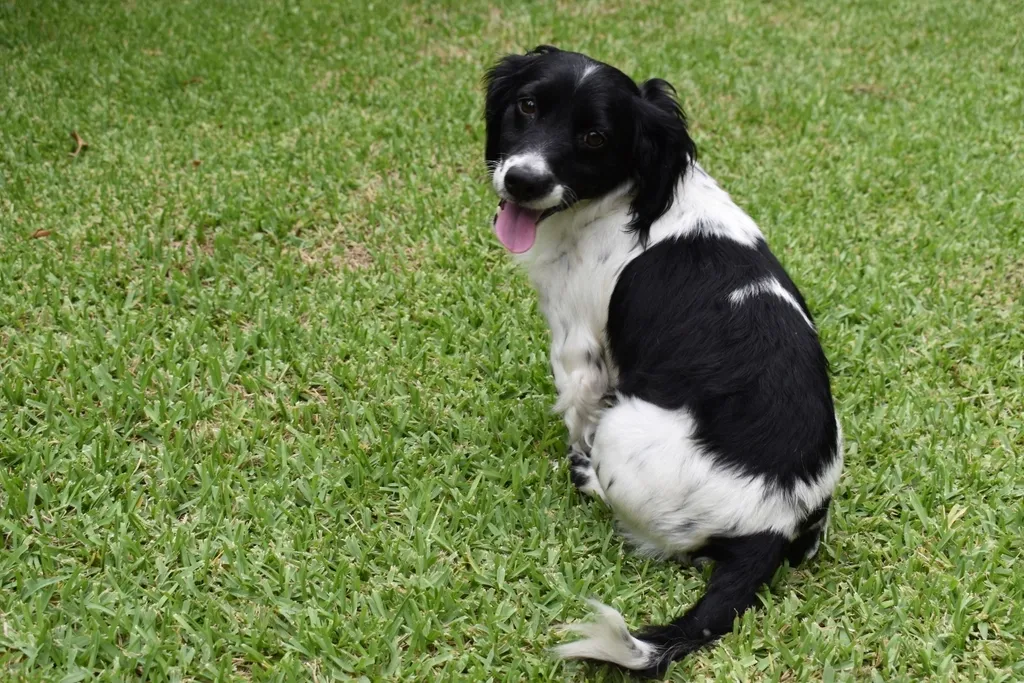
While Cavalier King Charles Spaniels explode across social media, their older cousin, the English Toy Spaniel, is fading into the background so fast it shocks even veteran breeders. Also known as the King Charles Spaniel in some countries, this small, domed-head toy dog was once a royal favorite. Today, it’s often outnumbered 50-to-1 by Cavaliers in registrations and show entries.
People see the face and assume it’s just “another Cavalier,” never realizing they’re looking at a different breed with its own history and structure – and that brand confusion is deadly in a world where visibility is everything. The English Toy Spaniel tends to be quieter and more reserved than many modern toy breeds, and that subtlety simply doesn’t go viral. Add in legitimate concerns around brachycephalic health shared across short-nosed breeds, and some potential owners steer clear entirely. What’s left is a shrinking, fiercely dedicated core of breeders fighting to keep genetic diversity alive in a breed most dog lovers don’t even realize is in trouble.
Quick Compare
- English Toy Spaniel: Domed head, very short muzzle, quieter and more reserved temperament
- Cavalier King Charles Spaniel: Flatter head profile, longer muzzle, higher energy, far more common as a family pet
- Visibility gap: Cavaliers regularly outnumber English Toy Spaniels by wide margins in registrations and show entries
The Bottom Line
These 17 breeds aren’t trivia answers. They’re living proof that popularity and value have almost nothing to do with each other. While doodles and designer mixes dominate timelines, entire working and companion breeds are sliding toward the edge with barely a whisper.
In most cases, the problem isn’t that they’re bad pets. It’s that they demand more than a quick trend or impulse buy can offer – real commitment, space, grooming, or serious training, the unglamorous stuff that doesn’t fit in a caption.
Here’s the uncomfortable truth: if people who genuinely love dogs don’t start seeking out and supporting these rare breeds, some of them will end up surviving only in old photographs and dusty pedigrees. Nobody needs to rush out and buy a Lundehund or an Otterhound tomorrow. But it’s worth asking, honestly, what we reward with our attention and our money – and which of these 17 dogs you’d actually fight to keep around.
