
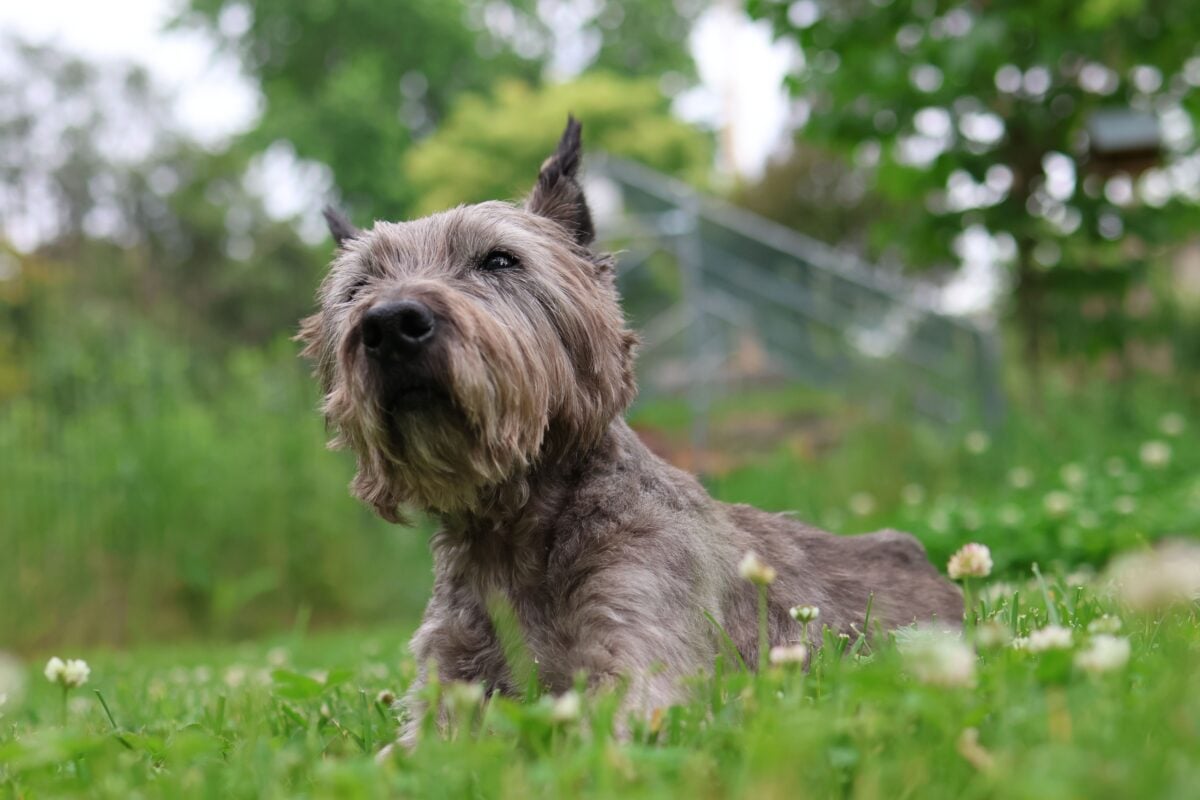
You’d think a vet with twenty years behind the exam table has seen it all. Every breed, every mutt, every weird designer mashup with a name that sounds like a smoothie flavor. But ask that same vet about a Sealyham Terrier or a Curly-Coated Retriever, and watch the confidence drain from their face.
Some dogs that used to be neighborhood regulars have quietly slipped into ghost status – known, respected, occasionally studied for exams, but almost never actually examined. Here are 18 once-familiar breeds that vets say have practically disappeared from real-world practice, ranked from rare to nearly mythical.
#18 – Dandie Dinmont Terrier
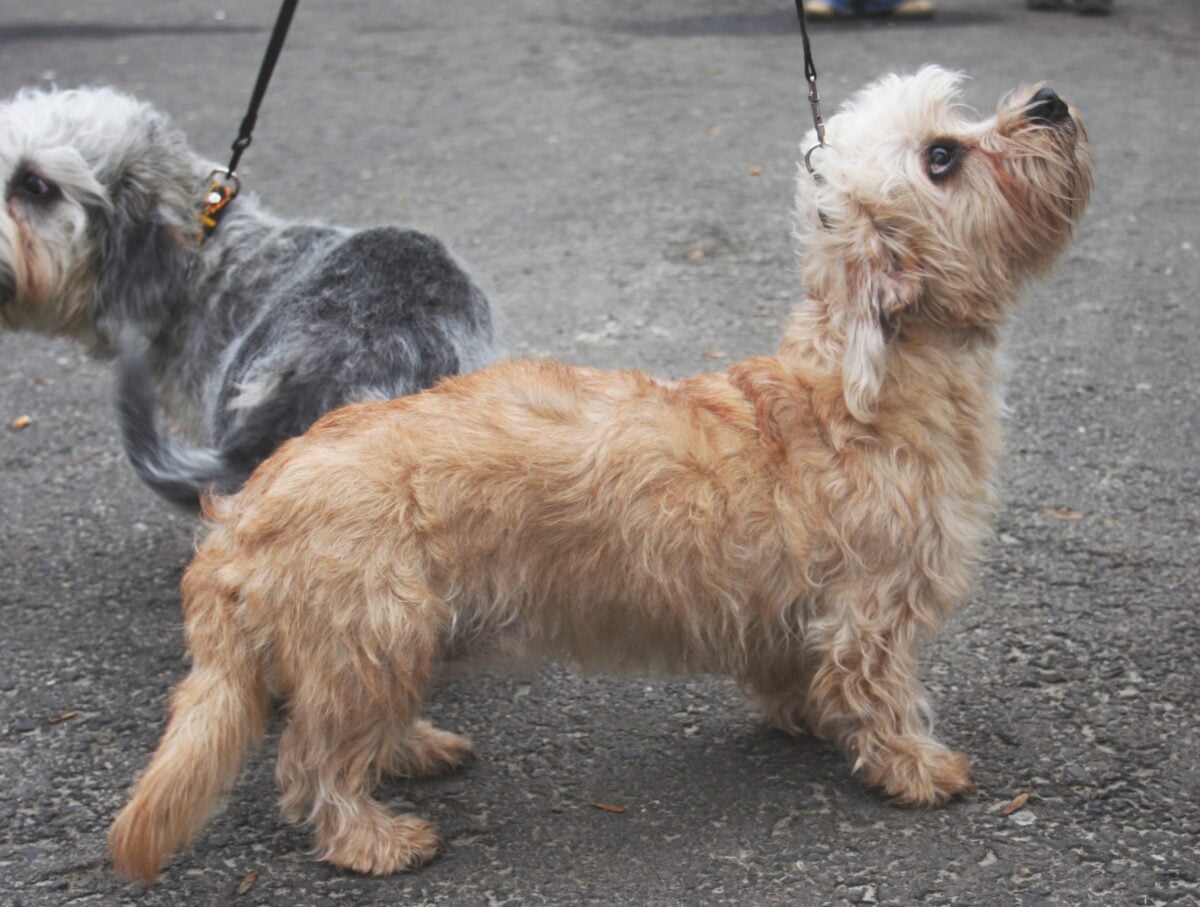
Ask a vet under 35 to spot a Dandie Dinmont Terrier on sight, and a lot of them will quietly admit they’ve never actually met one. This low-slung little terrier with its dramatic topknot of hair used to be a proud British staple.
Today, even seasoned vets in busy urban clinics say they can go multiple years without a single Dandie showing up on the schedule. Most new dog owners have never even heard the name.
Behind the scenes, the breeders keeping this dog alive are aging out, litters are scarce, and social media never gave the Dandie its viral moment. Shelters almost never list them, either.
These days, the closest most vets get to “seeing” a Dandie is when a DNA test flags one as a distant ancestor buried in some mixed-breed rescue dog’s family tree.
#17 – Otterhound
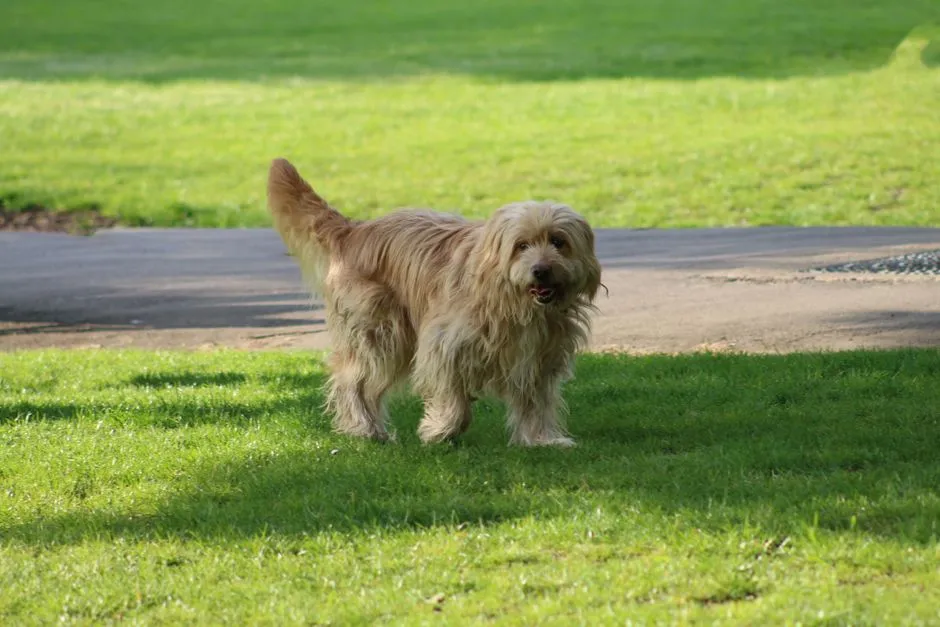
The Otterhound sounds fake until you Google it. Huge, shaggy, and built like a swimming machine, it once hunted in packs after otters across the English countryside.
Now there are so few left worldwide that many general vets will retire without ever treating a single confirmed one. Some emergency vets at major referral centers say they’ve seen exactly one – ever, in their entire career.
Fast Facts
- Otterhounds are considered one of Britain’s rarest native breeds, with fewer than 1,000 left worldwide.
- Some estimates put the number closer to 800 dogs total, and that makes them rarer than the giant panda.
- Their build is no accident – the otterhound has a rough, water-resistant double coat and webbed feet.
- Otter hunts voluntarily closed in 1976, prior to legal protection for otters in 1978 and an explicit ban on otter hunting in 1981, which is roughly when the breed’s numbers began collapsing for good.
The math is brutal: barely any litters are born each year, and most puppies go to devoted enthusiasts who’ll drive hours out of their way for a specialist. The average neighborhood clinic simply never gets the call.
More than a few vets admit they’d have to pull up Google Images just to be sure they weren’t mixing one up with an oversized Labradoodle.
#16 – Skye Terrier
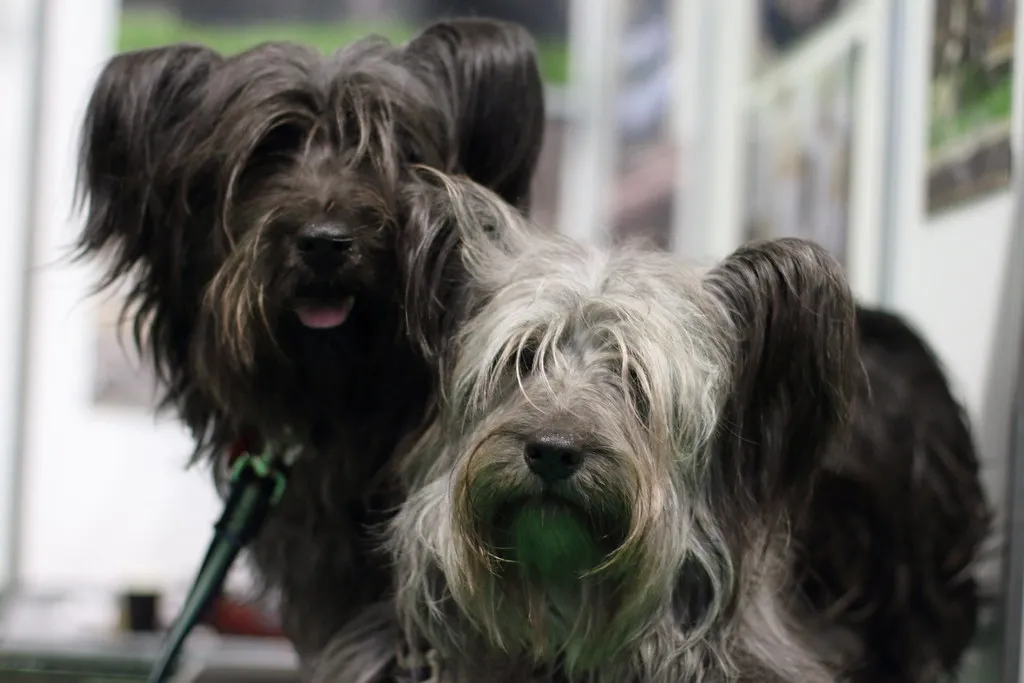
A hundred years ago, the Skye Terrier was basically a celebrity. Today it’s more likely to turn up in an old oil painting than in a modern waiting room.
Long, low, dramatically coated, and about as far from “Instagram-friendly” as a terrier gets, the Skye has fallen so far off the radar that some vets say they’ve practiced for a full decade without a single appointment involving one.
Older vets remember treating a few, back in the day. Younger ones just shrug at the name.
Most families chasing a small, scrappy terrier now default straight to Yorkies or Westies, leaving the Skye to live out its days mostly as a show-ring curiosity – the kind of dog that would stop a clinic in its tracks if it ever actually walked in.
#15 – Field Spaniel
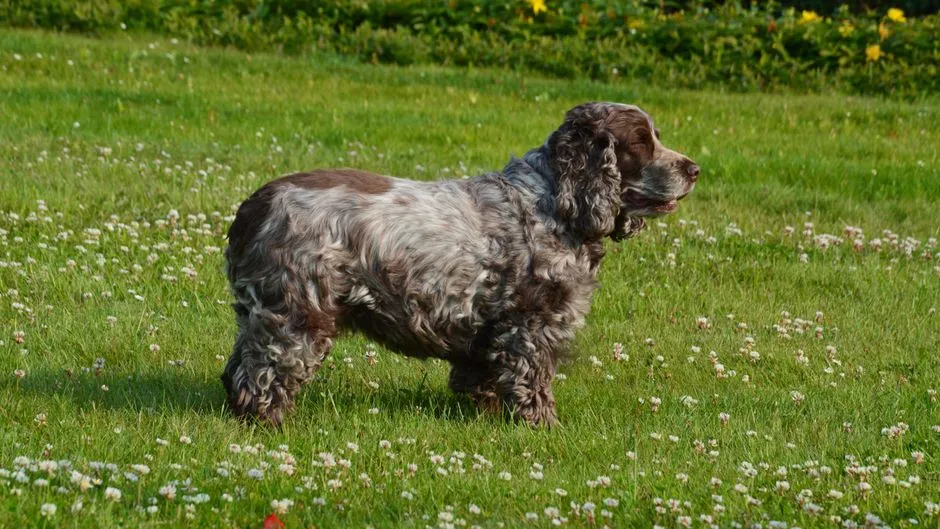
Everyone knows the Cocker Spaniel. Almost no one recognizes its quieter, more understated cousin, the Field Spaniel.
Bred as a working hunting dog, it built a small but loyal following – and then got completely overshadowed. Many vets say they might go five, ten, even fifteen years between confirmed purebred Field Spaniel patients, if they ever see one at all.
Part of the problem is that plenty of “field spaniel-looking” dogs walking into clinics are actually Cocker mixes or obscure show lines wearing a familiar face.
Without a viral moment, a celebrity owner, or aggressive marketing, the Field Spaniel has quietly slid into “heard of it, never met one” territory – the kind of breed most vets only remember while cramming for an ID quiz.
#14 – Harrier
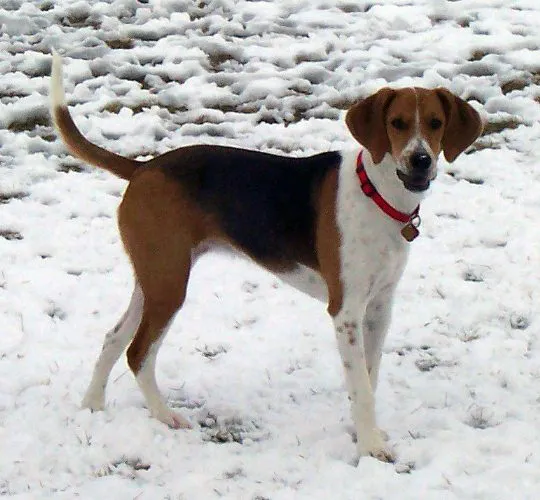
The Harrier looks like a Beagle that someone stretched in Photoshop. Historically, it ran in packs hunting hare across the English countryside. In modern pet life, it’s practically invisible.
Plenty of small-animal vets say they can’t recall a single Harrier client in their entire career – even in regions with active hunting communities. Some have only ever spotted one at a dog show, never on an actual wellness visit.
The competition is brutal: anyone shopping for a medium-sized hound just grabs a Beagle, a Foxhound, or a “hound mix” from the shelter instead. Harriers sit in an awkward gap with almost no breeders, no publicity, and almost zero shelter presence.
Even the people who own one sometimes just call it a “big Beagle,” because nobody recognizes the real name anyway.
#13 – American Foxhound
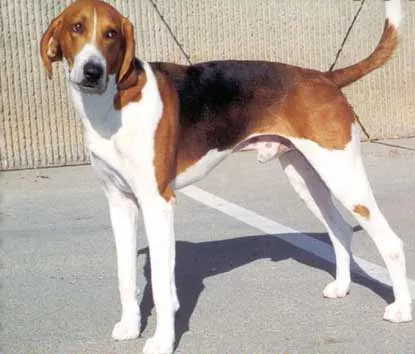
Most Americans can name the Beagle and the Basset Hound without blinking. Ask about the American Foxhound, though, and you’ll get blank stares – despite it being tangled up in early U.S. history and foxhunting tradition.
In plenty of companion-animal practices, an American Foxhound has never once appeared on the docket. In rural regions with active hunting packs, sure – otherwise, they’re basically ghosts.
A lot of these dogs stay in working pack situations rather than pet homes, which means they’re seeing farm vets occasionally, not showing up for monthly nail trims or puppy socialization classes.
Even DNA tests don’t help much – owners of mixed hounds often just get a confusing list of obscure relatives, and the American Foxhound stays a line in a textbook rather than a regular patient.
#12 – Sealyham Terrier
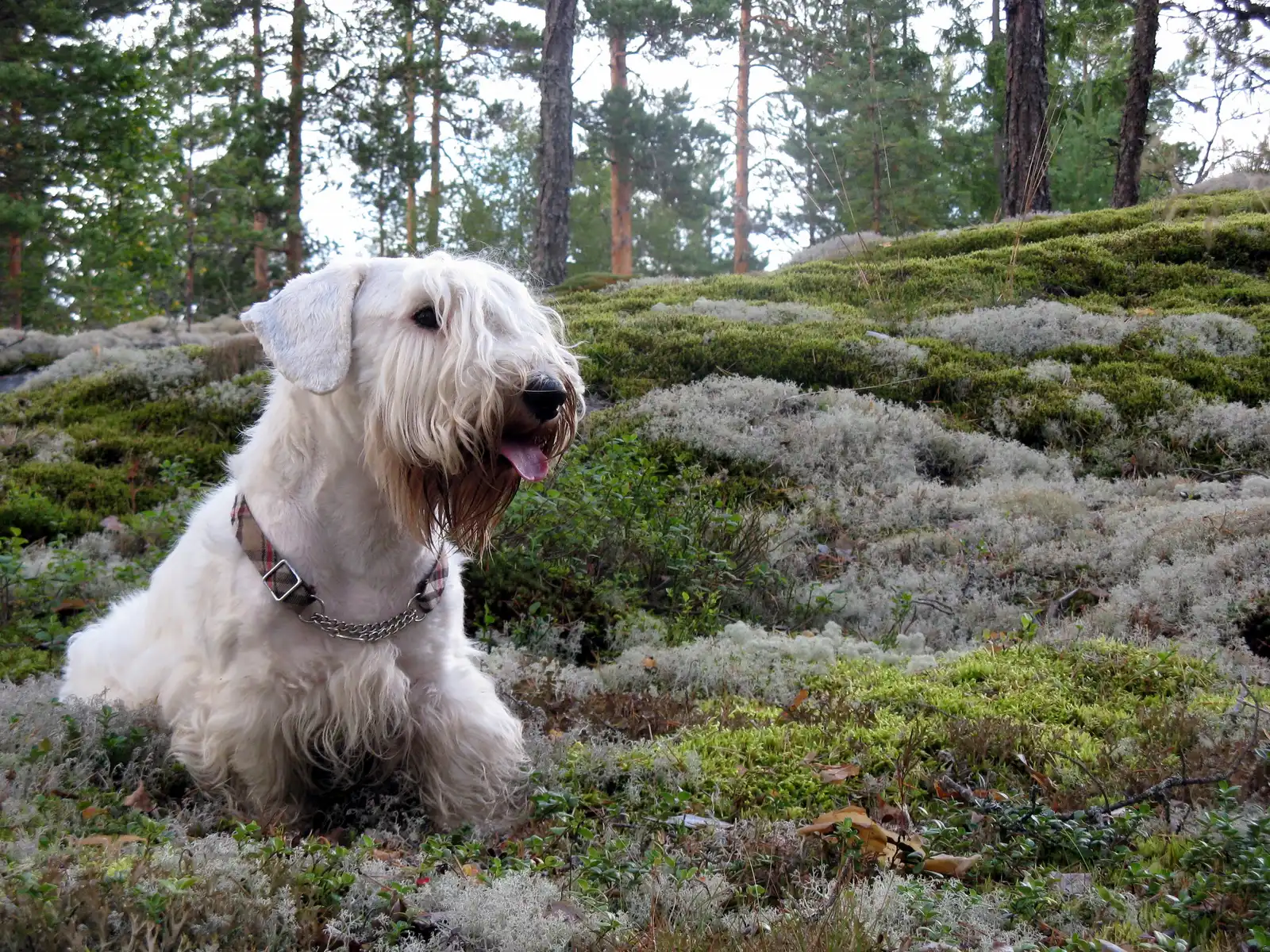
The Sealyham Terrier is one of the most dramatic rise-and-fall stories in dog history. Once fashionable across Britain and beloved in hunting circles, it nosedived so hard that some vets in large practices report seeing zero Sealys in 10 to 15 years of continuous work.
Plenty of vet techs genuinely think a Sealyham is just “a Westie with a weird haircut.”
Several things hit at once: the breed never crossed over into doodle culture, the grooming demands are intense, and the veteran breeders who kept it going never got proper replacements.
Its tough, no-nonsense temperament also doesn’t match the fluffy-lapdog fantasy most people picture for a small white terrier – so the survivors live mostly in specialty circles, invisible everywhere else.
#11 – Curly-Coated Retriever
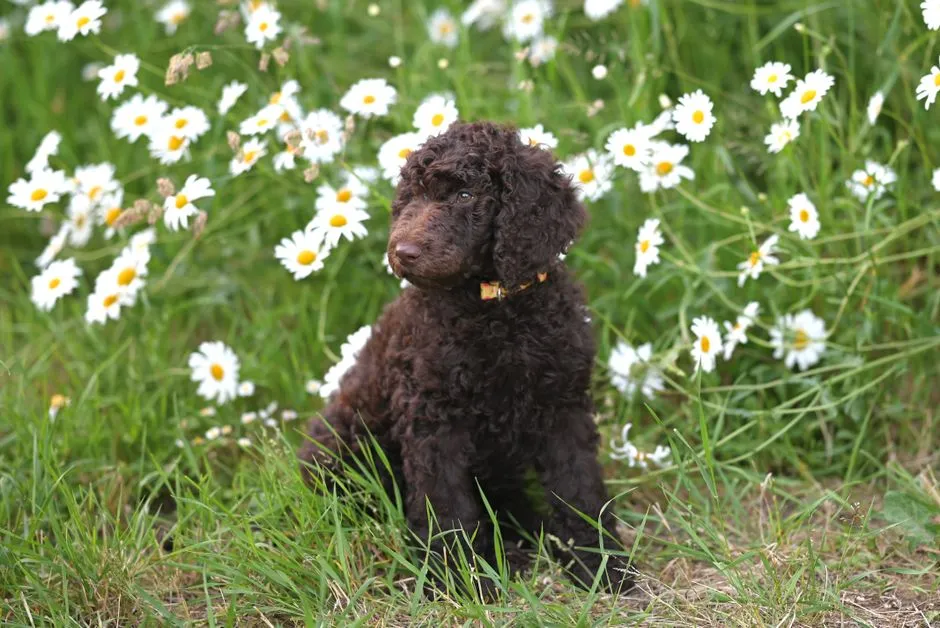
Golden and Labrador Retrievers pack vet lobbies every single day. Their older, rarer cousin – the Curly-Coated Retriever – almost never does.
Tall, athletic, and covered in tight curls, this serious working breed has a small, devoted cult following. Some vets say they’ll see thousands of Labs and Goldens for every single Curly-Coated Retriever that crosses their threshold.
Curly owners tend to be experienced handlers chasing performance or hunting bloodlines, and they gravitate toward sport or referral clinics for specialized care – not the neighborhood vet down the street.
The result is a strange paradox: a foundational retriever breed that most working vets only know from textbooks, breed exams, or the occasional dog show sighting.
#10 – Norwegian Lundehund
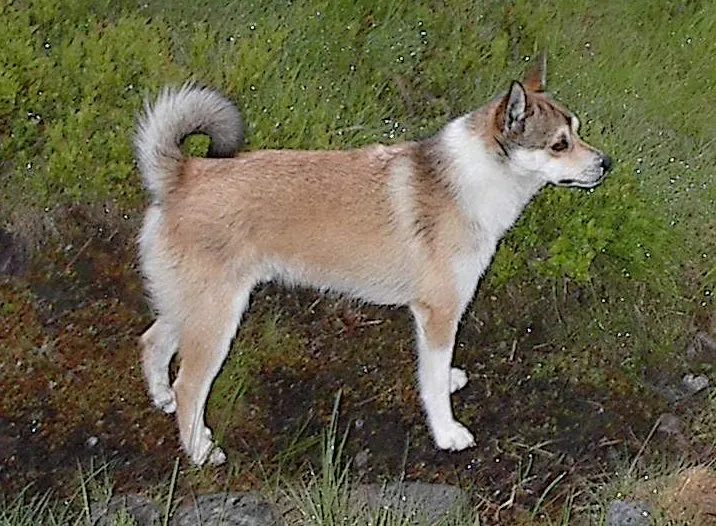
The Norwegian Lundehund looks like a fox, climbs like a cat, and has extra toes on each foot. It was bred – genuinely – to hunt puffins along cliff faces.
Even hardcore dog nerds can go a lifetime without meeting one in person, and most general vets never knowingly treat a purebred Lundehund at all. When they do, it’s usually because a dedicated fancier just moved to town.
This breed also has a notoriously sensitive digestive system, which pushes many owners straight toward internal-medicine specialists instead of general practice.
Mention “Lundehund syndrome” in a typical clinic and you’ll get polite nods and someone quietly Googling under the desk.
#9 – Sussex Spaniel
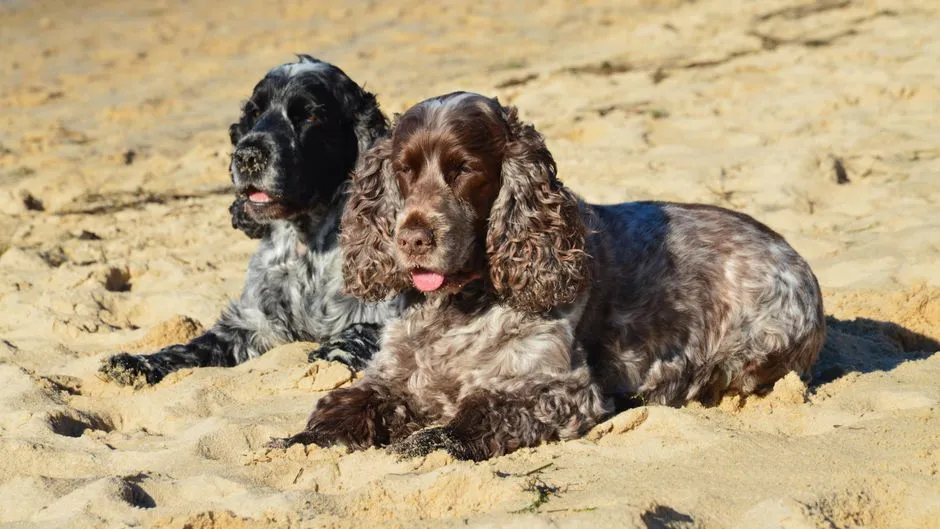
Sussex Spaniels are the slow, low, golden-brown cousins of the more famous sporting spaniels, with a rolling gait that’s unmistakable once you’ve seen it. Most everyday vets, though, report almost zero direct contact with the breed.
“Maybe one, years ago,” is a common answer – usually a dog owned by a dedicated exhibitor or hunter, not a family pet.
Quick Compare
The Sussex isn’t alone at the bottom of the pack. Out of a list of 199 registered and accepted breeds, the AKC revealed the 10 rarest dog breeds in America, and several of them are dogs already on this very list:
- English Foxhound – officially the rarest AKC breed
- Norwegian Lundehund
- American Foxhound
- Harrier
- Sussex Spaniel
Among the first nine breeds recognized by the AKC, today the Sussex is one of the most rare, with only about 600 in the USA.
Part of the problem is pure visibility. Search “spaniel puppy” online and you’ll get flooded with Cockers, Springers, and Cavaliers – Sussex simply doesn’t show up in the algorithm, and it barely appears in shelters either.
Small litter sizes and niche breeders finish the job. A Sussex on the schedule tends to trigger a quiet staff group chat and a lot of “wait, remind me what that one looks like again?”
#8 – English Foxhound
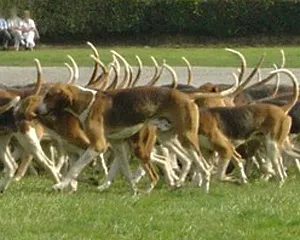
If you’ve ever seen a painting of a fox hunt, you’ve seen an English Foxhound – just not at the vet’s office. In modern small-animal practice, they’re practically invisible, especially in cities and suburbs.
Most English Foxhounds still live in working packs managed by hunt clubs, getting basic care from farm vets or onsite staff rather than the strip-mall animal hospital next to the grocery store.
When one does end up as a companion dog, shelters often just label it “hound mix” because that tag is easier to place. A surprising DNA result rarely convinces anyone to relabel the dog.
For a lot of vets, the English Foxhound is basically theoretical: a breed they can sketch from memory but have never actually written into a chart.
#7 – Glen of Imaal Terrier
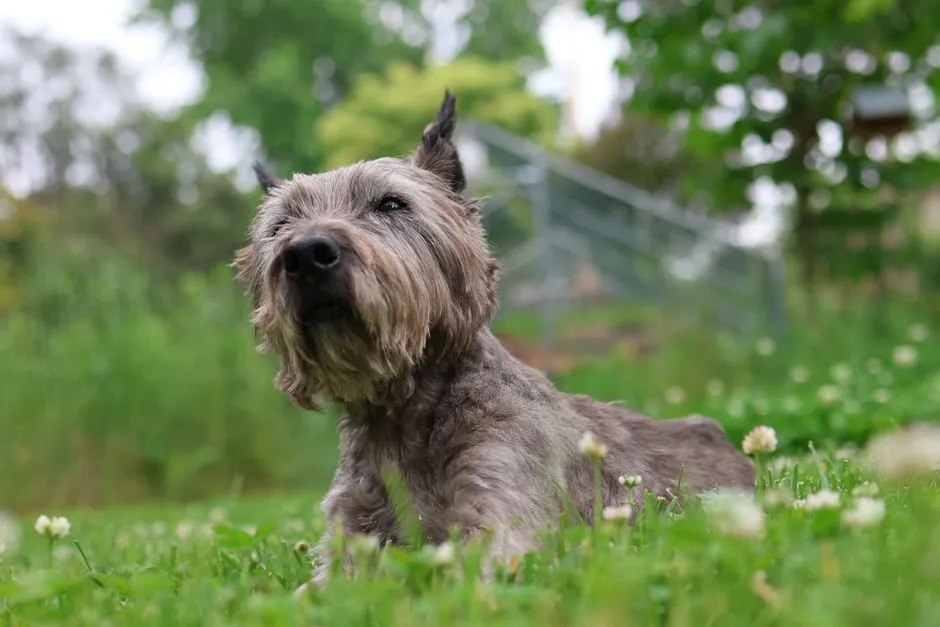
Small, sturdy, and a little scruffy, the Glen of Imaal Terrier is an Irish breed that somehow skipped the global popularity boom entirely. Show shelter staff a photo and you’ll mostly get guesses of “some kind of mix.”
Many vets will go years – sometimes an entire career – without knowingly treating a Glen as a patient.
Glen numbers stay low but stable, thanks to dedicated breed clubs rather than casual pet buyers. Puppies get pre-placed with experienced homes that stay in close contact with the breeder and usually stick with the same recommended vet for life.
That funnels an already tiny population into an even tinier circle of clinics, while the average city practice stays busy drowning in Doodles and French Bulldogs.
#6 – Spinone Italiano
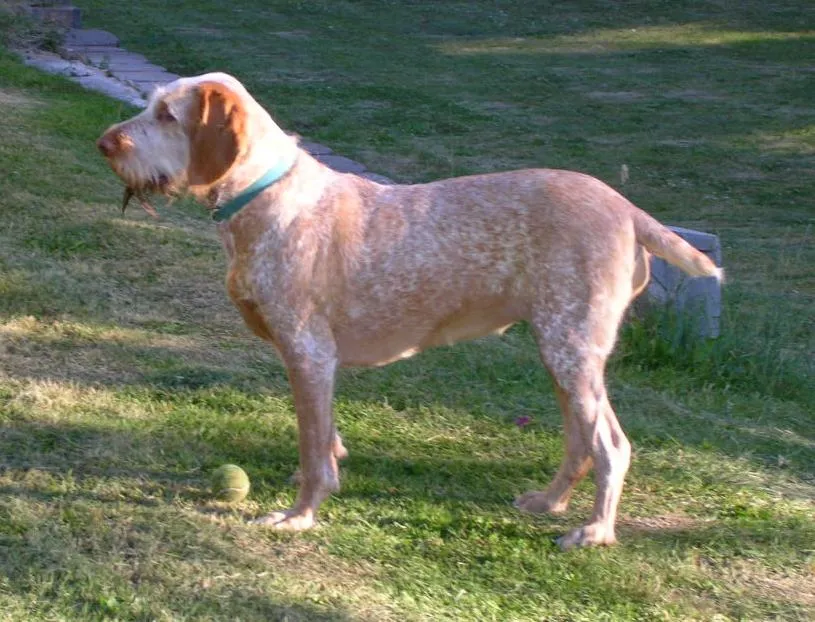
The Spinone Italiano looks like someone crossed a griffon with a cartoon shaggy dog – big, bearded, and weirdly dignified about it. Despite the unforgettable look, many North American vets report never having one on their client list at all.
Most have only seen a Spinone at sporting events, hunting tests, or on an enthusiast’s Instagram account.
These dogs tend to attract serious owners who’ll travel long distances to specific breeders, and those same owners are usually plugged into networks pointing toward orthopedic or sports-medicine specialists – pulling Spinoni even further from the average wellness clinic.
When one does show up unannounced, it usually earns a confused compliment like “what a cool mixed breed!” – right up until the owner clarifies it’s purebred.
#5 – Scottish Deerhound
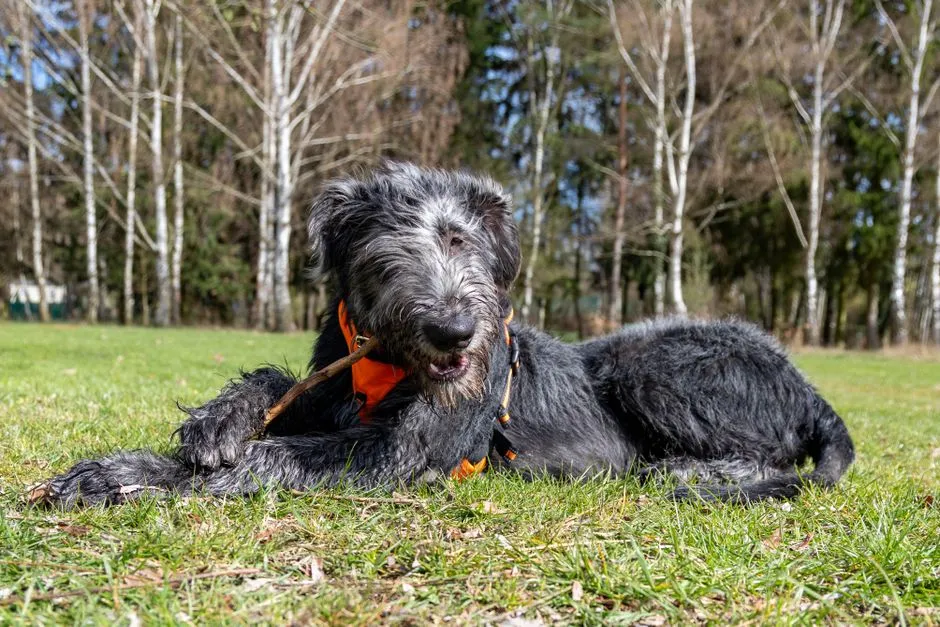
Picture a gentler, rarer relative of the Greyhound and Irish Wolfhound, and you’re basically picturing the Scottish Deerhound – towering, elegant, and the kind of breed every vet student studies but almost no general vet regularly treats.
In busy clinics, entire years can pass without a single Deerhound appointment. Some doctors will tell you flatly: “I’ve never had one.”
At a Glance
- Adult male Scottish Deerhounds typically stand at a height of 30 to 32 inches at the shoulder, while mature females typically measure at least 28 inches tall.
- Males tend to weigh between 85 and 110 pounds, putting them firmly in giant-breed territory.
- Originally bred for pursuing red deer, this sighthound is characterized by a wiry coat, long limbs, and a very dignified demeanor.
- The Scottish Deerhound looks like a large Greyhound, which is a close relative, and the AKC officially recognized the breed in 1886.
Giant breeds already make up a small slice of the dog population, and within that slice, Deerhounds are a sliver compared to Great Danes, Mastiffs, and Wolfhounds. Owners often route straight to specialized clinics for heart checks or orthopedic monitoring, bypassing the general vaccine-and-spay practice completely.
When a Deerhound does walk in – usually for a second opinion on an aging giant – the staff reaction is basically “everyone needs to come see this.” That novelty says everything about how rare this dog has become.
#4 – Clumber Spaniel
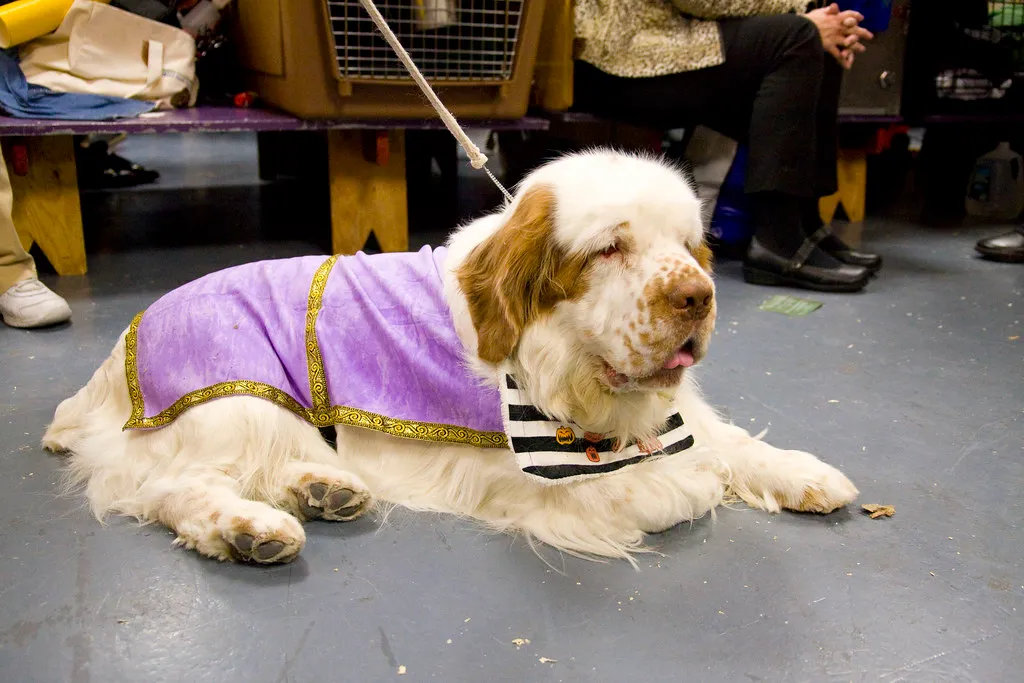
The Clumber Spaniel is chunky, low, and often described as looking like someone shrunk a Saint Bernard. Once a quiet favorite among hunting families, it now barely exists outside the show world.
Plenty of general vets estimate they’ve seen more designer Doodles in a single month than Clumber Spaniels in their entire career. A surprising number say they’ve never met one at all.
Clumbers shed heavily, drool constantly, and don’t fit the compact, apartment-friendly fantasy dominating social media right now. Combine that with breed-specific health considerations and a tiny pool of serious breeders, and puppy numbers stay low almost on purpose.
The few puppies that do exist go to long-waitlist homes already plugged into specialty practices – leaving everyone else with a vague “oh yeah, I remember that name from school” reaction.
#3 – Briard
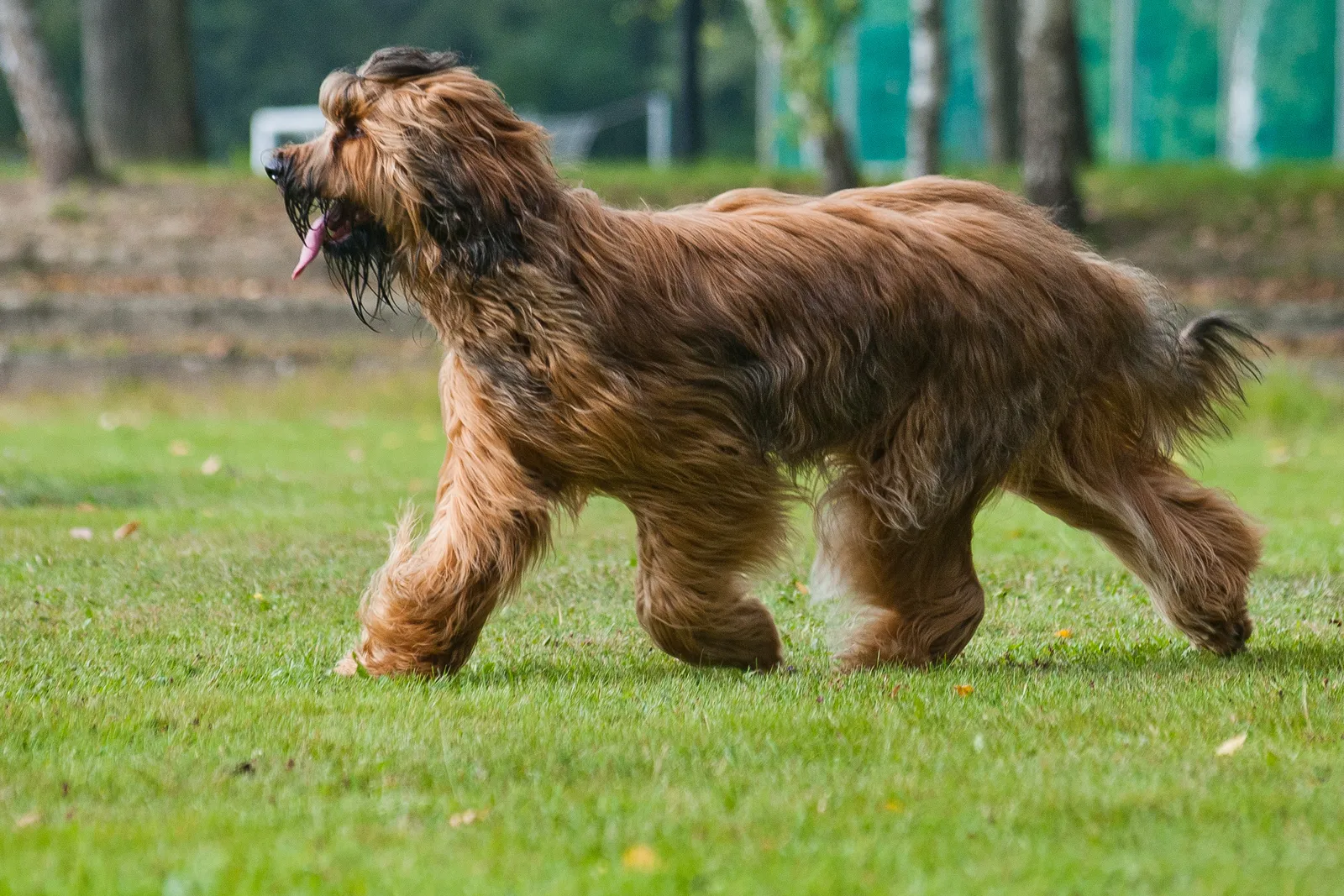
The Briard is the kind of dog that stops traffic – big, long-coated, with hair often falling completely over its eyes. Historically a French herding breed, it briefly caught some trendiness decades ago, then faded hard.
Today, many vets report seeing zero Briards across years of practice, even in major metro areas where every imaginable Doodle mix shows up daily.
Part of the decline comes down to coat care. Briards need serious, committed grooming, and modern owners who already struggle with basic brushing tend to avoid breeds demanding that much upkeep.
The remaining breeders are also protective and low-volume by choice, uninterested in turning the dog into a social-media accessory. The population stays healthy, just tiny – meaning most vet clinics have simply never touched one.
#2 – Kuvasz & Other Rare Livestock Guardian Breeds
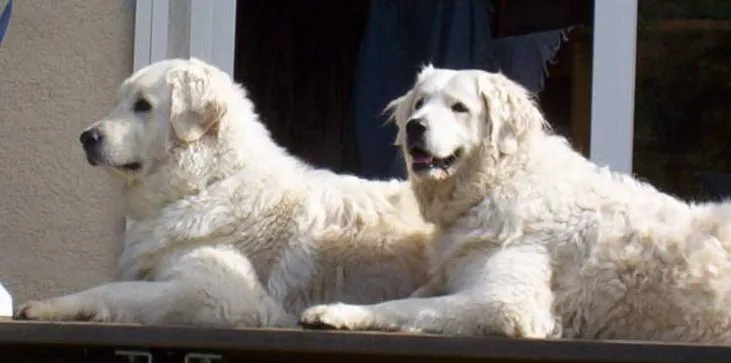
Livestock guardian dogs like the Kuvasz used to be working staples on farms and ranches across the country. Now, outside certain rural pockets, many vets practically never see a purebred Kuvasz – and some have never seen one at all.
Instead, clinics stay flooded with urban “guardian” mixes like German Shepherds and Malinois, while the true traditional guardians stay almost entirely off the radar.
Several related breeds – the Kuvasz, Pyrenean Mastiff, and in some regions the Maremma – live mostly on working properties served by mobile or farm-focused vets. When they do reach a companion clinic, they’re often misidentified simply as “big white Pyrenees mixes,” with no official breed label ever making it into the record.
Plenty of vets can describe these breeds from memory but couldn’t tell you the last time they actually vaccinated a clearly documented one. In practical terms, they’re background characters in the modern canine world.
#1 – American Water Spaniel
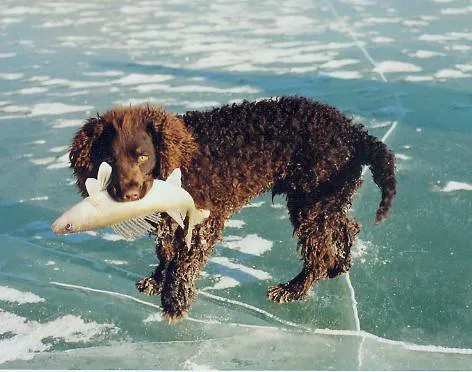
If there’s one breed vets consistently name as “I know it exists, but I’ve genuinely never seen one,” it’s the American Water Spaniel. Developed in the U.S. as an all-purpose hunting dog, it’s technically a native breed that almost no one actually meets.
In plenty of practices, years pass without a single confirmed American Water Spaniel patient, and many vets openly admit they’ve only encountered the breed in textbooks or at specialty events.
Worth Knowing
- In 1986, the American Water Spaniel was recognized as the official state dog of Wisconsin.
- The American Water Spaniel Club worked with breed advocates to gain recognition with the American Kennel Club in 1940.
- It’s one of a small number of dog breeds developed entirely within the United States, and one of even fewer sporting breeds that can make that claim.
- With a population of only a few thousand, the American water spaniel is a rare but well-loved breed.
You’d think being “American” would translate into popularity, but it’s the opposite. Labs, Goldens, and Doodles completely dominate the water-dog space, while a tiny group of dedicated breeders keeps AWS numbers steady but low – usually placing puppies straight into hunting or performance homes with their own trusted vets already lined up.
For the average suburban veterinarian, this breed is something they studied for a licensing exam but have never once written on an actual chart. If there’s a poster child for “once-known, now almost never seen,” this is it.
The Bottom Line

When vets say they go entire years without seeing certain once-common breeds, they’re not exaggerating for effect. They’re describing how brutally concentrated today’s dog world has become.
A handful of hyper-popular breeds and Doodle mixes soak up nearly every appointment slot, while historic working lines, rare spaniels, old terriers, and native hounds quietly vanish from everyday practice. Many of these dogs now exist mainly in show rings, small clubs, or working farms – not in the neighborhood exam room.
Is that a problem? Depends who you ask. Some see it as efficient specialization. Others see it as losing living history – dogs built for real work, not just cute selfies, fading out simply because nobody’s clicking on them.
Either way, the dog world is far narrower than most people assume. Did we miss a breed your vet hasn’t seen in years? Drop it in the comments and prove us wrong.

- 18 Once Common Dog Breeds Vets Say They Now Go Entire Years Without Ever Seeing Once - August 9, 2026
- What Large Dog Breed Are You According to Your Zodiac Sign - August 8, 2026
- 8 Plants That Help Keep Mosquitoes Away From Texas Patios - August 8, 2026