
Texas evenings should smell like grilled fajitas and fresh-cut grass, not like the chemical fog of mosquito spray. Yet anyone who’s tried to enjoy a summer night outside knows how fast those tiny bloodsuckers can ruin a perfectly good patio. The good news: you’re not completely at their mercy.
While no plant is a magic mosquito forcefield, some do help make your space less appealing to them when used the right way. Think of them as part of a layered defense strategy: they smell great to us, less so to mosquitoes, and they can turn a plain patio into something that feels like a little backyard oasis. Let’s walk through eight plants that actually earn their keep in a Texas yard – and how to use them so they’re more than just pretty decor.
Lemongrass (and Citronella Varieties): The Patio Classic That Actually Pulls Its Weight

If there’s a “poster child” for mosquito-repelling plants, it’s lemongrass and its close relatives that produce citronella oil. These tall, strappy grasses release citrusy, lemony aromas from their leaves that can help interfere with how mosquitoes find you, especially up close. They won’t empty your yard of insects, but they can make the area right around your seating just a bit less inviting.
In Texas, lemongrass loves the heat and full sun but needs decent drainage and regular watering, especially in midsummer. Plant it in big containers around the patio – almost like a green privacy wall – or along the edges of walkways. The key detail most people miss: gently bruising or rubbing the leaves before you sit outside releases more of the aromatic oils, which is when you’re most likely to notice any benefit.
Lavender: Pretty, Drought-Tolerant, and Not a Mosquito’s Favorite Scent
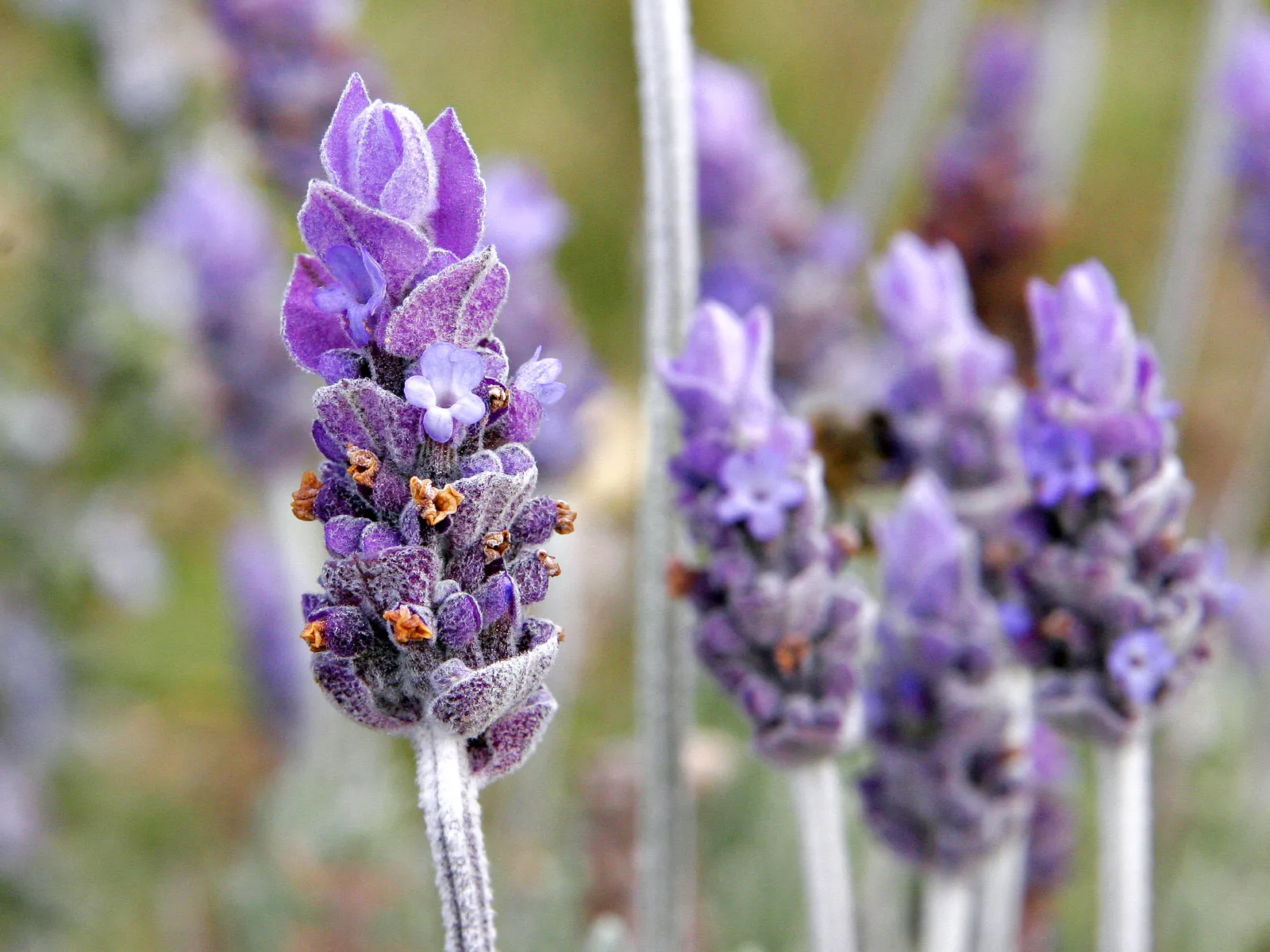
Lavender looks like something out of a lifestyle magazine, but it also brings a practical perk: that strong, herbal-floral scent can help deter mosquitoes and some other small insects in its immediate area. The essential oils inside the foliage and flowers are the powerhouse here, not just the pretty purple spikes. When the air is warm and still, the scent hangs around your patio like a soft, fragrant cloud.
For Texas, Spanish and some French lavender types often handle the heat better than classic English lavender, especially in areas with hot, humid summers. Plant them in raised beds or pots with very well-draining soil and lots of sun, and resist the urge to overwater. Group a few containers near where you actually sit – by the outdoor sofa, grill, or dining table – so that when you brush past them, you release more aroma exactly where you want fewer mosquitoes.
Lemon Balm: The Friendly Herb With a Smell Mosquitoes Prefer to Avoid
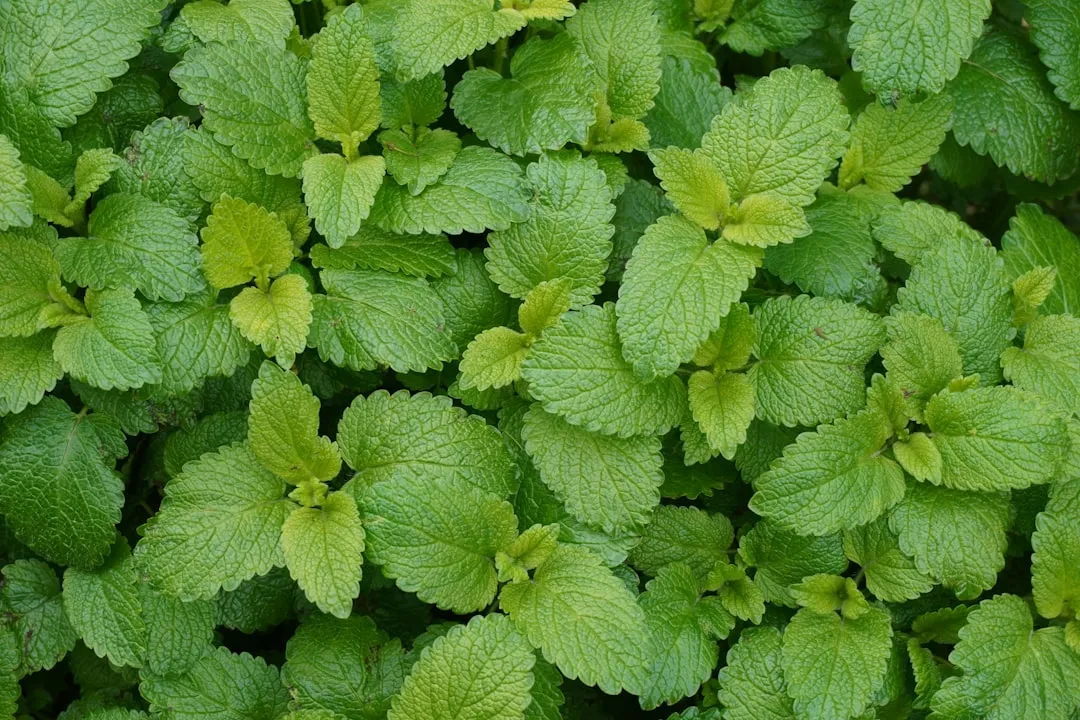
Lemon balm is like the laid-back cousin of peppermint: it spreads, it smells amazing, and it’s almost too easy to grow. Crush a leaf between your fingers and you get a rush of bright, lemony fragrance that many mosquitoes do not care for. The effect is strongest close to the plant or when you’ve just disturbed the leaves, which makes it perfect for high-traffic patio planters.
In Texas, lemon balm can handle partial shade and is more forgiving than fussier herbs in the heat, as long as it gets consistent moisture. The catch is that it likes to spread, so containers are usually your best bet unless you want it taking over a bed. Keep a pot near your favorite chair and give the top leaves a quick rub when you sit down; that simple habit does more than just admiring the plant from a distance.
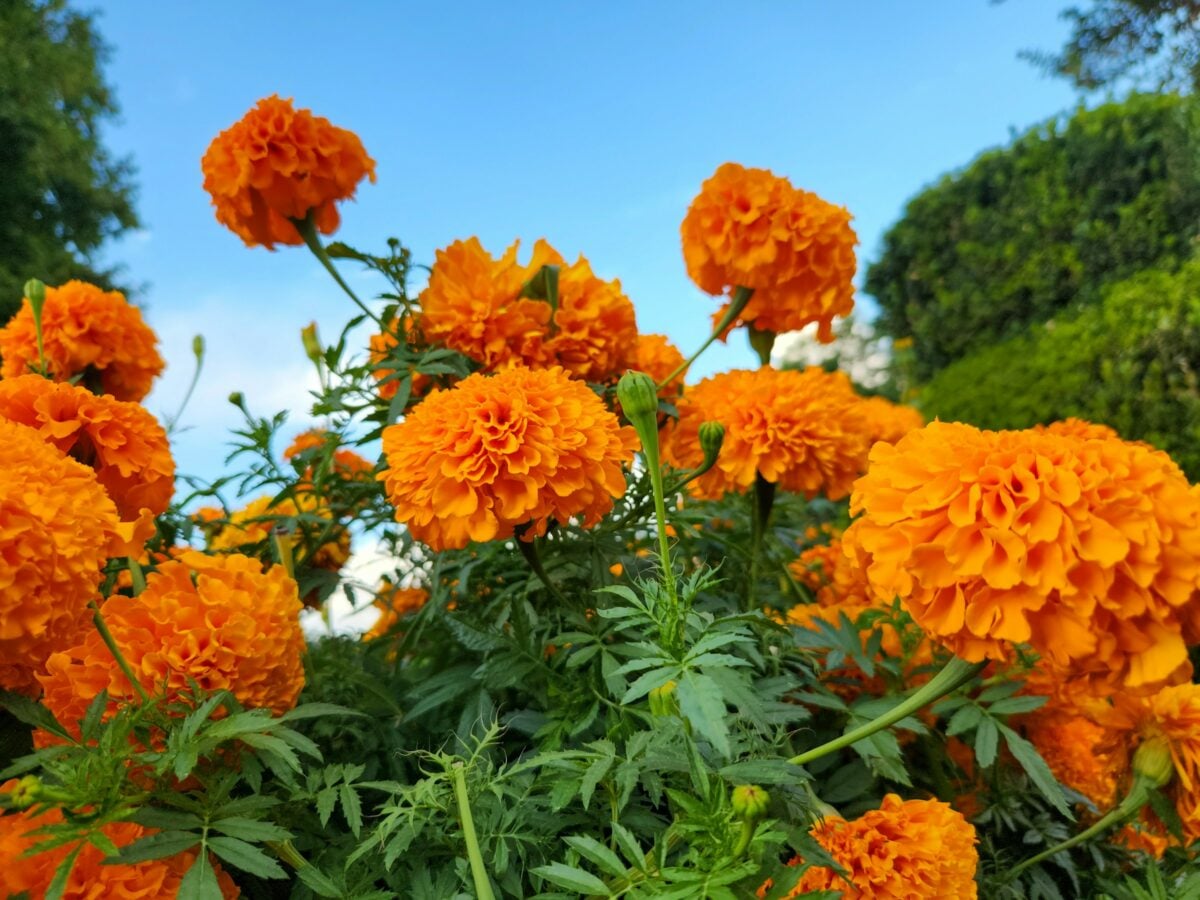
Marigolds: Bright Little Borders With a Punchy Scent
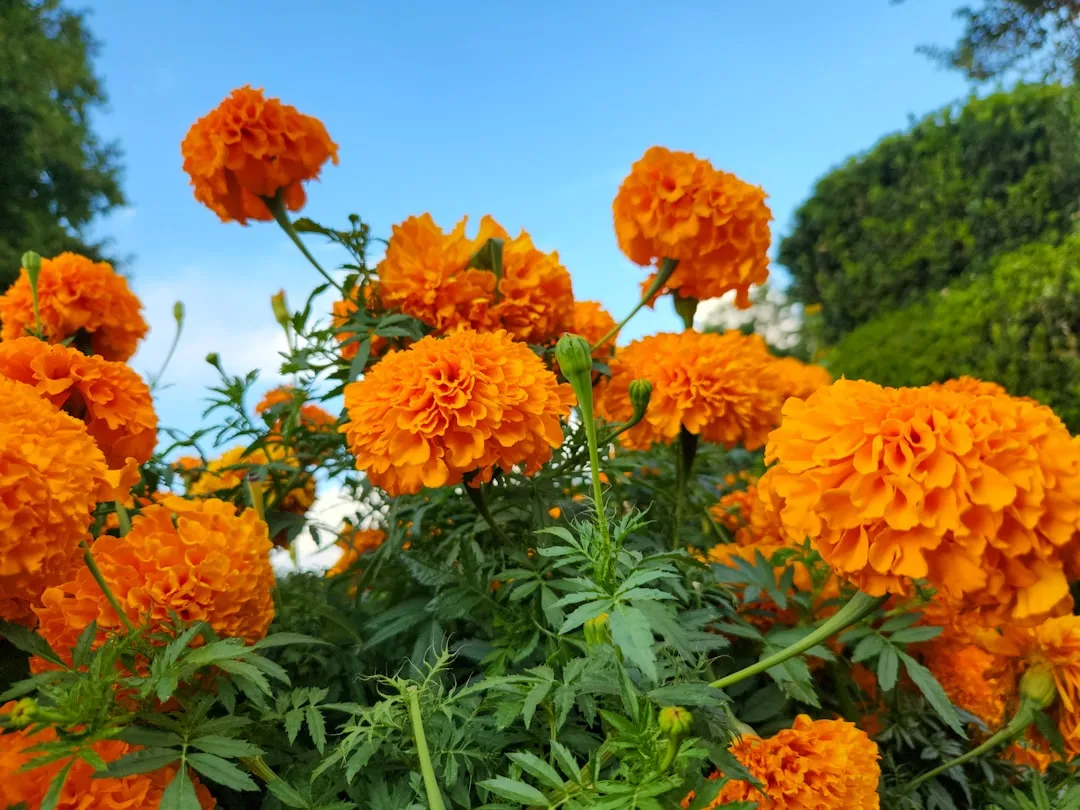
Marigolds are the loud extroverts of the patio world – bright, bold, and impossible to ignore. Their strong, somewhat sharp smell isn’t just decorative; it can help confuse or discourage some small insects, including mosquitoes, when planted nearby. Is a single marigold going to save you from bites? No. But a dense border around the seating area or near doorways can be one more layer in your overall defense.
They thrive in full Texas sun and handle heat surprisingly well as long as they’re watered regularly and the soil drains, not puddles. I like using them as “living edging” along the front of raised beds or in low troughs around a patio, where they’re at ankle height and easy to brush against. Their color also makes the space feel more intentional – less like you just surrendered your yard to the mosquitoes and more like you’re taking it back with a plan.
Catnip: Surprisingly Potent (and Not Just for Cats)
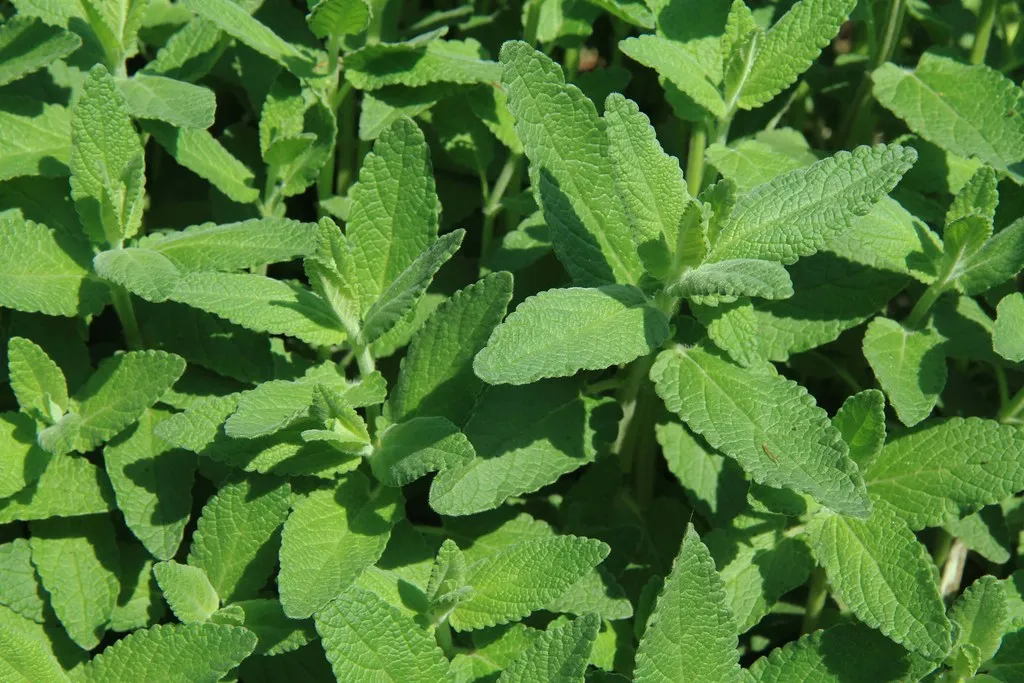
Catnip has a funny reputation as cat entertainment, but it also contains compounds that can be quite off-putting to mosquitoes. Some lab tests have suggested that the active ingredient in catnip oil can rival synthetic repellents in controlled conditions, which is impressive for such a humble-looking plant. In real-world Texas backyards, that translates to: worth growing, as long as you understand its quirks.
Catnip likes sun to partial shade and reasonably well-draining soil, and it tends to spread and reseed if you let it. If your neighborhood is full of outdoor cats, expect visitors – they may roll in it, chew it, or flatten it like tiny, furry bulldozers. Containers or raised beds help you keep things under control. As with other aromatic plants, you get the most benefit when you crush a few leaves or place a freshly cut handful on the patio table right before you settle in for the evening.
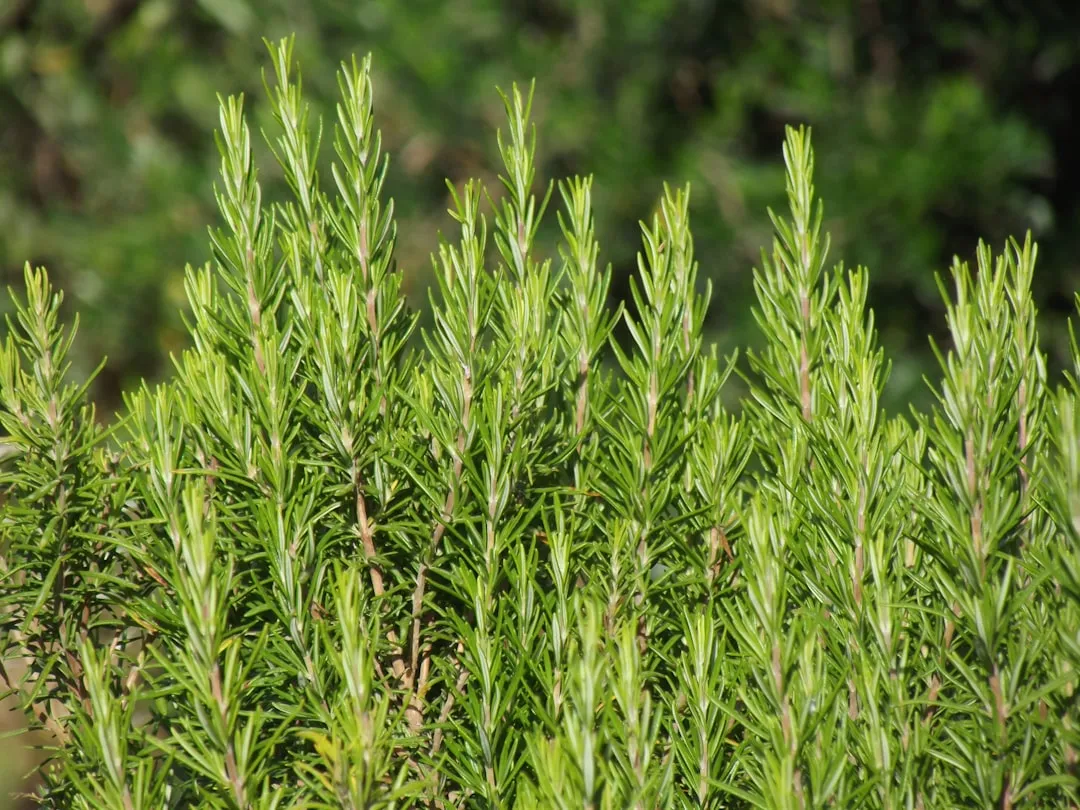
Rosemary: The Tough Texas Herb That Smells Great to Us, Not to Pests
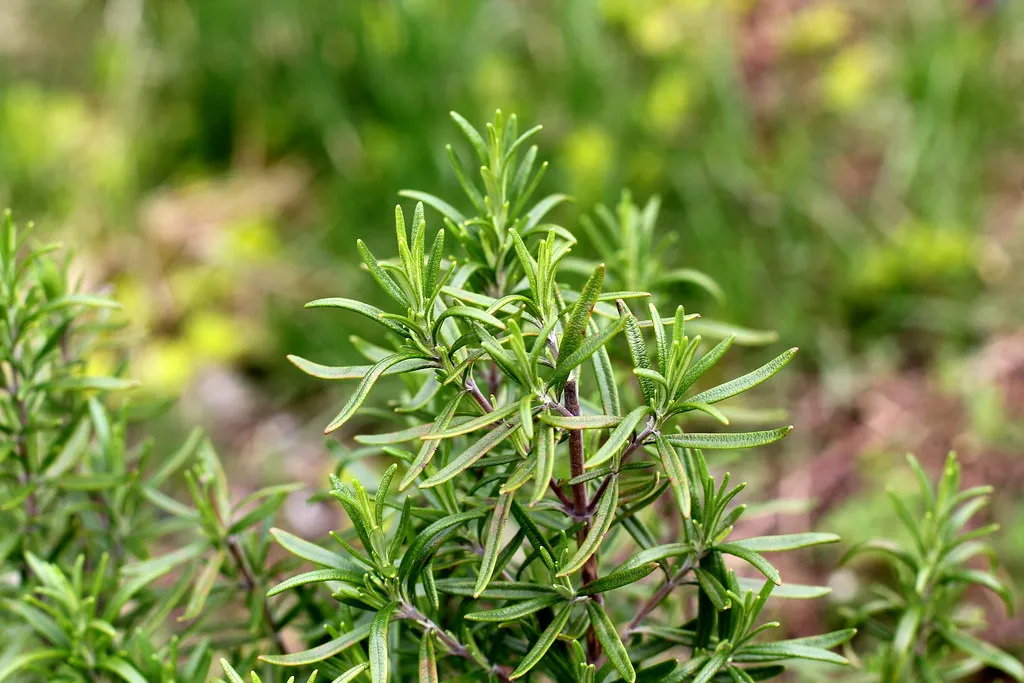
Rosemary is that one friend who never complains about the heat. In much of Texas, it’s practically built for the climate: it loves full sun, tolerates drought once established, and shrugs off many of the stresses that wilt other plants. Its woody, resinous scent comes from oils that can help repel some biting insects when the foliage is warmed or disturbed.
Use rosemary as more than just a kitchen herb – shape it into low hedges around a patio, grow it in big pots by the grill, or let it spill from raised beds near seating areas. I’m a fan of snapping off a small sprig and tossing it on hot coals or a gas grill flavorizer bar; the smoke smells incredible and adds one more layer of scent that mosquitoes would rather avoid. It’s not a shield, but combined with fans, sensible clothing, and maybe a topical repellent, it’s part of a smarter overall setup.
Basil (Especially Lemon and Cinnamon Types): The Dual-Purpose Patio Workhorse
Basil is a staple in the kitchen, but it’s also a surprisingly pleasant patio companion if you choose the more aromatic varieties. Lemon basil and cinnamon basil in particular give off bold, complex scents that many people love and many mosquitoes do not. Since the plant’s oils are concentrated in the leaves, every pinch for dinner also releases fragrance around your seating area.
In Texas heat, basil likes full sun but needs regular water and fertile, well-drained soil; it can crash quickly in extreme heat if it dries out completely. Plant it in containers close to where you eat or cook outside so you’re encouraged to snip from it often. A big cluster of mixed basil pots around a dining table is both practical and tactical: you get fresh herbs for food and drink, and you increase the amount of strong plant aroma right where your bare arms and ankles are.
Mint: Cooling Aroma With a Catch
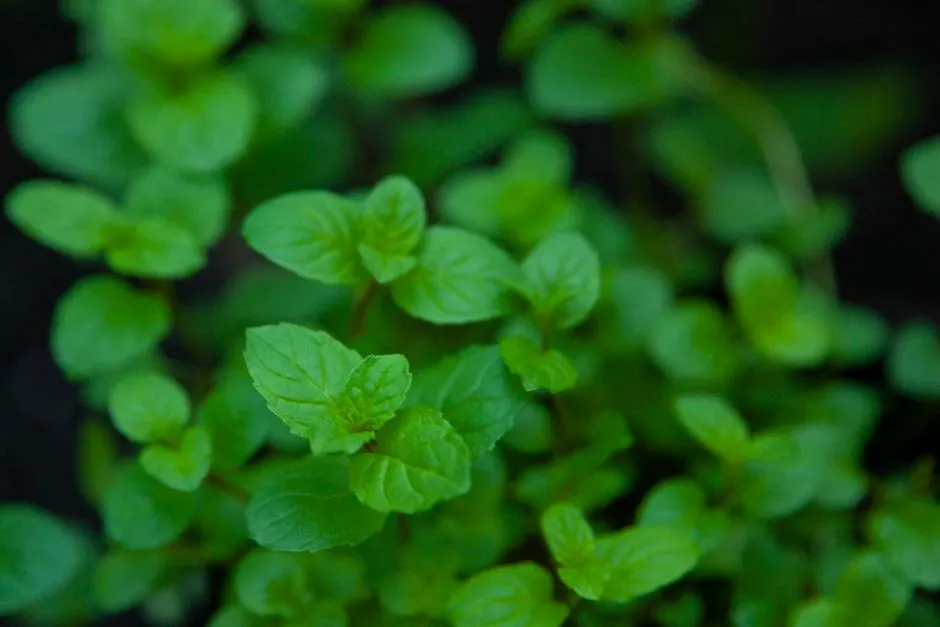
Mint smells like summer drinks and clean air, and that cooling, menthol-rich scent can help make your patio less appealing to some insects when you’re nearby. There are countless types – peppermint, spearmint, chocolate mint – and almost all of them pack enough aroma to make an impact when leaves are crushed or brushed. The reality, though, is that mint is more helpful right at arm’s length than as a distant border plant.
Here’s the catch: plant mint in the ground in Texas and it will try to take over like it owns the deed. That’s why many gardeners keep it jailed in containers, which is actually perfect for a patio. Cluster a few pots around seating areas, steps, or the edge of an outdoor bar, and pinch or rub the leaves when you sit down or mix a drink. It’s a small ritual that smells amazing and gives you at least a minor edge in the mosquito battle.
Putting It All Together: Plants as Part of a Bigger Mosquito Game Plan
Here’s the honest truth: if mosquitoes are thick in your Texas yard, plants alone won’t save you. What they can do is tilt things in your favor when you combine them with practical steps like removing standing water, using fans to create airflow, and applying skin-safe repellents when the bugs are really bad. Think of your patio plantings as a supporting cast, not the lead actor.
Personally, I think the sweet spot is a mixed, layered approach: big pots of lemongrass and rosemary as anchors, drifts of lavender and marigolds for color, and smaller herbs like basil, mint, lemon balm, and catnip tucked in close to where you actually sit and walk. That kind of setup doesn’t just smell good and look pulled-together – it quietly works for you every evening, nudging mosquitoes a little farther away from your table. You may not get a bite-free summer, but you absolutely can reclaim more of those warm Texas nights; the only real question is which plants you’ll start with first.

- 8 Plants That Help Keep Mosquitoes Away From Texas Patios - August 8, 2026
- 10 Facts About the Grand Canyon Hidden in Its Rock Layers - August 8, 2026
- 7 Ways American Kestrels Hunt From Power Lines and Fence Posts - August 8, 2026