
You probably think you know the rhythm of your own backyard. Robins in March, swallows in May, cuckoos calling right on cue like clockwork nature set a hundred years ago. That clock is broken now, and most people haven’t noticed the hands are spinning wrong.
Some birds are showing up weeks before they’re supposed to, gambling everything on a spring that keeps arriving early. Others have quietly stopped coming back at all – no drama, no headline, just an empty nest box where a familiar bird used to live. Stick around, because the second half of this list is the part that actually stings.
#1 – Barn Swallow: The Classic Summer Symbol That Shows Up Too Soon
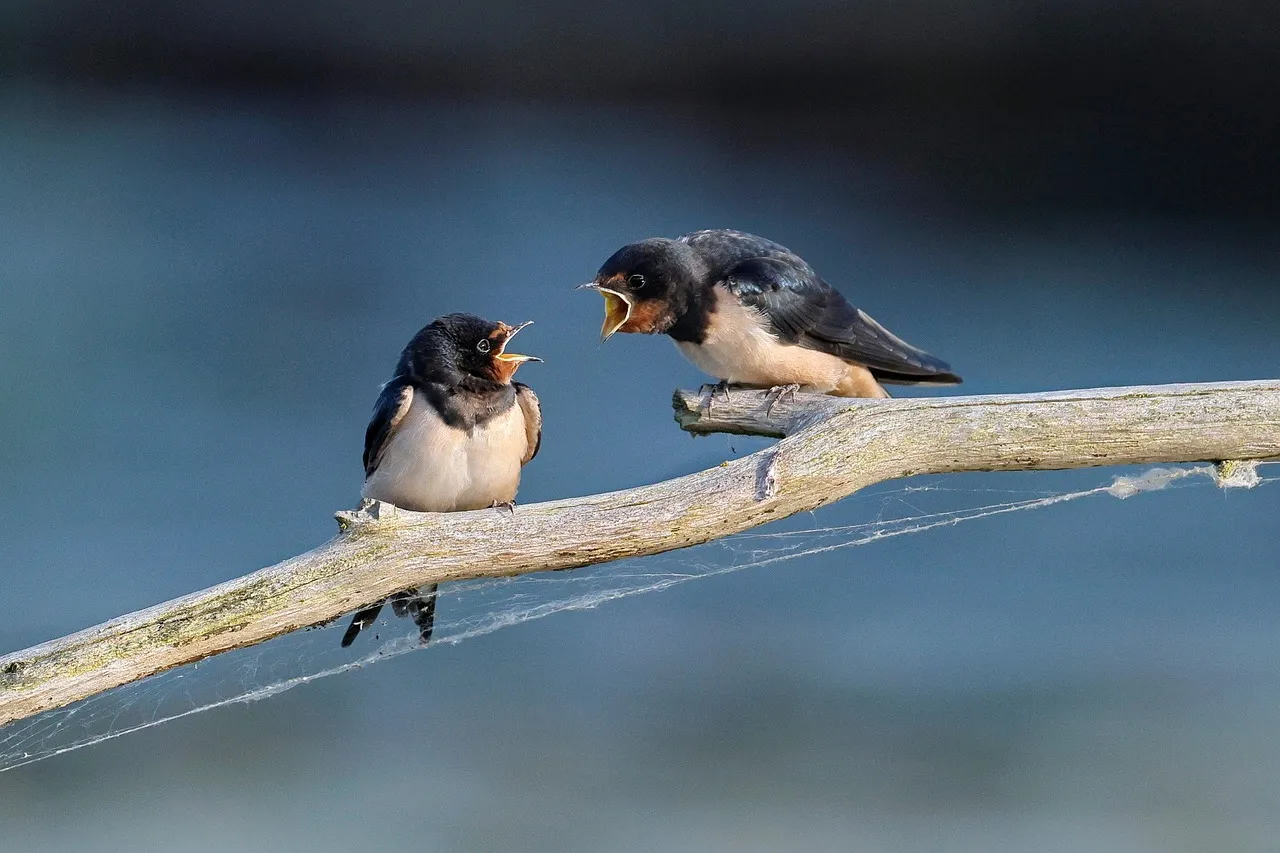
Barn swallows used to be a late-spring treat. Now many homeowners spot them hovering over lawns nearly a month earlier than they used to, chasing warmer springs and earlier insect hatches. In parts of Europe and North America, arrival dates have crept forward by roughly a week or more per decade in some long-term records – blisteringly fast by ecological standards.
But earlier isn’t automatically better. A late snap or a cold front can wipe out the insect buffet these birds are betting their lives on, and homeowners increasingly find exhausted swallows clinging to wires after freak April storms. They’re adapting, for now – but that’s nothing next to what’s happening with #2.
#2 – European Robin / American Robin: The Backyard Alarm Clock That Won’t Wait
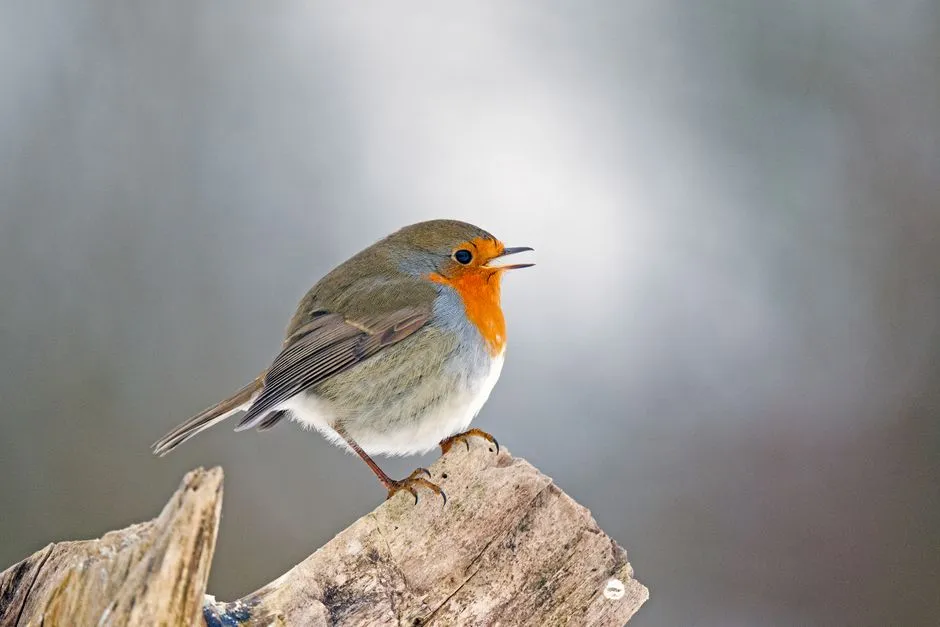
Robins have quietly become one of the clearest short-term climate winners on this whole list. Many observers now report them singing and foraging weeks before the “traditional” spring, sometimes as early as late winter in mild years – and city heat islands push the timing even harder.
Some American robin populations have partly given up on long-distance migration altogether, wintering farther north because lawns and ornamental berries keep the food coming. That iconic “first robin of spring” your grandparents waited for? In plenty of suburbs, it’s a February bird now. Nothing compared to #3, though – a bird most people still wrongly file under “strictly late spring.”
Fast Facts
- Some robins now sing and forage weeks earlier than in past decades
- Urban heat islands intensify the shift, especially in cities
- Some American robins skip long-distance migration and winter farther north instead
- Lawns and ornamental berries supply enough food to make staying north worthwhile
#3 – Chiffchaff and Warbler Cousins: Tiny Birds, Huge Timing Shifts
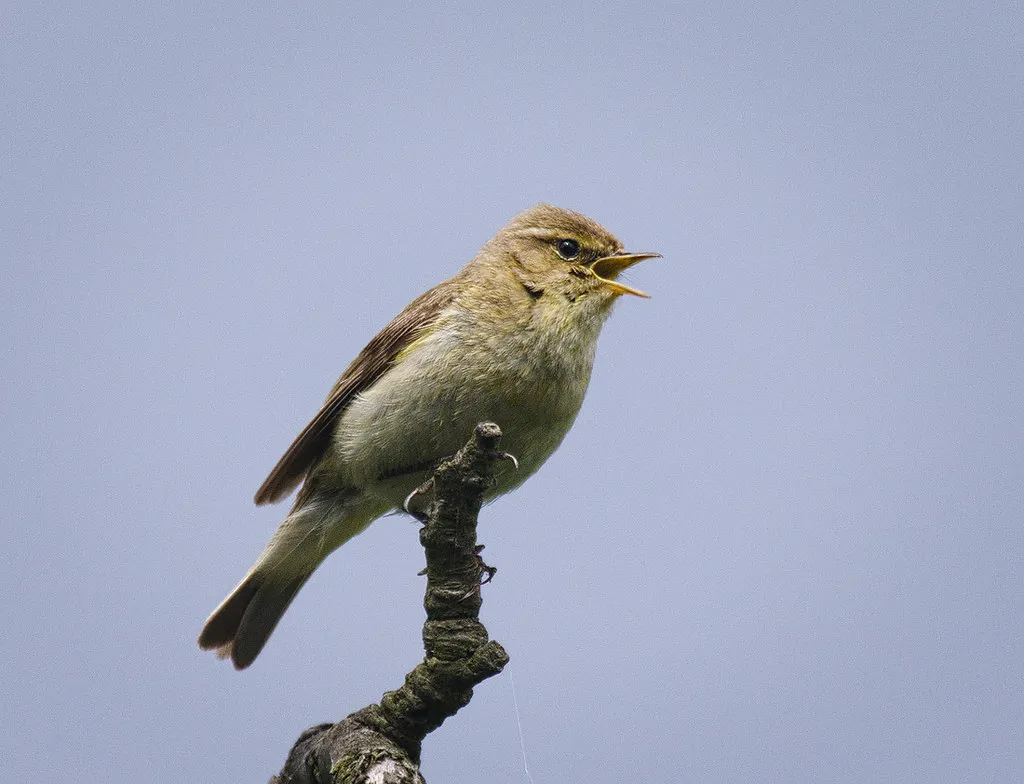
People assume fragile little insect-eating warblers are too delicate to change their schedule. The data disagrees. Europe’s chiffchaff, along with similar small warblers in North America, is turning up on breeding grounds so early that observers sometimes mistake them for birds that never left.
Here’s the catch: their migration is wired to day length, not just temperature, so when they still push earlier, the climate pressure behind it must be enormous. Arrive too late and they miss the insect boom; arrive too early and a cold snap can starve them. Many birders now treat warbler arrival dates as a living climate graph taped to their own fence – but even that looks subtle next to #4.
#4 – Blackcap and Other “New Winterers”: Birds That Barely Leave
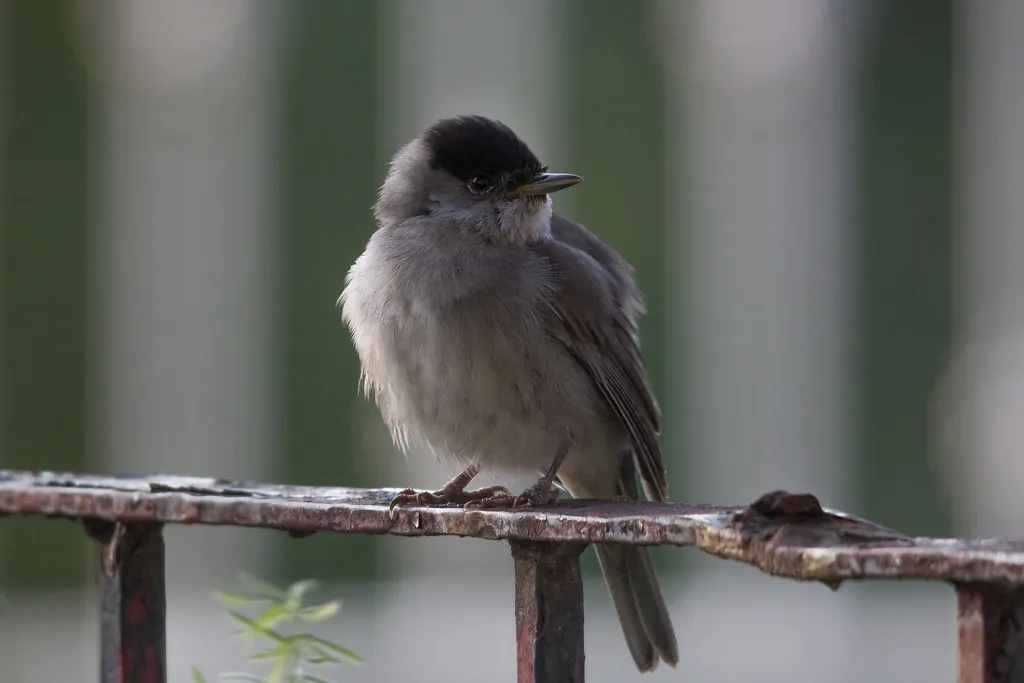
The Eurasian blackcap has rewritten its own migration story. Once a committed long-distance traveler, more blackcaps now stay much closer to – or even inside – gardens year-round across Western and Central Europe, living off feeders, milder winters, and ornamental berry bushes never meant for wildlife.
When birds stop traveling as far, “arrival” stops meaning much. Instead, observers just notice earlier singing and nesting, signs that migration itself is shrinking. It sounds like good news, but it raises an uncomfortable question: what happens to the delicate species that can’t pull off the same trick? You’ll feel that tension hard in #5.
#5 – Great Tit and Chickadee Cousins: Backyard Regulars Moving Up the Schedule
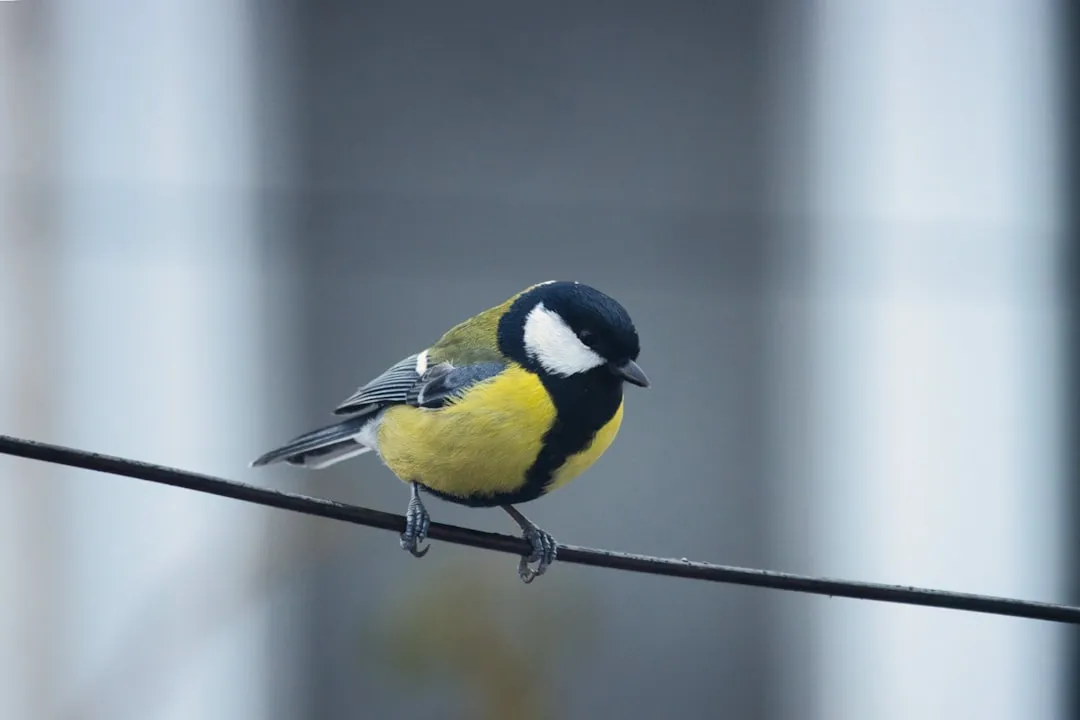
Great tits and chickadees aren’t just showing up earlier – they’re starting their entire breeding cycle earlier. Long-term nest-box studies show females laying eggs sooner in warm springs, racing to sync chicks’ hunger with the caterpillar boom. In some populations, that shift is now more than a week ahead of the 1970s.
Nail the timing and the whole brood thrives. Miss it, and chicks starve in the nest. Gardeners with detailed notebooks now see more song, more territorial chasing, more birds inspecting boxes in what used to be dead winter. It’s exciting to watch – but it’s really a high-stakes bet, and it’s a bet the iconic migrants in #6 often can’t even place.
#6 – House Sparrow and Urban Regulars: Exploiting Human Heat Islands
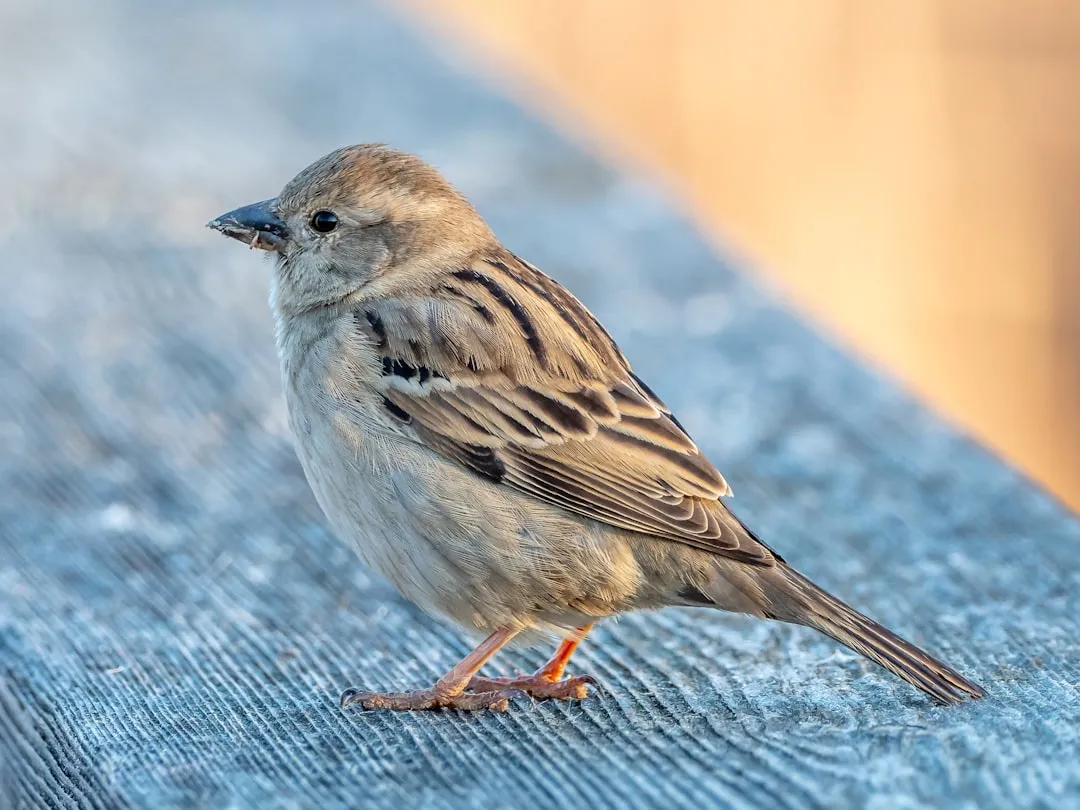
House sparrows are experts at playing the human game. In many cities they now behave like permanent residents with an unusually early breeding clock, cashing in on artificially warm microclimates around restaurants, parking lots, and backyard feeders.
Because they’re opportunists, they respond almost instantly to warmer winters and earlier food. That makes them a blunt little mirror: species that can ride our urban mess often do fine, or even too well, while pickier migrants fall behind. Some birders now half-jokingly call them “climate freeloaders” online – and the real argument gets louder once you reach a beloved summer icon like #7.
#7 – Common Starling: Earlier, Bolder, and Not Everyone’s Happy About It
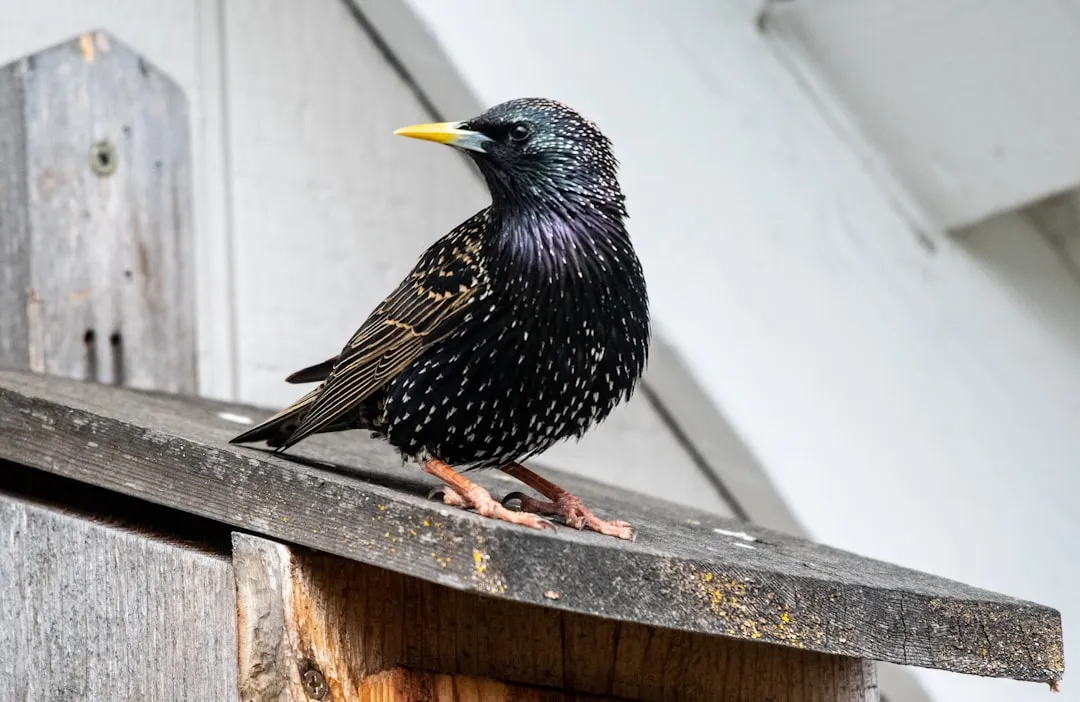
Starlings are another controversial winner. In both Europe and North America, populations are forming noisy garden flocks earlier than traditional migration charts predict, cashing in on warm soil that pushes grubs and beetle larvae to the surface sooner.
The catch is emotional, not ecological. Some people adore shimmering spring murmurations; plenty of gardeners just hear a nest-hole takeover and louder mess season starting sooner. Starlings prove that climate “winners” aren’t always the birds we actually root for. And the bird everyone rooted for as kids is up next at #8.
#8 – Song Thrush and Other Garden Thrushes: Singing Earlier into the Night
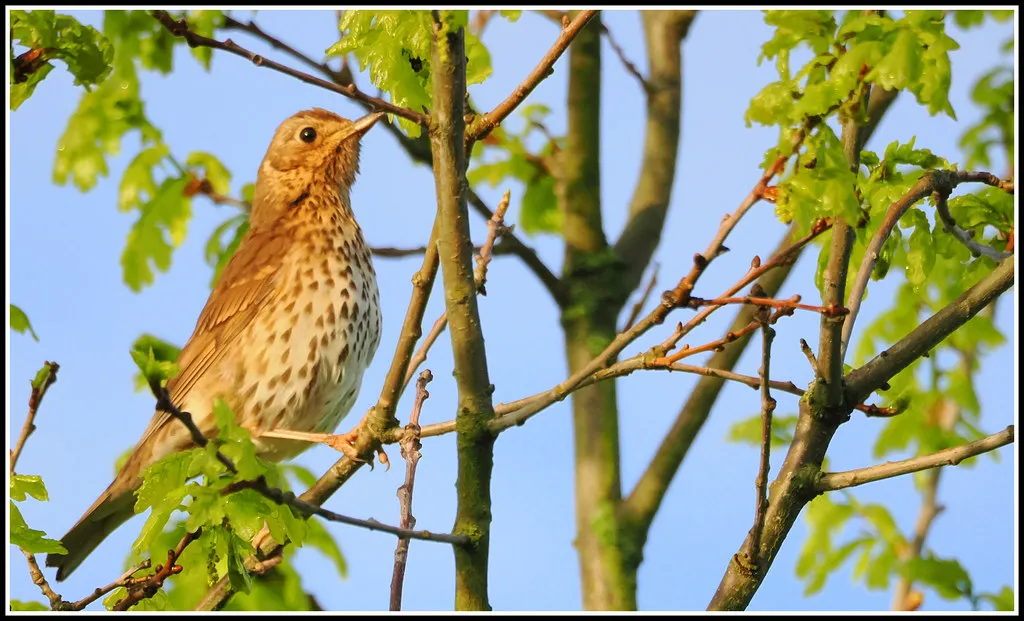
Song thrushes and their relatives are famous for evening concerts in spring – concerts that now start earlier in the year and run later into what used to be the quiet season. Warmer nights, more urban lighting, and milder temperatures all conspire to trigger song even while trees are still bare.
It sounds lovely, but it raises real questions. Are these birds burning extra energy defending territory over a longer season? Does earlier nesting expose eggs to a freak cold snap? Nobody has full answers yet, but backyard birders already know their “year” now starts in birdsong weeks earlier than the old calendar – and the urgency only builds with the insect specialists in #9.
#9 – Goldfinch and Seed Lovers: Riding Early Bloom and Feeder Trends
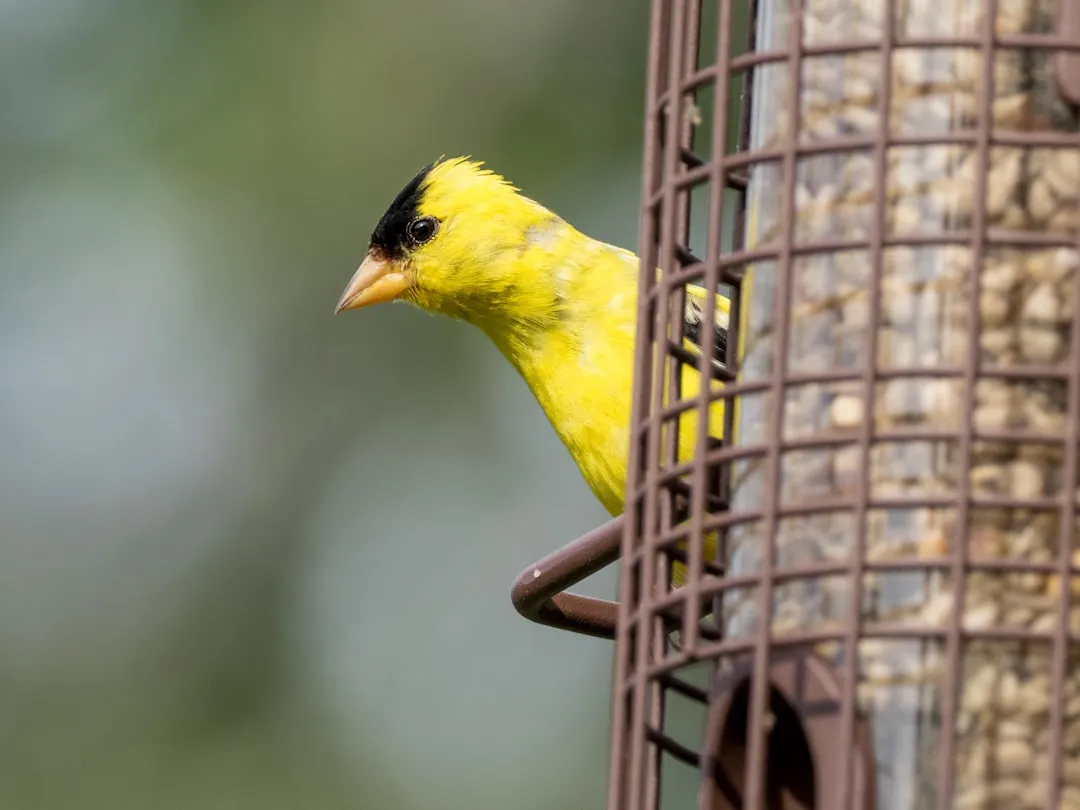
Goldfinches have quietly benefited from both a warming climate and human habits. With gardeners now planting seed-rich native flowers and keeping feeders stocked through winter, these birds can stay farther north and switch straight from winter flocking into early breeding mode while snow still lingers.
Males molt into breeding plumage sooner; singing and nest-building creep forward by days to weeks. For a lot of people, goldfinches are the first visible proof their own garden’s calendar has permanently shifted. But that same flexibility is exactly what’s missing from the long-haul migrants in #10.
#10 – House Martin and Swift Relatives: Cutting It Closer Every Year
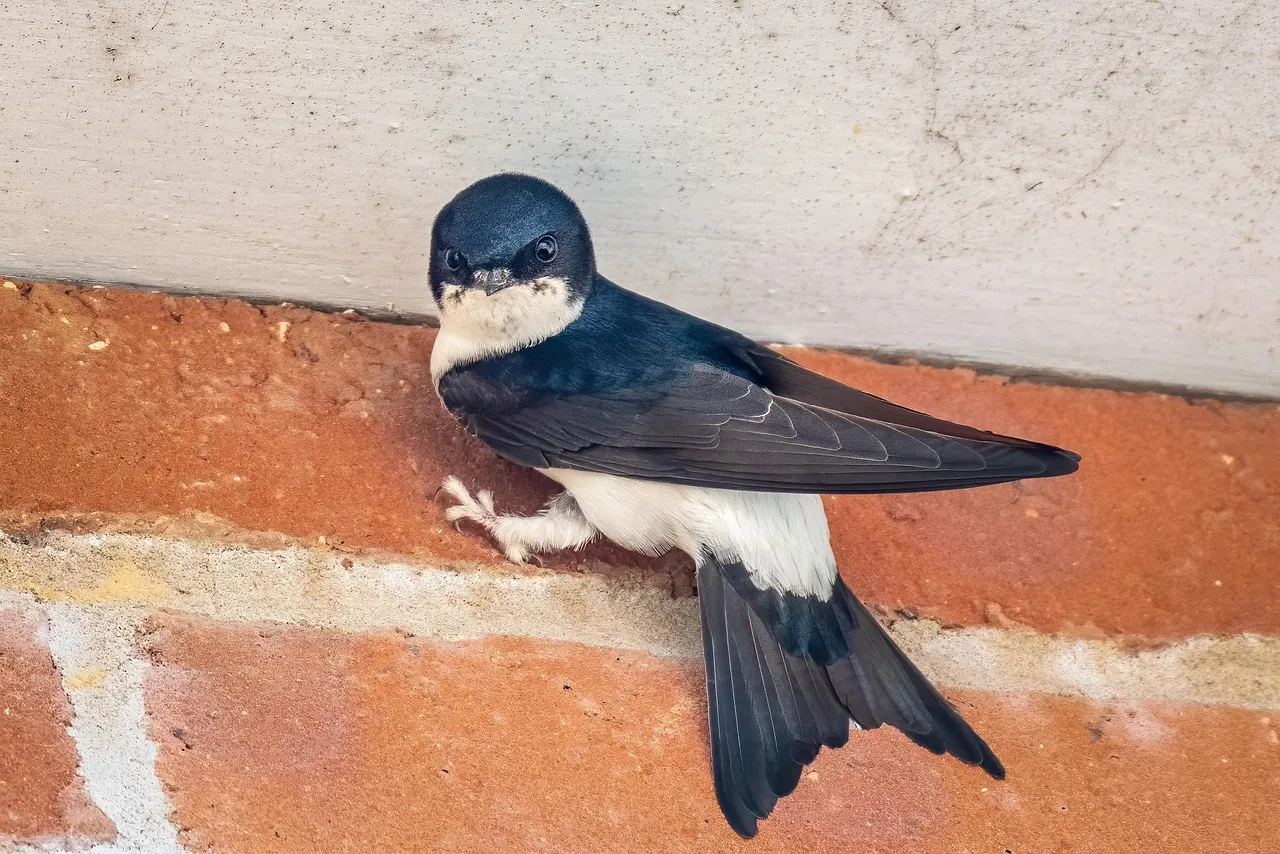
House martins and their swift cousins are classic long-distance aerial insect hunters, and they’re under brutal timing pressure. Records across multiple countries show many colonies returning noticeably earlier, racing to catch insect booms that are themselves shifting forward – sometimes while nights still flirt with frost.
Their whole breeding season hinges on matching arrival to peak insect clouds. Too late, and chicks starve. Too early with a cold snap, and adults can die mid-air with nowhere to land and feed. Unlike short-distance birds, they can’t just pause and reassess – the journey is too long and too costly. That risk gets even starker next to the quieter strugglers in #11.
#11 – Dunnock and Ground-Foraging Specialists: Edging Ahead of the Calendar
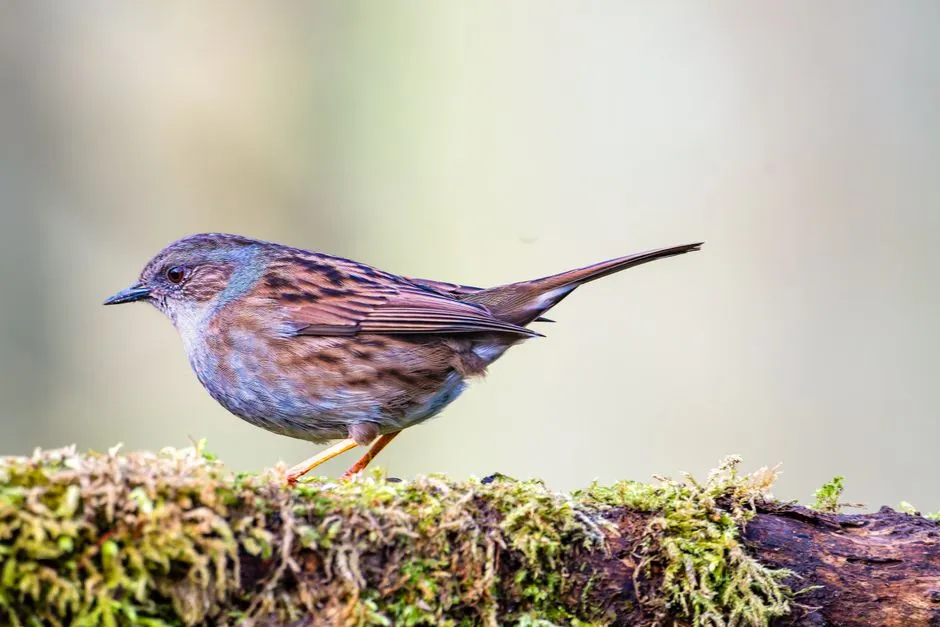
Dunnocks rarely make headlines, but their timing is shifting too. These shy, ground-foraging birds feed heavily on invertebrates in leaf litter, so when milder winters keep soil soft and bugs active, they start defending territory and breeding earlier – a pattern confirmed by ringing records and citizen-science logs.
Nobody notices them the way they notice flashy swallows or robins, but that’s exactly why they matter: they’re a quiet indicator of the whole food web moving. A late freeze can still wipe out ground-level prey overnight, leaving early nesters with nothing to feed their chicks – a food web failure that shows up again and again through #12 and beyond.
#12 – Wren and Tiny Resident Birds: Surviving Winters, Starting Early
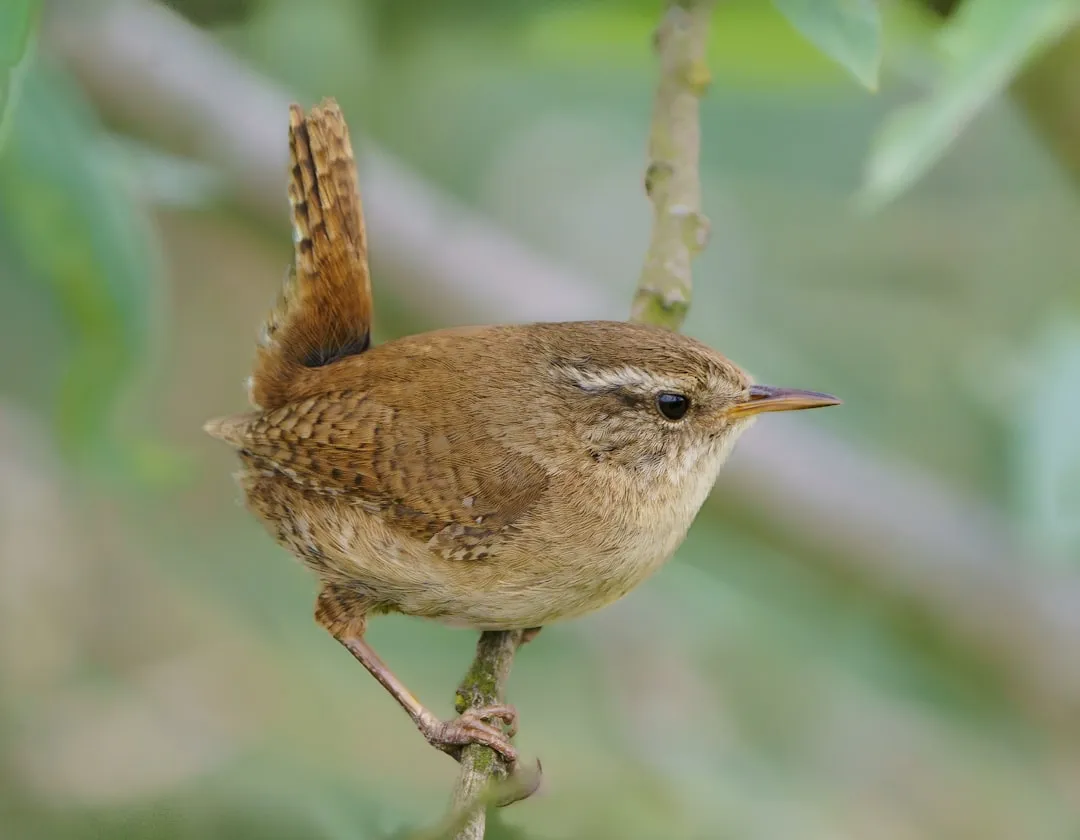
Wrens, especially in Europe, have always been brutally vulnerable to harsh winters. Milder winters now let more of them survive, which means more birds racing to stake out territory at the very first hint of spring – vigorous wren song earlier than most people remember from childhood.
It looks like a tidy success story until a single cold week hammers an overly early nesting attempt. Wrens are tiny and burn energy fast, making them a frontline species for tracking how mild winters change who’s singing in your garden, and when. Their louder, earlier presence highlights a growing divide – one that turns genuinely bleak with the birds in #13.
#13 – Blackbird and Other Generalists: Quiet Winners in a Noisy Story
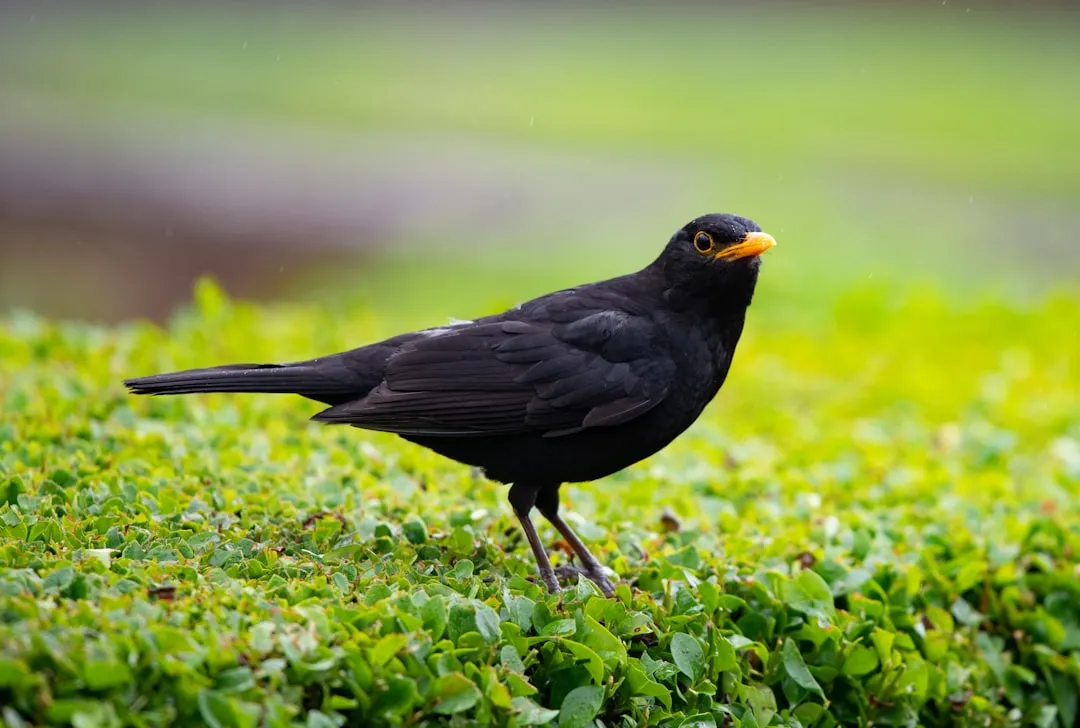
Common blackbirds and comparable generalist thrushes are often waved off as “fine” because they’re still everywhere. Look closer, though, and their timing has crept forward too – earlier singing, nesting, and territorial skirmishes across multiple long-term studies, fueled by warmer soil, earlier worms, and year-round food supplements.
The problem is that their success hides the damage underneath. When a handful of adaptable generalists thrive, they can crowd out specialized migrants already struggling to keep pace. Your garden may look just as full of life while its actual diversity quietly drains away – an illusion that shatters completely once you reach #14.
#14 – Blue Tit and Similar Cavity Nesters: Winners – But Only If Timing Stays in Sync
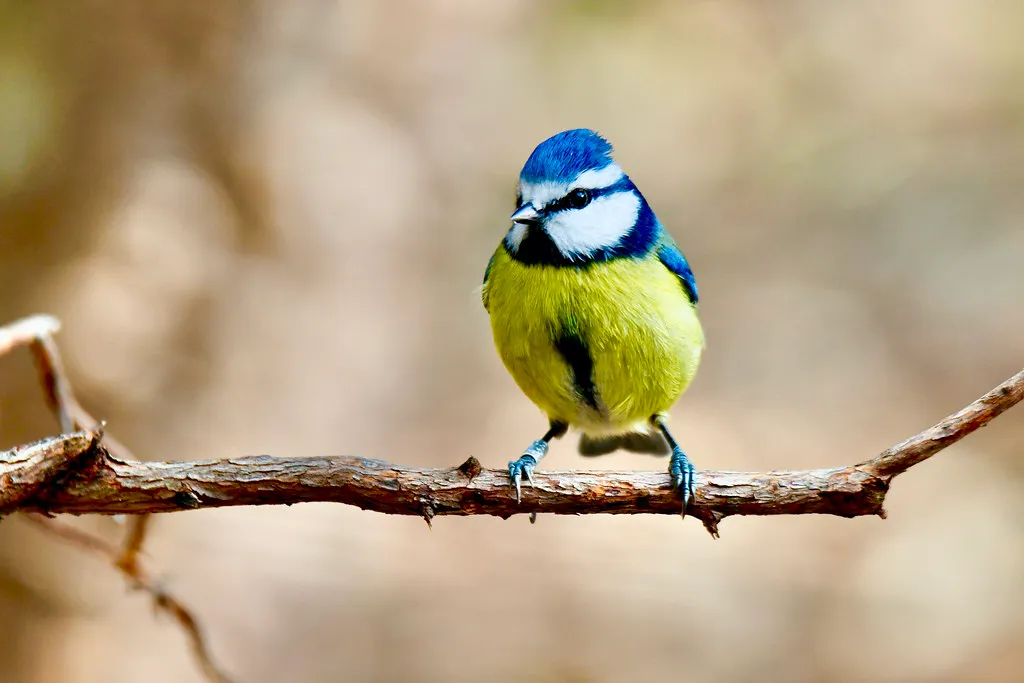
Blue tits are among the most studied birds on the planet, and decades of nest-box data show them laying eggs earlier to track caterpillar peaks – so far so good, in most places. But in some regions, caterpillar peaks are now shifting even faster than the birds can adjust, leaving chicks facing a food shortfall despite “early” arrival.
What’s striking is how local the outcome is. A neighborhood full of native oaks and healthy insects tells a completely different story than one dominated by ornamental exotics and hard landscaping – meaning your own planting choices genuinely decide who wins this race nearby. Plenty of other species aren’t winning it at all, and that reality lands hard starting at #15.
#15 – Coal Tit and Subtler Shifters: Quietly Moving Up, Quietly Overlooked
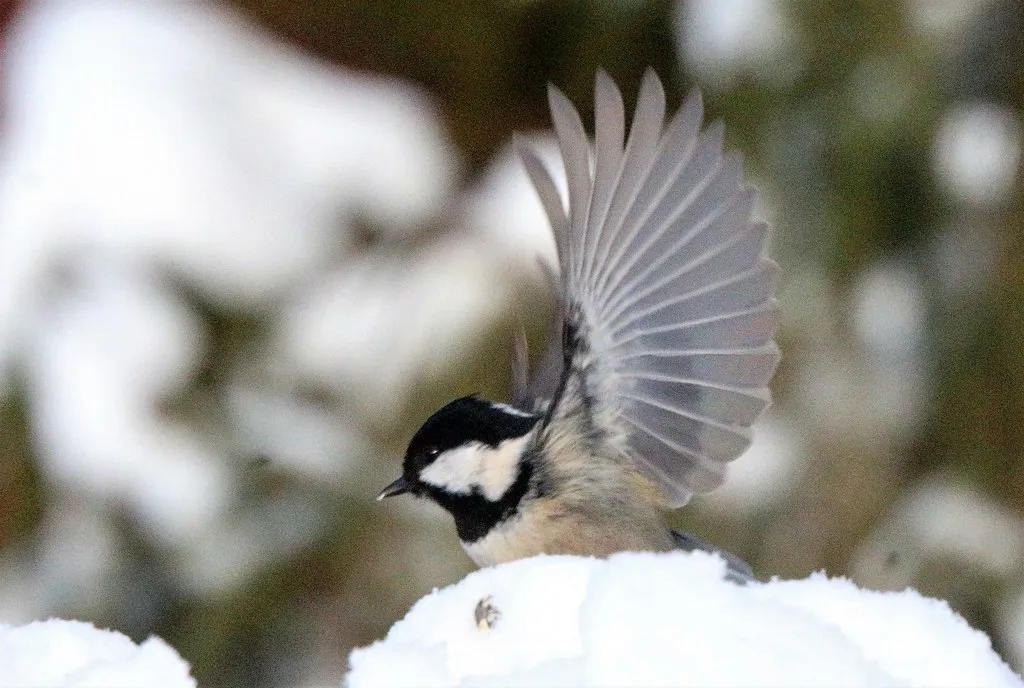
Coal tits and other conifer-loving little birds are also breeding and defending territory earlier, but because they’re less charismatic than robins or tits, almost nobody talks about it. Ringing data and nest-box monitoring show a steady creep forward in first-egg dates across many regions, echoing what’s happening with blue tits and great tits.
The catch: their food, often conifer-linked insects and seeds, may not be shifting in the same lockstep. These small, unglamorous nudges are part of a much bigger pattern – ordinary garden birds quietly advancing their whole calendar by a week or two. It sounds modest until you realize it’s happening across an entire ecosystem at once, setting up the harder turn into #16 and #17, where the story stops being about early and starts being about absent.
#16 – Long-Distance Flycatchers: Arriving Earlier, But Still Falling Behind
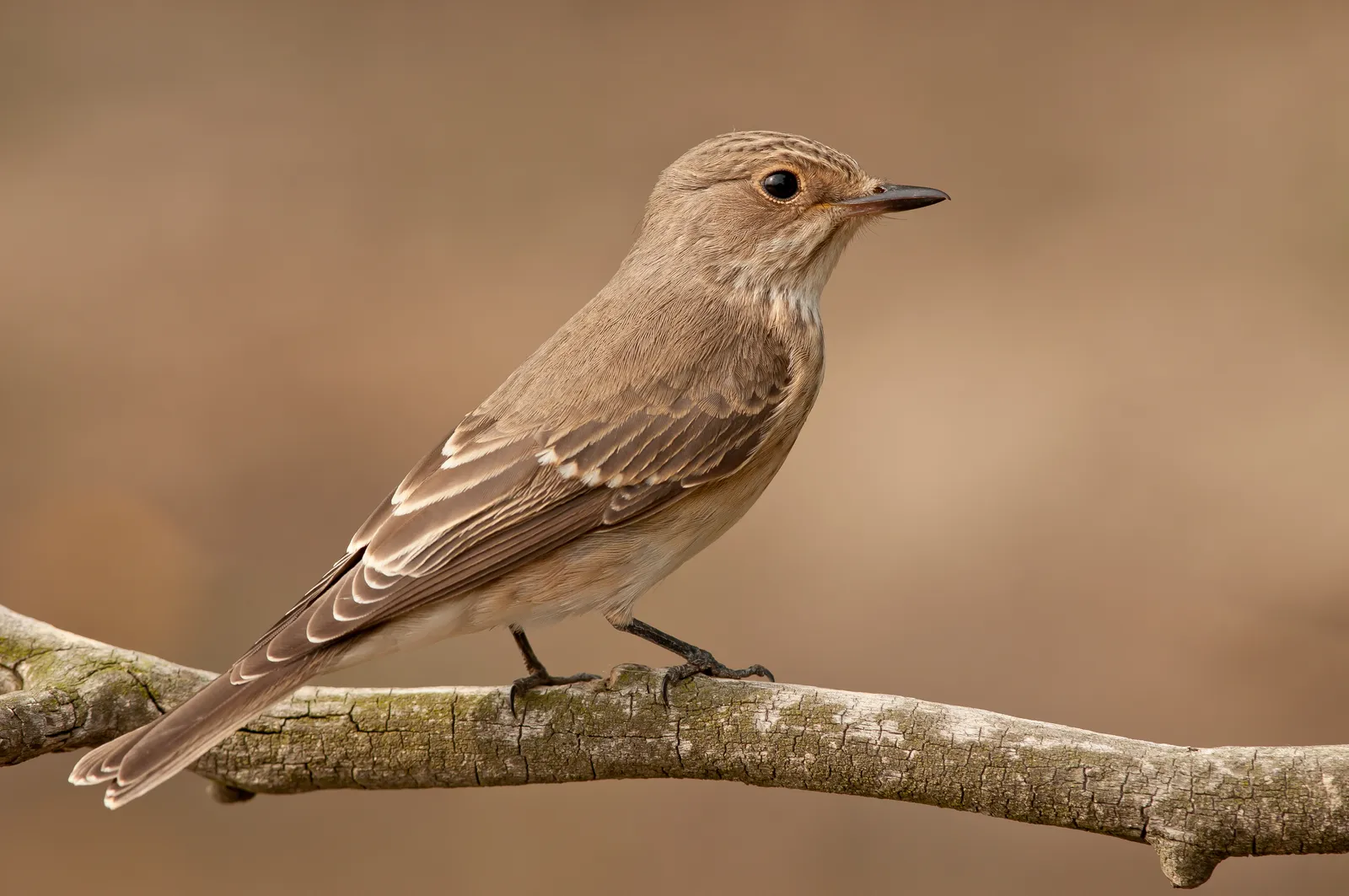
Some flycatchers, like the spotted flycatcher in Europe, do show slightly earlier arrival in parts of their range. But their populations have collapsed so steeply that many gardeners simply don’t see them at all anymore, regardless of the date on the calendar.
They depend on precise insect peaks that keep shifting, and their journeys cross continents where climate and land-use pressures stack the odds against them at every stopover. You might spot the first one a few days sooner – but there are far fewer birds behind it. This is exactly where “arriving earlier” quietly bleeds into “barely arriving,” the pattern that defines every bird from here on, starting with #17.
Quick Compare
- Early Arrivers: Adjust timing but still show up – robins, tits, and swallows shifting weeks ahead of old schedules
- Vanishing Birds: Arrival dates barely matter because the population behind them has collapsed – flycatchers, turtle doves, cuckoos
- The Divide: Generalists and urban adapters tend to cope; long-distance specialists tend to fall behind
#17 – Nightingale and Other Iconic Songsters: A Whisper Where There Was Once a Chorus
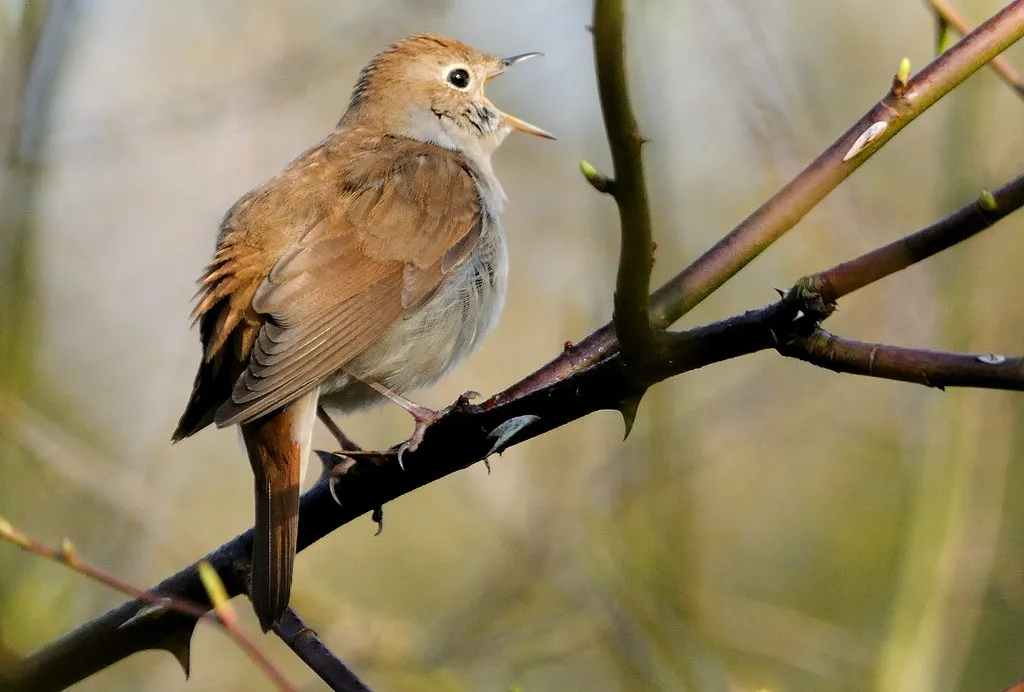
Nightingales across much of Western Europe have declined so badly that in many areas, people now go years without hearing one – a bird whose rich, nocturnal song was once a guaranteed sound of late spring. Habitat loss, especially the disappearance of dense, scrubby thickets, has hit them hard, and shifting insect populations along their migration route have made things worse.
Some conservation projects still protect pockets of nightingale abundance, but for the average garden, this bird has moved from “expected” to “mythical.” Older residents remember walking home to a soundtrack of nightingales; their grandchildren know the sound only from recordings. That gap between memory and reality gets even more brutal at #18.
#18 – Spotted Flycatcher: A Familiar Percher That Barely Shows Up Now
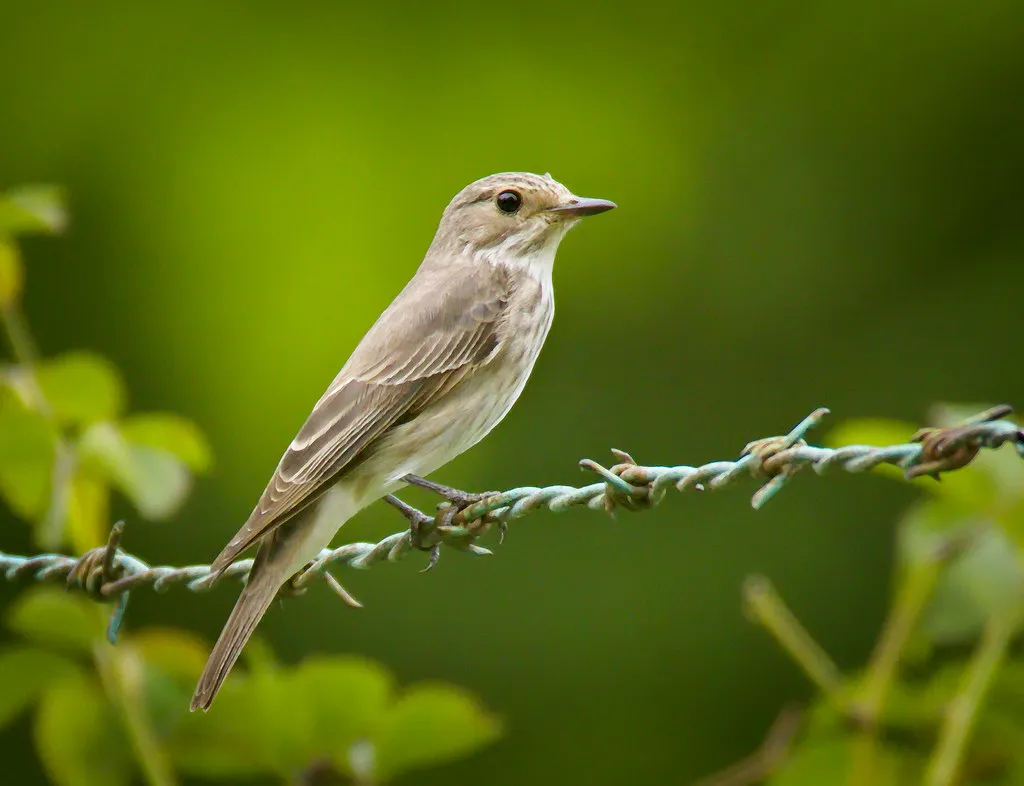
The spotted flycatcher was once an unremarkable, reliable garden bird across parts of Europe – the kind you barely noticed because it was always there, darting from a perch to snatch flies. Now some monitoring projects rate it a species of serious concern, and many people who grew up watching them simply see none at all, year after year.
Long-distance migration to Africa, combined with fewer insects and changing habitat, has proved a disastrous combination. A few individuals still return to old nesting spots, but the overall trend is retreat. “Arrival dates” have become meaningless in gardens where nothing arrives – and the news gets even worse at #19.
#19 – Pied Flycatcher: A Timing Mismatch Turning Deadly
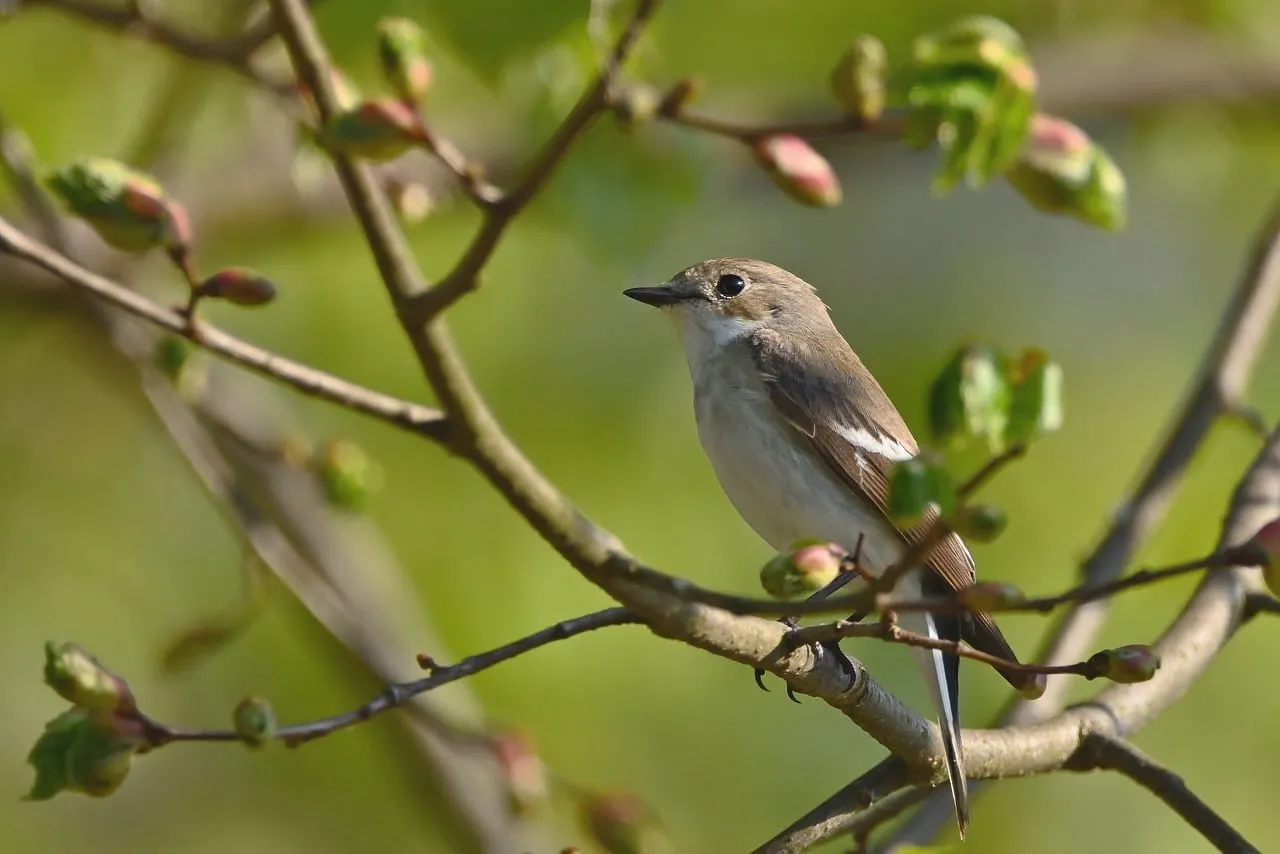
The pied flycatcher is one of the most studied victims of climate-driven timing mismatch anywhere. In several regions, it still tries to arrive when it always has – but the caterpillar peak it depends on now happens earlier, so by the time chicks hatch, the insect bonanza has often already passed.
Studies link this mismatch directly to breeding failures and population declines. In gardens where pied flycatchers once competed with tits for nest boxes, birders now talk about “empty boxes” that used to host families every single year. It’s not a gentle decline – it’s a local collapse. And at least these birds still hold on in some strongholds, unlike #20, which has simply disappeared for many suburbanites.
#20 – Turtle Dove: From Common Garden Visitor to Near-Ghost
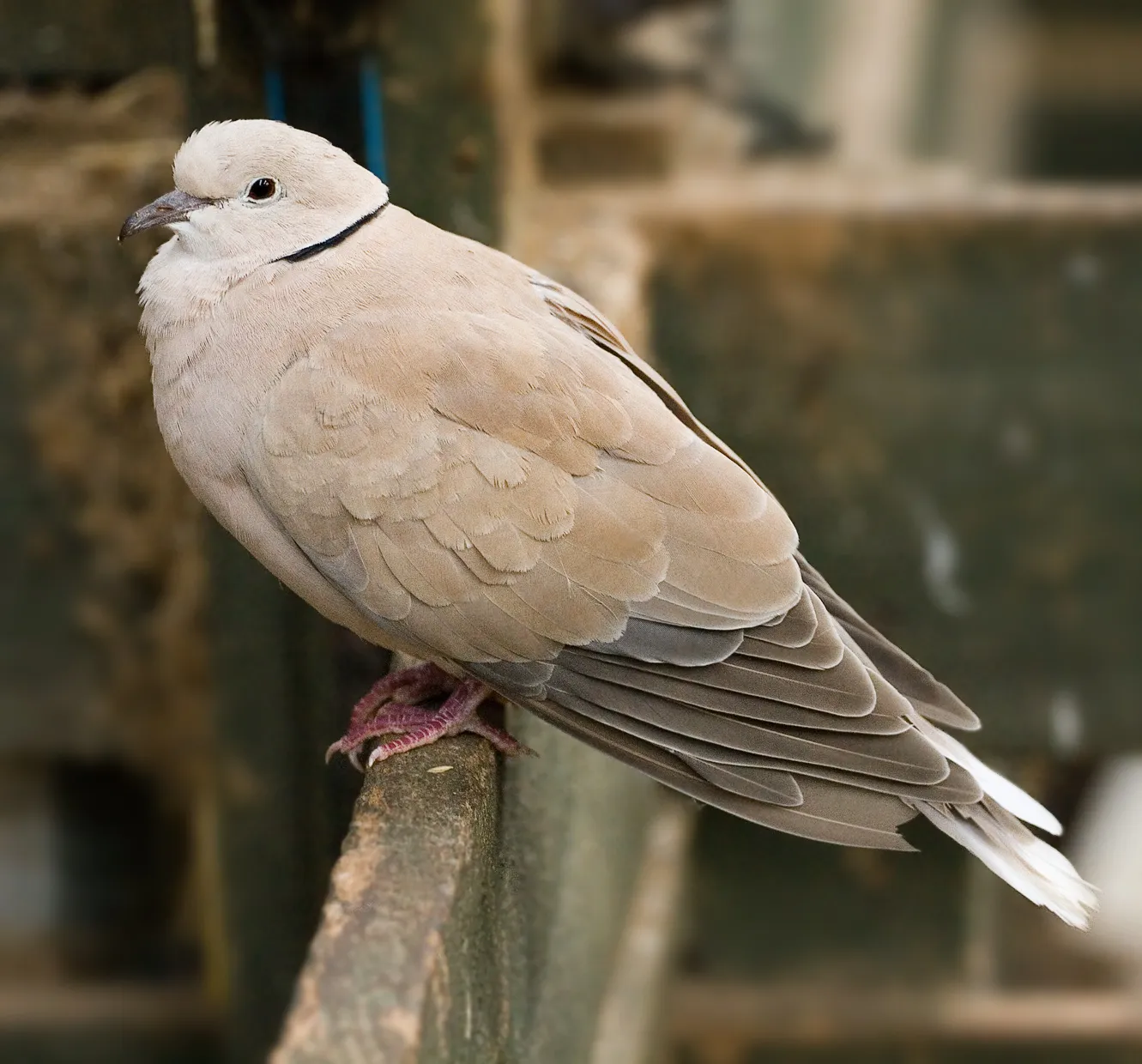
The turtle dove’s collapse across much of Western Europe is so severe that conservation groups now treat it as a flagship crisis species. Once a gentle, purring presence in farmland and large gardens, it has vanished from huge stretches of its former range thanks to hunting pressure on migration routes, intensive agriculture, and lost weedy, seed-rich habitat.
For anyone over 50 in rural areas, turtle doves were simply “part of summer.” Their grandchildren treat them as a rare pilgrimage species you have to travel to hear. This isn’t a bird arriving late – it’s a bird that often doesn’t arrive at all, a pattern that repeats hard through #21 and beyond.
#21 – Swifts: The Screaming Flocks That Don’t Come Back Like They Used To
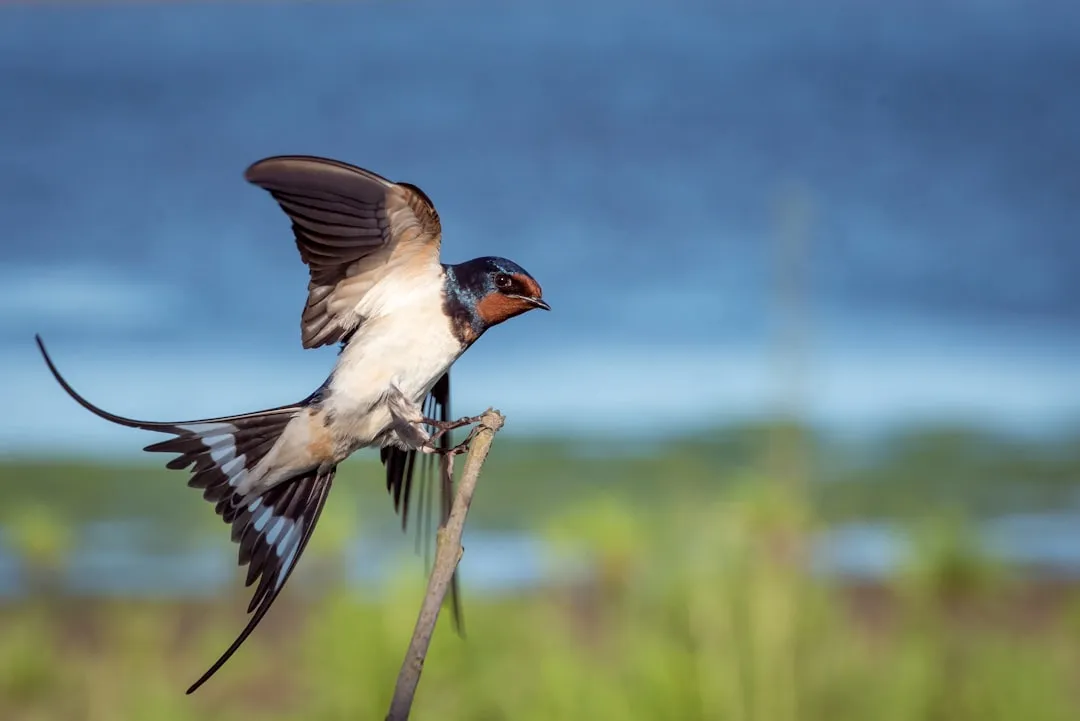
Swifts once arrived in towns en masse, their screaming flight over rooftops a sure sign summer had truly begun. Now households across Europe report fewer birds, shorter seasons, and long-used nest sites sitting empty as modern building renovations seal up the nooks these birds absolutely need.
Insect declines along their migration routes only pile on more pressure. Some local swift-box projects have managed to hold small colonies together, but the broader urban trend is downward. Where kids once tried to sleep through swift choruses on warm evenings, the sky is just quieter now – a loss people feel emotionally, not just statistically, and one that resurfaces in #22’s finches and #23’s warblers.
#22 – Greenfinch and Finch Relatives: Disease and Change Hitting Hard
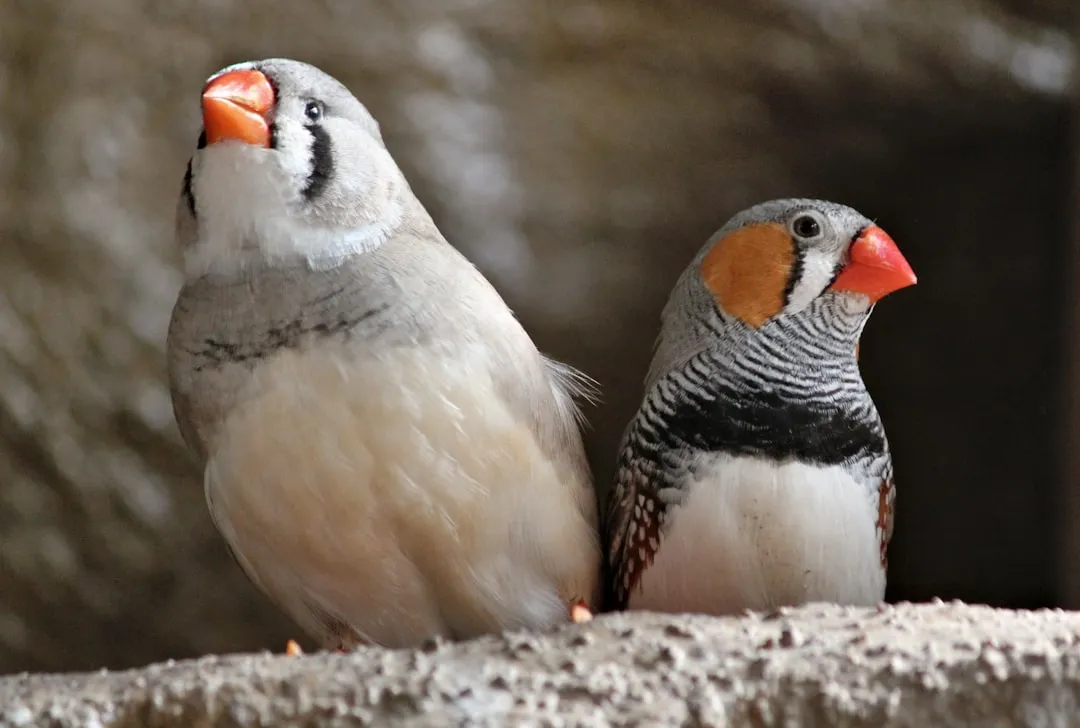
Greenfinches and comparable finches have been hit not just by habitat and food shifts, but by disease outbreaks linked to feeders and dense congregations. Where they once crowded garden tables in the dozens, households across many regions now see just a handful, or none at all.
Climate stress can worsen disease spread on top of shifting food availability – a brutal double hit. Some people blame dirty feeders, others point to broader environmental decline, but the outcome is identical either way: a bird that felt rock-solid common a couple decades ago is suddenly scarce. That same “common to scarce” arc plays out even harder in #23.
#23 – Willow Warbler: Numbers Dropping Even as Springs Warm
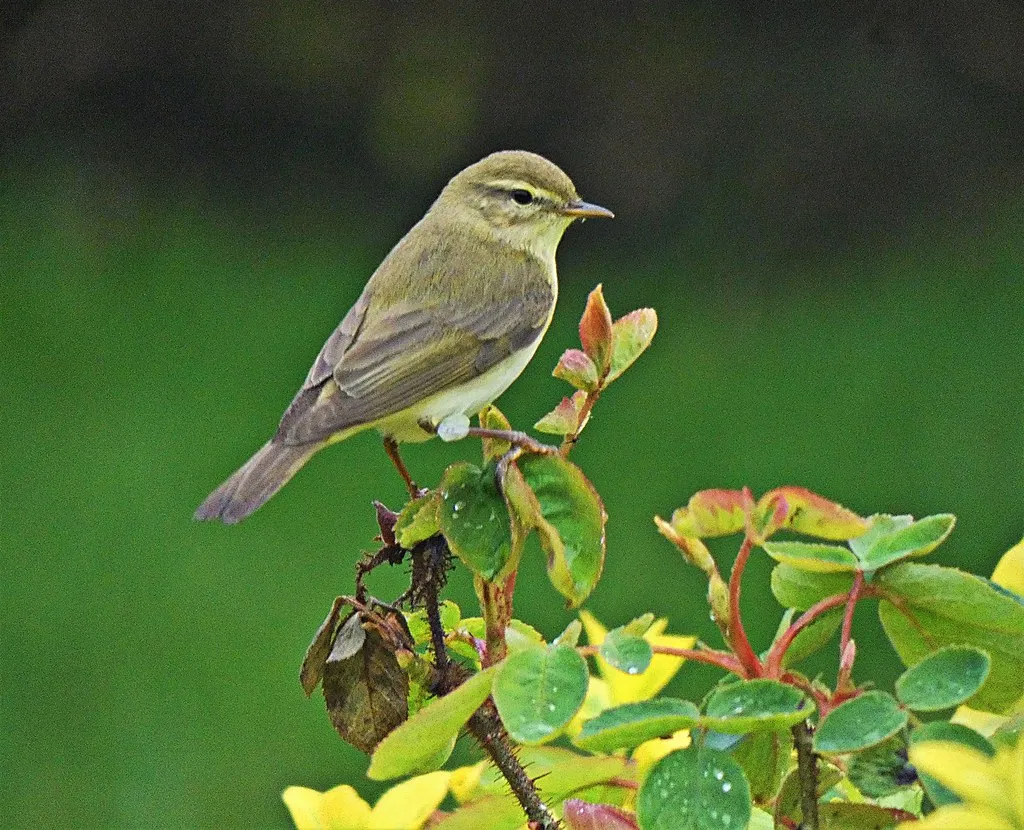
The willow warbler was once a quintessential spring sound in gardens and wood edges across Western Europe. You’d expect warmer springs to help an insect-eater, but the reality is messier – habitat change, conditions on African wintering grounds, and shifting insect timing mean many people simply don’t hear them anymore where they used to sing constantly.
Birders talk about “ghost territories,” places where males once sang from every other willow or birch and now sit in total silence. Some northern and eastern populations are holding on better, but for suburban gardens in former strongholds, this bird has almost stopped returning. Unlike a robin or a tit, it can’t just switch over to bird feeders – and that specialization becomes a liability again in #24.
#24 – Redstart: The Flash of Color That Rarely Uses Your Nest Box Now
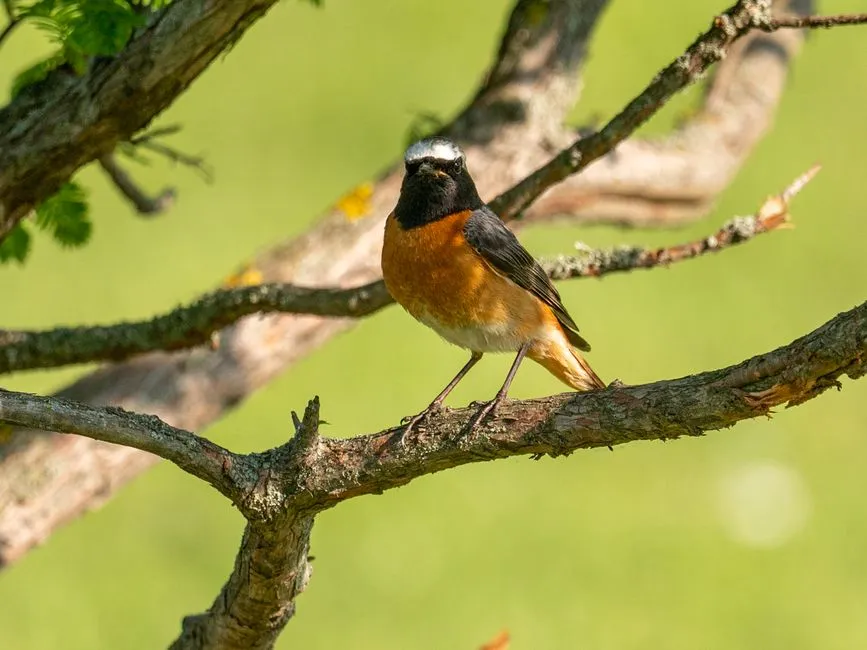
Redstarts used to be the glamorous alternative to tits and sparrows, nesting in tree holes and brightening early summer gardens with vivid plumage. Today, plenty of people with nest boxes built specifically for redstarts wait year after year and only ever get great tits or house sparrows moving in instead.
Long-distance migration, habitat fragmentation, and disappearing insects have quietly eaten away at their numbers. They still hang on in well-managed woods and reserves, but as a routine garden bird, they’ve shrunk dramatically. Old photos show them casually perched on garden fences; today’s sightings usually come from birding holidays, not backyards – the exact kind of quiet retreat that fits #25 just as uncomfortably.
#25 – Tree Sparrow and Farmland-Linked Garden Guests: Fading with the Fields
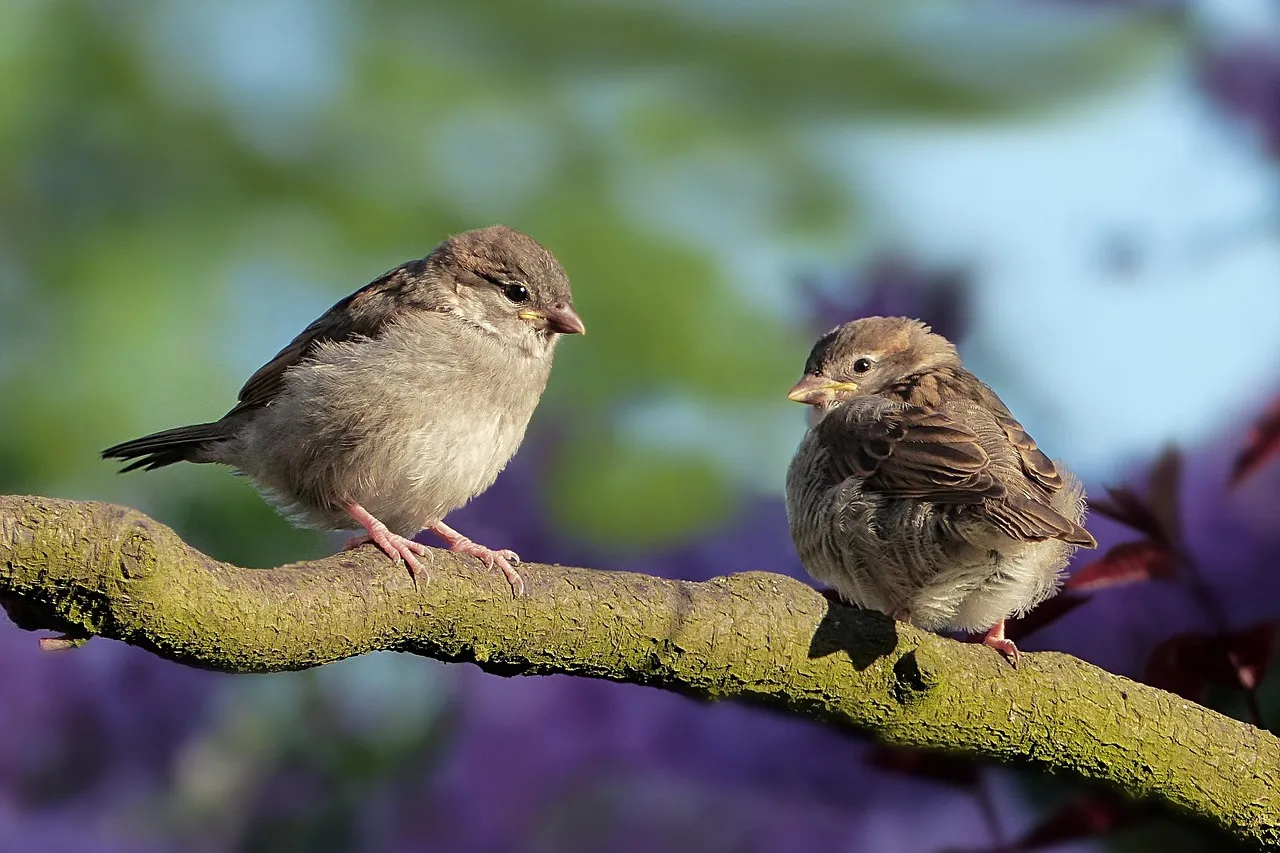
Tree sparrows and other farmland-associated birds once spilled easily into large rural gardens. Hedge removal, monoculture farming, heavy pesticide use, and the disappearance of messy, weedy corners have combined to slash their populations across many agricultural landscapes.
For households on the edge of farmland, the absence is obvious – people who once had to carefully tell tree sparrows apart from house sparrows at busy feeders rarely need that skill anymore. Some agri-environment schemes have scored local wins, but they’re racing against industrialized land use and a warming climate at the same time. That’s doubly true for #26, which depended on a kind of messy farmland we’ve nearly erased.
#26 – Corn Bunting and Other “Edge” Birds: Gone from the Garden Soundscape
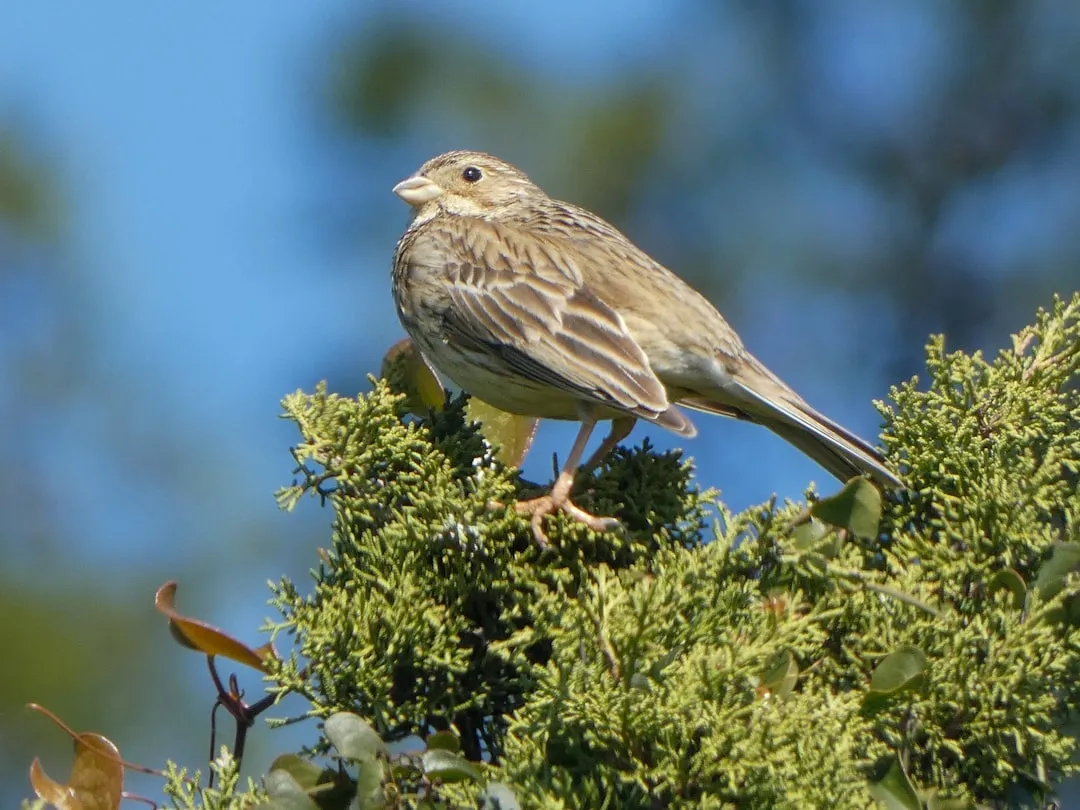
Corn buntings and similar field-edge birds used to be part of the wider soundscape in rural villages, their jangling song drifting from nearby fields into farmyards and large gardens. As farming shifted toward cleaner, more uniform crop fields, their numbers plummeted across many regions.
For younger residents, these birds now exist only in field guides or nature reserves. Even where populations survive, they rarely stray into the tidy, hard-edged gardens of modern developments – they haven’t just stopped “returning,” they’ve been squeezed out of the human landscape entirely. That shrinking overlap between people and birds hits even harder with aerial specialists like #27.
#27 – House Martin: Empty Nests on Eaves Tell the Story
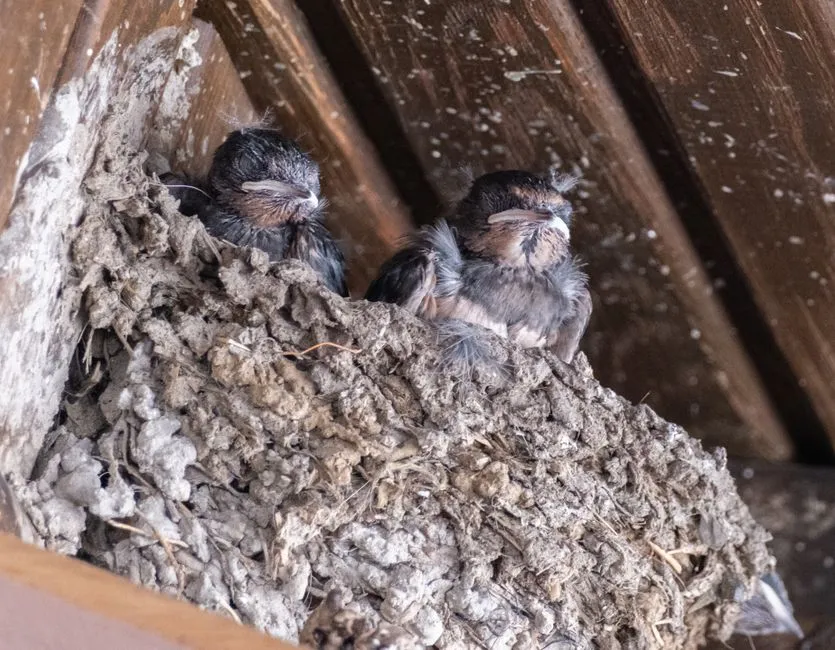
House martins used to plaster mud nests under village and town eaves, swooping over gardens as a guaranteed sign of summer. Now, long-term residents across much of Europe report row after row of old nests standing empty, for the same reasons hitting swallows and swifts: fewer insects, shifting weather, and building designs that discourage or outright block nesting.
Some colonies stay stubbornly loyal to their traditional sites, but where conditions deteriorate, entire clusters can vanish within a few years. People who once had to hose droppings off their driveways now barely need to clean at all – some celebrate that, but far more quietly miss the noisy life overhead. That same trade-off between convenience and richness shows up again in #28 and #29.
Worth Knowing
- Old mud nests can persist on eaves for years even after a colony disappears
- Modern building materials and renovations often seal up the gaps martins need to nest
- Insect declines along migration routes compound losses at the breeding end
- Some loyal colonies hang on for years even as neighboring sites go silent
#28 – Tree Pipit and Other Subtle Songsters: Vanishing from Edges and Lawns
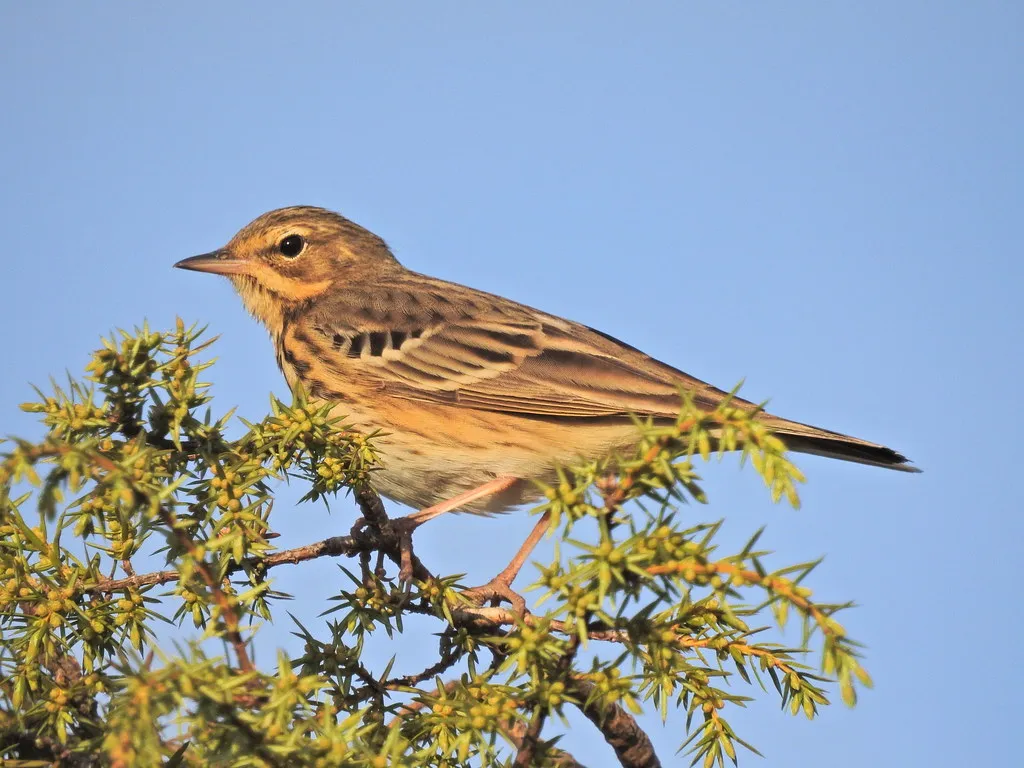
Tree pipits and similar subtle songbirds used to occupy the wooded edges and rough lawns bordering many larger gardens, performing their distinctive parachuting song over semi-natural patches of grass. As gardens and nearby green spaces became more manicured and fragmented, these birds retreated to wilder habitats, with climate change further stressing the insects they rely on.
Nobody really noticed them going – they were never as unmistakable as a robin or a blackbird. But for the people who did know their song, the silence is another sign that the overlap between truly wild birds and everyday backyards keeps shrinking. That same pressure hits wetland-linked species even harder, as you’ll see with #29.
#29 – Sedge Warbler and Wet-Edge Visitors: Lost When Ponds Got Tidy
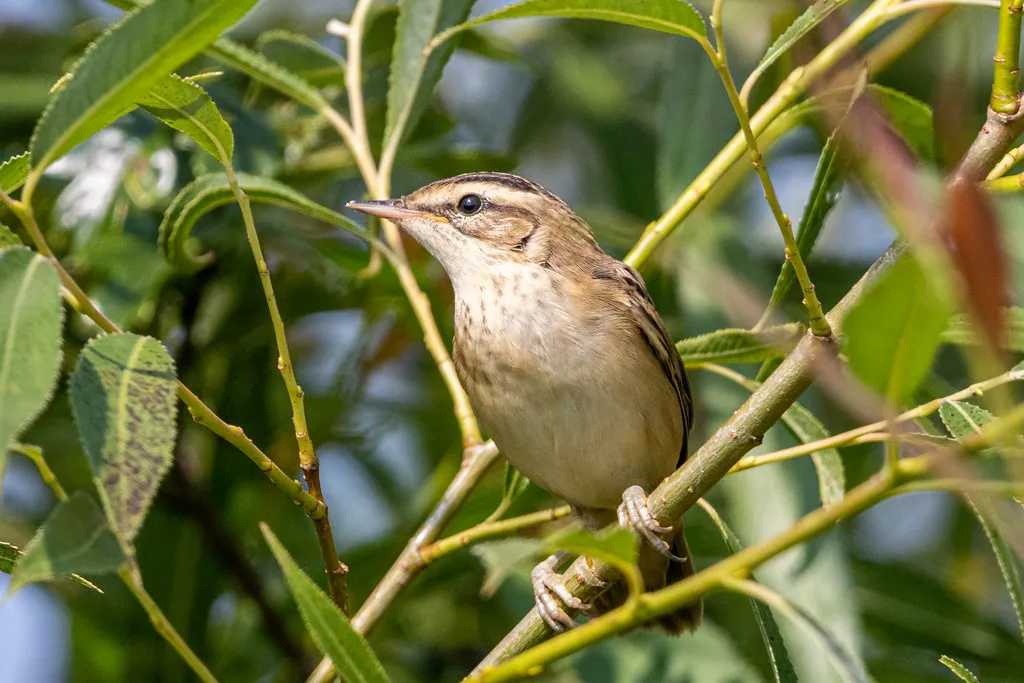
Sedge warblers and other wetland-edge birds occasionally spilled into gardens near ponds, ditches, or streams wherever reedbeds and scrubby margins were allowed to grow wild. As we’ve canalized, mowed, and “tidied” water edges everywhere, those opportunities have quietly disappeared.
Add long-distance migration to Africa and shifting wetland hydrology under a warming climate, and sedge warblers have pulled back from many semi-urban fringes altogether. Think of them as the canary at the edge of the marsh: when they stop showing up, your local wet habitat is probably already in trouble. The same tough question now hangs over once-ubiquitous ground feeders like #30.
#30 – Wagtails in Driveways and Lawns: Fewer Tails Bobbing Around the Patio
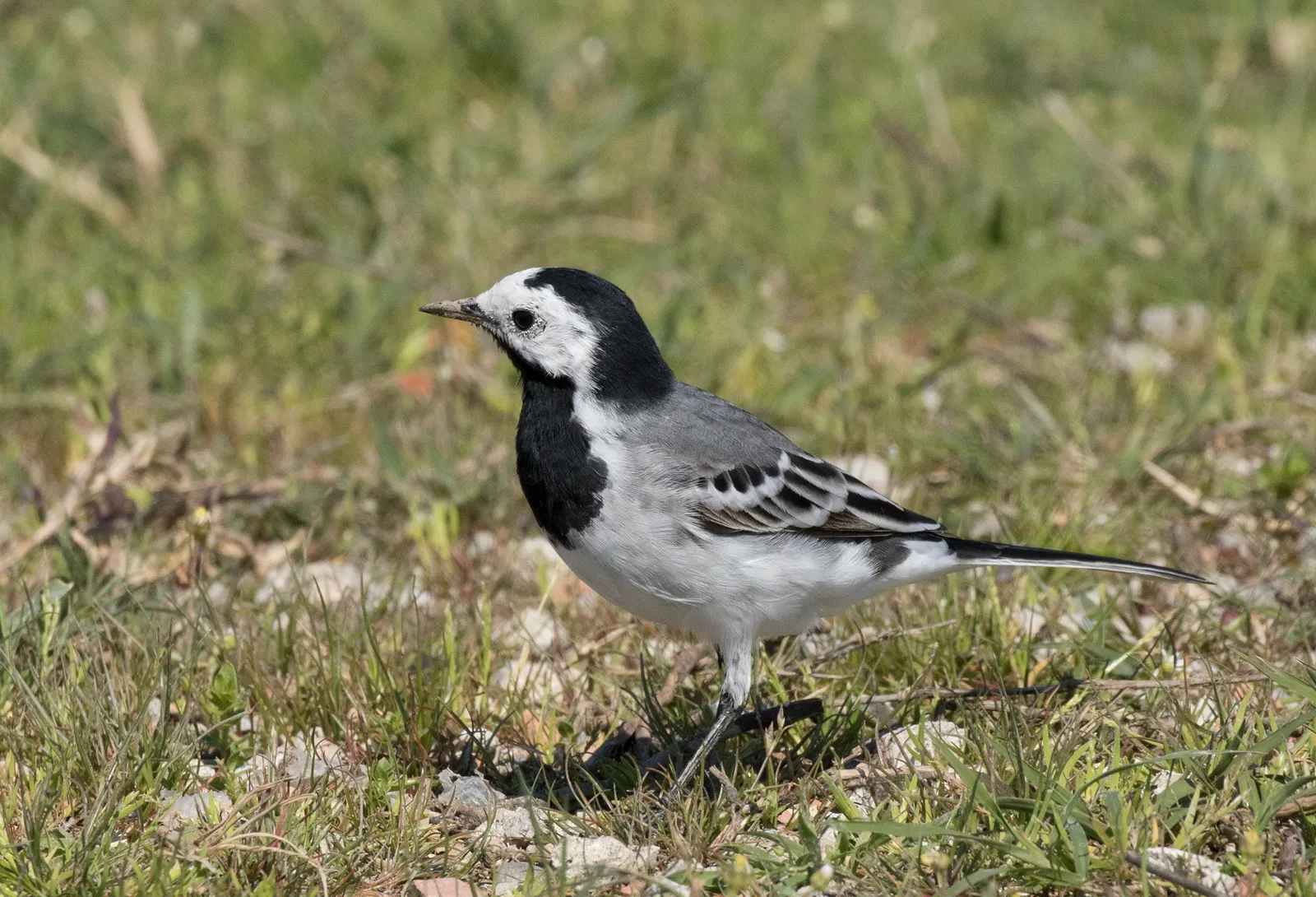
White wagtails, yellow wagtails, and their relatives were always a cheerful sight bobbing across driveways, patios, and lawns while hunting small insects. In some regions, people are simply seeing fewer of them trotting around the garden, as intensified pesticide use, sealed urban surfaces, and drier conditions shrink the tiny prey they depend on.
They also face pressure along their migration routes and on wintering grounds far from anyone’s backyard. Because wagtails were always “background birds,” their disappearance feels like a vague thinning rather than a dramatic loss – until longtime observers compare notes and realize the trend is unmistakable. Line that up beside the icon slipping away in #31, and the pattern gets harder to shrug off.
#31 – Swallow Declines in Some Regions: The Icon Slipping Away

Ironically, even as barn swallows arrive earlier in some places, their overall numbers are dropping elsewhere, especially around modernized farms. Enclosed barns, the loss of open cattle sheds, fewer dung-rich pastures, and disruptions along migration routes have all chipped away at the population.
Households that once counted dozens of mud nests under the eaves now find just a handful, if any. Aristotle put it plainly nearly 2,400 years ago, and it fits this moment uncomfortably well.
One swallow does not make a summer.
Aristotle
Early arrival means little when the local population behind it has collapsed – swallows are becoming a special treat instead of a daily backdrop. That same “from everywhere to occasional” arc repeats in less famous, equally telling species like #32 and #33.
#32 – Linnet and Seed-Eating Songbirds: Fewer Flocks, Fewer Garden Guests
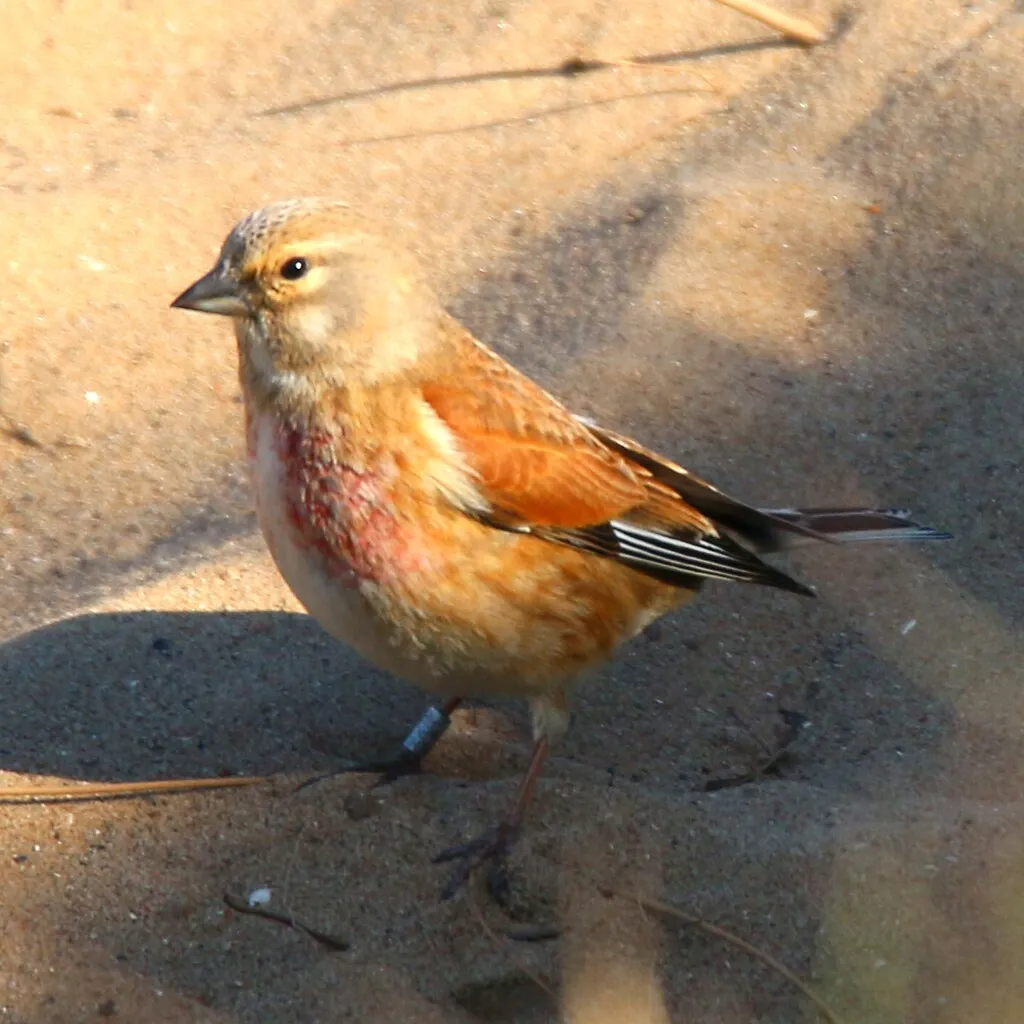
Linnets and other small seed-eating songbirds once drifted through gardens in loose flocks, especially in winter and early spring, feeding on weed seeds and hedgerow plants. As low-intensity farmland and messy field edges have vanished, these birds have lost much of their traditional buffet – dense flocks are rarer, and casual garden visits have dropped off noticeably.
Some land-stewardship projects have helped locally, but the overall baseline is lower almost everywhere. Gardeners who used to enjoy mixed finch and linnet flocks at their feeders now mostly see a couple of hardy generalists. Timing isn’t really the story here – it’s whether the birds can afford to show up at all, a question that also haunts the cliff- and rock-nesting neighbors in #33.
#33 – Rock Dove / Feral Pigeon Cousins: Winners Overall, but Local Retreats Tell a Tale
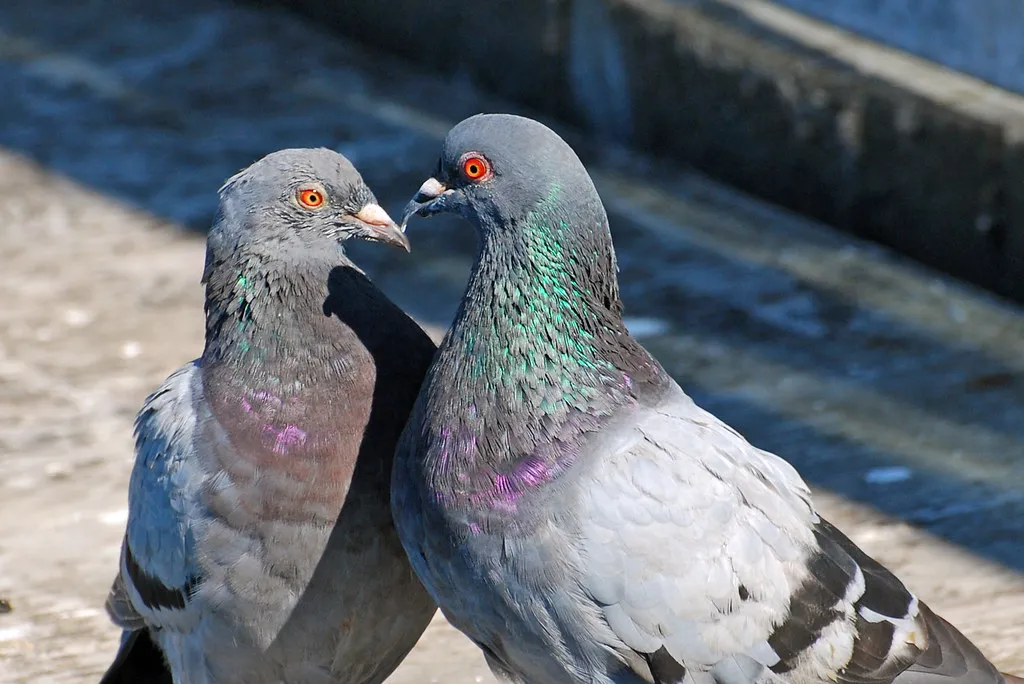
Feral pigeons, descended from rock doves, are globally successful – almost too successful in most cities. Yet even among these tough generalists, there are pockets where traditional nesting sites are disappearing due to building renovations, netting, and deliberate deterrents.
Few people mourn a local pigeon decline, but ecologically it’s another sign that we’re systematically erasing nesting micro-habitats from our own buildings. “Almost stopped returning” here is subtle: fewer roosts, smaller flocks, less everyday overlap with backyards. When even our classic survivors get nudged out of human spaces, it raises an uncomfortable question about the less adaptable species in #34.
#34 – Cuckoo: The Absence You Feel Even If You Never Saw the Bird
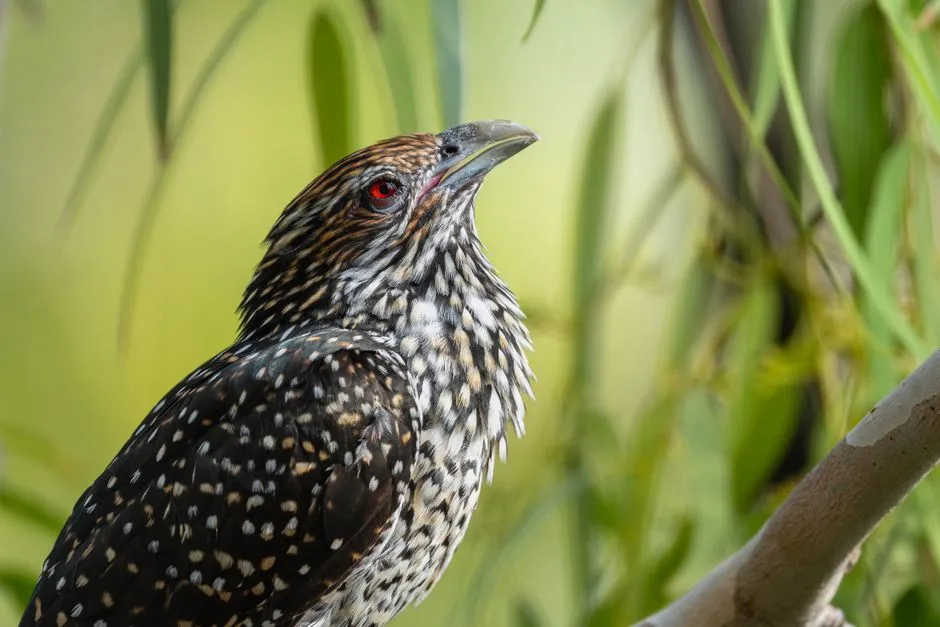
The cuckoo is a textbook case of a bird people hear long before they ever see, and across much of Western Europe, they now rarely hear it at all. Long-distance migration, changes in host species, shifting insect availability, and climate-driven timing mismatches have combined to produce steep declines in some countries.
For many, the classic “first cuckoo of spring” has gone from an annual certainty to an event you might not experience for a decade. Folk sayings and local traditions built around its call feel strangely hollow when the bird itself has gone quiet. Once you realize the early arrivers and the near-absent losers are symptoms of the exact same planetary shift, it’s hard to file any of this under “nature being random.”
At a Glance
- Cuckoo declines are linked partly to shifting timing in the host species they depend on
- Migration distance and habitat specialization are the biggest risk factors across this whole list
- Folklore built around the “first cuckoo of spring” is fading right along with the bird
The Verdict: Some Birds Are Winning This Race, and Most Aren’t
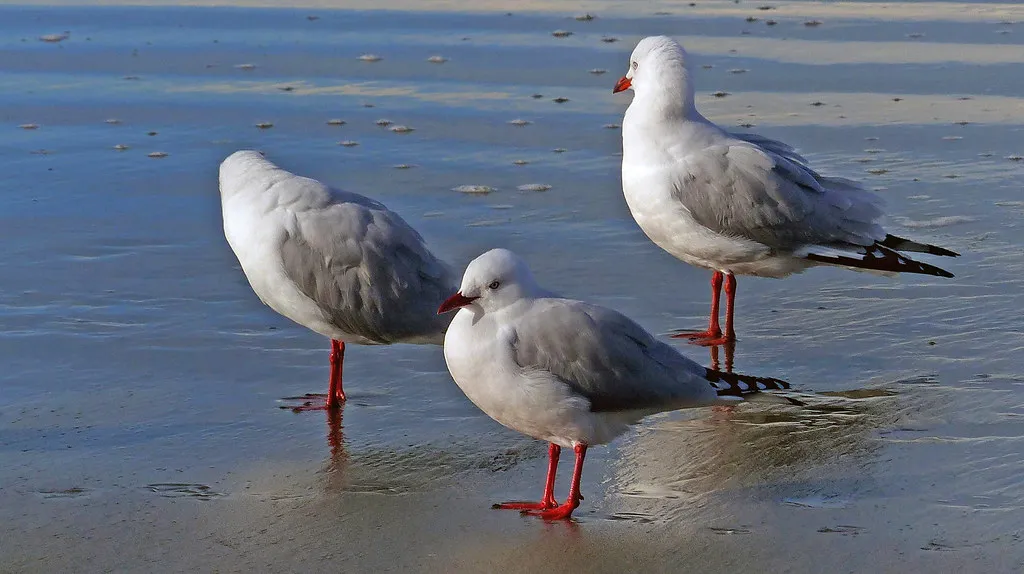
Climate change and habitat loss aren’t abstract graphs on a scientist’s laptop – they’re the reason robins now sing in February and nightingales have gone nearly silent in the same century. Generalists and urban opportunists like house sparrows, starlings, and pigeons are mostly coping, sometimes thriving. Long-distance migrants and habitat specialists like turtle doves, cuckoos, and flycatchers are quietly disappearing from the exact gardens that once defined them.
I’ll say the unpopular part out loud: “spring seems earlier lately” is not a charming observation, it’s a warning label. You don’t need a research grant to see it – just an old notebook, a bird feeder, and a decent memory of what your garden used to sound like. The real question isn’t whether the calendar is shifting. It’s whether we change our gardens, farms, and habits fast enough to keep the losers on this list from becoming permanent. Which birds have you noticed arriving earlier – or not coming back at all?
