
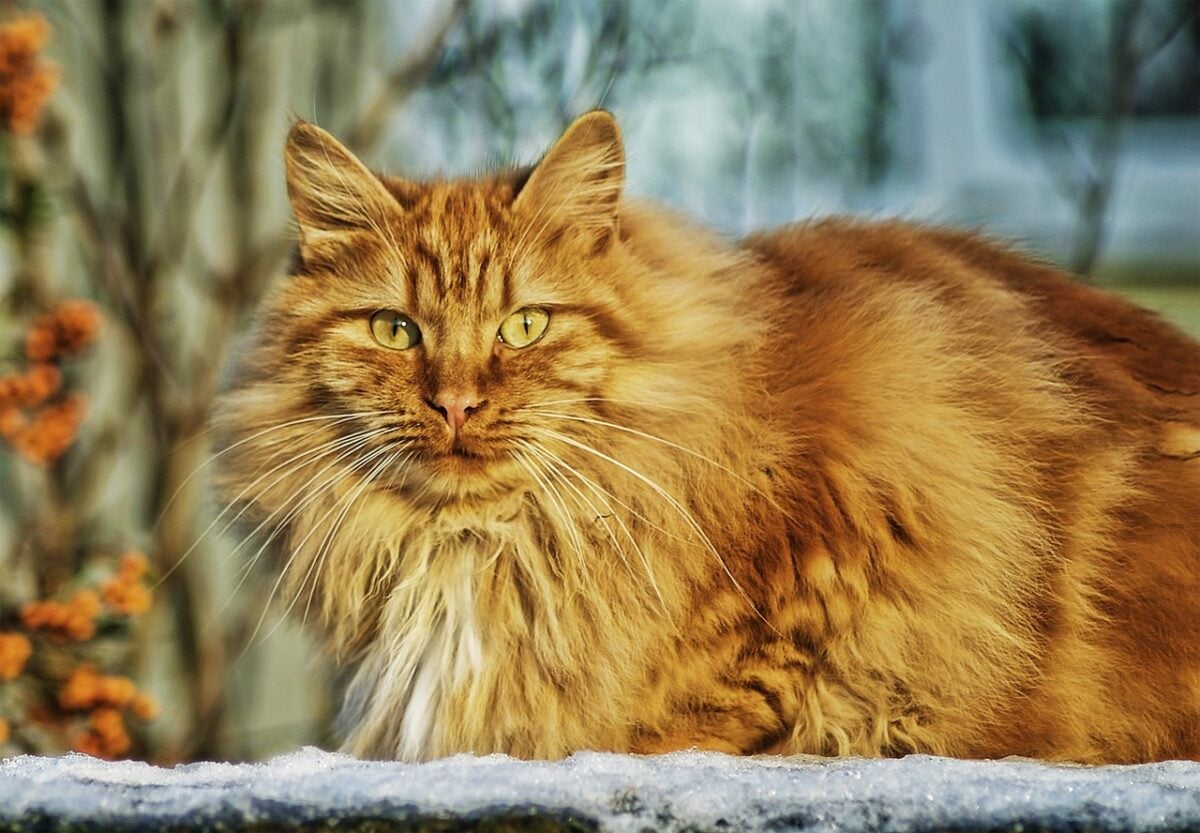
You finally have the quiet life you wanted – no roommates slamming doors, no upstairs footsteps, just you, a cup of coffee, and the hum of the fridge. Then you bring home a cat, assuming any mellow-looking kitten will simply melt into that hush like a throw pillow.
Some breeds actually do that. Ragdolls, British Shorthairs, and a handful of others seem built for silence, like someone bred the noise right out of them. But plenty of other breeds treat a quiet house as a problem to be solved, and they’ll “fix” it with 3 a.m. hallway sprints, nonstop door-scratching, and a vocal range you didn’t know a cat could have.
We went through behavior research, breeder experience, and years of real owner complaints and confessions to separate the two groups for good. Here are the 18 breeds that settle instantly into a silent home – and the 18 that never really do, no matter how hard you try.
#1 – Ragdoll: The Gold Standard for Quiet Homes
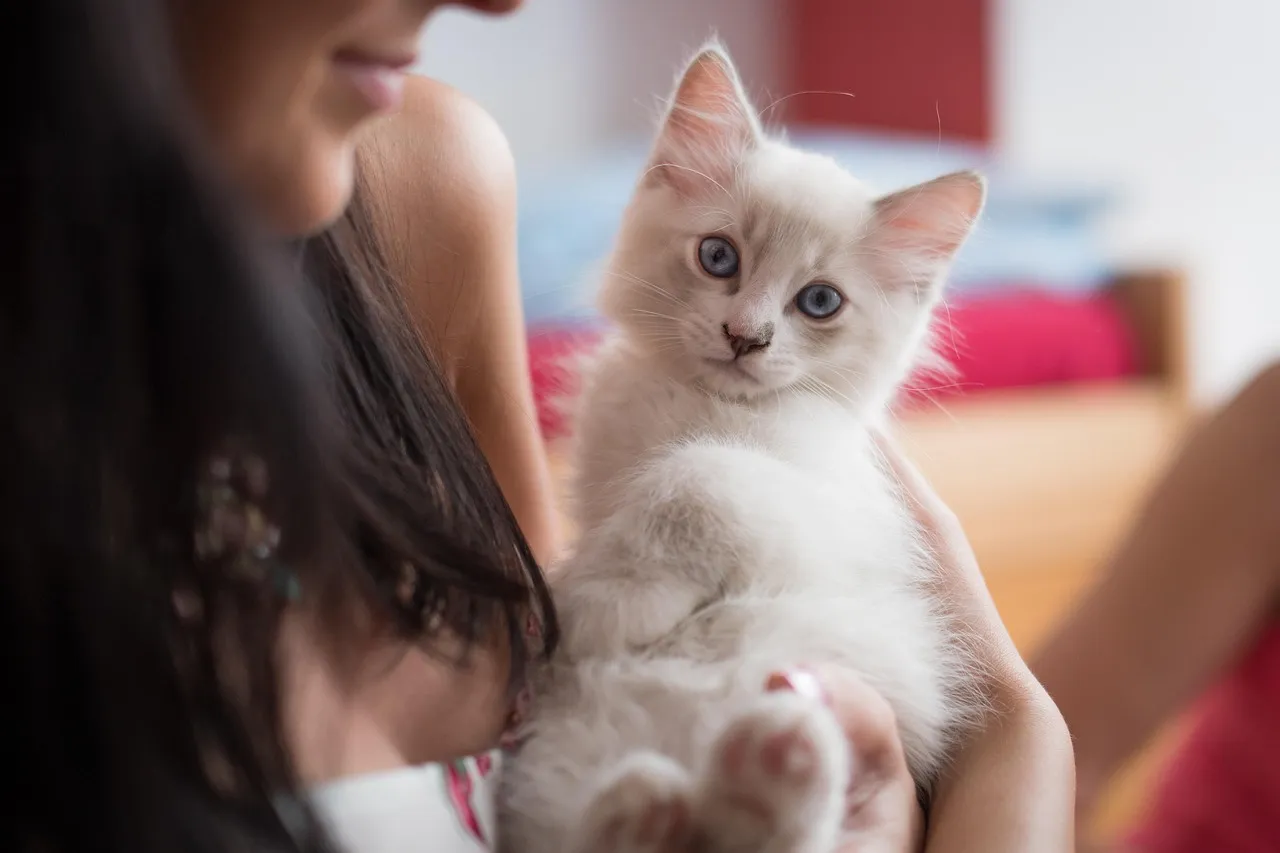
Ragdolls are the poster child for peaceful apartments, and it’s not just hype. They’re famously relaxed, people-focused, and one of the least vocal pedigreed breeds around when their basic needs are met. In a silent home, a Ragdoll usually matches your energy: long naps, soft head-butts, and a slow, floaty walk to the food bowl.
Most people don’t realize this calm is bred on purpose, not just those blue eyes. Serious breeders actively screen out high-strung or overly vocal lines, which is exactly why complaints about noise are rare. You’ll still need play sessions and vertical space, but this isn’t a cat that howls out of boredom – owners joke that theirs is almost too chill to notice they exist.
Fast Facts
- Origin: California, developed in the 1960s
- Weight: Males 15-20 lbs; females 10-15 lbs
- Vocal level: Low – soft, infrequent chirps
- Signature trait: Goes limp when held, hence the name
- Best fit: Apartments, singles, retirees, calm households
#2 – British Shorthair: The Stoic Roommate
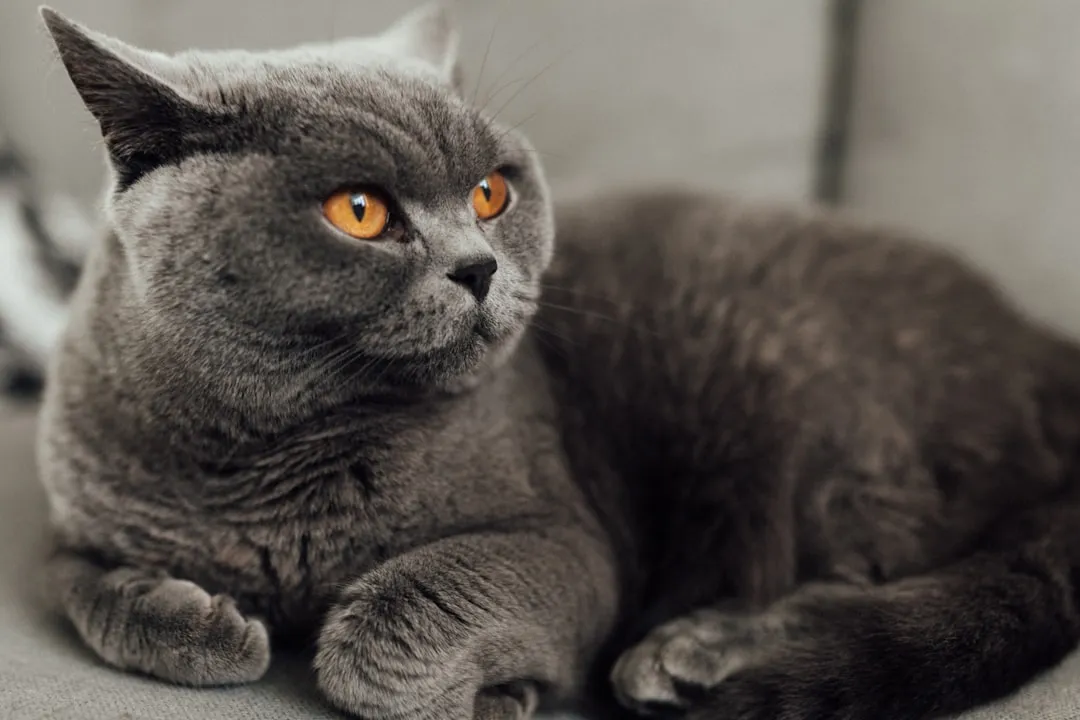
If you want a cat that acts more like a politely distant roommate than a needy toddler, this is it. British Shorthairs are calm, composed, and astonishingly tolerant of quiet, low-key households. Behaviorists routinely rank them among the least demanding companion breeds once they hit adulthood.
They tend to prefer watching over participating, which fits a silent home perfectly. Many owners say theirs can go hours without a single meow, and their thick, plush body matches the energy: unhurried, unbothered, and in no rush to fill the silence with anything.
#3 – Chartreux: The Quiet Shadow Cat
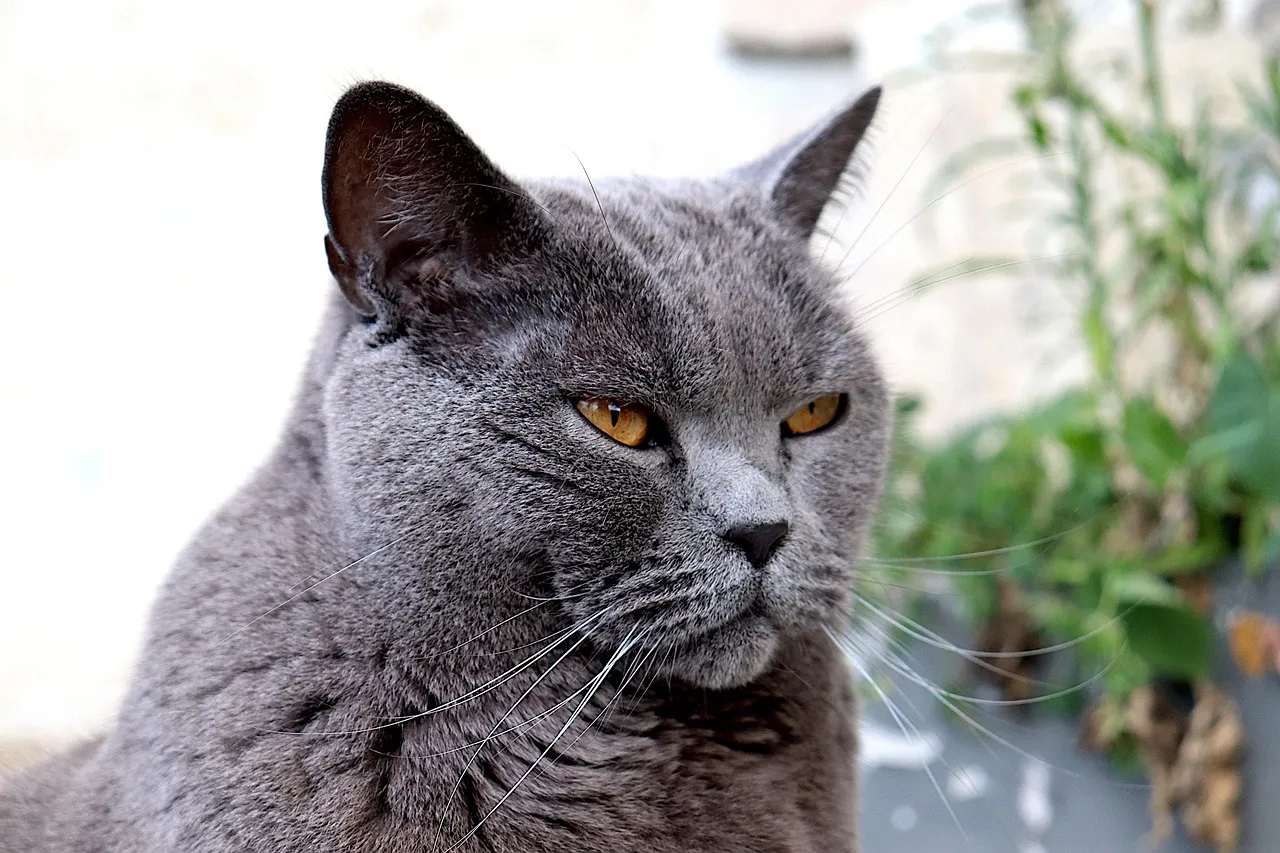
The Chartreux is the breed people quietly rave about while everyone else asks “what’s that?” These blue-coated cats are famously observant, with soft, almost chirpy voices they rarely bother to overuse. In a silent home, they often become your gray little shadow, trailing you room to room without demanding constant chatter.
Unlike some clingier breeds, Chartreux don’t panic when the house goes hushed. They’re descended from working cats that learned to sit, watch, and wait, and that patience translates perfectly to small apartments. Most owners say you’ll hear their purr long before you ever hear their meow.
#4 – Scottish Fold (Ethical Lines Only): The Soft-Spoken Observer
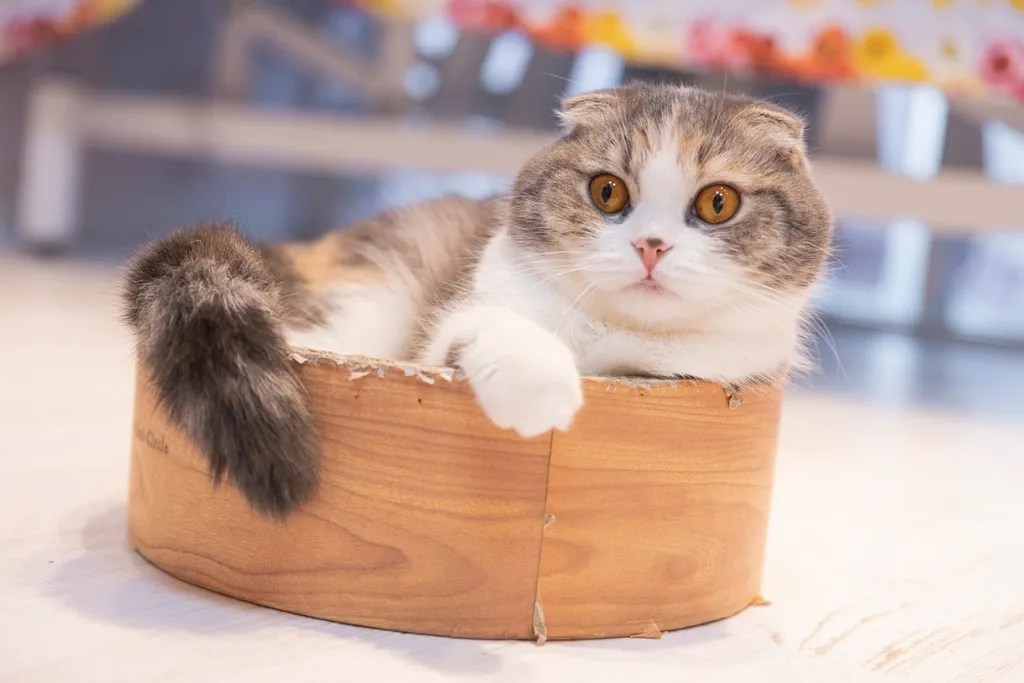
Scottish Folds are controversial for health reasons, but temperament-wise, carefully bred, health-tested lines tend to be gentle, low-key companions. They’re often called “owl-like observers,” and their vocalizations are typically soft, brief, and infrequent compared to chattier breeds. In a silent home, many simply slot into the calm and nap like professionals.
Here’s the catch: poorly bred lines can carry painful joint issues, and pain absolutely disrupts that peace. This breed only works for a silent home if you’ve found a health-obsessed breeder and are prepared for lifelong vet vigilance. Done right, they’re big on floor time and quiet closeness rather than drama.
#5 – Russian Blue: The Introvert’s Dream Cat
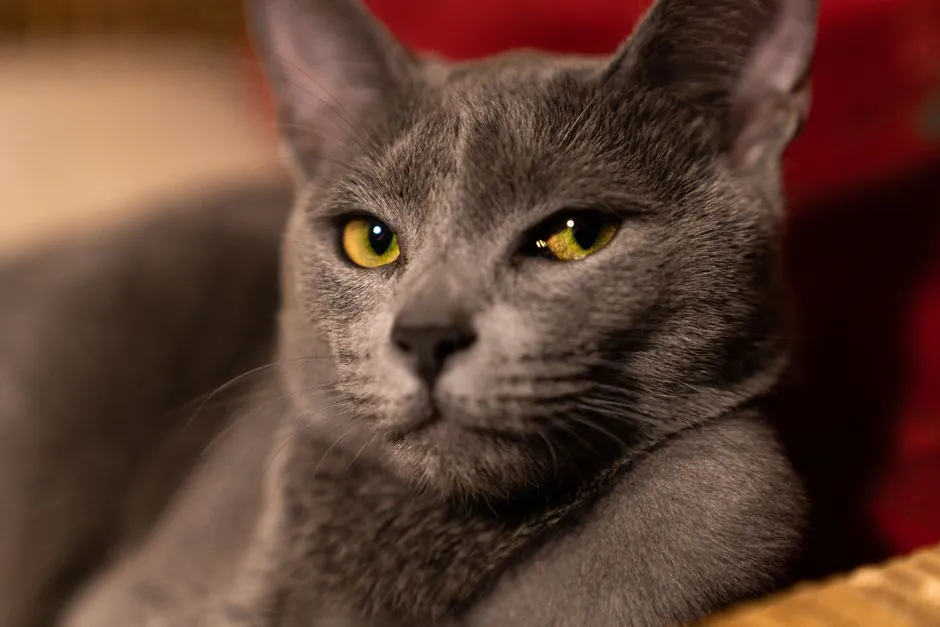
If your perfect evening is a book, soft lighting, and almost no noise, the Russian Blue was built for you. These cats are famously reserved with strangers and often bond intensely with just one or two people, thriving in stable, low-stimulus environments. Loud, chaotic homes stress them out; quiet ones let their best traits show.
They’re intelligent and athletic, so silence alone isn’t enough – you still need structured play and perches. But they’re not chronic meowers, and many owners say their Blues communicate more through eye contact than sound. The tradeoff: they can be sensitive to change, and frequent visitors or renovations may send them into hiding.
#6 – Exotic Shorthair: The Silent Cartoon
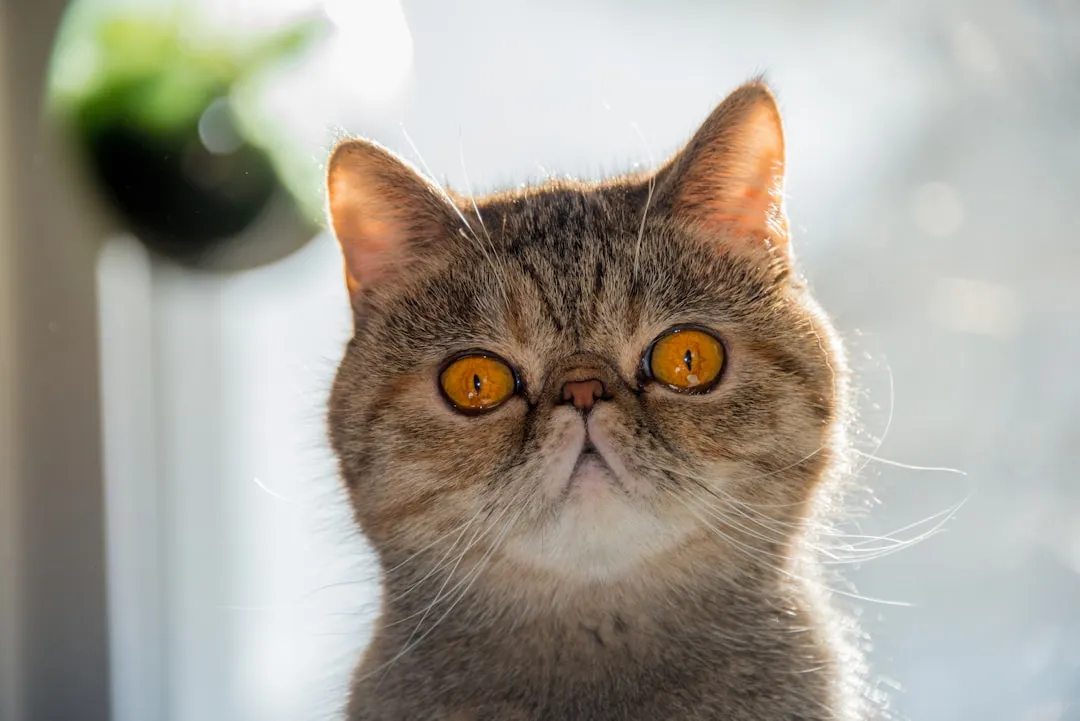
Think “Persian personality on easy mode” and you’ve basically got the Exotic Shorthair. They share the same mellow, couch-potato tendencies as Persians, just with shorter fur to manage. Owners routinely describe them as low-energy, low-volume companions who are happiest when the whole house feels like a permanent Sunday afternoon.
Because they aren’t big climbers or marathon sprinters, a silent home won’t frustrate them the way it might a more athletic breed. They love human presence, but usually in a “nap within arm’s reach” way rather than demanding constant play. For people who want the cuteness without the noise, they’re dangerously easy to fall for.
#7 – Persian: The Original Living Room Statue
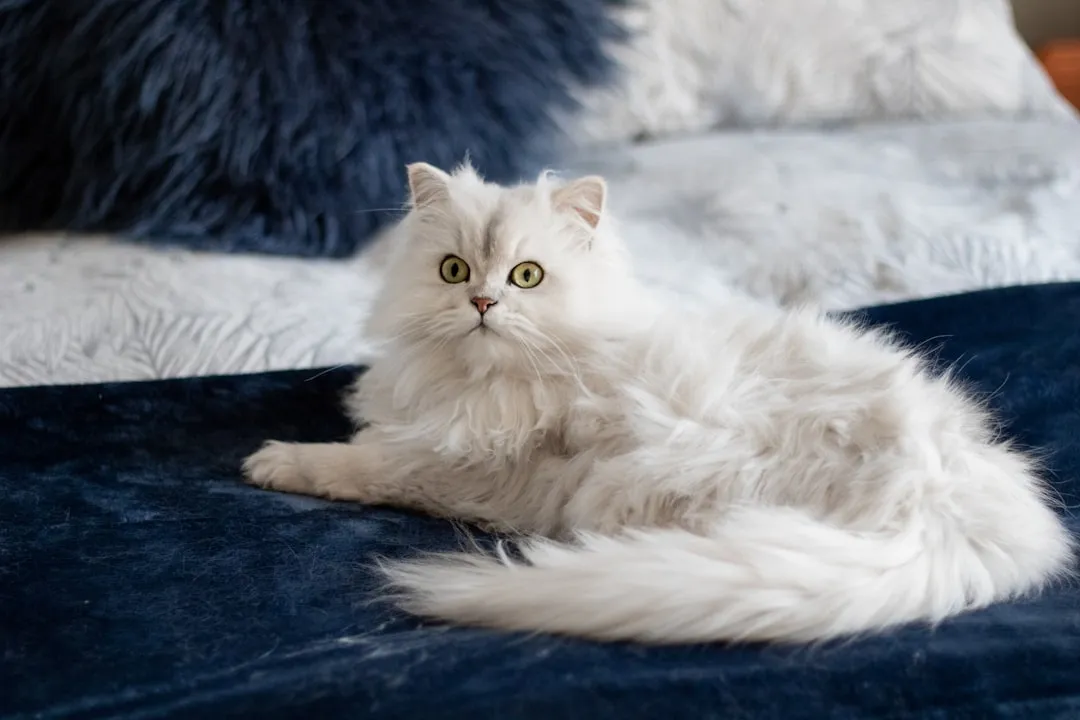
Persians have been marketed as luxury lap cats for decades, and for once, the stereotype holds up. They’re one of the most sedentary, quiet-voiced breeds on average, preferring predictable routines, soft cushions, and zero drama. In a silent home, a well-bred Persian treats the entire day like a spa retreat.
Cats are connoisseurs of comfort.
Roger Caras
The catch is health and grooming. Neglected coat care or breathing issues can turn that tranquility into chronic discomfort, which shows up fast as restlessness or fussiness. Cared for properly, though, a Persian simply “parks” itself in a favorite spot and exists alongside you, purring instead of talking.
#8 – Selkirk Rex: Curly-Coated Couch Buddy
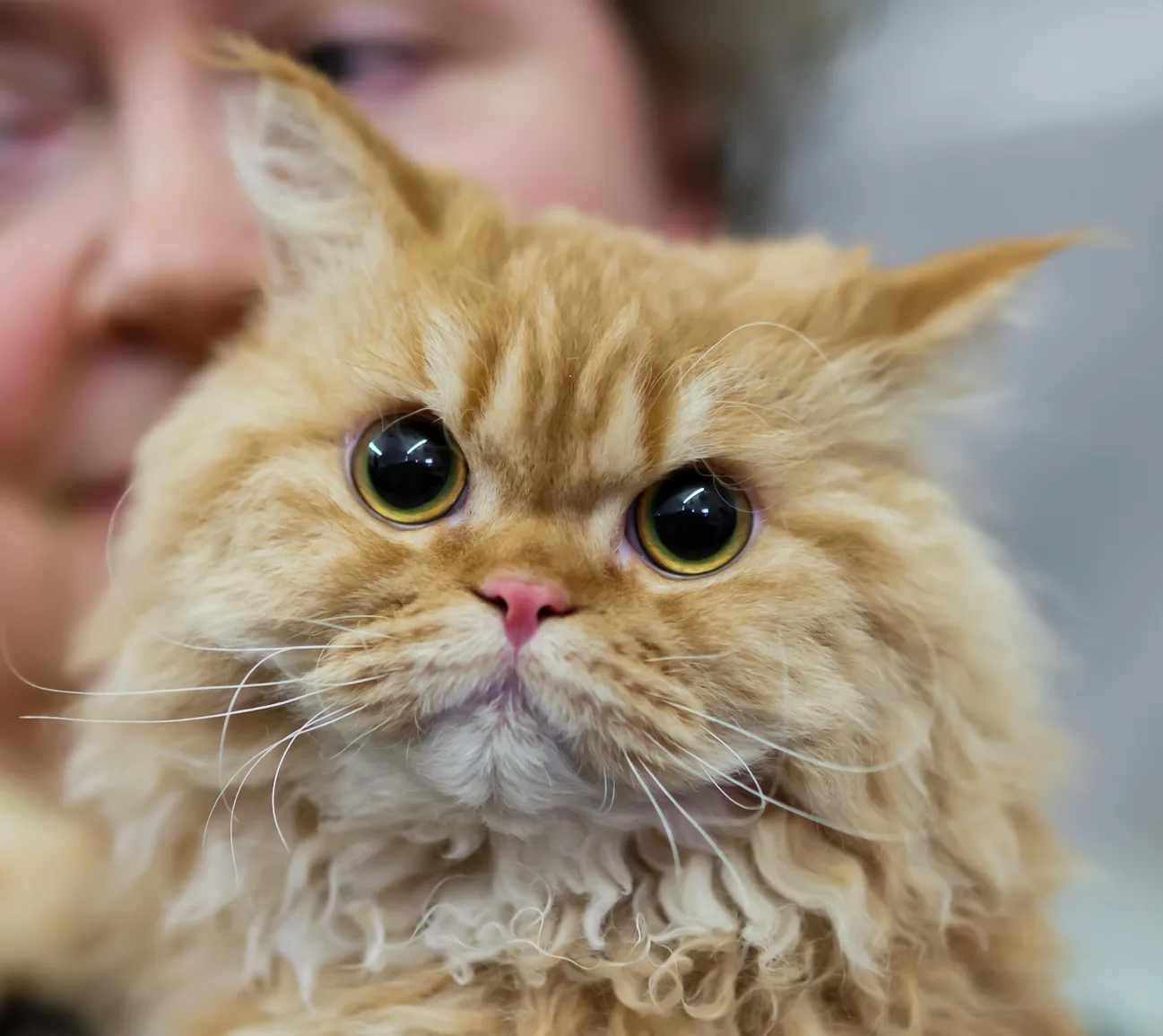
The Selkirk Rex looks wild and high-maintenance, but temperament-wise, they’re often startlingly laid-back. Breeders describe them as “chill with a silly streak,” and they aren’t known for constant vocalizing or anxious behavior in calm environments. Your silent living room is more likely to get a slow roll-and-purr than an earful.
They do like people, though – this isn’t a cat you simply ignore. In a quiet home, they thrive on gentle, goofy interaction: wand toys, slow petting sessions, and just existing near you. Their clownish side shows up in short bursts, not all-day theatrics, which makes them oddly underrated for small, noise-sensitive households.
#9 – American Shorthair: Understated and Adaptable
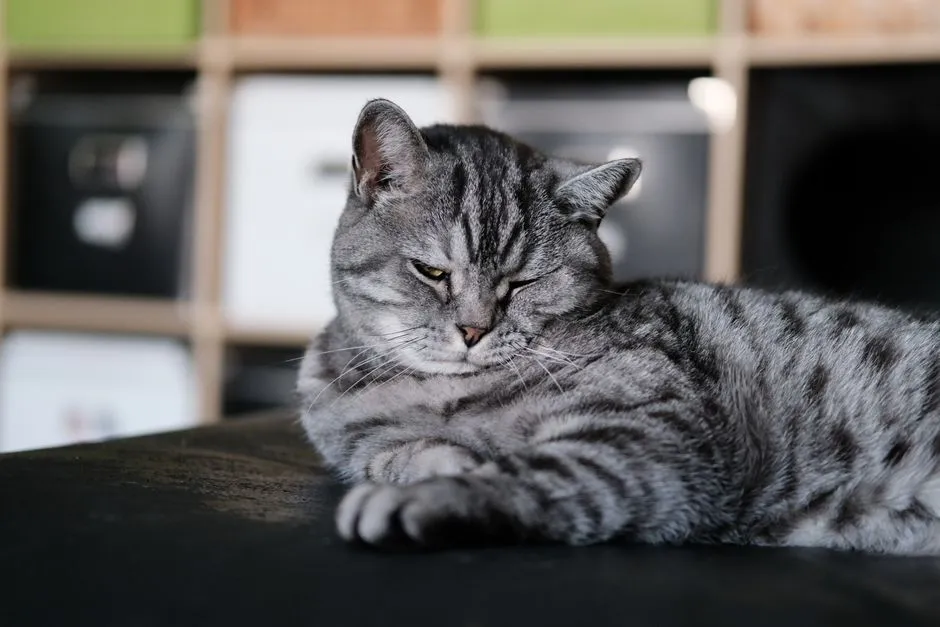
The American Shorthair gets dismissed as “just a regular cat,” but that’s exactly why it settles so well into quiet homes. As a breed, they’re adaptable, moderately active, and rarely at the extreme ends of the vocal or high-strung spectrum. Give them a window perch, regular play, and a consistent routine, and they blend into the background beautifully.
They’re social without being clingy, curious without being chaos gremlins. In a silent home, they’ll investigate a strange noise, patrol occasionally, then nap for long stretches. They’re the steady, reliable choice – exactly what most low-noise households actually need, even if it’s not glamorous.
#10 – Birman: Gentle, But Not Needy
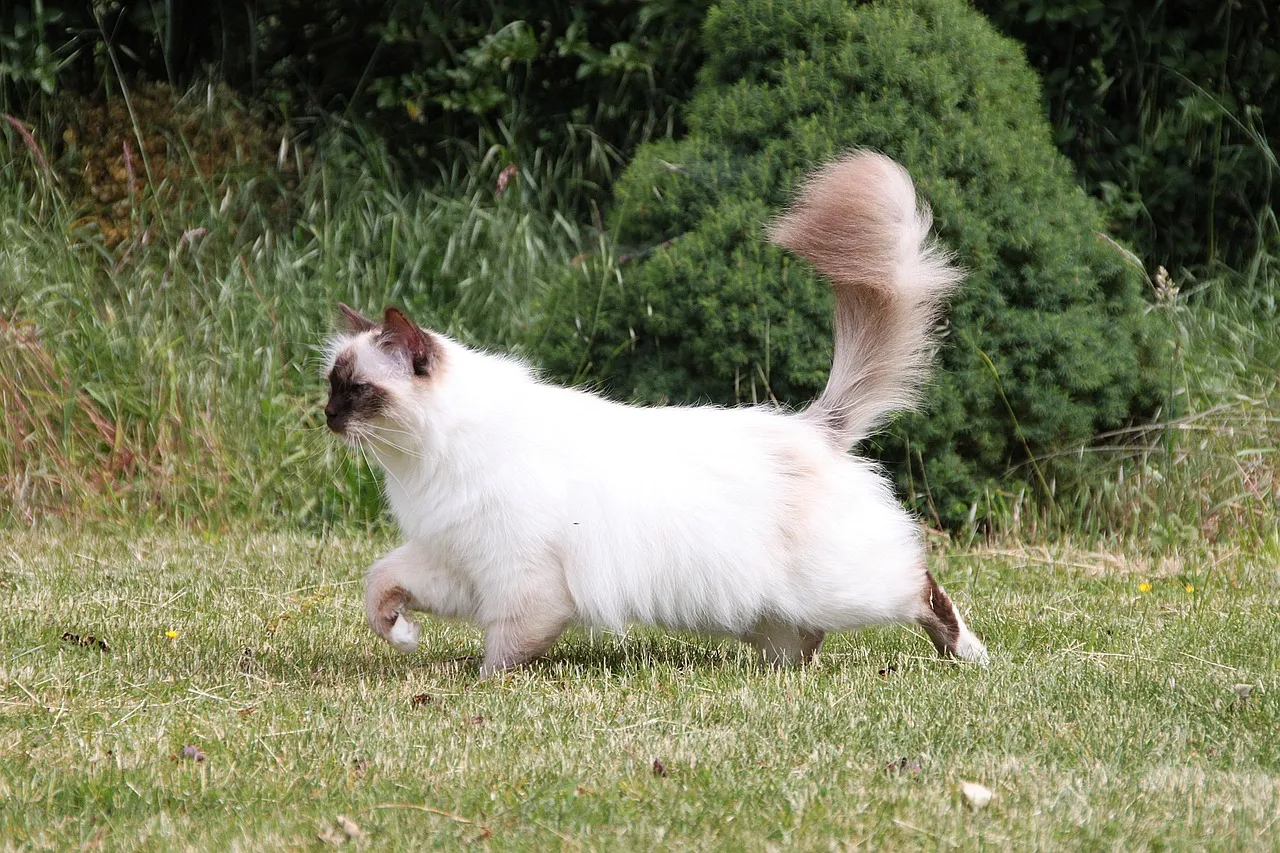
People often lump Birmans in with Ragdolls, but Birmans are a shade more alert and curious while still staying easygoing. Most are moderate vocalizers who prefer soft, brief check-ins over dramatics, which plays nicely with a hushed home. They like being near you, trailing from room to room, without ever becoming infamous screamers.
In a silent environment, Birmans become calm companions that check in emotionally rather than constantly demanding entertainment. They’re sociable enough that very long, lonely days could bore them, but with a present human and mild activity, they transition into quiet life smoothly. Plenty of owners argue they’re the most underrated pick on this entire list.
#11 – Norwegian Forest Cat: Surprisingly Chill for Their Size
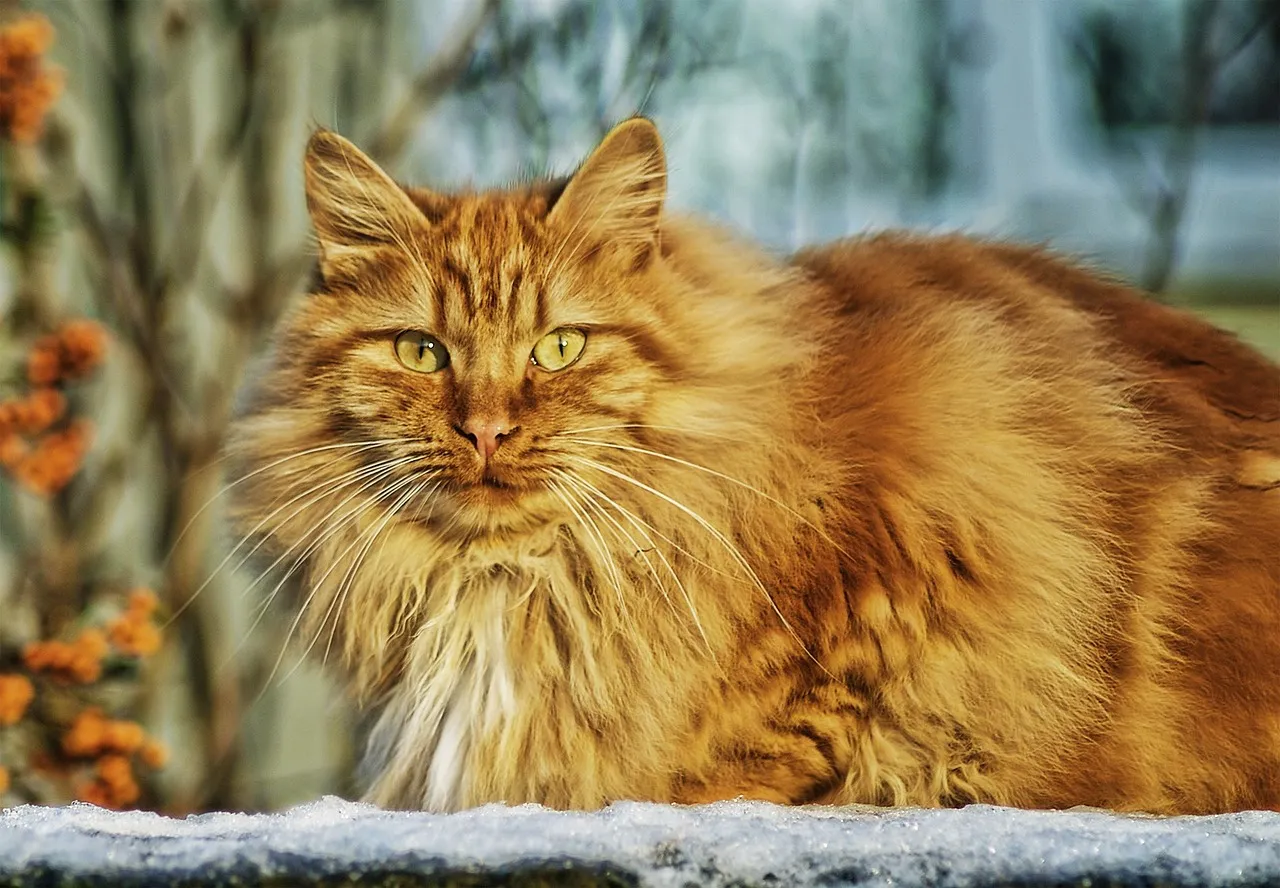
The Norwegian Forest Cat looks like it should be high-drama: giant, fluffy, almost semi-wild in appearance. But personality-wise, many are calm, steady companions who use their voices sparingly and handle quiet extremely well, as long as they have space and something to climb. It’s vantage points they crave, not noise.
In a silent home with vertical territory like cat trees or shelves, they’ll spend hours perched and watching, then come down for short, intense play sessions. Because they’re confident and independent, they don’t unravel when the environment goes quiet – they simply expand to fill the space with presence instead of volume.
#12 – Bombay: The Panther That Loves a Peaceful Den
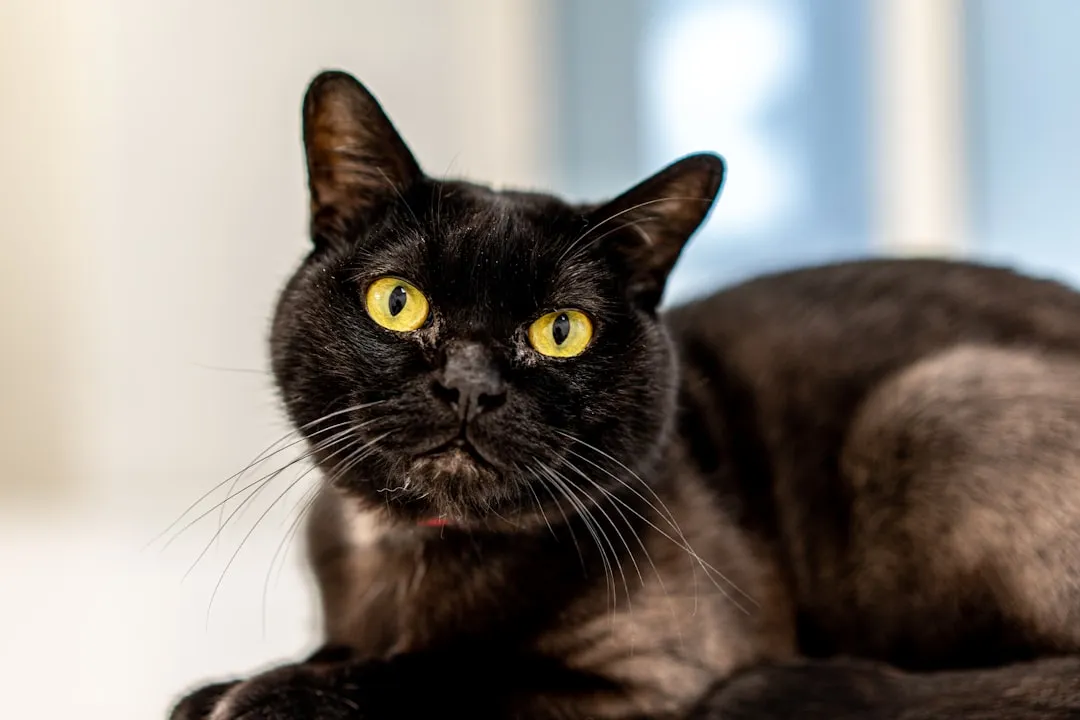
Bombays are outgoing and people-oriented, but many are not relentless talkers. Think of them as social extroverts who, once bonded, prefer body contact and play over nonstop meowing. A silent home can actually amplify their best traits, because you become the main event instead of background noise competing for their attention.
If you work from home or keep a stable schedule, Bombays often sync up impressively: following you, “helping” with tasks, then crashing beside you. They’re athletic, so skipping playtime can backfire into attention-seeking behavior. But their mini-panther reputation is about presence, not volume – in a calm house that makes time for them, they stay bonded rather than restless.
#13 – Burmese: Velcro Cat, Quiet Setting
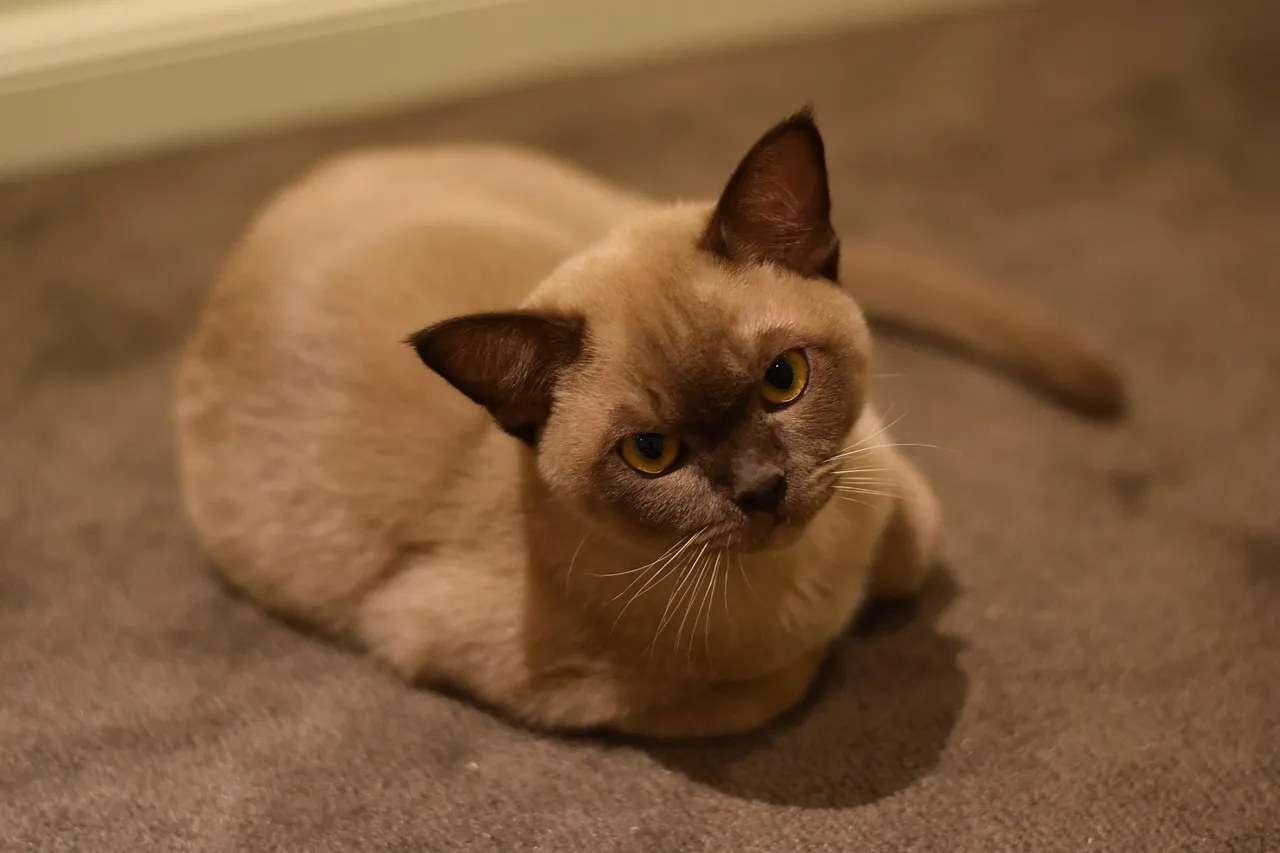
Burmese cats are extremely people-focused and often glued to their humans, but their noise output is more moderate than their Siamese relatives. Their voices are typically softer and less piercing, even though they’ll chat occasionally. In a quiet home, that chattiness feels more like gentle companionship than intrusion.
The real factor is time. Burmese do best where someone is actually around; left alone 10 to 12 hours a day in a silent house, they can get lonely fast, and that’s when the noise and mischief ramp up. For retirees, remote workers, or homebodies, though, they’re shockingly harmonious – interactive without the ear-splitting soundtrack.
#14 – Tonkinese: A Softer Take on “Social”
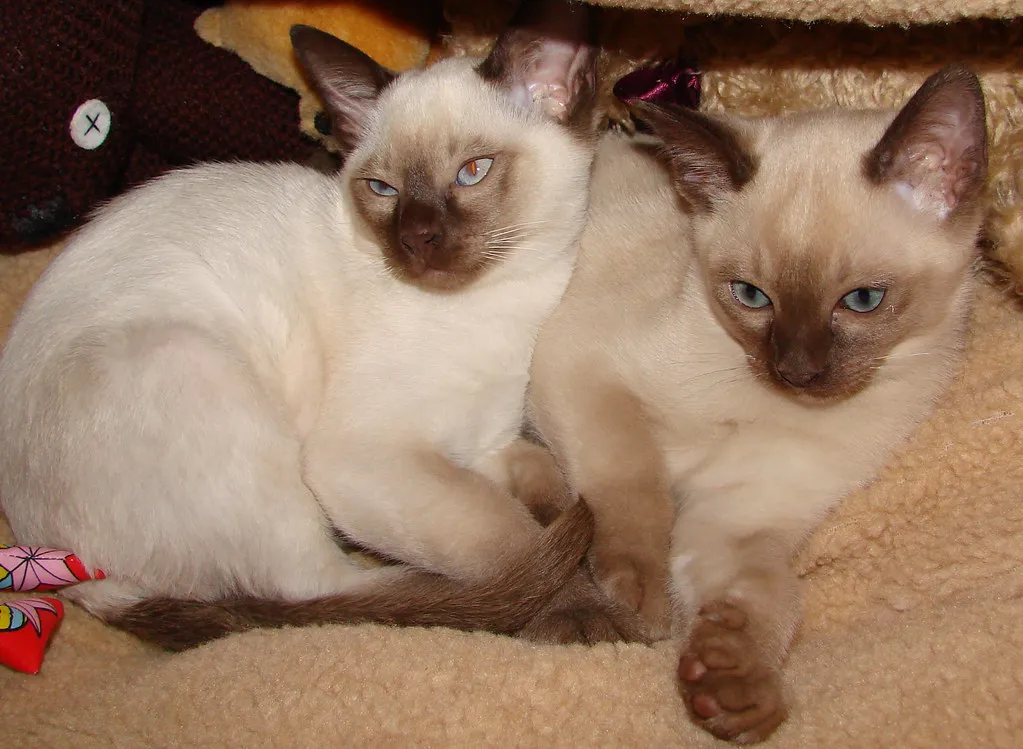
Tonkinese cats are a Siamese-Burmese blend, and that’s exactly how their temperament feels: social, playful, but usually less shrill and less hypervocal than a classic Siamese line. In a silent home, that difference is enormous. You get an engaged, interactive cat without full-volume commentary running all day.
They are not background-decor cats, though. Tonks need play, puzzle toys, and real interaction, or they’ll invent their own entertainment – often loud, often at night. Structure the fun, and they’ll reward you by settling in and napping near you, with occasional chirps and trills instead of nonstop noise.
#15 – Abyssinian: Quiet, But Never Still
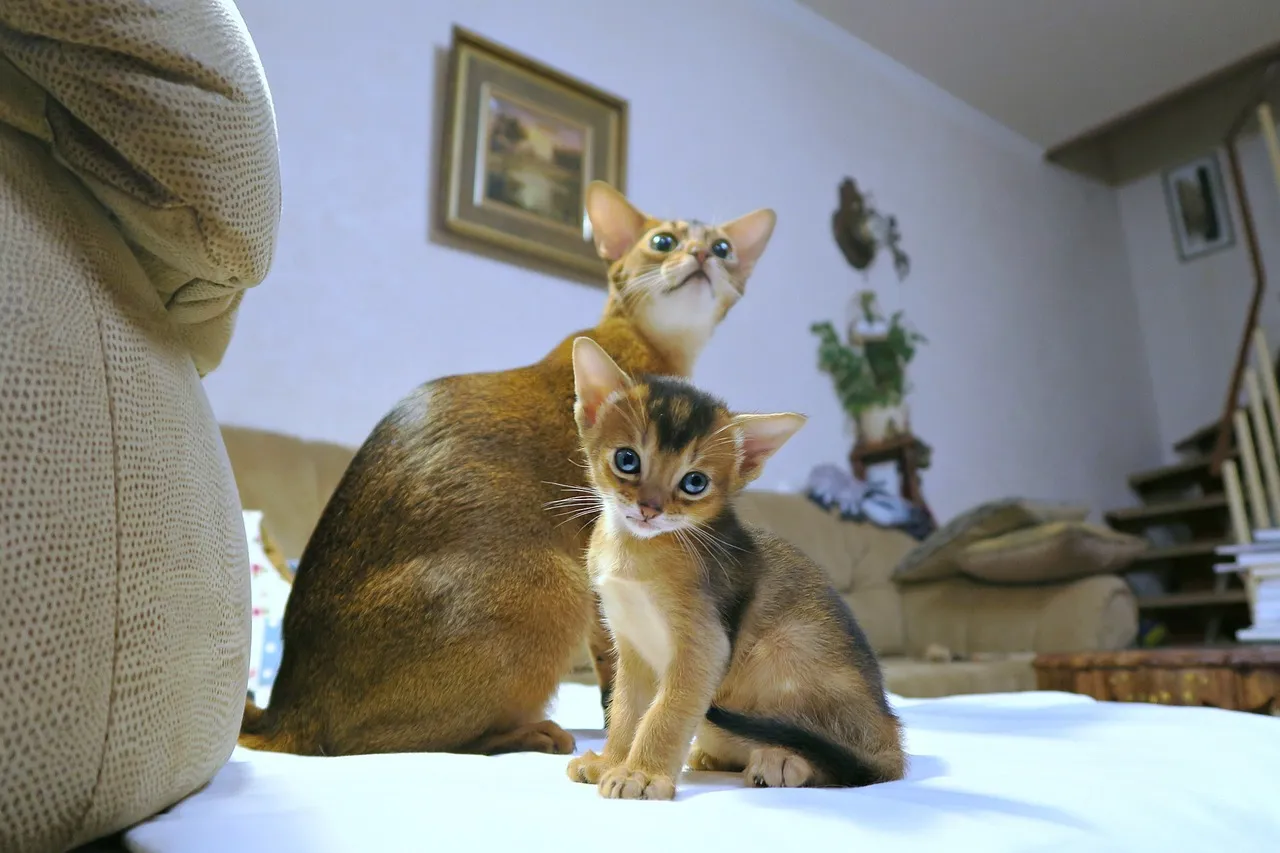
Abyssinians flip the usual script: they’re incredibly active and curious, yet often relatively quiet vocally compared with other high-energy breeds. In a silent home, you’ll hear paws and toy rattles more than meows. They’re doers, not talkers, and that distinction matters.
The problem for some owners is that silence doesn’t equal calm. An Aby in a low-stimulus space can become a parkour champion, scaling every surface just to find something interesting. Embrace that with cat trees and rotating toys, and they entertain themselves in surprisingly peaceful ways; ignore it, and boredom shows up as mischief instead of screaming.
#16 – Turkish Angora: Elegant… and Selectively Vocal
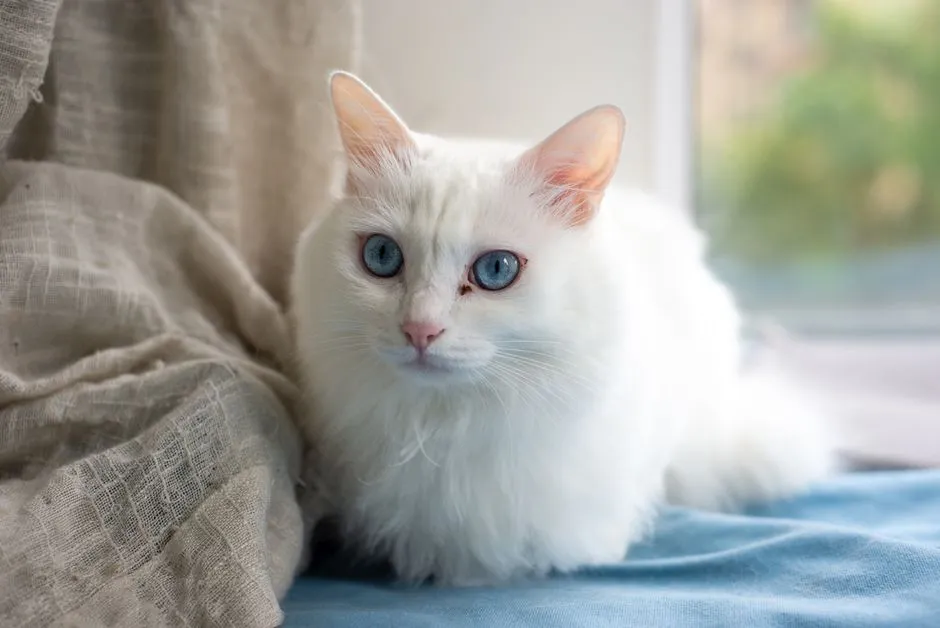
Turkish Angoras are alert, intelligent, and opinionated, but not every line is an audio disaster. Many are moderate vocalizers who “speak up” for specific reasons – doors, food, attention – rather than narrating the whole day, especially in quiet, predictable homes. They enjoy watching you, engaging on their own terms, then claiming a prime spot to nap.
The catch is mental stimulation. They’re clever, and a silent, understimulating home bores them faster than lazier breeds. When bored, they often get pushier rather than louder, which some owners find more disruptive than actual noise. Properly occupied, though, most just trill contentedly and leave it there.
#17 – Manx: Watchful, Grounded, and Low-Drama
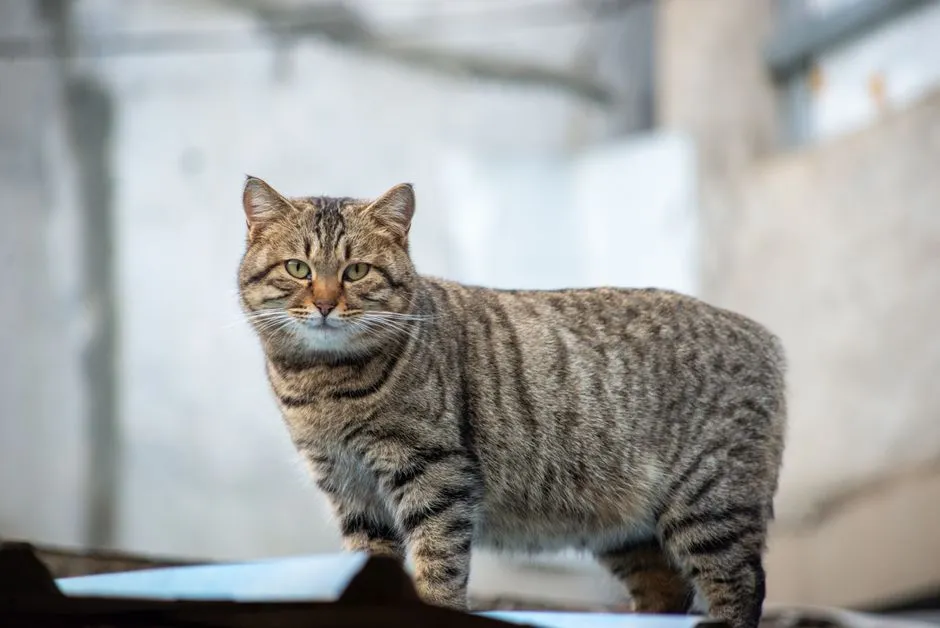
The tailless Manx is often overlooked, but temperament-wise, they can be a great match for peaceful households. Many are described as doglike and loyal, not inclined toward constant vocal outbursts, preferring to stay close and keep an eye on “their” people. In a silent home, they tend to become grounded little guardians rather than sonic terrorists.
Their energy level is moderate. They enjoy play and can be surprisingly fast sprinters, but they also appreciate long lounging spells by a window. As with any breed, pain or spinal issues can change behavior drastically, so ethical sourcing matters – but in healthy individuals, expect a single questioning “mrp?” over a marathon of meows.
#18 – Domestic Mixed-Breed Cats: The Wild Card That Often Fits Perfectly
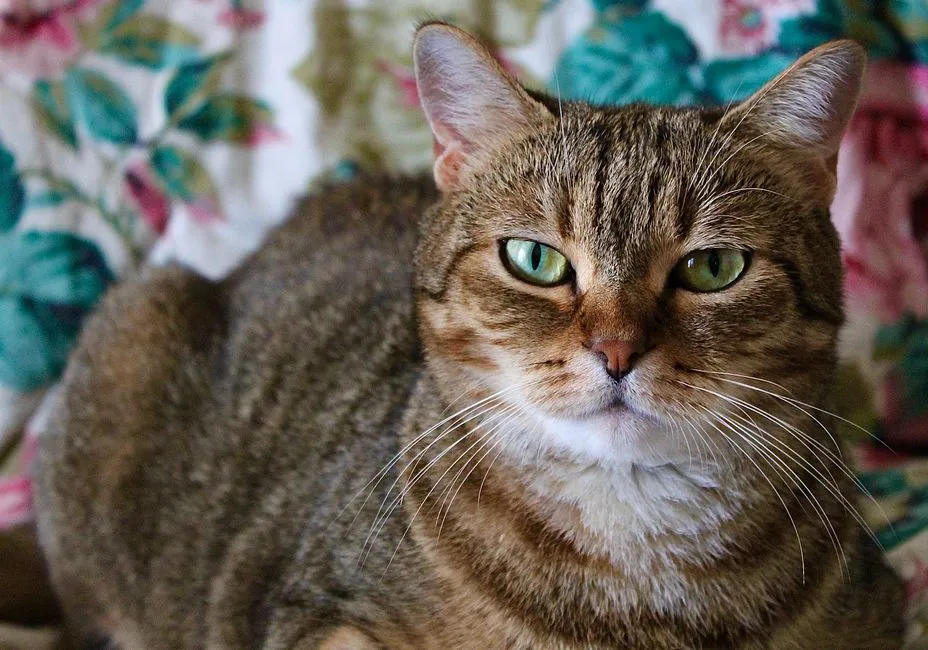
Here’s the truth most people don’t want to hear: a well-matched domestic shorthair or longhair from a shelter can be calmer and quieter than half the fancy pedigrees on this list. Because they aren’t bred to a narrow standard, their personalities vary wildly – but that also means you can select for temperament instead of looks, especially with an adult cat.
In a silent home, an already-calm rescue that shelter staff describe as “quiet” or “laid-back” will often settle faster than any kitten of a so-called calm breed. The move is honest lifestyle matching: tell the shelter you want low-vocal, low-reactivity, and meet several candidates before deciding. You don’t get a brand name, but you can absolutely get the exact personality you’re after.
#19 – Siamese: Drama Queens in a Library
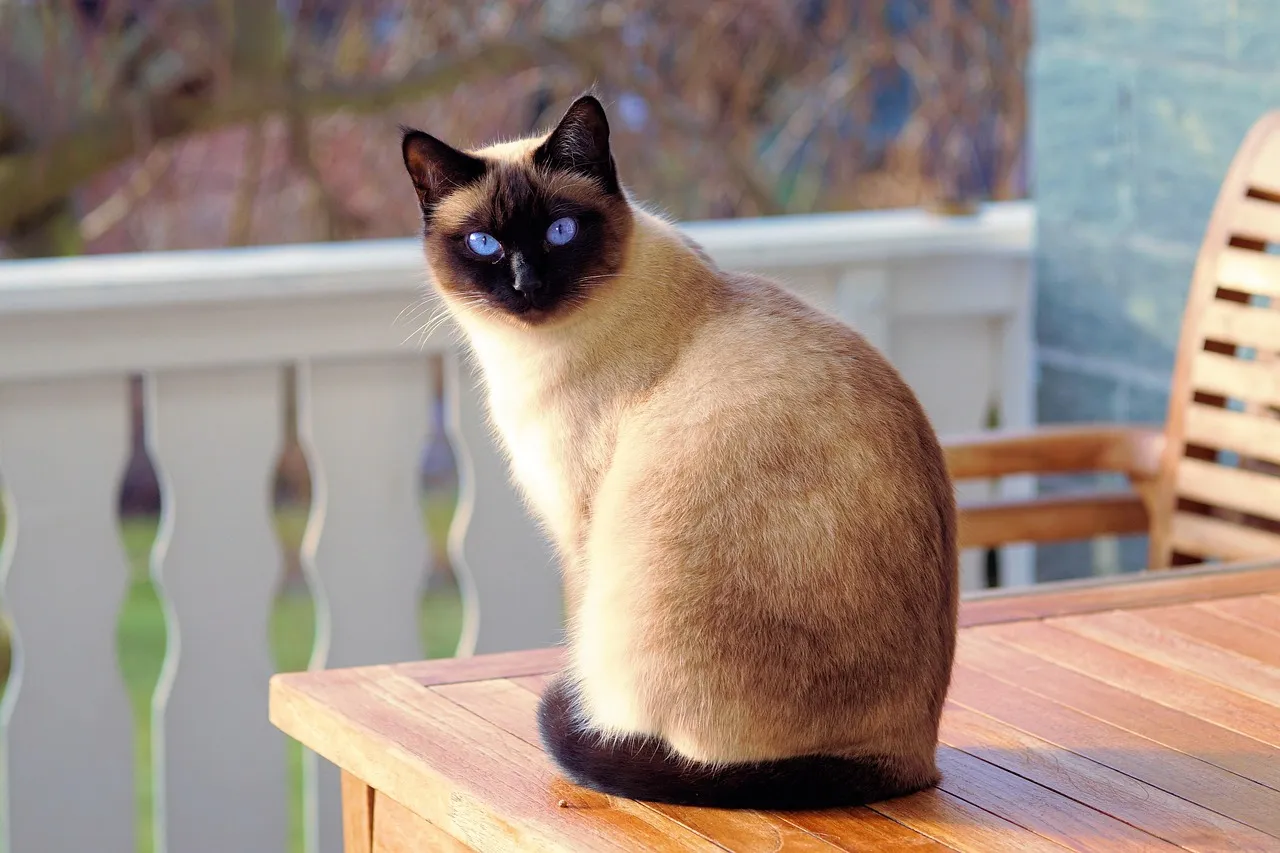
Now we’re crossing into the 18 breeds that never truly settle in a silent home, and we’re starting with the obvious offender. Siamese are intelligent, deeply bonded, and notoriously one of the most vocal cat breeds on the planet. In a quiet household, their voices don’t magically soften – you just hear every single opinion more clearly.
Quick Compare
- Energy level: Naturally quiet breeds run low-to-moderate; this next group runs high
- Vocal habits: Quiet breeds chirp occasionally; these breeds narrate the entire day
- Ideal owner: Homebody who wants minimal stimulation vs. an engaged owner who enjoys noise and interaction
- Risk if mismatched: Quiet breeds get bored rarely; these breeds turn boredom into 3 a.m. chaos
They thrive on interaction, conversation, and feedback. Leave a Siamese in a still, low-stimulus environment with limited human engagement, and they’ll often turn up the volume: door-crying, hallway yowling, full-on arguments with closed bedrooms. Silence isn’t soothing for most Siamese – it’s a problem they try to fix by filling the house with their voice.
#20 – Bengal: Silence Feels Like an Insult
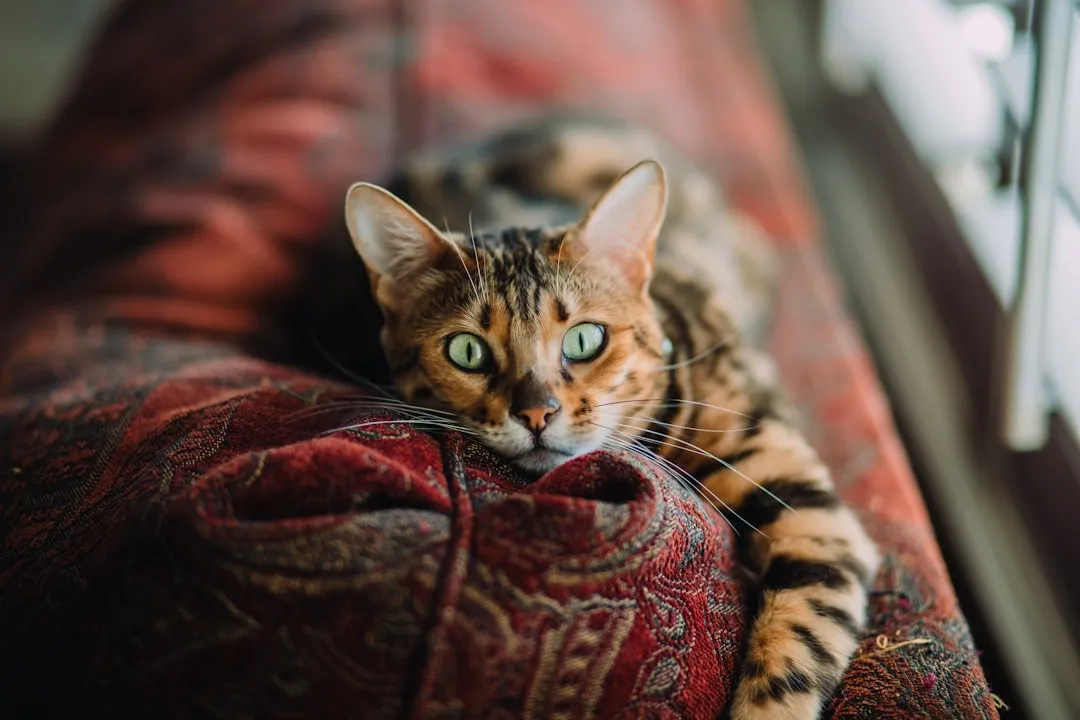
Putting a Bengal in a silent, uneventful home is like parking a race car in a one-lane driveway and wondering why it idles badly. Bengals are high-energy, highly intelligent, and prone to loud vocalizing and destructive behavior when understimulated. A quiet, minimalist environment is nearly the exact opposite of what they’re built for.
They want climbing, running, problem-solving, and a fair amount of chaos. In a still household, they’ll create their own noise: knocking things over, racing at odd hours, yelling for interaction. A Bengal in a truly silent home rarely settles – it adapts by constantly seeking stimulation, often in ways the owner never signed up for.
#21 – Cornish Rex: The Velcro Extrovert
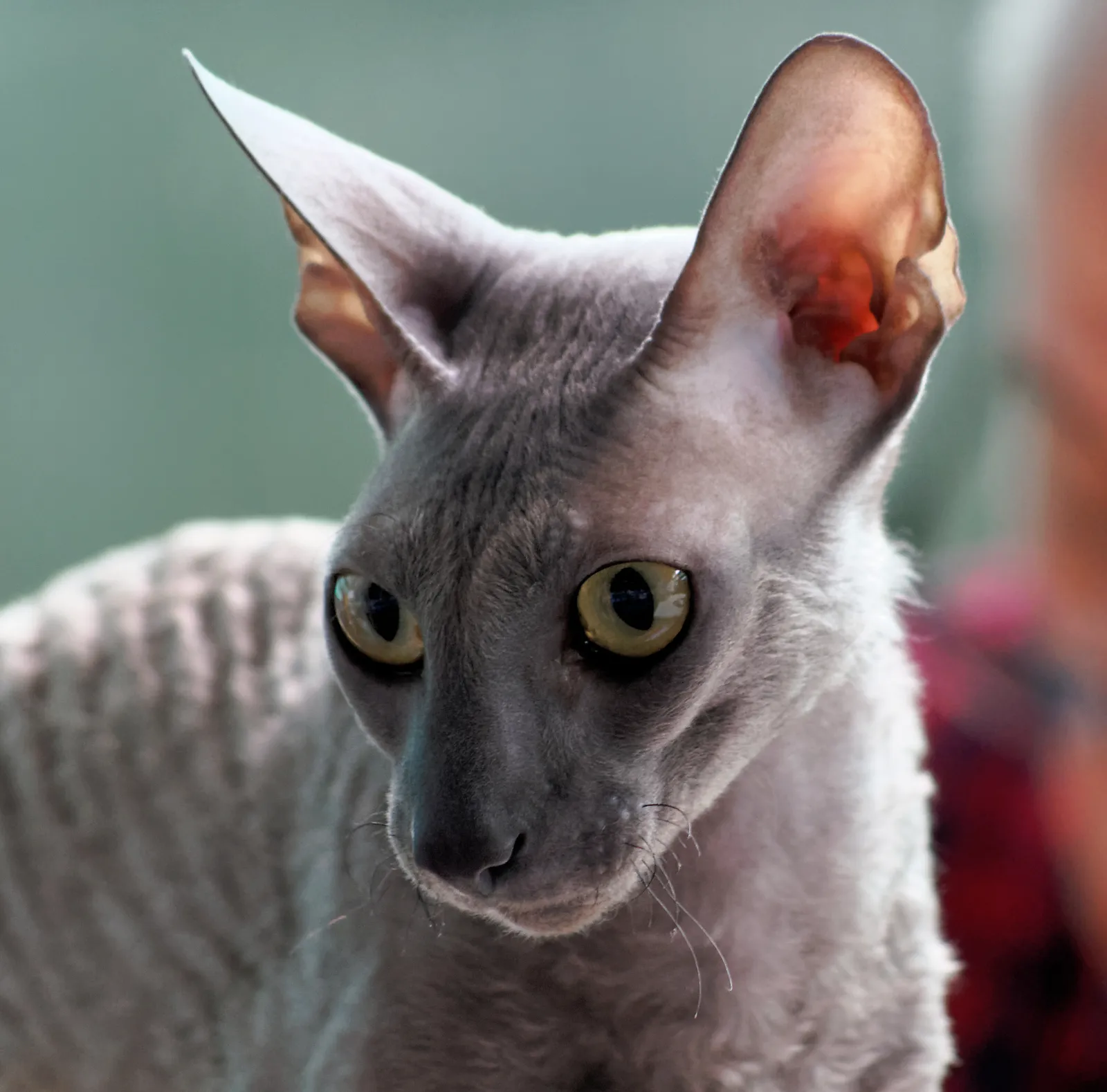
Cornish Rex cats are like hyperactive comedians who can’t stand a dead audience. They’re affectionate, playful, and often quite vocal when they feel ignored or bored – exactly what happens in homes that prize silence but skip the engagement. Their slim, springy build is physical proof: this is not a couch-ornament breed.
In a quiet home lacking interactive playtime, Cornish Rexes slide into nonstop attention-seeking: looping zoomies, loud meows, constant attempts to provoke a reaction. They want to be in the mix, on shoulders, in laps, helping in the kitchen. Match that vibe and they’re hilarious; crave hushed nothingness, and they’ll drive you up the wall.
#22 – Oriental Shorthair: Siamese, But Turned Up
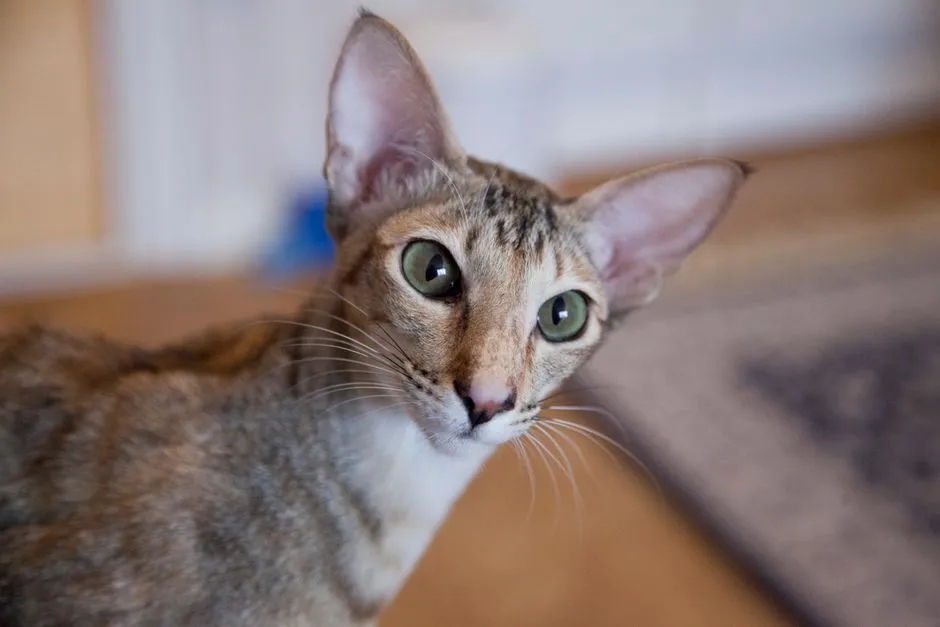
Oriental Shorthairs share close ancestry with Siamese, and it shows. They’re intelligent, athletic, and famous for being loud, expressive, and emotionally intense – often even more so than classic Siamese lines. In a silent home, that doesn’t mellow them out; it just makes their natural tendencies feel more intrusive.
They want a social network, not a monastery. Without other pets, engaged humans, and environmental enrichment, Orientals can become anxious, attention-hungry, and quite noisy. Fans call their constant “conversation” a feature, but in a sound-sensitive household, it’s a dealbreaker most breeders openly warn you about.
#23 – Sphynx: Naked, Needy, and Not Quiet
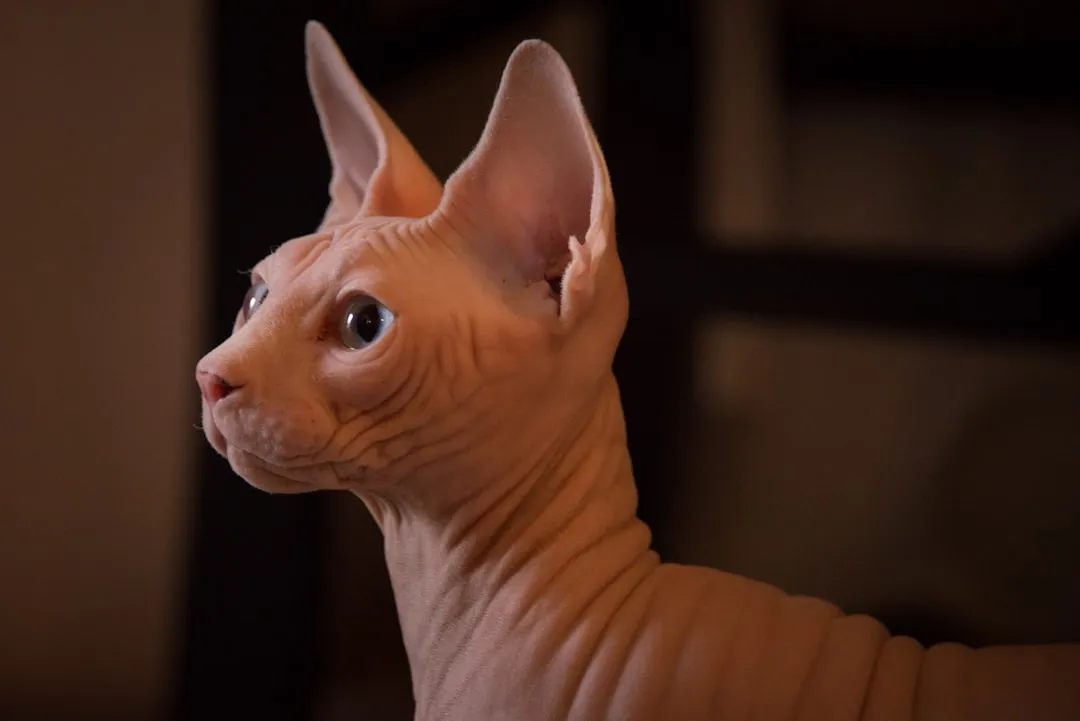
Sphynx cats are charming and weird in all the best ways, but they’re not minimalists. They crave warmth and attention, and they’re often talkative, insistent, and emotionally transparent about it. In a silent home, they don’t retreat into zen – they ramp up seeking behavior to fill the void.
Because they have no fur, they’re literally more aware of drafts, empty laps, and cold beds, and many will vocalize to demand blankets, body heat, or company. Owners who expected a quirky decoration piece quickly learn they’ve adopted a small, naked extrovert that wants to be on or near a person constantly. In an active home, that’s delightful; in a hushed space, it’s a long-term mismatch.
#24 – Devon Rex: Mischief in a Small Package
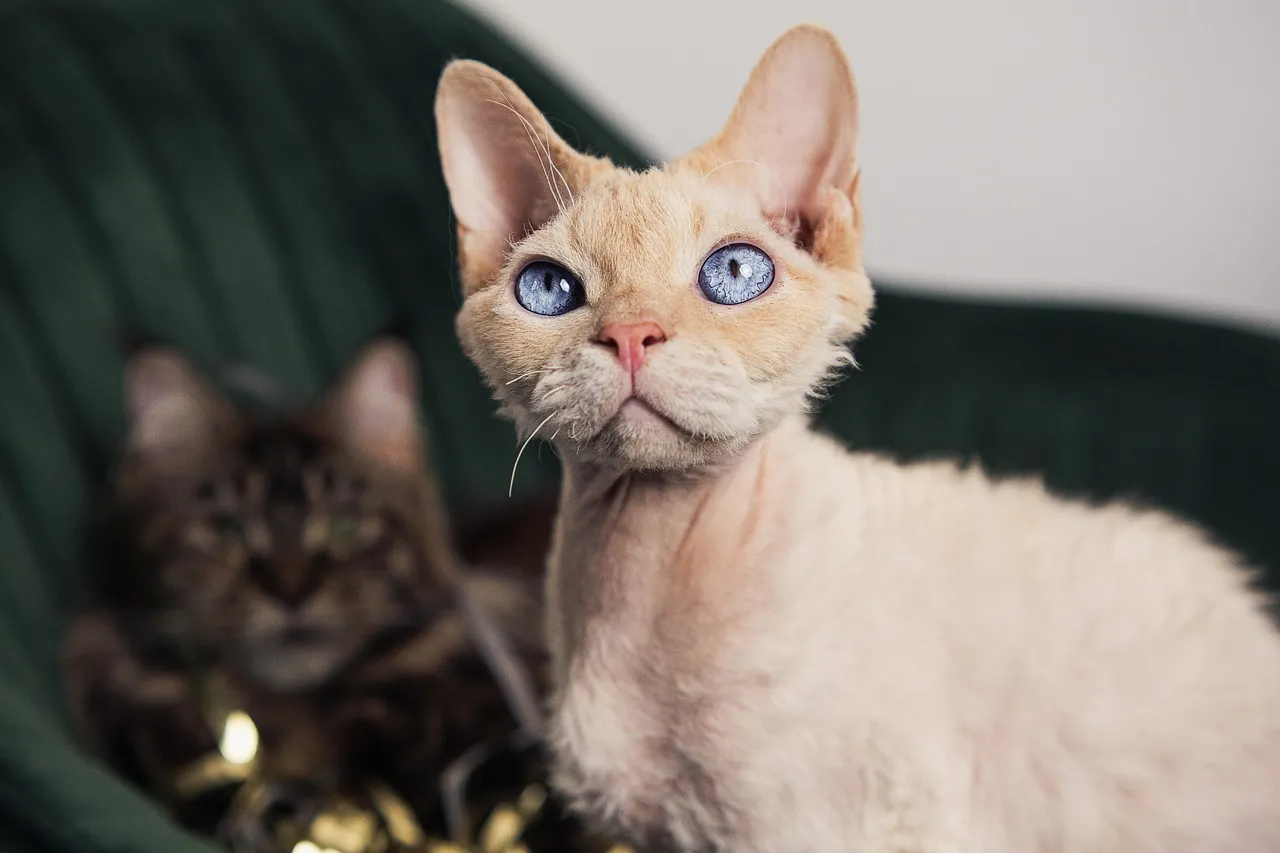
Devon Rex cats are tiny gremlins, in the most affectionate sense. They’re playful, clever, and bold, with an energy level that simply doesn’t respect a “quiet at all costs” lifestyle. They’re not the loudest breed here, but they’re emotionally obvious, using meows, chirps, and antics to demand attention.
In a silent, low-stimulus home, a Devon will look for cracks in the routine and pry them open: climbing curtains, ambushing feet, vocalizing when bored. Their drive for interaction makes them incredible for people who love active play and don’t mind ambient noise. For someone who equates silence with peace, that same “fun” quickly feels like chaos.
#25 – Somali: The Energizer Extrovert in a Fur Coat
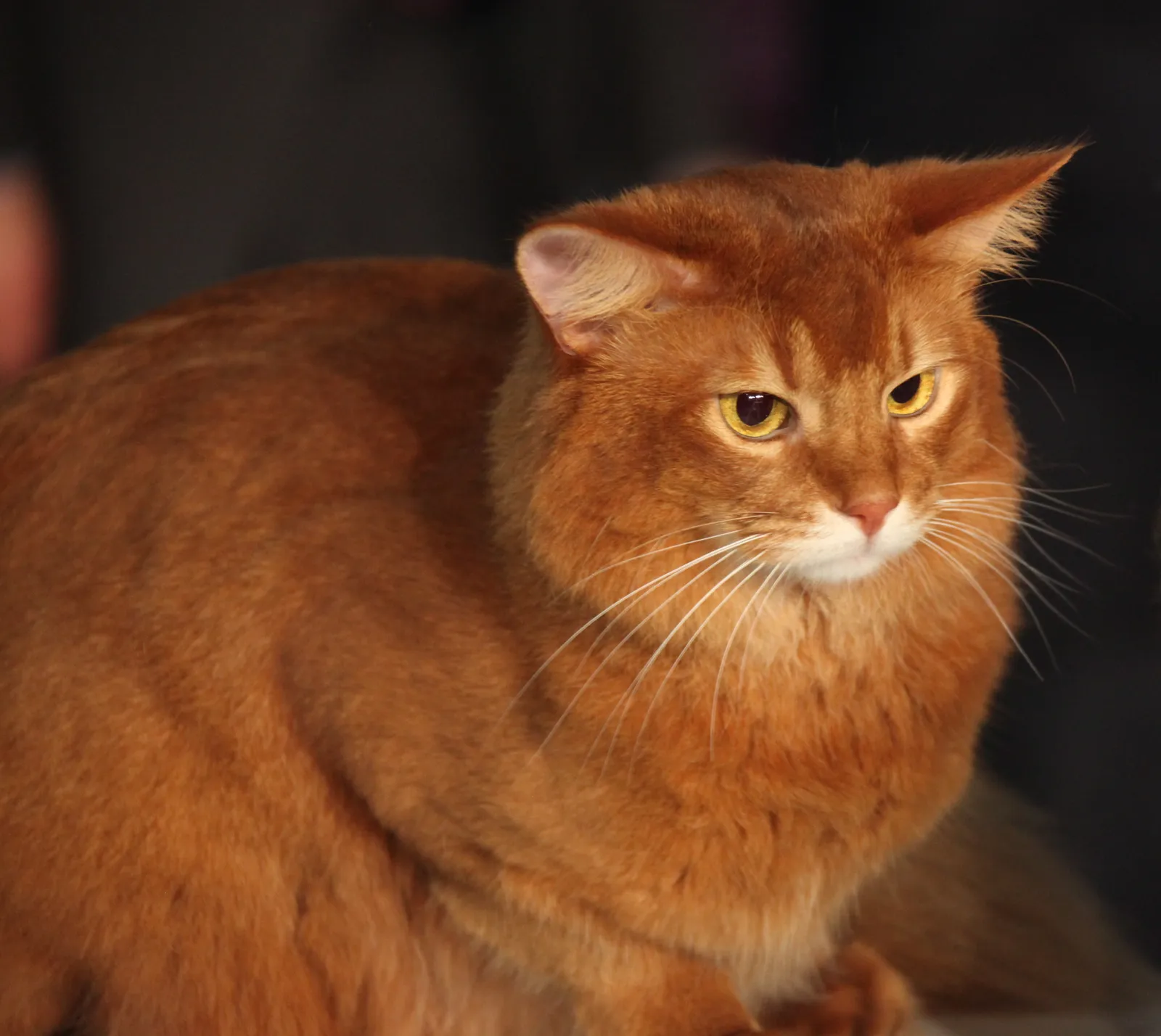
Somalis, the longhaired cousins of Abyssinians, keep the same high curiosity and activity level, plus a bit more drama. They’re typically more expressive, both physically and vocally, than many longhair breeds, and they genuinely enjoy being in the middle of whatever’s happening. A silent home, to them, is a challenge to be solved.
Without enough action, they’ll find their own: climbing, exploring cupboards, calling out when they discover something “important.” Owners who imagined a fluffy, quiet lap cat often feel blindsided by how busy these cats actually are. If you want living wallpaper, Somali is the wrong choice – in a truly quiet home, they almost never stop trying to stir things up.
#26 – Japanese Bobtail: Joyful, But Rarely Silent
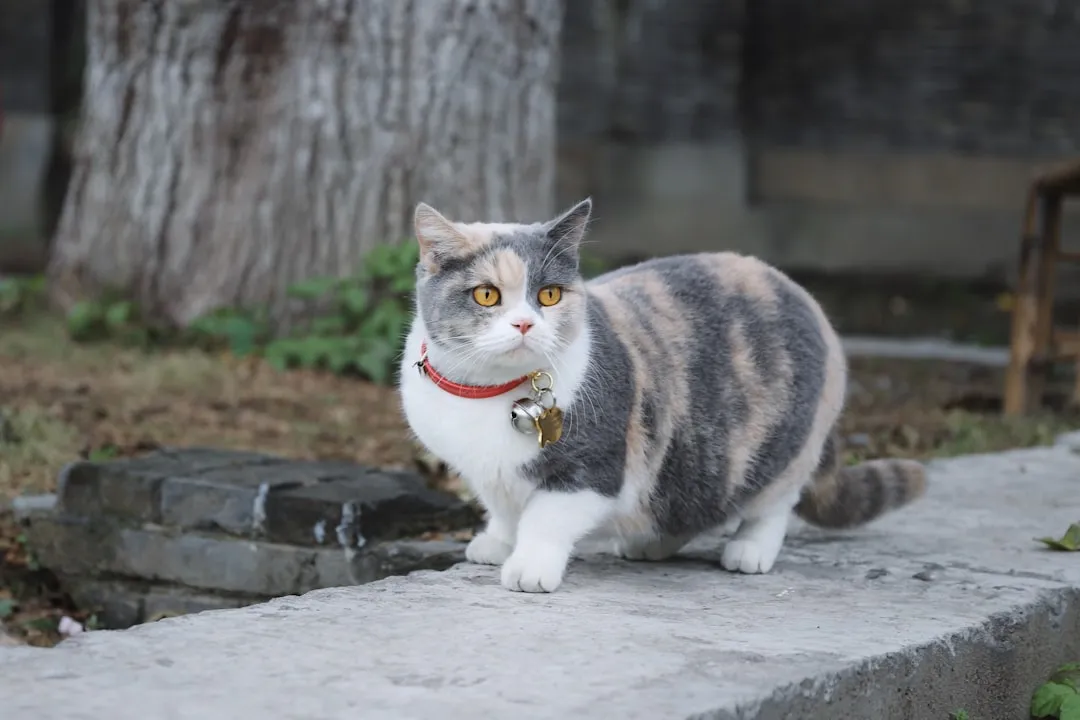
Japanese Bobtails are cheerful, active, and often extremely people-oriented – they’ve been called the clowns of the cat world for a reason. They’re also known for a wide range of vocal sounds, from chirps to trills to full meows, especially while interacting with humans. In a silent home, they stand out sharply against the stillness.
They tend to insert themselves into whatever you’re doing: following you, commenting, digging up toys out of nowhere. That’s adorable in an already lively household, but in a place where every sound is amplified, it can be exhausting. This is not a cat that quietly melts into the furniture and leaves you alone for hours.
#27 – Turkish Van: Built for Motion, Not Meditation
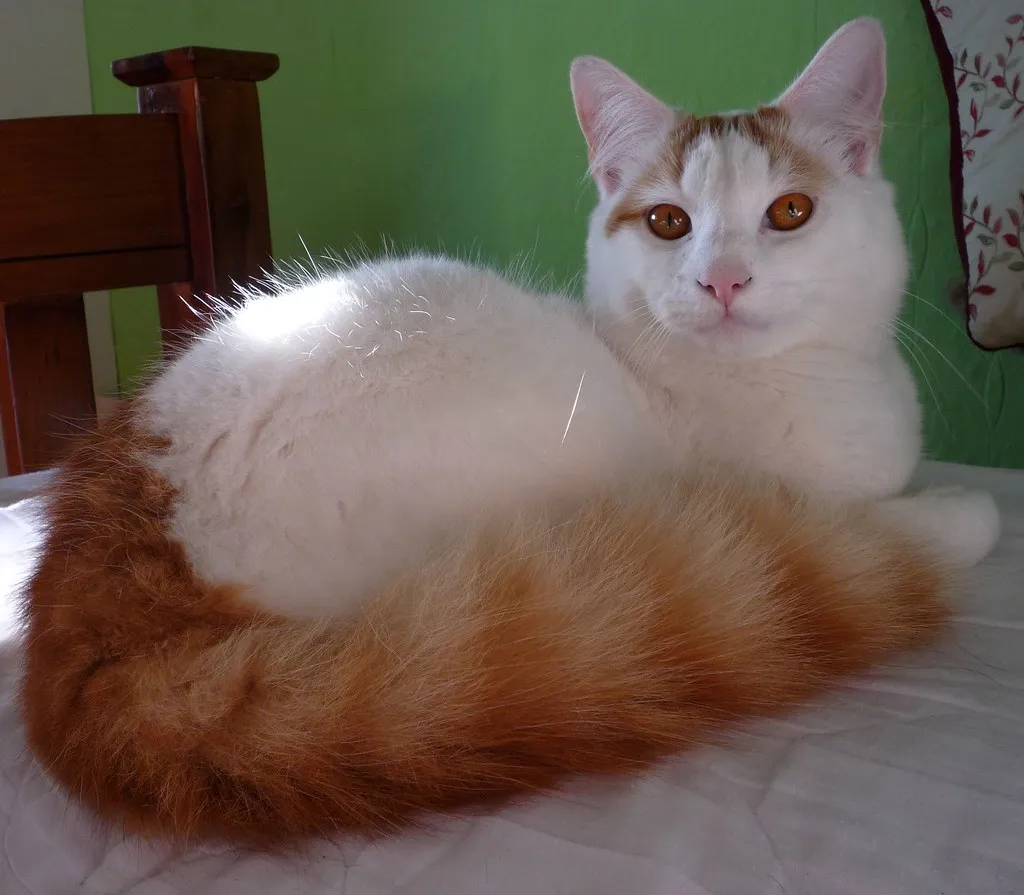
Turkish Vans are semi-longhaired athletes with a reputation for loving water and action. They’re confident, independent, and often fairly vocal when they want something, whether that’s outdoor access or playtime. A totally silent home doesn’t scare them, but it definitely doesn’t satisfy them either.
They need space to move, things to climb, and challenges to tackle. In a motionless, quiet apartment with few outlets, a Van often becomes restless: pacing, jumping to high places, calling for attention, even inventing noisy games with doors and cabinets. Long story short, they don’t really “settle” so much as constantly negotiate for more life.
#28 – Singapura: Tiny Body, Big Presence
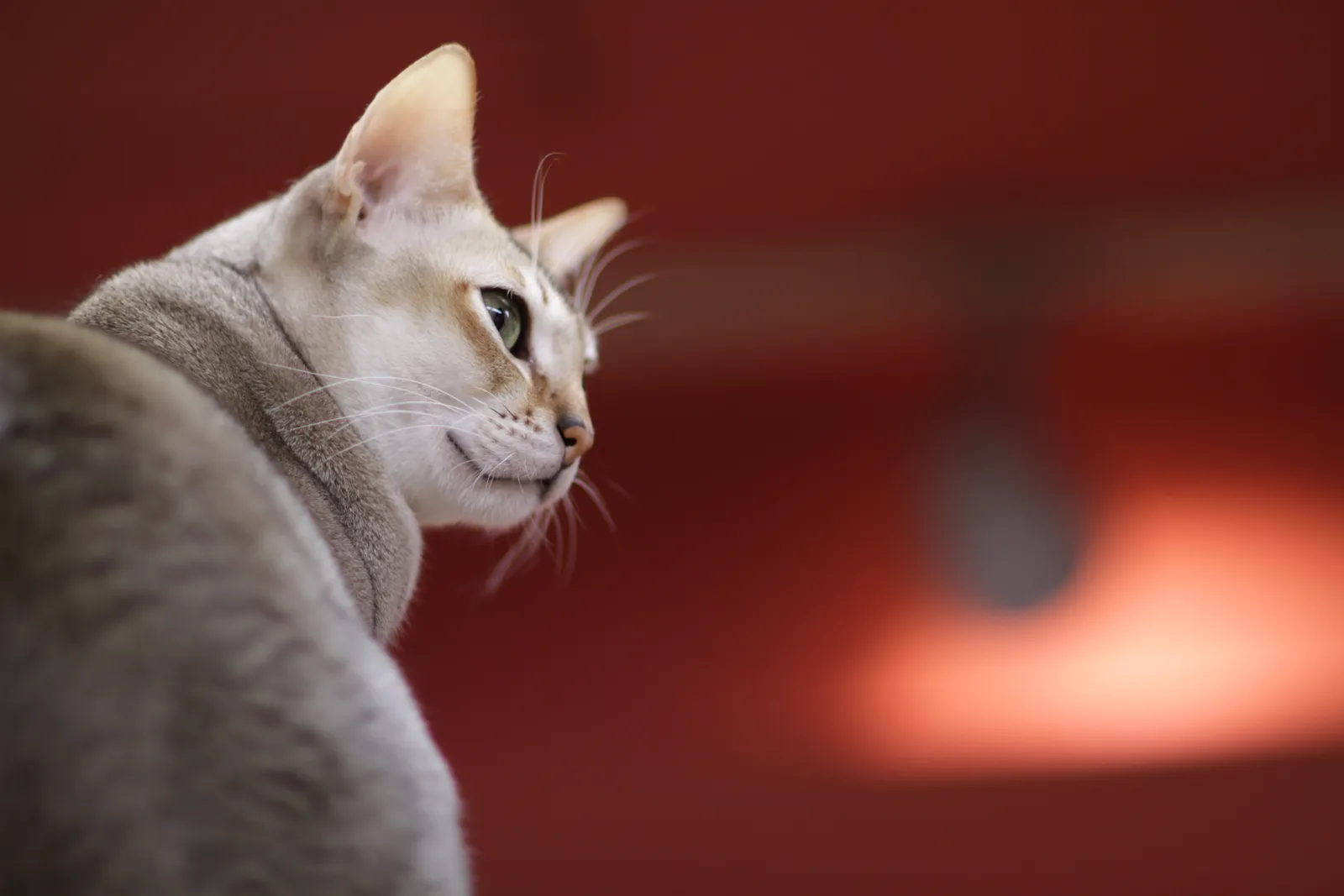
The Singapura is one of the smallest cat breeds, but don’t be fooled by the size. They’re often energetic, inquisitive, and quite interactive, with a tendency to follow their humans and comment on the day’s activities. In a silent home, that active engagement stands out sharply against the stillness.
Because they’re so small, people assume they’ll be low-impact. In reality, many Singapuras love climbing, sprinting, and participating in everything, with chirps and meows sprinkled throughout the day. They want to be in your business, and they’re not shy about using their voice to stay there.
#29 – Savannah: High-Octane and High-Maintenance
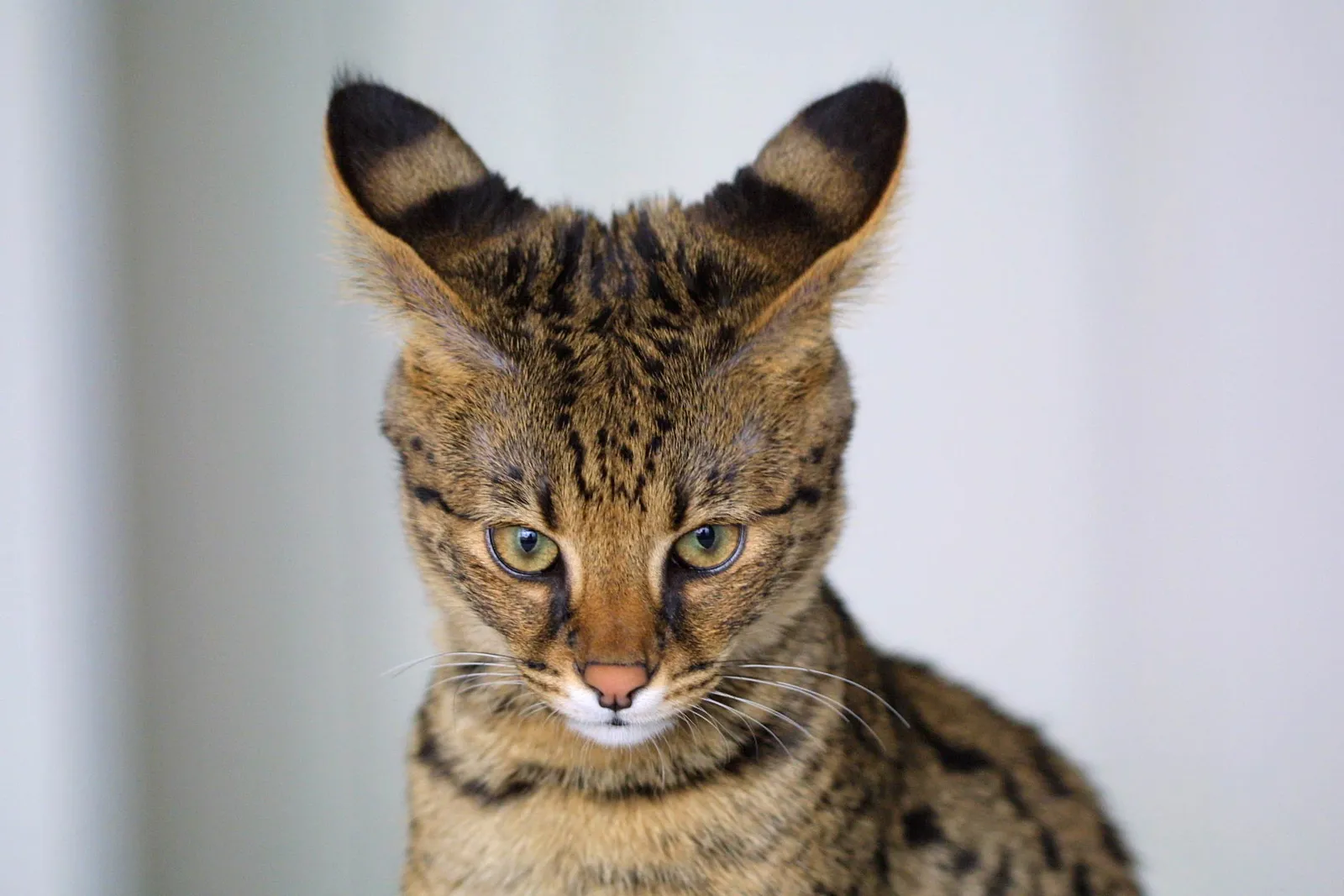
Savannahs, with their wildcat ancestry, are not for the faint of heart or the faint of hearing. Individual temperaments vary with generation, but many are high-energy, highly intelligent, and capable of loud, demanding vocalizations when their needs aren’t met. A silent home is essentially a sensory deprivation tank for them.
At a Glance
- Ancestry: Cross between a domestic cat and the African serval
- Energy level: Very high, needs daily active play
- Vocal level: Loud and demanding when under-stimulated
- Needs: Large territory, climbing structures, mental challenges
- Not ideal for: Quiet apartments or hands-off owners
They thrive on space, play, problem-solving, and physical challenges. Without that, expect pacing, vocal protests, and attempts to escape or explore beyond the confines of the home. They’re spectacular animals, but spectacularly wrong for anyone who values stable, unbroken silence.
#30 – Egyptian Mau: Alert, Athletic, and Rarely Calm
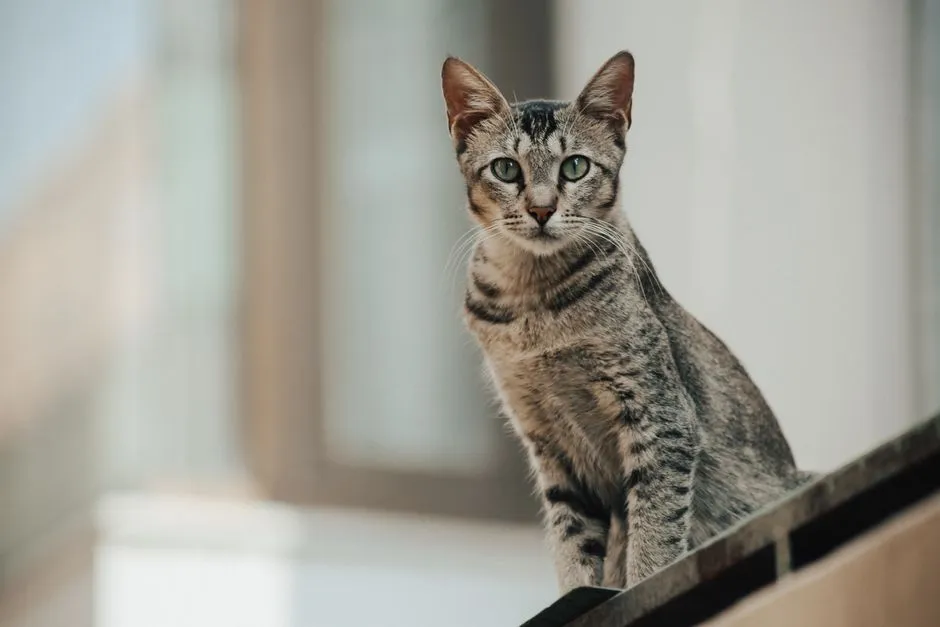
Egyptian Maus are fast, observant, and often quite sensitive to their environment. They tend to be vocal when excited, frustrated, or seeking attention, and they’re simply not built for a life of boredom. A hushed, understimulating space doesn’t soothe them – it just removes the healthy outlets they need.
They’re sprinters, climbers, and hunters at heart, and without appropriate play, that drive gets redirected into pacing, nighttime activity, and noise. Some Maus are more moderate than others, but as a group, these are not cats that sink into the sofa and forget the world exists.
#31 – Lykoi (“Werewolf Cat”): Quirky, Curious, and Rarely Subtle
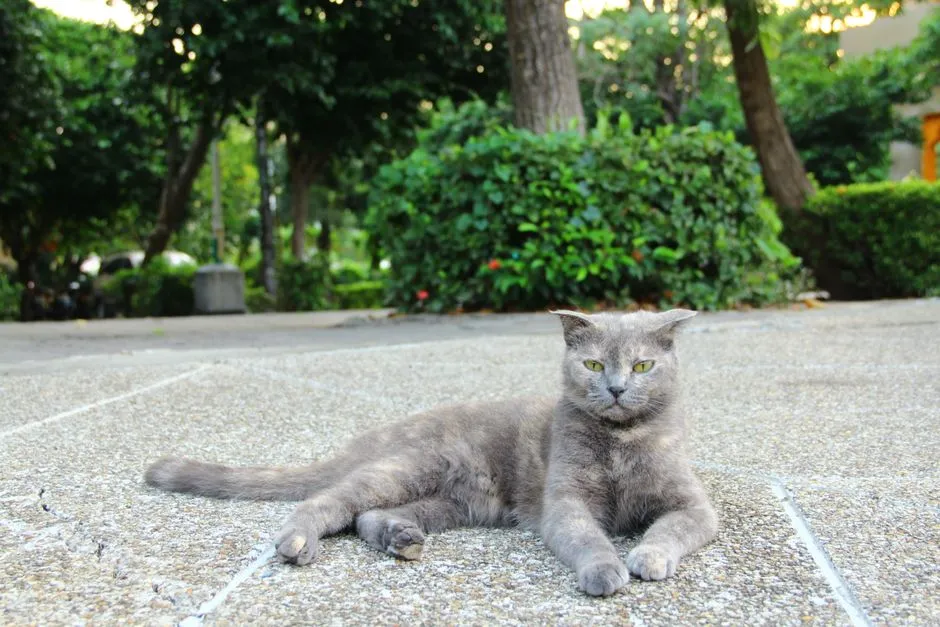
Lykoi cats have a strong hunting drive and a naturally inquisitive temperament, and their semi-hairless, patchy coat isn’t the only unusual thing about them. They’re typically very engaged with their environment, often using vocalizations to communicate excitement or curiosity, especially with humans nearby.
In a silent home without much novelty, a Lykoi may invent their own enrichment: stalking, pouncing, batting things around, and announcing every find with a little call. People drawn in by the dramatic look sometimes expect an aloof, mysterious cat, but the reality is an active, bright animal that wants to turn your still house into a hunting ground.
#32 – Munchkin: Cute Exterior, Busy Interior
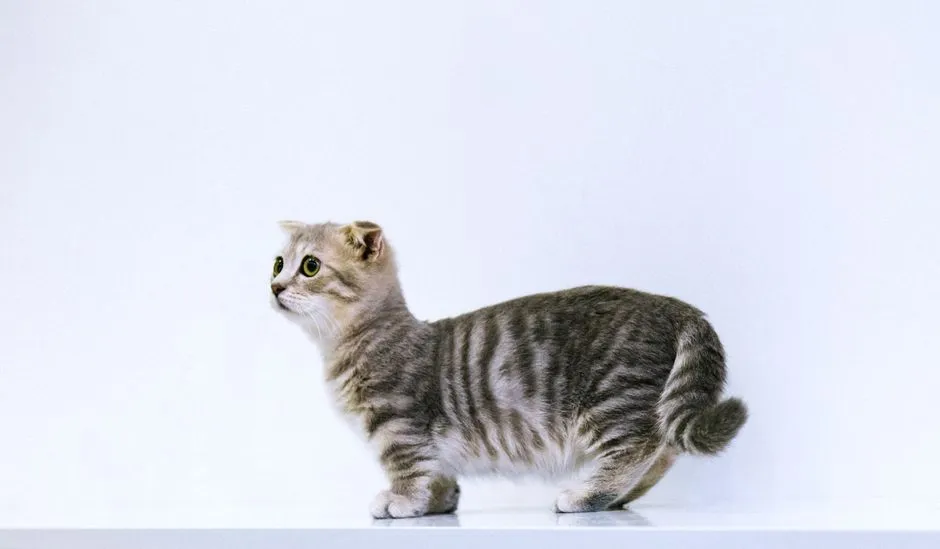
Munchkins are controversial for structural reasons, but personality-wise, many are lively, curious, and socially forward. Their short legs don’t reduce their desire to explore, interact, and sometimes vocalize for attention. In a silent home, their activity level can feel oddly amplified, precisely because you hear every little move.
They like games, toys, and being involved in your day, and long periods of quiet with little engagement can lead to attention-seeking behavior, including meows and door-scratching. Anyone picking a Munchkin purely for the cute look, expecting a mellow lap potato, is setting both themselves and the cat up for frustration.
#33 – American Curl: Friendly, Social, and Audibly So
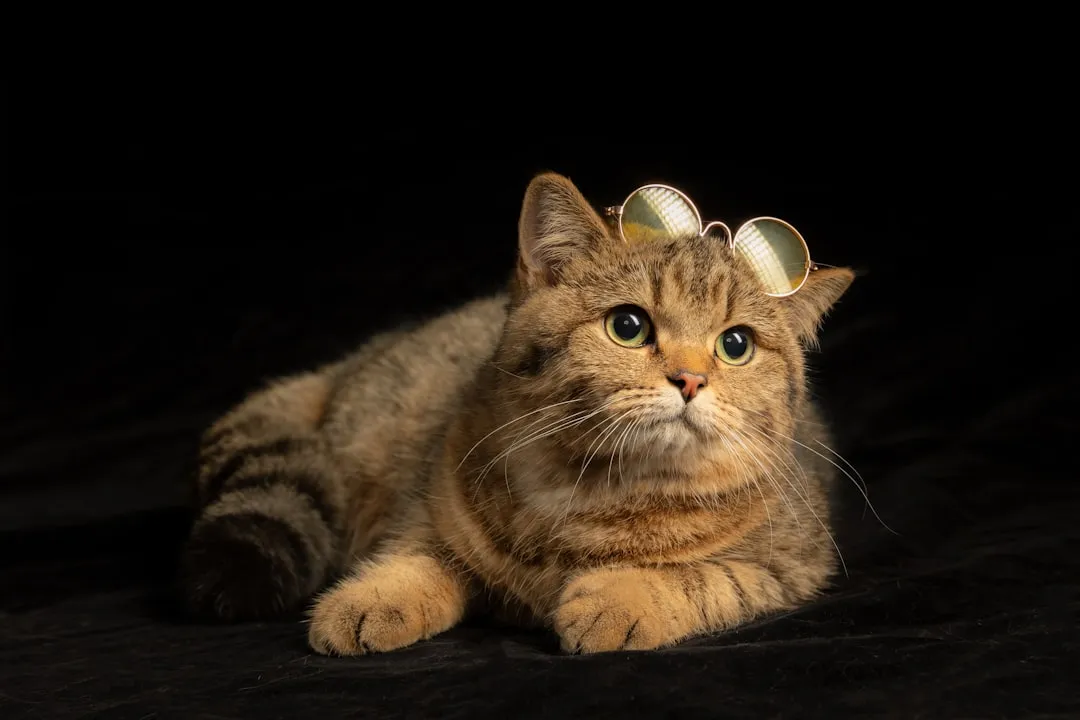
American Curls are known for their distinctive ears and equally distinctive personalities: friendly, affectionate, and interactive. Many are moderate to frequent vocalizers, using chirps, trills, and meows to stay in contact with their humans. In a house that’s otherwise very quiet, that social soundtrack becomes a defining feature.
They don’t necessarily scream like Siamese, but they’re not content to be ignored either. They like to follow you, supervise, and “reply” when you talk, which makes them wonderful companions in a normal household – but in a space built around silence, it can feel like one long, gentle interruption.
#34 – LaPerm: Curls, Curiosity, and Constant Commentary
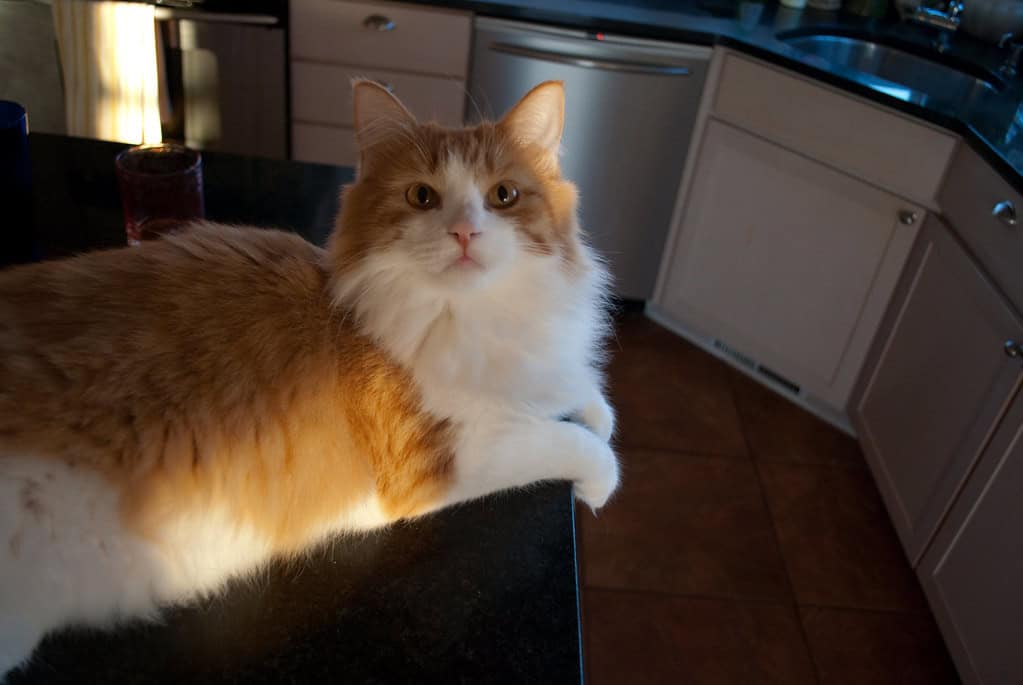
LaPerms, with their curly coats, are playful and people-focused, often described as outgoing and sometimes downright clownish. Along with that comes a tendency to vocalize when interacting or seeking attention, which in a quiet home can feel surprisingly persistent. They love games, tricks, and being near their humans.
If that human is around but checked out – headphones in, rarely engaging – the LaPerm will often try harder: weaving, tapping, meowing to break through the silence. They can mellow with age, but the core personality stays interactive, which makes them a long-term compromise for anyone chasing near-total quiet.
#35 – Balinese: The “Quiet” Siamese That Still Isn’t Quiet Enough
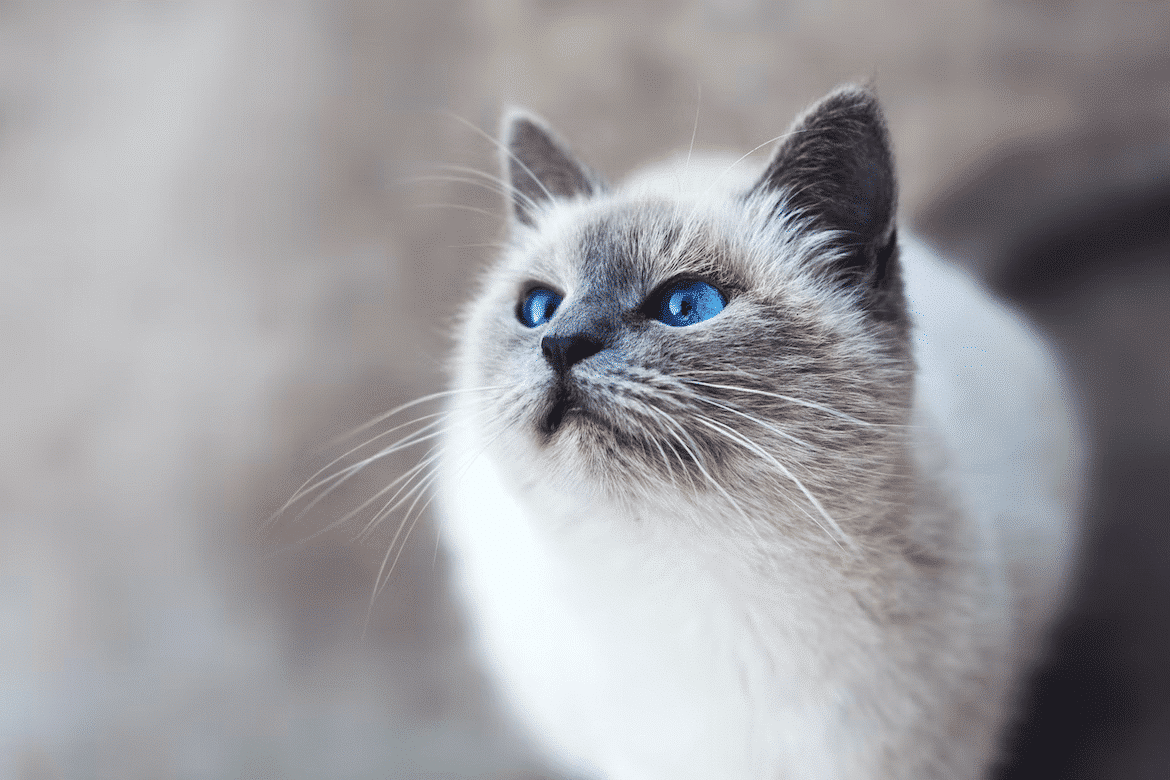
Balinese cats are essentially longhaired Siamese, and while some lines are a shade less piercing, they’re still solidly on the vocal, attention-seeking side of the spectrum. People make the mistake of thinking fluff equals calm, but in reality you still get a high-intelligence, high-engagement cat that wants to talk about everything.
In a silent home, that commentary has nowhere to hide. They call for you, complain when doors are closed, and often hold “conversations” whether you’re ready or not. Balinese are loving, attached companions, but the idea that they’ll blend into a whisper-quiet environment is pure fantasy.
#36 – Maine Coon: Gentle Giants Who Don’t Stay Invisible
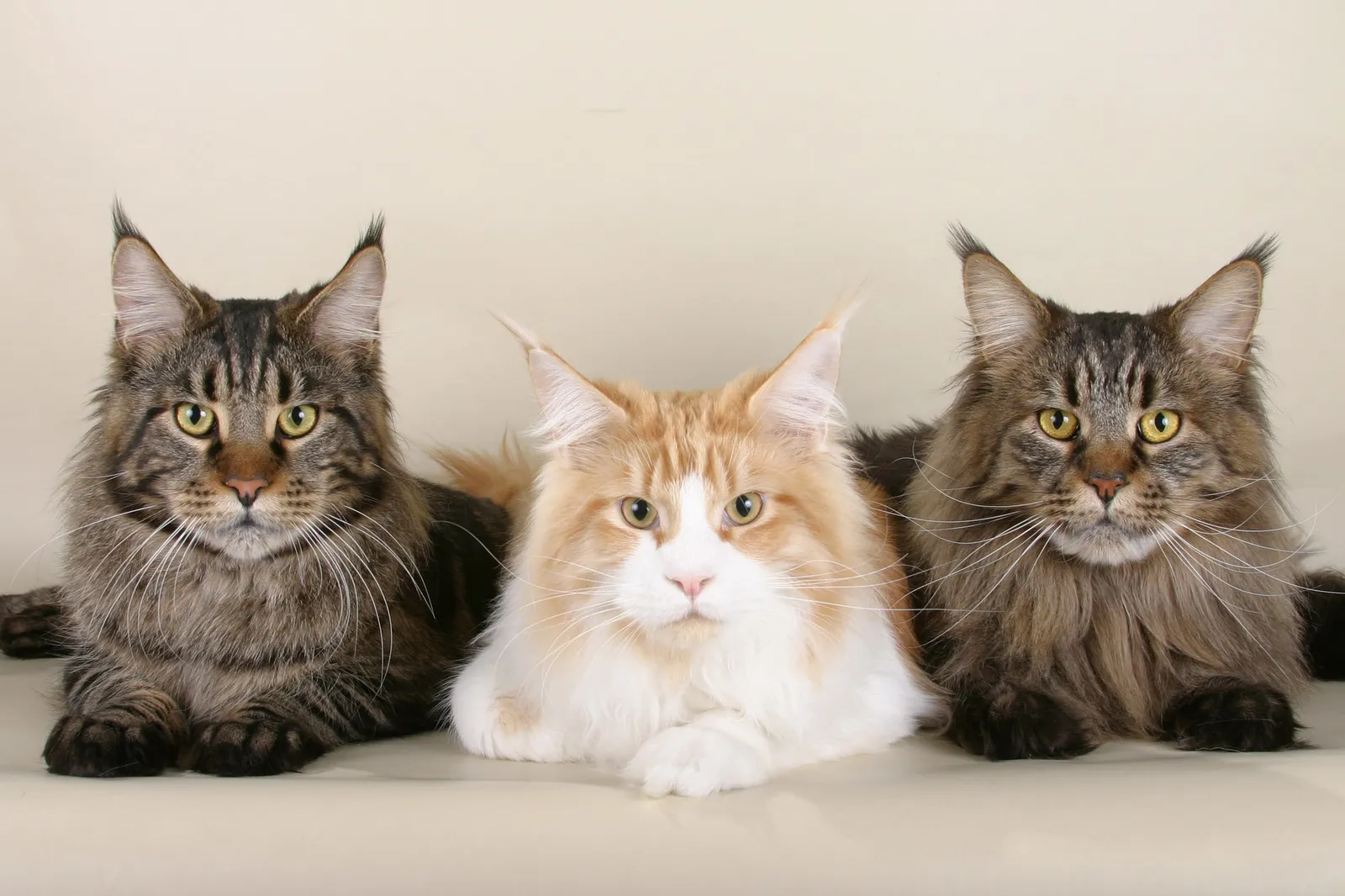
Maine Coons are often marketed as chill “gentle giants,” and many are indeed friendly, good-natured, and less shrill than Siamese or Bengals. But for a silent home, two things work against them: size and sociability. They’re heavy, active cats whose footsteps, play sessions, and chirpy vocalizations are impossible to tune out in a quiet space.
Worth Knowing
- One of the largest domesticated breeds – males often reach 13-18 lbs
- Vocal style: soft trills and chirps rather than loud meows, but frequent
- Highly social and often food-motivated, expecting daily interaction
- Big paws and an active build mean even quiet play sounds louder
- Even a calm Maine Coon rarely goes unnoticed in a silent house
They’re also extremely people-oriented, following you around and commenting in soft trills while expecting real interaction. In a regular household, that reads as laid-back; in a library-quiet home, even their low-volume sounds and thudding jumps become a constant soundtrack. People who want companionship will love them. People who want silence-with-a-cat will probably be overwhelmed.
The Verdict: Silence Isn’t One-Size-Fits-All
Zoom out and the pattern is obvious: the breeds that settle instantly in a silent home are either naturally low-energy, selectively bred for calm, or already adults with proven quiet temperaments. The ones that never truly do are wired for stimulation, social interaction, and problem-solving, and no amount of wishful thinking changes that wiring.
A Ragdoll or British Shorthair in a peaceful apartment is harmony. A Bengal or Siamese in that same space is a negotiation you’ll keep losing at 3 a.m.
My honest take: the real mistake isn’t picking the “wrong” breed – it’s refusing to admit your lifestyle and noise tolerance are part of the equation. Cat behavior is a spectrum, not a guarantee, but ignoring tendencies is exactly how people end up rehoming animals that were never a fit in the first place. If you live in a truly silent home, decide now whether you want calm predictability or high-octane personality, because you don’t get to have both without a fight.

- 19 Quiet Signs a Horse Has Decided You Are the One It Trusts Completely - August 21, 2026
- What It Means When Vultures Gather on Rooftops Instead of Trees - August 21, 2026
- 18 Cat Breeds That Settle Instantly in a Silent Home and 18 That Never Truly Do - August 21, 2026