
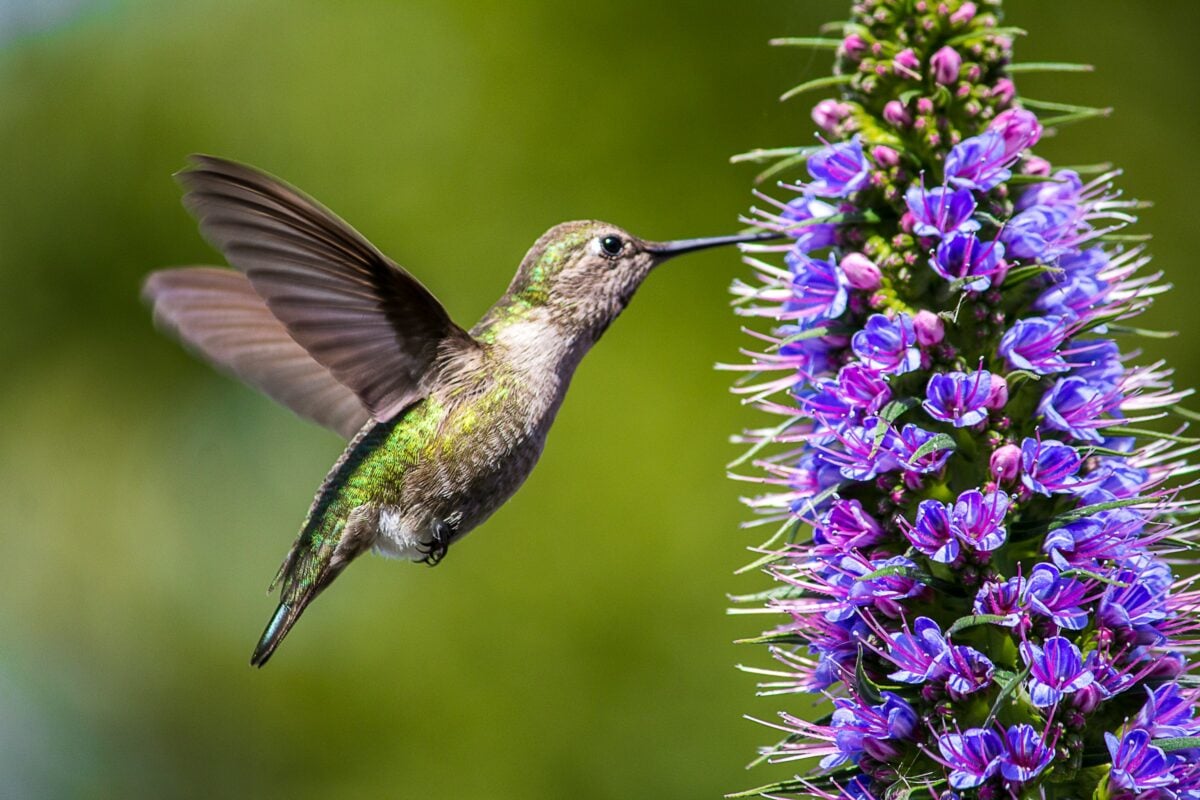
Most people think hummingbirds are basically tiny, harmless fairies that just need a splash of sugar water and a few flowers to be happy. Wildlife biologists know better, and honestly, they cringe a little every time someone calls a hummingbird “delicate.” Behind that shimmering, hovering cuteness is a brutal daily gamble involving starvation risk, territorial warfare, disease, and a metabolism so extreme it would put a human in the hospital.
The gap between the backyard myth and the biological reality is bigger than most people realize, and it quietly decides whether the birds in your yard thrive or barely survive. So before you refill that feeder out of habit, here’s what biologists actually wish you knew.
#17 – Your Feeder Is a Life-Or-Death Gas Station, Not a Decoration
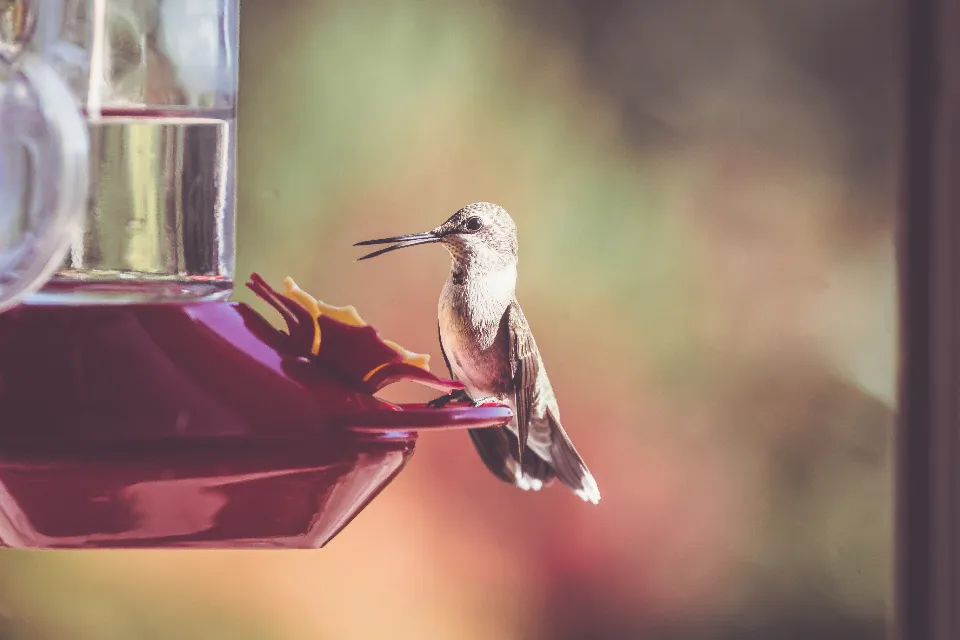
Most people hang a hummingbird feeder for the vibe. Biologists see something far more urgent: a high-stakes fueling station for a bird whose body is running on fumes almost constantly. Hummingbirds burn energy at a rate that would kill a person in a matter of hours, and during migration or a brutal heat wave, your feeder might be the one thing standing between a bird making it to the next stop or not making it at all.
That’s why consistency matters so much more than people assume. Letting a feeder run dry for days, then suddenly refilling it, is like randomly closing the only gas station on a 500-mile desert highway and reopening it whenever you feel like it. Biologists are blunt about this: if you’re going to feed hummingbirds, you’re making a commitment, not decorating a porch.
- Keep it filled, consistently, not sporadically.
- Keep it clean, every single time.
Fast Facts
- An active hummingbird’s heart can beat up to 1,200 times per minute during flight.
- Even at rest, they breathe roughly 250 times per minute.
- Most hummingbirds need to refuel every 10 to 15 minutes throughout daylight hours.
- Their bodies run on a metabolic rate far higher than any elite human athlete’s.
#16 – Dirty Feeders Can Kill Them Faster Than a Cat
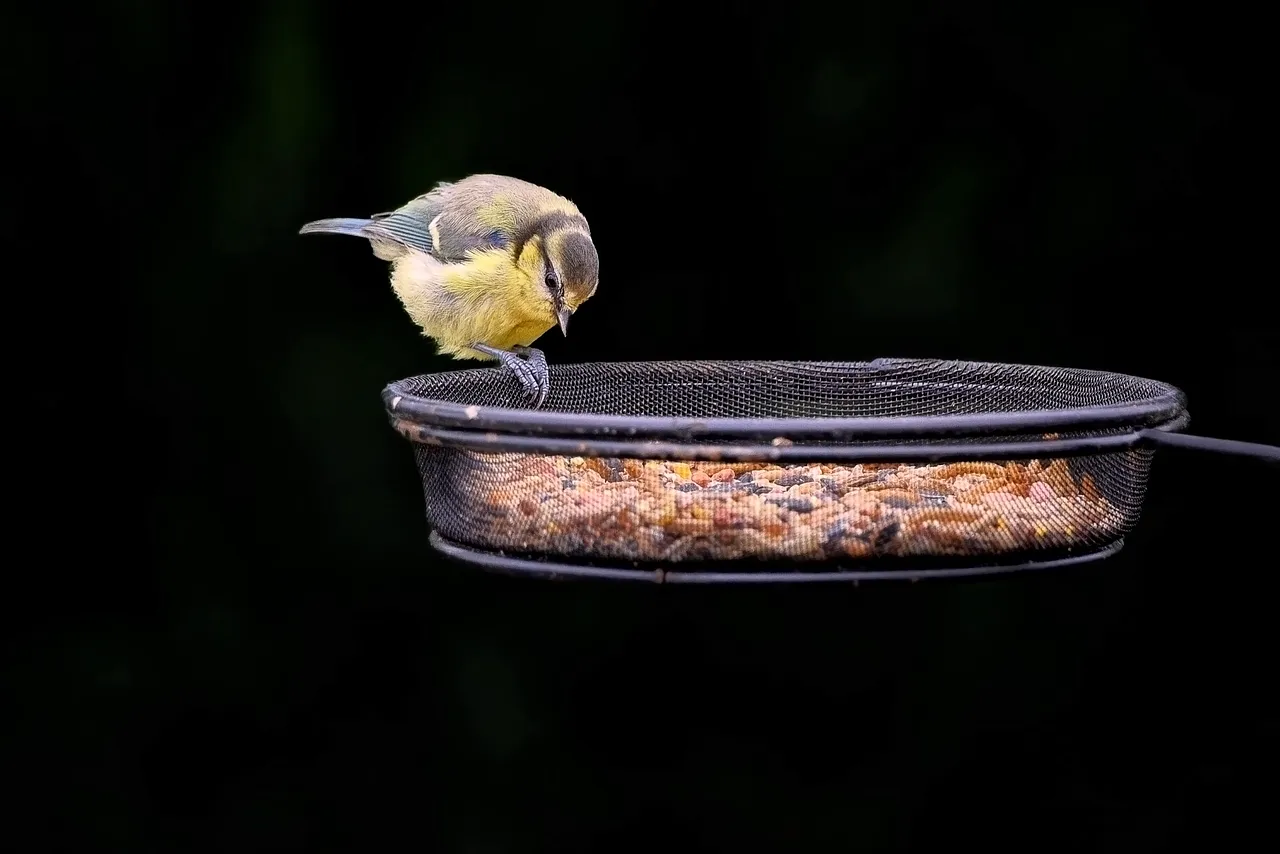
Everyone worries about outdoor cats, and rightly so. But biologists will tell you a neglected, moldy feeder can be just as lethal. Yeast, mold, and bacteria multiply fast in sugar water sitting in the sun, and biologists regularly find hummingbirds with fungal infections around their bills and tongues that trace straight back to a filthy feeder.
These infections can quietly starve a bird to death even while the feeder looks perfectly full. That’s why wildlife experts say they’d genuinely rather you take a feeder down completely than leave a dirty one hanging for the sake of appearances.
- Dump, rinse, and scrub every 1 to 3 days in warm weather.
- Never “top off” old nectar. If it looks cloudy or smells even slightly sour, you waited too long.
#15 – Your Sugar Recipe Matters More Than Your “Hummingbird Food” Brand
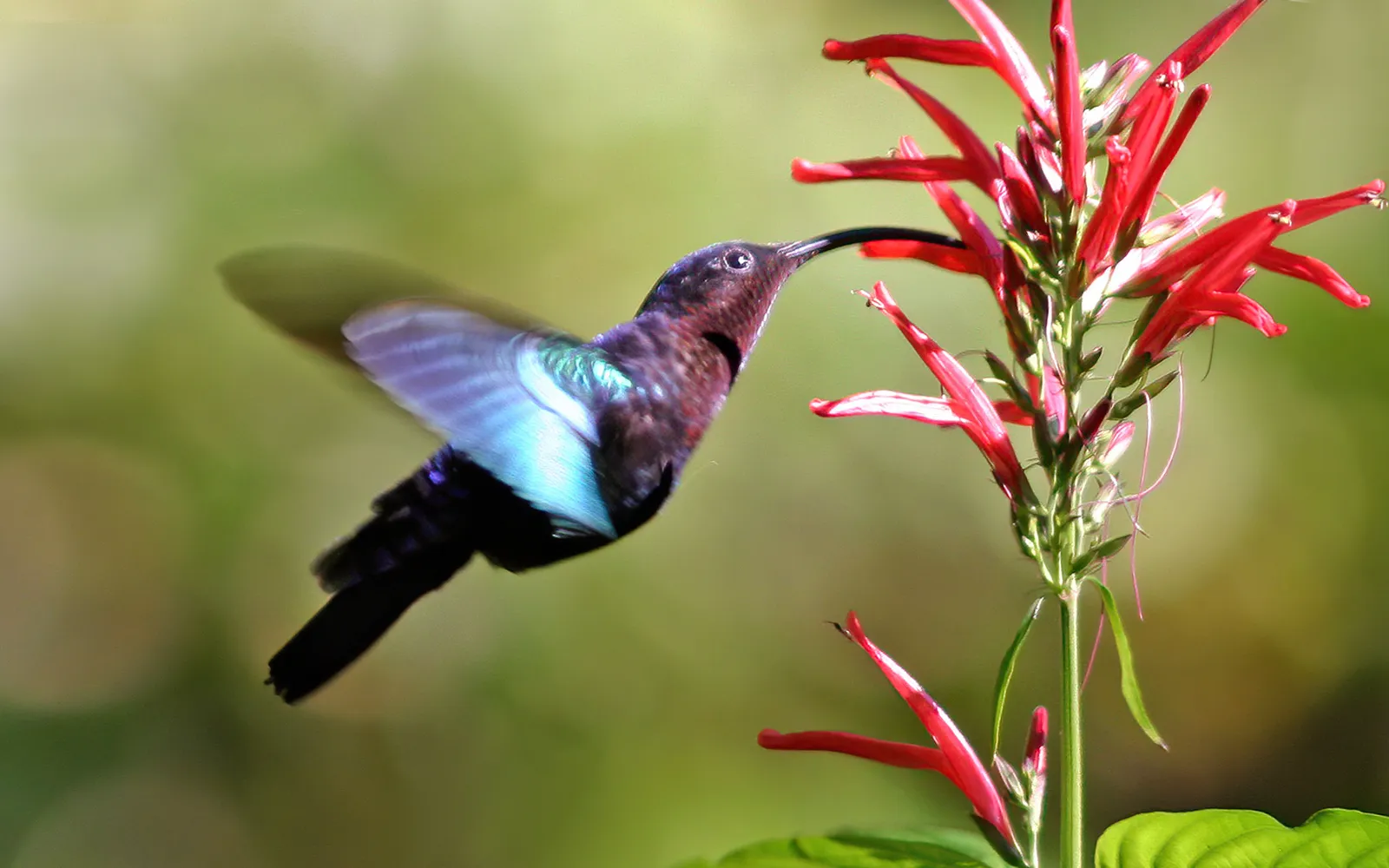
Plenty of well-meaning people buy the bright red commercial “hummingbird nectar” off the shelf, feeling good about the purchase. Biologists are quietly horrified. You don’t need dyes, flavors, or fancy additives, just sugar and water, mixed the way nature already does it.
The closest thing to real flower nectar is a simple 1:4 ratio: one part plain white table sugar to four parts water. No honey, no brown sugar, no organic coconut sugar, no red dye. Honey and “natural” sugars actually ferment and grow harmful microbes faster, and the red dye is for humans, not birds; the red plastic on most feeders already does the attracting. Most experts just mix their own batch at home and shake their heads at people paying extra for something that offers zero benefit and real risk.
#14 – They’re Not “Nice”: Hummingbirds Are Tiny, Feathered Bullies
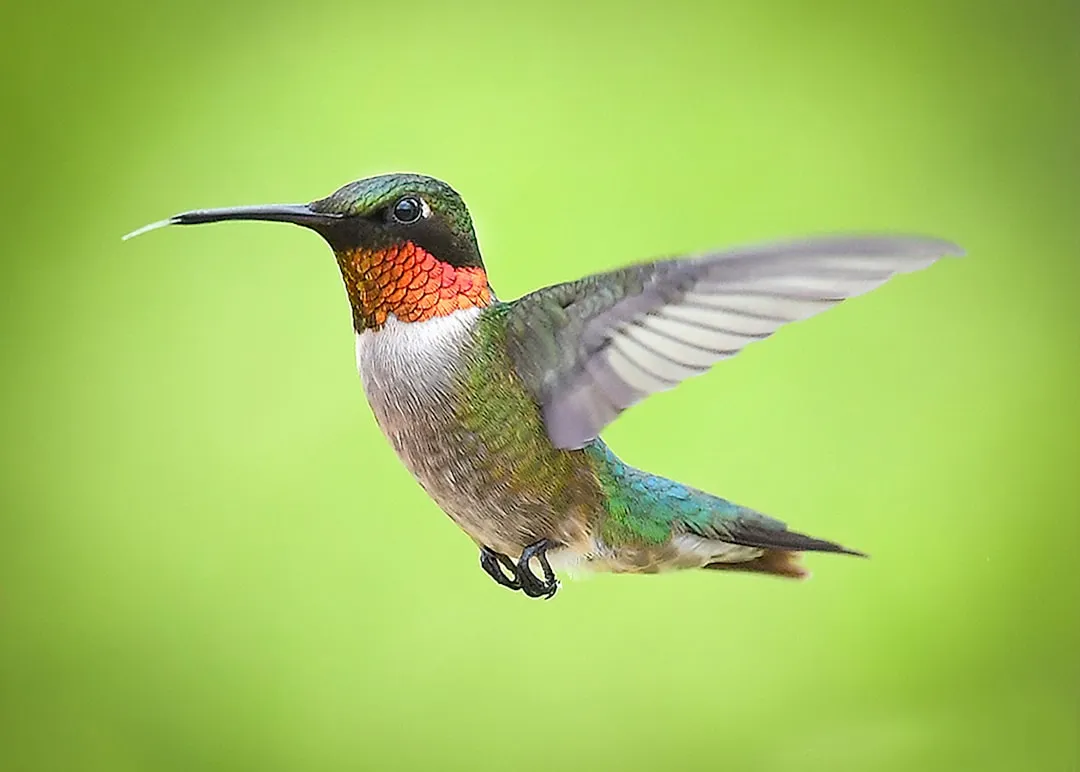
The internet loves to paint hummingbirds as delicate little sweethearts. Wildlife biologists laugh at that image, because in reality, hummingbirds are some of the most aggressively territorial birds in your entire yard. Males especially will dive-bomb, chase, and harass anything that threatens “their” feeder, including other hummingbirds, birds many times their size, and occasionally you.
That single dramatic bird guarding your feeder isn’t putting on a show for your entertainment. Biologists know it’s likely blocking five other birds you never even get to see. What looks like fun aerial acrobatics is actually a high-stress turf war burning precious calories on both sides.
- Add multiple feeders instead of relying on one.
- Spread them out so one bird can’t watch and guard them all at once.
#13 – One Feeder Is a Traffic Jam; Several Can Be a Lifeline
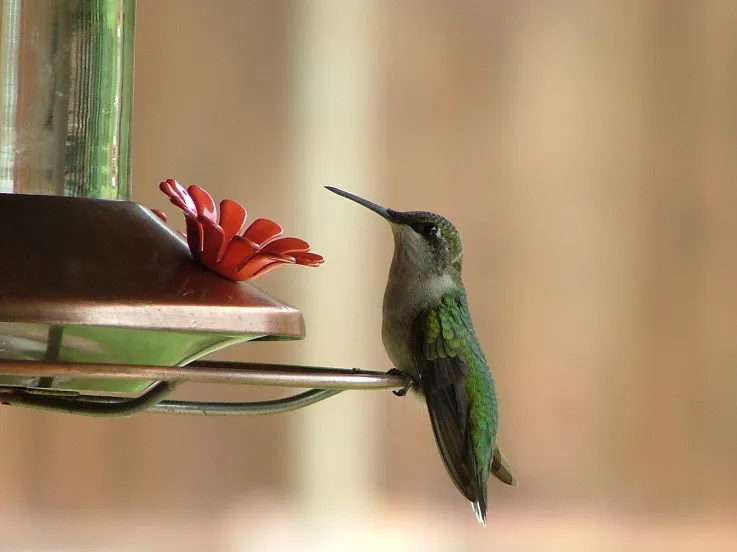
Homeowners often assume that hanging one feeder means they’re helping hummingbirds. Biologists know the uncomfortable truth: a single feeder tends to turn into a guarded monopoly, especially at the peak of the season. One dominant bird can perch nearby and force every other visitor to burn extra energy just trying to sneak in unnoticed.
The result is a yard that looks busy with “tons of hummingbirds” when really it’s one feudal lord and a lot of exhausted, hungry stragglers. Biologists routinely recommend several smaller feeders over one big showpiece, placed far apart, on different sides of the house, ideally near some sheltering shrubs or trees so shy birds have somewhere to retreat.
#12 – Flowers Help Them More Than Any Feeder Ever Will
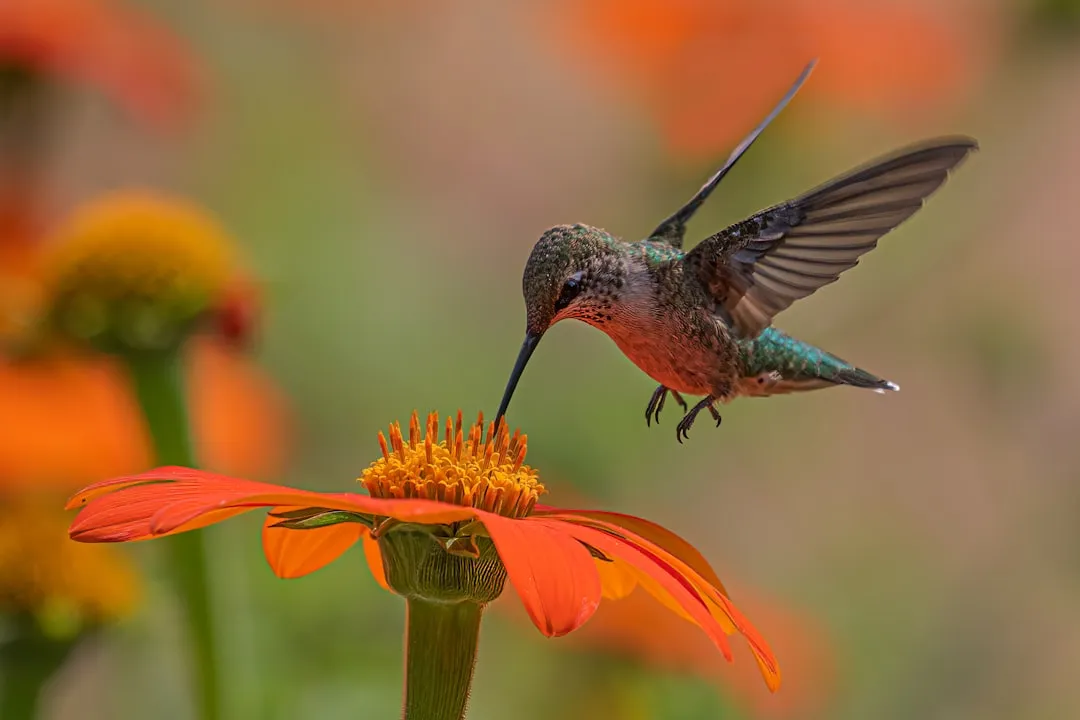
Hummingbirds evolved alongside flowers, not plastic feeders, and biologists never stop pointing that out. Native, nectar-rich plants beat any feeder in long-term value because they don’t ferment, don’t need scrubbing, and support the insects hummingbirds depend on for protein. A yard that’s mostly lawn with a single feeder is basically a food desert with one vending machine.
Wildlife professionals quietly favor yards with layered native shrubs, perennials, and trees, continuous blooms from early spring through fall, and even a few “messy” corners with leaf litter and bugs. Those landscapes hand hummingbirds energy, nesting cover, and hunting ground all at once. If you can only choose one investment, most biologists would tell you: put your money in plants, not hardware.
#11 – They Need Bugs Just as Much as Sugar
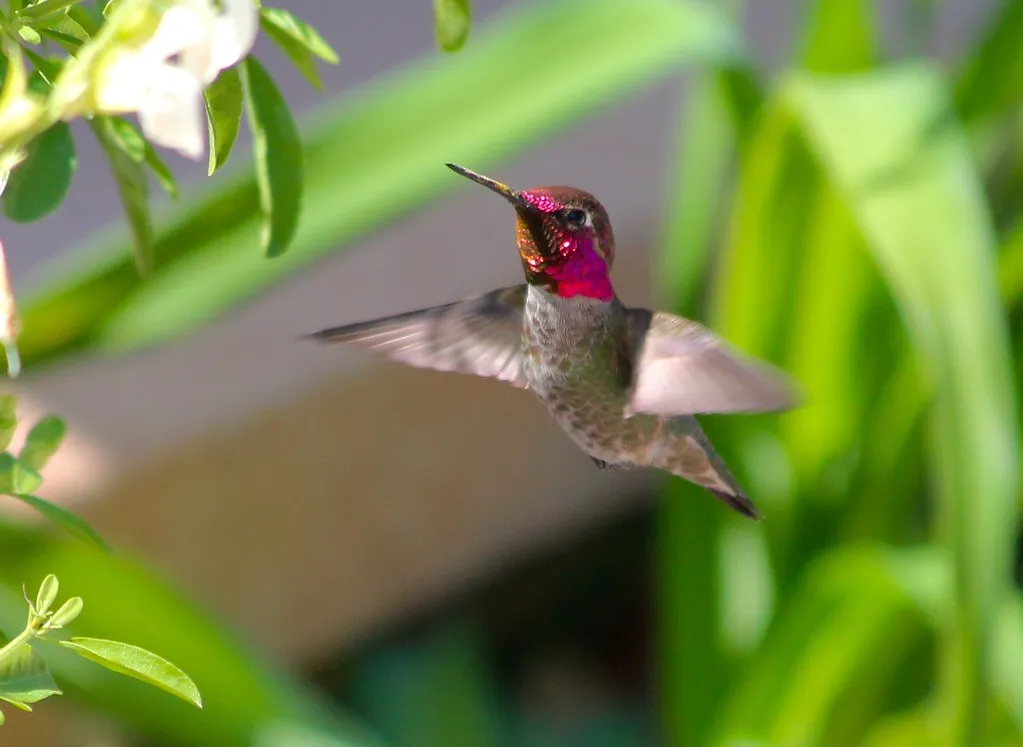
Ask most people what hummingbirds eat and they’ll say “nectar,” full stop. Biologists almost always correct that, because hummingbirds are also serious insect hunters. They need protein, fats, and micronutrients that sugar water simply cannot provide, and tiny spiders, gnats, and fruit flies are essential for building muscle, growing feathers, and raising chicks.
So when you spray broad-spectrum pesticide across your yard “for the mosquitoes,” you’re stripping out roughly half their food supply without realizing it. Biologists see this pattern constantly: yards packed with flowers but almost no insects, and surprisingly few healthy birds to show for it. If you actually care about hummingbirds, let your yard stay a little wild and stop nuking the bugs they’re counting on.
#10 – Their Lives Run on the Edge of Starvation Every Single Day
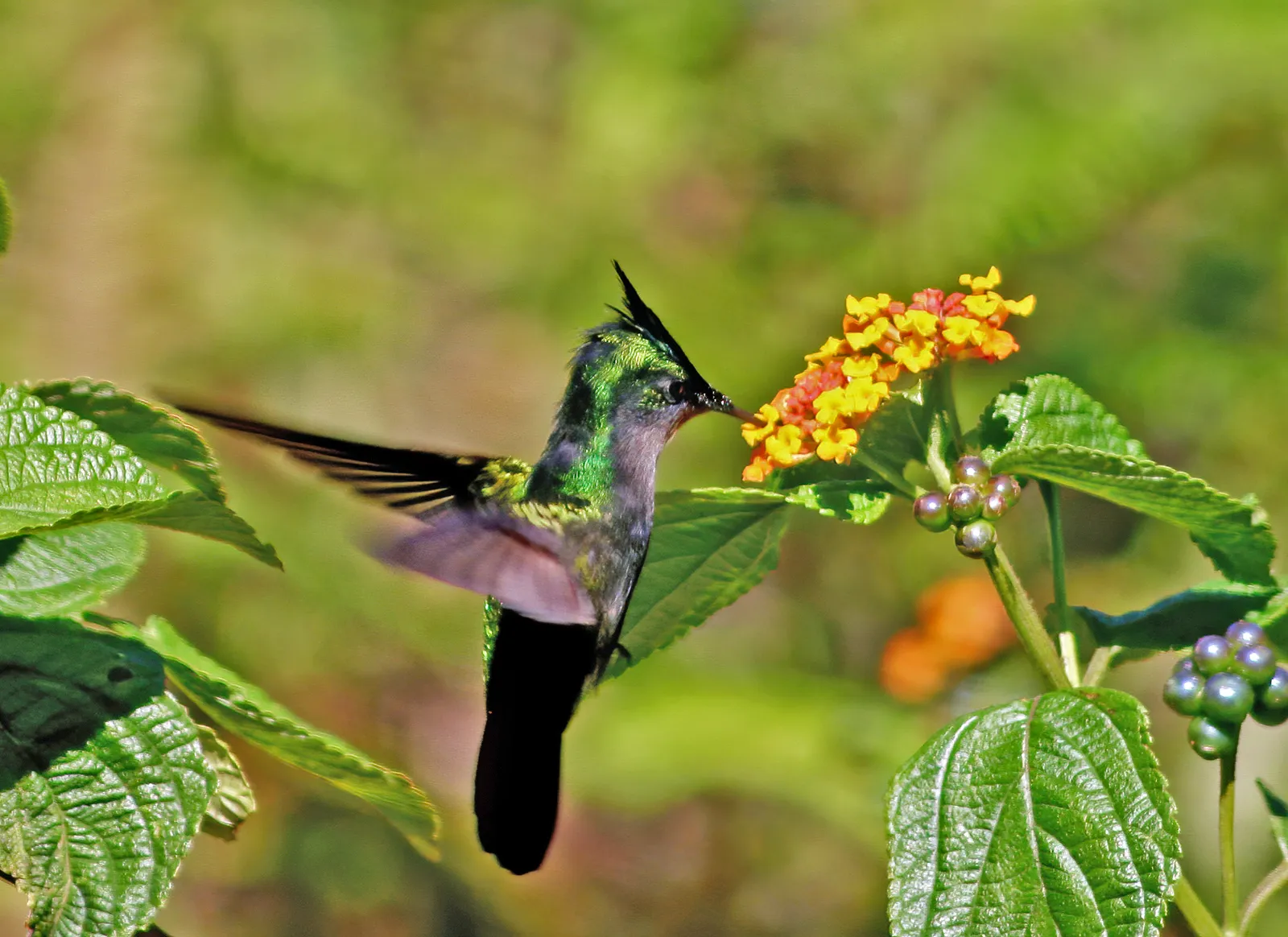
A chubby little bird bouncing around your yard looks perfectly fine to most people. Biologists see a metabolic grenade that has to eat almost constantly just to stay alive. Hummingbirds burn calories so fast that going just a few hours without food, especially during a cold snap, can genuinely be dangerous.
That’s why suddenly pulling in all your feeders right before a cold front can create a real crisis. Hummingbirds have evolved wild survival tricks, like dropping into torpor overnight to conserve energy and packing on fat fast before migration or storms, but those tricks barely balance the books. Once you understand they’re living paycheck to paycheck in energy terms, steady food access and safe shelter start to feel a lot less optional.
#9 – Migration Timing Is Brutal, and Your Yard Is Just One Stop
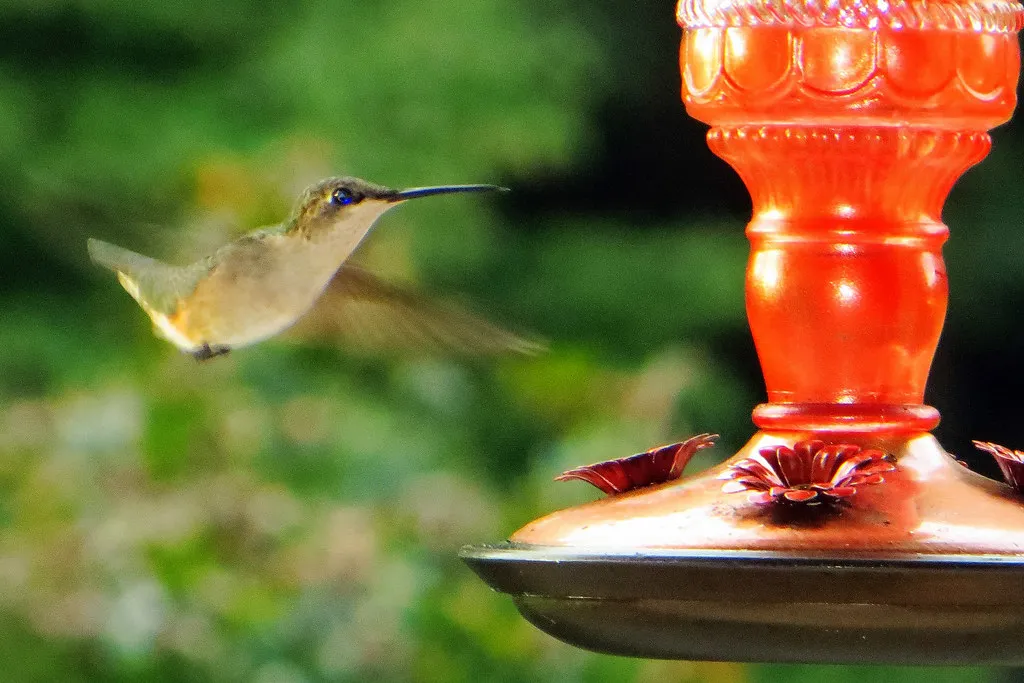
Many people assume “their” hummingbirds live in the same yard year-round. Biologists know that for most species, your yard is just one pit stop on a journey that can span thousands of miles, and some hummingbirds cross the entire Gulf of Mexico in a single nonstop flight. The bird sipping from your feeder in April is probably not the same bird you’re watching in August.
Early-season food helps birds arriving exhausted from migration, while late-season flowers and feeders help others bulk up before heading south. When people take feeders down too early because “summer’s over,” they can yank away a crucial resource from late migrants passing through. Biologists don’t insist you feed year-round, but they do wish more people thought in terms of migration windows instead of just “my summer hummingbird.”
Fast Facts
- Ruby-throated hummingbirds regularly fly nonstop across roughly 500 miles of open water over the Gulf of Mexico.
- That single crossing can take 18 to 22 hours of continuous flight, with no food, water, or rest.
- Before departing, they nearly double their body weight in fat reserves to fuel the trip.
- Some western species, like the rufous hummingbird, complete round-trip migrations of more than 3,000 miles a year.
#8 – Window Strikes Are a Silent Killer in “Bird-Friendly” Yards
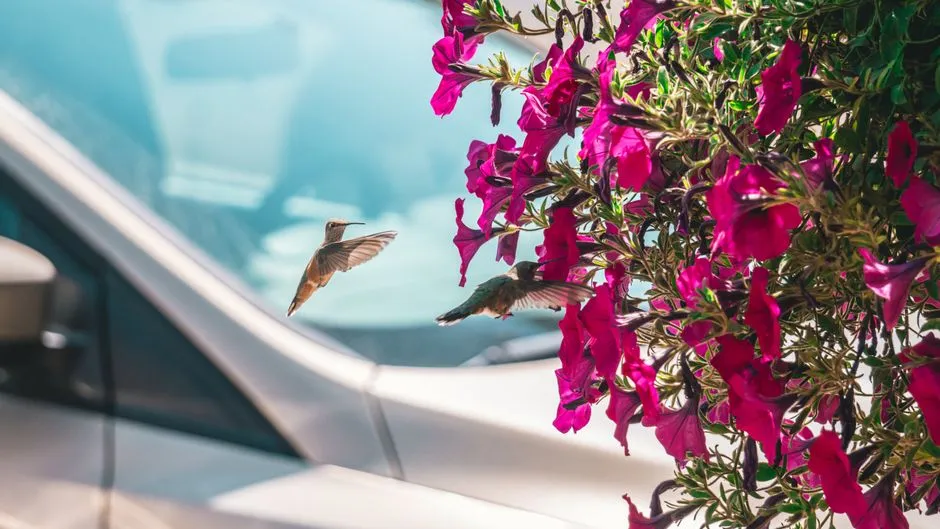
Here’s the cruel irony: the more successfully you attract hummingbirds, the more you expose them to one of the biggest bird killers in North America, glass. To a hummingbird moving at full speed, a reflective window can look exactly like open sky or more trees, and a midair collision is often instantly fatal, happening so fast most people never even see it.
Biologists routinely count window strikes as a major cause of hummingbird deaths. If you’ve ever found a stunned hummingbird on your deck, you’re already living proof of the problem. Dense decal patterns on the outside of glass, screens, external shades, or hanging cords in front of large panes all genuinely help, and many wildlife pros quietly care more about the state of your windows than the brand of your feeder.
#7 – Outdoor Cats Are Not “Part of Nature” to a Hummingbird
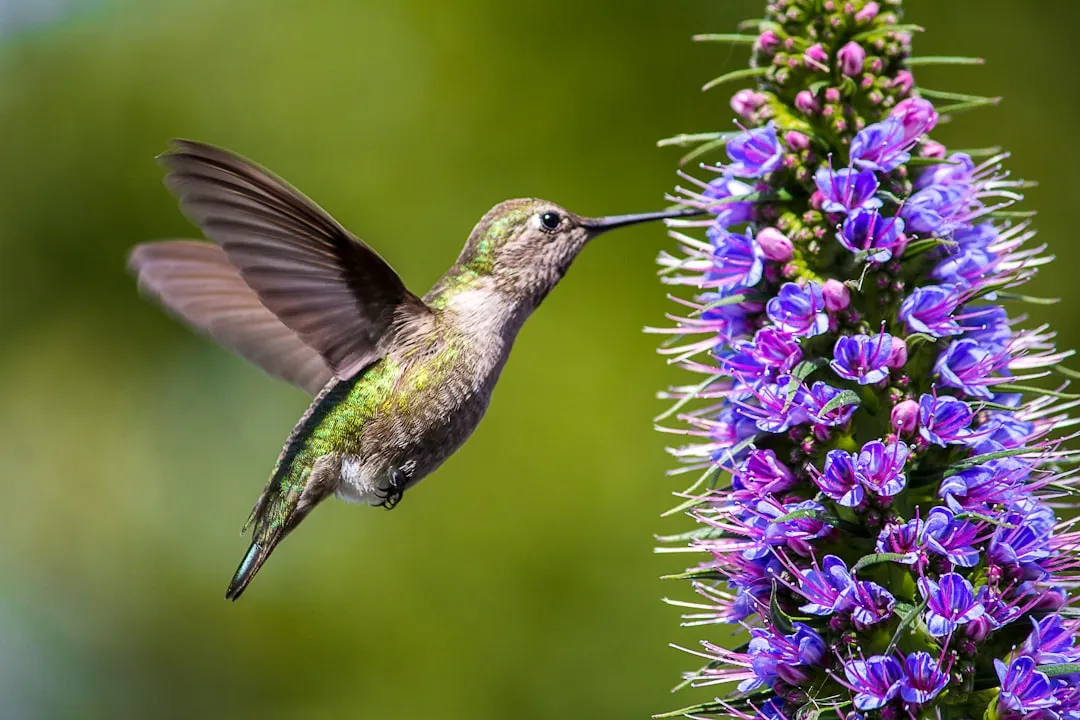
A single free-roaming housecat can undo the benefits of an entire bird-friendly yard in one strike. Biologists have watched hummingbirds hovering peacefully near flowers get swatted out of the air by a lurking cat, and to a hummingbird, that cat isn’t part of some balanced backyard ecosystem, it’s an invasive predator. Because hummingbirds feed low and close to shrubs, they make easy ambush targets.
This is where biologists get blunt, and honestly a little tired of repeating themselves: if you truly care about birds, keep your cats indoors or in a secure catio. Bells on collars aren’t enough; hummingbirds are simply too fast and too small to react in time. Your yard cannot be genuinely “for wildlife” and “for free-roaming cats” at the same time, no matter how much you want it to be.
#6 – Red Everything Isn’t Necessary, and Can Even Backfire
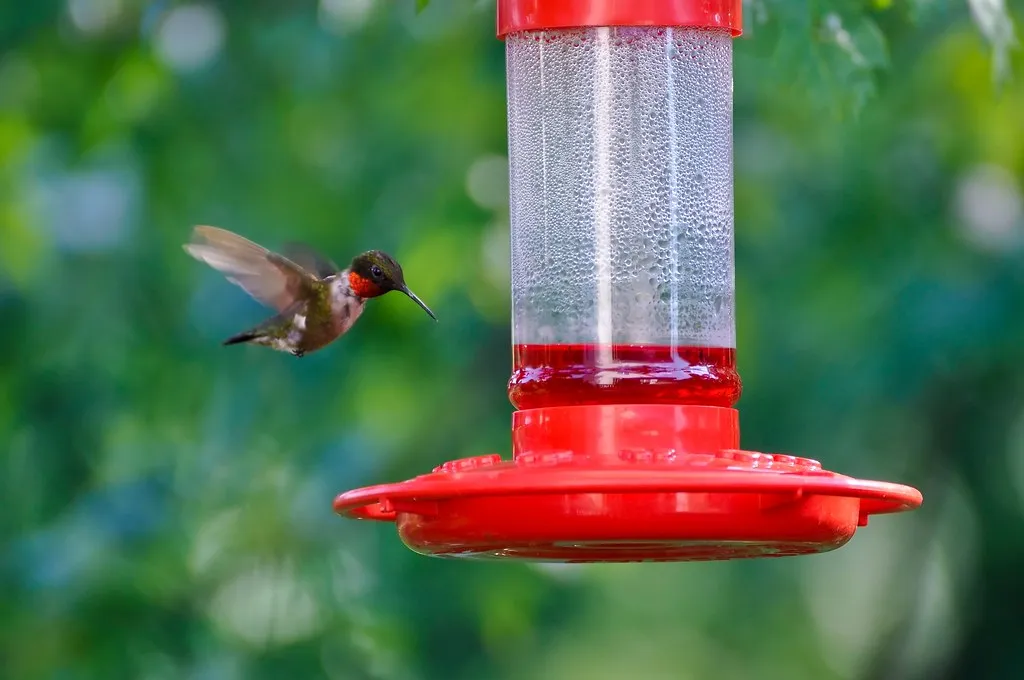
The hummingbird marketing machine has convinced everyone that everything needs to be red, feeders, hooks, fake flowers, even the nectar itself. Yes, hummingbirds are drawn to red and other bright colors, but biologists point out they’re also reading flower shape, nectar quality, and location. A yard drowning in red plastic can actually distract from real flowers, and some biologists suspect it may even help predators pattern where birds will hover.
Most experts stick to red accents on the feeder itself, not solid red everywhere, paired with a mix of flower colors and shapes, especially tubular blooms hummingbirds favor. Once a bird finds a reliable food source, it will keep coming back regardless of color. Overdoing the red is really about satisfying human taste, not hummingbird biology.
#5 – Not Every “Lonely” Young Bird Needs You to Intervene
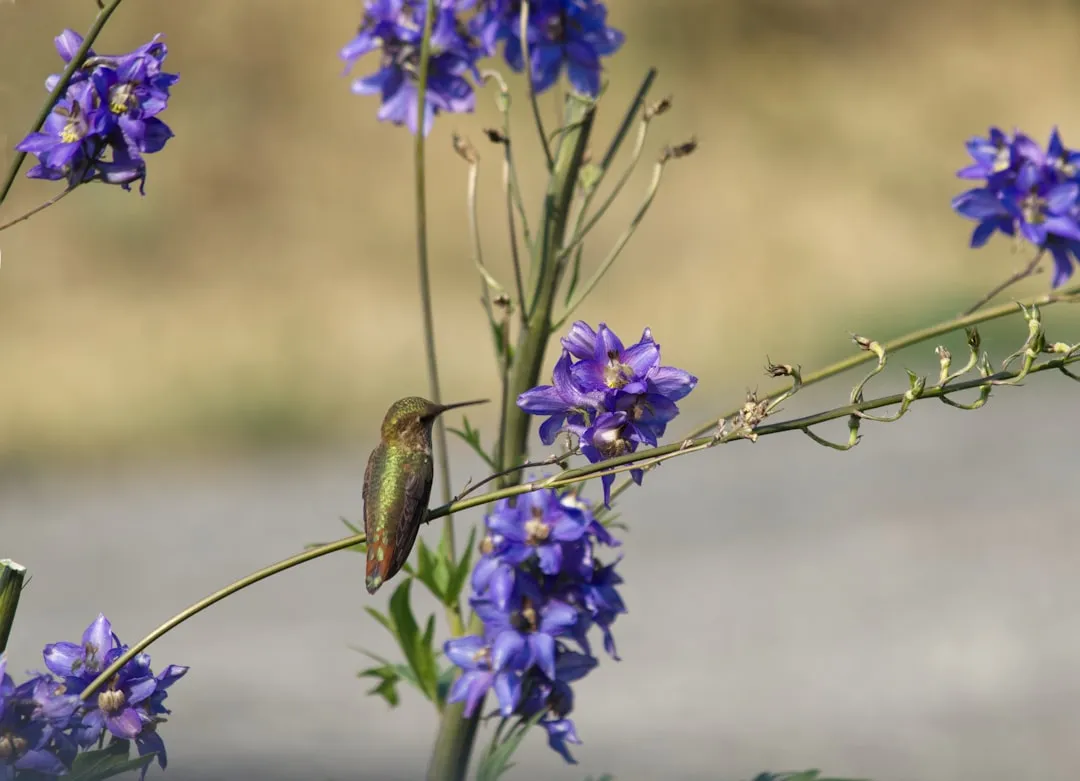
People see a hummingbird sitting quietly on a branch and assume it must be injured, orphaned, or in trouble. Biologists know that resting, preening, or even briefly looking a little disoriented can be completely normal, especially for young birds still learning how to forage. Panicked “rescues” often do far more harm than good.
Wildlife rehabbers routinely receive perfectly healthy hummingbirds that were “saved” from situations that never required any help at all. Biologists wish more people would simply observe from a distance first and call a licensed rehabber for advice before attempting any kind of capture. If the bird is alert, perching, and not in obvious danger, like being trapped indoors or stuck in a spider web, the kindest move is to back off and let instinct take over.
#4 – Climate Shifts Are Scrambling Their Schedules, and Your Yard Can Help or Hurt
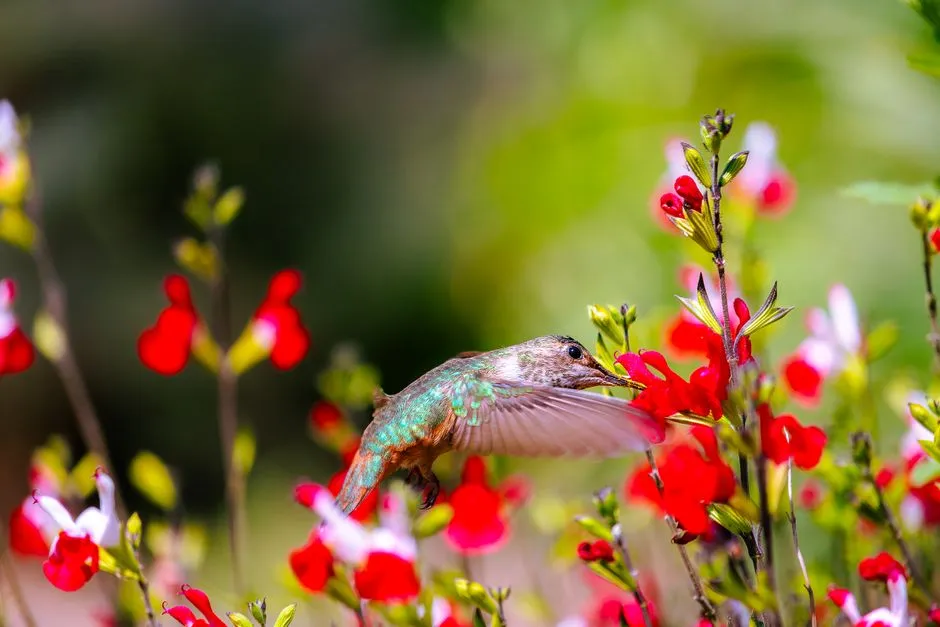
Seasonal cues are shifting, and biologists have documented earlier blooms, mismatched flowering times, and changing migration patterns across many regions. For a hummingbird running on a razor-thin energy budget, arriving before the flowers are ready, or peaking before the birds even show up, can be genuinely catastrophic. These birds don’t get to opt out of climate change; they fly straight through it, every year.
Your yard choices scale up more than most people think. Native plants tend to track local climate shifts better than imported ornamentals, and a diversity of species spreads the risk, so if one flower fails to bloom on time, another might fill the gap. One yard alone won’t fix a changing climate, but a connected network of hummingbird-friendly habitats can genuinely buffer the worst mismatches.
#3 – “Messy” Corners and Dead Branches Are Prime Real Estate
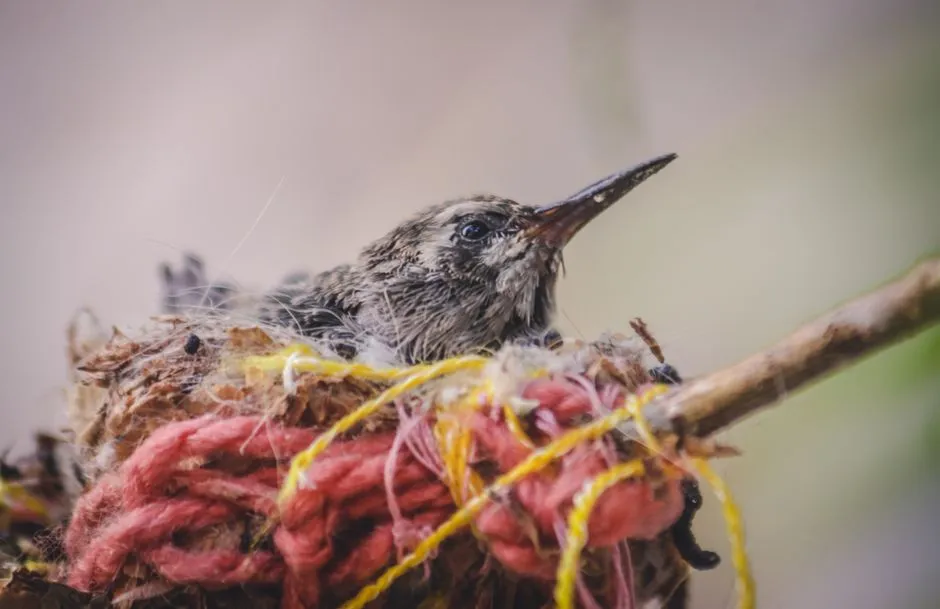
HOA culture worships perfectly trimmed bushes and cleared branches. Biologists see that same tidy yard and immediately think, “there goes another nesting site.” Many hummingbird nests are tiny, camouflaged cups built on small branches, often tucked behind protective foliage, easy to destroy without ever knowing they were there.
Heavy pruning during breeding season can literally knock nests to the ground unnoticed. Biologists quietly praise yards that leave some small branches and twigs intact until after breeding season and keep a layer of leaf litter instead of a bare mulch desert. That same “mess” ends up serving as nesting material, hunting ground, and shelter, all in one scruffy corner.
Worth Knowing
- A ruby-throated hummingbird nest is often only about the size of a walnut shell.
- It’s woven from soft plant down and bound with spider silk, which lets the whole structure stretch as the chicks grow.
- The female builds it, incubates the eggs, and raises the young completely alone.
- Some females return to refurbish the same nest site the following year rather than start from scratch.
#2 – They Remember Your Yard Way Better Than You Remember Them
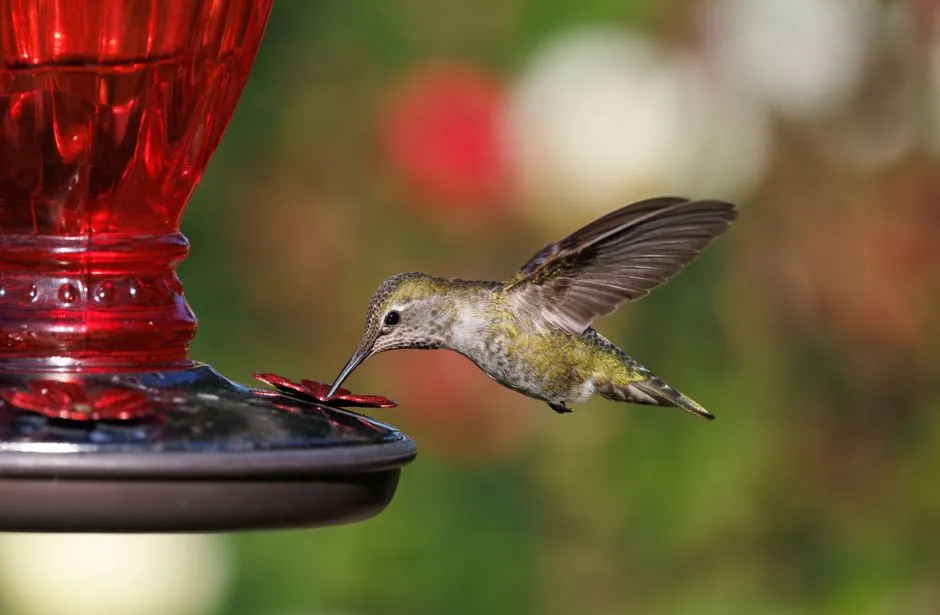
People like to imagine hummingbirds just drift through randomly. Biologists know these birds have impressive spatial memory and real site fidelity. A hummingbird can remember exactly which yards, which corners, and even which specific feeders paid off the year before, and many return to the same general areas season after season, checking in on old reliable food sources.
That means your habits carry consequences far beyond this summer. If your yard was a high-quality stopover once, birds may plan around it on future migrations. If your feeders are often empty, dirty, or suddenly pulled during critical windows, they’ll notice, adjust, and quietly stop coming back. To a hummingbird, you’re either a dependable gas station or an unreliable rumor, and once biologists explain it that way, people finally realize these birds aren’t random visitors at all, they’re keeping tabs on you.
#1 – If You Can’t Do It Right, It’s Better Not to Feed at All
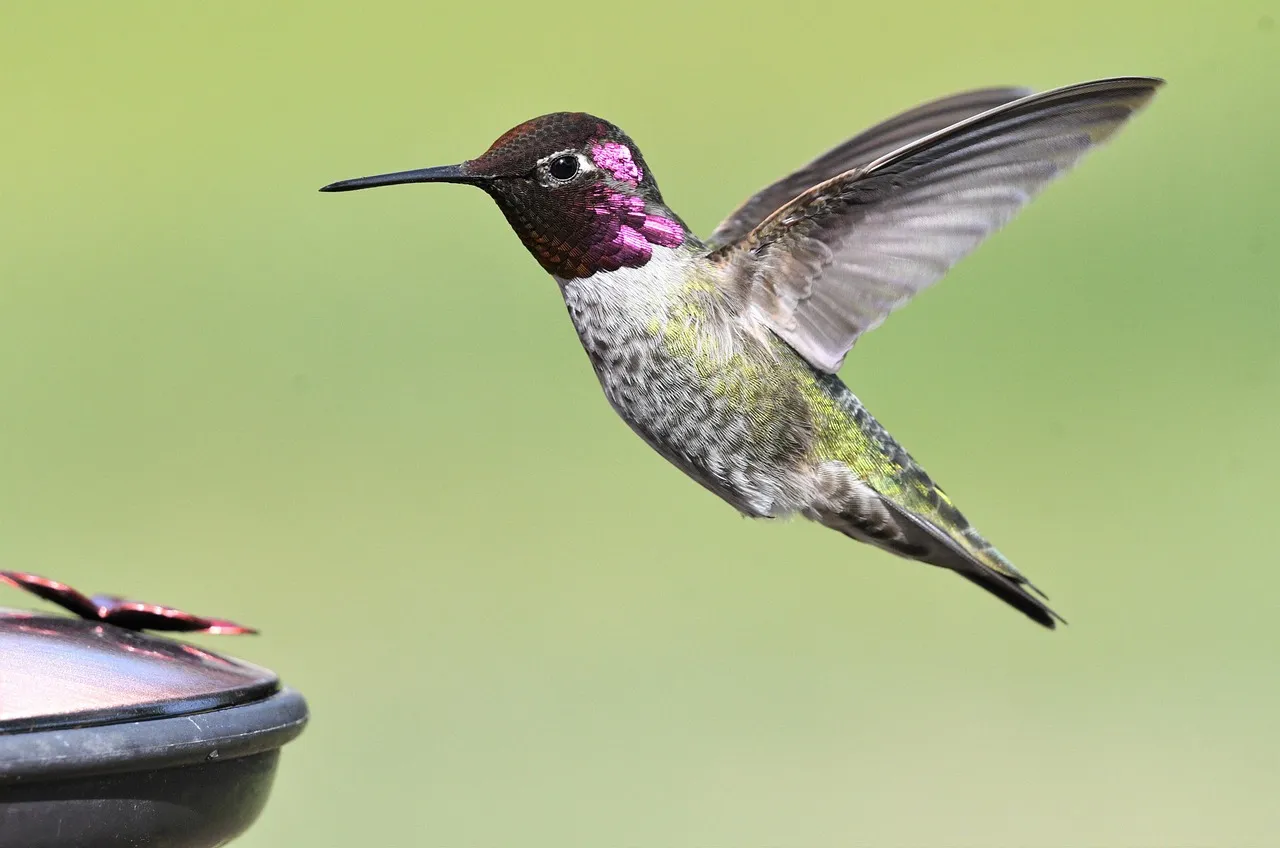
This is the one thing biologists say that genuinely upsets people: a badly managed feeder can be worse than no feeder at all. Dirty nectar, unpredictable refills, dangerous windows, and prowling cats can quietly turn a supposedly “hummingbird-friendly” yard into a trap. These birds are already running a brutal energy marathon every day of their lives; your yard should lighten that load, not add to it.
Doing it right means clean, dye-free feeders on a real schedule, native plants and insect-friendly habits, thoughtful window and predator management, and genuine respect for their space during nesting and rest. If that feels like too much responsibility right now, that’s okay, focus on plants and habitat and skip the feeder entirely. Biologists aren’t demanding perfection; they’re asking people to stop pretending effort doesn’t matter.
At a Glance
- Clean, dye-free nectar (1:4 sugar to water), refreshed every 1 to 3 days.
- Multiple feeders spaced apart, plus native, nectar-rich plants.
- Windows treated with decals, screens, or hanging cords to prevent strikes.
- Cats kept indoors or in a secure catio, no exceptions.
- Nesting branches and “messy” corners left undisturbed during breeding season.
The Bottom Line
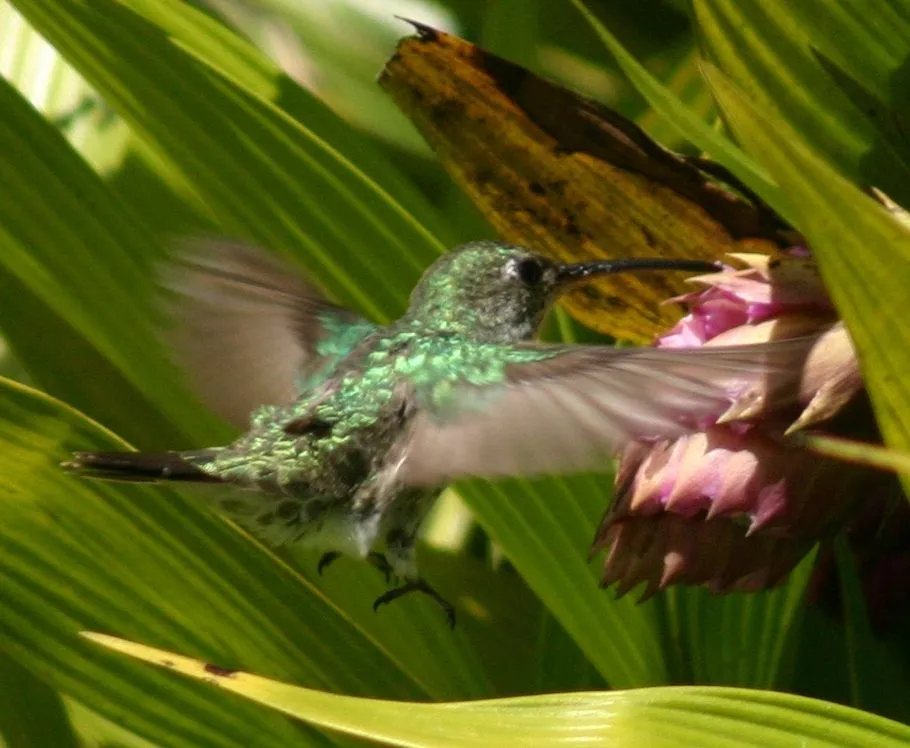
When wildlife biologists look at hummingbirds, they don’t see glittery lawn ornaments. They see tiny athletes living one skipped meal away from disaster, every single day, all summer long. The real shock is how many “cute” backyard habits, dirty feeders, roaming cats, overpruned shrubs, quietly push these birds closer to the edge without anyone meaning any harm at all.
On the flip side, a few deliberate choices, clean nectar, native plants, fewer pesticides, safer windows, can turn an ordinary yard into a genuine refueling station on a journey spanning an entire continent. The uncomfortable truth is simple: you’re either helping stabilize that bird’s world or quietly nudging it off balance. So which one is your yard actually doing right now, and what are you going to change before next summer arrives?

- 17 Things Wildlife Biologists Wish More People Understood About the Hummingbirds Visiting Their Yard Each Summer - August 8, 2026
- What Hummingbirds Do Before They Disappear Will Surprise You 18 Behaviours Most Gardeners Never Notice - August 8, 2026
- What It Means When Wrens Build Several Nests but Use Only One - August 7, 2026