
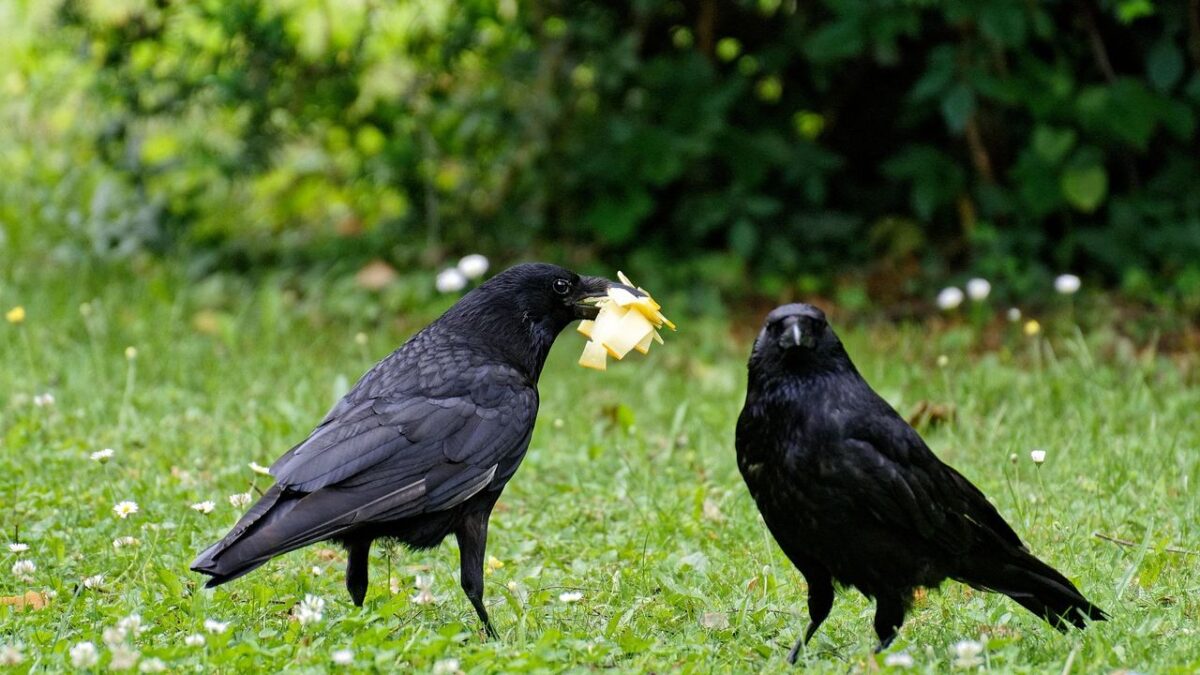
Spotting a raven keeping pace with your walk or lingering near your routine path can feel oddly personal. These large, dark birds have a long history of shadowing people, and the reasons behind it often blend simple survival with surprising layers of awareness.
The Legacy of Following Travelers
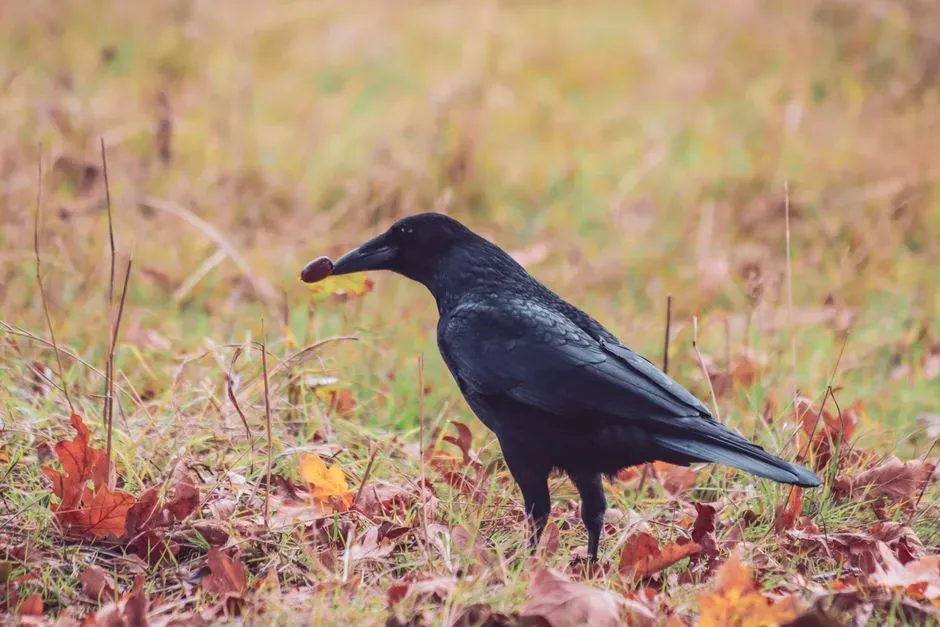
Ravens earned a reputation centuries ago for trailing wagons, hunting parties, and even military movements across the Northern Hemisphere. They learned early that human activity often left behind scraps or opened up access to food sources that would otherwise stay out of reach.
This pattern persists today in rural areas where the birds still appear alongside hikers or farmers. Their presence reflects an ancient opportunism rather than any sudden change in behavior. Over time, the association became so reliable that early observers noted ravens as constant companions to human movement.
Ravens Remarkable Cognitive Abilities
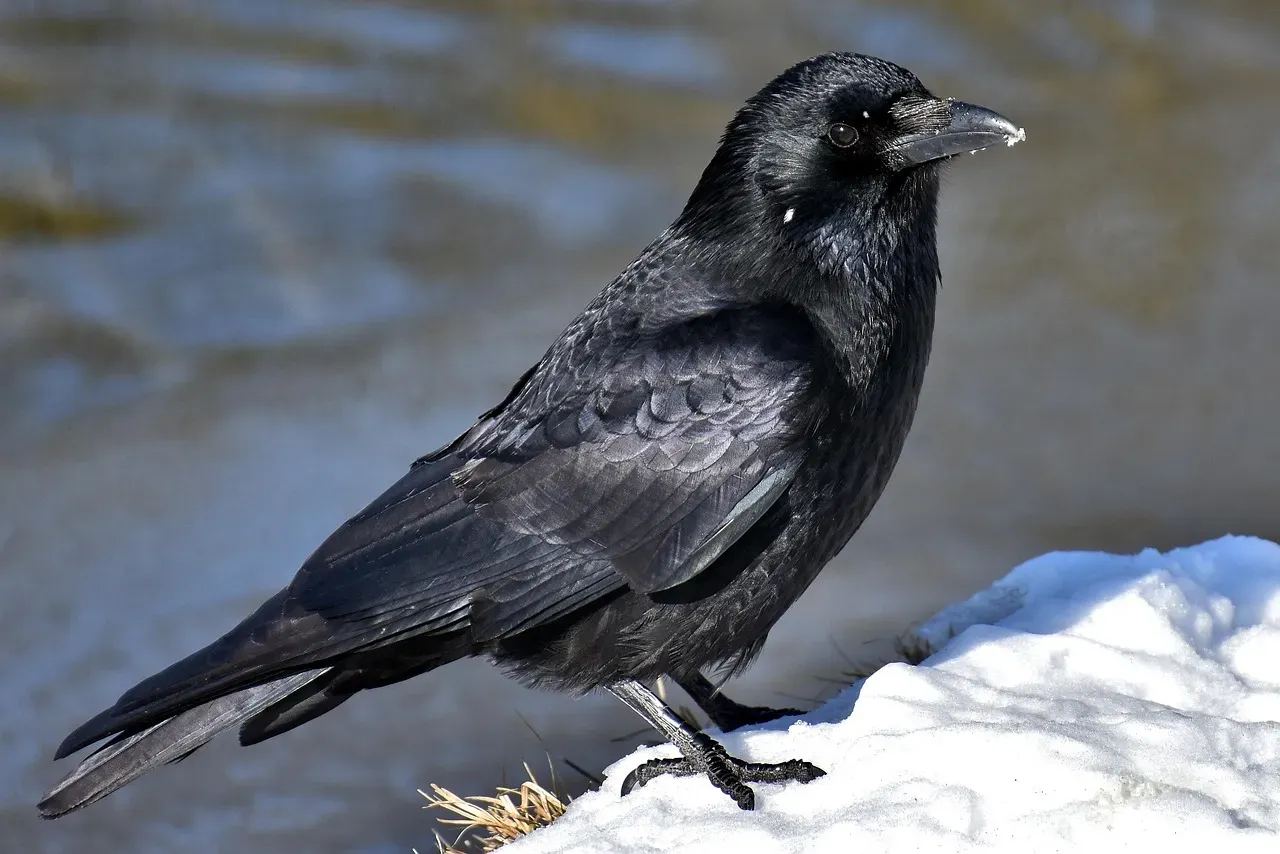
These birds possess memory skills that allow them to recognize individual human faces and recall past interactions for years. Studies show they distinguish between people who treated them fairly and those who did not, adjusting their responses accordingly.
Such mental capacity helps explain why a raven might single out one person over another during repeated encounters. They track patterns in our movements and habits with precision that rivals some primates. This level of attention turns casual following into something more deliberate.
Thriving in Human Altered Landscapes
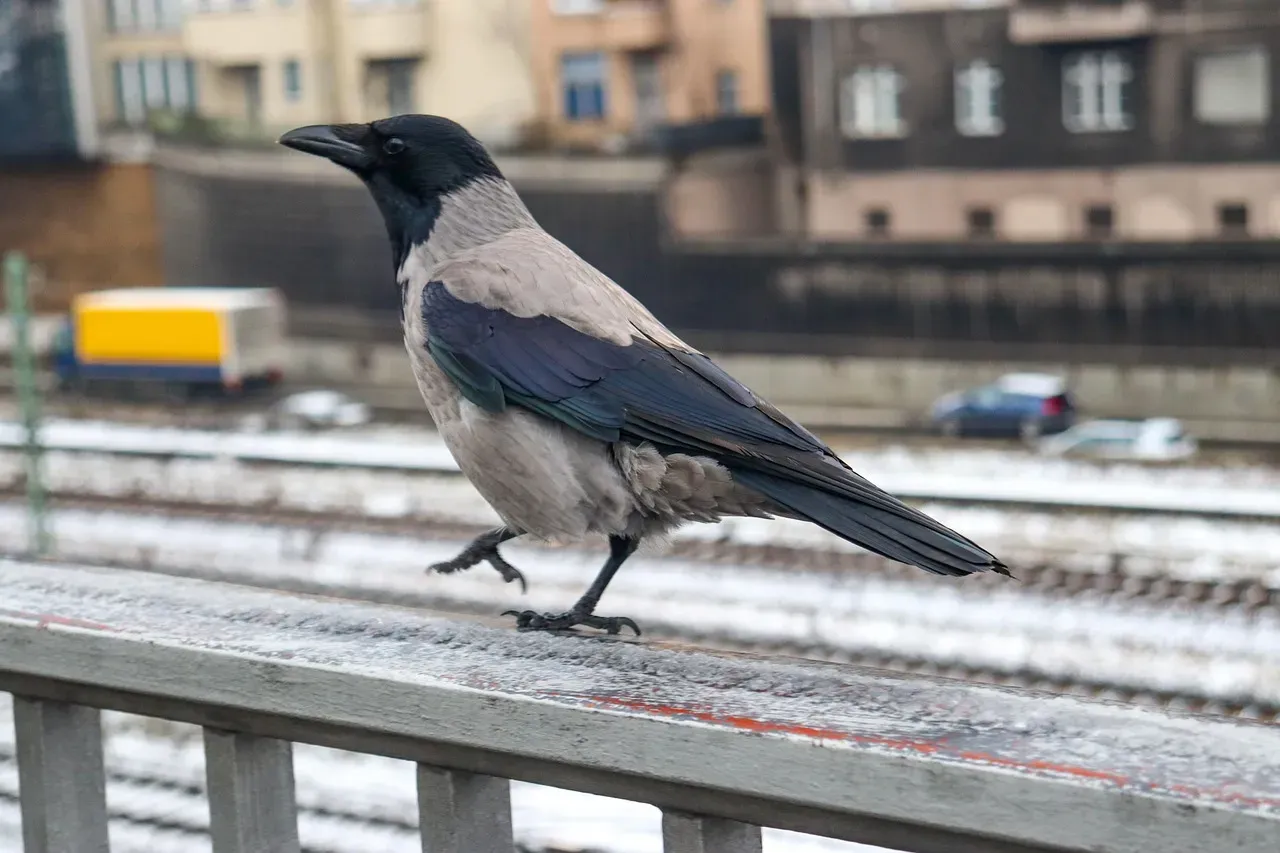
Ravens adapt readily to cities, suburbs, and farmland where food waste and shelter become abundant. Their flexibility lets them exploit everything from open dumpsters to backyard feeders without needing to migrate far.
In these environments, following people becomes a low risk strategy for locating reliable meals. The birds often appear confident around human structures because generations of experience have taught them the landscape holds fewer threats than it once did. This comfort level makes their shadowing feel more noticeable in daily life.
Seeking Sustenance or Something More
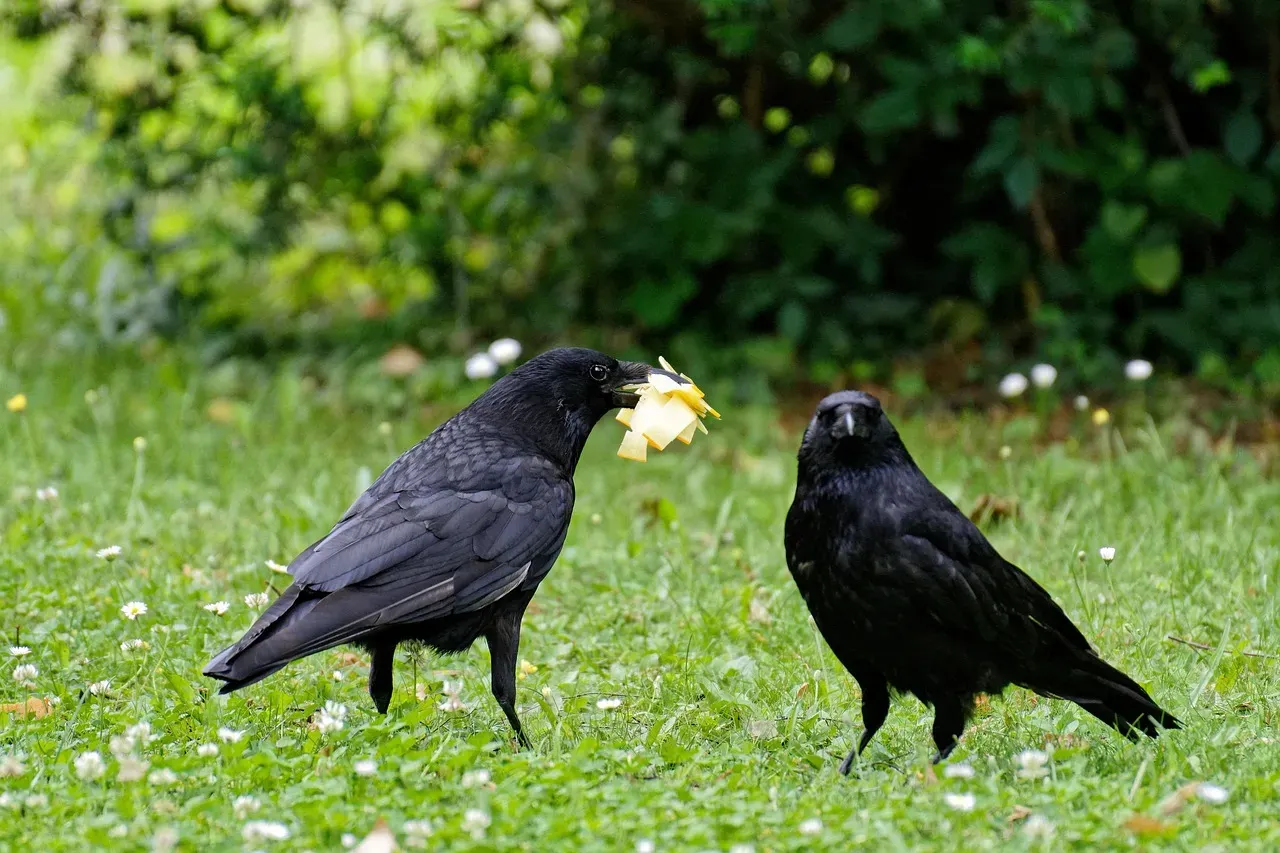
Food remains the primary driver when ravens trail humans, whether through direct handouts or indirect access to disturbed ground. Yet their intelligence suggests additional motives, such as monitoring for safety or learning new routes.
Some observers report consistent pairs or individuals returning to the same locations, hinting at established routines. While dramatic claims of friendship stretch the evidence, the birds clearly form associations based on predictability and calm presence. These bonds develop gradually through repeated, non threatening contact.
Symbolic Meanings in Folklore
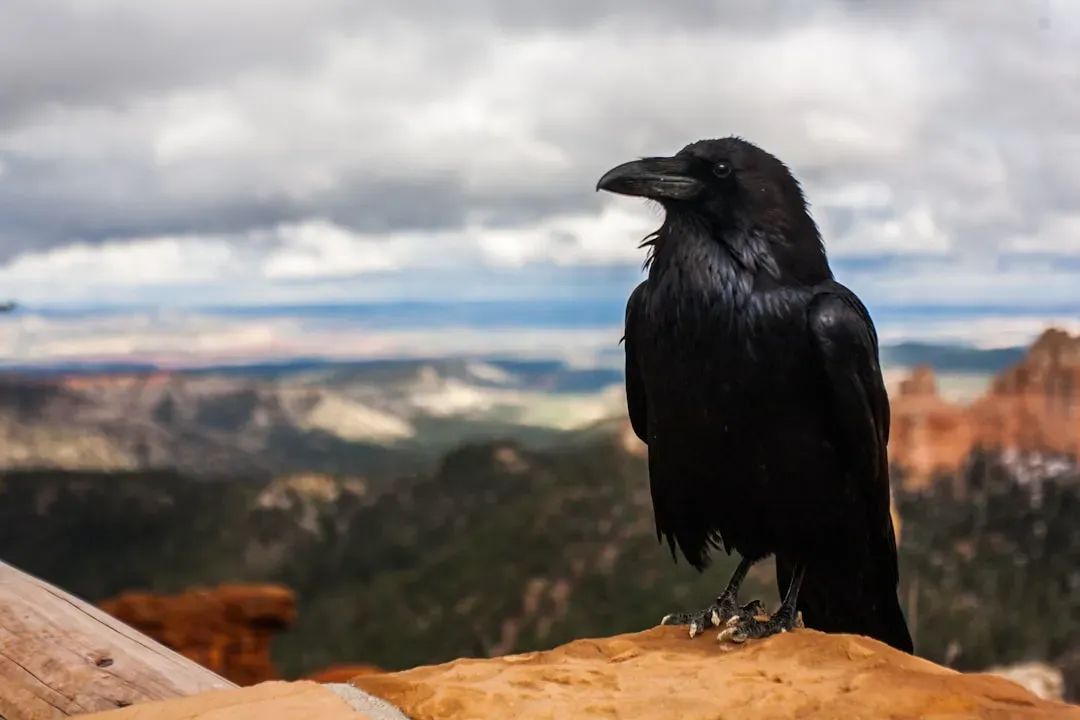
Across cultures, ravens carry layered meanings that range from messengers and tricksters to figures linked with death or creation. In some traditions they guide souls or bring knowledge between worlds, while others view their appearance as a warning or omen.
These interpretations often arise from the bird’s real life habits of appearing near human activity and carrion. Modern encounters can still evoke those old stories, adding a sense of mystery even when the explanation stays grounded in behavior. The symbolism persists because the birds continue to insert themselves into our spaces in noticeable ways.
Insights from Behavioral Research
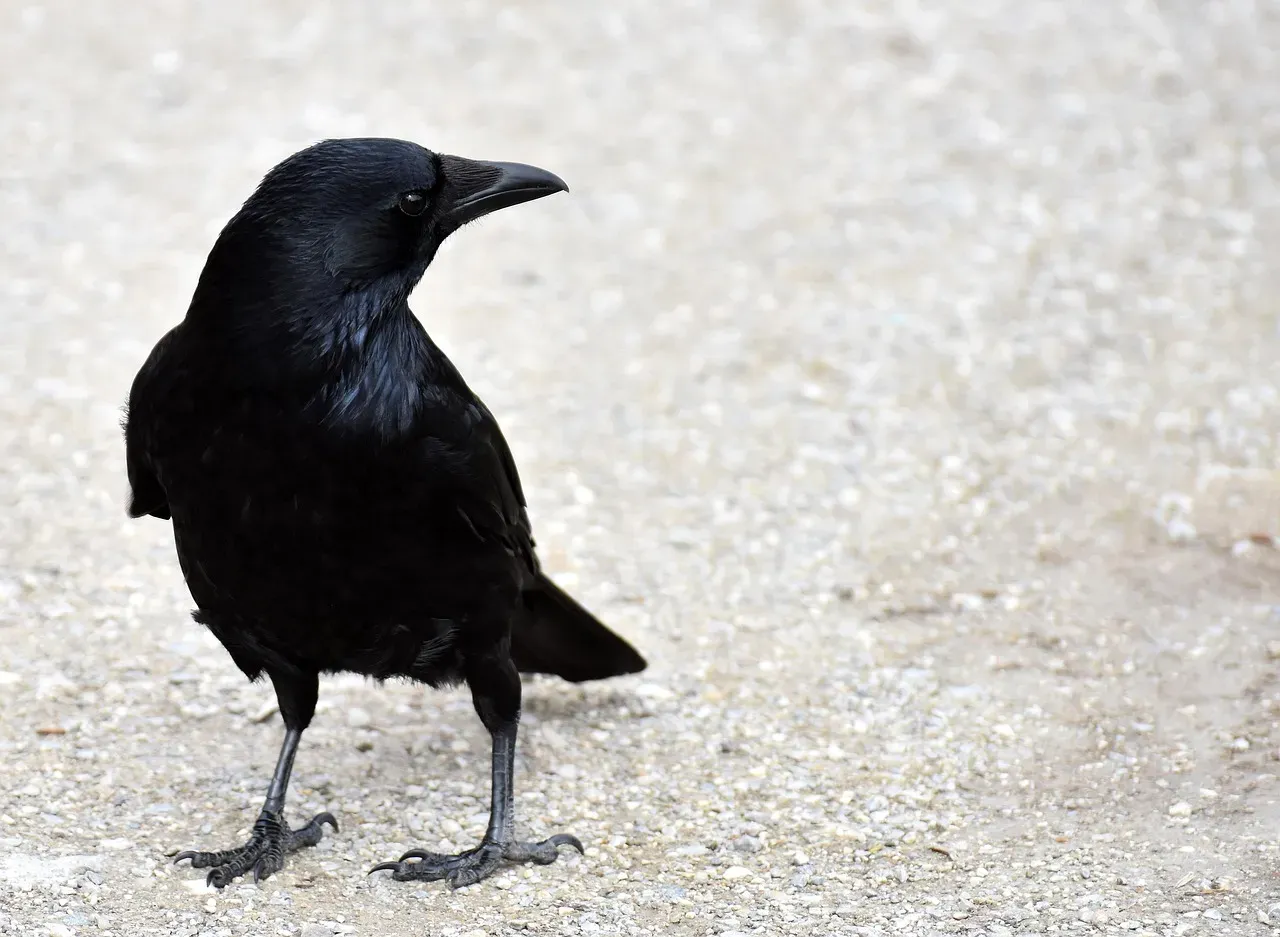
Scientific work on raven social cognition reveals advanced abilities to understand relationships and intentions, skills once thought unique to humans. Experiments demonstrate they track fairness in exchanges and adjust cooperation based on prior experiences with specific individuals.
Field observations further show how non breeding ravens navigate complex foraging groups while keeping an eye on human activity nearby. This research underscores that following behavior stems from sophisticated problem solving rather than random curiosity. The findings help explain why certain people attract more attention than others over time.
Navigating These Encounters Responsibly
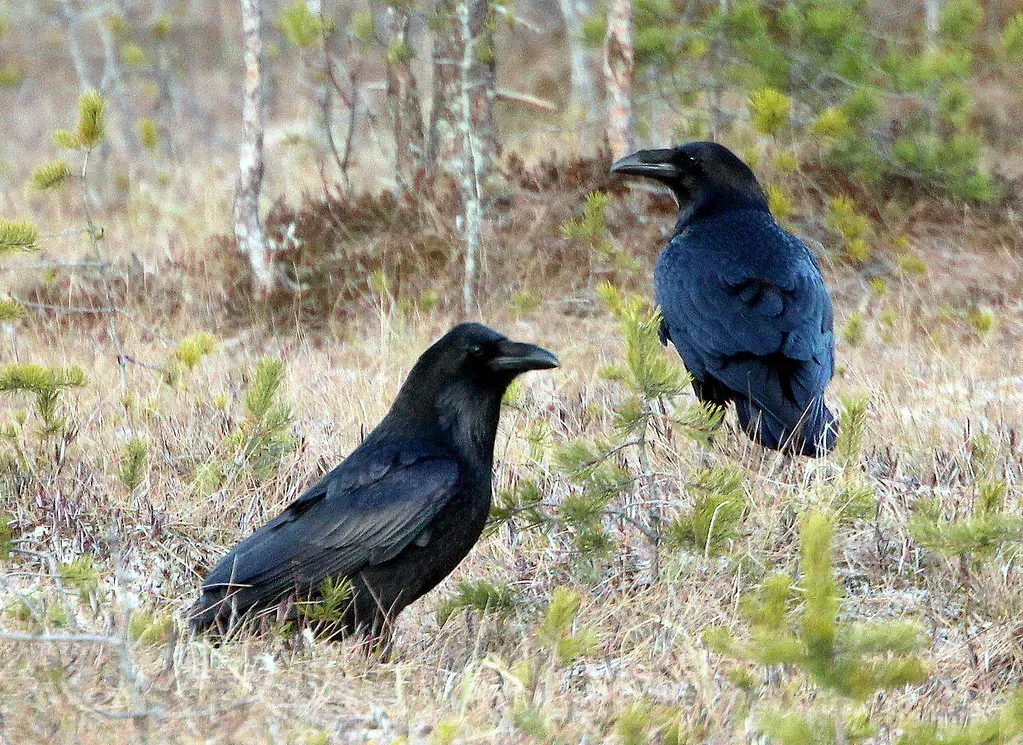
When ravens begin appearing regularly, the most practical response involves consistency and respect for their space. Offering food occasionally can strengthen familiarity, yet sudden changes or aggressive approaches tend to break any emerging trust.
Observers benefit from noting patterns without expecting dramatic gestures in return. These interactions highlight how wildlife adapts alongside us when given room to do so. Paying attention to the birds’ cues keeps the relationship balanced and sustainable for both sides.
Ultimately, ravens following human activity serves as a quiet reminder that intelligence and adaptability exist far beyond our own species. Their presence invites a steadier kind of attention to the world we share, one built on observation rather than assumption.

- 22 Horse Breeds Vets Refuse to Let Their Own Children Ride - July 30, 2026
- 22 Horse Breeds Vets Refuse to Let Their Own Children Ride - July 30, 2026
- The Clingy-Looking Dog Breed That Is Secretly the Most Independent of All - July 30, 2026