


The American bison stands as one of North America’s most iconic wildlife conservation victories. Once facing near-extinction with fewer than 1,000 individuals remaining in the late 19th century, these magnificent creatures have made a remarkable comeback. Today’s recovery of bison populations represents not just the salvation of a species but embodies broader lessons about ecosystem restoration, indigenous rights, and the power of dedicated conservation efforts. From the brink of disappearance to now thriving in multiple habitats across the continent, the bison’s journey demonstrates how concentrated human effort can reverse even the most dire ecological situations. This article explores twenty compelling reasons why the bison stands as a testament to conservation success and provides hope for other endangered species recovery efforts worldwide.
17. Recovery from Near Extinction
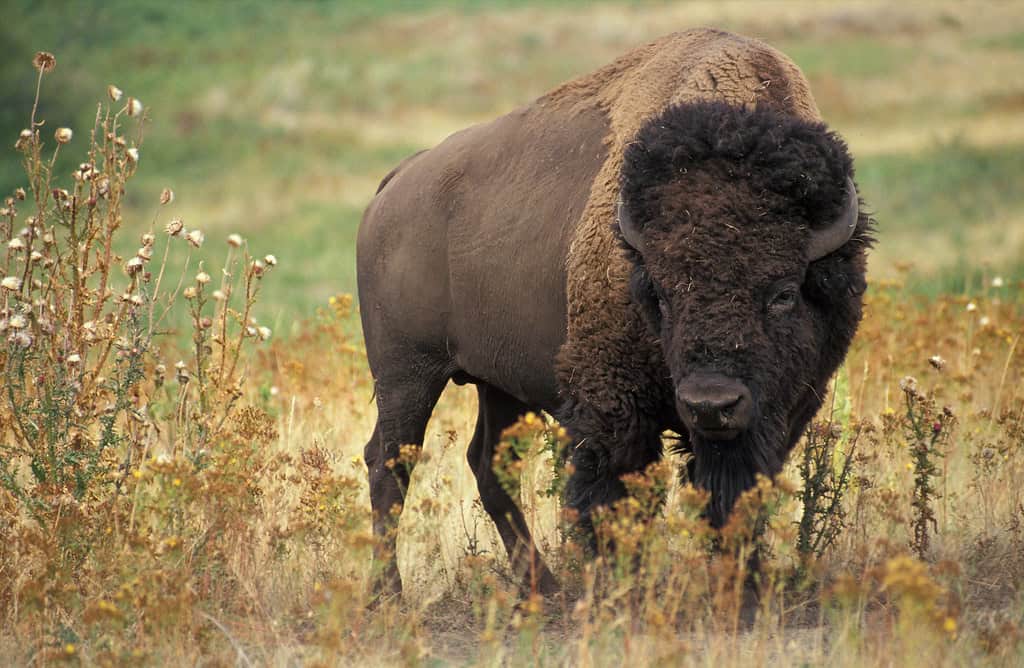
The American bison’s recovery represents one of the most dramatic population rebounds in conservation history. In the late 1800s, commercial hunting had reduced bison numbers from an estimated 30-60 million to fewer than 1,000 individuals by 1889. This precipitous decline brought the species to the very edge of extinction. Through dedicated conservation efforts beginning in the early 20th century, bison populations have rebounded to approximately 500,000 individuals today across North America. While many are in managed herds, this 500-fold increase demonstrates the resilience of the species when given proper protection and habitat. The bison’s recovery from such a precarious position serves as a powerful example of how conservation interventions can succeed even in seemingly hopeless circumstances.
16. Restoration of Native Prairie Ecosystems
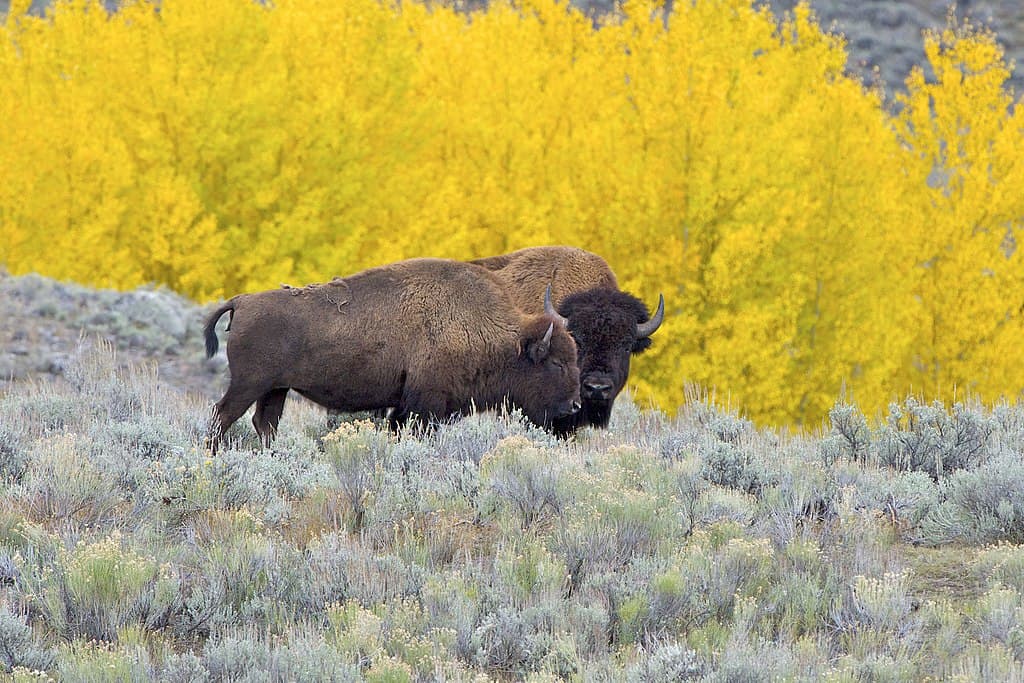
Bison function as ecosystem engineers, playing a crucial role in maintaining the health and biodiversity of North American grasslands. Their grazing patterns differ significantly from cattle – bison selectively graze, creating patches of vegetation at various heights that promote plant diversity. This mosaic grazing pattern creates microhabitats that support diverse insect and bird populations. Studies at Konza Prairie in Kansas have demonstrated that bison-grazed areas maintain up to 300 plant species compared to fewer than 100 in comparable ungrazed areas. Additionally, their wallowing behavior creates depressions that collect rainwater, forming ephemeral pools vital for amphibians and specialized plants. As bison have been reintroduced to preserves like Tallgrass Prairie National Preserve in Kansas and The Nature Conservancy’s Nachusa Grasslands in Illinois, scientists have documented measurable increases in plant diversity and ecosystem function.
15. Public-Private Conservation Partnerships

Bison conservation success demonstrates the power of collaboration between government agencies, non-profit organizations, and private landowners. Organizations like the American Bison Society (revived in 2005), the Wildlife Conservation Society, and The Nature Conservancy have worked alongside federal agencies including the National Park Service and U.S. Fish and Wildlife Service to establish and manage bison herds. Private ranchers have also played a significant role, with approximately 90% of all bison now living on private lands. The American Prairie Reserve in Montana exemplifies this collaborative approach, working to create a 3.5-million-acre reserve with thousands of bison by connecting private land purchases with existing public lands. These diverse stakeholders bring different resources and expertise to bison conservation, creating a more robust and effective approach than any single entity could achieve alone.
14. Scientific Management Techniques

Modern bison conservation incorporates sophisticated scientific management practices that ensure genetic diversity and population health. Conservation geneticists now use DNA analysis to guide breeding decisions, helping maintain genetic diversity even in isolated herds. The Department of the Interior’s Bison Conservation Initiative established a metapopulation strategy that manages multiple herds collectively to maintain genetic diversity across populations. Technologies like GPS collaring allow researchers to track bison movements and habitat use, informing management decisions. Additionally, scientists employ controlled breeding programs that minimize cattle gene introgression, working toward populations with higher genetic purity. Yellowstone National Park’s bison, for example, represent one of the few populations with minimal cattle gene introgression. These scientific approaches have transformed bison conservation from simply increasing numbers to developing genetically robust, behaviorally natural populations adapted to their ecosystems.
13. Cultural Significance for Indigenous Peoples

The revival of bison populations has profound cultural significance for Indigenous communities across North America. For many tribes, bison were central to traditional lifeways, providing food, clothing, shelter, tools, and spiritual connections. The near-extinction of bison in the 19th century devastated these cultures. Today, over 60 tribes manage their own bison herds, reconnecting with traditional practices and knowledge. The InterTribal Buffalo Council, established in 1992, now includes 76 tribes collectively managing over 20,000 buffalo. These tribal herds serve multiple purposes: cultural revitalization, economic development, ecological restoration, and food sovereignty. The Fort Peck Reservation in Montana established a cultural herd using genetically pure bison from Yellowstone, allowing for the return of ceremonies and practices that had been dormant for generations. This aspect of bison conservation demonstrates how ecological restoration can simultaneously support cultural revitalization and sovereignty for Indigenous peoples.
12. Legislative Protection and Policy Evolution
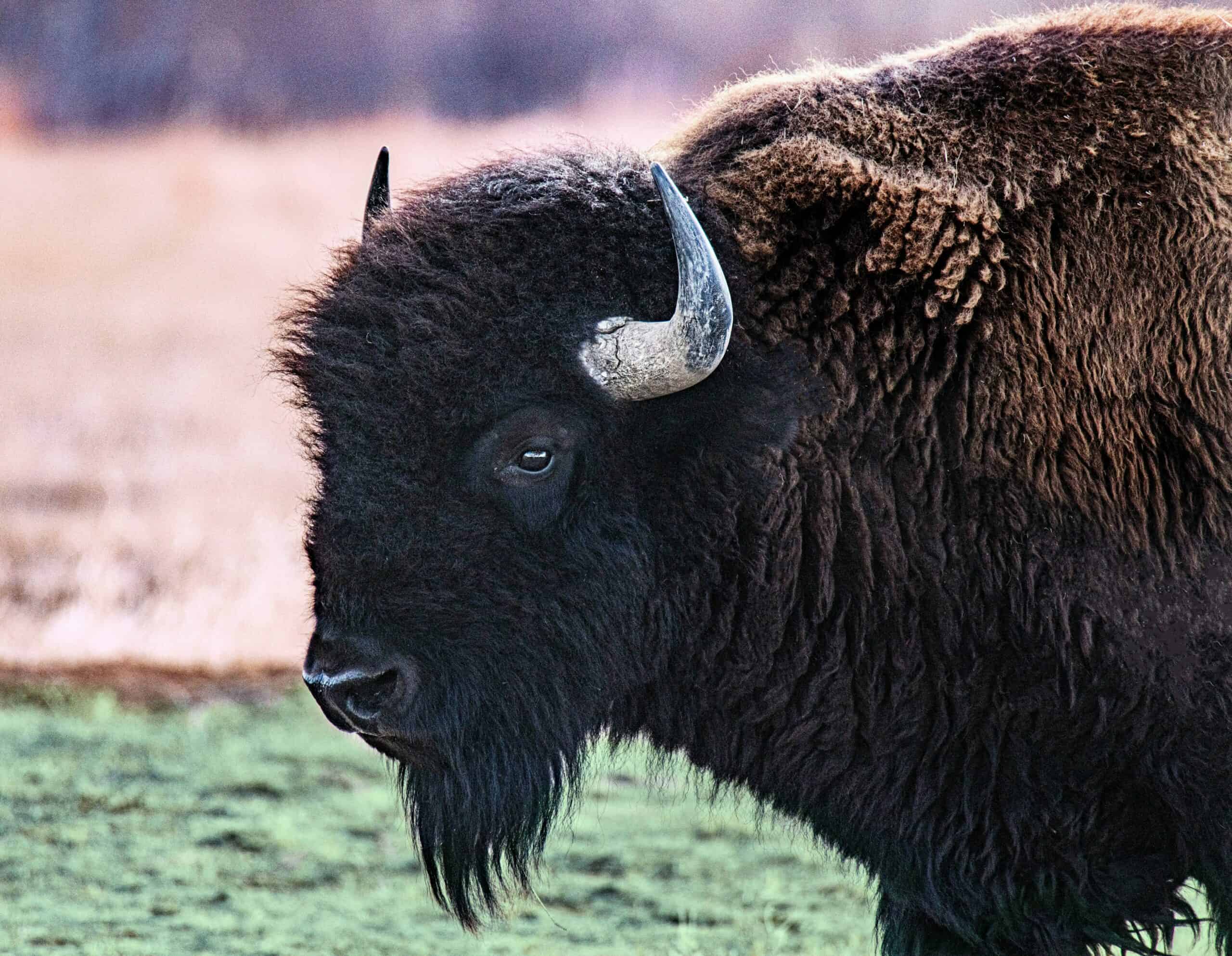
The legal framework protecting bison has evolved significantly, reflecting growing recognition of their ecological and cultural importance. In 2016, the American bison was designated as the national mammal of the United States, symbolizing its importance to the nation’s heritage and ecology. This designation followed decades of policy development, including the creation of specific protection zones in national parks and wildlife refuges. State-level protections have also expanded, with Montana establishing a landmark agreement in 2022 allowing limited migration of Yellowstone bison outside park boundaries—a significant policy shift from previous mandatory slaughter of wandering bison. The Bison Conservation Initiative, launched by the Department of Interior in 2008 and renewed in 2020, coordinates bison conservation across federal agencies and partners. These policy developments reflect an evolution from viewing bison primarily as livestock to recognizing their ecological role as wildlife, with corresponding protections and management approaches.
11. Ecological Benefits Beyond Grasslands
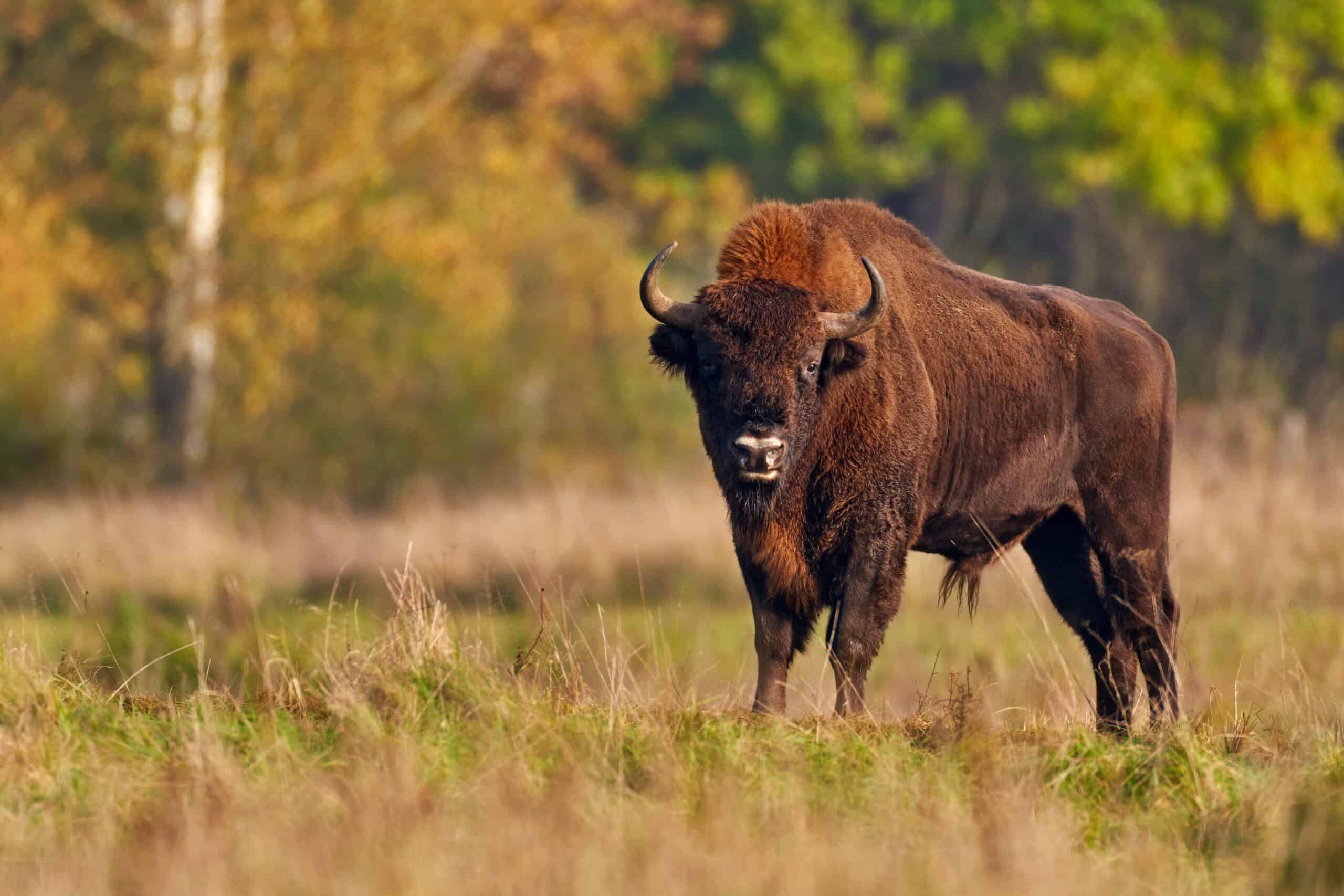
Bison conservation yields ecological benefits that extend far beyond the immediate grassland ecosystems they inhabit. Their influence on landscape hydrology is substantial—their wallows create depressions that capture rainwater, forming seasonal wetlands that support amphibians and water-dependent plant species. Research has documented how bison dung serves as a critical resource for dung beetles and other decomposers, cycling nutrients more efficiently than cattle waste due to differences in digestive physiology. Additionally, bison fur, shed during seasonal molting, provides nesting material for birds and small mammals. Prairie dogs, a keystone species themselves, benefit from bison grazing that creates their preferred habitat conditions. Even scavengers like eagles, ravens, and wolves benefit from bison mortality when herds are managed with minimal human intervention. These cascading ecological effects demonstrate how restoring a single keystone species can enhance biodiversity across multiple trophic levels.
10. Public Engagement and Educational Value

Bison have become powerful ambassadors for conservation education, captivating public imagination and creating opportunities for environmental learning. Over 20 million visitors annually observe bison in national parks, wildlife refuges, and nature preserves, with Yellowstone’s bison herds alone drawing thousands of wildlife enthusiasts daily during peak seasons. Educational programs centered on bison conservation reach hundreds of thousands of students each year through curriculum materials, field trips, and digital learning platforms. The American Bison Society and National Bison Association offer educational resources that connect bison conservation to broader topics including prairie ecology, Native American history, and sustainable land management. Public viewing opportunities at locations like Neal Smith National Wildlife Refuge in Iowa and Paynes Prairie Preserve in Florida allow urban residents to connect with these massive mammals. This educational dimension of bison conservation helps build public support for habitat preservation and sustainable management practices while inspiring the next generation of conservation advocates.
9. Economic Benefits and Sustainable Use

Bison conservation has generated significant economic benefits through sustainable utilization and nature-based tourism. The bison industry contributes approximately $350 million annually to the U.S. economy, with meat production offering a sustainable alternative to conventional beef. Bison meat production typically involves less intensive management practices than conventional cattle operations, with many herds raised on native grasslands without antibiotics or growth hormones. Beyond meat production, bison tourism generates substantial revenue for communities near conservation areas. A 2019 study estimated that bison-related tourism in Yellowstone National Park alone contributes over $85 million annually to local economies. Indigenous communities have developed economic opportunities through bison management, including the InterTribal Buffalo Council’s marketing program that helps tribes sell bison products while maintaining cultural connections. These economic benefits demonstrate how conservation can align with sustainable livelihoods, creating incentives for habitat preservation.
8. Cross-Border Conservation Efforts

Bison conservation exemplifies successful transboundary collaboration between the United States and Canada. The establishment of Waterton-Glacier International Peace Park in 1932 created an early framework for cross-border conservation, now extended to include bison management. In 2010, Canada and the U.S. signed the Northern Plains Conservation Network agreement, which specifically addresses bison conservation across the international boundary. The Iinnii Initiative, led by the Blackfoot Confederacy (spanning both countries), has reintroduced bison to traditional territories that cross the international border. In 2020, Parks Canada and the Montana Department of Fish, Wildlife and Parks formalized protocols for managing bison that move between Banff National Park and Montana. These collaborative efforts recognize that ecological systems and wildlife don’t observe political boundaries. By coordinating conservation strategies internationally, both countries have enhanced the effectiveness of bison restoration efforts and created a model for transboundary conservation of other species.
7. Climate Change Mitigation Potential
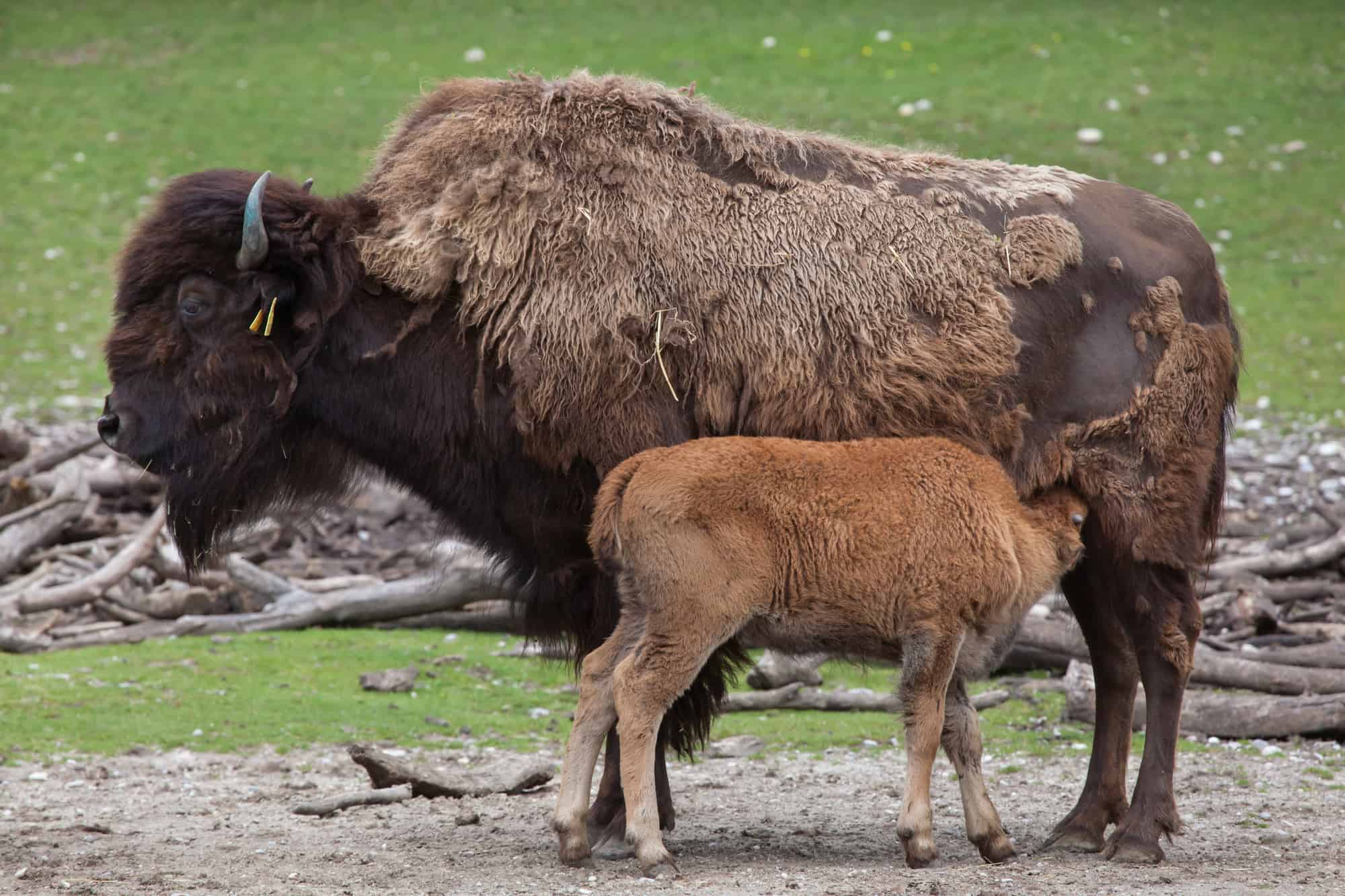
Recent research suggests that bison restoration may offer climate change mitigation benefits through their effects on grassland ecology. Studies conducted at Konza Prairie Research Natural Area in Kansas have demonstrated that bison-grazed grasslands sequester carbon more effectively than comparable ungrazed or cattle-grazed areas. This occurs through several mechanisms: bison grazing stimulates deeper root growth in native grasses, enhancing soil carbon storage; their selective grazing maintains plant communities better adapted to extreme weather events; and their wallowing and grazing patterns increase plant diversity, creating more resilient ecosystems. A 2022 study published in Nature Ecology & Evolution estimated that restoring bison to their historic range could sequester up to 200 million tons of carbon annually—equivalent to removing approximately 45 million cars from the road. While these figures represent theoretical maximums rather than current realities, they highlight how ecological restoration through bison conservation could contribute to climate change mitigation strategies while simultaneously preserving biodiversity.
6. Technological Innovation in Conservation
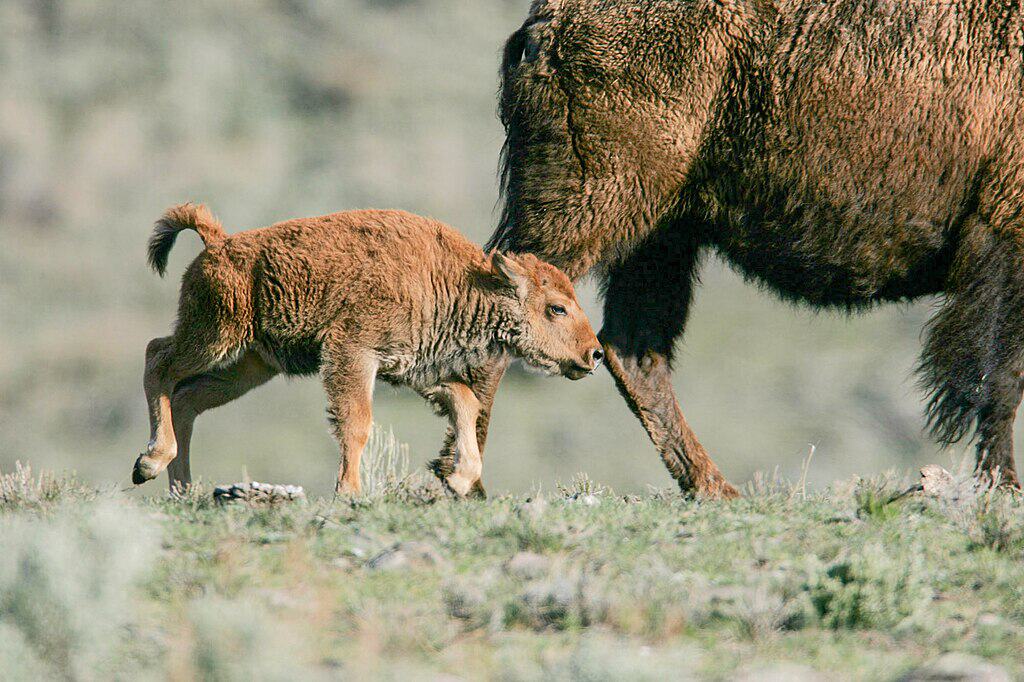
Bison conservation has driven technological innovation in wildlife management. Remote monitoring technologies, including GPS collars and drones equipped with thermal imaging, now track bison herds across vast landscapes with minimal disturbance. The Bison Conservation Genetics Workshop established a centralized database of bison genetic information, allowing managers to make informed breeding decisions based on genetic analysis. Novel contraceptive technologies have been developed specifically for bison management, providing non-lethal population control options for herds in confined spaces. The American Prairie Reserve utilizes specialized digital applications to engage citizen scientists in monitoring bison movements and behaviors across their extensive property. Even fencing technology has evolved to accommodate bison, with wildlife-friendly designs that allow passage of other species while containing bison herds. These technological adaptations demonstrate how conservation challenges drive innovation, with solutions developed for bison management now finding applications in other wildlife conservation contexts.
5. Restoration of Predator-Prey Dynamics

The return of bison to landscapes like Yellowstone National Park has helped restore natural predator-prey relationships that had been absent for decades. Since wolf reintroduction in 1995, researchers have documented how these apex predators selectively hunt bison, particularly targeting vulnerable individuals during harsh winters. This predation pressure influences bison behavior and movement patterns, creating a landscape of fear that affects vegetation through trophic cascades. In the Yellowstone ecosystem, wolves typically focus on elk but shift to bison during severe winters when deep snow hampers bison mobility. This dynamic maintains ecological balance and prevents overgrazing. Outside Yellowstone, the American Prairie Reserve is working toward creating conditions where predator-prey relationships can function with minimal human intervention. These restored ecological interactions demonstrate the importance of conserving not just individual species but entire functional ecosystems with their complex webs of relationships. The bison-wolf relationship, in particular, has become an iconic example of ecological restoration in North America.
4. Genetic Conservation and Preservation

Preservation of bison genetic diversity represents a critical dimension of conservation success. When populations crashed in the 19th century, bison experienced a severe genetic bottleneck, with all surviving individuals descended from fewer than 100 founders. Modern conservation genetics has identified distinct genetic lineages within remaining bison, informing management to preserve this diversity. The U.S. Department of Agriculture’s National Animal Germplasm Program maintains cryopreserved genetic material from multiple bison populations as an insurance policy against future threats. Additionally, conservation programs specifically target preservation of rare alleles and mitigation of cattle gene introgression from historical crossbreeding. The Yellowstone bison represent a particularly valuable genetic reservoir, with minimal cattle gene introgression compared to many conservation herds. At Wind Cave National Park, managers maintain a genetically distinct lineage descended from the last wild bison in South Dakota. These genetic conservation efforts demonstrate how modern science can help recover not just population numbers but also genetic health and evolutionary potential.
3. Model for Rewilding Initiatives
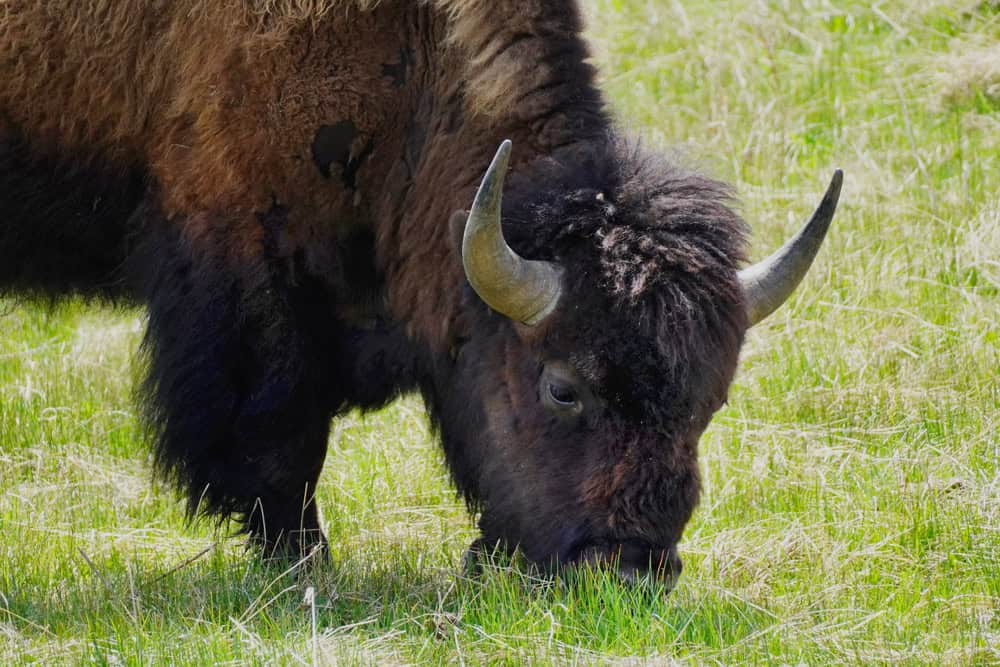
Bison reintroduction has become a model for rewilding projects worldwide, informing approaches to restoring large mammals to their former ranges. The methodology developed for bison restoration—including habitat assessment, stakeholder engagement, genetic management, and adaptive monitoring—now serves as a template for initiatives reintroducing species like European bison in Romania, Przewalski’s horses in Mongolia, and elephants in various African regions. The American Prairie Reserve’s approach to creating conservation landscapes by connecting public and private lands has influenced similar initiatives globally. Organizations like Rewilding Europe explicitly cite North American bison conservation as inspiration for their work. Beyond methodology, bison restoration success has demonstrated that rewilding can succeed even in landscapes with significant human presence when properly planned and managed. This proof of concept has encouraged more ambitious rewilding initiatives globally, with bison serving as both inspiration and practical model for restoring other keystone species to degraded ecosystems.
2. Adaptation to Climate Change

Bison demonstrate remarkable adaptive capacity to changing climate conditions, making their conservation increasingly important in an era of climate uncertainty. Their physiological adaptations—including thick winter coats, efficient water utilization, and ability to digest low-quality forage—enable them to thrive in variable conditions. Research from Konza Prairie has shown that bison-maintained grasslands recover more quickly from drought than comparable cattle-grazed or ungrazed areas. Their grazing patterns promote drought-resistant warm-season grasses, enhancing ecosystem resilience to increasing temperatures. Yellowstone studies indicate bison can adapt their migration patterns in response to changing snow patterns and forage availability. Conservation herds established across diverse ecoregions—from desert grasslands in New Mexico to tallgrass prairies in Minnesota—maintain adaptations to different climate regimes, preserving genetic variation that may prove crucial for adaptation to future conditions. By conserving bison across their historic range, managers are essentially preserving adaptive capacity that will help both the species and their grassland ecosystems respond to changing climate conditions.
1. Evolution of Veterinary and Health Management

Bison conservation has advanced veterinary science and wildlife health management in numerous ways. Specialized protocols for disease testing, vaccination, and treatment have been developed specifically for bison, which require different approaches than domestic cattle due to their physiology and behavior. The management of brucellosis in Yellowstone bison has driven innovation in wildlife disease monitoring and control, including development of more accurate diagnostic tests and remote vaccination techniques. Conservation veterinarians have refined immobilization protocols for these massive animals, improving safety for both animals and handlers during necessary management interventions. The Yellowstone Bison Health Program has pioneered techniques for non-invasive sampling of bison health parameters, including stress hormones and nutritional status. These veterinary advances benefit not only bison but have applications for management of other wild ungulates. Additionally, the One Health approach—recognizing connections between wildlife, livestock, and human health—has been applied extensively in bison management, particularly regarding diseases.
Conclusion:
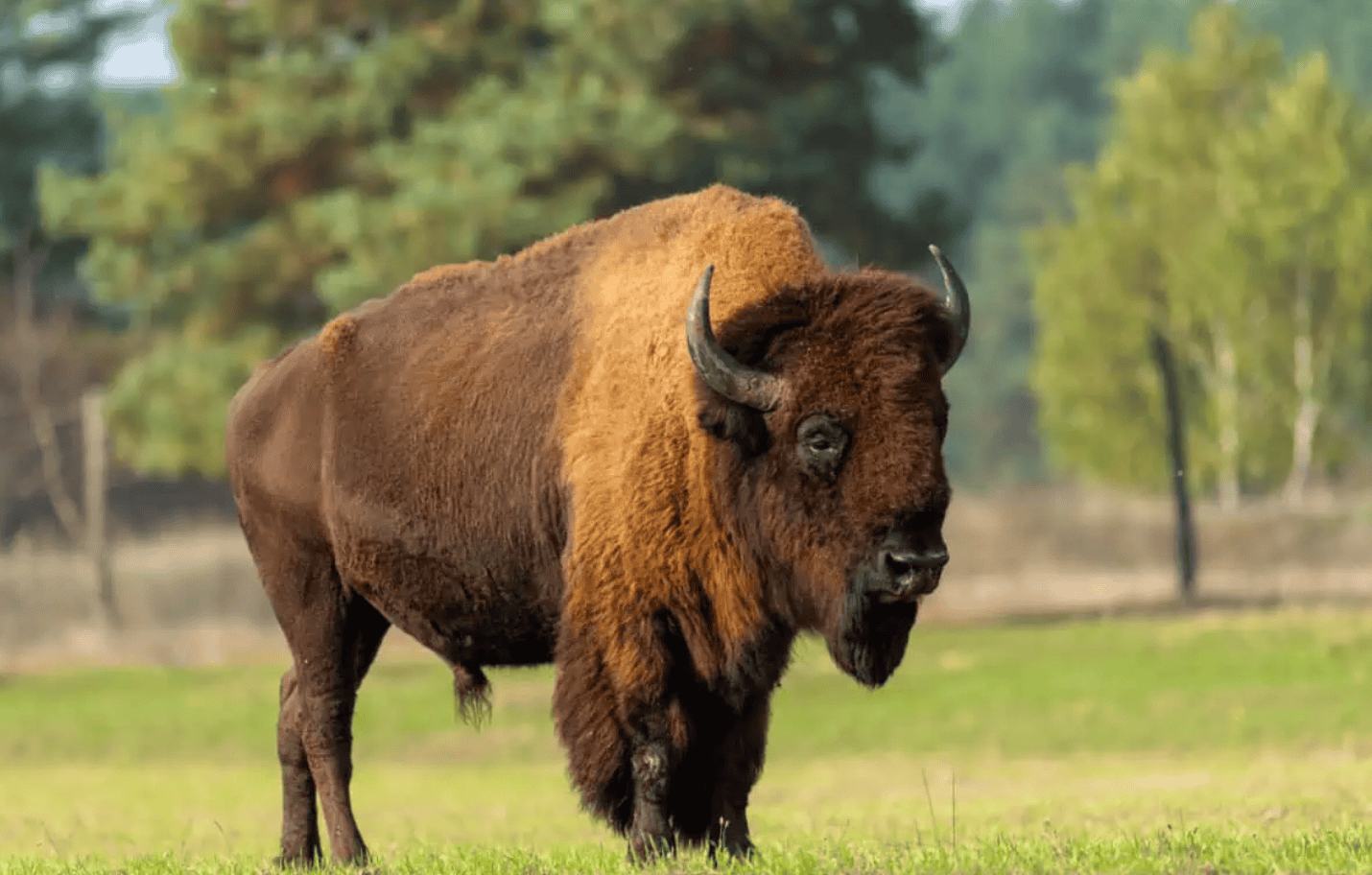
The American bison’s return from the brink of extinction stands as a powerful testament to what is possible when science, policy, Indigenous leadership, and public will unite behind a common goal. From fewer than 1,000 individuals in the late 19th century to hundreds of thousands today, the story of the bison is one of resilience, cooperation, and ecological renewal. Each of the 17 reasons explored in this article reflects a different dimension of that success—whether it’s the restoration of prairie ecosystems, the revitalization of Indigenous cultures, or the model it provides for global rewilding efforts. Importantly, bison conservation is not just about numbers. It’s about rebuilding ecosystems, preserving genetic diversity, and honoring the deep cultural connections between people and land. It’s about finding ways to live alongside wild animals while fostering sustainable economies and healthier environments. As we face accelerating biodiversity loss and climate change, the bison reminds us that recovery is possible—and that with commitment, creativity, and respect for both nature and people, we can forge a future where conservation triumphs.

As a little kid, I fell in love with nature, wildlife, and animals. Living in the USA, South Africa, Italy, China and Germany gave me the opportunity to discover the world's Wildlife. My favorite animals are Mountain Gorillas, Siberian Tigers, and Great White Sharks.
I'm a certified PADI Open Water Diver, went to Everest Base Camp and Trekked Gorillas in Uganda. I hold a Master of Science in Economics and Finance.
Please send any feedback to feedback@animalsaroundtheglobe.com
- 13 Cat Breeds That Get Along with Dogs - July 20, 2026
- The 12 Largest Dog Breeds That Still Love to Cuddle - July 20, 2026
- 12 Pet Habits That Secretly Mean They Love You - July 20, 2026