
Wolves, as apex predators, have developed sophisticated hunting strategies over thousands of years of evolution. Their prey selection isn’t random but follows specific patterns based on energy expenditure, risk assessment, and nutritional return. Understanding which animals wolves preferentially target—and which they typically avoid—provides fascinating insights into predator-prey relationships and ecosystem dynamics. From the slow and vulnerable to the surprisingly difficult catches, wolves’ hunting preferences reveal much about their survival strategies in the wild. This comprehensive exploration delves into the hunting behaviors of wolves, examining both their preferred targets and the animals they generally leave alone.
The Strategic Hunters: How Wolves Select Their Prey
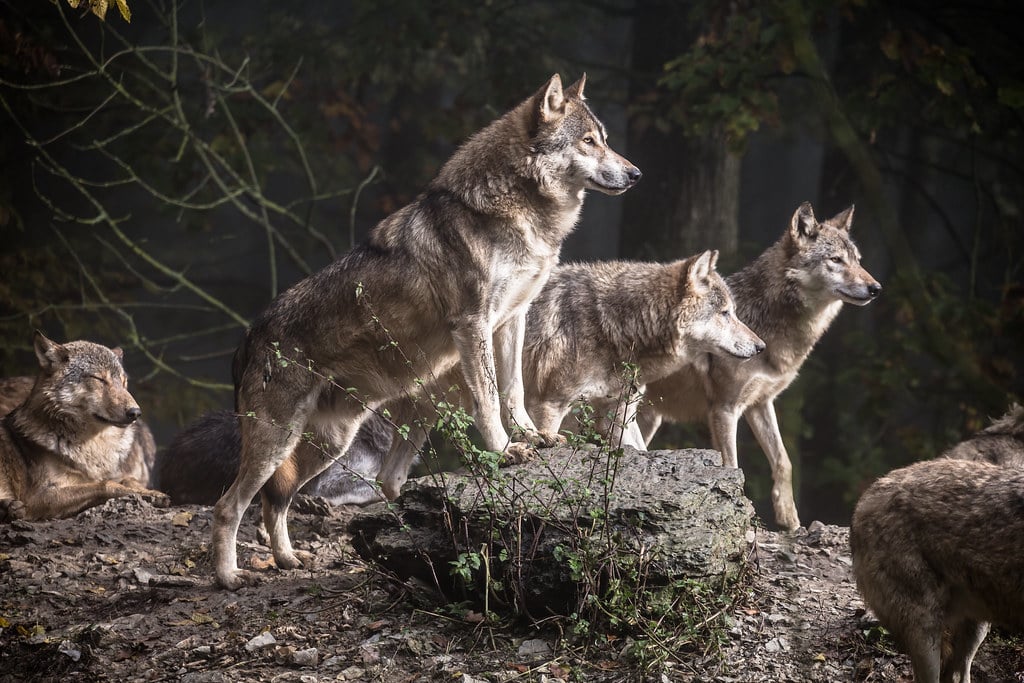
Wolves are incredibly strategic hunters, making calculated decisions about which prey to pursue based on a complex cost-benefit analysis. They assess factors including the prey’s vulnerability, the energy required for a successful hunt, the nutritional value of the potential meal, and the risk of injury. This decision-making process is crucial for their survival, as unsuccessful hunts waste precious energy without providing sustenance.
Pack size also significantly influences prey selection. Larger packs can successfully target larger prey, while smaller groups or lone wolves must focus on smaller, less dangerous animals. Research has shown that wolf packs demonstrate remarkable coordination during hunts, with success rates varying dramatically depending on prey species. This strategic approach to hunting has allowed wolves to thrive across diverse ecosystems, from Arctic tundra to temperate forests and mountains.
Prey #1: Elderly Ungulates

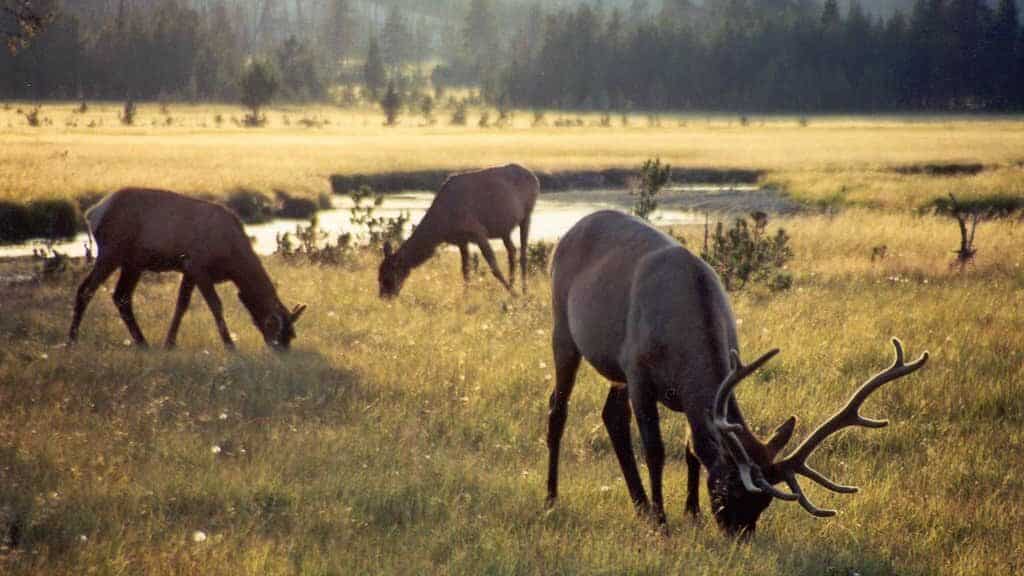
Among wolves’ preferred targets, elderly ungulates—hoofed mammals like deer, elk, and moose—top the list. These aging animals often suffer from reduced speed, diminished stamina, and weakened senses, making them significantly more vulnerable to predation. Wolves can detect these weaknesses through observation and testing behaviors, where they provoke flight responses to identify the slowest individuals in a herd.
Studies conducted in Yellowstone National Park following wolf reintroduction showed that the average age of elk killed by wolves was significantly higher than the herd average. This selective predation on elderly ungulates serves an important ecological function by removing genetically weaker individuals from the population, potentially strengthening the overall herd genetics. For wolves, these older animals represent an optimal balance of substantial meat yield with reduced risk and energy expenditure during the hunt.
Prey #2: Young or Newborn Ungulates
At the opposite end of the age spectrum, wolves frequently target very young ungulates, particularly newborns during calving season. These young animals lack speed, stamina, and experience in evading predators. Their smaller size makes them easier to bring down, though they provide less meat than adults. Wolf packs often time their own breeding to coincide with ungulate calving seasons, ensuring plentiful food when their own pups need nourishment.
In regions like Alaska and northern Canada, researchers have documented wolves specifically targeting caribou calving grounds during spring. The inexperienced calves make relatively easy targets, though mother ungulates fiercely defend their young. This creates a dynamic where wolves must balance the relative ease of catching young animals against the potential danger posed by protective mothers. Despite this risk, the spring abundance of vulnerable calves represents a crucial nutritional window for wolf packs raising their own young.
Prey #3: Injured or Diseased Animals
Wolves have evolved remarkable abilities to detect weakness in potential prey, making injured or diseased animals prime targets. They can identify subtle gait abnormalities, unusual movements, or signs of illness that might not be immediately obvious to human observers. This keen sense allows wolves to single out compromised individuals from otherwise healthy herds. By targeting these animals, wolves conserve energy while still securing meals.
This predation pattern serves an essential ecological function by removing sick animals from wild populations, potentially limiting disease spread. Research in multiple wolf territories has demonstrated that animals killed by wolves show significantly higher rates of pre-existing conditions than the general population. One study examining wolf-killed moose found that over 60% had arthritis, infections, or parasitic conditions that likely contributed to their vulnerability. This natural culling mechanism highlights wolves’ role in maintaining healthier prey populations.
Prey #4: Beaver
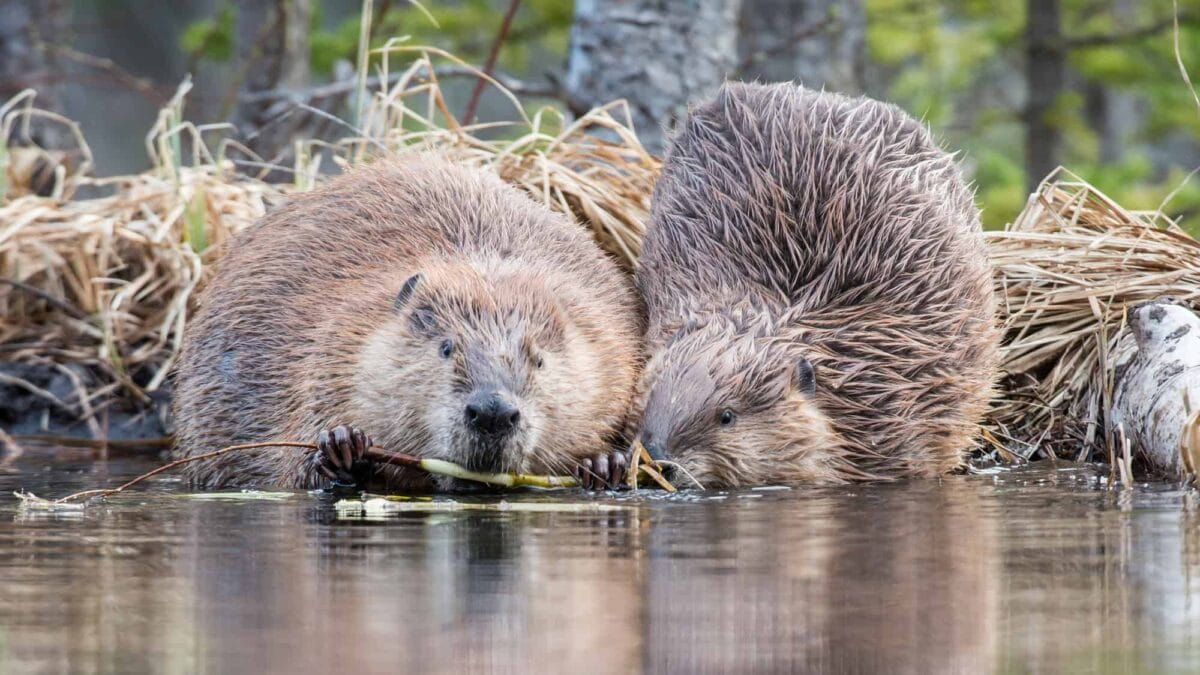
In many northern wolf territories, beavers constitute a surprisingly important prey species, especially during warmer months when they’re more active outside their lodges. Despite their relatively small size compared to ungulates, beavers offer several advantages as prey. They’re predictable in their movements, typically staying near water bodies, and their engineering activities make their locations easy to locate. Additionally, their moderate size makes them manageable targets for lone wolves or small packs.
Studies in Minnesota and Ontario have found beaver remains in up to 30% of wolf scat samples during spring and summer months. Wolves have developed specialized hunting techniques for beavers, often waiting patiently near beaver ponds or damaged dams. Their relatively high body fat percentage makes beavers nutritionally valuable, especially during seasons when larger prey may be more difficult to catch. This seasonal reliance on beavers demonstrates wolves’ adaptability in adjusting their hunting strategies to target the most accessible prey throughout the year.
Prey #5: Snowshoe Hares and Small Mammals
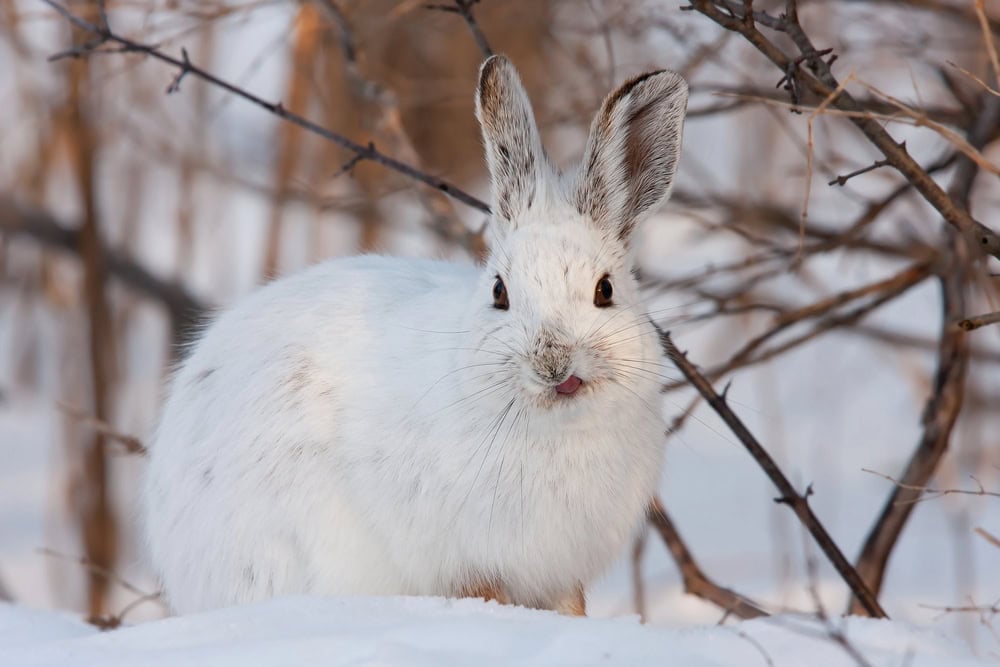
When larger prey is scarce or pack size is insufficient for taking down ungulates, wolves readily turn to smaller mammals. Snowshoe hares often become a dietary staple, especially in boreal forest regions during certain phases of the hare population cycle. These small, quick animals require different hunting techniques than larger prey, with wolves relying more on pouncing and short chases rather than the endurance pursuits used for ungulates.
Other small mammals including voles, lemmings, and ground squirrels may also supplement the wolf diet, particularly for lone wolves or during food shortages. While these smaller prey items require more individual catches to meet a wolf’s nutritional needs, they present minimal risk of injury and require relatively little energy to capture. Wolves hunting small prey typically exhibit higher success rates per attempt compared to large prey hunts, though the caloric return per successful catch is substantially lower.
Prey #6: Caribou
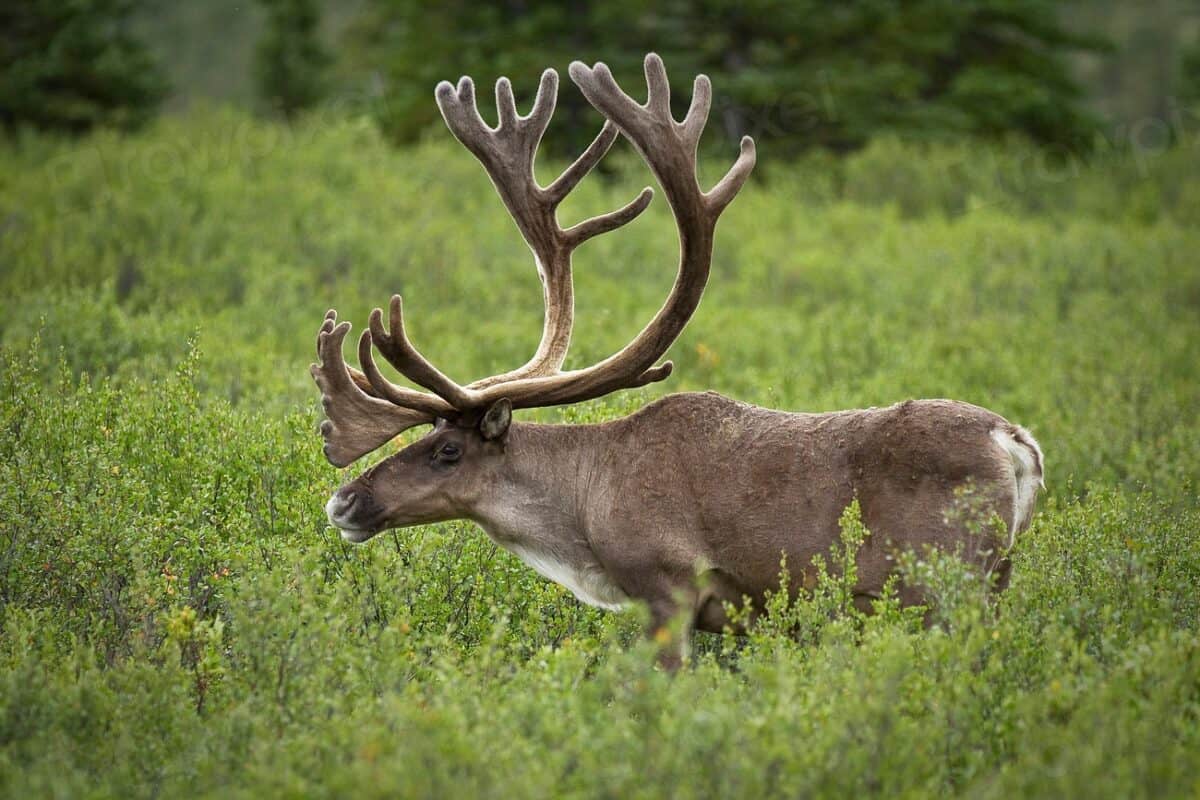
In the northern reaches of North America and across parts of the Arctic, caribou (also known as reindeer in Eurasia) represent a critical food source for wolf populations. These migratory ungulates present unique hunting opportunities and challenges. Unlike more sedentary prey species, caribou undertake extensive seasonal migrations, requiring wolves to either follow these movements or adapt their hunting to target caribou during specific periods when their territories overlap.
Wolves hunting caribou display remarkable endurance, sometimes pursuing herds for many kilometers across tundra landscapes. They preferentially target stragglers, particularly during river crossings or when traveling through deep snow where caribou mobility is compromised. Research in Alaska has shown that wolves living in caribou territory often have larger territories and travel greater distances than wolves in areas with more stationary prey. This demonstrates how predator behavior adapts to the specific challenges presented by different prey species.
Prey #7: Moose
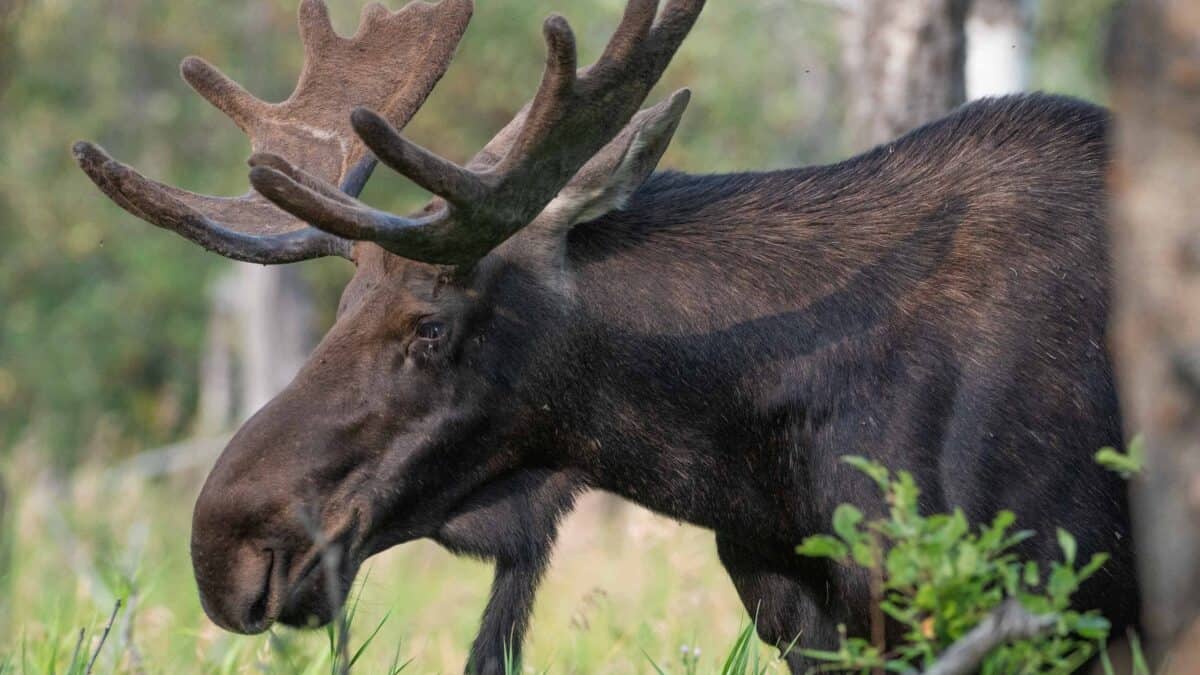
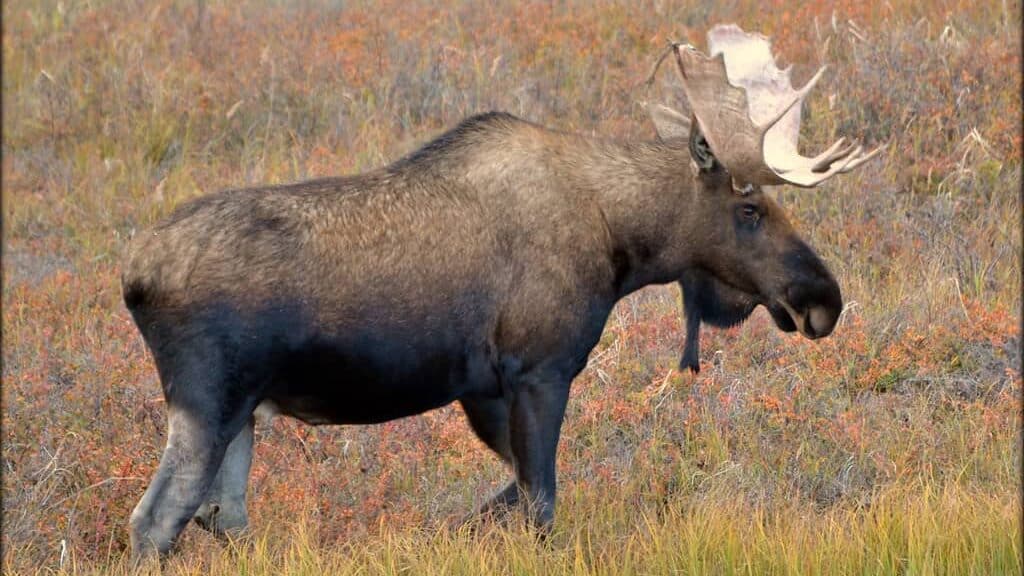
Moose represent both opportunity and danger for wolf packs. As North America’s largest deer species, a single moose can feed a wolf pack for days, making them valuable targets. However, their immense size—bulls can exceed 1,500 pounds—and defensive capabilities, including powerful kicks and sharp hooves, make them among the most dangerous prey wolves regularly tackle. Successful moose hunts typically require larger pack sizes and highly coordinated attacks.
Wolves hunting moose employ specific strategies, often targeting individuals in deep snow where the moose’s long legs become a disadvantage. Winter conditions thus shift the predatory advantage toward wolves. Studies in Isle Royale National Park, where wolves and moose have been studied for decades in a closed system, show that pack size strongly correlates with moose hunting success rates. When moose populations are healthy, wolves may focus on calves or elderly individuals, but during prey scarcity, they may attempt riskier attacks on prime-age adults, sometimes resulting in wolf injuries or deaths.
Prey #8: Muskoxen
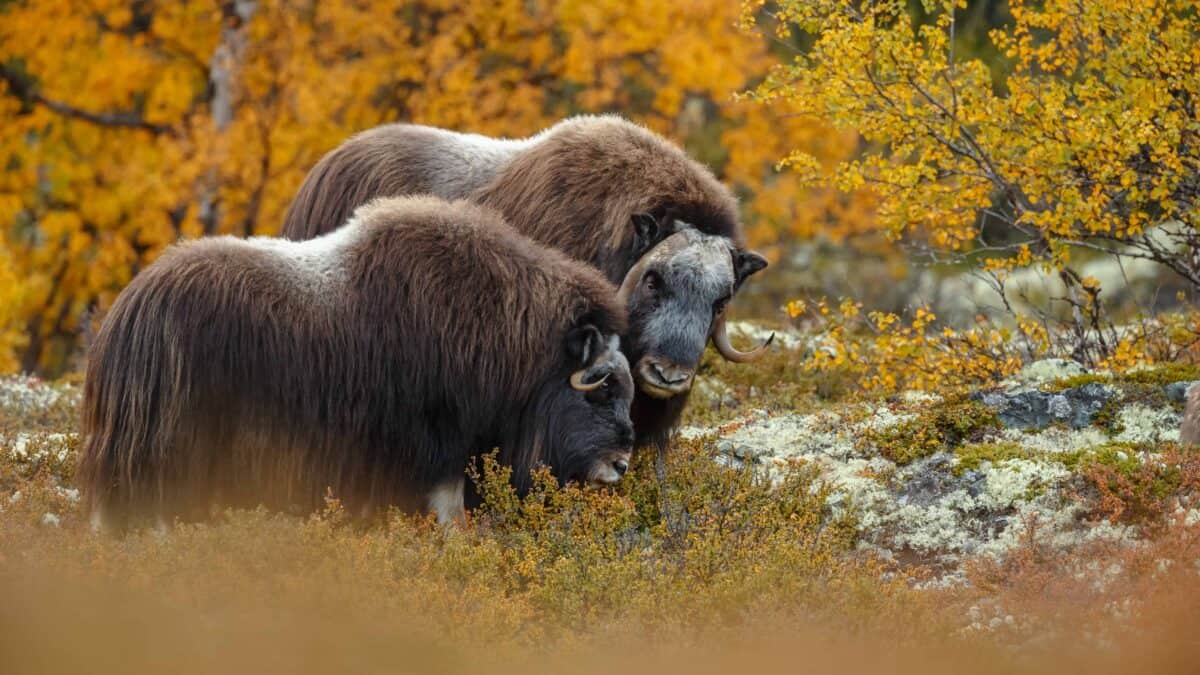
In the harsh Arctic environments of northern Canada and Greenland, muskoxen provide an important food source for wolf packs. These woolly bovids present a unique hunting challenge, as they employ a distinctive defensive formation when threatened. Rather than fleeing like most ungulates, muskoxen form a tight circle with their young in the center and adults facing outward, presenting a formidable wall of horns to potential predators.
Wolves hunting muskoxen must use patience and persistence, attempting to break this formation by causing panic or isolating vulnerable individuals. Arctic wolf packs may spend hours or even days testing a muskox herd’s defenses before successfully making a kill. Research in Ellesmere Island has documented elaborate hunting sequences where wolves alternate between harassment tactics and waiting periods. These extended hunts represent significant energy investments, but the substantial meat yield from a successful muskox kill makes the effort worthwhile in the prey-scarce Arctic environment.
Animals Wolves Rarely Hunt #1: Adult Bison

Despite being large herbivores that might seem like natural wolf prey, healthy adult bison rarely fall victim to wolf predation. The sheer size and strength of adult bison—with bulls weighing up to 2,000 pounds—make them exceptionally dangerous targets. Bison possess powerful horns, incredible stamina, and a strong herd defense strategy that includes forming protective circles around vulnerable members or directly confronting threats.
Studies in Yellowstone National Park, where wolves and bison coexist, have shown that wolves succeed in killing healthy adult bison in less than 10% of attempted hunts. The risk of serious injury or death is simply too high for wolves to regularly target these massive bovids. Instead, wolves predominantly target bison calves or adults weakened by age, disease, or harsh winter conditions. This selective pressure may actually strengthen bison herds by removing vulnerable individuals while leaving the strongest to reproduce.
Animals Wolves Rarely Hunt #2: Healthy Adult Bears

Though wolves and bears often share territories and compete for similar resources, healthy adult bears rarely become wolf prey. Both black bears and grizzly bears possess overwhelming physical advantages in one-on-one confrontations with wolves. Their immense strength, powerful jaws, and dangerous claws make them formidable opponents that could easily kill wolves in direct combat. Additionally, bears’ omnivorous diet means they don’t represent the same kind of specialized prey as herbivores.
Interactions between wolves and bears typically center around competition for carcasses rather than predation attempts. In rare documented cases where wolves have killed bears, the victims were typically cubs, very old individuals, or bears weakened by injury or hibernation. Even in these exceptional cases, wolf packs require substantial numerical advantages to successfully attack bears. The relationship between these apex predators remains primarily competitive rather than predatory, with each species generally avoiding direct conflict when possible.
Animals Wolves Rarely Hunt #3: Mountain Lions

Mountain lions (also known as cougars or pumas) share habitats with wolves across much of western North America, but direct predation is exceptionally rare. These solitary felids possess attributes that make them poor wolf targets: exceptional agility, tree-climbing abilities that provide escape routes, and formidable fighting capabilities. Mountain lions can deliver lethal strikes with their powerful claws and have bite forces capable of crushing cervical vertebrae.
When wolves and mountain lions do interact, it typically involves competition over kills rather than direct predation attempts. Research in areas where these predators’ ranges overlap shows they generally avoid each other through temporal and spatial segregation. While wolf packs occasionally kill mountain lions—particularly when they have significant numerical advantages—these events represent territorial conflicts rather than predatory behavior. Both species appear to recognize the danger the other poses and employ avoidance as their primary strategy.
Animals Wolves Rarely Hunt #4: Wolverines

Despite their relatively small size compared to wolves, wolverines rarely become wolf prey due to their ferocious nature and remarkable physical capabilities. These muscular mustelids possess disproportionate strength for their size, powerful jaws, and a fearsome reputation for aggressiveness even against much larger animals. Wolverines’ semi-retractable claws and powerful build make them dangerous opponents capable of inflicting serious injuries on wolves that attempt to hunt them.
The relationship between wolves and wolverines is primarily one of competition rather than predation. Both species scavenge carcasses and occasionally steal each other’s kills. While wolves have occasionally been documented killing wolverines, such events typically occur during territorial disputes rather than as hunting behavior. The wolverine’s ability to traverse difficult terrain, including deep snow and rocky slopes, also provides effective escape routes from wolf pursuit. The high risk-to-reward ratio makes wolverines an impractical prey choice for wolves under normal circumstances.
Animals Wolves Rarely Hunt #5: Porcupines
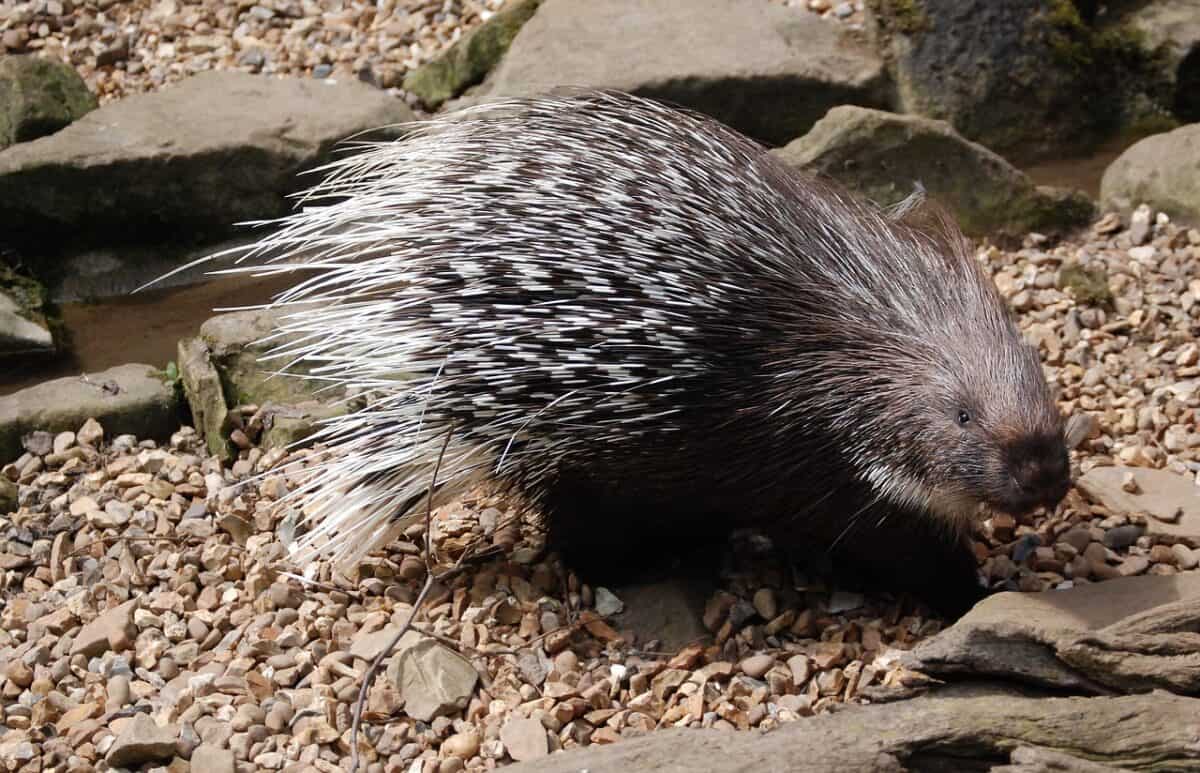
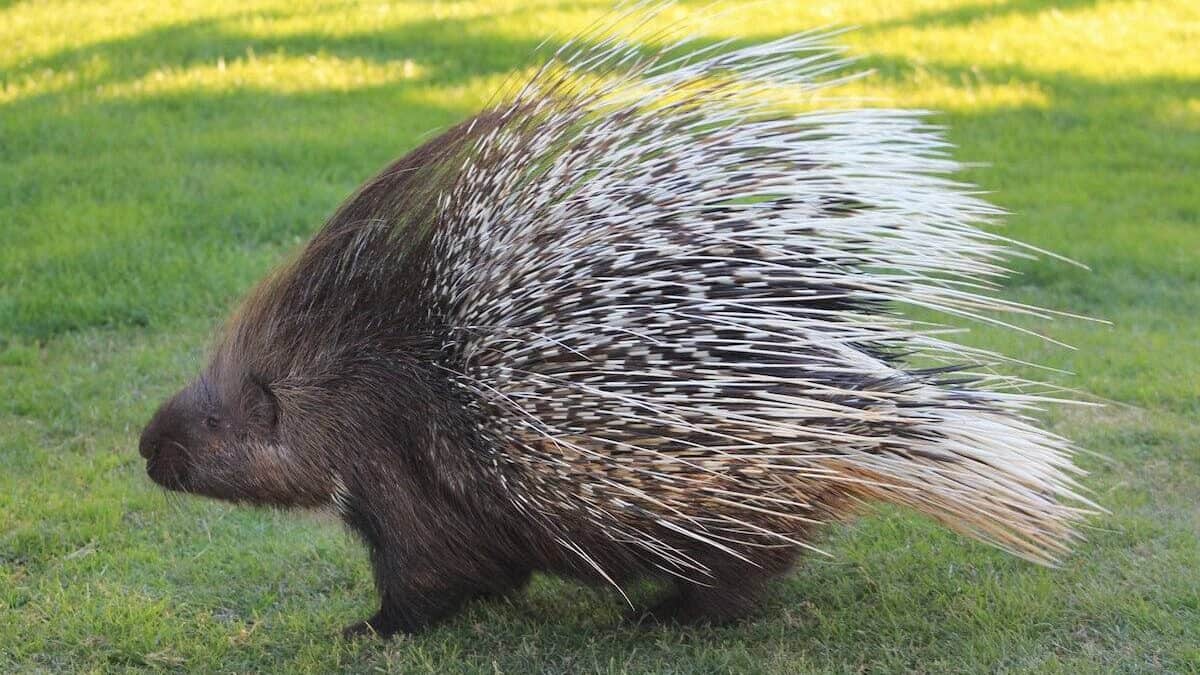
Porcupines present an obvious deterrent to predation with their defensive quills—sharp, barbed spines that can become embedded in a predator’s flesh, causing painful injuries that may lead to infection or even death. While wolves occasionally kill and eat porcupines during food shortages, these animals are generally avoided as prey due to the substantial risk they pose. A wolf with a mouthful of porcupine quills may be unable to hunt effectively for weeks, potentially leading to starvation.
When wolves do target porcupines, they employ specialized hunting techniques, attempting to flip them over to access the vulnerable, quill-free underside. Studies examining wolf scat and kill sites in areas with abundant porcupines show that predation occurs most frequently during periods of severe prey scarcity or when wolves encounter particularly vulnerable individuals. Young or inexperienced wolves may also attack porcupines out of curiosity or inexperience, often with painful consequences that teach a lasting lesson about avoiding these well-defended rodents.
Animals Wolves Rarely Hunt #6: Foxes

Though considerably smaller than wolves, foxes rarely become wolf prey despite the apparent size advantage wolves hold. Several factors contribute to this pattern: foxes possess exceptional agility and speed for short distances, can utilize small dens and burrows inaccessible to wolves, and their relatively small body mass provides minimal nutritional return compared to the energy required for pursuit. Additionally, foxes’ acute senses often allow them to detect and avoid wolves well before an encounter occurs.
The relationship between wolves and foxes is more complex than simple predator-prey dynamics. In many ecosystems, foxes actually benefit from wolf presence through a phenomenon known as mesopredator release—wolves suppress coyote populations, reducing competition for foxes. When wolves do kill foxes, it typically results from territorial encounters rather than predatory behavior. Studies examining wolf diet across multiple territories consistently show fox remains appearing in less than 1% of scat samples, confirming their minimal importance as a wolf food source.
Understanding Wolf Predation and Its Ecological Impact

Wolf predation patterns reveal sophisticated decision-making that balances nutritional needs against energy expenditure and risk. Their preference for vulnerable ungulates—the elderly, young, or infirm—demonstrates an evolutionary strategy that maximizes survival odds while minimizing danger. This selective predation serves critical ecological functions beyond feeding the predator. By removing the weakest individuals from prey populations, wolves help maintain healthier herds with stronger genetic profiles. The animals they avoid hunting highlight equally important ecological relationships, creating complex interaction webs within their habitats.
Conservation efforts benefit tremendously from understanding these predation patterns. As wolves return to historic territories through natural migration or reintroduction programs, predicting their impacts requires nuanced knowledge of which species they’re likely to target. The cascade effects of wolf presence extend far beyond direct predation, influencing everything from prey behavior and population health to vegetation patterns and small mammal communities. By continuing to study these fascinating predators, we gain crucial insights into nature’s intricate balance and the vital role apex predators play in maintaining healthy, resilient ecosystems.

- The Glasswing Butterfly: Nature’s Invisible Beauty - July 21, 2026
- What Happens If a Whale Dies in the Ocean? - July 21, 2026
- Why You Should Stop Feeding Ducks at the Park - July 21, 2026