


In the winter of 1925, Nome, Alaska faced a potentially devastating diphtheria epidemic. The small, isolated town of approximately 1,400 people sat near the Arctic Circle, completely cut off from the outside world during the harsh winter months. In January, Dr. Curtis Welch diagnosed the first cases of diphtheria, a highly contagious bacterial infection that primarily affects the nose and throat. Without prompt treatment, diphtheria can lead to breathing problems, heart failure, paralysis, and even death.
The situation quickly became dire when Dr. Welch’s limited supply of antitoxin serum was discovered to be expired. With new cases appearing daily and several children already deceased, Nome faced the possibility of losing half its population to the disease. The nearest fresh serum was in Anchorage, nearly 1,000 miles away. With temperatures plummeting to -40°F and blizzard conditions making air travel impossible, officials determined that a relay of sled dog teams was the only viable option to transport the life-saving medicine to Nome in time.
The Great Race of Mercy Begins

What followed became known as the “Great Race of Mercy” or the “Serum Run to Nome.” On January 27, 1925, the serum was transported by train from Anchorage to Nenana, the northernmost point reachable by rail. From there, a relay of 20 mushers and about 150 sled dogs would carry the precious cargo approximately 674 miles to Nome through some of the harshest winter conditions Alaska could offer.
The journey was meticulously planned with designated handoff points, allowing fresh teams to take over at various checkpoints along the established mail route known as the Iditarod Trail. What normally took 25 days to travel was compressed into a race against time, with each team pushing through blinding snow, treacherous ice, and temperatures that dropped to -50°F. The mushers and their dogs faced not just exhaustion but the very real risk of freezing to death as they navigated through the Alaskan wilderness.
Who Was Balto?

Balto was a Siberian Husky born in 1919, serving as a sled dog in Nome, Alaska. Unlike many of his counterparts who were bred specifically for racing, Balto was primarily a freight dog, used for transporting supplies rather than speed competitions. He was named after Samuel Balto, a Sami explorer who participated in various Arctic expeditions. With his black and white markings and steady temperament, Balto was considered a reliable but unremarkable working dog before the events of 1925.
Owned by Norwegian musher Gunnar Kaasen, Balto was the lead dog of the final team in the serum relay. Despite not being considered among the top sled dogs of his time, Balto possessed qualities that would prove invaluable during the critical final leg of the journey: determination, endurance, and an exceptional sense of direction even in the most challenging conditions. What distinguished Balto was not his racing pedigree but his uncanny ability to navigate through near-zero visibility and his unwavering reliability when lives depended on it.
Balto’s Crucial Final Leg

Gunnar Kaasen and his team, led by Balto, were originally slated to cover the second-to-last leg of the relay. However, when the musher scheduled for the final stretch was found asleep, having assumed the handoff wouldn’t occur until morning due to the raging blizzard, Kaasen made the fateful decision to continue onward to Nome. This meant Balto and the team would face an additional 53 miles of treacherous terrain in near-impossible conditions.
The conditions during this final stretch were nothing short of nightmarish. Temperatures had plunged to -40°F, with wind chills making it feel even colder. The blizzard had reduced visibility to mere feet, making the trail virtually impossible to see. At one point, while crossing the frozen Norton Sound, Balto stopped suddenly, refusing to move forward. Kaasen initially thought his lead dog had simply given up, but upon closer inspection, discovered they were mere inches from plunging through thin ice into the freezing water below. Throughout the journey, Balto repeatedly demonstrated an almost supernatural ability to find the trail when even his experienced human handler was completely disoriented in the whiteout conditions.
The Triumphant Arrival

After an arduous journey through the night, Balto led Kaasen’s team into Nome at 5:30 AM on February 2, 1925. The entire serum run had taken just 5 days and 7 hours—a remarkable achievement considering the conditions. As the exhausted team pulled into Front Street, Kaasen’s famous words to the waiting physician were simply, “Here you are, Doctor.” The precious serum had arrived intact, despite having been partially frozen during the journey.
The arrival was not a moment too soon. The town had reported 20 confirmed cases of diphtheria with many more suspected, and without the antitoxin, the death toll would have certainly climbed dramatically. Thanks to the heroic efforts of the mushers and their dogs, particularly Balto’s navigation through the final critical miles, the outbreak was contained. Not a single vial of the precious serum was lost during the treacherous journey, and the medicine was administered to the sick children of Nome immediately upon arrival, preventing what could have been a devastating loss of life in the isolated community.
Immediate Recognition and Fame

News of the successful serum run spread rapidly across the country, captivating the American public. Balto, as the lead dog on the final leg, became an overnight sensation. Just 10 months after the serum run, on December 15, 1925, a bronze statue of Balto created by sculptor Frederick Roth was erected in New York’s Central Park. The dedication ceremony was attended by Balto himself and Gunnar Kaasen. The statue’s plaque reads: “Endurance · Fidelity · Intelligence,” capturing the qualities that made Balto’s achievement so remarkable.
The media frenzy around Balto was unprecedented for an animal at that time. He embarked on a nationwide tour, appeared in a movie based on his exploits, and became one of the most celebrated canine heroes in American history. Children wrote letters to him, newspapers featured his story prominently, and he received medals and honors typically reserved for human heroes. The story of the serum run, with Balto as its central figure, provided a much-needed tale of courage and triumph during the interwar period, cementing his place in American folklore.
The Overshadowed Hero: Togo

While Balto received the lion’s share of public recognition, many historians and mushing experts argue that another dog deserved equal, if not greater, acclaim. Togo, a 12-year-old Siberian Husky led by legendary musher Leonhard Seppala, covered the longest and most hazardous stretch of the relay. Togo and Seppala traveled 261 miles round trip, including a dangerous crossing over the frozen Norton Sound that saved precious time. During this journey, Togo led his team through temperatures that dropped to -85°F with the wind chill and navigated through ice floes that constantly shifted beneath their feet.
Seppala himself would later express disappointment that Togo didn’t receive the recognition he deserved. As a dog specifically bred and trained for endurance and navigational ability, Togo represented the pinnacle of sled dog capabilities. At 12 years old—quite elderly for a working sled dog—Togo’s performance was nothing short of miraculous. While Balto completed the final crucial leg that delivered the serum to Nome, Togo’s contribution to the relay was arguably more physically demanding and essential to the overall success of the mission. In recent years, historians have worked to correct this oversight, with Togo finally receiving more recognition through books, documentaries, and even a 2019 Disney+ film dedicated to his story.
The Dark Period After Fame
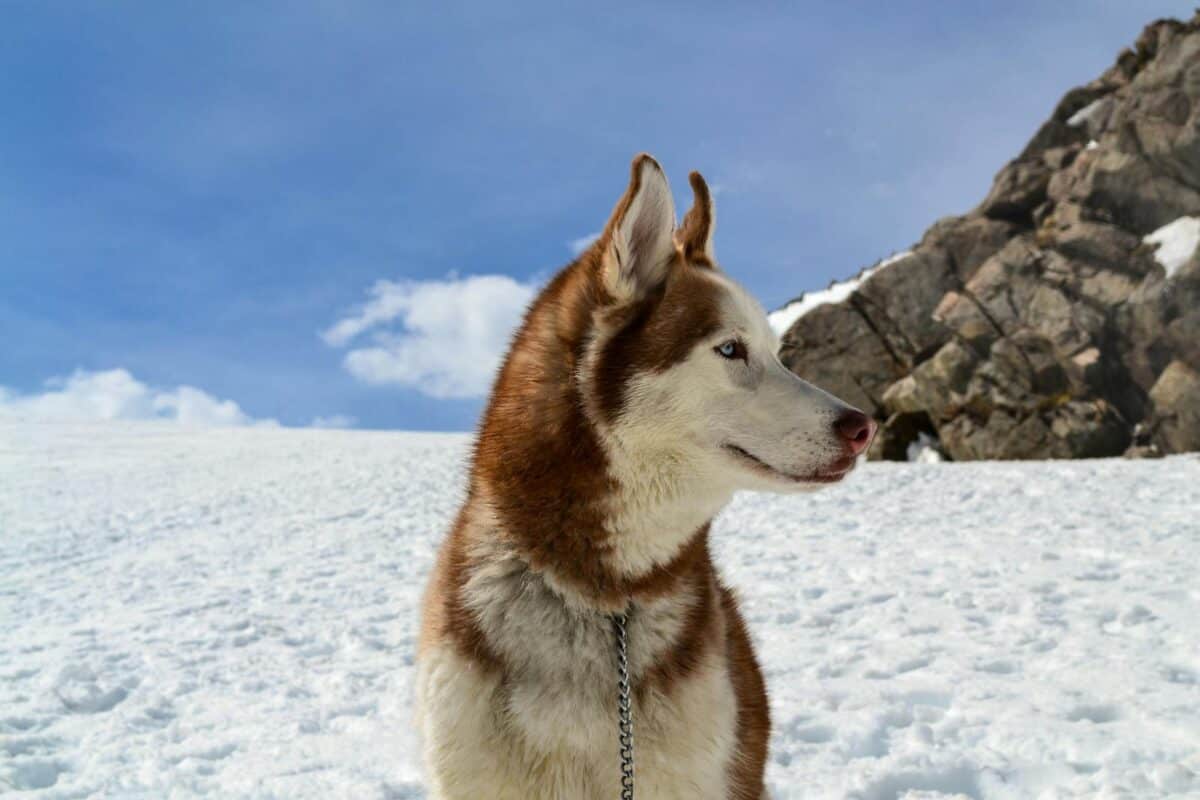
Despite his heroic status, Balto’s post-fame life took a troubling turn. After the publicity tour ended, Kaasen sold Balto and his team to a vaudeville circuit. The dogs were displayed as curiosities, forced to perform for audiences across the country in often poor conditions. Eventually, they ended up at a “dime museum” in Los Angeles, essentially a freak show where they were chained in a small area and displayed to paying customers. Their living conditions deteriorated significantly, with the once-proud working dogs becoming malnourished and neglected.
In 1927, Cleveland businessman George Kimble discovered Balto and his teammates in this sorry state while visiting Los Angeles. Appalled by the condition of these national heroes, Kimble negotiated to purchase them for $2,000 (equivalent to about $30,000 today). When he could not raise the entire amount himself, the Cleveland Plain Dealer newspaper launched a public campaign called “Balto Fund.” Schoolchildren donated their pennies, and within 10 days, the money was raised. On March 19, 1927, Balto and six other dogs arrived in Cleveland to a hero’s welcome, with Balto leading a parade through the city with thousands of spectators cheering him on.
Balto’s Final Years

After his rescue from the sideshow, Balto lived out his remaining years at the Brookside Zoo (now the Cleveland Metroparks Zoo) in considerably better conditions. He became a beloved attraction, with visitors coming specifically to see the famous hero of Nome. Unlike his previous exploitative displays, at Brookside, Balto was treated with dignity and appropriate care. Children who had contributed their pennies to his rescue fund could visit him and see for themselves that their hero was now living comfortably.
On March 14, 1933, at the advanced age of 14, Balto passed away. His body was mounted and preserved, and today it remains on display at the Cleveland Museum of Natural History. The taxidermied remains of this remarkable dog continue to draw visitors who want to connect with the tangible history of his heroic journey. While the practice of displaying preserved animals may seem unusual by today’s standards, Balto’s preservation has allowed multiple generations to maintain a physical connection to this remarkable story of canine heroism and human partnership.
The Legacy of the Serum Run
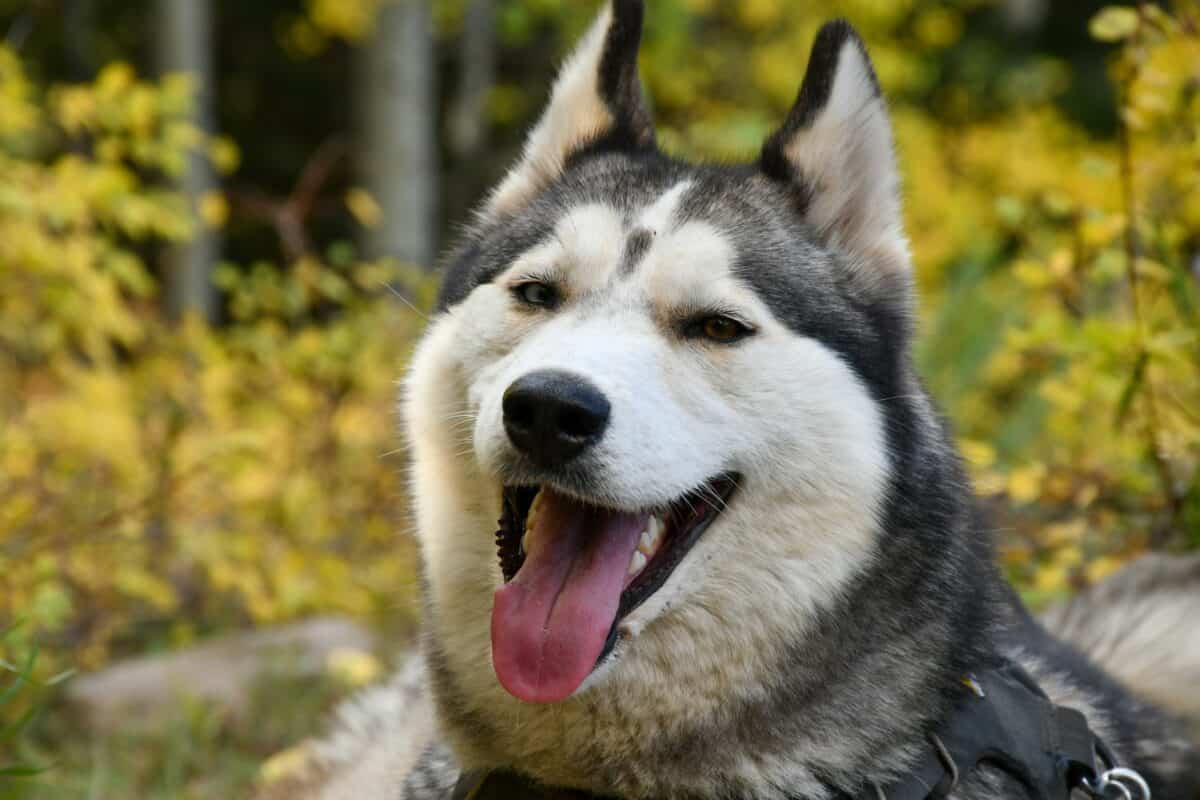
The legacy of the 1925 serum run extends far beyond the immediate saving of Nome’s children. The event directly inspired the creation of the Iditarod Trail Sled Dog Race in 1973, which follows much of the original trail used during the serum relay. This annual long-distance race commemorates the heroic journey and has become Alaska’s most significant sporting event, drawing mushers from around the world. The modern Iditarod serves as a living memorial to the dogs and mushers who braved impossible conditions to deliver the life-saving medicine.
Beyond the race itself, the serum run highlighted the crucial role of sled dogs in Alaska’s development and survival. At a time when aircraft were beginning to replace traditional transportation methods in many parts of the world, the serum run demonstrated that in certain conditions and terrains, well-trained dogs remained unmatched in their reliability and capability. The event also showcased the unique partnership between humans and dogs, illustrating how this ancient relationship had evolved into a sophisticated working system capable of overcoming extraordinary challenges when modern technology failed.
Balto in Popular Culture

Balto’s story has been immortalized in numerous ways throughout popular culture. Most notably, the 1995 animated film “Balto,” produced by Amblin Entertainment and distributed by Universal Pictures, introduced his story to a new generation. While the film takes significant creative liberties with the historical events, it captured the essence of Balto’s heroism and brought renewed attention to the serum run. The film portrays Balto as a half-wolf outcast who proves his worth through his courage and determination, adding a classic underdog narrative to the already compelling historical tale.
Beyond film, Balto’s story has been retold in numerous children’s books, documentaries, and museum exhibitions. The Central Park statue remains one of the park’s most popular attractions, particularly for families with children. Visitors often rub the statue’s nose for good luck, resulting in a noticeable polish on this part of the bronze figure. In 2019, attention shifted somewhat when Disney+ released “Togo,” a live-action film starring Willem Dafoe as Leonhard Seppala, which aimed to correct the historical record by highlighting Togo’s crucial role in the relay. Rather than diminishing Balto’s contribution, this dual recognition has enriched public understanding of the complexity and teamwork involved in the historic serum run.
The Scientific Impact of the Serum Run
The serum run to Nome had significant implications for medical practice and public health policy in remote regions. The epidemic highlighted the vulnerability of isolated communities to infectious disease outbreaks and demonstrated the need for better preventive measures and emergency response protocols. Following the events of 1925, health authorities placed greater emphasis on maintaining adequate medical supplies in remote locations and developed improved systems for emergency medical transport to areas with challenging access.
Additionally, the successful delivery of the diphtheria antitoxin underscored the importance of immunization. Within a few years of the serum run, public health campaigns promoting diphtheria vaccination intensified across America, including in remote territories. The dramatic story of Nome’s near-tragedy became a powerful narrative tool in promoting vaccination efforts, as parents could easily understand the consequences of leaving children unprotected against the disease. Modern diphtheria vaccination programs have been so successful that what was once a common and feared childhood illness is now exceedingly rare in developed countries, representing one of the great public health achievements of the 20th century.
The True Legacy of a Canine Hero
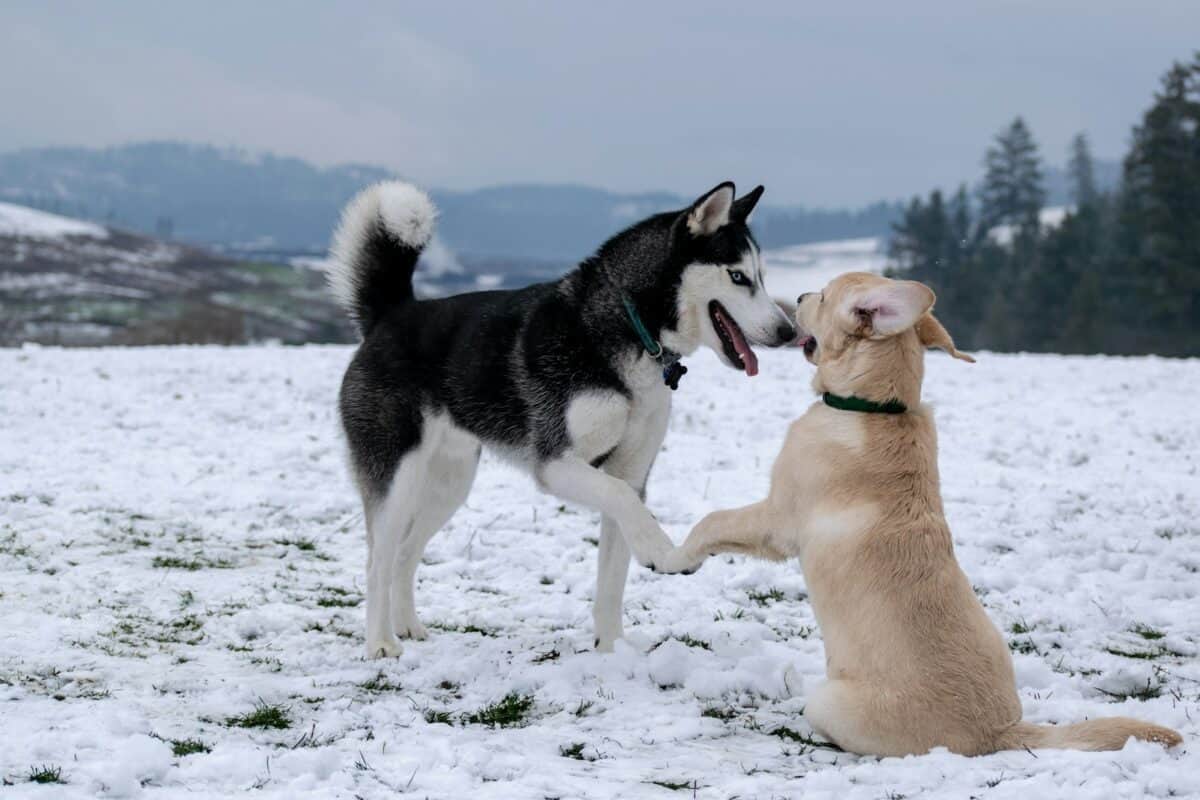
Balto’s story transcends simple heroism to embody the extraordinary bond between humans and dogs that has evolved over thousands of years. While historical records now give appropriate credit to all participants in the serum run, particularly Togo and Leonhard Seppala, Balto remains an enduring symbol of canine loyalty, intelligence, and determination. His journey represents not just a single act of bravery but stands as a testament to the capabilities of working dogs when partnered with humans who respect and understand their abilities.
The children of Nome who were saved from diphtheria in 1925 owed their lives to a remarkable collaboration between human ingenuity and canine endurance. Balto’s navigation through the final brutal miles of the serum run ensured that the medicine arrived in time, preventing what could have been a devastating loss of life. Nearly a century later, his bronze likeness in Central Park continues to inspire visitors with the simple yet profound qualities inscribed on its base: “Endurance · Fidelity · Intelligence.”
As we reflect on Balto’s contribution to the serum run, perhaps the most fitting tribute is the recognition that his story is part of a larger narrative about the crucial role working animals have played throughout human history. In an age increasingly dominated by technology, Balto reminds us that there remain circumstances where the ancient partnership between humans and dogs cannot be improved upon by any machine. The serum run of 1925 stands as one of the last great examples of this partnership operating at the frontier of human survival, preserving a moment when our oldest animal alliance proved irreplaceable in the face of overwhelming odds.
Today, while snowmobiles and aircraft have largely replaced dog sleds for transportation in the Arctic, the memory of Balto and his teammates endures as a powerful reminder of a time when the fate of an entire community rested on the shoulders of dedicated mushers and their remarkable dogs. In this way, Balto’s legacy continues to educate and inspire each new generation about courage, partnership, and the extraordinary capabilities of our canine companions.

From exploring the marine wonders in the Azores and witnessing the vast savannas of Kenya, to delving deep into the rich biodiversity of South Africa and traversing iconic landscapes in Australia and the US like Yellowstone, Chris's experiences are vast.
With a penchant for diving alongside sharks, the ocean holds a special place in his heart.
Through his academic insights, he champions wildlife conservation, striving with 'Animals Around The Globe' to cultivate a profound connection between humans and animals, enhancing our mutual appreciation.
Connect with him at Feedback@animalsaroundtheglobe.com.
- This Monkey Has a Mustache - July 21, 2026
- How Steve Irwin Changed the World’s View of Wildlife - July 21, 2026
- The Catfish That Caused Earthquakes in Japanese Folklore - July 21, 2026