

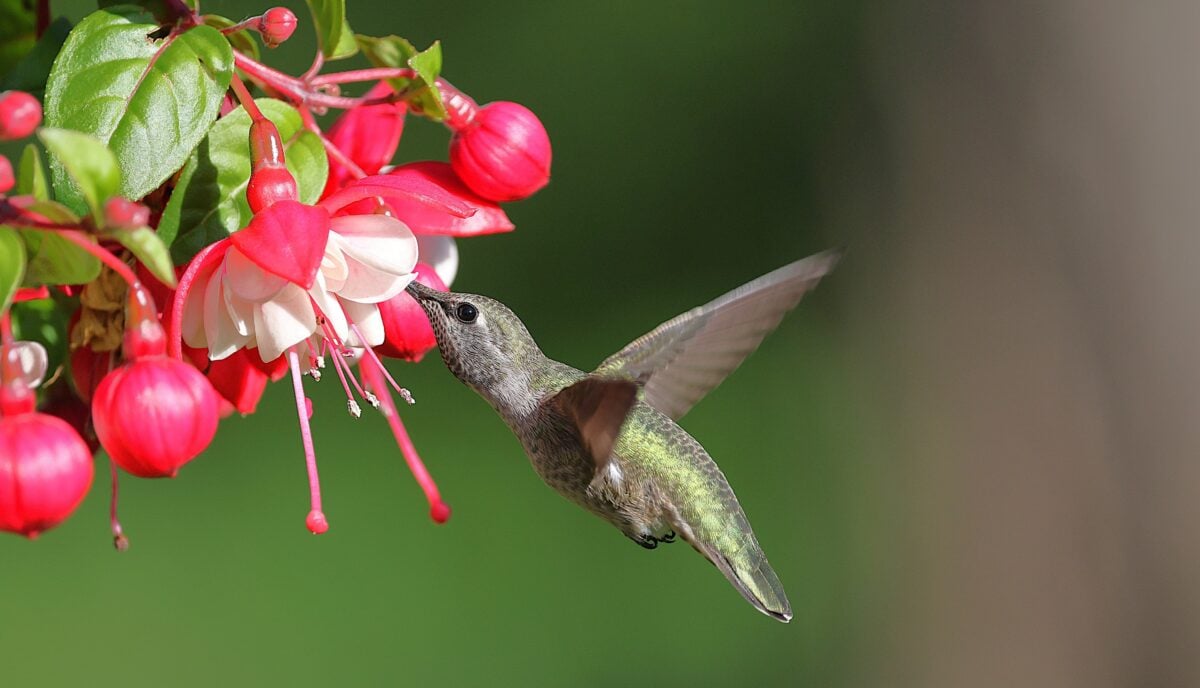
Most people assume hummingbirds either love your yard or ignore it completely, like there’s some invisible line only they can see. That’s not how it works. These half-ounce speed demons run constant background checks on your property, and most of the grading happens in five seconds flat, long before you ever notice.
The truth is, hummingbirds leave reviews everywhere: at your window, your water feature, your weediest forgotten flower bed. Most homeowners never read a single one. Once you know what these tiny signals actually mean, you’ll never look at your backyard the same way again.
#1 – They Do a Quick “Figure-Eight” Flyby Around Your Yard
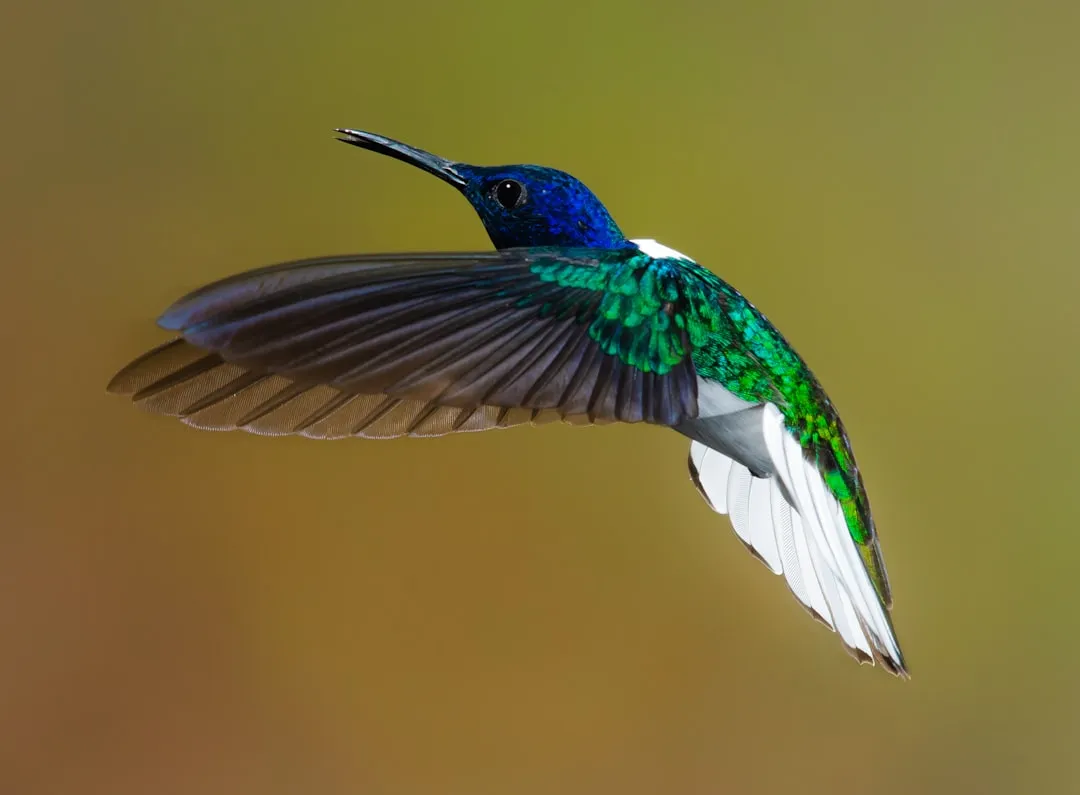
When a hummingbird zips in, loops around once, then traces a loose figure-eight over your flowers and feeders, it’s not playing. That’s a scouting mission. The bird is checking nectar density, safe perches, and escape routes in under five seconds.
If you see this pattern more than once in a day, your yard has officially made their mental map and is now on their personal snack route. If the bird bolts and never repeats it, something failed the test, often a lack of cover or unreliable nectar. But if that looping inspection happens around the same time each day, the bird is budgeting you into its calories. That’s an early sign of “I might come back.”
#2 – They Pause to Hover at Windows, Not Flowers
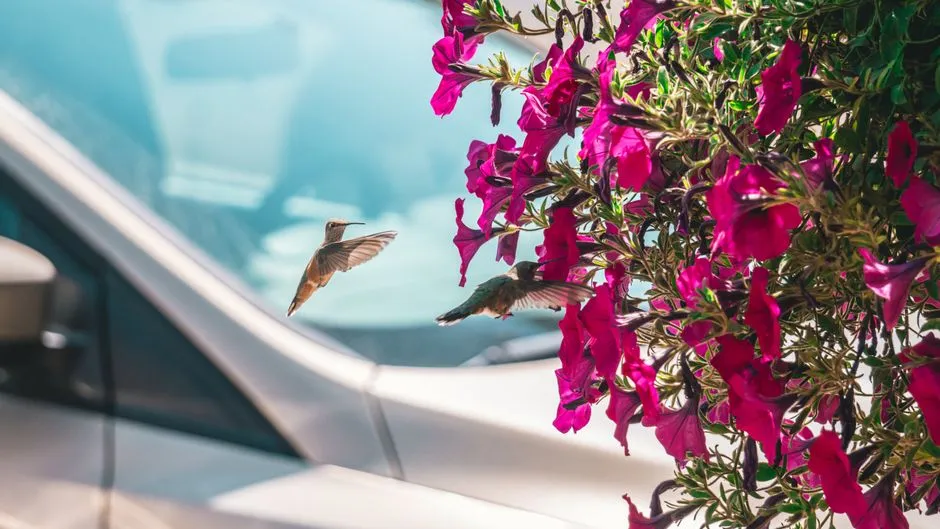
When a hummingbird stops at a window frame or porch beam and hovers, staring in like it’s judging your life choices, that’s not random. It’s checking reflections, safety, and sometimes scouting for nesting cover nearby.
A bird that wastes energy hovering where there’s clearly no nectar is comfortable enough to linger, and that’s a big deal. Nervous birds don’t hang in the open. Many longtime birders notice that these “window hoverers” are often the same birds that later claim a feeder or favorite perch. If you keep seeing that little inspection stop near the house, they’re testing how close they can be to you without feeling threatened.
#3 – They Fight Over a Feeder You Thought Was “Too Small to Matter”
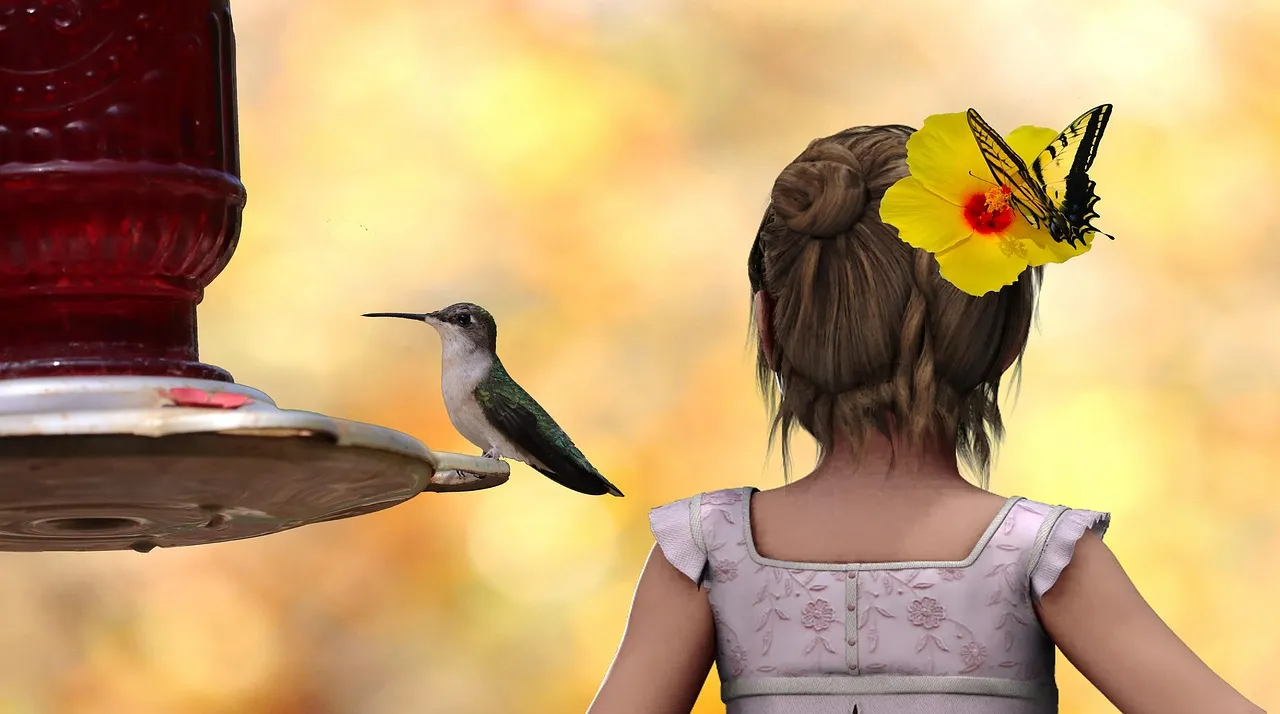
Most people think one tiny feeder just attracts one random bird now and then. Wrong. If two or three hummingbirds are bickering over a single feeder, that’s proof your yard is already on a territory map. They don’t waste aggressive energy on places they don’t plan to defend.
Serious hummingbird folks will tell you: squabbling is a compliment. It means your sugar ratio is right (around 1:4), your nectar is fresh, and your placement feels safe. If a dominant bird starts perching nearby and body-checking every newcomer, it has basically claimed your yard as “mine.” The drama is noisy, but that territorial fighting is one of the clearest signals they expect this food source to stick around.
Fast Facts
- Standard hummingbird nectar is 1 part white sugar to 4 parts water, no dye needed
- A ruby-throated hummingbird’s heart can beat more than 1,200 times a minute in flight
- Their wings beat roughly 50 to 80 times every second
- Clean feeders every 3 to 4 days in hot weather to stop mold and fermentation
#4 – They Keep Returning to “Empty” Flower Stalks
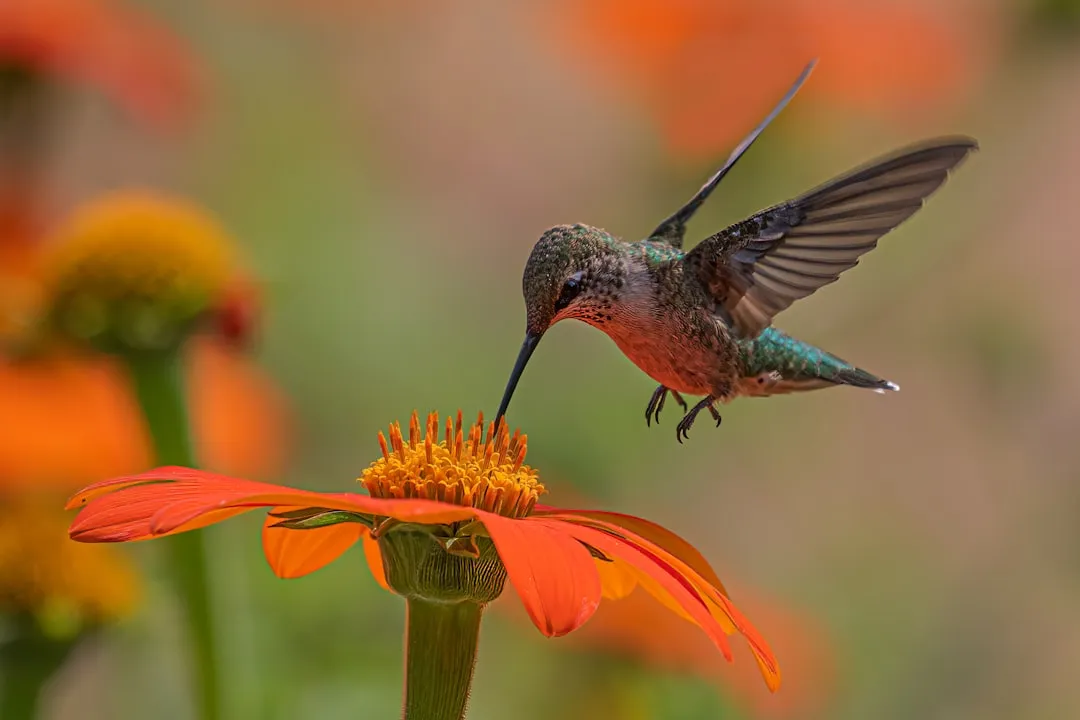
Watch carefully: a hummingbird may visit a flower bed that looks done for the season, brown stalks, dried seed heads, and still keep landing. To you, everything looks over. To them, it’s still a buffet. Tiny insects, leftover nectar, even sap or honeydew can be hiding there.
When a bird keeps checking “dead” plants, it trusts your yard to pay out in hidden ways. This is why ruthlessly manicured yards often fail with hummingbirds. Old stems, seed heads, and weedy corners hold protein they’re wired to love. That bird isn’t just passing through; it’s investing in your habitat.
#5 – They Sit Still on High, Bare Branches for Minutes
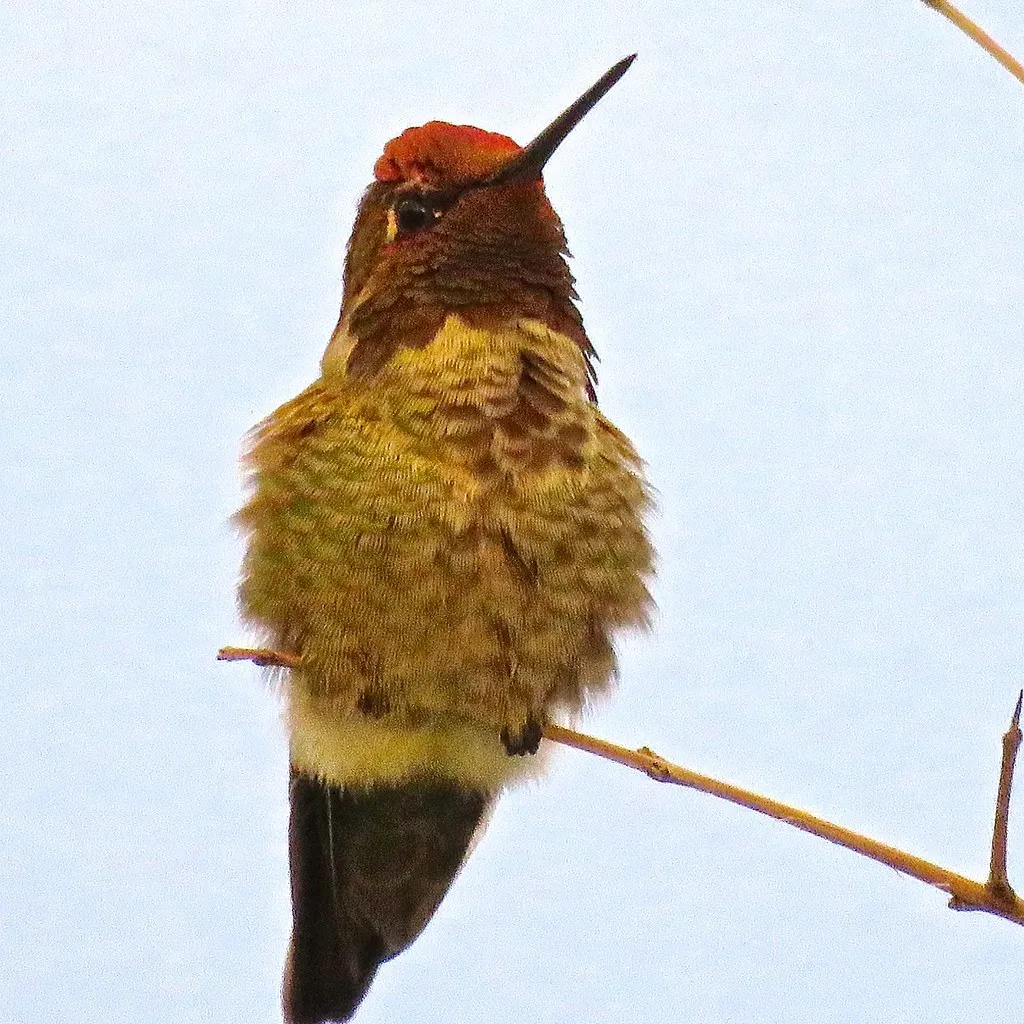
If a hummingbird chooses your yard as a lookout perch and just sits, that’s huge. These birds burn energy like crazy. They don’t sit still in risky places. A bird on a bare, elevated twig is guarding a food source and scanning for predators at the same time.
If that perch is in your yard, your space feels safe enough to serve as home base. Many people misread this as resting, but it’s actually strategy. From that spot, the bird can launch instantly to a feeder, a flower patch, or a rival intruder. Watch where the perch sits; if it’s directly above food or near water, that bird is telling you, “This is my spot now.”
#6 – They Visit at the Exact Same Time Every Day
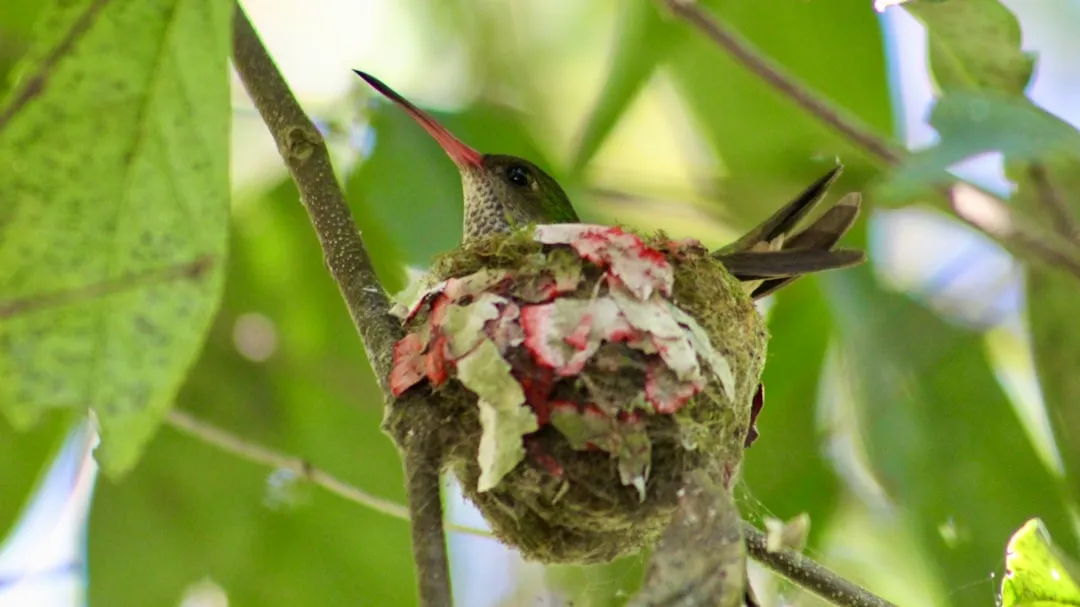
When hummingbirds start showing up like clockwork, 6:45 a.m., again at noon, again right before sunset, you’re on the route. They don’t have watches, but their internal clock is brutal. Scheduled visits mean your yard has passed the reliability test.
Your nectar is consistent, your flowers keep producing, and disturbances have stayed low. Migrating birds especially run precise loops to manage energy. If you’ve noticed “they always show up while I’m having my coffee,” that’s not just cute, that’s a sign they’ve budgeted you into their daily survival plan. Blow that reliability with empty feeders or sudden chaos, and you’ll probably fall off the schedule fast.
#7 – They Ignore the Fancy Feeder and Go Straight for One Spot
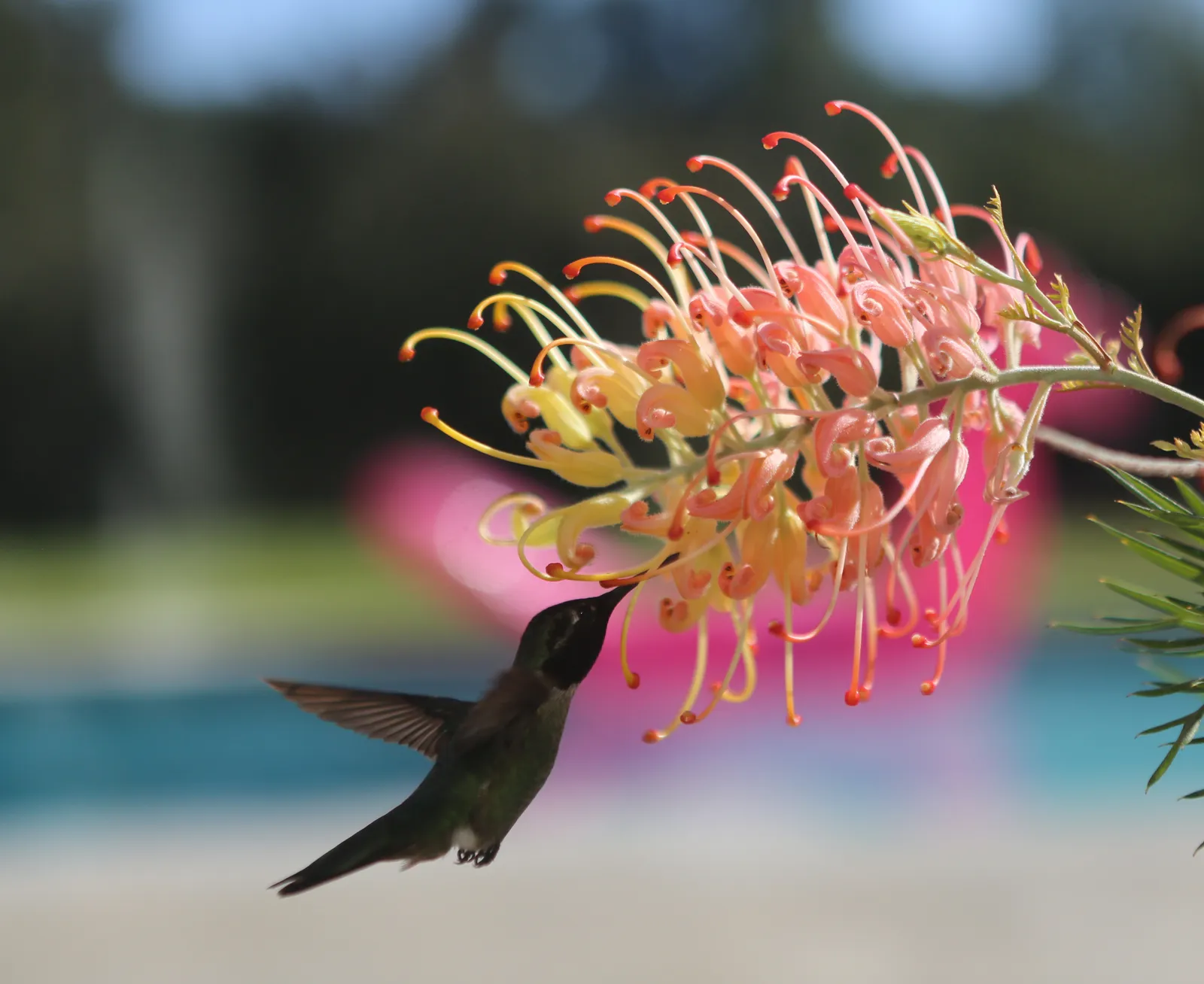
If you bought the prettiest, trendiest feeder and the birds snub it in favor of one ugly corner or scruffy plant, pay attention. Hummingbirds are brutally practical. Where they choose to feed tells you exactly what they trust, often somewhere shaded, protected, and close to a quick escape.
Maybe it’s a clump of salvia, maybe it’s one particular hanging basket. When they hit the same micro-spot over and over, they’re telling you, “more of this, please.” Smart backyard birders literally redesign their gardens around these chosen spots. If you plant more of that flower or move feeders to mimic that location, you’re speaking their language.
Quick Compare
- Bright, decorative feeder in full sun: often ignored
- Shaded spot near dense cover: frequently chosen
- Wide-open perch with no escape route: avoided
- Quiet corner close to a quick exit: trusted
#8 – They Use Your Yard as a “Highway,” Not Just a Pit Stop
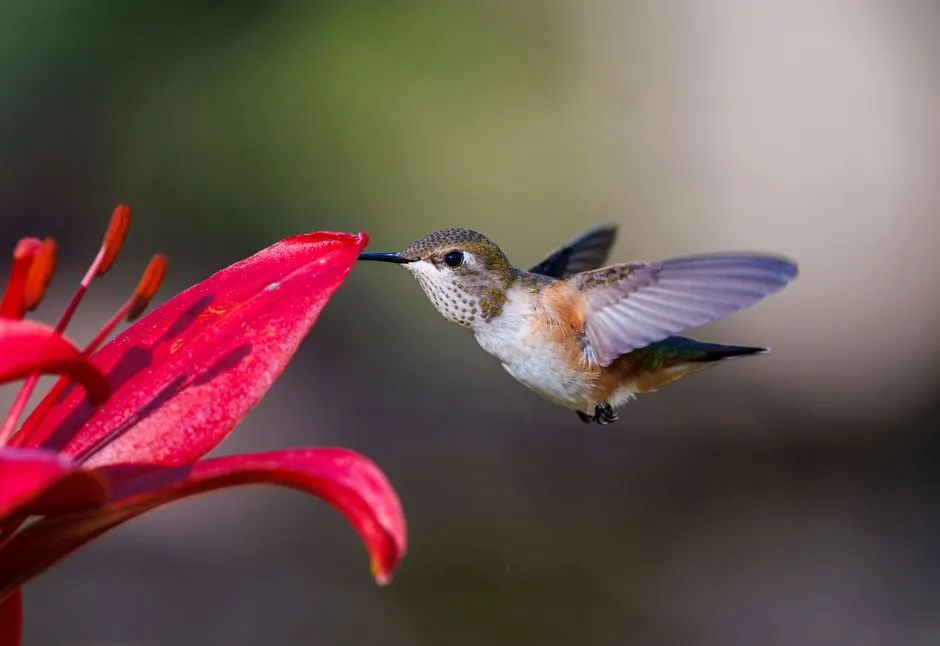
Look up a little higher than you think you need to. If you see hummingbirds rocketing overhead in straight lines, tree to tree, roof to tree, only occasionally dropping down to feed, your property is part of a corridor. Being on a hummingbird flight path is one step away from being a regular feeding station.
Most people ignore this and assume they “don’t have hummingbirds.” In reality, the birds just haven’t been given a compelling reason to descend. A couple of well-placed feeders or dense nectar plants under that flight line can flip your yard from highway to hotspot almost overnight.
#9 – They Drop Down to Insect Swarms Near Your Plants
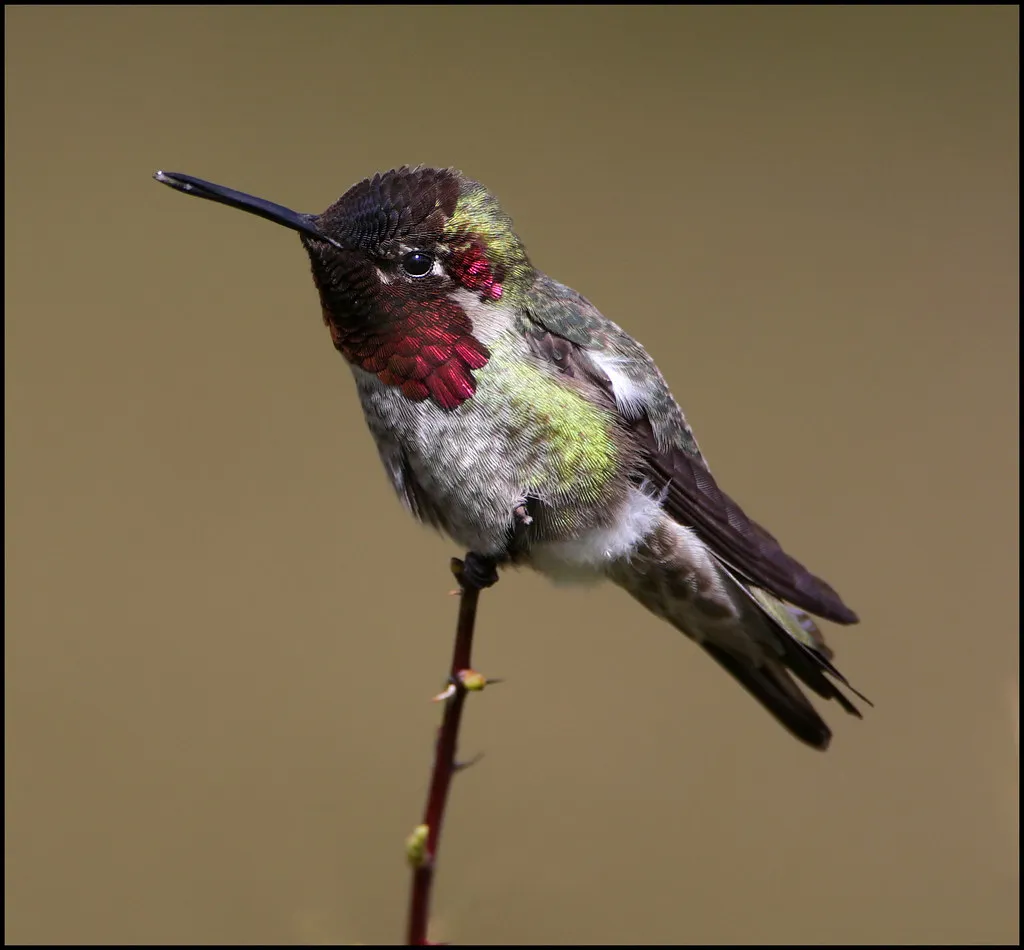
Hummingbirds don’t just drink sugar; they’re insect hunters. If you notice them darting through tiny clouds of gnats or hanging around spiderwebs, that’s a nutritional review in progress. A yard that offers both nectar and protein is a yard they’ll remember.
Watch where they hover low and snap side to side, they’re grabbing small flies, aphids, and other soft-bodied insects. People who spray every bug with chemicals usually wonder why their hummingbirds vanish after a few visits. When you see them “working” the bugs around your flowers or porch light, you’ve unintentionally hit the hummingbird jackpot: a full-service diner, not just a sugar bar.
#10 – They Bathe or Drink at the Tiniest Water Source
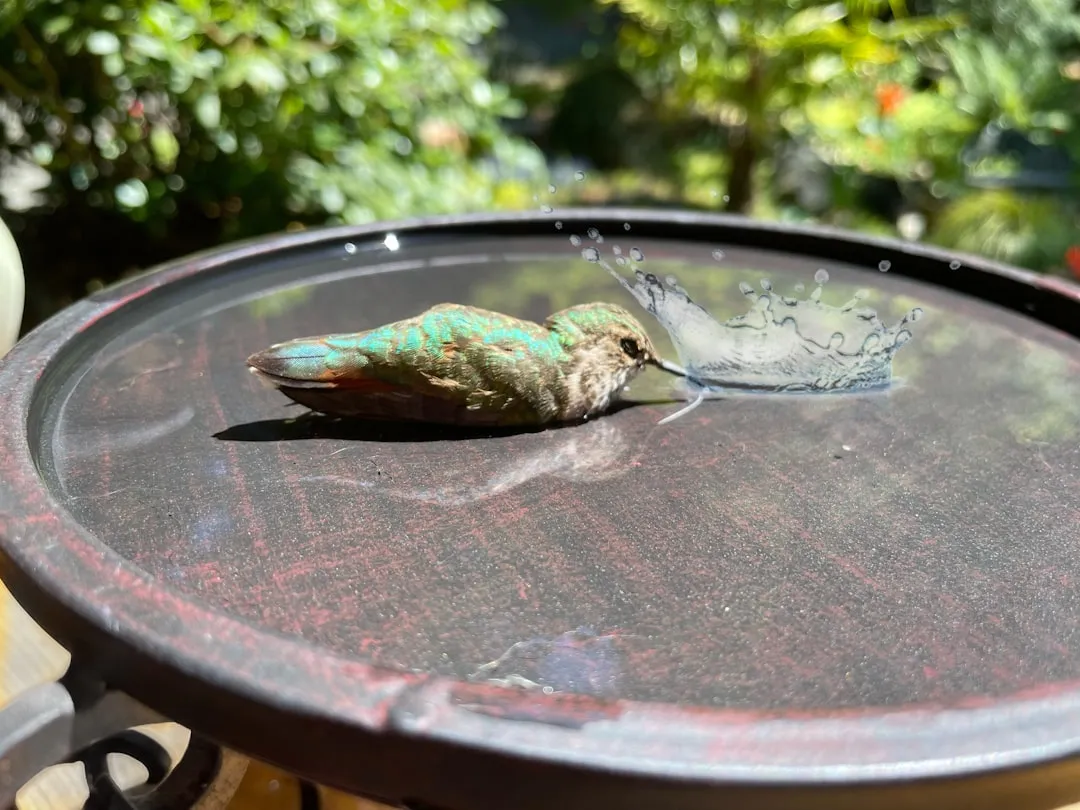
One of the clearest “I trust this yard” signals is water use. If a hummingbird is sipping from leaf puddles, hovering over a dripping hose, or actually bathing in your mister or fountain, it has relaxed its guard. Birds do not expose their bodies in water unless they feel reasonably safe.
A slow drip, fine mist, or shallow moving water is gold. When they keep returning to the same wet leaves or dripper, your yard becomes more than a snack stop, it’s a spa. If you ever catch one spreading its tail and wings in a gentle spray, consider that a huge compliment.
Worth Knowing
- Hummingbirds bathe and preen daily to keep their feathers flight-ready
- A fine mist or slow drip usually works better than a deep, still birdbath
- Shallow water under an inch mimics the leaf puddles they prefer in the wild
- A bathing bird has lowered its guard completely, if only for a few seconds
#11 – They Test New Blooms the Same Day They Open
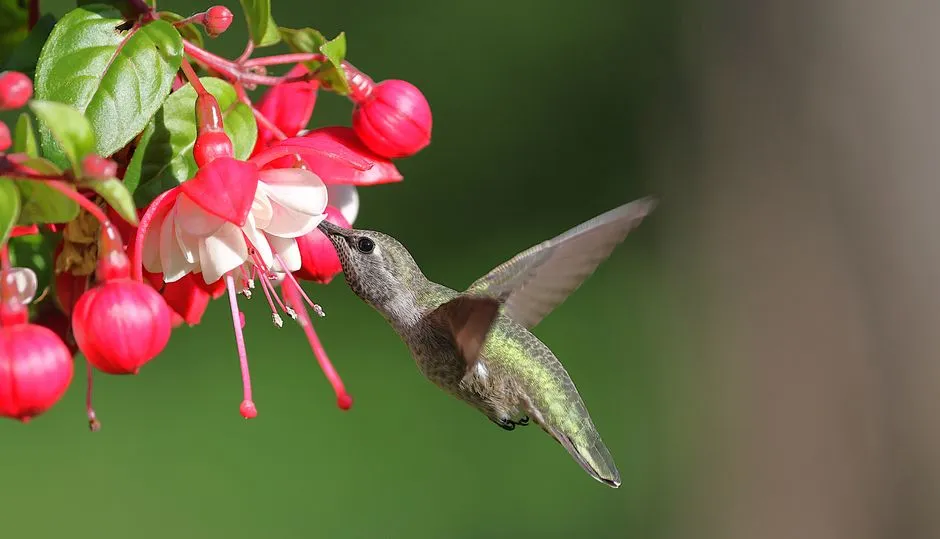
Pay attention right after a rain or after you deadhead and new flowers pop. If a hummingbird seems to appear out of nowhere and immediately works those fresh blooms, you’re dealing with a bird that already knows your plants. They’re tracking your yard’s bloom cycle, not just wandering randomly.
Hummingbirds have incredible spatial memory. When they return to check spots where flowers were before, they’re investing energy based on previous payoff. That’s not casual, that’s a repeat customer checking a favorite bakery for the new batch.
#12 – They Perch Low in Shrubs, Not Just High in Trees
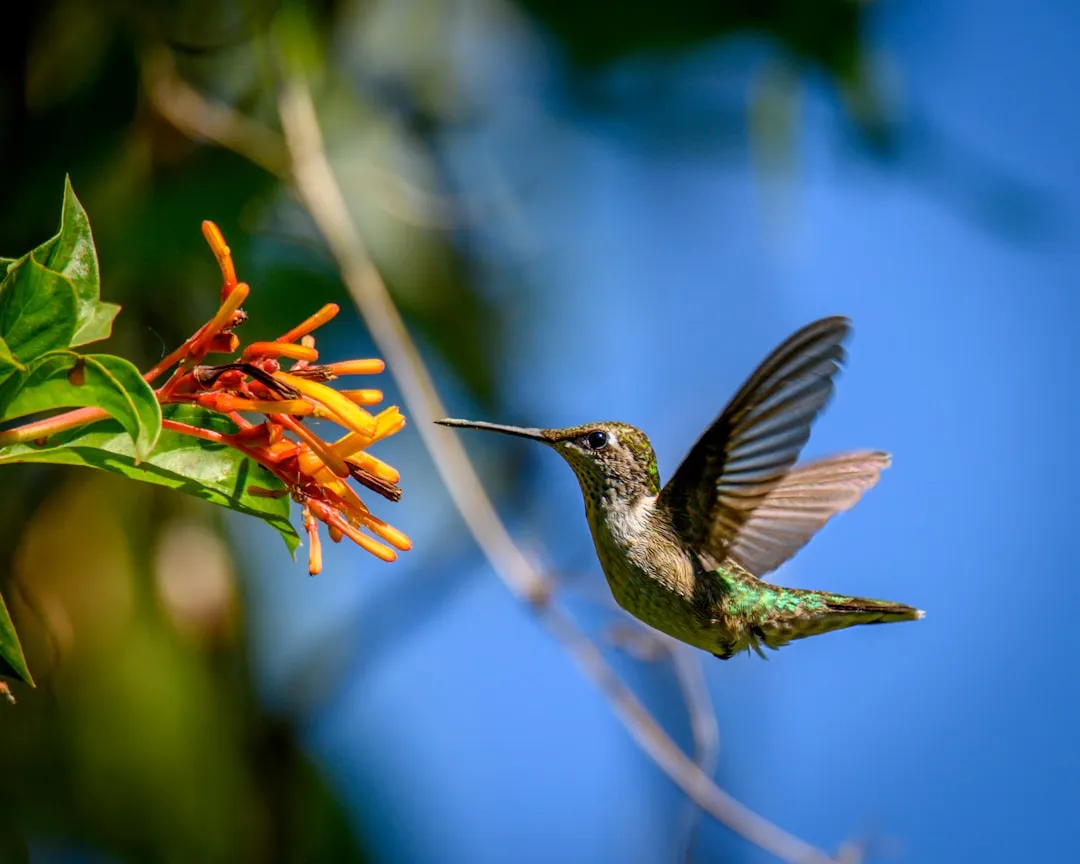
High perches mean territory. Low, hidden perches mean something more: nesting or long-term resting. If hummingbirds are tucking themselves into dense shrubs, vine tangles, or small trees, they’re using your space as actual shelter. A bird that vanishes into your foliage isn’t just visiting, it’s trusting you with its most vulnerable moments.
This behavior often shows up in yards with layered planting: tall trees, mid-height shrubs, ground cover. The more “rooms” your yard has, the more likely a hummingbird chooses it as a hotel. They may not nest right there, they’re picky, but those low perches are where they preen, escape storms, and hide from hawks. That’s long-term real estate, not drive-through service.
#13 – They Circle You, Then Keep Coming Closer
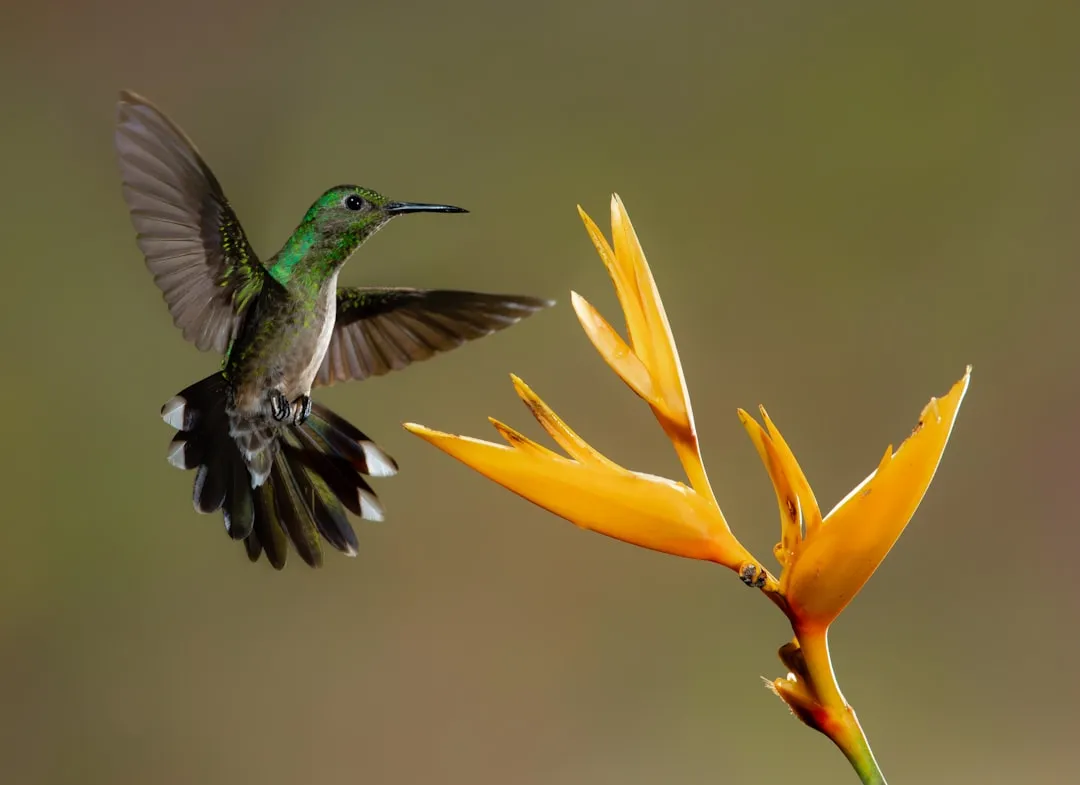
This is the one that makes non-bird people nervous. A hummingbird zips up, circles your head, maybe even hovers inches from your face. It’s probably not attacking you, it’s gathering data. A bird that repeatedly investigates you personally has partly decided you’re part of the landscape, not a threat.
Many serious backyard birders notice that after this inspection phase, birds start feeding comfortably within a few feet of where they sit or garden. Some will eventually take nectar from a handheld feeder. If that distance keeps shrinking and the bird seems less jumpy when you move slowly, that’s about as intimate a vote of confidence as a prey animal this small can offer.
#14 – They Keep Returning Even When Flowers Start to Fade
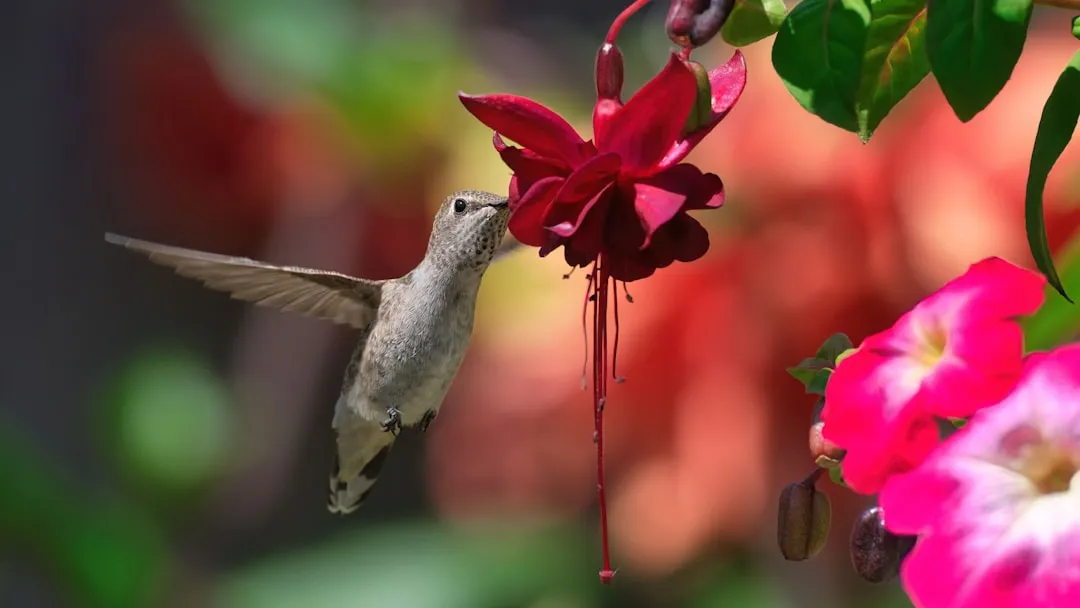
Late in the season, when your yard looks tired, pay close attention. If hummingbirds are still stopping by faded blooms and half-spent feeders, they’re not here for beauty. They’re here because they’ve learned you’re consistent. Loyalty during the ugly weeks is one of the strongest signals they’ll bookmark your yard for next year.
Migration timing is brutal, and birds headed south are on a tight energy schedule. If they’re burning fuel to check your tired garden, it’s because you’ve been worth it before. This is exactly when many gardeners quit, stop filling feeders, stop watering. Staying reliable when everyone else gives up is how you become the rare, trusted late-season oasis.
#15 – They Chase Off Other Species, Not Just Other Hummingbirds
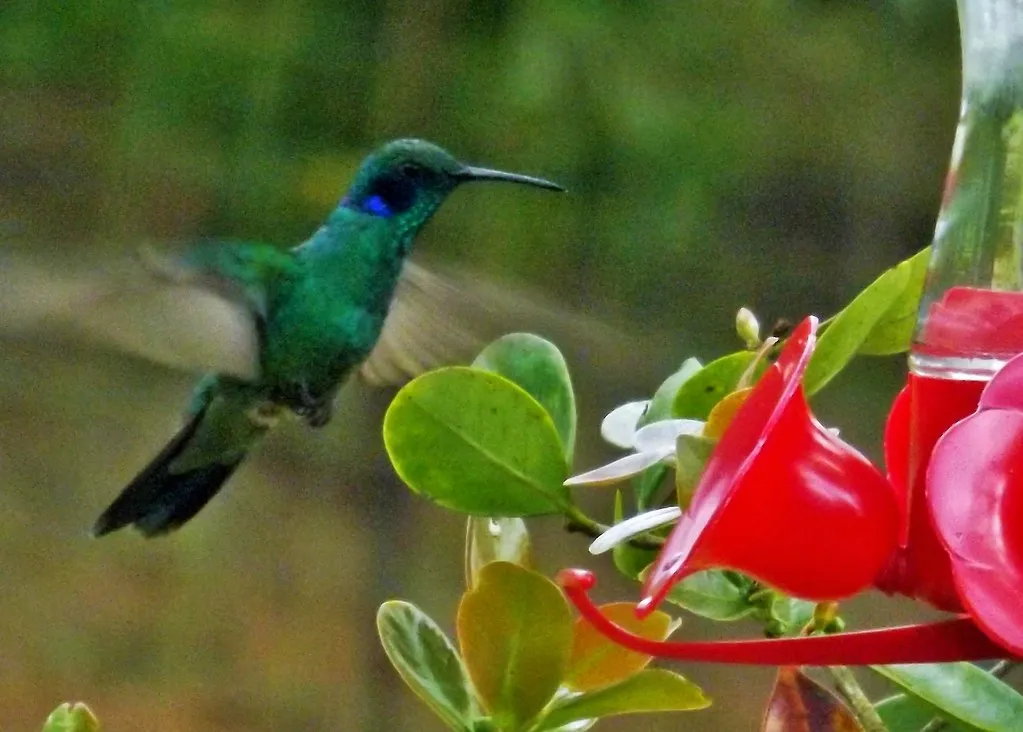
Hummingbirds are notoriously feisty with each other, but when they start body-slamming bees, butterflies, and even small songbirds near “their” flowers, your yard has crossed into premium territory. A bird doesn’t defend junk. It only burns that kind of energy on resources it considers high-value.
If one particular hummingbird repeatedly harasses anything that comes near a certain bed, feeder, or water source, it sees your yard as worth fighting for. It can feel harsh, especially if you love all your pollinators, but from the bird’s perspective, your yard is now a treasure it cannot afford to share. That defensive madness is a backhanded compliment: you built something so good it’s worth starting fights over.
#16 – They Use Your Yard at “Off” Times Other Yards Go Quiet
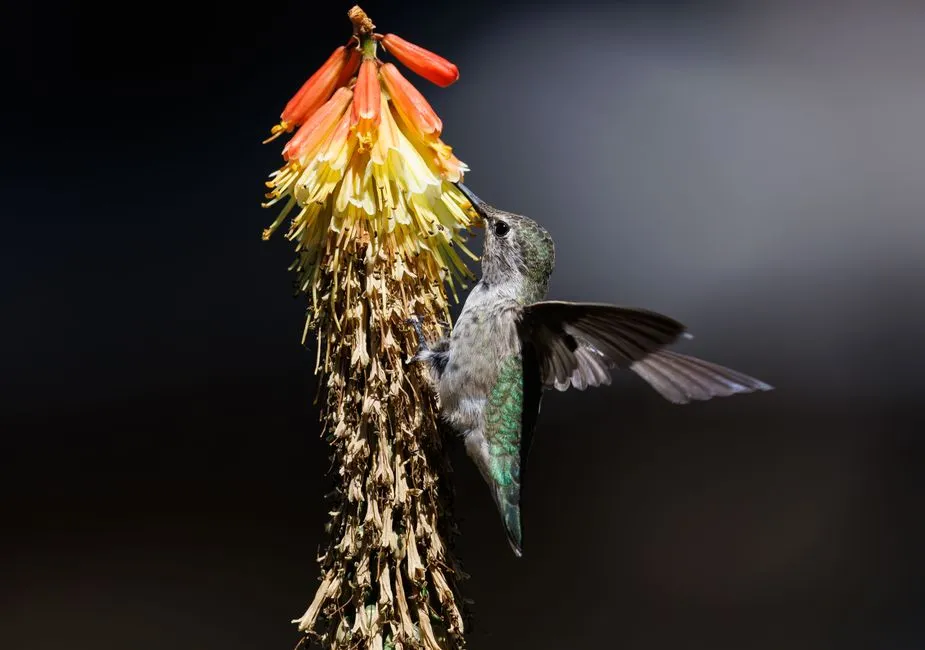
Many people only notice hummingbirds at the classic times: early morning and late afternoon. But if you’re seeing them at odd hours, midday heat, light rain, right after a storm, you’re hosting the serious regulars. Birds that risk feeding during less comfortable windows are relying heavily on what you offer.
Maybe it’s your shade, maybe it’s your wind-break, maybe your nectar is simply fresher than the neighbor’s. Whatever the reason, they’ve decided your yard is worth the extra exposure when conditions aren’t ideal. That’s not casual traffic, that’s a sign you’ve become one of their must-visit fueling stations in rough weather.
#17 – They Return After You Move or Replace a Feeder
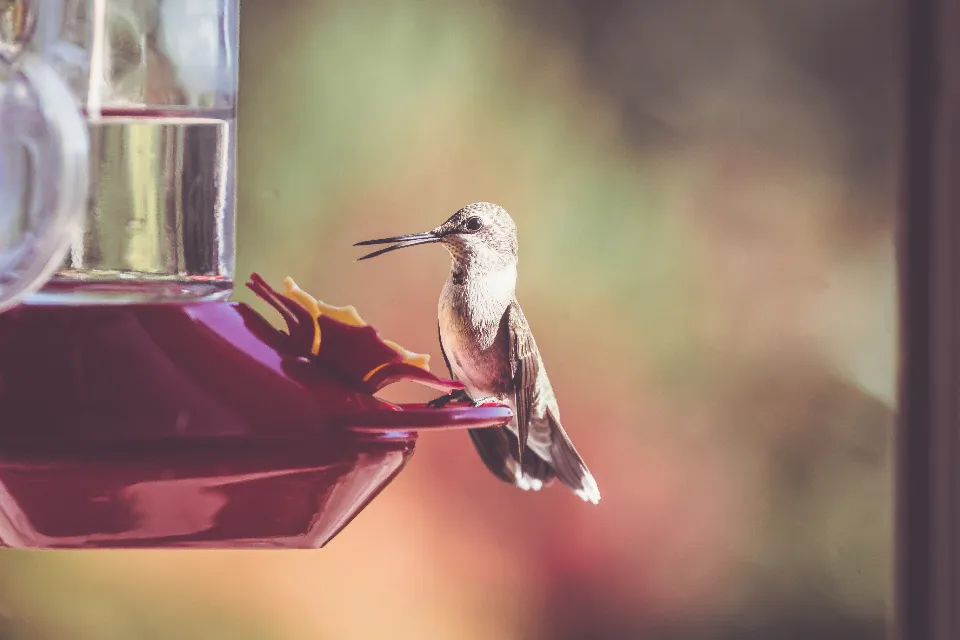
If you’ve ever taken a feeder down, cleaned it, or swapped it out, and a hummingbird showed up exactly where it used to be, hovering at empty air, that’s raw muscle memory. They remembered not just your yard, but the precise coordinates of their sugar source.
When, after you re-hang the feeder even in a slightly different spot, they quickly adjust and resume feeding, that’s a clear signal your property is stored in long-term memory. This is one of the most underrated behaviors because it looks like a glitch. In reality, it’s proof you’ve crossed from random discovery into reliable stop. They don’t run that script in places that failed them.
#18 – They Show Up the First Warm Day Before You’re “Ready”
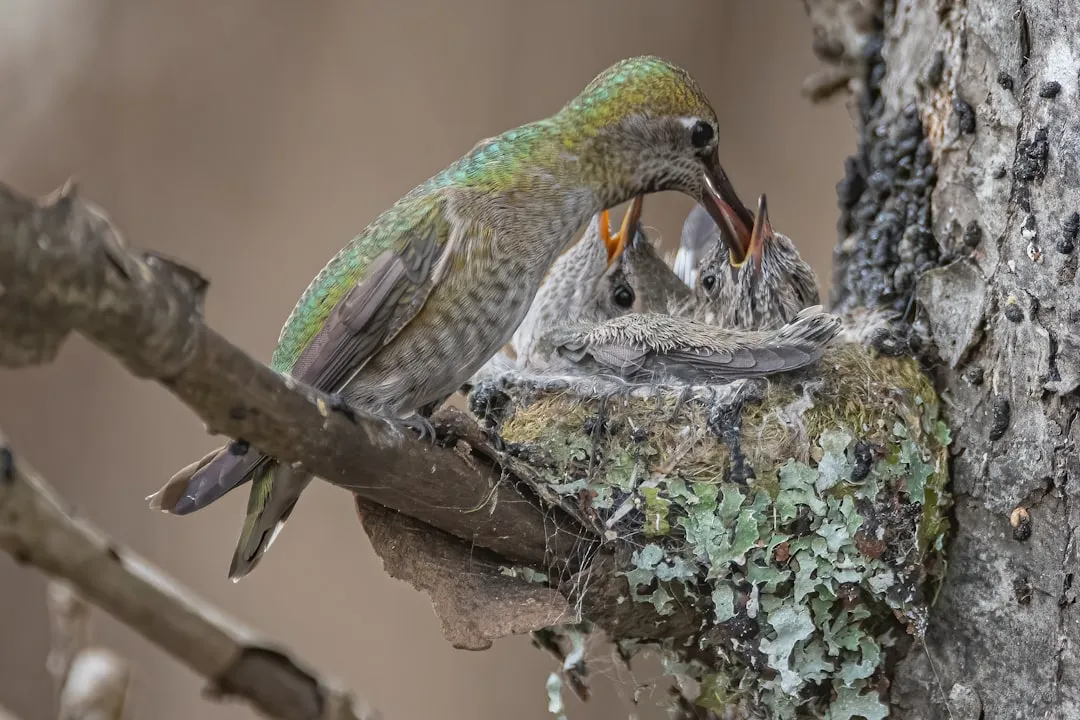
The first warm spell, you haven’t cleaned the feeders, the flowers are barely budding, and suddenly there’s a hummingbird at your window or favorite spot. That’s not an accident. That’s a returning bird, or its offspring, checking last year’s good address.
People call this “my hummingbirds are back,” and there’s good evidence they do remember successful breeding and feeding sites. If they’re testing your yard before it even looks appealing, you did something very right last season. It’s an invitation asking whether this place will be worth it again. Clean nectar, early blooms, and safe cover decide whether they lock you in for another year.
#19 – They Bring the Drama During Migration, Then Vanish All at Once
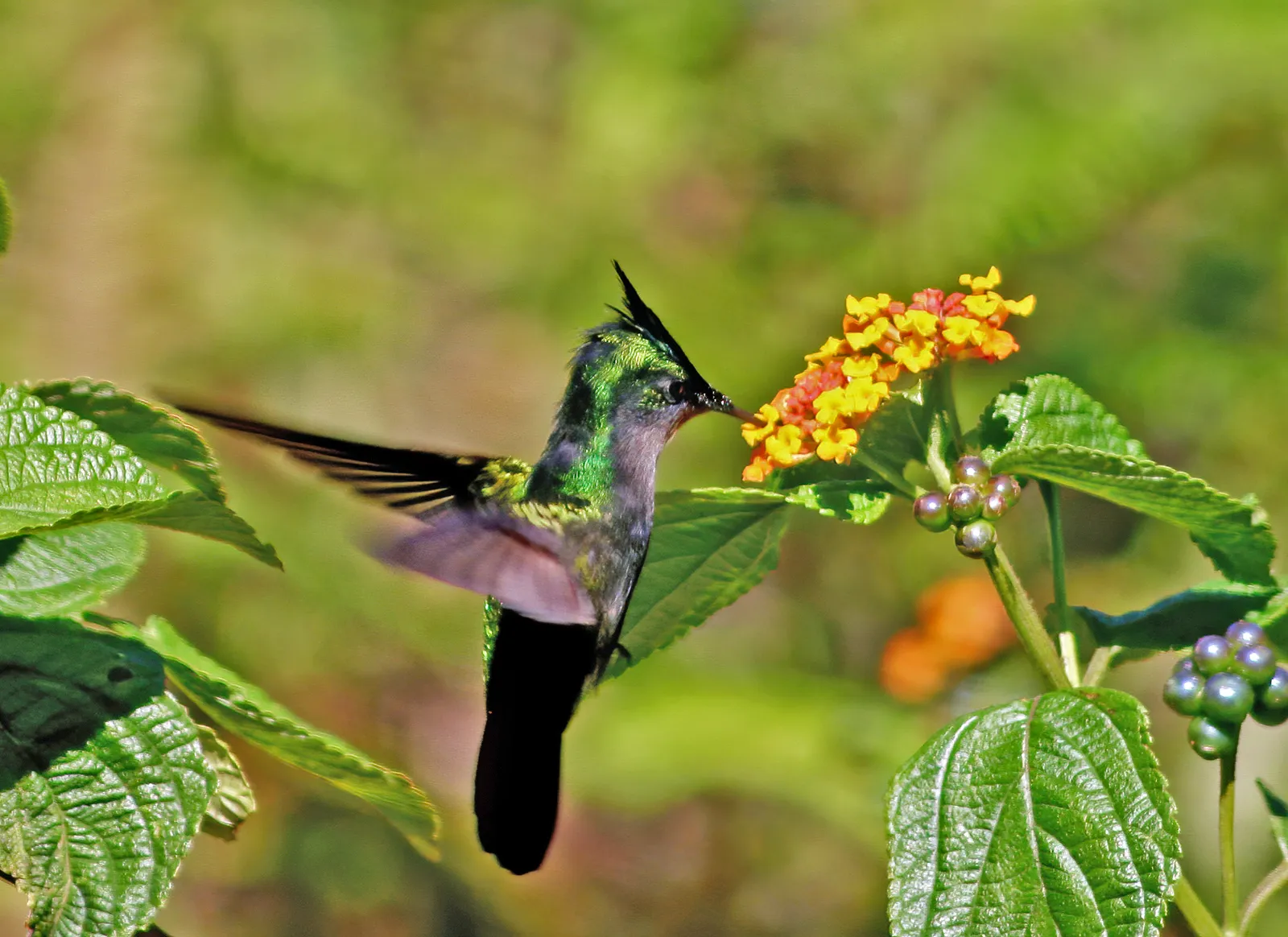
Here’s the signal most people misread. For a week or two, your yard explodes with hummingbird traffic. Birds everywhere, mini-battles at every feeder, constant motion. Then suddenly, almost nothing. Many assume they did something wrong. In reality, that migration rush is often the strongest possible compliment your yard can get.
During migration, birds are ruthless about fuel, and they remember the good stops along the flyway. A sudden spike in activity means you’re on the map as a serious refueling station. The mass disappearance afterward is just timing, they moved on, as they must. If the pattern repeats year after year, you’re not a random rest stop, you’re part of their long-distance survival strategy. That’s as high as it gets for a backyard.
At a Glance
- Ruby-throated hummingbirds can fly roughly 500 miles nonstop across the Gulf of Mexico
- That crossing takes about 18 to 22 hours, powered entirely by stored fat
- Some birds nearly double their body weight before setting out on the trip
- Many individuals return to the very same yard, feeder, or perch year after year
If you’re only checking for hummingbirds while they’re sipping from a feeder, you’re missing the real story. The hovering at windows, the low perching, the bug-hunting, the odd midday visits, those are the honest reviews they leave on your yard, whether you’re watching or not.
Fighting over a feeder, showing up on schedule, testing new blooms, revisiting the “empty” spots, they all say the same thing: this place paid off, and it might be worth trusting again. Here’s my honest take after digging into all nineteen: most yards fail hummingbirds because they’re designed for human eyes, not bird survival. The tidy, chemical-clean, picture-perfect yard almost always loses to the messy, layered, slightly wild one next door.
If you’re seeing even a handful of these signals, you’re closer than you think to becoming “their” yard. If you’re not seeing any yet, the birds aren’t being unfair, you’ve just still got work to do. Which signal have you actually caught happening in your own yard? That’s the one worth watching for tomorrow.

- Is Your Yard Somewhere Hummingbirds Will Return 19 Signals They Send First - August 25, 2026
- 10 Ways Cats Show They Are Secretly Annoyed With You - August 25, 2026
- 24 Animals That Form Attachments Nobody Ever Expected Them to Be Capable Of - August 24, 2026