
If your backyard feels different than it did when you were a kid, you’re not imagining it. Long-term bird counts, feeder-watch data, and thousands of backyard birders all agree on one strange thing: the cast of characters at your feeder has genuinely shifted, and the shift is bigger than most people realize.
Some birds you assumed would always be around are slipping away in near silence, while others that used to be rare treats are now practically knocking on your door. Eighteen are on the way up. Eighteen are on the way out. Once you know which is which, you’ll never look at your yard the same way again.
#1 – Ruby-Throated Hummingbird: Tiny Bird, Big Expansion
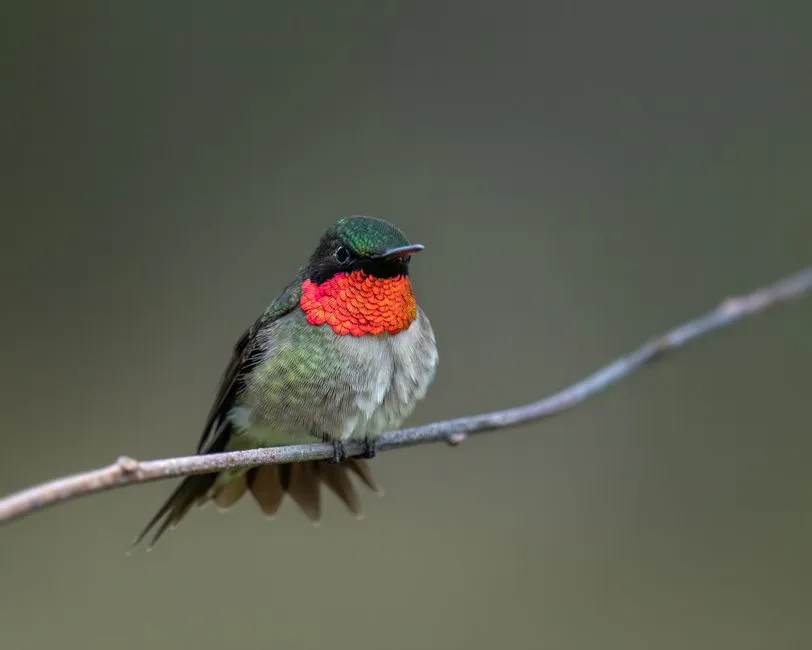
This fragile-looking jewel is actually one of the strongest “climate winners” in the eastern half of the U.S. Over the last few decades, ruby-throated hummingbirds have pushed steadily north and inland, riding warmer springs and a boom in nectar-rich garden plants.
Homeowners planting salvia, bee balm, and feeders full of sugar water have essentially built a nectar highway from the Gulf Coast to southern Canada. These birds adapt shockingly well to suburbia as long as flowers keep blooming, and in some areas people now see them weeks earlier than their grandparents did. But that’s nothing compared to what’s happening with #2.
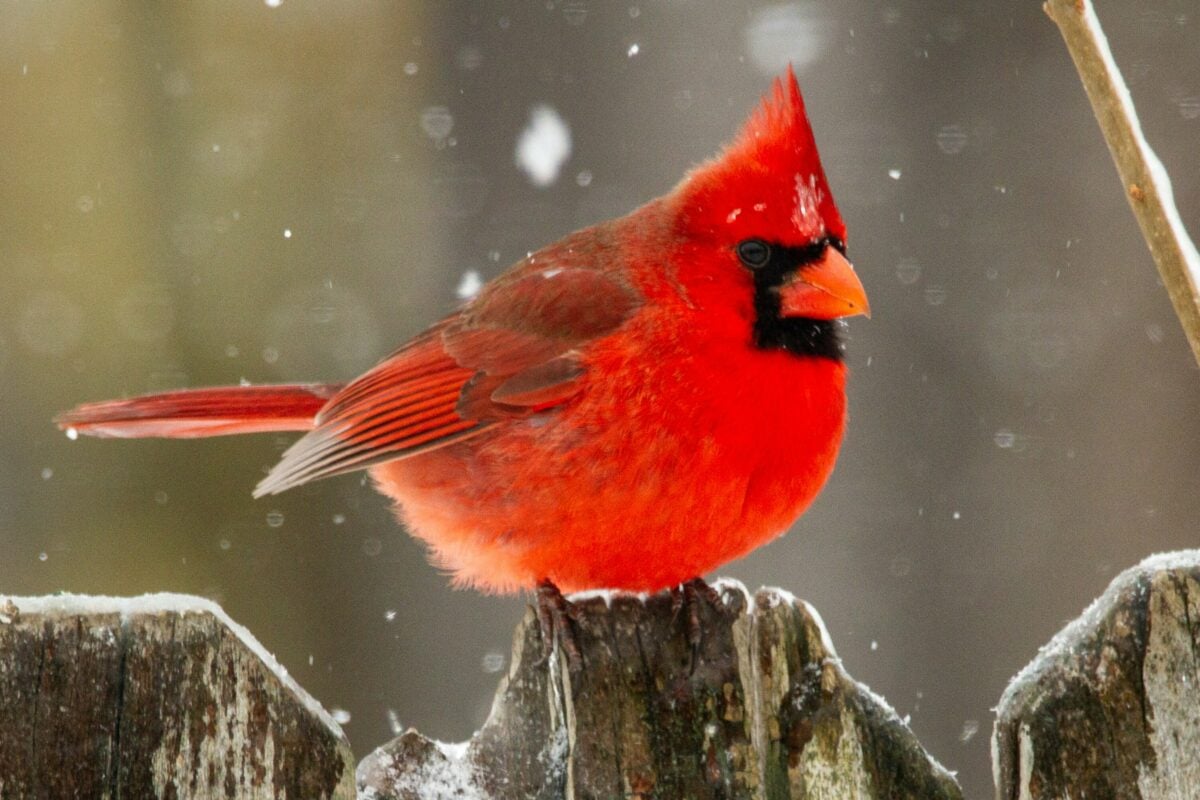
#2 – Northern Cardinal: From Regional Favorite to National Regular
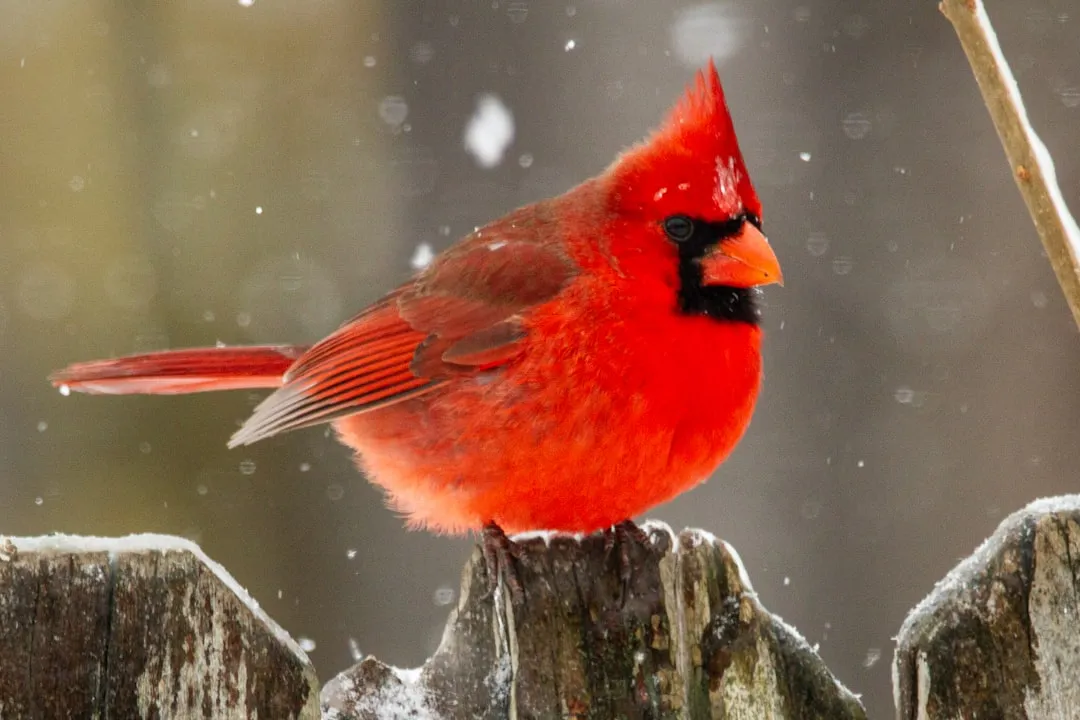
This “red coat” of the backyard world used to be mostly a southeastern and mid-Atlantic bird. Now, northern cardinals are a permanent fixture as far north as New England and deep into the Midwest, helped by warmer winters and the explosion of bird feeders.
Decades ago, spotting one in parts of the Northeast was exciting. Today, they’re almost a given, so common that serious birders sometimes call them “boring” while casual backyard watchers still name them a favorite. They’re even nesting in tiny green pockets along highways and rowhouse yards. If your yard has a tangle of bushes and a reliable feeder, you’re basically running a cardinal motel. But that’s nothing compared to how aggressively #3 is moving in.
#3 – Mourning Dove: The Soft-Spoken Dominator
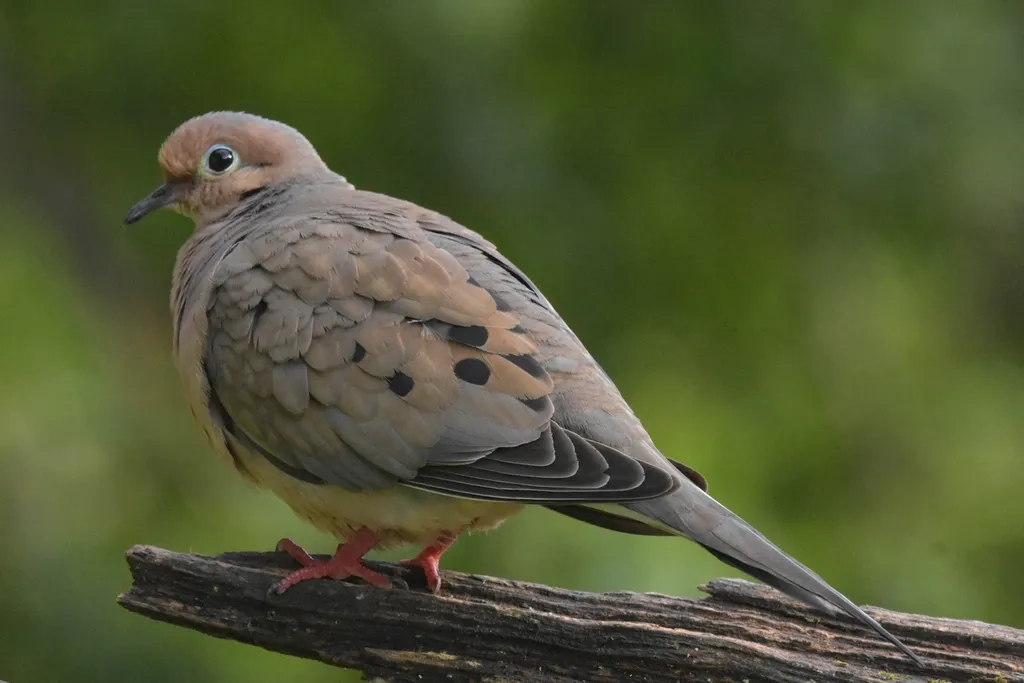
This gentle, sad-whistling bird is quietly taking over open spaces. Mourning doves thrive in the exact landscape America keeps building: patchy lawns, scattered trees, power lines, and grain-rich agriculture.
They’re ground feeders, hoovering up spilled sunflower chips and cracked corn beneath feeders, and they’ll nest on gutters, porch lights, or any half-decent tree crotch. In some suburbs, mourning doves may now outnumber almost every other medium-sized bird combined. That soft whistling when they take off is the soundtrack of a species that’s figured us out completely. But their success is nothing compared to the invasion vibe of #4.
#4 – House Finch: The Urban Success Story with a Twist
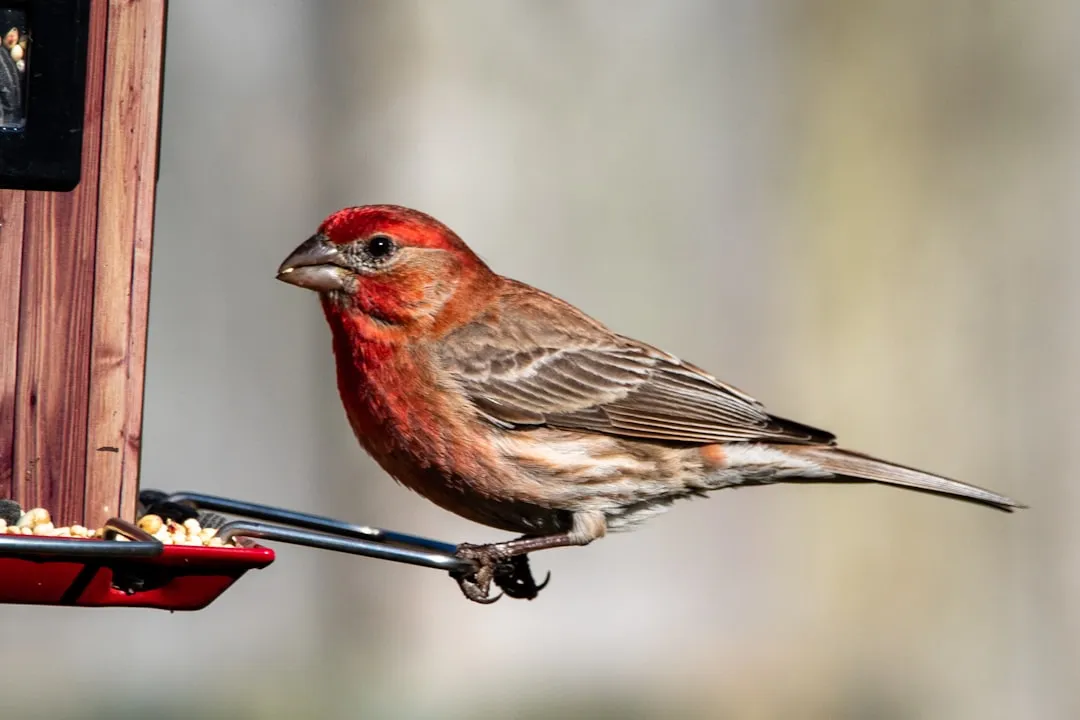
Originally a western bird, the house finch is now one of the most familiar faces at Eastern feeders. Released (illegally) in New York in the 1940s, house finches exploded across the East in just a few decades, finding an endless buffet of feeders and ornamental trees.
Their raspberry-colored males are so common now that people mistake them for “small cardinals.” There’s a catch, though: they’re prone to a contagious eye disease that spreads at dirty feeders, which has knocked populations down a bit in some areas. Clean feeders keep them strong and keep them sticking around. Still, even they can’t match the raw spread of #5.
Fast Facts
- More than 50 million Americans feed birds, putting out an estimated billion pounds of bird food each year, according to U.S. Fish and Wildlife Service data.
- Northern cardinals, American goldfinches, and house finches are consistently ranked among the most common winter feeder visitors nationwide.
- Winters across much of the eastern half of the country have warmed measurably since the 1970s, letting more southern species stick around year-round instead of migrating.
- Decades-old suburban trees and shrub plantings have matured into prime real estate for woodland birds that once avoided yards entirely.
#5 – Carolina Wren: A Southern Accent Marching North
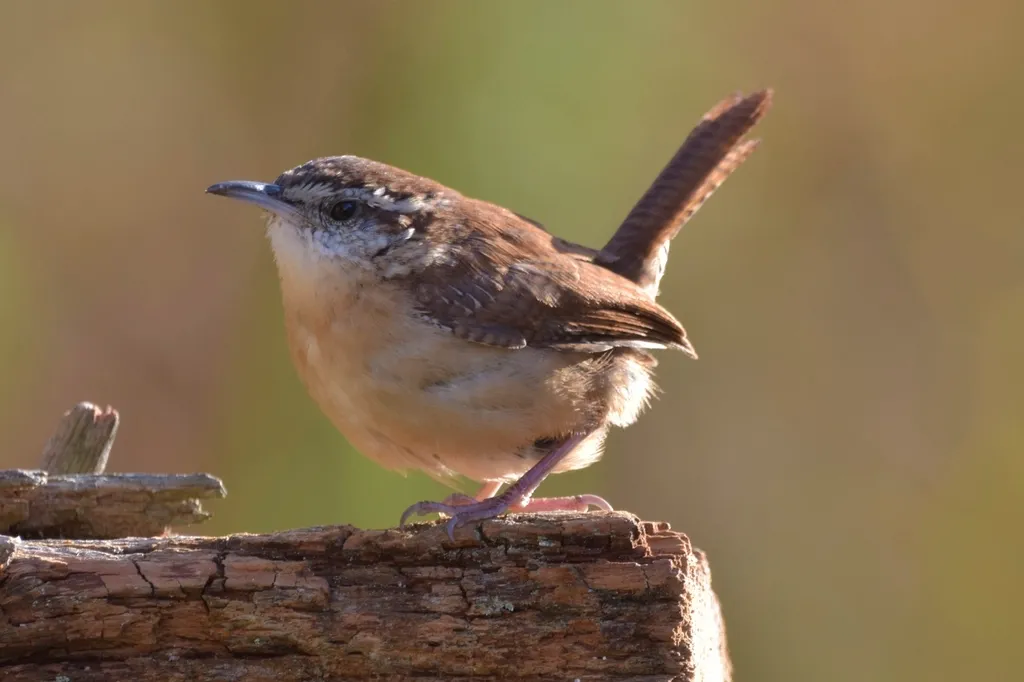
Most people still think of the Carolina wren as a Deep South bird, but that’s outdated. Thanks to milder winters and our love of brush piles and cluttered back corners, Carolina wrens have surged northward, establishing strong populations in the mid-Atlantic, Midwest, and even parts of New England.
They stuff their nests into garages, hanging baskets, and mailboxes, and their loud “tea-kettle, tea-kettle” song now rings out where, 40 years ago, it was almost unheard of. Severe cold snaps can knock them back near the edge of their range, but the long-term trend is unmistakable. If you keep some leaves and dense shrubs out in winter, you’re directly helping this once-regional bird become a backyard staple. For pure feeder dominance, though, watch what #6 has been doing.
#6 – Red-Bellied Woodpecker: The “New” Woodpecker in Town
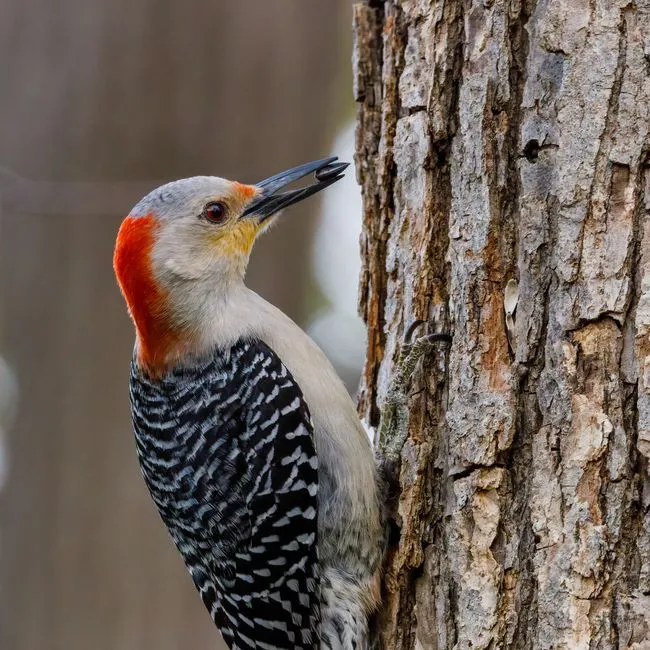
Many northerners grew up with downy and hairy woodpeckers and never saw this one. Now, red-bellied woodpeckers are pushing well into the Great Lakes and Northeast, following warmer weather and maturing suburban trees.
They’re bold, vocal, and surprisingly comfortable grabbing suet a few feet from a window. They used to be mostly a southeastern forest bird, but fragmented woods and tree-lined neighborhoods have rolled out the welcome mat. They’re one of the clearest examples of a forest species learning to use human-made habitats to its advantage – and they’re not alone. #7 is cashing in on similar changes too.
#7 – Cooper’s Hawk: The Backyard Raptor Boom
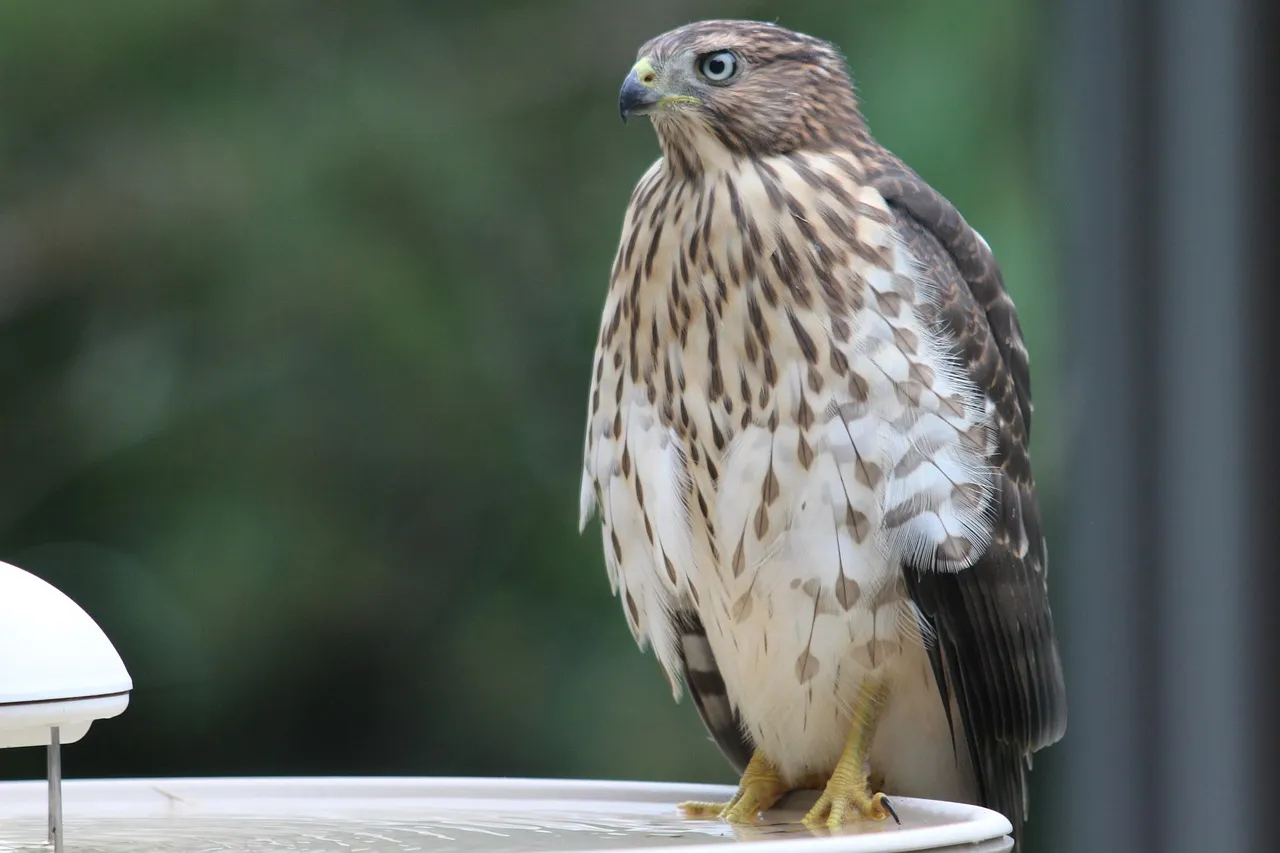
Ask any long-term birder and they’ll tell you: hawks at feeders used to be a rare event. Now, Cooper’s hawks are regular backyard predators across much of the U.S., thanks to recovering raptor populations and dense suburban tree cover.
They’ve learned that feeders concentrate prey like sparrows and doves – an efficient hunting setup. If your birds suddenly scatter and a sleek, long-tailed hawk glides through, that’s your culprit. Some people are horrified their feeder is “feeding hawks.” Others see it as proof the ecosystem is recovering. Either way, it’s a controversial success story, and it’s not the only surprise predator tale. #8 is sneaking into yards too.
#8 – Black-Capped Chickadee: Suburban Survivors on the Move
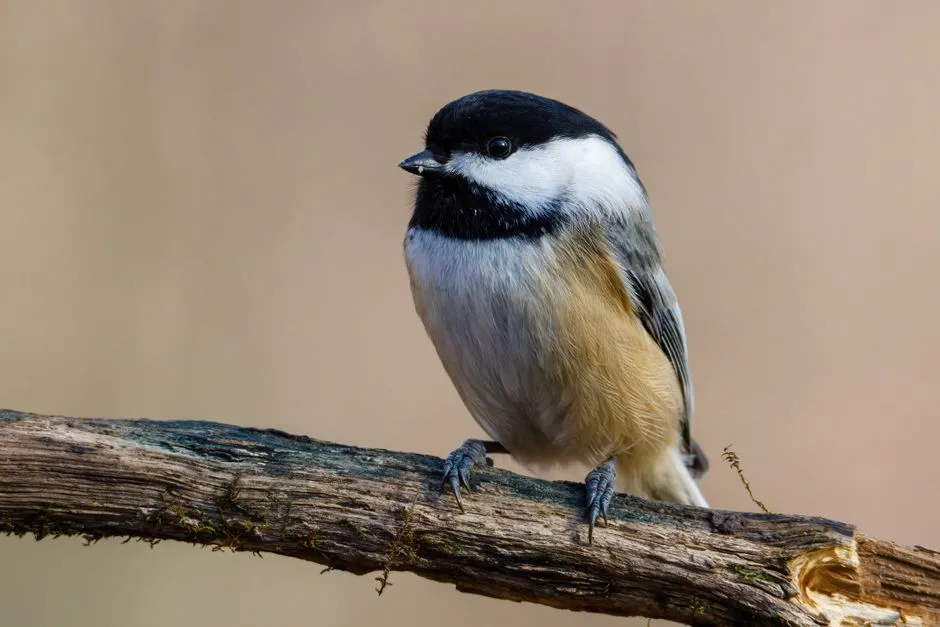
Chickadees look cute and fragile, but they’re quietly one of the toughest backyard birds around. In many northern and interior regions, black-capped chickadees are either stable or slowly expanding, especially where feeders and mixed woods are common.
They memorize hundreds of food cache locations and happily use nest boxes or small tree cavities. In a few specific areas they’re being pushed around by closely related Carolina chickadees, so the picture isn’t perfect everywhere. Still, for the average American yard in the northern half of the country, chickadees remain a quiet success story that responds directly to your feeding choices. But the real lawn-lover success story belongs to #9.
#9 – American Robin: Lawn Specialist Turned Year-Round Regular
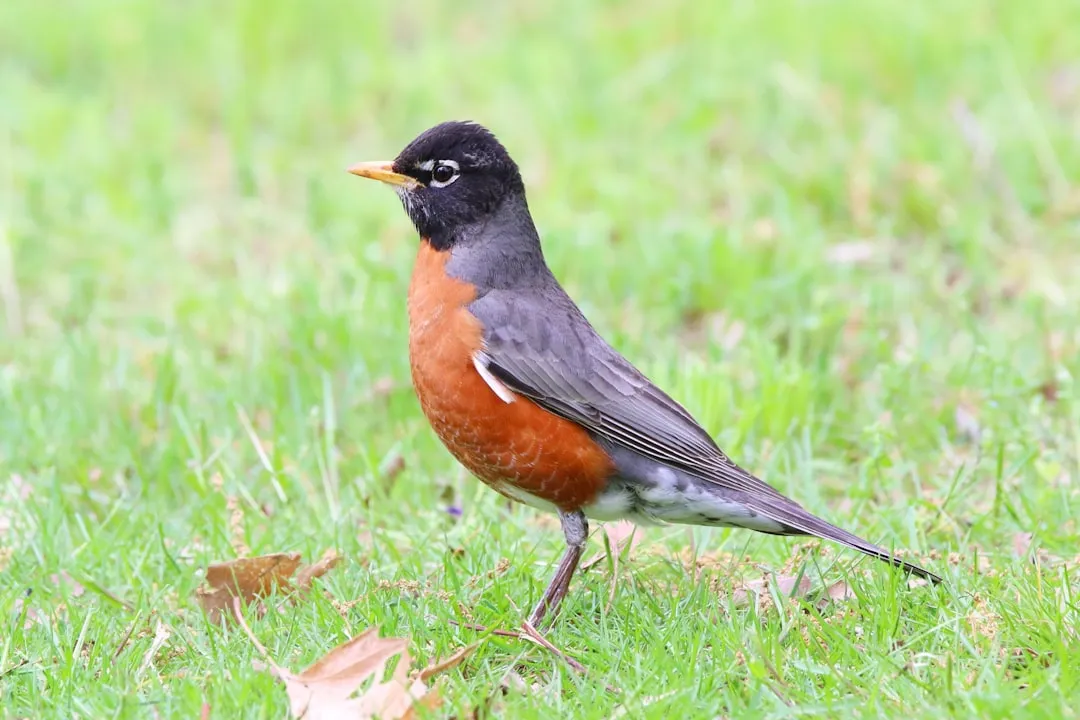
Most people still think of robins as “the first sign of spring.” In reality, American robins have adapted so well to lawns and ornamental trees that many populations stick around all winter, especially in milder regions.
They’ve shifted from deep forest to a patchwork of yards, parks, and golf courses, where short grass makes earthworms easy to grab. Some local trends show declines, especially where pesticides or extreme droughts hit hard. But across huge areas, robins remain one of the backyard winners – just not always in the seasonal pattern your grandparents remember. For pure feeder mileage, though, #10 may be even more embedded in the modern yard.
#10 – Tufted Titmouse: From Shy Forest Bird to Feeder Regular
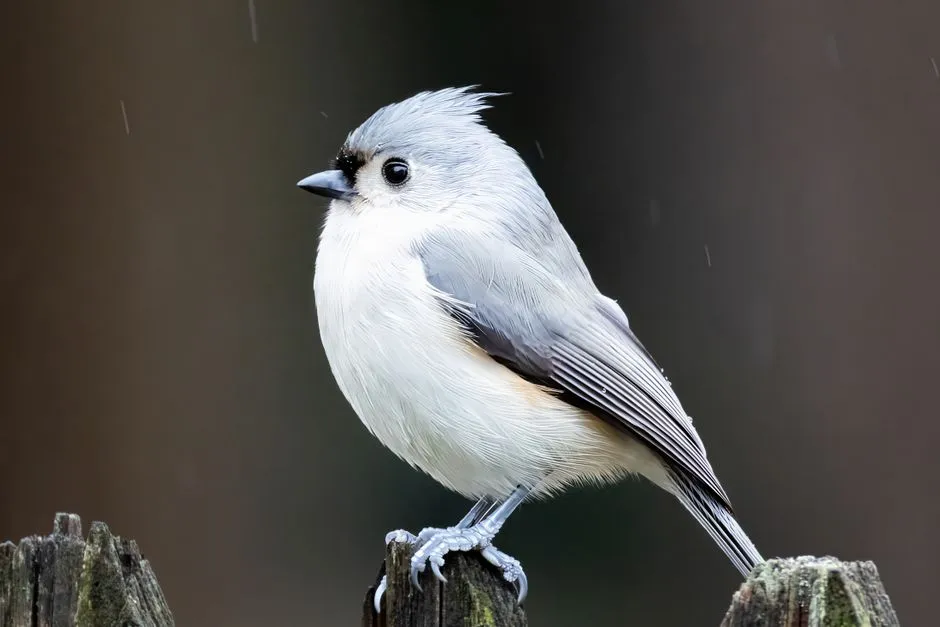
Fifty years ago, many northerners wouldn’t have recognized this big-eyed, gray songbird. Now, tufted titmice have expanded dramatically in the Northeast and Midwest, following both warmer winters and a web of bird feeders.
They love sunflower seeds and suet, and they’re bold enough to grab one seed and dash back into cover in a blink. Suburban neighborhoods with mature trees and steady feeders are ideal habitat – human development has, unusually, benefited them. They’re still absent in some far northern and western regions, but their expansion is one of the clearest success stories tied to backyard feeding. As they spread, they’re joining another crowd-pleaser exploding in some regions: #11.
#11 – Eastern Bluebird: Comeback Kid of the Fence Line
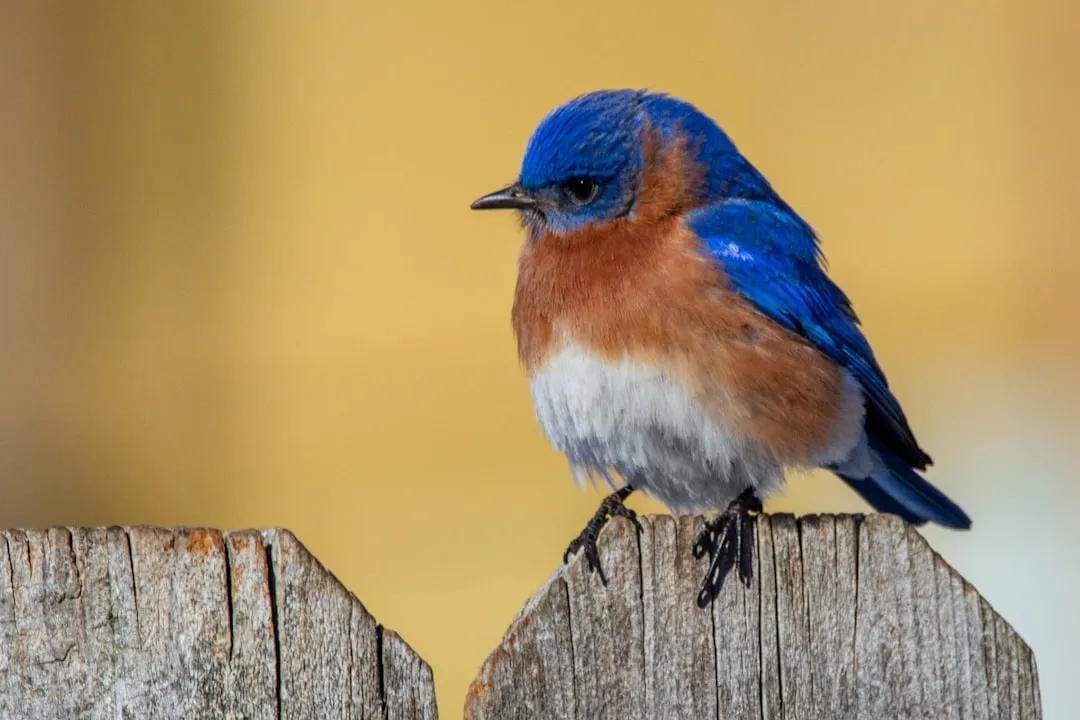
Bluebirds were once a symbol of decline. Now they’re a symbol of what backyard action can actually fix. After major drops from habitat loss and competition with invasive starlings, eastern bluebirds have rebounded strongly thanks to millions of nest boxes on fence posts and field edges.
They prefer open grass with scattered perches, so rural and exurban backyards can be critical habitat. Mealworms, low-cut lawns, and pesticide-free management turn your yard into hunting ground instead of a dead zone. They’re still scarce in heavily built-up suburbs, but as a whole, they’re appearing in more yards than in the 1970s and 80s – a rare feel-good story. Compare that to the stealthy rise of #12, often overlooked because it blends right in.
#12 – White-Breasted Nuthatch: The Bark-Creeping Regular
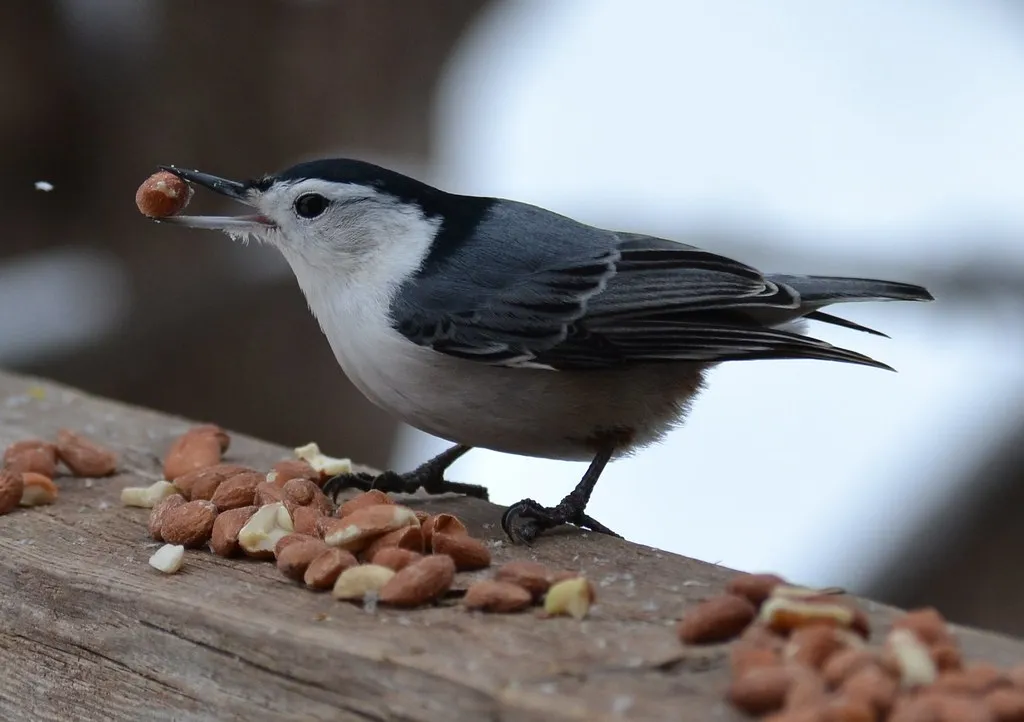
This bird’s “yank-yank” call is becoming part of the background soundscape in many towns. White-breasted nuthatches have held steady or increased in much of their range, taking full advantage of mature shade trees and suet feeders.
They climb down trunks headfirst, probing bark for insects, then dart in for a seed. Where older trees are preserved – even along streets or in cemeteries – they thrive. For many urban and suburban birders, nuthatches were rare visitors a few decades back. Now they’re weekly, even daily, guests. Meanwhile, their blue-and-orange western cousin, #13, is having its own mini-boom.
#13 – Western Bluebird: Benefiting from Boxes and Open Spaces
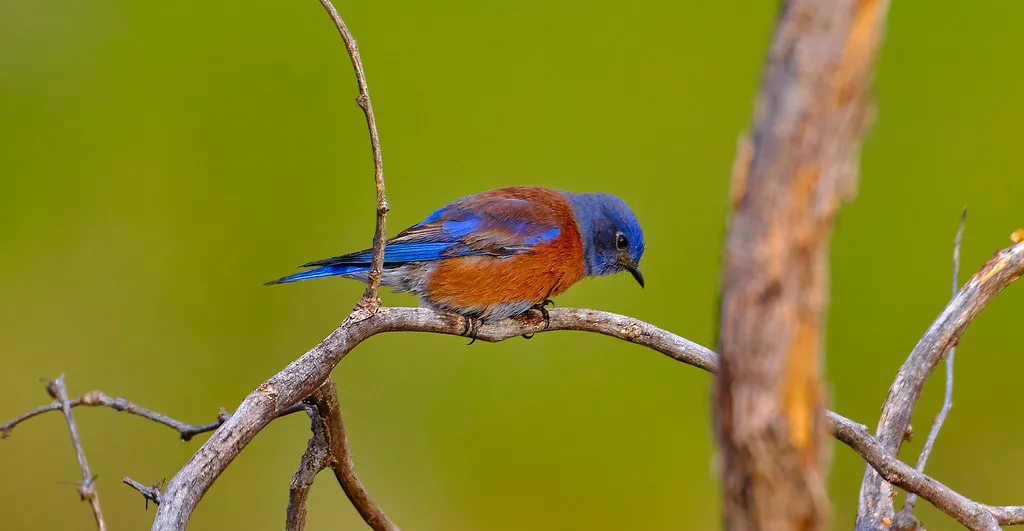
In the West, another bluebird tells a similar comeback story. Western bluebirds have increased in many regions where nest box campaigns, vineyard posts, and preserved open spaces give them places to breed.
People who once never saw them near housing tracts now report them perching on backyard fences and power lines. They still face competition and localized declines where development gets too dense, but the combination of public awareness and simple wooden boxes has more of them raising families within sight of patios. Their upward trend contrasts sharply with the mounting trouble for #14.
Quick Compare: Two Bluebirds, One Comeback Story
- Eastern bluebird: Rebounded largely through nest boxes placed on farm fences and suburban field edges.
- Western bluebird: Recovered through nest box trails strung along vineyards, orchards, and protected open space.
- Shared threat: Both species keep losing nesting cavities to invasive starlings and house sparrows without human help.
- Shared fix: A monitored, predator-guarded nest box can single-handedly rebuild a local population.
#14 – American Goldfinch: Still Bright, but Seed Choices Matter
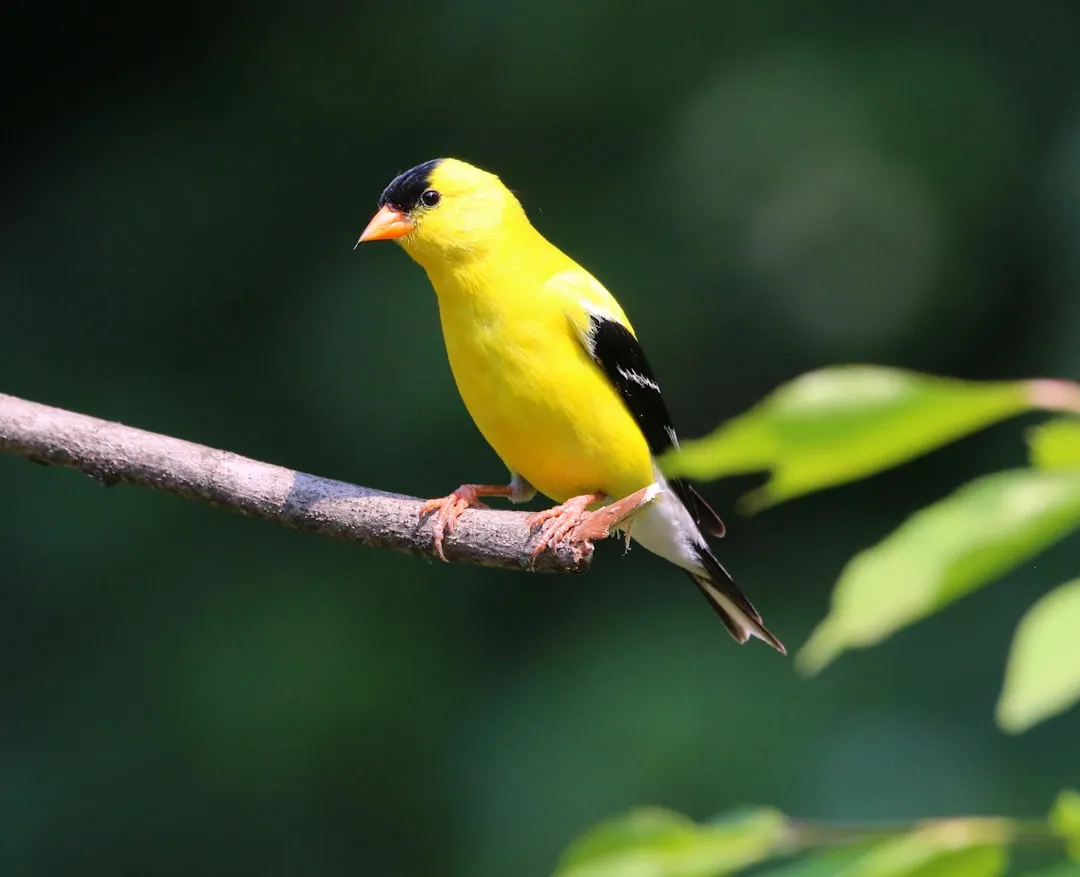
The goldfinch is often treated as a guaranteed feeder bird, but that’s less true than it used to be. Across much of its range, American goldfinch populations are stable or slowly increasing, especially where native thistles and weedy patches remain.
In neighborhoods that sterilize every edge and spray aggressively, local numbers can slump noticeably. In other words, goldfinches are “winners” only where we allow some mess. If you rely on a neglected nyjer feeder with old seed, you might think they’re vanishing when they’re actually just feeding elsewhere, in the weeds you mowed down. The truly noisy modern winner, though, is #15.
#15 – Blue Jay: Smart, Loud, and Surprisingly Successful
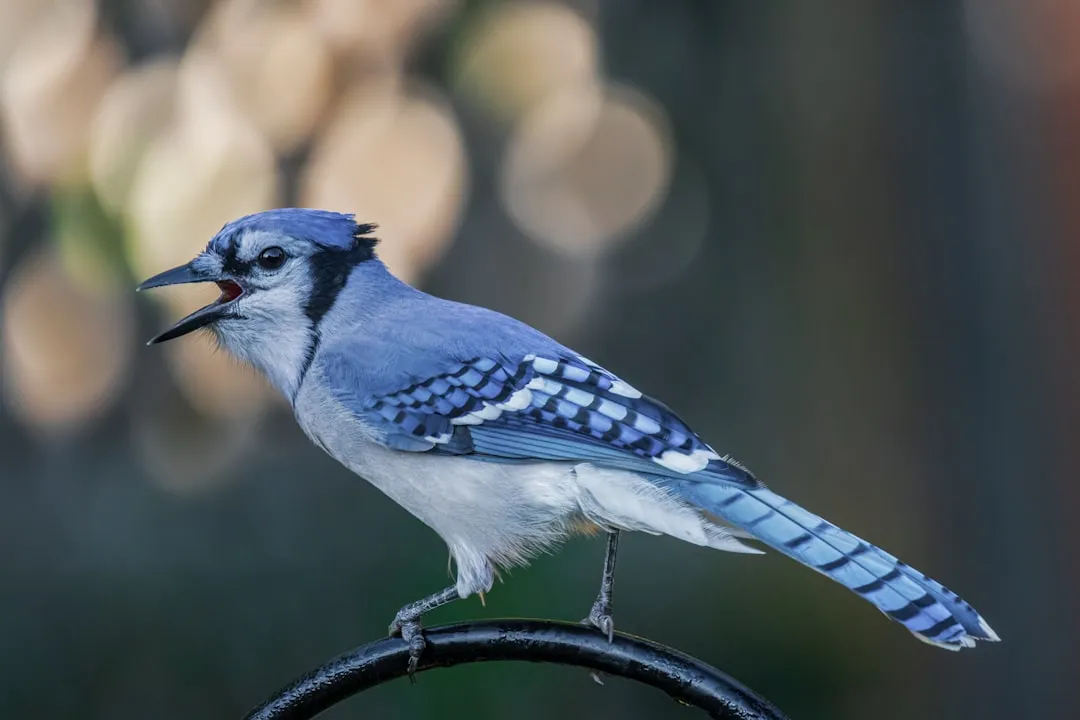
Many people misunderstand blue jays as bullies that “scare other birds away.” In reality, blue jays have adapted extremely well to fragmented woodlands, suburbs, and city parks, using their intelligence to exploit new foods.
They cache acorns, raid feeders for peanuts, and sound the alarm when hawks appear – and they may even help plant forests by forgetting some of their buried stashes. Their numbers fluctuate with acorn crops, and West Nile virus hit them hard in some regions, but long-term data still paints them as relative winners. Love them or hate them, they’re thriving where other forest birds are not. By contrast, their quieter cousin – #16 – is slipping from a lot of yards.
#16 – House Sparrow: The Invasive That’s Actually Declining
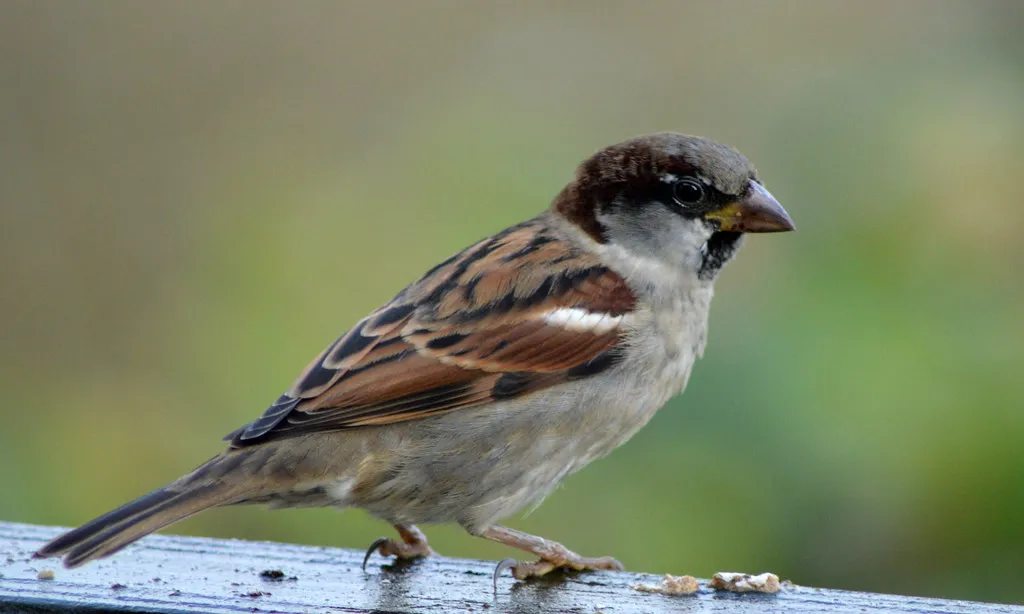
Here’s the twist almost nobody expects: the “pest” is quietly fading in many places. House sparrows, introduced from Europe, have plummeted in parts of North America, especially where their old haunts – horse stables, grain warehouses, weedy lots – have vanished.
Modern glass-and-steel downtowns simply don’t suit them like 1950s brick blocks did. They’re still common at fast-food parking lots and old strip malls, but many backyard feeders now see fewer than in past decades. Some birders cheer this; others note it’s a warning sign of broader insect and seed shortages. Either way, the bird everyone grew up seeing in huge flocks is not the unstoppable force it once was. Their decline is nothing compared to the freefall of #17.
#17 – Common Grackle: Fewer Iridescent Bullies Than Before
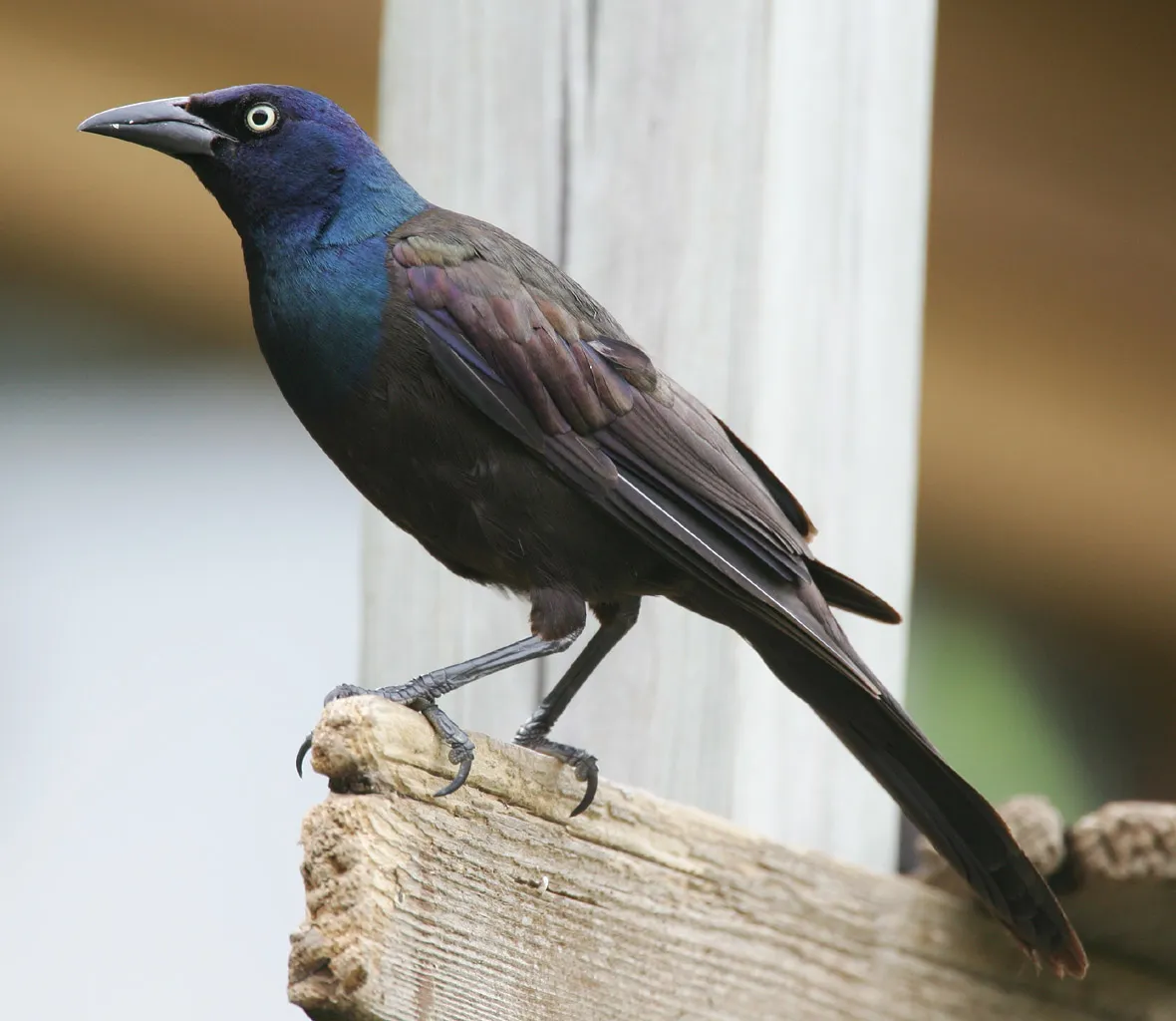
Love their oil-slick shine or hate their loud calls, grackles are not doing as well as people assume. Long-term survey data show common grackles have declined significantly over the last half-century, likely due to wetland loss and changing agriculture.
In many backyards they’re still loud presences at corn-filled feeders, but the massive blackbird flocks of decades past are smaller and less predictable now. Homeowners often celebrate seeing fewer of them, but ecologists point out that losing a common species is a red flag – it usually means habitat changes that will hit other birds later. Unfortunately, those same changes aren’t enough to save #18 in many gardens.
#18 – American Crow: Smart Bird, Stressed World
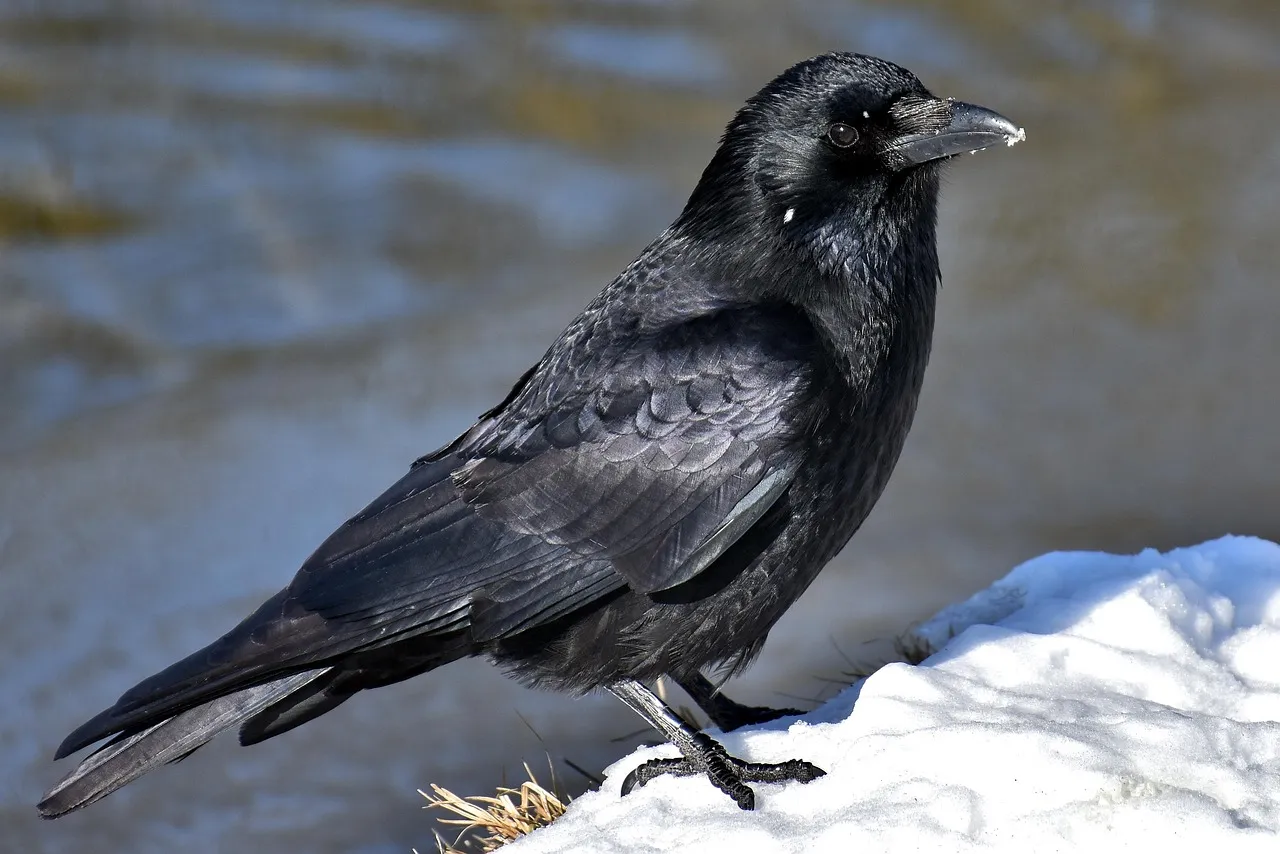
Once seen as nearly indestructible, American crows have quietly taken some serious hits. West Nile virus cut populations in many regions, and a mix of disease, persecution, and changing landscapes has left crow numbers patchier than people realize.
Yes, they’re still common along highways and landfills, but neighborhood roosts in some towns have shrunk or vanished entirely. The paradox is this: we see them enough to assume they’re fine, yet the long-term trend is more complicated. They’re the ultimate survivors, but even survivors have limits. And if a bird this smart is feeling the pressure, imagine how the specialists below are faring. Which brings us to the bad news side of this story.
Birds are indicators of the environment. If they are in trouble, we know we’ll soon be in trouble.
Roger Tory Peterson
#19 – Chimney Swift: Vanishing from the Summer Sky
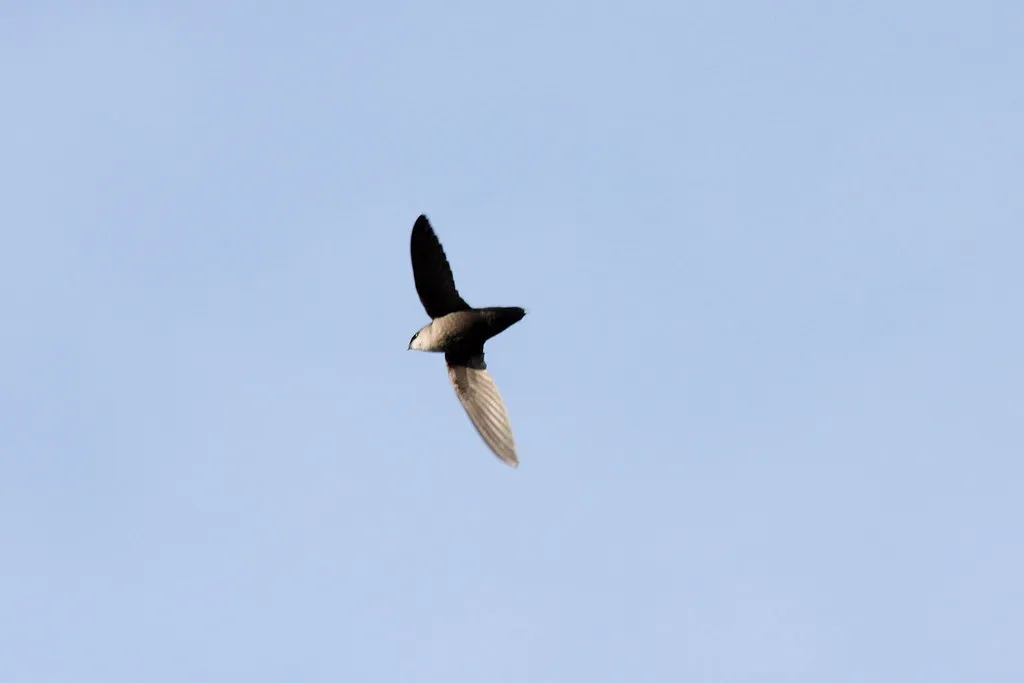
Those “cigars with wings” that used to swirl above houses at dusk? Far fewer now. Chimney swifts once relied on hollow trees, then happily switched to old brick chimneys, but modern capped, lined, and sealed chimneys have quietly erased nesting sites across cities and suburbs.
Many homeowners don’t even realize that capping a flue can evict an entire nesting colony overnight. They’re still around, especially near older neighborhoods and historic downtowns, but long-term data show a serious, ongoing drop. You can help by leaving one suitable chimney uncapped or supporting swift towers – but that requires people even knowing they’re in trouble. Chimney swifts are hardly alone; #20 is another “used-to-be-everywhere” bird quietly slipping away.
#20 – Barn Swallow: Fewer Mud Nests Under Our Eaves
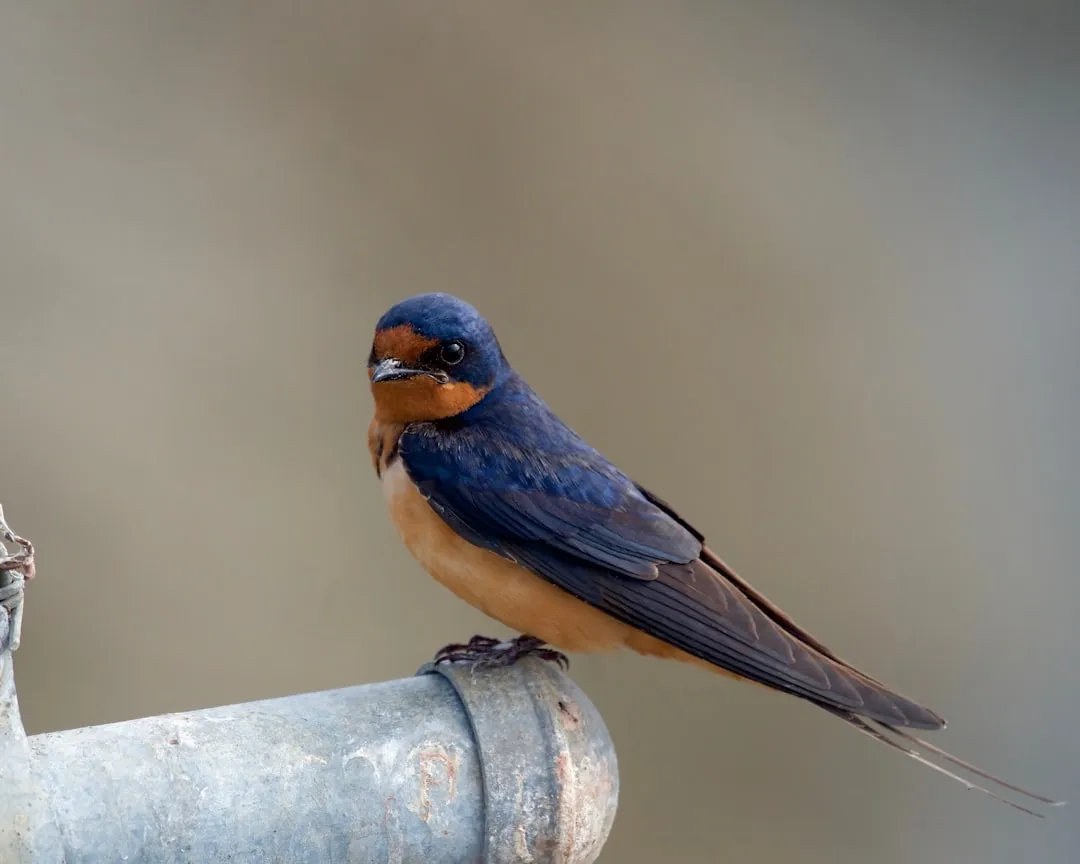
Barn swallows are the swooping, long-tailed aerialists that scream “summer” to many rural Americans. But changes in farming, building design, and insect availability are catching up with them.
Enclosed modern barns, smooth metal surfaces that won’t hold mud nests, and heavier pesticide use all cut into their breeding success. Many older barns that once hosted dozens of nests have been demolished or sealed. They still gather in impressive numbers over some fields and ponds, but backyard sightings at porches and carports are far fewer than they used to be. When even a species built to nest on human structures is declining, that tells you how deep the habitat shifts run. And they’re not the only traditional “farm bird” vanishing – #21 is in similar trouble.
#21 – Eastern Meadowlark: The Vanishing Voice of Open Fields
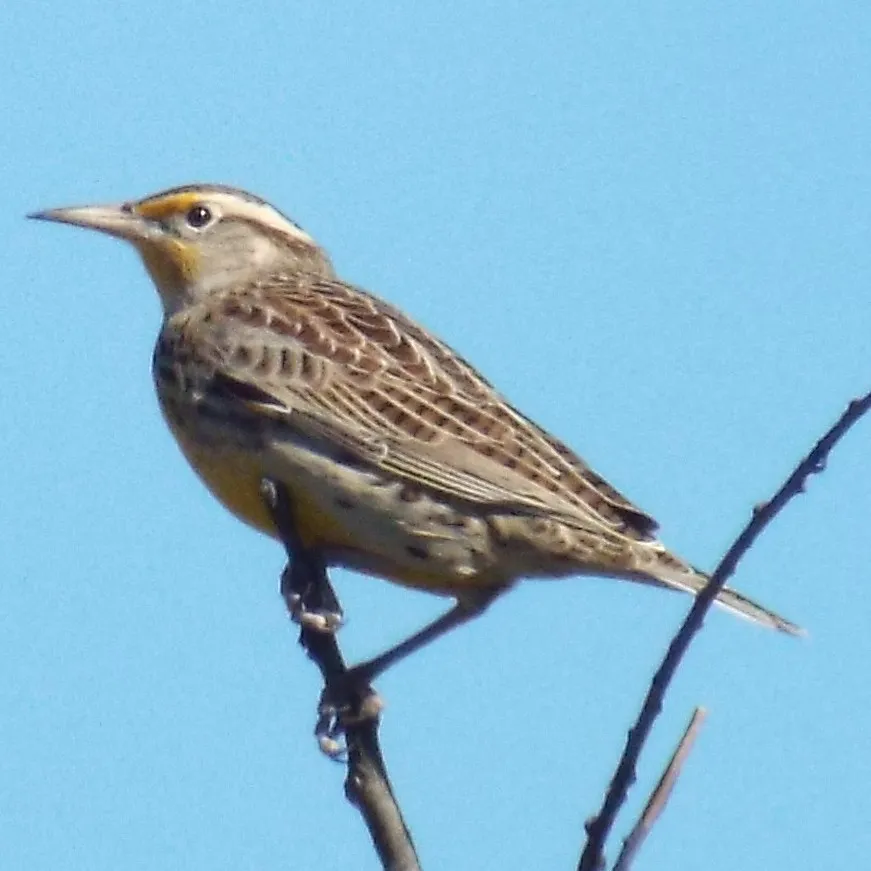
You almost never see meadowlarks at feeders, but you used to hear them from your yard. As subdivisions and intensely managed lawns replace hayfields and prairies, eastern meadowlarks have plummeted across huge parts of their range.
They need large, undisturbed grasslands with scattered perches – mowed lawns and golf courses simply don’t cut it. Many people living in former rural areas still remember their bubbling song; their kids may never hear it at all. Even sprawling “country estates” lack the tall, messy meadows meadowlarks require. Their decline foreshadows what happens when we turn living farmland into sterile green carpets – something #22 is also paying for.
At a Glance
- Since the 1970s, the continent has lost 3 billion birds, nearly 30% of the total, from every major habitat type.
- Grassland birds have declined by 53% since 1970 – a loss of 700 million adults in the 31 species studied, including meadowlarks and northern bobwhites.
- Even birds most people would call “common” are included in that loss, not just rare specialists.
- Habitat loss is the major driver of bird declines, more than any single disease or predator.
#22 – Northern Bobwhite: The Backyard Quail That’s All But Gone
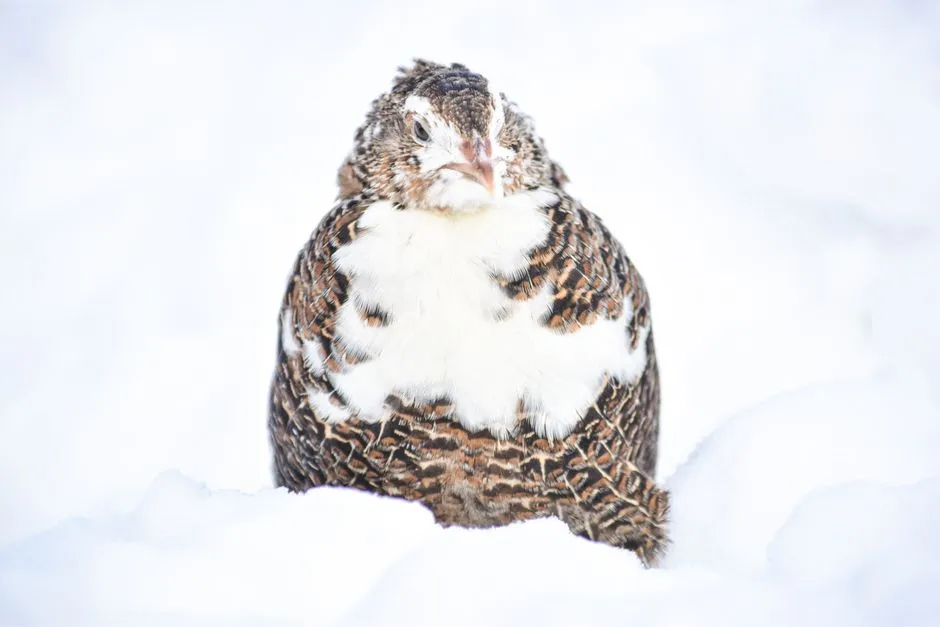
Older generations remember hearing bobwhites whistle from hedgerows right behind their homes. Today, in many states, northern bobwhite quail have crashed to a fraction of their former numbers, hammered by clean-farmed fields and vanishing brushy cover.
They once thrived along weedy fence lines and overgrown pastures – exactly the “messy” edges that modern agriculture and manicured developments erase. Some restoration projects are trying to rebuild habitat mosaics, but for most Americans, bobwhites have disappeared from everyday life. You might still see one in a wildlife area if you’re lucky, yet the idea of a covey scuttling along the back fence is, in many places, history. And if that sounds dramatic, consider #23, which is fading from even wildlife-friendly gardens.
#23 – Brown Thrasher: The Shrub-Lover Losing Its Shrubs
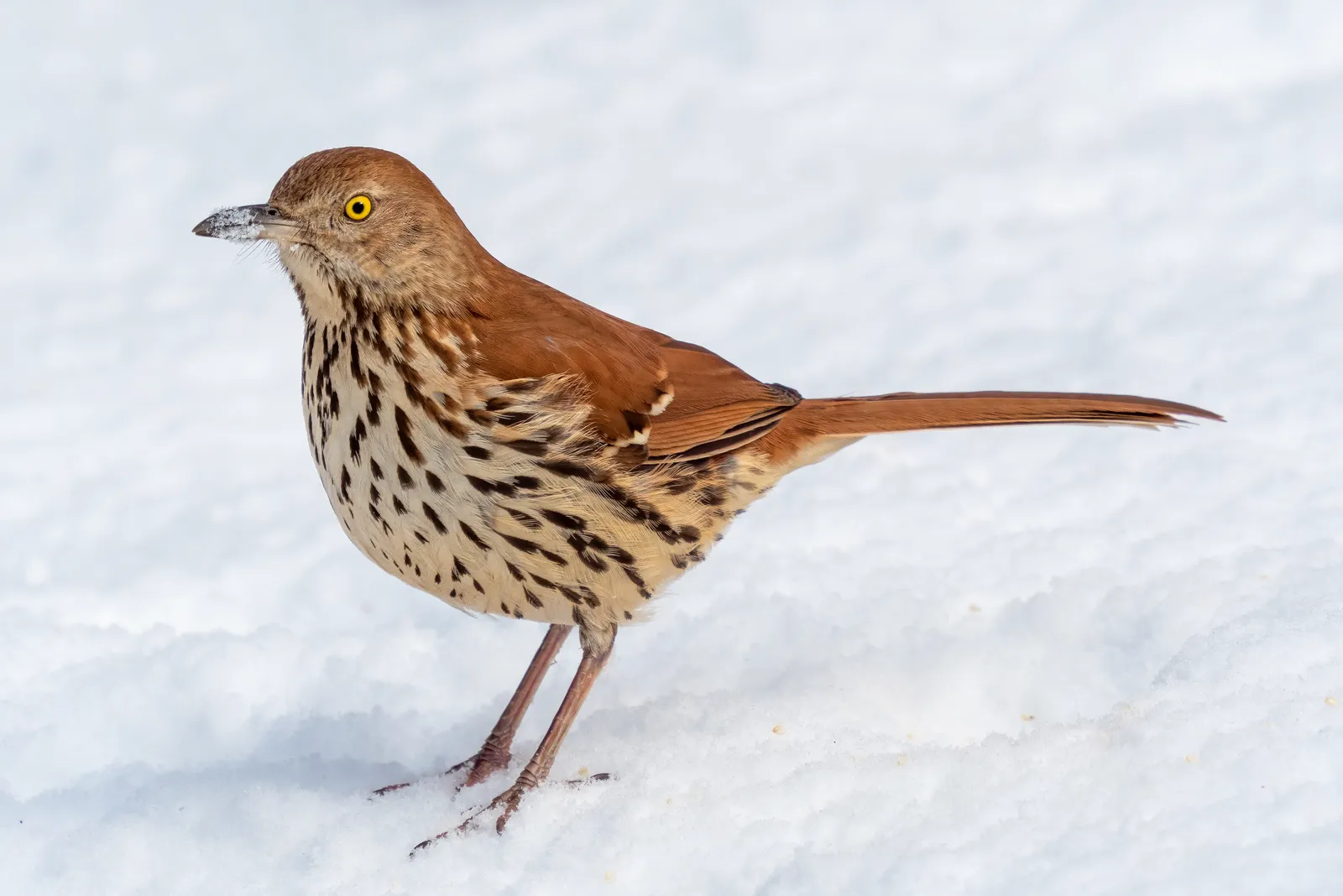
This rust-colored mimic used to be a regular in hedge-filled backyards. But as we replace dense, thorny shrubs with open lawns and sparse ornamental plantings, brown thrashers are struggling badly.
They need thick, tangled cover for nesting and foraging on the ground – many modern landscapes are simply too exposed and too insect-poor for them now. In some neighborhoods, a single old hedge or overgrown lot is the last stronghold left. Ironically, the same “clean” look many HOAs demand is exactly what pushes birds like this out. That aesthetic is also hammering one of the most beloved garden singers, #24.
#24 – Wood Thrush: The Flute Song Fading at Dusk
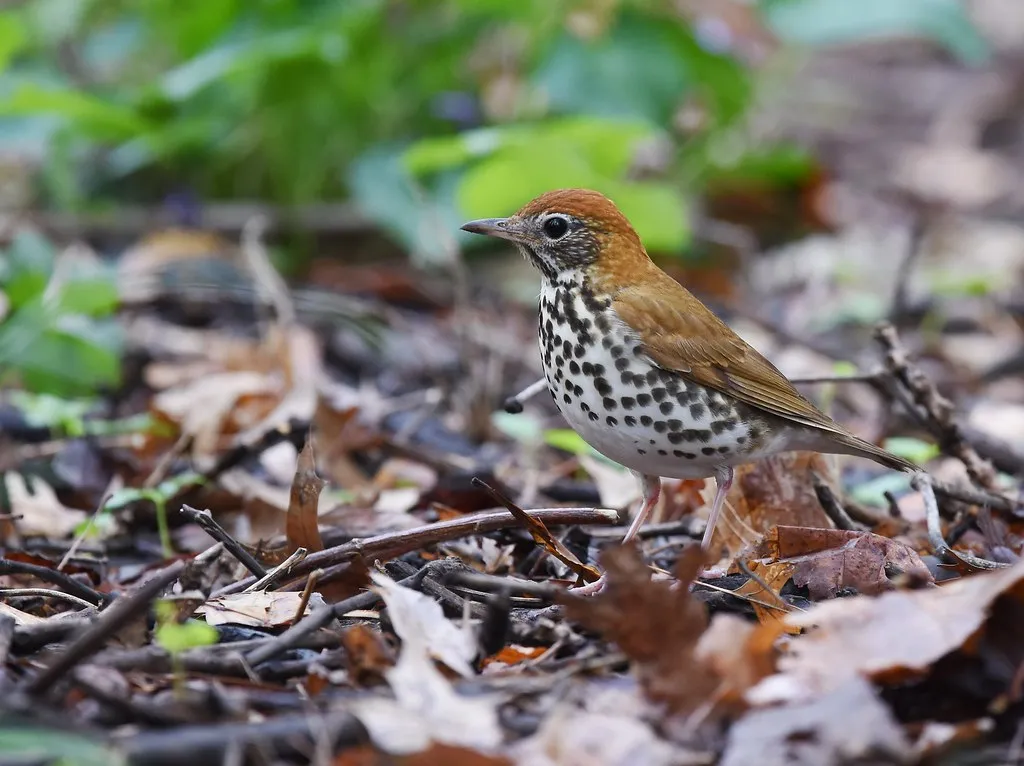
If you’ve ever heard a wood thrush, you don’t forget it – a haunting, echoing flute. Sadly, wood thrush populations have declined significantly across much of their range, driven by forest fragmentation and loss of undergrowth.
In many older suburbs with big trees, they used to nest right behind houses. Today, those same yards are often too open and broken up by roads and development, with more predators like outdoor cats adding pressure. Some pockets still hold strong numbers where people protect connected woodlands. But for a lot of Americans, that dusk song has become a rare treat instead of a yearly soundtrack. And they’re not the only forest-edge bird we’ve pushed back – #25 was once much more common in farm-adjacent yards.
#25 – Eastern Kingbird: The Fence-Post Flycatcher in Retreat
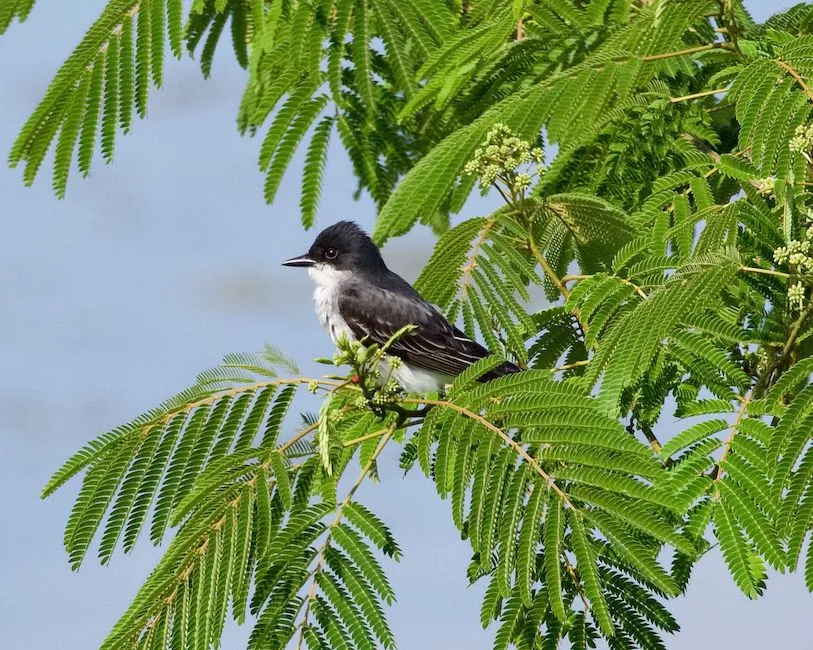
Eastern kingbirds used to be a typical sight on fence posts bordering yards and pastures. Now, as fencerows vanish and insects decline across the agricultural landscape, these aggressive little flycatchers are often missing from places they once dominated.
They depend on open fields dotted with perches, hawking flying insects over meadows and streams. The shift to fenceless, massive monoculture fields means fewer of those ideal perching lines. They still show up along lakes and rivers, but homeowners who once watched them from porches report far fewer each summer. The same simplification of the land is hitting one of the most iconic yard visitors of all: #26.
#26 – Purple Martin: The “Human-Dependent” Swallow We’re Letting Down
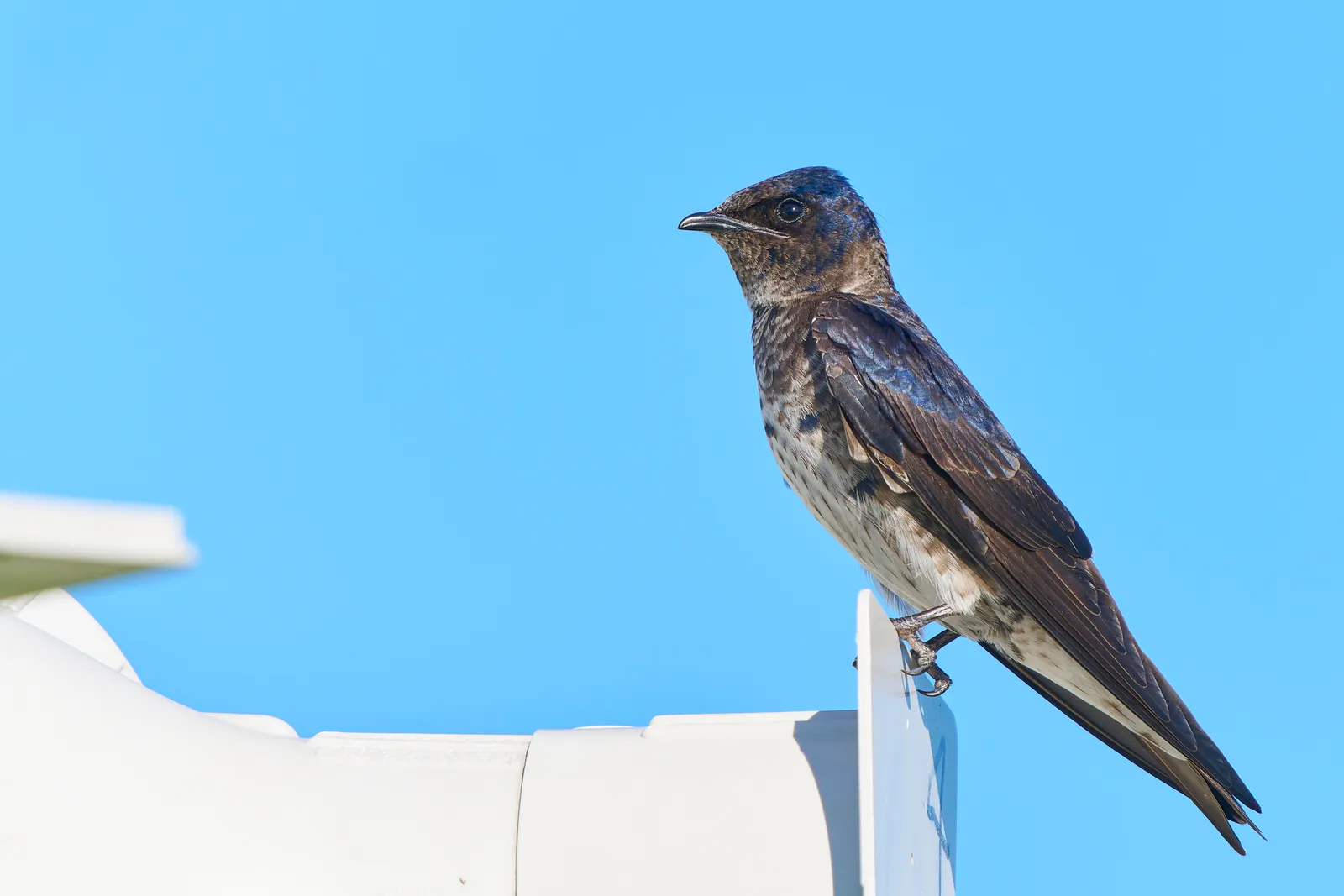
Purple martins east of the Rockies rely almost entirely on us for housing. For generations, people put up martin houses in yards and farms, and huge colonies rewarded them with aerial shows and mosquito-hunting flights every evening.
But fewer people maintain those houses now, many are left to invasive starlings and sparrows, and insect declines undermine their food supply. In some regions, once-thriving yard colonies have dwindled to a few pairs or vanished completely. Well-managed martin houses, cleaned and placed in open areas, still attract strong colonies – but without active stewardship, fewer kids grow up knowing what dozens of martins swirling over the lawn even looks like. That loss of tradition echoes in the decline of #27.
#27 – Bobolink: A Grassland Gem Almost Nobody Sees Anymore
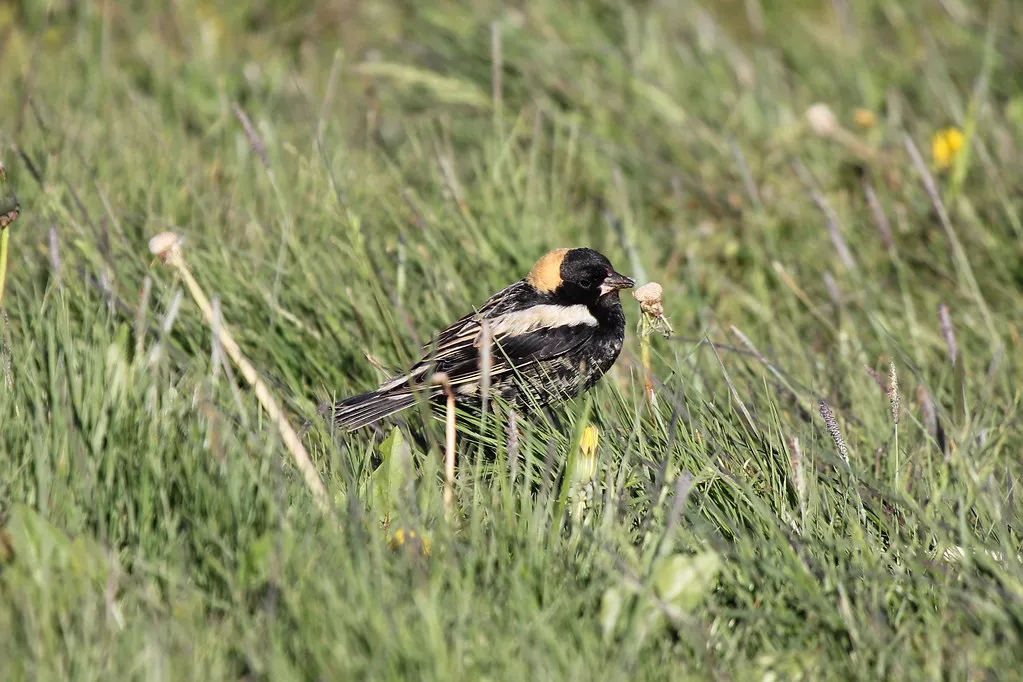
Technically, bobolinks are “field birds,” but their voices once carried into many rural backyards. With the disappearance of hayfields and traditional pasture, bobolinks have lost huge swaths of nesting habitat, especially in the Northeast and Midwest.
Early and frequent mowing during breeding season destroys nests, and subdivisions chew up the fields that remain. For families who used to watch them display over the back 40 from the porch, they’ve effectively vanished from daily life. Conservation-minded farmers can help by delaying mowing, but that’s a hard economic sell. They’re one of many grassland birds in trouble – a group that also includes the far more familiar #28.
#28 – Killdeer: The Broken-Wing Actor in Decline
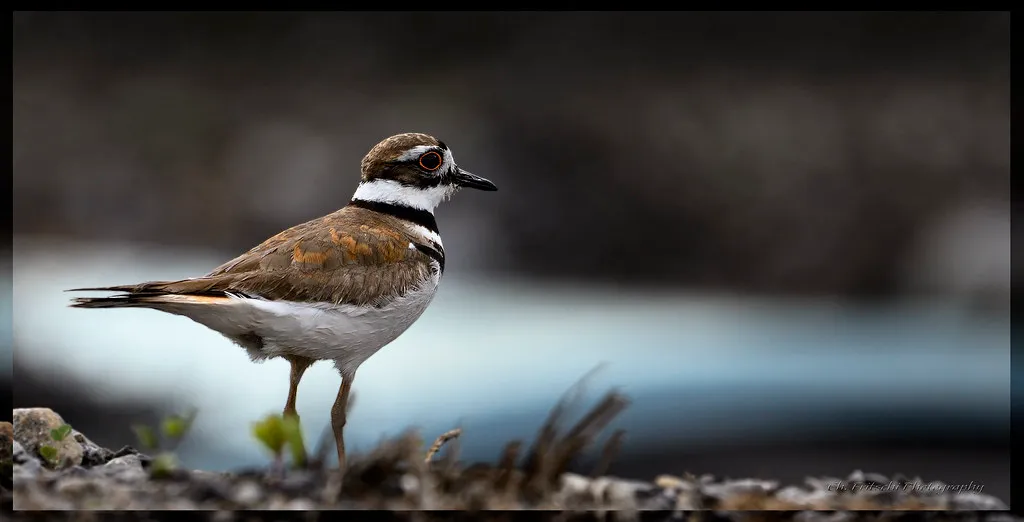
Killdeer were once a routine sight on gravel driveways, ballfields, and short-grass edges. Today, their numbers are slipping in many regions, and you can feel it in how rarely that piercing “kill-deer” call rings out over neighborhood fields anymore.
Pesticides and habitat changes reduce the invertebrates they rely on, and constant disturbance from sports and construction makes nesting tough. Their famous “broken-wing” distraction display still fools predators – but not bulldozers. Fewer kids now discover a nest of speckled eggs right along the gravel drive. And if that seems like a small loss, consider #29, a bird many people now go years without seeing.
#29 – Eastern Towhee: The Leaf-Scratcher Losing Ground
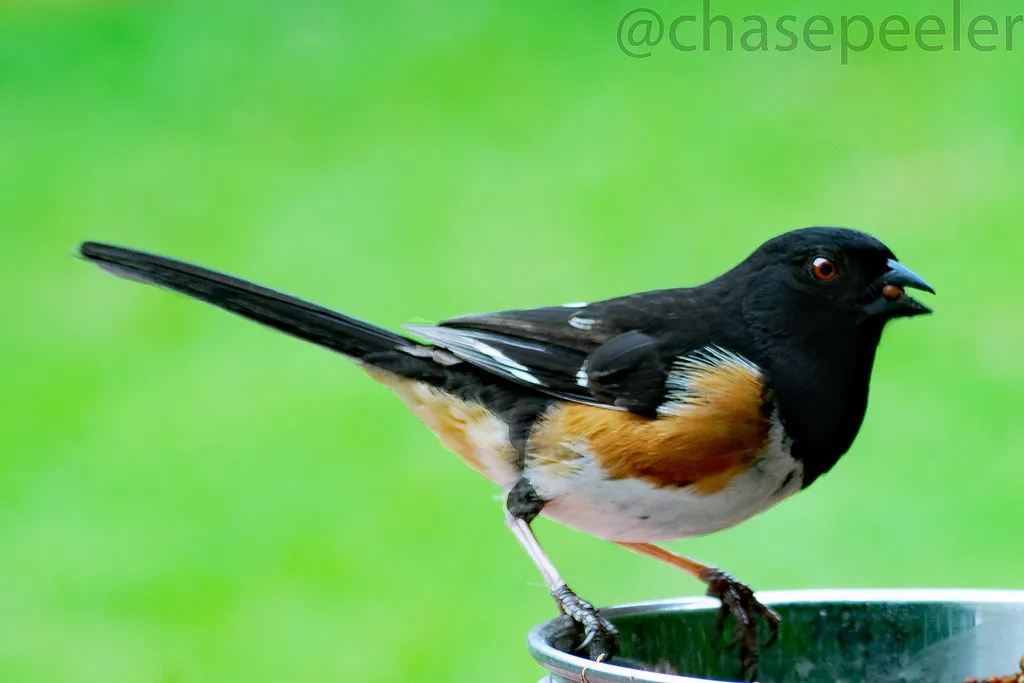
The bold “drink-your-tea” call and leaf-scratching habits of the eastern towhee once defined shrubby backyards. As those shrubs disappear, towhee numbers have declined or shifted in many areas, leaving some neighborhoods almost silent where they were once common.
They need brushy thickets and leaf litter – exactly the habitat that vanishes when lots are scraped clean and replaced with lawn and mulch. They still hang on where there are wooded ravines or thoughtful native plantings, but they rarely tolerate ultra-manicured yards. In effect, our obsession with “clean” translates directly to “empty” for them. And they’re just one of many ground- and shrub-nesters in trouble; #30’s cheerful song is missing from plenty of gardens now too.
#30 – Song Sparrow: Not as Guaranteed as It Used to Be
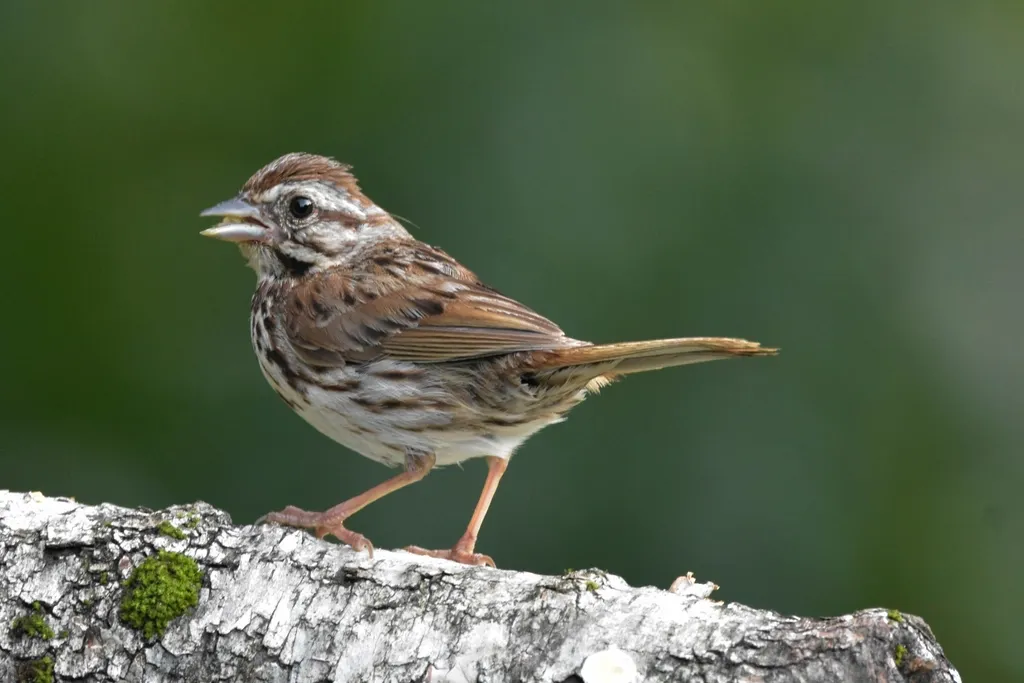
The name suggests abundance, and historically that was accurate. Yet in various parts of the country, song sparrows have edged downward, especially where wetlands and weedy ditches are drained or tidied up.
They use feeders, but they depend even more on natural seeds and insects in dense vegetation. In many neighborhoods they’re still fairly common, which makes their decline easy to overlook. But for birders who’ve tracked territories for decades, fewer pairs sing from backyard hedges and stream edges each year. On the West Coast, an even more specialized yard songster, #31, is under serious pressure.
Worth Knowing
- Leave one brush pile or a dead “snag” tree standing – it’s prime real estate for cavity nesters and ground foragers.
- Delay mowing overgrown corners until after peak nesting season to protect ground-nesting species.
- Cut back on lawn pesticides; fewer insects means less food for nestlings, no matter how many feeders you keep full.
- Keep at least one dense, thorny shrub or hedge for shelter-loving birds like towhees and thrashers.
- Clean and monitor nest boxes every year – neglected boxes often get taken over by invasive competitors.
#31 – Rufous Hummingbird: A Long-Distance Migrant in Trouble
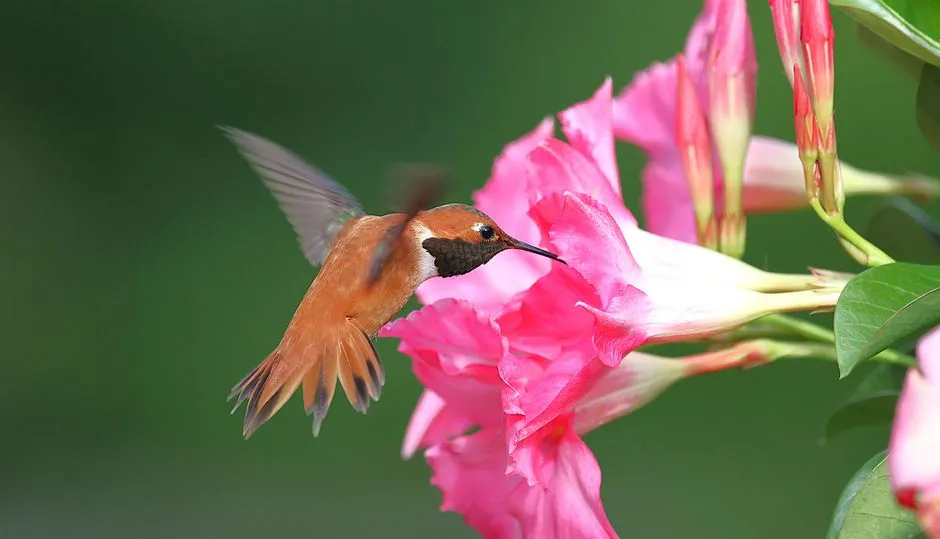
This tiny orange hummingbird travels thousands of miles, and it’s paying the price. Rufous hummingbirds have shown significant population declines in parts of their range, likely tied to habitat loss along their migration route and climate mismatches with bloom times.
In some western gardens where they once buzzed aggressively around feeders all season, homeowners now see fewer visits and shorter stays. For many Americans, the ruby-throat is the only hummingbird they know; the rufous becomes a “wow, what’s that?” rarity instead of a routine backyard fighter. Problems anywhere on their long journey ripple straight into your garden. That same story haunts #32.
#32 – Orchard Oriole: The Smaller Oriole Slipping Away
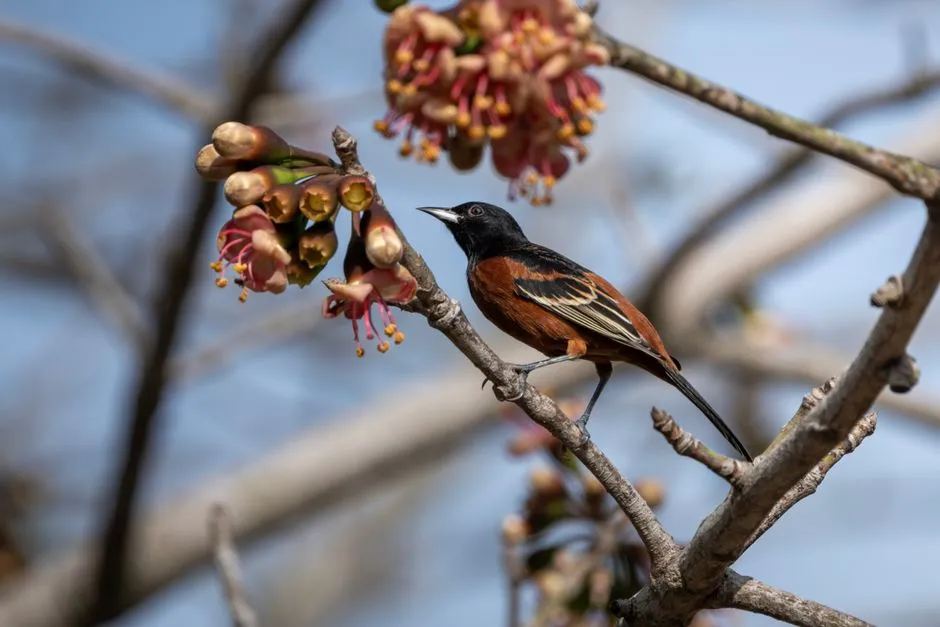
Everyone knows the bright Baltimore oriole. Its smaller cousin is easier to miss – and to lose. Orchard orioles favor semi-open habitats: old orchards, hedgerows, and mixed edges that are vanishing under development.
They’re less likely to visit jelly feeders than Baltimores, so casual backyard watchers underestimate how much they’ve declined. Cutting down old fruit trees and simplifying field margins all erase their nesting spots. So while some homeowners celebrate drawing in Baltimore orioles with sugar water, the quiet disappearance of orchard orioles goes largely unnoticed next door. Another subtly declining nectar fan is #33.
#33 – Baltimore Oriole: Still Loved, But Not Immune
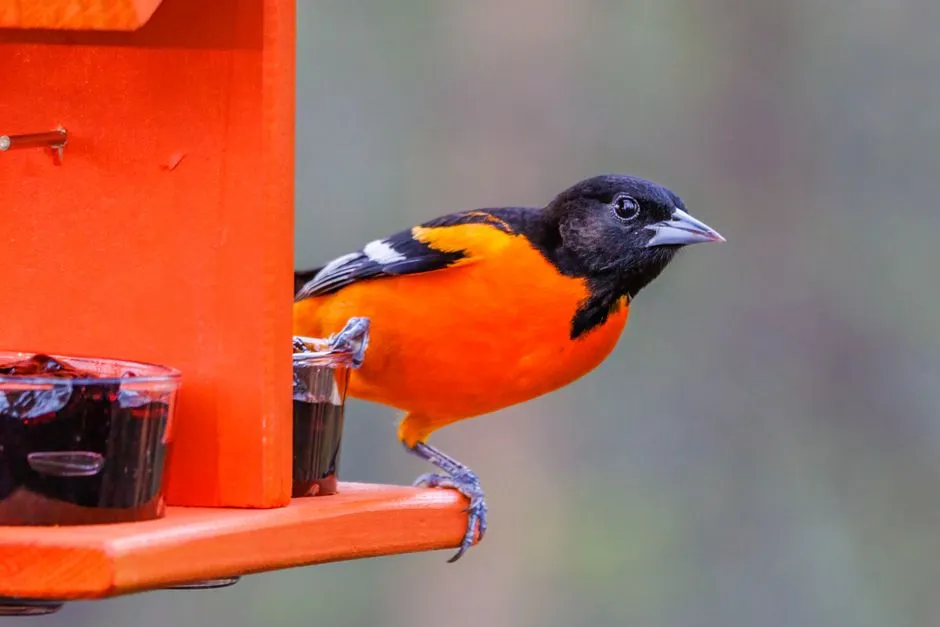
Those black-and-orange flashes at jelly feeders are often treated as proof this species is doing great. Reality is more nuanced: Baltimore orioles have had mixed trends, with declines in some areas, especially where mature shade trees and caterpillar sources disappear.
Jelly and orange halves bring them into view, but if the surrounding landscape is all lawn and pesticides, they struggle to raise young. In some neighborhoods, people recall “so many orioles” decades ago, compared to just one or two now. The uncomfortable truth: a single feeder can’t offset broad-scale habitat loss. That principle hits even harder for #34.
#34 – Red-Winged Blackbird: Wetlands Shrink, So Do Their Songs
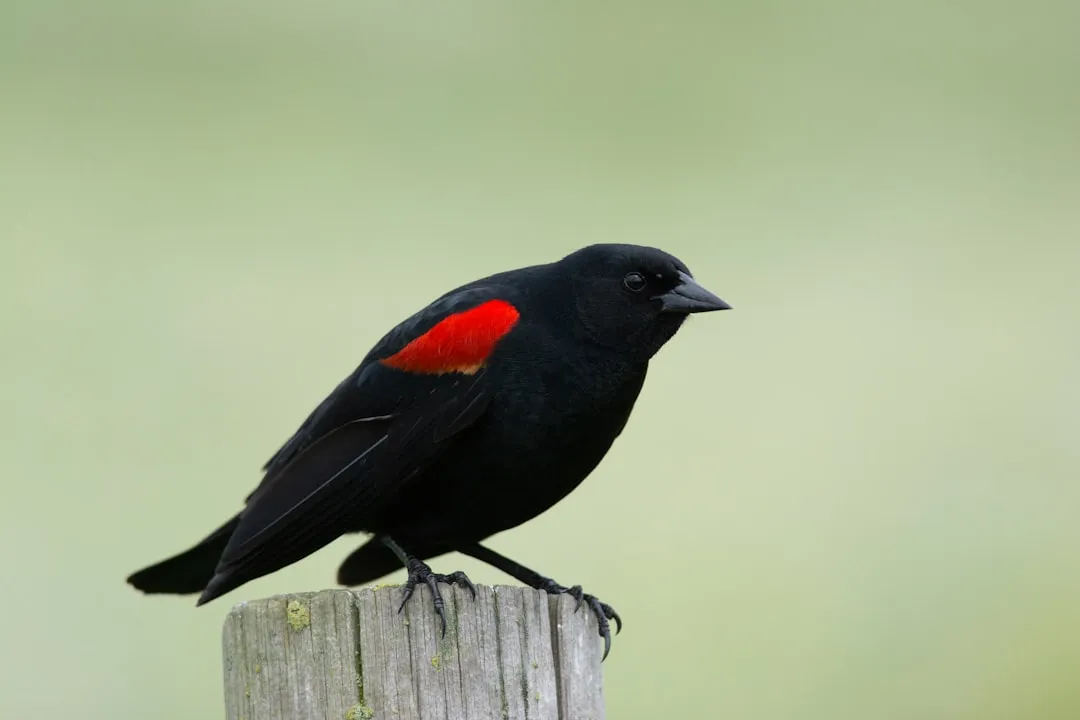
Many Americans grew up hearing red-winged blackbirds calling from cattail marshes behind housing tracts. As those marshes are drained or heavily managed, red-winged blackbirds have declined in various regions, despite still being widespread overall.
When retention ponds get manicured into lawn-lined bowls and natural wetlands vanish, their numbers drop fast. Casual observers still see enough to think they’re “everywhere,” but long-term counts tell another story. For kids who never had a real marsh within walking distance, that reedy “konk-a-ree” is simply missing from their sense of home. When a bird this common is sliding, you know #35’s trouble isn’t a fluke either.
#35 – Northern Flicker: Ground-Feeding Woodpecker Under Pressure
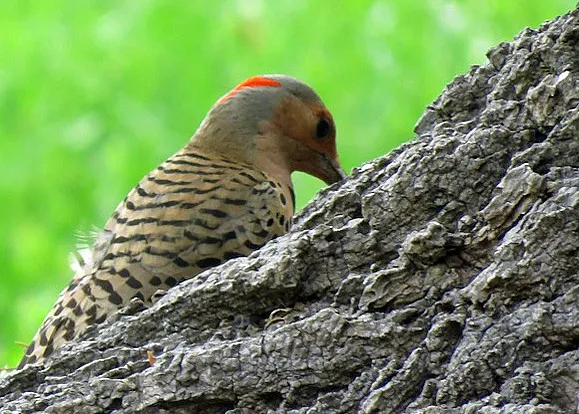
Northern flickers are one of the few woodpeckers that feed heavily on the ground, probing for ants – a habit that makes them vulnerable. As pesticides reduce insect numbers and heavily treated lawns replace natural ground cover, flicker food sources shrink fast.
Add in fewer standing dead trees for nesting, and you get local declines. Many homeowners who once saw them regularly now report only occasional flyovers or drumming from a distance. We love their flashy plumage and wild calls, yet our landscaping choices quietly make life harder for them. That same contradiction defines the situation for #36 – maybe the clearest symbol that our gardens are changing fast.
#36 – House Wren: The Little Voice You Notice Less
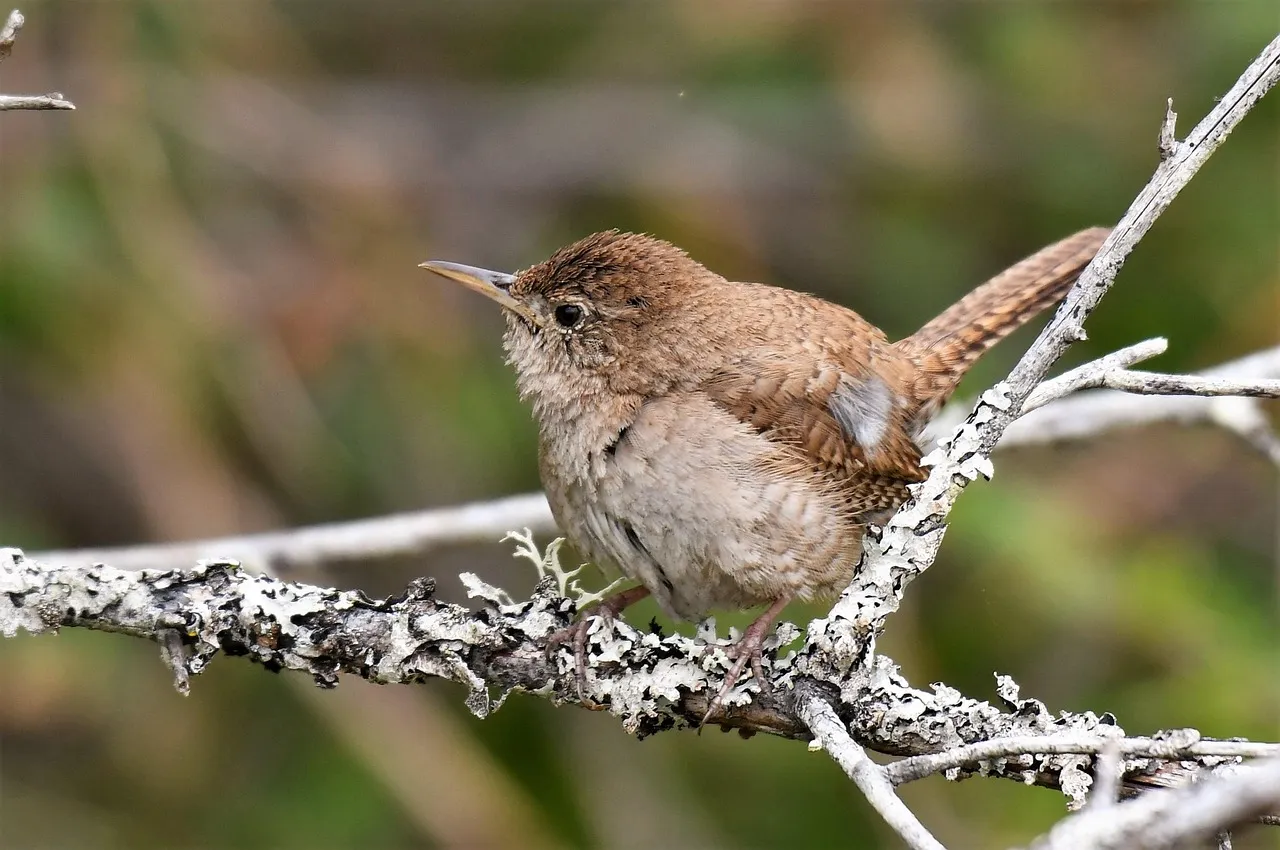
House wrens used to be the background noise of summer – bubbly, busy, everywhere. They’re still common overall, but in some suburban and urban neighborhoods, numbers are slipping as old sheds, brush piles, and hole-riddled fences disappear.
They need cavities and crevices to nest in, and they thrive on messy, insect-rich corners. Hyper-manicured yards and solid vinyl fences mean fewer nesting sites and less food. People who grew up hearing them in every backyard now sometimes go whole seasons without a single wren serenade. They’re not in freefall like some other species, but when the little, ordinary voices go quiet, you finally notice how much has changed.
The Bottom Line
Backyard birds are not static wallpaper. They’re a moving vote on how we manage our world.
Some species – cardinals, hummingbirds, blue jays, Cooper’s hawks – are cashing in on warmer winters, feeders, and fragmented woods. Others – chimney swifts, bobwhites, meadowlarks, martins, thrushes – are quietly evacuating American gardens as we trade messy edges and real fields for sterile lawn and concrete.
The harsh truth is that our aesthetic for “neat” yards often translates directly into empty skies and silent mornings. A tidy lawn photographs well. It just doesn’t feed anything.
The hopeful part is that none of this is destiny. Native plants, fewer chemicals, a dead tree left standing, one brushy corner, a well-maintained nest box – any one of these can flip your yard from decorative to genuinely alive. Which birds are you seeing more or less of where you live, and are your landscaping choices helping the winners or the losers?

- 18 Backyard Birds Arriving in Growing Numbers and 18 Quietly Disappearing From American Gardens - August 21, 2026
- 17 Garden Birds Arriving Earlier Every Year and 17 That Have Almost Stopped Returning - August 21, 2026
- 19 Things Veterinary Nurses Quietly Wish Every Owner Understood About Cats Over Fourteen - August 21, 2026