
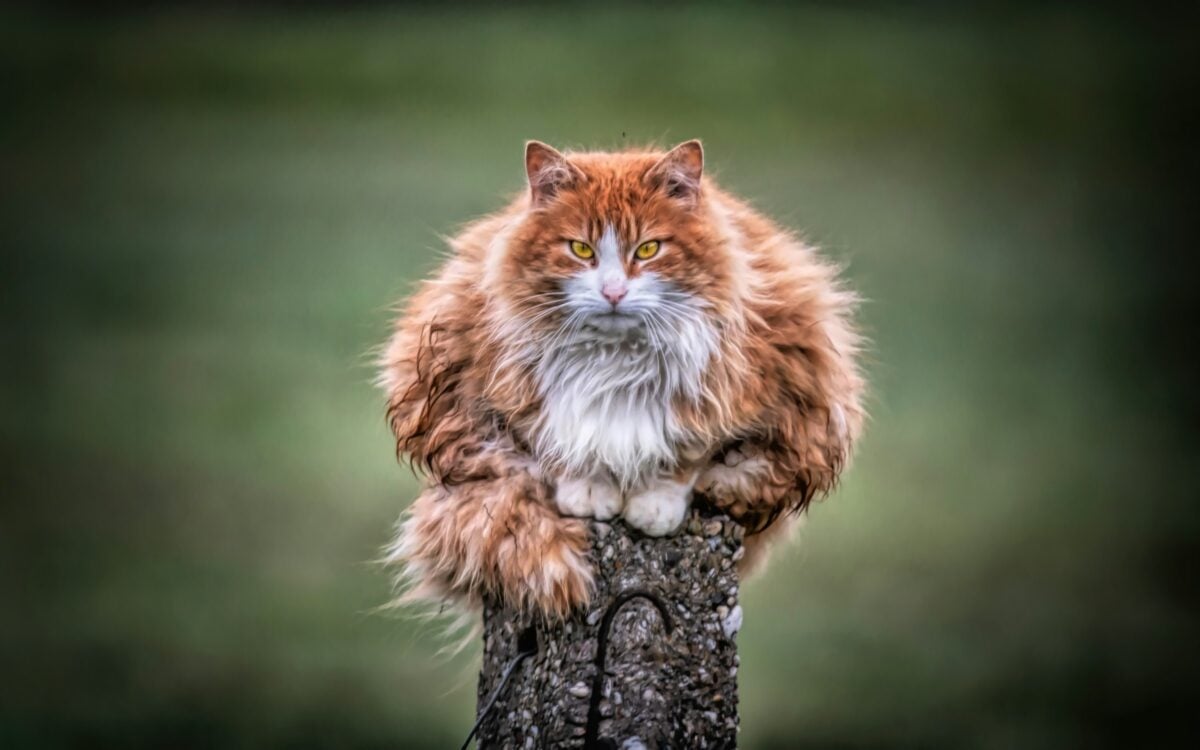
Your cat seemed perfectly normal all summer. Then the first real cold night hits, and suddenly the confident senior who ruled the house is moving like a completely different animal. That’s not your imagination playing tricks on you.
Cold weather works like a stress test on an ageing cat’s body, exposing weaknesses that warm months quietly cover up. Vets and feline behaviorists see the same pattern every single year: subtle shifts in movement, mood, and habits that show up like clockwork the moment the temperature drops, then vanish once spring returns. Here are the 19 changes worth watching for, starting with the one almost every owner mistakes for simple sleepiness.
#1 – Stiff, “Robot-Like” Mornings After Sleep
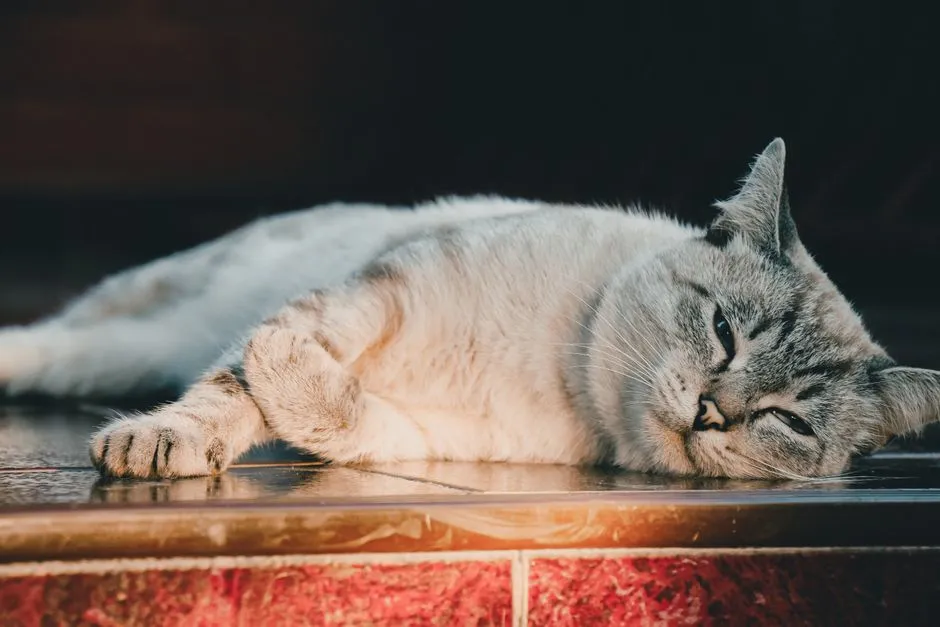
The first cold spell often exposes joint problems your cat has been hiding all year. Overnight, house temperatures dip, floors get chilly, and an older cat’s joints cool down and stiffen.
You’ll see it the moment they get up: a slow, careful rise, back slightly hunched, and a few stiff steps before they “warm up” and move normally again. Many owners dismiss this as just being sleepy, but it’s often early arthritis talking.
Because cats are masters of hiding pain, summer warmth can mask joint discomfort. Cold weather pulls the curtain back. If your cat used to spring out of bed and now pauses, stretches more, or tests their weight before walking, that’s a red flag. Watch especially for hesitating to jump off furniture in the morning.
Fast Facts
- Roughly 60% of cats over age 6 already show X-ray evidence of joint arthritis, and that number climbs to about 90% by age 12
- Fewer than 1 in 5 arthritic cats ever get an official diagnosis, since the signs are so easy to miss
- Cold weather is often what finally makes years-old joint damage visible to owners
#2 – New Reluctance to Jump Onto Favorite Perches
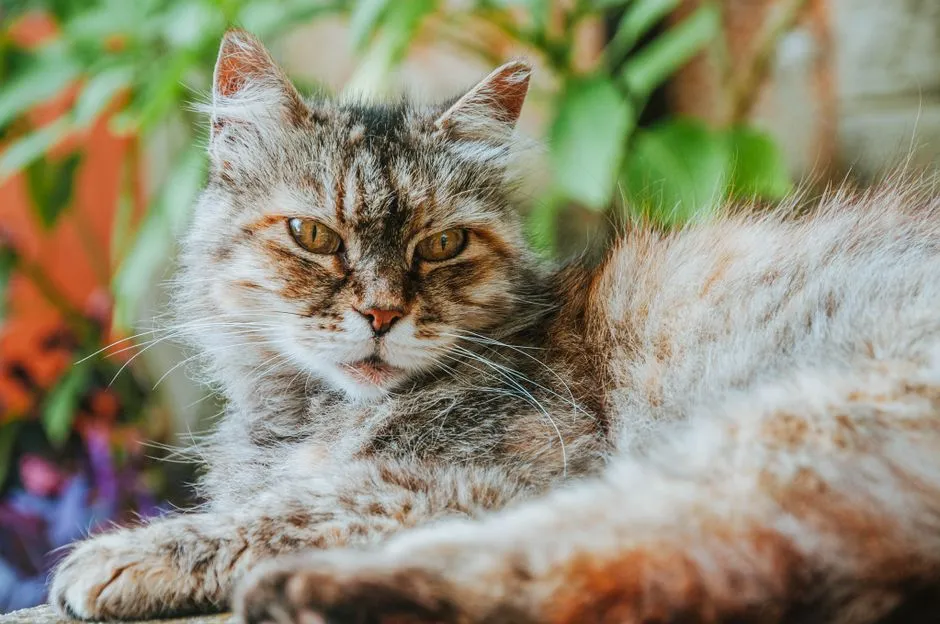
When temperatures drop, a senior cat’s favorite high spots can turn into “too much effort.” The back of the couch, windowsills, even the bed may suddenly seem out of reach. You’ll see them try, pause, then either walk away or choose a lower perch instead.
Most people think this is a personality change, but it’s very often an early mobility problem triggered by cold. Cold stiffens ligaments, reduces joint lubrication, and makes every jump feel riskier.
Older cats remember failed jumps, so they start avoiding them. You might notice them meowing at you to lift them or circling a spot instead of leaping. Some owners wrongly assume their cat is “just being picky” or “lazy,” but this can be your only visible warning before serious arthritis pain sets in.
#3 – Sudden Obsession With Heat Sources
Once the weather turns, a senior cat’s relationship with heat often changes dramatically. The same cat who ignored the fireplace or radiator all year may now glue themselves to it like a magnet. You’ll see them pressed into sun patches, hogging heat vents, or burrowing under blankets in a way they never did before.
That new heat hunger can be more than just “feeling cozy” – it can signal aging joints, slower circulation, or even thyroid shifts. Cold amplifies any underlying discomfort, so warmth becomes self-medication. Older cats gravitate to:
- Laptops, modems, and TV boxes
- Heated floors or carpets
If your cat suddenly acts like they’re freezing in a normal-temperature house, it’s worth noticing. They may be losing body fat, muscle mass, or struggling to maintain temperature like they used to. While most people find this “extra cute,” vets see it as a classic winter warning sign.
#4 – More Frequent “Accidents” Just Outside the Litter Box
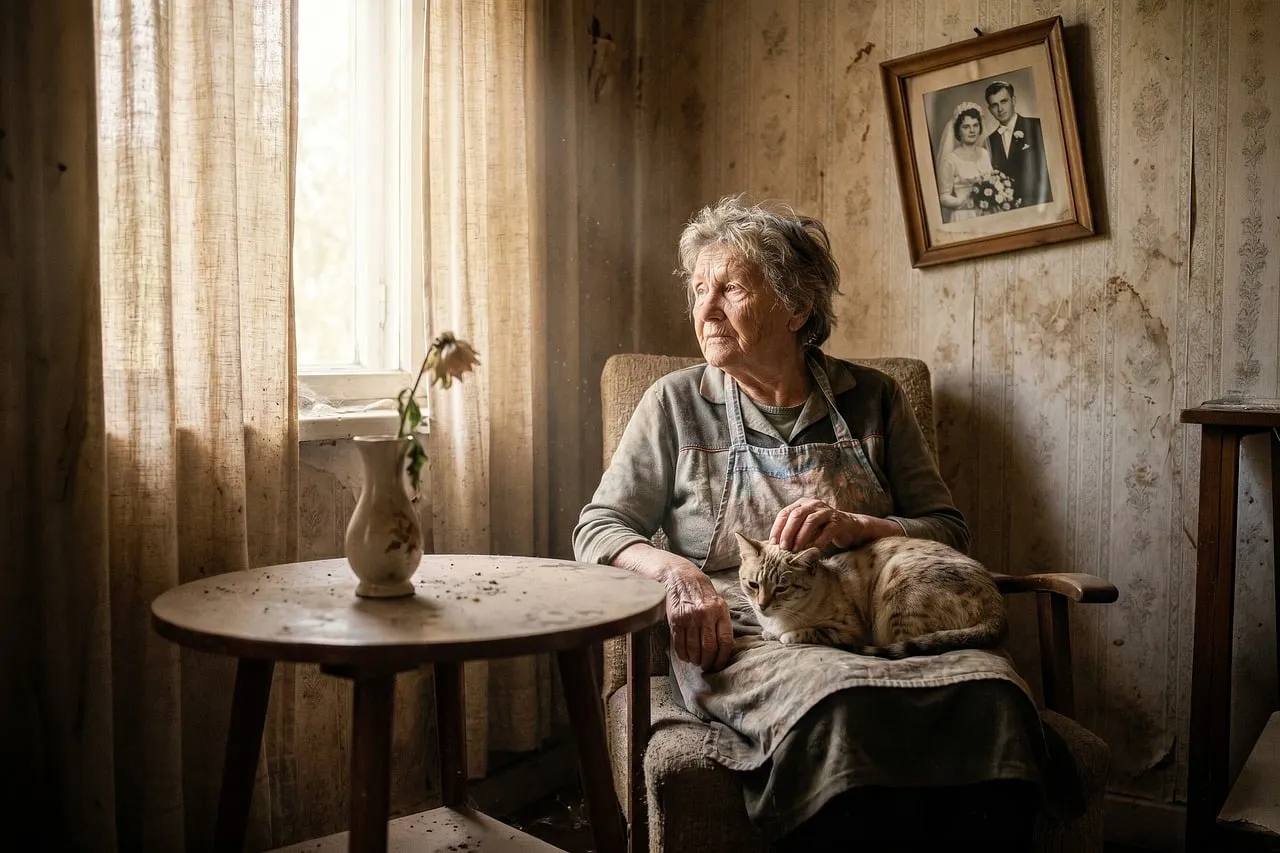
Cold floors and stiff joints can turn a perfectly litter-trained senior cat into an “accident” machine as winter sets in. The pattern is strangely specific: pee or poop right next to the litter box, but not inside it.
This is rarely spite; it’s often a combination of pain, cold sensitivity, or difficulty squatting fully that only shows up when temperatures fall. Cats with arthritis may find:
- High-sided boxes painful to step over
- Cold litter or tile harsh on sore paws and hips
So instead of trekking fully inside, they stop at the edge. Some will also avoid boxes placed in drafty laundry rooms, cold basements, or unheated porches once the weather changes. Many owners punish or scold, which only creates anxiety. The smarter move? Low-entry boxes, warmer locations, and a vet check.
#5 – Sudden Grouchiness When Touched in Certain Spots
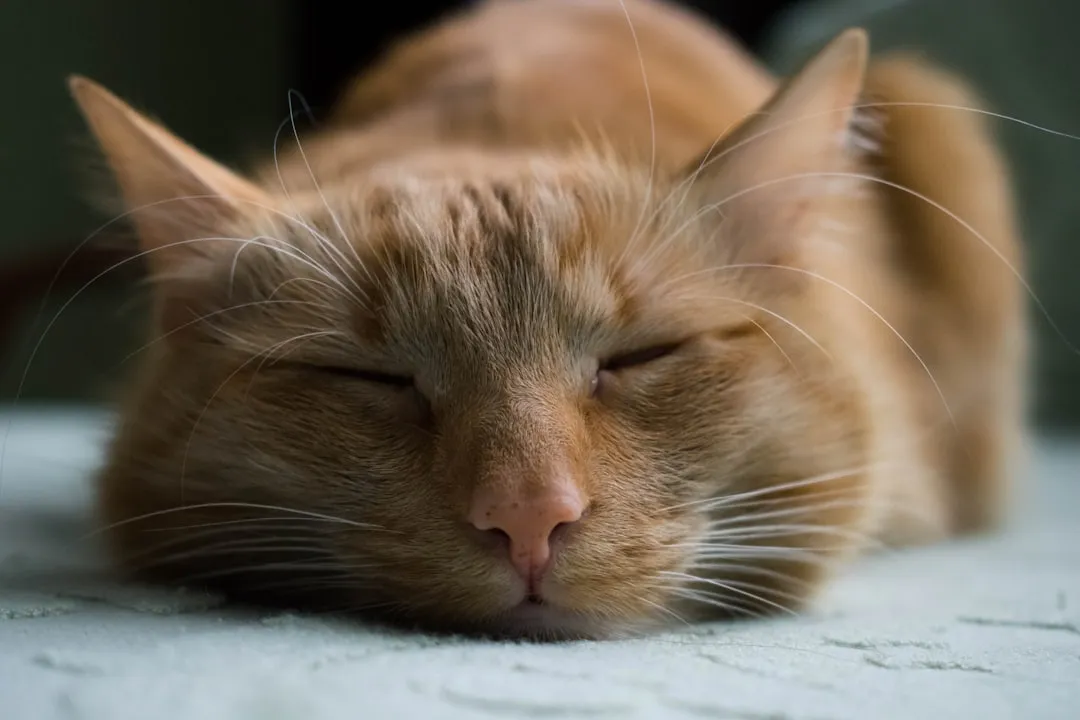
You might notice that the easygoing cat who tolerated cuddles all summer suddenly flinches, growls, or swats when you stroke their back, hips, or base of the tail in colder months. That mood shift isn’t random.
Cold weather can make existing pain in the spine, hips, or knees much more obvious – and touch that was fine in July can feel like pressure in January. This often shows up as:
- Growling when picked up
- Twitching skin along the back when lightly petted
- Moving away from laps sooner than before
Many people blame “winter mood” or say their cat is “getting cranky with age,” but pain-related irritability is one of the most overlooked cold-season changes. Cats don’t limp and whine like dogs; they snap or retreat. If your senior cat’s personality suddenly shifts when the temperature dips, their body might be yelling before they do.
#6 – Sleeping in Tighter, More Protective Curls
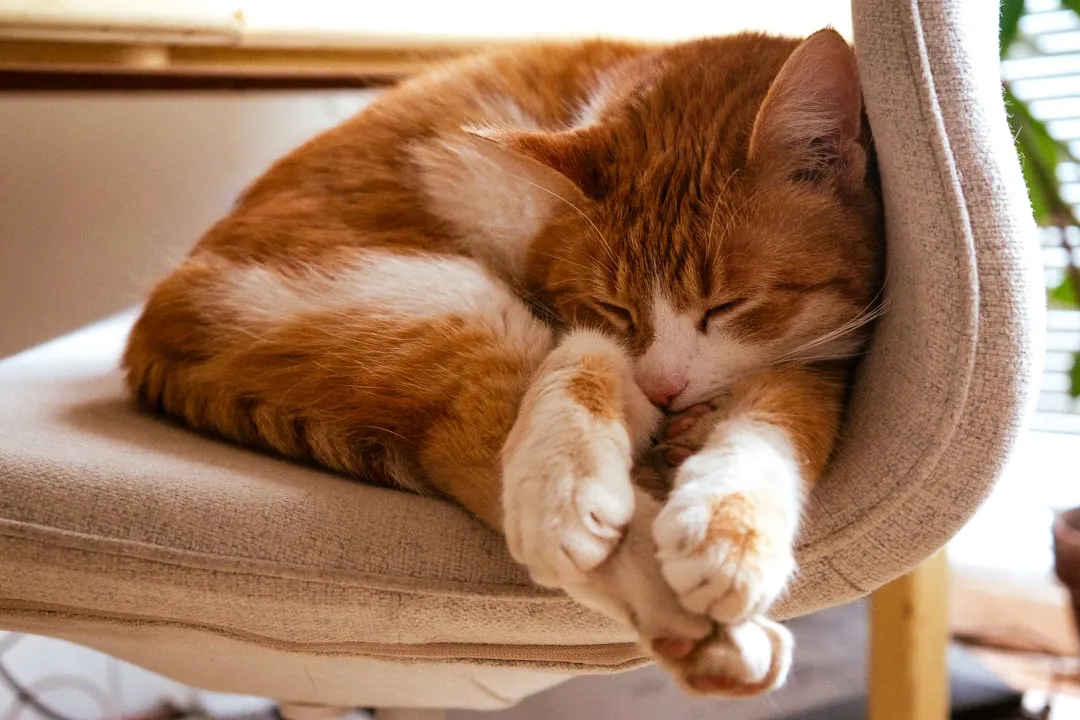
Watch how your senior cat sleeps in cold weather versus summer. That loose, stretched-out sprawl often turns into a tight, coiled ball – sometimes with paws tucked under and tail wrapped over the nose.
While this can be normal thermoregulation, a sudden, seasonal switch to rigid, protective curling can also be a subtle attempt to shield sore joints and conserve heat. Older cats with arthritis or spine issues use tight positions to:
- Keep core body heat centered around vulnerable joints
- Reduce the need to shift positions during the night
If your cat used to “starfish” on the couch and now only sleeps in cannonball mode – especially on cold, hard surfaces – that’s information. It can also be why some cats become more vocal when disturbed from sleep in winter; getting comfortable again actually hurts.
#7 – Noticeable Weight Loss Hidden Under Fluffy Winter Fur
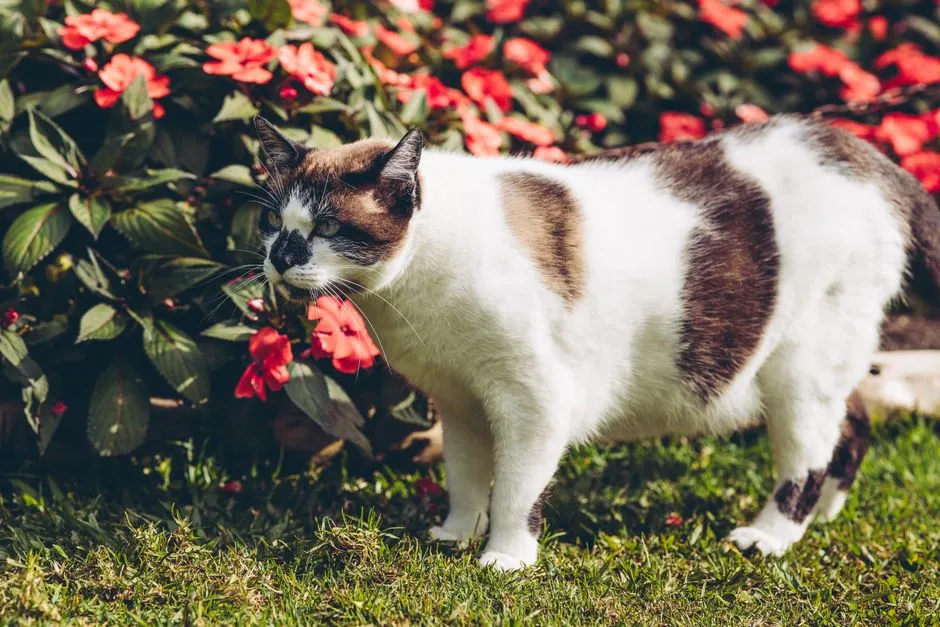
Here’s the sneaky one almost no one checks properly. As temperatures drop, cats grow a thicker winter coat, and that fluff can easily hide a slow, dangerous weight loss in older cats.
Owners think their cat looks “full and cozy,” when in reality they may be losing muscle mass over the spine and hips – a huge red flag that’s easier to spot when cold stress kicks in. Senior cats often burn more energy to stay warm or eat less if they’re feeling unwell, and winter amplifies that. Run your fingers along their back and hips:
- Do the bones feel sharper than last year?
- Does the fur feel plush but the body underneath feels bony?
Weight loss in an aging cat is never “just age.” It can signal kidney disease, thyroid issues, diabetes, or chronic pain reducing appetite. Cold weather doesn’t cause these problems, but it strips away their cover.
#8 – Breathing Changes in Drafty or Damp Rooms
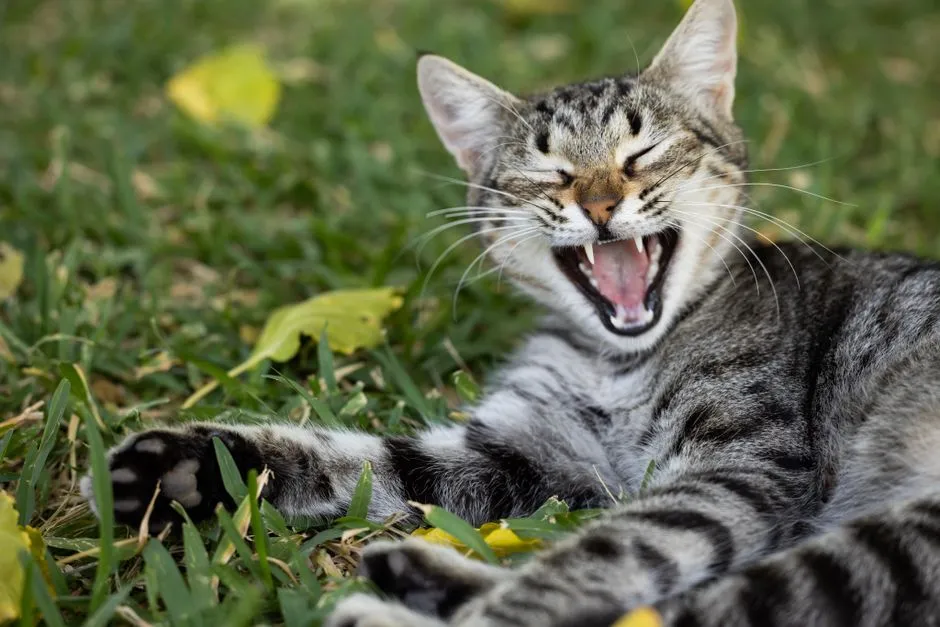
Most people only think of respiratory problems as a “kitten issue,” but cold, damp air can unmask hidden heart or lung problems in older cats. You might suddenly hear louder breathing, notice faster panting after mild activity, or see your senior cat avoiding certain colder rooms entirely.
If your cat starts breathing with more effort when the house gets chilly, that’s not just “winter snoring” – it can be a major medical clue. Cold air can constrict airways and make any underlying condition more noticeable. Watch for:
- Open-mouth breathing (an emergency in cats)
- Pausing halfway up stairs or after a short play burst
- Sleeping with neck stretched out to breathe easier
While people love to argue online that “cats don’t get affected by cold like we do,” many cardiology and respiratory cases first become obvious in winter.
#9 – Dramatic Drop in Playfulness and Spontaneous Zoomies
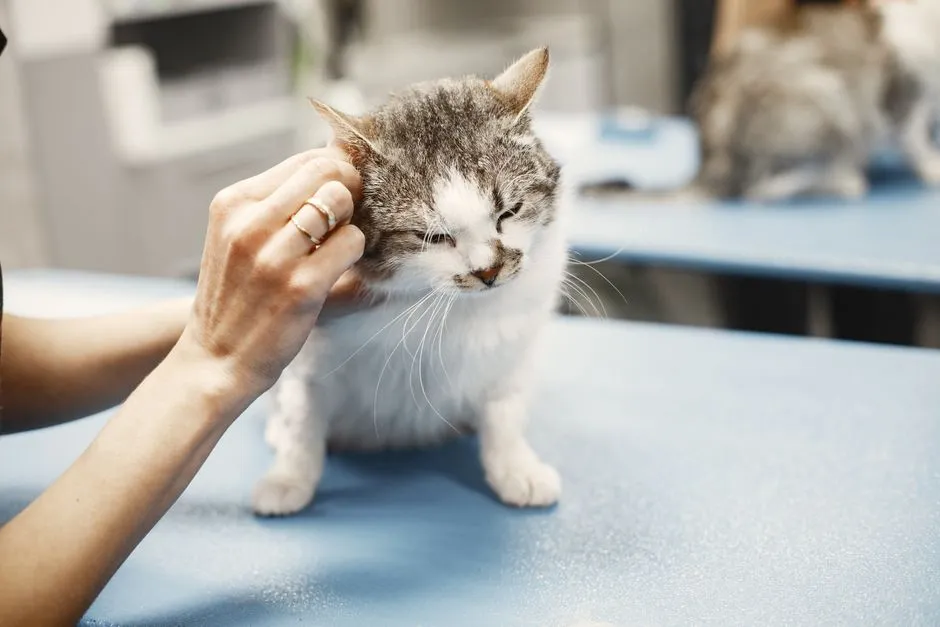
Everyone expects older cats to slow down, but the first cold snap often causes a sharp, sudden drop in play. The cat that still chased toys in September may barely lift a paw in November.
Owners chalk it up to “winter blues” or “just aging,” but a seasonal loss of play drive is one of the clearest early signs that movement has become uncomfortable. Play requires:
- Bending, twisting, pouncing – all hard on arthritic joints
- Quick temperature shifts from resting to active
In warm weather, stiff joints loosen quickly; in the cold, they protest. So instead of chasing the wand toy, your cat watches from a distance or gives one half-hearted bat. This isn’t laziness. It’s self-protection. Many vets argue that any clear, new reluctance to play after a cold snap should be treated as pain until proven otherwise.
#10 – Increased Nighttime Restlessness and Vocalizing
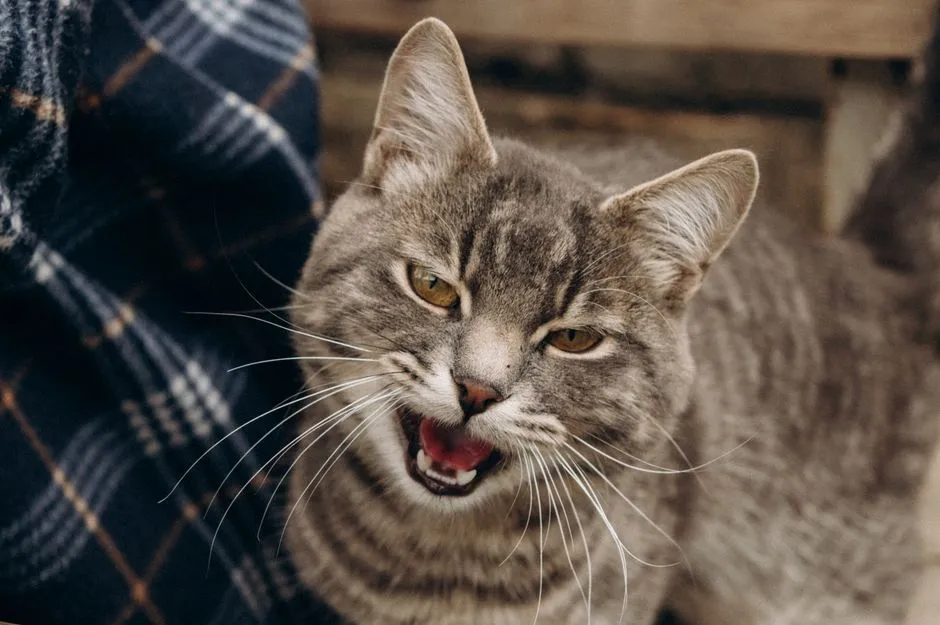
Cold houses are quiet houses – and at 3 a.m., that’s when you start hearing the changes. Older cats that slept soundly all summer may begin pacing, meowing, or waking you up more once the weather turns cold.
People love to blame this on “being annoying” or “wanting snacks,” but nighttime restlessness can be linked to pain, cognitive decline, or temperature discomfort that only shows up in the stillness of night. In cooler months:
- Surfaces are colder, so staying comfortable in one spot is harder
- Arthritis pain tends to flare after long, still periods
So your cat moves more, cries for reassurance, or seeks warmer areas – like your bed. In some cases, cold snaps also reveal early feline cognitive dysfunction (cat dementia), which is worse at night. If winter transforms your senior cat into a nocturnal noisemaker, their brain and body deserve a closer look.
Worth Knowing
- Feline cognitive dysfunction affects roughly 55% of cats between 11 and 15 years old
- That number rises to more than 80% in cats aged 16 and older
- Nighttime yowling, disorientation, and forgetting the litter box location are among the most common signs
#11 – Choosier Eating and Strange Bowl Behavior
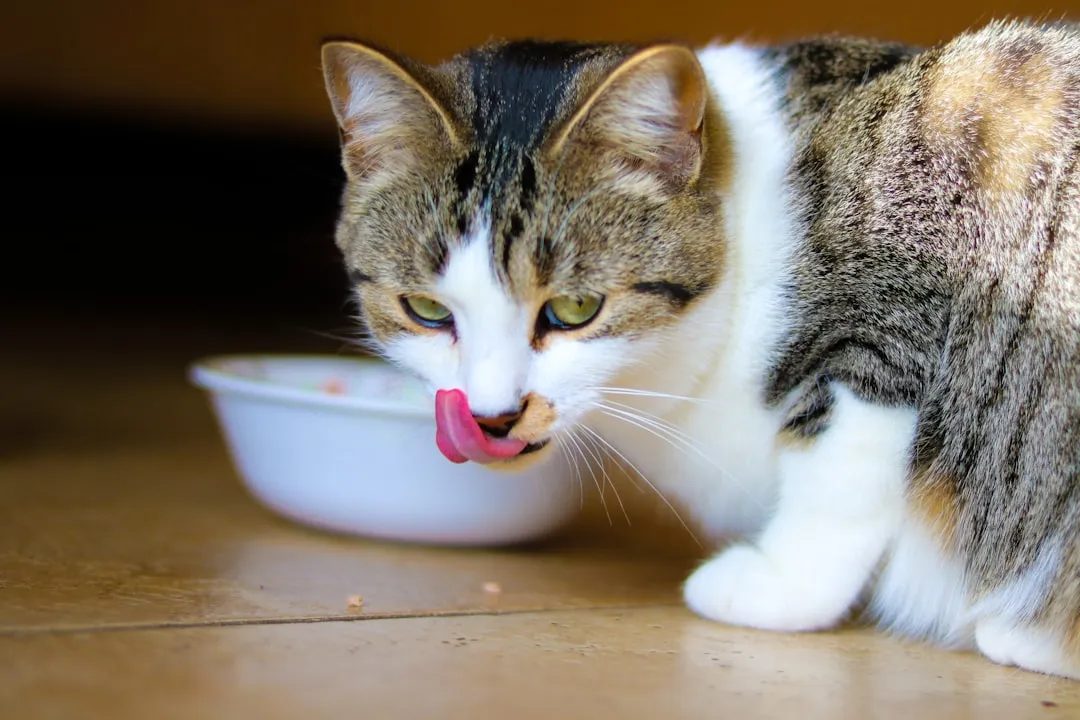
Aging cats often become pickier eaters in cold weather, and it’s not just “being fussy.” You may notice your senior cat:
- Sniffs the food, then walks away
- Only eats if it’s slightly warmed
- Prefers softer textures more than before
Cold amplifies dental pain, jaw discomfort, and even nausea from chronic disease, so winter can expose mouth and gut issues that went under the radar in summer.
Warmed food releases more aroma, which helps older cats whose sense of smell is fading, but it also feels gentler on sore teeth or sensitive gums. If your cat suddenly insists on warmed wet food, eats more slowly, or only chews on one side of the mouth when the weather turns, don’t just label them “spoiled.” They might be adapting to pain or underlying illness that’s become harder to ignore in the cold.
#12 – Hesitation on Stairs and Slippery Floors
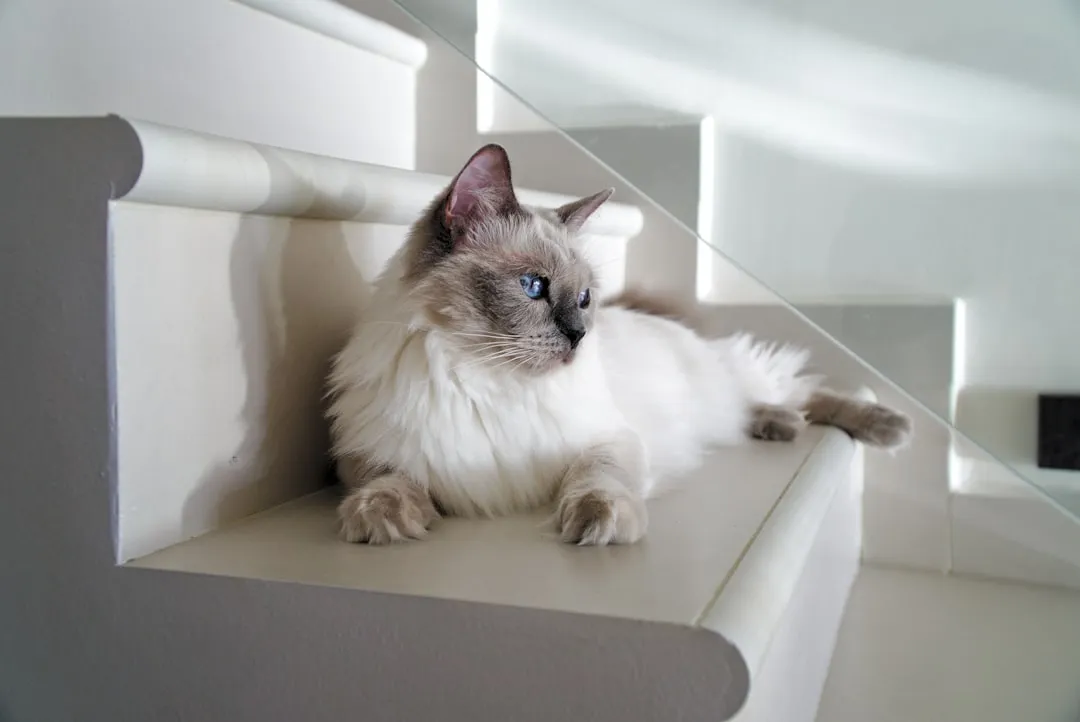
Cold, stiff joints plus smooth surfaces are a brutal combo for senior cats. You’ll often notice this first on hardwood, tile, or stairs when winter sets in. The confident, sure-footed cat from summer now:
- Takes stairs more slowly, sometimes one step at a time
- Avoids rooms with slick floors
- Spreads their toes or walks lower to the ground
This isn’t “suddenly being scared of stairs” – it’s a survival response to feeling unstable or sore. Cold muscles don’t react as quickly, and older cats know a slip could mean real injury.
Many start camping out on a single floor of the house, especially if the litter box or food is located there. Adding rugs, runners, or non-slip mats can be life-changing for a winter-stiff senior. Ignoring this, on the other hand, is how minor arthritis quietly becomes a serious fall risk.
#13 – Grooming Changes: Either Neglect or Over-Licking Joints
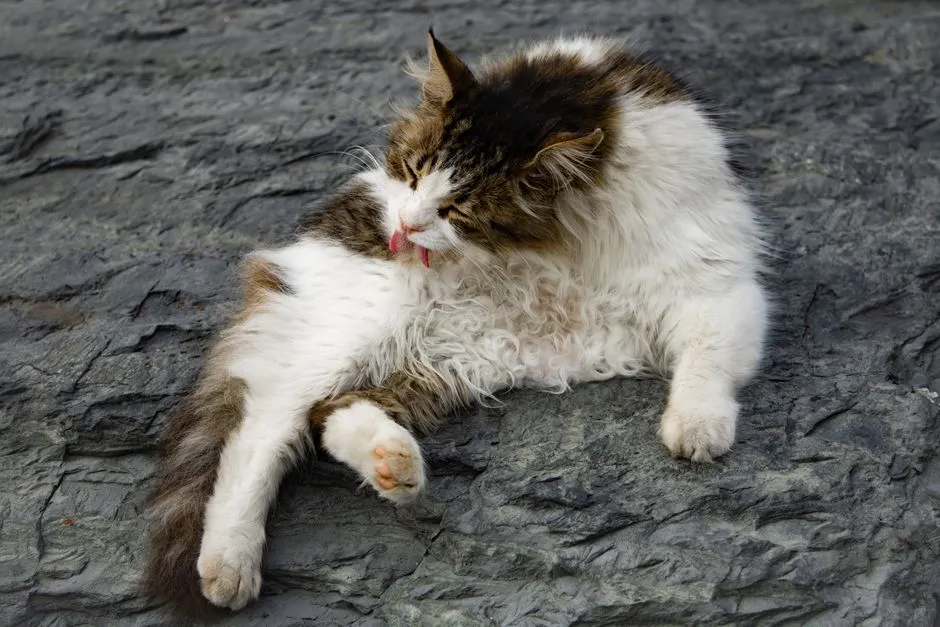
Cold weather magnifies grooming patterns in aging cats, and the shift can go in two opposite directions – both meaningful. Some seniors groom less, leaving dull, slightly greasy fur along the back and sides because twisting to reach those areas now hurts more in the cold.
Others start over-grooming specific joints like wrists, elbows, or hips, essentially “licking where it hurts.” Watch for:
- Matted fur near the base of the spine or behind the legs
- A thinning patch of fur over a frequently licked joint
These aren’t vanity issues; they’re pain maps. People online love to argue that “cats just get messier with age,” but healthy older cats can stay surprisingly well groomed. When the weather turns and grooming changes appear for the first time, that’s not cosmetic – that’s diagnostic.
#14 – Hiding More in One Specific Warm, Secluded Spot
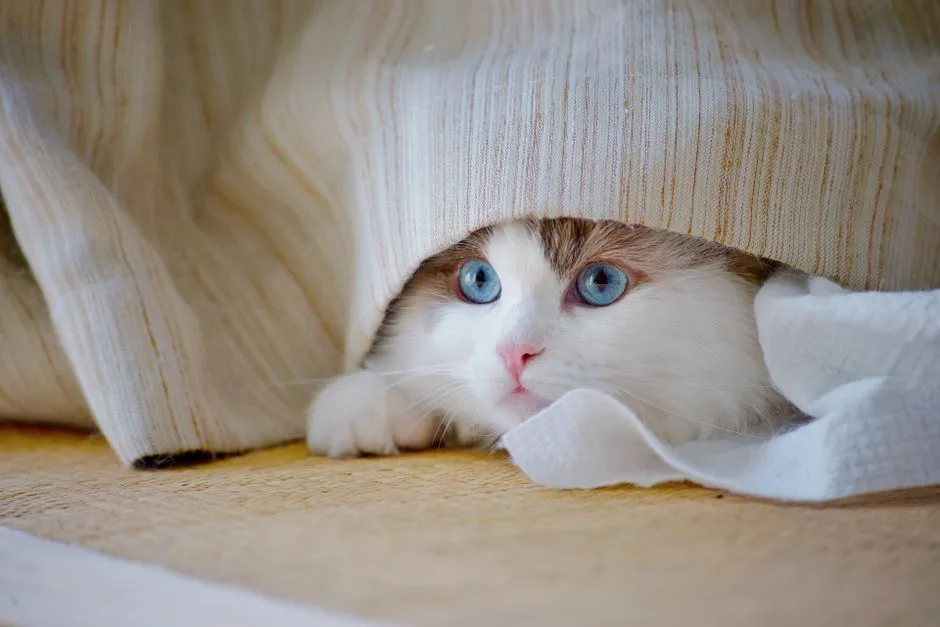
Cold season often reveals a new favorite hiding place for senior cats – usually somewhere:
- Warm (near pipes, appliances, or radiators)
- Quiet (closets, under beds, behind furniture)
It’s easy to write this off as “being cozy,” but a sudden shift from social lounging to long, isolated hiding spells can be an early warning of both pain and illness, unmasked by cold stress. Sick or sore cats conserve energy and avoid movement, especially when moving is more uncomfortable.
If your cat used to hang out in the main living area and now spends most of the day tucked into one spot once temperatures drop, pay attention – particularly if you’re also seeing less eating, less play, or any change in litter habits. Hiding is never just a “quirk” in an older cat; it’s communication.
#15 – Stronger Reaction to Drafts and Open Windows
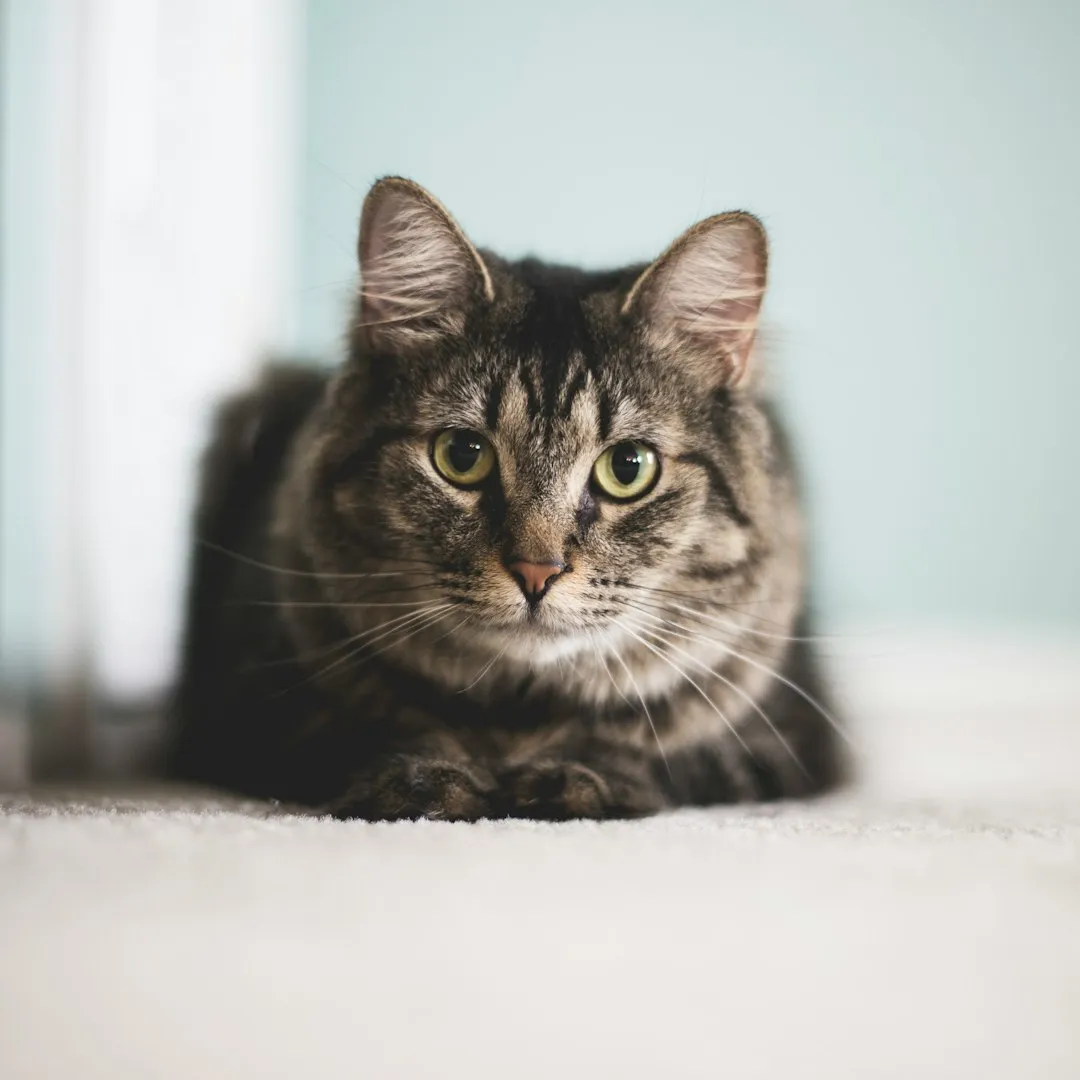
You might notice your older cat suddenly abandons formerly beloved windowsills or doorways once winter drafts start creeping in. A senior who used to love fresh air may now flinch from chilly gusts, leave the room when a door opens, or avoid their cat flap entirely.
This increased draft sensitivity can highlight reduced body fat, poorer circulation, or just more joint pain triggered by localized cold. Many people assume that “cats love cold windows,” but that’s mostly true for younger, well-insulated animals. Seniors with less muscle and fat feel drafts more intensely. They may:
- Shift positions repeatedly trying to escape cold spots
- Choose interior rooms over external walls
If the first cold front of the year turns your window-watcher into a hallway-lurker, take note. Their tolerance has changed, and their body is telling you so.
#16 – Subtle Changes in Drinking and Urination Patterns
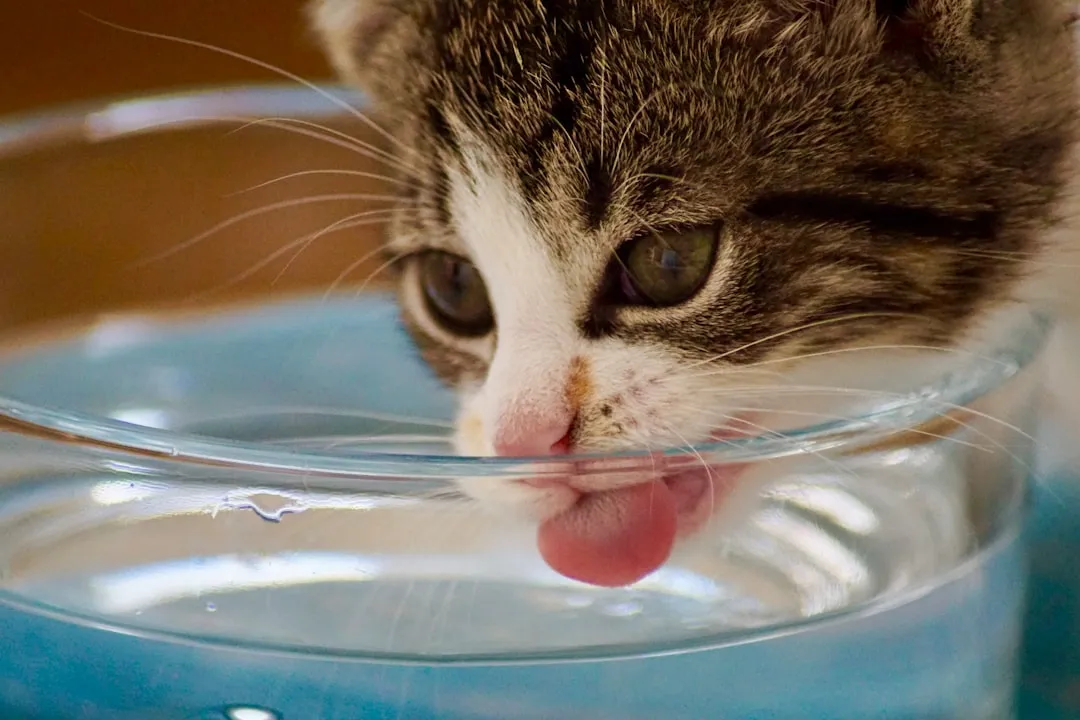
Cold months often mean drier indoor air and heating systems running non-stop. For senior cats, that can subtly shift how much they drink and pee – and those changes are often easier to notice in winter routines.
If your older cat suddenly drains the water bowl more or starts visiting the litter box more frequently once heating kicks on, it can unmask early kidney, thyroid, or diabetic issues. Conversely, some cats drink less if the water bowl is in a cold, drafty area, which can contribute to dehydration or urinary problems. Watch for:
- Clumping litter boxes filling faster than in summer
- New preference for warmer water or fountains
Most people shrug and blame “dry winter air,” but in aging cats, any clear seasonal change in water and urine habits deserves a logbook and, frankly, a vet conversation.
Quick Compare
- Warm, indoor water bowl: Drinking stays steady, litter output stays normal
- Cold, drafty water bowl: Cats often drink less, raising the risk of dehydration and concentrated urine
- Heated water fountain: Frequently encourages senior cats to keep drinking even in winter
#17 – Coat Quality Shifts: Dandruff and Static “Snowflakes”
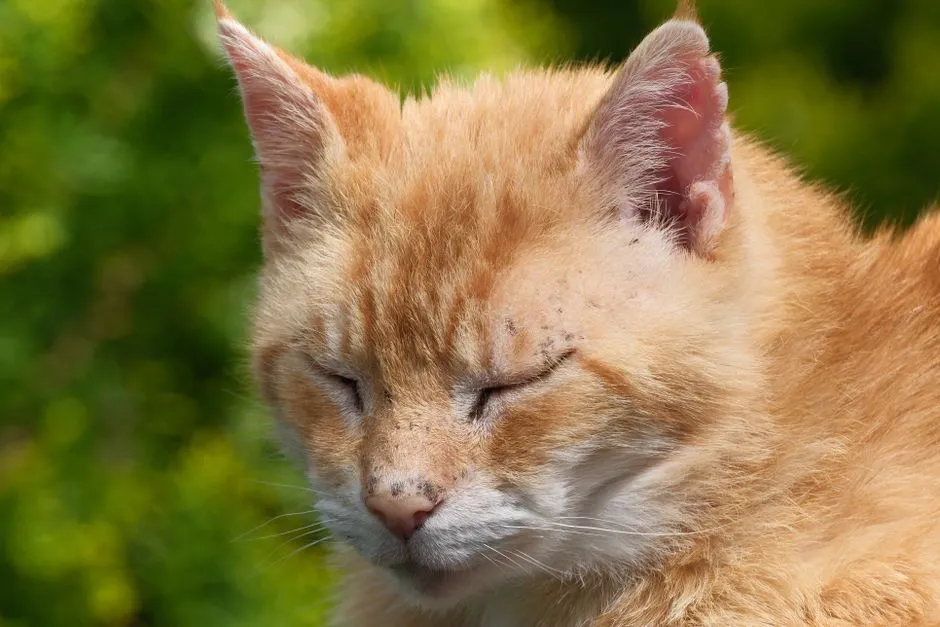
There’s a very specific winter look older cats get: duller fur, more dandruff, and crackly static when you pet them. Some of that is dry indoor air, but in seniors, a flaky, unkempt coat during cold months can also reveal reduced flexibility, chronic pain, or underlying metabolic disease.
They either can’t groom as effectively or don’t feel well enough to bother. Signs to watch:
- White flakes (“cat snow”) especially on the back near the tail
- Fur that mats more easily or feels less silky
Yes, humidifiers and omega-3s can help, but if this change only appears once the weather cools and your cat is older, treat it as a system-wide signal, not just a cosmetic annoyance. The skin is often the first visible place an internal problem shows up, especially under the stress of cold.
#18 – More Clinginess… or the Exact Opposite
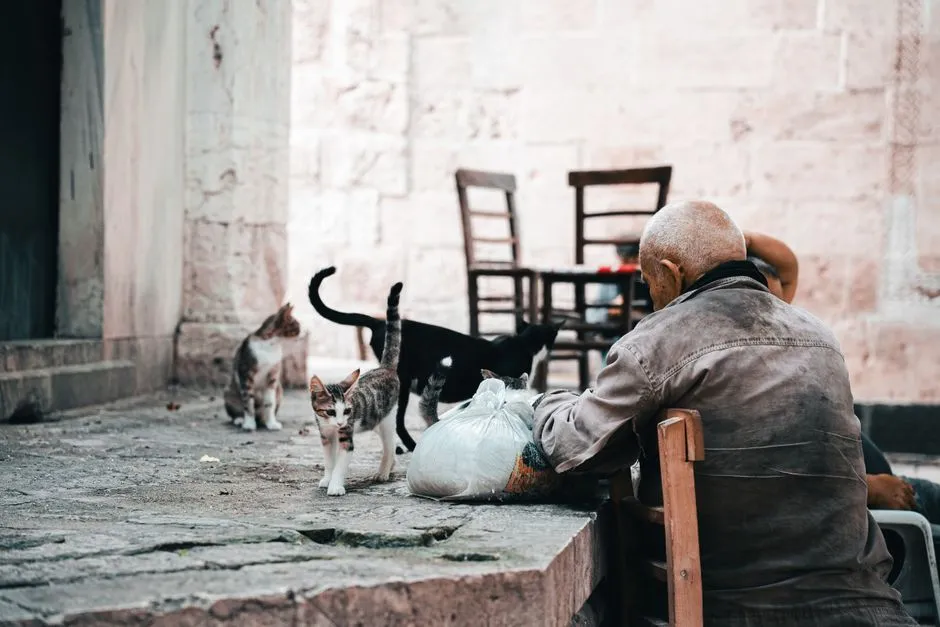
Cold weather often intensifies a senior cat’s emotional tells. Some older cats become dramatically clingier once it’s chilly – glued to your lap, following you room to room, meowing if you leave. Others suddenly want far more alone time than they did in summer.
Either extreme shift, triggered by the first cold snap, can point to discomfort, anxiety, or cognitive changes. Clinginess can be about warmth and security when they feel physically vulnerable. Withdrawal can be about pain, sensory overload, or confusion, especially in darker, quieter winter evenings.
A lot of what people dismiss as “cute seasonal behavior” is actually your cat negotiating how safe they feel in their own body. When their baseline personality changes with the temperature, it’s information, not drama.
#19 – Tiny, Easily Missed “Flinches” That Mean Real Pain
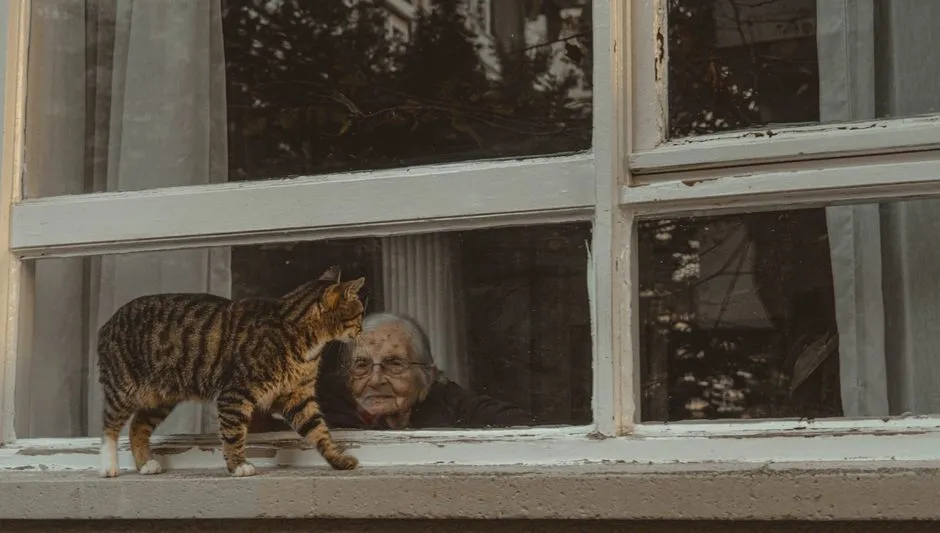
The most important cold-weather change in an aging cat is also the easiest to ignore: those tiny, almost-imperceptible flinches. A slight head turn when you touch a hip. A small pause on landing. A micro-limp that disappears after a few steps.
These are the whispers of chronic pain, and cold weather finally turns up the volume enough for you to hear them – if you’re paying attention.
Most people wait for something dramatic: obvious limping, nonstop crying, dramatic weight loss. Cats almost never give you that until things are severe. Winter is when the smaller clues sharpen into focus.
A single flinch, repeated across days and combined with one or two other cold-season changes on this list, is usually not “nothing.” It’s your warning window – and ignoring it is how treatable problems become permanent disability.
The Bottom Line
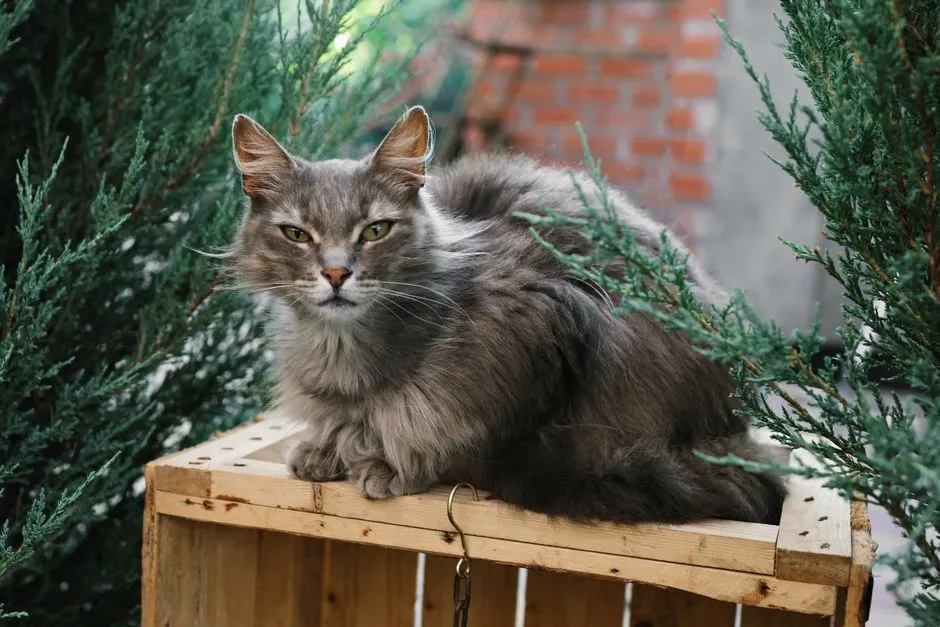
Once the weather turns cold, an aging cat becomes brutally honest in ways summer never forces. The stiff morning walk, the skipped jump, the new hiding spot near a radiator – these aren’t random “winter quirks.”
They’re your cat quietly showing you where it hurts, what’s harder, and what their body can no longer shrug off. The uncomfortable truth is that most people don’t notice until the signs are loud, and by then, comfort is harder to give back.
The good news is that catching these cold-season changes early means you can actually do something about them: warmer beds, easier litter setups, pain control, joint support, and real veterinary workups. That’s the difference between a cat who’s “just old” and one who’s still comfortable, still curious, and still very much themselves – just wearing a thicker coat.
At a Glance: When to Call the Vet
- New stiffness, limping, or reluctance to jump lasting more than a few days
- Noticeable weight loss hiding under a thick winter coat
- Big changes in litter box habits, water intake, or appetite
- Sudden personality shifts, especially increased hiding or nighttime distress
Which of these winter changes have you seen in your own senior cat, and did you brush it off at first, or act on it?

- 19 Changes in an Ageing Cat That Only Ever Appear Once the Weather Turns Cold - August 22, 2026
- 18 Backyard Birds Arriving in Growing Numbers and 18 Quietly Disappearing From American Gardens - August 21, 2026
- 17 Garden Birds Arriving Earlier Every Year and 17 That Have Almost Stopped Returning - August 21, 2026