
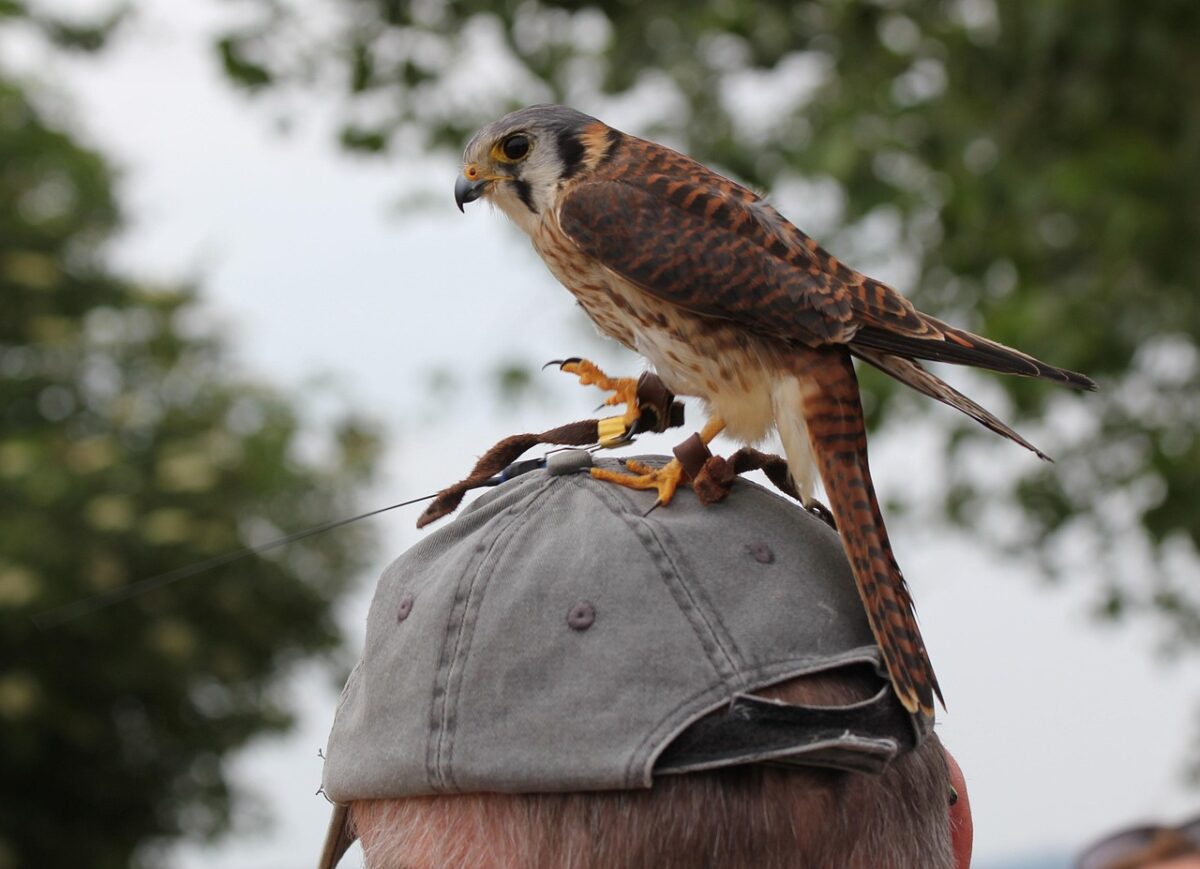
If you’ve ever driven a quiet country road and noticed a tiny falcon perched on a wire, calmly watching the world slide by, there’s a good chance you’ve already met an American Kestrel. They look almost delicate, but those bright eyes are locked onto something brutal and beautiful: the constant hunt for their next meal.
Once I started really paying attention to those specks on the wires, road trips suddenly turned into wildlife documentaries. The more you watch, the more you realize that kestrels aren’t just sitting around up there – they’re running a highly efficient hunting operation from those power lines and fence posts. Here’s how they turn simple human structures into perfect launchpads for survival.
Using Height as a Silent Sniper’s Nest
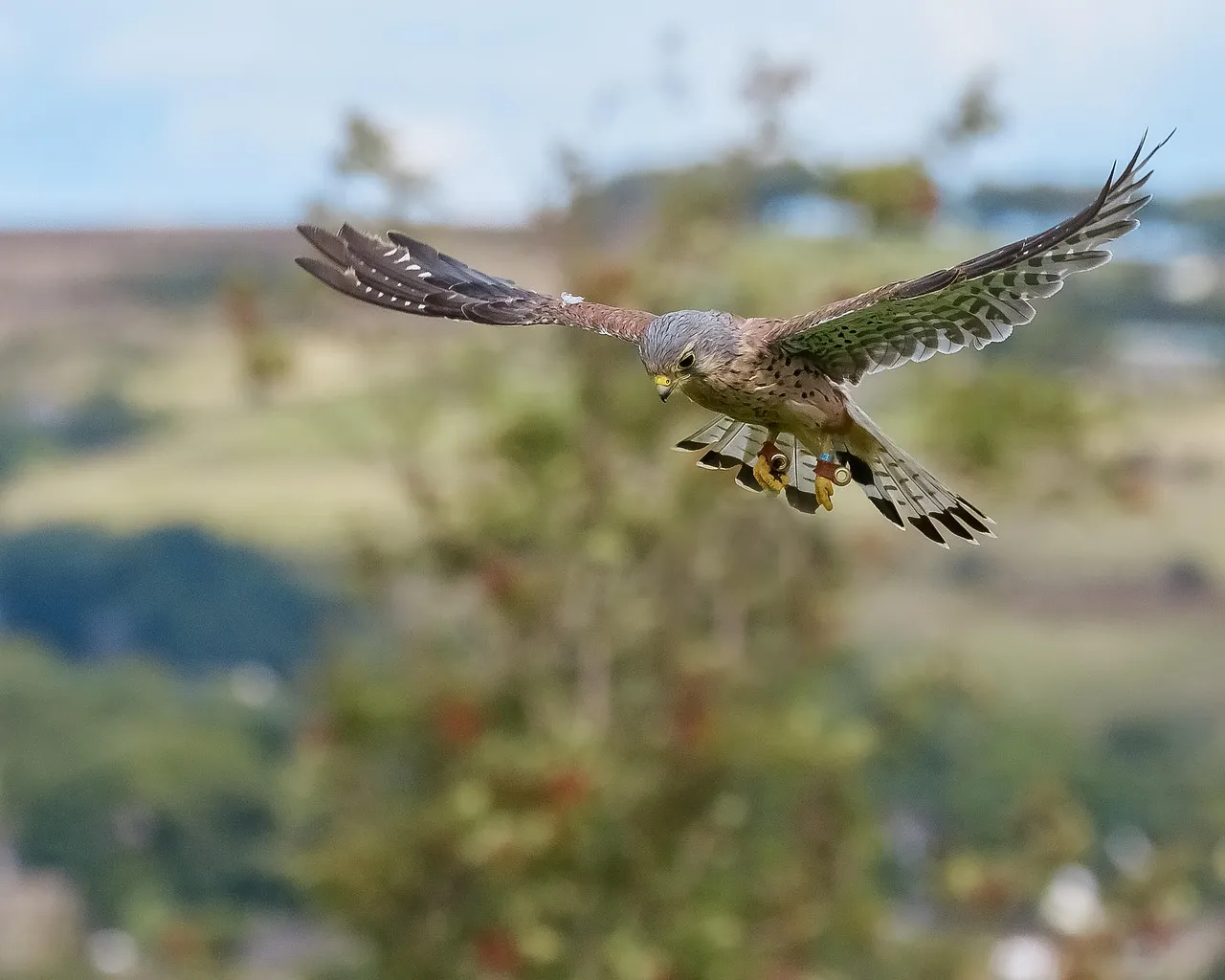
Have you ever noticed how often kestrels choose the highest available spot along a road or field? That extra height isn’t about getting a nice view; it’s about turning themselves into silent snipers, able to scan huge areas of ground without moving a muscle. From a power line or a tall fence post, they can see every twitch in the grass, every mouse trail, every careless grasshopper hop below.
This high vantage point gives them time and space to make decisions. A kestrel can sit completely still, blending into the background of poles and cables that humans barely notice anymore. While we see “infrastructure,” the kestrel sees a ready-made hunting blind, perfectly placed where open fields and disturbed ground attract small prey.
Scanning for Movement With Laser-Focused Vision
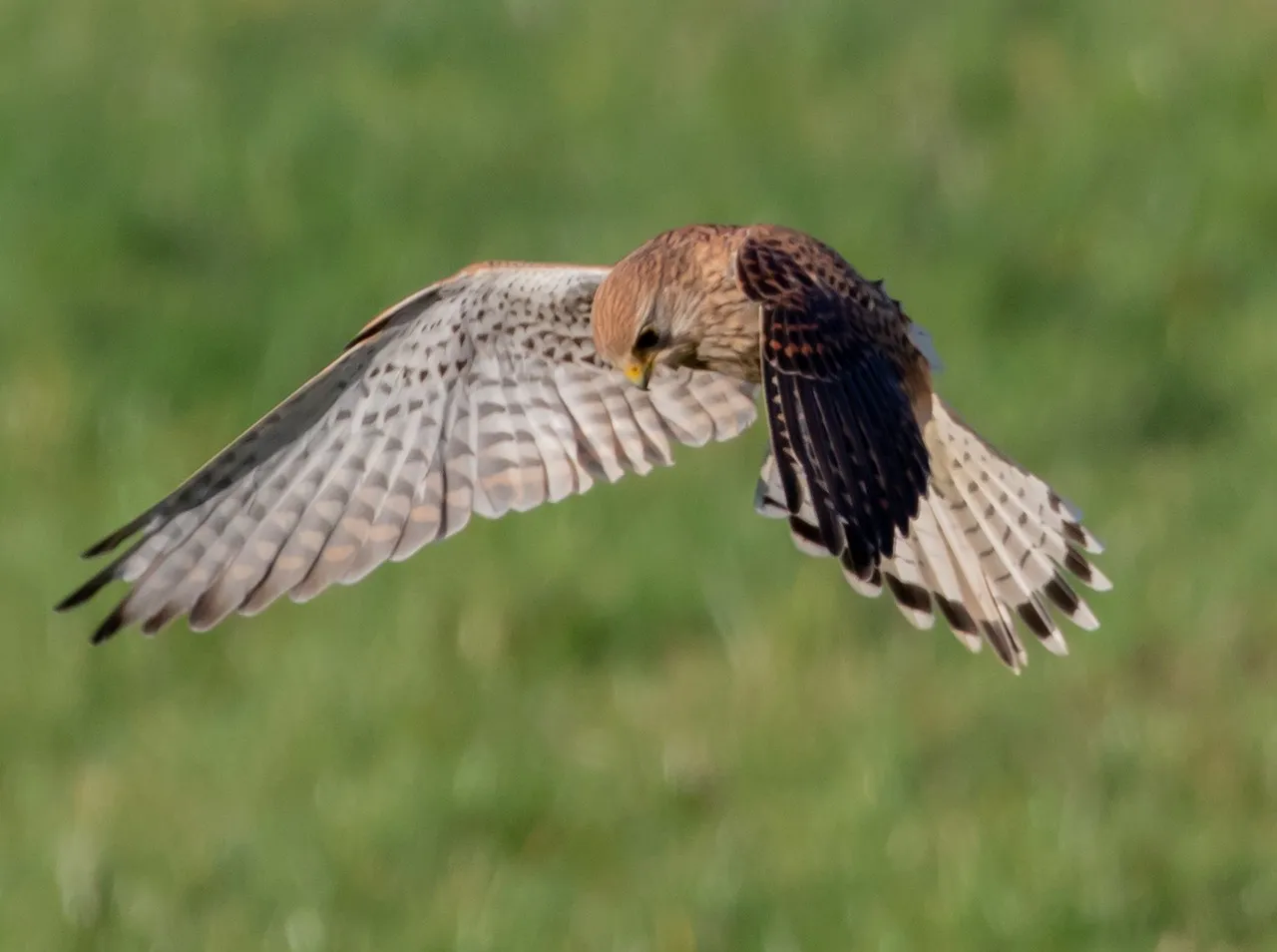
The real magic of kestrels on wires is not just where they sit, but how they see. Perched above a roadside ditch or open pasture, they are constantly scanning – not for shapes, but for movement. A vole slipping between clumps of grass, a beetle crossing bare soil, or a tiny lizard shifting on a rock can all betray themselves with the slightest motion.
From that elevated position, kestrels can use their sharp, forward-facing eyes to lock onto the smallest disturbance. The background looks like a flat canvas from their height, so anything that moves stands out. Fence posts and power lines simply extend the reach of their natural hunting perches: tree branches and dead snags. In modern landscapes where trees are scarce, our structures fill the gap, and kestrels take full advantage.
Dropping Straight Down in Lightning-Fast Pounce Attacks
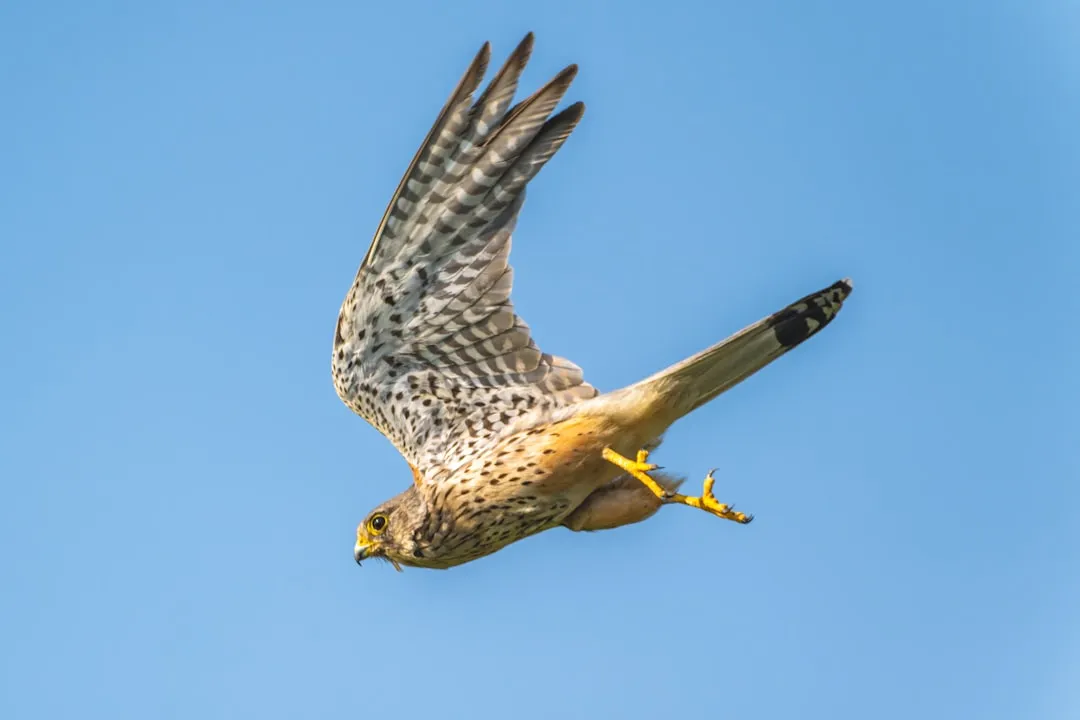
When the moment comes, a perched kestrel doesn’t hesitate. One second it’s a quiet silhouette on the wire; the next, it’s a streak of motion dropping straight down onto the prey. That vertical attack is one of their most effective methods, and power lines and posts are perfectly set up for it. Being directly above the hunting ground means they can fall almost like a stone, with just enough control to adjust in midair.
This drop attack minimizes the time prey has to react. A mouse that might hear wingbeats coming from the side gets almost no warning when the danger appears from above. The kestrel’s small body and narrow wings slice through the air, and by the time the prey understands what’s happening, it’s already in those sharp talons. From the bird’s point of view, a power line is not just a perch – it’s the perfect launch rail for an ambush.
Hovering Off the Perch When the View Isn’t Perfect
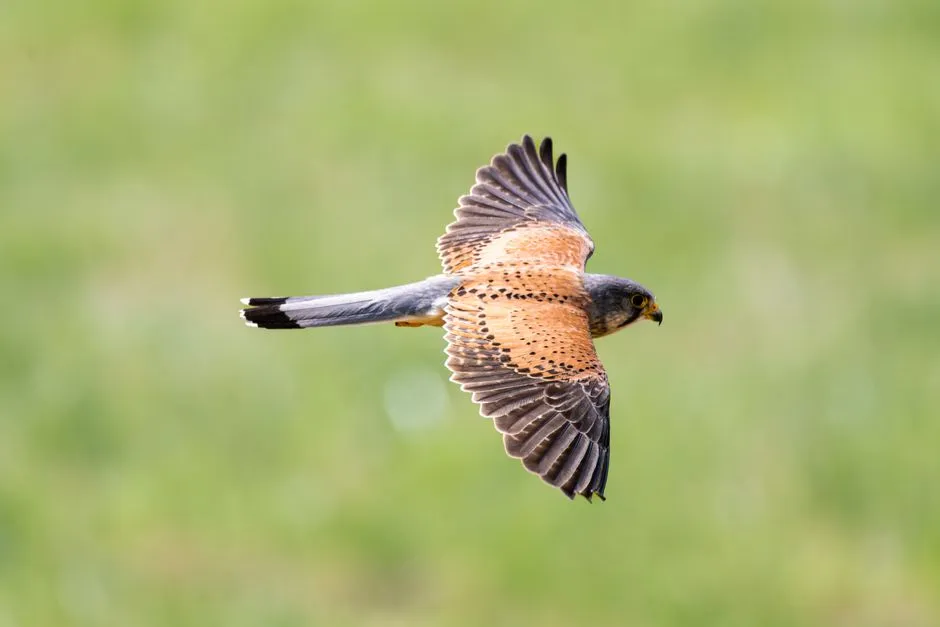
Sometimes, even the best wire or post doesn’t give a full view of what’s going on. That’s when the American Kestrel does something that almost feels like a magic trick: it leaves the perch, faces into the wind, and hovers in place. While kestrels are famous for wind-hovering from open air, they often start the maneuver from a nearby power line or fence, using it as a base to test different angles and distances.
Think of the perch as the kestrel’s control tower. From there, it can launch into short hover flights, adjusting its position over a spot where it suspects prey is hiding. If nothing turns up, it returns to the wire, resets, and tries again somewhere else. This back-and-forth between fixed perch and active hovering lets them cover more ground with minimal effort, especially in gusty conditions where hanging in the air is easier.
Working the Roadside Buffet of Rodents and Insects
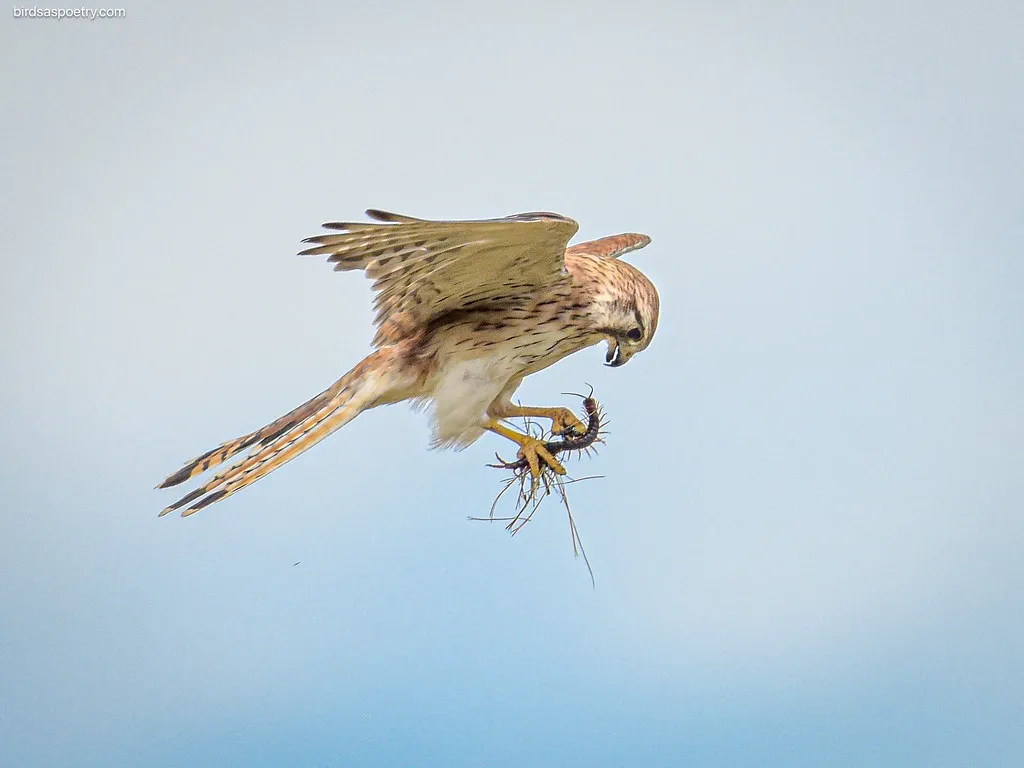
As unromantic as it sounds, roads and fencelines are like all-you-can-eat buffets for kestrels. Our mowing, plowing, and construction clear away tall vegetation, leaving open strips of ground where rodents and insects are easier to see. Fence posts and utility poles just happen to be placed right along those edges, giving kestrels front-row seats to the action.
From a power line running beside a field, a kestrel can hit multiple tiny hunting zones in quick succession: the grassy shoulder, the ditch, the mowed edge, and the crop field itself. Each little micro-habitat attracts different prey, from grasshoppers and beetles to mice and voles. The bird simply rotates its gaze and shifts position along the wire like a person sliding down a barstool lineup, checking what each area has to offer.
Patrolling a Linear Territory Like a Train on a Track
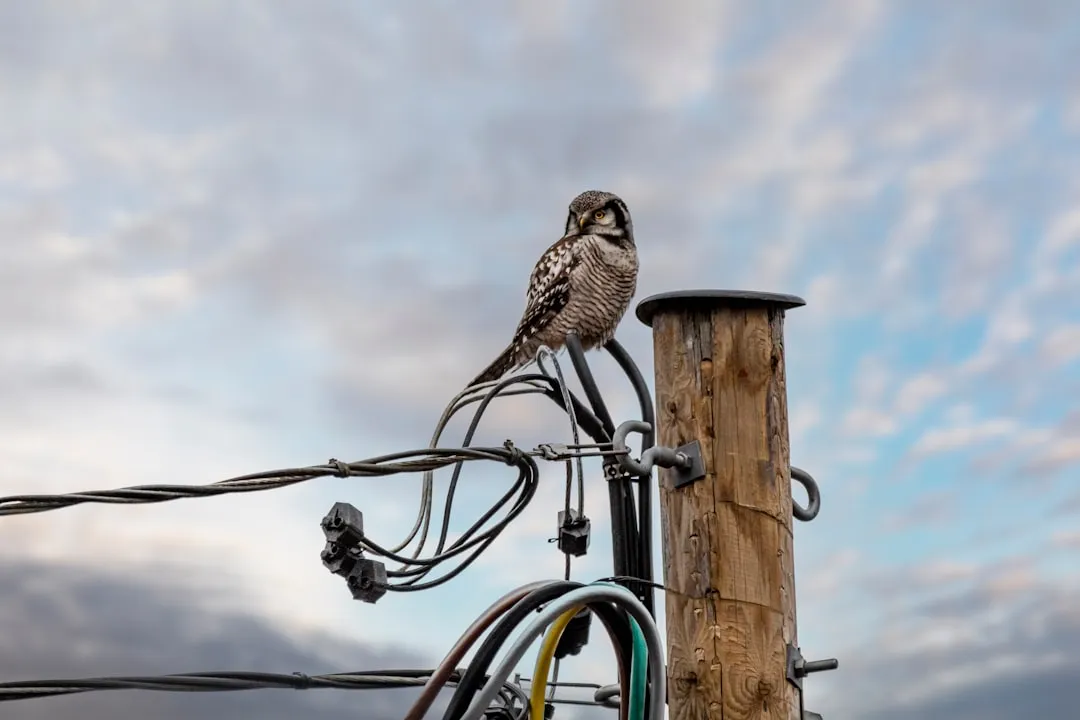
One of the most underrated things about power lines and fences is that they are basically straight, continuous routes that cut through huge areas of habitat. Kestrels use them almost like aerial sidewalks, patrolling up and down their chosen stretch. By hopping from post to post or wire to wire, they can re-check the same hunting spots throughout the day without burning much energy in long flights.
It’s almost like a security guard making rounds. The kestrel knows where rodents often appear, where insects like to gather, where the grass is short enough to reveal motion. Each post or span of wire is a checkpoint. Moving along these linear structures also helps them keep an eye on potential rivals or threats, all while staying just high enough to spot opportunity before anything on the ground even suspects they’re being watched.
Switching Targets on the Fly When Opportunities Appear
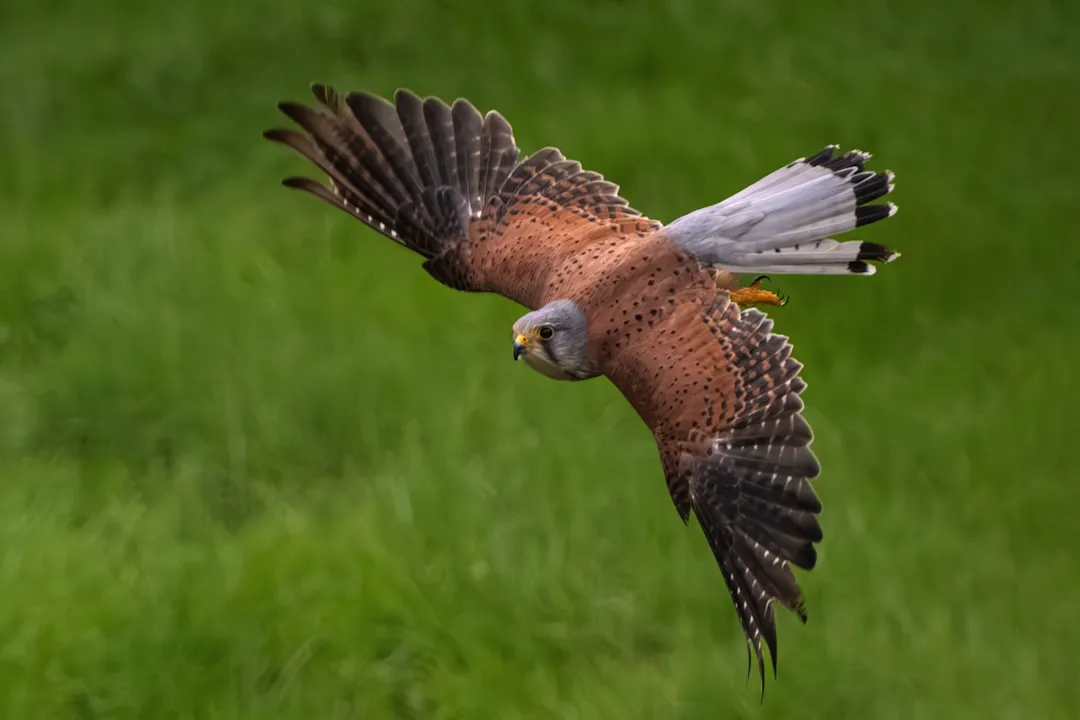
From a raised perch, a kestrel is not locked into a single type of prey; it can be opportunistic in the best possible way. Maybe the original goal is a mouse creeping through the grass, but then a large insect zips past at just the wrong time. From a fence post or wire, the bird can instantly switch targets, launch into the air, and snag the closer, easier meal.
This flexibility is a huge advantage in unpredictable environments. Farmers might mow a field, weather might shift, or traffic noise may suddenly spook one type of prey. Because the kestrel is watching everything from above, it can adapt in real time. Perches act like decision hubs, letting the bird constantly update its mental map of where the food is and what kind of food is currently worth the chase.
Using Poles and Posts as Safe Eating Platforms
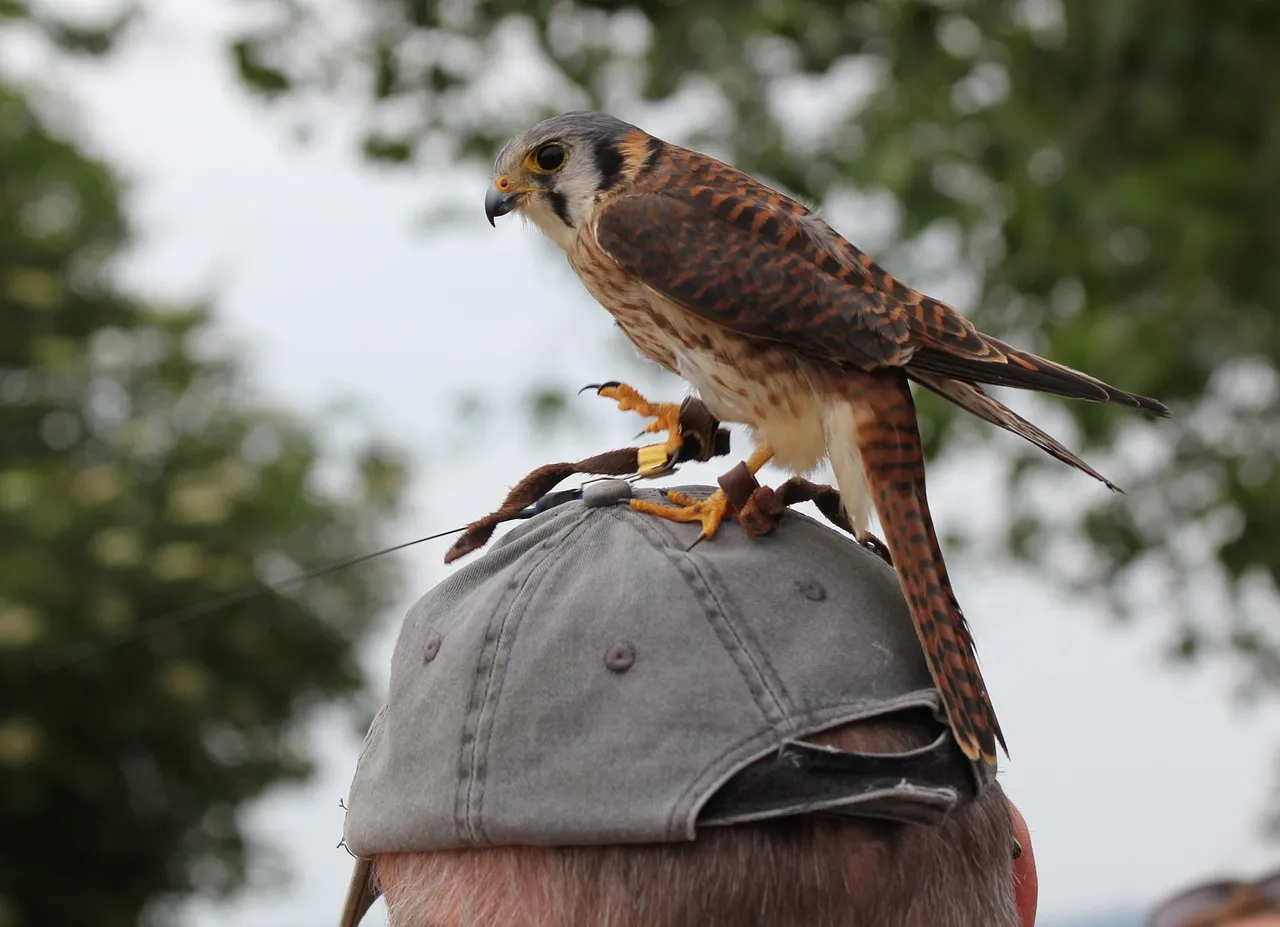
The hunt isn’t over when the prey is caught. A small falcon standing on the ground with a fresh catch is vulnerable – to larger raptors, to mammals, even to vehicles if it’s near a road. Power poles and fence posts solve that problem beautifully. After grabbing something, a kestrel often carries it back up to a perch, turning that elevated spot into a safe dining table.
From there, the bird can pluck and tear at its meal with less fear of being ambushed. It can also keep scanning while feeding, ready to bolt if a hawk appears or if a better perch is needed. In a way, the same post that acted as a sniper’s tower for the attack becomes a fortress for the feast, wrapping the entire hunting sequence – spot, strike, and eat – around a single human-made object.
Conclusion: Wires and Posts as Unintended Gifts to a Tiny Falcon
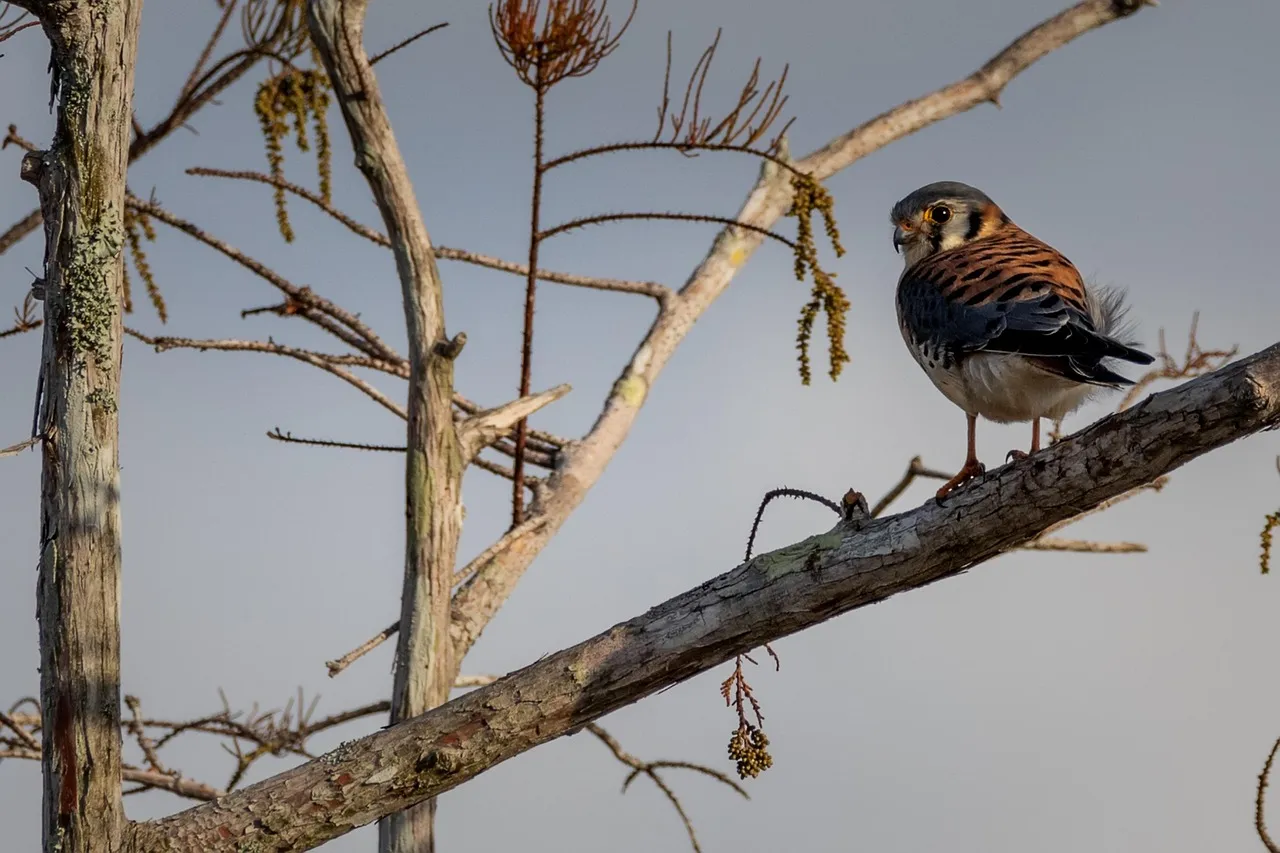
I think there’s something quietly astonishing about the way American Kestrels have turned our power lines and fence posts into tools for survival. We built these structures for electricity and boundaries; they converted them into hunting blinds, patrol routes, lookout towers, and safe tables all in one. It’s a reminder that wildlife doesn’t just tolerate human landscapes – sometimes it bends them to its own advantage.
At the same time, this clever adaptation comes with strings attached: traffic, collisions, habitat loss, and changing insect populations all ripple through the same spaces kestrels now rely on. To me, noticing that tiny falcon on a wire feels like a small nudge to pay closer attention to how our everyday infrastructure shapes the lives around us. Next time you see one perched over a roadside, will you just drive by, or will you wonder what hunt it’s planning from that humble little post?

- 7 Ways American Kestrels Hunt From Power Lines and Fence Posts - August 8, 2026
- Animal Cognition Says Parrots Practice Words Alone Before Using Them in Social Situations - August 8, 2026
- 8 Things Guinea Pigs Remember About Daily Routines - August 8, 2026