
Most people plan their dream American road trip around the same five names: Yellowstone, the Grand Canyon, New York City, maybe a stop in New Orleans. They map out the big stuff and assume the small towns in between are just gas-station blurs on the way to something better.
Then they roll into one of these seventeen places for what was supposed to be a quick lunch stop, and something strange happens. Hotel reservations get canceled. Rental cars get extended. More than a few visitors go home, quit their jobs, and start browsing real estate listings for a town they’d never even heard of a month earlier. Here’s where it happens, and why nobody sees it coming.
#17 – Ocracoke, North Carolina: The Ferry Ride That Ends in a Mortgage
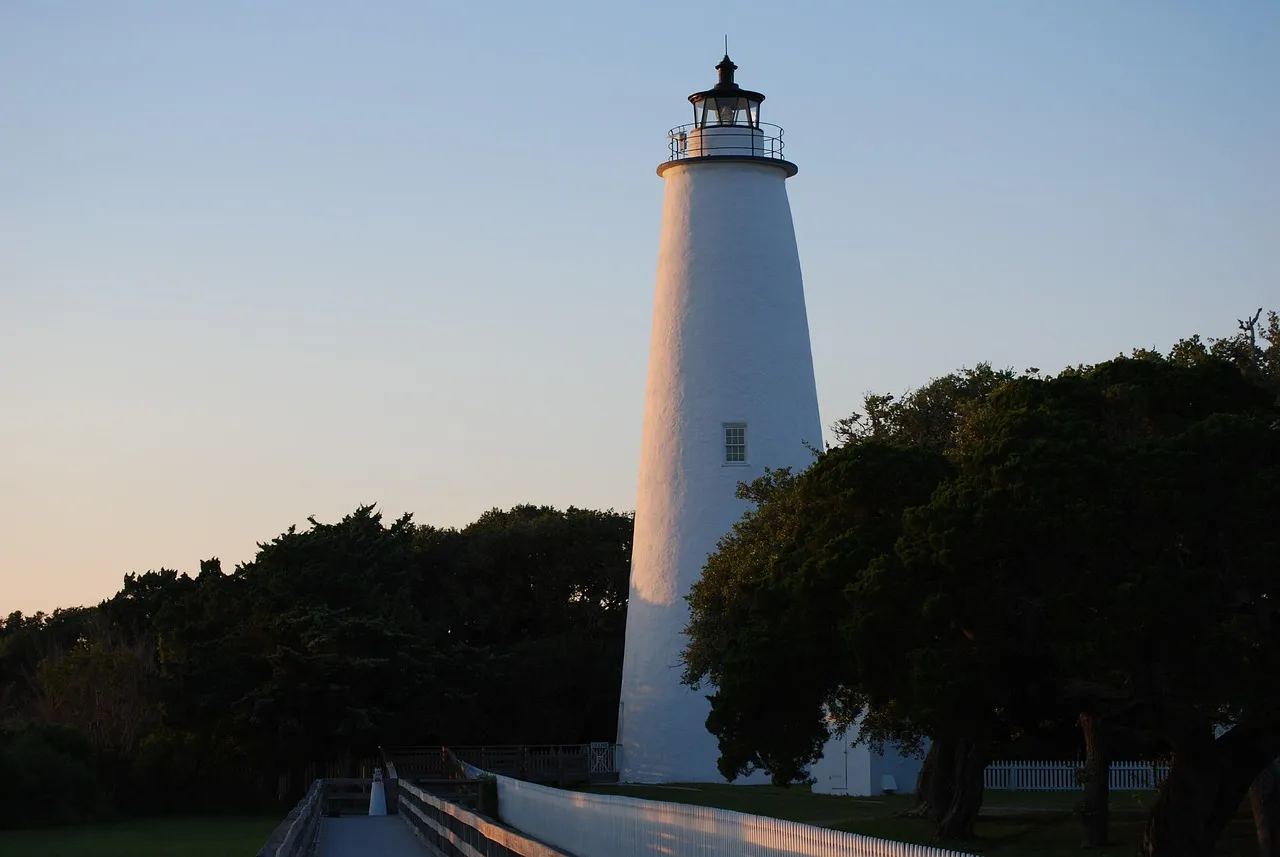
Most people take the two-and-a-half-hour ferry to Ocracoke expecting a quick beach detour before heading back to the mainland. Then they watch the sun drop over an empty shoreline with wild ponies grazing in the distance, and the return ferry suddenly feels optional. There are no traffic lights here, no chain stores, no rush – just sand, salt air, and a silence that big coastal towns simply can’t fake.
What really gets people is how fast the math starts working. Seasonal renters keep coming back summer after summer until one year they just buy the cottage instead of booking it. Remote workers discover the internet is surprisingly reliable, the commute is a bike ride to the dock, and the ferry schedule starts to feel like the only clock that matters.
Fast Facts
- Ocracoke Island is only reachable by ferry or small aircraft – there’s no bridge connecting it to the mainland.
- The island sits within the Cape Hatteras National Seashore, protected under the National Park Service.
- A free-roaming herd of wild ponies, descended from Spanish stock, grazes on a protected pasture near the village.
- Year-round population stays well under 1,000, swelling many times over each summer season.
#16 – Ouray, Colorado: The One-Day Trip That Turns Into a Winter Move
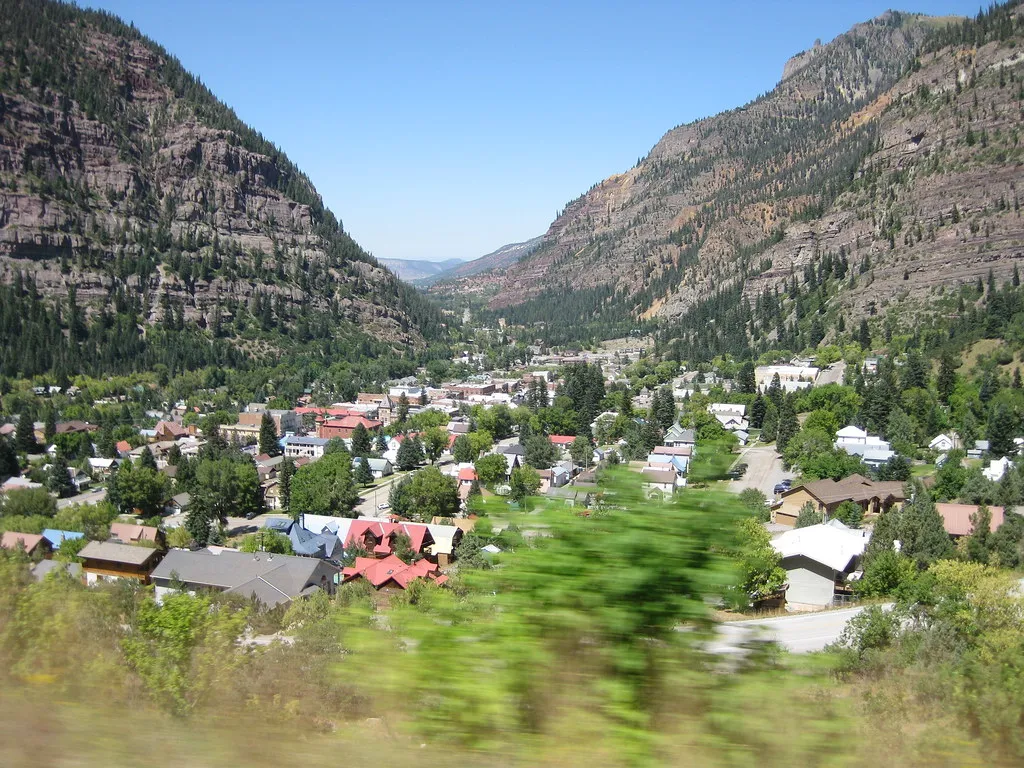
Ouray gets sold as a quick hot-springs stop, a box canyon photo, and back on the road. Then visitors actually walk the town – every trail, every historic mining building, every ridge of the San Juan Mountains within arm’s reach – and realize the whole place fits in a pocket you could explore for a week without repeating a view.
The twist nobody expects: summer hikers come back for winter ice climbing and never really leave the loop. The scenery does the initial hooking, but it’s the small-town warmth – the kind where the hardware store owner remembers your name after one visit – that seals the deal for people who came for a hike and stayed for a life.
#15 – Leavenworth, Washington: The Bavarian Village That Isn’t Faking It
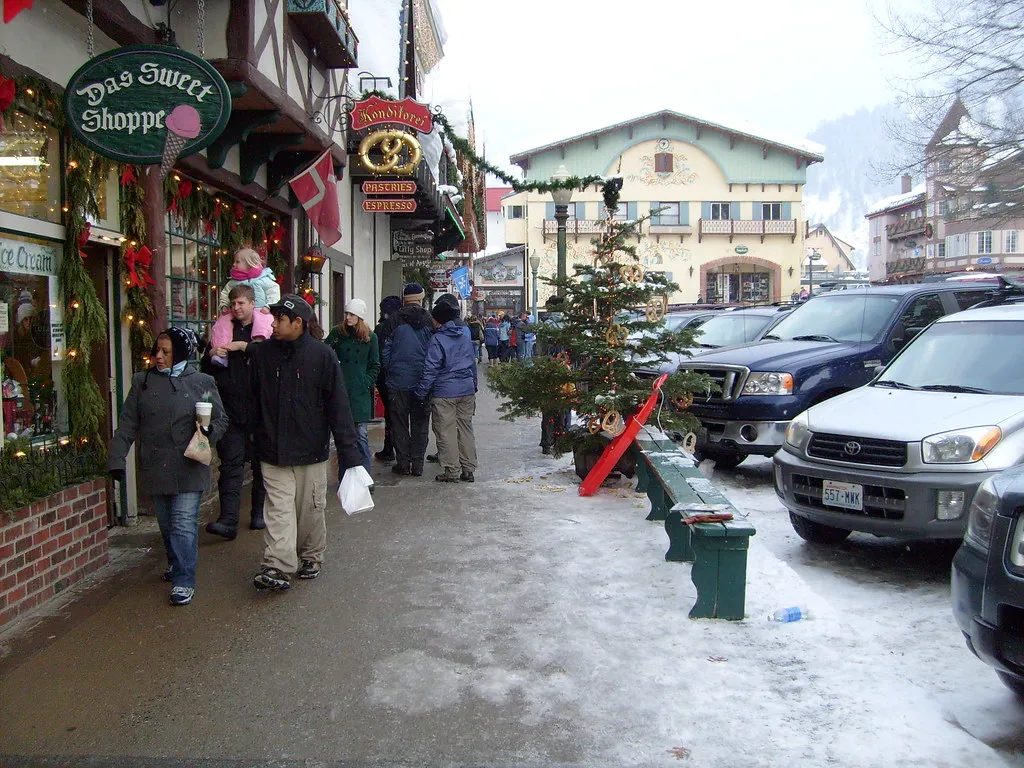
On paper, a Bavarian-themed town in the Cascades sounds like a tourist trap. In person, it works in a way that catches even skeptics off guard – the architecture is committed, the festivals run all year, and the surrounding trails make the theme feel like a bonus rather than the whole show.
Oktoberfest is where the real damage happens. One-night bookings routinely balloon into week-long stays as visitors realize the national forest access and walkable downtown mean they never actually have to get back in the car. Families who planned a single Pacific Northwest stop often admit they rebuilt their entire route around this one town.
#14 – Cannon Beach, Oregon: Where Tide Pools Rewrite the Itinerary
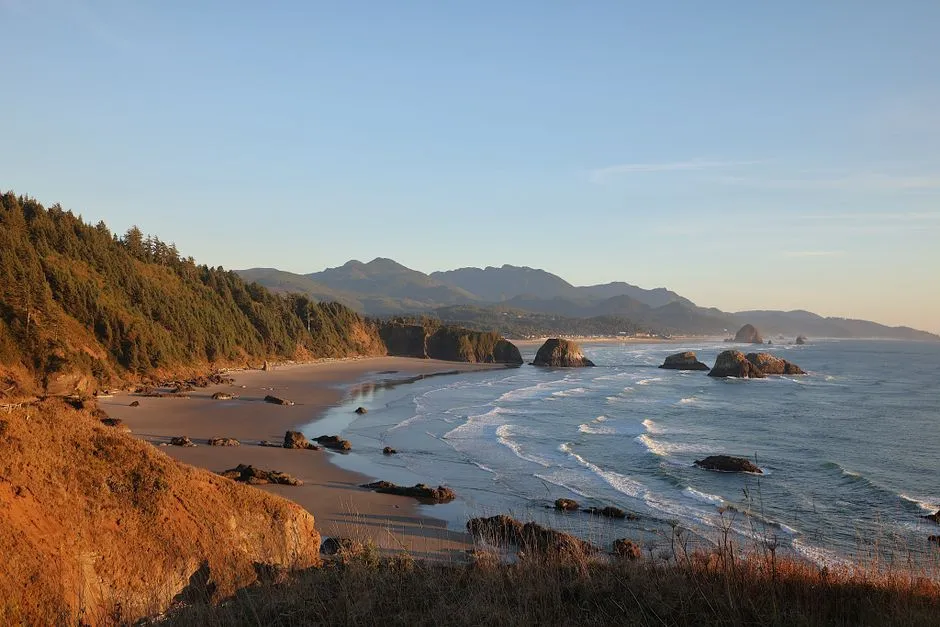
Haystack Rock photographs well enough to lure anyone off Highway 101 for twenty minutes. What keeps people there for days is the mist rolling in over the sand, the tide pools that look completely different at 8 a.m. versus 6 p.m., and a downtown small enough to explore on foot without ever needing directions.
Visitors who planned a quick coastal photo op end up extending trips just to catch the tide at a different hour, then a different hour after that. Compared to louder, more crowded stretches of the Oregon coast, Cannon Beach’s quiet independent shops and near-total absence of tourist-trap energy make it easy to lose track of the calendar entirely.
#13 – Carmel-by-the-Sea, California: The Town Real Estate Scouts Can’t Resist
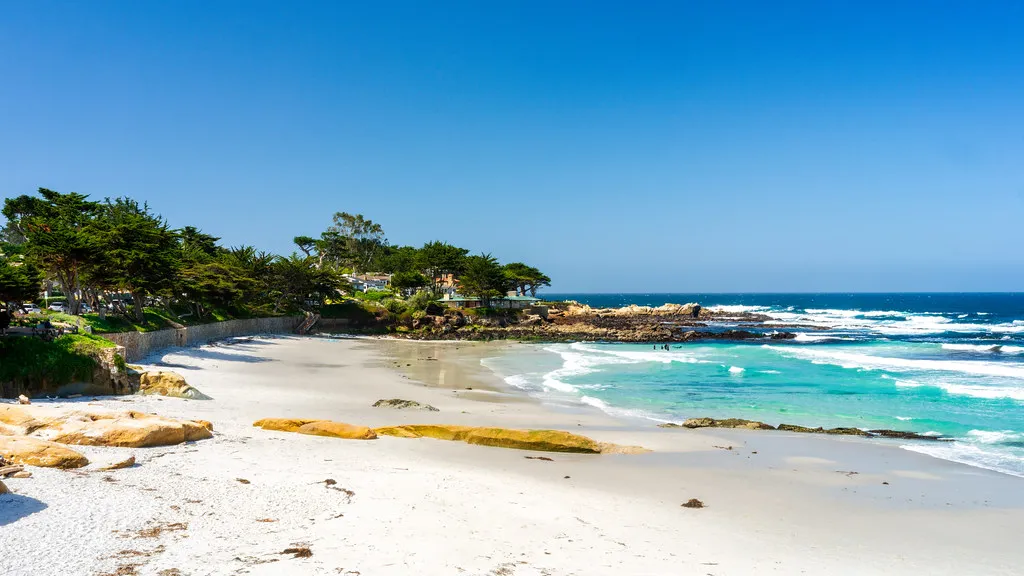
Carmel bans chain stores outright, and it shows – fairy-tale cottages, hidden courtyards, and gallery-lined streets that feel plucked from a storybook rather than a coastal California map. A planned afternoon of browsing art often turns into several unplanned days once the wine bars and beach walks enter the picture.
Here’s the part that surprises even locals: out-of-state visitors regularly fly back within months, not for another vacation, but to scout property. The combination of coastal beauty, walkable streets, and an artistic community that actually feels lived-in rather than staged creates a pull that’s hard to explain until you’ve felt it firsthand.
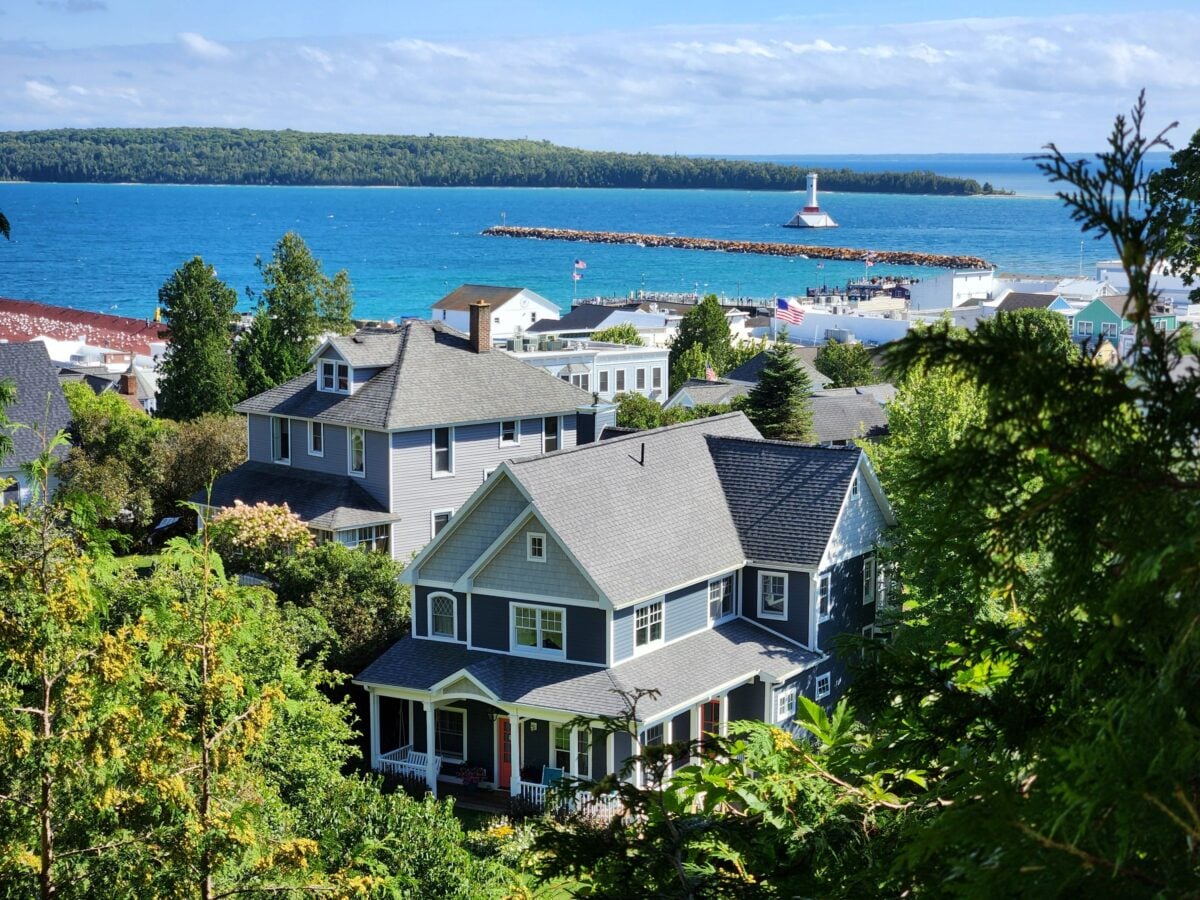
#12 – Mackinac Island, Michigan: A Ferry Ride Into a Different Century
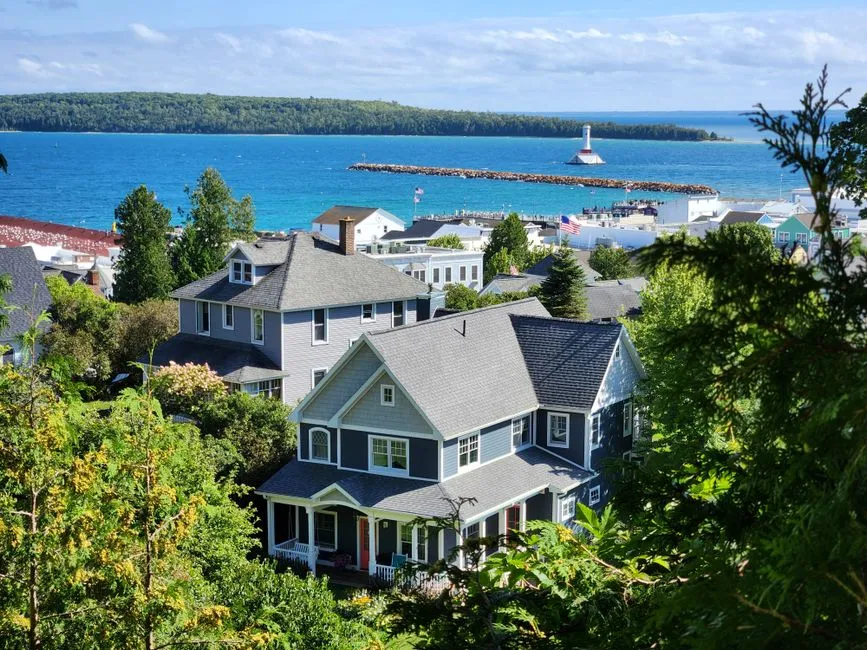
No cars are allowed on Mackinac Island, which sounds like a quirky footnote until you’re actually there – just horse-drawn carriages, bicycles, and Victorian mansions lining streets that smell like fudge and lake water. A quick carriage tour turns into an overnight stay the moment the sun sets over the Straits of Mackinac.
Day-trippers arrive with return ferry tickets already booked and end up canceling them on the spot. Between the fort’s history and the sheer novelty of a car-free world, families routinely rework entire Great Lakes itineraries to squeeze in one more night here.
#11 – Camden, Maine: Where Sailors Cancel Their Next Reservation
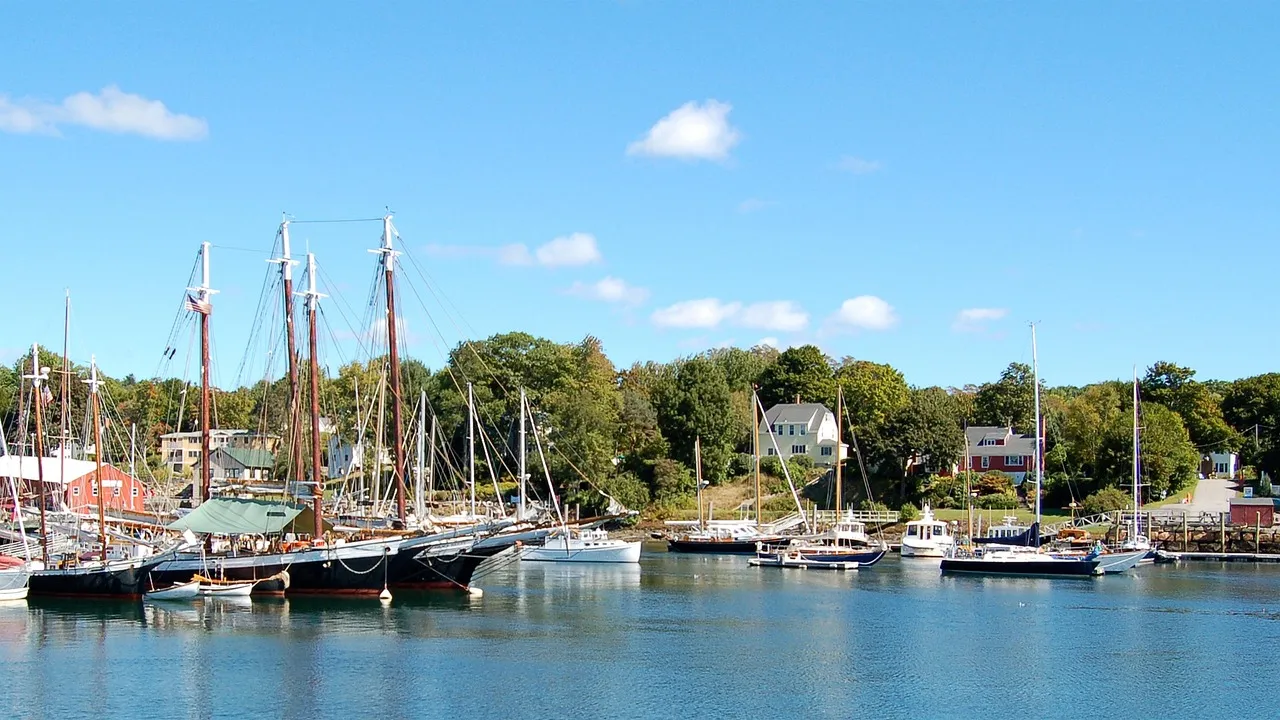
Camden’s working waterfront isn’t dressed up for tourists – it’s a real harbor, full of real boats, backed by hills that roll straight down to the water. Leaf-peepers and sailors alike show up expecting a quick photo stop and end up booking a windjammer sail they never planned for.
One trip out on Penobscot Bay is usually enough to explain why so many visitors cancel whatever came next on their itinerary. The rare combination of mountains and open sea within a five-minute walk of each other is something remote workers in particular can’t stop talking about once they’ve experienced it.
#10 – Stowe, Vermont: The Ski Town People Extend Into Every Season
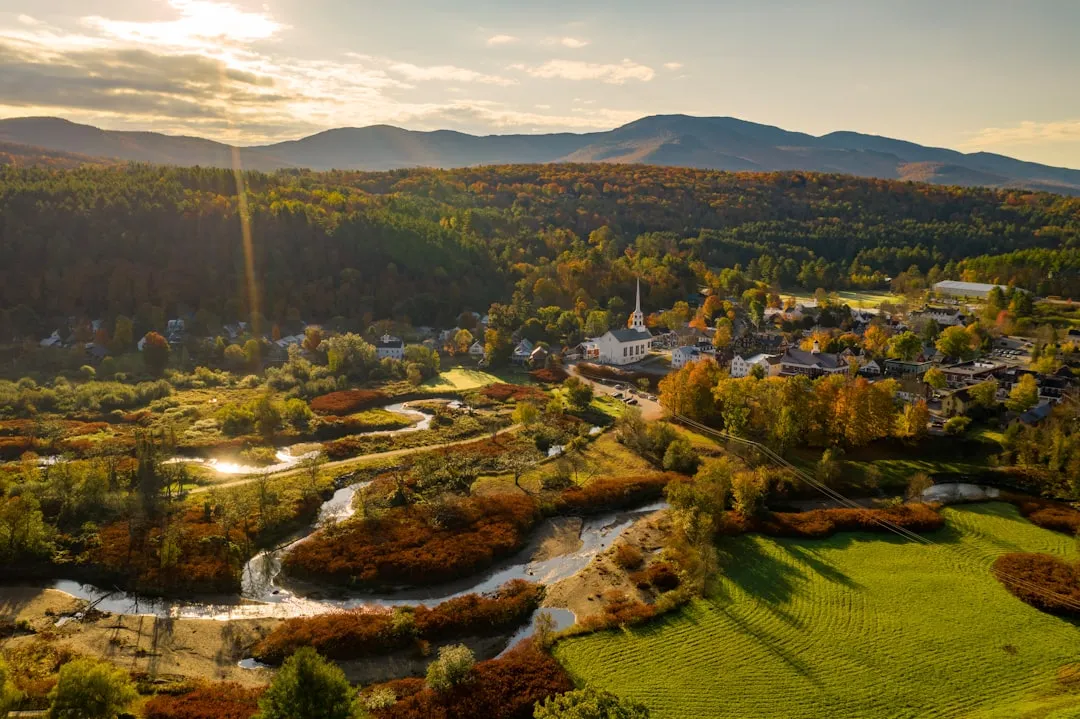
Stowe markets itself as a ski destination, and the skiing delivers. But visitors who show up for a weekend on the slopes often discover covered bridges, a walkable Main Street, and an unpretentious charm that has nothing to do with typical resort-town glitz.
The pattern repeats every year: summer hikers come back in the fall, fall visitors come back in winter, and somewhere in that cycle a good number of them just decide to stay. Green Mountain views paired with a food scene that punches well above the town’s size tend to be the final push.
#9 – Telluride, Colorado: The Box Canyon That Makes Leaving Feel Wrong
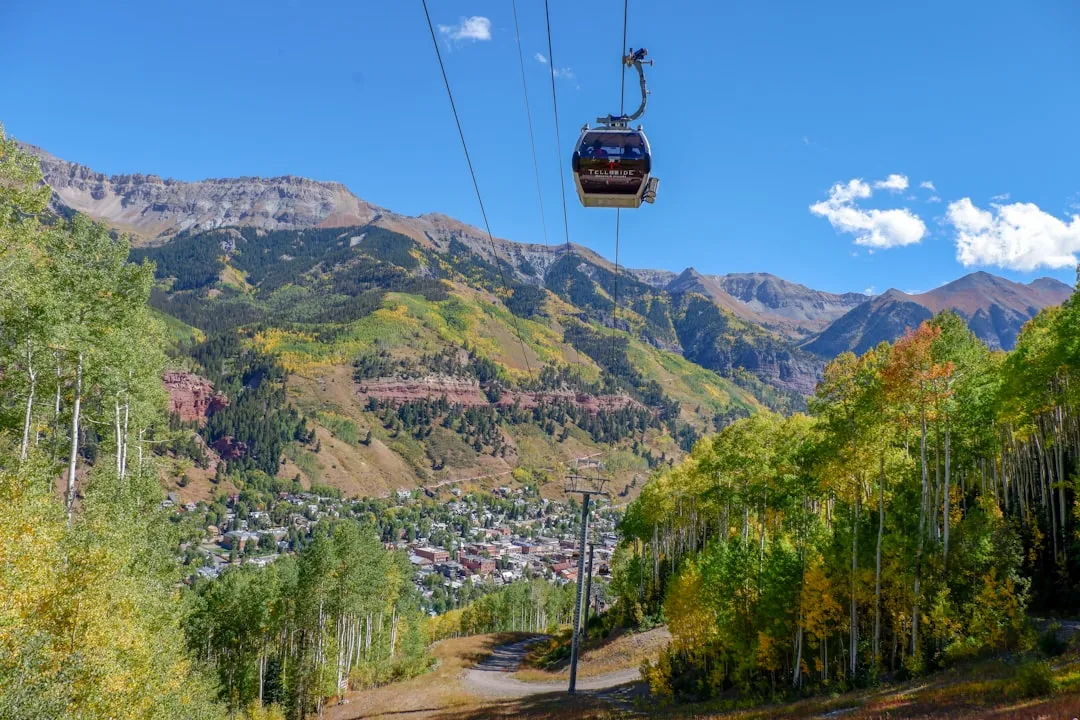
A free gondola ride sounds like a nice bonus until you realize it’s the reason nobody wants to leave Telluride. The box canyon setting means mountains rise on every side, historic mining-era buildings anchor the downtown, and hiking access starts practically at the front door of every hotel.
Festival season is where things really unravel for planners. Visitors who came for one weekend of music routinely extend their stay to hike the surrounding peaks, and remote professionals who visit once often describe the town’s balance of adventure and quiet as genuinely life-altering.
#8 – Hudson, New York: The Day Trip New Yorkers Keep Failing At
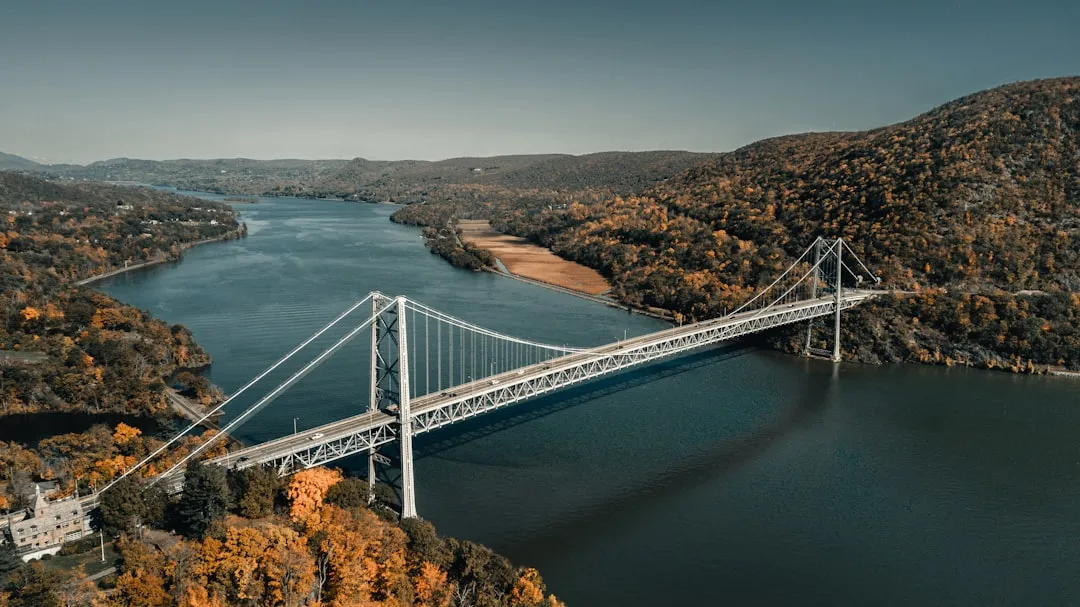
Hudson was built for a quick Amtrak day trip from Manhattan – antique shops, farm-to-table restaurants, a strip of Warren Street perfect for an afternoon stroll. Except the town’s creative energy and restored 19th-century buildings tend to swallow entire weekends instead.
Weekend visitors have a habit of coming back within weeks, only this time they’re touring open houses instead of antique stores. The easy train access combined with a genuine small-town pulse has quietly turned Hudson into one of the most rethought stops on the entire Hudson Valley map.
#7 – Beacon, New York: The Art Detour That Won’t Let Go
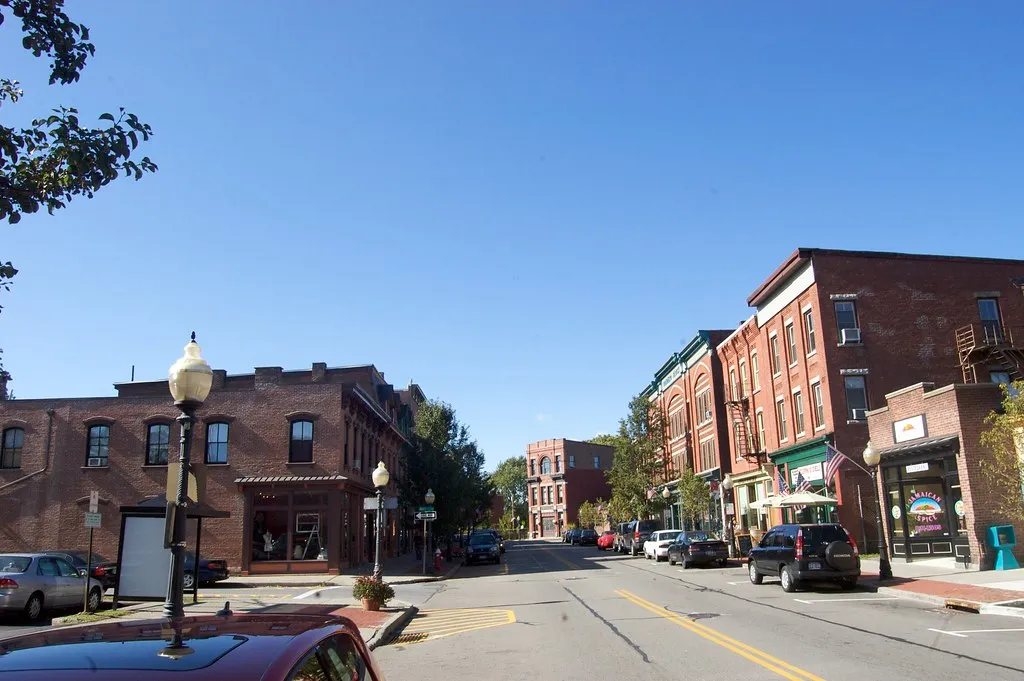
Dia Beacon draws the initial crowd, but Main Street is what keeps people around. Galleries, a walkable riverfront, and a downtown that blends old industrial buildings with modern creative energy make this feel like a much bigger city compressed into a few blocks.
One-day visitors here have an unusually high habit of booking a return trip in the same week – sometimes before they’ve even left. Between the outdoor access along the Hudson and the concentrated creative scene, Beacon offers a rare mix of inspiration and calm that’s hard to find packed this tightly anywhere else.
Quick Compare
- Hudson: Antique-heavy Main Street with the easiest Amtrak connection from Manhattan.
- Beacon: Anchored by Dia Beacon’s contemporary art museum and a walkable riverfront.
- Cold Spring: Built around the Breakneck Ridge hike, with antique shops steps from the trailhead.
#6 – Cold Spring, New York: The Hike That Turns Into a Sleepover
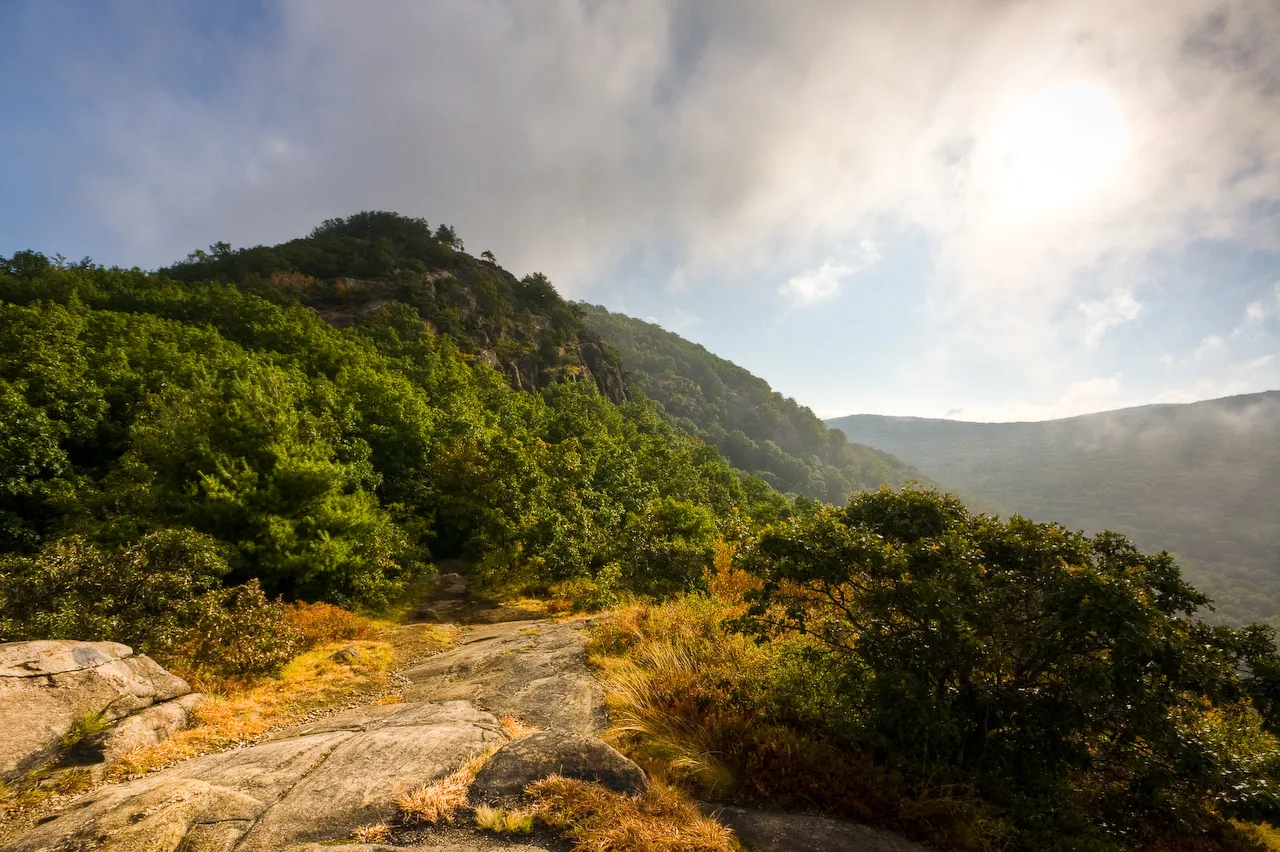
Breakneck Ridge pulls hikers off the Metro-North line expecting a tough climb and a train back to the city by dinner. Then they wander into the village afterward, past antique shops and river views that somehow feel more compelling than the hike itself, and the return train gets pushed to tomorrow.
A surprising number of day visitors rearrange their whole schedule on the spot to include an overnight. The Hudson Highlands setting paired with a genuinely walkable downtown creates a sense of belonging that’s rare for a town this close to New York City.
#5 – Seward, Alaska: The Port Stop That Outgrows the Cruise Schedule
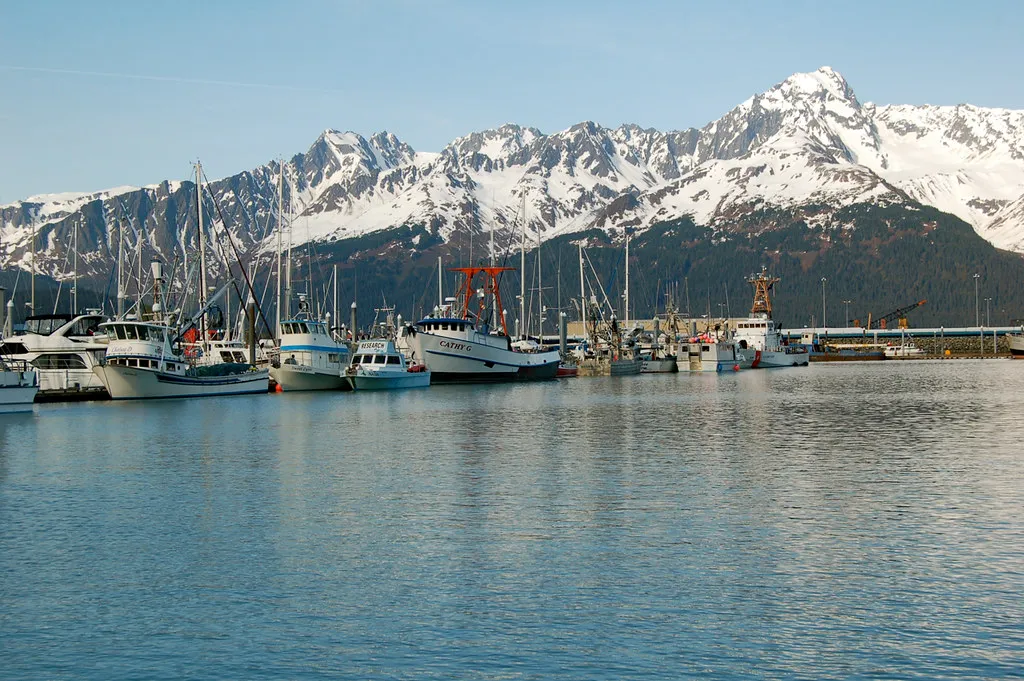
Cruise passengers usually get a few hours in Seward before the ship pulls out again. But the moment the fjords come into view and Kenai Fjords National Park opens up just beyond the harbor, that tight window starts to feel like a cruel joke.
Wildlife sightings are usually the tipping point – one glimpse of a breaching whale or a calving glacier, and visitors are suddenly extending trips they thought were locked in. The working harbor and authentic Alaskan culture make the original itinerary feel almost insultingly short in hindsight.
#4 – Custer, South Dakota: Where One Bison Sighting Changes Everything
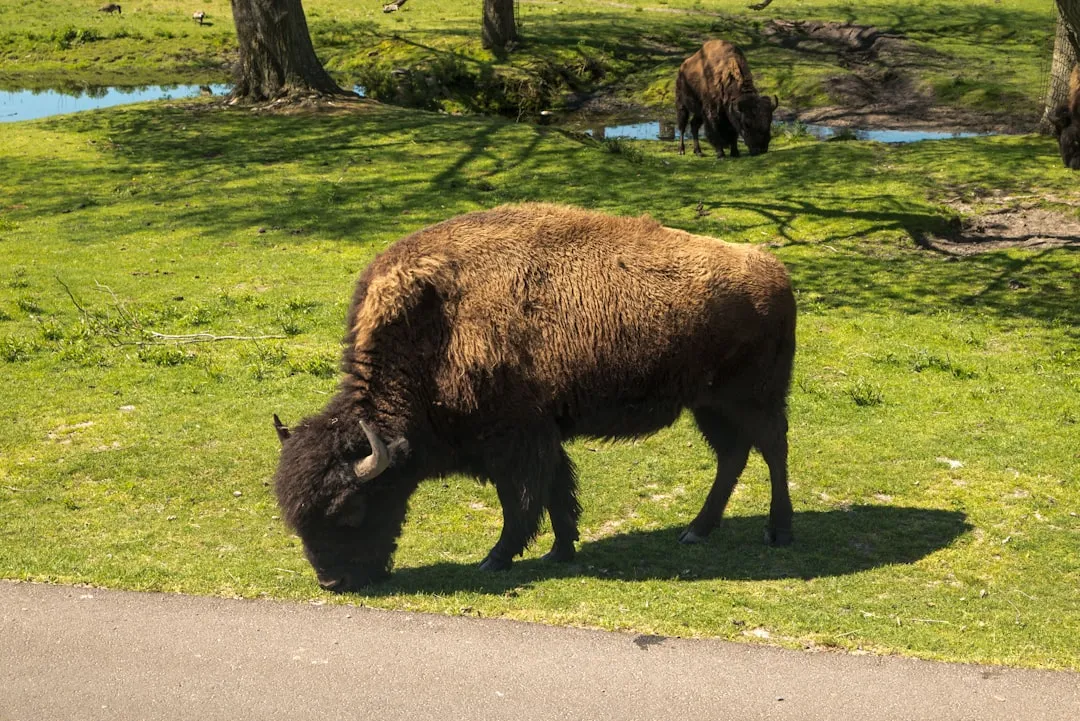
Most Black Hills visitors treat Custer as a pit stop between Mount Rushmore and Custer State Park. Then the colorful main street and the wildlife-packed park next door reveal a depth that wasn’t in the original plan at all.
Families report the same moment of surrender almost every time – one close bison encounter on the park loop, and suddenly the road trip schedule gets torn up. Local pie shops and quiet trails tend to finish the job, turning a rigid itinerary into an extra day nobody budgeted for.
Fast Facts
- Custer State Park is home to one of the largest publicly managed bison herds in the world, roaming across roughly 71,000 acres.
- The Wildlife Loop Road is one of the most reliable spots in the country for close-up bison sightings.
- Custer sits a short drive from both Mount Rushmore and the Crazy Horse Memorial, making it a natural basecamp.
#3 – Eureka Springs, Arkansas: The Ozark Town Built on a Hillside and a Legend
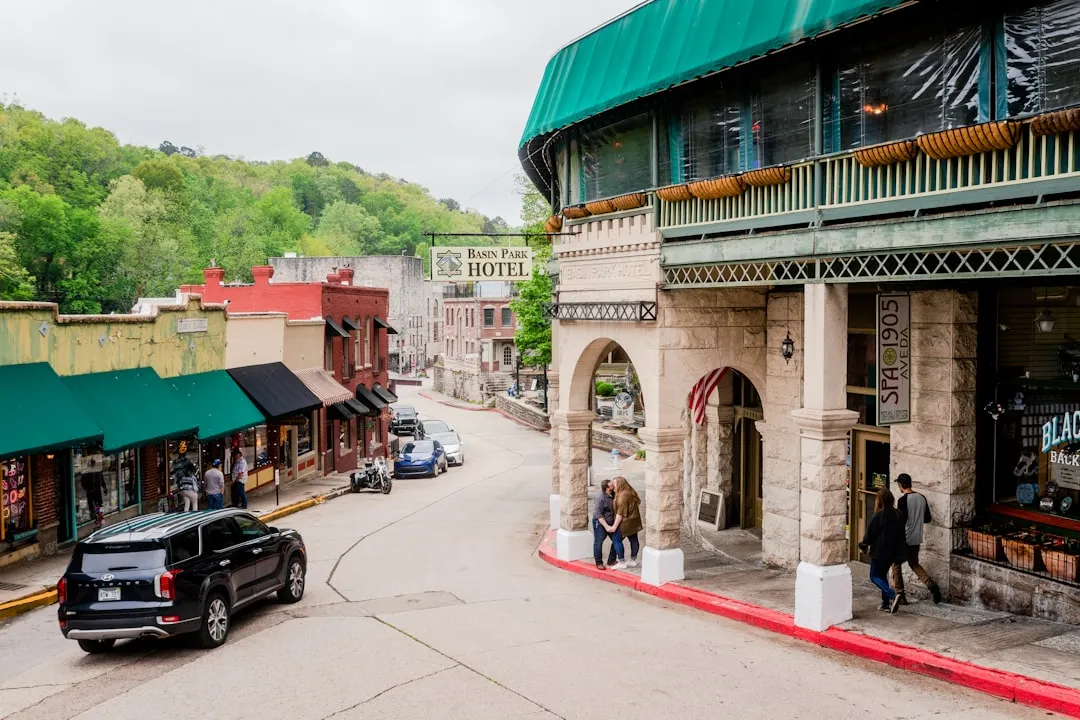
Eureka Springs doesn’t have a single flat street, and that’s part of the charm. Victorian architecture climbs the hillsides in every direction, and the town’s reputation for natural springs and artistic energy adds layers most visitors don’t expect from an Ozark stopover.
People don’t just remember this town – they come back for it, often within months, specifically for the springs and the festival calendar. Remote professionals in particular describe the creative atmosphere here as something closer to a reset button than a vacation.
#2 – Edgartown, Massachusetts: The Sunset Sail That Sends People House-Hunting
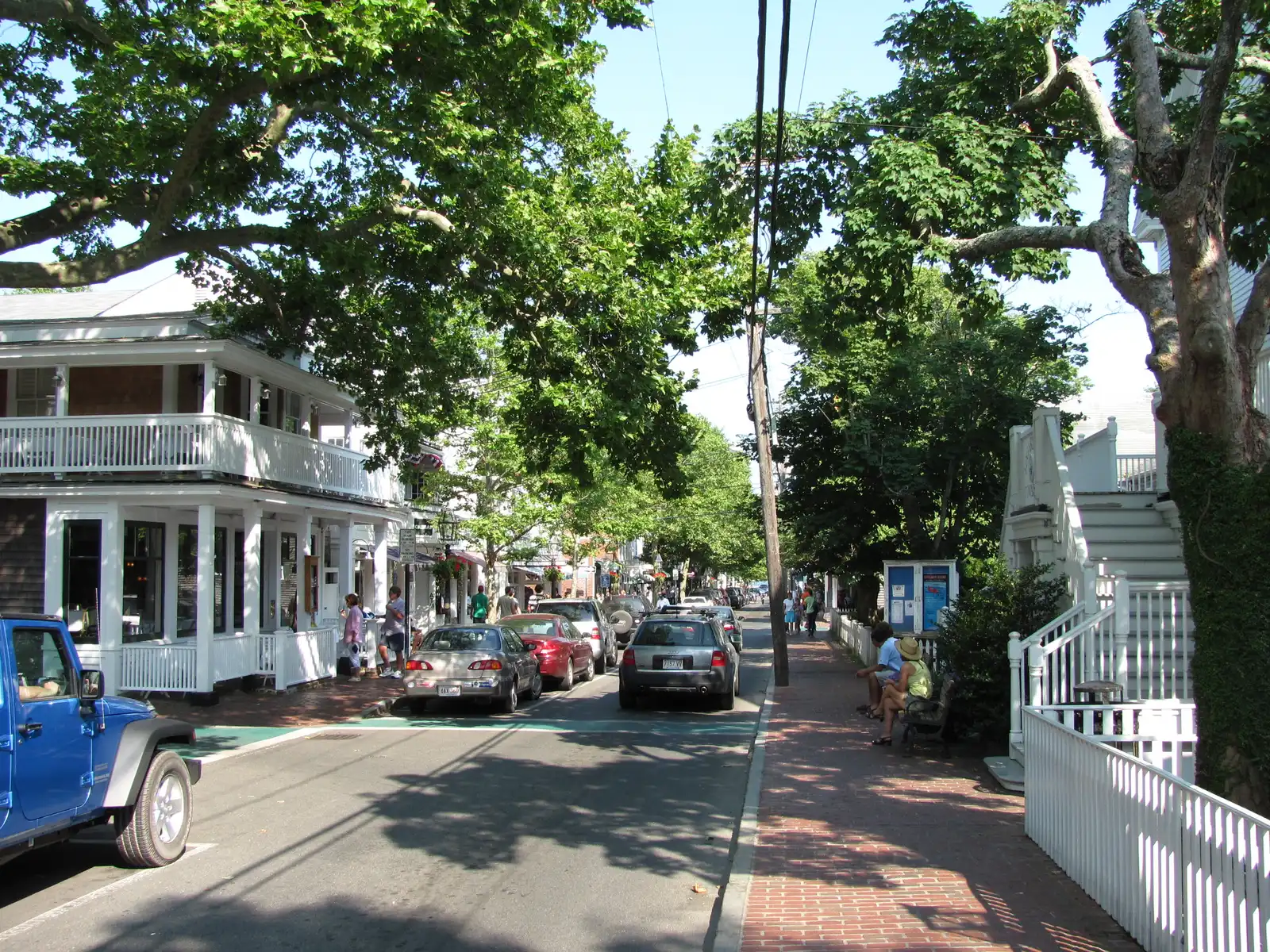
Martha’s Vineyard day-trippers usually plan to see Edgartown’s white-clapboard homes and harbor, snap a few photos, and catch the last ferry back. Then the town’s upscale-but-relaxed energy sets in, and the ferry schedule starts to look negotiable.
One sunset sail out of the harbor is often the exact moment visitors start scouting real estate listings on their phones. Between the tight-knit community, the bike paths, and a dining scene that outperforms its size, Edgartown has a way of disrupting even the most carefully planned New England vacation.
#1 – Woodstock, Vermont: The Leaf-Peeping Trip That Becomes a Permanent Address
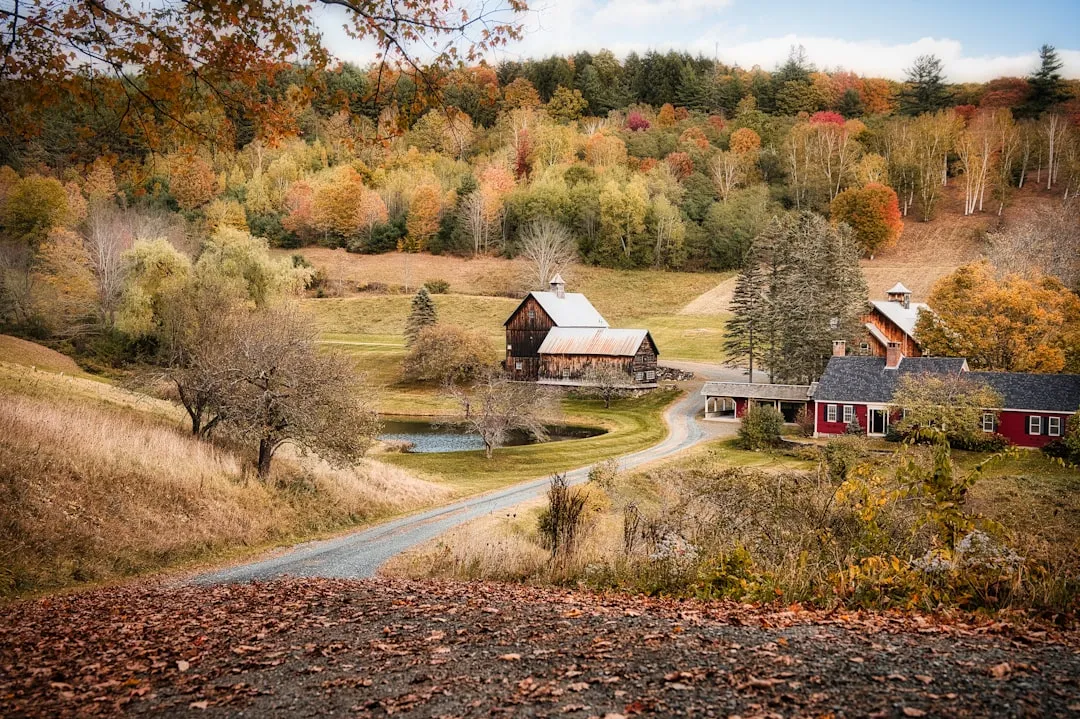
Woodstock earns its reputation as one of the most photographed towns in New England, but the postcard version undersells the real experience. Covered bridges, a genuine village green, and rolling hills wrap around a downtown that somehow feels both historic and fully alive at the same time.
This is the town where the pattern from every other stop on this list reaches its extreme conclusion. One-time visitors return within a year to buy property with striking regularity, and locals will tell you it’s the balance of historic charm, outdoor access, and real community – not marketing – that makes leaving feel almost impossible after a single visit.
At a Glance
- Woodstock is one of Vermont’s oldest incorporated villages, with a downtown historic district dating back more than two centuries.
- The Middle Covered Bridge remains a working span across the Ottauquechee River in the heart of town.
- Woodstock consistently ranks among New England’s most photographed small towns during fall foliage season.
- Nearby Billings Farm & Museum offers a working dairy farm experience just outside the village green.
The Bottom Line
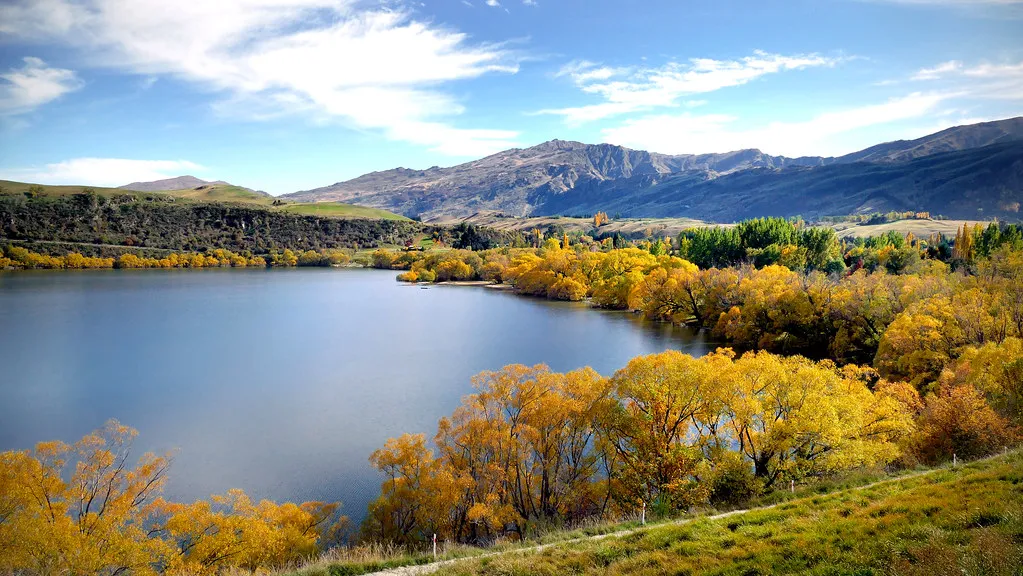
Here’s the uncomfortable truth for anyone who still ranks big cities and national parks above everything else: the smallest dots on the map are quietly winning. These seventeen towns don’t have the marketing budgets of Yellowstone or the skyline of Manhattan, and they don’t need them.
What they have is something harder to manufacture – scenery that doesn’t get old, a pace of life that resets your nervous system, and communities small enough to actually notice you. Visitors keep showing up with fixed itineraries and leaving with new addresses, and honestly, once you understand why, it stops being surprising and starts being obvious. If you’ve got a town that belongs on this list, drop it in the comments – we’re already building the next one.
