

Most people over 62 treat the Senior Pass like a free-entry card and nothing more. They flash it at the gate, get waved through and tuck it back into the wallet. Turns out, that’s the smallest thing it does. The pass may take 50 percent off camping, swimming, boat launches and specialized interpretive services, and it works across six federal agencies, not just one.
Here’s the part that stings: some of the biggest savings have nothing to do with the front gate. A few perks come with fine print that trips up even longtime holders. One common buying mistake means some 62-year-olds paid the same price for a lot less. This countdown sticks to what the official fee rules say, and that mistake is waiting near the end.
#19 – The Whole Car Rides In on One Card

🔥 Would you like to save this?
We'll email this post to you, so you can come back to it later!
One pass at one windshield can cover a full carload. At per-vehicle fee sites, the pass admits the owner and everyone traveling with them in a single non-commercial vehicle. Vehicle fees at well-known parks often run $30 or more, so one small card is standing in for real cash at the booth.
The rule follows the car, not the family tree. Friends, neighbors and grandkids all count, as long as they’re riding in the same vehicle.
There is one catch. The passholder has to be in the car and show a valid photo ID. Hand the card to your adult kids and they’ll be turned around. The pass is non-transferable.
- One 2026 guide reports that since January 1, 2026, passes also cover entrance fees for up to two motorcycles. Confirm this with the site before you ride.
But the gate that doesn’t charge by the car works very differently, as #18 shows.
#18 – Three Extra Adults Walk In Free at Per-Person Gates

🔥 Would you like to save this?
We'll email this post to you, so you can come back to it later!
Plenty of holders assume the card only covers themselves at walk-in sites. It covers more than that.
Not every site charges by vehicle. Some charge per person, and the NPS describes the pass as covering either one private vehicle fee or four per-person fees. That means you plus three more adults can enter on one pass.
At per-person areas, the pass admits the passholder and three adults aged 16 and over. Historic sites, forts and walk-in monuments are where this matters most, because those are the places where a family can rack up a bill one ticket at a time.
Quick Compare
- Per-vehicle gate: the passholder plus everyone in one private, non-commercial vehicle
- Per-person gate: the passholder plus three adults aged 16 and over
- Either way: the passholder must be present with photo ID
It also works if you arrive on foot or by bike. The annual pass allows entrance for the holder plus three adults when entering that way, and the lifetime pass follows the same entry rules.
Next up is a rule about kids that quietly changes the math.
#17 – Kids Under 16 Never Count Against You

🔥 Would you like to save this?
We'll email this post to you, so you can come back to it later!
Grandchildren are the one group the fee booth ignores. At per-person sites, the pass covers the holder plus up to three additional adults, and children under 16 are always free.
Kids don’t use up any of your three adult slots. That makes the card stretch further than the headline suggests. A grandparent can bring a mixed group of kids and three adults on a single pass.
Picture a long weekend with grandchildren, a couple of their parents and a cousin or two. Skip the family reunion math at the ticket window and let the age line do the work.
Just remember that line is 16, not 18. A 17-year-old counts as an adult at per-person gates.
But the perk most holders hear about first is also the one they misunderstand, and that’s #16.
#16 – The Half-Price Campsite That Beats the Gate Savings
🔥 Would you like to save this?
We'll email this post to you, so you can come back to it later!
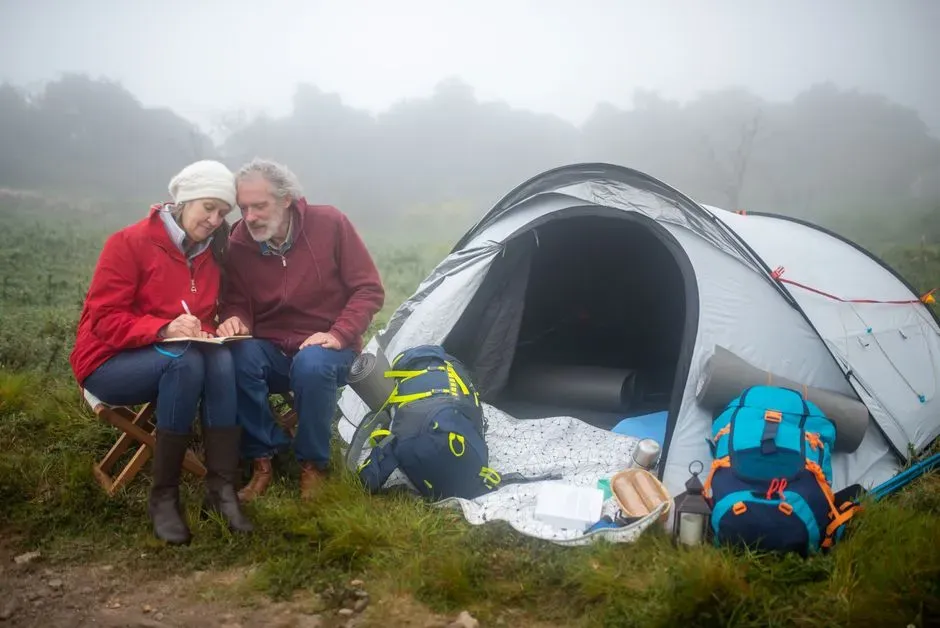
Everyone talks about free entry, but camping is where the pass really pays. Basic federal sites without hookups often run $15 to $30 a night. Half off that adds up fast.
Run enough nights and the camping discount dwarfs the entrance benefit. A gate fee is a one-time sting, while a campsite fee shows up every single evening of the trip.
Here’s our blunt opinion. Most travelers treat free park entry as the headline perk, but the campground discount is the real prize.
One honest warning. Discounts vary widely across the many types of recreation sites, so “may” really does mean “may.”
But that’s nothing compared to the surprise waiting at the lake in #15.
#15 – Army Corps Lakes Honor Your Card

🔥 Would you like to save this?
We'll email this post to you, so you can come back to it later!
Most travelers don’t think of the Army Corps of Engineers as a recreation agency. They should. Corps-managed campgrounds give Senior Pass holders 50% off camping fees.
Those are the reservoirs and lakeshores where many people already fish, boat and park a camper for a week. Half off a lakeside site adds up quickly.
The discount applies to the campsite you occupy. That’s the key phrase, and it matters again when we get to group sites.
- One RV travelers’ guide reports that even the Tennessee Valley Authority gives 50% off campsite fees. Treat that as a lead worth confirming before you book.
The agency that runs your favorite fishing lake may already be giving you half off.
Next, the Forest Service has a rule that quietly splits families and groups apart.
#14 – Forest Service Sites Come With a Group Catch
🔥 Would you like to save this?
We'll email this post to you, so you can come back to it later!
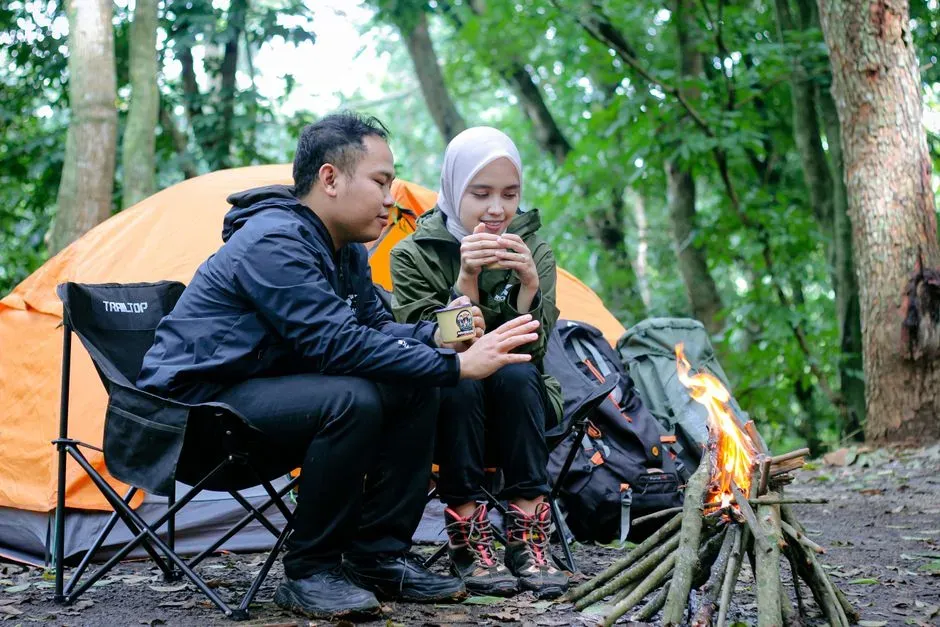
Forest Service campgrounds are generous to solo campers and stingy to crowds. Senior and Access Pass holders get 50% off single family campsites. That covers a lot of ground, because most national forest campgrounds offer them.
Here’s the truth about large groups. Group campsites and other group facilities that charge a flat fee get no discount. The perk is built for you and a small party, not the reunion.
The details also change by forest. On the Hoosier National Forest, the 50% discount covers base camping at five named recreation areas, so the same card can behave differently from one district to the next.
Now for the perk that makes boat owners do a double take, in #13.
#13 – Boat Launch Fees Can Drop by Half
🔥 Would you like to save this?
We'll email this post to you, so you can come back to it later!
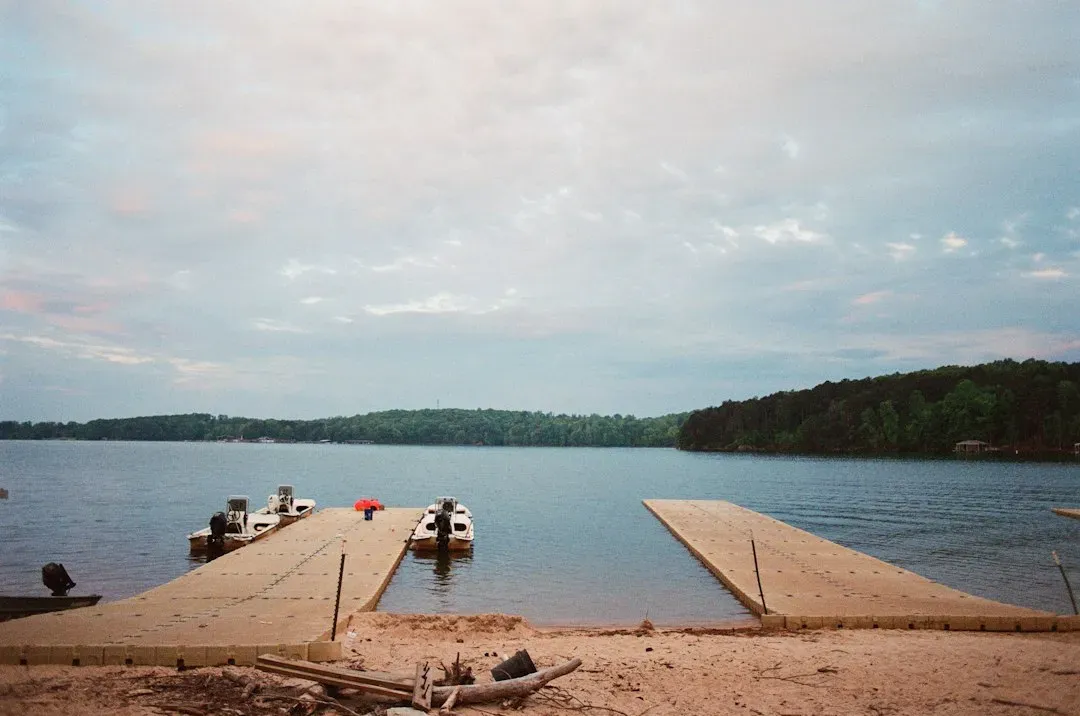
Towing a boat to a federal lake costs real money, and the ramp is one more place the bill can climb. At Chickasaw National Recreation Area in Oklahoma, senior pass holders get 50 percent off camping and boat launch permits. The NPS lists boat launches among the fees the pass can reduce.
Camping, tours and ramps work differently from day-use fees. They’re “expanded amenity” fees, which get a 50 percent discount instead of a waiver. So you still pay something, just half.
Check the ramp fee separately from the camping fee. One site may discount the campsite but not the ramp.
Wait until you see where the same logic shows up on a beach in #12.
#12 – Swim Beaches and Beach Parking
🔥 Would you like to save this?
We'll email this post to you, so you can come back to it later!
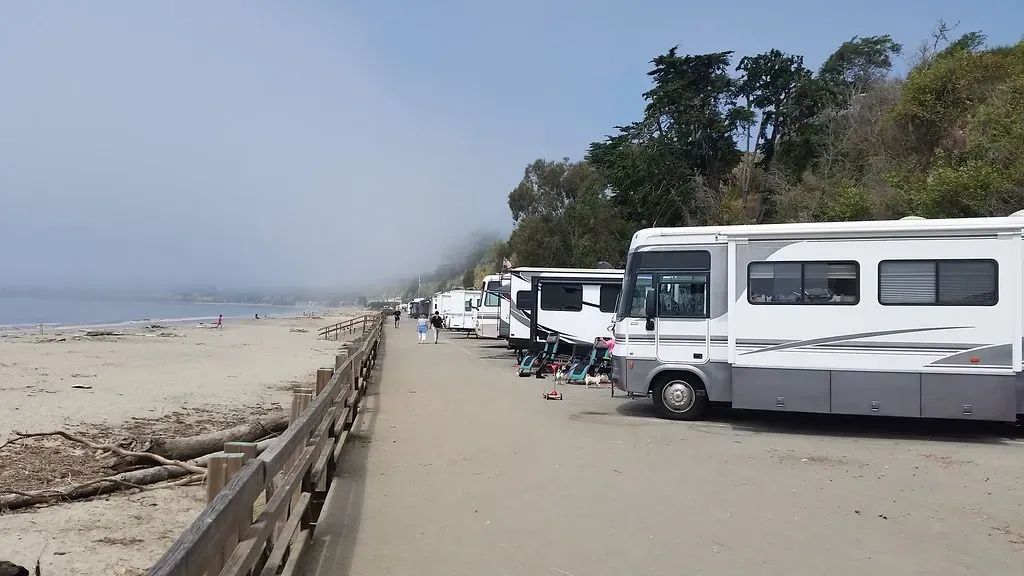
The NPS names swimming as one of the fees the pass may cut. That makes the pass useful at national recreation areas, where the beach lot can be the real charge.
One guide reports that Gateway National Recreation Area has no entrance fees but charges for beach parking, where Senior Pass holders get 50% off. Picture a hot Saturday, a long line of cars and a discount most drivers never think to ask about.
Most people miss this because they look for an entrance booth. At some beach sites, the booth that matters is the parking lot.
Treat the guide’s claim as a prompt to ask, not a promise. Fees and acceptance vary widely, so contact the specific site to find out what is or isn’t covered.
Another discount hides inside ranger programs, and #11 is where it gets complicated.
#11 – Ranger Programs and Cave Tours May Cost Half
🔥 Would you like to save this?
We'll email this post to you, so you can come back to it later!
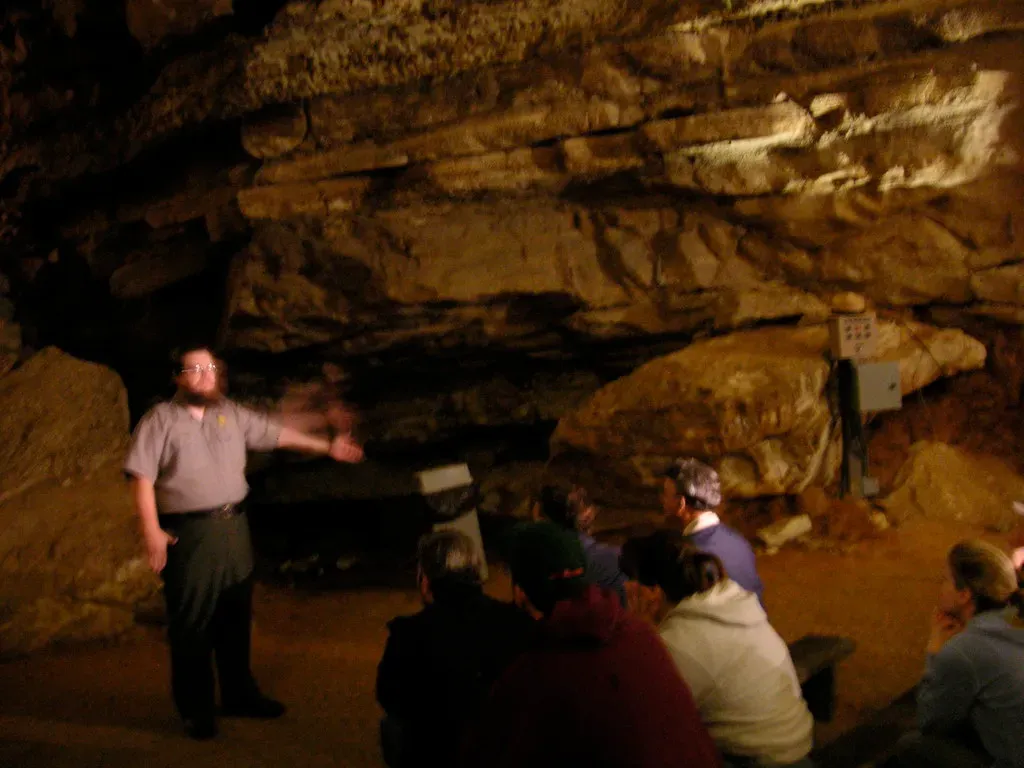
The pass can reach beyond the gate and into the guided experience. The NPS says it may discount specialized interpretive services.
One 2026 guide goes further and says this includes cave tours such as those at Mammoth Cave or Wind Cave. Verify current pricing before you plan around it.
Tours run by private companies usually don’t count. The NPS says the pass generally does not cover or reduce fees charged by concessioners. So the same destination might offer two different tours with two different rules.
But the next perk shows why your card may work in places you’d never think to try.

Halloween Dog Collar with Bow, Orange Cute Ghost Collar,
Check Price on AmazonAs an Amazon Associate, we earn from qualifying purchases.
10/9/2026 2:43 pm GMTi

PetSafe Oasys Pet Fountain, 1/2 Gallon (64 oz), Small Dogs & Cats
Check Price on AmazonAs an Amazon Associate, we earn from qualifying purchases.
10/8/2026 8:14 am GMTi

Dog Stairs for Bed 18" H, 4-Step Dog Steps for High Bed
Check Price on AmazonAs an Amazon Associate, we earn from qualifying purchases.
10/9/2026 2:42 pm GMTi

Professional 7 in 1 Dog Paw Cleaner for Dogs & Cats - Includes 1 Portable Paw Washer, 1 Bath Brush
Check Price on AmazonAs an Amazon Associate, we earn from qualifying purchases.
10/7/2026 1:26 pm GMTi

Portable Dog Water Bottle Foldable Dog Travel Water Bottle
Check Price on AmazonAs an Amazon Associate, we earn from qualifying purchases.
10/7/2026 1:29 pm GMTi
#10 – It’s a Six-Agency Key, Not a National Park Card
🔥 Would you like to save this?
We'll email this post to you, so you can come back to it later!
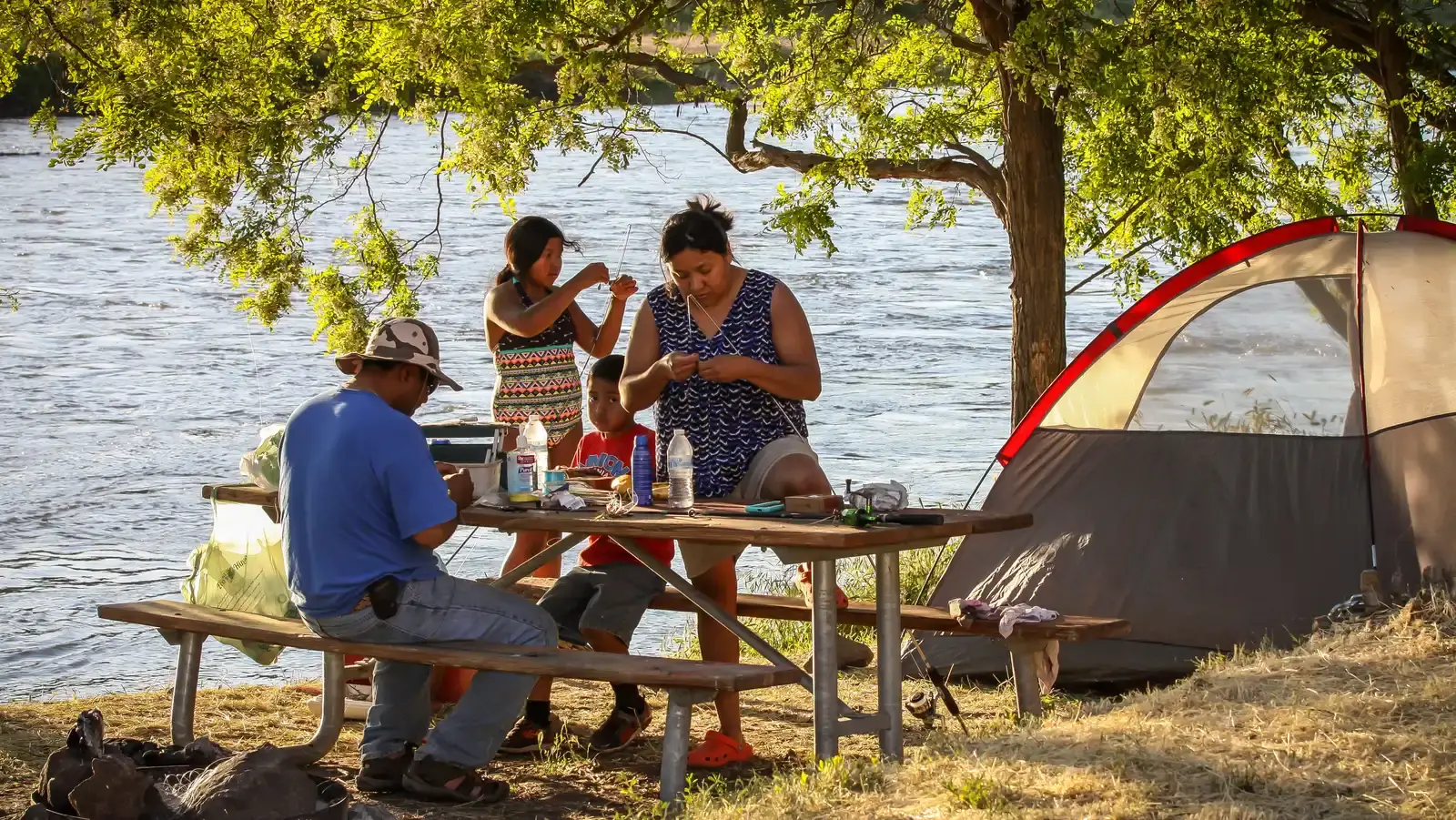
Most holders picture one logo, but the card opens six. The pass covers more than 2,000 federal recreation sites, run by six federal agencies.
- National Park Service
- U.S. Fish and Wildlife Service
- U.S. Forest Service
- Bureau of Land Management
- Bureau of Reclamation
- U.S. Army Corps of Engineers
The pass covers entrance to Fish and Wildlife Service and National Park Service sites that charge entrance fees. That includes wildlife refuges most travelers never consider.
Think beyond the famous postcards. Reservoirs, refuges and forest trailheads may all be fair game.
But the smallest fees may be the ones that stack up fastest, as #9 reveals.
#9 – Day-Use Fees Disappear at Trailheads and Picnic Areas
🔥 Would you like to save this?
We'll email this post to you, so you can come back to it later!
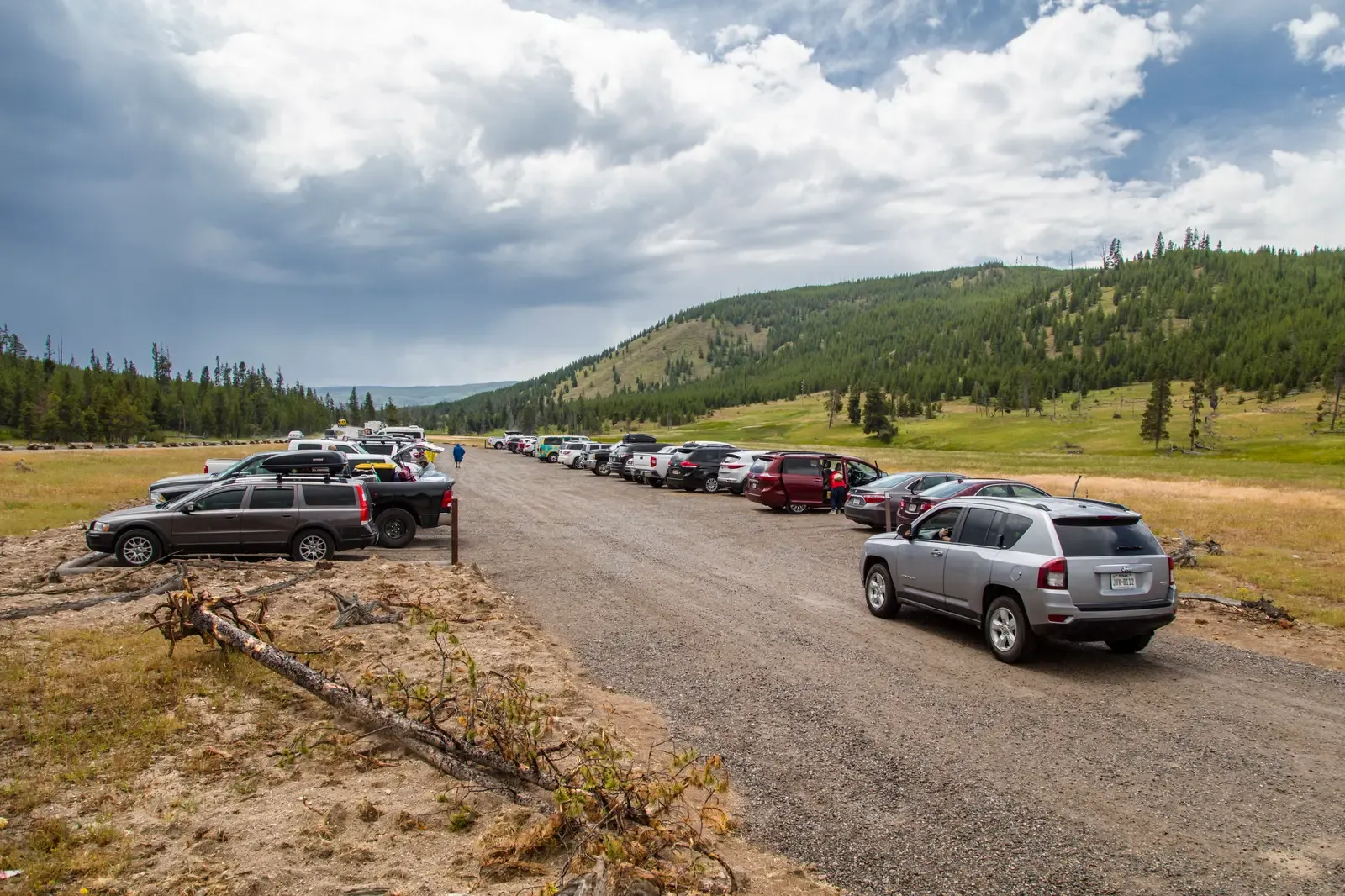
The pass kills charges you didn’t even notice. It covers entrance fees and standard amenity day-use fees, the small charges for things like a picnic area or trailhead parking. Those show up at Forest Service, BLM and Reclamation sites.
Here’s a distinction most holders miss. Standard day-use fees are waived, not halved. Camping and tours are expanded amenity fees, which get the 50 percent discount instead.
Fast Facts
- Entrance fees: covered at participating sites
- Standard day-use fees: waived, such as picnic areas and trailhead parking
- Camping and tours: 50 percent off, not free
- Where it shows up: Forest Service, BLM and Reclamation sites
So when a trailhead kiosk asks for money, flash the card before paying. A few dollars here and there never feels like much, but every skipped fee is the pass quietly earning its keep.
Next comes a swap that some long-time holders don’t know exists.
#8 – The Old Golden Age Passport Still Counts

🔥 Would you like to save this?
We'll email this post to you, so you can come back to it later!
If you’re holding an old card, you may be sitting on a free upgrade. Golden Age Passports are no longer sold, having been replaced years ago. But the NPS says they can be exchanged in person at sites that issue passes. Bring your old pass and photo ID.
A summary of the NPS page says Golden Age Passports can be exchanged in person for a free Senior Lifetime Pass. That means a decades-old card in a drawer can become a current lifetime pass.
The swap is a one-time errand. It’s worth the trip to a staffed fee site.
Next, a path for those who’d rather not pay $80 upfront.
#7 – Four $20 Passes Add Up to a Free Lifetime Card

🔥 Would you like to save this?
We'll email this post to you, so you can come back to it later!
Annual passes are not wasted money if you plan to upgrade. Each annual pass you turn in knocks $20 off the $80 lifetime price, even if the annual has already expired. Do this in person at a federal site that sells passes.
Here’s a spicy take. For anyone who knows they’ll return, the annual pass is a trap if you never save the cards. Keep every old one.
Four annual passes get you the lifetime pass for free. That’s the upgrade ladder in action.
But the plastic card isn’t the only form your pass can take anymore.
#6 – A Digital Copy Can Live on Your Phone

🔥 Would you like to save this?
We'll email this post to you, so you can come back to it later!
The Senior Pass finally has a phone version. All America the Beautiful Pass types became available in a digital format in January 2026. If you already have a physical card, you can connect it to a Recreation.gov account.
You may then use either the physical or digital version at a federal site. That’s a backup plan for a card that can’t be replaced. The NPS says passes cannot be replaced if lost or stolen.
One rule matters. The name on the physical pass must match the name on your Recreation.gov account.
Now let’s see what happens when you book a campsite online, in #5.

Halloween Cat Costume Cloak Witch Hat Pet Accessories
Check Price on AmazonAs an Amazon Associate, we earn from qualifying purchases.
10/9/2026 2:44 pm GMTi

Orthopedic Extra Large Dog Bed, Waterproof Washable XL Pet Bed 44"
Check Price on AmazonAs an Amazon Associate, we earn from qualifying purchases.
10/7/2026 1:32 pm GMTi

2 Pcs Halloween Pet Hat Bandana Set, Witch Pumpkin Costumes for Dogs
Check Price on AmazonAs an Amazon Associate, we earn from qualifying purchases.
10/9/2026 2:45 pm GMTi

Earth Rated XL Dog & Puppy Pee Pads, Discreet Top, Max Absorbency
Check Price on AmazonAs an Amazon Associate, we earn from qualifying purchases.
10/7/2026 1:28 pm GMTi

Glass Hummingbird Feeder for Outdoors Hanging
Check Price on AmazonAs an Amazon Associate, we earn from qualifying purchases.
10/7/2026 1:21 pm GMTi
#5 – The Recreation.gov Checkout Trick

🔥 Would you like to save this?
We'll email this post to you, so you can come back to it later!
Your camping discount may be a few clicks away. One camping guide says Recreation.gov lets you attach your pass to your account, with the 50 percent discount taken at checkout for eligible sites. That’s a claim from one guide, so check it against the booking screen.
Another guide says the discount applies to the site fee, excluding utility hookup surcharges. So a full-hookup site may not be half of the displayed total.
Worth Knowing
- Link your pass to your account before you start booking
- The name on the pass must match the name on the account
- Hookup surcharges may sit outside the discount
- If the discount is missing, contact the site before you pay
Read the checkout screen line by line. If the discount doesn’t appear, contact the site directly before you pay.
Even the way you buy the pass can quietly cost you, as #4 shows.
#4 – Buying It in Person Is the Cheaper Move
🔥 Would you like to save this?
We'll email this post to you, so you can come back to it later!
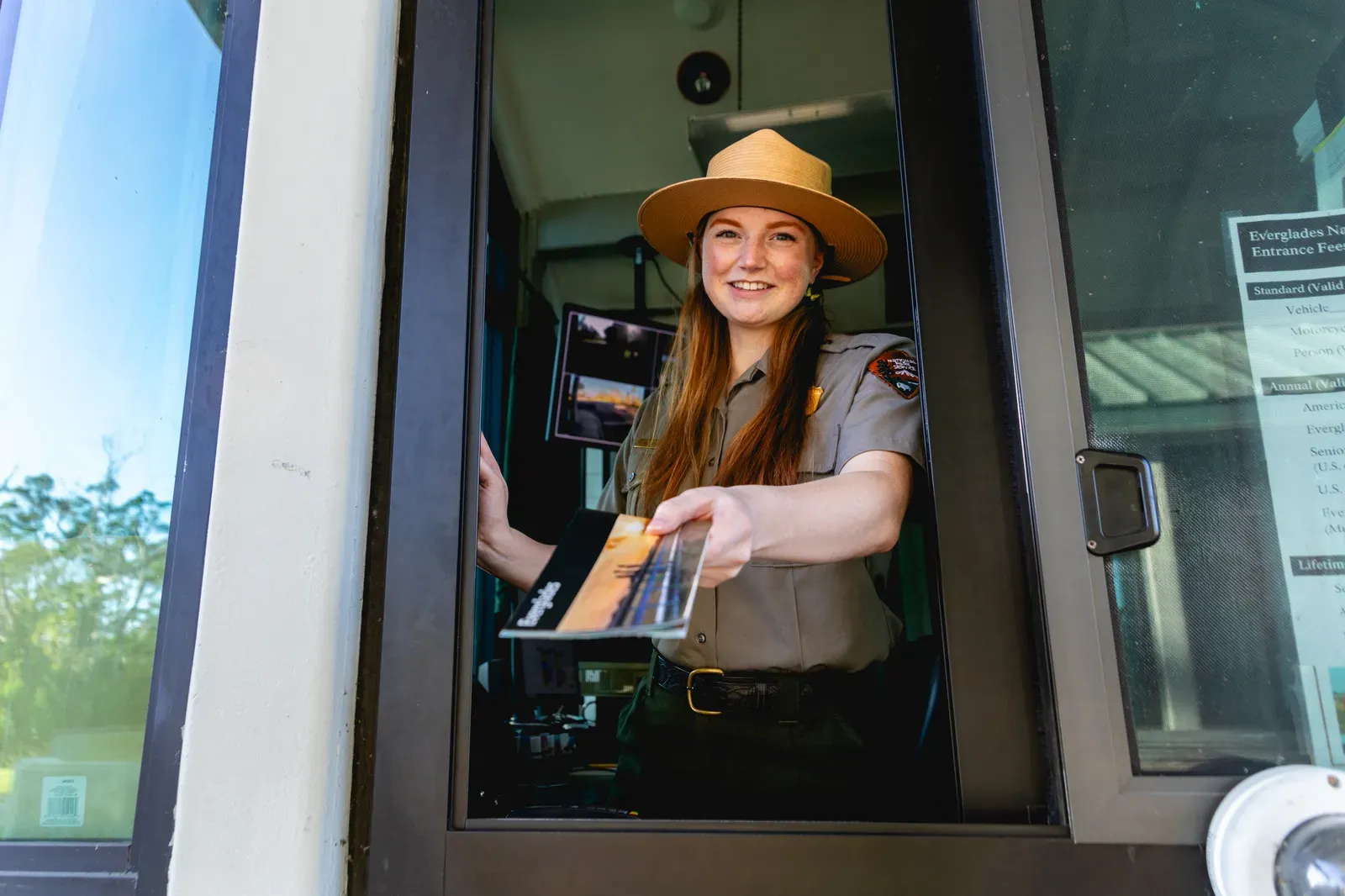
The biggest mistake with this pass is paying extra to get it. A physical card ordered through the USGS store adds a $5 processing fee and a $7.50 handling fee.
- Lifetime pass online: $92.50
- Annual pass online: $32.50
- Lifetime pass in person at a federal site: $80
That’s $12.50 you never needed to spend. In person, staff verify your age on the spot, and you walk out with the card in hand.
But no list of perks is honest without the exceptions, and #3 covers them.
#3 – The Fine Print That Protects Your Budget

🔥 Would you like to save this?
We'll email this post to you, so you can come back to it later!
Knowing what the pass won’t do saves you from surprise bills. It generally doesn’t cover or reduce special recreation permit fees or concessioner fees. Lodges, guided trips and gift shops may still charge full price.
- Special recreation permit fees: generally not covered
- Concessioner fees: generally not covered
- Lost or stolen cards: cannot be replaced
- Refunds and transfers: not allowed
In some cases, only the passholder receives the 50 percent reduction where expanded amenity fees are charged. Your travel partner may pay full freight.
Treat the card like cash. If it disappears, so does the money you paid for it.
Next up, the exclusive club your card belongs to.
#2 – The Camping Discount Is a Club the Standard Pass Can’t Join
🔥 Would you like to save this?
We'll email this post to you, so you can come back to it later!
Here’s the mistake that costs 62-year-olds the most. The standard pass is $80 for anyone, and it covers only entrance fees, with no discount on camping. A Senior Lifetime Pass costs the same $80 and includes the camping break.

Glass Hummingbird Feeder for Outdoors Hanging, 16 oz Leak-Proof Nectar Feeder with Bee Guards & Ant Moat
Check Price on AmazonAs an Amazon Associate, we earn from qualifying purchases.
10/7/2026 1:22 pm GMTi

Air Purifiers for Home Pets Large Room Up to 3000 Ft²,HEPA Air Cleaner with Washable Double-Side Filter, PM2.5 Air Quality Monitor,15dB Sleep Mode for Bedroom Odor Dust Pollen,White
Check Price on AmazonAs an Amazon Associate, we earn from qualifying purchases.
10/8/2026 8:23 am GMTi

Hand Blown Glass Hummingbird Feeders for Outdoors Hanging, 24oz Wild Bird Nectar Feeder
Check Price on AmazonAs an Amazon Associate, we earn from qualifying purchases.
10/7/2026 1:23 pm GMTi

Smart Bird Feeder with Camera Solar Powered, 2K HD Live Video, 10,000+ Bird Species AI Identification
Check Price on AmazonAs an Amazon Associate, we earn from qualifying purchases.
10/7/2026 1:22 pm GMTi
Quick Compare
- Standard annual-style pass, $80: entrance fees only, no camping discount
- Senior Lifetime Pass, $80: entrance fees plus the camping break
- Senior Annual Pass, $20: the same Senior perks for one year
One guide reports that the Access Pass and both Senior passes are the only passes that may discount expanded amenity fees such as camping. Even some military-related passes lack it, according to one RV site.
If you’re 62 and bought the generic pass, you paid the same price for less.
And the best part of the whole program is still to come in #1.
#1 – It Never Expires, and It Pays Back Fast

🔥 Would you like to save this?
We'll email this post to you, so you can come back to it later!
The strongest perk is the one that outlasts everything else. The lifetime version is $80 and never expires. A non-senior has to pay the same price for just one year. You pay once and you’re done.
One guide says it typically pays for itself after just two or three park visits. The money also goes back into the system, since up to 100% of proceeds are used to improve visitor recreation services.
That one-time $80 may be the most underrated bargain in retirement travel.
The Senior Pass is far more than a free-entry card. The real gains hide in the details: half-off camping, boat ramps and ranger programs, plus carload coverage and a six-agency reach. The costly mistakes are the cheap-looking ones. Buying the standard pass instead of the Senior Pass, paying online fees and losing a card that can’t be replaced all cost money.
Our opinion: skip the annual pass if you’ll travel more than a few times. Buy the lifetime card in person, back it up digitally and ask every site what it discounts.
Which perk surprised you most, and which one would you never use?

- 19 American Park Benefits a Pass Holder Past 62 Rarely Claims - November 6, 2026
- 19 Things Beagle Owners Learn the Hard Way in the First Twelve Months - November 6, 2026
- 13 Things an American Refuge Arranges Free for Visitors Who Turn 65 - November 6, 2026