

Most people think the $80 Senior Pass is a ticket to Yellowstone and little else. It isn’t. The same card also works at U.S. Fish & Wildlife Service refuges, alongside five other federal agencies, and the details live on individual refuge fee boards, not on the card itself. We went through refuge pages and the 2026 pass rules to pull out 19 perks, limits, and quirks that rarely get a mention at the gate.
Here’s the twist: the perk everyone talks about, free entry, may be the smallest one on the list. Some benefits are real money. Others are smaller than the hype suggests, and a few come with fine print that can trip you at the booth. Keep reading, because the best ones involve full carloads, half-price campsites, motorcycles, and a trade-in trick almost nobody uses.
#19 – The Gate Fee That Quietly Disappears
🔥 Would you like to save this?
We'll email this post to you, so you can come back to it later!
The best-known perk is also the one people overrate.
At a refuge that charges, you show the card and the gate fee is covered. At Blackwater in Maryland, holders of federal recreation passes and valid Duck Stamps are admitted for free. It feels like a win right at the booth.
Here’s what most people don’t realize. Each refuge sets its own fee schedule, and the numbers are small:
- Blackwater: $3 for a daily vehicle pass
- Back Bay: $5 for a vehicle entrance fee
Our take: if you only ever visit one nearby refuge, the gate fee alone is a weak reason to buy the card. A few dollars saved per trip won’t change your budget. The value shows up in everything else the card does, and a few of those extras are stranger than you’d expect.
Wait until you see what the card does for your passengers at #18…
#18 – One Card Covers the Whole Car

🔥 Would you like to save this?
We'll email this post to you, so you can come back to it later!
The Senior Pass is not a one-person ticket at vehicle gates.
At per-vehicle sites, the pass covers the holder and everyone riding in one private, non-commercial vehicle. Blackwater’s rules say the same: the pass admits the holder and fellow occupants of a single, private non-commercial vehicle.
Per-person gates work differently. At Nisqually in Washington, every federal pass admits the holder plus three additional adults, and children under 16 enter free.
That makes the card a quiet family perk. Picture a grandparent pulling up with a back seat full of grandkids and nobody digging for a wallet at the booth.
- Per-vehicle gates: the whole private vehicle rides in
- Per-person gates: the holder plus three adults, with kids under 16 free
But leaving the car at home changes the math, as #17 shows…
#17 – The Walker and Cyclist Fee Most Visitors Overlook
🔥 Would you like to save this?
We'll email this post to you, so you can come back to it later!
Leaving the car at home doesn’t always get you out of paying.
Merritt Island in Florida charges $10 per individual entering the refuge on foot or bike. The refuge also says a refuge pass is not required if you hold a current, signed Duck Stamp or an Interagency Pass. So the card quietly saves walkers real money there.
Other refuges handle walkers differently. Marshall Loxahatchee waives entrance fees for visitors on foot, bicycle, or horseback, and Parker River lists a free day pass for bikes and walkers.
The truth is that the card helps walkers only where a per-person fee exists. Check the fee board before you assume it matters.
Next comes a perk that’s specific to one Indiana refuge, and it involves a rare double break…
#16 – Half-Price Hunting Access at Big Oaks
🔥 Would you like to save this?
We'll email this post to you, so you can come back to it later!
One Indiana refuge gives senior cardholders a rare double break.
Big Oaks asks for a $3 daily or $15 annual public access permit. But holders of Federal Interagency Senior, Access, and Military passes do not need to pay that user fee.
Then comes the part almost nobody mentions. The regular amenity fee for a hunting access permit is $20, but the fee for Senior and Access pass holders is $10.
This setup is specific to one refuge. Treat it as a reason to ask at your local office, not as a nationwide promise.
If you’d rather sleep at a refuge than hunt, #15 is where the real discount hides…
#15 – The Camping Discount, Fine Print Included
🔥 Would you like to save this?
We'll email this post to you, so you can come back to it later!
For campers, the discount can outweigh the entry waiver.
Merritt Island’s fee page says the Annual Senior Pass also provides a 50% discount for the pass owner on some expanded amenity fees such as camping. Only the Access Pass and the two Senior passes may discount expanded fees like camping. The standard annual pass doesn’t.
The word “some” matters. Camping is limited at refuges, so first check whether yours offers any.
One quirk catches people out. Separately listed electric or water hookups get no discount, though the discount may apply if the utility charge is bundled into the campsite fee.
At Okefenokee, entrance fees are already included in the overnight camping permit fee, so the gate charge is baked in.
That same 50% break can follow you to the water, as #14 explains…
#14 – Boat Launches and Tours: Sometimes Half Price

🔥 Would you like to save this?
We'll email this post to you, so you can come back to it later!
The 50% break can reach past the campsite.
The National Park Service says the pass can take 50 percent off some amenity fees, including swimming and boat launches. Some guides add interpretive services such as ranger-led tours.
Here’s the mistake to avoid. The pass generally does not cover special recreation permits or concessioner fees, so a guided tour at a refuge can still cost full price.
Merritt Island, for one, provides fee envelopes and a depository at its boat ramps, so ramp fees exist there. Ask at the booth whether your pass applies.
Quick Compare
- Often discounted 50%: some amenity fees like boat launches and swimming
- Sometimes discounted: interpretive services, depending on the site
- Generally not discounted: special recreation permits and concessioner fees
For frequent boaters, small launch charges quietly turn into a real summer expense. That’s where a discount adds up.
Some people think a different $25 purchase beats the card. #13 tests that idea…
#13 – The $25 Stamp You May Not Need for Entry
🔥 Would you like to save this?
We'll email this post to you, so you can come back to it later!
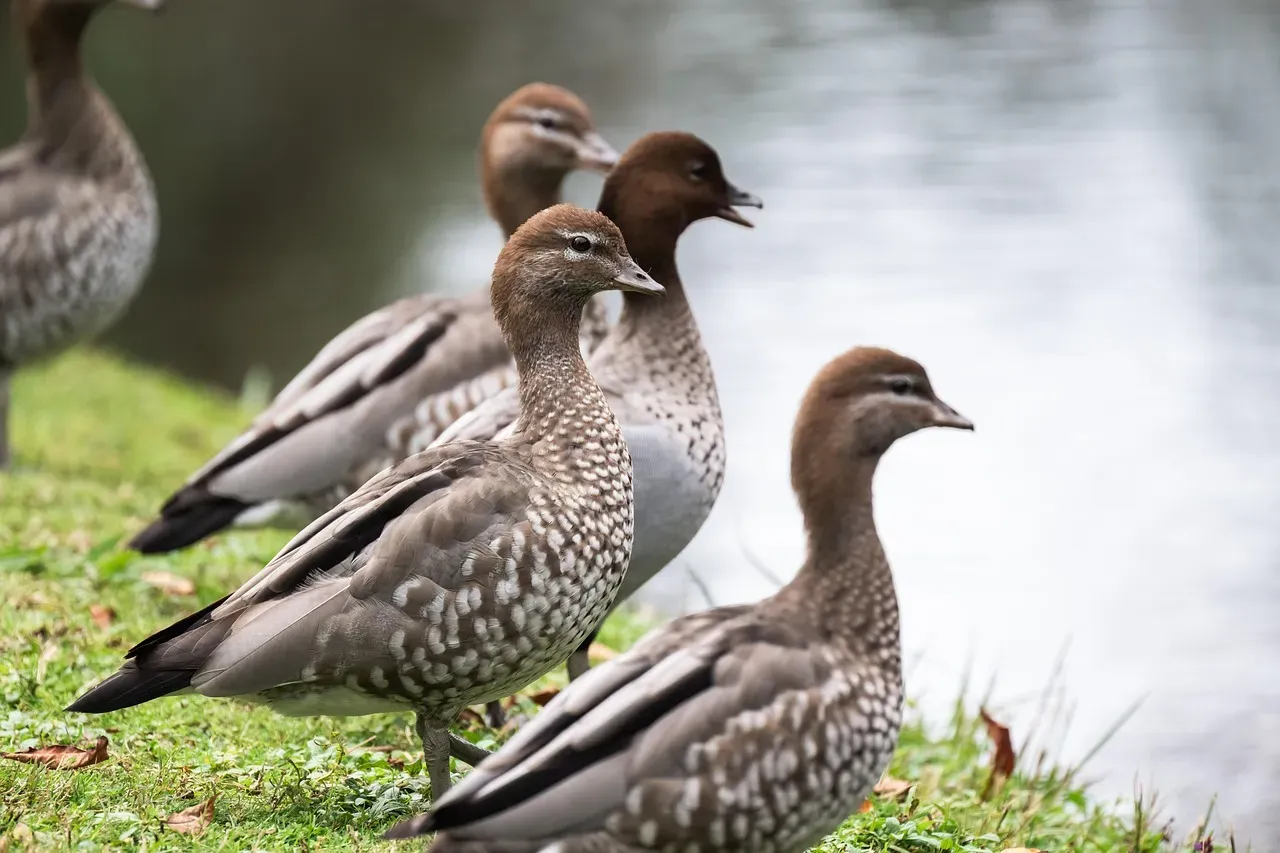
The Duck Stamp also opens refuge gates, but it’s the wrong tool for most seniors.
The Federal Duck Stamp is $25 and valid for one year, July 1 to June 30, at all refuges that charge an entrance fee. The Senior Annual Pass, by comparison, costs $20.
For entry alone, the stamp adds nothing if you already hold a Senior Pass. The stamp’s value is as a hunting requirement and a conservation purchase.
Hunters, take note. Federal Duck Stamps remain a separate purchase and aren’t affected by the Senior Pass.
Then there’s the local annual pass, which looks cheaper until you read #12…
#12 – It Outperforms the Single-Refuge Annual Pass

🔥 Would you like to save this?
We'll email this post to you, so you can come back to it later!
Many refuges sell their own annual pass, and it works nowhere else.
Prices vary by site. Blackwater’s annual refuge pass is $12, Nisqually’s is $12 and valid only at that refuge, and Back Bay’s is $20.
Parker River shows the contrast best. It lists an annual refuge pass at $20 and an annual senior pass at $20. Same price, but one works at a single refuge and the other works across six federal agencies.
The local pass can still win on price where it costs $12. It only makes sense if you never leave that one place.
- Local annual pass: cheaper at some sites, valid at one refuge
- Senior Annual Pass: $20, valid at federal sites nationwide
And “any other federal land” covers a lot more ground than most people expect, as #11 shows…
#11 – One Card, Six Agencies

🔥 Would you like to save this?
We'll email this post to you, so you can come back to it later!
The refuge is only one stop on the card’s map.
The pass provides access to recreation sites managed by six federal agencies: the National Park Service, U.S. Fish & Wildlife Service, U.S. Forest Service, Army Corps of Engineers, Bureau of Land Management, and Bureau of Reclamation.
That adds up to more than 2,000 federal recreation sites. They include famous national parks, wildlife refuges, national forests and grasslands, and reservoir and river recreation areas.
Most people don’t realize how this plays out in practice. You can visit a refuge in the morning and a forest trailhead in the afternoon, all on the same card.
For a retiree who likes to wander, that flexibility is the real product.
Fast Facts
- Who qualifies: U.S. citizens and permanent residents age 62 and older
- Annual version: $20
- Lifetime version: $80
- Reach: six federal agencies and more than 2,000 recreation sites
The next perk covers places that don’t even have “park” on the sign…

Glass Hummingbird Feeder for Outdoors Hanging, 16 oz Leak-Proof Nectar Feeder with Bee Guards & Ant Moat
Check Price on AmazonAs an Amazon Associate, we earn from qualifying purchases.
10/7/2026 1:22 pm GMTi

Portable Dog Water Bottle Foldable Dog Travel Water Bottle
Check Price on AmazonAs an Amazon Associate, we earn from qualifying purchases.
10/7/2026 1:29 pm GMTi

Professional 7 in 1 Dog Paw Cleaner for Dogs & Cats - Includes 1 Portable Paw Washer, 1 Bath Brush
Check Price on AmazonAs an Amazon Associate, we earn from qualifying purchases.
10/7/2026 1:26 pm GMTi

Earth Rated XL Dog & Puppy Pee Pads, Discreet Top, Max Absorbency
Check Price on AmazonAs an Amazon Associate, we earn from qualifying purchases.
10/7/2026 1:28 pm GMTi

Halloween Dog Collar with Bow, Orange Cute Ghost Collar,
Check Price on AmazonAs an Amazon Associate, we earn from qualifying purchases.
10/9/2026 2:43 pm GMTi
#10 – Trailhead and Picnic Fees Vanish Too
🔥 Would you like to save this?
We'll email this post to you, so you can come back to it later!
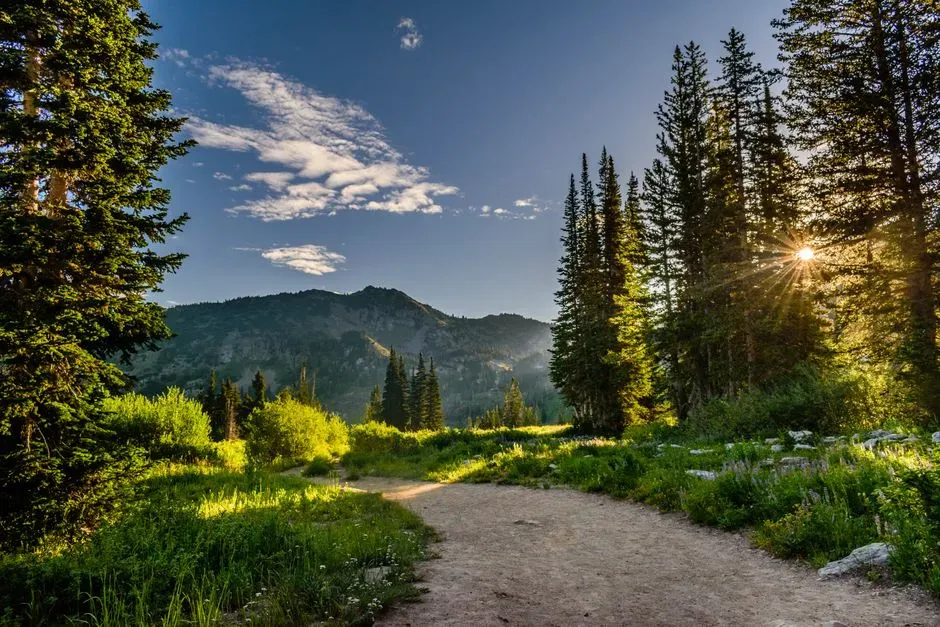
Day-use fees at places without “park” on the sign are covered as well.
The pass covers standard amenity fees, which are day-use fees, at national forests, grasslands, and lands run by the Bureau of Land Management, Bureau of Reclamation, and U.S. Army Corps of Engineers. In plain terms, that means the trailhead lot, the picnic area, and the lakeside day-use spot.
Camping is where the rules get messy. Senior and Access Pass holders get a 50% discount on single-family campsites at national forests, yet another guide notes that expanded amenity fees at the Forest Service generally aren’t covered by passes.
When two guides disagree, trust the fee board posted at the site.
Now for 2026, a year when federal pass pricing got shaken up for almost everyone but seniors…
#9 – The Price Held While Everyone Else’s Rose
🔥 Would you like to save this?
We'll email this post to you, so you can come back to it later!
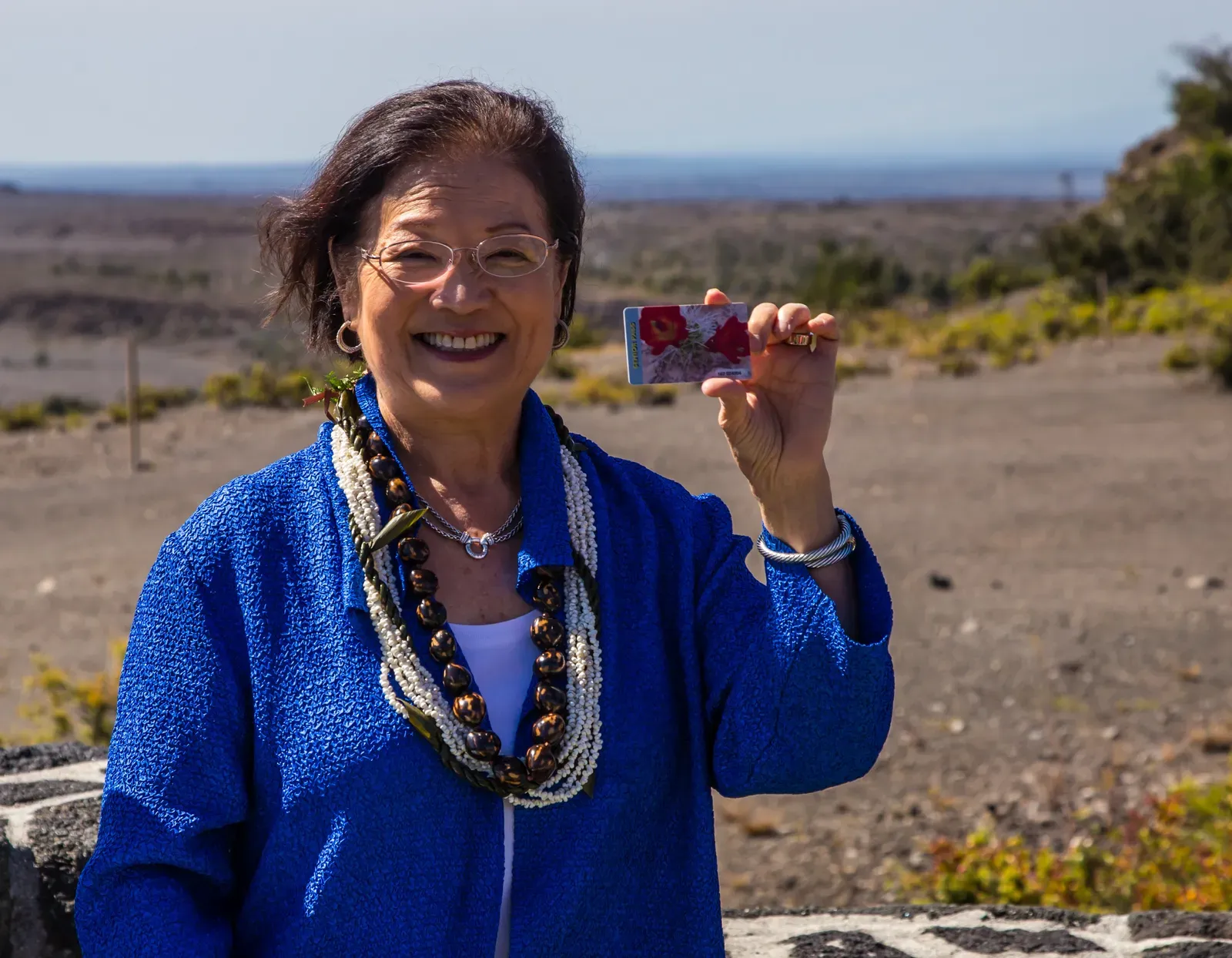
In 2026, the standard annual pass climbed to the Senior Lifetime price.
The standard annual pass, open to any U.S. resident, rose to $80 in January 2026, the same as the Senior Lifetime Pass. Meanwhile, the senior annual and lifetime prices stayed at $20 and $80.
The new nonresident rules don’t touch seniors either. The $250 nonresident annual pass and surcharges at eleven popular parks don’t affect pricing or terms for U.S. citizen or resident Senior Pass holders.
The last major senior price change came in August 2017, when the lifetime pass jumped from $10 to $80, the first change since 1994.
In a year of fee reshuffling, that’s about as stable as federal pricing gets.
Still nervous about paying $80 up front? #8 is the trick that takes the risk out…
#8 – The Trade-In Trick for Cautious Buyers

🔥 Would you like to save this?
We'll email this post to you, so you can come back to it later!
You don’t have to commit $80 on day one.
The Senior Pass comes in a $20 annual version and an $80 lifetime version. Four annual passes equal the cost of the lifetime pass.
Here’s the insider part. At staffed federal fee stations, you can trade in up to four previously purchased $20 Senior Annual Passes to fully cover the $80 Lifetime Pass fee. The annual pass can also be upgraded in person at a participating federal site for the price difference.
That makes the annual pass a low-risk test drive. If you stay hooked, nothing you’ve spent is wasted.
Still, one guide’s rule of thumb is blunt: if you’ll visit federal parks more than twice, buy the lifetime version.
Lose cards easily? #7 might be your favorite upgrade…
#7 – A Digital Pass That Can’t Get Lost in the Glovebox
🔥 Would you like to save this?
We'll email this post to you, so you can come back to it later!
2026 turned the card into something you can carry on your phone.
In 2026, all passes, including the Senior Pass, are available digitally via Recreation.gov, allowing people to pay and gain instant access. You can also link digital passes to physical cards.
Refuges have noticed. Blackwater’s page says digital federal passes, and physical passes, can now be purchased at Recreation.gov.
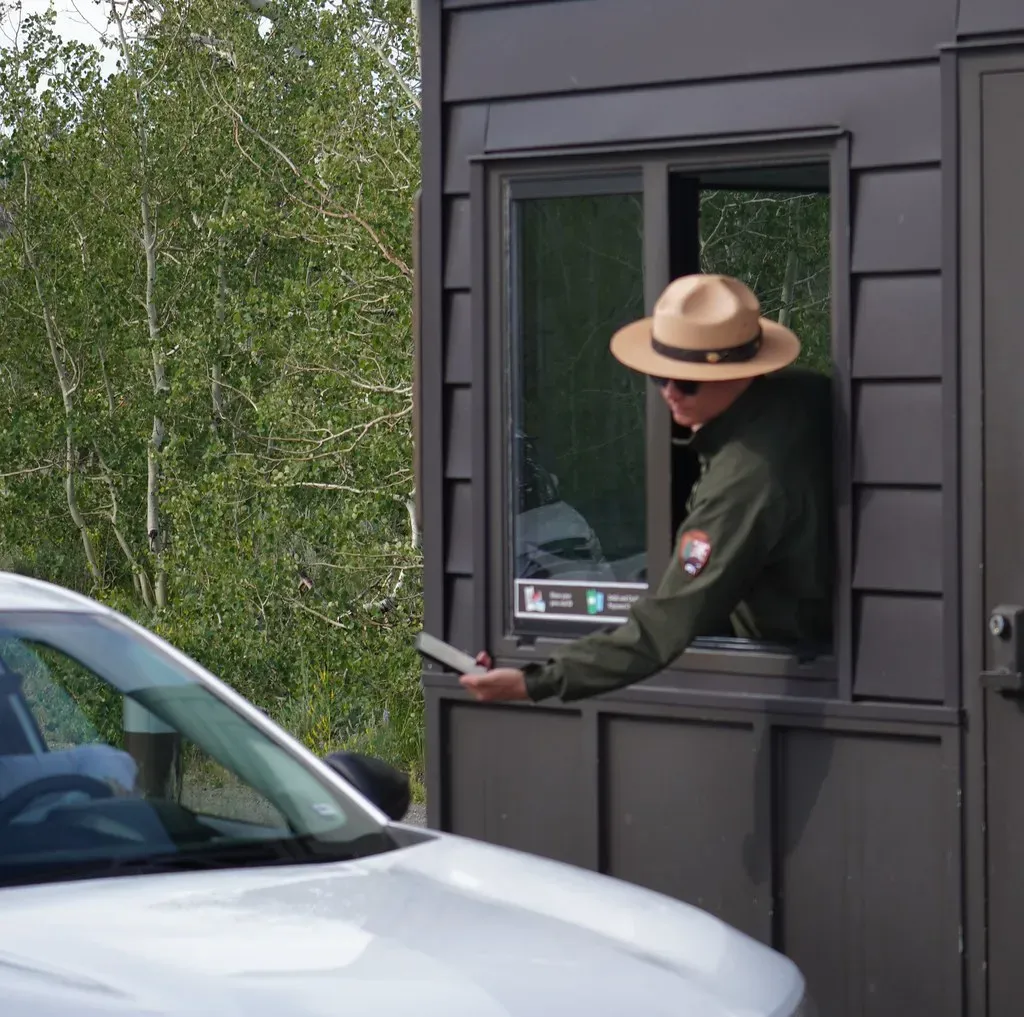
There’s a catch. The pass must be presented with valid photo ID at each site visit.
Okefenokee also notes that a Duck Stamp or interagency pass must be current and signed. Keep your ID and your signature in order.
At a Glance
- Where to buy digitally: Recreation.gov
- Linking: digital passes can be tied to a physical card
- At the gate: bring valid photo ID every visit
- Paper or plastic: keep it current and signed
Riders, this next one is for you…
#6 – Two Motorcycles on One Pass

🔥 Would you like to save this?
We'll email this post to you, so you can come back to it later!
Riders got a rule change that few fee guides bother to mention.
Since January 1, 2026, all America the Beautiful passes cover entrance fees for up to two motorcycles per pass, including the Senior Pass.
In practice, if you and a friend arrive on separate motorcycles, your single pass covers both bikes and all their riders and passengers. The passholder must be present, because the pass doesn’t cover two motorcycles if you aren’t riding one of them.
Whether a given refuge road suits motorcycles is a separate question. Check its posted rules first.
Before you buy, though, there’s a pricing surprise that depends entirely on where you click or stand…

Hand Blown Glass Hummingbird Feeders for Outdoors Hanging, 24oz Wild Bird Nectar Feeder
Check Price on AmazonAs an Amazon Associate, we earn from qualifying purchases.
10/7/2026 1:23 pm GMTi

Halloween Cat Costume Cloak Witch Hat Pet Accessories
Check Price on AmazonAs an Amazon Associate, we earn from qualifying purchases.
10/9/2026 2:44 pm GMTi

Glass Hummingbird Feeder for Outdoors Hanging
Check Price on AmazonAs an Amazon Associate, we earn from qualifying purchases.
10/7/2026 1:21 pm GMTi

Air Purifiers for Home Pets Large Room Up to 3000 Ft²,HEPA Air Cleaner with Washable Double-Side Filter, PM2.5 Air Quality Monitor,15dB Sleep Mode for Bedroom Odor Dust Pollen,White
Check Price on AmazonAs an Amazon Associate, we earn from qualifying purchases.
10/8/2026 8:23 am GMTi

Orthopedic Extra Large Dog Bed, Waterproof Washable XL Pet Bed 44"
Check Price on AmazonAs an Amazon Associate, we earn from qualifying purchases.
10/7/2026 1:32 pm GMTi
#5 – Where You Buy It Changes What You Pay
🔥 Would you like to save this?
We'll email this post to you, so you can come back to it later!
Ordering online can add fees that buying at the refuge avoids.
One guide reports that buying in person at a staffed federal fee site costs face price, while ordering online or by mail adds a $5 processing fee and a $7.50 handling fee. Many refuges sell passes directly. Back Bay, for example, offers passes year-round.
Payment rules vary a lot:
- Blackwater: cash or check only
- Back Bay: now accepts credit cards for pass sales
- Parker River: cards at the gatehouse, but cash or check only at the visitor center
You’ll also need proof. Bring documentation of age and residency or citizenship.
Here’s a feel-good detail about where some of that money ends up…
#4 – Your Money Can Stay Close to the Wildlife
🔥 Would you like to save this?
We'll email this post to you, so you can come back to it later!
Some refuges say the money comes back to them.
Nisqually’s page states that a majority of the proceeds from entrance fees and passes is returned to the refuge for visitor programs. Marshall Loxahatchee says fees collected directly help provide safe and meaningful experiences for visitors.
We found these statements at the refuge level, not as one nationwide rule. Each site describes its own situation.
Still, it changes how a small fee feels. A few dollars at the gate can go toward the programs and facilities you’re using.
That’s a quiet benefit of buying your card at the place you actually visit.
Now for a benefit that sounds like a letdown but may save you the most frustration…
#3 – Knowing What the Pass Doesn’t Cover
🔥 Would you like to save this?
We'll email this post to you, so you can come back to it later!
The most useful perk may be avoiding the wrong assumption.
The majority of national wildlife refuges never charged an entrance fee in the first place. The pass delivers real savings at fee sites, but it can’t discount a price of zero.
Concession-run tours, guided programs, and the Federal Duck Stamp are not covered. Here’s the quick split:
- Covered: standard entrance and day-use fees at participating refuges
- Not covered: tours, special permits, and concession fees
Anyone who promises the pass makes a refuge trip free is overselling it. Knowing the limits is what keeps the real savings real.
One more mix-up trips up even seasoned travelers, and it involves your state pass…
#2 – It Works Where State Passes Don’t

🔥 Would you like to save this?
We'll email this post to you, so you can come back to it later!
Your state pass and your federal card live in separate worlds.
Nisqually states plainly that the Washington State Discover Pass is not accepted for entrance to national wildlife refuges. Refuges are federal facilities.
The reverse is true as well. The Senior Pass only covers federal recreation sites, while state parks, state wildlife areas, and state hunting licenses are separate purchases.
A federal pass and a state pass never substitute for each other.
So the benefit here is clarity. At a federal refuge, the federal card is the one that counts. For state lands or campgrounds, ask the managing agency before assuming either pass applies.

Smart Bird Feeder with Camera Solar Powered, 2K HD Live Video, 10,000+ Bird Species AI Identification
Check Price on AmazonAs an Amazon Associate, we earn from qualifying purchases.
10/7/2026 1:22 pm GMTi

Dog Stairs for Bed 18" H, 4-Step Dog Steps for High Bed
Check Price on AmazonAs an Amazon Associate, we earn from qualifying purchases.
10/9/2026 2:42 pm GMTi

2 Pcs Halloween Pet Hat Bandana Set, Witch Pumpkin Costumes for Dogs
Check Price on AmazonAs an Amazon Associate, we earn from qualifying purchases.
10/9/2026 2:45 pm GMTi

PetSafe Oasys Pet Fountain, 1/2 Gallon (64 oz), Small Dogs & Cats
Check Price on AmazonAs an Amazon Associate, we earn from qualifying purchases.
10/8/2026 8:14 am GMTi
Worth Knowing
- Federal Senior Pass: national wildlife refuges, national parks, forests, and other federal sites
- State pass: state parks and state lands only
- Example: Washington’s Discover Pass is not accepted at national wildlife refuges
- State hunting licenses: always a separate purchase
And the biggest payoff of all comes down to simple arithmetic…
#1 – Lifetime Access for One Year’s Price
🔥 Would you like to save this?
We'll email this post to you, so you can come back to it later!
Seniors pay once for what everyone else pays every single year.
The standard annual pass for any U.S. resident rose to $80, the same price as the Senior Lifetime Pass. The Senior Pass is available to U.S. citizens and permanent residents ages 62 and older.
The payback is fast. One guide says two to three visits to fee-charging national parks typically pay it back. The annual senior version, at $20, costs a quarter of what everyone else pays.
Our opinion matches one guide’s: the lifetime pass is worth buying even if your nearest refuge is free, with refuge fee sites as a bonus.
Now for the verdict most fee guides won’t give you.
The honest truth: the gate fee is the smallest benefit. Refuge entry charges run a few dollars where they exist, and most refuges never charged one at all. The real value is everything around it: a whole carload on one card, six agencies, half-price camping where offered, two motorcycles, and a price that held steady in 2026.
Our opinion is simple. Skip the Duck Stamp unless you hunt, buy in person to dodge online fees, and read each fee board before assuming anything. For $80, the lifetime pass is a clear yes, even if it never saves you a dime at a refuge gate.
Which refuge near you charges a gate fee, and did you know the pass covers it?

- 19 Benefits the Senior Pass Gives at Refuges That Even Rangers Rarely Mention - November 9, 2026
- 12 Animals That Can Outlive a Human - November 9, 2026
- 9 States Where Wild Turkeys Made a Huge Comeback After Nearly Disappearing - November 9, 2026