
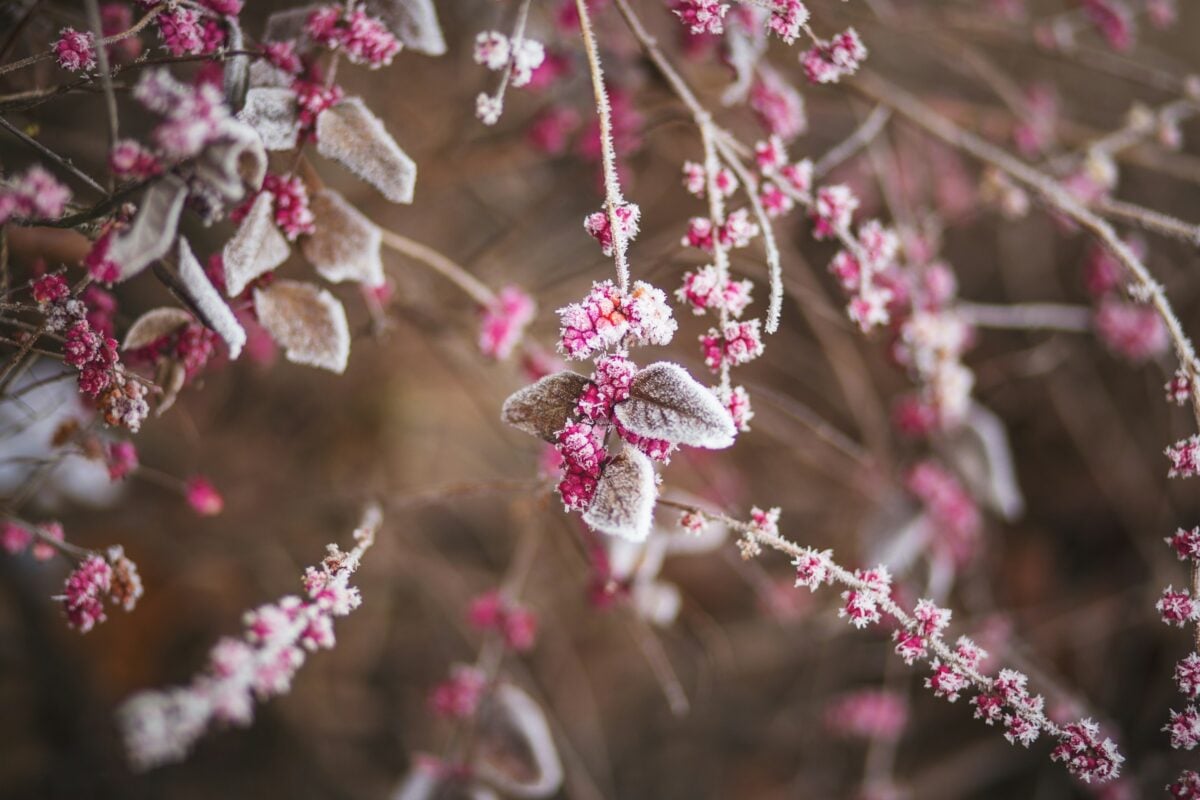
Picture the morning after your first frost. The basil is slumped over, the zinnias look like wet tissue paper, and the whole yard seems to have given up overnight. That’s exactly what most of us assume, and it’s mostly wrong.
This countdown covers what really changes in the plants, the bugs, the soil, and even the sound of your yard. Some of it is oddly sweet and some of it is a little creepy. A few of the cleanup habits you grew up with may be quietly working against you, and the strangest change of all is waiting at #1.
#19 – The Lawn Turns Crunchy and Silver
🔥 Would you like to save this?
We'll email this post to you, so you can come back to it later!
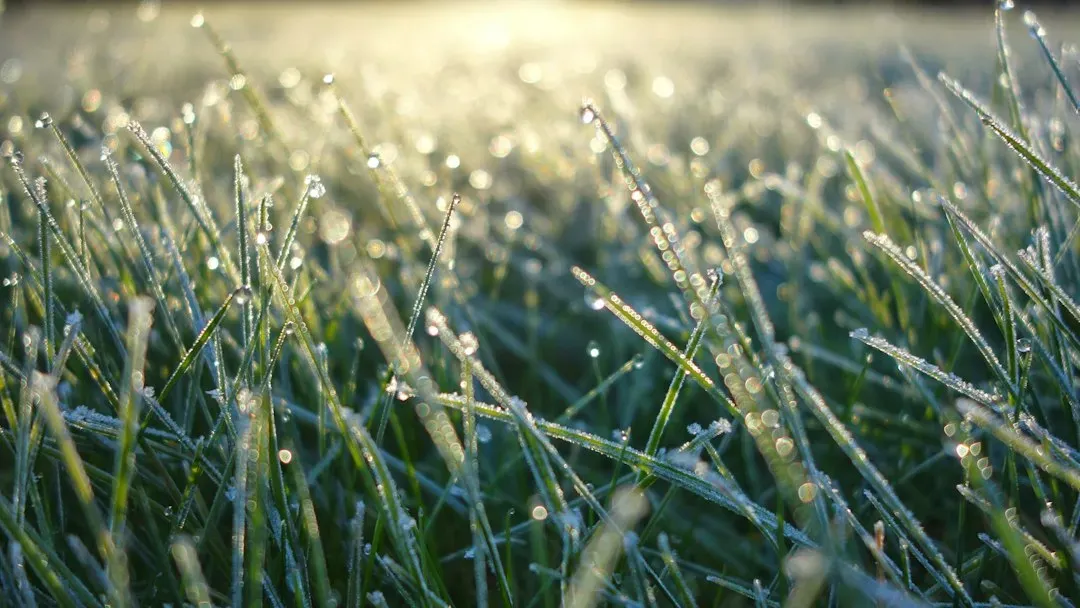
Frost doesn’t need freezing air to show up. Cold, clear, still nights let the ground lose heat fast. Ice can coat the grass while a thermometer at chest height still reads above freezing.
That’s why the lawn looks silver at sunrise. Every blade is wrapped in tiny ice crystals, which makes it stiff, crunchy, and brittle underfoot.
Fast Facts
- Frost can form when the air temperature is in the mid-30s°F, because the ground runs colder than the air
- A light frost is roughly 29°F to 32°F, while a hard freeze is 28°F or colder for several hours
- The coldest part of the night is usually just before sunrise
Many lawn-care pros say to stay off frosted grass until it thaws. Frozen blades can bruise, and the damage shows up days later as brown footprints that trace your route to the mailbox.
- Clear, calm nights frost the most
- Low spots and hollows frost first
- Walking on frozen grass leaves marks
But the plant that gives up first is much closer to the kitchen door…
#18 – Basil Goes Black Overnight
🔥 Would you like to save this?
We'll email this post to you, so you can come back to it later!
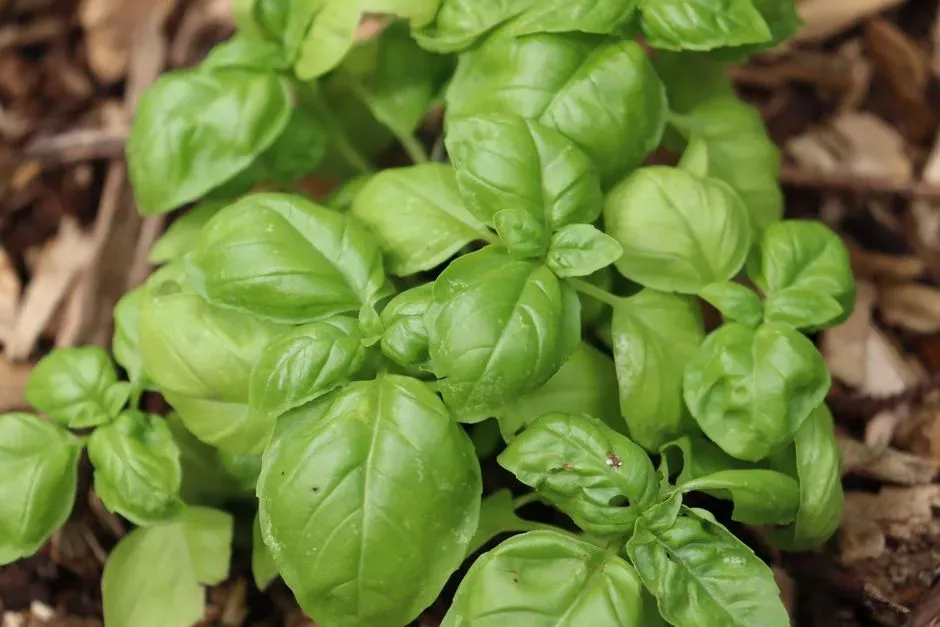
Basil can look perfect at dusk and be ruined by breakfast. It’s one of the first casualties because it’s a tender, warm-season herb with no cold defenses at all.
Tender plants don’t ease into winter. One cold night turns the leaves dark, limp, and watery, like they’ve been steamed.
In the Ohio River valley, a typical first frost paints the same picture. Zinnias and basil turn black and limp, and the tomato vines give up.
The “I’ll cover it tomorrow” mistake is the most common one. Frost forecasts are the one deadline basil never extends.
The tomato patch has an even sadder story, though…
#17 – Tomato Vines Quit
🔥 Would you like to save this?
We'll email this post to you, so you can come back to it later!
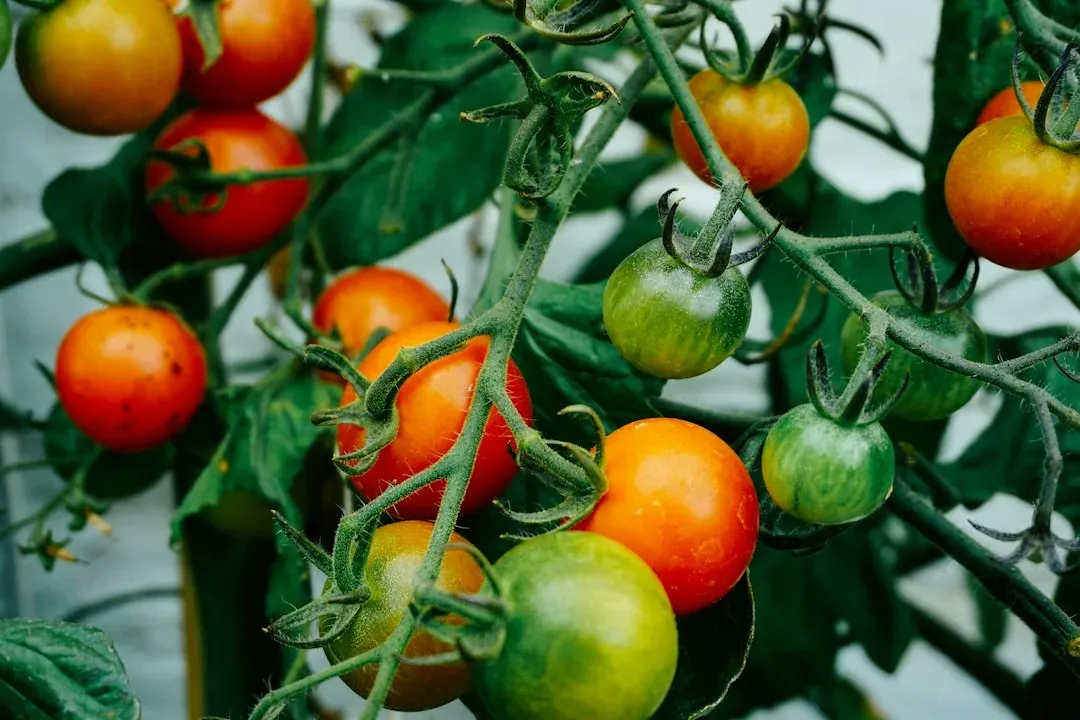
Tomatoes don’t fade out gracefully. One cold night can finish a vine that was still setting fruit last week.
Gardeners often cling to the last green tomatoes, hoping the weather will hold. Frost ends that hope, and the plants usually collapse fast into a tangle of limp, dark stems.
Frost-killed vegetable plants such as tomatoes, peppers, beans, and squash vines should be pulled, roots and all. Leaving them in place gives problems a cozy spot to hide all winter.
Here’s the controversial part. Many experienced growers say waiting for frost to “finish” the plants is lazy. They’d rather harvest the green fruit early and ripen it indoors.
- Pick fruit before a forecast frost
- Ripen green tomatoes indoors
- Pull the dead vines promptly
Quick Compare
- Harvest early: you pick the timing, and the fruit ripens indoors without a frost-night scramble
- Wait for frost: you might gain a few extra days, but one hard night can end the vines and the fruit on them
But the real surprise is how fast an entire flower bed can flip…
#16 – Annual Flowers Collapse in a Single Night
🔥 Would you like to save this?
We'll email this post to you, so you can come back to it later!
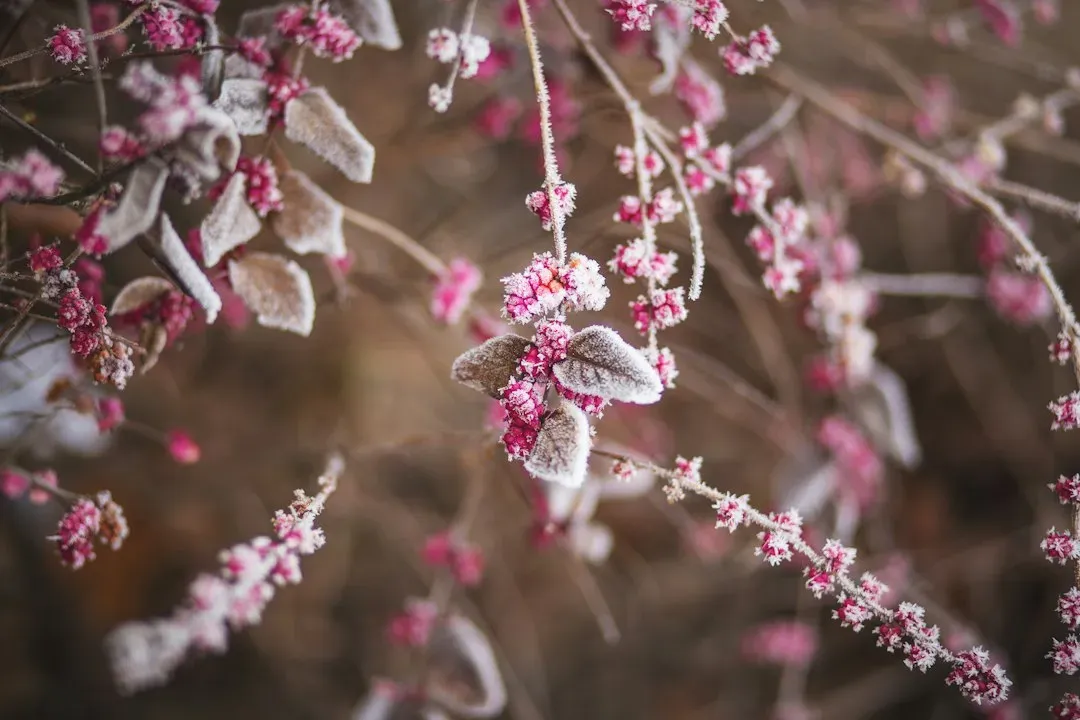
Zinnias, impatiens, and petunias don’t die slowly. They go from full bloom to mush almost overnight, and the change can feel like a magic trick gone wrong.
Here’s the mechanism. Frost can damage sensitive plants by freezing the water inside their cells. That leads to cell damage, and then to the soggy, translucent look you see by mid-morning.
That’s why most annuals that aren’t cold hardy are done after the first hard night. Perennials, shrubs, and trees have defenses that annuals simply lack.
Annuals aren’t weak, though. They’re built to finish an entire life cycle in one season, and frost is just the season’s end date.
One of your most reliable perennials turns ugly in an entirely different way…
#15 – Hostas Melt Into a Soggy Pile
🔥 Would you like to save this?
We'll email this post to you, so you can come back to it later!
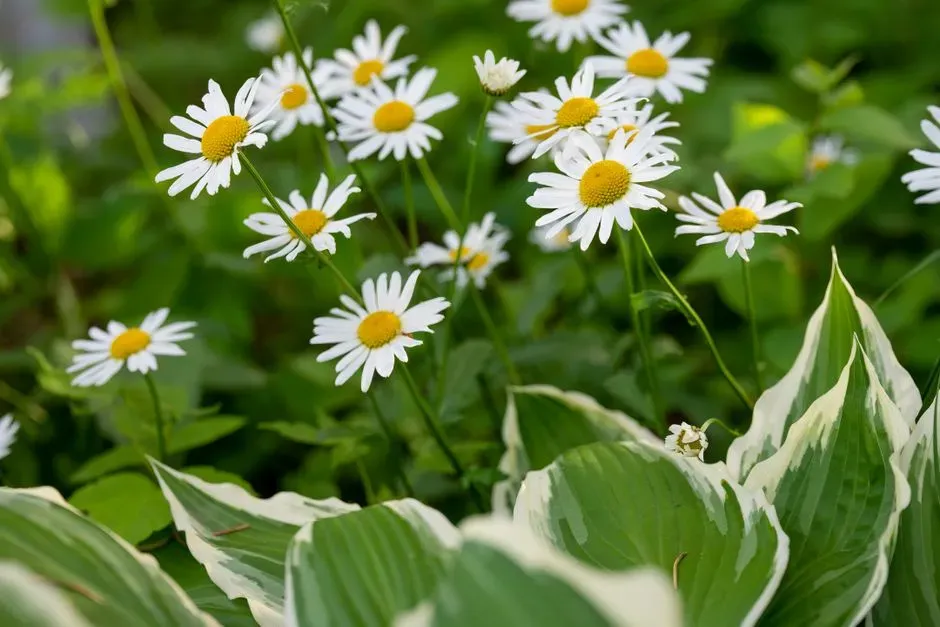
Hostas are the divas of the shade garden, and their exit is dramatic. After frost, the leaves collapse into a wet, slimy heap.
It looks awful, but it isn’t harmless. That soggy pile is a favorite nursery for slugs, which love to lay eggs under the rotting leaves.
That’s the argument for tidying hostas, even if you’re a “leave it wild” gardener. Soft, decaying foliage hands you the exact pests you’ll be fighting in spring.
Remove the mush once the leaves have gone limp. The plant’s crown will be fine underground.
Meanwhile, some crops in the garden actually improve in the cold…
#14 – Kale and Carrots Get Sweeter
🔥 Would you like to save this?
We'll email this post to you, so you can come back to it later!
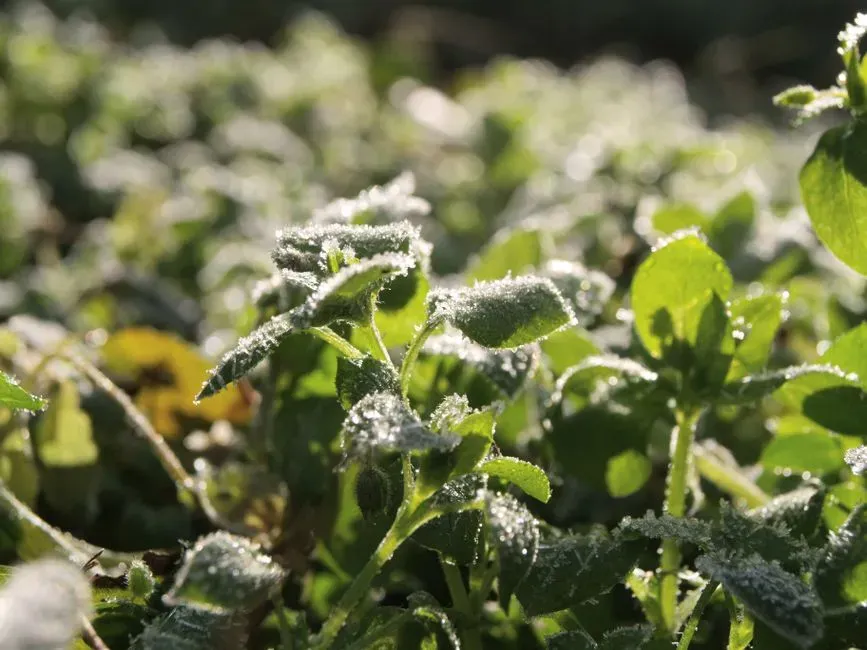
Frost can make some vegetables taste better. It sounds backward, but cold-loving crops are secretly built for it.
Kale picked after a frost tastes sweeter than kale picked in summer. The same goes for roots like carrots, which can stay in the ground after frost and often get sweeter as temperatures fall.
Spinach, parsnips, Brussels sprouts, cabbage, and some broccoli and lettuce can also keep growing after the first frost.
So the first frost is not the end of the harvest. It’s the start of the cool-season menu.
Now for the part of the cleanup that surprises people most…
#13 – Hollow Stems Become Insect Hotels
🔥 Would you like to save this?
We'll email this post to you, so you can come back to it later!
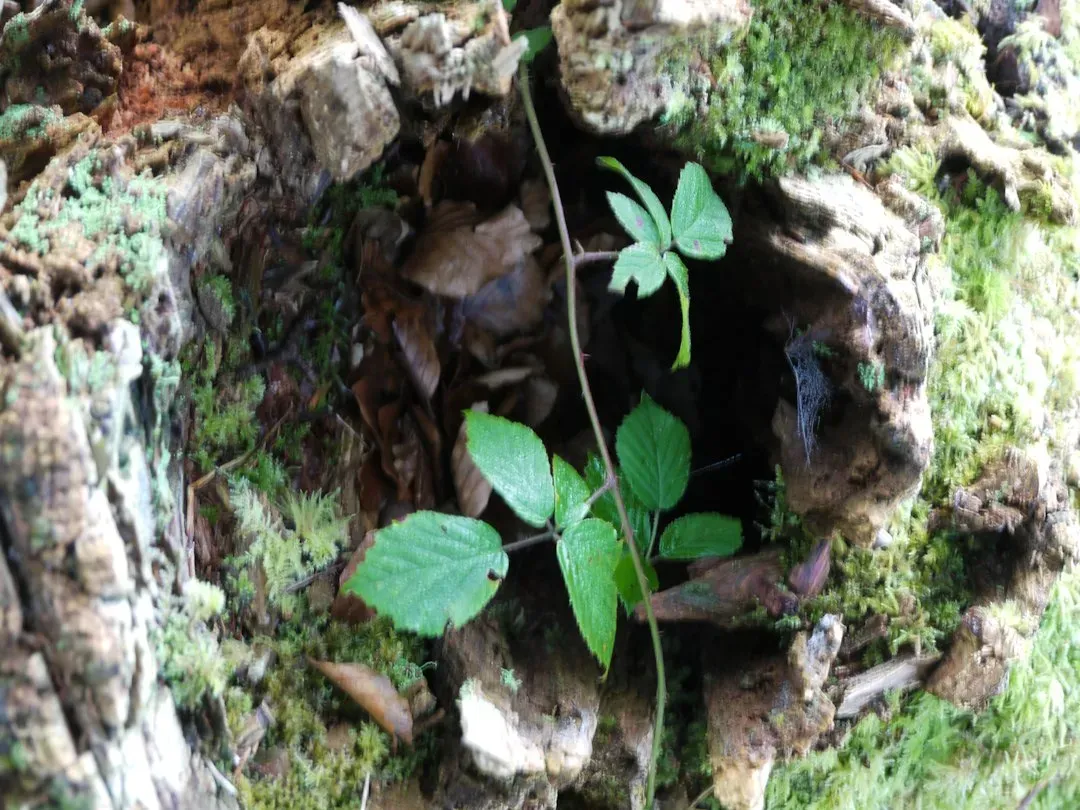
That “messy” dead stalk is actually a winter shelter. Plenty of helpful insects tuck inside hollow plant stems to ride out the cold.
Many beneficial insects overwinter in the hollow stalks left by dying plants. Cut everything to the ground and you’ve just evicted them.
Those tenants include pollinators and predators that work for you next summer. Leaving sturdy stems standing is basically free pest control and pollination insurance.
Some gardeners suggest waiting until spring to cut them back, once it’s warm enough for the insects to leave.
- Leave sturdy, hollow stems standing
- Cut them in spring, not fall
- Keep a few tidy beds if neighbors care
But the biggest argument in gardening is about something you rake every autumn…
#12 – The Leaf Pile Isn’t Trash
🔥 Would you like to save this?
We'll email this post to you, so you can come back to it later!
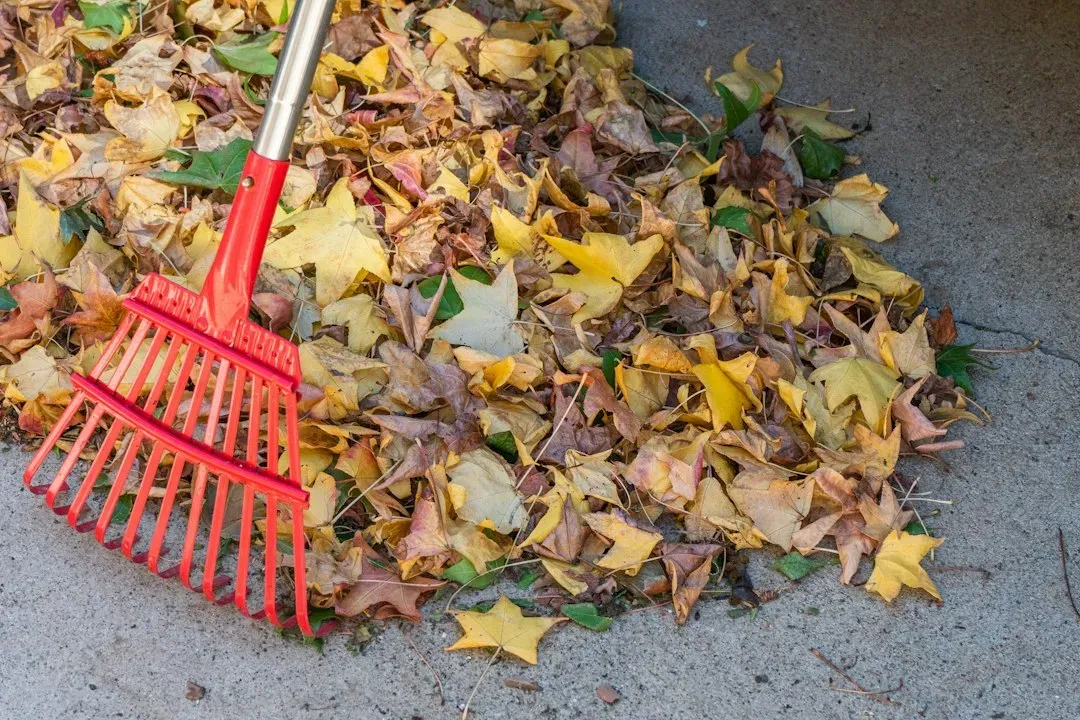
Raking every leaf may be the biggest backyard mistake of the season. Experts argue it removes wildlife along with the leaves.
Here’s why. Many beneficial insects hibernate in leaf litter, finding their way in before the first frost and staying until spring.
Clearing the leaves out disposes of those insects and can disrupt the ecosystem for the following year. Your neighbor’s bagged-leaf tower at the curb is a lot of lost wildlife.
The compromise is simple. Shred leaves with a mower and spread them as mulch, or rake them off the lawn and into garden beds. Thick, whole leaves can smother grass, so don’t leave them there.
Not every bug is hiding, though. Some are about to die…
#11 – Aphids and Soft-Bodied Pests Get Wiped Out
🔥 Would you like to save this?
We'll email this post to you, so you can come back to it later!
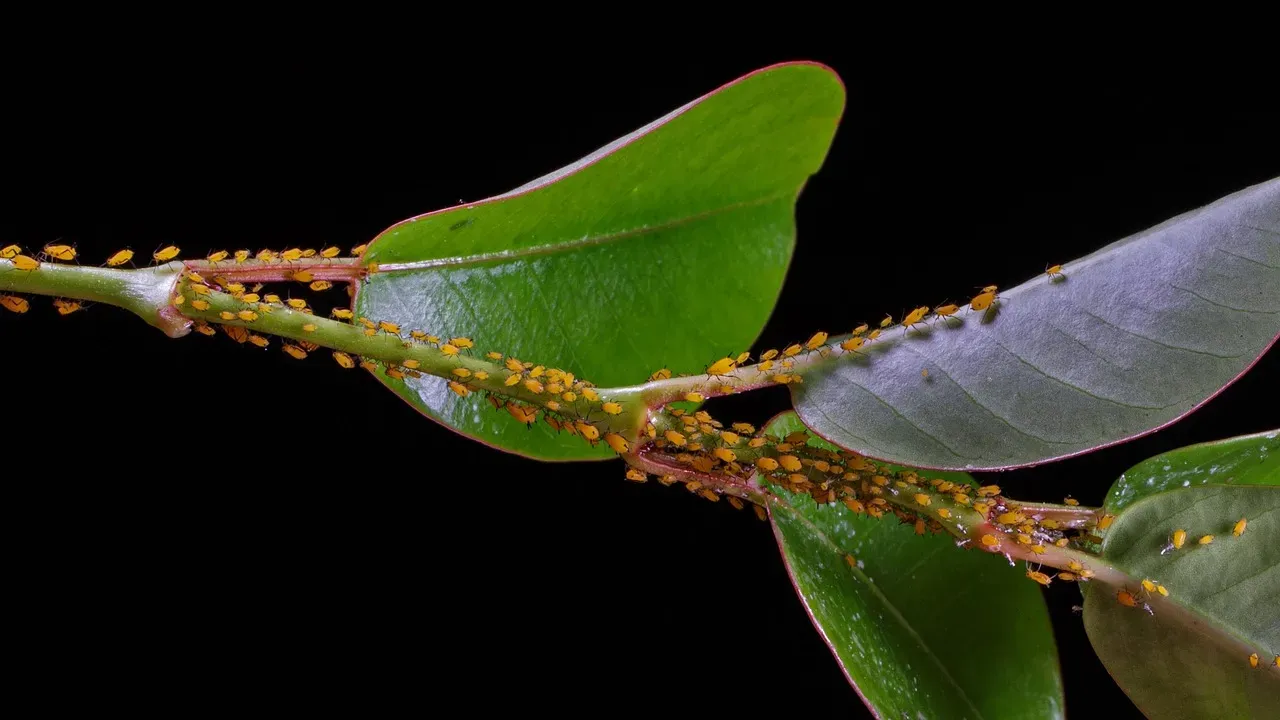
Frost really does clear out some of your worst pests. It just doesn’t clear them all.
Aphids, some caterpillars, and some beetles can’t handle the cold, and their populations are killed off or reduced. That’s a real, welcome reset for the garden.
But the myth goes too far. Many people believe the first frost kills off all pests, and that simply isn’t true.
Pests respond in one of three ways, and only the first is good news:
- They die off
- They overwinter or enter diapause
- They stay active through winter
The survivors have a clever trick up their sleeves…

Professional 7 in 1 Dog Paw Cleaner for Dogs & Cats - Includes 1 Portable Paw Washer, 1 Bath Brush
Check Price on AmazonAs an Amazon Associate, we earn from qualifying purchases.
10/7/2026 1:26 pm GMTi

Dog Stairs for Bed 18" H, 4-Step Dog Steps for High Bed
Check Price on AmazonAs an Amazon Associate, we earn from qualifying purchases.
10/9/2026 2:42 pm GMTi

PetSafe Oasys Pet Fountain, 1/2 Gallon (64 oz), Small Dogs & Cats
Check Price on AmazonAs an Amazon Associate, we earn from qualifying purchases.
10/8/2026 8:14 am GMTi

Glass Hummingbird Feeder for Outdoors Hanging, 16 oz Leak-Proof Nectar Feeder with Bee Guards & Ant Moat
Check Price on AmazonAs an Amazon Associate, we earn from qualifying purchases.
10/7/2026 1:22 pm GMTi

Orthopedic Extra Large Dog Bed, Waterproof Washable XL Pet Bed 44"
Check Price on AmazonAs an Amazon Associate, we earn from qualifying purchases.
10/7/2026 1:32 pm GMTi
#10 – Some Insects Make Their Own Antifreeze
🔥 Would you like to save this?
We'll email this post to you, so you can come back to it later!
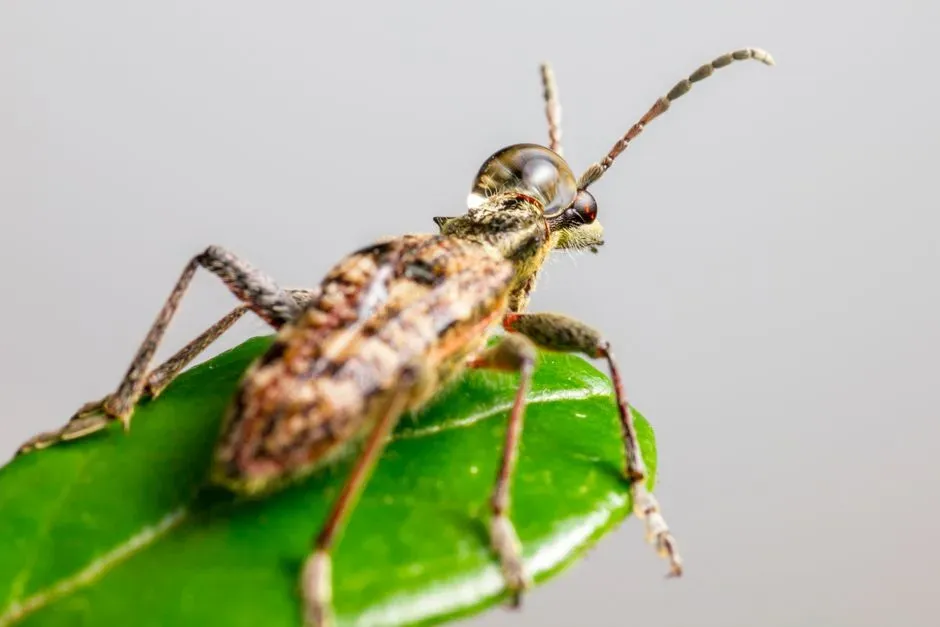
A few insects survive winter by freezing, then thawing. It sounds impossible, but it’s a real survival strategy.
The process involves diapause, a hibernation-like state. In it, the insect builds up glycerol, a natural antifreeze, so it can freeze in winter and thaw in spring.
Others take a simpler route. Some, like ants, burrow underground, while others settle into tall grass, leaves, mulch, and logs.
Worth Knowing
- Freeze-and-thaw types: build up glycerol and survive being frozen
- Burrowers: ants head underground, below the worst of the cold
- Shelter-seekers: tuck into tall grass, leaves, mulch, and logs
That means your yard isn’t empty in winter. It’s full of life in suspended animation, packed under mulch and debris.
Some of those sheltering pests will head straight for your house…
#9 – Pests Start Looking for a Warm Place to Stay
🔥 Would you like to save this?
We'll email this post to you, so you can come back to it later!
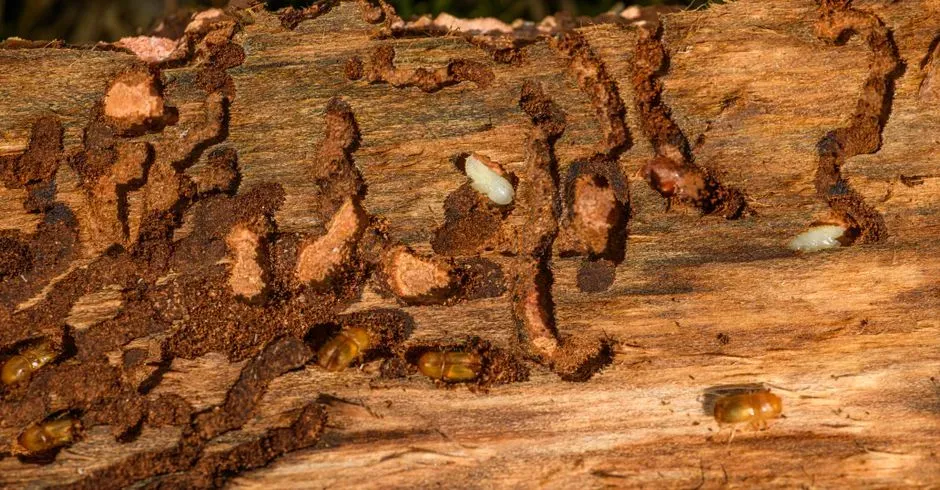
Frost is a deadline for pests, too. Falling temperatures push many of them toward shelter before the first cold snap.
That drop in temperature prompts many pests to seek warmer shelter, including your home. Stink bugs, boxelder bugs, and mice are the classic examples.
That’s why the weeks around first frost are prime time for sealing gaps around doors, windows, and foundations. Waiting until you spot them inside is too late.
The first frost isn’t the start of the pest problem. It’s the moment you realize the problem has already moved in.
- Seal cracks near doors and utility lines
- Move firewood away from the house
- Check window screens and weatherstripping
And then there’s the thing you notice only when it’s gone…
#8 – The Backyard Goes Eerily Quiet
🔥 Would you like to save this?
We'll email this post to you, so you can come back to it later!
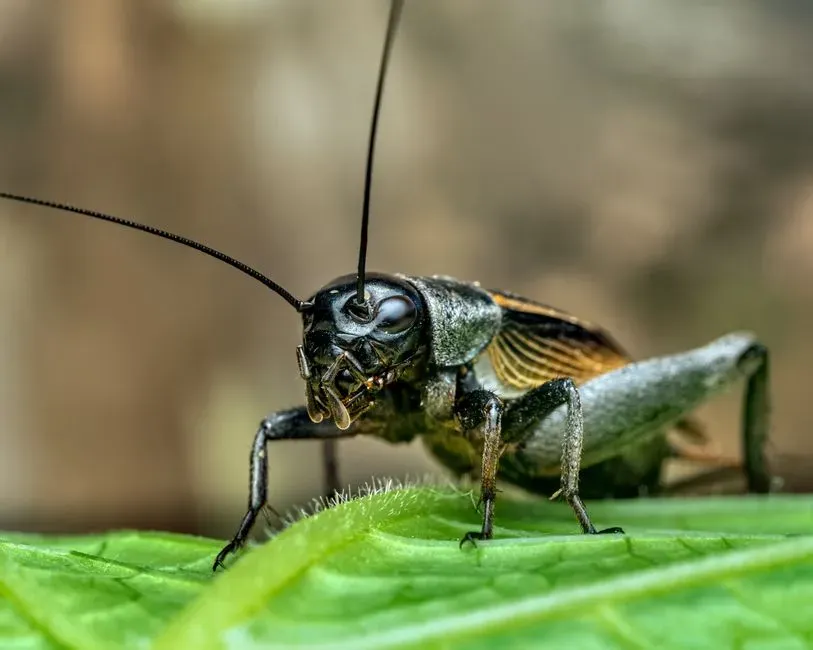
Stand outside after frost and listen. The soundtrack changes. The crickets that filled September evenings thin out and fall silent.
Crickets and grasshoppers are cold-blooded, so their activity is tightly linked to the surrounding temperature. When it drops, they slow down or die off.
Different insects go quiet at different times. Many don’t vanish, they just stop being active.
That silence is one of the most reliable signs your yard has switched seasons. You don’t need a thermometer to tell you.
Not everything that goes dormant is bad news…
#7 – Fungal Diseases Slow to a Crawl
🔥 Would you like to save this?
We'll email this post to you, so you can come back to it later!
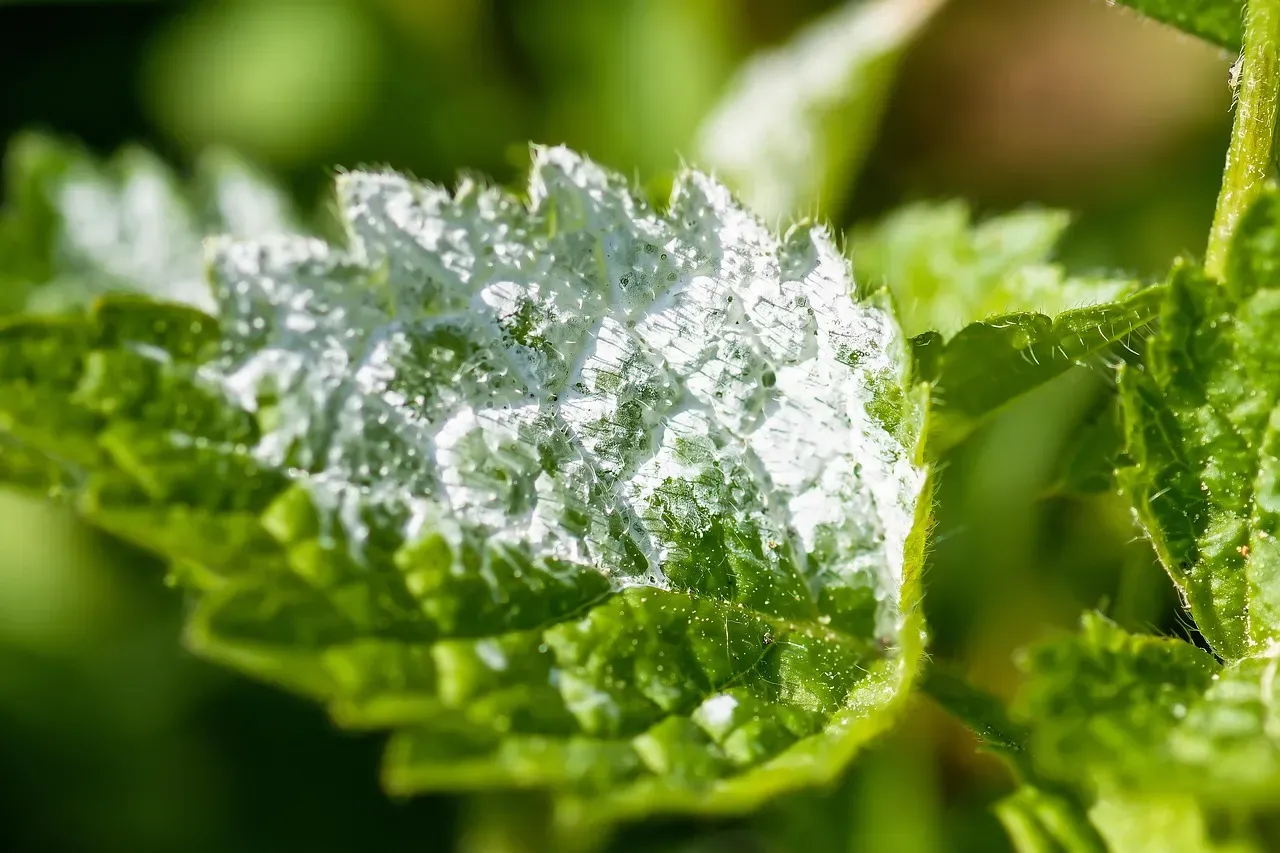
Frost can be a gardener’s silent ally against plant disease. Cold weather puts the brakes on many problems.
Some fungal diseases, like powdery mildew, become less active and dormant in winter. That slows their spread and reduces infection risk.
At a Glance
- Slowed by cold: powdery mildew and other fungal problems go dormant
- Not gone: spores and infected debris can wait for better weather
- Goes in the trash: anything with blight, mildew, or leaf spots
- Safe for compost: healthy plant material only
That doesn’t mean they’re gone. Spores and infected debris can hang around until conditions improve, so cleanup still matters.
Anything that had blight, mildew, leaf spots, or bug problems should go in the trash, not the compost. A home compost pile often doesn’t get hot enough to deal with them.
Frost slows disease. Good sanitation ends it.
And there’s one more group of backyard residents with mixed fortunes…
#6 – Weeds Take a Hit, but Not All of Them
🔥 Would you like to save this?
We'll email this post to you, so you can come back to it later!
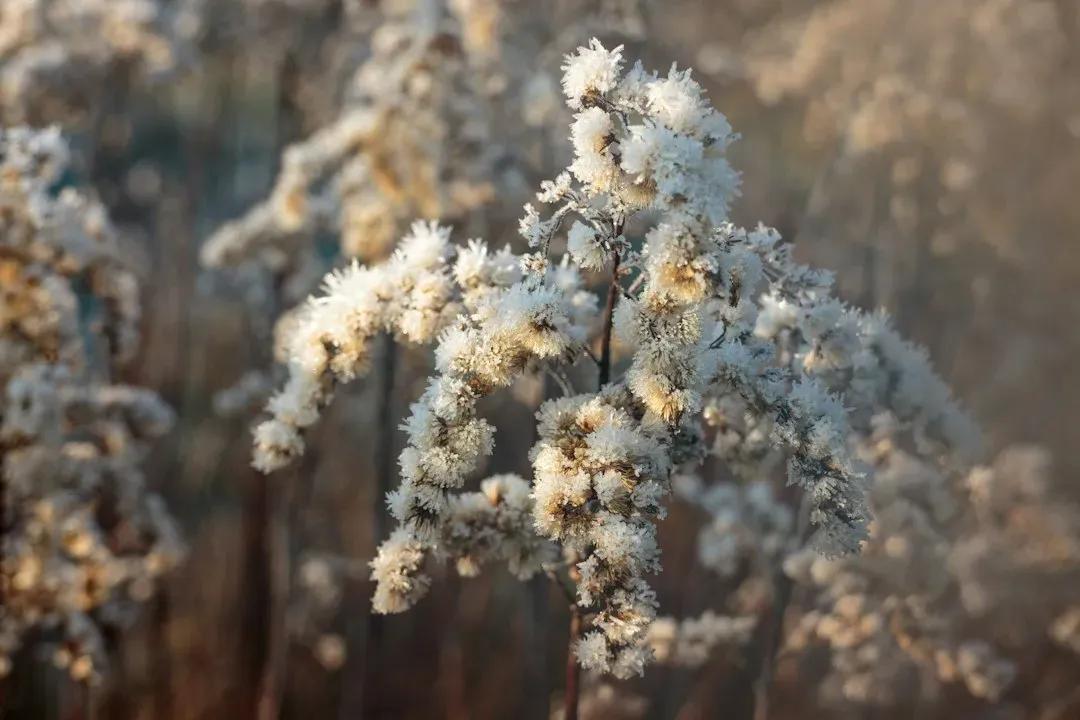
Some weeds do get knocked back. For plenty of gardeners, that’s the best part of frost.
The catch is that weeds are survivors by design. Cold-tolerant winter weeds can keep growing slowly while everything else sleeps.
Frost also shifts the way you should handle weeds. Pulling them before they set seed matters more than any frost-based hope.
- Summer annual weeds often die with the first hard frost
- Hardy winter weeds can stay green
- Seeds left behind return in spring
What happens below the surface is even more surprising…

Smart Bird Feeder with Camera Solar Powered, 2K HD Live Video, 10,000+ Bird Species AI Identification
Check Price on AmazonAs an Amazon Associate, we earn from qualifying purchases.
10/7/2026 1:22 pm GMTi

2 Pcs Halloween Pet Hat Bandana Set, Witch Pumpkin Costumes for Dogs
Check Price on AmazonAs an Amazon Associate, we earn from qualifying purchases.
10/9/2026 2:45 pm GMTi

Halloween Cat Costume Cloak Witch Hat Pet Accessories
Check Price on AmazonAs an Amazon Associate, we earn from qualifying purchases.
10/9/2026 2:44 pm GMTi

Portable Dog Water Bottle Foldable Dog Travel Water Bottle
Check Price on AmazonAs an Amazon Associate, we earn from qualifying purchases.
10/7/2026 1:29 pm GMTi

Air Purifiers for Home Pets Large Room Up to 3000 Ft²,HEPA Air Cleaner with Washable Double-Side Filter, PM2.5 Air Quality Monitor,15dB Sleep Mode for Bedroom Odor Dust Pollen,White
Check Price on AmazonAs an Amazon Associate, we earn from qualifying purchases.
10/8/2026 8:23 am GMTi
#5 – The Soil Slows Down but Doesn’t Sleep
🔥 Would you like to save this?
We'll email this post to you, so you can come back to it later!
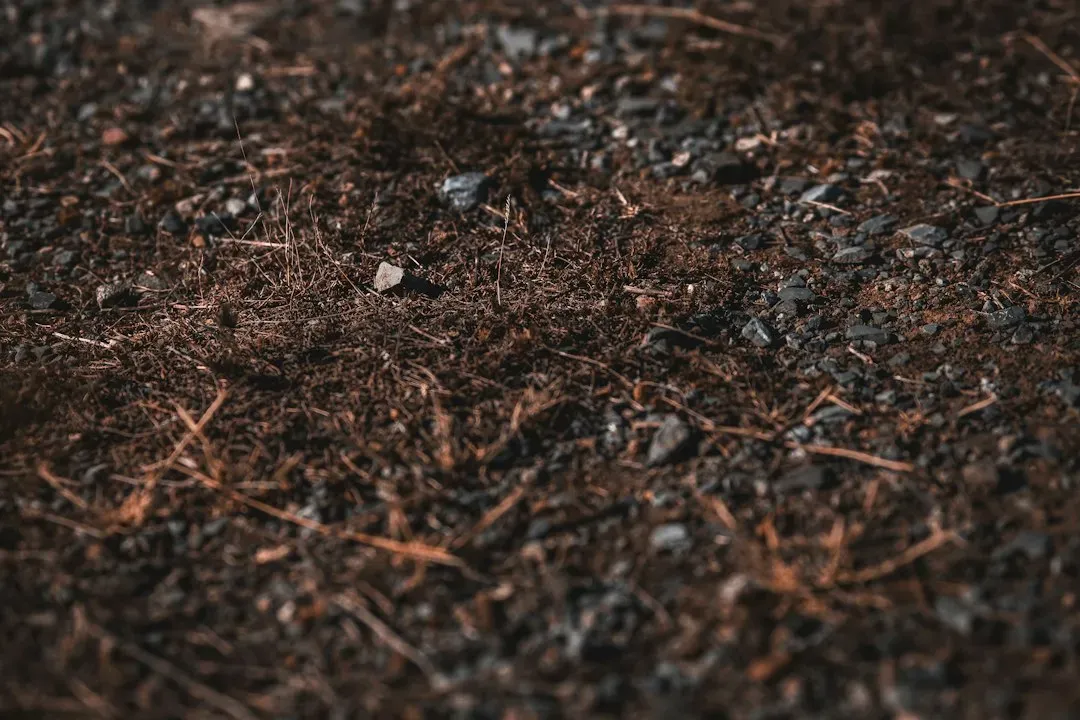
Under your feet, the first frost starts a big slowdown. Roots, microbes, and nutrients all change pace.
Colder ground affects nutrient availability, slows decomposition, and makes some roots go dormant. Water also becomes harder for plants to reach.
Why It Stands Out
- Decomposition slows, but it doesn’t stop
- Microbes can rush back to life after brief warm spells
- Roots go dormant, and water gets harder to reach
Then freeze-thaw cycles take over. The constant switch between frozen and thawed layers creates microzones where microbes rush back to life after brief warm spells.
This is why gardeners call fall soil work an investment. Compost and shredded leaves added now have months to break down, and each later frost fine-tunes the process.
The soil also changes the way it handles water, which brings us to your pots…
#4 – Container Plants Freeze Faster Than the Garden

🔥 Would you like to save this?
We'll email this post to you, so you can come back to it later!
Your potted plants are much more exposed than anything planted in the ground. The pot is the weak spot.
Container soil can freeze faster than garden soil because the whole container is exposed to cold air. In-ground roots have the earth as insulation.
That’s a big reason containers lose plants even when nearby beds survive. Roots in a pot sit in a small, cold block with no buffer.
- Move tender pots to a garage or porch
- Group containers against a warm wall
- Empty and store ceramic pots, which can crack
Insulation matters in beds too, but the timing may surprise you…
#3 – Mulch Works Differently Than You Think
🔥 Would you like to save this?
We'll email this post to you, so you can come back to it later!
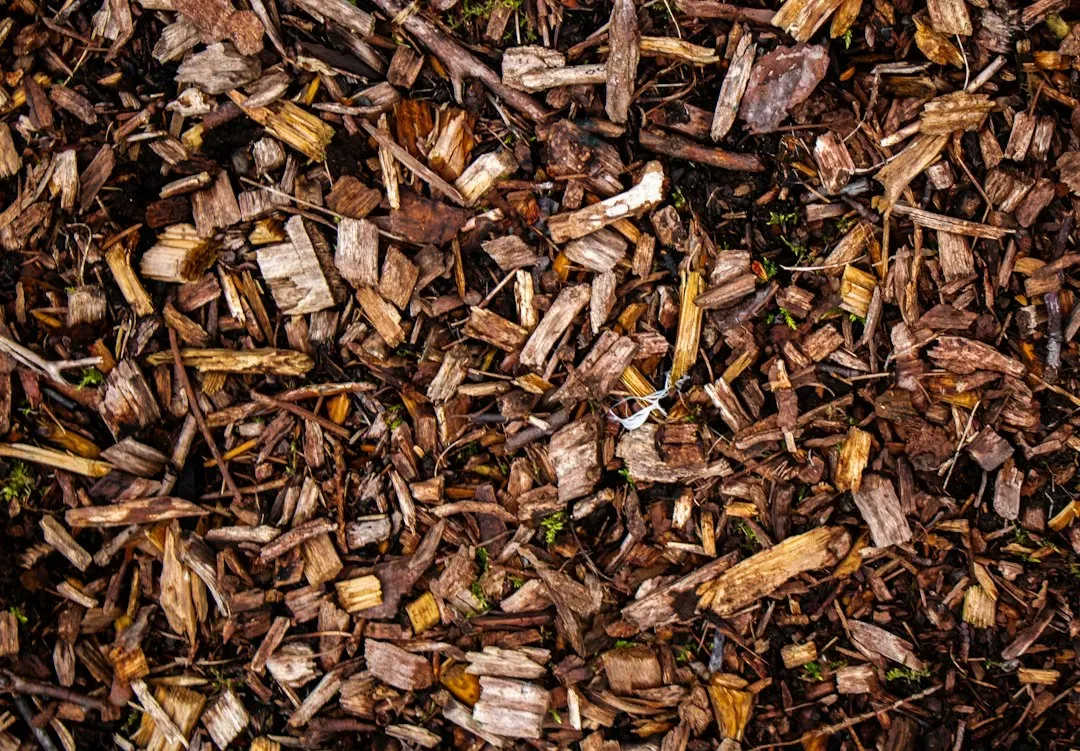
Winter mulch isn’t a blanket to keep plants warm. Most people have this backward.
Its purpose is to keep soil frozen once it freezes, not to warm plants. That steady cold helps prevent damaging freeze-thaw swings around roots.
Timing matters as well. One local guide recommends mulching perennial beds, strawberries, and garlic after a few hard freezes. Mulching too early can invite rodents to settle in.
Shredded leaves are an inexpensive option. Spread a two to three inch layer over empty garden beds once the leaves are shredded.
Even with perfect mulch, one simple habit matters more…

Halloween Dog Collar with Bow, Orange Cute Ghost Collar,
Check Price on AmazonAs an Amazon Associate, we earn from qualifying purchases.
10/9/2026 2:43 pm GMTi

Glass Hummingbird Feeder for Outdoors Hanging
Check Price on AmazonAs an Amazon Associate, we earn from qualifying purchases.
10/7/2026 1:21 pm GMTi

Earth Rated XL Dog & Puppy Pee Pads, Discreet Top, Max Absorbency
Check Price on AmazonAs an Amazon Associate, we earn from qualifying purchases.
10/7/2026 1:28 pm GMTi

Hand Blown Glass Hummingbird Feeders for Outdoors Hanging, 24oz Wild Bird Nectar Feeder
Check Price on AmazonAs an Amazon Associate, we earn from qualifying purchases.
10/7/2026 1:23 pm GMTi
#2 – Water Matters More Than You Think
🔥 Would you like to save this?
We'll email this post to you, so you can come back to it later!
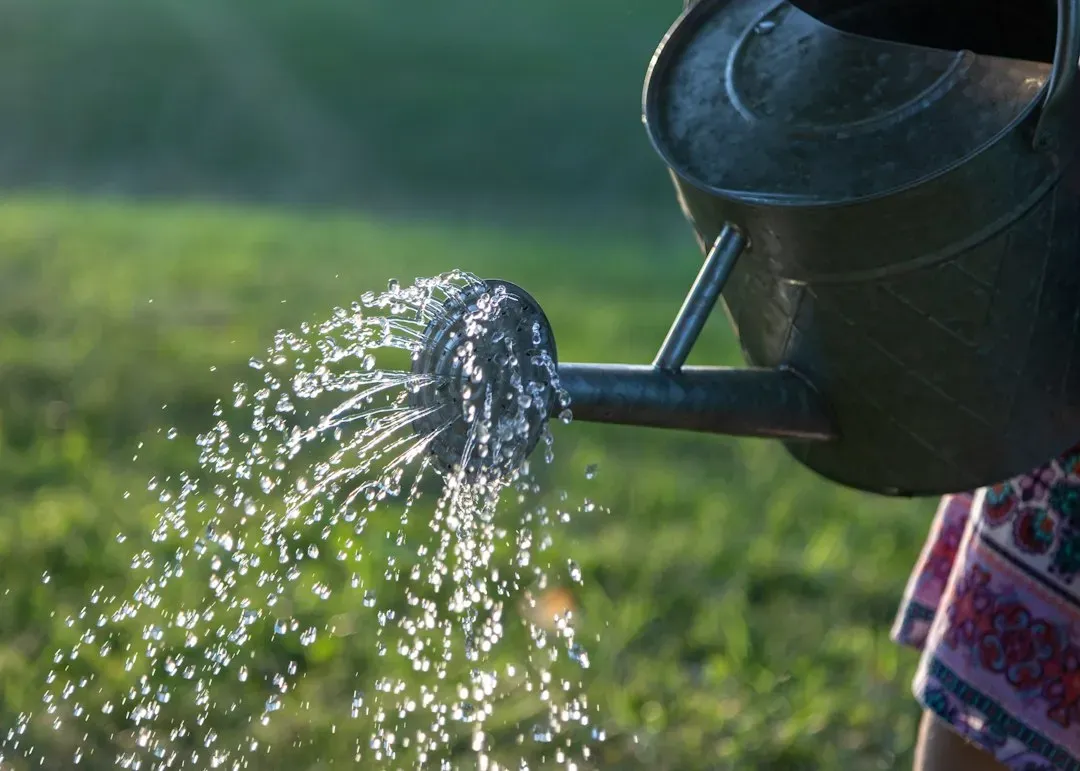
Dry plants fare worse in the cold. It feels odd to water just as the weather turns, but it works.
Hydrated plants stand up to the cold better than dehydrated ones. Slow, deep watering helps roots absorb it more effectively.
Cold damage often looks like dehydration. Plants move water out of cells in response to cold, and that can dry out stems and leaves.
That’s also the reason to stop fertilizing about six to eight weeks before your expected first frost. Fresh growth is exactly what frost damages first.
The last change is the one almost nobody connects to frost…
#1 – Seed Heads Turn Into a Winter Bird Feeder
🔥 Would you like to save this?
We'll email this post to you, so you can come back to it later!
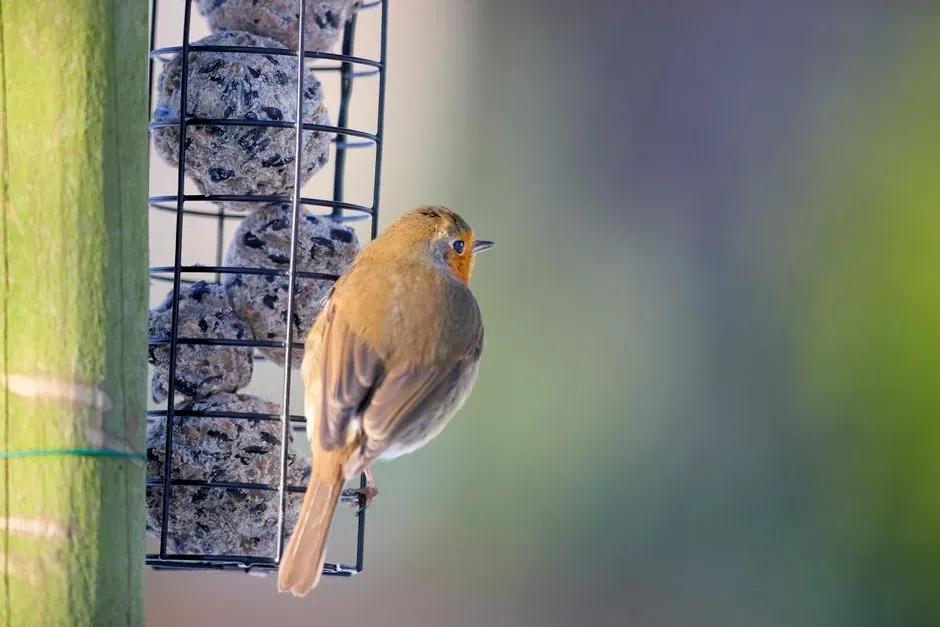
Your “dead” garden is actually a pantry. The brown, spent flower heads you want to cut are food for birds.
Standing seed heads feed winter birds, shelter beneficial insects, and catch snow that insulates plant crowns. One brown coneflower does three jobs at once.
So the thing most people see as a cleanup chore is actually the yard’s winter support system. Frost doesn’t end the garden’s usefulness. It changes who it’s useful to.
Leave a few seed heads standing, keep the leaves in the beds, and watch who shows up. Most yards get busier in winter than their owners expect.
The first frost isn’t a funeral. It’s a handoff. Basil, tomatoes, and annuals are finished, but kale gets sweeter, soil microbes reorganize, and insects settle into stems and leaves for the winter.
My opinion: the tidy, bare, bagged-up yard is the real mistake. It strips out the shelter and food that keep a garden working. Clean up the diseased and rotting material, and leave the rest alone.
So which fall habit would you defend to the end: raking every leaf, or leaving the mess until spring?

- 19 Changes in an American Backyard the Week Frost First Arrives - November 9, 2026
- 9 Habits a Working Farm Cat Never Loses - November 9, 2026
- 9 Things a Cat Only Does Around the Person Who Feeds It - November 9, 2026