


Ask most Americans where the richest wildlife in the country lives, and they will name a postcard park. Yellowstone. The Everglades. Death Valley. Turns out, visitor numbers and species counts are two very different leaderboards. Some of the quietest public lands in the country sit right beside those household names, and on specific measures such as endemic species, bird lists and listed wildlife, a few of them lead the entire refuge system.
Species tallies depend on size, habitat and survey effort, so no single ranking is perfect. Still, the countdown ahead has a swamp that trembles underfoot, a forest most drivers are never allowed to enter, and one tiny fish whose entire natural home is smaller than a two-car garage. And the refuge at #1 may change how you think about what a famous park really is.
#19 – Ten Thousand Islands: The Everglades’ Secret Neighbor
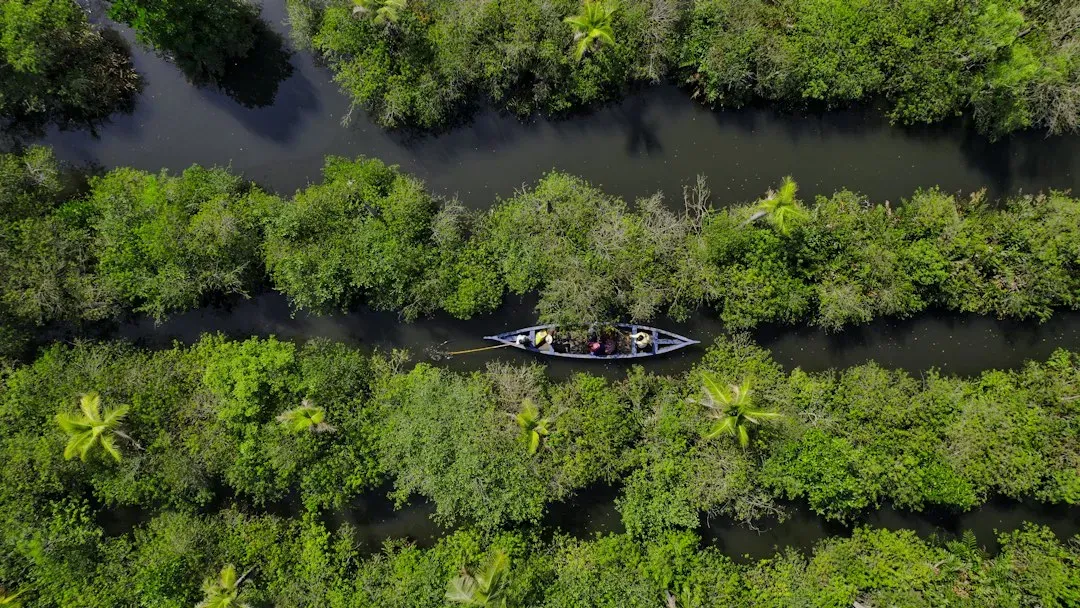
Everyone lines up for the Everglades. Meanwhile, its mangrove-choked western edge does just as much quiet work, and almost nobody sees it.
Ten Thousand Islands National Wildlife Refuge, established in 1996, sits on Florida’s southwest coast. It is a maze of mangrove islands, oyster bars and tidal creeks where land and sea can’t quite agree on a border. Most visitors never realize how much of the region’s coastal life starts in places like this.
Mangrove roots act as a nursery. Young fish such as snook, along with crabs and other invertebrates, shelter in the tangle before heading to open water. That is why wading birds, manatees and dolphins gather around the islands. The buffet starts here.
- Habitat: mangrove islands, salt marsh, oyster reefs
- Wildlife: manatees, dolphins, wading birds
- Best way in: by kayak or boat, since much of it is simply unreachable on foot
But that’s nothing compared to the tiny forest we found on #18…
#18 – Crocodile Lake: The Keys’ Closed-Door Forest
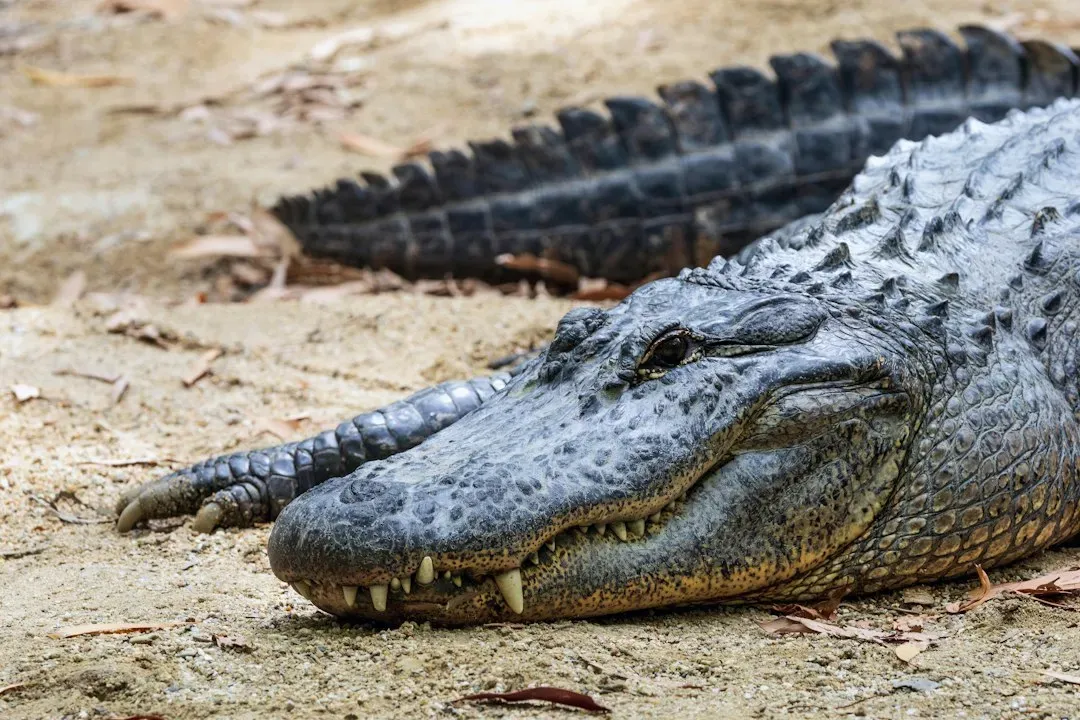
Thousands of drivers speed down Key Largo every day, right past a refuge most of them will never be allowed to enter.
Crocodile Lake National Wildlife Refuge protects tropical hardwood hammock, a Caribbean-style forest that is rare in the United States. It also shelters the American crocodile, one of the shyest big reptiles in North America. The rare Schaus swallowtail butterfly also depends on hammocks like this one.
Then there are the mammals. The Key Largo woodrat and the Key Largo cotton mouse live nowhere else on Earth, and both are federally listed as endangered. The woodrat is known for building big stick nests on the forest floor.
Access is tightly limited, and that restriction is a big reason the forest still works as a refuge. Every locked gate is one less trampled hammock.
But the next stop proves a highway can run straight through a wildlife refuge…
#17 – Pea Island: Where the Road Fights the Sea
Outer Banks visitors drive right through a wildlife refuge and barely notice.
Pea Island National Wildlife Refuge sits on the northern end of Hatteras Island. It shares the same thin strip of sand as Cape Hatteras National Seashore. Its ponds and marsh pull in migrating and wintering birds along the Atlantic Flyway.
Snow geese gather in winter, and loggerhead sea turtles nest on the beaches in summer. Birders rank it among the Mid-Atlantic coast’s strongest spots, with a bird list that runs into the hundreds.
Storm overwash regularly buries the highway under sand, a reminder that this island is on the move. The wildlife keeps adapting. The asphalt does not.
Fast Facts
- Established: 1938, on the northern end of Hatteras Island
- Flyway: part of the Atlantic Flyway, so migrants arrive in waves
- Winter star: snow geese on the ponds
- Summer star: loggerhead sea turtles nesting on the beach
But that’s nothing compared to what lives down the coast on #16…
#16 – Chincoteague: Everyone Knows the Ponies, Nobody Counts the Birds
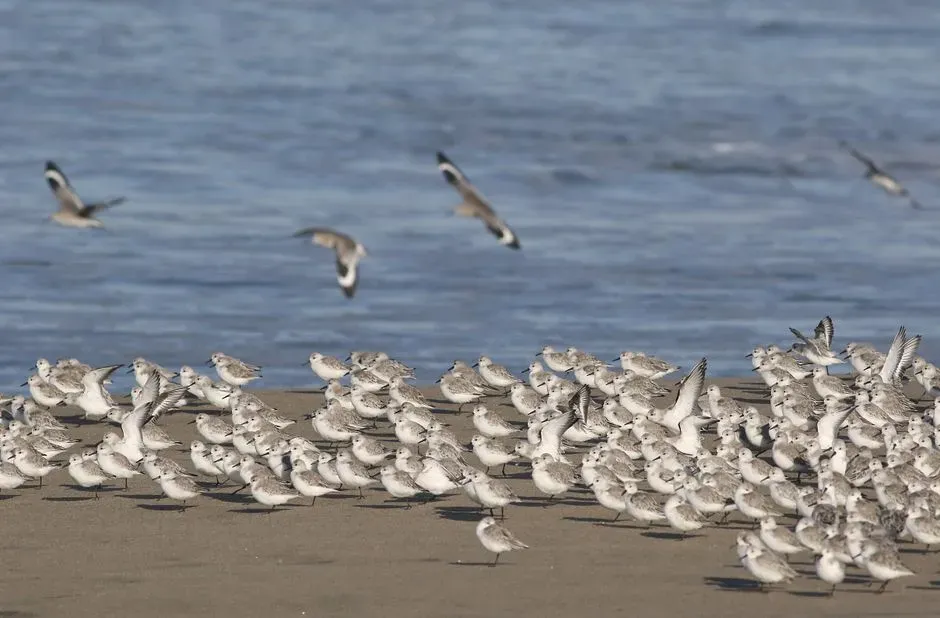
The most famous residents of this refuge are the least important ones ecologically.
Chincoteague National Wildlife Refuge occupies the Virginia end of Assateague Island, right beside Assateague Island National Seashore. More than 300 bird species have been recorded across its beaches, impoundments and marsh. The ponies got a children’s classic, Misty of Chincoteague, but the birds do the heavy lifting.
Shorebirds refuel here on marathon migrations. Piping plovers nest on the sand, and the Delmarva fox squirrel, a former endangered species, lives in the pine woods.
- Spring and fall: shorebird migration peaks
- Winter: waterfowl by the thousands
- Year-round: wading birds and raptors
The pony herd is capped because too many hooves would strip the marsh. That is the truth the postcards leave out.
But the next refuge sits in Yellowstone country and rescued an entire species…
#15 – Red Rock Lakes: The Swan Lifeboat
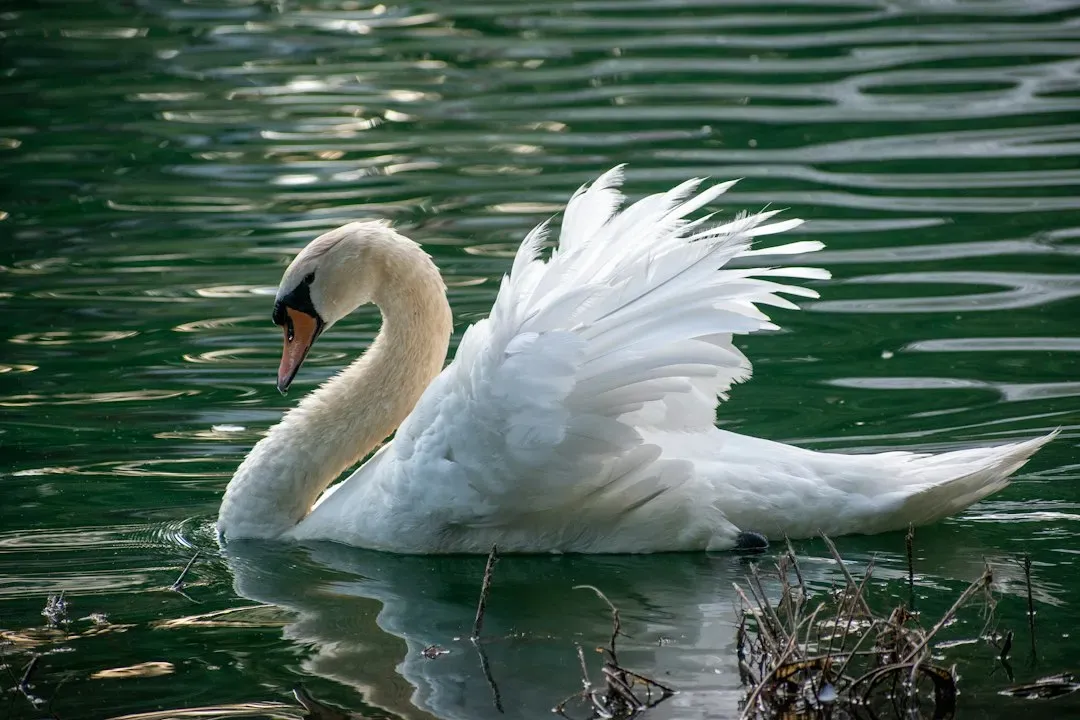
A remote Montana valley once held some of the last trumpeter swans in the lower 48.
Red Rock Lakes National Wildlife Refuge was created in 1935 to protect that remnant. The swans had been hunted to the edge of disappearance for their feathers and meat. Fewer than 100 birds were known to remain in the lower 48, and this high, cold valley was one of their final strongholds.
The refuge sits in the Centennial Valley, more than 6,000 feet above sea level, in Yellowstone country. Shallow lakes and marsh give swans the quiet nesting water they need. The largest swan in North America was pulled back from the brink by one remote valley.
Moose, pronghorn and a long list of waterbirds share the landscape.
But that’s nothing compared to what happens a few hundred miles south on #14…
#14 – National Elk Refuge: The Managed Spectacle
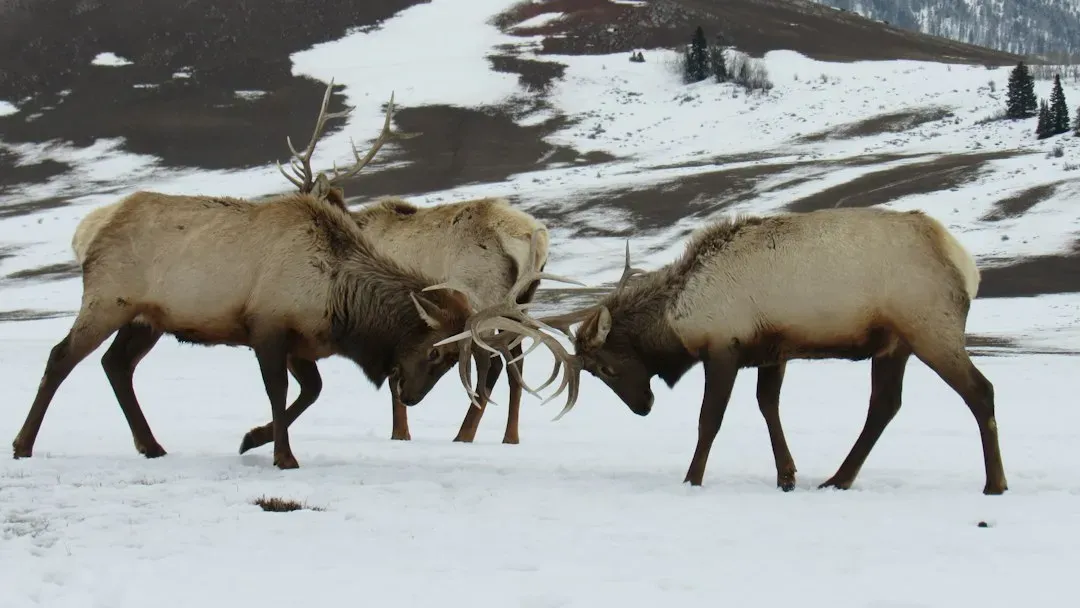
Jackson Hole’s famous winter elk scene is far more engineered than most tourists realize.
The National Elk Refuge, established in 1912, lies beside the town of Jackson and just south of Grand Teton National Park. Thousands of elk winter here, and visitors can ride sleighs right up to the herds. Bighorn sheep, wolves, bison and trumpeter swans also pass through.
Supplemental feeding has long been part of the winter routine in harsh years. That feeding packs thousands of animals tightly together, which is exactly what disease ecologists worry about. Diseases such as brucellosis and chronic wasting disease spread more easily in crowds.
Many wildlife experts now argue the feeding model should be phased out. Others say it protects ranches and keeps elk from wandering into trouble. Both camps have real evidence.
But the next refuge is so big that it has its own nickname…
#13 – Kenai: Alaska in Miniature
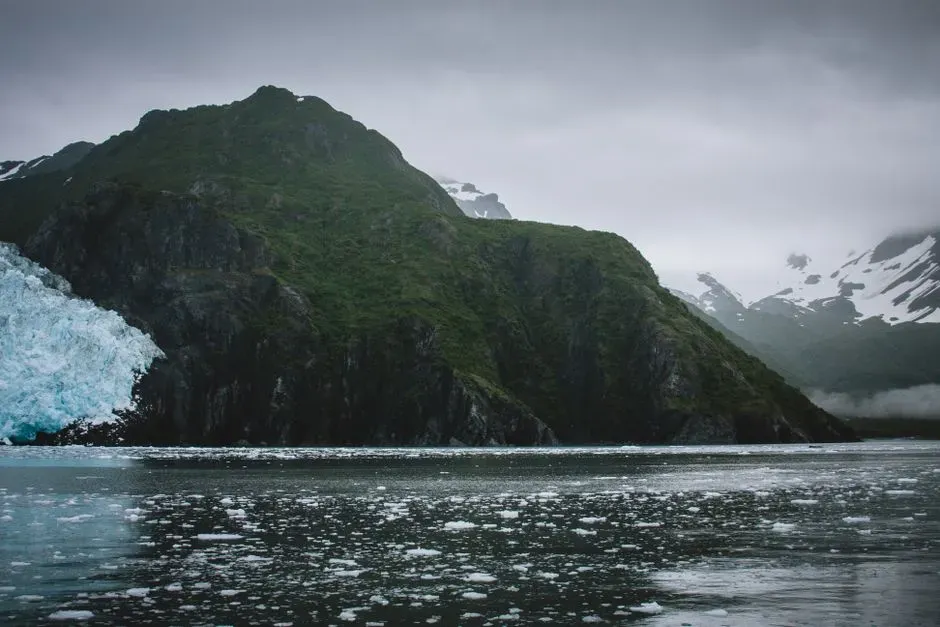
The Kenai Peninsula has a national park, but its largest public landholder is a refuge.
Kenai National Wildlife Refuge covers nearly 2 million acres. It sits on the same peninsula as Kenai Fjords National Park. Mountains, icefields, forests, lakes and wetlands all fit inside its borders, which is why people call it Alaska in miniature.
It began in 1941 as a range for moose, and it carried the name Kenai National Moose Range until 1980. The first big commercial oil discovery in Alaska came from inside its borders in 1957.
- Big mammals: brown and black bears, wolves, moose, Dall sheep
- Water: salmon runs, canoe-friendly lake chains, glacial rivers
- Why it matters: several biomes in one refuge
That layering of habitats is what drives species variety.
But that’s nothing compared to the goose story we found on #12…
#12 – Izembek: The Eelgrass Bank
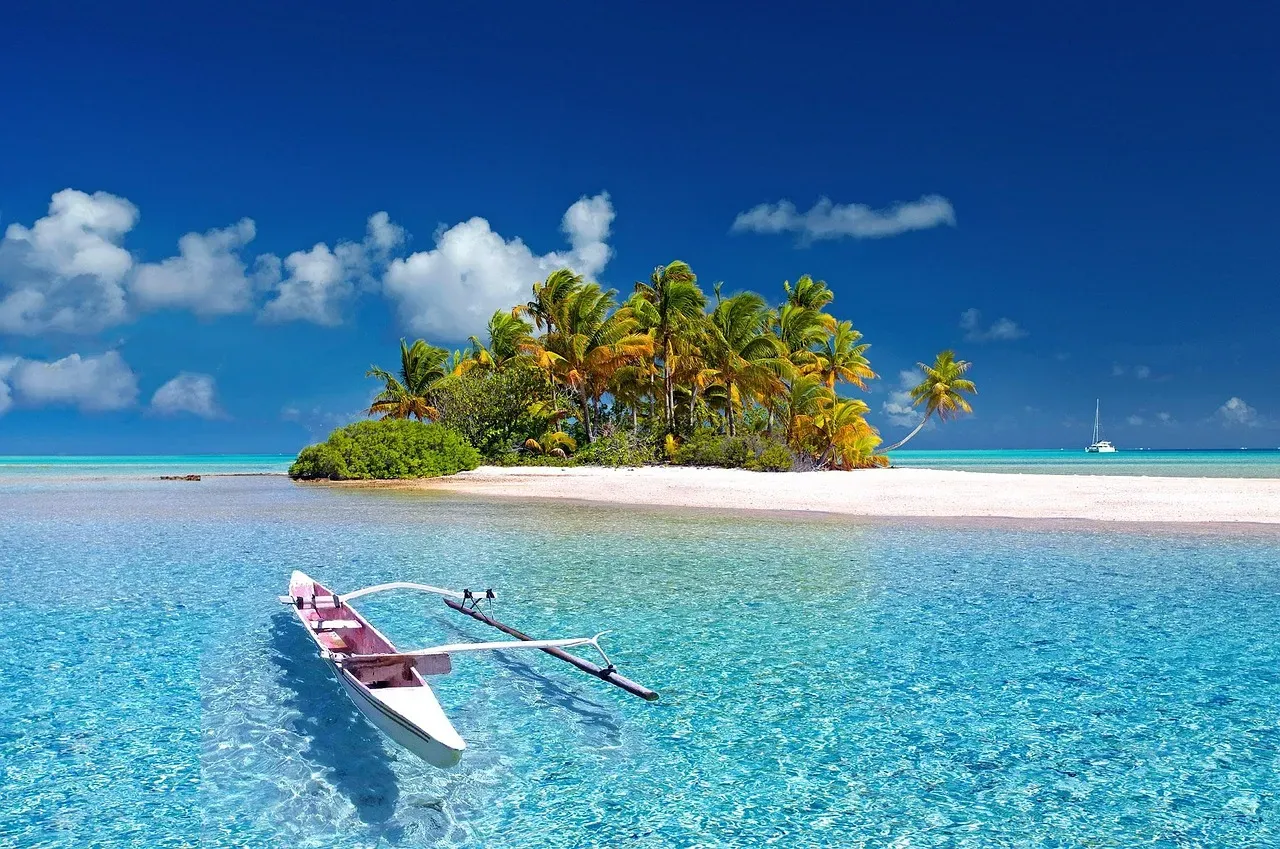
At the far end of the Alaska Peninsula, one lagoon decides the fate of a whole goose population.
Izembek National Wildlife Refuge protects one of the world’s largest eelgrass beds. In fall, a huge share of the world’s Pacific black brant stop here to feed. Emperor geese and other Arctic species use the area too, and brown bears prowl the shoreline.
Most people don’t realize how fragile that arrangement is. The refuge has long been at the center of a fight over a proposed road through its wilderness. Residents of nearby King Cove say they need it for emergency medical access. Conservationists warn it would cut through the refuge’s most sensitive ground.
But the desert refuge on #11 has an even more extreme survival story…
#11 – Cabeza Prieta: The Desert Nobody Visits
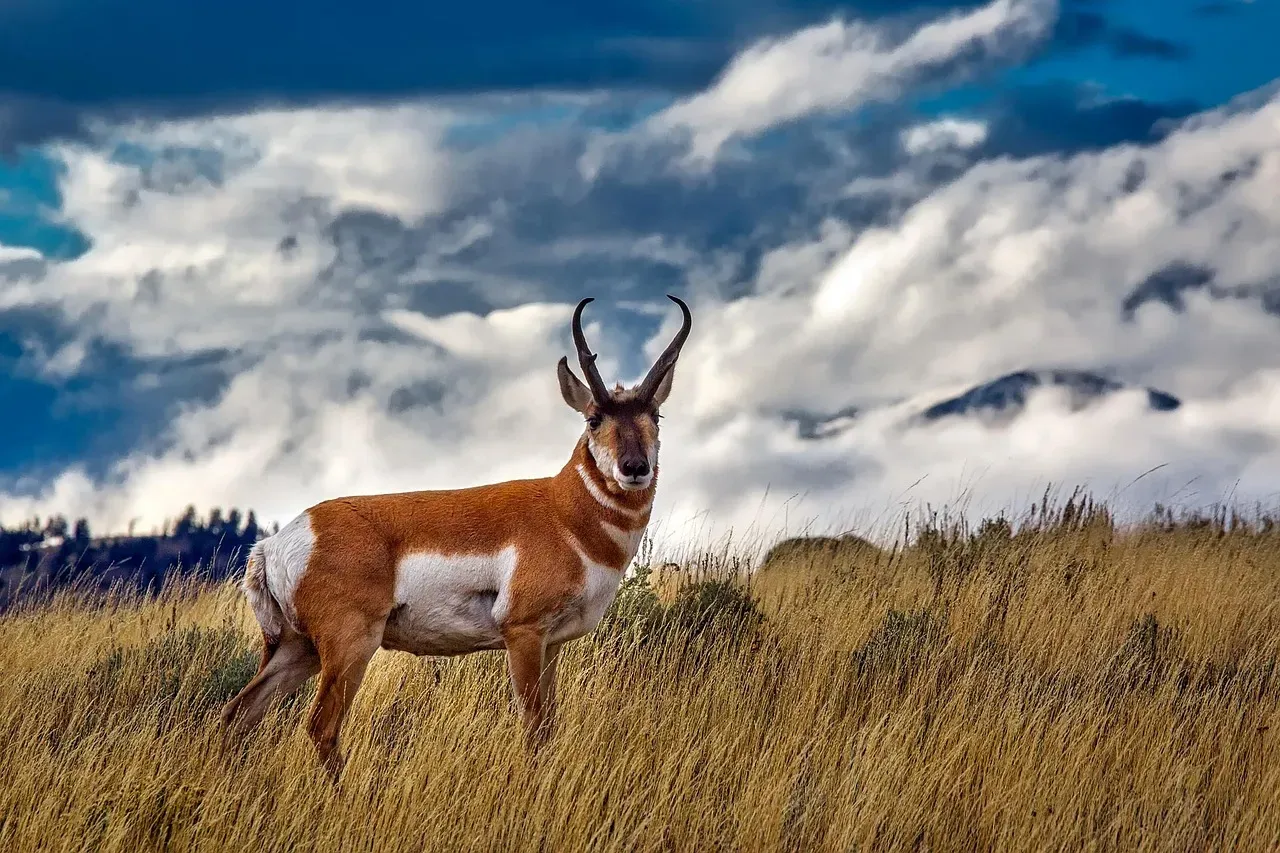
The Sonoran Desert’s biggest wildlife stronghold is the one that requires a permit.
Cabeza Prieta National Wildlife Refuge covers more than 800,000 acres in southwestern Arizona. It borders Organ Pipe Cactus National Monument, which draws far more visitors. Most of Cabeza Prieta is designated wilderness, so access is limited, and some years bring only a few inches of rain.
That is exactly why the Sonoran pronghorn survives there. A 2002 survey found only roughly two dozen in the United States.
Recovery has taken decades of work on water, habitat and captive breeding. Bighorn sheep, desert tortoises and bats also use the refuge’s rugged mountains. The historic Camino del Diablo, a brutal old desert route, crosses the same ground.
At a Glance
- Size: more than 800,000 acres in southwestern Arizona
- Next-door celebrity: Organ Pipe Cactus National Monument
- Access: mostly designated wilderness, with limited entry
- Headliners: Sonoran pronghorn, bighorn sheep, desert tortoises, bats
But that’s nothing compared to the red wolf story on #10…
#10 – Alligator River: The Last Wild Red Wolves
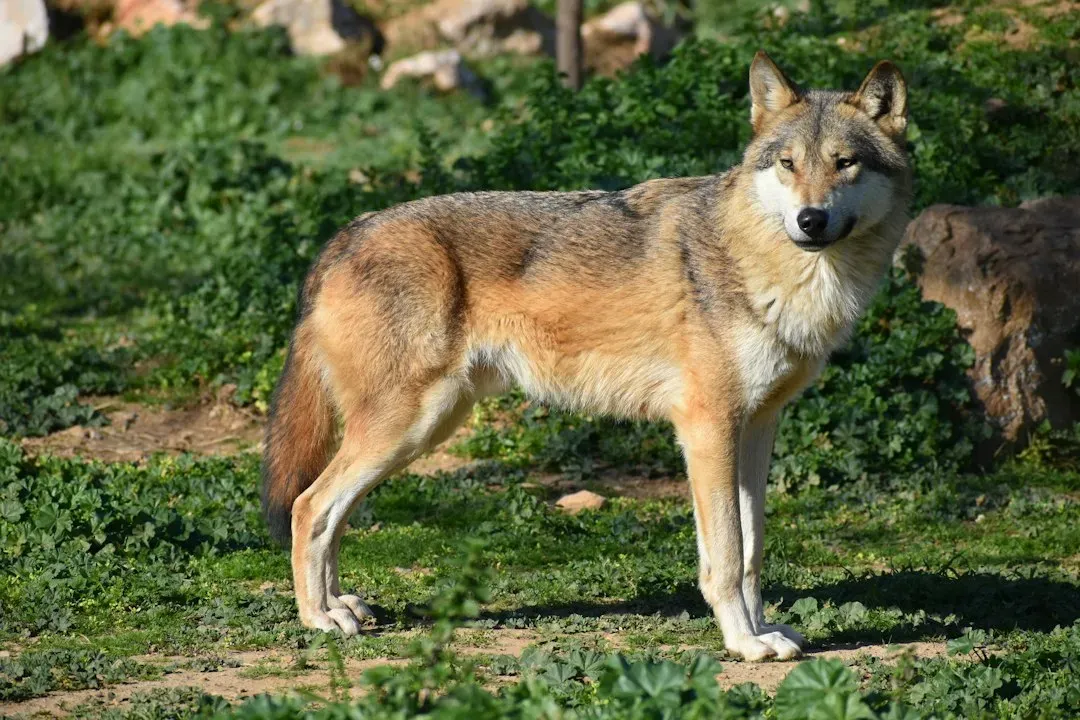
One North Carolina peninsula is the only place on Earth with wild red wolves.
Alligator River National Wildlife Refuge sits on the Albemarle Peninsula, a short drive from the Outer Banks. Its pocosin wetlands, a low, peat-rich shrub swamp, support a surprising amount of wildlife.
Red wolves were reintroduced here in 1987. Today the wild population is the only one in the world, and it numbers only a few dozen at most. Breeding with coyotes remains one of the challenges for the species.
Black bears are common, and the refuge is also a frontline for sea-level rise. Saltwater intrusion is already killing trees, creating what scientists call ghost forests.
But the next swamp has a history most visitors never learn on #9…

Dog Stairs for Bed 18" H, 4-Step Dog Steps for High Bed
Check Price on AmazonAs an Amazon Associate, we earn from qualifying purchases.
10/9/2026 2:42 pm GMTi

Halloween Dog Collar with Bow, Orange Cute Ghost Collar,
Check Price on AmazonAs an Amazon Associate, we earn from qualifying purchases.
10/9/2026 2:43 pm GMTi

Hand Blown Glass Hummingbird Feeders for Outdoors Hanging, 24oz Wild Bird Nectar Feeder
Check Price on AmazonAs an Amazon Associate, we earn from qualifying purchases.
10/7/2026 1:23 pm GMTi

Portable Dog Water Bottle Foldable Dog Travel Water Bottle
Check Price on AmazonAs an Amazon Associate, we earn from qualifying purchases.
10/7/2026 1:29 pm GMTi

Glass Hummingbird Feeder for Outdoors Hanging
Check Price on AmazonAs an Amazon Associate, we earn from qualifying purchases.
10/7/2026 1:21 pm GMTi
#9 – Great Dismal Swamp: The Refuge With a Hidden Past
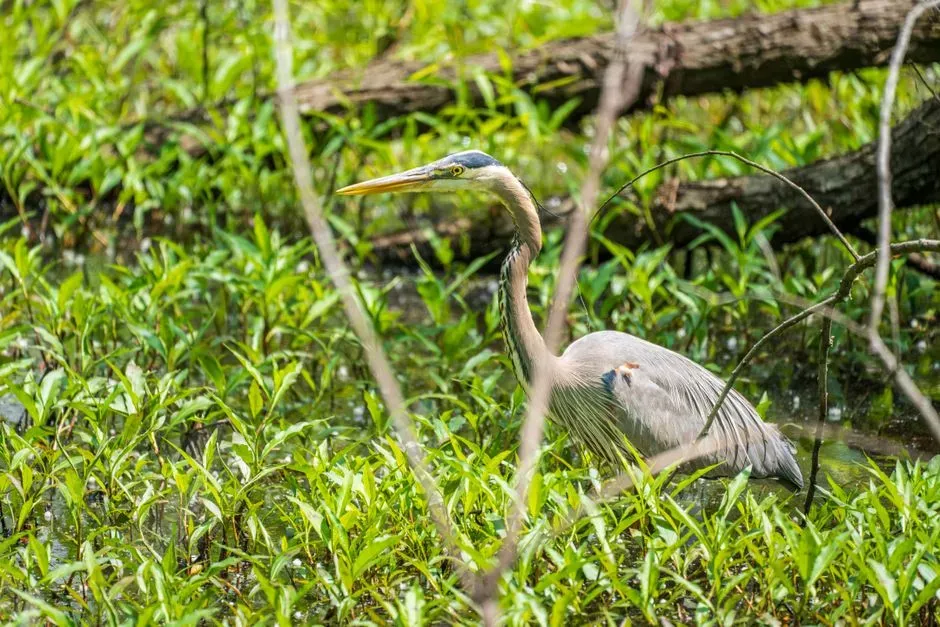
The swamp most people picture as an empty wasteland is actually one of the richest places in Virginia.
Great Dismal Swamp National Wildlife Refuge spans roughly 112,000 acres across Virginia and North Carolina. Lake Drummond sits at its heart, a natural lake with tea-colored water tinted by tannins. Black bears, bobcats and migrating warblers all use its forests, and Atlantic white cedar and bald cypress give it a character you don’t find elsewhere in the region.
Then comes the part history class skipped. Escaped enslaved people, known as Maroons, built communities here. Many historians believe the swamp sheltered possibly thousands of people over generations.
Historians and archaeologists are still uncovering that story. The swamp’s old canals were dug by enslaved laborers, which makes the refuge a wildlife haven and a freedom story at once.
But that’s nothing compared to the swamp that actually moves under your feet on #8…
#8 – Okefenokee: The Land of Trembling Earth
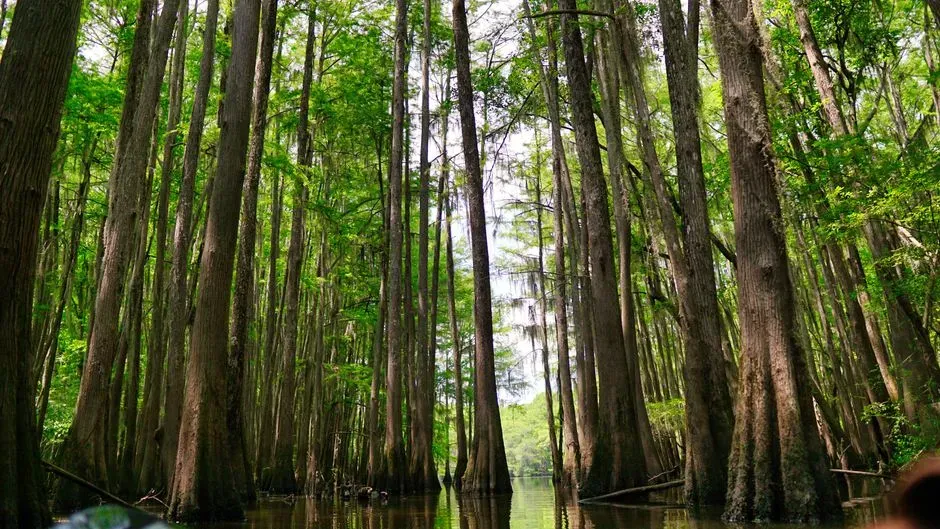
A swamp in southern Georgia is so intact that the ground itself shakes.
Okefenokee National Wildlife Refuge covers about 400,000 acres along the Georgia-Florida line. It is the headwaters of both the Suwannee and St. Marys rivers. The cartoonist Walt Kelly set his comic strip Pogo in its murky waters.
Some of the ground actually quakes when you step on it. That’s because floating peat mats cover large areas of open water.
Alligators, sandhill cranes and red-cockaded woodpeckers all live here. Few wetlands in the eastern United States remain this large and this wild.
But the next refuge isn’t a block at all. It’s a ribbon…
#7 – Upper Mississippi River: The 260-Mile Ribbon
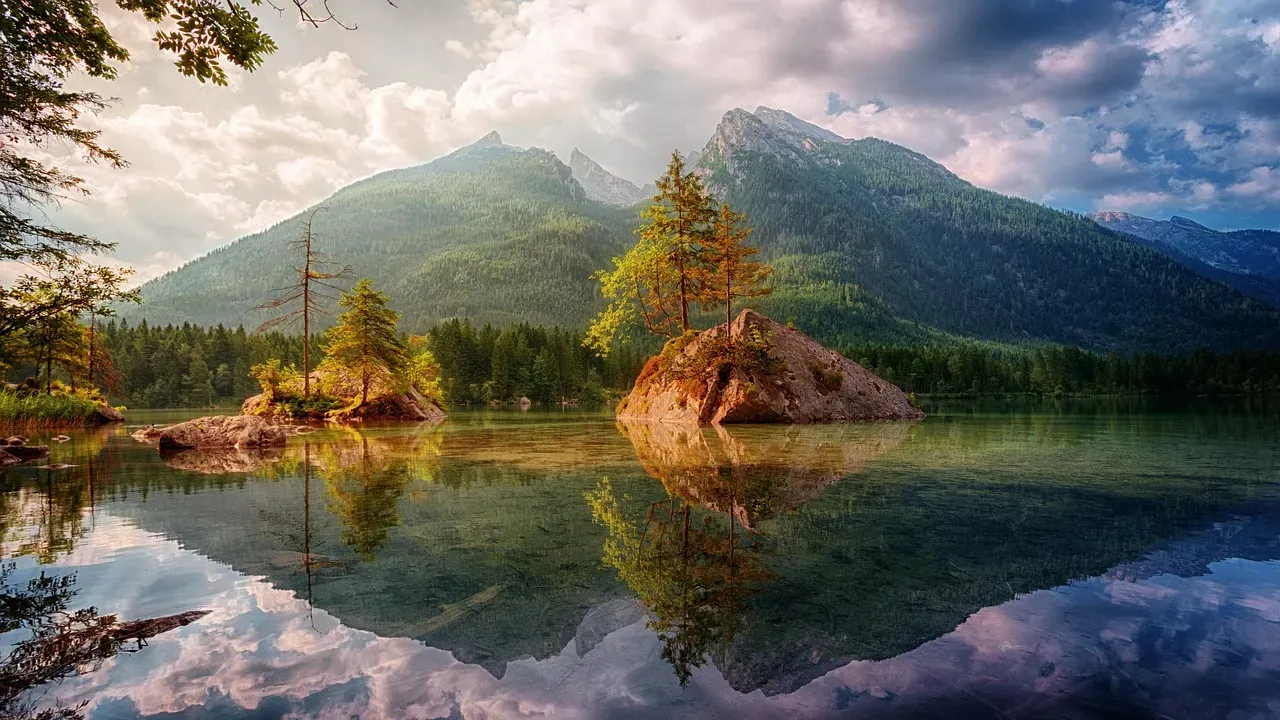
The longest river refuge in the lower 48 may be one you have driven alongside without knowing.
Upper Mississippi River National Wildlife and Fish Refuge, created in 1924, runs roughly 260 miles through Minnesota, Wisconsin, Iowa and Illinois. It follows the river’s floodplain forests, backwaters and islands.
Fall brings tundra swans and diving ducks by the thousands. Below the surface, the Mississippi basin is famous for its freshwater mussel diversity, with dozens of species.
- States: Minnesota, Wisconsin, Iowa, Illinois
- Habitat: floodplain forest, backwater sloughs, river islands
- Big draw: fall waterfowl migration
This is a flyway you can walk into. Experts see it as proof that a refuge doesn’t need to be a single block to matter.
But the forest on #6 is a rare survivor of a vanishing landscape…
#6 – Tensas River: The Bottomland Holdout
Most of the Mississippi Valley’s great hardwood forests are gone, and this refuge is one of the places where they remain.
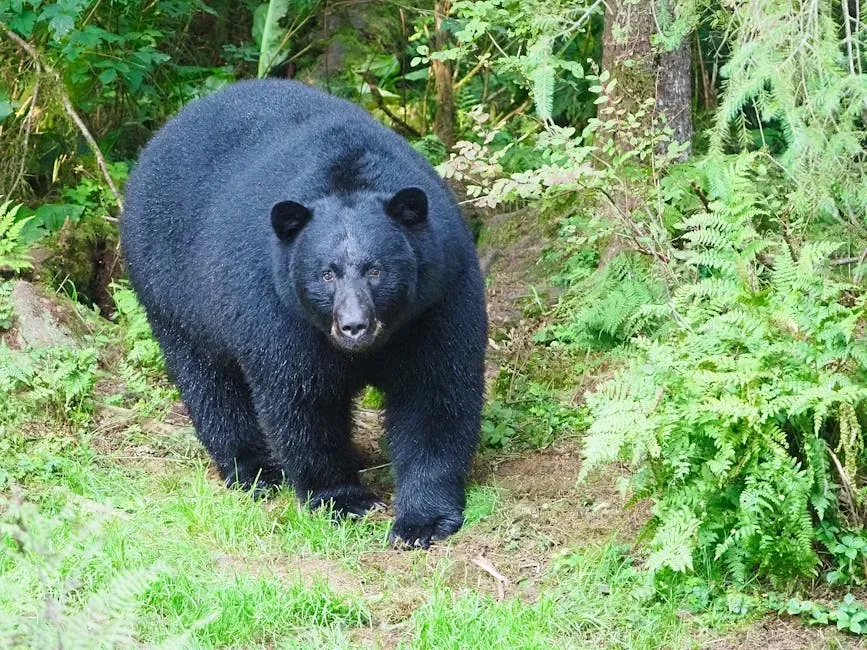
Tensas River National Wildlife Refuge in northeast Louisiana protects bottomland hardwood forest. Most of that habitat across the lower Mississippi Valley was cleared for farming, so what’s left here is a rare fragment of a once-enormous forest.
The Louisiana black bear lives here. It was removed from the federal endangered list in 2016, a rare recovery story in the American South.
This same region of northeast Louisiana also drew ivory-billed woodpecker researchers in the 1930s. The old-growth forest where they worked was later logged. The ghosts of that search still hang over these woods.
Why It Stands Out
- Rarity: a surviving slice of lower Mississippi Valley hardwood forest
- Recovery: home to the Louisiana black bear, delisted in 2016
- History: tied to the 1930s ivory-billed woodpecker search
- Lesson: what is left is far more valuable than its acreage suggests
But the crane spectacle on #5 may change how you plan your winter…
#5 – Bosque del Apache: The Crane Capital
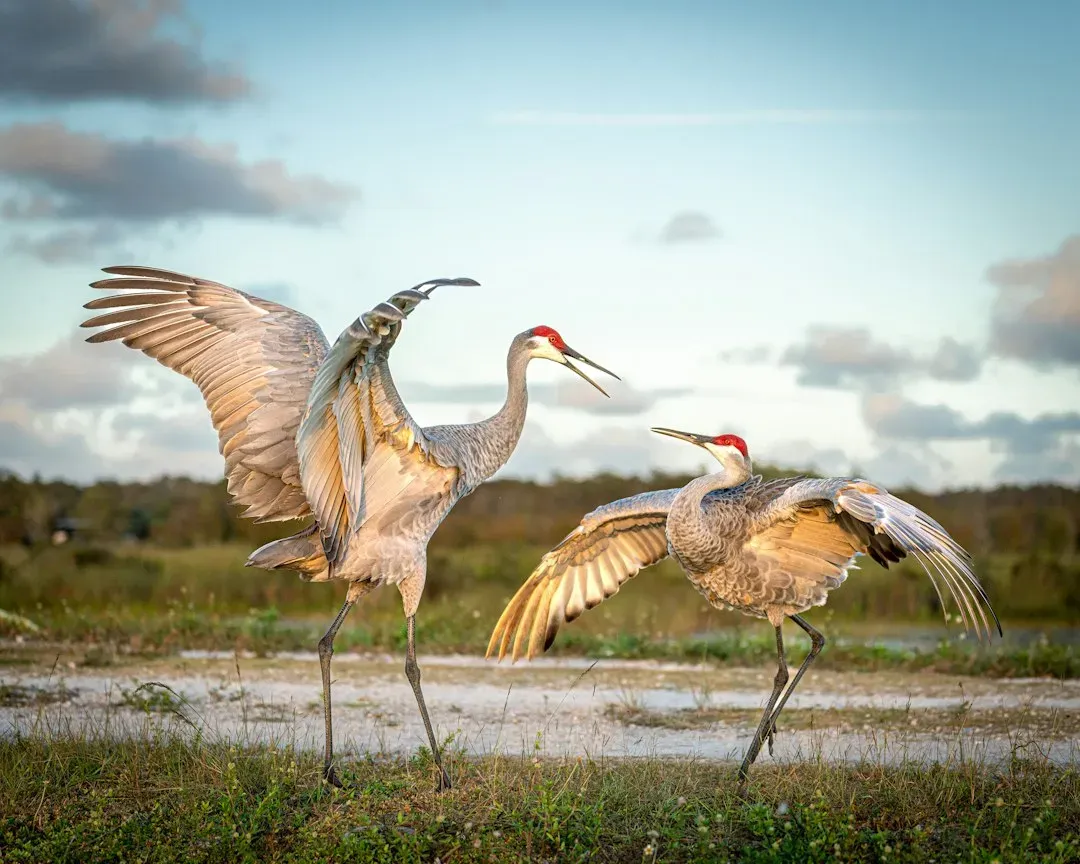
A stretch of New Mexico’s Rio Grande turns into one of America’s great winter bird shows.
Bosque del Apache National Wildlife Refuge, established in 1939 near Socorro, hosts thousands of sandhill cranes and snow geese each winter. Managed wetlands and fields give them food and safe roosting water. The refuge even holds an annual crane festival every November.
Cranes sleep standing in shallow water, which helps them detect predators. Mornings are famous for mass departures at sunrise, when thousands of birds lift off at once.
Many experts say the evening return flight is the better show. It’s quieter, easier on the crowd and just as dramatic.
But that’s nothing compared to the rainforest on #4…

Smart Bird Feeder with Camera Solar Powered, 2K HD Live Video, 10,000+ Bird Species AI Identification
Check Price on AmazonAs an Amazon Associate, we earn from qualifying purchases.
10/7/2026 1:22 pm GMTi

2 Pcs Halloween Pet Hat Bandana Set, Witch Pumpkin Costumes for Dogs
Check Price on AmazonAs an Amazon Associate, we earn from qualifying purchases.
10/9/2026 2:45 pm GMTi

Professional 7 in 1 Dog Paw Cleaner for Dogs & Cats - Includes 1 Portable Paw Washer, 1 Bath Brush
Check Price on AmazonAs an Amazon Associate, we earn from qualifying purchases.
10/7/2026 1:26 pm GMTi

Halloween Cat Costume Cloak Witch Hat Pet Accessories
Check Price on AmazonAs an Amazon Associate, we earn from qualifying purchases.
10/9/2026 2:44 pm GMTi

PetSafe Oasys Pet Fountain, 1/2 Gallon (64 oz), Small Dogs & Cats
Check Price on AmazonAs an Amazon Associate, we earn from qualifying purchases.
10/8/2026 8:14 am GMTi
#4 – Hakalau Forest: The Rainforest That Rewrote the Rules
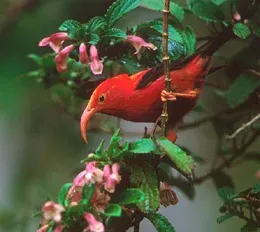
The Big Island’s quiet forest refuge pushed back against a trend that has devastated Hawaiian birds.
Hakalau Forest National Wildlife Refuge was established in 1985 to protect native forest birds, particularly endangered species. It was the first national wildlife refuge to encompass rainforest and the first set aside for native forest birds. It lies on the windward slopes of Mauna Kea, on an island that also holds Hawaiʻi Volcanoes National Park.
Eight of the 14 native bird species there are endangered, including the ʻakiapōlāʻau, with its oddly mismatched bill. Thanks to active habitat management, it is one of few places on Hawaiʻi Island where native forest birds have been increasing or at least stable. Volunteers have replanted more than 600,000 native trees and shrubs since 1985.
Honest caveat: more recent reporting notes declines in some species, even at higher elevations. Mosquito-borne disease is the big threat, and wild pig wallows filled with rainwater became mosquito breeding grounds.
But the next refuge holds a bird list that no other refuge in America can touch…
#3 – Laguna Atascosa: The Bird List Champion
The farthest tip of Texas holds more recorded bird species than any other refuge in the system.
Laguna Atascosa National Wildlife Refuge has more recorded bird species than any other refuge in the National Wildlife Refuge System. Nearly half of all bird species found in the continental United States rest, feed, nest or migrate on this landscape. The coast and Padre Island National Seashore lie nearby, but this refuge is where the checklist runs long.
The refuge has documented 417 bird species, 130 types of butterflies, 45 mammal species and more than 450 plant varieties. It spans about 97,000 acres in the Lower Rio Grande Valley.
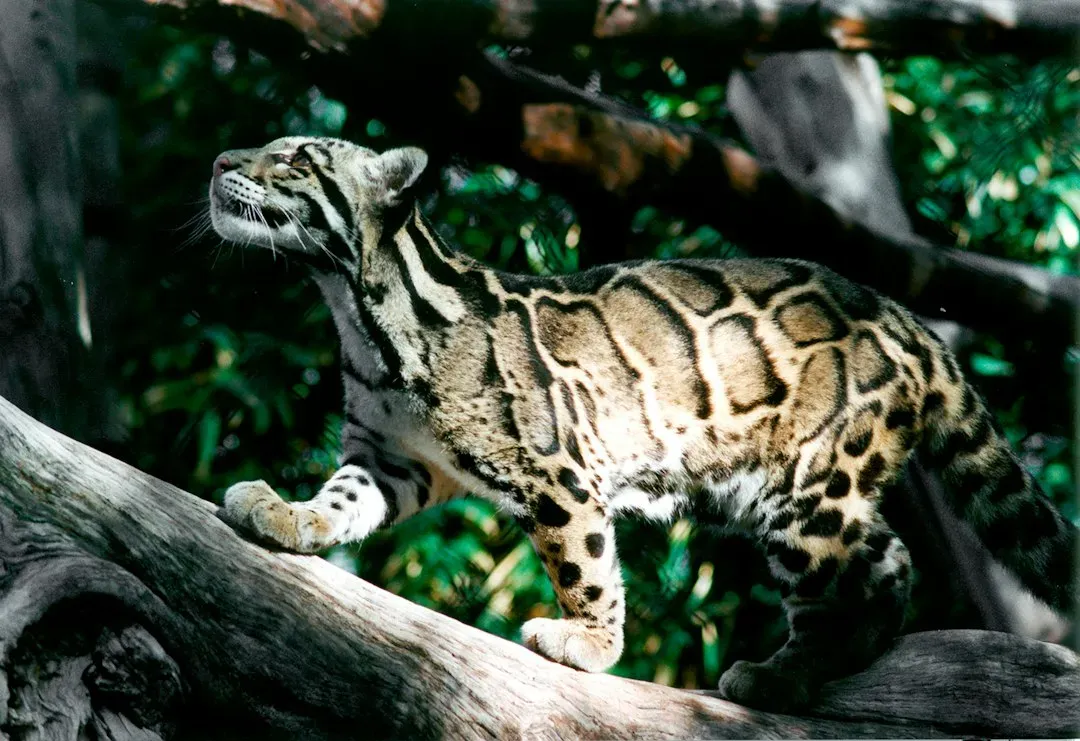
Then there’s the ocelot. The refuge is home to 30 to 35 of them, one of two breeding populations in the U.S. A road was closed to private vehicles in 2013 after a car killed a lactating female ocelot.
But that’s nothing compared to what we found beside the world’s most famous launch pad on #2…
#2 – Merritt Island: The Refuge Behind the Rocket Pad
The most wildlife-rich corner of Florida’s Space Coast sits right on top of NASA.
Merritt Island National Wildlife Refuge was established as an overlay of NASA’s Kennedy Space Center. It also shares its barrier island with Canaveral National Seashore, a partnership amended in 1975. Most visitors come for the rockets, but the habitat is the real draw. The security buffer around the launch pads left huge stretches of land undeveloped.
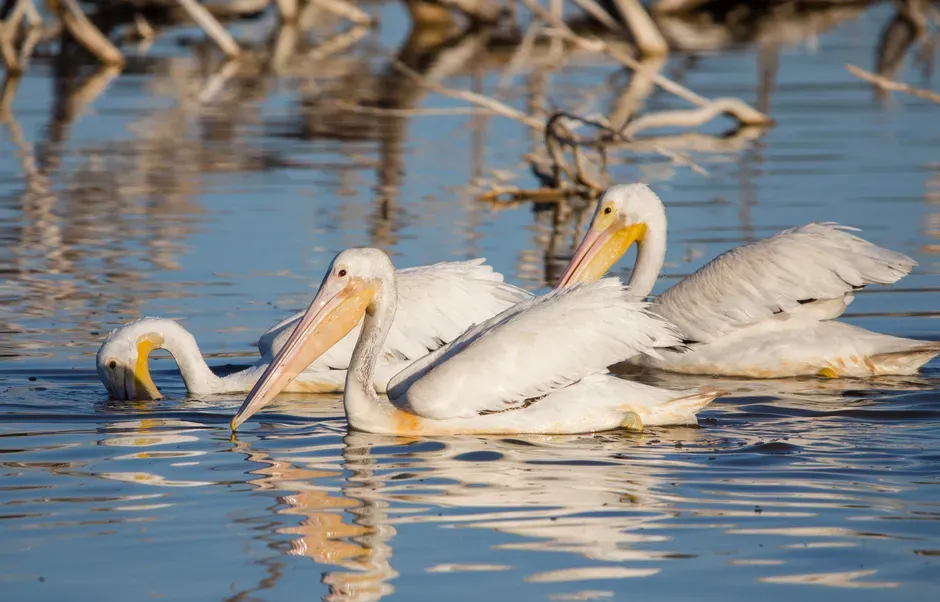
358 bird species have been identified there, along with 140 species of fish and 15 federally listed threatened or endangered species. Its habitats support one of the highest numbers of endangered and threatened species found within the refuges of the system. More than 1,500 different species of plants and animals have been found here.
Part of the reason is geography. The island sits between subtropical and temperate climate zones, and on the Atlantic Flyway. That mix produces a rare blend of species.
- Birds: 358 species identified
- Fish: 140 species
- Listed wildlife: 15 federally threatened or endangered species
But the strangest wildlife sanctuary on the list might be the one in the desert on #1…

Air Purifiers for Home Pets Large Room Up to 3000 Ft²,HEPA Air Cleaner with Washable Double-Side Filter, PM2.5 Air Quality Monitor,15dB Sleep Mode for Bedroom Odor Dust Pollen,White
Check Price on AmazonAs an Amazon Associate, we earn from qualifying purchases.
10/8/2026 8:23 am GMTi

Glass Hummingbird Feeder for Outdoors Hanging, 16 oz Leak-Proof Nectar Feeder with Bee Guards & Ant Moat
Check Price on AmazonAs an Amazon Associate, we earn from qualifying purchases.
10/7/2026 1:22 pm GMTi

Orthopedic Extra Large Dog Bed, Waterproof Washable XL Pet Bed 44"
Check Price on AmazonAs an Amazon Associate, we earn from qualifying purchases.
10/7/2026 1:32 pm GMTi

Earth Rated XL Dog & Puppy Pee Pads, Discreet Top, Max Absorbency
Check Price on AmazonAs an Amazon Associate, we earn from qualifying purchases.
10/7/2026 1:28 pm GMTi
#1 – Ash Meadows: The Oasis Beside Death Valley
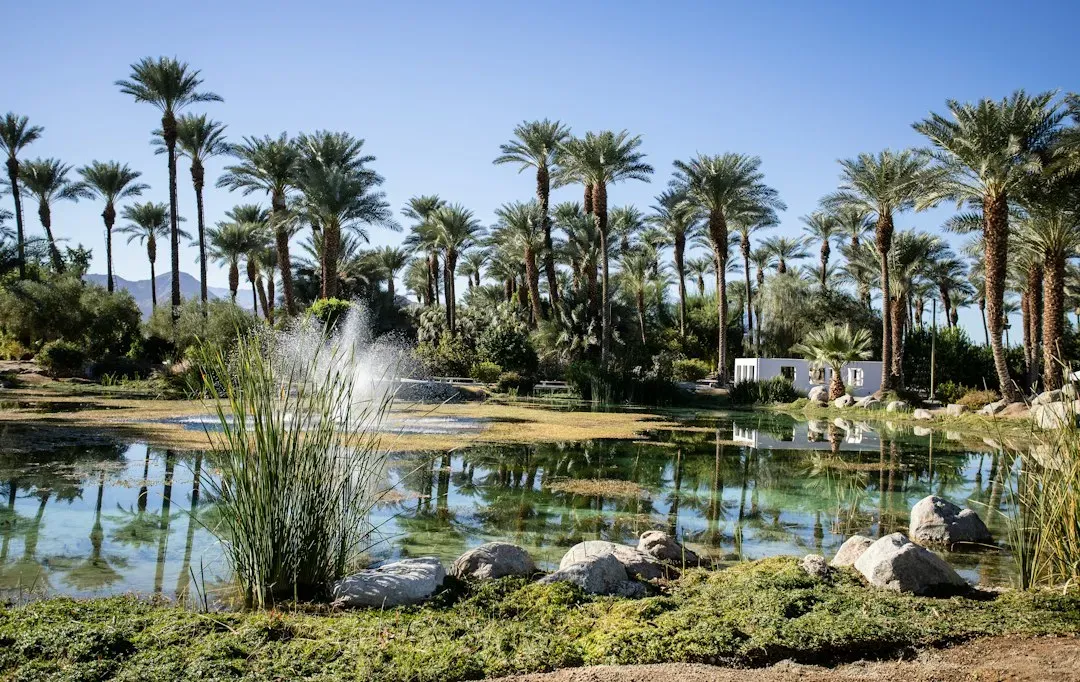
The most extraordinary wildlife discovery near Death Valley isn’t in the national park at all.
Ash Meadows is the largest remaining oasis in the Mojave Desert, home to at least 26 species of plants and animals that exist nowhere else in the world. It has been described as having the highest concentration of endemic species in the nation. It also has 12 threatened and endangered species.
Here is the twist. Devils Hole, a detached unit of Death Valley National Park, sits inside the refuge. It holds the only natural population of the Devils Hole pupfish. The known range is just 23 square yards, the smallest of any vertebrate. A 1976 U.S. Supreme Court case, Cappaert v. United States, helped protect the pool’s water level from nearby pumping.
- More than 30 springs and seeps
- About 240 bird species seen
- Main threats: habitat loss, invasive species and groundwater depletion
Those threats are real. The Ash Meadows killifish went extinct in the early 1950s, likely due to habitat alteration and introduced species.
And what this says about how we rank wild places is the real shock…
Rank American lands by visitors and the big parks win every time. Rank them by life, and the answer gets complicated. Ash Meadows leads on endemic species, Laguna Atascosa leads the refuge system on bird records, and Merritt Island holds one of the system’s highest tallies of listed species.
One caveat: species counts depend on size and survey effort, so “more than the park next door” holds true category by category, not always overall.
Still, our opinion is blunt. A place shouldn’t need a famous name to earn your attention. The parks will always get the crowds, but the refuges are where some of the rarest animals in America are quietly hanging on. Which of these 19 would you protect first?

As a little kid, I fell in love with nature, wildlife, and animals. Living in the USA, South Africa, Italy, China and Germany gave me the opportunity to discover the world's Wildlife. My favorite animals are Mountain Gorillas, Siberian Tigers, and Great White Sharks.
I'm a certified PADI Open Water Diver, went to Everest Base Camp and Trekked Gorillas in Uganda. I hold a Master of Science in Economics and Finance.
Please send any feedback to feedback@animalsaroundtheglobe.com
- 11 Strange Weather Events Scientists Still Can not Explain - November 11, 2026
- 16 Fascinating Orca Hunting Techniques You Have Never Heard Of - November 11, 2026
- 15 Animals and Wildlife that Start with A - November 11, 2026