
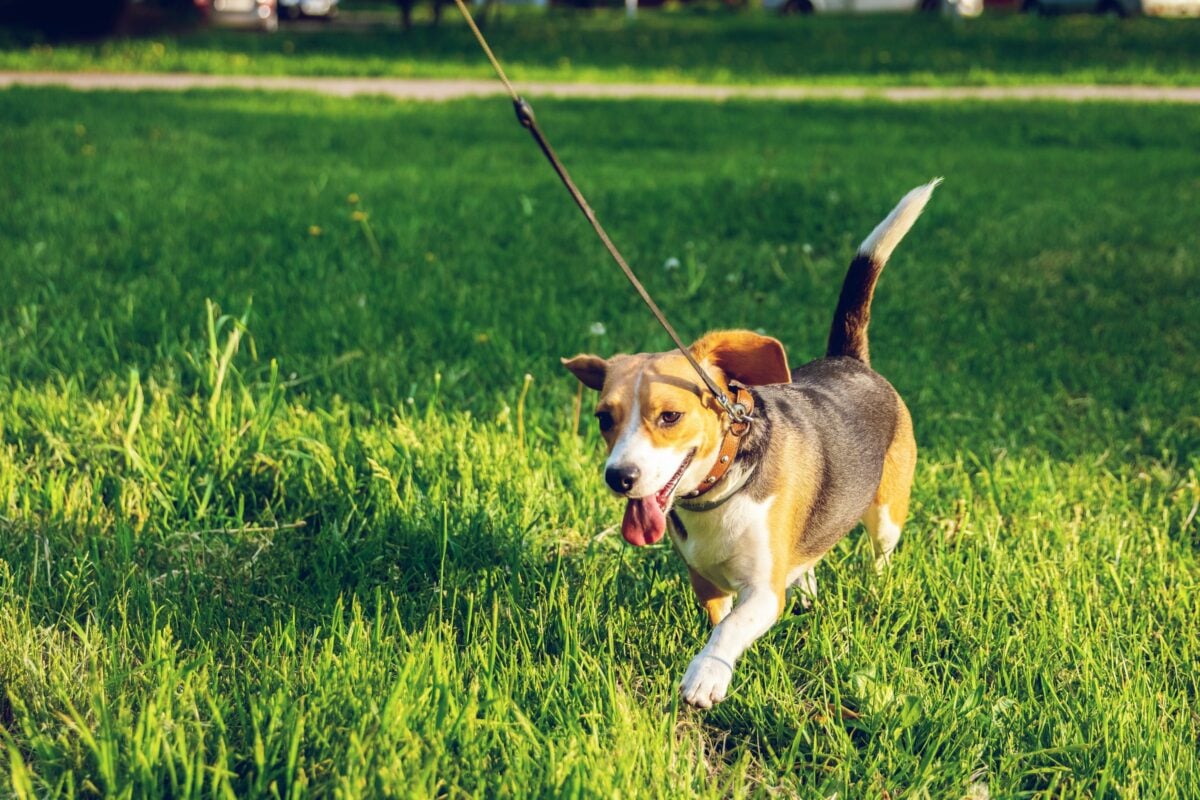

Your dog wags at the whole family. It greets the guests and takes treats from anyone with a pocket. So it feels fair to assume the love is spread evenly across the house. Then one person grabs their keys, and the dog sighs, drifts to the door, and stays there.
That’s not your imagination. Research on dog attachment suggests many dogs form a distinctly stronger bond with one particular person, and the proof is rarely the loud stuff. It’s a glance, a lean, a stolen sock. Some of these signs are easy to miss, a few get mistaken for bad behavior, and one only shows up in a frightening moment. Here’s what the science and the trainers say, counting down from 13.
#13 – They Shadow You From Room to Room
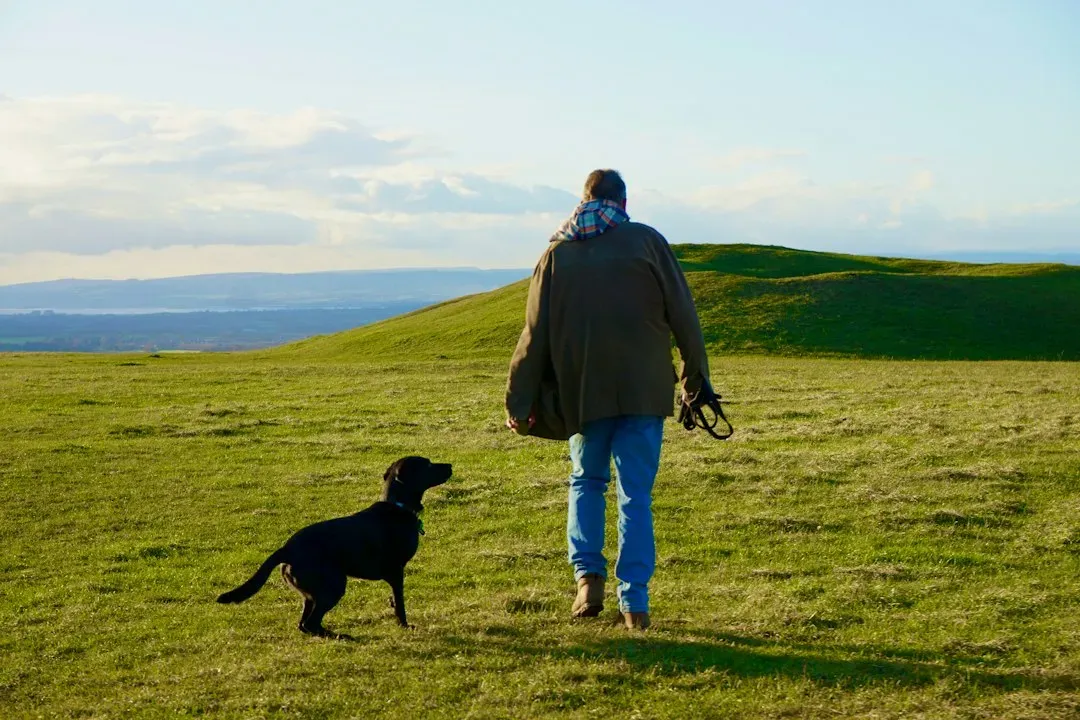
Your dog’s favorite person is usually the one they can’t stop tracking.
You stand up to get water, and your dog stands up too. You close the bathroom door, and they park themselves outside it like a very fluffy security guard. Trainers call this shadowing, and it is one of the most common signs of a strong bond.
Dogs have lived alongside humans for thousands of years, and keeping tabs on a key person is a deeply ingrained habit. A bonded dog often has one person in particular on its radar, even in a house full of people.
Here’s where it gets controversial. Many owners proudly call a clingy dog “loyal.” Many behaviorists argue that’s a mistake. A “Velcro dog” can be a deeply bonded dog or an anxious one, and the two look similar from across the room.
The difference is in the body language:
- Bonded: relaxed body, soft face, settles when you settle.
- Anxious: pacing, panting, whining, distress when a door is closed.
But that’s nothing compared to what a dog does the moment you walk back through the front door. That’s #12.
#12 – Their Greeting for You Is Different
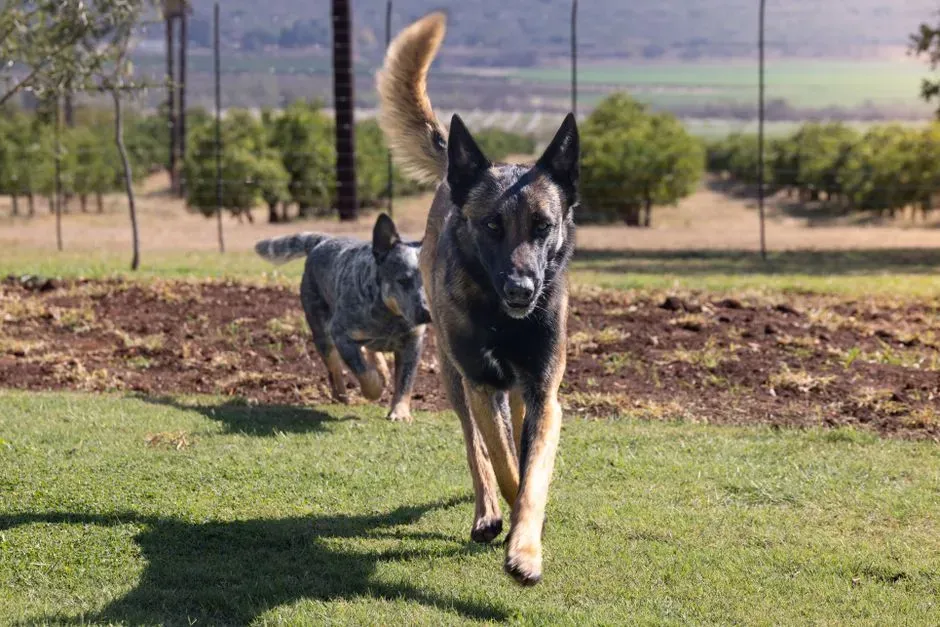
Ask anyone with more than one person in the house, and they’ll swear the dog saves its best welcome for one of them.
Research backs up the idea that dogs greet familiar people differently from strangers. Studies of reunion behavior, including work from Sweden, have found that dogs show more intense, sustained excitement for their own people than for someone they don’t know.
Now look closer at your own household. A dog that has picked a person often shows a distinct pattern for that person: the full-body wiggle, the whining, the rush to get as close as possible, sometimes with a toy carried over as a gift.
Other family members may get a polite tail wag and nothing more. The difference is often visible within the first ten seconds of a reunion.
Some dogs even adjust the volume to the length of the absence, with a bigger production after a long day than after a quick trip to the mailbox. Here’s a quick way to tell general friendliness from true attachment.
Quick Compare
- Friendly dog: equally bouncy for everyone, and the excitement fades fast.
- Attached dog: a standout reaction for one person, with the wiggle, the whine, and the toy delivery.
- Tell-tale detail: the attached dog follows that person afterward instead of moving on.
Still, the next sign is far more subtle, and you’ll only spot it outdoors. It’s #11.
#11 – They Check In With You on Walks
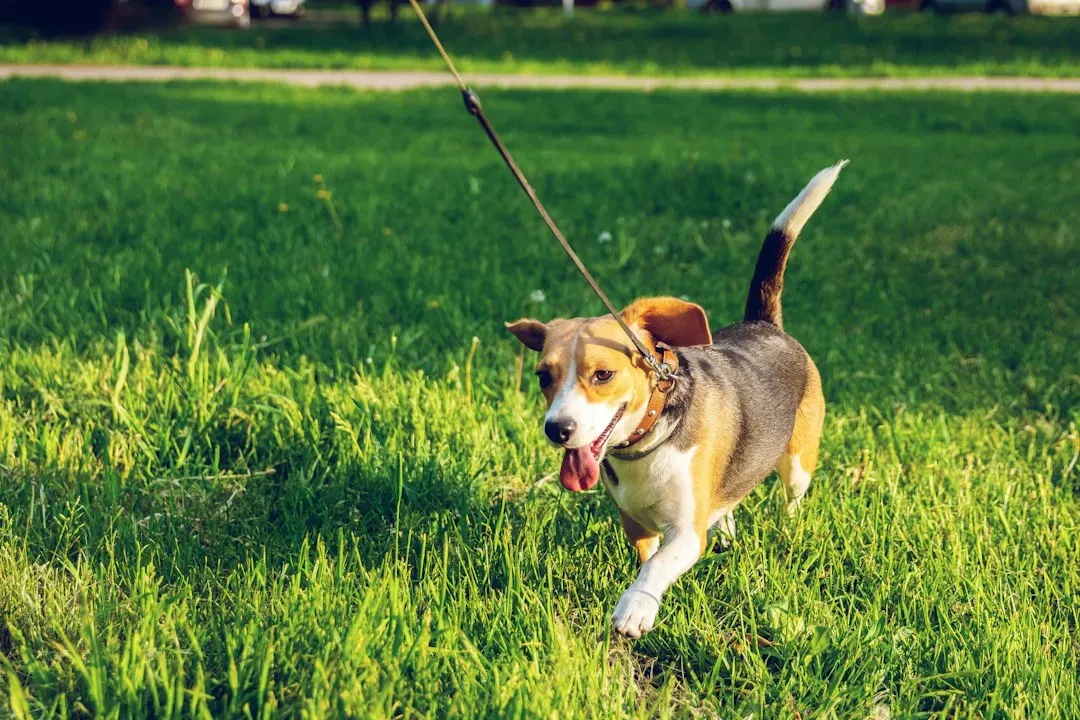
A dog on a walk is constantly running a quiet background check on one person.
Watch what happens on a trail, in a park, or even on a plain sidewalk. A bonded dog keeps glancing back. It may pause at corners, wait for you at a bend, or loop back to you after a long sniffing detour.
Trainers often point out that dogs with a strong bond use their person as a kind of home base. They explore, then come back and reconnect, like a kid on a playground who keeps checking that a parent is still on the bench.
This mirrors what researchers call the “secure base” effect, first described in human infants. A caregiver’s presence lets the child explore with confidence, and dogs show a version of this with the people they trust most.
If a dog ignores you completely on walks, it doesn’t always mean a weak bond. It can mean the dog has never learned that checking in is worth it.
The next sign shows what your dog does when something strange appears, and the answer is #10.
#10 – They Look to You When Something’s Weird
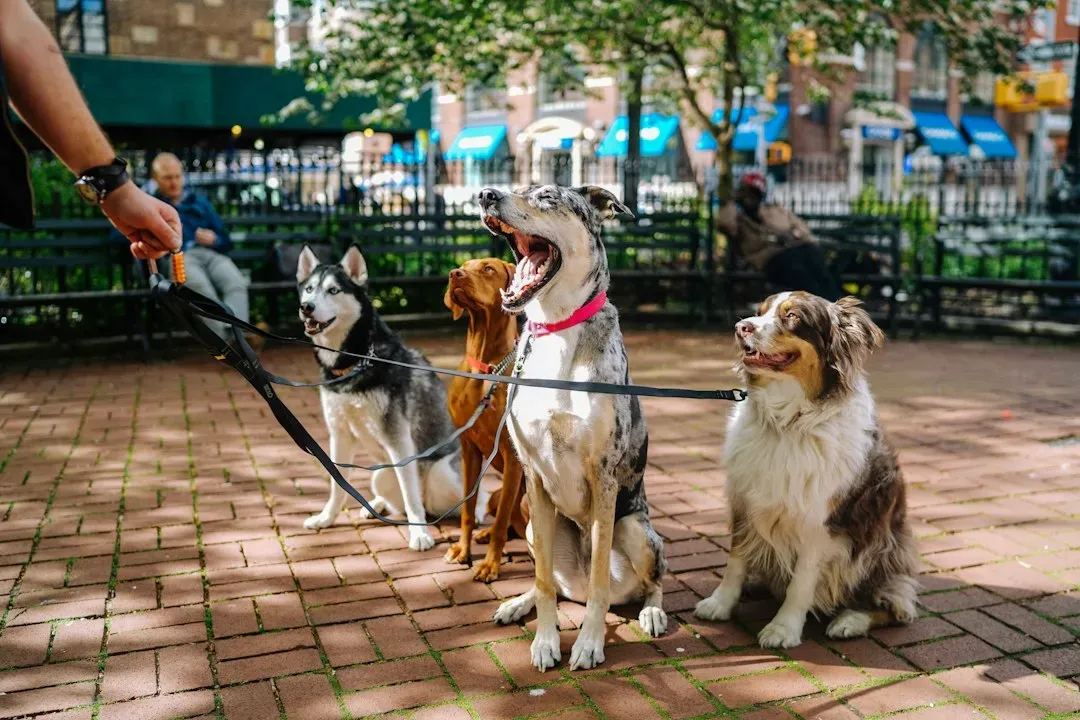
When a dog is unsure, it asks one person for the answer.
Picture a vacuum cleaner that has just roared to life, or an odd-looking box on the sidewalk. A dog with a strong attachment will often glance at your face before deciding how to react.
Scientists call this social referencing. In experiments published in the early 2010s, dogs shown an unfamiliar object looked to their owner’s emotional expression and adjusted their behavior. A happy face tended to make dogs more willing to approach, and a fearful one made them more hesitant.
This is a big deal. It means your dog treats your emotional signals as useful information. Social referencing was first studied in human infants, which is part of why researchers found the dog results so striking.
If your dog does this with you but not with other people in the home, that’s a hint about who it trusts to interpret the world.
And that glance is only the beginning, because what happens in your dog’s eyes is #9.
#9 – Their Eye Contact Is Soft and Long
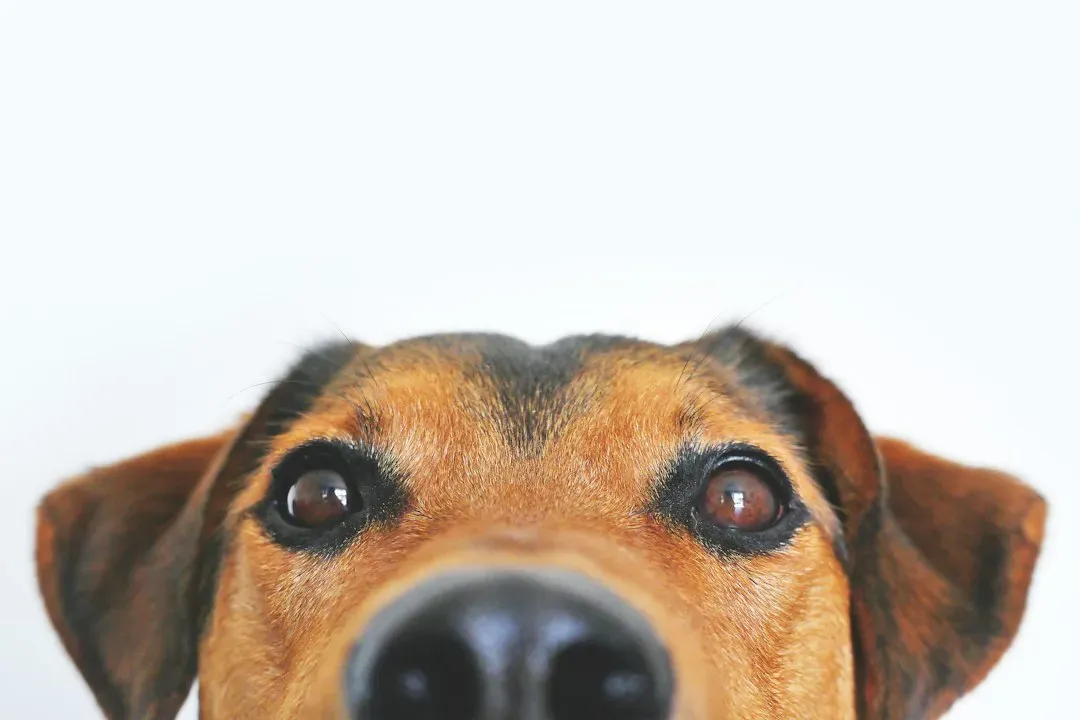
Staring at a dog is rude in dog language, so when your dog gazes at you softly, it means something.
Dogs typically avoid hard, prolonged eye contact with each other because it can signal a challenge. With a trusted person, a bonded dog often holds a relaxed, soft gaze, with blinking and loose eyelids.
A 2015 study in Science by Miho Nagasawa and colleagues found that mutual gazing between dogs and owners increased oxytocin levels in both. It looks like a bonding feedback loop. Wolves raised by humans in the same study did not show the same effect.
Not every dog looks at every person this way. Some dogs gaze at the person who feeds them, and some at the person who plays with them. The point is that the soft gaze isn’t evenly handed out.
- Soft gaze: relaxed brow, blinking, loose body.
- Hard stare: stiff body, fixed eyes, which is a warning, not affection.
The next sign has nothing to do with eyes. It’s about where your dog parks its body, and it’s #8.
#8 – They Choose to Touch You
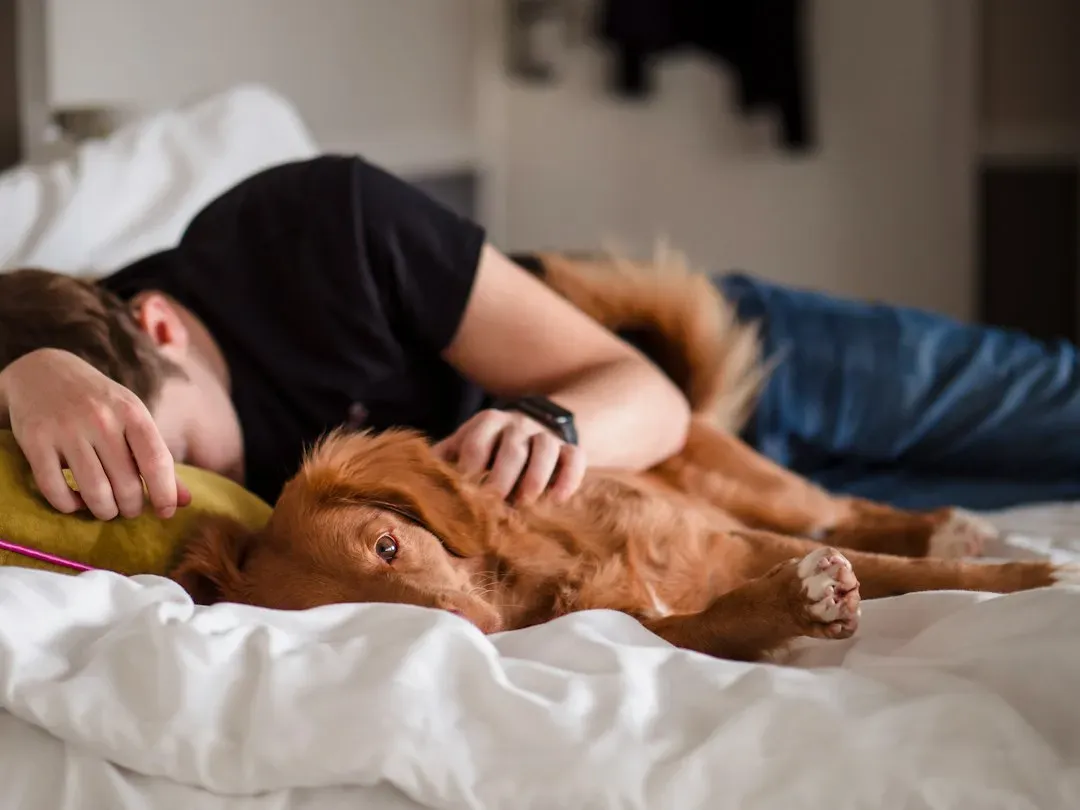
Where a dog chooses to rest says more than any trick it knows.
A dog that has picked its person tends to seek physical contact. It leans on your legs, rests its chin on your foot, or presses its back against you on the couch.
Watch what happens when several people are sitting in the same room. The dog will often walk past open laps and open sofa spots to end up beside one person. Behaviorists generally read this as a preference.
Nighttime is the biggest tell. A dog that sleeps outside your bedroom door, on your side of the bed, or with a paw touching you is often choosing closeness over comfort. Many dogs will happily give up a warm, plush bed for a cold floor next to their person.
At a Glance
- The lean: body weight resting against your legs.
- The chin rest: head on your foot, knee, or arm.
- The back press: sitting with their back to you, trusting you behind them.
- The bedtime pick: settling at your door or bedside, not in their own bed.
One caveat: some dogs simply dislike being touched, and breed, history, and personality all matter. A dog who stays close without touching can be just as attached.
Next up is a sign that borders on spooky. It’s #7.

Orthopedic Extra Large Dog Bed, Waterproof Washable XL Pet Bed 44"
Check Price on AmazonAs an Amazon Associate, we earn from qualifying purchases.
10/7/2026 1:32 pm GMTi

Hand Blown Glass Hummingbird Feeders for Outdoors Hanging, 24oz Wild Bird Nectar Feeder
Check Price on AmazonAs an Amazon Associate, we earn from qualifying purchases.
10/7/2026 1:23 pm GMTi

Glass Hummingbird Feeder for Outdoors Hanging
Check Price on AmazonAs an Amazon Associate, we earn from qualifying purchases.
10/7/2026 1:21 pm GMTi

Earth Rated XL Dog & Puppy Pee Pads, Discreet Top, Max Absorbency
Check Price on AmazonAs an Amazon Associate, we earn from qualifying purchases.
10/7/2026 1:28 pm GMTi

Professional 7 in 1 Dog Paw Cleaner for Dogs & Cats - Includes 1 Portable Paw Washer, 1 Bath Brush
Check Price on AmazonAs an Amazon Associate, we earn from qualifying purchases.
10/7/2026 1:26 pm GMTi
#7 – They Pick Up on Your Mood
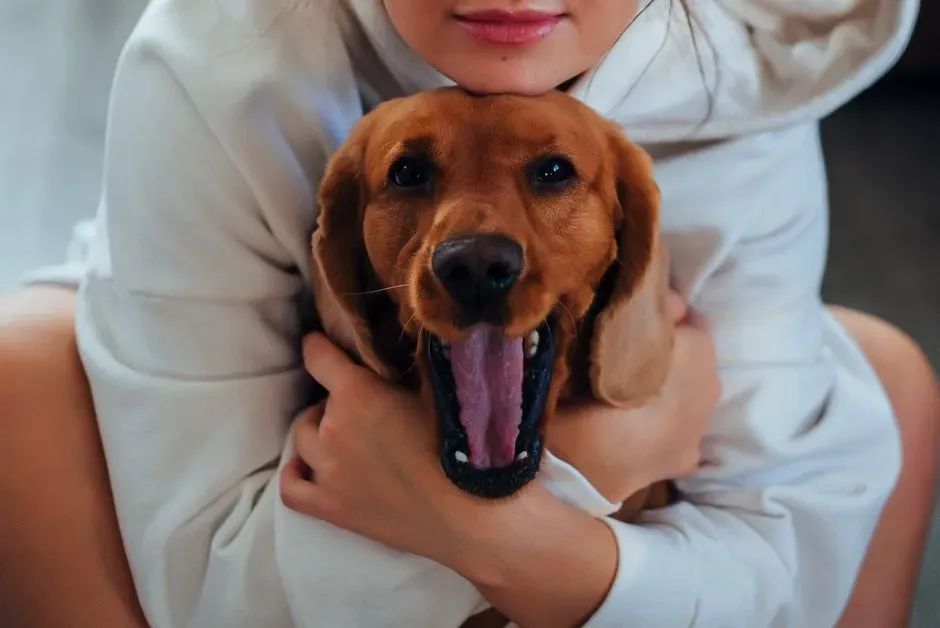
Your dog may be absorbing your stress more than you think.
A 2019 study in Scientific Reports from Linköping University compared hair cortisol, a long-term stress marker, in dogs and their owners. The levels tended to line up, and the owner’s stress seemed to be reflected in the dog rather than the other way around.
Other research suggests dogs are more likely to catch a yawn from a familiar person than from a stranger. Some studies have found this contagion effect is stronger with owners, though results across studies aren’t perfectly consistent.
Another experiment found that dogs opened a door faster to reach an owner who sounded distressed than one who was simply humming. The dogs weren’t just reacting to a sound. Their behavior changed based on how upset their person seemed.
If your dog trails the person who’s had a rough day, or goes quiet when that person is upset, that’s a form of emotional tuning-in.
The next sign is one you can test at home tonight. It’s #6.
#6 – They’re Obsessed With Your Scent
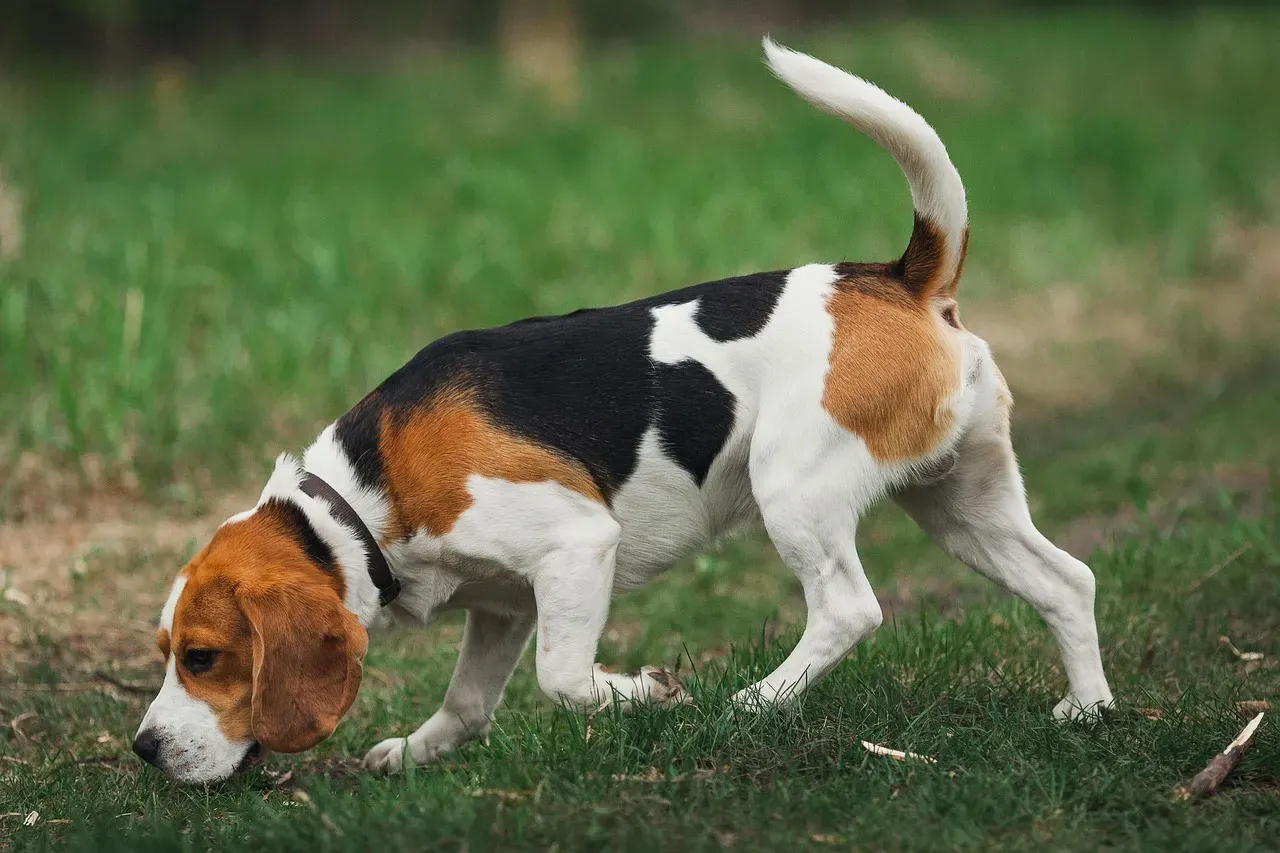
If your dog steals your socks, it may not be a naughty phase.
A dog’s nose is its main way of understanding the world. In a 2015 brain-imaging study led by Gregory Berns at Emory University, dogs showed a strong reward-center response when they smelled a familiar human, stronger than for the scent of strangers.
This may explain why dogs curl up on your pillow, steal worn laundry, or sleep on the sweater you left on the sofa. Your dog may be choosing the smell of you as a comfort item.
Many owners also notice a dog sniffing one particular person’s shoes or jacket more than everyone else’s. That’s not a rule, but it fits the pattern.
- Targets your worn clothes, not the clean laundry pile.
- Naps on the spot where you usually sit.
- Settles faster when something smells like you.
Then there’s a sign that pits your dog’s ears against everyone else in the house. It’s #5.
#5 – They Listen to You, Not Everyone Else
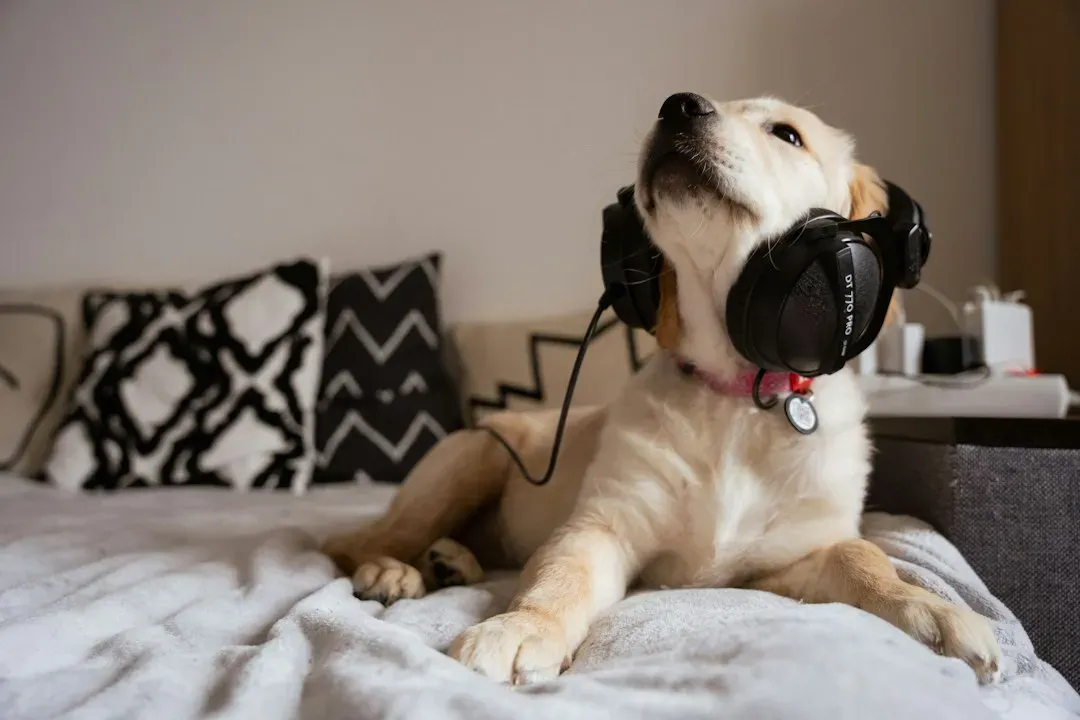
“He only listens to me” is a complaint and a compliment at the same time.
Brain studies suggest dogs have areas that respond to voices, similar to the voice-sensitive regions in people. A 2014 study from Hungary found that dogs’ brains reacted differently to emotional sounds, and that the response patterns echoed those seen in humans.
In real life, this plays out simply. One person says “come” and the dog trots over. Another says the same word, and the dog stares at the horizon.
Trainers often say that’s less about loyalty and more about history. The person who is consistent, calm, and reliably rewarding becomes the person whose voice matters most.
That’s the unpopular opinion in this list. Plenty of owners believe obedience proves a dog’s love. Many trainers argue that’s backwards, because a dog can obey someone it doesn’t trust, and a bonded dog can still ignore a cue.
The next sign is about how your dog treats everyone else. It’s #4.
#4 – They’re Polite, but Unimpressed by Everyone Else
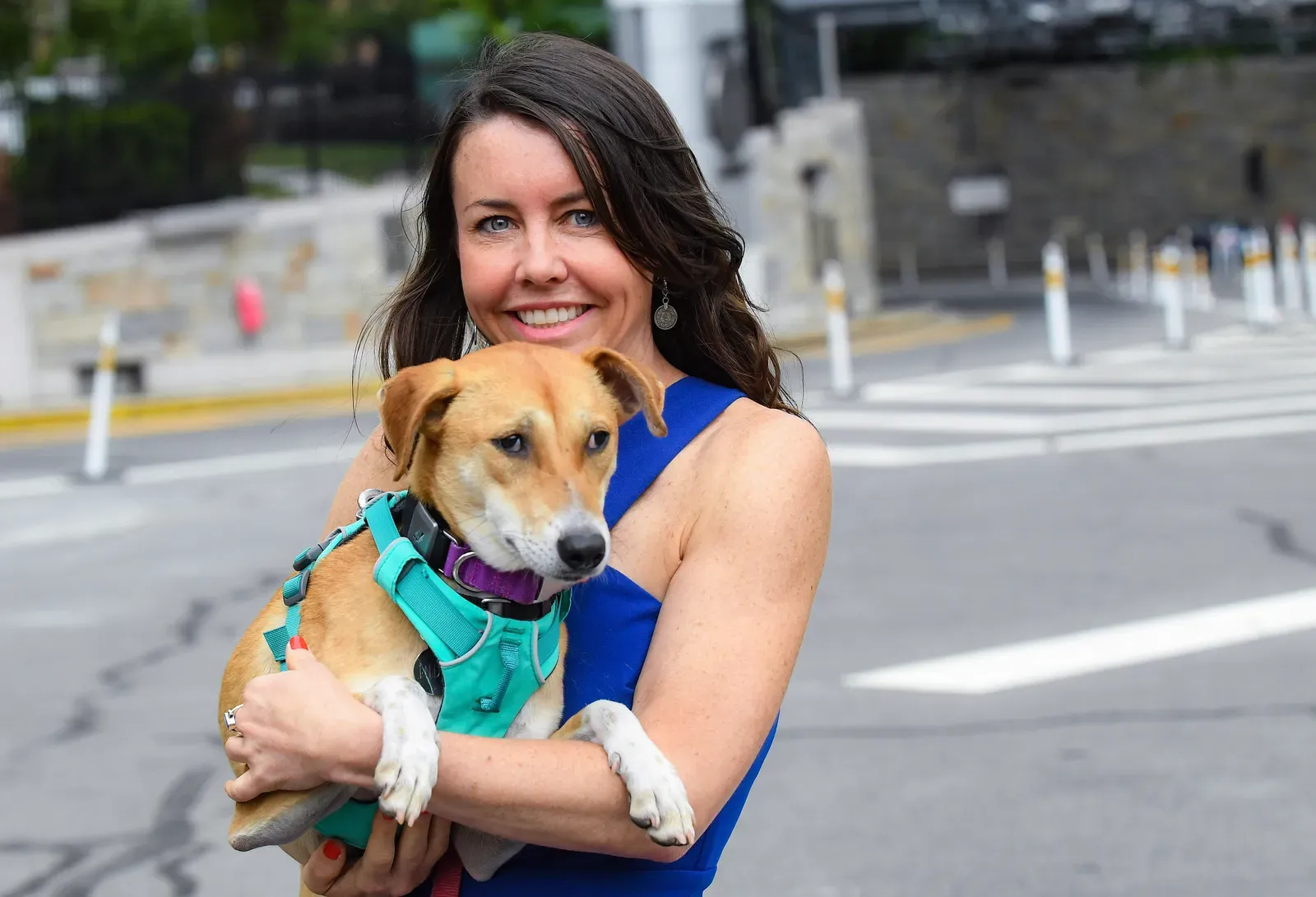
One of the clearest signs of a chosen person is how little your dog bothers with other people.
Friendly dogs greet visitors with their whole body. Dogs that have picked someone often do it with less enthusiasm than you’d expect. They sniff, accept a pat, and then drift back to their person.
Don’t confuse this with shyness or aggression. The dog isn’t hostile. It just isn’t hunting for new relationships when it already has the one that matters.
Many owners describe this as the “one-person dog” pattern, and breeds like the Akita, Shiba Inu, and Border Collie often get that label. That reputation is mostly folklore, though, because individual temperament and early experience have a bigger effect than breed alone.
- Accepts petting from guests but doesn’t seek it.
- Keeps one eye on its person during visits.
- Relaxes only when that person sits down.
Dogs that are fearful of strangers can look similar. If a dog shows growling, stiff posture, or hiding, that isn’t a bond, so it’s worth speaking to a vet or behaviorist.
Now comes the sign most owners recognize immediately. It’s #3.

PetSafe Oasys Pet Fountain, 1/2 Gallon (64 oz), Small Dogs & Cats
Check Price on AmazonAs an Amazon Associate, we earn from qualifying purchases.
10/8/2026 8:14 am GMTi

Air Purifiers for Home Pets Large Room Up to 3000 Ft²,HEPA Air Cleaner with Washable Double-Side Filter, PM2.5 Air Quality Monitor,15dB Sleep Mode for Bedroom Odor Dust Pollen,White
Check Price on AmazonAs an Amazon Associate, we earn from qualifying purchases.
10/8/2026 8:23 am GMTi

Dog Stairs for Bed 18" H, 4-Step Dog Steps for High Bed
Check Price on AmazonAs an Amazon Associate, we earn from qualifying purchases.
10/9/2026 2:42 pm GMTi

Glass Hummingbird Feeder for Outdoors Hanging, 16 oz Leak-Proof Nectar Feeder with Bee Guards & Ant Moat
Check Price on AmazonAs an Amazon Associate, we earn from qualifying purchases.
10/7/2026 1:22 pm GMTi

2 Pcs Halloween Pet Hat Bandana Set, Witch Pumpkin Costumes for Dogs
Check Price on AmazonAs an Amazon Associate, we earn from qualifying purchases.
10/9/2026 2:45 pm GMTi
#3 – They Fall Apart (a Little) When You Leave
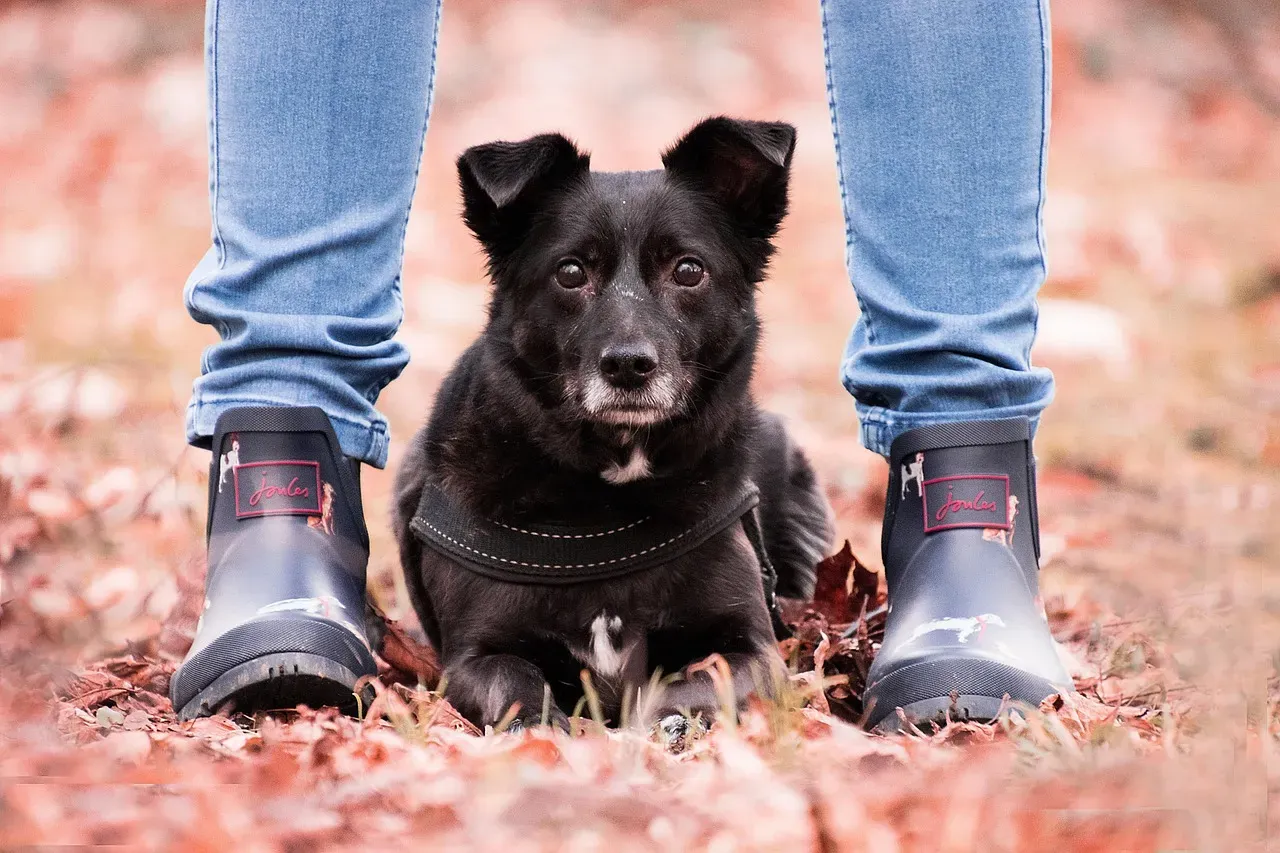
The classic test of attachment is what happens when the person walks out the door.
In the 1990s, researchers adapted the “Strange Situation” test from child psychology for dogs. In a well-known 1998 study, dogs were more active and playful in the presence of their owner than a stranger, and they greeted the owner’s return more warmly.
That pattern suggested dogs treat their owner as a secure base, much like young children do with caregivers. The dogs didn’t just prefer the owner. They explored and played more freely when the owner was in the room.
A mild reaction is normal. A bonded dog may watch the door, sigh, or perk up at the sound of your car. That’s very different from true separation anxiety.
- Typical bond: a bit of whining, then settling down.
- Possible separation anxiety: destruction, nonstop barking, drooling, or house soiling when left alone.
But what your dog does when you’re home and the choice is theirs is more telling. That’s #2.
#2 – They Choose You When Given a Choice
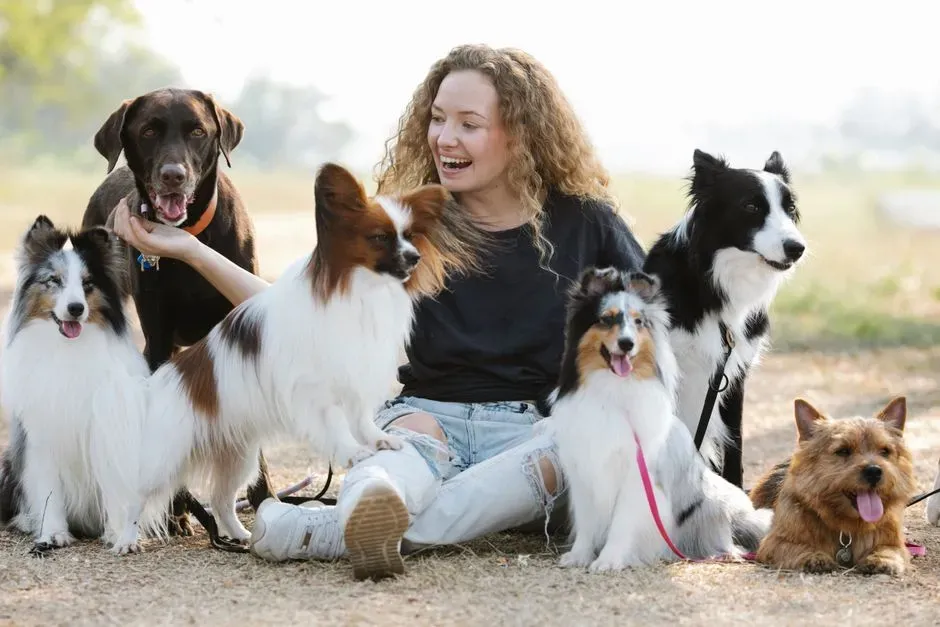
The real test is when two people call at once.
Try it in a low-pressure moment. Two family members stand at opposite ends of the room, and both call the dog in a friendly voice. Who does the dog go to?
If it’s the same person most of the time, that’s a pattern worth noticing. Choice is a stronger signal than any single behavior, because the dog has to rank one person above another.
Dogs’ preferences seem to be shaped by who feeds them, plays with them, and spends quality time with them. In a 2016 fMRI study, most dogs showed brain responses to praise that were as strong as, or stronger than, their response to food. That means a dog may value your approval as much as a snack.
That study used a small number of dogs, so it’s best read as a hint about priorities and not a rule.
But the strongest sign of all isn’t something your dog does at a party. It’s what happens in the scariest moment. That’s #1.

Halloween Dog Collar with Bow, Orange Cute Ghost Collar,
Check Price on AmazonAs an Amazon Associate, we earn from qualifying purchases.
10/9/2026 2:43 pm GMTi

Smart Bird Feeder with Camera Solar Powered, 2K HD Live Video, 10,000+ Bird Species AI Identification
Check Price on AmazonAs an Amazon Associate, we earn from qualifying purchases.
10/7/2026 1:22 pm GMTi

Portable Dog Water Bottle Foldable Dog Travel Water Bottle
Check Price on AmazonAs an Amazon Associate, we earn from qualifying purchases.
10/7/2026 1:29 pm GMTi

Halloween Cat Costume Cloak Witch Hat Pet Accessories
Check Price on AmazonAs an Amazon Associate, we earn from qualifying purchases.
10/9/2026 2:44 pm GMTi
#1 – They Run to You When They’re Scared
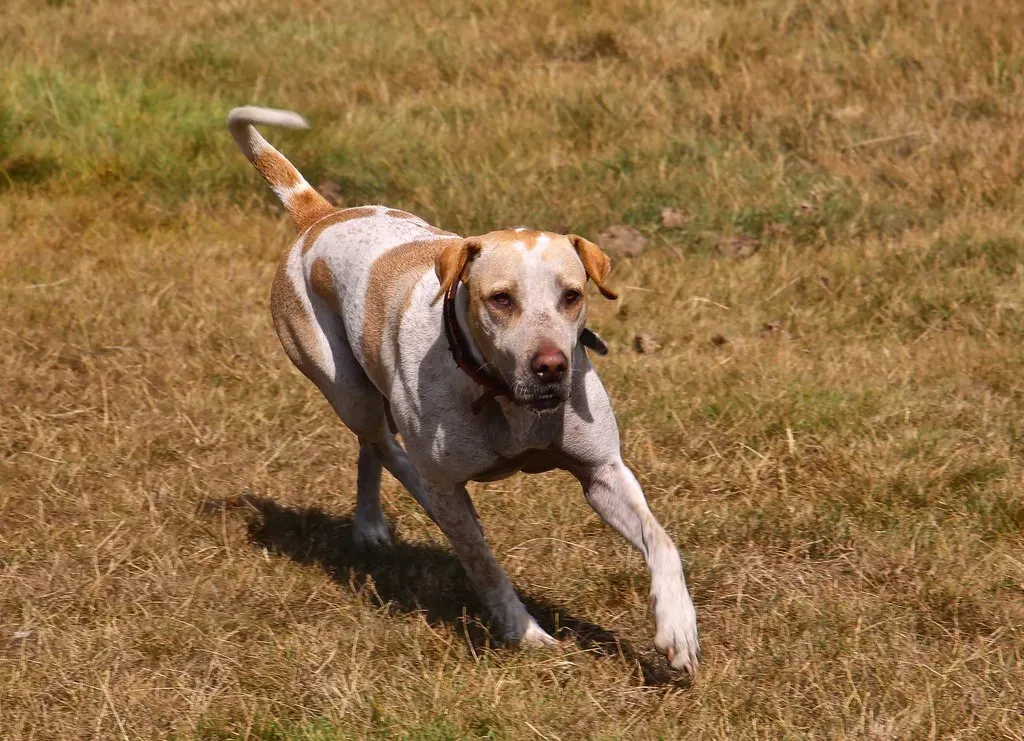
When a dog is truly frightened, it doesn’t pick the person with the treats. It picks the person it trusts.
Fireworks, thunder, a vet’s waiting room: these are the moments that reveal a dog’s real ranking. A dog that has picked its person tends to head straight for them, press against them, or hide behind their legs.
This is attachment in its purest form. In developmental psychology, a “safe haven” is the person you run to when you’re afraid. Studies on dog-human bonds suggest dogs use their key person in exactly this way.
A dog that chooses one person as its safe haven is telling you, in the clearest language it has, that it trusts that person to keep it safe.
Why It Stands Out
- No bribe involved: fear overrides snacks, so the choice is hard to fake.
- Instinct over manners: a scared dog has no energy left for politeness.
- A clear ranking: it shows who your dog trusts most when the stakes are highest.
- Built over time: safe-haven status comes from calm, consistent care, not ownership papers.
If that person is you, that matters more than any trick, tail wag, or lick. And if it’s not you, it’s a useful reminder that bonds are built through daily care. They’re not handed out by who owns the dog on paper.
The research is surprisingly consistent. Dogs form real attachments, and they often form stronger ones with a specific person. The most reliable signs aren’t the loud ones. They’re the glances, the leaning, the scent-seeking, and the sprint to your side when something scares them.
Here’s my opinion: stop treating a “one-person dog” as a problem or a boast. It’s a result. Your dog picked the person who was consistent, calm, and present. If that isn’t you, the fix is simple: show up more, in small and reliable ways. Dogs don’t hold elections, but they keep a very accurate count.

- Even the Smallest Backyard Critters Play a Vital Role in Our Ecosystems - November 11, 2026
- The Spirit Animals That Protect Each Zodiac Sign According to Native American Beliefs - November 11, 2026
- 6 Reasons Swallows Fly Close to the Ground Before Rain - November 11, 2026