
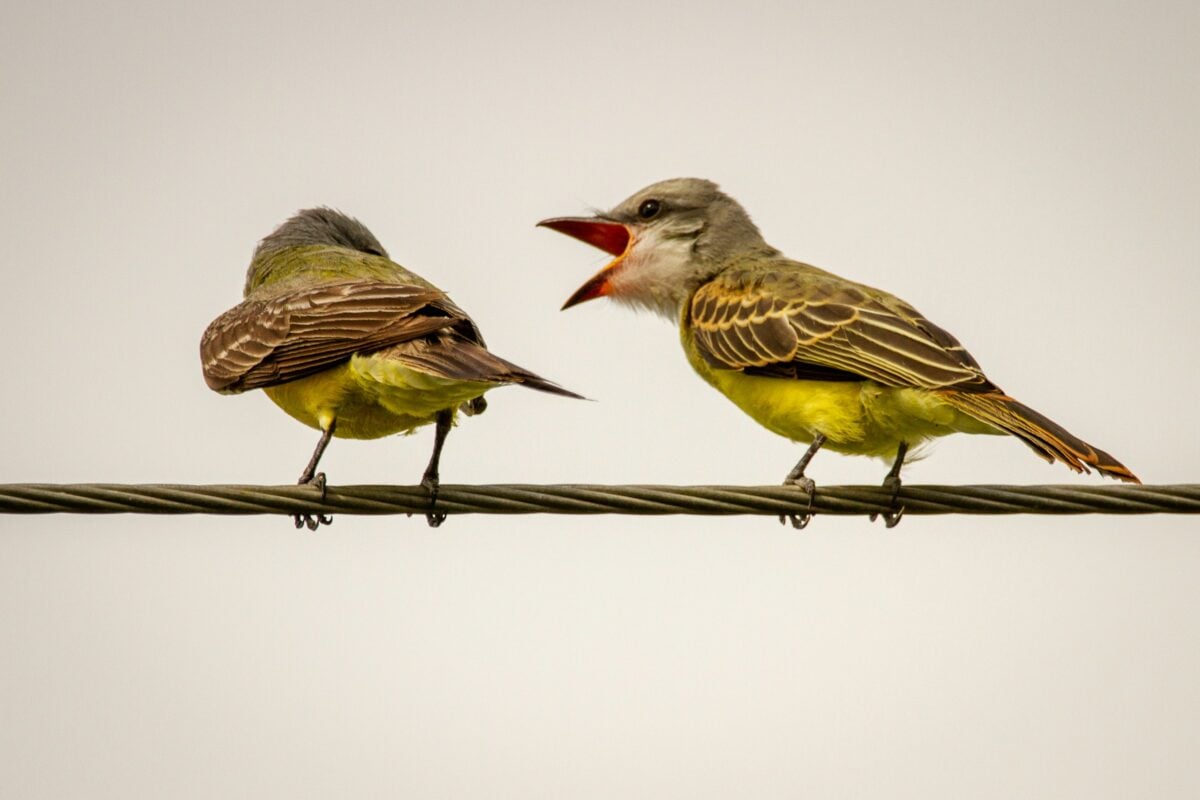
Most people picture a snowstorm sending backyard birds scrambling for any scrap of shelter. The reality is stranger. That chickadee at your feeder, which weighs roughly as much as two nickels, is running a survival plan it started building weeks ago. It’s growing extra feathers, hiding thousands of seeds, and in some cases deliberately dropping its body temperature at night.
Snow doesn’t catch these birds off guard. It switches on a set of behaviors you’ve probably watched a hundred times without recognizing them. Some look like laziness, some look like cuteness, and one looks like nothing at all because it happens after dark. Count down with us, because the last one sounds made up until you see the numbers.
#8 – They Turn Into Feather Balls On Purpose
🔥 Would you like to save this?
We'll email this post to you, so you can come back to it later!
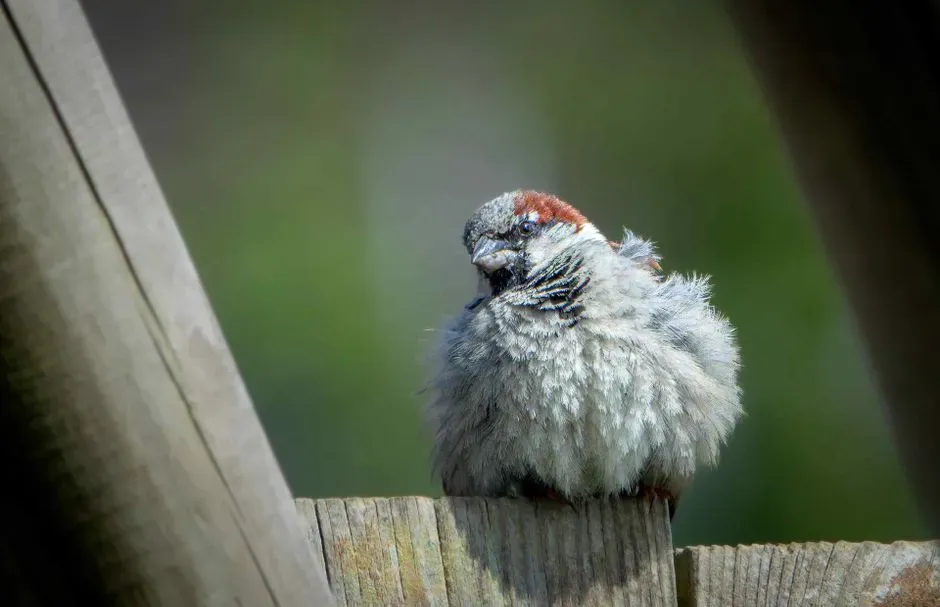
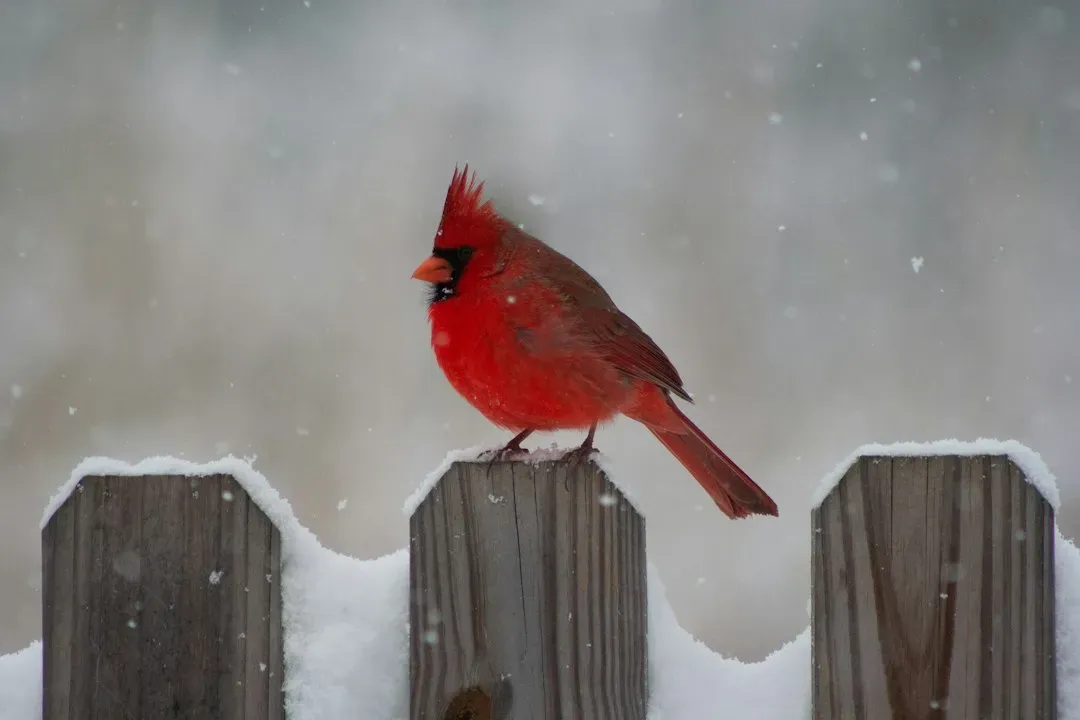
That round, puffed-up bird on your fence isn’t fat. It’s wearing its warmest coat.
Birds fluff out their feathers to trap body heat, and the air held between those feathers works as insulation. The look is a thermal strategy, not a mood. A bird that seems plump on a snowy morning may be the same size it was in July, just inflated.
The machinery is more elaborate than you’d guess. A Carolina chickadee uses a network of tiny muscles to fluff some of the 2,000 feathers covering its body. That’s active control over a wardrobe, not passive fluff. The bird can loosen or tighten the layer as conditions change.
The preparation starts long before the first flake. In late fall, many species molt and grow more feathers than they carry in summer. Some birds, like the American goldfinch, literally grow a thicker winter wardrobe as the season approaches. By the time the snow shows up, the coat is already on.
- Down feathers are especially good at trapping body heat.
- Oil glands keep feathers waterproof and wind-resistant.
- Tucking the bill and head into the back feathers shields the least-insulated parts.
But fluffing alone has limits, and what birds do when it fails is far more intense…
#7 – They Shiver Their Way Through The Day
🔥 Would you like to save this?
We'll email this post to you, so you can come back to it later!
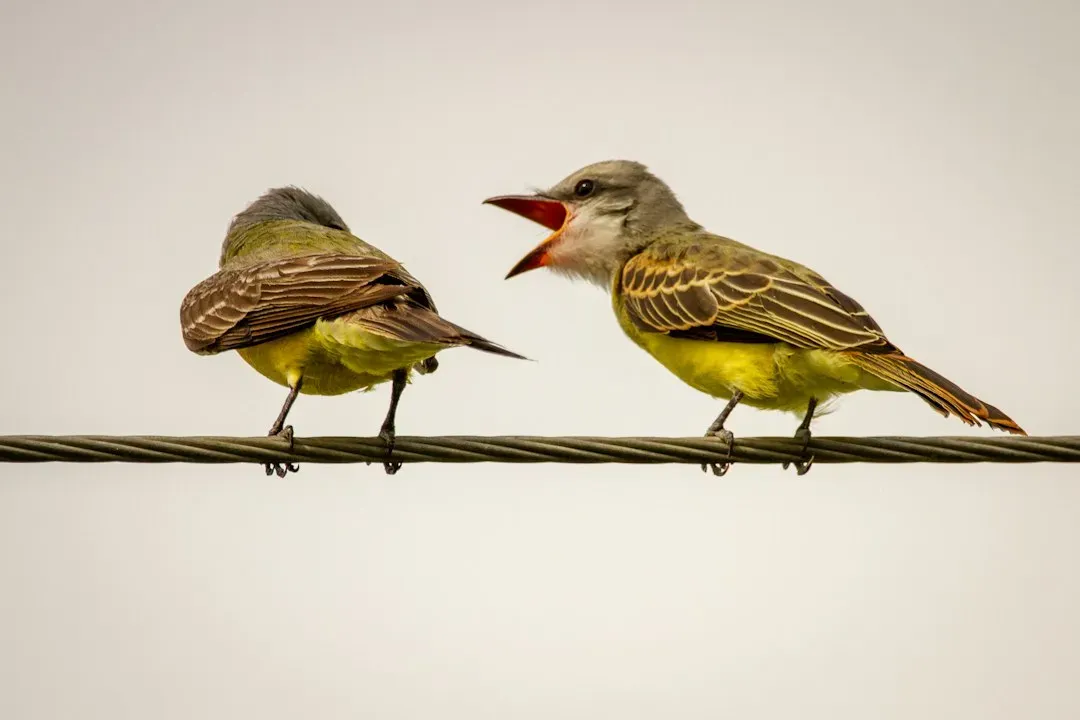
Birds don’t just sit still and endure the cold. They run a heater.
Shivering works in birds the way it does in people: muscles burn energy, and that energy becomes heat. Birds shiver to make warmth while they hunt for high-fat foods like seeds. The furnace and the fuel hunt run at the same time.
Smaller bodies lose heat faster, so small birds are hit harder by cold than large ones. They shiver almost continuously once temperatures fall below freezing. One wildlife source says shivering can keep an American goldfinch five times warmer than it would be otherwise. Treat that as a striking claim rather than a precise measurement.
Sources disagree on how often birds lean on it. One describes shivering as a last resort for chickadees and blue jays, because it burns a lot of energy, so birds combine it with other strategies.
Our take: the cute puffed-up, trembling look is really a bird in an energy crisis. It isn’t cozy. Every shiver is a bill the bird has to pay with its next meal.
- Shivering produces heat but drains fuel fast.
- Fluffing and sheltering reduce how much shivering is needed.
- High-fat seeds are the refill.
That fuel problem explains the next trick, which involves the one body part you’d expect to suffer most…
#6 – They Let Their Feet Nearly Freeze
🔥 Would you like to save this?
We'll email this post to you, so you can come back to it later!
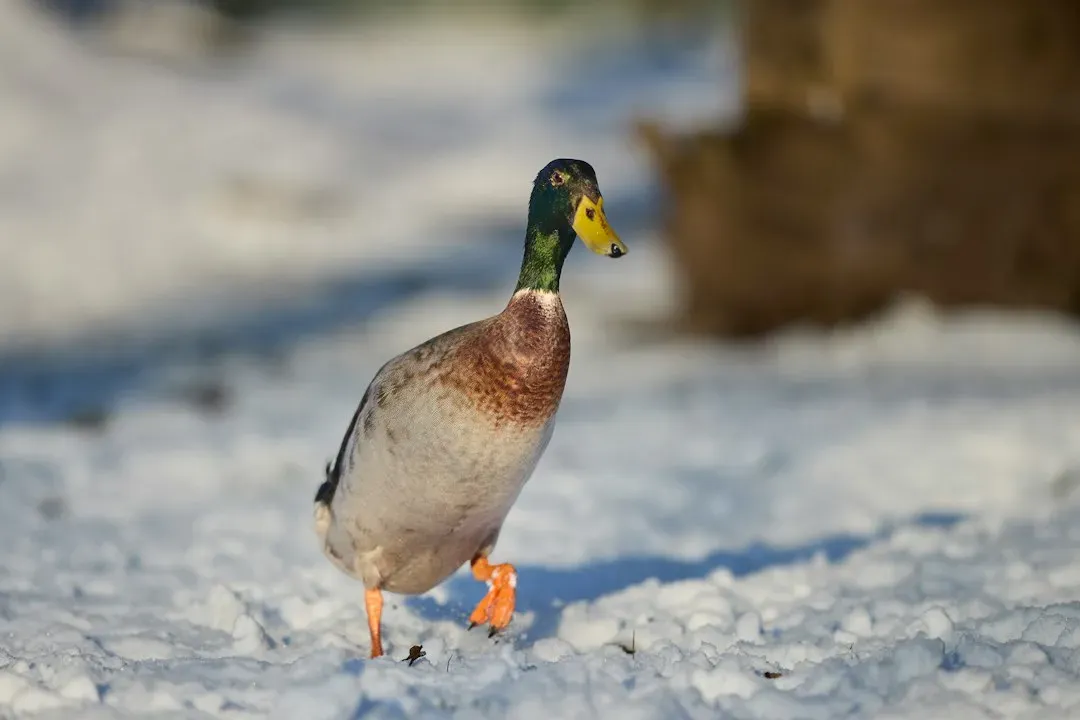
The strangest part of a bird in snow is the part you can barely see: its feet.
Those bare legs on snow look like a design flaw. They’re actually a deliberate trade. A bird’s body runs around 105°F, but chickadees and titmice let their feet cool to just below freezing so they don’t waste energy keeping them warm.
Birds really do keep very cold feet in winter. That’s confirmed by naturalists. The circulation is built to help: the arteries and veins in a bird’s feet sit close together, so warmth gets reclaimed before it can leak into the snow.
Behavior covers the rest. When an exposed foot gets too cold or tired, the bird stands on the other foot and tucks the first into its soft belly feathers. Others hunch over so body feathers cover both feet. Next time you see a one-legged bird on a frosty branch, you’re watching a shift change.
- Feet are allowed to run cold, not warm.
- One-legged standing rotates the exposure.
- Hunching turns the belly into a foot blanket.
Feet are only one place birds borrow warmth from, and the next source is free and falls from the sky…
#5 – They Sunbathe Like It’s A Second Job
🔥 Would you like to save this?
We'll email this post to you, so you can come back to it later!
On a cold, bright day, some birds do something that looks like pure laziness.
They plant themselves in open spots and soak up the sun. Birds stand with feathers fluffed and wings open to absorb maximum heat. It’s a free heating system, and they use it every chance they get.
Blue Jays are often seen sunning on fence posts or branches on winter afternoons. Every minute spent soaking up sunlight cuts the energy they’d otherwise spend making their own warmth.
At a Glance: Three Ways To Get Warm
- Shivering: makes heat fast, but burns a lot of fuel.
- Fluffing: traps the heat the body already makes, at almost no extra cost.
- Sunning: borrows heat from the sky for free, when the weather allows.
Most people assume birds spend winter days hunting nonstop. In fact, much of their time goes to staying warm. For birds that tough out winter, the majority of their time is spent just trying to keep warm.
That reframes what you see at the feeder. A bird sitting still in the sun is doing energy accounting. It isn’t being lazy.
- Sun exposure replaces some of the heat shivering would cost.
- Open, sunny perches beat shaded branches.
- Stillness conserves calories.
Sunlight solves the warmth problem, but snow creates a different one that most people never think about…

Smart Bird Feeder with Camera Solar Powered, 2K HD Live Video, 10,000+ Bird Species AI Identification
Check Price on AmazonAs an Amazon Associate, we earn from qualifying purchases.
10/7/2026 1:22 pm GMTi

Professional 7 in 1 Dog Paw Cleaner for Dogs & Cats - Includes 1 Portable Paw Washer, 1 Bath Brush
Check Price on AmazonAs an Amazon Associate, we earn from qualifying purchases.
10/7/2026 1:26 pm GMTi

PetSafe Oasys Pet Fountain, 1/2 Gallon (64 oz), Small Dogs & Cats
Check Price on AmazonAs an Amazon Associate, we earn from qualifying purchases.
10/8/2026 8:14 am GMTi

Portable Dog Water Bottle Foldable Dog Travel Water Bottle
Check Price on AmazonAs an Amazon Associate, we earn from qualifying purchases.
10/7/2026 1:29 pm GMTi

Glass Hummingbird Feeder for Outdoors Hanging, 16 oz Leak-Proof Nectar Feeder with Bee Guards & Ant Moat
Check Price on AmazonAs an Amazon Associate, we earn from qualifying purchases.
10/7/2026 1:22 pm GMTi
#4 – They Eat Snow And Guard Their Raincoats
🔥 Would you like to save this?
We'll email this post to you, so you can come back to it later!
Winter is a dehydration season, even when you’re surrounded by white.
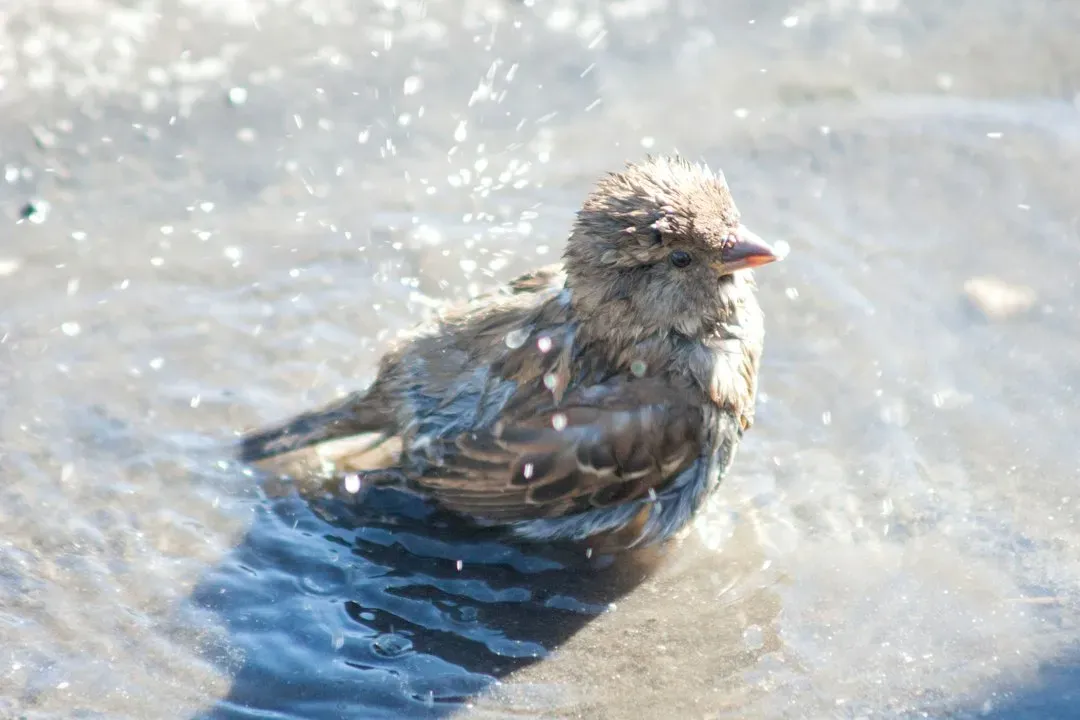
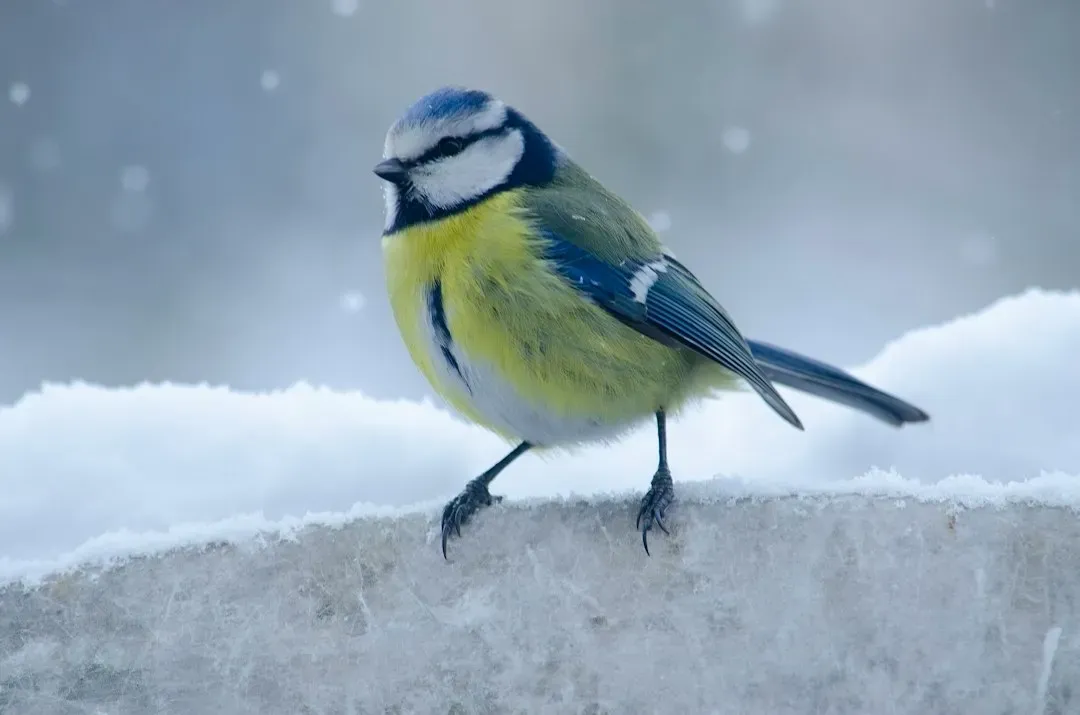
Frozen water is useless water. With freshwater frozen, birds may travel long distances to find it, or resort to eating snow. Naturalists filming a woodpecker eating snow suggested it was because all the freshwater was frozen.
Snow is a workaround, not a perfect fix. A bird has to spend body heat to melt it, which is a bad trade when every calorie counts.
Wet feathers can be disastrous in the cold. That’s the warning from one source. Birds preen to coat their feathers with oil from special glands, which waterproofs and insulates their down.
That’s why a bird in a snowstorm spends time grooming. Keeping feathers clean and in good condition matters for getting through the snowy season. Preening is maintenance on the insulation.
Our opinion: liquid water makes life easier, and few yards offer it in a deep freeze. That’s the quiet gap most feeders leave open.
Water gets them through the day, but where they spend the night is far stranger than a nest…
#3 – They Abandon Nests And Hide In Odd Places
🔥 Would you like to save this?
We'll email this post to you, so you can come back to it later!
Here’s the truth: birds don’t sleep in nests in winter.
Contrary to popular belief, birds don’t use nests in the winter. They roost, and the good spots are surprisingly specific. Birds look for high-quality roost sites such as brush piles, dense shrubs, vines, and trees that hold their foliage all winter. Evergreens offer cover year-round.
Some use secondhand housing. Woodpeckers provide cozy winter homes for other birds, and small birds can often use an abandoned woodpecker hole to escape wind and snow.
Some birds dive straight into the snow. Ruffed grouse burrow into light fluffy snow, digging a tunnel with a chamber at the end. Rock ptarmigan and grouse burrow to use snow as insulation, while horned larks and snow buntings hide behind small bumps in the ground to block wind.
Quick Compare: Winter Bedrooms
| Roost Spot | Who Uses It | What It Does |
|---|---|---|
| Brush piles, shrubs, evergreens | Many small songbirds | Blocks wind and adds cover |
| Old woodpecker holes | Small cavity-using birds | Holds in heat, shields from snow |
| Snow burrows | Ruffed grouse, ptarmigan | Uses snow itself as insulation |
| Ground bumps | Horned larks, snow buntings | Breaks the wind |
Huddling is another option. Wrens and bluebirds sometimes pile in together, while chickadees rely on cavities and hypothermia instead.
The tidy-yard look may be the biggest hidden hazard for winter birds. If a brush pile is what roosting birds want, the spotless lawn is working against them.
But shelter only helps if the bird has fuel, and the next tactic is the one that really surprises scientists…

Earth Rated XL Dog & Puppy Pee Pads, Discreet Top, Max Absorbency
Check Price on AmazonAs an Amazon Associate, we earn from qualifying purchases.
10/7/2026 1:28 pm GMTi

Hand Blown Glass Hummingbird Feeders for Outdoors Hanging, 24oz Wild Bird Nectar Feeder
Check Price on AmazonAs an Amazon Associate, we earn from qualifying purchases.
10/7/2026 1:23 pm GMTi

Orthopedic Extra Large Dog Bed, Waterproof Washable XL Pet Bed 44"
Check Price on AmazonAs an Amazon Associate, we earn from qualifying purchases.
10/7/2026 1:32 pm GMTi

Halloween Cat Costume Cloak Witch Hat Pet Accessories
Check Price on AmazonAs an Amazon Associate, we earn from qualifying purchases.
10/9/2026 2:44 pm GMTi

Halloween Dog Collar with Bow, Orange Cute Ghost Collar,
Check Price on AmazonAs an Amazon Associate, we earn from qualifying purchases.
10/9/2026 2:43 pm GMTi
#2 – They Hide Food And Grow Their Memory
🔥 Would you like to save this?
We'll email this post to you, so you can come back to it later!
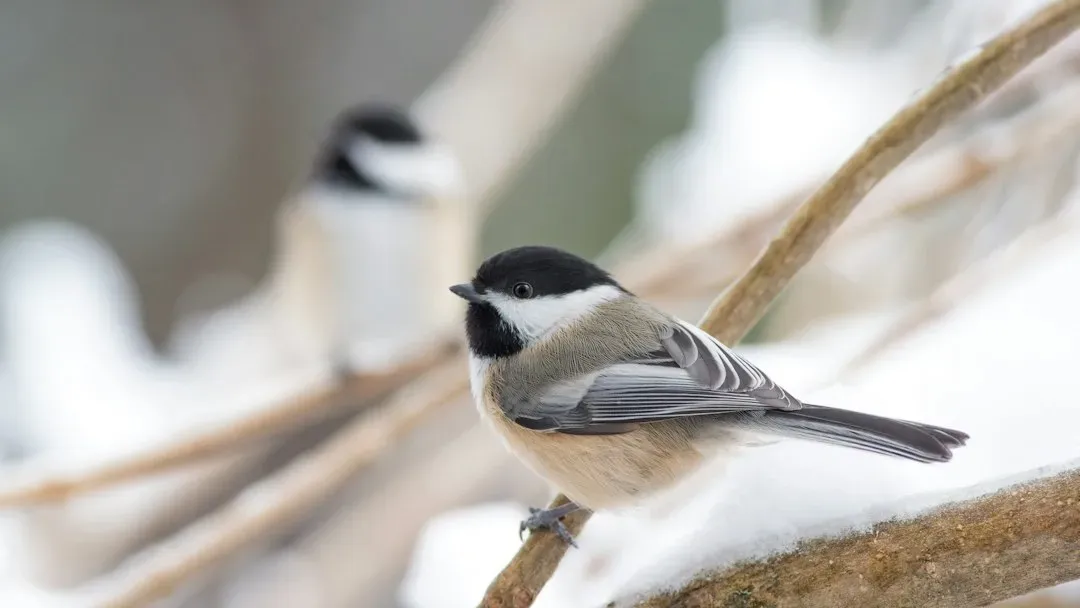
Chickadees stash food in thousands of places, then remember where.
Researchers describe food caching as an alternative to migrating: instead of moving to where food is, you keep food where you are. The scale is huge. Mountain Chickadees cache tens of thousands of individual food items.
The memory side is the real shock. Chickadees can remember thousands of hiding places, and one researcher found they recall cache locations for at least 28 days. Even in the lab with plenty of food, they still cache, because the drive is innate.
Reportedly, the part of a chickadee’s brain that handles spatial memory expands by about 30 percent in fall. It holds that size through winter. Then it shrinks back in spring.
Not everyone caches the same way. The Common Redpoll uses an expandable esophageal pouch to hold seeds overnight, carrying a snack in its own throat.
“Bird brain” is the worst insult in English, and the data say it’s backwards.
And yet food is only half the equation, because the real winter trick happens while you’re asleep…
#1 – They Deliberately Power Down At Night
🔥 Would you like to save this?
We'll email this post to you, so you can come back to it later!
Some backyard birds let their body temperature crash on purpose every night.
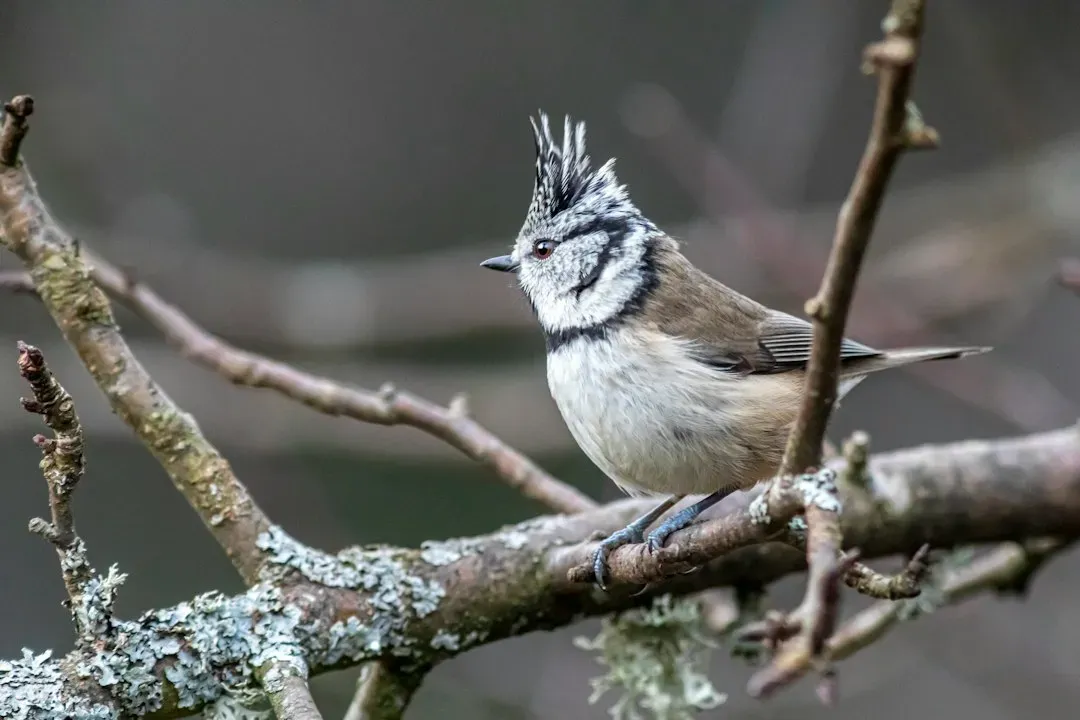
The star is the chickadee. It can enter controlled, or regulated, hypothermia, dropping its temperature as much as 22°F below its daytime level. Boreal Chickadees reportedly fall from 108 degrees to just 85. That figure comes from BirdNote.
The payoff is fuel. Lowering body temperature at night lets them conserve their insulating fat stores. Some estimates put the energy saved as high as 32 percent.
It isn’t hibernation. It’s a controlled, reversible state called torpor, distinct from true hibernation. The bird wakes up and carries on with its day.

Glass Hummingbird Feeder for Outdoors Hanging
Check Price on AmazonAs an Amazon Associate, we earn from qualifying purchases.
10/7/2026 1:21 pm GMTi

Air Purifiers for Home Pets Large Room Up to 3000 Ft²,HEPA Air Cleaner with Washable Double-Side Filter, PM2.5 Air Quality Monitor,15dB Sleep Mode for Bedroom Odor Dust Pollen,White
Check Price on AmazonAs an Amazon Associate, we earn from qualifying purchases.
10/8/2026 8:23 am GMTi

Dog Stairs for Bed 18" H, 4-Step Dog Steps for High Bed
Check Price on AmazonAs an Amazon Associate, we earn from qualifying purchases.
10/9/2026 2:42 pm GMTi

2 Pcs Halloween Pet Hat Bandana Set, Witch Pumpkin Costumes for Dogs
Check Price on AmazonAs an Amazon Associate, we earn from qualifying purchases.
10/9/2026 2:45 pm GMTi
Worth Knowing: Torpor vs. Hibernation
- Chickadee torpor: a single-night dip that reverses by morning.
- True hibernation: a deep state that can last weeks or months, as in ground squirrels.
- Daytime routine: the chickadee is back to foraging, caching and fluffing as soon as it warms up.
It’s one layer of a stack. Cornell researcher Susan Chaplin’s work has noted night hypothermia, nocturnal shivering, extra down near the skin, and head-tucking into back feathers. A chickadee survives a brutal night by combining several adaptations, not relying on one.
So here’s our take. Birds don’t simply endure snow. They prepare for it with extra feathers, hidden pantries, and a nightly temperature drop. The most overrated winter helper is the feeder, since birds were surviving long before we hung one.
Our view: shelter and water do more for survival than another scoop of seed. Leave a brush pile, plant evergreens, and keep water open. Then watch your yard differently.
Which of these behaviors have you actually spotted outside your window, and which one did you not believe until you saw it?

- 8 Things Backyard Birds Do Differently Once Snow Arrives - November 8, 2026
- 13 Things a Vet Reads From How an Animal Sits Still - November 8, 2026
- 8 Behaviours a Rescued Cat Drops Once It Settles Properly - November 8, 2026