
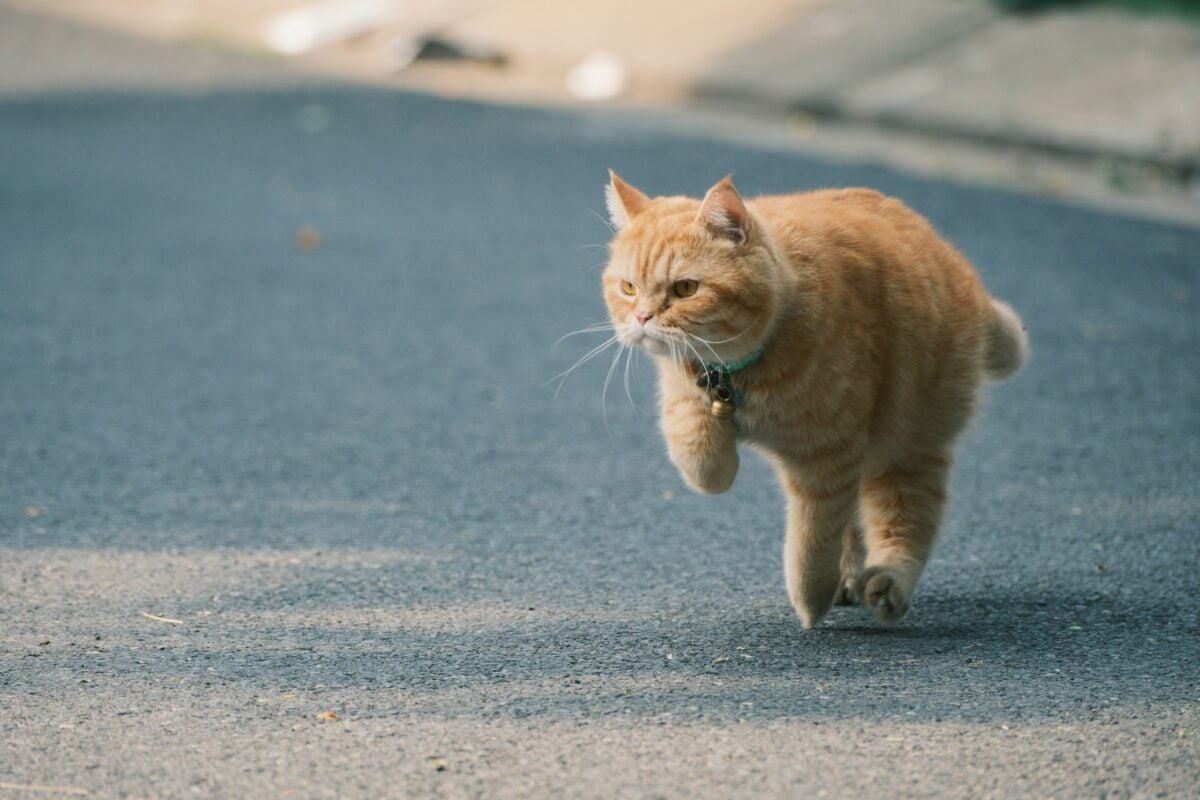
Most of us think we know what a cat does all day: sleep, stare, and knock a glass off the counter for sport. The truth is stranger. A cat’s most interesting behavior happens when nobody is watching, and that’s why most owners have never seen it. Here are 19 habits that only show up when the house goes still.
Researchers who study feline behavior keep finding the same thing. Cats are alert, calculating and far more social than their reputation suggests. But a busy household, with its noise, movement and constant interruptions, makes them edit themselves. Go quiet, and a different animal steps out. Stick around, because the last item on this list changes how you’ll read your cat’s face.
#19 – The Slow Patrol Nobody Sees
🔥 Would you like to save this?
We'll email this post to you, so you can come back to it later!
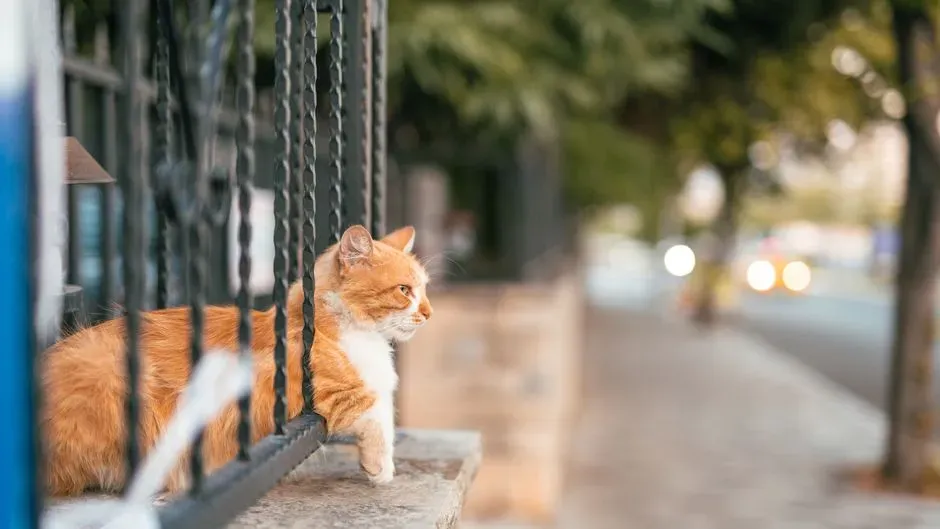
Within minutes of a house going quiet, your cat starts a full inspection of its territory.
Cats are territorial animals, and your home is their kingdom. Many walk a surprisingly consistent route through the rooms, sniffing doorways, corners and furniture legs along the way. It’s less a stroll than an audit.
The nose leads. Cats are often said to have around 200 million scent receptors, compared with a few million in people, though exact figures vary by source. That means your cat can “read” who and what passed through a room long after you’ve forgotten.
On a typical patrol, a cat checks:
- New scents on shoes, bags and delivery boxes
- Its own scent marks, to see if they’re still intact
- Windows, doors and vents for anything that has changed
A busy house hides all of this, because constant activity keeps cats moving or hiding. But the patrol isn’t random, and it runs on a schedule that starts well before sunrise in #18.
#18 – The Dawn and Dusk Shift
🔥 Would you like to save this?
We'll email this post to you, so you can come back to it later!
Your cat isn’t truly nocturnal, and that 5 a.m. wake-up call has a very old explanation.
Cats are crepuscular, which means they’re most active around dawn and dusk. Their wild ancestors hunted small animals that move at those times. Your sofa-dwelling cat inherited the schedule without the prey.
In a quiet house, you can see the rhythm clearly. A long stretch of rest is followed by a burst of alert, purposeful activity at the edges of the day. That’s the pounce on your feet before the alarm goes off.
Cats sleep roughly 12 to 16 hours a day, and kittens and seniors often sleep more. Much of that is light dozing, and the ears keep working while the body rests.
But that’s nothing compared to the thermostat your cat is secretly running in #17…
#17 – The Sun-Spot Rotation
🔥 Would you like to save this?
We'll email this post to you, so you can come back to it later!
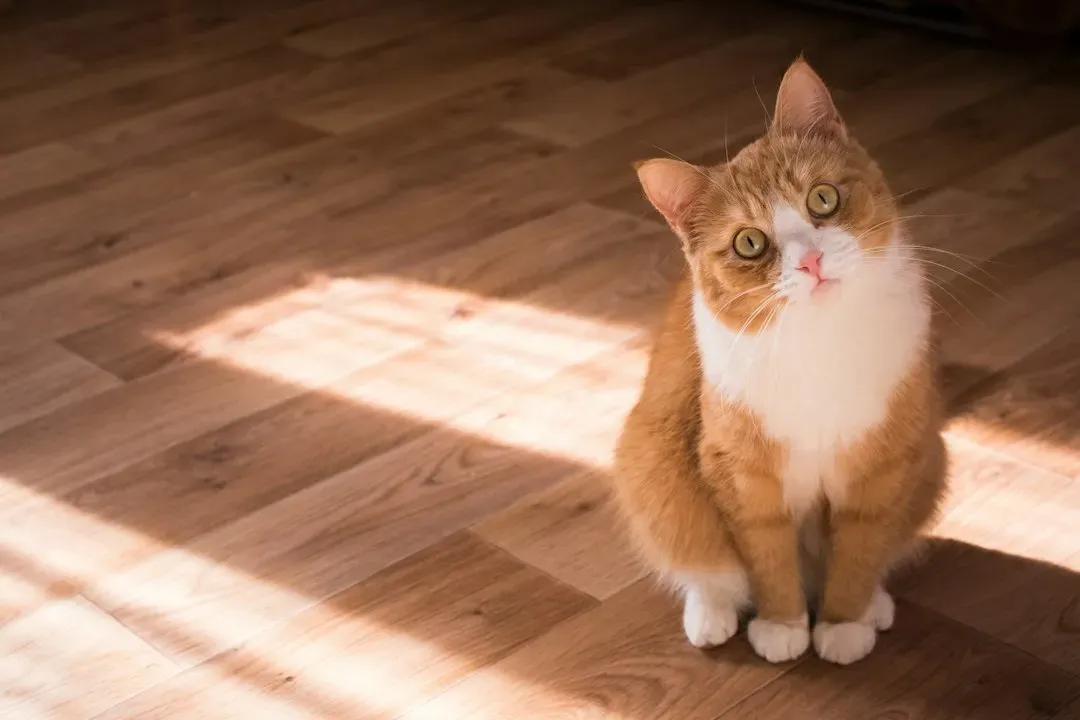
Your cat is following the sunlight around the house, and it’s doing it on purpose.
When a house is quiet, you can watch cats shift from spot to spot through the day. The pattern follows warm patches of floor, windowsills and the tops of sun-heated furniture, like a tiny solar-powered migration.
Cats are comfortable in a fairly warm range, often cited as about 86 to 100°F (30 to 38°C). That’s well above what most people keep their homes at. A cat curled in a sunbeam is doing temperature control, not just relaxing.
Warmth also helps explain why cats choose:
- Laptops and chargers
- Freshly warmed laundry
- Spots right on top of heating vents
Fast Facts
- A cat’s normal body temperature runs about 100.5 to 102.5°F, several degrees above yours.
- Warm surfaces pass heat straight into the body, so a sunny floor works better than warm air.
- Kittens and older cats tend to chase warmth the hardest.
- If you add a heated bed, choose one made for pets and check that your cat can easily step off it.
To your cat, your living room feels chilly. That’s why you’ll often find it in the one patch of sun you didn’t notice. And the best seat in the house usually has one more feature, a view, which brings us to #16.
#16 – The Window Show
🔥 Would you like to save this?
We'll email this post to you, so you can come back to it later!
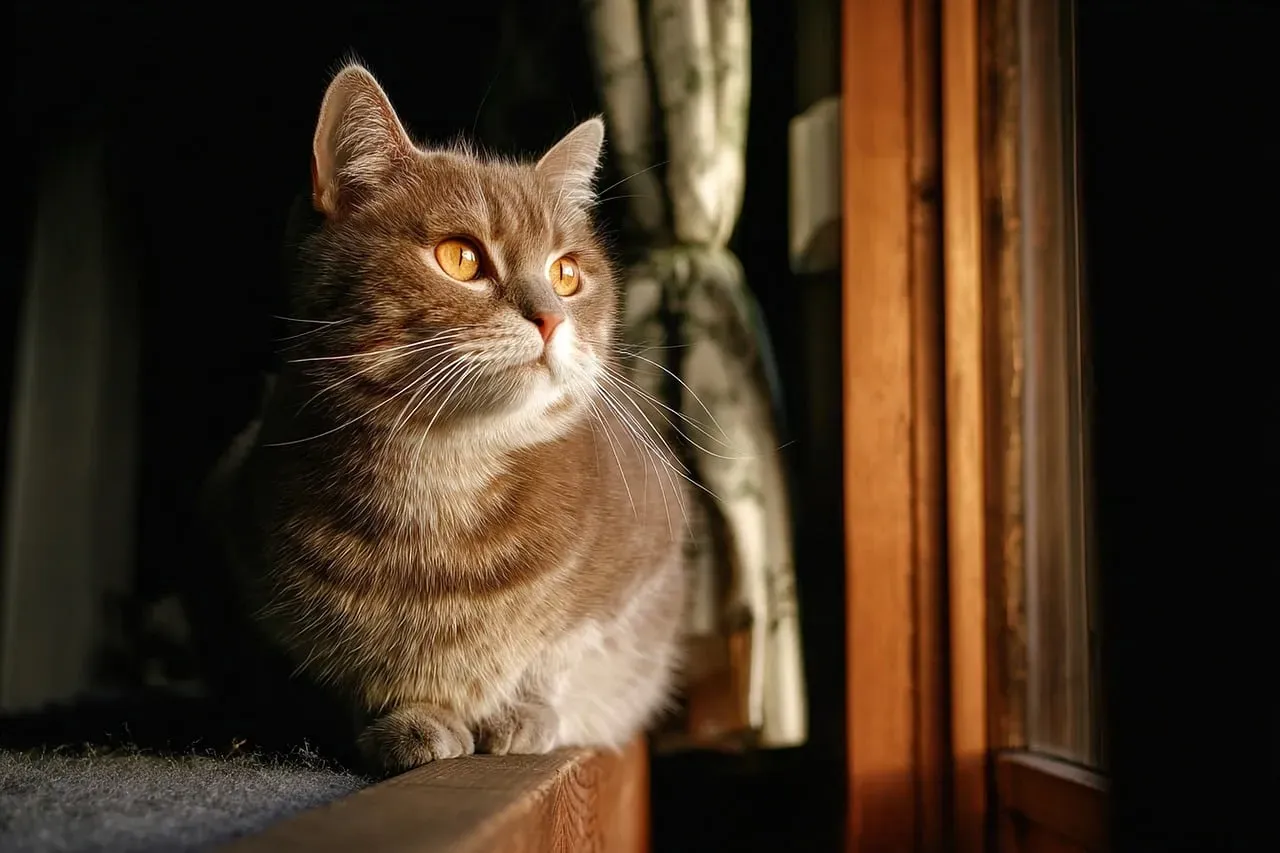
To a cat, the window is a live broadcast, and it will watch for hours.
Window-watching is a real activity for cats. Birds, squirrels, insects, leaves and passing cars all trigger the same predatory attention. The tail twitches and the pupils widen. The cat sits motionless, then locks in.
In a busy house, the show competes with noise and traffic. In a quiet one, the cat gets the whole screening to itself.
Here’s an opinion that’s gaining ground with behavior experts. Calling cats “low-maintenance pets” is a myth that leaves many indoor cats under-stimulated. A clear window perch is one of the cheapest fixes there is.
But while their eyes are on the window, their ears are doing something even more remarkable in #15…
#15 – Listening to the Walls
🔥 Would you like to save this?
We'll email this post to you, so you can come back to it later!
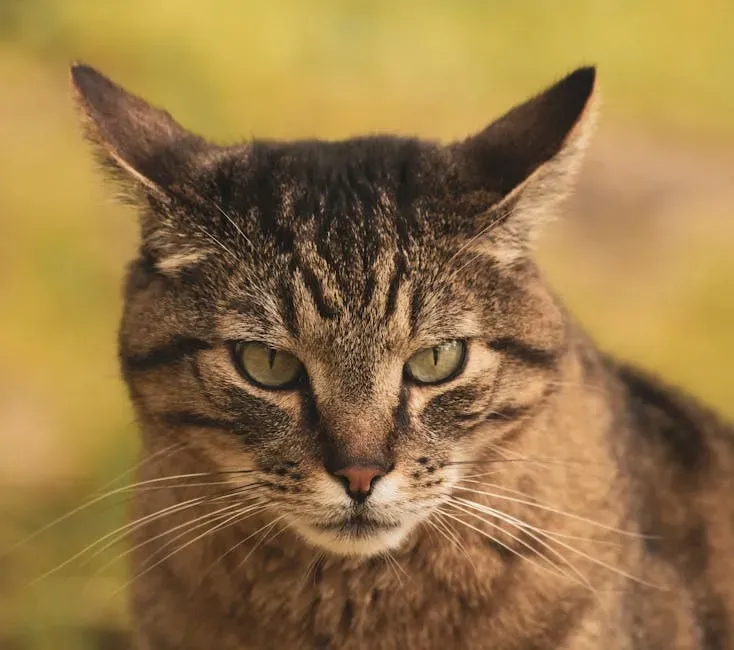
Your cat can hear things in your home that you will never know exist.
Cats can hear much higher frequencies than people. Their upper range is commonly cited as well beyond 60 kHz. That’s the territory of rodent squeaks and tiny insect movements.
Their ears are also built for the job. Each outer ear is controlled by more than two dozen muscles, and the two can swivel independently. That’s why a cat can look fast asleep while its ears track sounds in two different directions.
In a quiet house, that explains the sudden stare at an empty wall. Your cat may be tracking sounds from pipes, wiring, or something small in the ceiling. It isn’t always imaginary.
But the most telling thing your cat does with its senses is leave messages, and #14 is where it gets personal.
#14 – The Cheek-Rub Notes
🔥 Would you like to save this?
We'll email this post to you, so you can come back to it later!
When your cat rubs its face on the furniture, it’s leaving a message.
Cats have scent glands on their cheeks, chin and around the mouth. Rubbing, often called bunting, deposits a scent that people can’t smell. Cats can.
In a quiet house, you’ll see it most clearly. The cat rubs the same corners and table legs again and again. It’s less about ownership and more about making the space feel familiar and safe.
Cats also rub on people, and it’s widely understood to be a way of adding you to the group scent. That’s not random affection. It’s a way of marking you as part of the family.
Cats may also use a sniff-and-grimace move, called the flehmen response, to analyze scents with a second scent organ in the roof of the mouth.
But face-rubbing is the gentle side of marking, and the louder side shows up in #13.
#13 – The Scratching Session
🔥 Would you like to save this?
We'll email this post to you, so you can come back to it later!
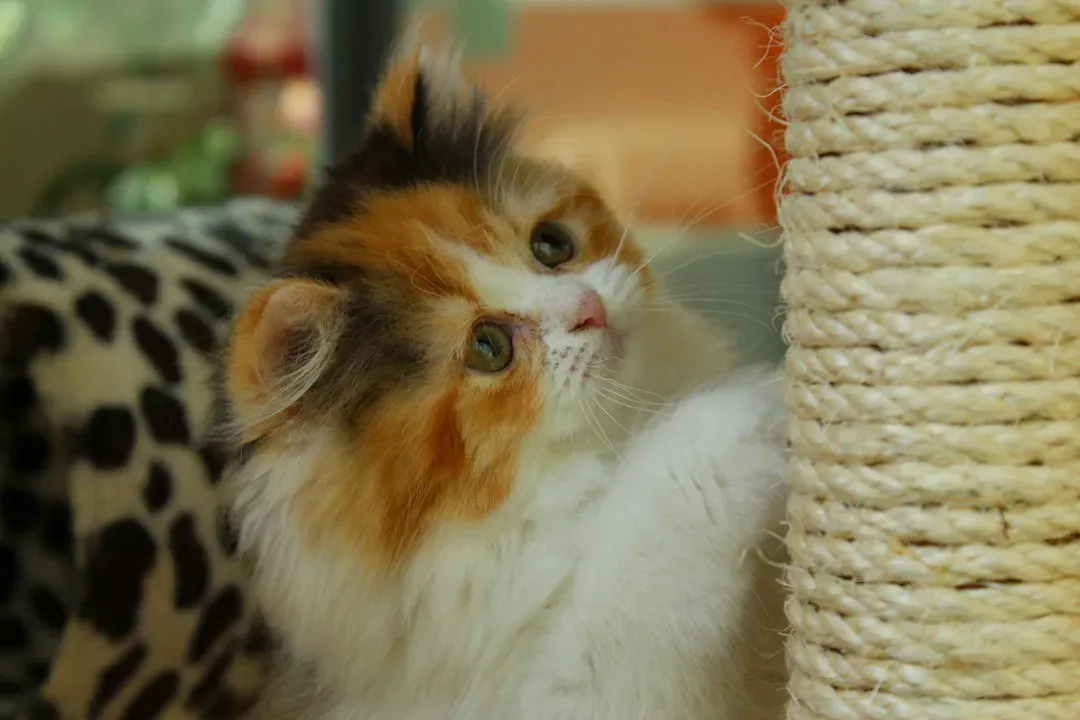
Scratching isn’t misbehavior, and punishing it misses what the cat is actually doing.
When the house is quiet, cats scratch with total focus. They do it for several reasons at once. It’s a full-body stretch, a nail-maintenance routine, a visual mark, and a scent mark.
Cats have scent glands in their paws. Every scratch leaves both a visible mark and a chemical signature. That’s why cats often scratch near entrances, sleeping areas and the spots where family members gather.
The reliable fix isn’t scolding. It’s giving cats something better to scratch:
- A tall, sturdy post they can stretch fully against
- A surface placed near where they already scratch
- Different textures, since cats have preferences
A cat who ignores the expensive post is voting on its design. And the next habit is the one most people only catch a glimpse of in #12.
#12 – The Grooming Marathon
🔥 Would you like to save this?
We'll email this post to you, so you can come back to it later!
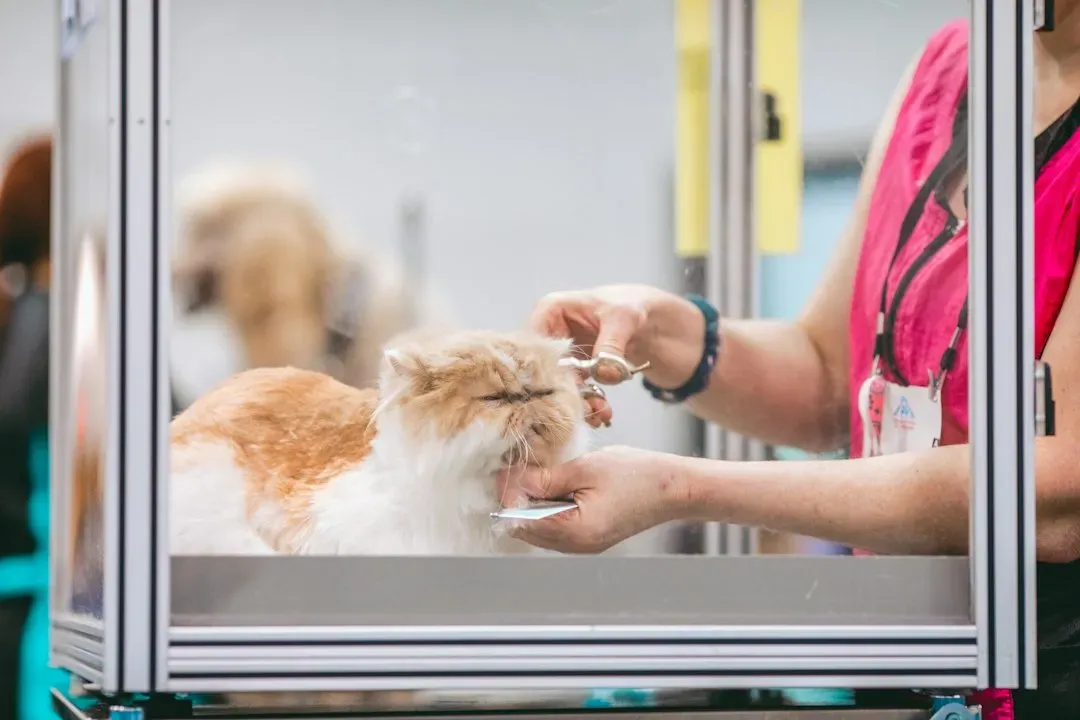
Your cat’s grooming sessions are doing much more than keeping it clean.
Cats spend a significant share of their waking hours grooming. The rough tongue, covered in tiny backward-facing barbs, works like a comb. It removes loose fur, dirt and parasites.
Grooming also spreads skin oils through the coat, and saliva evaporating from the fur may help with cooling. It’s also one of the main ways a stressed cat calms itself down.
That last part is what a quiet house reveals. A cat that grooms in short bursts after a startling noise is resetting its nerves. A cat that grooms to the point of bald patches is a different story.
But when grooming isn’t enough to settle a cat down, it does something else entirely in #11.
#11 – The Disappearing Act

🔥 Would you like to save this?
We'll email this post to you, so you can come back to it later!
When a cat vanishes in a quiet house, it’s usually a strategy rather than a sulk.
In the wild, cats are both hunters and small prey animals. Hiding is a natural coping tool. It lets them watch the world without being part of it.
Research in animal shelters has found that cats given hiding boxes tended to settle in and show lower stress than those without. A cardboard box can measurably change how a cat copes with a stressful place.
Common hiding spots include:
- Under beds and behind sofas
- Inside cupboards and wardrobes
- Tops of bookshelves, which are hiding and watching in one
Worth Knowing
- Short hiding after visitors, vacuuming or a loud bang is normal cat coping.
- A sudden change in a cat that usually greets you deserves a closer look.
- Hiding plus skipped meals or litter box changes is a reason to call your vet.
- Don’t drag a hiding cat out. Let it return on its own terms.
A cat that hides all the time, or suddenly starts hiding more, deserves attention. That’s not quirkiness. It can be a sign of stress or illness. And when a cat does come out of hiding, it often has a mission, as #10 reveals.

Halloween Cat Costume Cloak Witch Hat Pet Accessories
Check Price on AmazonAs an Amazon Associate, we earn from qualifying purchases.
10/9/2026 2:44 pm GMTi

Dog Stairs for Bed 18" H, 4-Step Dog Steps for High Bed
Check Price on AmazonAs an Amazon Associate, we earn from qualifying purchases.
10/9/2026 2:42 pm GMTi

Orthopedic Extra Large Dog Bed, Waterproof Washable XL Pet Bed 44"
Check Price on AmazonAs an Amazon Associate, we earn from qualifying purchases.
10/7/2026 1:32 pm GMTi

2 Pcs Halloween Pet Hat Bandana Set, Witch Pumpkin Costumes for Dogs
Check Price on AmazonAs an Amazon Associate, we earn from qualifying purchases.
10/9/2026 2:45 pm GMTi

Portable Dog Water Bottle Foldable Dog Travel Water Bottle
Check Price on AmazonAs an Amazon Associate, we earn from qualifying purchases.
10/7/2026 1:29 pm GMTi
#10 – The Midnight Hunt Practice
🔥 Would you like to save this?
We'll email this post to you, so you can come back to it later!
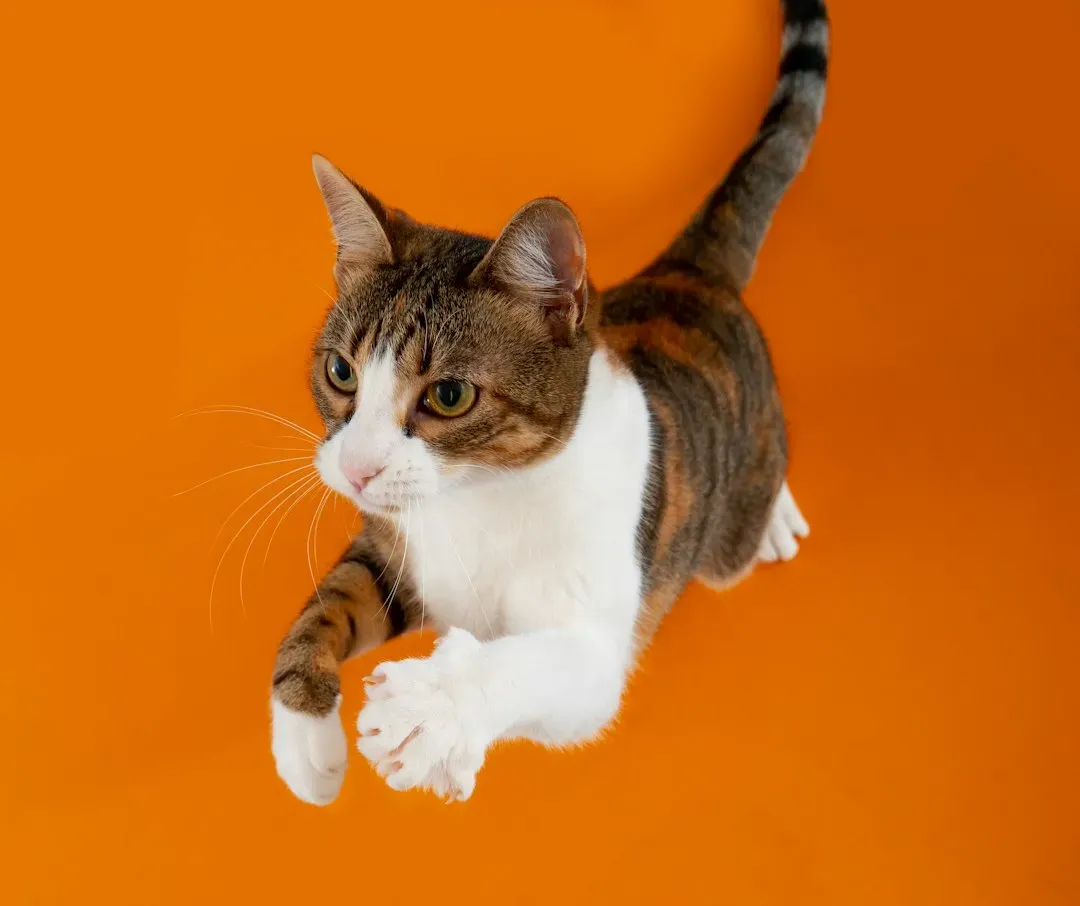
Your cat is rehearsing a hunt, and the “prey” is your sock.
Cats follow a predatory sequence. They stalk, chase, pounce, bite, and then eat. Indoor cats often have no chance to complete it, so they improvise with toys, shadows and your ankles.
In a quiet house, you’ll see it in its purest form. The slow crouch, the wiggling hindquarters, the sudden launch. That wiggle is a real thing, and it’s thought to help cats prepare for the pounce.
Here’s a take that divides cat owners. Many experts argue the laser pointer, loved by people, can leave cats frustrated because there’s never a catch. Ending the game with a real toy or a treat can help.
But the hunt has a natural follow-up, and it’s quieter than you’d expect in #9.
#9 – The Snack Rounds
🔥 Would you like to save this?
We'll email this post to you, so you can come back to it later!
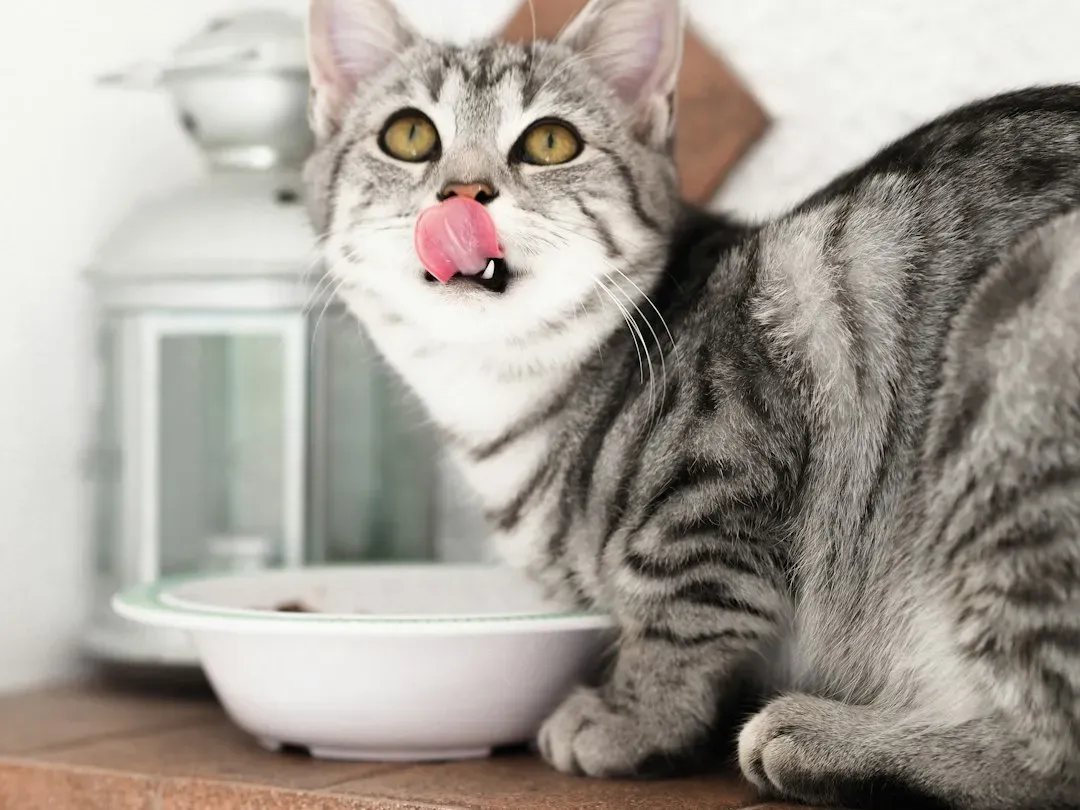
Cats are built for many small meals, and your quiet house is where they act on it.
Wild cats hunt small animals, and estimates suggest they eat many small meals across the day and night. A domestic cat with one or two large bowls has the same wiring and a very different schedule.
In a quiet house, you may notice your cat check its bowl several times. It might eat a few bites and wander off. That’s not fussiness. It’s close to how its ancestors ate.
Water habits are another quiet-house detail. Many cats seem to prefer water placed away from their food, and some prefer moving water. Experts often suggest trying a few spots to see what your cat likes.
Bowl-checking is often a polite request for a better feeding setup. And when all that stored energy finally spills out, you get #8.
#8 – The Zoomies
🔥 Would you like to save this?
We'll email this post to you, so you can come back to it later!
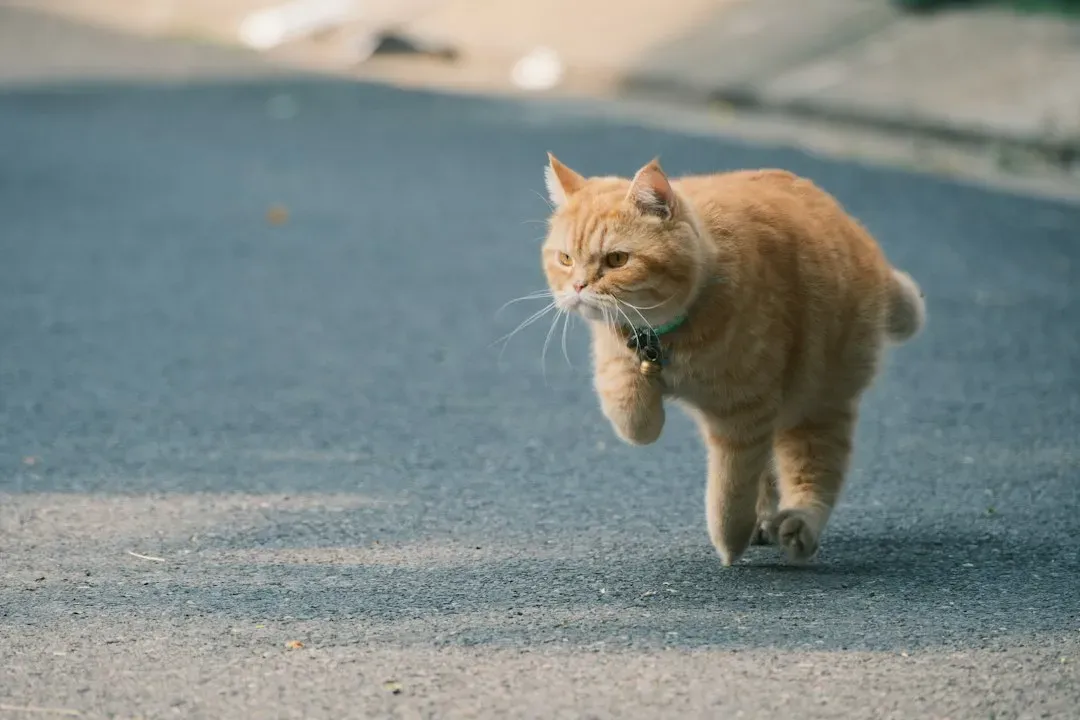
The sudden sprint across the house at full speed is a real, studied behavior.
Behaviorists sometimes call it frenetic random activity periods, or FRAPs. A cat that has been still for hours suddenly races through the house, bounces off furniture and skids around corners.
It tends to happen in the evening and often after a litter box visit. The exact triggers aren’t fully understood. Most explanations point to stored-up energy that needs a release.
It’s most common in young cats, but plenty of adults do it too. In a busy house, daytime activity often interrupts or absorbs the energy. In a quiet one, it builds up and then bursts out.
But what happens after the sprint is the part almost nobody sees, and it’s in #7.
#7 – The Twitching Dream Sleep
🔥 Would you like to save this?
We'll email this post to you, so you can come back to it later!
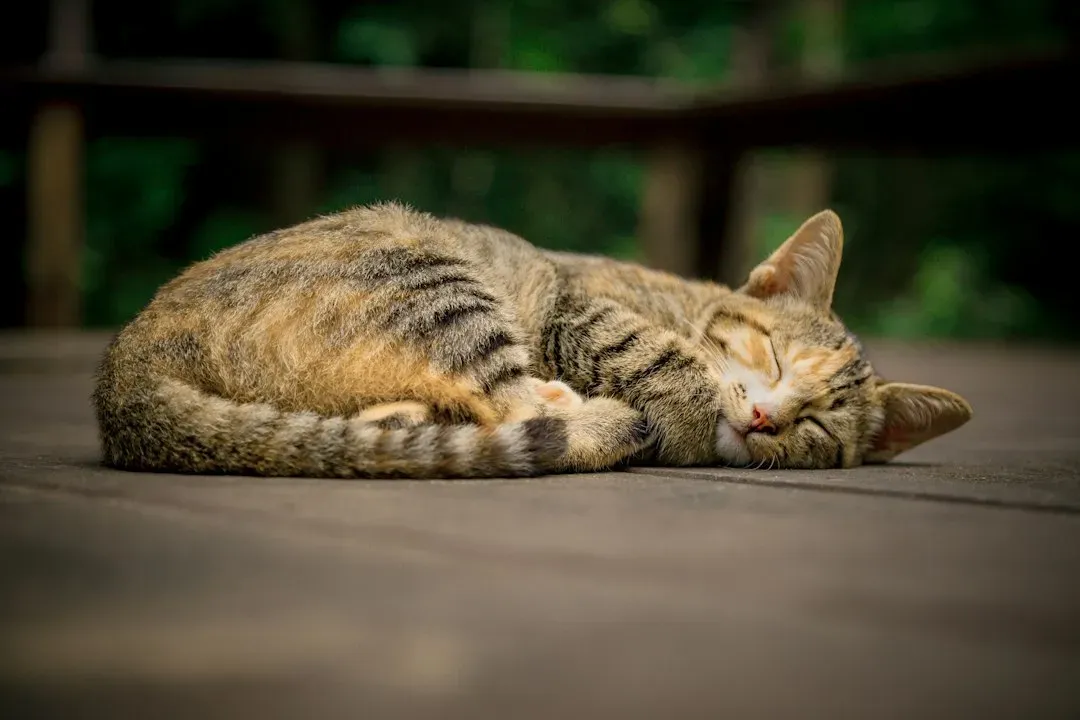
Your sleeping cat is moving through distinct sleep stages, and you can see them if you watch.
Cats alternate between light dozing and deeper sleep. In a quiet house, you’ll catch the deeper stage. The whiskers twitch, the paws paddle, and the tail flicks.
That’s consistent with REM sleep, the stage where dreaming occurs in many mammals. Scientists can’t say for sure what a cat dreams about, but the brain activity looks similar to what’s seen in other dreaming mammals.
Cats nap in short cycles, which is why they seem to wake up so quickly. Light sleep lets them respond to sounds fast. Deep sleep is rarer and shorter.
But before any of that sleep starts, there’s a ritual that most people only half notice in #6.
#6 – The Pre-Nap Ritual
🔥 Would you like to save this?
We'll email this post to you, so you can come back to it later!
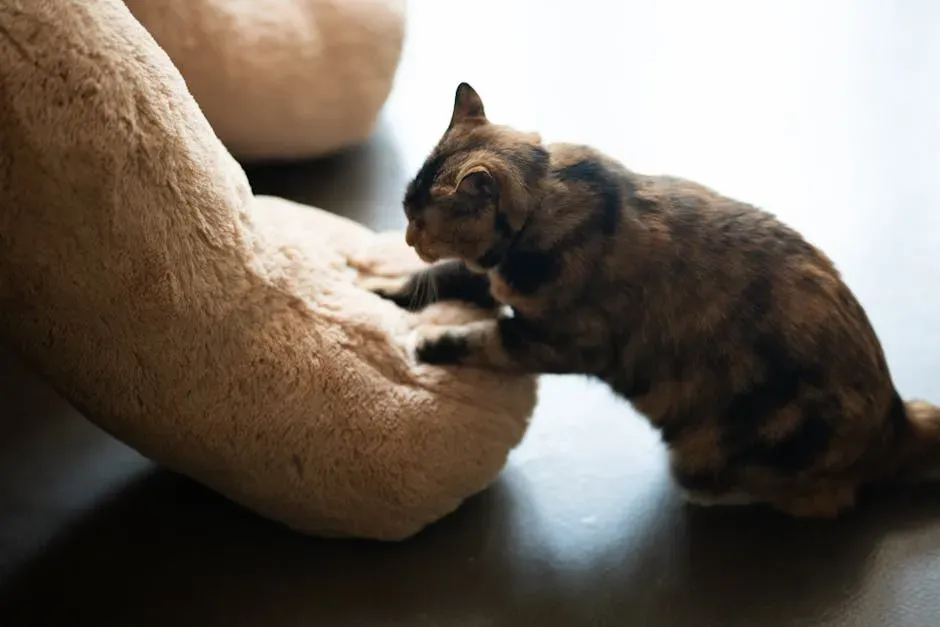
Cats don’t just flop down. They prepare for sleep with a routine.
You’ll see it in a quiet house. The cat circles, kneads the blanket, settles in, and often tucks its paws under its body. It can take a full minute or more.
Kneading starts in kittenhood, when kittens push against their mother to stimulate milk flow. Most adult cats keep kneading for life, and it’s widely linked to comfort and contentment. Paw scent glands may add a marking element.
At a Glance
- Circle: scouting and shaping the spot
- Knead: a comfort habit carried over from kittenhood
- Tuck: paws folded in, which helps hold body heat
- Settle: eyes half-closed, then lights out
The circling is often explained as a leftover from wild habits, like flattening grass or checking a spot for hazards. That’s a theory, not a proven fact.
Either way, a cat that kneads you is telling you it feels at home. And speaking of strange behavior from a relaxed cat, #5 is the weirdest one.

Glass Hummingbird Feeder for Outdoors Hanging
Check Price on AmazonAs an Amazon Associate, we earn from qualifying purchases.
10/7/2026 1:21 pm GMTi

Professional 7 in 1 Dog Paw Cleaner for Dogs & Cats - Includes 1 Portable Paw Washer, 1 Bath Brush
Check Price on AmazonAs an Amazon Associate, we earn from qualifying purchases.
10/7/2026 1:26 pm GMTi

Halloween Dog Collar with Bow, Orange Cute Ghost Collar,
Check Price on AmazonAs an Amazon Associate, we earn from qualifying purchases.
10/9/2026 2:43 pm GMTi

Hand Blown Glass Hummingbird Feeders for Outdoors Hanging, 24oz Wild Bird Nectar Feeder
Check Price on AmazonAs an Amazon Associate, we earn from qualifying purchases.
10/7/2026 1:23 pm GMTi

Air Purifiers for Home Pets Large Room Up to 3000 Ft²,HEPA Air Cleaner with Washable Double-Side Filter, PM2.5 Air Quality Monitor,15dB Sleep Mode for Bedroom Odor Dust Pollen,White
Check Price on AmazonAs an Amazon Associate, we earn from qualifying purchases.
10/8/2026 8:23 am GMTi
#5 – The Bird-Chatter
🔥 Would you like to save this?
We'll email this post to you, so you can come back to it later!
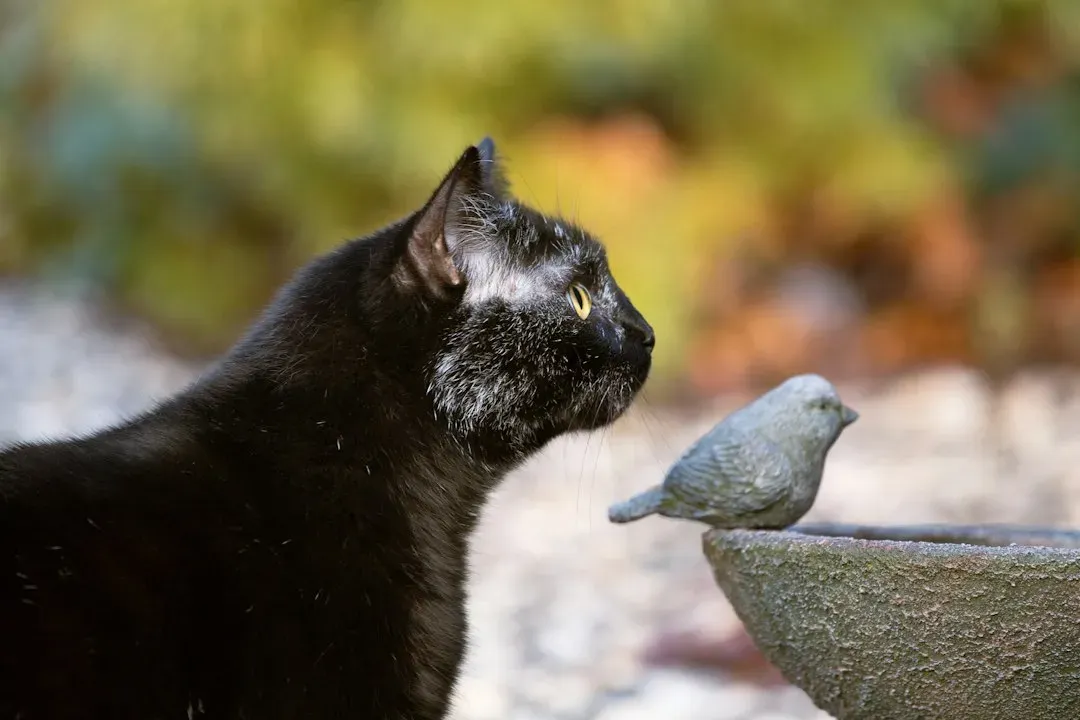
That strange, stuttering chatter at the window has researchers genuinely stumped.
Cats often make a rapid, chattering or chirping sound while watching birds or squirrels. The jaw quivers and the eyes lock on. It’s one of the most distinctive things a cat does in a quiet house.
There are several theories. One says it’s frustration at being unable to reach the prey. Another says cats may be imitating prey sounds. Neither has been conclusively proven, so anyone who claims to know for certain is overreaching.
Some also link it to the bite part of the predatory sequence. The jaw movement looks a bit like the killing bite cats use on small prey.
But your cat isn’t only watching birds in a quiet house. It’s also tracking you, as #4 shows.
#4 – The Mental Map of You
🔥 Would you like to save this?
We'll email this post to you, so you can come back to it later!
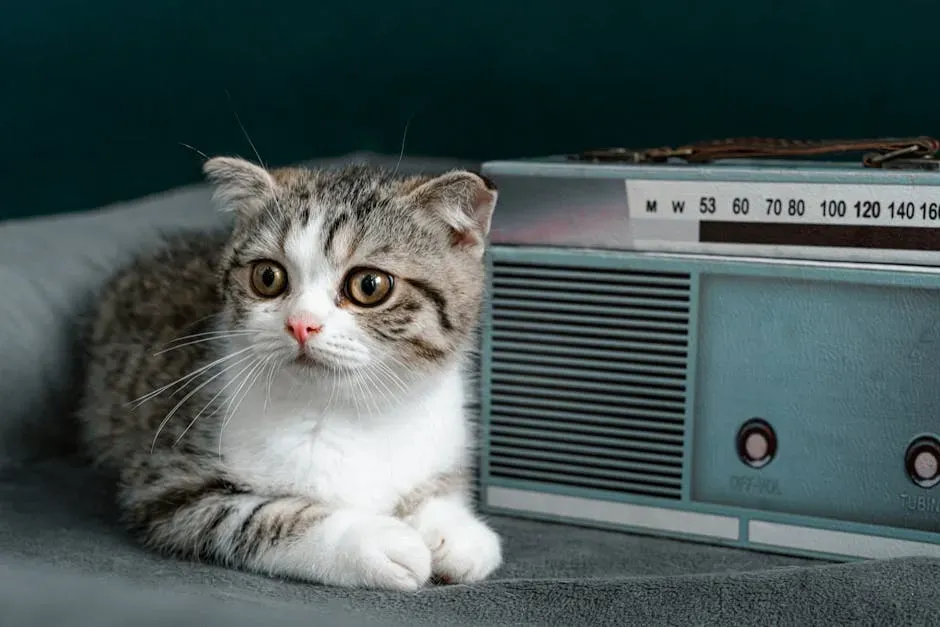
Your cat knows where you are in the house even when it can’t see you.
Research from Japan suggests cats can link their owner’s voice with the owner’s presence. They also appear to keep track of where a person is based on sound.
That explains why a cat will lift its head when you move in another room. Cats often recognize their owner’s voice and simply choose not to respond. That’s not a lack of attention. It’s a choice.
In a quiet house, you can see the tracking clearly:
- Ears rotate toward your footsteps
- The cat repositions to keep you in range
- It appears at the door right when you do
But the spot your cat picks to keep tabs on you from is no accident, and #3 explains why.
#3 – The High-Ground Habit
🔥 Would you like to save this?
We'll email this post to you, so you can come back to it later!
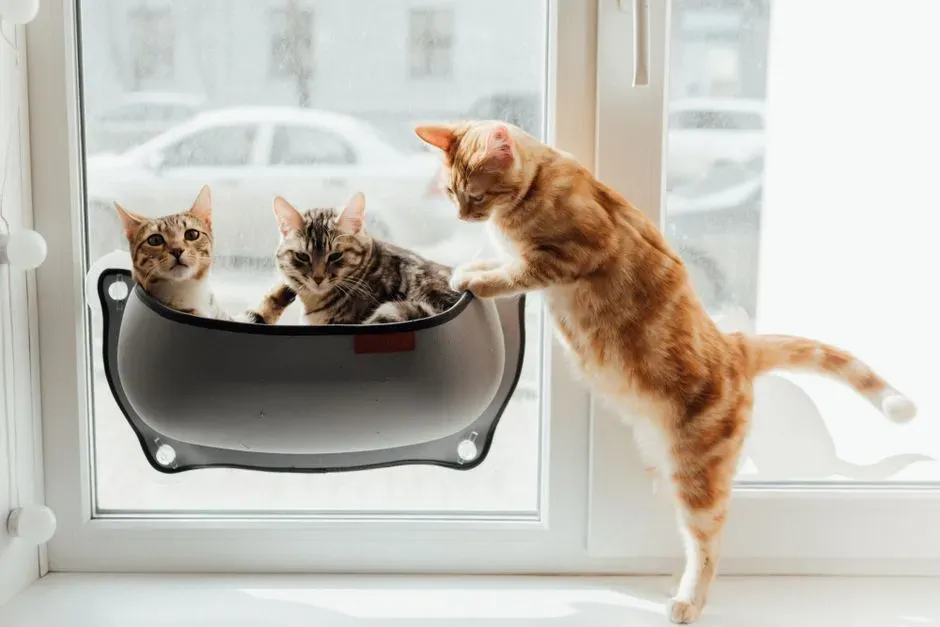
Cats choose their seats based on height, and it’s about safety rather than showing off.
In a quiet house, you’ll find your cat on top of the wardrobe, a shelf, or the highest sofa arm. Height gives a clear view of the room and an easy escape route. It also puts the cat above potential threats.
Behavior experts commonly stress that vertical space matters as much to cats as floor space. A home with more height can effectively give a cat more territory without adding a square foot.
This matters most in homes with several pets or children. A cat that can retreat up and out of reach is a cat that feels in control.
Perched up there, your cat is also doing something surprising with its voice, which comes next in #2.
#2 – The Private Purr
🔥 Would you like to save this?
We'll email this post to you, so you can come back to it later!
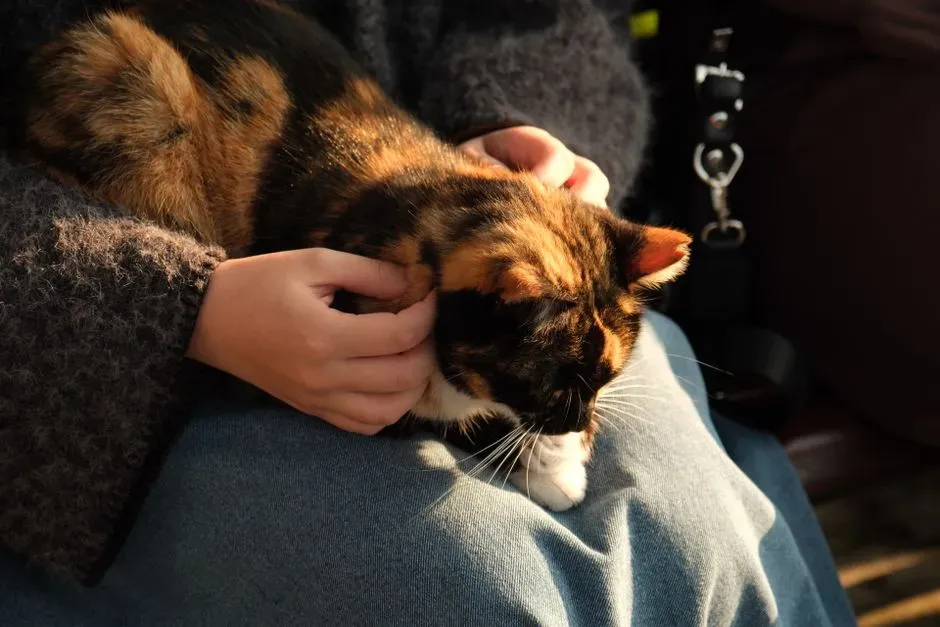
Cats purr when they’re content, but not only then.
The purr is a low, steady vibration, often cited as between roughly 25 and 150 Hz. In a quiet house, cats will purr alone. That suggests it’s not only a message for you.
Purring also shows up in stressful or painful moments. Many experts believe cats may use purring to self-soothe, which means a purring cat isn’t always a happy cat. Context matters, so look at the ears, eyes and body.
There’s also the “solicitation purr.” Research by Karen McComb and colleagues found that purrs cats use to get food contain a higher-pitched element that people find more urgent. Cats have learned to use it on us.

Glass Hummingbird Feeder for Outdoors Hanging, 16 oz Leak-Proof Nectar Feeder with Bee Guards & Ant Moat
Check Price on AmazonAs an Amazon Associate, we earn from qualifying purchases.
10/7/2026 1:22 pm GMTi

Earth Rated XL Dog & Puppy Pee Pads, Discreet Top, Max Absorbency
Check Price on AmazonAs an Amazon Associate, we earn from qualifying purchases.
10/7/2026 1:28 pm GMTi

Smart Bird Feeder with Camera Solar Powered, 2K HD Live Video, 10,000+ Bird Species AI Identification
Check Price on AmazonAs an Amazon Associate, we earn from qualifying purchases.
10/7/2026 1:22 pm GMTi

PetSafe Oasys Pet Fountain, 1/2 Gallon (64 oz), Small Dogs & Cats
Check Price on AmazonAs an Amazon Associate, we earn from qualifying purchases.
10/8/2026 8:14 am GMTi
Quick Compare
- Content purr: low and steady, with a loose body and soft eyes
- Request purr: a higher, more urgent edge, often near mealtime
- Self-soothing purr: a tense body, flattened ears or hiding, especially when unwell
Another quiet-house detail is that adult cats rarely meow at each other. Most of the meowing you hear is aimed at humans. And the way a calm cat treats you says more than any sound, as #1 shows.
#1 – The Slow Blink and the Choice to Come Closer
🔥 Would you like to save this?
We'll email this post to you, so you can come back to it later!
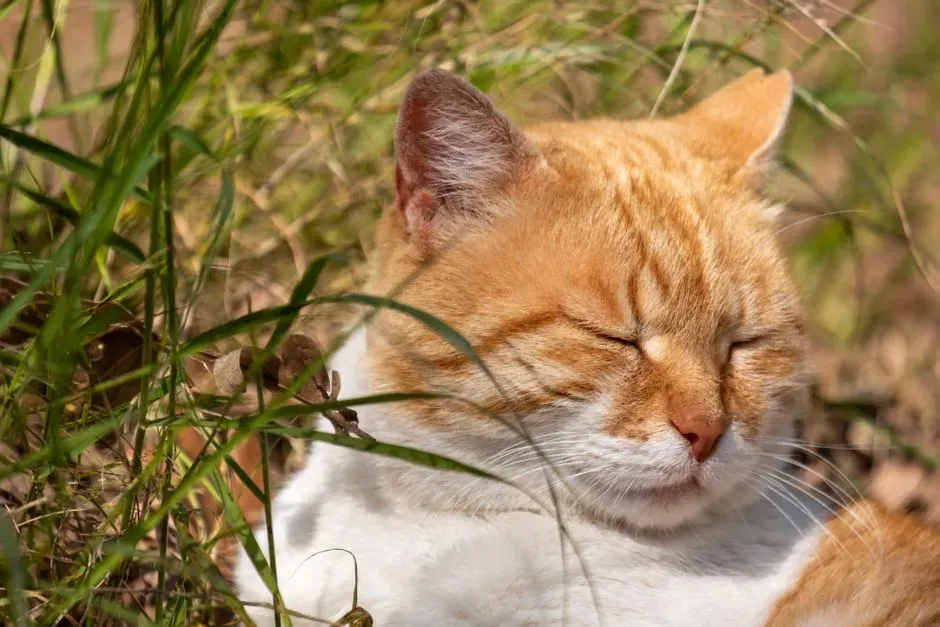
A cat that closes its eyes slowly while looking at you is communicating, and you can answer back.
A 2020 study published in Scientific Reports found that cats were more likely to approach a person who had slow-blinked at them. The experiment suggests that slow blinking works as a two-way signal between cats and people.
It’s widely read as a relaxed, friendly expression. Cats use it in quiet moments, when they feel safe enough to lower their guard.
The same goes for the other signs a calm cat shows around its person:
- A tail held upright when approaching
- Sitting close, without demanding attention
- Falling asleep within reach
Cats aren’t aloof. They’re selective, and a quiet house is where they finally show it. A home that stays still long enough to notice reveals an animal that patrols, listens, marks, hunts, tracks you and communicates constantly. Most of it goes unseen because busy homes drown it out.
I’d go further. A cat that spends its day in a loud, cluttered space with nothing to watch, climb or scratch isn’t low-maintenance. It’s just quietly coping. Give it height, a window, a hiding spot and a few minutes of real play, then sit still and watch what changes. Your cat has probably been putting on this show for years, and you only needed to be quiet enough to see it.

- 19 Things a Cat Does in a Quiet House That a Busy One Never Sees - November 9, 2026
- 13 Signals a Cat Gives Before It Accepts a Second Person - November 9, 2026
- 8 Evening Habits a Dog Depends On More Than Anybody Notices - November 9, 2026