
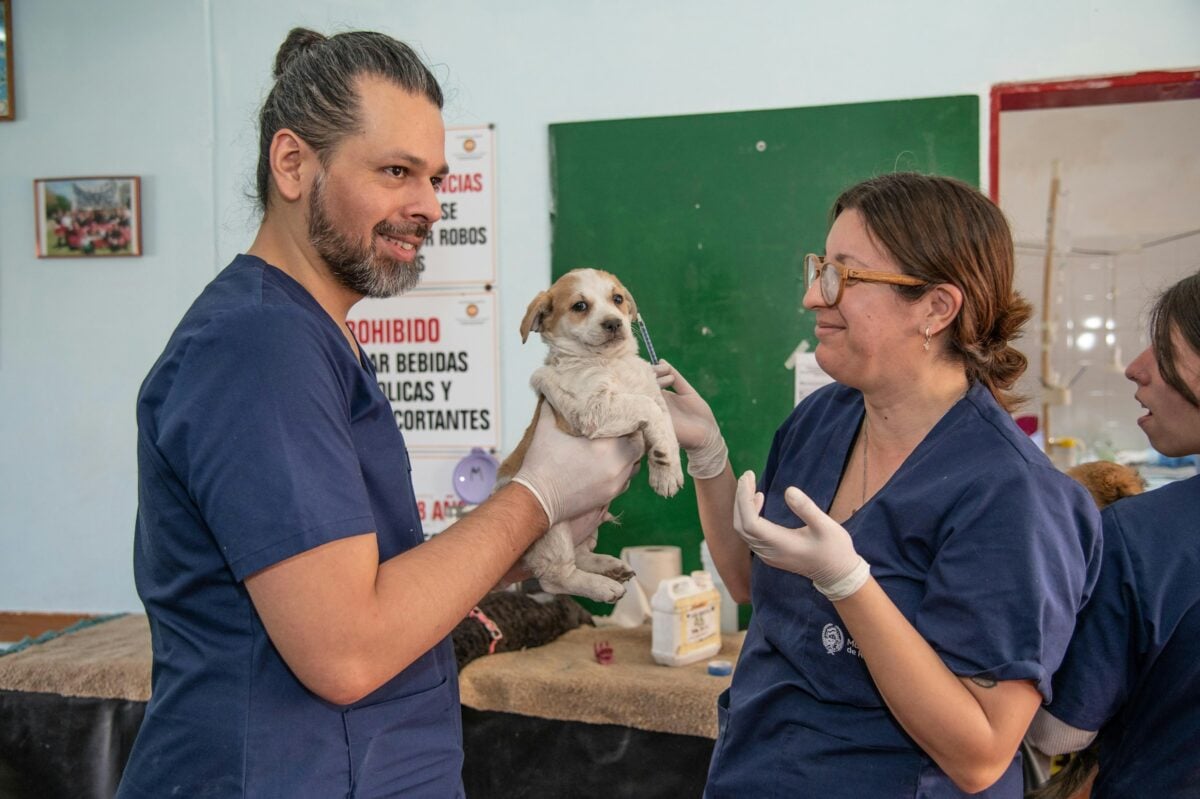
You walk in with a leash in one hand and a worried look on your face, sure the appointment hasn’t started yet. Your vet would disagree. Before you reach the desk, a trained eye has already logged how your pet walks, breathes, holds its head and reacts to the floor. That’s a surprising amount of diagnosis in about ten seconds.
Here are the 19 things a vet can start working out the moment your pet crosses the threshold, counted down from the subtle to the startling. Some of these tells your pet can’t hide, however brave it acts. Others you’ve probably been misreading for years, like the funny walk, the good quiet cat and the wagging tail. And the clue at #1 may make you look at the best-behaved pet in the room very differently.
#19 – The Way They Arrive Tells the First Story
🔥 Would you like to save this?
We'll email this post to you, so you can come back to it later!
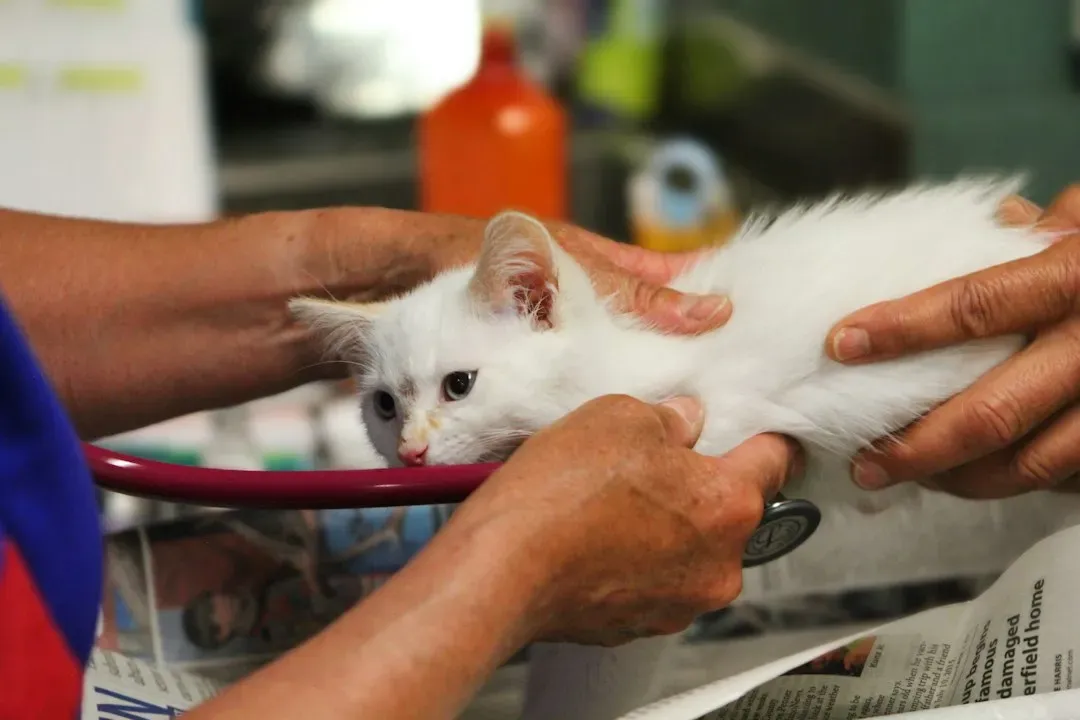
Before anything else, a vet clocks how your pet is being transported.
A dog hauling hard on a leash, a cat in a flimsy cardboard box and a rabbit in a shopping bag each tell a different story. They show how stressed the animal is likely to be and how safe the handling will be for everyone in the room.
Vets also notice whether the animal walks in, is led or has to be carried. A pet that must be lifted through the door may be too sore, weak or frightened to move under its own power.
Many vets quietly dislike retractable leashes in a busy waiting room. The long cord lets a nervous dog reach other patients before anyone can react. It’s behind more reception scuffles than most owners realize.
- Hard-sided or top-opening carriers keep cats calmer
- Short, fixed leashes give you control
- Loose cats are a gamble, not a convenience
But that’s nothing compared to what a vet spots in the first few steps, which is #18…
#18 – The Gait Gives Away Hidden Pain

🔥 Would you like to save this?
We'll email this post to you, so you can come back to it later!
A vet can often spot a sore leg before the pet even reaches the desk.
Lameness isn’t always obvious. A mild limp can look like a shortened stride, a lowered head or a dog that keeps sitting down mid-walk.
With a front-leg limp, the head tends to lift as the sore leg hits the ground and drop as the good leg takes the weight. Vets read that little nod like a signature.
Many dogs with painful hips never limp at all. Instead they “bunny hop” with both back legs together, or they shuffle sideways to keep weight off one side.
Owners often describe it as “just a funny walk.” That phrase is one of the most common ways joint disease slips by for months.
Quick Compare
- Front-leg pain: the head lifts as the sore leg lands
- Hip or back-leg pain: bunny hopping or a sideways shuffle
- Early, subtle pain: a shorter stride and sitting down mid-walk
And the way an animal stands still can say even more, as #17 shows…
#17 – Posture Is a Language Most Owners Mistranslate
🔥 Would you like to save this?
We'll email this post to you, so you can come back to it later!
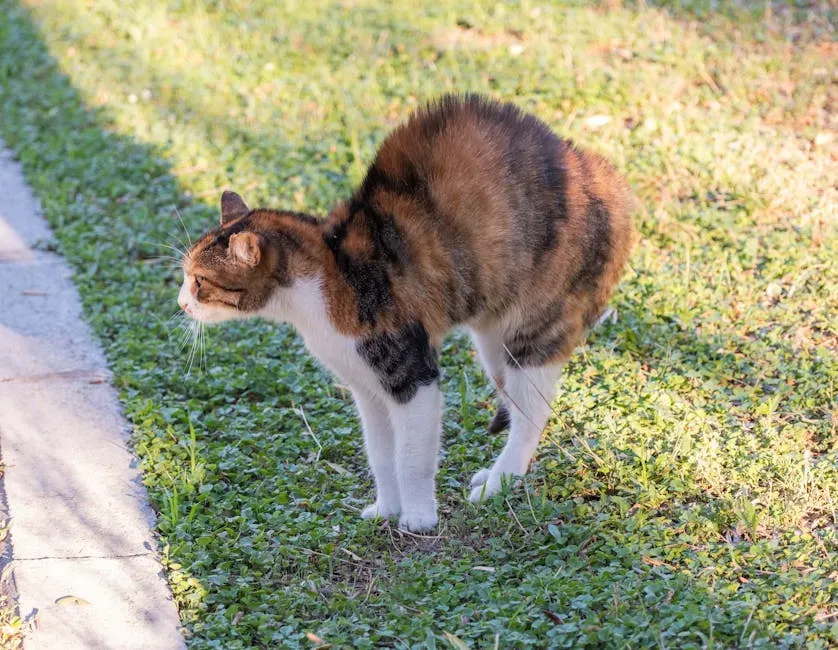
A hunched cat is almost never “just relaxing.”
Vets read body shape as closely as movement. A cat sitting tucked up with its paws under its chest and its eyes half closed is often hiding discomfort, not resting.
Dogs have their own signals. The “prayer position,” with the front end down and the rear end up, can be a cheerful play bow. But when it’s held and repeated, it can be a sign of abdominal pain.
An arched back or a tight, tucked belly can point to pain in the abdomen or spine. A pet that stands with its elbows stuck out may be struggling to breathe.
But the next clue is something many owners can’t see until it’s counted, #16…
#16 – Breathing Reveals More Than a Heartbeat
🔥 Would you like to save this?
We'll email this post to you, so you can come back to it later!
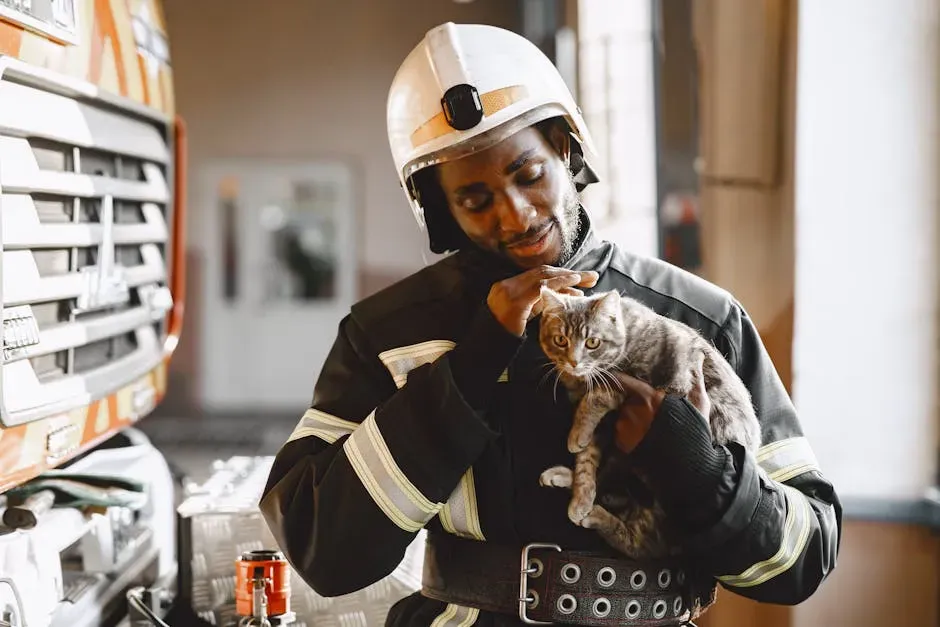
Watching a pet’s chest from across the room can flag serious trouble.
Vets note how fast the animal breathes and how hard it works. They look for a belly that heaves, flared nostrils or an outstretched neck. Quiet, easy breathing is the good sign.
Stress muddies the picture. A frightened dog will pant in reception, which is why vets always read breathing against the context.
Open-mouth breathing in a cat is treated as an emergency. Cats almost never pant, so a cat doing it needs help immediately, not a spot in the queue.
- Rapid, shallow breaths can point to the chest or heart
- Noisy breathing suggests airway problems
- Effort matters more than speed
Next, a clue that has nothing to do with breath and everything to do with shape, #15…
#15 – Body Shape Is a Quiet Health Report
🔥 Would you like to save this?
We'll email this post to you, so you can come back to it later!
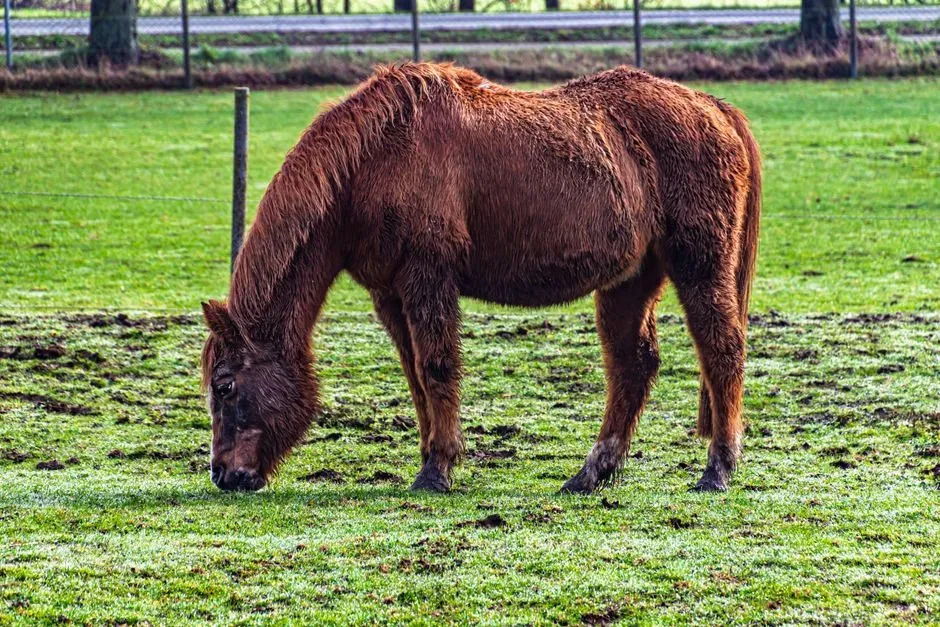
Weight problems hide in plain sight, and vets see them from the doorway.
Vets use body condition scoring, a hands-on scale that judges fat cover over the ribs, waist and belly. The eye gets a first impression from across the room, and the hands confirm it.
Extra weight strains joints and raises the odds of several diseases. Many owners honestly don’t realize their pet is overweight, because chubby pets have become the visual norm.
An older cat that is eating well but getting thinner is a red flag. Weight loss despite a good appetite can be linked to conditions such as an overactive thyroid or diabetes.
Muscle loss over the spine and hips is another giveaway. Vets tell the difference between a pet that has lost fat and one that is wasting away.
Fast Facts
- Many clinics use a 9-point body condition scale, where 4 or 5 is considered ideal
- In a healthy pet, the ribs are easy to feel under a thin layer of fat
- Seen from above, there should be a visible waist behind the ribs
- Seen from the side, the belly should tuck up rather than sag
Sometimes it’s the surface rather than the shape that gives the game away, as #14 reveals…
#14 – The Coat and Skin Don’t Lie
🔥 Would you like to save this?
We'll email this post to you, so you can come back to it later!
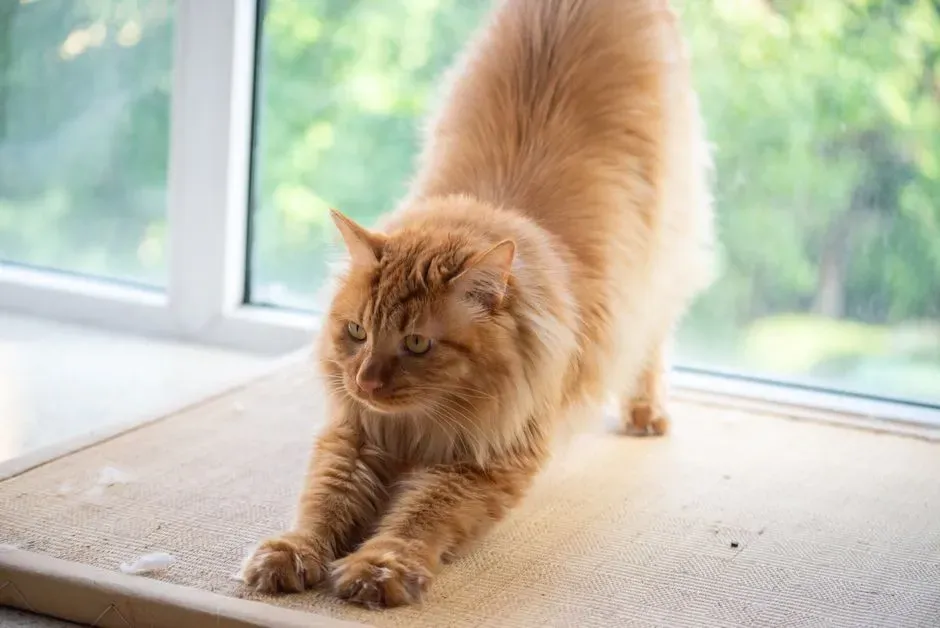
A dull, greasy or patchy coat is often a symptom, not a style.
A healthy coat usually looks even and has a natural sheen. When it turns flaky, brittle or oily, vets start thinking about diet, parasites, allergies and hormone problems.
Hair loss patterns matter. Bald patches that mirror each other on both sides of the body can point to a hormonal cause rather than a local irritation.
Cats that stop grooming themselves are often telling you they hurt. Arthritis can make twisting to reach the back painful, so the fur gets matted or scruffy over the spine.
Scratching, chewed paws and red skin folds usually point toward allergy, parasites or infection.
But the eyes might be the most revealing feature of all, #13…
#13 – The Eyes Say What the Owner Can’t
🔥 Would you like to save this?
We'll email this post to you, so you can come back to it later!
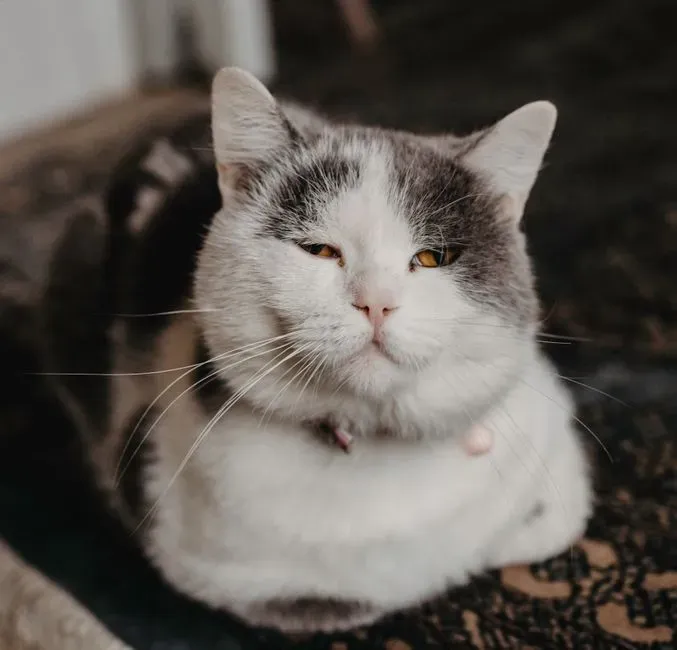
A squinting pet is usually in pain, not being dramatic.
Vets look at whether the eyes are open, clear and symmetrical. Squinting or holding one eye shut often signals a painful problem on the surface of the eye.
Discharge color matters too. Clear watery tears, thick yellow or green gunk and a bloody tinge each point in a different direction.
In cats, a visible third eyelid can be a sign of general illness. It’s easy to miss, and most owners assume it’s an eye problem when it can come from a whole-body issue.
Pupils of different sizes, or a gaze that seems unfocused, make vets think about the nervous system or vision.
- Cloudiness can mean age changes or disease
- Redness often means irritation or pressure
- Pawing at an eye is never “nothing”
On the opposite side of the head, a different kind of clue is waiting, #12…
#12 – Ears and Head Carriage Point to the Culprit
🔥 Would you like to save this?
We'll email this post to you, so you can come back to it later!
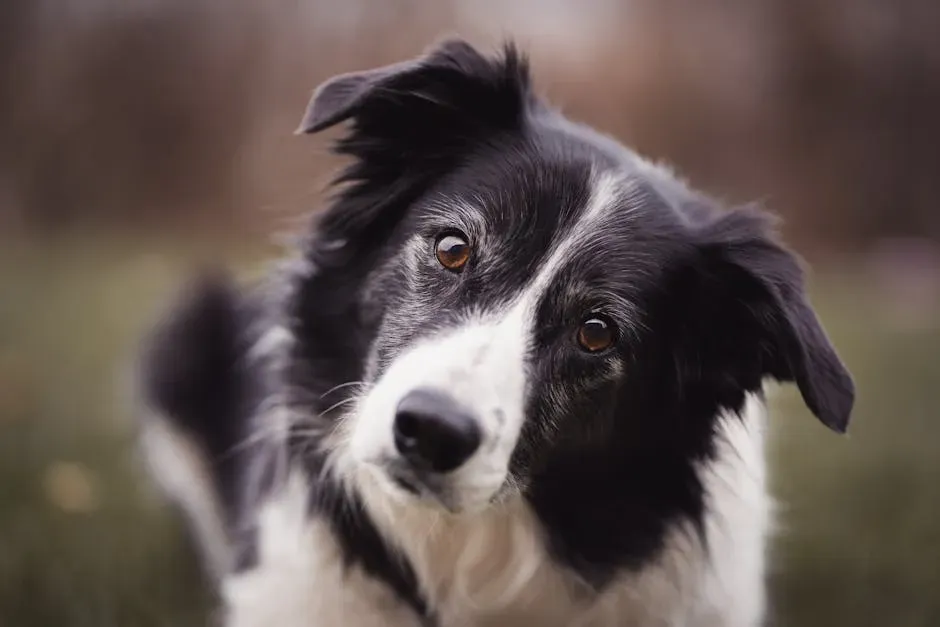
How a dog holds its head can reveal an ear problem from across the room.
Head tilting, repeated shaking and scratching at one ear are among the most common reasons for a visit. Vets watch which side the head leans toward, because it narrows down where to look first.
A persistent head tilt is more serious. It can signal inner ear or balance system trouble, and sometimes a neurological issue.
Violent shaking can burst small blood vessels in the ear flap. The result is a puffy swelling called an aural hematoma, which usually needs veterinary treatment.
But the clue that surprises owners the most is in the mouth, #11…
#11 – Drooling and Face-Pawing Are Dental Alarms
🔥 Would you like to save this?
We'll email this post to you, so you can come back to it later!
A pet that eats on one side of its mouth is making a medical statement.
Vets notice dropped food, slow chewing and reluctance to pick up a toy. Many animals with sore teeth keep eating anyway, because hunger beats pain.
Drooling, pawing at the face and a distinctly bad smell all raise suspicion. Dental disease is one of the most common conditions vets see, and many owners miss it.
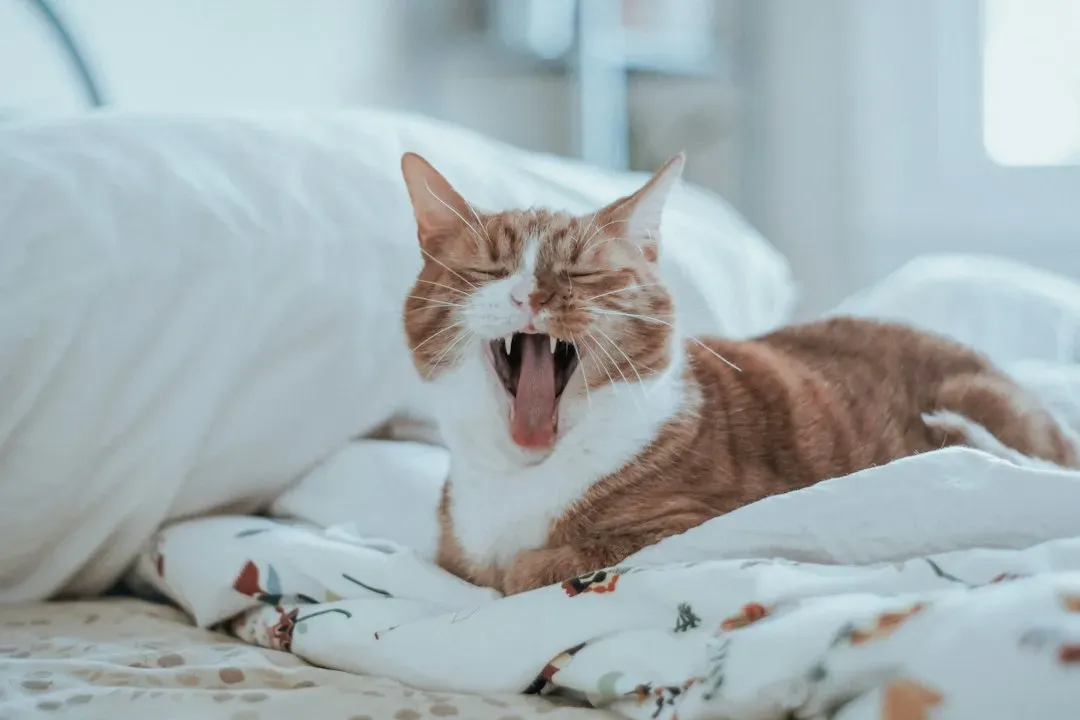
Cats with painful mouths often go quiet rather than complain. They may simply stop grooming, eat less or hide.
Many vets argue that brushing is the most under-practiced piece of home care. It’s a pointed opinion in a world of dental chews, but chews don’t replace brushing.
Fear can look a lot like pain, though, and that’s the next lesson, #10…

Hand Blown Glass Hummingbird Feeders for Outdoors Hanging, 24oz Wild Bird Nectar Feeder
Check Price on AmazonAs an Amazon Associate, we earn from qualifying purchases.
10/7/2026 1:23 pm GMTi

Dog Stairs for Bed 18" H, 4-Step Dog Steps for High Bed
Check Price on AmazonAs an Amazon Associate, we earn from qualifying purchases.
10/9/2026 2:42 pm GMTi

Glass Hummingbird Feeder for Outdoors Hanging, 16 oz Leak-Proof Nectar Feeder with Bee Guards & Ant Moat
Check Price on AmazonAs an Amazon Associate, we earn from qualifying purchases.
10/7/2026 1:22 pm GMTi

Professional 7 in 1 Dog Paw Cleaner for Dogs & Cats - Includes 1 Portable Paw Washer, 1 Bath Brush
Check Price on AmazonAs an Amazon Associate, we earn from qualifying purchases.
10/7/2026 1:26 pm GMTi

Air Purifiers for Home Pets Large Room Up to 3000 Ft²,HEPA Air Cleaner with Washable Double-Side Filter, PM2.5 Air Quality Monitor,15dB Sleep Mode for Bedroom Odor Dust Pollen,White
Check Price on AmazonAs an Amazon Associate, we earn from qualifying purchases.
10/8/2026 8:23 am GMTi
#10 – Fear Signals Are Everywhere, and Most Are Missed
🔥 Would you like to save this?
We'll email this post to you, so you can come back to it later!
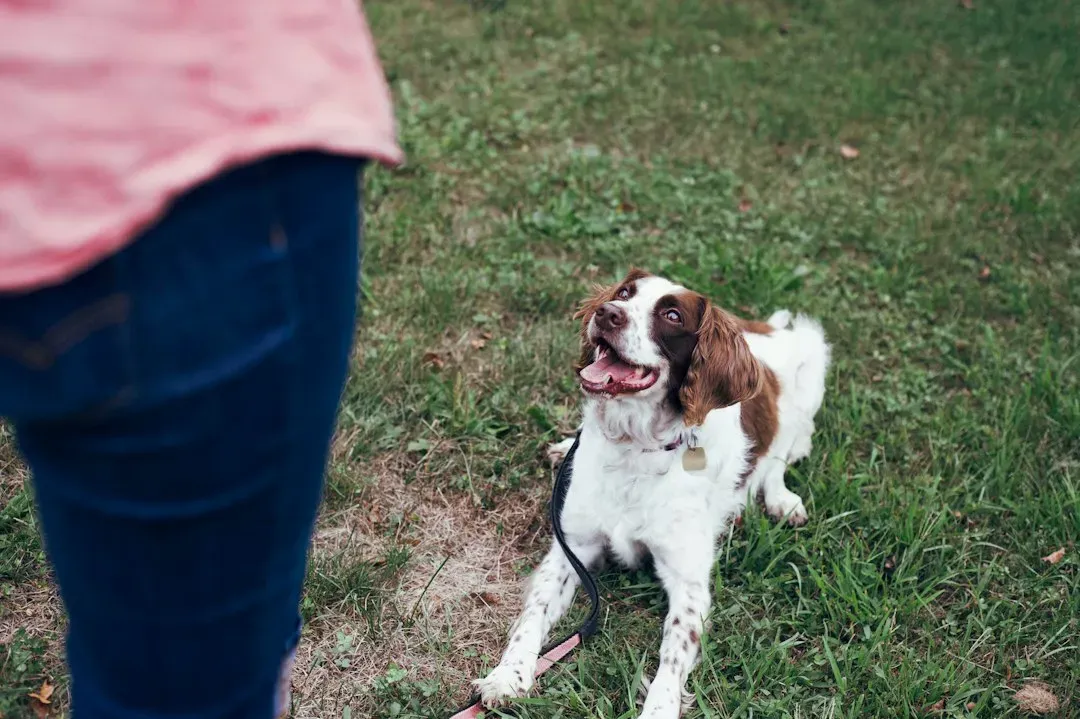
The “friendly wag” in reception is often anything but friendly.
Vets read a stack of subtle cues. Lip licking, yawning, a turned head, a stiff body and a tucked or low-wagging tail all suggest worry.
Some dogs show “whale eye,” where the whites of the eyes show as they look sideways. A dog that freezes is often one step away from lashing out.
Many bites happen to people who believed the dog was happy. A wagging tail only signals arousal, not joy.
- Cats: flattened ears, wide pupils, crouching low
- Dogs: trembling, panting without heat, backing away
- Rabbits: freezing, hiding, thumping
And for cats in particular, stress sets up a second layer of clues, #9…
#9 – The Cat in the Carrier Is Actually a Detective Puzzle
🔥 Would you like to save this?
We'll email this post to you, so you can come back to it later!
A cat that refuses to leave the carrier is not being stubborn.
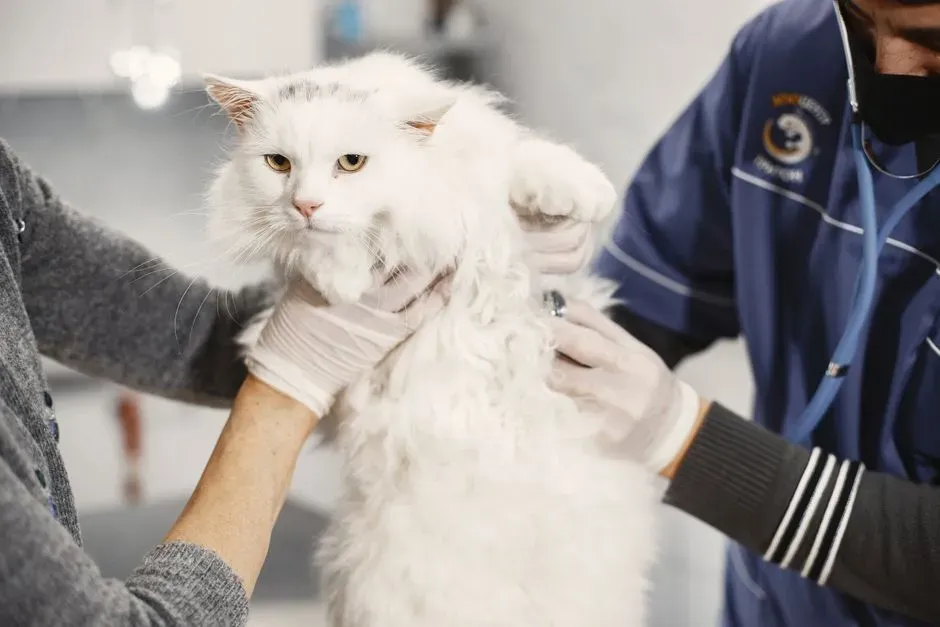
Cats are hard to read at a clinic. Fear can mask illness, and illness can mimic fear.
Vets watch how the cat responds when the door opens. One that bolts out, one that stays flat at the back and one that melts into a ball are all signaling different stress levels.
Cats are famously skilled at hiding illness. By the time a cat acts sick in public, the problem is often well advanced.
Many clinics now use quieter handling, towels and gentle approaches to lower fear. It’s a growing trend because a calmer cat gives more accurate results.
Worth Knowing
- A top-opening carrier lets a vet examine the cat without dragging it out
- A light towel draped over the carrier can reduce visual stress
- A familiar blanket from home carries a reassuring scent
- Some clinics offer cat-only waiting areas or quieter appointment slots, so it’s worth asking
And what the owner says and does adds yet another layer, #8…
#8 – The Owner’s Behavior Is Part of the Exam
🔥 Would you like to save this?
We'll email this post to you, so you can come back to it later!
Vets listen as closely to what you don’t say as to what you do.
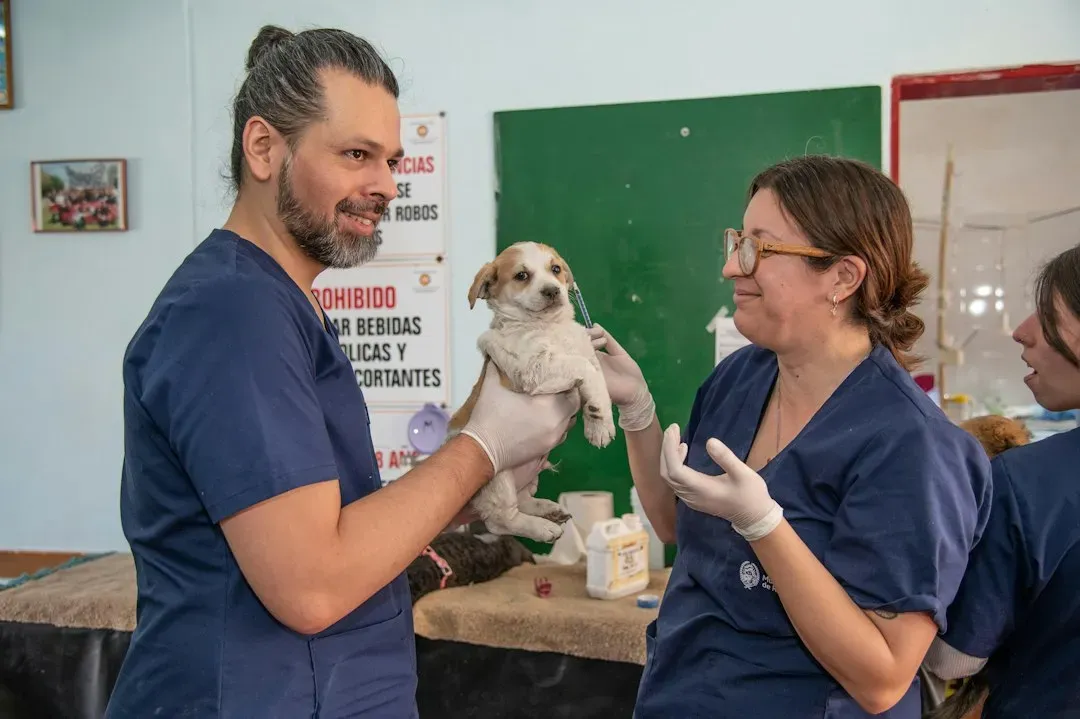
How an owner describes a problem matters. “He’s just slowing down” and “she’s been hiding for three days” lead to very different questions.
Vets also notice whether the owner is relaxed or tense. Pets read their owner’s mood, and a nervous person can easily create a nervous patient.
“He’s just getting old” may be the most costly sentence in veterinary medicine. Pain, kidney disease and arthritis are all commonly written off as age, and many are treatable.
But the biggest hint of all may be how alert the animal is, which brings us to #7…
#7 – Energy Levels Separate “Tired” From “Unwell”
🔥 Would you like to save this?
We'll email this post to you, so you can come back to it later!
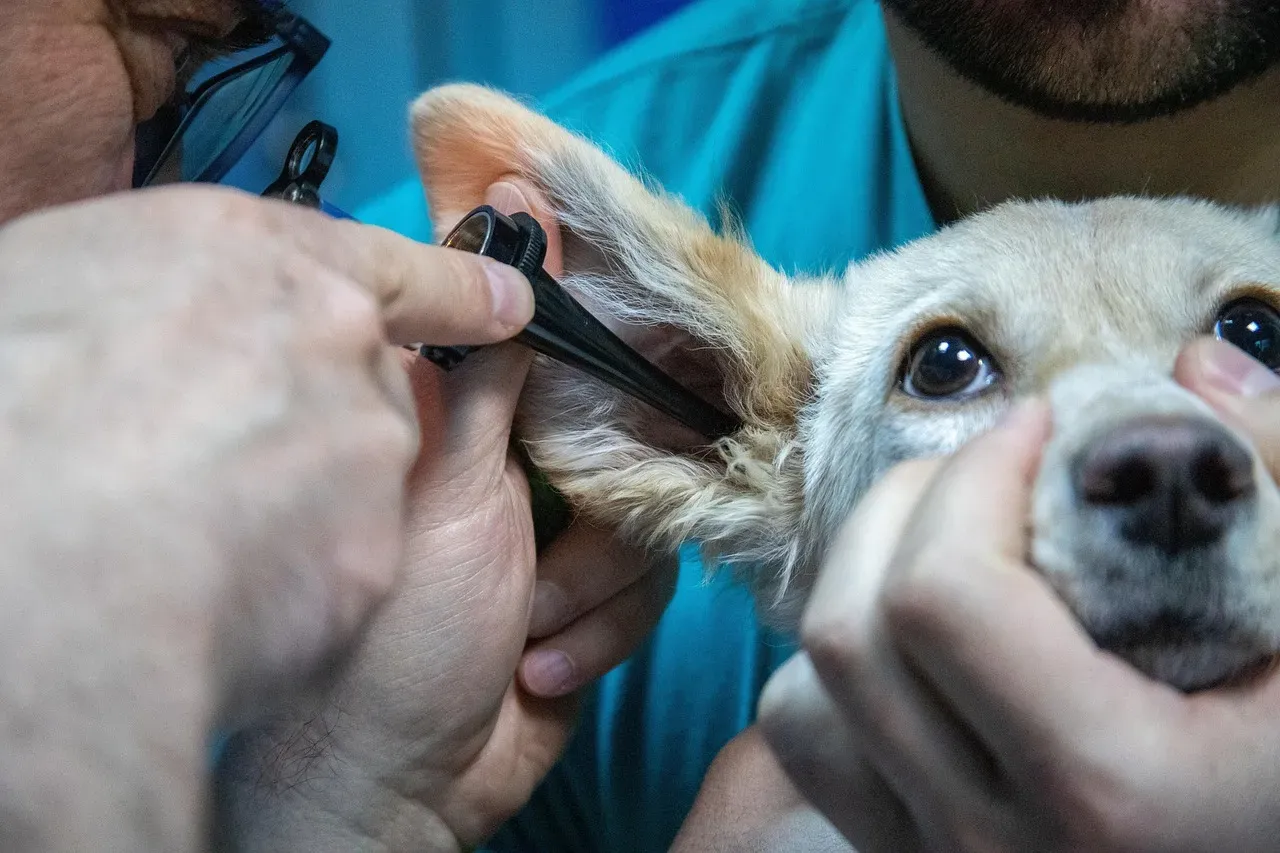
An animal that ignores a busy waiting room may be sicker than one that’s barking.
Vets assess alertness, which is how aware a pet is of its surroundings. Normal curiosity, such as sniffing, scanning and reacting to sounds, is a good sign.
Dullness is different. A pet that looks flat, stares into space or reacts slowly worries vets far more than a wriggly, anxious one.
A sick pet can look “well behaved” because it simply has no energy to react. Owners often praise this as calm.
Vets also compare behavior to the pet’s normal self. That’s why “is this usual for them?” is a standard part of the consultation.
The floor itself can reveal more than you’d think, #6…
#6 – Slippery Floors Expose Weak Joints
🔥 Would you like to save this?
We'll email this post to you, so you can come back to it later!
The clinic tiles act as an accidental mobility test.
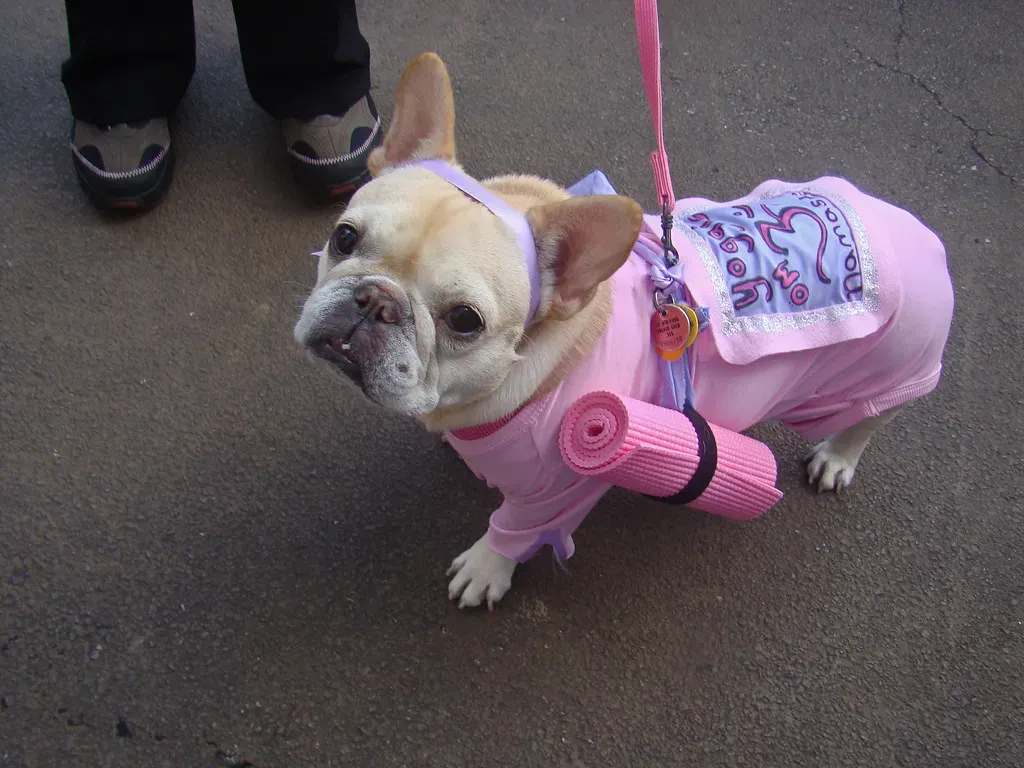
Smooth reception floors give vets a free look at how an animal copes with traction. Dogs with sore hips or weak back legs may splay, slip or stand stiffly.
Cats show joint pain differently. They may hesitate before jumping onto a seat or bench, and many owners simply assume the cat has become lazy.
Reluctance to jump is one of the most common signs of feline arthritis. It often goes unrecognized because cats quietly stop doing the thing that hurts.
But here’s a clue that has nothing to do with sight, #5…

PetSafe Oasys Pet Fountain, 1/2 Gallon (64 oz), Small Dogs & Cats
Check Price on AmazonAs an Amazon Associate, we earn from qualifying purchases.
10/8/2026 8:14 am GMTi

Orthopedic Extra Large Dog Bed, Waterproof Washable XL Pet Bed 44"
Check Price on AmazonAs an Amazon Associate, we earn from qualifying purchases.
10/7/2026 1:32 pm GMTi

2 Pcs Halloween Pet Hat Bandana Set, Witch Pumpkin Costumes for Dogs
Check Price on AmazonAs an Amazon Associate, we earn from qualifying purchases.
10/9/2026 2:45 pm GMTi

Halloween Dog Collar with Bow, Orange Cute Ghost Collar,
Check Price on AmazonAs an Amazon Associate, we earn from qualifying purchases.
10/9/2026 2:43 pm GMTi

Smart Bird Feeder with Camera Solar Powered, 2K HD Live Video, 10,000+ Bird Species AI Identification
Check Price on AmazonAs an Amazon Associate, we earn from qualifying purchases.
10/7/2026 1:22 pm GMTi
#5 – The Nose Knows (and So Does the Vet)
🔥 Would you like to save this?
We'll email this post to you, so you can come back to it later!
Some diagnoses begin with a smell.
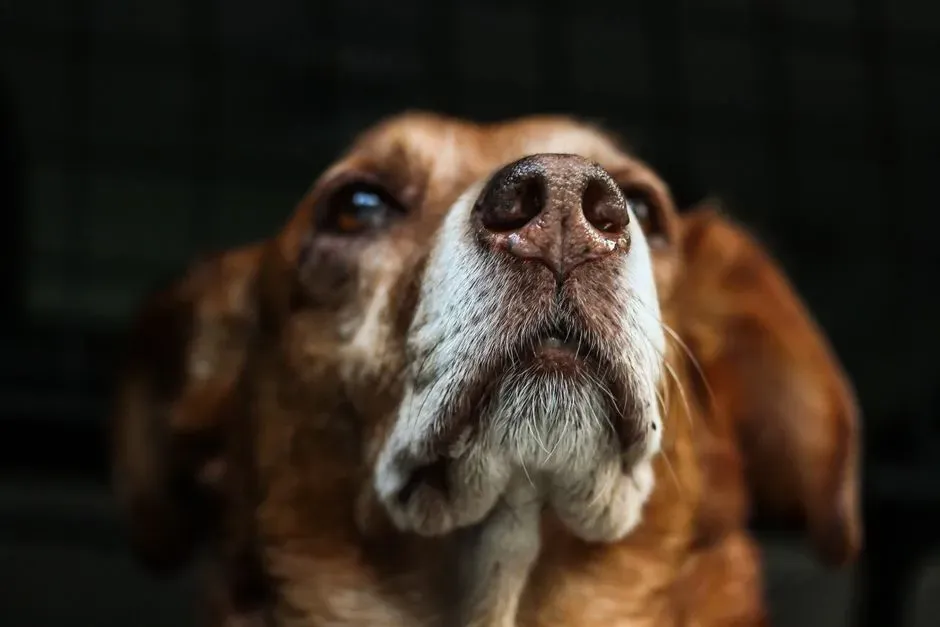
Experienced vets pick up odors as part of the assessment. A yeasty, musty smell can point toward an ear or skin infection, while truly foul breath often means gum or tooth disease.
Some smells tie to systemic disease. Sweet, fruity breath can be linked to diabetic complications, and an ammonia-like smell can accompany serious kidney problems.
Owners tend to get used to a smell that vets notice the moment the door opens. It’s the same reason you can’t smell your own house.
Smell is only a pointer, not a diagnosis. Tests still have to confirm what the nose suspects.
- Fishy: possible anal gland issues
- Musty or yeasty: often skin or ear infection
- Rotten: often mouth or tooth disease
Next, a very private clue that unfolds right in reception, #4…
#4 – Toilet Behavior in Reception Is Surprisingly Useful
🔥 Would you like to save this?
We'll email this post to you, so you can come back to it later!
An accident on the clinic floor is clinical information.
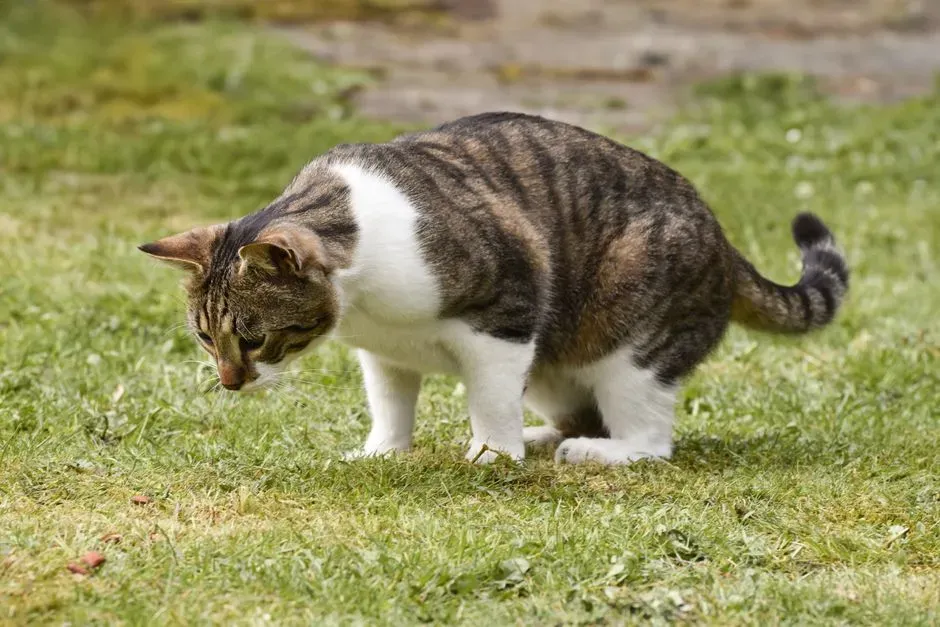
Vets note when a dog urinates immediately, repeatedly or with difficulty. Nerves can explain a lot, but frequent attempts and small amounts raise questions about the urinary tract.
Increased thirst and urination, often noticed by owners at home, can be linked to several conditions, including diabetes and kidney disease. That’s why vets ask about the water bowl.
A male cat straining to pass urine can be a life-threatening emergency. A blocked urethra can become fatal quickly, so this isn’t something to watch and wait on.
But the next sign is even more dramatic, and it involves balance and brain function, #3…
#3 – Wobbles, Circles and Head Pressing Are Neurological Red Flags
🔥 Would you like to save this?
We'll email this post to you, so you can come back to it later!
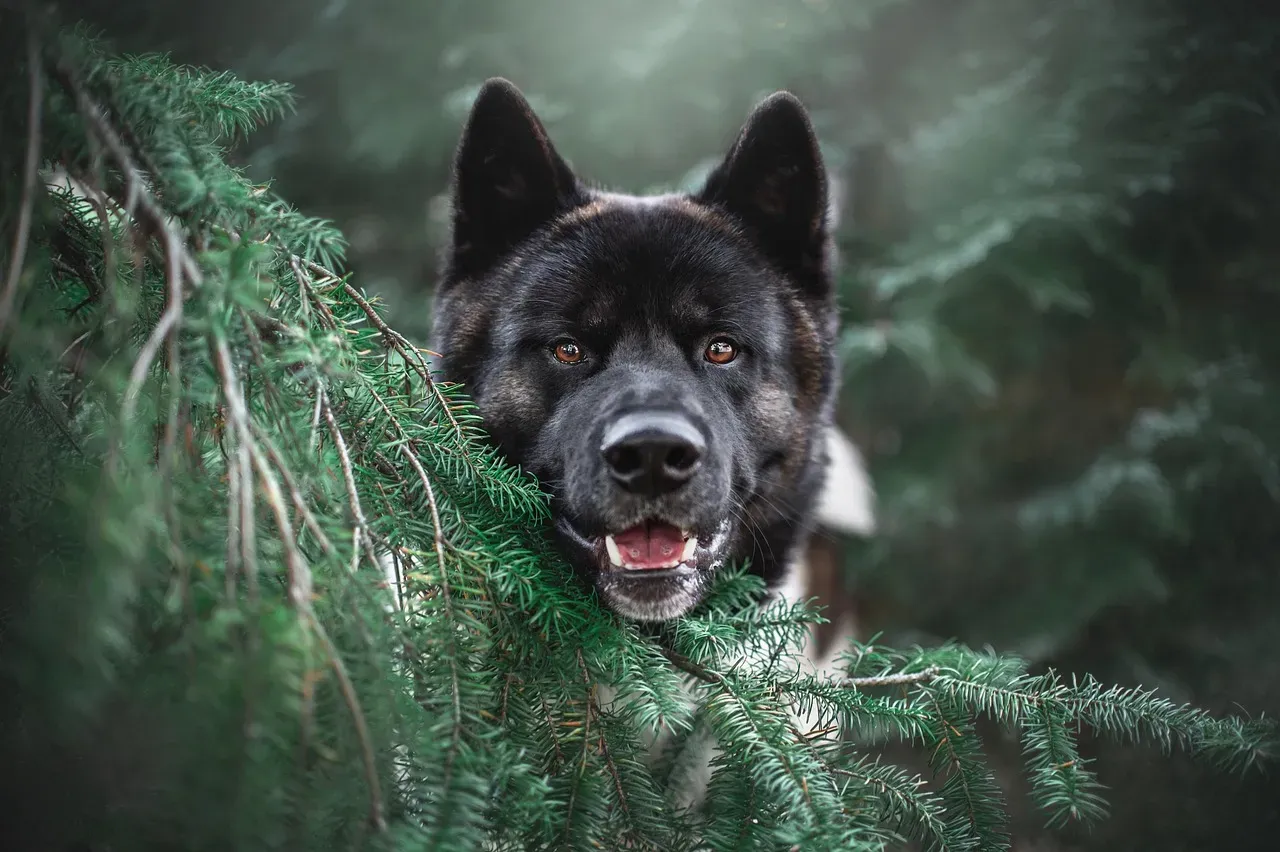
A dog walking in tight circles is not playing.
Vets watch for stumbling, a drunken gait and legs that cross or drag. Another sign is knuckling, where the paw flips so the top touches the ground.
Head pressing, where a pet leans its forehead against a wall, is taken very seriously. It can point to conditions affecting the brain.
Sudden changes in balance can come from the inner ear as well as the brain. That’s why vets don’t leap to conclusions based on one sign.
At a Glance
- Circling: tight, repeated loops with no play or purpose
- Knuckling: the paw flips and the top touches the ground
- Head pressing: forehead leaning on a wall or corner
- Sudden onset: any abrupt change deserves urgent attention
Anything that appears suddenly, such as collapse, seizure or an inability to stand, deserves immediate attention. It’s not a “wait till Monday” situation.
And then there’s a test so simple that most owners don’t know it’s a test, #2…

Glass Hummingbird Feeder for Outdoors Hanging
Check Price on AmazonAs an Amazon Associate, we earn from qualifying purchases.
10/7/2026 1:21 pm GMTi

Earth Rated XL Dog & Puppy Pee Pads, Discreet Top, Max Absorbency
Check Price on AmazonAs an Amazon Associate, we earn from qualifying purchases.
10/7/2026 1:28 pm GMTi

Halloween Cat Costume Cloak Witch Hat Pet Accessories
Check Price on AmazonAs an Amazon Associate, we earn from qualifying purchases.
10/9/2026 2:44 pm GMTi

Portable Dog Water Bottle Foldable Dog Travel Water Bottle
Check Price on AmazonAs an Amazon Associate, we earn from qualifying purchases.
10/7/2026 1:29 pm GMTi
#2 – The Treat Test Is a Mini Diagnostic
🔥 Would you like to save this?
We'll email this post to you, so you can come back to it later!
A pet that turns down its favorite snack is sending a message.
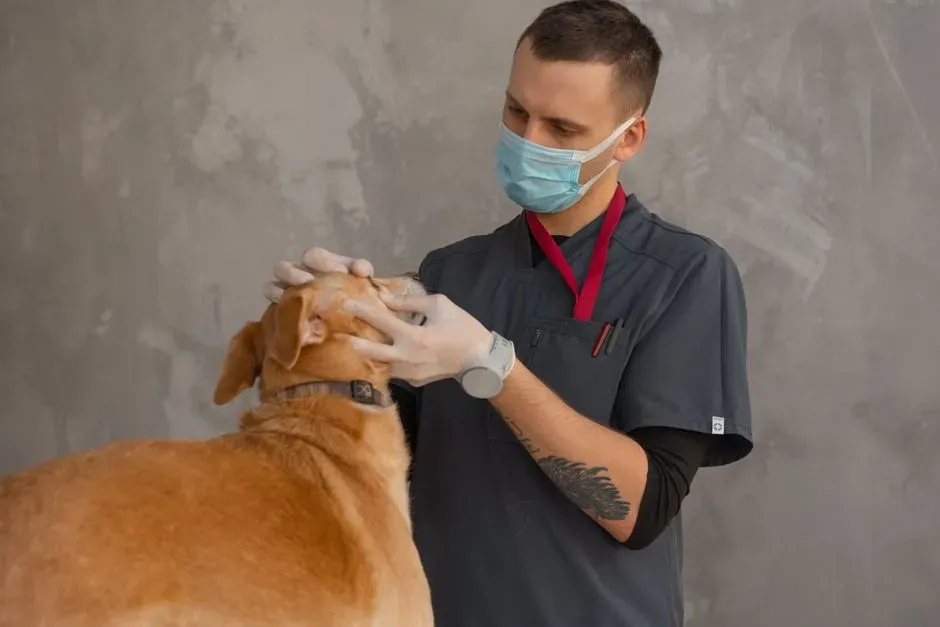
Many vets offer a treat early in the visit. Appetite is a quick, low-stress way to judge how an animal feels.
Refusing food may mean nausea, pain or fear. Lip smacking, repeated swallowing and drooling can suggest an upset stomach.
A dog that normally inhales food but refuses cheese may be telling the vet something is badly wrong. Context matters, since stress can also shut down appetite.
Vets look at the whole picture, including what the pet ate that day. Many owners don’t think to mention a skipped breakfast, yet it’s one of the most useful details.
But the last clue is the one that matters most, #1…
#1 – The Silent Patient Is the Real Worry
🔥 Would you like to save this?
We'll email this post to you, so you can come back to it later!
The pet that makes no fuss at all is often the one vets watch most closely.
Animals have a strong instinct to hide weakness. In the wild, looking vulnerable could invite trouble, and many pets still behave that way.
That means a calm, quiet animal isn’t automatically a healthy one. A cat sitting motionless, a dog that won’t look up and a rabbit that stays frozen can all be concealing real illness.
Pets mask pain so well that subtle behavior changes are often the only early evidence. That’s why vets lean heavily on what you’ve noticed at home.
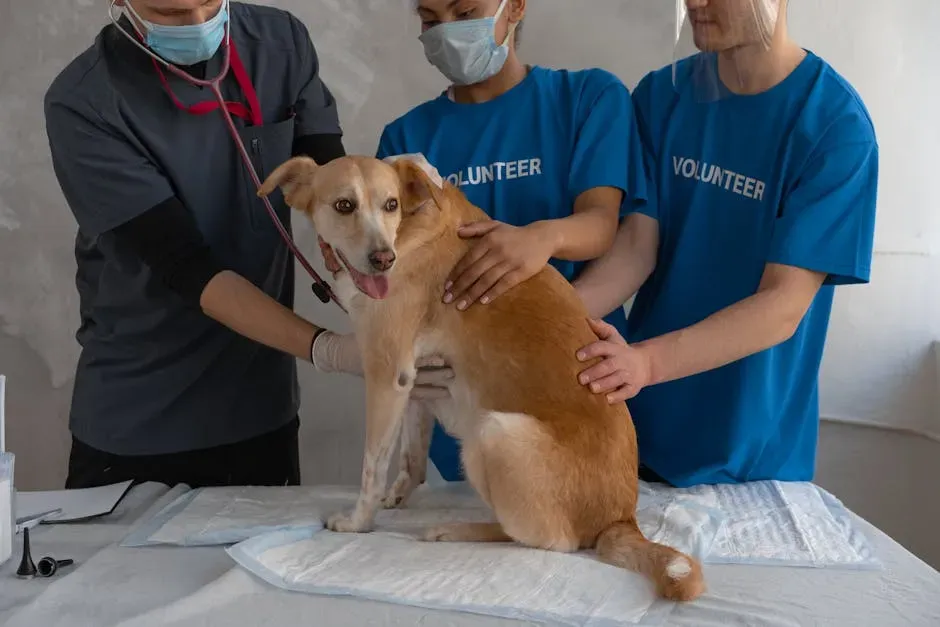
So the next time you walk into a clinic, remember that the exam has already begun. A vet’s reception glance is a rapid scan of gait, breath, posture, coat, eyes, mouth and mood, and much of it is visible long before any test.
My opinion is that a quiet pet deserves more suspicion, not more praise, and “he’s just getting old” is one of the most expensive sentences in pet care. Trust the small changes you notice, report them early and let the clues add up. Which of these signs have you seen in your own pet that you almost dismissed?

- 19 Things a Vet Works Out From Watching an Animal Enter Reception - November 9, 2026
- 13 Garden Habits That Quietly Help Animals Survive an American Winter - November 9, 2026
- 9 Routines a Dog Will Defend Long After a Household Drops Them - November 9, 2026