

In the darkest corners of our planet, where sunlight never penetrates, extraordinary life forms have evolved to survive in conditions that seem impossible. These pitch-black environments—from the deepest ocean trenches to remote cave systems—host creatures that challenge our understanding of life’s adaptability. Without the sun’s energy to fuel traditional food chains, these organisms have developed remarkable adaptations to thrive in perpetual darkness. This fascinating exploration reveals 15 remarkable creatures that have conquered the challenges of lightless habitats, showcasing nature’s incredible resilience and creativity in the most extreme environments on Earth.
The Giant Isopod Armored Scavenger of the Deep

🔥 Would you like to save this?
We'll email this post to you, so you can come back to it later!
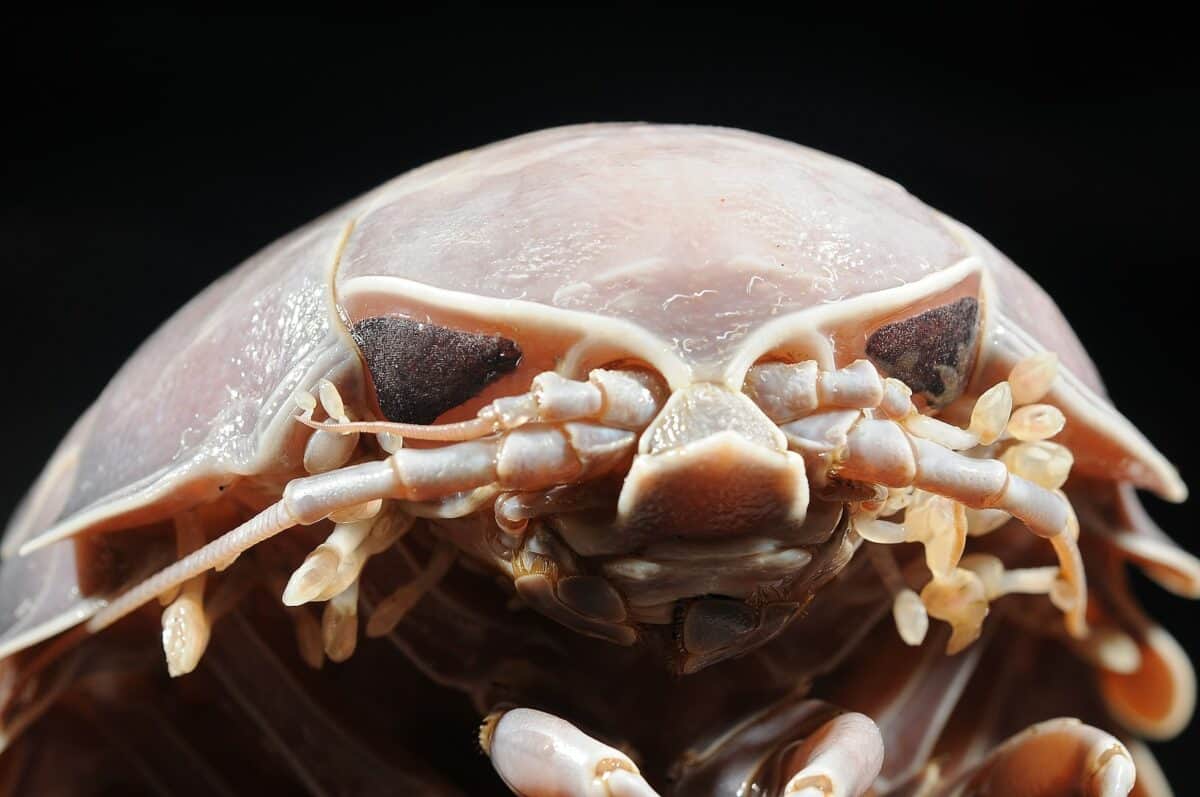
The giant isopod (Bathynomus giganteus) resembles a massive roly-poly or pill bug, growing up to 16 inches long—thousands of times larger than its terrestrial relatives. These crustaceans patrol the ocean floor at depths between 550 and 7,020 feet where sunlight cannot reach. Their tough exoskeletons protect them in the crushing pressures of the deep sea, while their compound eyes—seemingly useless in darkness—can actually detect the faintest traces of bioluminescence. Giant isopods have evolved exceptional energy efficiency, able to survive without food for up to five years by slowing their metabolism to a near standstill. As opportunistic scavengers, they play a crucial role in deep-sea ecosystems by consuming fallen marine animals and recycling nutrients in an environment where resources are scarce.
The Olm Europe’s Cave-Dwelling “Dragon”

🔥 Would you like to save this?
We'll email this post to you, so you can come back to it later!
The olm (Proteus anguinus), sometimes called the “human fish” for its pale skin color or “baby dragon” in Slovenian folklore, is a completely aquatic salamander inhabiting the underwater cave systems of the Dinaric Alps in Southern Europe. Having evolved in darkness for millions of years, olms have lost their eyes and pigmentation, developing instead an array of sensory adaptations. They can detect minute electric fields, sense changes in water pressure, and follow chemical trails to hunt prey. These remarkable amphibians can live for over 100 years and survive without food for up to a decade by reducing their activity and metabolic rate. Perhaps most astonishing is their reproductive cycle—females lay eggs only once every six or seven years, making them extremely vulnerable to habitat disruption. Today, olms serve as important bioindicators of groundwater quality in their karst cave habitats.
The Yeti Crab Farmer of the Hydrothermal Vents
🔥 Would you like to save this?
We'll email this post to you, so you can come back to it later!
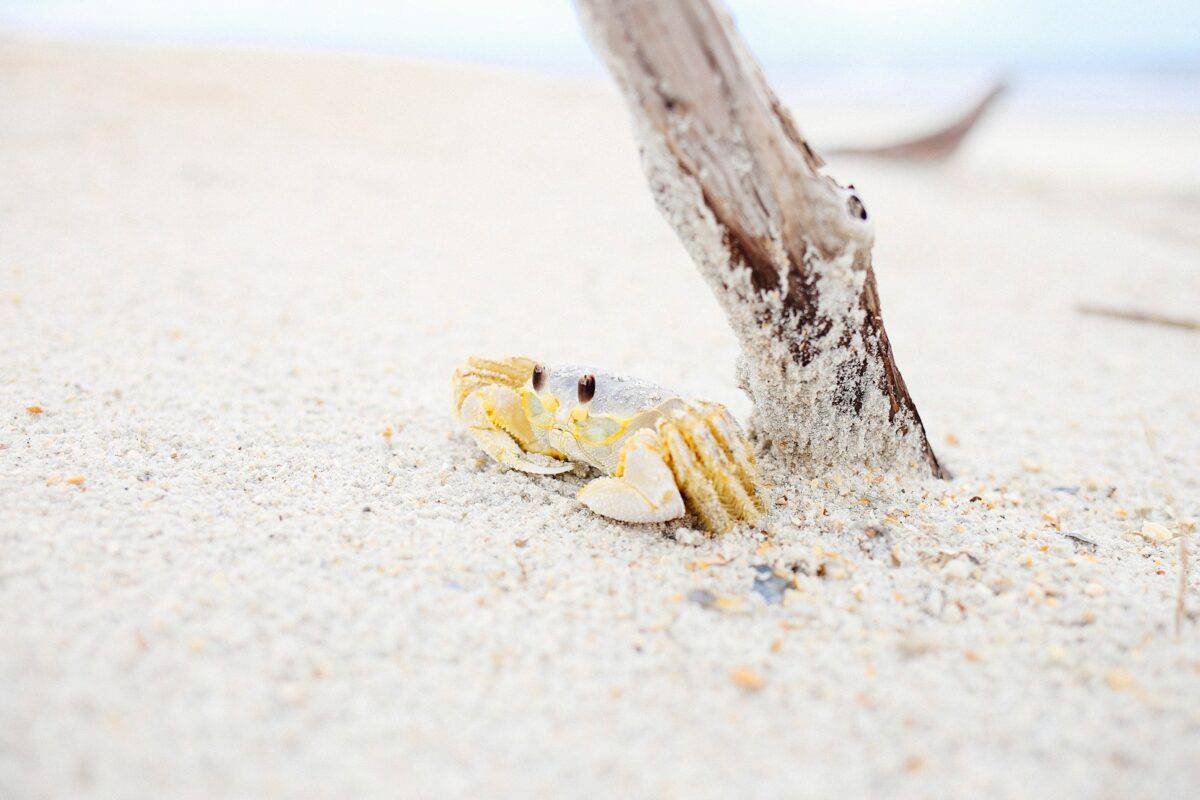
Discovered only in 2005, the yeti crab (Kiwa hirsuta and related species) derives its name from the dense, hair-like setae covering its claws and limbs. These unusual crustaceans live near hydrothermal vents in the South Pacific Ocean, thousands of meters below the surface where sunlight never penetrates. Rather than hunting or scavenging like many deep-sea creatures, yeti crabs have developed a remarkable agricultural adaptation. The bacteria-farming crustaceans wave their hairy claws over hydrothermal vents, cultivating bacteria on their setae that feed on the minerals in the vent fluid. The crabs then use specialized mouth appendages to harvest this bacterial “garden” for food. This symbiotic relationship allows them to thrive in an environment devoid of photosynthesis, demonstrating how life can adapt to utilize alternative energy sources when sunlight is unavailable.
The Dumbo Octopus Gentle Giant of the Abyss
🔥 Would you like to save this?
We'll email this post to you, so you can come back to it later!
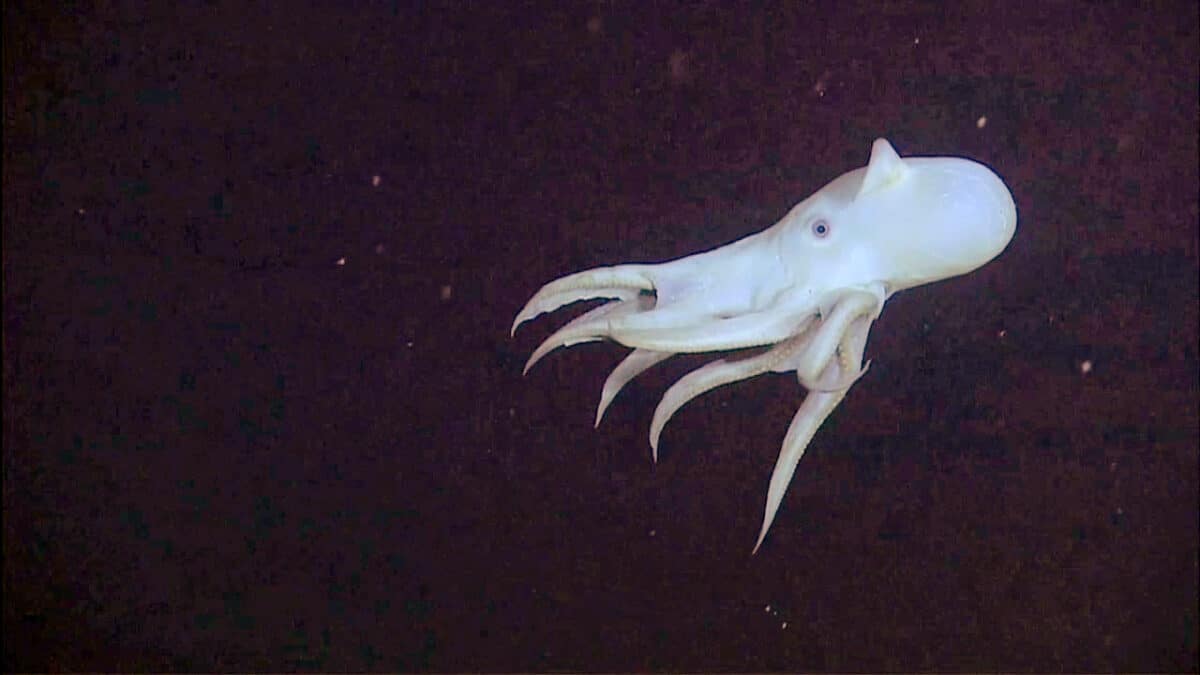
Named for their distinctive ear-like fins that resemble the ears of Disney’s flying elephant, Dumbo octopuses (genus Grimpoteuthis) live in the perpetual darkness of the deep ocean, from 3,000 to 13,000 feet below the surface. Unlike their shallow-water relatives, these gentle cephalopods have evolved a gelatinous body structure to withstand immense pressure, and have lost the ink sacs typical of other octopuses—unnecessary in an environment where visual predators are rare. Their semi-transparent bodies can range from white to pink, red, or brown, and most species grow to about 20-30 centimeters in length. Dumbo octopuses propel themselves by pulsing their umbrella-like arms and flapping their ear-like fins, hovering gracefully above the seafloor as they search for small crustaceans, worms, and other benthic invertebrates. Their reproductive strategy is equally specialized for deep-sea life; females carry developing eggs to avoid leaving them vulnerable on the seafloor.
The Texas Blind Salamander Master of Subterranean Waterways
🔥 Would you like to save this?
We'll email this post to you, so you can come back to it later!
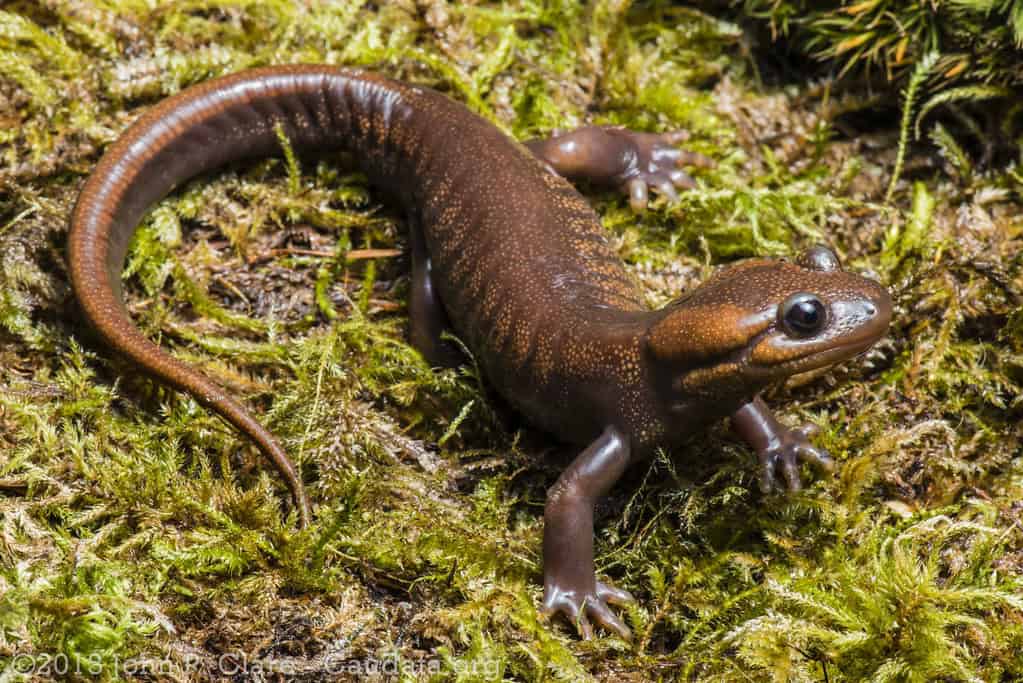
The Texas blind salamander (Eurycea rathbuni) inhabits the water-filled caves and aquifers of the Edwards Plateau in Texas, specifically the San Marcos Pool of the Edwards Aquifer. These ghostly amphibians have evolved without eyes, developing instead just small, dark spots where eyes would normally appear. Their translucent skin reveals blood vessels and internal organs, giving them a pinkish-white appearance. Without pigment-producing cells, their bodies lack protection against light, making sun exposure potentially fatal. Texas blind salamanders navigate using sensory papillae on their heads that detect changes in water pressure and vibrations, allowing them to locate prey and avoid obstacles in complete darkness. They feed primarily on small crustaceans and aquatic invertebrates that share their underground habitat. Unfortunately, these specialized salamanders face significant threats from groundwater pollution, habitat degradation, and water extraction, leading to their classification as endangered under the U.S. Endangered Species Act.
The Vampire Squid Ancient Survivor of the Oxygen Minimum Zone
🔥 Would you like to save this?
We'll email this post to you, so you can come back to it later!
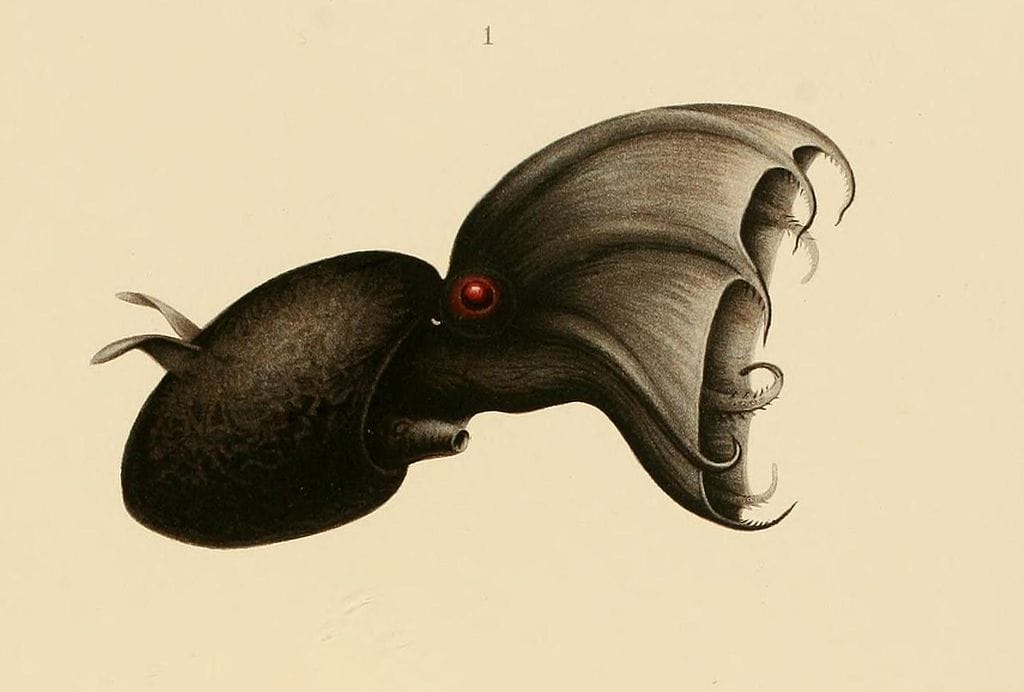
Despite its intimidating name, the vampire squid (Vampyroteuthis infernalis, literally “vampire squid from hell”) is a small, peaceful deep-sea cephalopod that grows to only about 30 centimeters in length. Neither squid nor octopus, this living fossil represents its own distinct order and has remained relatively unchanged for millions of years. The vampire squid inhabits the ocean’s oxygen minimum zones at depths between 600 and 900 meters, where oxygen levels are as low as 3% of surface concentrations. To survive in this challenging environment, it has developed the lowest metabolic rate of any cephalopod and unique respiratory proteins that efficiently extract oxygen from the water. When threatened, the vampire squid doesn’t squirt ink like its relatives; instead, it secretes a cloud of bioluminescent mucus that confuses predators while it escapes. Perhaps most remarkable is its feeding strategy—unlike predatory squids, it deploys a long filament to collect marine snow (dead organic material) falling from above, then transfers the collected particles to its mouth using specialized arm structures.
The Kauaʻi Cave Wolf Spider Predator of Hawaiian Darkness

🔥 Would you like to save this?
We'll email this post to you, so you can come back to it later!
The Kauaʻi cave wolf spider (Adelocosa anops) is a critically endangered arachnid found only in a handful of caves on the Hawaiian island of Kauaʻi. These eyeless hunters have evolved in isolation for millions of years, adapting to the lightless environment of lava tube caves. Unlike most spiders that rely on vision and web construction, these predators actively stalk their prey through vibration detection and extraordinarily sensitive hairs that can detect air movements and chemical signals. Their primary prey is the equally rare Kauaʻi cave amphipod, creating a precarious ecological balance. The spider’s translucent body reveals a reddish-orange internal digestive system, giving it a distinctive appearance against the dark cave substrate. With a population estimated at fewer than 30 individuals, these spiders represent one of the rarest arthropods on Earth. Their survival is threatened by habitat destruction, pesticide use, and invasive species, making them a sobering example of the vulnerability of highly specialized cave species.
The Barreleye Fish Windows to the Soul
🔥 Would you like to save this?
We'll email this post to you, so you can come back to it later!
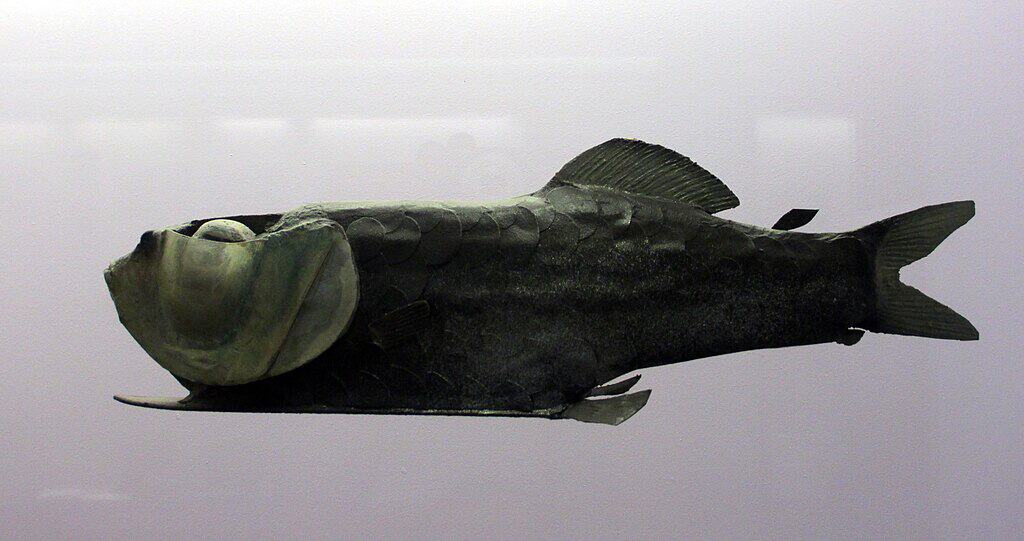
The barreleye fish (family Opisthoproctidae) has one of the most bizarre adaptations in the deep sea—a transparent, fluid-filled dome on its head that houses its tubular, upward-pointing eyes. Living at depths between 400 and 2,500 meters where only the faintest blue light penetrates, these fish have evolved extremely sensitive tubular eyes that can collect ambient light and detect the silhouettes of potential prey swimming above. What makes barreleyes truly remarkable is that their eyes can rotate within the transparent head shield, allowing them to look forward when hunting and upward when scanning for food. This adaptation helps them spot the bioluminescent jellyfish and small crustaceans they feed on in the darkness. Their bodies are typically small (15-20 cm) and covered with large, thin scales that offer protection while minimizing weight. The Pacific barreleye (Macropinna microstoma) is the best-known species, first discovered in 1939 but not photographed alive until 2004, revealing the true nature of its transparent head dome.

Earth Rated XL Dog & Puppy Pee Pads, Discreet Top, Max Absorbency
Check Price on AmazonAs an Amazon Associate, we earn from qualifying purchases.
10/7/2026 1:28 pm GMTi

Glass Hummingbird Feeder for Outdoors Hanging, 16 oz Leak-Proof Nectar Feeder with Bee Guards & Ant Moat
Check Price on AmazonAs an Amazon Associate, we earn from qualifying purchases.
10/7/2026 1:22 pm GMTi

Smart Bird Feeder with Camera Solar Powered, 2K HD Live Video, 10,000+ Bird Species AI Identification
Check Price on AmazonAs an Amazon Associate, we earn from qualifying purchases.
10/7/2026 1:22 pm GMTi

Orthopedic Extra Large Dog Bed, Waterproof Washable XL Pet Bed 44"
Check Price on AmazonAs an Amazon Associate, we earn from qualifying purchases.
10/7/2026 1:32 pm GMTi

Glass Hummingbird Feeder for Outdoors Hanging
Check Price on AmazonAs an Amazon Associate, we earn from qualifying purchases.
10/7/2026 1:21 pm GMTi
The Mexican Blind Cavefish Evolution in Action

🔥 Would you like to save this?
We'll email this post to you, so you can come back to it later!
The Mexican blind cavefish (Astyanax mexicanus) represents one of science’s most compelling examples of regressive evolution. Unlike many creatures on this list, this species exists in both surface-dwelling forms with fully functional eyes and cave-dwelling populations that have lost their eyes entirely. As surface fish became trapped in caves, mutations affecting eye development were no longer selected against, leading to gradual eye loss over generations. These fish compensate for their blindness with an enhanced lateral line system—rows of pressure-sensitive cells that detect changes in water pressure and movement. They’ve also developed larger jaws, more numerous taste buds, and can detect changes in water pH that surface populations cannot. Their metabolism has slowed to conserve energy in a food-scarce environment, and they can store fat more efficiently. Perhaps most fascinating is that blind cavefish sleep approximately 80% less than their surface relatives, likely because sleep provides little advantage in an environment without day-night cycles. Scientists continue studying these fish as a model for understanding evolutionary adaptation and the genetic basis of eye development.
The Chambered Nautilus Living Fossil of the Twilight Zone

🔥 Would you like to save this?
We'll email this post to you, so you can come back to it later!
The chambered nautilus (genus Nautilus) represents one of the oldest lineages of cephalopods, having remained largely unchanged for over 500 million years. While not strictly a creature of complete darkness, nautiluses spend daylight hours at depths of 300-600 meters in the ocean’s “twilight zone” where minimal light penetrates. At night, they migrate to shallower waters around 100 meters to feed. Unlike their relatives with camera-like eyes, nautiluses possess primitive pinhole eyes without lenses that can detect only light, dark, and movement—adaptations sufficient for their deep-water lifestyle. Their most distinctive feature is their spiral shell divided into gas-filled chambers that regulate buoyancy. As the animal grows, it creates a new, larger chamber and seals off the previous one, adjusting gas levels through a structure called the siphuncle. This living fossil hunts primarily using its keen sense of smell, detecting chemicals in the water with chemoreceptors on its approximately 90 tentacles. Unfortunately, nautilus populations have declined dramatically due to unregulated harvesting for their beautiful shells, leading to international trade restrictions to protect these ancient mariners.
The Hydrothermal Vent Tubeworm Living Without a Digestive System

🔥 Would you like to save this?
We'll email this post to you, so you can come back to it later!
Giant tubeworms (Riftia pachyptila) represent one of the most extraordinary adaptations to life without sunlight. Growing up to 8 feet tall around deep-sea hydrothermal vents, these remarkable animals have no mouth, no digestive system, and no anus. Instead, they host billions of chemosynthetic bacteria in a specialized organ called the trophosome. These bacterial symbionts convert toxic hydrogen sulfide from vent fluid into organic compounds that nourish the worm—a process analogous to how plants use photosynthesis, but without light. The worm’s bright red plume contains hemoglobin that absorbs both oxygen and hydrogen sulfide from the surrounding water, transporting these chemicals to the bacteria within. This extraordinary symbiosis allows tubeworms to grow faster than any other marine invertebrate, achieving lengths of over 4 feet in just two years. When hydrothermal vents become inactive, the entire community perishes, making these worms completely dependent on the geochemical energy from Earth’s interior rather than the sun.
The Hadal Snailfish Deepest-Dwelling Vertebrate

🔥 Would you like to save this?
We'll email this post to you, so you can come back to it later!
The Mariana snailfish (Pseudoliparis swirei) holds the record as the deepest-living fish ever discovered, thriving at depths exceeding 8,000 meters (26,000 feet) in the Mariana Trench—a realm with pressure 800 times greater than at sea level. These small, translucent fish grow to about 10-15 centimeters long and have gelatinous, loosely-bound tissues that resist the crushing pressure of the hadal zone. Unlike many deep-sea creatures that rely on bioluminescence, snailfish have evolved large heads with specialized sensory pores that detect vibrations and electrical signals from prey. Their diet consists mainly of small crustaceans that themselves feed on bacterial mats around deep-sea features like hydrothermal vents and cold seeps. Perhaps most remarkably, snailfish produce antifreeze proteins and special osmolytes that prevent their cells from collapsing under extreme pressure. Scientists studying these pressure adaptations hope they may lead to applications in fields ranging from food preservation to medical treatments for conditions like high blood pressure.

2 Pcs Halloween Pet Hat Bandana Set, Witch Pumpkin Costumes for Dogs
Check Price on AmazonAs an Amazon Associate, we earn from qualifying purchases.
10/9/2026 2:45 pm GMTi

Air Purifiers for Home Pets Large Room Up to 3000 Ft²,HEPA Air Cleaner with Washable Double-Side Filter, PM2.5 Air Quality Monitor,15dB Sleep Mode for Bedroom Odor Dust Pollen,White
Check Price on AmazonAs an Amazon Associate, we earn from qualifying purchases.
10/8/2026 8:23 am GMTi

Hand Blown Glass Hummingbird Feeders for Outdoors Hanging, 24oz Wild Bird Nectar Feeder
Check Price on AmazonAs an Amazon Associate, we earn from qualifying purchases.
10/7/2026 1:23 pm GMTi

Dog Stairs for Bed 18" H, 4-Step Dog Steps for High Bed
Check Price on AmazonAs an Amazon Associate, we earn from qualifying purchases.
10/9/2026 2:42 pm GMTi

PetSafe Oasys Pet Fountain, 1/2 Gallon (64 oz), Small Dogs & Cats
Check Price on AmazonAs an Amazon Associate, we earn from qualifying purchases.
10/8/2026 8:14 am GMTi
The Viper Dogfish Hunting in the Midnight Zone

🔥 Would you like to save this?
We'll email this post to you, so you can come back to it later!
The viper dogfish (Trigonognathus kabeyai) is one of the ocean’s most bizarre and specialized predators, inhabiting depths between 270 and 1,150 meters in the Pacific Ocean’s “midnight zone.” This rare shark species, first discovered in 1986 off the coast of Japan, possesses a series of extraordinary adaptations for hunting in perpetual darkness. Its most striking feature is its extendable jaws filled with long, needle-like teeth that can be projected forward to capture prey in a snake-like strike—a feature unique among sharks. The viper dogfish’s large green eyes contain a reflective layer called the tapetum lucidum that enhances its ability to detect the faintest light signals from bioluminescent prey. Its entire body is covered with light-producing photophores that help it remain camouflaged against the faint downwelling light when viewed from below. During daylight hours, these sharks stay in deeper waters, migrating upward at night to hunt in the mesopelagic zone. Rarely encountered by humans, much about their behavior remains mysterious, though stomach content analysis suggests they feed primarily on lanternfish and squid.
The Electric “Knifefish” Navigating by Electrical Fields

🔥 Would you like to save this?
We'll email this post to you, so you can come back to it later!
The black ghost knifefish (Apteronotus albifrons) inhabits the murky, sediment-filled waters of the Amazon River basin where visibility is extremely limited. To navigate this light-poor environment, these fish have developed one of nature’s most sophisticated sensory systems—active electrolocation. The black ghost generates a weak electric field around its body using specialized cells called electrocytes located in an organ running along its underside. Any object with electrical properties different from the surrounding water creates distortions in this field, which specialized receptors along the fish’s body detect. This “sixth sense” allows them to form a detailed three-dimensional map of their surroundings without relying on vision. Even more remarkably, each fish produces a unique electrical signature, enabling social communication and helping them avoid electrical interference from others of their species. Their unusual backward swimming ability, powered by an undulating anal fin while their body remains rigid, provides exceptional maneuverability in confined spaces. These adaptations make the black ghost knifefish a master of navigation in environments where light cannot penetrate.

Halloween Cat Costume Cloak Witch Hat Pet Accessories
Check Price on AmazonAs an Amazon Associate, we earn from qualifying purchases.
10/9/2026 2:44 pm GMTi

Professional 7 in 1 Dog Paw Cleaner for Dogs & Cats - Includes 1 Portable Paw Washer, 1 Bath Brush
Check Price on AmazonAs an Amazon Associate, we earn from qualifying purchases.
10/7/2026 1:26 pm GMTi

Portable Dog Water Bottle Foldable Dog Travel Water Bottle
Check Price on AmazonAs an Amazon Associate, we earn from qualifying purchases.
10/7/2026 1:29 pm GMTi

Halloween Dog Collar with Bow, Orange Cute Ghost Collar,
Check Price on AmazonAs an Amazon Associate, we earn from qualifying purchases.
10/9/2026 2:43 pm GMTi
The Adaptations Behind Darkness Survival Lessons from Extreme Life
🔥 Would you like to save this?
We'll email this post to you, so you can come back to it later!
The creatures that inhabit lightless environments reveal nature’s extraordinary capacity for adaptation and survival. These remarkable organisms teach us that life finds a way even in the most challenging conditions on our planet. The adaptations we’ve explored—from chemosynthetic symbiosis to sensory specialization—demonstrate how evolution can create novel solutions when traditional energy sources like sunlight are unavailable. These adaptations often come at a cost, resulting in highly specialized creatures vulnerable to environmental changes.
Conclusion:

🔥 Would you like to save this?
We'll email this post to you, so you can come back to it later!
The diverse and astonishing creatures of Earth’s darkest environments showcase evolution at its most inventive. From bacteria-farming crabs to eyeless salamanders and transparent-headed fish, these organisms defy conventional expectations of life by developing remarkable strategies to survive without sunlight. Whether through biochemical partnerships, extreme metabolic efficiency, or the evolution of new sensory systems, life has found ways to flourish where conditions seem inhospitable. Yet, these adaptations also underscore the fragility of such specialized species, highly tuned to their environments and often unable to cope with rapid change. As we continue to explore and understand these hidden worlds, they not only expand our knowledge of biology but also remind us of the resilience and vulnerability—of life in Earth’s most extreme frontiers.

As a little kid, I fell in love with nature, wildlife, and animals. Living in the USA, South Africa, Italy, China and Germany gave me the opportunity to discover the world's Wildlife. My favorite animals are Mountain Gorillas, Siberian Tigers, and Great White Sharks.
I'm a certified PADI Open Water Diver, went to Everest Base Camp and Trekked Gorillas in Uganda. I hold a Master of Science in Economics and Finance.
Please send any feedback to feedback@animalsaroundtheglobe.com
- 15 Creatures That Live Where No Light Reaches - November 9, 2026
- 17 Stunning Facts About Bald Eagles in the Wild - November 9, 2026
- 15 Animals You had Never Guess Are Venomous - November 9, 2026
Leave a comment
You must be logged in to post a comment.