
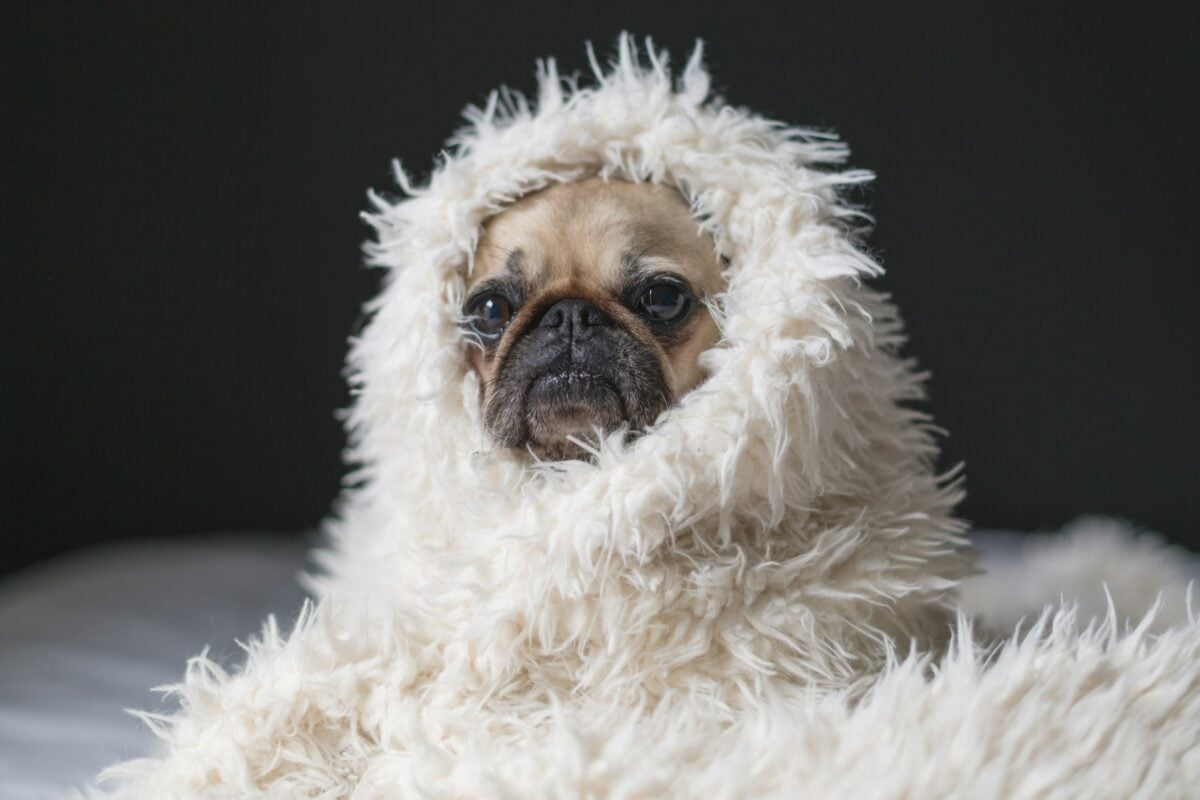
The lock clicks, the car pulls away, and your old dog is left in a quiet house. Most of us picture a sad face at the window and hours of waiting. The reality is quieter, smarter, and far more interesting. Seniors run small rituals built on scent, sound, warmth, and routine, and these are the 20 habits behind them.
Some dogs who look sad are actually content. Others look perfectly calm while hiding discomfort. Behaviorists and vets read these habits very differently from the average owner, and one calm-looking habit near the end is easy to mistake for good news. Here’s what the experts actually say.
#20 – Settles Near the Door, Not Far From It
🔥 Would you like to save this?
We'll email this post to you, so you can come back to it later!
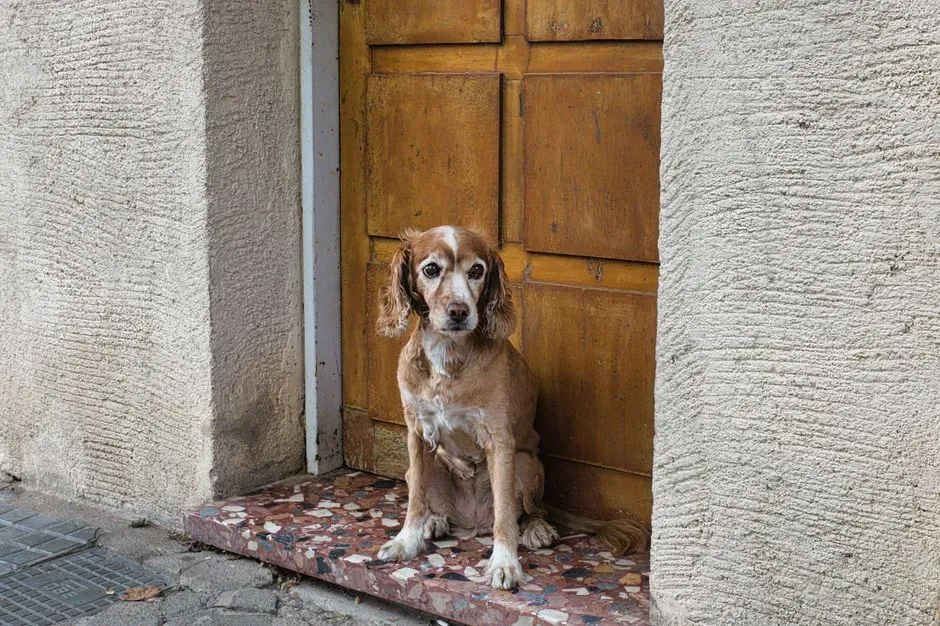
The first thing many old dogs do when the lock clicks is more strategic than sad.
They take a few slow steps, then lower themselves within earshot of the exit. Dogs have hundreds of millions of scent receptors, and the doorway is where air, voices, and footsteps arrive first. For a senior whose hearing and eyesight are fading, it’s the best listening post in the house.
Lying by the door isn’t automatically a sign of distress. Body language tells the real story. Loose limbs, soft eyes, and slow breathing suggest an animal that is simply resting where the information is.
- Relaxed: loose body, slow breaths, occasional nap
- Worth a vet or trainer call: panting, drooling, scratched door frames
Real separation anxiety does exist in older dogs. It looks nothing like a quiet doorway nap.
But that’s nothing compared to what your dog does with your laundry in #19…
#19 – Curls Up With Something That Smells Like You
🔥 Would you like to save this?
We'll email this post to you, so you can come back to it later!
Your unwashed hoodie may be doing more for your dog than their expensive bed.
Scent is a dog’s primary way of knowing who is who. In a brain-imaging study from Emory University, the scent of a familiar person activated a reward-related region in dogs’ brains. Your smell isn’t just recognized. It appears to register as something pleasant.
Many seniors seek out worn socks, T-shirts, or the blanket from your side of the bed. Some owners spend a fortune on orthopedic beds, yet plenty of dogs seem to prefer the bed with a T-shirt on it. We’d argue both together beat either alone.
The mistake is washing everything on a schedule and then wondering why your dog seems unsettled. Leaving one worn item out costs nothing.
But the real detective work starts with what they do next in #18…
#18 – Patrols the House at Half Speed
🔥 Would you like to save this?
We'll email this post to you, so you can come back to it later!
A slow lap around the house isn’t aimless wandering. It’s an inspection.
Dogs check their environment with their noses, and a senior’s patrol often follows the same route every time. Kitchen, hallway, bedroom, back to the favorite rug. Routine paths help dogs with poor vision or hearing move through a space with less effort and more confidence.
The pace matters. Slower walking is common with age, especially with arthritis. Stiffness that eases after a few minutes is typical, but a limp that lingers or a sudden reluctance to climb stairs deserves a vet visit.
- Normal: slow, steady, sniffing along the way
- Flag it: dragging paws, slipping on floors, avoiding certain rooms
Vets often suggest rugs or runners on slick floors. It’s a cheap fix that senior dogs rarely get credit for needing.
But what they’re sniffing for on that route is the real story in #17…
#17 – Sniffs the Exact Spots Where You Last Stood
🔥 Would you like to save this?
We'll email this post to you, so you can come back to it later!
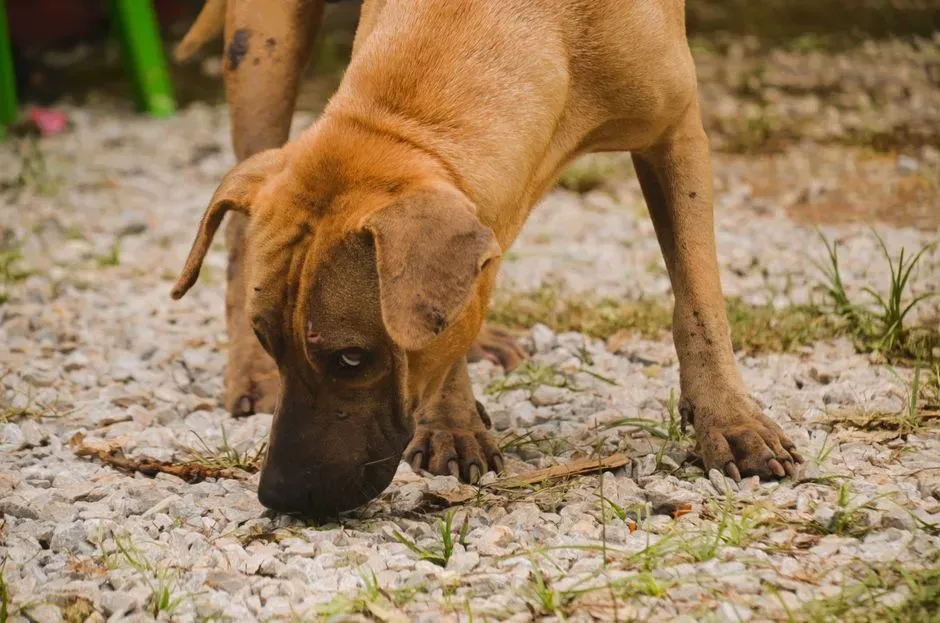
Your dog can read where you’ve been, and possibly how long ago.
Your scent lingers on floors, chair arms, and doorknobs. A dog’s nose can pick up traces we’d never know existed. An old dog returning to your usual spots is gathering information, much as you’d scroll back through a message thread.
Some researchers, including dog-cognition scientist Alexandra Horowitz, have proposed that dogs may sense time passing through fading scent. That’s a hypothesis, not a proven fact. But it’s a clever explanation for why dogs seem to know how long you’ve been gone.
Don’t be surprised if your senior sniffs the couch for a long time. Their nose often stays sharp even as other senses fade.
And speaking of fading senses, the next habit follows the sun in #16…
#16 – Follows the Sunbeam Across the Floor
🔥 Would you like to save this?
We'll email this post to you, so you can come back to it later!
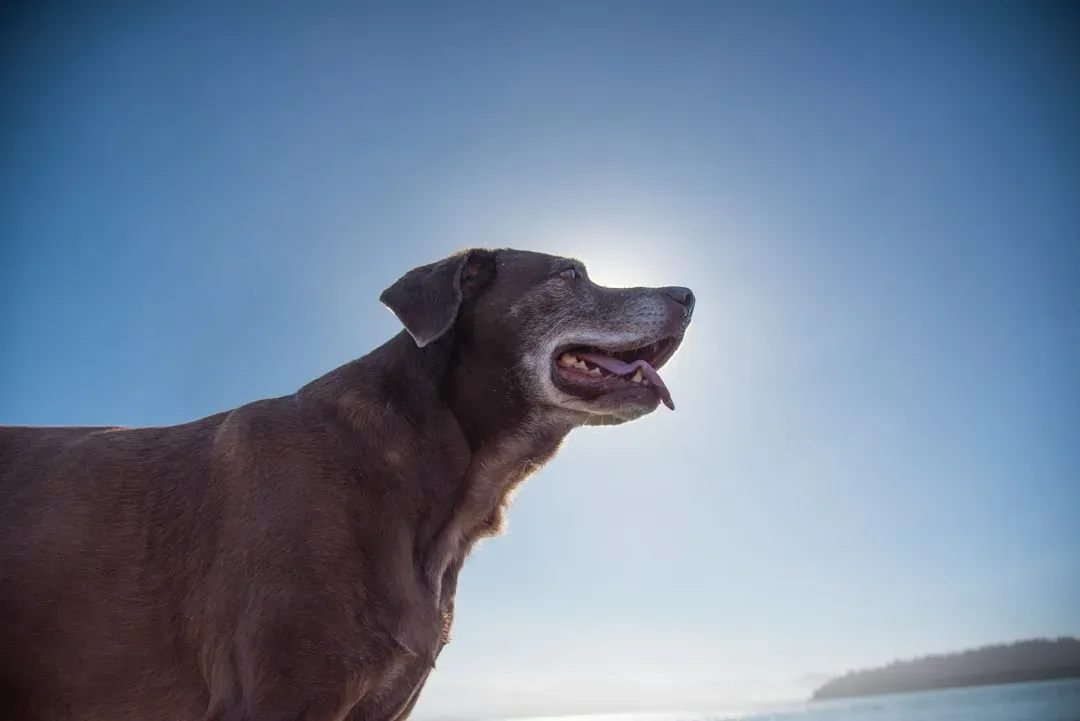
Ask any old dog owner and they’ll tell you: the sunny patch is prime real estate.
Dogs often drag themselves from one warm spot to the next as the light shifts through the day. Dogs don’t make vitamin D from sunlight the way humans do. They get it from their diet. So the sunbathing is about comfort, not nutrition.
Warmth feels good on stiff joints, and many senior dogs have some degree of arthritis. Lying in the sun is a low-effort way to ease aches. It’s also a very cheap form of pain relief.
Watch for the opposite warning, too. A dog that suddenly avoids warm spots, or pants heavily in the sun, may be too hot or unwell. Older dogs can struggle to regulate temperature, so shade and water should always be within reach.
Worth Knowing
- Baseline: a dog’s normal body temperature runs roughly 100.5 to 102.5°F, a little warmer than ours
- Best setup: a sunny rug or bed with a shaded spot a few steps away
- Always nearby: fresh water the dog can reach without climbing or stretching
- Red flags: heavy panting, drooling, or refusing to leave the sun patch
But the sound your dog makes as they settle might be the most telling clue in #15…
#15 – Lets Out a Long Sigh as They Lie Down
🔥 Would you like to save this?
We'll email this post to you, so you can come back to it later!
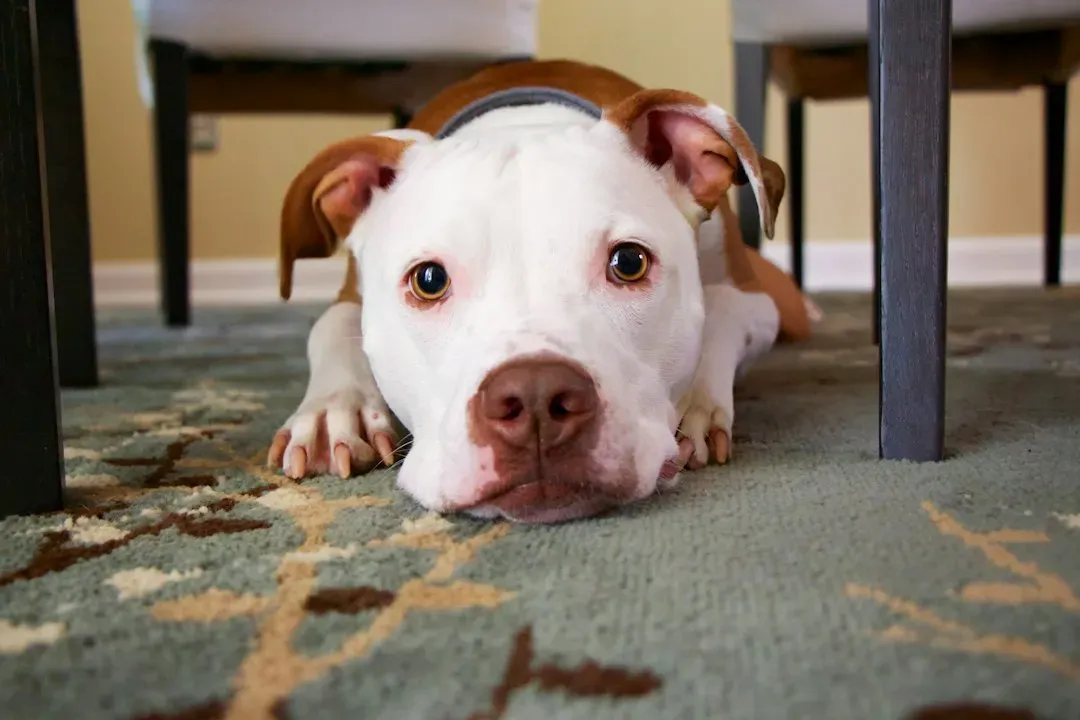
That big exhale isn’t drama. It’s usually a signal.
Behaviorists often read a long sigh paired with relaxed eyes and a loose body as contentment. The same sigh with stiff posture and wide eyes can point to discomfort or frustration instead. Context decides everything, and most owners only half-notice it.
Older dogs often sigh as they settle because lowering themselves takes effort. Joints, muscles, and breathing all get involved. The sigh may partly be the sound of finally getting comfortable.
Don’t over-interpret a single sigh. Look at the pattern over days and weeks.
But the way they react to a certain sound outside is even more telling in #14…
#14 – Perks Up at the Sound of Your Car
🔥 Would you like to save this?
We'll email this post to you, so you can come back to it later!
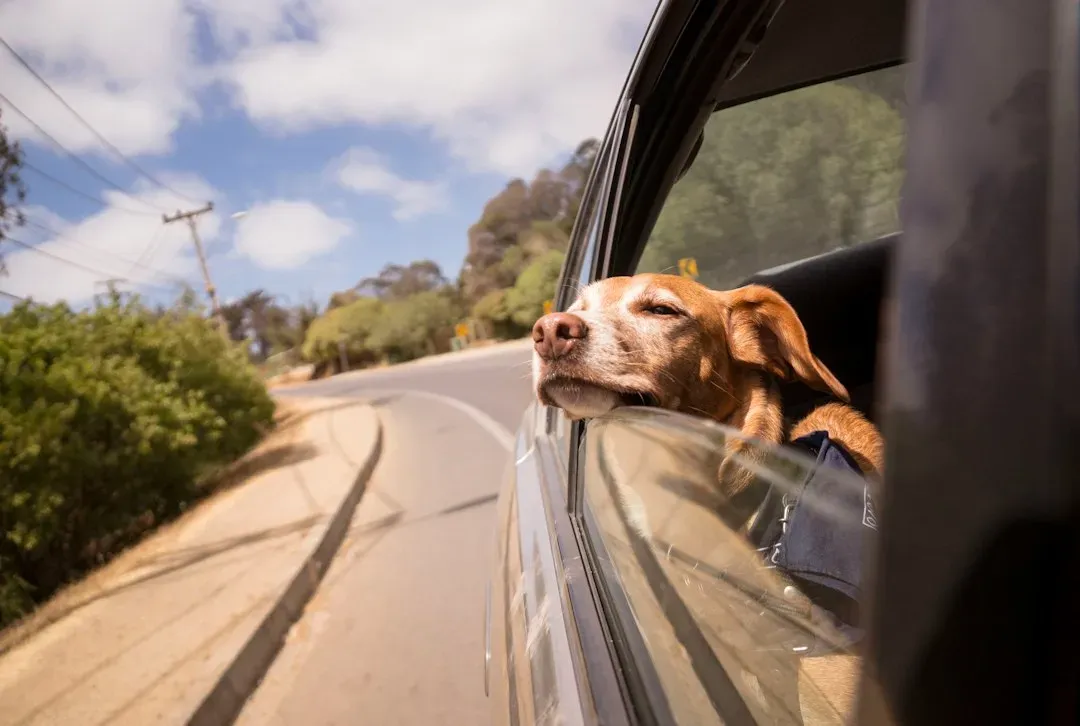
Somehow they always know it’s you.
Many owners swear their dog can tell their car from the neighbor’s. Dogs can learn to link specific sounds with specific people, and hearing, even weakened, can still do the job. Engine pitch, the way a car door closes, and footsteps all become cues.
Some people point to this as proof of a “psychic” dog, and claims like that have circulated for years. Most mainstream scientists don’t accept them. The simpler explanation, learned association, is actually more impressive than magic.
If your senior stops reacting to familiar sounds, don’t assume it’s attitude. Hearing loss is common with age, and a vet can check.
But a quieter habit shows up on the furniture in #13…
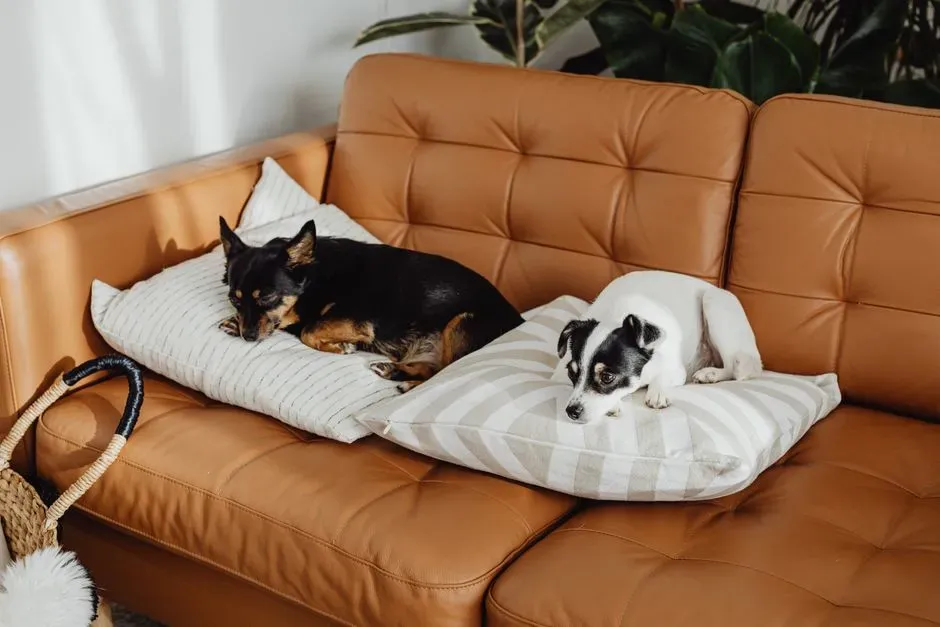
#13 – Takes Over Your Spot on the Couch
🔥 Would you like to save this?
We'll email this post to you, so you can come back to it later!
The cushion is still warm, and they know exactly why.
Your spot smells like you, feels familiar, and is usually soft. Senior dogs often prefer places that are cushioned and carry your scent, which is a double comfort. It’s the same logic as the worn T-shirt, just in furniture form.
Then comes the “guilty look” when you walk in. A well-known study by Alexandra Horowitz found that dogs showed this look based on the owner’s cues, such as a scolding posture, rather than on whether the dog had actually done something wrong.
Many trainers consider it a mistake to punish a dog for being on the couch while you were out. The dog doesn’t connect your reaction to what happened hours ago. If the couch is off limits, a dog-friendly alternative in the same spot works better.
Quick Compare
- Scolding after the fact: confuses the dog and can raise stress
- A cushioned bed in the same spot: gives the same comfort and the same view
- A washable throw on the couch: protects the fabric and keeps your scent close
But what they do right after they wake up might surprise you in #12…
#12 – Stretches Slowly After Every Nap
🔥 Would you like to save this?
We'll email this post to you, so you can come back to it later!
That deep stretch isn’t just for show.
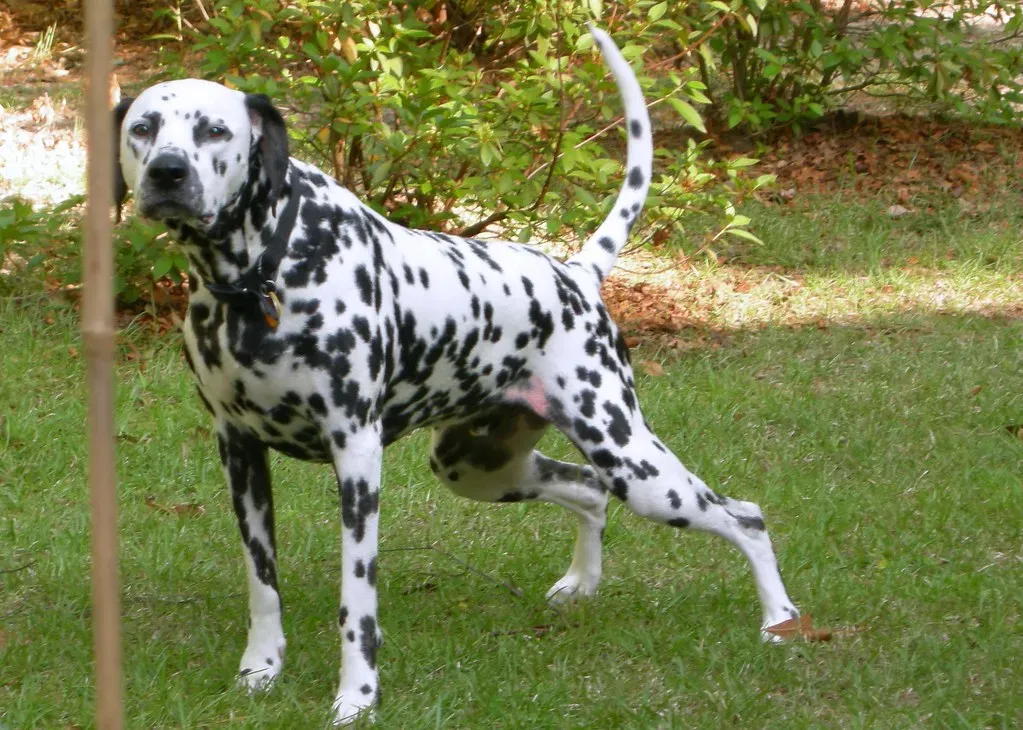
Dogs often stretch with their front legs extended and their rear in the air after rest. Stretching after a nap is a normal, healthy movement, and older dogs often do it more slowly and carefully. You may also see a yawn, a shake, or a little shuffle before they stand.
The move from lying down to standing is a real challenge for aging joints. A few slow movements can help loosen them up before they walk.
Watch for the difference between a stretch and a struggle. A dog that can’t get up without help, or yelps while standing, needs a vet.
But a softer, more private habit comes next in #11…
#11 – Licks and Grooms Quietly to Self-Soothe
🔥 Would you like to save this?
We'll email this post to you, so you can come back to it later!
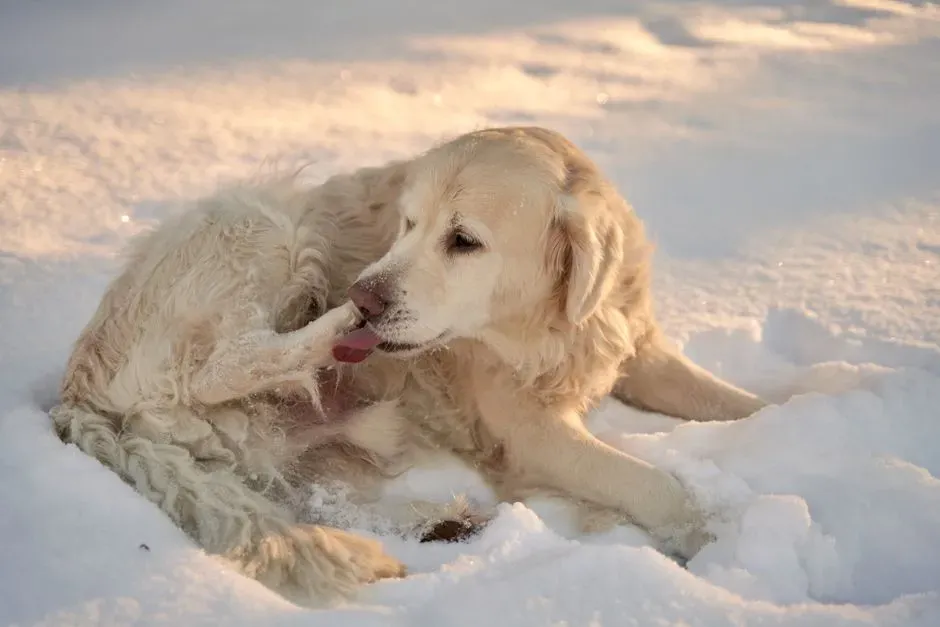
A bit of paw licking can be a calming ritual, but it can also be a warning sign.
Licking releases tension for many dogs, similar to how people fidget. When licking becomes constant, it can signal pain, allergies, boredom, or anxiety. The line between comfort and concern is often just frequency.
Older dogs may also lick joints that hurt. If you see one paw, wrist, or hip getting extra attention, that’s a clue. It’s worth looking closely for redness, swelling, or odd smells.
- Typical: short licking sessions, then rest
- Concerning: raw skin, rust-colored fur, licking that wakes them at night
Many owners write this off as “just a habit.” That’s one of the easiest mistakes to make with a senior dog, because small changes get explained away.
But there’s another reason they keep moving between rooms in #10…

Dog Stairs for Bed 18" H, 4-Step Dog Steps for High Bed
Check Price on AmazonAs an Amazon Associate, we earn from qualifying purchases.
10/9/2026 2:42 pm GMTi

Orthopedic Extra Large Dog Bed, Waterproof Washable XL Pet Bed 44"
Check Price on AmazonAs an Amazon Associate, we earn from qualifying purchases.
10/7/2026 1:32 pm GMTi

Hand Blown Glass Hummingbird Feeders for Outdoors Hanging, 24oz Wild Bird Nectar Feeder
Check Price on AmazonAs an Amazon Associate, we earn from qualifying purchases.
10/7/2026 1:23 pm GMTi

Professional 7 in 1 Dog Paw Cleaner for Dogs & Cats - Includes 1 Portable Paw Washer, 1 Bath Brush
Check Price on AmazonAs an Amazon Associate, we earn from qualifying purchases.
10/7/2026 1:26 pm GMTi

Halloween Cat Costume Cloak Witch Hat Pet Accessories
Check Price on AmazonAs an Amazon Associate, we earn from qualifying purchases.
10/9/2026 2:44 pm GMTi
#10 – Drifts Between Rooms to Find the Right Temperature
🔥 Would you like to save this?
We'll email this post to you, so you can come back to it later!
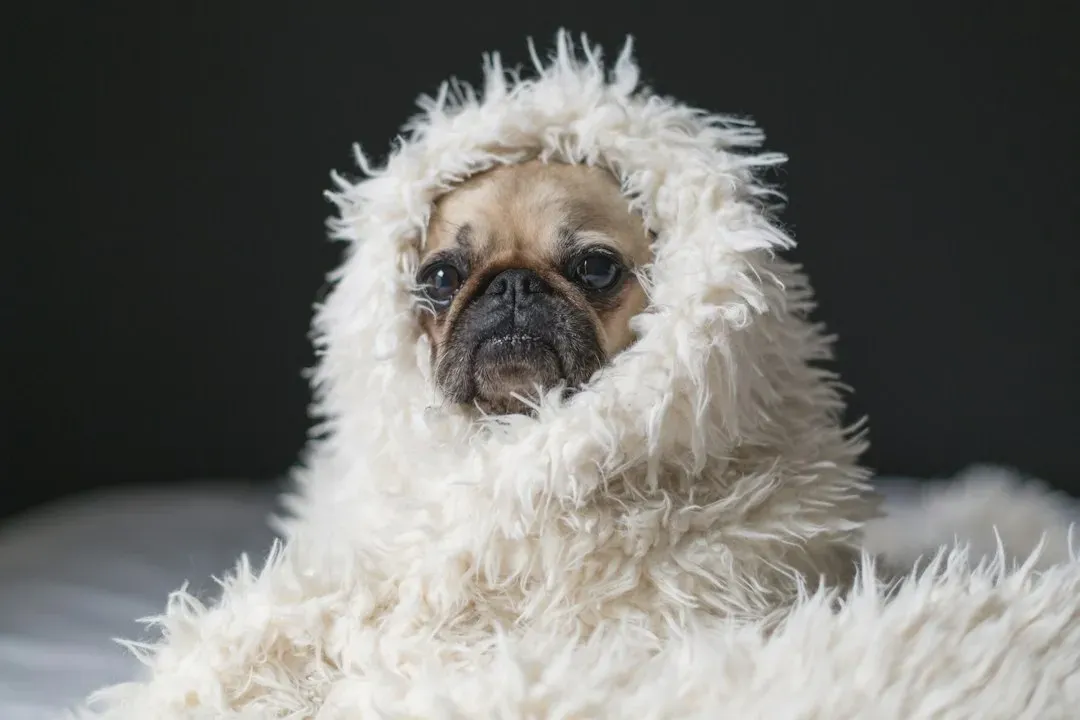
The house isn’t one space to your dog. It’s a series of microclimates.
Tile is cool in summer. A sunny rug is warm in winter. Senior dogs often move several times a day to find the surface that feels best on their bodies. It looks restless, but it’s usually a sensible search for comfort.
Older dogs may handle heat and cold less well. Thinner coats, reduced muscle, and health conditions can all play a role. A dog who moves constantly and can’t settle anywhere, though, may be uncomfortable for other reasons.
Choice is a gift for seniors. It costs you very little.
But how they rest between those moves is even more interesting in #9…
#9 – Naps in Short, Light Bursts
🔥 Would you like to save this?
We'll email this post to you, so you can come back to it later!
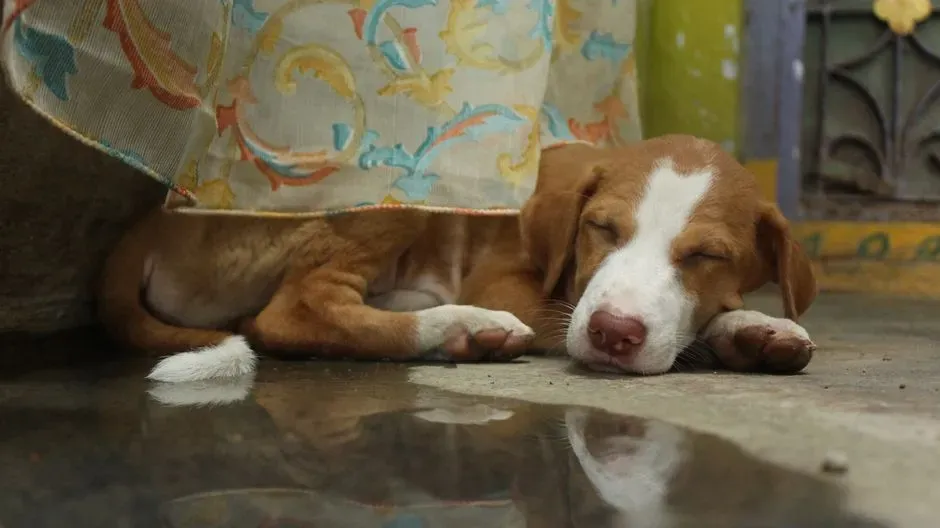
Old dogs aren’t sleeping all day. They’re sleeping in pieces.
Dogs are polyphasic sleepers, meaning they sleep in several stretches across a day rather than one long block. Many adult dogs sleep around half the day or more, and seniors often sleep even more. Much of it is light sleep that ends at any interesting sound.
That’s why your dog seems to appear the moment you open the door. They were probably half awake the whole time.
More sleep is normal with age. A sudden change in sleep patterns, especially paired with appetite changes, is not.
But what they do when they’re awake is more entertaining in #8…
#8 – Watches the Window Like It’s a Television
🔥 Would you like to save this?
We'll email this post to you, so you can come back to it later!
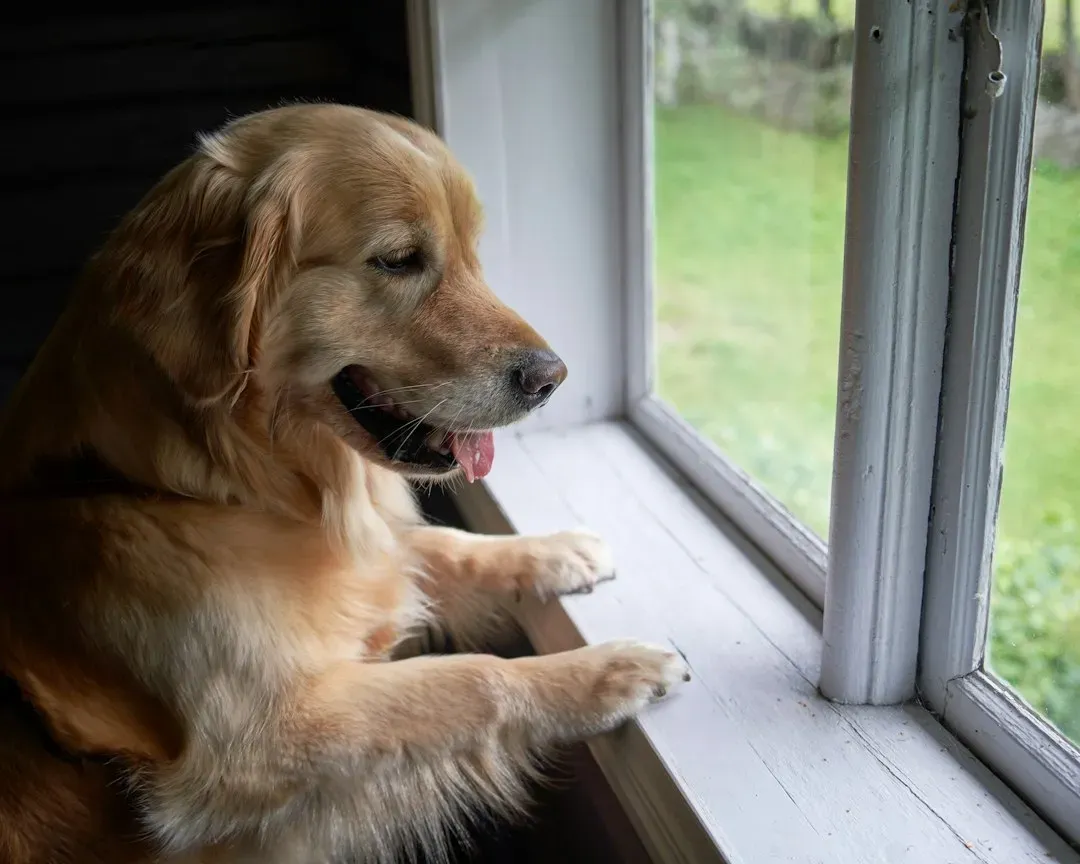
The window is their news channel.
Dogs, especially seniors who move less, enjoy watching the street. Passing cars, birds, and neighbors give them something to monitor without needing to move. A window perch can be a form of low-effort mental stimulation, which older dogs need as much as younger ones.
Opinions differ on how much it helps. Some trainers worry that window watching feeds excitement and barking. Others say it keeps a dog occupied and calm. For many seniors, it’s the second.
At a Glance
- Best spot: a window with a view of birds, trees, or a quiet street
- Comfort: a bed or low cushion so no jumping or climbing is needed
- Watch for: barking or pacing, which can mean the view is too exciting
- If it’s too much: a partial curtain or frosted lower pane can tone it down
Here’s an opinion some owners won’t like: a pet camera mostly comforts you, not your dog. A safe window view, a comfortable bed, and a stable routine probably do more for them than a screen on your phone.
But what happens behind closed eyes is the best part, coming in #7…
#7 – Dreams With Twitching Paws and Muffled Woofs
🔥 Would you like to save this?
We'll email this post to you, so you can come back to it later!
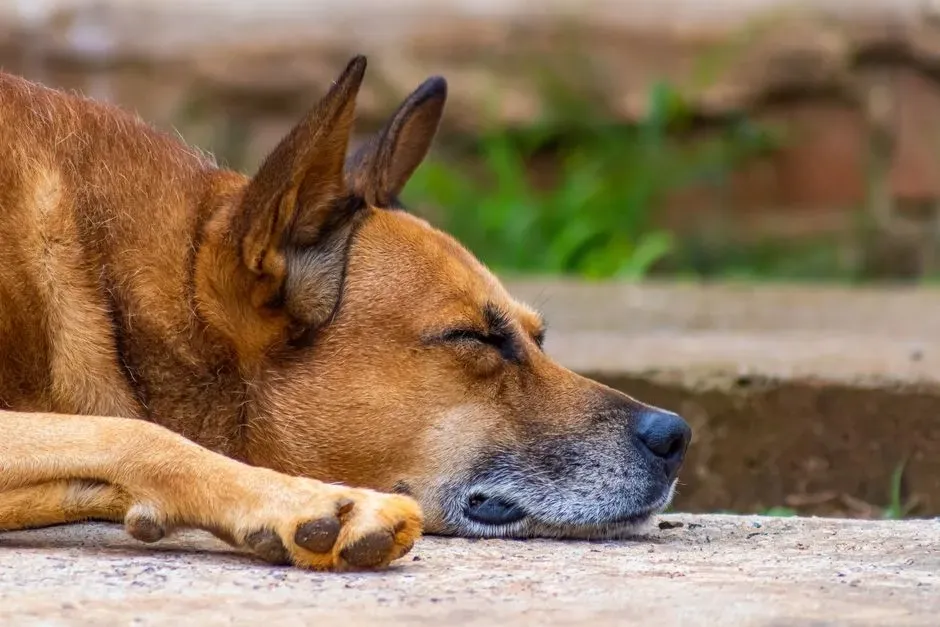
Those little running motions in sleep are not random.
During REM sleep, dogs often twitch, whimper, or paddle their legs. Rat studies show that brain activity during sleep can echo patterns from earlier experiences, so scientists suspect dogs may replay daily events too. Nobody can say for certain what your dog sees, but it’s a reasonable theory.
Most dream movement is harmless. It usually passes in seconds, and waking a dreaming dog suddenly can startle them. A gentle voice from a distance is safer than a touch.
Prolonged shaking, stiffening, or loss of awareness is different. That could be a seizure, and a vet should know about it.
But the dream may be tied to something they carry in #6…
#6 – Carries a Favorite Toy to a Favorite Spot
🔥 Would you like to save this?
We'll email this post to you, so you can come back to it later!
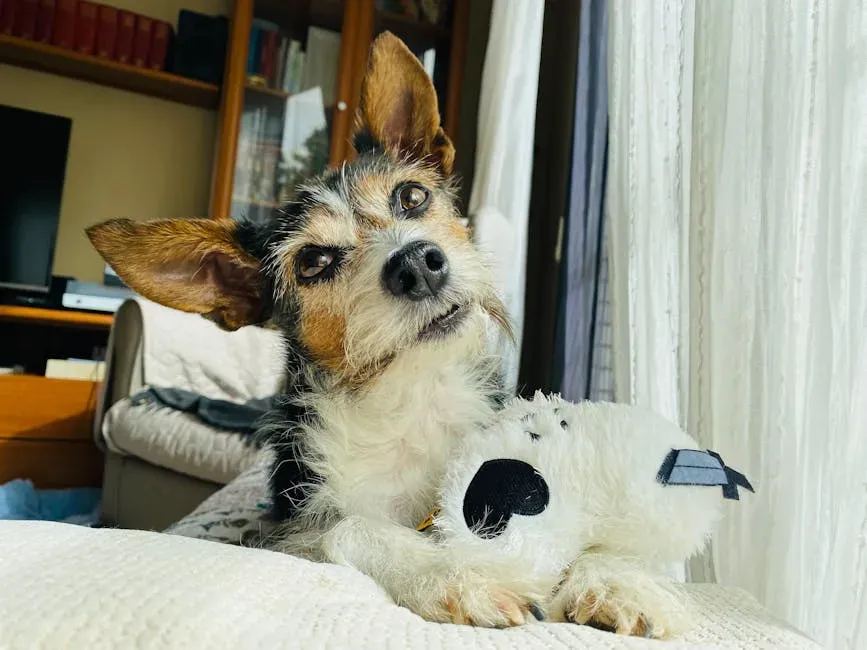
Even a dog who no longer plays still keeps a toy close.
Many older dogs stop chasing balls but still pick up a soft toy and carry it from room to room. Carrying and mouthing items can be a comfort behavior, and it’s common in dogs who’ve had a favorite toy for years. It may be a habit rooted in retrieval instincts as much as affection.
Some dogs also “stash” objects in a particular spot, such as a bed corner or a laundry pile. This is generally seen as normal, as long as the dog isn’t guarding items or swallowing things.
- Choose: soft, washable, large enough not to swallow
- Skip: small squeakers or parts that could break off
Retire any toy that’s falling apart. A senior dog’s mouth may be sensitive, and loose stuffing becomes a problem fast.
But the strongest evidence of their inner clock is what happens at the same time every day in #5…

Glass Hummingbird Feeder for Outdoors Hanging
Check Price on AmazonAs an Amazon Associate, we earn from qualifying purchases.
10/7/2026 1:21 pm GMTi

2 Pcs Halloween Pet Hat Bandana Set, Witch Pumpkin Costumes for Dogs
Check Price on AmazonAs an Amazon Associate, we earn from qualifying purchases.
10/9/2026 2:45 pm GMTi

Smart Bird Feeder with Camera Solar Powered, 2K HD Live Video, 10,000+ Bird Species AI Identification
Check Price on AmazonAs an Amazon Associate, we earn from qualifying purchases.
10/7/2026 1:22 pm GMTi

Earth Rated XL Dog & Puppy Pee Pads, Discreet Top, Max Absorbency
Check Price on AmazonAs an Amazon Associate, we earn from qualifying purchases.
10/7/2026 1:28 pm GMTi

PetSafe Oasys Pet Fountain, 1/2 Gallon (64 oz), Small Dogs & Cats
Check Price on AmazonAs an Amazon Associate, we earn from qualifying purchases.
10/8/2026 8:14 am GMTi
#5 – Keeps Meal and Bathroom Time on the Dot
🔥 Would you like to save this?
We'll email this post to you, so you can come back to it later!
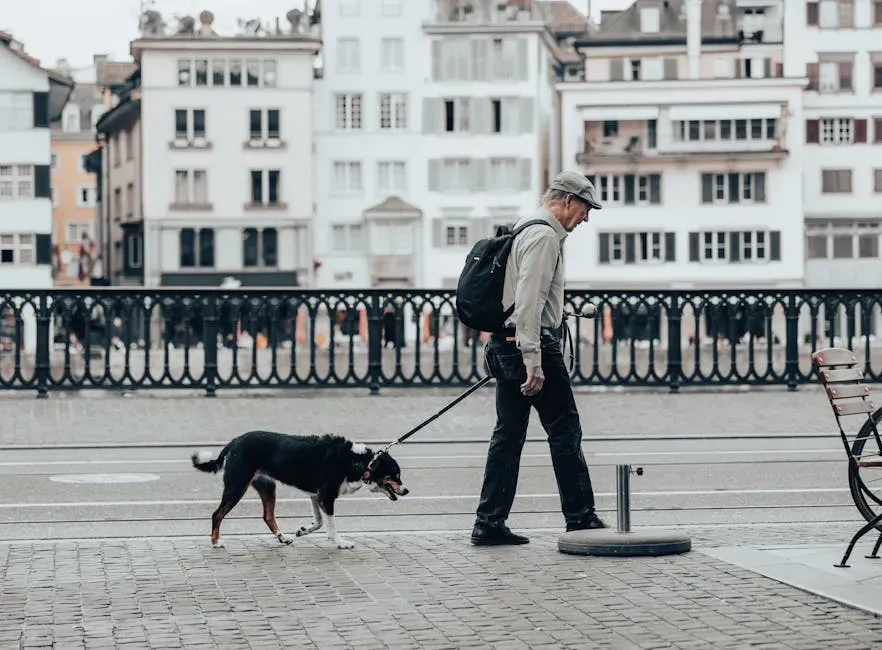
Your dog doesn’t wear a watch, but they’re rarely late.
Dogs run on daily rhythms, and many anticipate meals, walks, and your return. Some dogs start waiting by the door around the same time each day, even if nobody has said a word. The exact mechanism is still debated, but body clocks and cues like light and sound likely play a role.
For seniors, consistency matters even more. Their bladders and digestion may not be as flexible as before. A predictable schedule reduces accidents and stress.
If you have to change the schedule, shift it in small steps. Older dogs usually handle slow changes better than sudden ones.
But the very calm that makes all this look easy has a flip side in #4…
#4 – Stays Calm, Which Is Why a Change Matters
🔥 Would you like to save this?
We'll email this post to you, so you can come back to it later!
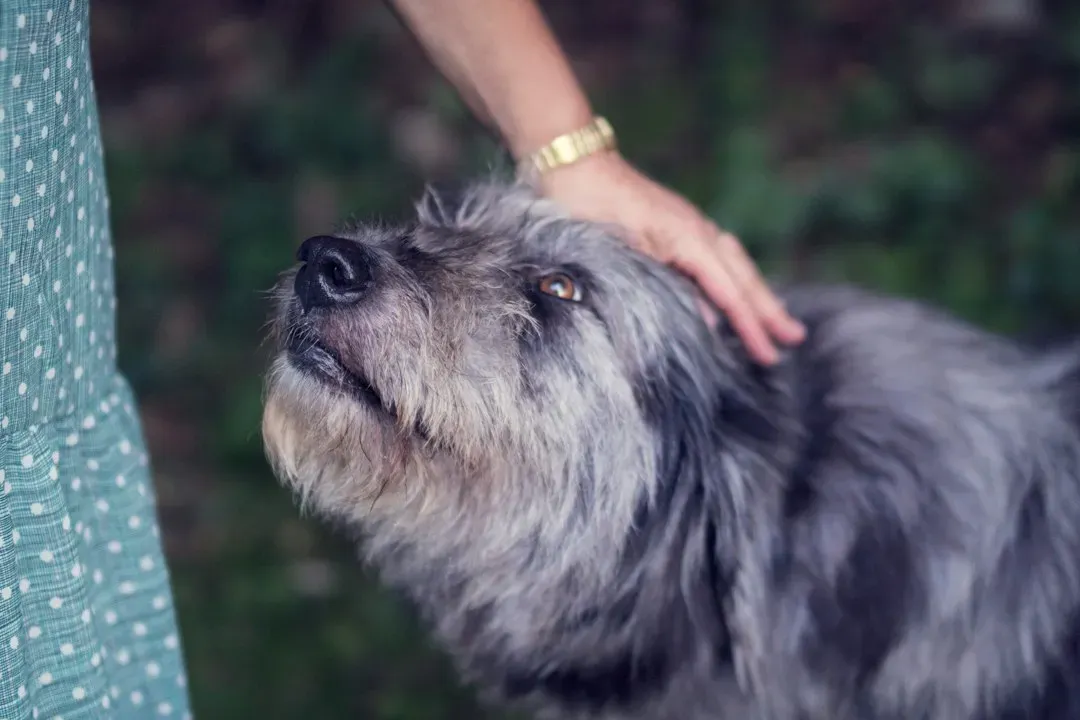
A peaceful senior is great. A senior who suddenly isn’t deserves attention.
Cognitive dysfunction in dogs is sometimes compared to dementia. In an often-cited UK study of owner-reported signs, about 28% of dogs aged 11 to 12 showed at least one sign, rising to about 68% by ages 15 to 16. Many of those signs were easy to miss or dismiss as old age.
Vets often use a checklist: disorientation, changes in sleep, house soiling, less interaction, and more anxiety. The signs can look like this:
- Staring at walls or getting stuck in corners
- Pacing at night, sleeping more by day
- Forgetting known routines
Calling it “just getting old” is the biggest mistake. Many of these conditions can be managed, but only if someone notices.
But the happiest part of the day is the one they’ve been saving up for in #3…
#3 – Saves Its Energy for the Reunion
🔥 Would you like to save this?
We'll email this post to you, so you can come back to it later!
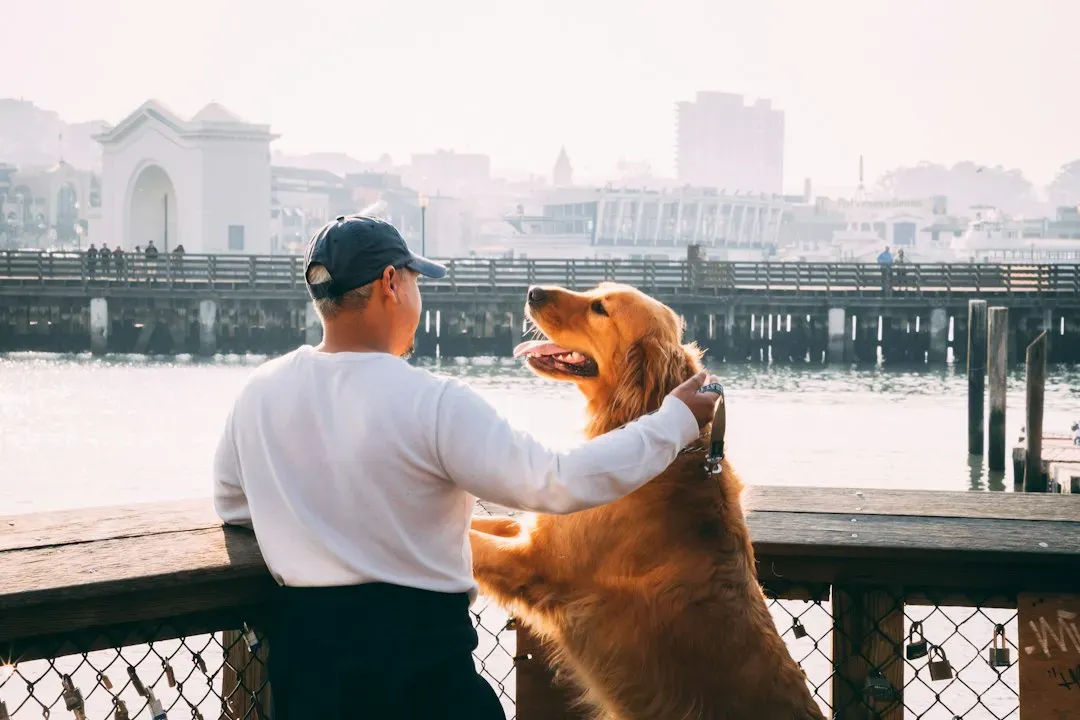
That burst of joy at the door isn’t random. It may be proportional.
A small study by researchers Rehn and Keeling found that dogs greeted their owners more intensely after two hours apart than after thirty minutes. That suggests dogs may sense, in some way, how long you’ve been away. It’s a small sample, so we shouldn’t overstate it.
Still, it fits what many owners see. The longer the absence, the bigger the reunion. Older dogs may not jump or spin, but the tail, eyes, and little vocalizations tell the same story.
Fast Facts
- The comparison: greetings after 30 minutes apart versus two hours apart
- The result: longer absences drew more intense greetings
- The catch: a small sample, so it’s a clue rather than a verdict
- In seniors: look for a soft tail sweep, bright eyes, and quiet murmurs instead of leaps
An older dog’s greeting might be slower, but it isn’t smaller. Don’t mistake a quiet welcome for a weaker one.
But what does your dog actually believe about your leaving? That’s the subject of #2…

Glass Hummingbird Feeder for Outdoors Hanging, 16 oz Leak-Proof Nectar Feeder with Bee Guards & Ant Moat
Check Price on AmazonAs an Amazon Associate, we earn from qualifying purchases.
10/7/2026 1:22 pm GMTi

Halloween Dog Collar with Bow, Orange Cute Ghost Collar,
Check Price on AmazonAs an Amazon Associate, we earn from qualifying purchases.
10/9/2026 2:43 pm GMTi

Portable Dog Water Bottle Foldable Dog Travel Water Bottle
Check Price on AmazonAs an Amazon Associate, we earn from qualifying purchases.
10/7/2026 1:29 pm GMTi

Air Purifiers for Home Pets Large Room Up to 3000 Ft²,HEPA Air Cleaner with Washable Double-Side Filter, PM2.5 Air Quality Monitor,15dB Sleep Mode for Bedroom Odor Dust Pollen,White
Check Price on AmazonAs an Amazon Associate, we earn from qualifying purchases.
10/8/2026 8:23 am GMTi
#2 – Treats Your Absence as Temporary
🔥 Would you like to save this?
We'll email this post to you, so you can come back to it later!
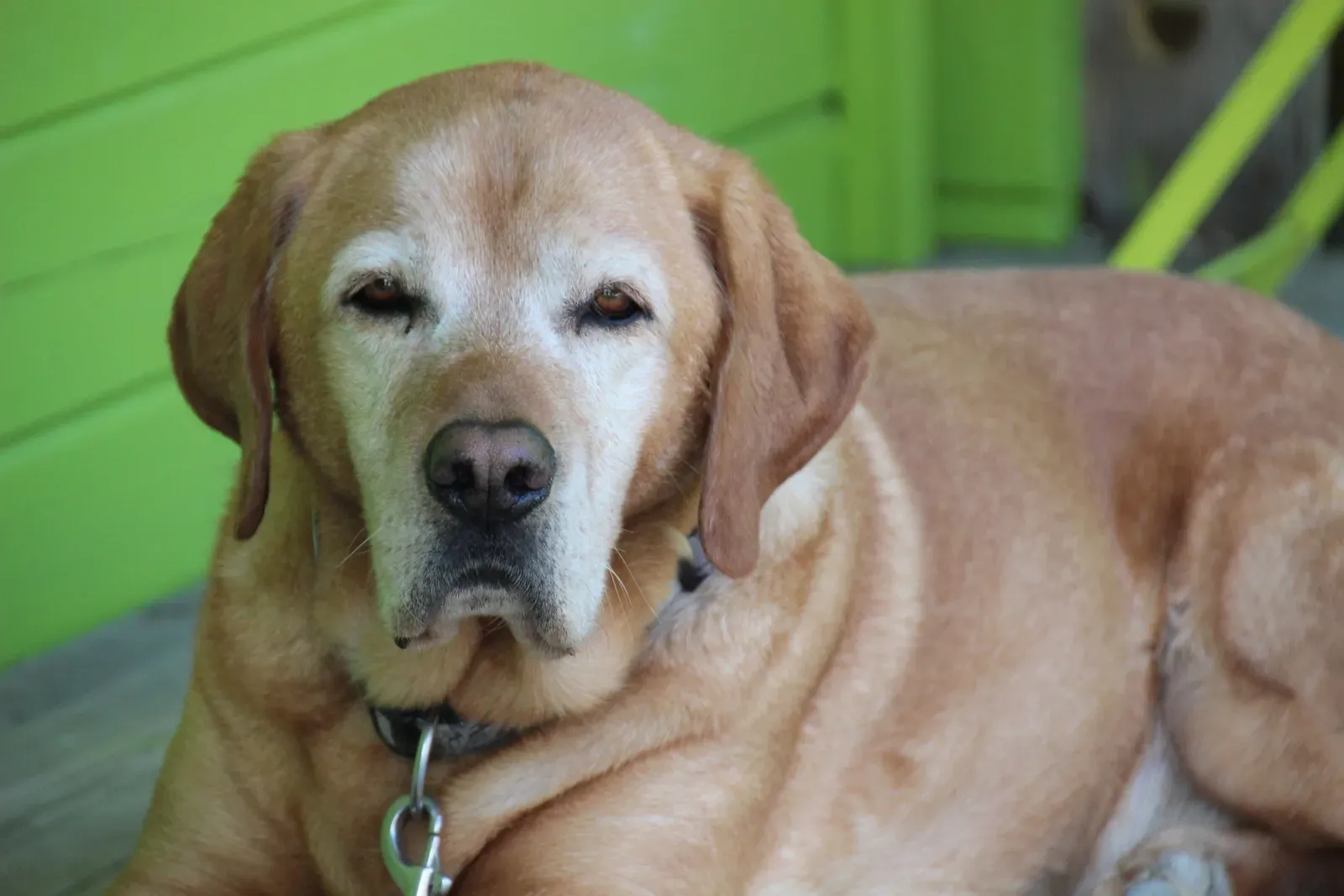
A calm dog is a dog who trusts you’re coming back.
Research on dog-owner attachment suggests that many dogs treat their person as a “secure base,” a source of safety they return to. Dogs with a secure bond with their owner often cope with brief separations more easily. Their calm isn’t indifference. It’s confidence.
Some behaviorists argue that owner guilt about leaving a well-adjusted dog is often bigger than the dog’s own distress. That’s an uncomfortable idea for people who feel awful walking out the door. But plenty of old dogs seem to handle alone time just fine.
That doesn’t apply to every dog, of course. Some do struggle, and they need real help.
But the final habit is the one that explains the whole bond in #1…
#1 – Saves the Softest Greeting for You
🔥 Would you like to save this?
We'll email this post to you, so you can come back to it later!
Everything else on this list leads to one moment: the look.
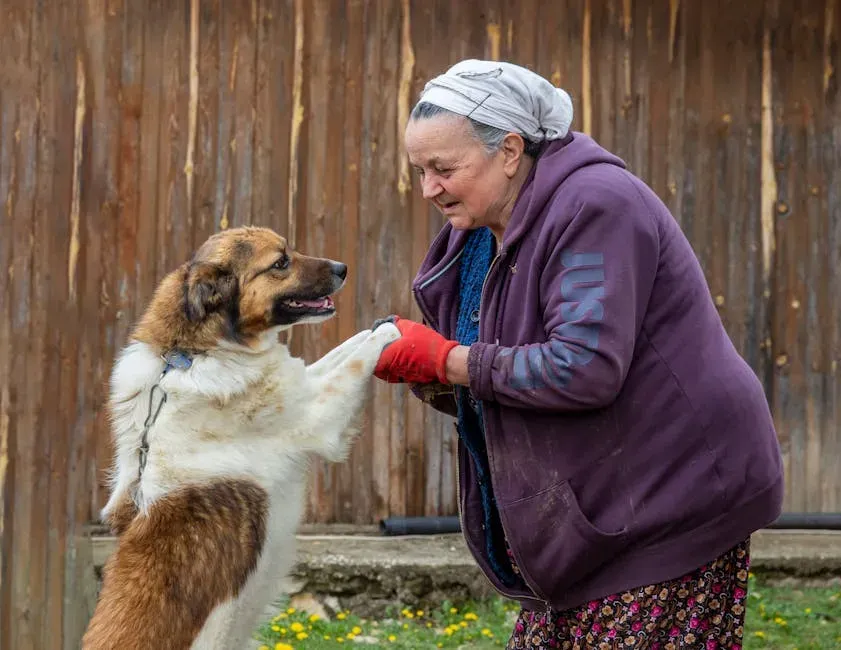
When you walk in, an old dog often offers a slow tail sweep, soft eyes, and a long gaze. A 2015 Japanese study found that mutual gazing between dogs and owners raised oxytocin levels in both. Oxytocin is often called the bonding hormone, and it appears to work in both directions.
That’s a rare finding. Few other animals seem to share this feedback loop with humans in the same way. Years of shared life seem to make the connection stronger, not weaker.
Your dog spent the day waiting, resting, and sniffing the places you’d been. This moment is what all of it was for.
Here’s our opinion. An old dog alone at home is mostly not a sad story, and treating it as one does your dog no favors. Most of these habits are smart, practical comfort strategies built on scent, warmth, and routine.
The real danger isn’t loneliness. It’s missing the quiet changes that signal pain or cognitive decline. Skip the expensive gadgets and focus on what works: worn clothes, warm and cool spots, a steady schedule, and regular vet checks. Learn what normal looks like for your dog so you notice when it shifts.
Which of these quiet rituals does your old dog never skip?

- 7 U.S. States Where Opossums Are Expanding Farther North as Winters Grow Milder - November 6, 2026
- 9 States Where Feral Hogs Are Spreading Faster Than Wildlife Agencies Can Control - November 6, 2026
- 5 U.S. States Where Gray Wolves Have Returned After Decades Away - November 6, 2026