


The wildlife realm is brimming with astonishing secrets and little-known facts that continually captivate scientists and enthusiasts alike. From dizzying migrations to bizarre behavioral adaptations, the natural world is as fascinating as it is mysterious. Here, we delve into 20 shocking truths about wildlife that are sure to both educate and amaze.
19. The Far-Reaching Effects of Climate Change

Climate change continues to disrupt wildlife in unprecedented ways. Rising temperatures are causing shifts in species’ geographical ranges, altering migratory patterns, and threatening entire ecosystems. For instance, polar bears are facing habitat loss due to the melting ice caps, pushing them toward extinction.
18. All About Animal Camouflage

Camouflage is an incredible evolutionary adaptation used by many species to blend in with their surroundings. Some, like the octopus, can change color in seconds, while others, such as the arctic fox, undergo seasonal changes in fur color for year-round concealment.
17. The Role of Keystone Species

Keystone species play a crucial role in maintaining the balance of their ecosystems. Wolves, for example, control deer populations, which in turn affects vegetation growth and, ultimately, the habitat structure. Their removal can create a cascade of negative impacts throughout the ecosystem.
16. Migratory Marvels
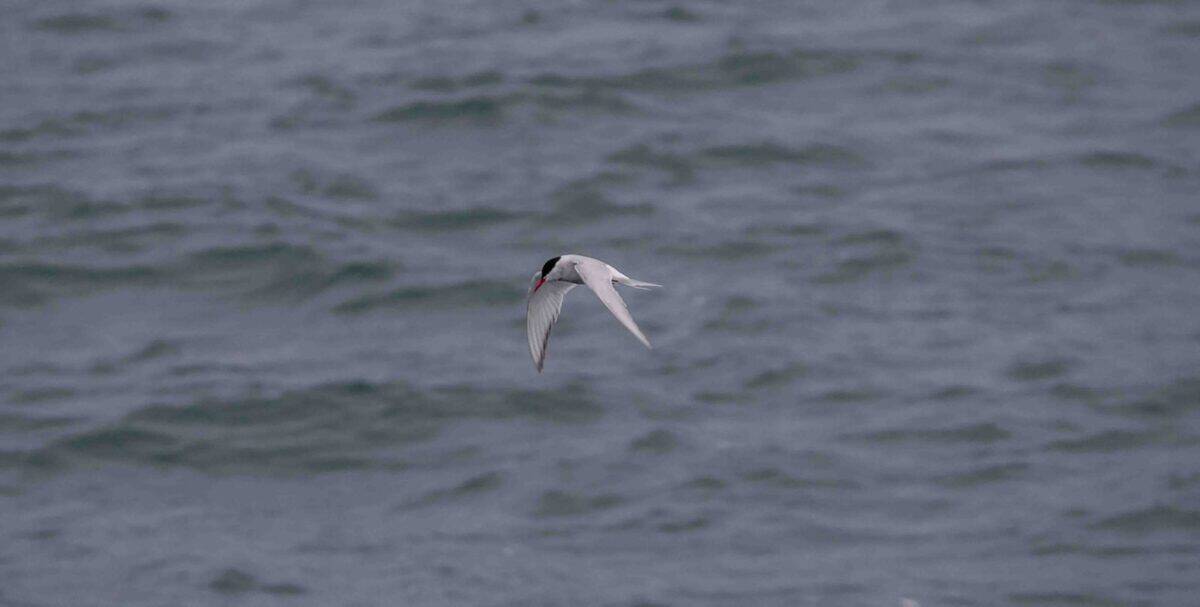
Migration is one of nature’s most captivating spectacles. The Arctic Tern holds the record for the longest migration, traveling over 44,000 miles annually between Arctic breeding grounds and the Antarctic. Such journeys highlight the incredible endurance and navigational skills of migratory species.
15. Intelligent Invertebrates
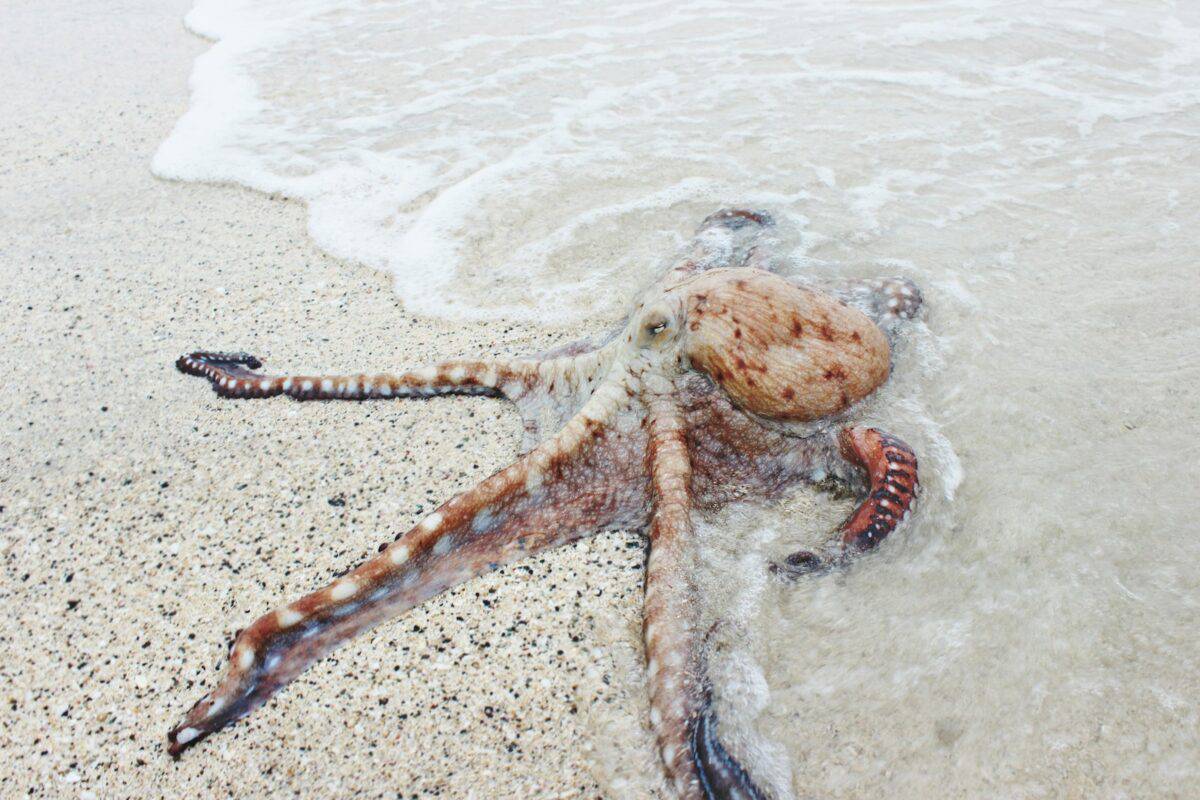
Octopuses are not just masters of disguise; they’re also highly intelligent. With the ability to solve complex problems, use tools, and escape enclosures, these creatures exhibit remarkable cognitive abilities that challenge our understanding of invertebrate intelligence.
14. The Mysterious Language of Elephants
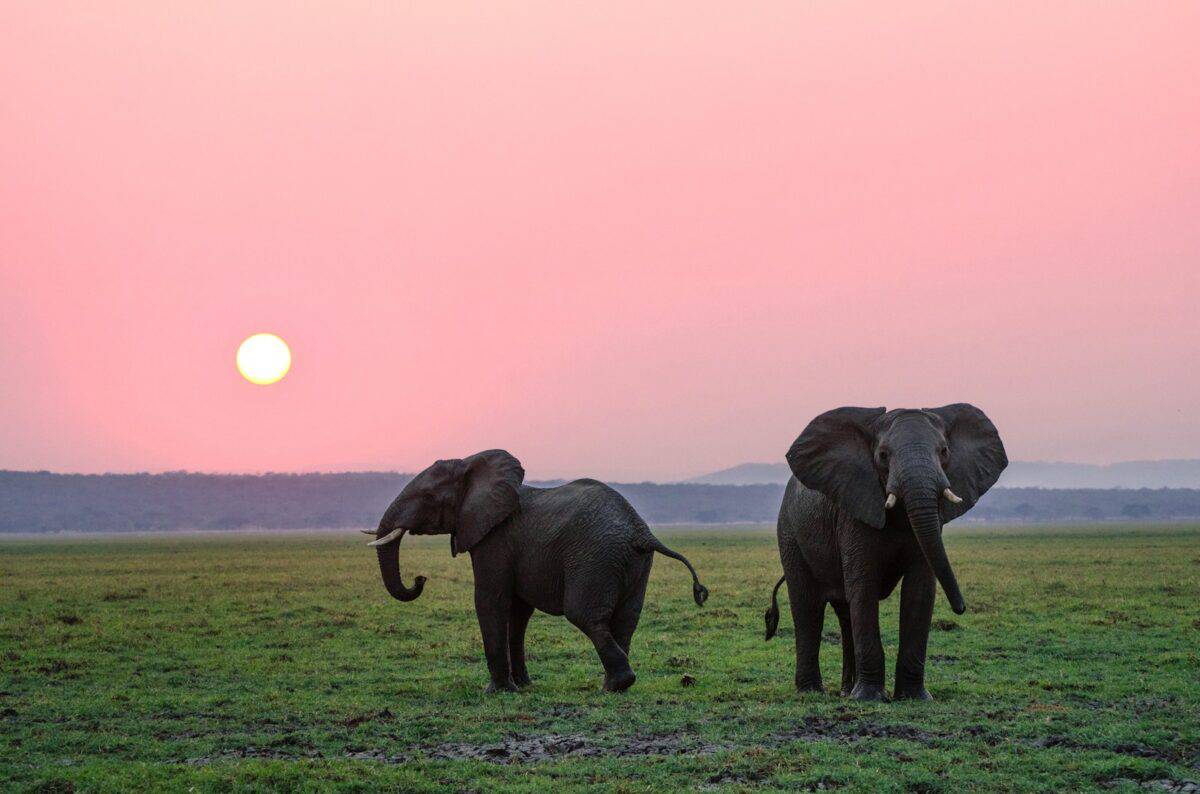
Elephants communicate with an extensive range of vocalizations and body language. They use infrasound – low-frequency sounds – to convey messages over long distances. This complex communication system highlights their sophisticated social structures and emotional depth.
13. Bioluminescence: A Natural Light Show

Bioluminescence is a natural phenomenon where organisms produce light. Fireflies, certain fungi, and deep-sea creatures, use bioluminescence for various purposes like attracting mates, deterring predators, or confusing prey. It’s a spectacular evolutionary adaptation for survival in darkness.
12. Symbiotic Relationships
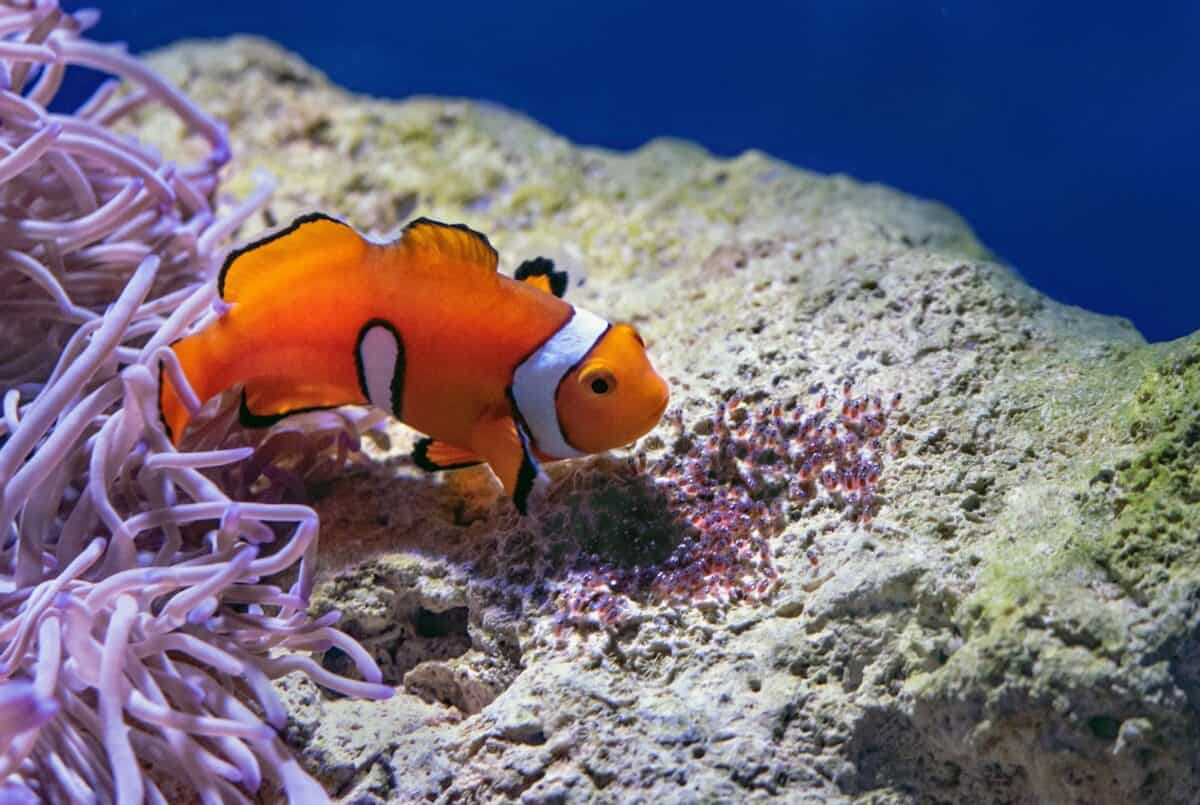
Some of nature’s most interesting partnerships are symbiotic. Clownfish and sea anemones share a mutualistic relationship where both parties benefit: the anemone provides protection with its stinging tentacles, and the clownfish offer cleaning services by removing parasites.
11. Ingenious Tool Use in the Animal Kingdom

Tool use is not exclusive to humans. Certain bird species like crows and parrots, as well as primates such as chimpanzees, display impressive problem-solving skills by crafting and using tools to access food. These behaviors underscore their high levels of intelligence and adaptability.
10. Understanding Ecological Niches
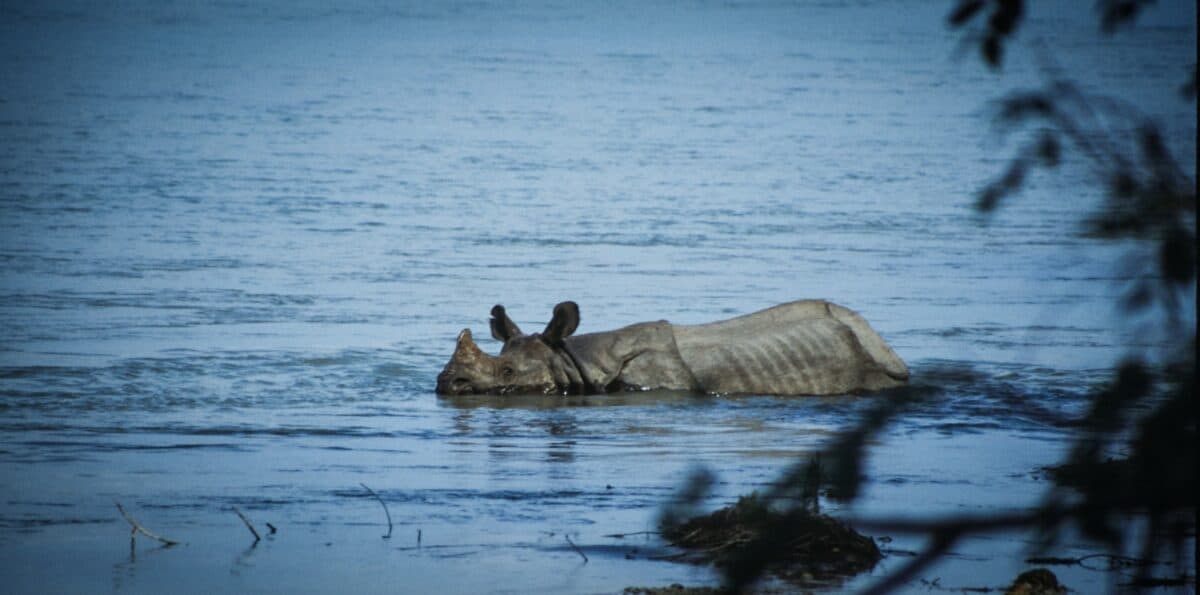
Every species occupies a unique ecological niche, fulfilling specific roles in its habitat. These roles include feeding relationships, habitat preferences, and reproductive strategies. Understanding these niches is crucial for biodiversity conservation and ecological research.
9. The Jeopardy of Endangered Species
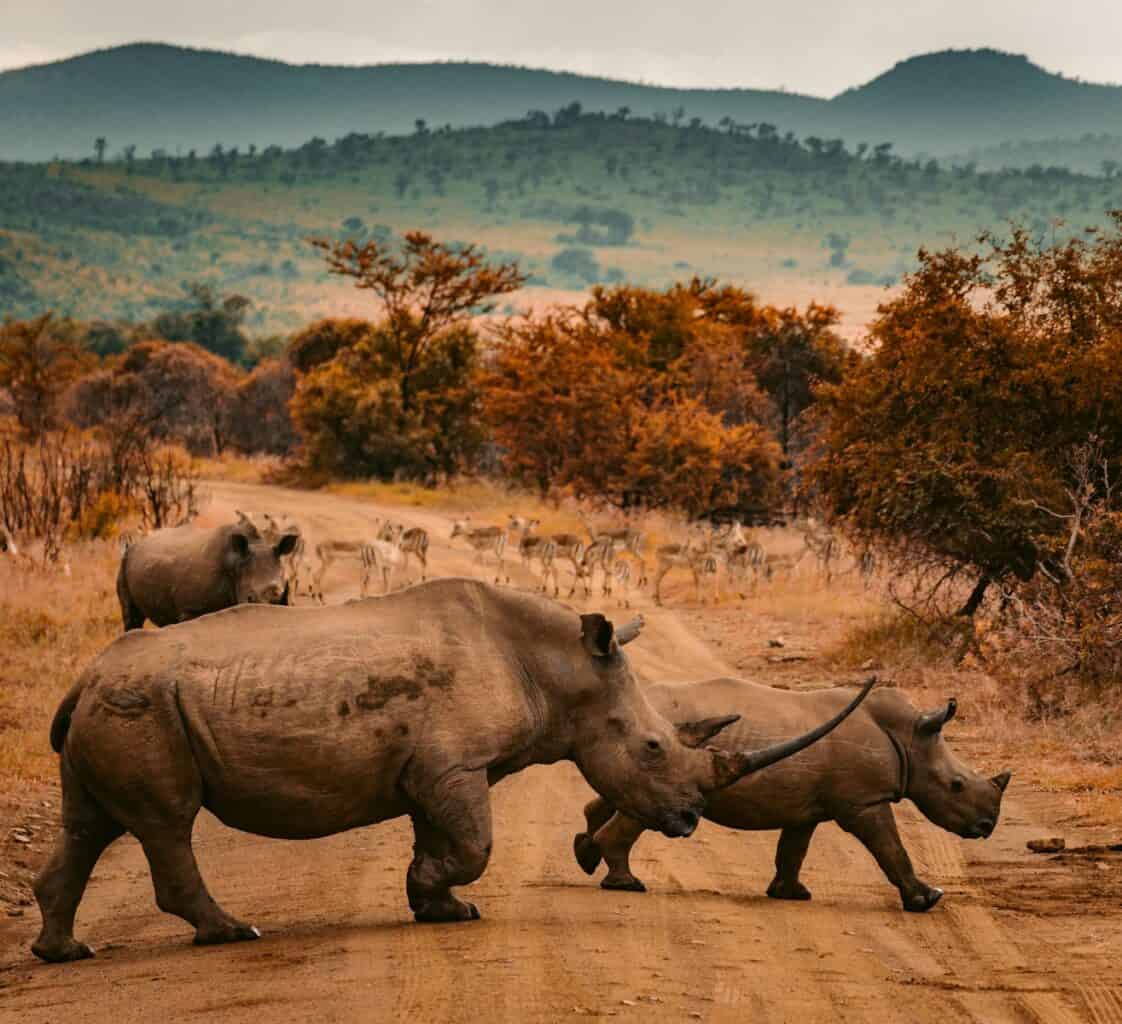
Many species are teetering on the brink of extinction due to habitat destruction, poaching, and climate change. The critically endangered Javan rhino is a stark reminder of the fragility of wildlife and the urgent need for concerted conservation efforts.
8. Rewilding: A Path to Restoration

Rewilding involves the reintroduction of species into habitats where they’ve become extinct. This conservation strategy aims to restore natural processes and biodiversity. Cases like the reintroduction of wolves to Yellowstone have shown positive ecological impacts, revitalizing entire ecosystems.
7. Predators and Prey: A Delicate Balance
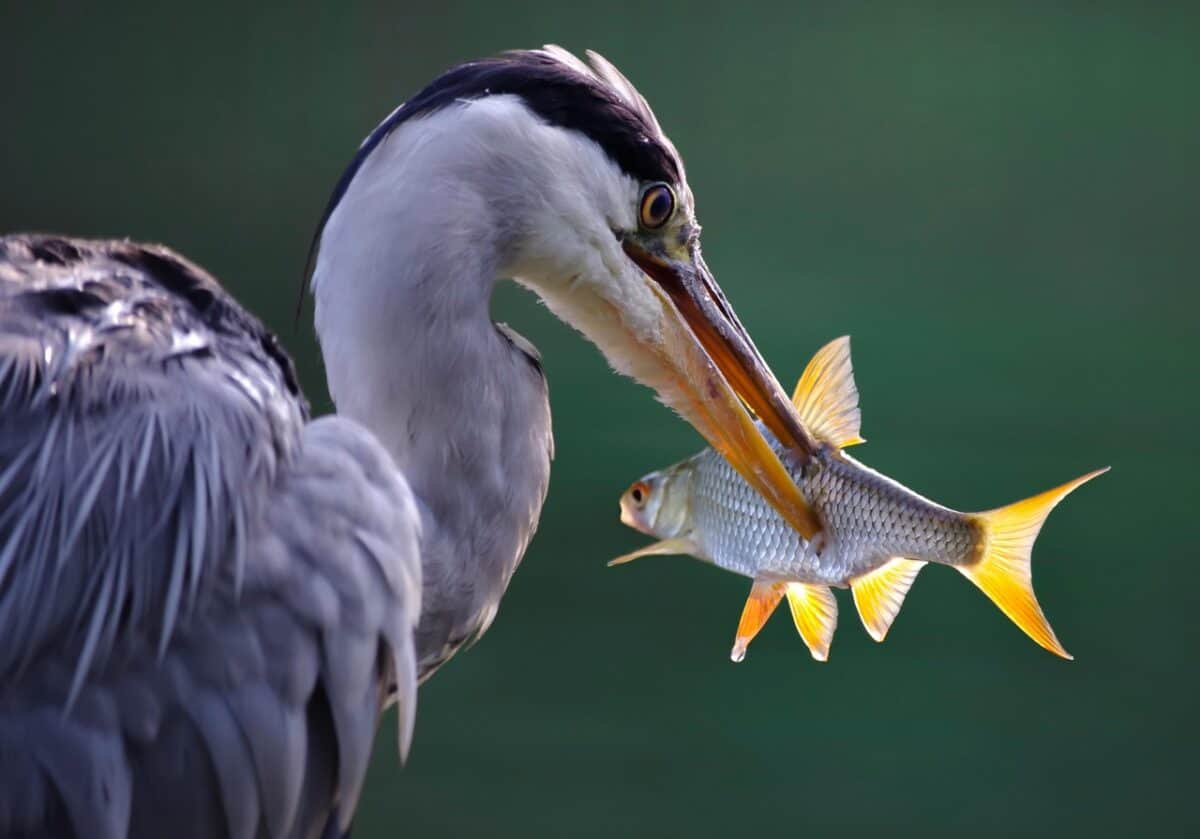
The predator-prey relationship is a fundamental ecological interaction that regulates population dynamics. Predators help keep prey populations in check, which prevents overgrazing and promotes vegetative growth, thereby sustaining a balanced ecosystem.
6. Bizarre Animal Reproduction
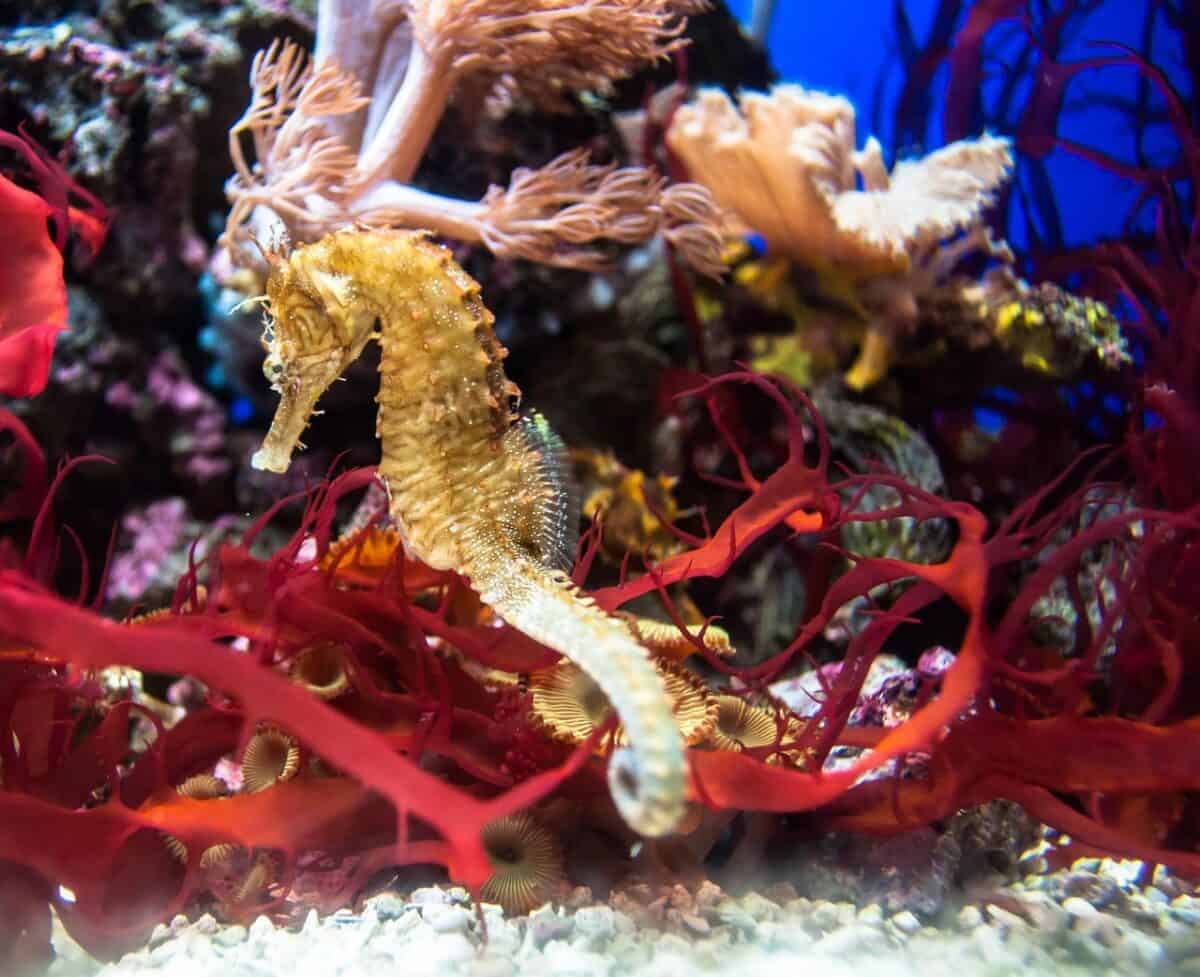
Reproductive strategies in wildlife are incredibly diverse and often bizarre. Male seahorses, for example, are the ones to become pregnant and give birth, challenging traditional gender roles in the animal kingdom. Such strategies reveal the complexity of natural selection.
5. Species with Extreme Lifespans

Wildlife species with extreme lifespans are living testaments to evolutionary success. The Greenland shark is thought to be the longest-living vertebrate, with some individuals estimated to be over 400 years old, offering insights into longevity and aging in animals.
4. Social Structures in the Animal World
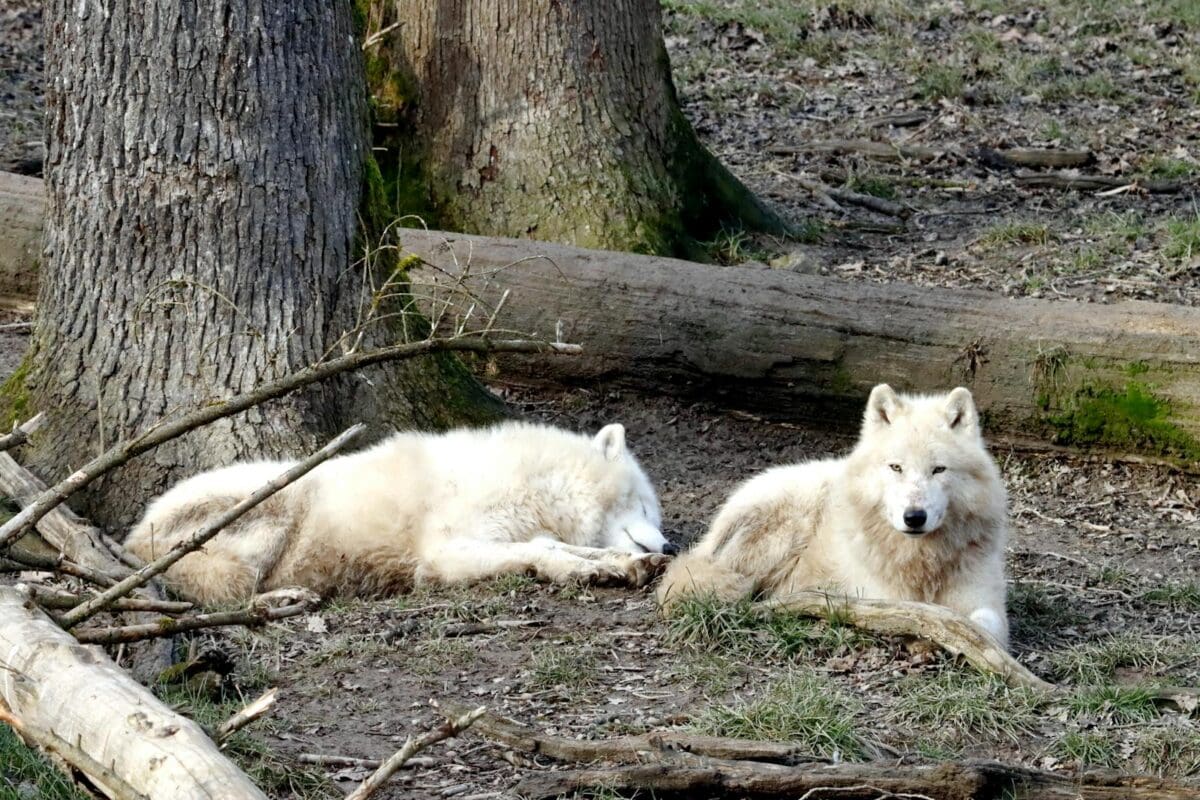
Many animals exhibit complex social structures, from the hierarchical societies of wolves and primates to the cooperative herding of elephants. Social bonds are essential for survival, facilitating learning, protection, and collaboration in navigating life’s challenges.
3. Animal Self-Medication Practices

Some animals self-medicate using natural remedies. For instance, chimpanzees consume particular plants with medicinal properties to combat parasites, a behavior known as zoopharmacognosy. This showcases the intuitive understanding some animals have of their environment.
2. The Unseen World of Microfauna
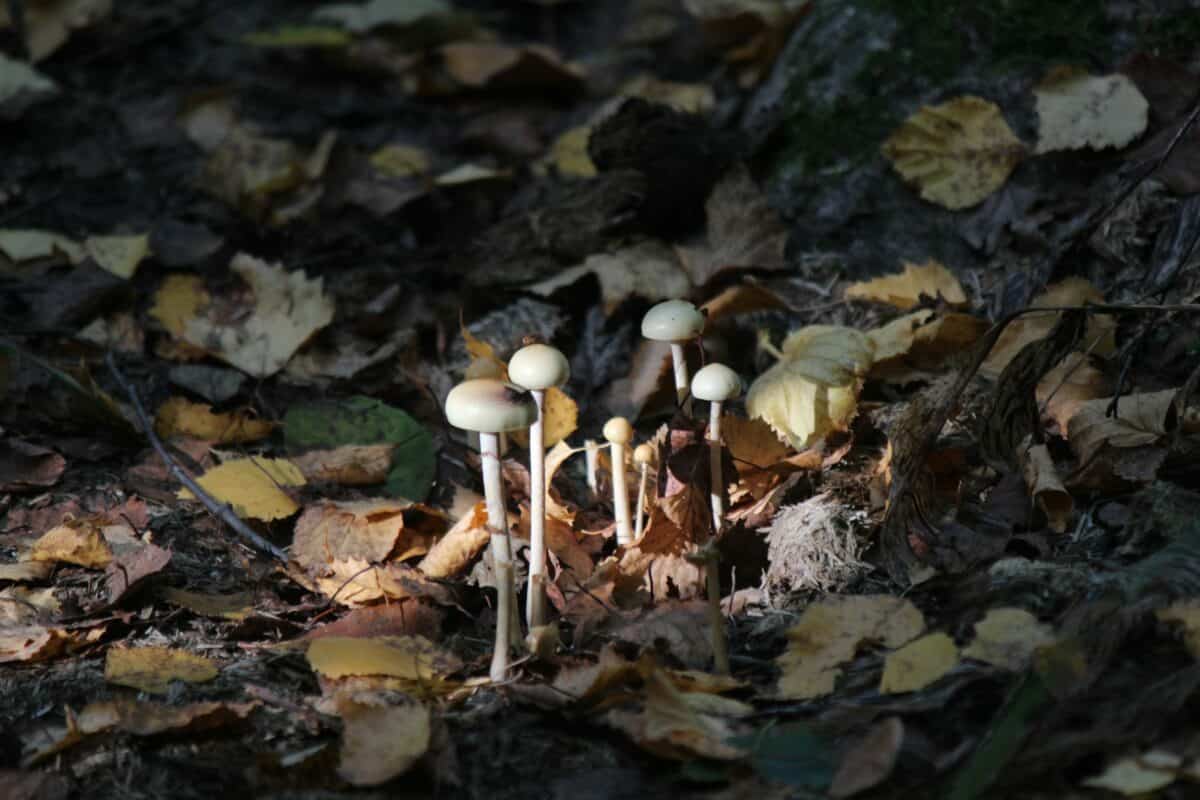
Microfauna, though often overlooked, play crucial roles in ecosystems. These tiny organisms, like tardigrades and mites, contribute to nutrient cycling, soil aeration, and decomposition, emphasizing the importance of conserving even the smallest forms of life.
1. Human Impact: A Double-Edged Sword

Human activities have a profound impact on wildlife, often posing threats but also offering salvation. Conservation initiatives, wildlife corridors, and sanctuaries demonstrate

- 21 Scary Creatures You Might Run Into While Hiking In The U.S - June 3, 2026
- The Difference Between Turtles and Tortoises—Explained - June 3, 2026
- What Makes Owls the Silent Predators of the Night? - June 3, 2026