

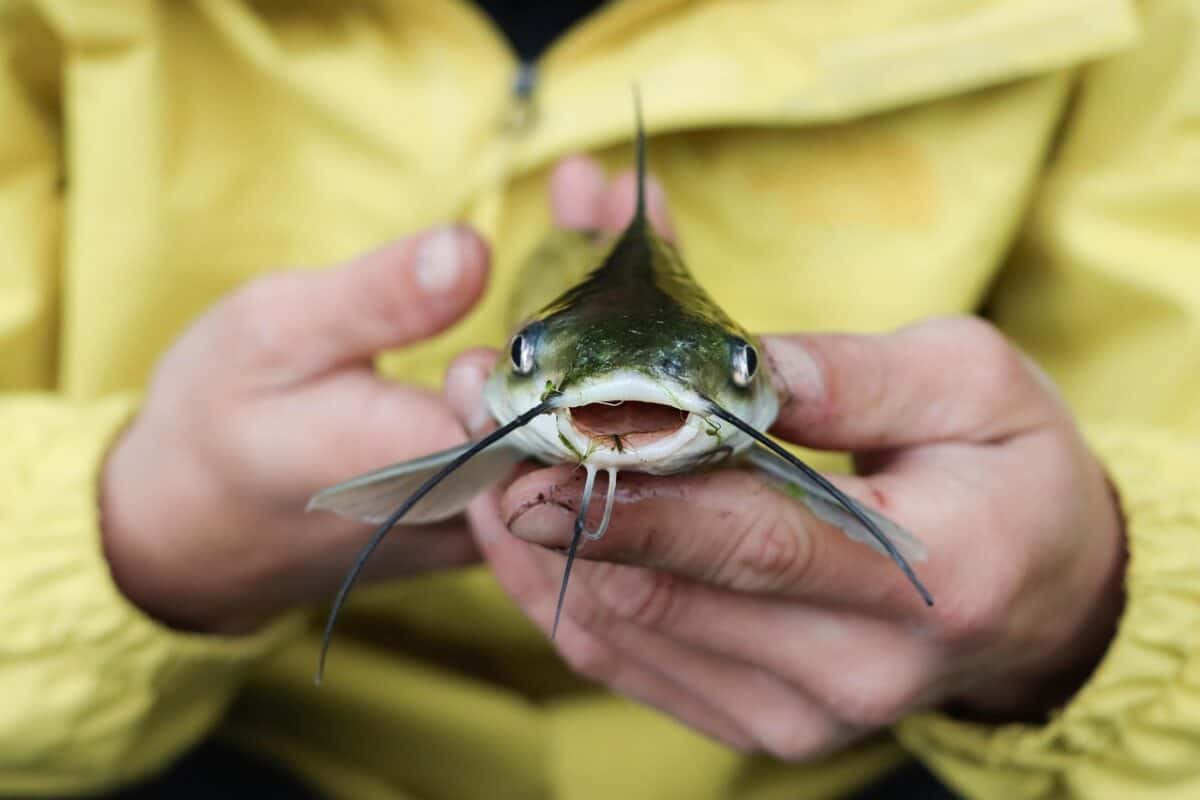
The natural world is full of wonders, many of which continue to baffle and intrigue scientists and enthusiasts alike. Beyond the familiar fauna that populate documentaries and zoos, some creatures remain cloaked in mystery, often eluding comprehensive study due to their elusive nature or remote habitats. This article explores 21 of the most mysterious creatures ever spotted in the wild, offering a fascinating glimpse into the unknown realms of animal science.
20. The Virginia Opossum of North America

Although commonly encountered across North America, the Virginia opossum still holds mysteries. Known for playing dead as a defensive mechanism, scientists still study how this involuntary process is triggered and controlled neurologically.
19. The Platypus of Australia

One of the world’s most peculiar animals, the platypus defies regular classification. With features of birds, reptiles, and mammals, this egg-laying mammal has an enigmatic electric sense used for hunting in murky waters, the mechanics of which are still not fully understood.
18. The Giant Squid of the Deep Sea

Long considered a creature of legend, the giant squid is a real, albeit rarely seen, inhabitant of the deep ocean. Reaching lengths of up to 43 feet, much about its lifecycle, behavior, and ecology remains unknown due to its inhospitable deep-sea environment.
17. The Okapi of the Democratic Republic of Congo

Often referred to as the “forest giraffe,” the okapi was not documented by western scientists until the early 20th century. It resides in dense rainforests and remains shrouded in mystery, with unclear population numbers and behaviors due to its remote, lush habitat.
16. The Aye-Aye of Madagascar

This peculiar lemur is distinguished by its elongated middle finger, which it uses for foraging. Despite being quite recognizable, the aye-aye’s nocturnal habits and remote habitat make it one of Madagascar’s most elusive mammals, with much about its lifestyle still unknown.
15. The Saola of Southeast Asia

Dubbed the “Asian unicorn,” the saola is one of the world’s rarest mammals, discovered only in 1992. Found in the Annamite Range of Vietnam and Laos, its secretive nature and critically endangered status render it an enigma in the zoological community.
14. The Sleeper Shark of the Arctic
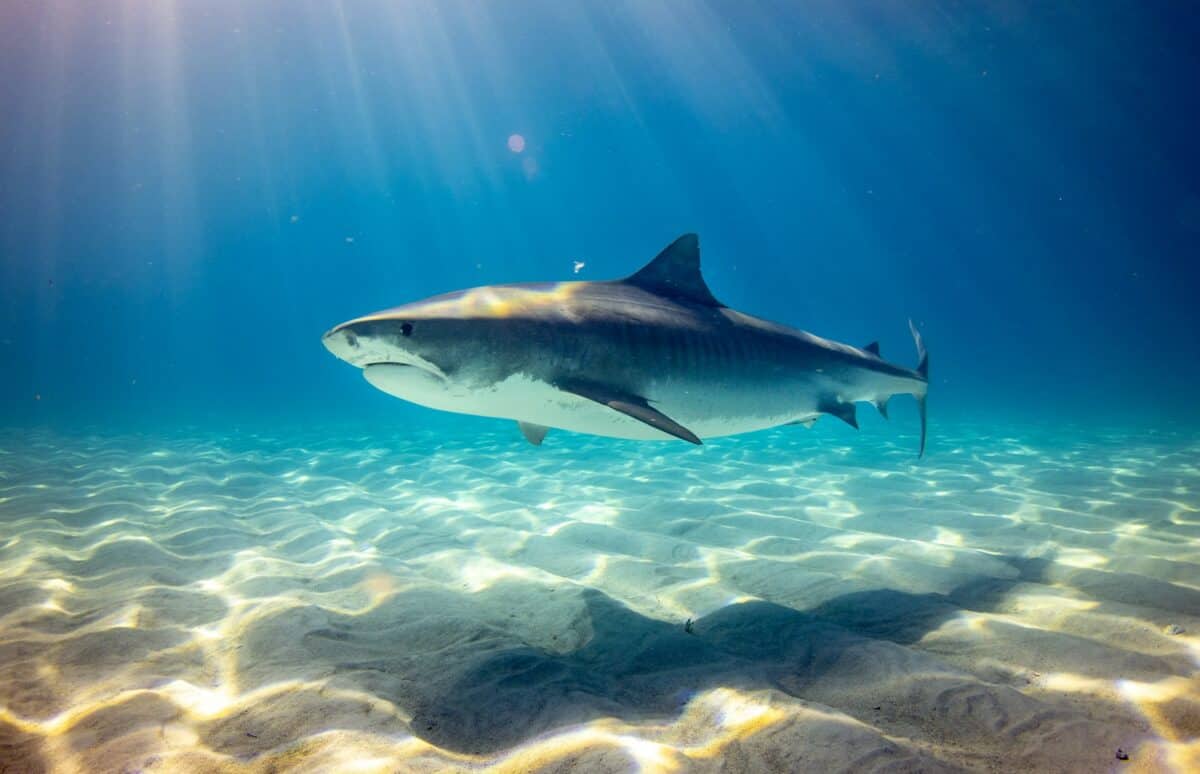
The Greenland sleeper shark is a mysterious inhabitant of frigid arctic waters. Known to live for centuries, its slow metabolism and unique adaptations to the cold raise several questions about its biology and how it navigates its icy environment.
13. The Komodo Dragon of Indonesia
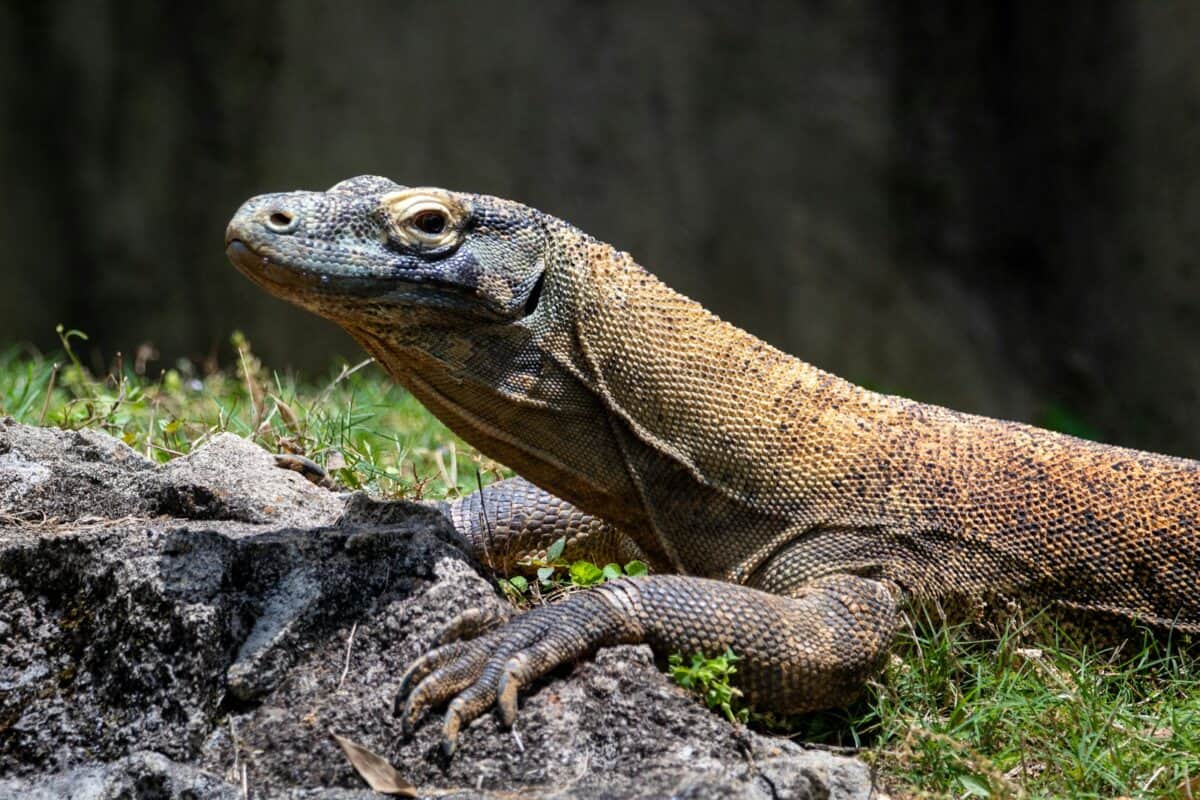
While relatively well-studied, the world’s largest lizard, the Komodo dragon, continues to intrigue scientists with its potent bacteria-laden bite and parthenogenetic reproduction—a phenomenon where females can reproduce without males, raising questions about its evolutionary pathways.
12. The Narwhal of the Arctic Ocean

The “unicorn of the sea,” narwhals possess a spiraled tusk whose precise purpose remains debated among scientists. From sensory organ to mating display, the function of this remarkable adaptation is a subject of ongoing research.
11. The Kakapo of New Zealand

This flightless parrot is a nocturnal bird with few surviving individuals. Its peculiar mating calls and unique evolutionary path, adapting to a predator-free New Zealand environment, hold several biological mysteries due to its critically endangered status.
10. The Basking Shark of World Oceans
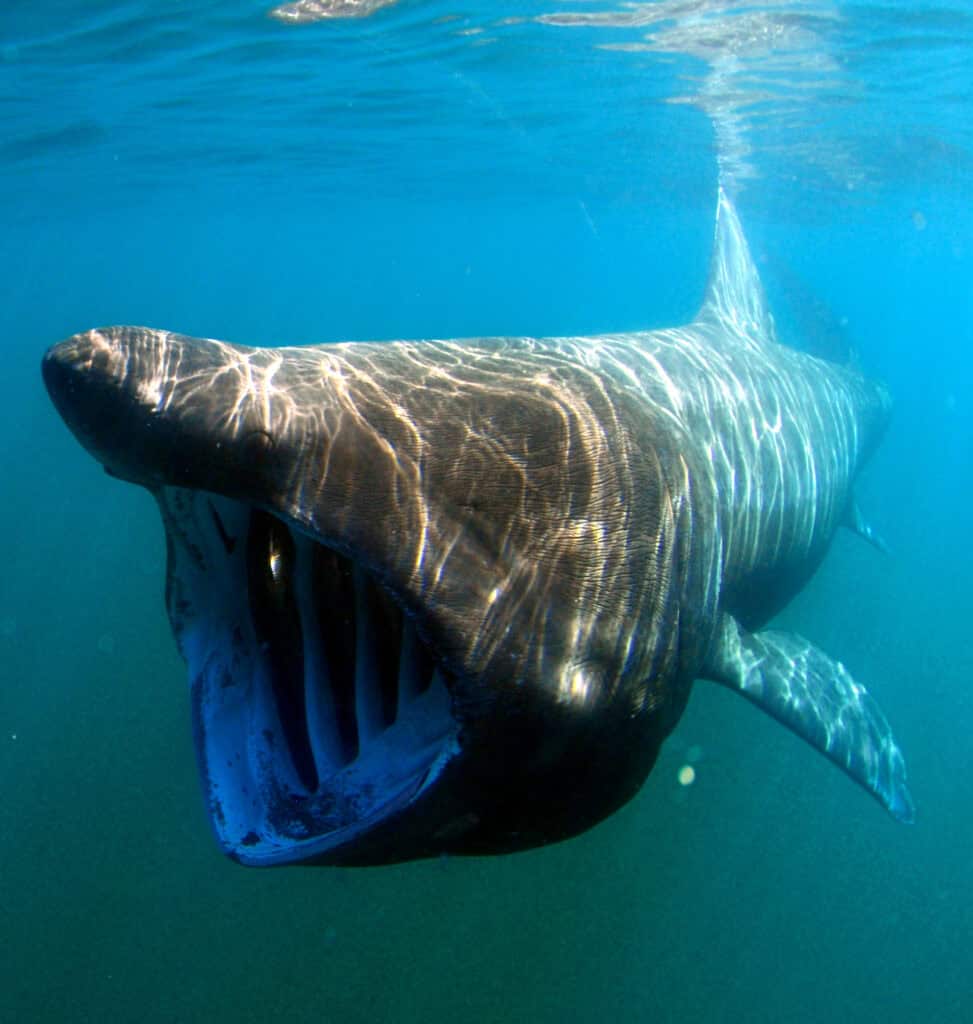
Second only to the whale shark in size, the basking shark is a gentle filter feeder that puzzles scientists with its migration patterns and everyone involved wonders about its elusive mating behaviour.
9. The Coelacanth of the Comoros Islands

Once thought extinct until its rediscovery in 1938, the coelacanth is a “living fossil” fish. Investigating its evolutionary link between fish and land vertebrates has provided insights into Earth’s biological history, though many aspects of its deep-sea lifestyle remain unknown.
8. The Yeti Crab of the Southern Ocean
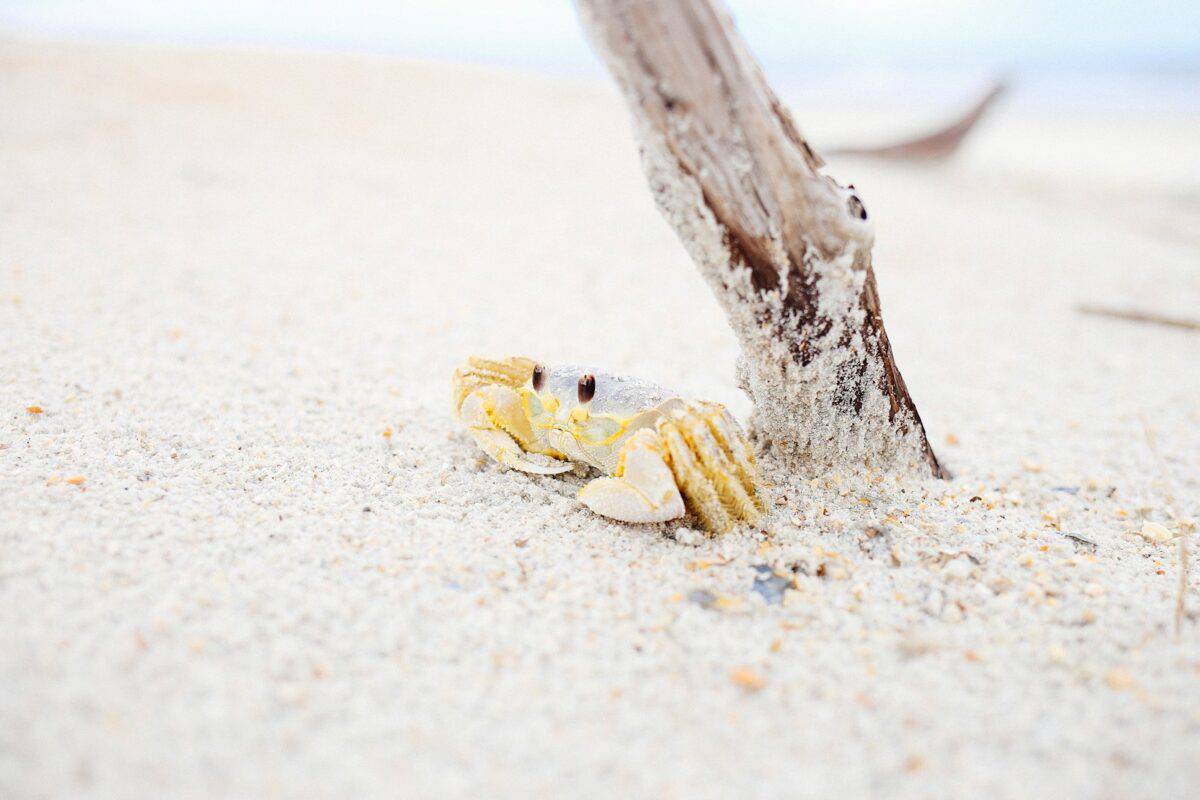
Discovered near hydrothermal vents, the yeti crab boasts hairy arms laden with bacteria that likely detoxify poisonous minerals from the vents. Its survival strategy and adaptation to such a hostile environment continue to captivate researchers.
7. The Orang Pendek of Sumatra
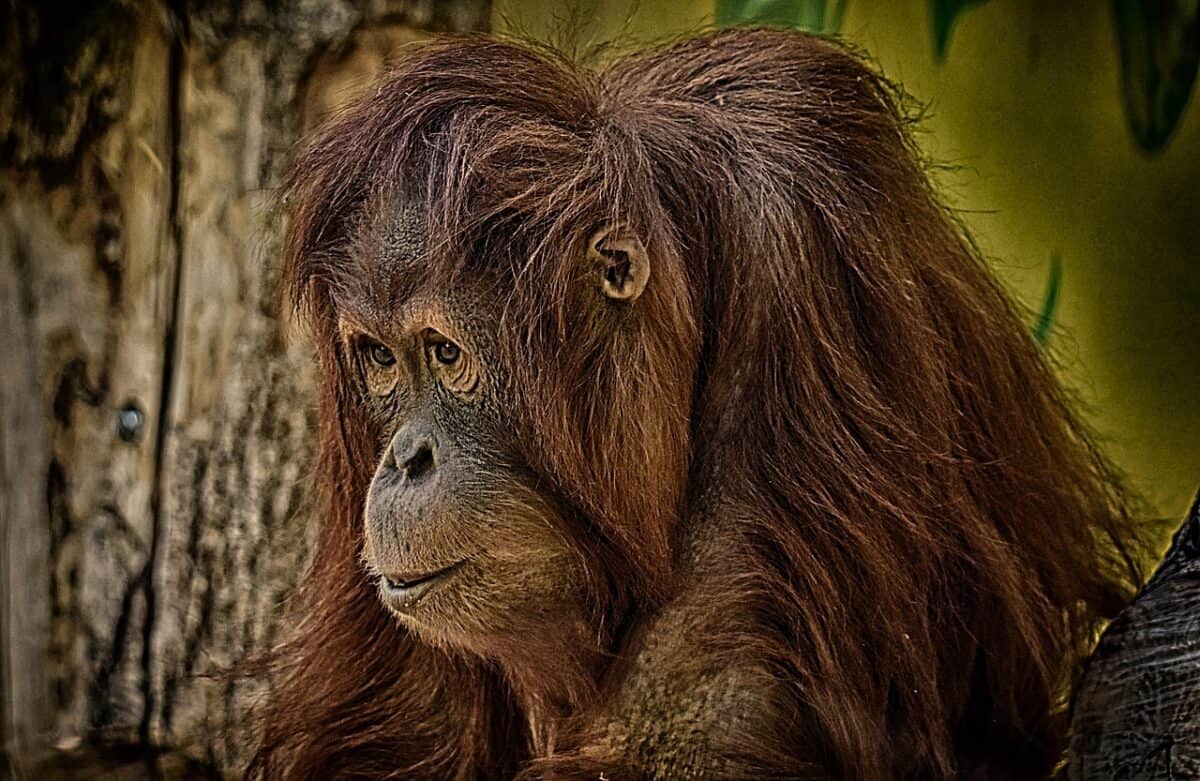
Although unconfirmed by science, local folklore and reported sightings fuel interest in this purported small bipedal primate. Studies in cryptozoology often focus on investigating such claims, though hard evidence remains elusive.
6. The Tasmanian Tiger of Tasmania
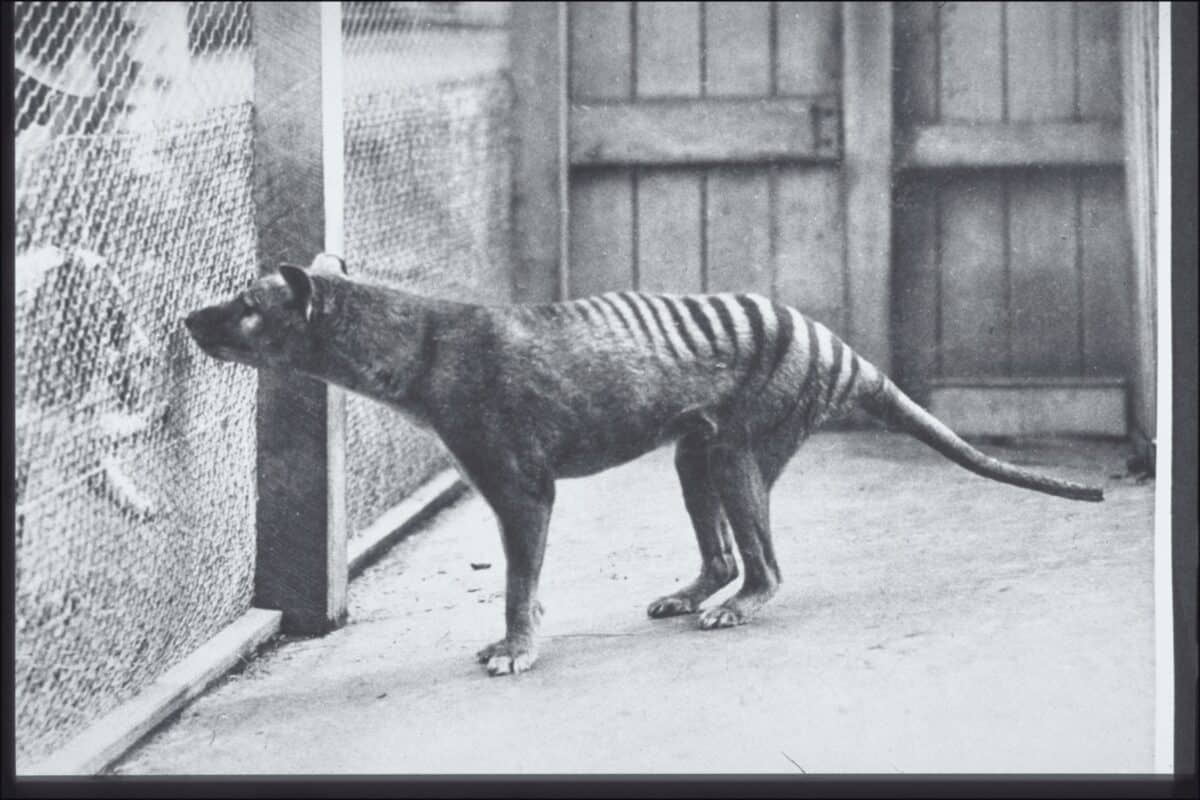
Officially declared extinct in the 20th century, the Tasmanian tiger continues to be reported by locals and scientists alike. Its peculiar wolf-like marsupial characteristics fascinate researchers who hope to unlock its mysteries through DNA and cloning technologies.
5. The Moa of New Zealand
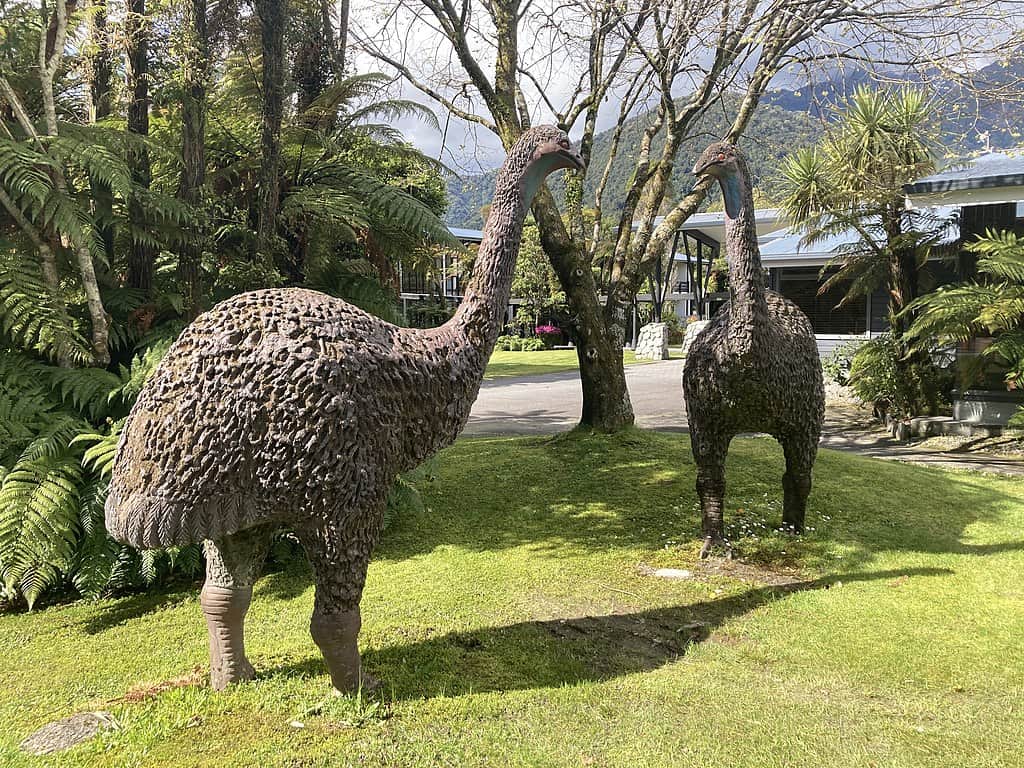
Though extinct, these giant flightless birds have left behind a legacy of fossils and myths. The ecological impact of their disappearance continues to be a focus of study in understanding New Zealand’s prehistoric environment.
4. The Bili Ape of the Democratic Republic of Congo
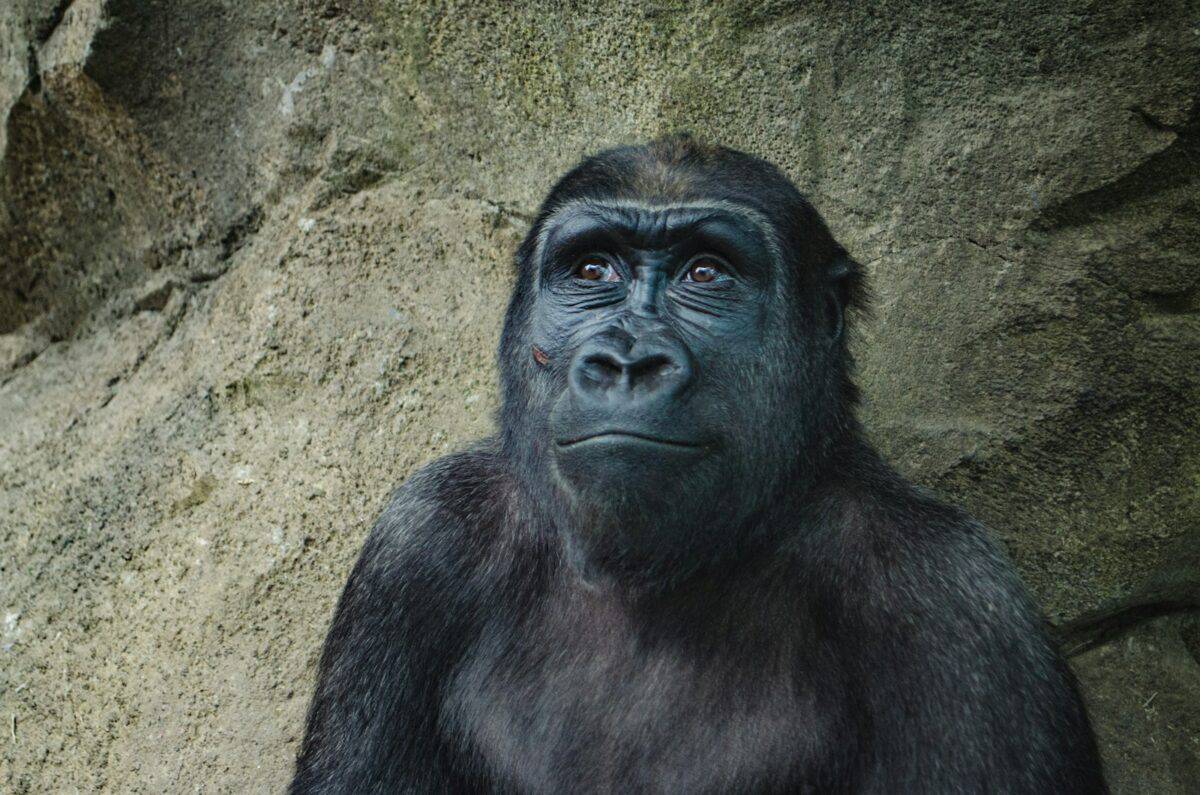
Recently confirmed by researchers, Bili apes are large chimpanzees with distinct behaviors and physical characteristics reminiscent of both gorillas and chimpanzees. Their discovery adds a mysterious layer to what is known about primate evolution and behavior.
3. The Thylacine of Australia

Also known as the Tasmanian Tiger, the thylacine was a carnivorous marsupial predator officially classified as extinct. Nevertheless, consistent reports of sightings keep alive the mystery of whether some individuals still roam the wild.
2. The Quetzal of Central America

This vibrantly colored bird is famous for its elusive nature and cultural significance. Despite being a subject of myths and legends, it evades comprehensive study due to its secretive habits and shrinking habitat.
1. The Goonch Catfish of the Kali River
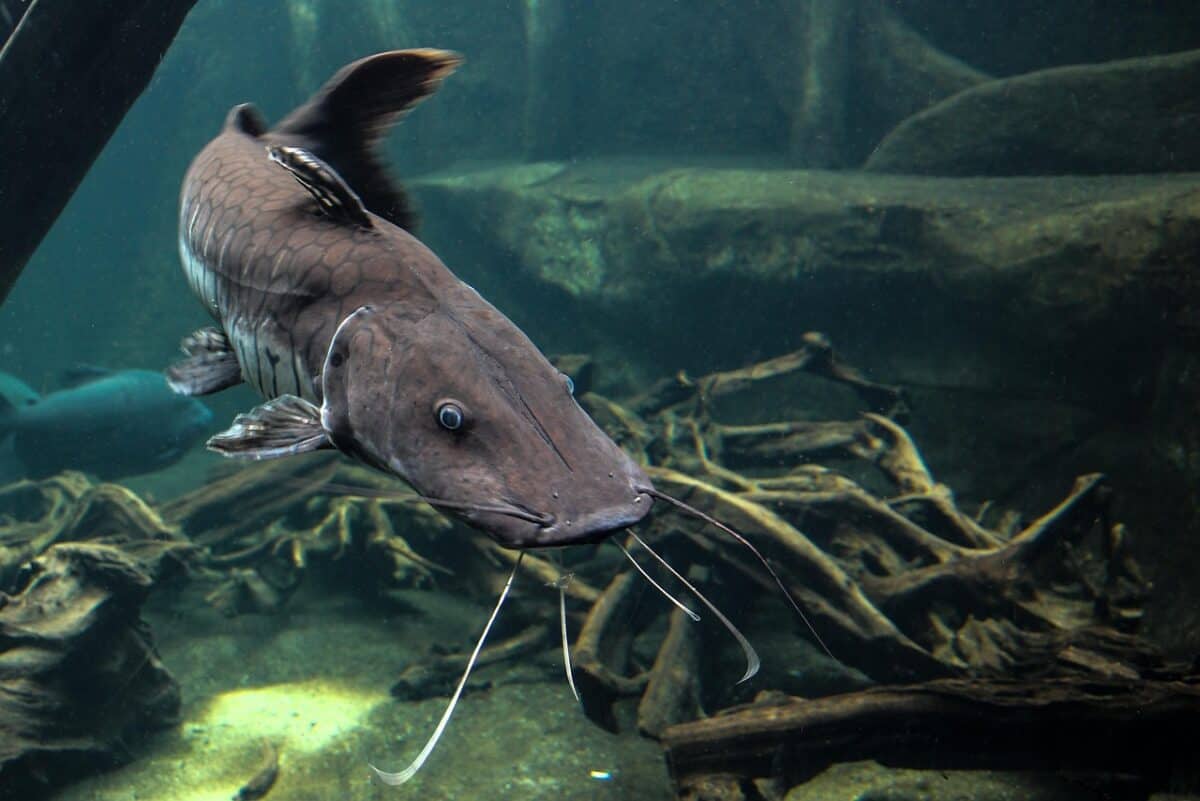
Considered one of the largest freshwater catfish, the goonch has inspired tales of attacking humans. Scientists are intrigued by its size and aggressive behavior, probing the murky waters to validate such claims.
The kaleidoscope of nature’s mystery is ever-changing and fascinating. While modern science continues to illuminate the natural world, many creatures remain enigmatic, offering tantalizing glimpses into complex ecosystems and evolutionary marvels. The creatures discussed in this article represent just a fraction of the planet’s mysterious fauna, each highlighting the need for continued exploration and conservation efforts to preserve our planet’s rich biodiversity.

- 21 Scary Creatures You Might Run Into While Hiking In The U.S - June 3, 2026
- The Difference Between Turtles and Tortoises—Explained - June 3, 2026
- What Makes Owls the Silent Predators of the Night? - June 3, 2026