

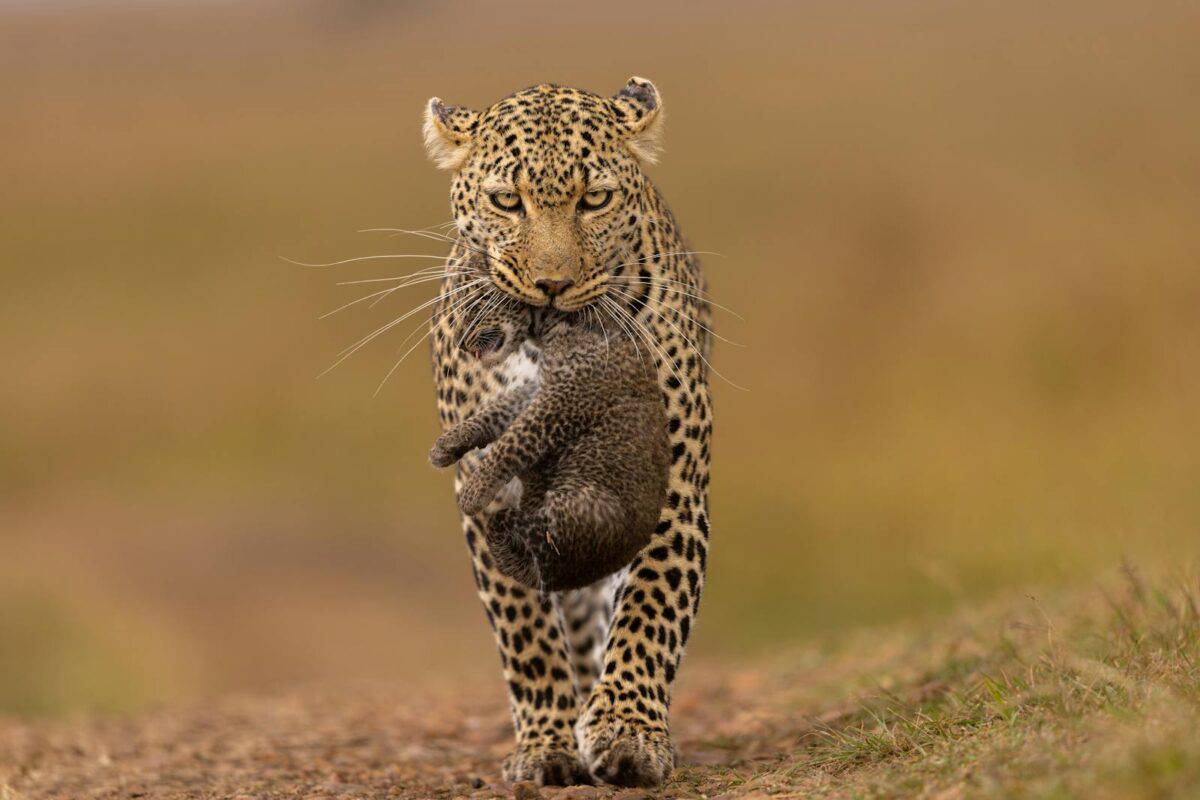
Wild predators play a crucial role in maintaining the balance of ecosystems. They regulate the population of other species, ensuring that resources are not overexploited and that biodiversity thrives. By controlling herbivore populations, predators help maintain plant diversity, which in turn supports various other animal species. This intricate web of interactions highlights why we should never underestimate wild predators and their integral role in nature.
Evolutionary Precision

Over millions of years, wild predators have evolved to become efficient hunters. Their physical and behavioral adaptations not only make them formidable hunters but also exceptional survivors. These adaptations include keen senses, camouflage, speed, and strength, each sharpened by natural selection to optimize their hunting capabilities.
Keystone Species

Many wild predators are considered keystone species, meaning their presence or absence drastically alters the ecosystem structure. Species like wolves, tigers, and sharks keep prey populations in check, preventing overgrazing and supporting habitat diversity. The removal of such predators can lead to ecosystem collapse, emphasizing their irreplaceable role.
Apex Predator Dynamics

Apex predators, those at the top of the food chain, have no natural predators of their own. This position allows them to influence the populations and behaviors of species throughout the entire food web. Understanding these dynamics is crucial for conservation efforts and ecosystem management.
Natural Population Control

Predators serve as a natural check on prey populations, which helps prevent the overuse of vegetation and other resources. This control is vital in maintaining the health of ecosystems, as it prevents the imbalance that could lead to resource depletion and habitat degradation.
Behavioral Complexity

Wild predators exhibit remarkably complex behaviors. For example, wolves demonstrate cooperative pack hunting strategies, while big cats like leopards rely on stealth and solitary ambush tactics. These behaviors are the result of intricate social structures and survival strategies, underscoring their sophisticated nature.
Incredible Adaptability
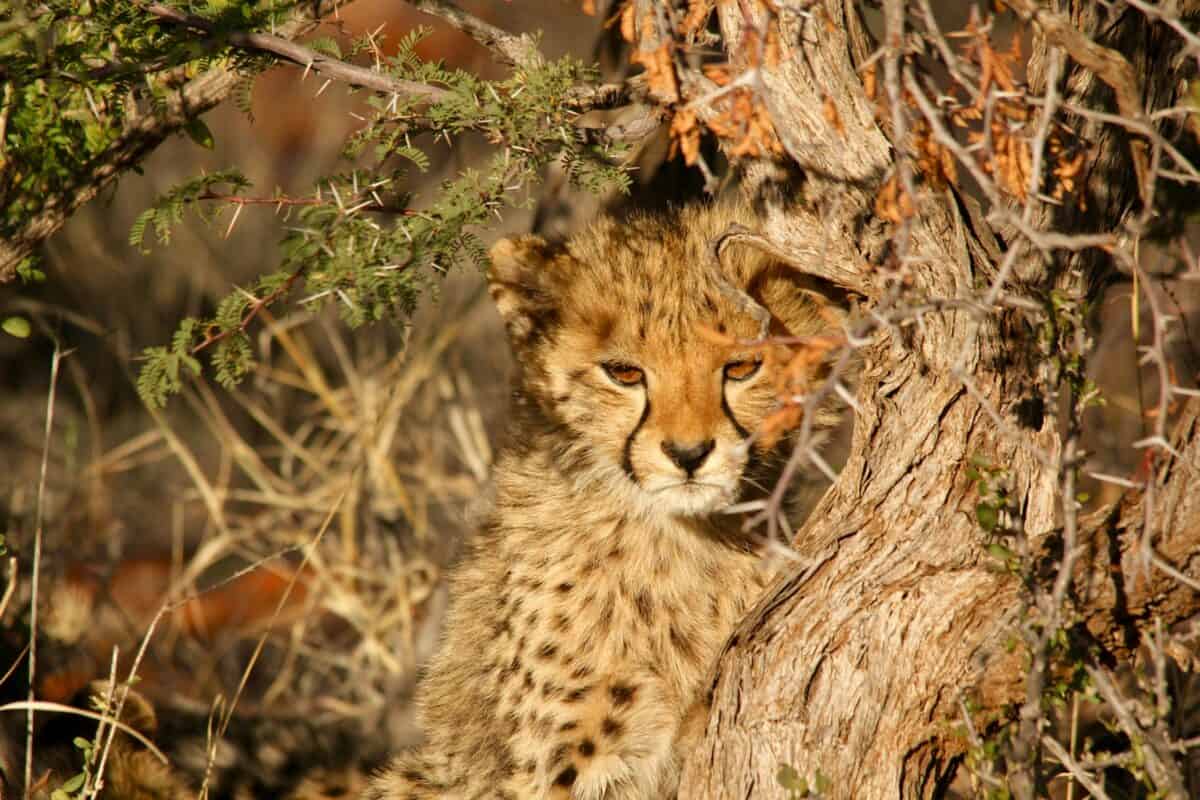
Wild predators often display an impressive ability to adapt to changing environments or prey availability. This adaptability means they can survive in diverse habitats, from tropical rainforests to arid deserts. Understanding their adaptability can offer insights into evolutionary biology and climate change resilience.
Improving Biodiversity

Predators indirectly boost biodiversity by controlling the distribution and behavior of prey species. This influence promotes a wider variety of plant and animal species, supporting healthy ecosystems that are more resilient to changes such as climate shifts or invasive species.
Natural Selection Agents

By preying on the sick, weak, or slow, wild predators drive the process of natural selection within prey species. This selection ensures that only the fittest individuals survive to reproduce, strengthening the genetic health of the population over time.
Education and Inspiration

Wild predators have always fascinated humans, inspiring countless stories, artworks, and scientific inquiries. Their myths and realities continue to educate and spark curiosity about nature, driving conservation awareness and scientific exploration.
Indicators of Ecosystem Health

The presence and abundance of wild predators can serve as indicators of ecosystem health. A thriving predator population suggests a balanced food web, adequate prey populations, and a healthy environment. Conversely, declining predator numbers can signal underlying ecological issues.
Threats to Predator Populations

Humans pose significant threats to predators through habitat destruction, hunting, and climate change. Understanding the pressures on these species is crucial for devising effective conservation strategies and ensuring their continued role in ecosystems.
Symbolic Cultural Significance
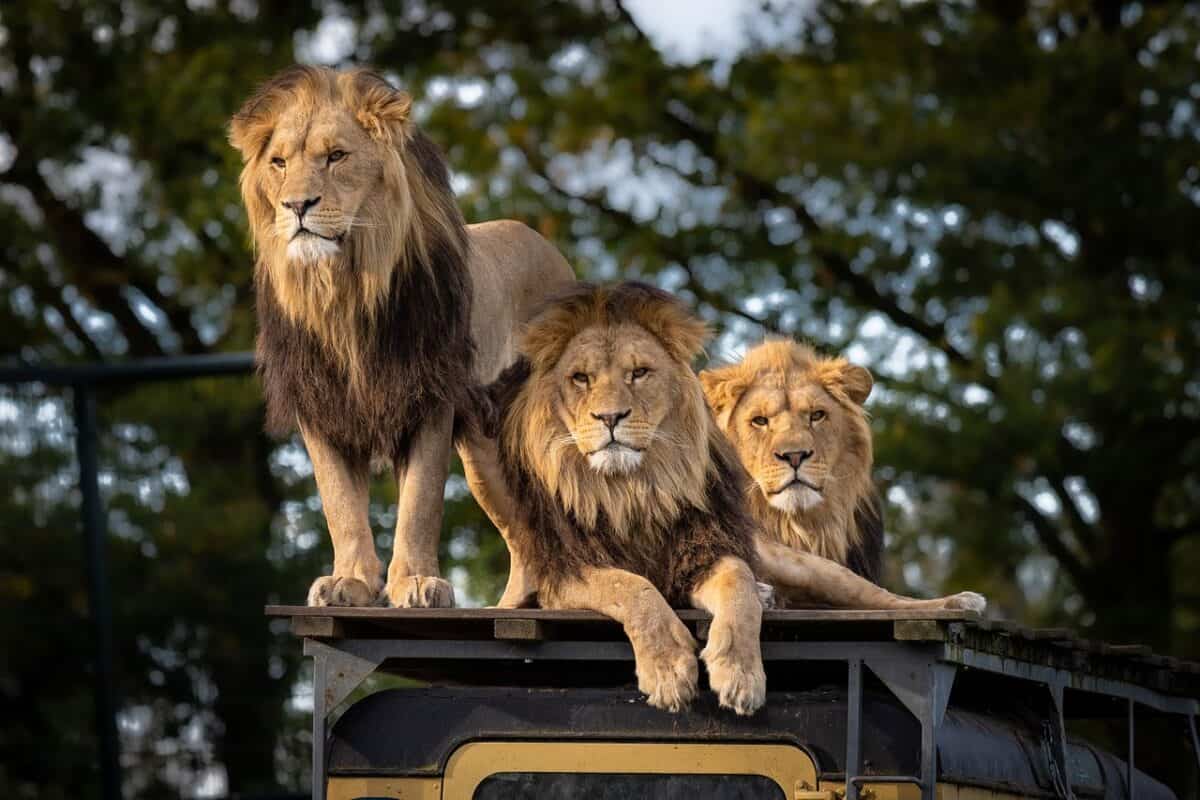
Throughout history, wild predators have held significant cultural symbolism, representing power, freedom, and the untamed wilderness. Recognizing their cultural importance can promote conservation efforts and respect for these magnificent creatures.
Vital Research Subjects

Studying wild predators enhances our understanding of physiology, behavior, and ecology. Research on these species contributes to various scientific fields, helping us address broader biological inquiries and improve conservation techniques.
Promoting Ecological Understanding

Learning about wild predators encourages a deeper understanding of ecological relationships and the interdependence of species within ecosystems. This understanding nurtures appreciation for biodiversity and the need for balanced conservation efforts.
Unique Hunting Techniques

Wild predators employ a variety of hunting techniques tailored to their environments and prey. From the cheetah’s high-speed chases to the octopus’s astonishing camouflage and ambush tactics, these methods highlight the diversity and ingenuity of predatory strategies.
Conserving Genetic Diversity

Predators often target specific prey, influencing the genetic diversity and evolutionary trajectory of prey populations. This selective pressure maintains healthy populations, ensuring that genetic diversity is preserved and enhancing species’ resilience to environmental changes.
Reflection of Ecosystem Connectivity

Wild predators demonstrate the interconnectedness of ecosystems. Their interactions with prey, competitors, and other species underscore the complexity and interdependence of life on Earth, providing valuable lessons for ecological studies.
Understanding Predatory Risks

While humans rarely fall prey to wild predators, awareness of potential risks is important for safety and coexistence. Understanding predator behavior and habitats helps humans avoid negative encounters and promotes respectful, informed interaction with nature.
Key Drivers of Evolutionary Change
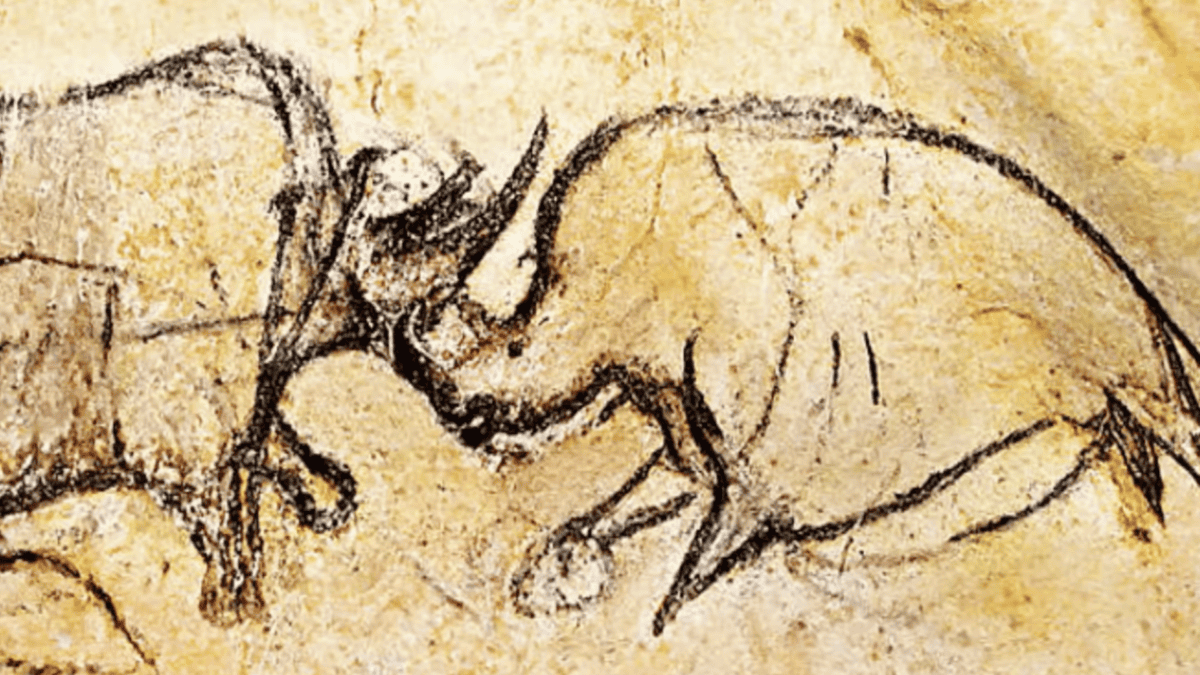
Predators exert significant evolutionary pressure, driving adaptations and speciation within prey populations. This predator-prey dynamic is a fundamental driver of evolutionary change, highlighting the role of natural selection in shaping biodiversity.
Conservation Prioritization

Given their critical ecological roles, wild predators should be prioritized in conservation efforts. By protecting these species and their habitats, we ensure the preservation of entire ecosystems, supporting long-term ecological health and stability.

- 21 Scary Creatures You Might Run Into While Hiking In The U.S - June 3, 2026
- The Difference Between Turtles and Tortoises—Explained - June 3, 2026
- What Makes Owls the Silent Predators of the Night? - June 3, 2026