


Lions are iconic creatures known for their regal appearance and social structures. However, their reputation as the “kings of the jungle” is well-deserved due to their power and predatory instincts. Adult lions can weigh up to 500 pounds and are equipped with sharp claws and powerful jaws. Although they may appear calm and even lazy in captivity, lions are wild animals that can become aggressive unexpectedly.
Polar Bears: The Arctic’s Top Predator
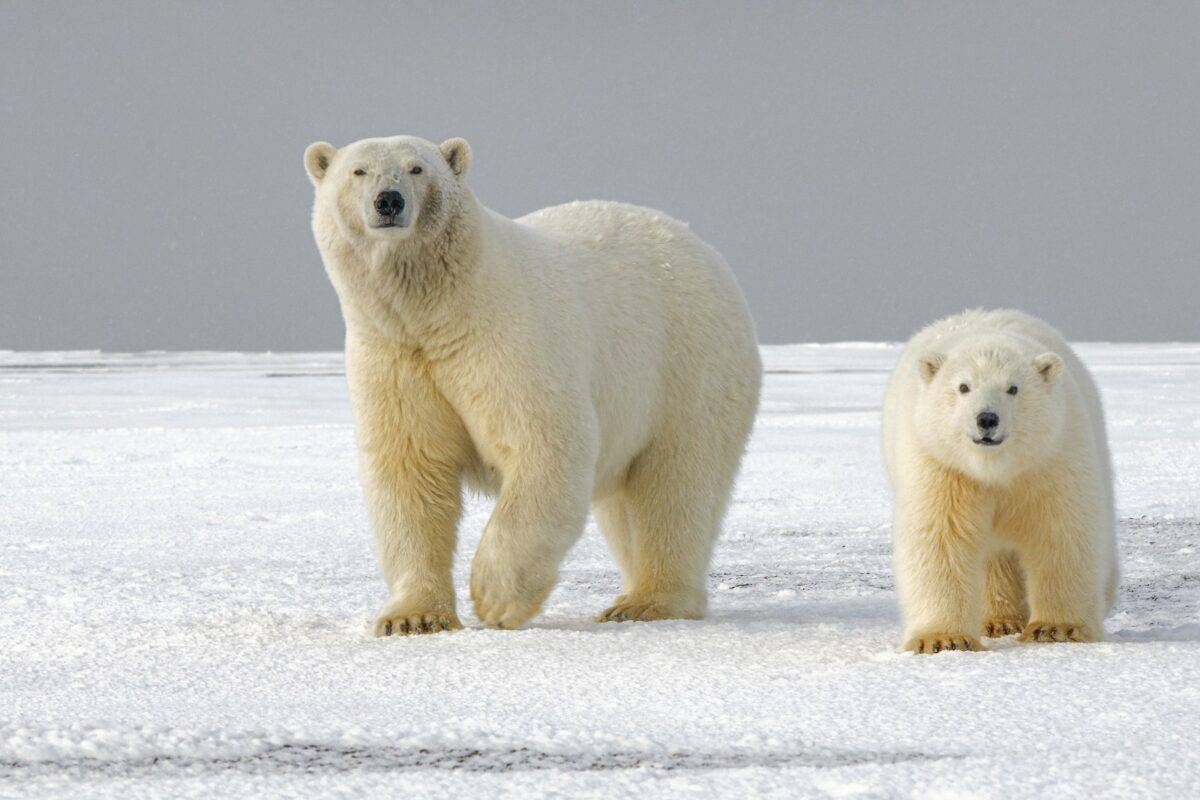
Polar bears, found in the icy regions of the Arctic, are the largest bear species in the world. They are excellent swimmers and hunters, primarily feeding on seals. Their impressive size and strength make them highly dangerous to humans. Even though they may look cuddly, approaching a polar bear can be life-threatening.
Grizzly Bears: Powerful Icons of the Wilderness

Grizzly bears are formidable predators found in North America. Their long claws and sheer body mass highlight their capacity for serious harm. Grizzlies are known to be territorial and have been involved in numerous human-bear conflicts. It is crucial to respect their space in the wild.
Hippopotamuses: Surprisingly Lethal River-Dwellers

Despite their stocky appearance, hippos are one of the most dangerous animals in Africa. They are highly territorial and aggressive, particularly when their young are threatened. Hippos can move quickly both in water and on land, making them deceptively dangerous.
Bengal Tigers: The Stealthy Hunters of the Subcontinent
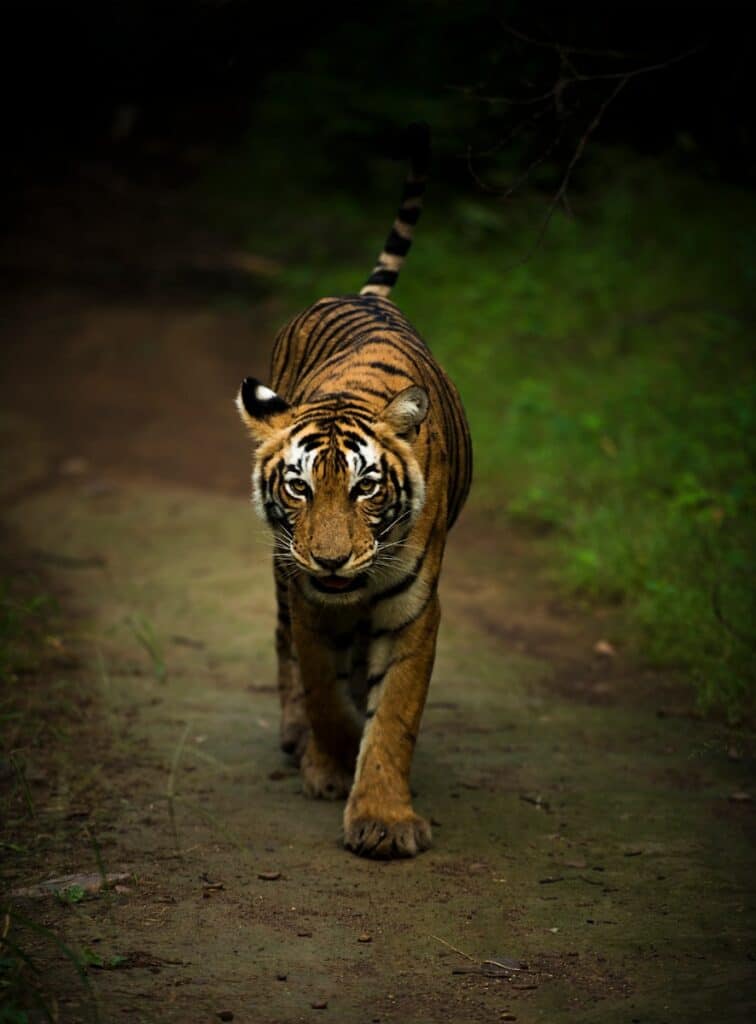
Bengal tigers are known for their grace and power, but they are solitary predators with a knack for stealth. Found primarily in South Asia, tigers can grow up to 11 feet in length. Their ability to silently stalk prey combined with immense strength makes them creatures to admire from a distance.
Komodo Dragons: The Vicious Varanids of Indonesia

Native to the Indonesian islands, Komodo dragons are the largest living lizards. They possess a fearsome bite filled with bacteria and venom that can incapacitate prey. Although they rarely attack humans, keeping a safe distance is prudent when in their habitat.
Wolverines: Fearsome Fighters of the Forests

Wolverines may be small compared to bears or big cats, but they are ferocious and tenacious. Known to take on animals much larger than themselves, wolverines have powerful jaws and strong claws.
African Elephants: Majestic Giants with Raw Power

African elephants, while generally gentle, are highly intelligent and can be unpredictable. Their size alone makes them dangerous, especially when they feel threatened or provoked. Respectful observation from a distance is always recommended.
Box Jellyfish: Lethal Oceanic Drifters

The box jellyfish, found primarily in the waters around Australia, is one of the most venomous creatures on Earth. Its tentacles can cause cardiac arrest in humans within minutes. Swimming with caution in jellyfish-prone areas is advisable.
Crocodiles: Ancient Apex Predators
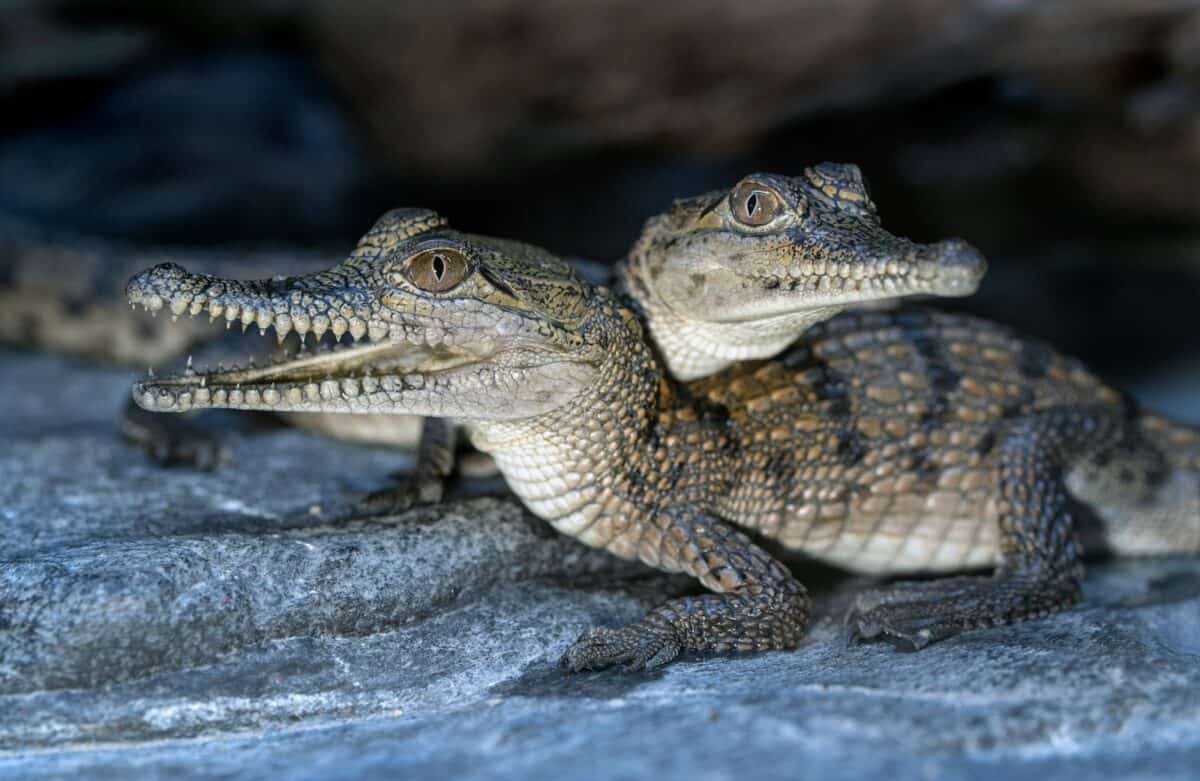
Crocodiles are highly efficient predators found in tropical regions worldwide. Known for their incredible bite force and ambush tactics, they are dangerous to any creature, including humans, that stray too close to the water’s edge.
Rhinoceroses: Heavyweight Defenders of Their Domain

Rhinoceroses are generally calm herbivores, yet their poor vision combined with a tendency to charge when threatened makes them potentially hazardous. Their robust size and horn make them a force to be reckoned with.
Leopards: Solitary but Skilled Predators

Leopards are adaptable felines that thrive in various environments, from forests to savannas. Despite their solitary nature, they possess powerful limbs and a biting force capable of taking down prey swiftly. They can be defensive when cornered or if their young are in danger.
Alligators: Lurking Leviathans of the Swamps

Common in the southeastern United States, alligators are ambush predators that excel in stealth and speed. Attacks on humans are rare but can be fatal, highlighting the importance of vigilant care near their habitats.
Hyenas: Packs of Cunning Carnivores
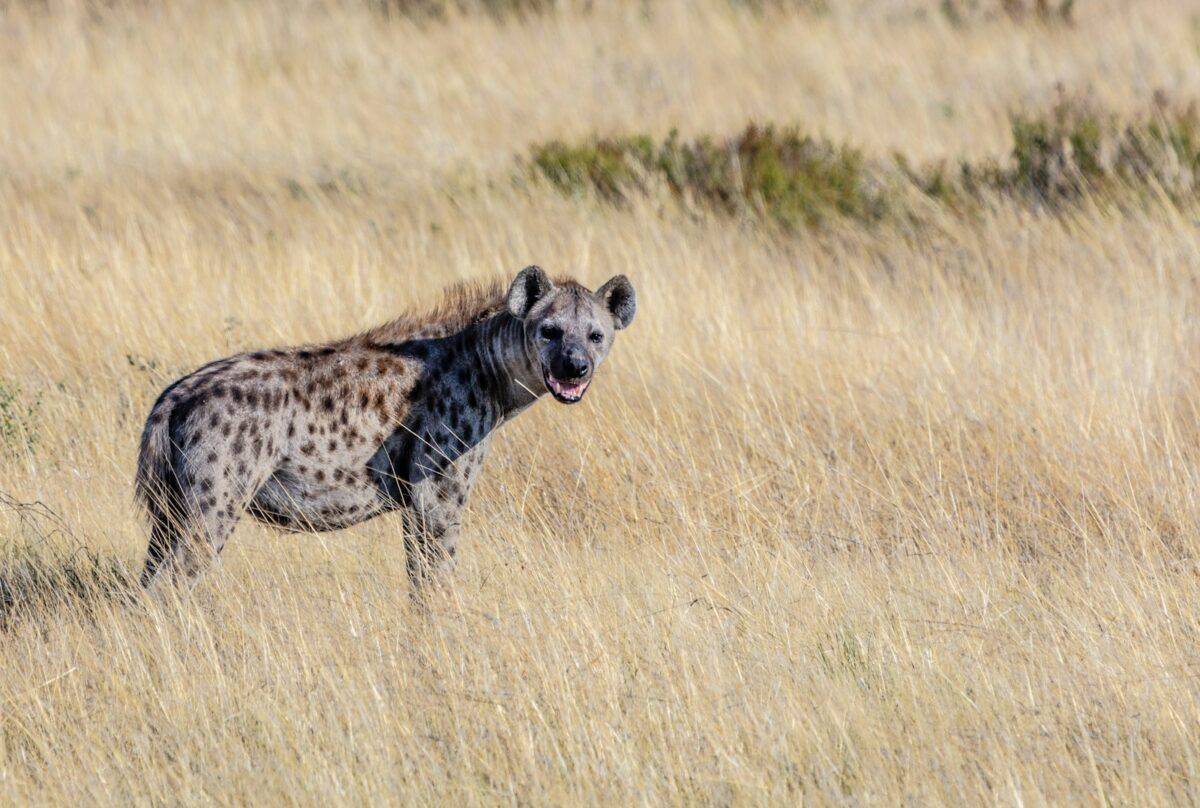
Hyenas are often misunderstood but are respected as skilled hunters with powerful jaws and sociable pack behavior. They can be aggressive, especially if food resources are threatened or scarce.
Gorillas: Gentle Giants with Wild Instincts
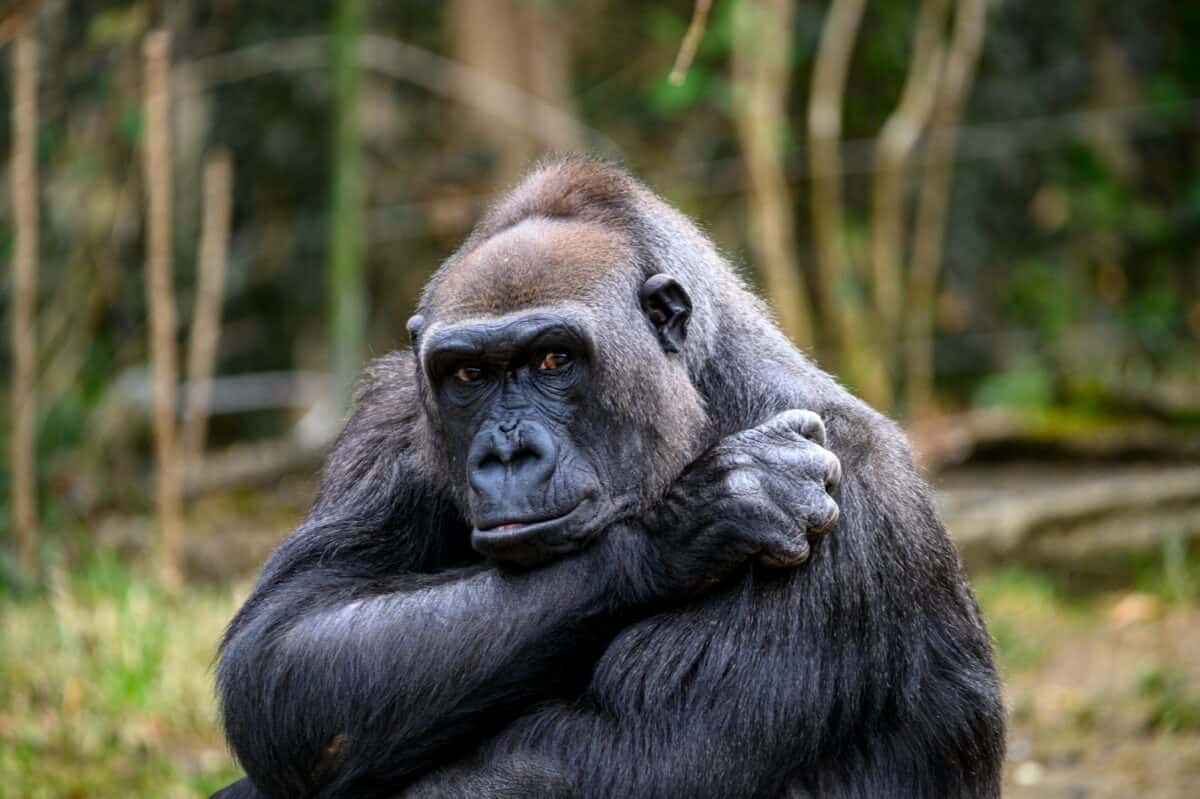
While primarily herbivorous and gentle, gorillas can exhibit aggressive behavior if they perceive a threat to themselves or their group. Their amazing strength makes them unpredictable if they feel challenged.
Orcas: Intelligent but Intimidating Ocean Predators

Orcas, or killer whales, are social creatures that inhabit the oceans worldwide. Known for their intelligence and complex social structures, orcas are apex predators capable of great power, and are therefore best observed under professional guidance.
Bison: The Behemoths of the Prairie
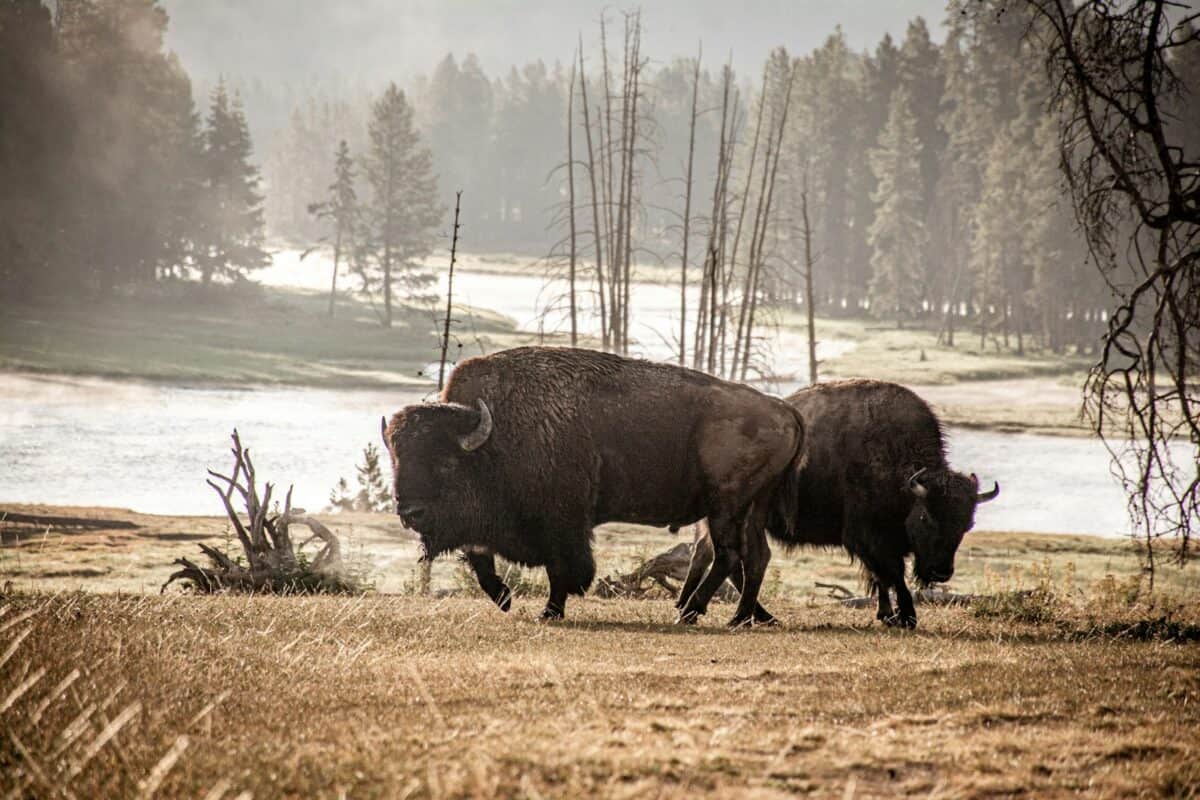
American bison are historically iconic creatures of the North American plains. Despite being herbivores, their immense size and speed can pose a threat, especially if they feel provoked or cornered.
Moose: Lone Rangers with Unexpected Aggression
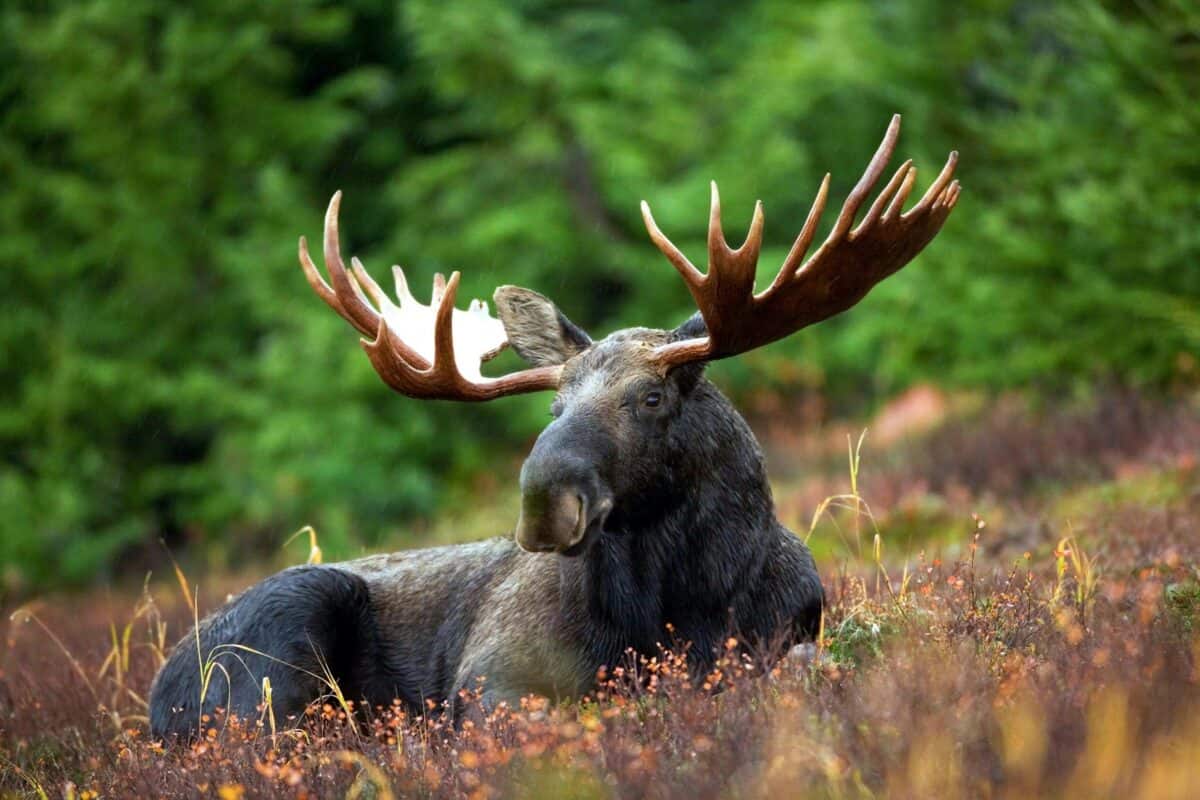
Moose are typically solitary and known for their reclusive nature. However, during mating seasons or when with calves, they can become aggressive and charge unexpectedly. Their size alone makes them dangerous in close encounters.
Emus: Feathered Fighters with a Fearsome Kick
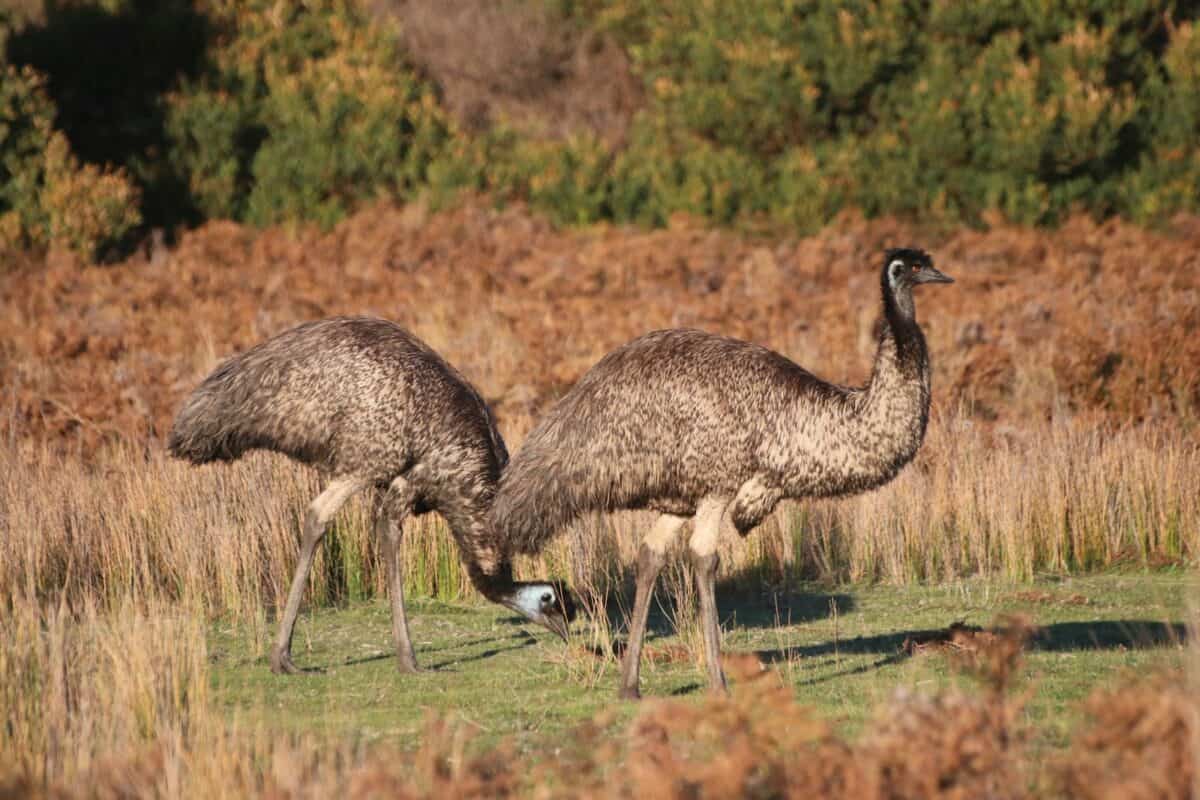
Natives of Australia, emus are large flightless birds with strong legs capable of delivering powerful kicks. While not aggressive by nature, they can be defensive if they perceive a threat.
Secretary Birds: Serpentine Combative Striders

Known for their snake-hunting abilities, secretary birds are fascinating creatures with long legs and a knack for stamping out prey. Although not typically aggressive towards humans, any interaction should be cautious due to their swift and powerful kicks.
Kangaroos: Bounding Behemoths Ready to Box
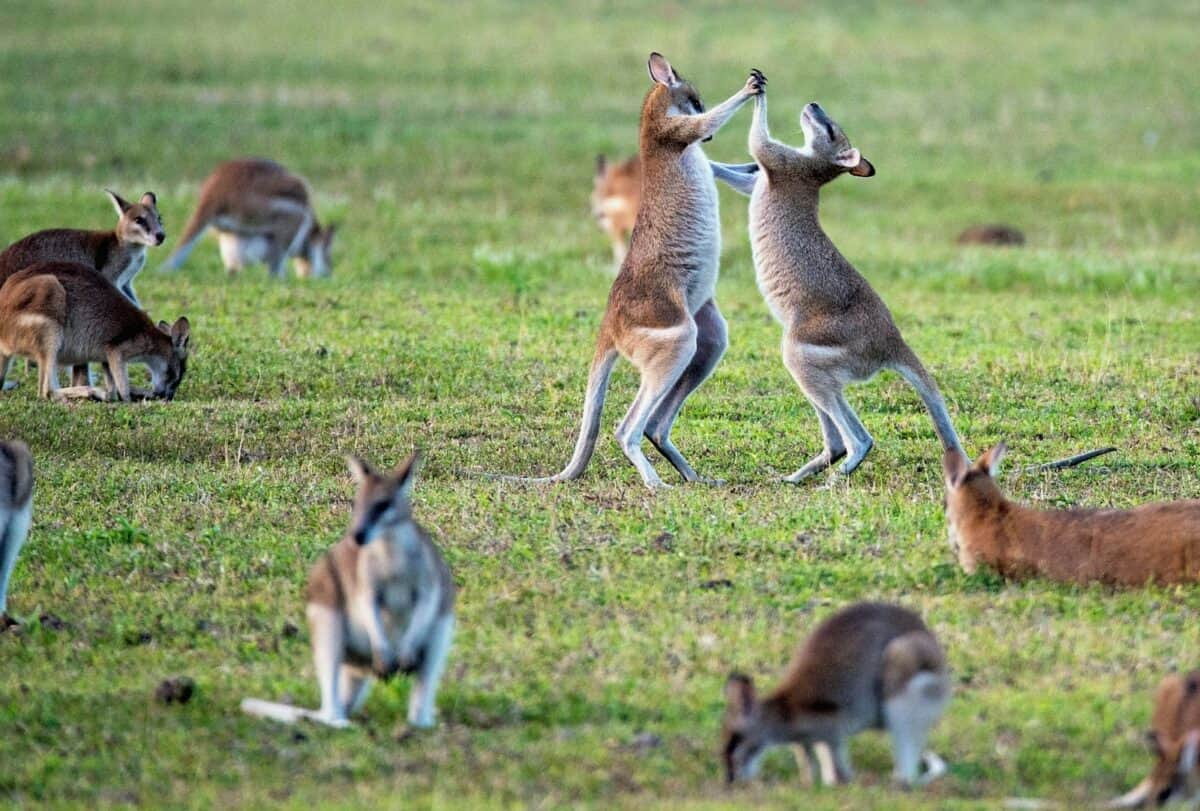
While often regarded as charismatic symbols of Australia, kangaroos can be territorial and engage in boxing-like behavior. A kangaroo’s kick can be lethal, demanding respect and space, especially in the wild.
Jaguars: Stealthy and Strong South American Predators
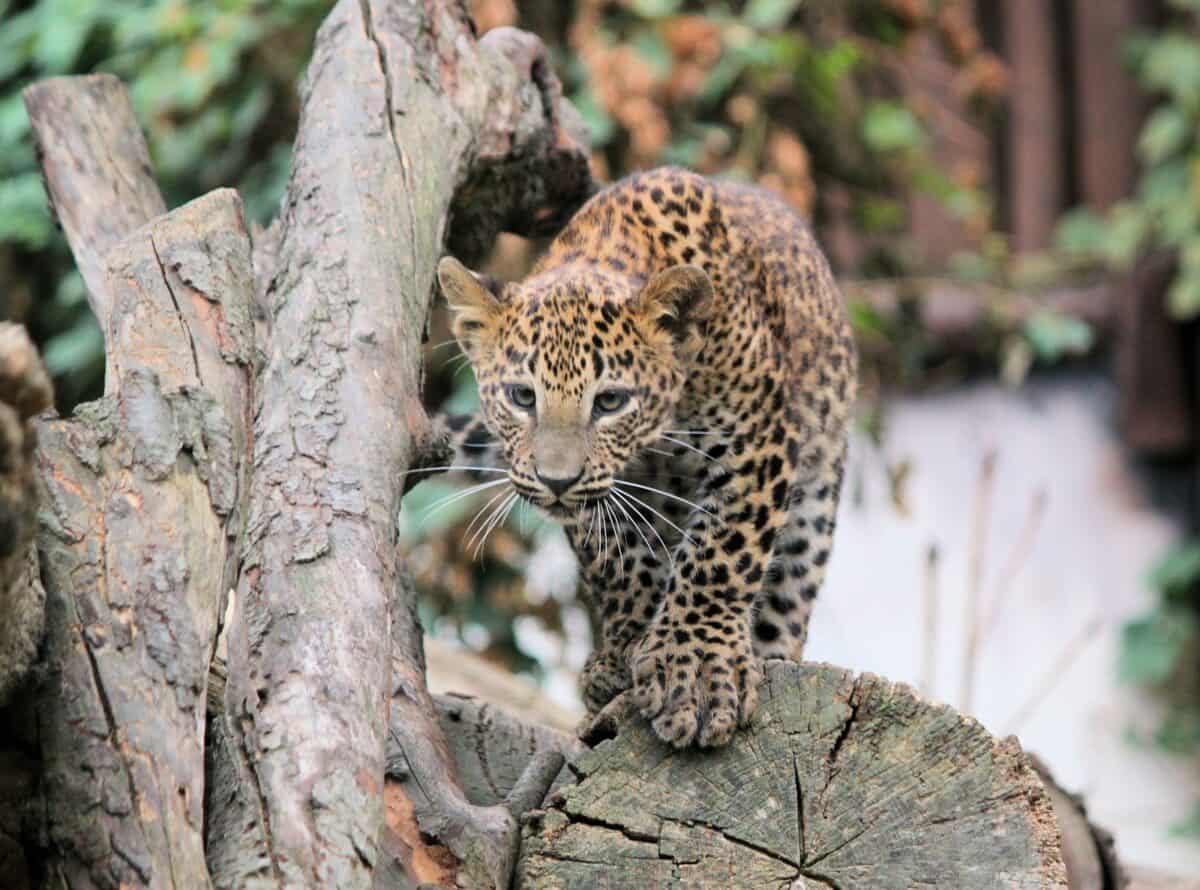
Jaguars are third largest of the big cats and have a bite force capable of piercing turtle shells. Found primarily in the Amazon rainforest, they have beautiful, distinctive patterns but are fierce hunters that prefer to hunt alone.
Wolves: Wild Icons of the Wilderness

Wolves are known for their pack behavior and have a reputation as skilled hunters. While generally avoiding humans, they can be unpredictable, especially if protecting their territory or young.
Lynxes: Elusive Felines with a Powerful Pounce
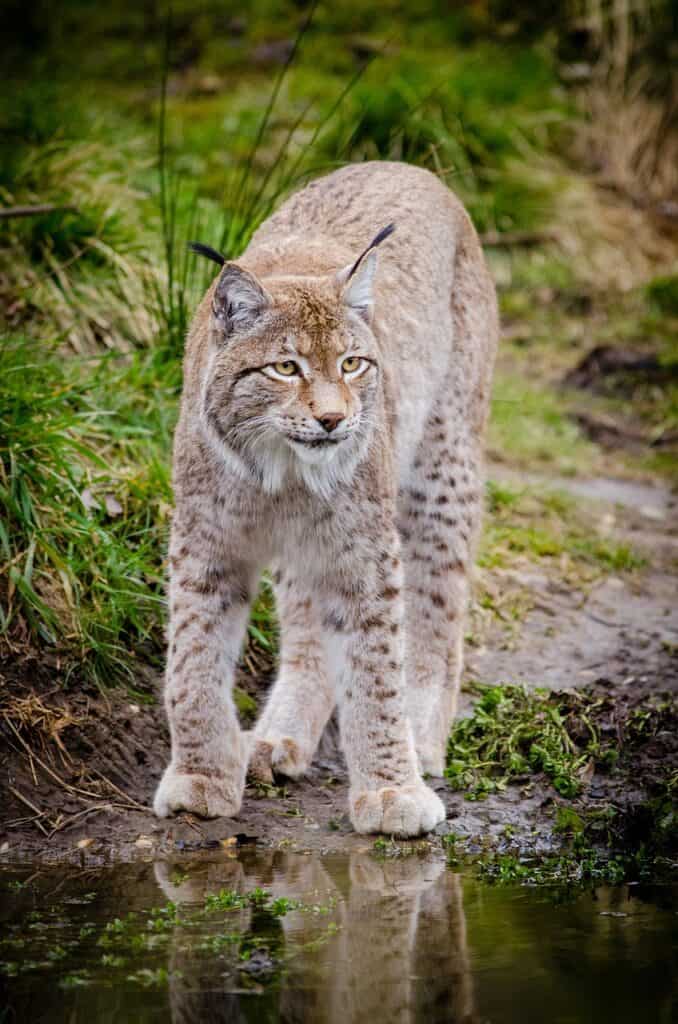
Lynxes are solitary cats with tufted ears and a thick coat, inhabiting the northern forests of North America, Europe, and Asia. Although not aggressive by nature, their formidable hunting skills make them risky to approach in the wild.
While these animals are awe-inspiring, cultural and mythological associations often lead to misunderstandings about their nature. It’s important to respect their natural behaviors and habitats, maintaining a respectful distance to ensure safety and conservation for both humans and wildlife.

- Wildlife Mysteries That Took Decades to Solve - July 21, 2026
- The Largest Python Ever Captured in Florida’s Everglades - July 21, 2026
- How Crickets Chirp Using Their Wings - July 20, 2026