

Worried about unexpected vet bills?
Pet insurance can cover thousands in unexpected vet costs. Get a free quote from Lemonade in under 2 minutes.
Get My Free Quote →Sponsored · Opens Lemonade.com
When you think about the most dangerous creatures in America, your mind probably jumps to rattlesnakes, grizzly bears, or mountain lions. But here’s a shocking reality check: the most deadly animals in our nation are actually so small you could squash them with your thumb. These tiny terrors fly into our homes, crawl through our gardens, and lurk in places we’d never expect. From disease-spreading bloodsuckers to venom-injecting assassins, America’s most dangerous insects kill more people annually than all the snakes, spiders, and large predators combined. Get ready to discover which microscopic monsters should really keep you awake at night.
#25 Mosquitoes – The Ultimate Silent Killers
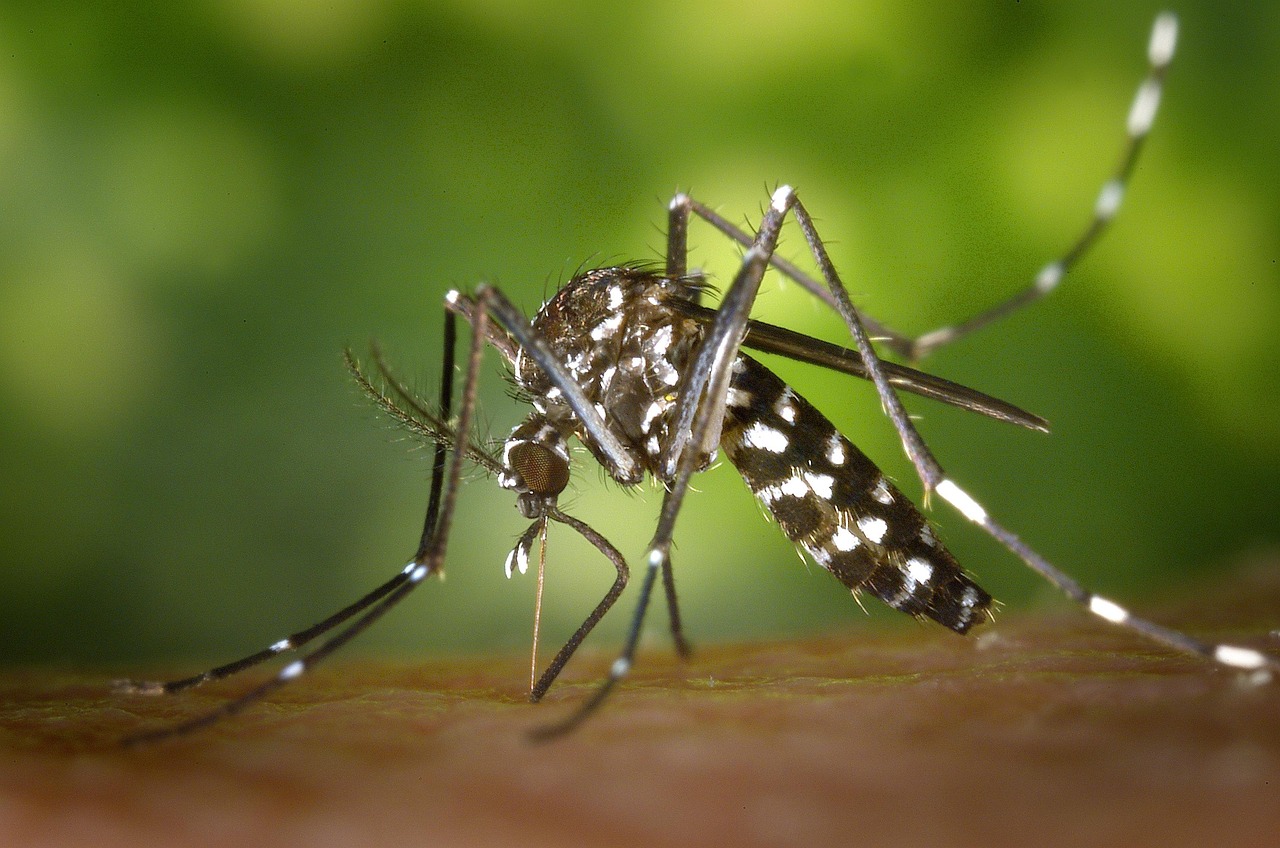
The mosquito is the world’s deadliest animal. Spreading diseases like dengue, West Nile, Zika, chikungunya, malaria, and lymphatic filariasis, the mosquito kills more people than any other creature in the world. Mosquitos are to blame for the most human deaths per year. These tiny flying vampires might seem harmless, but they’re responsible for transmitting some of the most devastating diseases known to humanity.
West Nile is the leading cause of mosquito-borne disease in the contiguous United States. According to the CDC, West Nile virus cases vary annually, with recent years typically seeing hundreds of cases and dozens of deaths. What makes mosquitoes so terrifying isn’t their bite itself, but what they inject into your bloodstream. They’re like flying hypodermic needles, spreading deadly pathogens from person to person with surgical precision.
#24 Africanized Honey Bees – The Relentless Swarm
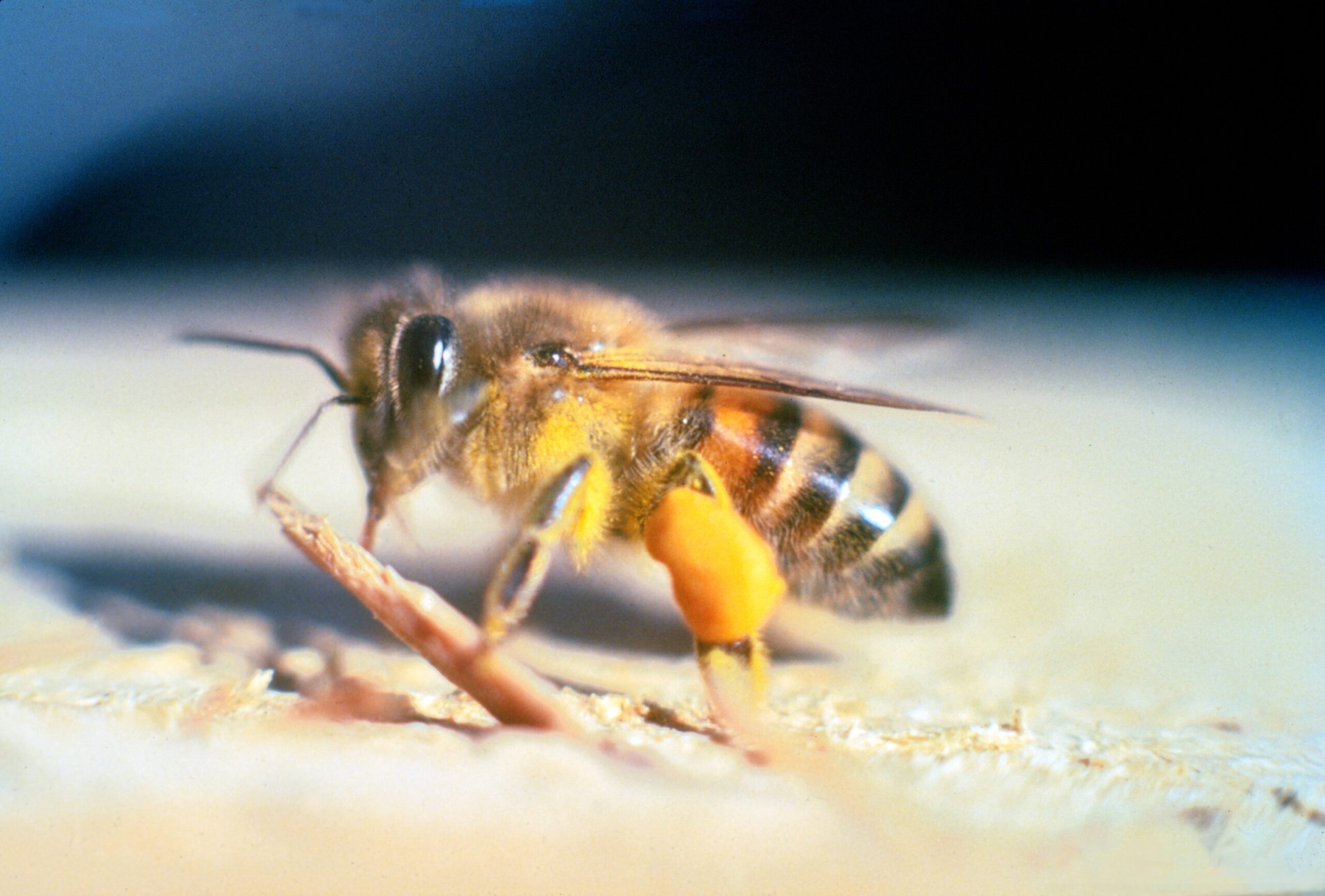
The Africanized honey bee, or killer bee, was first introduced to America after an experiment gone wrong, according to the Smithsonian. In the 1950s, colonies of African honey bees were brought into Brazil for cross-breeding in order to increase honey output. Unfortunately, some of the African queens and worker bees made an escape and bred instead with European honey bees, creating the killer bee hybrid. By 1990, these killer bugs found their way into southern Texas, and they have been documented in various parts of California.
What makes these bees “killer” is the fact that they are ten times faster than European honey bees and are much more aggressive. The real danger from Africanized honey bees is that they tend to attack humans in greater numbers than other bees. They are called “killer bees” because you are more likely to be stung by hundreds of them at once. When these bees feel threatened, they don’t just send out a few defenders – they mobilize their entire army.
#23 Fire Ants – The Burning Brigade
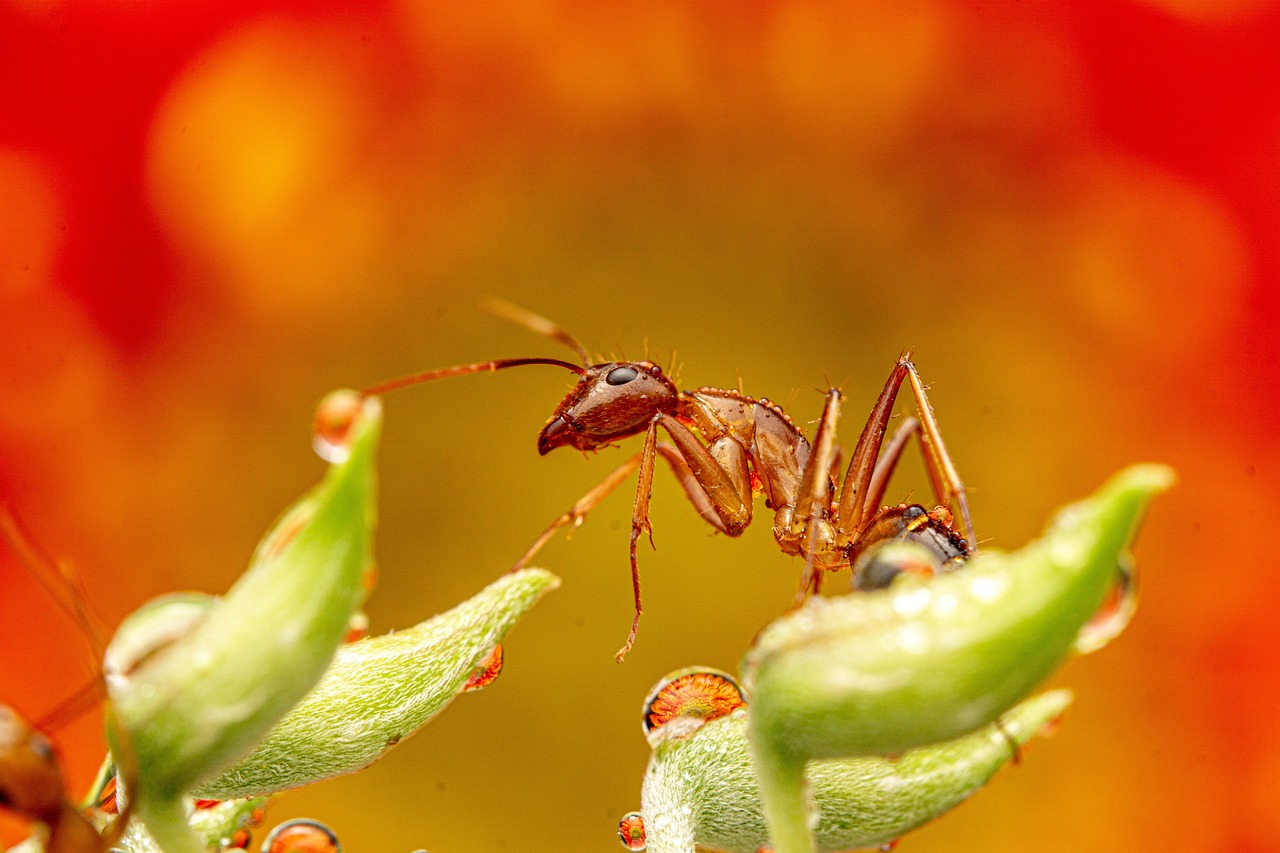
Fire ants are recognized as some of the most aggressive insects. These small, reddish-brown ants can quickly swarm when their nests are disturbed, delivering multiple stings that feel like a sharp pin prick. The hills may not measure even a foot high, but each nest contains between 100,000 to 500,000 insects, according to Orkin. The ants will latch onto victims with their jaws and then repeatedly inject venom with stingers until they’re brushed off or killed.
Any resident of a southern state will be able to tell you that fire ants are just as ruthless, with a hive mentality that causes them to gang up on intruders and in severe cases, even kill them. These tiny warriors don’t fight fair – they attack in coordinated groups, injecting their burning venom over and over again. The pain from their stings develops into fluid-filled pustules that can become infected if not treated properly.
#22 Black Widow Spiders – The Hourglass of Death
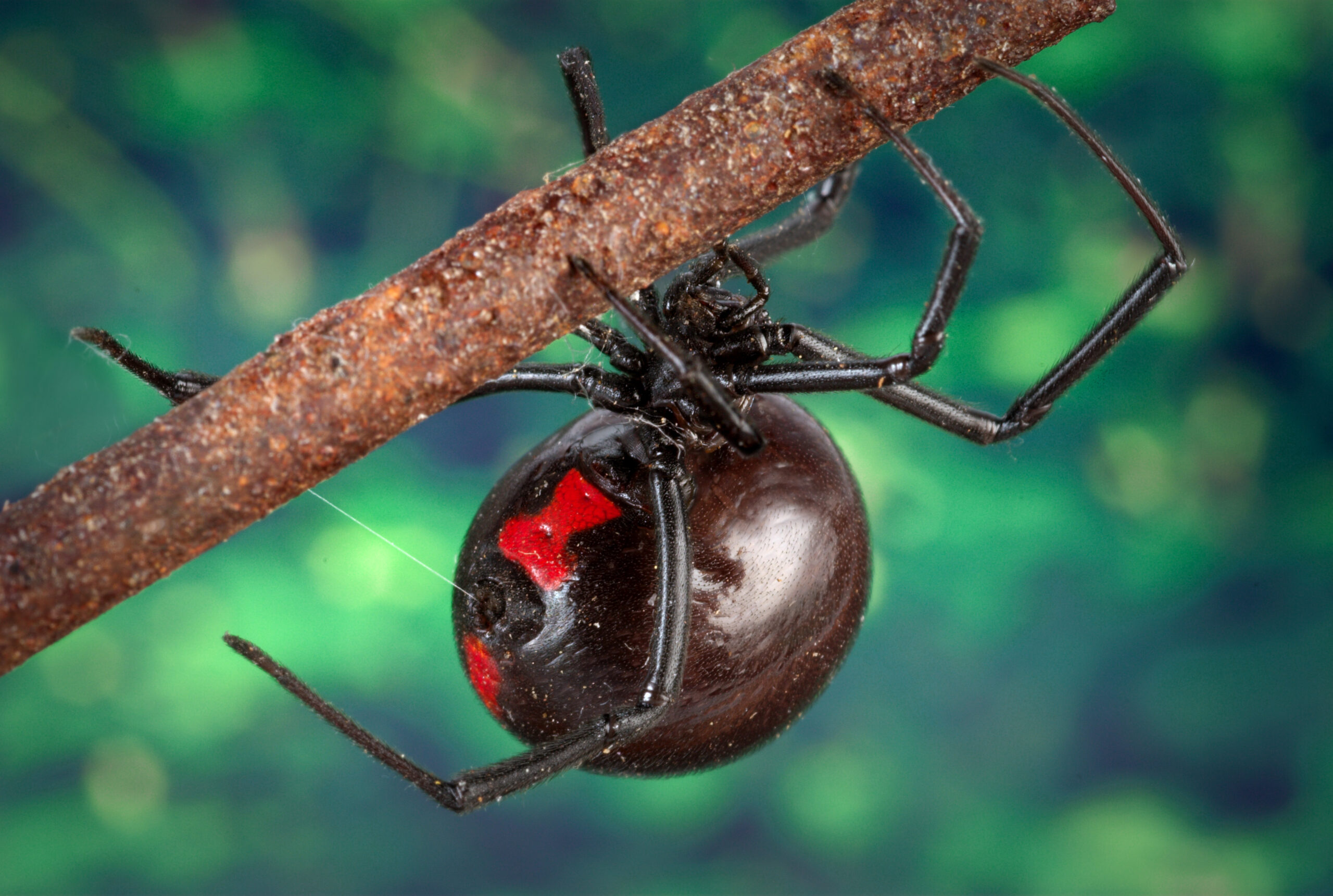
The black widow spider has a glossy black body and red hourglass markings on the underside of its abdomen. Found particularly in the southern and western regions of the U.S. like Southern California, this spider is highly venomous and is considered among the most dangerous insects in the world. Its bite is 15 times more venomous than a rattlesnake’s, resulting in symptoms like spasms, muscle pain, and abdominal cramps.
Each year, about 2,200 people report being bitten by black widows. None has died since 1983. While deaths are rare, the neurotoxic venom can cause excruciating pain and serious medical complications. The disruption prompts the black widow to strike, releasing a neurotoxic venom into the skin via two puncture marks. Their bite might be small, but the effects can last for days and require immediate medical attention.
#21 Brown Recluse Spiders – The Flesh-Eating Phantom
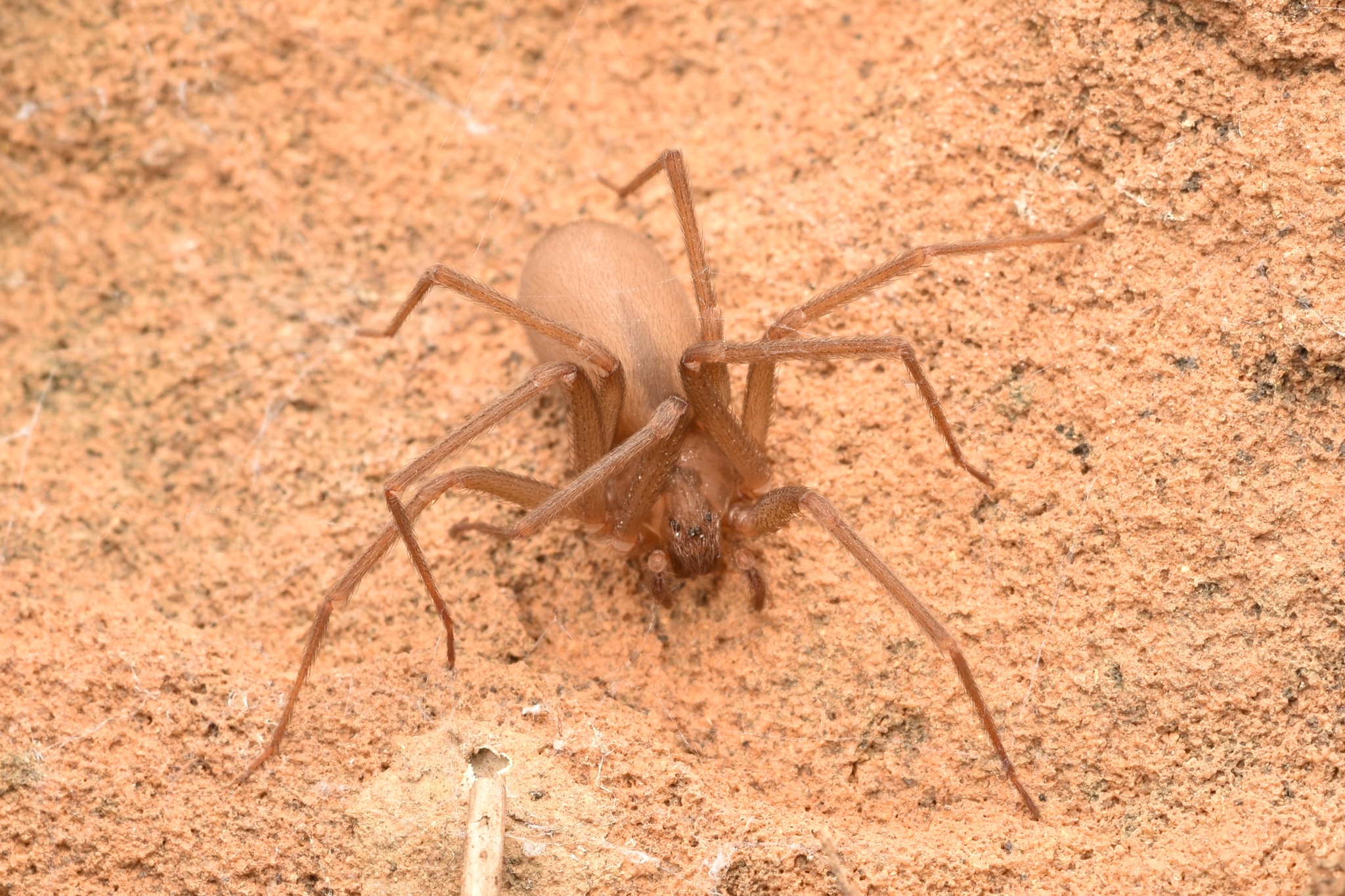
The brown recluse spider is a small, often misunderstood arachnid found primarily in the southern and central United States. The brown recluse spider is recognized by its violin-shaped mark on its back and has a brownish-yellow color with long legs. The other spider species you should learn to identify: the brown recluse. Most common in the Midwest and South, these arachnids have dark violin-shaped markings behind their heads. The venom can destroy skin tissue, so keep an eye out in log, rock, or leaf piles as well as dark closets, attics, and shoes, the CDC says.
While these spiders tend to stay out of sight, they can bite if they feel threatened. If you’re bitten, you might not notice any symptoms at first, but the venom can spread quickly and cause tissue death. The brown recluse’s bite creates a necrotic wound that literally eats away at your flesh, sometimes requiring skin grafts or even amputation in severe cases. These spiders are masters of hiding, making encounters unexpected and dangerous.
#20 Deer Ticks – The Lyme Disease Carriers
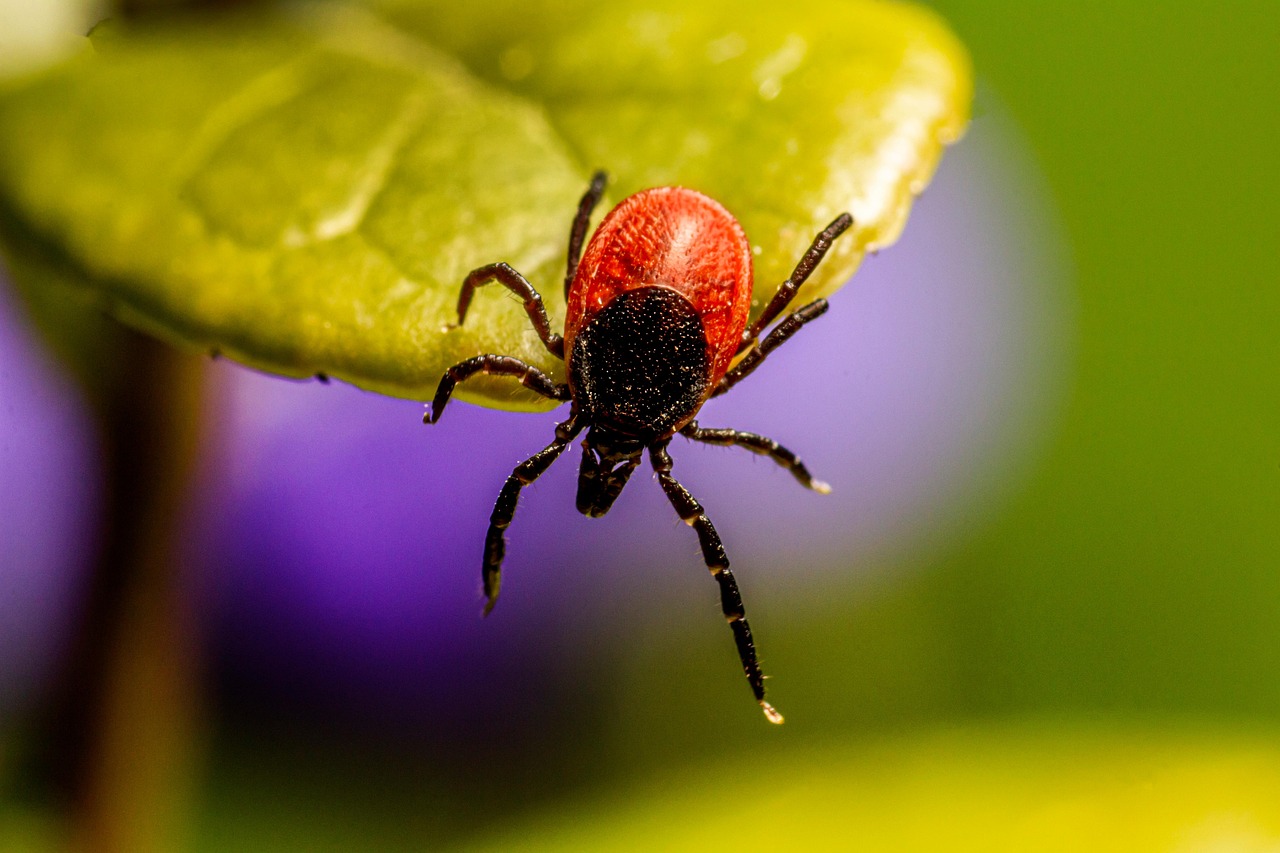
Deer Ticks are notorious carriers of Lyme disease, a serious condition that can cause long-term health issues. These small, reddish-brown ticks inhabit wooded and grassy areas, waiting to latch onto passing hosts. Their bite is often unnoticed, making regular skin checks essential. These microscopic vampires are patient hunters, sometimes waiting months for the perfect host to walk by.
What makes deer ticks particularly insidious is their size – they’re about as small as a poppy seed, making them nearly impossible to spot. The adults are 2 – 6 millimeters long, but the nymphs, which are the size of a poppy seed, can go undetected. They can transmit Lyme disease, Rocky Mountain spotted fever, and several other debilitating conditions that can affect your nervous system, joints, and heart for years after the initial bite.
#19 Kissing Bugs – The Chagas Disease Spreaders
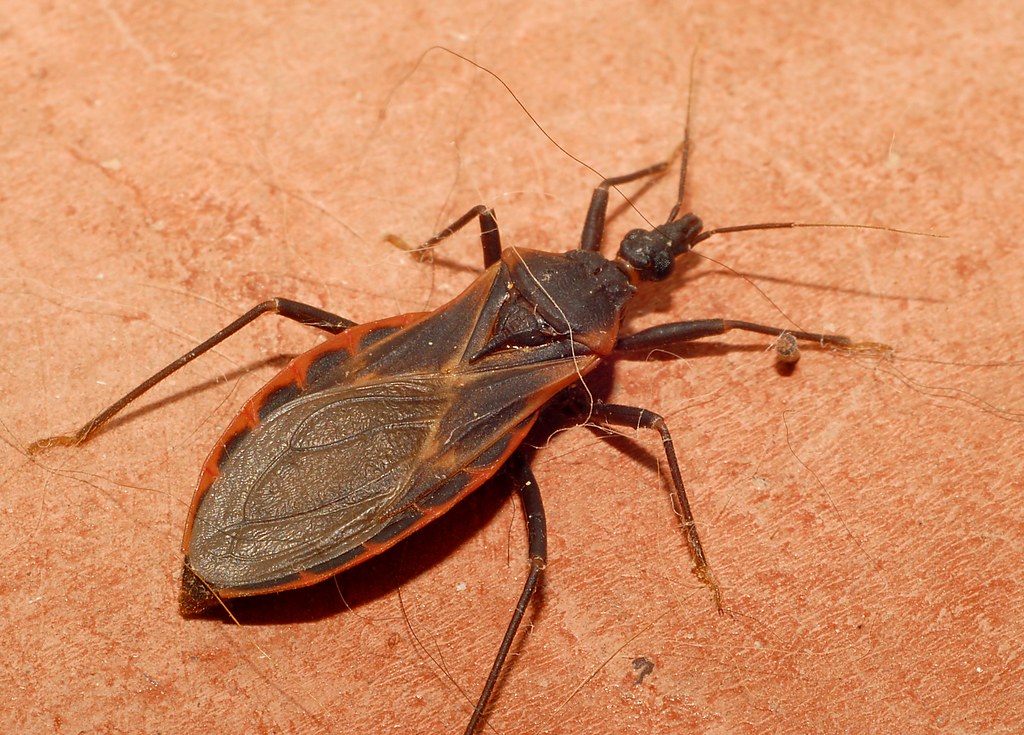
The 130-odd members of the subfamily Triatominae are also known as kissing bugs or vampire bugs for their tendency to bite humans around the soft tissue of the mouth. The insects are found in 28 states in the U.S. Chagas disease is estimated to kill approximately 10,000-12,000 people annually worldwide. Victims are typically asymptomatic for four to eight weeks.
Even in the chronic phases, most people show few symptoms, but 45 percent develop heart disease 10 to 30 years after the initial infection, and this can lead to heart failure. These bugs earned their romantic name because they prefer to bite sleeping victims around the mouth and eyes. The cruel irony is that their “kiss” can deliver a parasite that slowly destroys your heart over decades, making them one of nature’s most deceptive killers.
#18 Maricopa Harvest Ants – The Most Venomous Insect
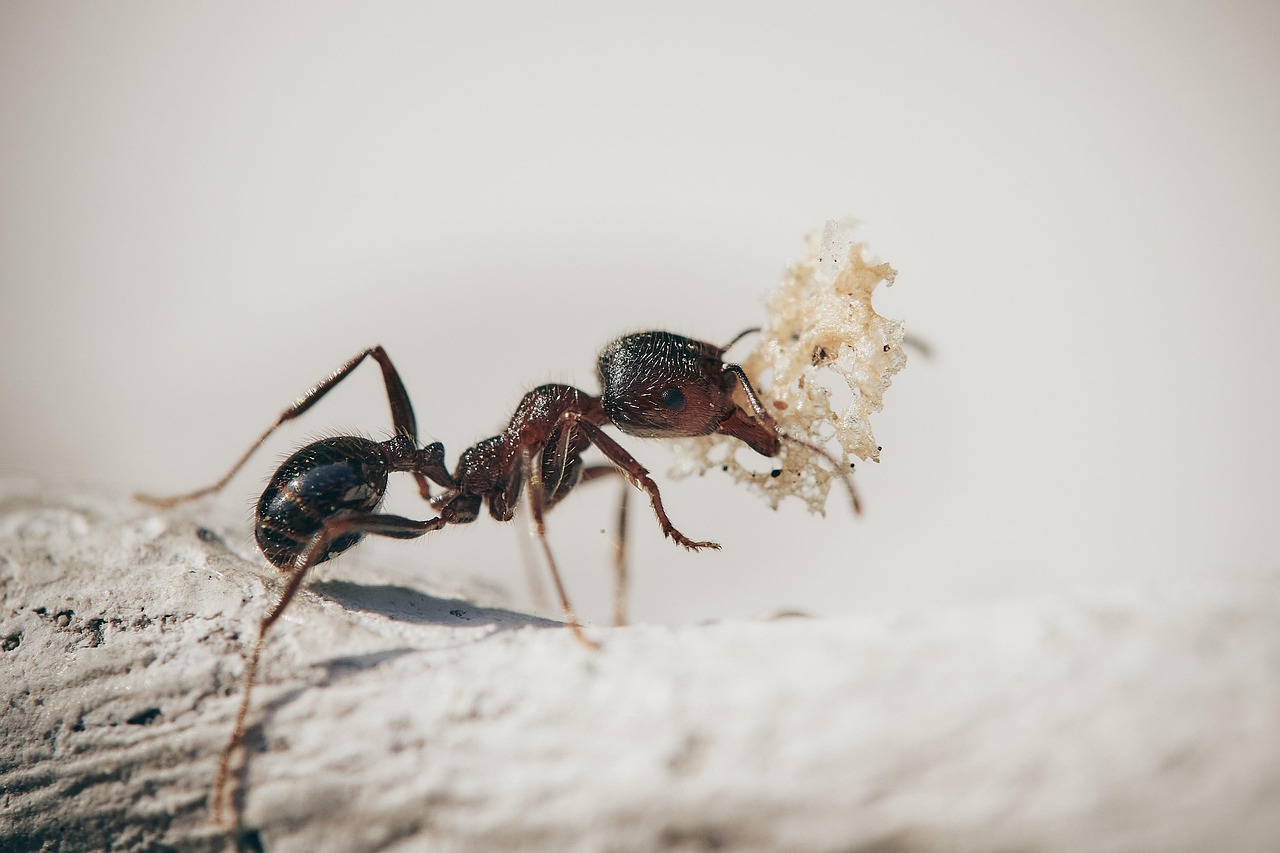
Maricopa Harvest Ant – This is the most venomous insect in the Unites States and also the world! Harvester ants in the genus Pogonomyrmex have the most toxic venom based on mice LD50 values, with P. maricopa venom being the most toxic. The LD50 value for this species is 0.12 mg/kg injected intravenously in mice, equivalent to 12 stings killing a 2 kg (4.4 lb) rat.
It is said that about 600 bites from these ants can kill an adult human. A Pogonomyrmex sp. sting produces intense pain in humans that lasts up to 4 hours. Fortunately, these desert dwellers are not naturally aggressive and will only attack if their nest is directly threatened. But when they do sting, the pain is described as feeling like molten metal being injected under your skin.
#17 Giant Asian Hornets – The Murder Hornets
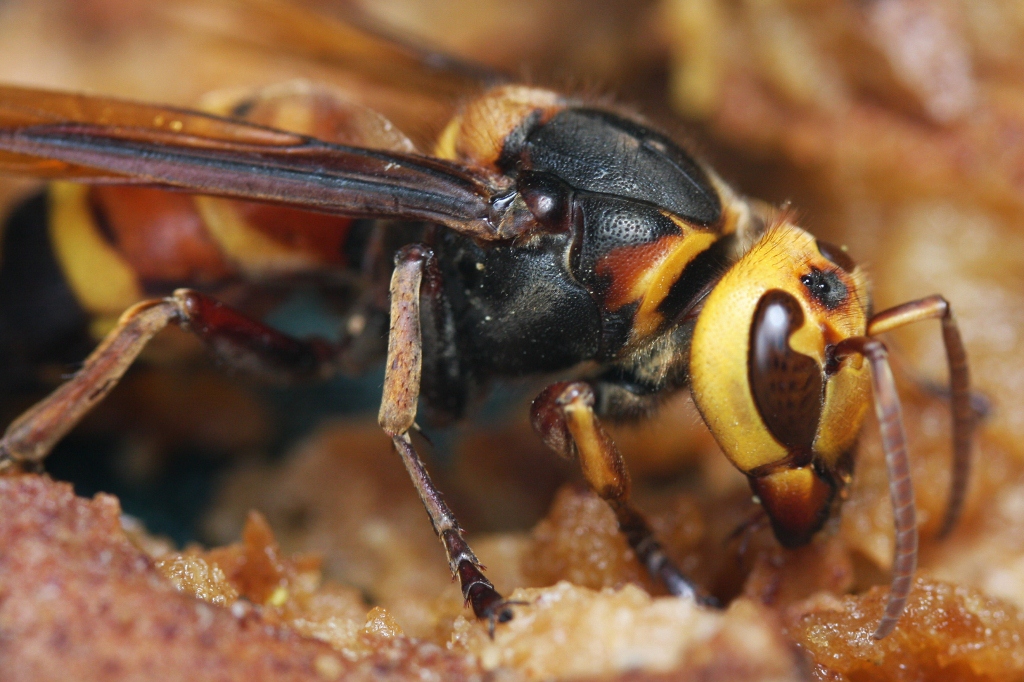
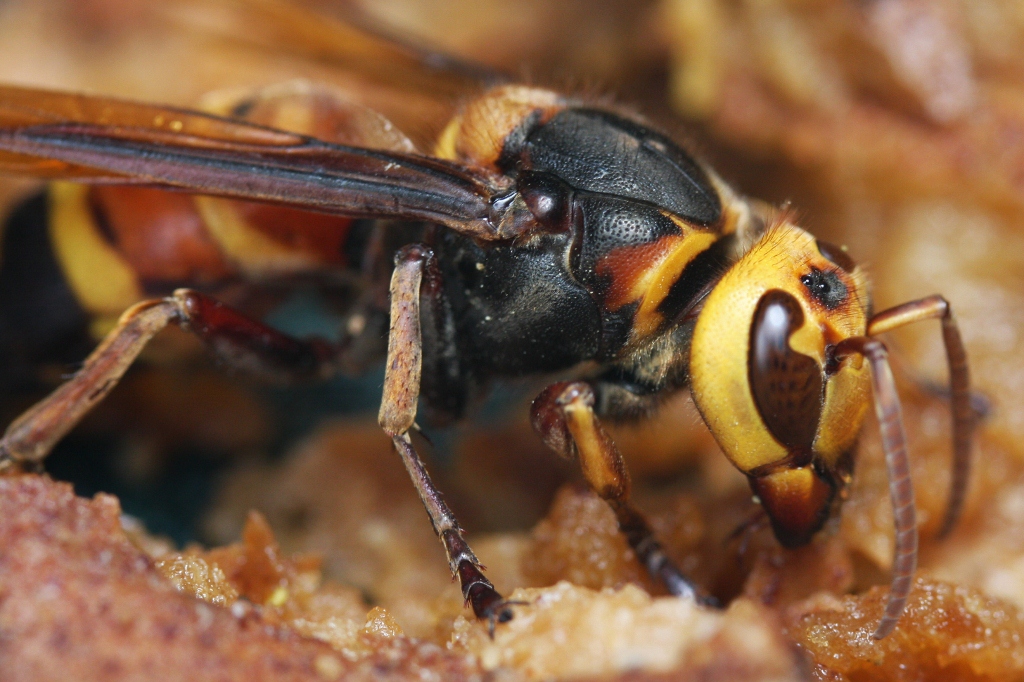
The Giant Asian Hornet, often dubbed the ‘murder hornet,’ is a recent invader in North America. Known for its size and potent venom, this hornet can pose serious threats to both humans and honeybee populations. Measuring 2 to 3 inches, this hornet carries a toxin that often leads to paralysis, kidney failure, and death, oftentimes a slow one, in those that are bitten.
Their sting is extremely painful and can cause severe reactions in allergic individuals. These massive insects don’t just pack a painful punch – their venom can literally shut down your organs. Much like mosquitoes, this Asian pest is attracted to humans who sweat, drink alcohol, smell sweet, or are running. So if you’re out exercising or enjoying a cold drink, you might as well be wearing a “sting me” sign around these flying nightmares.
#16 Cow Killer Ants – The Velvet Torturers
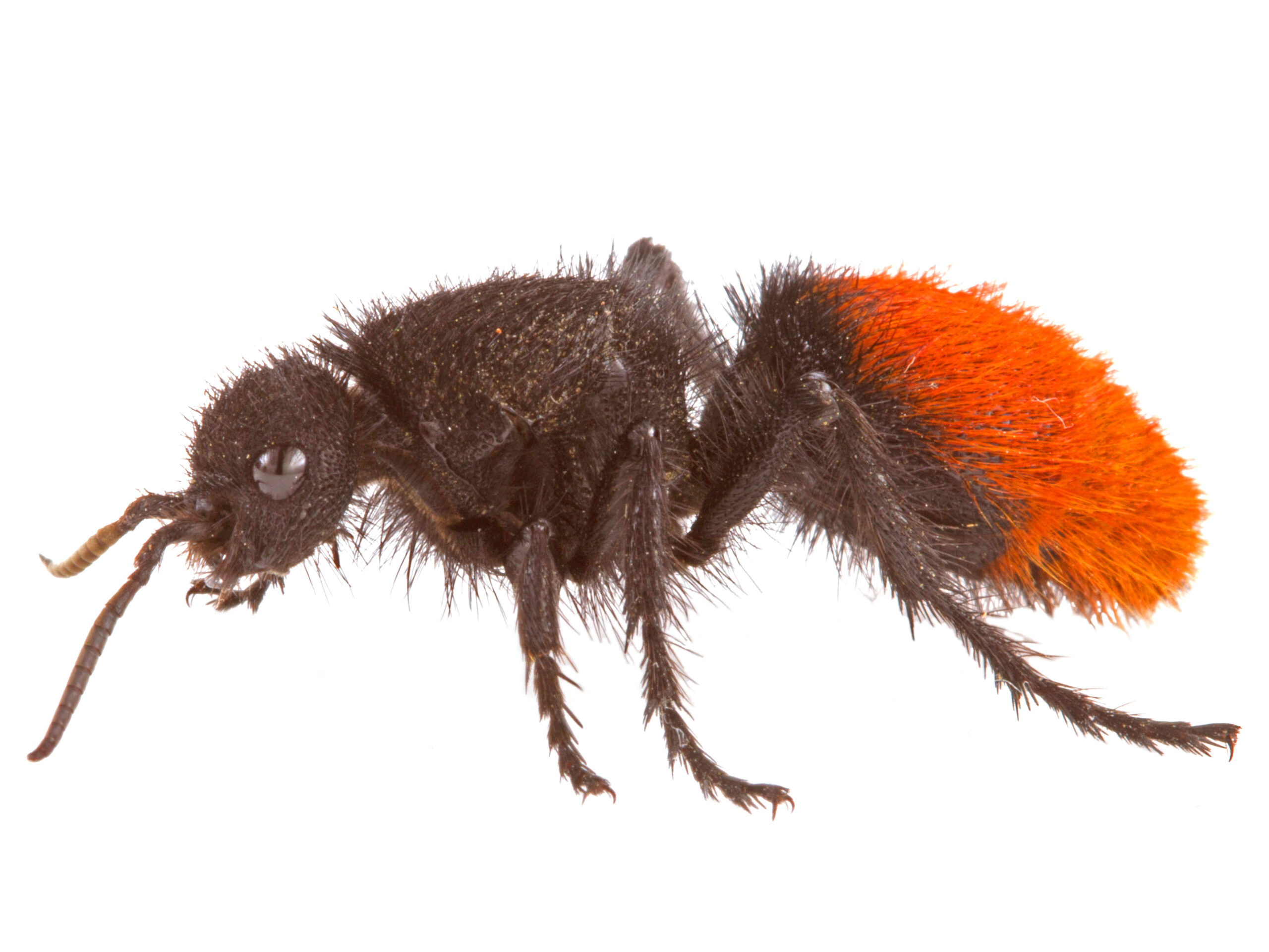
The cow killer, also known as the red velvet ant, is a strikingly vivid insect found primarily in the southern United States. It is a wingless female wasp belonging to the Mutillidae family. Characterized by its bright red coloration and fuzzy appearance, the cow killer is often mistaken for a harmless creature. The cow killer’s sting is reported to feel like a hot nail being driven into the skin. While it is not life-threatening in most cases, the pain can last for several hours.
Popular Science described the suffering from a velvet ant’s sting as “30 minutes of life-changing, pray-for-death pain.” Don’t be fooled by their cute, fuzzy appearance – these “ants” are actually wasps in disguise. The pain from their sting is so intense that some people describe it as feeling like they’re being electrocuted from the inside out.
#15 Yellow Jackets – The Aggressive Wasps
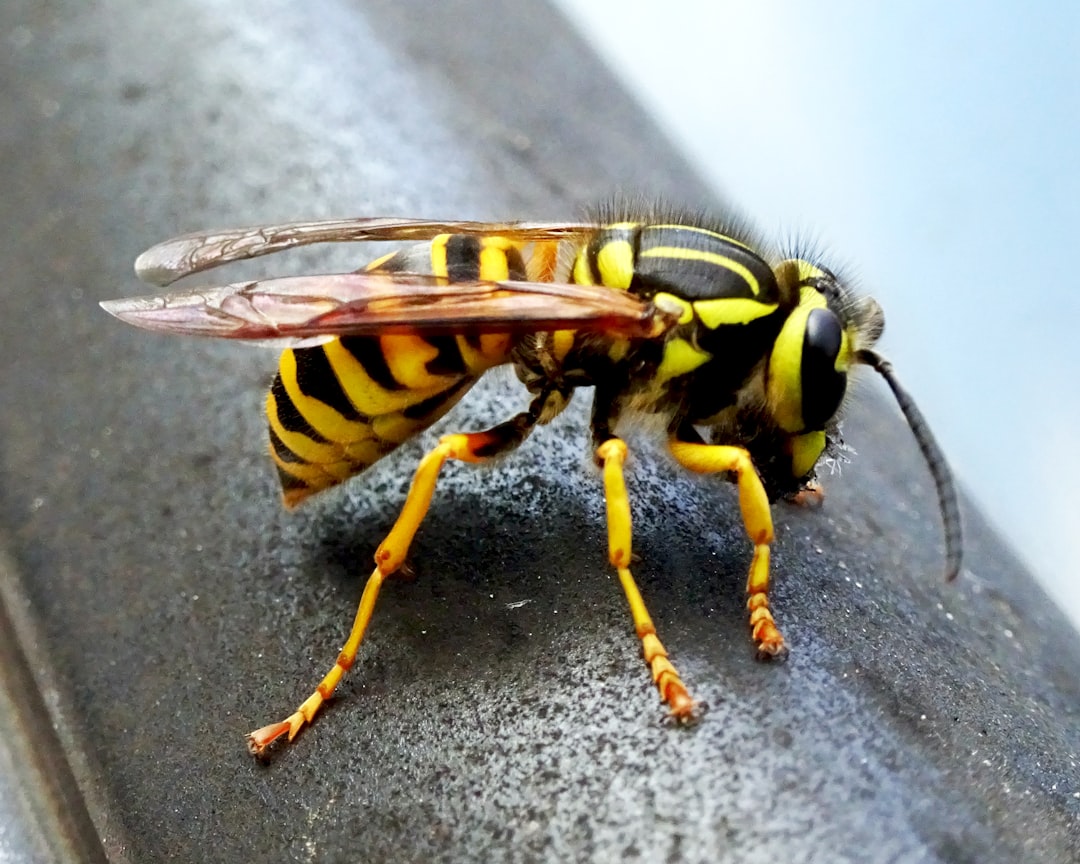
Eleven workers were killed in wasp-related incidents including three incidents involving yellow jackets. While bees will generally only sting once, these relatives can do it multiple times. Yellow jackets are nature’s bullies – aggressive, territorial, and equipped with the ability to sting repeatedly without dying like honey bees.
Unlike their more docile bee cousins, yellow jackets become increasingly aggressive in late summer and fall when their food sources become scarce. They’re attracted to sugary drinks, meat, and garbage, making backyard barbecues and picnics prime hunting grounds for these striped terrorists. Their smooth stinger allows them to attack multiple times, injecting more venom with each assault.
#14 Blister Beetles – The Cantharidin Carriers
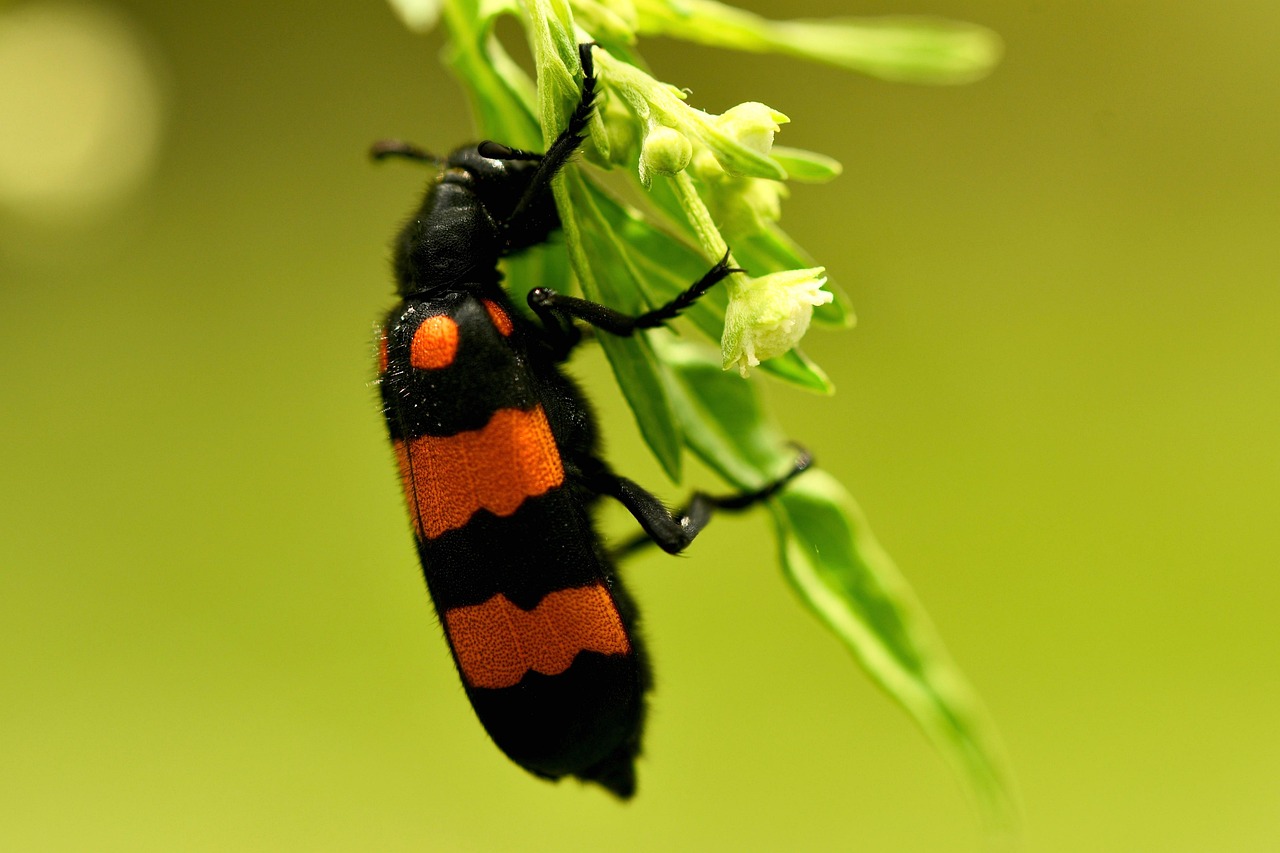
Blister beetles are found across North America and have elongated bodies with vibrant colors, like yellow or black. They might catch your eye as you stroll through a garden or field. However, these colorful beetles can cause painful skin blisters due to a chemical called cantharidin, which they release when threatened. In the worst-case scenario, cantharidin in large doses can cause organ damage, shock, and even death.
In the 1950s a man was imprisoned for the deaths of two women whom he had given cantharidin-laced candies to in order to seduce them. These beetles are like living chemical weapons, secreting a toxin that has been used throughout history as both an aphrodisiac and a poison. Just touching one can leave you with painful blisters that take days to heal.
#13 Red Harvester Ants – The Pain Specialists
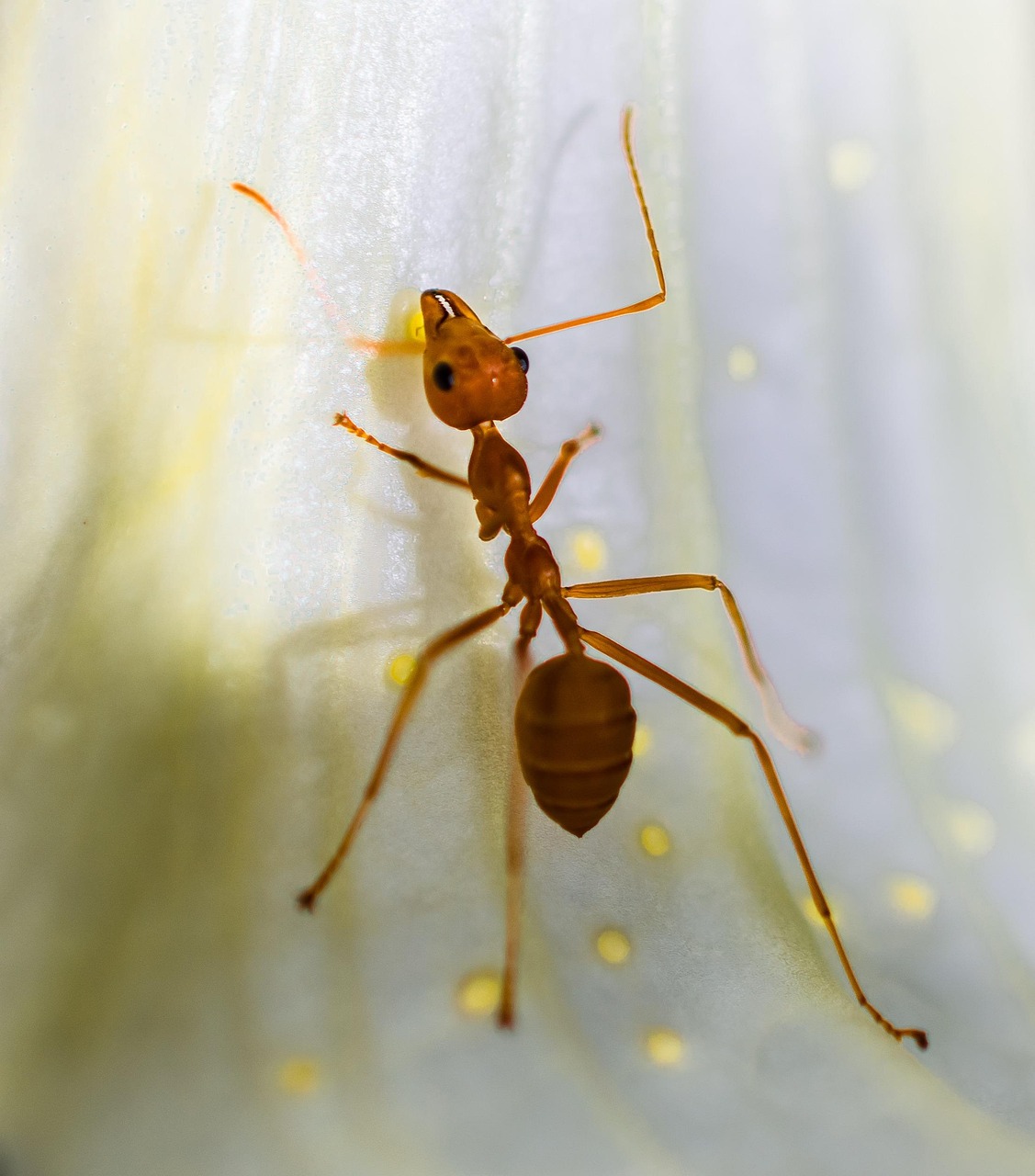
Though they don’t attack unless provoked, a red harvester’s sting is “bold and unrelenting, like somebody using a drill to excavate your ingrown toenail,” as Insect Defenses co-author Justin Schmidt explained to Travel & Leisure. These ants have earned their place on the famous Schmidt Pain Index, a scientific scale that measures the pain intensity of insect stings.
Red harvester ants are the marathon runners of the pain world – their sting doesn’t just hurt intensely, it keeps hurting for hours. They inject a cocktail of toxins that cause excruciating, persistent pain that some victims describe as feeling like liquid fire coursing through their veins. These ants are found throughout the southwestern United States and are easily recognized by their large size and reddish coloration.
#12 Scorpions – The Desert Assassins
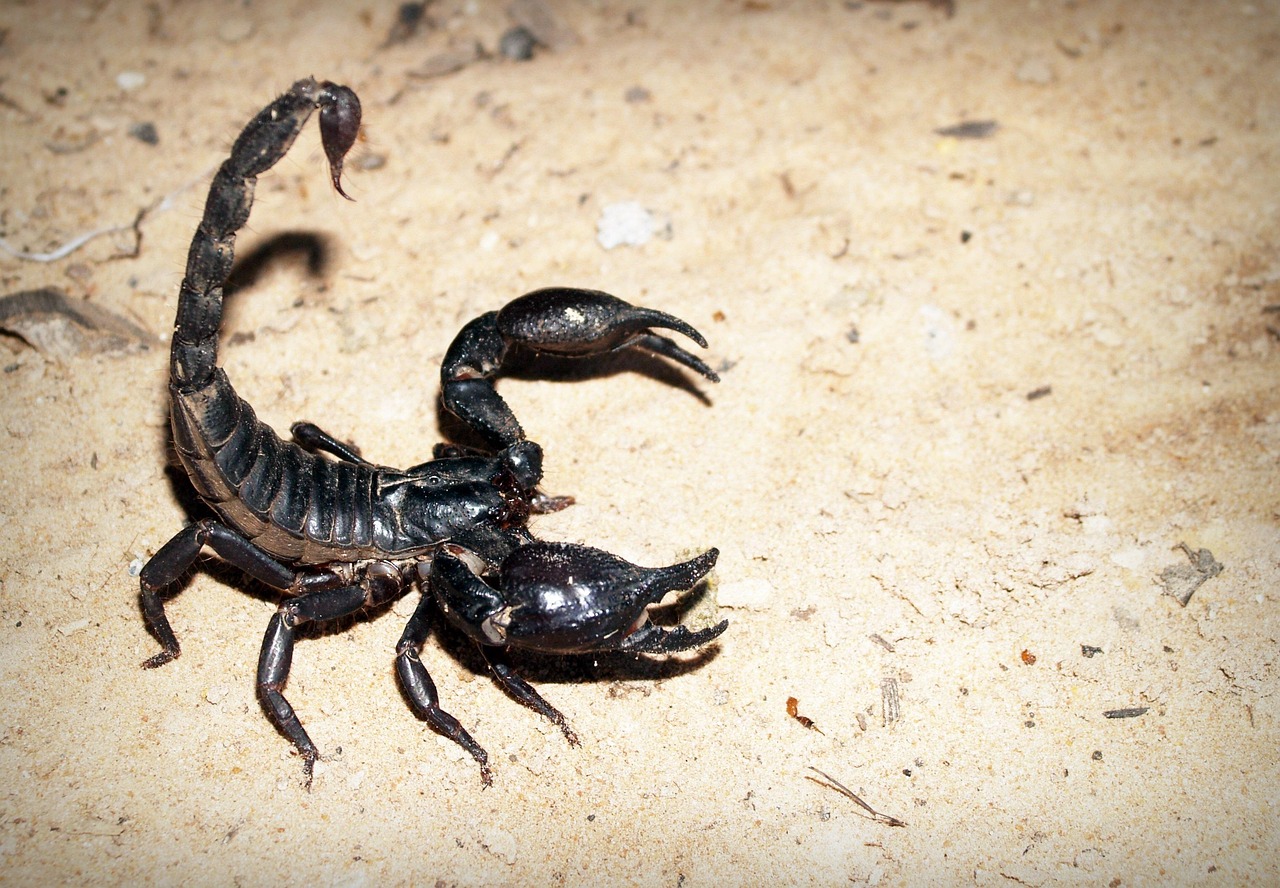
Scorpions are predatory arachnids found in various regions of the United States, particularly in the Southwest. There are several species, with the Arizona bark scorpion being the most venomous. They are declared one of the world’s most dangerous insects, and their venom can cause sudden death.
Striped bark scorpions can be found in states like Texas, New Mexico, Arkansas, Colorado, and Louisiana. Their stings pack a punch that can last a few days, but no deaths have ever been attributed to them. While most American scorpions won’t kill you, their stings can cause severe pain, numbness, and muscle spasms. The Arizona bark scorpion is the exception – its venom can be lethal, especially to children and elderly victims.
#11 Bullet Ants – The South American Invaders
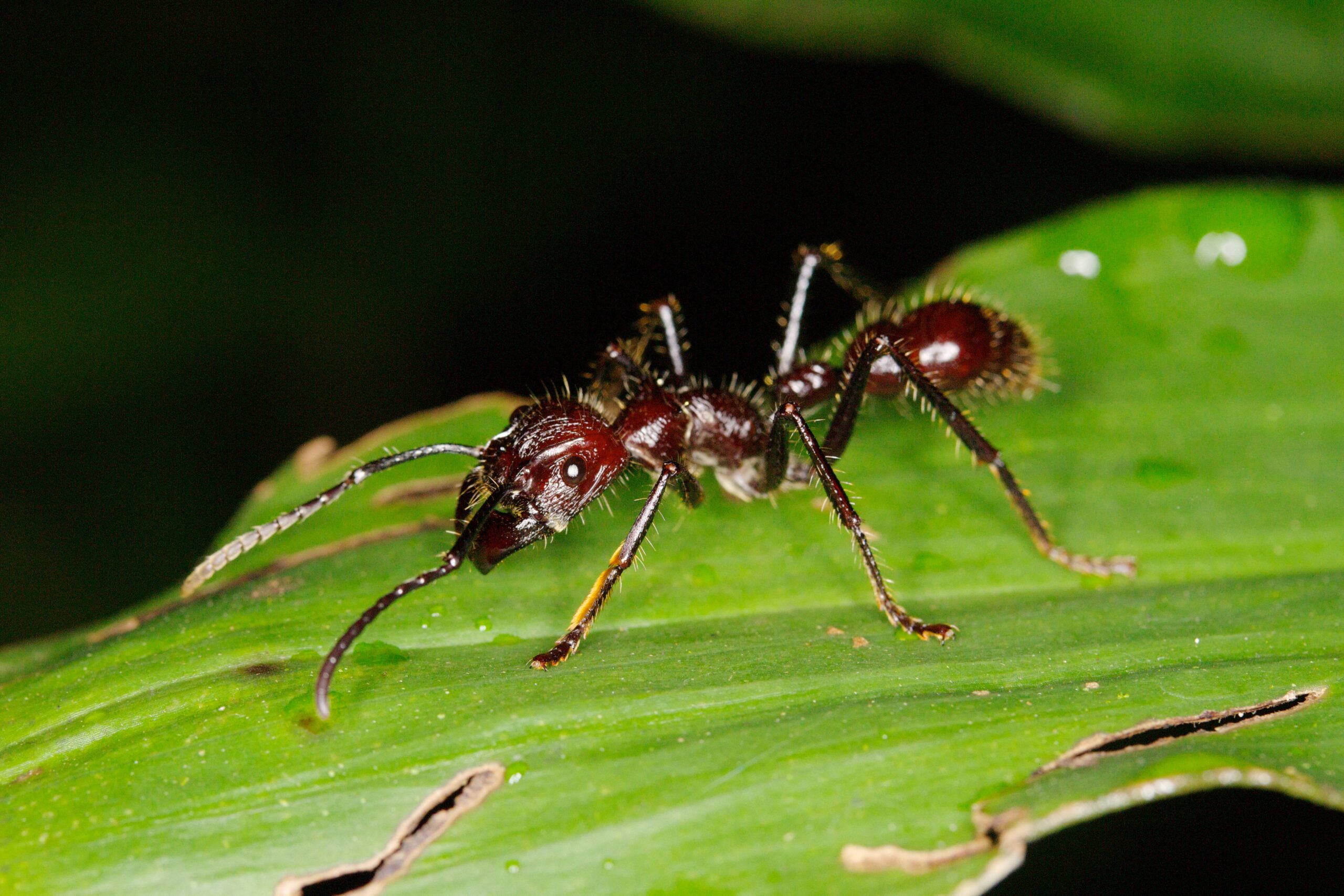
The Bullet Ant, native to Central and South America, is infamous for its intensely painful sting, described as feeling like being shot. Although not native to the United States, its presence near borders makes it a potential threat. Justin O. Schmidt, an entomologist who famously created the Schmidt Pain Index for insect stings, described the bullet ant bite like, “walking over flaming charcoal with a three-inch rusty nail in your heel.”
The bullet ant holds the dubious honor of having the most painful sting in the insect kingdom. While they’re not established in the United States yet, climate change and global travel are increasing the chances of encounters. Indigenous tribes in South America use these ants in brutal coming-of-age rituals, forcing young men to wear gloves filled with bullet ants – a testament to their legendary pain-inducing capabilities.
#10 Wheel Bugs – The Assassin’s Kiss
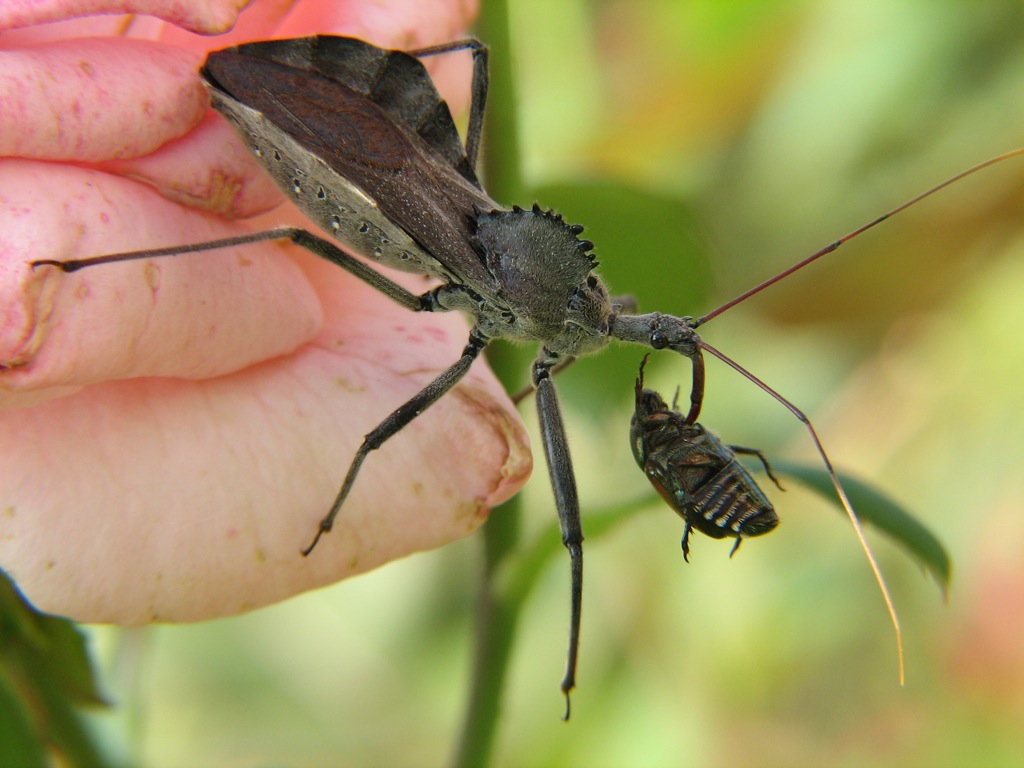
Wheel bugs are in the assassin bug family, which also includes kissing bugs. Appearance: Brownish grey insects with a spiky half-wheel shape on their thorax. If handling is attempted, the wheel bug will bite, inflicting a very painful wound that becomes numb and can last for days. They also hunt other insects, and they use cytotoxin to paralyze their prey. Their venom also starts dissolving its prey from the second it strikes. It can also bite a human and the pain is bad.
Wheel bugs are nature’s perfect predators, equipped with venom that literally begins dissolving their victims from the inside out. When they bite humans, the pain is described as immediate and intense, followed by numbness that can last for days. These assassins prefer to hunt other insects, but they won’t hesitate to defend themselves if threatened.
#9 Flannel Moth Caterpillars – The Fuzzy Deceivers
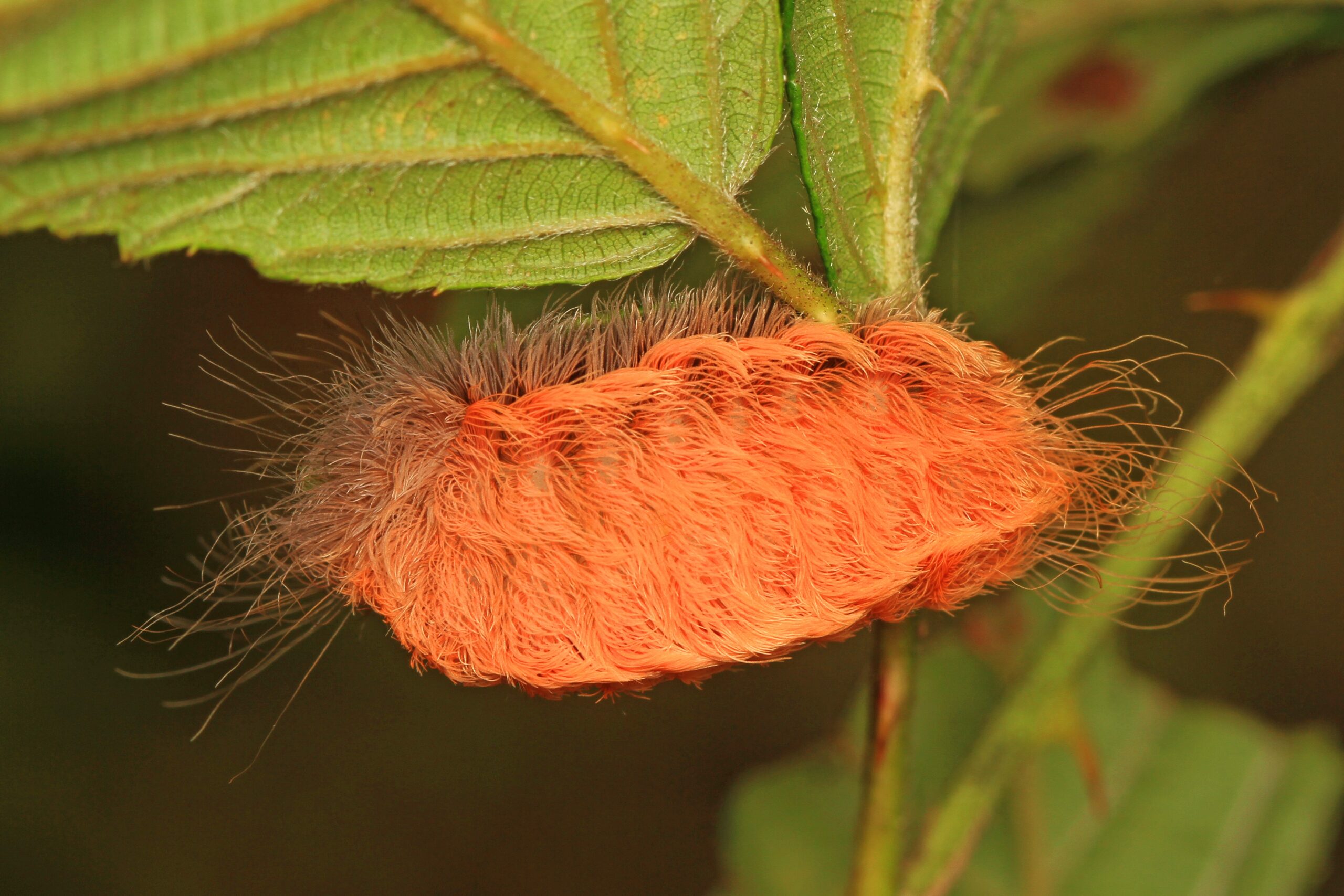
Flannel Moth Caterpillar – These furry slow-movers are very venomous and can put humans in the hospital. The asp caterpillar is the larval stage of the Southern Flannel Moth. A venomous caterpillar, it is found in garden plants and trees such as elms and oaks in Texas. It is about an inch and a half long, light brown to gray in color, and may look deceptively soft, but its fuzzy hairs are actually venomous spines that irritate human skin if encountered.
Don’t let their adorable, teddy bear-like appearance fool you – these caterpillars are living pin cushions filled with venom. Their fuzzy exterior hides dozens of hollow spines connected to venom glands. When touched, these spines break off in your skin and inject their toxin, causing immediate, excruciating pain that can last for hours and require hospitalization in severe cases.
#8 Saddleback Caterpillars – The Spiky Nightmares
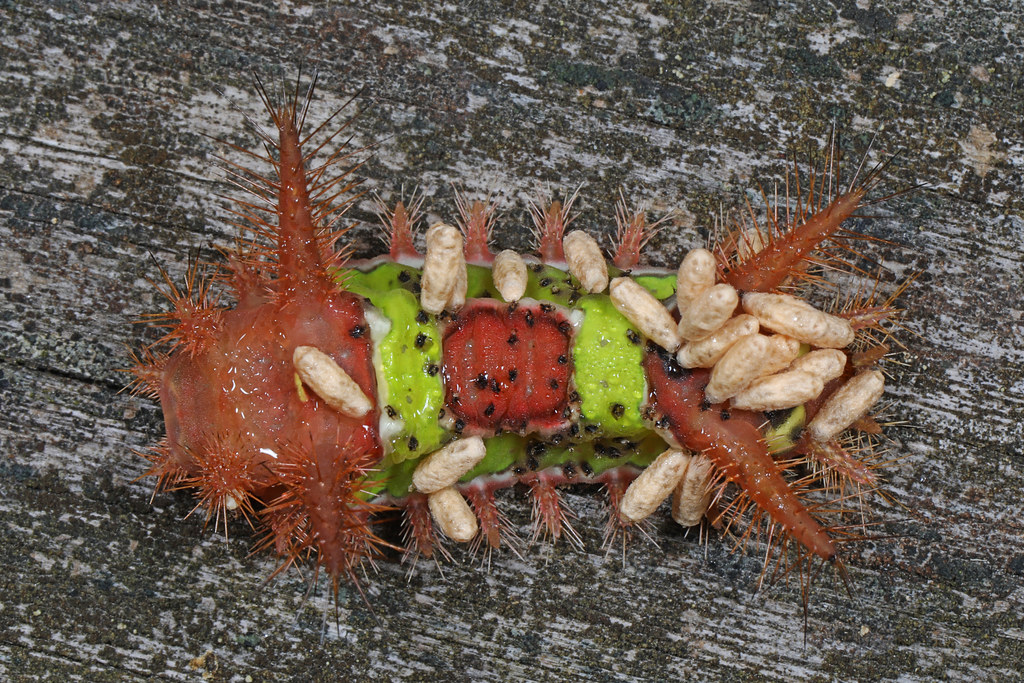
The saddleback caterpillar is a species native to North America and Mexico. Appearance: The caterpillar is pinkish brown to dark brown with a lime green “blanket” on its back and a circular “saddle” in the center of the blanket. They have hollow spikes connected to venomous glands on the four large appendages that can cause severe discomfort for some sensitive people. It can cause swelling, asthma, stomachache, and itching.
These caterpillars look like they’re wearing a tiny saddle, but their decorative spines pack a venomous punch that can trigger severe allergic reactions. The hollow spines inject venom that causes not just local pain and swelling, but can also trigger asthma attacks and systemic reactions. They’re commonly found on ornamental plants in gardens, making accidental encounters all too likely.
#7 Robber Flies – The Aerial Assassins

Robber Flies – There are over 7,000 species of this insect worldwide. They look sort of like a dragonfly and paralyze their prey with venom. They don’t have a complex digestive system, so their venom actually digests the victim insect before the robber fly even consumes it. They can bite humans, and the bite is very painful. But they don’t actively seek to bite humans.
Robber flies are nature’s fighter jets – fast, agile, and equipped with venom that liquefies their victims from the inside out. While they primarily hunt other insects, they can deliver a painful bite to humans if handled or threatened. Their venom is so powerful that it begins digesting their prey before they even start eating, making them efficient killing machines of the insect world.
#6 Toe-Biter Water Bugs – The Aquatic Predators
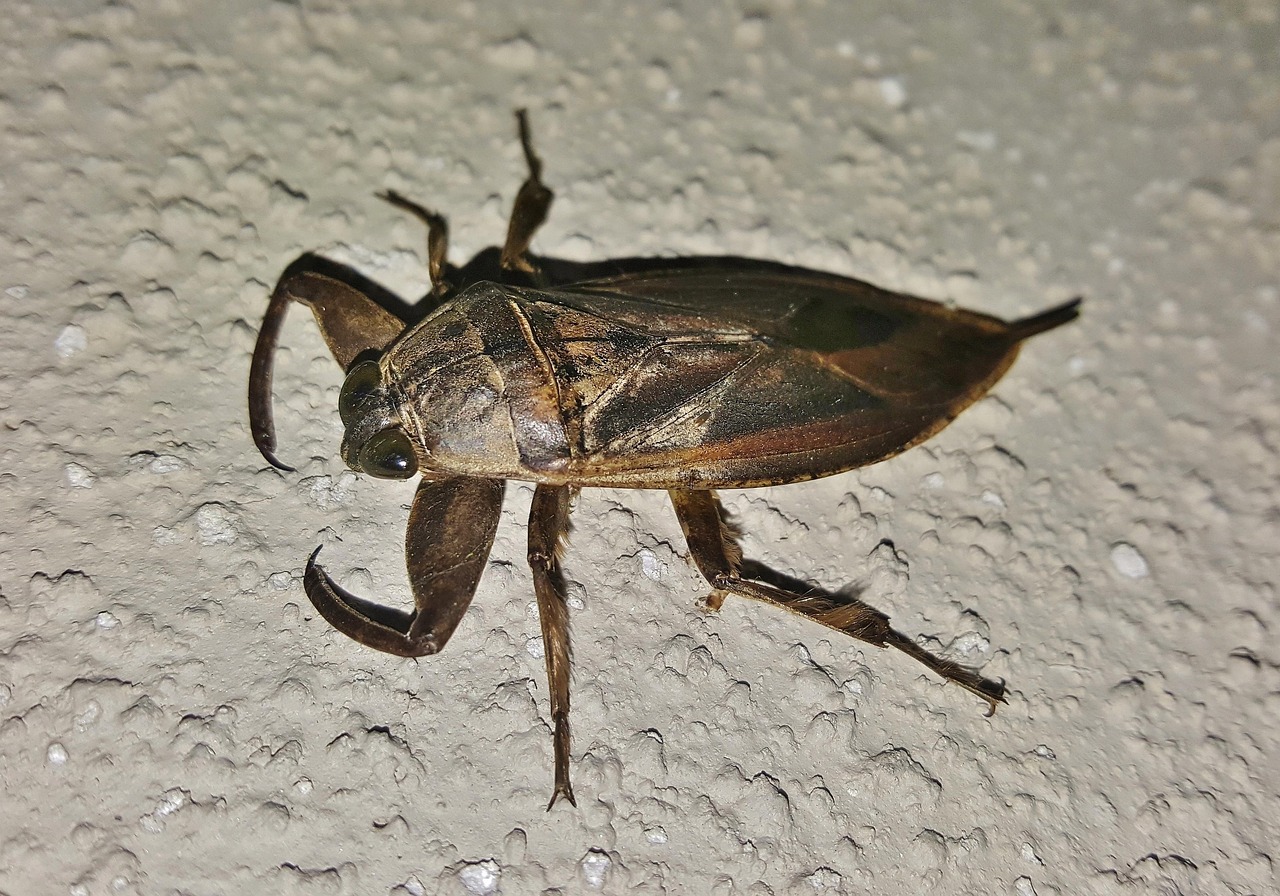
Toe Biter – (pictured) A large insect which won’t hesitate to bite a human when disturbed, hence its name. This large bug hunts fish in the water. They have also been known to feast on small snakes and turtles. It is a very sharp and painful sting when they bite humans.
These critters are not aggressive to humans and only bite when stepped on. They are found in the water, on land and can even fly! These giant water bugs are like aquatic ninjas, capable of taking down prey much larger than themselves, including small fish, snakes, and even turtles. Their powerful bite can easily puncture human skin, delivering enzymes that help them digest their prey – not exactly what you want injected into your foot during a relaxing swim.
#5 Red Imported Fire Ants – The Invasive Army
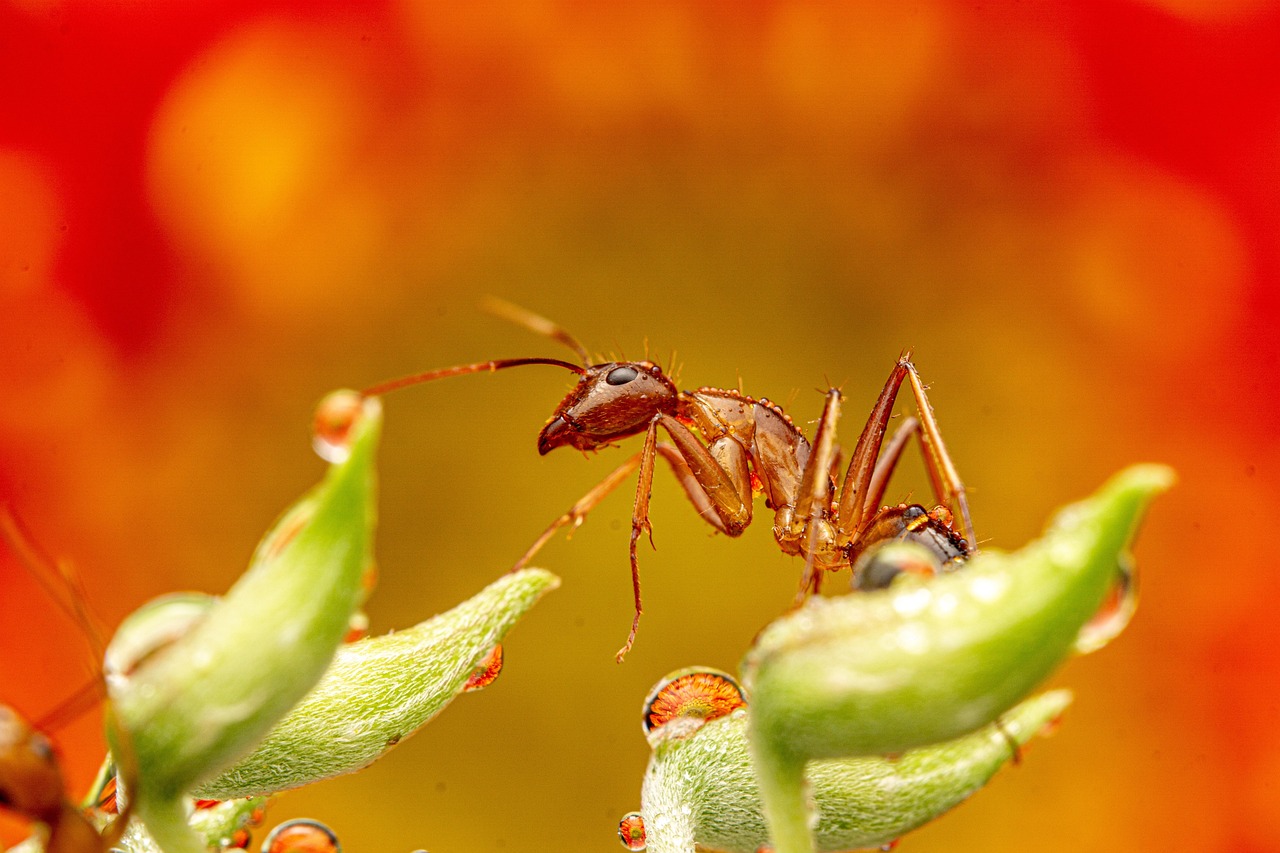
Red imported fire ants are not native to the U.S., but it is thought that they arrived here on cargo ships and were first introduced in Mobile, Alabama, or Pensacola, Florida. One species of fire ants, known as red imported fire ants, has become such a problem that it’s now considered an “invasive” species in the United States.
These foreign invaders have established themselves as one of America’s most aggressive insect pests. They build massive underground colonies and attack anything that disturbs their territory with coordinated precision. Their stings create painful pustules that can become infected, and they’re responsible for billions of dollars in agricultural damage and medical costs annually. Once established, these ants are nearly impossible to eliminate completely.
#4 Chiggers – The Microscopic Torturers
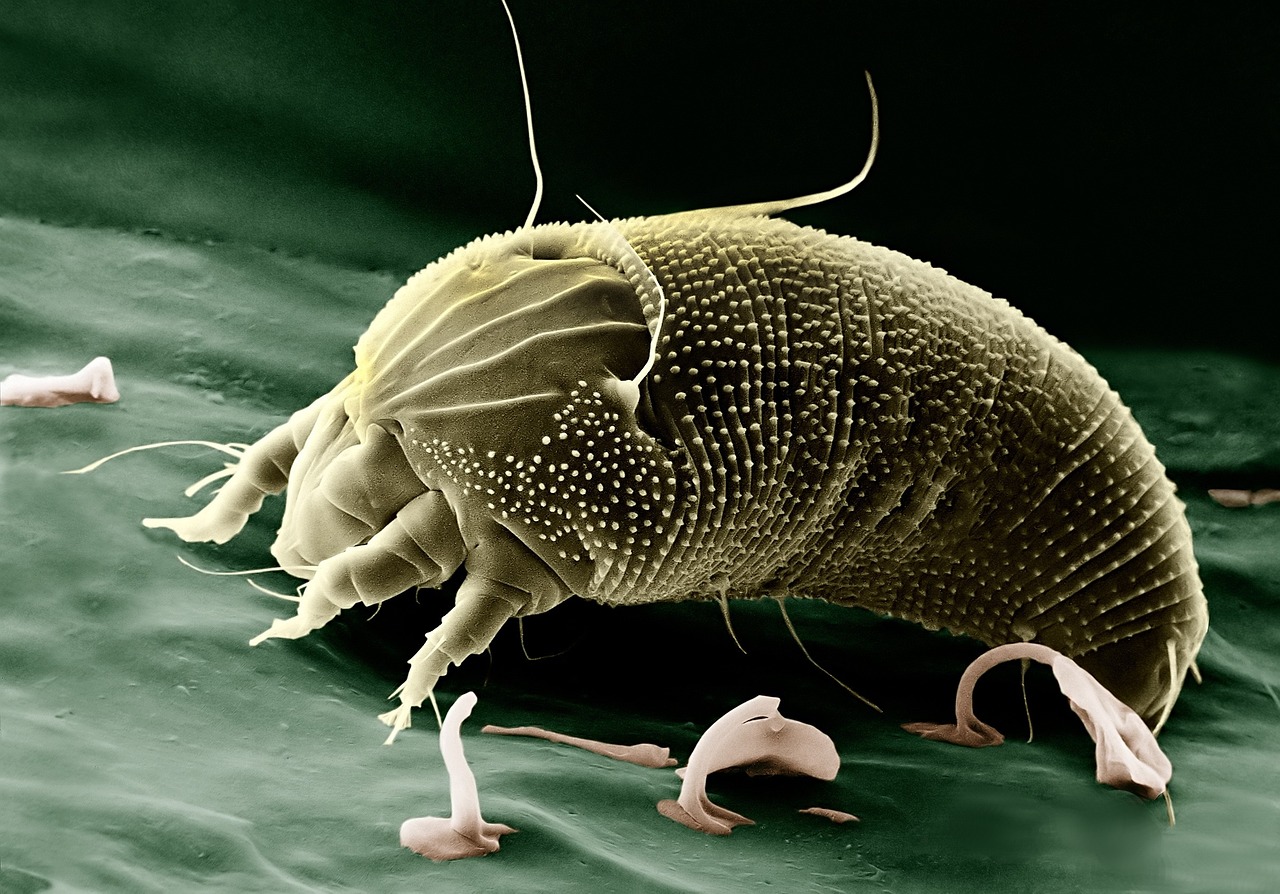
Chiggers live in grassy and brush-filled areas predominantly in the Southeast and Midwest. They’re almost too small to see, but the larvae can cause outsized pain with their parasitic bites. The best way to get rid of the mites from your yard is by mowing the lawn and pruning brush; as for the itchy red bumps, soothe the inflammation with calamine lotion or hydrocortisone cream, the Mayo Clinic advises.
These microscopic mites are proof that size doesn’t matter when it comes to causing misery. Chigger larvae attach to your skin and inject enzymes that dissolve your skin cells, creating wells of liquified tissue they can feed on. The itching they cause is so intense that it can drive victims to scratch themselves raw, sometimes leading to secondary infections that are worse than the original bites.
#3 Bald-Faced Hornets – The Paper Wasp Warriors
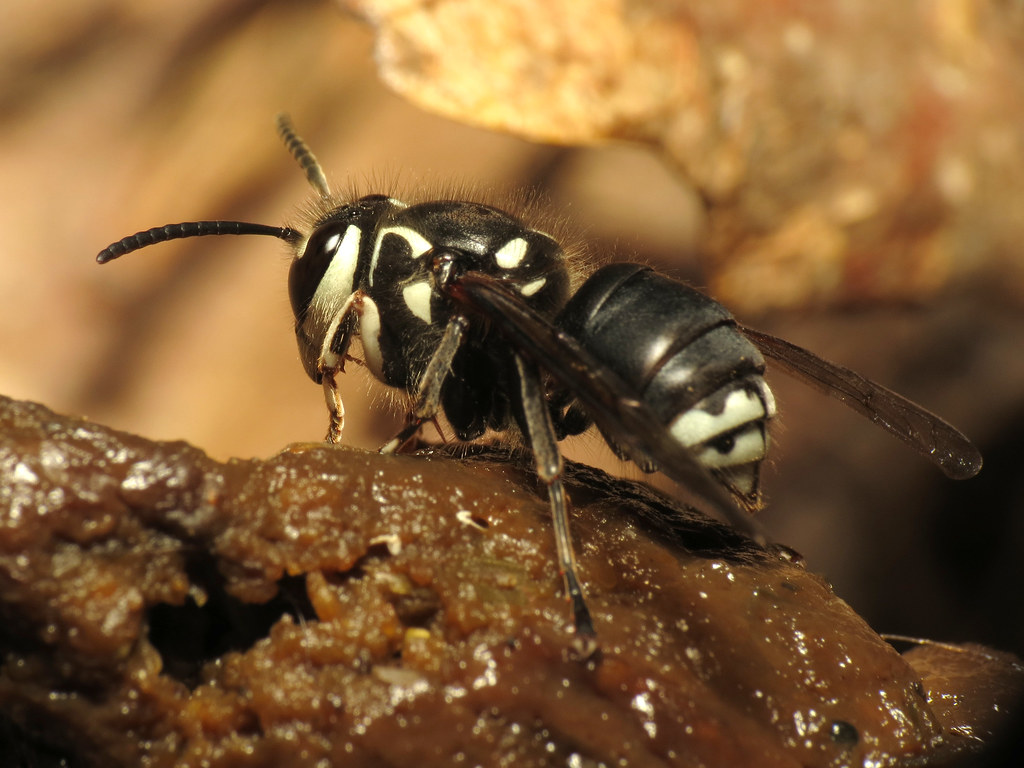
Bald-faced hornets are large wasps that can be found in North America. They build their nests in trees or shrubs, and are known to be aggressive if their nest is disturbed. These hornets can sting multiple times, and their venom can cause swelling, pain, and itching.
Don’t let the name fool you – these aren’t actually hornets, but they’re every bit as dangerous as their namesake. They build large paper nests that can house hundreds of aggressive defenders. When threatened, they release pheromones that call every member of the colony to attack. Their smooth stingers allow them to inject venom repeatedly, and they can also spray venom from a distance, aiming for your eyes to blind and disorient you.
#2 Horse Flies – The Bloodthirsty Biters
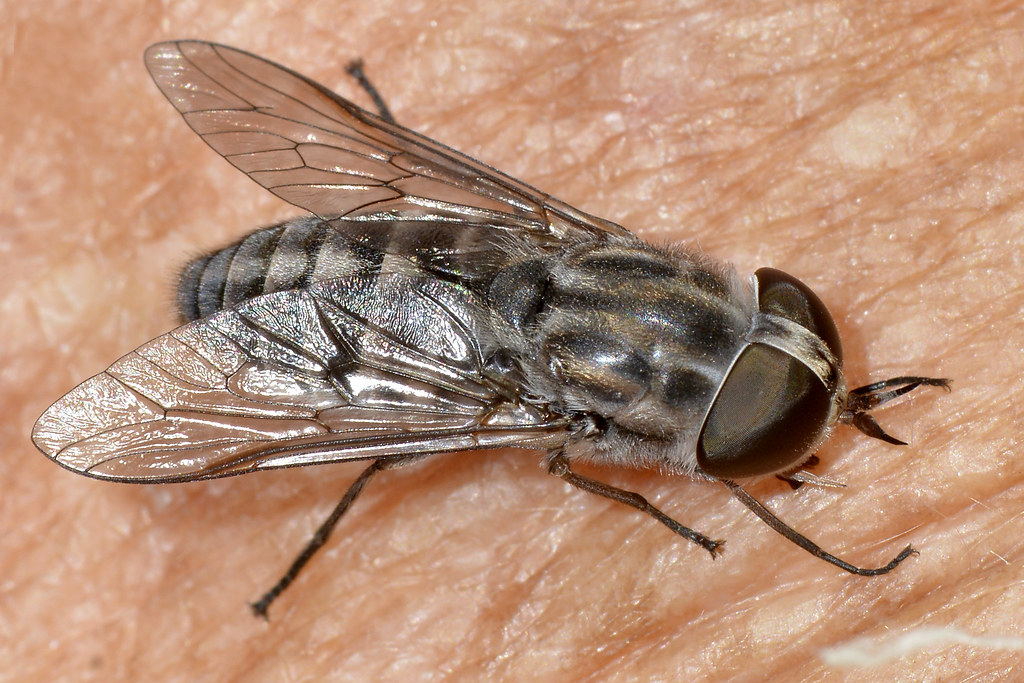
Fire ants, horse flies, and chiggers inflict painful bites. Horse flies are the vampires of the insect world, equipped with razor-sharp mouthparts that slice through skin like tiny swords. Unlike mosquitoes that pierce with needle-like proboscis, horse flies actually cut open your skin and lap up the blood that pools in the wound.
Female horse flies need blood to produce eggs, making them relentless in their pursuit of a meal. Their bites are immediately painful and can continue bleeding for several minutes due to anticoagulants in their saliva. They’re persistent attackers that will follow their victims for long distances, and their large size makes their bites particularly traumatic. The wounds they leave behind can easily become infected if not properly treated.
#1 Tarantula Hawks – The Spider Slayers
The tarantula hawk is (much) worse. These massive wasps have earned their terrifying name by hunting and paralyzing tarantulas – spiders that most people consider the ultimate arachnid predator. Tarantula hawks possess one of the most painful stings in the insect kingdom, described by victims as an electric shock so intense it can cause temporary paralysis.
Despite their fearsome capabilities, tarantula hawks are generally not aggressive toward humans unless directly handled or threatened. However, their sting is so excruciating that entomologist Justin Schmidt recommends that if you’re stung by one, you should “just lie down and scream” because you won’t be able to do anything else anyway. The good news is that the pain only lasts about five minutes – the bad news is that those will be the longest five minutes of your life.
Conclusion
The next time you’re worried about snakes or bears in the wilderness, remember that the real danger might be buzzing around your head or crawling through the grass beneath your feet. These 25 dangerous insects prove that in nature, the smallest packages often contain the deadliest surprises. From the disease-spreading mosquito that claims the top spot to the pain-inducing specialists that make grown adults cry, America’s most dangerous insects are a reminder that respect for the natural world should extend to even the tiniest creatures.
Whether you’re hiking through the desert, gardening in your backyard, or simply enjoying a picnic, awareness is your best defense against these microscopic menaces. Most of these insects won’t attack unless provoked, but when they do, the consequences can range from excruciating pain to life-threatening illness. The irony is that many of these deadly creatures are smaller than your fingernail – proving once again that in the animal kingdom, size definitely doesn’t matter. Did you expect that the world’s deadliest animal would be something you could swat away with a newspaper?
Worried about unexpected vet bills?
Pet insurance can cover thousands in unexpected vet costs. Get a free quote from Lemonade in under 2 minutes.
Get My Free Quote →Sponsored · Opens Lemonade.com
