
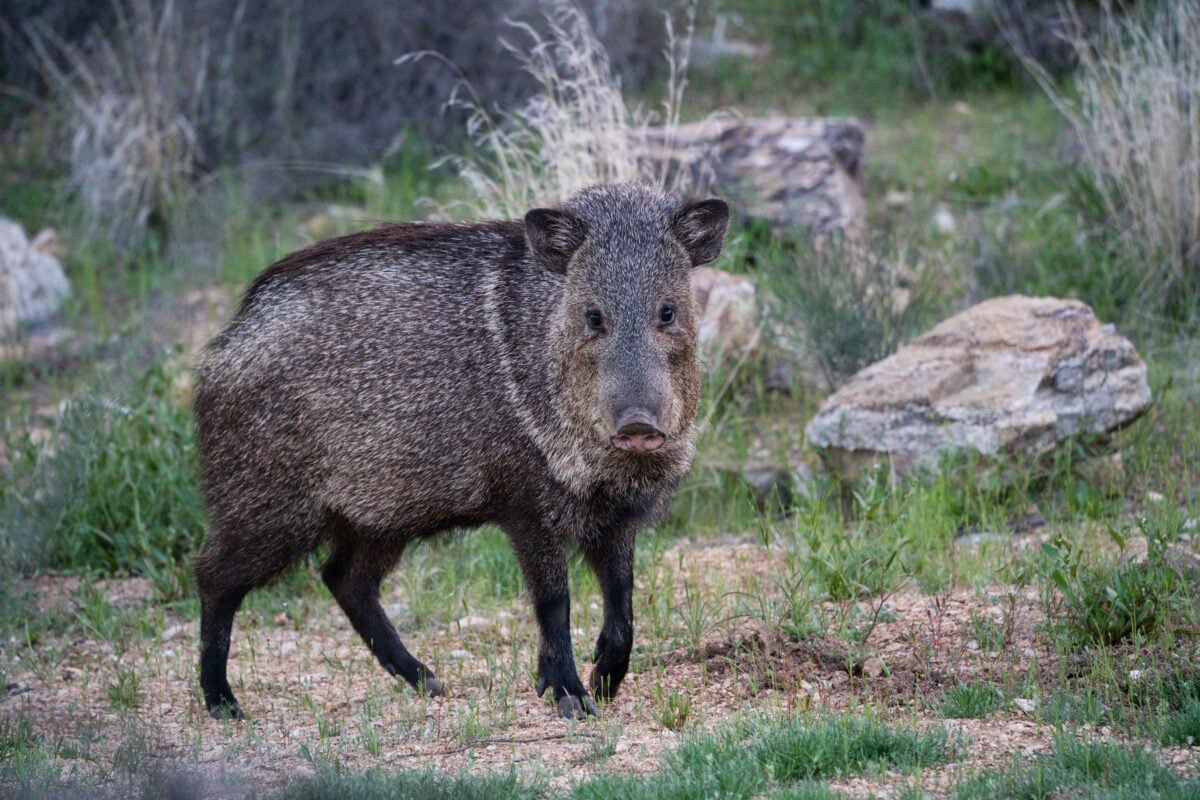
Picture a quiet evening in a desert suburb. A sprinkler clicks on, a porch light hums, and a small, bristly, pig-like animal trots across the lawn as if it holds the deed to the place. For plenty of residents in the American Southwest, that isn’t a story. It’s a Tuesday.
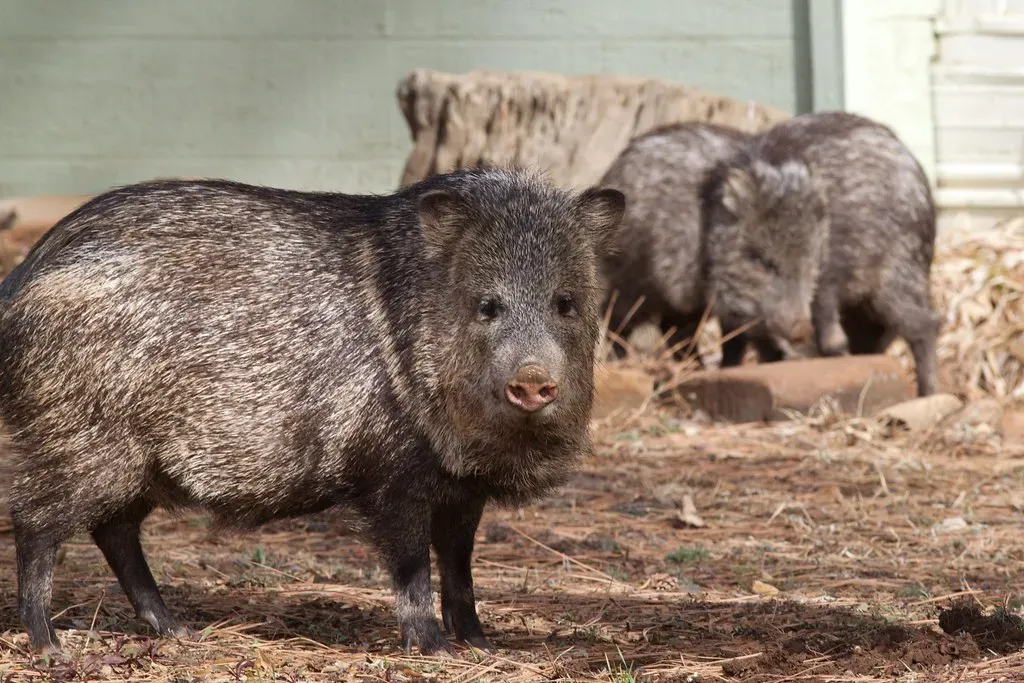
Javelinas, also called collared peccaries, aren’t actually pigs, though they look the part from a distance. They live in only a few U.S. states, and where they do, they’ve learned that human neighborhoods offer a surprisingly good buffet. Here’s where you’re most likely to meet them.
Arizona: The Javelina Capital of Suburbia
🔥 Would you like to save this?
We'll email this post to you, so you can come back to it later!
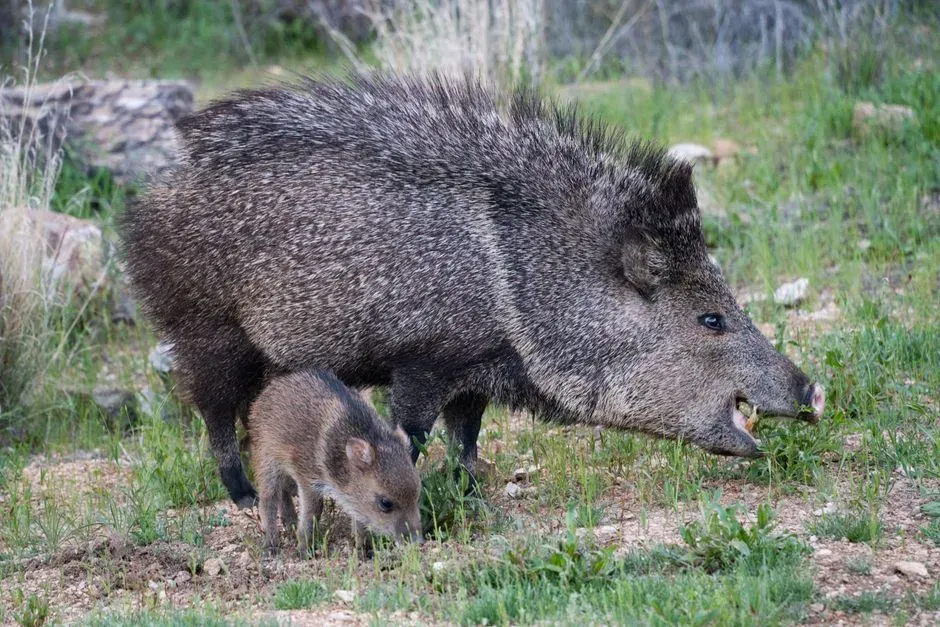
If any state owns the javelina reputation, it’s Arizona. These animals are native to the Sonoran Desert, and as cities like Tucson, Phoenix, Scottsdale and Fountain Hills have pushed outward into that habitat, the two worlds have overlapped. Javelinas often travel in herds, so residents can find a whole group moving down a street or through a yard at dusk or dawn.
What draws them in is mostly food and water. Prickly pear, agave and other landscaping plants are natural favorites, and so are pet food, fallen fruit and unsecured trash. Wildlife agencies such as the Arizona Game and Fish Department generally advise people to keep their distance, secure food sources and keep dogs leashed, since javelinas can defend themselves if they feel cornered. Most encounters end with nothing more than a wide berth and a chewed-up cactus.

Portable Dog Water Bottle Foldable Dog Travel Water Bottle
Check Price on AmazonAs an Amazon Associate, we earn from qualifying purchases.
10/7/2026 1:29 pm GMTi

Smart Bird Feeder with Camera Solar Powered, 2K HD Live Video, 10,000+ Bird Species AI Identification
Check Price on AmazonAs an Amazon Associate, we earn from qualifying purchases.
10/7/2026 1:22 pm GMTi

PetSafe Oasys Pet Fountain, 1/2 Gallon (64 oz), Small Dogs & Cats
Check Price on AmazonAs an Amazon Associate, we earn from qualifying purchases.
10/8/2026 8:14 am GMTi

Professional 7 in 1 Dog Paw Cleaner for Dogs & Cats - Includes 1 Portable Paw Washer, 1 Bath Brush
Check Price on AmazonAs an Amazon Associate, we earn from qualifying purchases.
10/7/2026 1:26 pm GMTi

Earth Rated XL Dog & Puppy Pee Pads, Discreet Top, Max Absorbency
Check Price on AmazonAs an Amazon Associate, we earn from qualifying purchases.
10/7/2026 1:28 pm GMTi
Texas: Brush Country Neighbors Close to Town
🔥 Would you like to save this?
We'll email this post to you, so you can come back to it later!
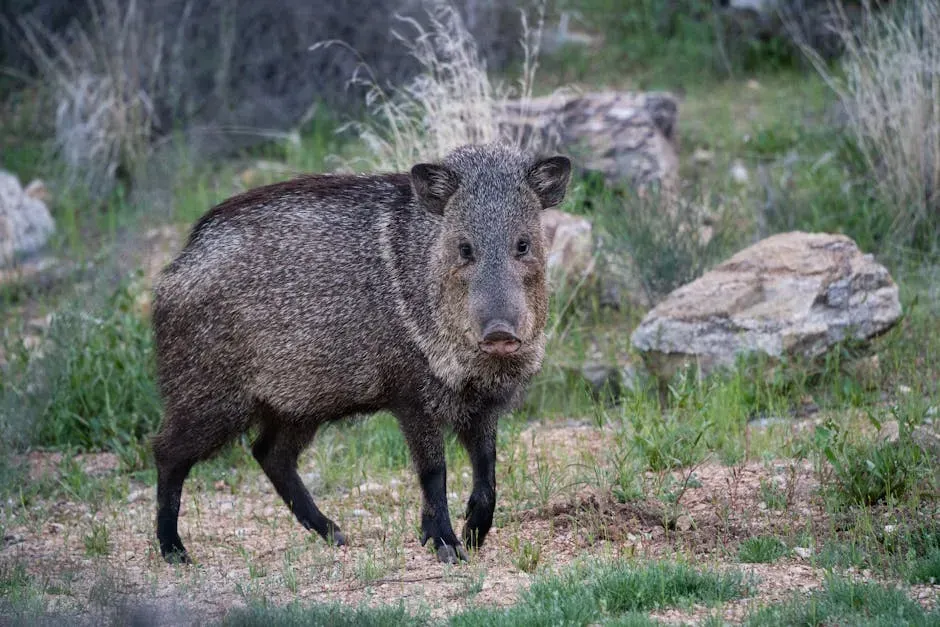
Texas has a long javelina tradition too, especially in South Texas and parts of the Hill Country and Trans-Pecos. The thorny brush country suits them well, and as towns and subdivisions spread into that terrain, sightings in residential areas follow. They tend to be most active around cooler parts of the day, much like their Arizona cousins.
Here, the story is a bit more varied depending on the region. In rural and edge-of-town settings, a javelina passing through a backyard is a fairly familiar thing, while in major urban cores it’s much rarer. The same practical rules apply anywhere: don’t feed them, clean up pet food, and never try to approach for a photo. Texas also manages javelinas as a game species, so wildlife rules differ from simple pest control.

Orthopedic Extra Large Dog Bed, Waterproof Washable XL Pet Bed 44"
Check Price on AmazonAs an Amazon Associate, we earn from qualifying purchases.
10/7/2026 1:32 pm GMTi

Hand Blown Glass Hummingbird Feeders for Outdoors Hanging, 24oz Wild Bird Nectar Feeder
Check Price on AmazonAs an Amazon Associate, we earn from qualifying purchases.
10/7/2026 1:23 pm GMTi

Glass Hummingbird Feeder for Outdoors Hanging, 16 oz Leak-Proof Nectar Feeder with Bee Guards & Ant Moat
Check Price on AmazonAs an Amazon Associate, we earn from qualifying purchases.
10/7/2026 1:22 pm GMTi

Glass Hummingbird Feeder for Outdoors Hanging
Check Price on AmazonAs an Amazon Associate, we earn from qualifying purchases.
10/7/2026 1:21 pm GMTi

Dog Stairs for Bed 18" H, 4-Step Dog Steps for High Bed
Check Price on AmazonAs an Amazon Associate, we earn from qualifying purchases.
10/9/2026 2:42 pm GMTi
New Mexico: Southern Desert Visitors
🔥 Would you like to save this?
We'll email this post to you, so you can come back to it later!
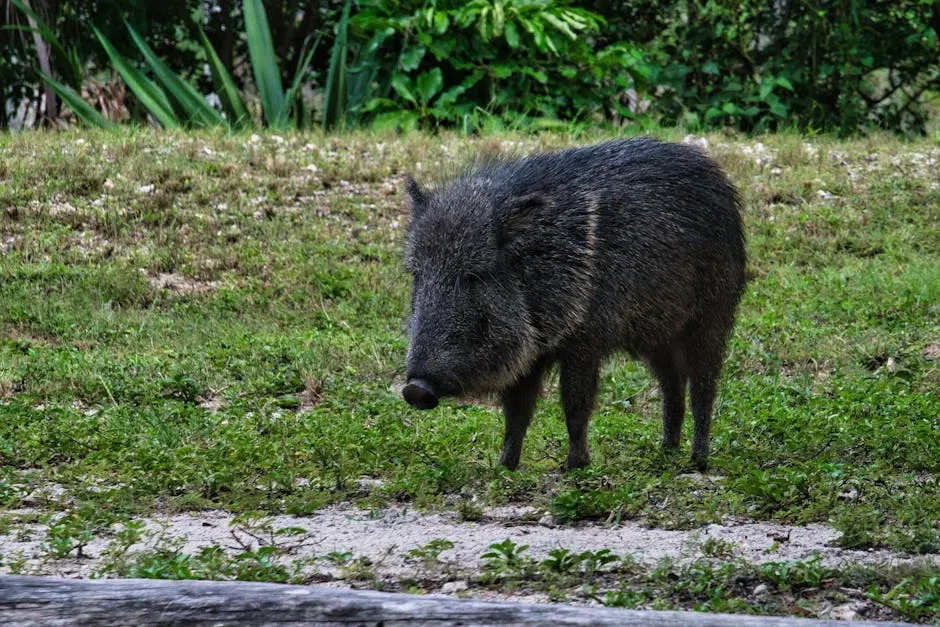
New Mexico rounds out the trio, with javelinas found mainly in the southern part of the state. Areas of the Chihuahuan Desert and nearby foothills offer the mix of shrubs, cactus and water that they like. They’re less famously tied to city life than in Arizona, but communities near that habitat do report them wandering through.
The range here is narrower, so sightings are more a local matter than a statewide one. Still, the advice mirrors the other states: treat them as wild animals, keep trash lidded, and avoid leaving pet food outside overnight. A little prevention goes a long way, since a javelina that finds an easy meal tends to come back for seconds.

Air Purifiers for Home Pets Large Room Up to 3000 Ft²,HEPA Air Cleaner with Washable Double-Side Filter, PM2.5 Air Quality Monitor,15dB Sleep Mode for Bedroom Odor Dust Pollen,White
Check Price on AmazonAs an Amazon Associate, we earn from qualifying purchases.
10/8/2026 8:23 am GMTi

Halloween Cat Costume Cloak Witch Hat Pet Accessories
Check Price on AmazonAs an Amazon Associate, we earn from qualifying purchases.
10/9/2026 2:44 pm GMTi

2 Pcs Halloween Pet Hat Bandana Set, Witch Pumpkin Costumes for Dogs
Check Price on AmazonAs an Amazon Associate, we earn from qualifying purchases.
10/9/2026 2:45 pm GMTi

Halloween Dog Collar with Bow, Orange Cute Ghost Collar,
Check Price on AmazonAs an Amazon Associate, we earn from qualifying purchases.
10/9/2026 2:43 pm GMTi
Final Thoughts
🔥 Would you like to save this?
We'll email this post to you, so you can come back to it later!
My take? Javelinas aren’t invaders, we’re the ones who moved into their neighborhood. That makes a bit of patience and a lot of common sense the fair response. Lock up the garbage, skip the feeding, keep your dog close, and enjoy the odd privilege of watching a wild herd stroll past the mailbox.
