
Worried about unexpected vet bills?
Pet insurance can cover thousands in unexpected vet costs. Get a free quote from Lemonade in under 2 minutes.
Get My Free Quote →Sponsored · Opens Lemonade.com
Winter doesn’t have to be miserable for your animals. While the cold months present unique challenges for farmers and ranchers, a few simple strategies can help your barnyard companions thrive when the snow starts falling. The key isn’t just about survival – it’s about creating an environment where chickens, goats, pigs, and other livestock can stay comfortable and healthy through the harshest season.
Think of winter care like preparing for a long camping trip. Your animals need the right shelter, proper nutrition, access to unfrozen water, and special attention to their well-being. These four essential strategies will transform your approach to cold-weather animal care and help you navigate those chilly months with confidence.
Provide Proper Winter Shelter and Warmth
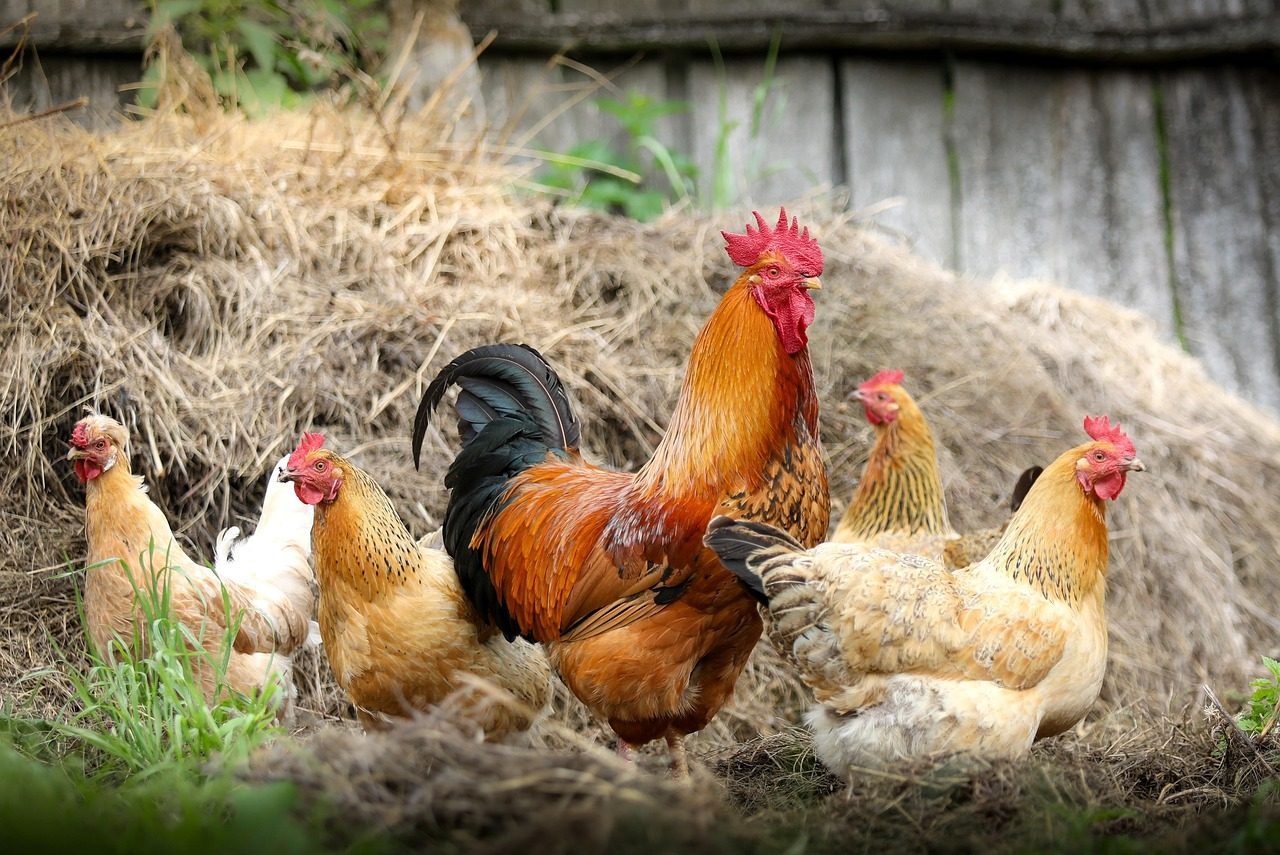
Livestock including cattle, sheep, goats, ducks, pigs and chickens are particularly susceptible to the cold, and freezing temperatures, snow, and icy winds can pose serious health risks to barnyard animals. Creating the right shelter makes all the difference between animals that merely survive winter and those that thrive in it. The secret lies in understanding that different animals have unique needs when temperatures drop.
For chickens, the focus should be on preventing drafts while maintaining ventilation. The most important thing to do when raising chickens in the cold is to keep them dry and their coop as draft-free as possible, with the best solution being to keep the ventilation up high near the ceiling and away from where the chickens perch at night. Think of it like living in a house with good air circulation but no cold wind whistling through the windows.
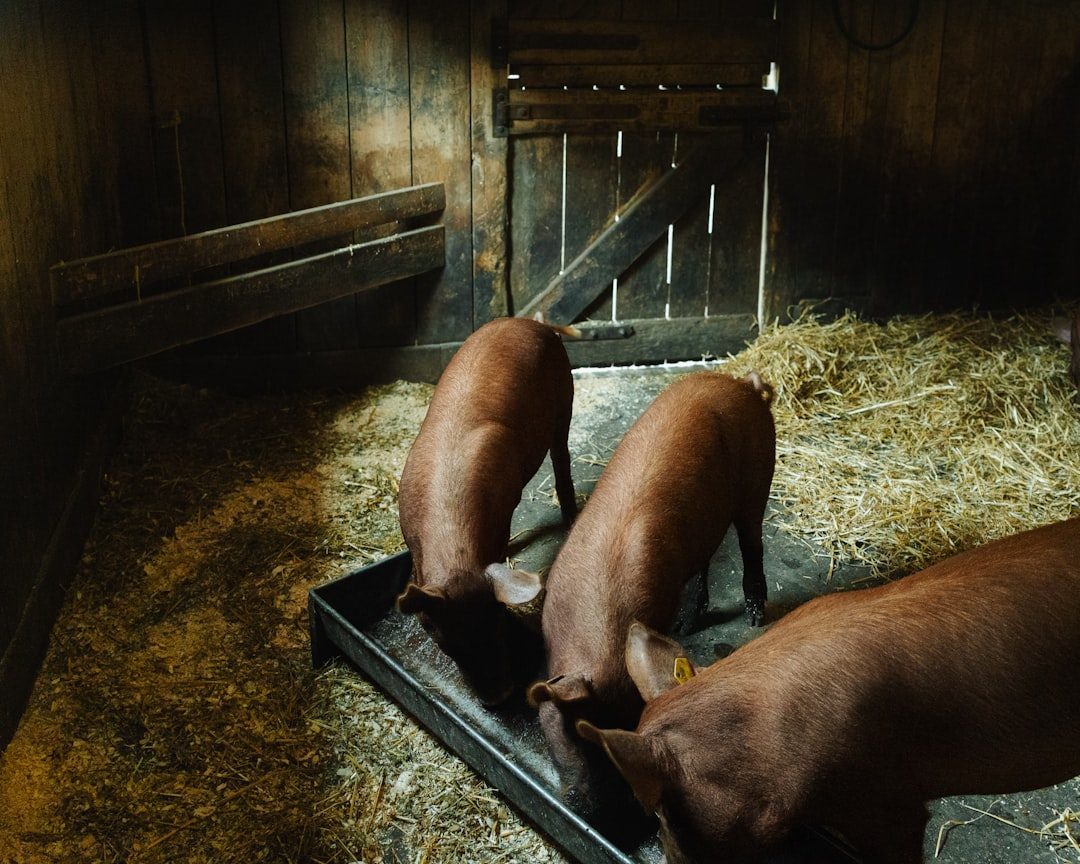
Goats are quite cold hardy and need protection from wind and precipitation, and if you have more than two goats, keeping them in a shed off the side of the barn, protected from the wind, works well. Pigs are especially sensitive to the cold and need insulated pens. Meanwhile, larger animals like horses and cattle can handle more cold but still need protection from wind and wet conditions.
Adjust Feed to Meet Winter Energy Demands
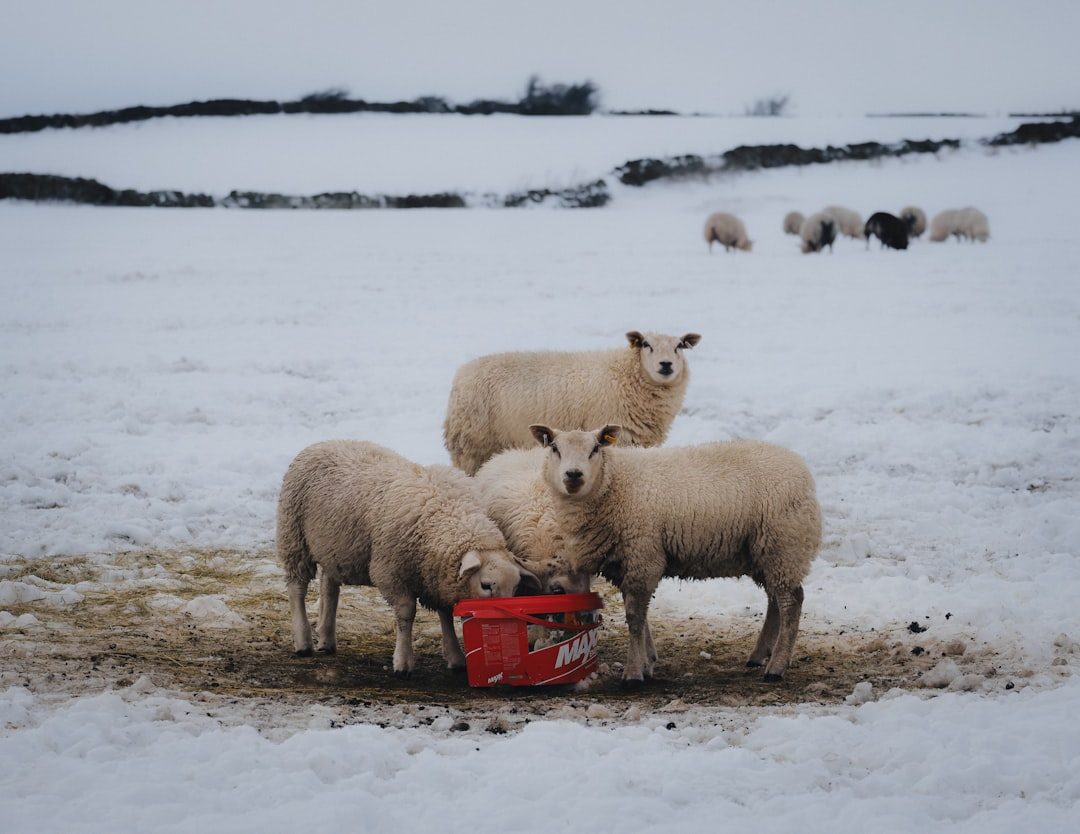
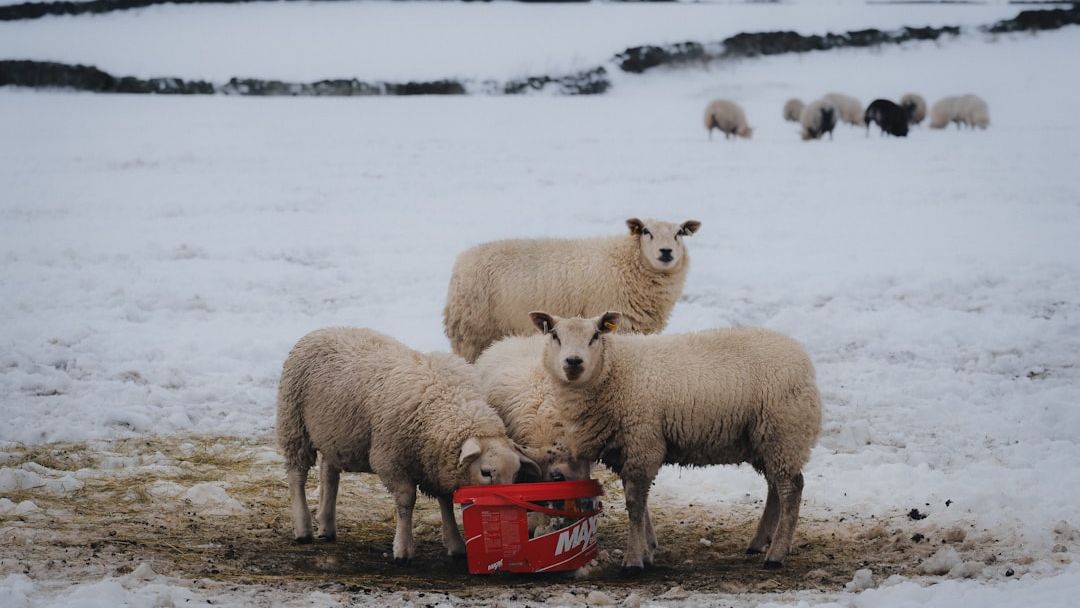
As the weather changes, so does an animal’s energy needs, and by eating more feed and increasing their calories, your animals can keep themselves warm. Just like humans reaching for hot soup on a cold day, animals instinctively need more fuel to maintain their body temperature when winter arrives.
Animals need additional calories to stay warm, above and beyond normal requirements for body maintenance and growth, and if snow covers their pasture or grass is nearly gone, winter feeding is necessary. This isn’t just about quantity though – quality matters tremendously. High protein feed and supplementing with kitchen scraps helps keep chickens warmer because extra protein increases the metabolic rate, which helps keep them warmer.
The timing of feeding can be just as important as what you feed. If you feed twice a day, feed the biggest portion in the evening so animals have adequate food through the long night when temperatures are coldest, as they need feed in the rumen all night to keep producing body heat. It’s like stoking a fire before bedtime to keep warm through the night.
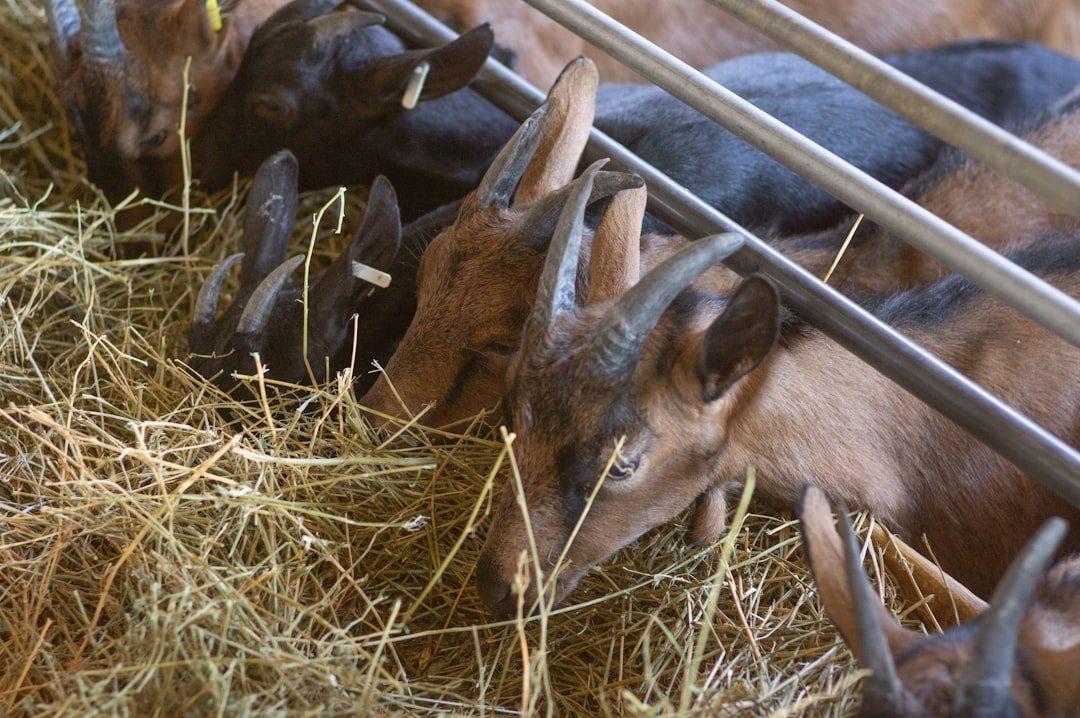
For ruminants like cattle, sheep, and goats, forage is better than grain because digestion of roughage in the rumen involves fermentation, producing heat in the process. This natural heating system helps animals stay comfortable from the inside out.
Ensure Constant Access to Unfrozen Water
Water is the most abundant, cheapest, and least understood of all nutrients required for livestock production, and if subfreezing temperatures turn water into a frozen nutrient, it will mean trouble for domestic livestock. Many farmers focus on feed and shelter but overlook this crucial element that can make or break your winter animal care.
The key to keeping animals watered is to keep water moving, and keeping water running at a low trickle through the trough all winter long keeps everyone happy. Moving water resists freezing much longer than stagnant water, creating a simple but effective solution for many farms.
Sheep on pasture do not require a lot of water but you will notice that their water needs increase when they start eating hay, and in general, the larger the water tank, the longer it will take to freeze. This principle applies to most livestock – dry winter feed requires more water for proper digestion than fresh pasture grass.
Only desperate sheep or goats will eat ice or snow for hydration, so it is essential to provide a source of warm to moderately cold water at all times in the winter. Heated waterers or breaking ice regularly becomes a daily necessity rather than an occasional chore during the coldest months.
Monitor Health and Provide Special Winter Care
Winter monitoring requires a more hands-on approach because problems can escalate quickly in cold weather. Frostbite and freezing are more likely to affect extremities that become wet or are generally moist, and noses, ears, tails, lips and reproductive organs may be maimed or require amputation. Early detection can prevent serious injuries that might otherwise go unnoticed under thick winter coats.
Cold stress can occur when animals are exposed to extreme cold or when they are unable to find shelter from the cold, with signs including shivering, lethargy, and weakness. Smart farmers learn to recognize these warning signals before they become emergency situations.
Thick winter hair coats and fleeces can hide poor body condition, so body condition scoring requires hands-on assessment of animals, and blankets should be used daily or as needed to retain body heat for individual animals, especially for elderly or ‘hard-keeping’ horses or the occasional pet goat.
During the winter months, it is essential to keep a close eye on your animals, checking that they are eating adequately, drinking enough water, and staying warm. This means more frequent barn visits and developing an eye for subtle changes in behavior or appearance that might signal trouble ahead.
Winter animal care isn’t just about surviving the cold – it’s about maintaining health, happiness, and productivity throughout the challenging season. With proper shelter, adequate nutrition, reliable water access, and attentive monitoring, your barnyard animals can weather any storm. Remember, the effort you put in during winter pays dividends come spring when your animals emerge healthy and ready for the growing season. What strategies have worked best on your farm? Share your winter animal care tips in the comments below.
Worried about unexpected vet bills?
Pet insurance can cover thousands in unexpected vet costs. Get a free quote from Lemonade in under 2 minutes.
Get My Free Quote →Sponsored · Opens Lemonade.com

- Neuroscience Says Your Cat Kneads You Because It’s Reliving a Comfort Memory From Infancy - June 10, 2026
- Anthropology Says Ancient Humans Who Buried Their Dead With Flowers 130,000 Years Ago May Have Had a Concept of an Afterlife Far Earlier Than Any Religion We Know - June 10, 2026
- 14 Quiet Signs Your Dog Is Getting Ready to Say Goodbye – Most Owners Miss Them Completely - June 9, 2026