


As autumn leaves start to change colors and temperatures drop, many gardeners breathe a sigh of relief thinking their pest battles are finally over. Yet fall brings its own unique challenges that can devastate your late-season harvests and set the stage for next year’s problems. While some insects retreat as cooler weather arrives, others are just hitting their stride, preparing for winter or taking advantage of the season’s conditions.
The reality is that fall pests can be particularly destructive because they’re often working against the clock. Some are frantically feeding to build energy reserves for winter survival, while others are laying eggs that will hatch into hungry offspring come spring. This makes understanding and managing these autumn invaders crucial for protecting both your current harvest and next year’s garden success.
Aphids

Aphids reach their peak destruction levels in fall when their numbers have multiplied dramatically throughout summer and weather conditions favor these persistent pests. These tiny, pear-shaped insects pierce plant parts to suck out fluids, excreting honeydew that causes sooty mold while giving birth to live young that can reproduce within just seven to 10 days of birth.
By fall, their staggering numbers can impact every vegetable in your garden and garden roses as well. You’ll notice yellowing leaves, yellow spots, curling foliage with sticky substances when touched, and nearby ant colonies that farm the aphids for their sweet honeydew. The damage peaks precisely as temperatures cool, making fall intervention critical.
The most effective control method requires no chemicals – simply spray aphids off plants with a strong jet of water, removing as many as possible since any left behind will multiply, and repeat the process over several days as necessary. You can also blast them with your hose frequently until they completely dissipate, or employ ladybugs which eat up to 50 aphids per day.
Slugs and Snails
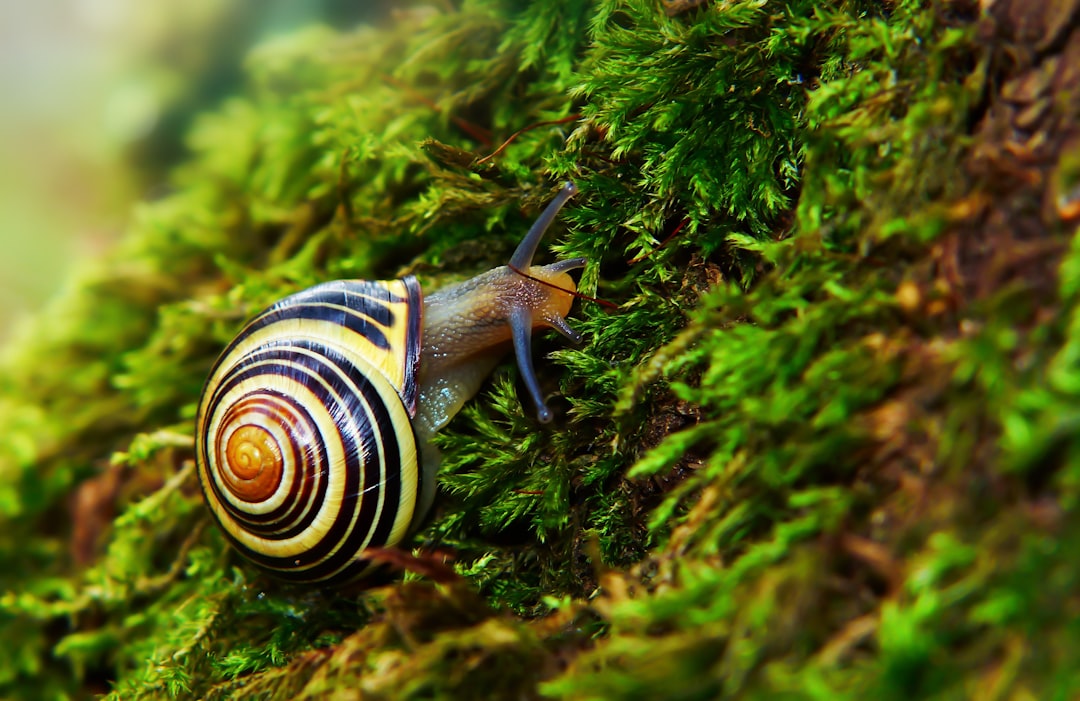
Slugs thrive in autumn’s moisture and cooler temperatures, becoming one of the most frustrating pests due to their feeding and rapid reproduction habits. These pests present issues all season but don’t slow down in fall months, when they lay over half their total eggs for the season with each egg hatching in 2-4 weeks before adolescents overwinter in the garden.
They’re not picky eaters, feasting on succulents, foliage, flowers, and fruits regardless if plants are dead or alive, leaving irregular holes that can be mistaken for caterpillar damage except for their telltale mucus trails. Snails and slugs eat nearly anything but favor commonly grown vegetables like cucumbers, tomatoes, and lettuce, potentially causing you to lose your entire produce overnight with a severe infestation.
Control them by burying containers to the rim and pouring beer inside – slugs and snails will be attracted and fall in to drown – or sprinkle crushed eggshells along the soil surface. Other effective methods include spreading coffee grounds around plants, using copper tape around plant bases, applying diatomaceous earth or organic slug pellets, beneficial nematodes, or hand-picking with a headlamp during dark hours.
Cabbage Loopers
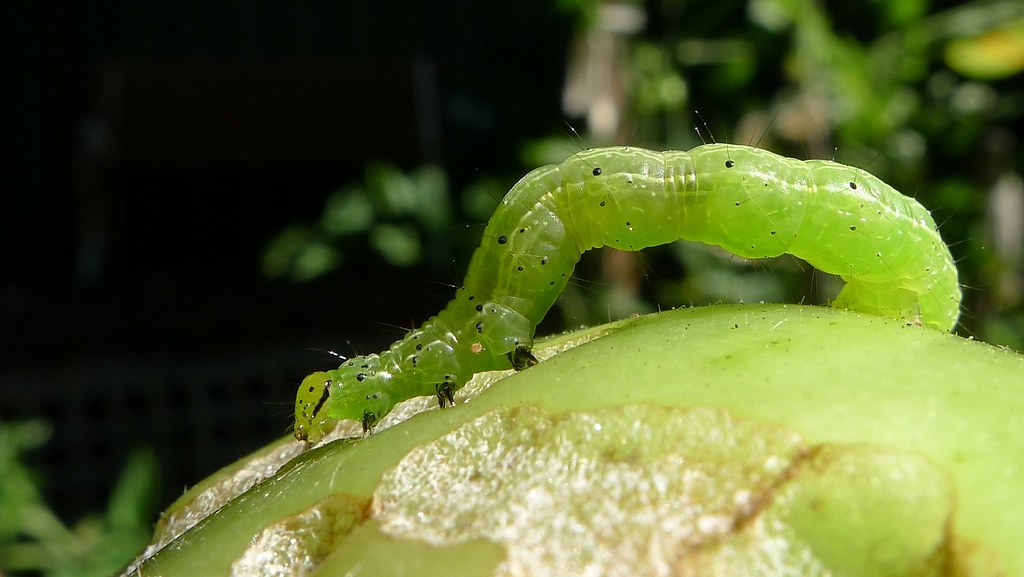
Cabbage loopers riddle vegetable leaves with holes as leaf-feeding caterpillars that relish chewing on cabbage, kale, and bok choy but don’t limit themselves to cool-season crops, equally attacking tomatoes, cucumbers, and potatoes too. These pale-green caterpillars with whitish stripes arch like inchworms as they eat through your vegetables, leaving ragged holes in leaves and boring into cabbage heads.
With several generations per season, looper populations peak in fall, and in moderate climates reproduction continues year-round. Both imported cabbageworm and cabbage looper defoliate plants by chewing leaves and making holes, which serves as a strong indicator of their presence. Actively growing crops like broccoli, cabbage, brussels sprouts, and kale need monitoring since growers often become complacent and miss these fall pests that can affect plants.
Basic Bt spray, an organic insecticide, helps control these pests effectively. BT is especially effective against caterpillars that munch on brassicas, but avoid spraying during the day when beneficial bugs are active – wait until evening or dusk when pollinating insects are less likely to be present, spray on still evenings to prevent drift, and be targeted rather than spraying randomly.
Colorado Potato Beetles

Colorado potato beetles are the leading pest of potatoes, with potatoes and related crops like tomatoes and eggplants bearing the brunt of damage from red larvae with black spots and black-striped yellow adults that defoliate plants and prevent potato tubers from growing. They do the most harm as larvae and can feed to the point of complete defoliation that kills plants, and if allowed to reach second and third generations, your garden becomes host to beetles from all life stages in an uncontrollable situation lasting until fall and carrying over to spring.
Female Colorado potato beetles emerge from soil and lay up to 500 eggs, and with multiple generations possible, late-season gardens face all stages of this pest simultaneously – from eggs and larvae to voracious adults. The timing makes fall intervention crucial since these pests are preparing to overwinter and establish next year’s population.
Address infestations immediately using strong spray combinations of pest-repelling and eliminating techniques since some pesticides and organic sprays alone are not sufficient. You may benefit from releasing beneficial nematodes into the soil to help control these pests. Hand-picking or removing these larger pests can be useful, and shaking or disturbing affected plants can effectively knock pests from plants into containers of soapy water.
Stink Bugs
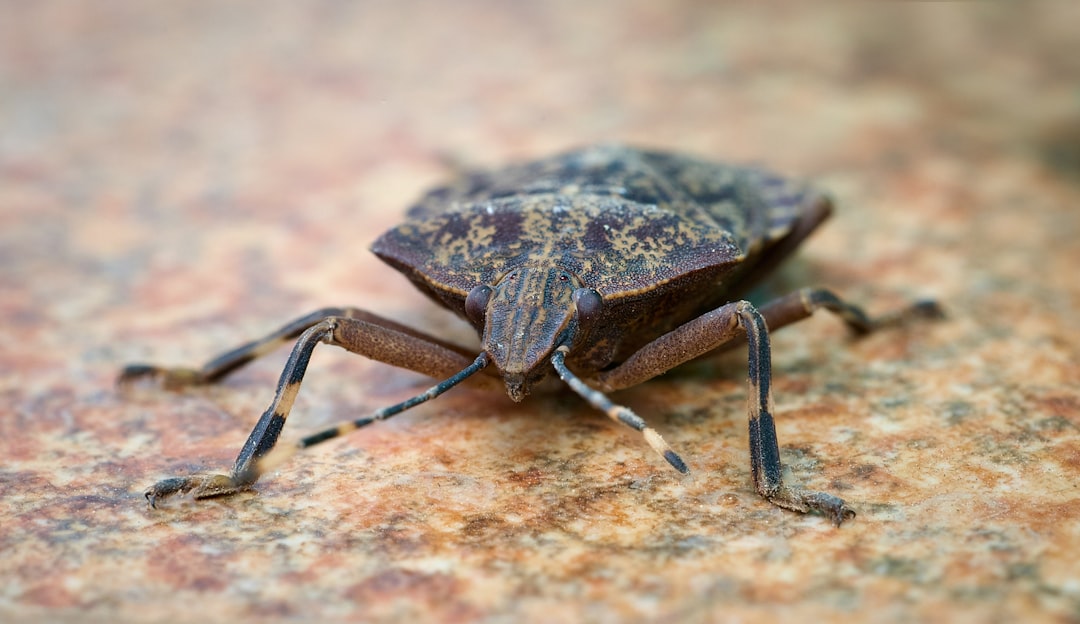
Gardeners dread this pest’s odorous autumn onslaught as numerous stink bug species trouble late-season crops from cabbage and peas to beans and okra, with young bugs changing appearance repeatedly through several stages before maturing to brown or green, but regardless of color they share the same shield-like shape and offensive odor. These pests become particularly problematic as fall progresses since they’re actively seeking overwintering sites.
Stink bugs hang out in weedy garden perimeters, so good garden sanitation is key to control, and these pests can have several generations plus they’re known to invade homes come winter. Their late-season activity makes them especially frustrating since they can damage crops right before harvest when there’s no time to recover losses.
Control stink bugs by removing older leaves and debris that make great hiding places for many pests, since slugs and snails hide under debris during the day only to emerge at night, while beetles, thrips, cutworms and more can hide and breed in debris left on vegetable garden beds. Clean up plant leaves and other debris in fall since residue remaining after flowers and crops disappear can be home to insect pests and disease pathogens, which means removing fallen fruit, weeds, and remains of annuals by sanitizing garden beds.
Conclusion
Fall garden pest management requires a proactive approach since these destructive insects can devastate late-season harvests and establish problems for the following year. The key is understanding that while some pests retreat with cooler weather, others become more active and destructive as they prepare for winter survival or take advantage of autumn conditions.
Fall is actually the perfect time to think about garden pest prevention and take essential steps to get ahead and prevent garden pests from returning in spring. Success comes from combining immediate control measures with long-term prevention strategies like proper garden cleanup, crop rotation, and encouraging beneficial insects.
What surprised you most about fall garden pests – did you expect them to be this active as temperatures drop?

- How to Attract Orioles to Your Garden - August 17, 2026
- 5 Destructive Garden Pests Most Active In The Fall - August 17, 2026
- 10 Facts About the Dracula Parrot, Nature’s Most Gothic Bird - August 17, 2026