
Worried about unexpected vet bills?
Pet insurance can cover thousands in unexpected vet costs. Get a free quote from Lemonade in under 2 minutes.
Get My Free Quote →Sponsored · Opens Lemonade.com
Ever felt that craving to escape the relentless tick of modern life? There are corners of our planet where clocks feel irrelevant, where history whispers through crumbling stones, and where the present somehow merges with the distant past. These aren’t just tourist traps with old buildings. They’re places that carry a different energy altogether, locations that make you pause and wonder if time truly moves the same way everywhere.
In our hyperconnected world of constant notifications and schedules, finding places untouched by the rush feels almost impossible. Yet they exist, scattered across continents, each with its own story of abandonment, preservation, or simply stubborn resistance to change. So let’s dive into five enigmatic destinations that offer something rare: a genuine sense of timelessness.
Petra: The Rose City Frozen in Stone
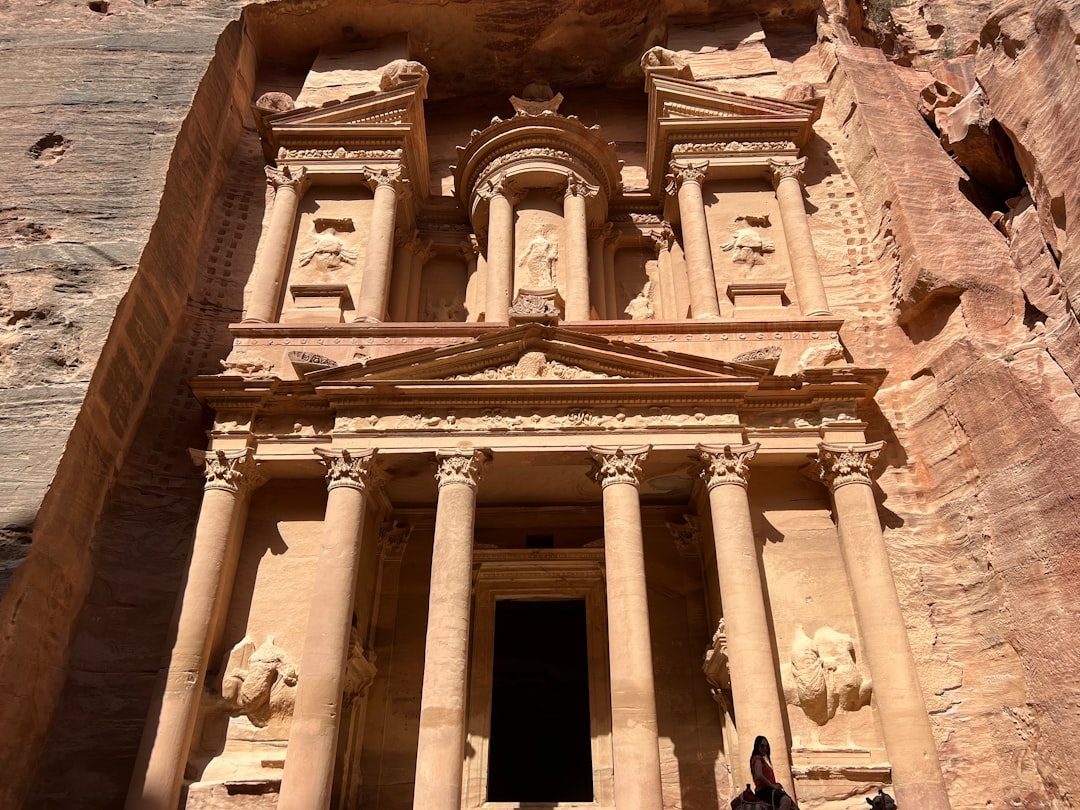
Petra served as a trading center and the capital of the Nabataean empire from 400 B.C. till 106 A.D. Walking through the narrow Siq canyon and emerging before the Treasury feels like stepping through a portal. The intricate facades carved directly into rose-red cliffs have stood for over two millennia, watching empires rise and crumble.
Frequent change in the ruling Kingdom and earthquakes brought about the decline of the city leaving it largely abandoned for nearly two millennia. That staggering absence of human life preserved something extraordinary. Modern visitors wander the same paths ancient traders once traveled, their footsteps echoing through temples and tombs that have seen more silence than civilization. The stillness here isn’t empty though. It’s charged with memory.
Kayaköy: Turkey’s Ghost Village
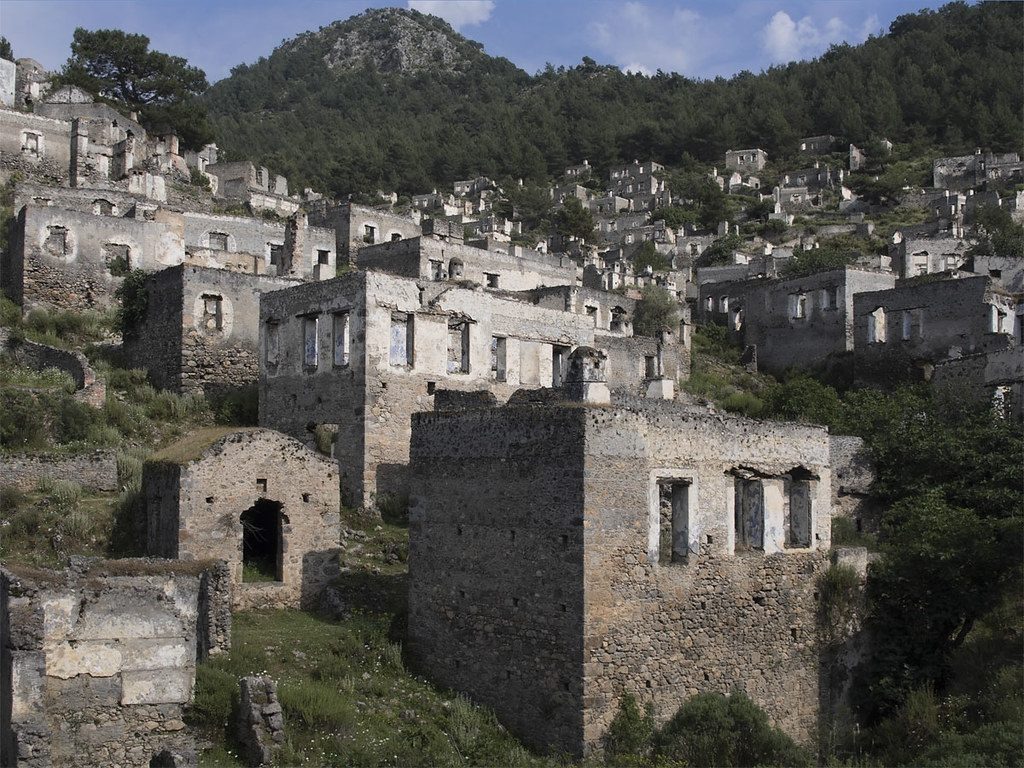
Kayakoy is an uninhabited village located 8km from the center of Fethiye, a holiday resort on the Turkish coast. In 1923 time stopped in this small village, when the last Greek-speaking inhabitants were evacuated for good, never to return. What remains is hauntingly beautiful. Hundreds of stone houses climb a hillside, their empty windows staring out over pine forests and distant mountains.
Today Kayakoy has become a real open-air museum in which you can immerse yourself in its otherworldly setting. Here, you’ll find around 500 stone house ruins and two Greek Orthodox churches. Walking these silent streets, you half expect to hear voices from vanished kitchens or the clang of a blacksmith’s hammer. The village exists in permanent suspension, neither fully alive nor completely dead. Some artists have added murals to certain buildings, creating an interesting dialogue between abandonment and human expression.
Viscri: Medieval Life in Modern Times
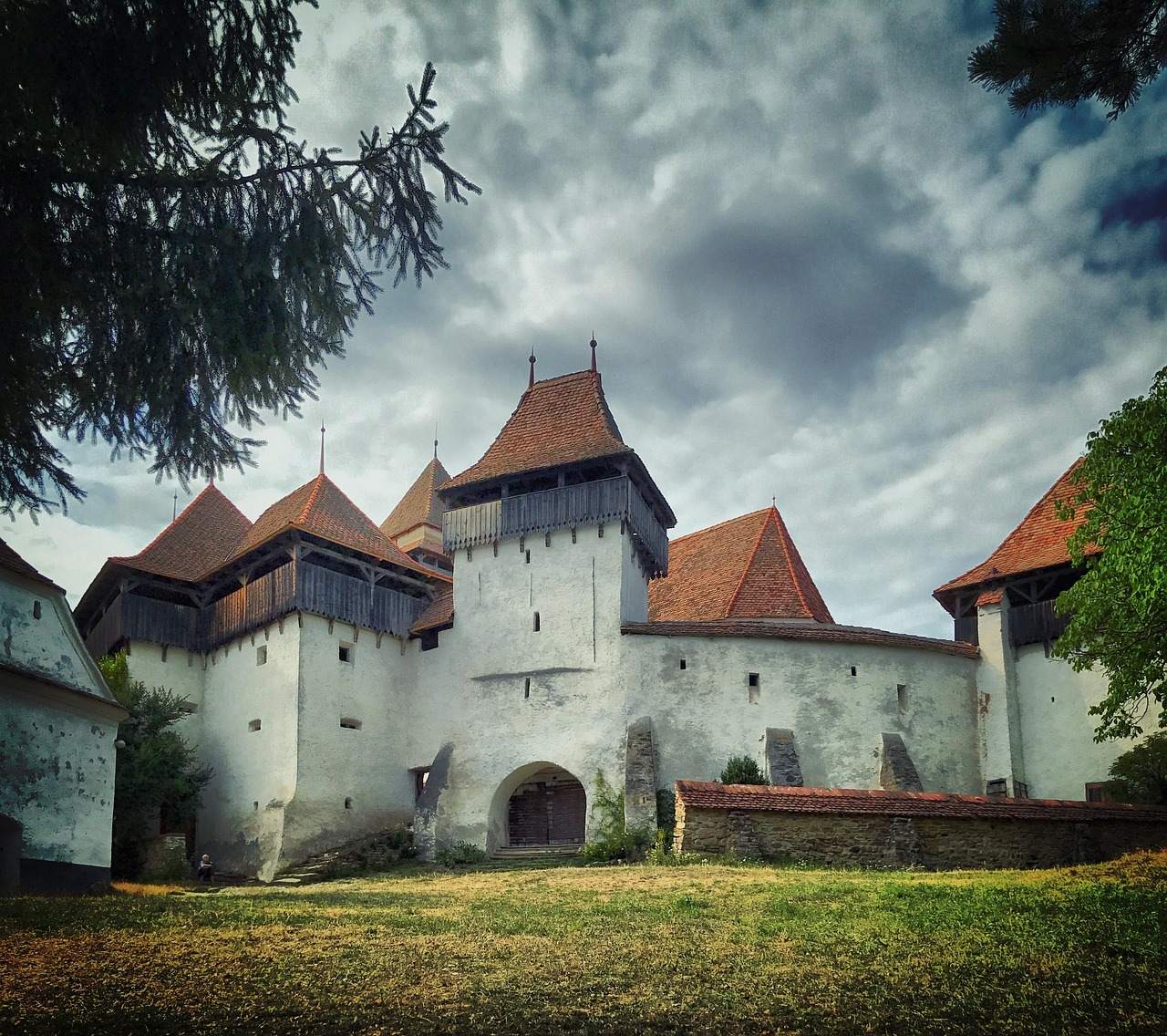
This traditional Saxon village in Transylvania is one of Europe’s best-preserved medieval towns. Built and inhabited by Germans who immigrated here in the 1100s, Viscri was all but deserted in 1989 after communism collapsed and Germany’s foreign minister invited Eastern Europe’s German-speaking population to return to the homeland. The village nearly vanished from existence until preservation efforts breathed new life into the old stones.
A visit to Viscri takes you back hundreds of years to an place where shepherds tend their flocks, a village blacksmith forges horseshoes, horse-drawn carts ramble along dirt roads, and the 12th-century Viscri Fortified Church still stands protectively over the town. This isn’t a museum recreation. People actually live this way, maintaining traditions that have survived centuries. The rhythm of daily life follows patterns established long before industrialization, creating an atmosphere that feels genuinely displaced from our current era.
Angkor: Where Jungle Reclaims Empire
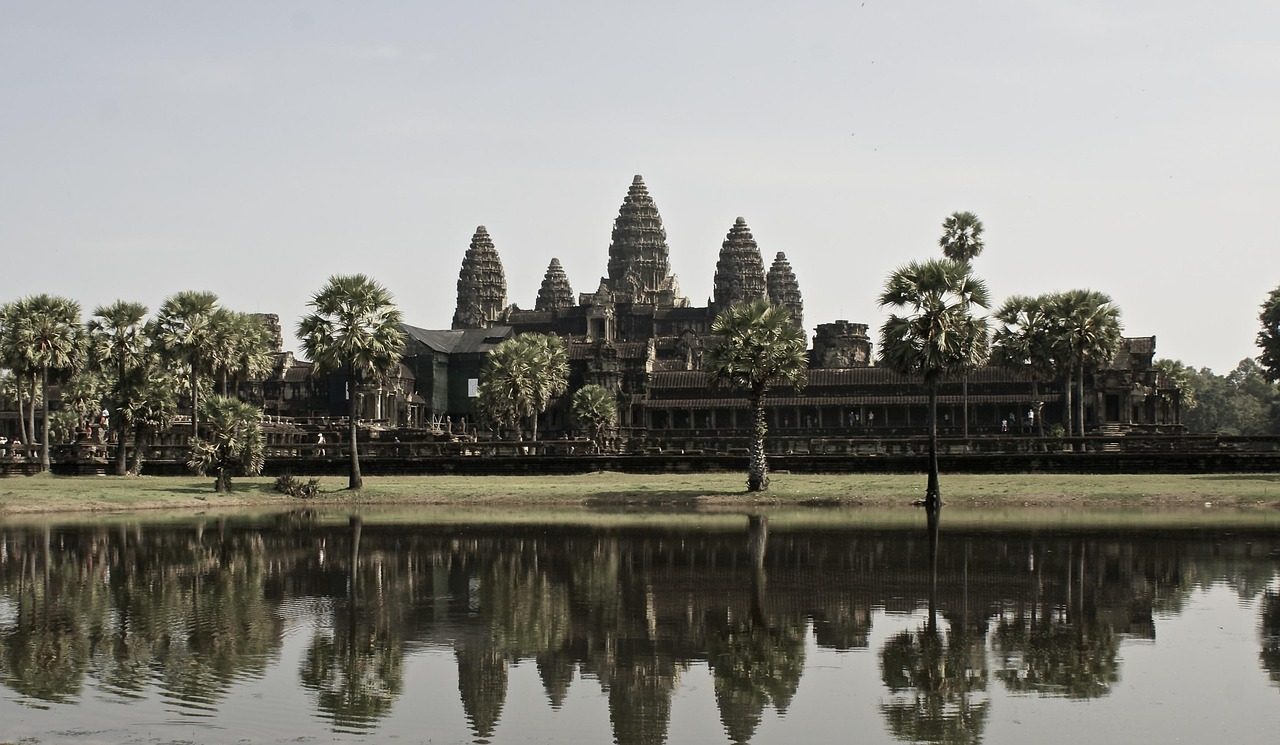
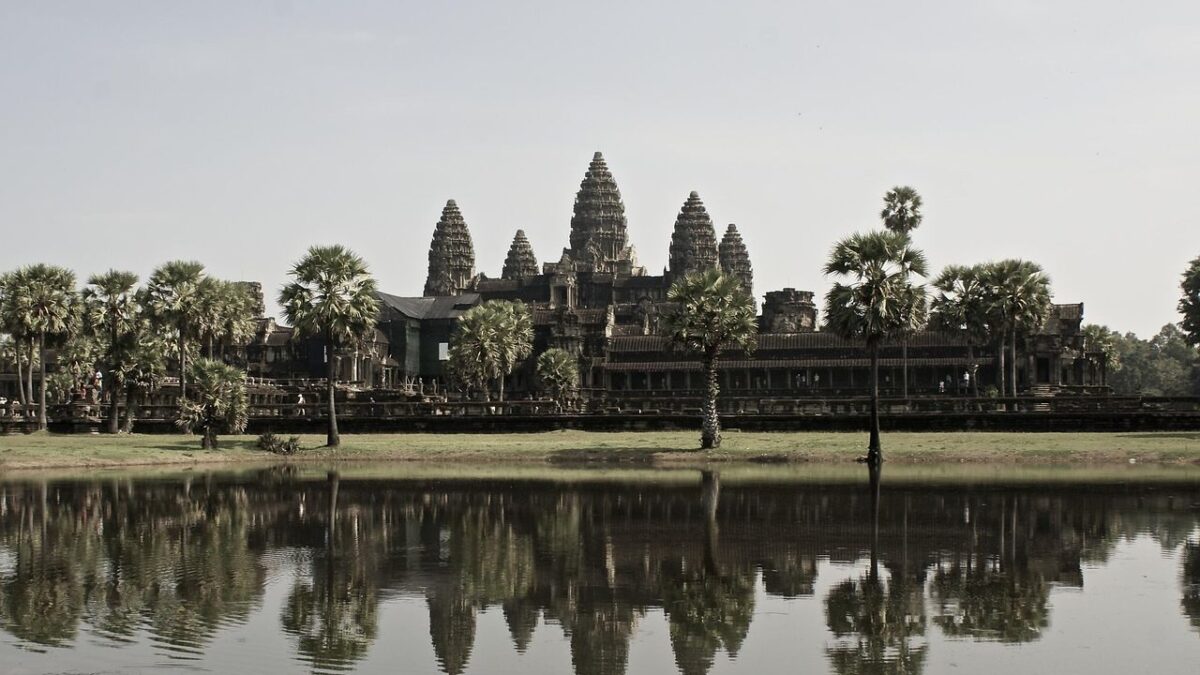
Angkor is a city in Cambodia with the remains of several capitals of the Khmer Empire, including the world’s largest single religious monument – Angkor Wat temple and the Bayon temple. After the year 1431, Angkor was invaded by Ayutthaya invaders when the city underwent it’s declining phase. Nature didn’t wait long to begin its reconquest. Massive tree roots now embrace temple walls, creating an eerie fusion of human ambition and natural persistence.
Angkor is no longer a metropolis, but a UNESCO World Heritage site that archaeologists and conservationists are trying to save from encroaching jungle and damage by modern tourists. More than 100,000 people still live in the shadow of the temple, many living an agrarian lifestyle like the generations that came before them. There’s something deeply moving about seeing farmers work rice paddies within sight of thousand-year-old stone gods. The juxtaposition creates a layered sense of time where ancient and traditional coexist, both standing outside the mainstream of modern development.
Timgad: Algeria’s Roman Echo
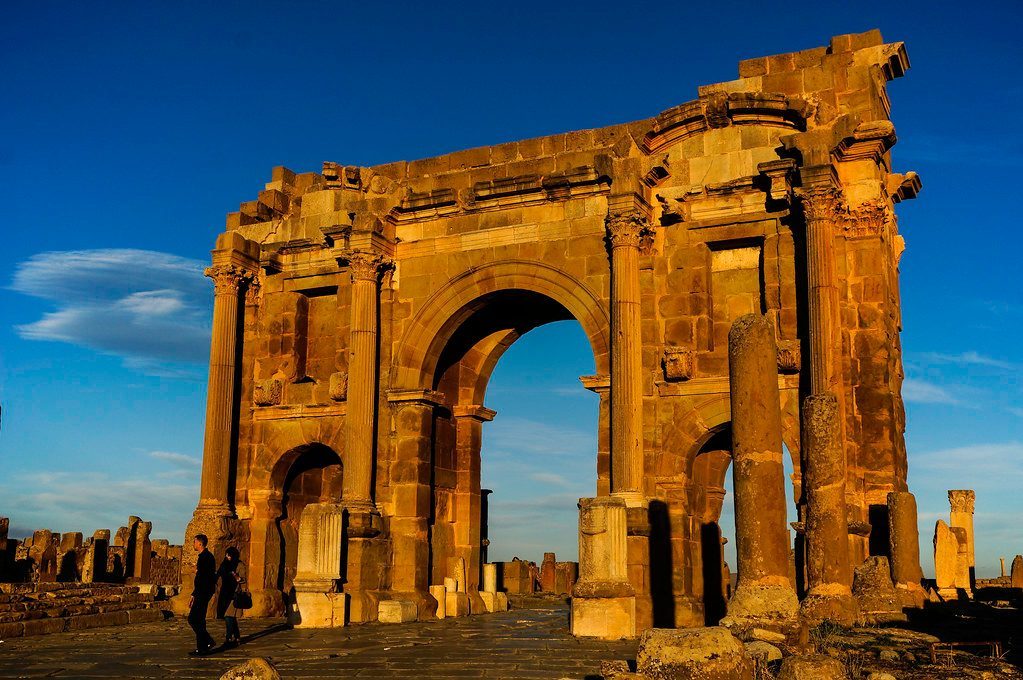
Timgad was a town in Algeria founded around 100 AD. It was attacked by Vandals in the 5th century but later regained importance to become a centre of Christian life. but was largely destroyed again in the 7th century, leading to its abandonment. It was rediscovered in 1881.
What makes Timgad remarkable is its preservation beneath the sands. The Roman street grid remains perfectly intact, columns still stand where they were erected nearly two thousand years ago, and you can trace the layout of forums, baths, and theaters with startling clarity. Walking these streets feels less like visiting ruins and more like being a ghost haunting a living city that just happens to be empty. The desert preserved what time would have otherwise eroded, creating a snapshot of Roman provincial life that refuses to fully disappear.
Conclusion
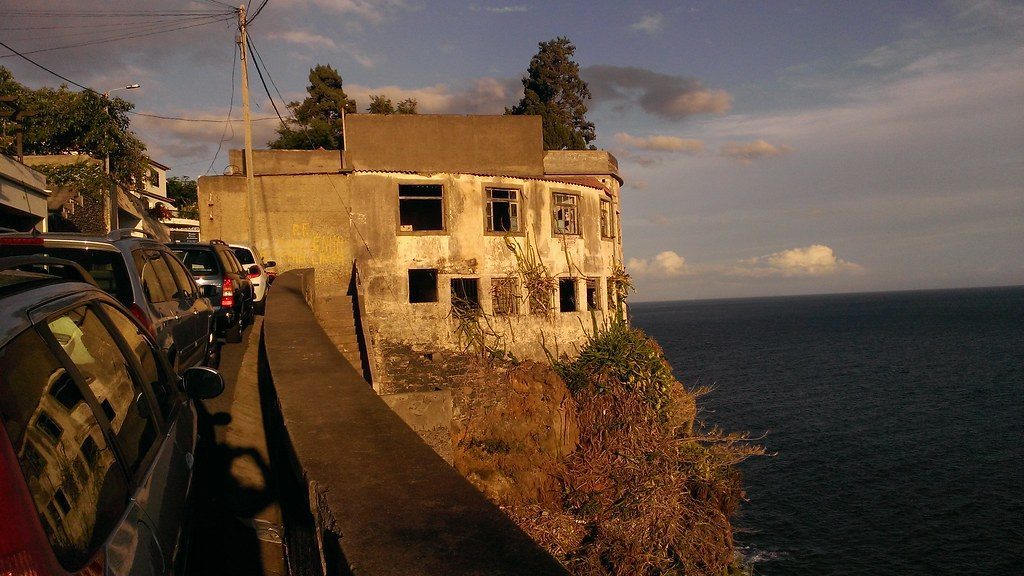
These five locations share something beyond age or abandonment. They possess an atmosphere that makes visitors acutely aware of time’s passage while simultaneously feeling suspended outside it. Whether through sudden evacuation, gradual decline, or deliberate preservation, each place offers a rare commodity in our accelerated world: stillness.
Standing in these spaces changes something in you, even if just briefly. They remind us that the present isn’t the only reality, that other ways of living have existed and sometimes still persist in unexpected pockets. What draws us to such places? Maybe it’s the contrast they provide, or perhaps we’re searching for proof that not everything has to move at the speed of modern life. What do you think happens to time in places like these? Does it truly stand still, or do we just perceive it differently when surrounded by such profound history?
Worried about unexpected vet bills?
Pet insurance can cover thousands in unexpected vet costs. Get a free quote from Lemonade in under 2 minutes.
Get My Free Quote →Sponsored · Opens Lemonade.com
