
Have you ever stopped to think about how old the ocean creatures swimming beneath the waves might actually be? While we celebrate centenarians as rare achievements in human life, there’s a whole world of animals out there that make our lifespans look like mere moments. Some of these creatures have been around longer than entire civilizations. They’ve witnessed centuries of change, outlasting empires and quietly enduring in places we rarely see.
What’s fascinating is that longevity in the animal kingdom doesn’t always follow the rules we’d expect. It’s not always the biggest or the strongest that lives longest. Sometimes it’s the slowest, the coldest, or the most peculiar. Let’s get started and explore which animals are truly rewriting the book on survival.
The Greenland Shark: A Creature From Another Century
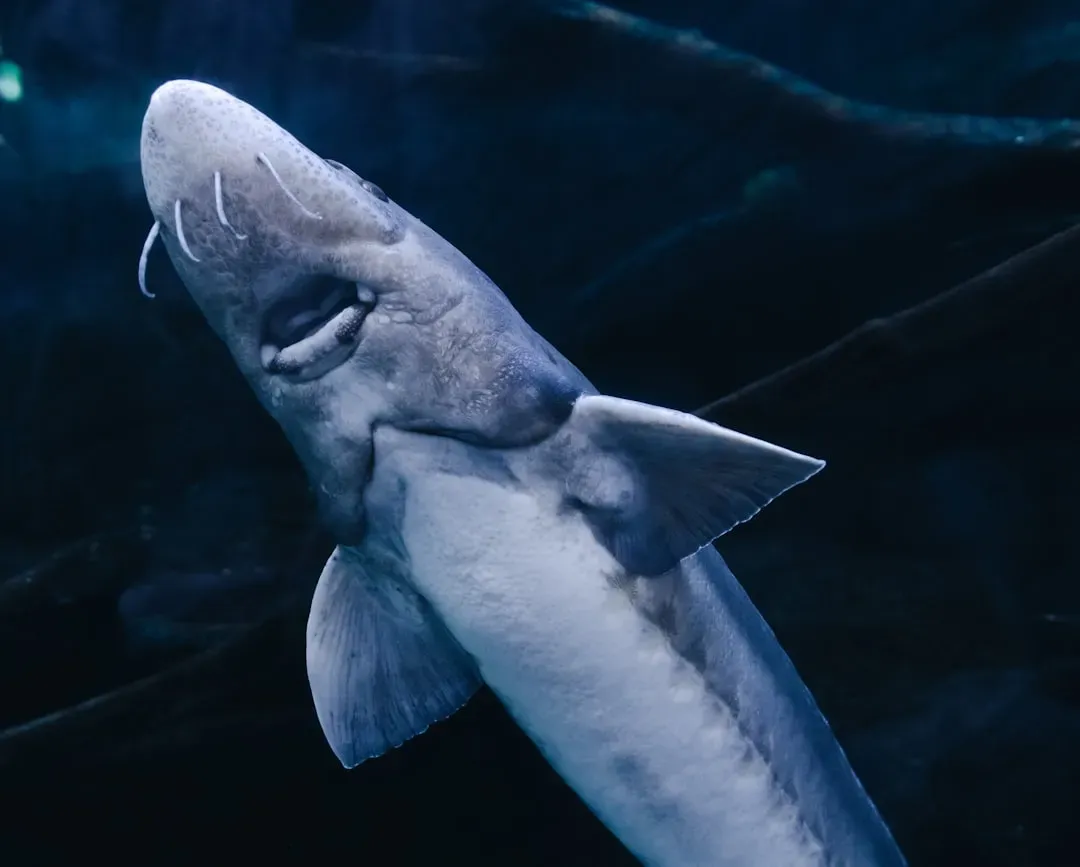
Greenland sharks are the longest-living vertebrates in the world, with some individuals recorded living about 400 years old. Think about that for a moment. With 95% certainty the oldest shark was between 272 and 512 years old, making the Greenland shark the longest living vertebrate animal in the world. That means there could be sharks swimming in the Arctic right now that were born before Shakespeare wrote his plays.
Researchers think that living in such cold waters of the North Atlantic and Arctic Oceans probably helps slow down the metabolic processes and biochemical activity of these sharks. These massive predators grow incredibly slowly, only about a centimeter per year. It’s thought that female Greenland sharks aren’t ready to breed until they are 156.
What really sets them apart is their ability to thrive in near-freezing temperatures where most life would struggle. The frigid deep waters create an environment that essentially puts these sharks on slow motion, preserving them for centuries. The Greenland shark’s longevity may be in its cancer-fighting powers, as the Greenland shark’s genome is twice as large as a human’s and contains multiple copies of genes that play a role in DNA repair and tumor suppression.
Their existence challenges everything we thought we knew about vertebrate aging. Classed as vulnerable in 2025, the global population of these sharks is in decline, as they face significant threats from overfishing and bycatch. Imagine losing a species that has survived for half a millennium.
The Bowhead Whale: Arctic Giants Defying Time
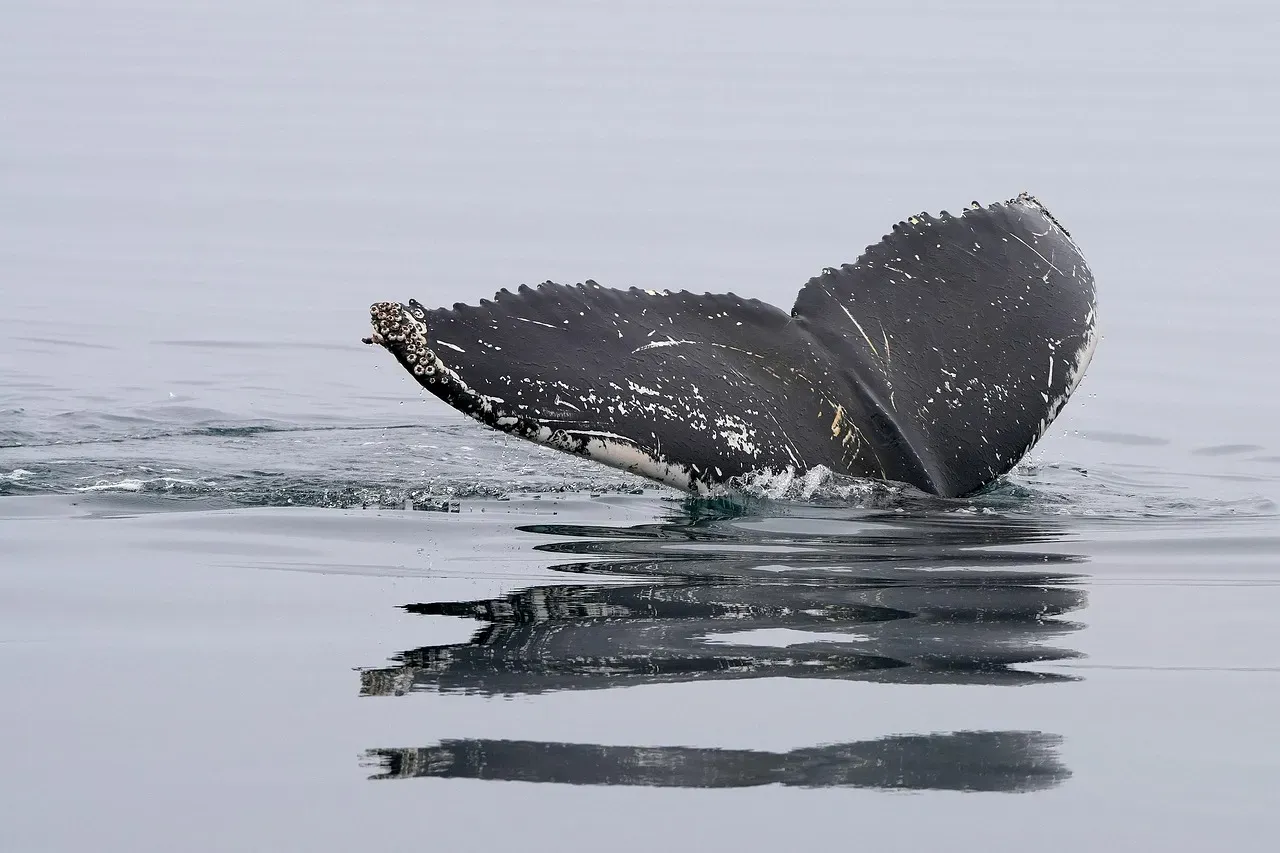
The mammal species that holds the record for longevity is the bowhead whale, which can live for 200 years – or more. These colossal creatures inhabit some of the harshest environments on the planet. Bowhead whales can live more than 200 years–making them one of the longest-living mammals on Earth, living in the chilly Arctic and subarctic waters year-round, reaching up to 60 feet in length.
What makes their longevity even more remarkable is their sheer size. Bowhead whales are among the heaviest animals on Earth with their weight between 75-100 tons. You’d think such massive bodies would be prone to disease, particularly cancer given the trillions of cells they contain. Here’s the thing though: scientists have discovered something incredible about these whales.
Marine biologists have never once found a malignant tumor on a bowhead whale, as they appear to be immune to cancer. Their bodies seem to have evolved special genetic mechanisms to prevent cellular damage over time. The cold Arctic waters they inhabit likely contribute to their slow metabolism, similar to the Greenland shark.
Their survival for two centuries means they’ve seen the rise and fall of entire fishing industries, witnessed climate shifts, and continue to roam the same icy waters their ancestors did hundreds of years ago. It’s hard to wrap your head around that kind of timescale.
Ocean Quahog Clam: The Silent Record Holder
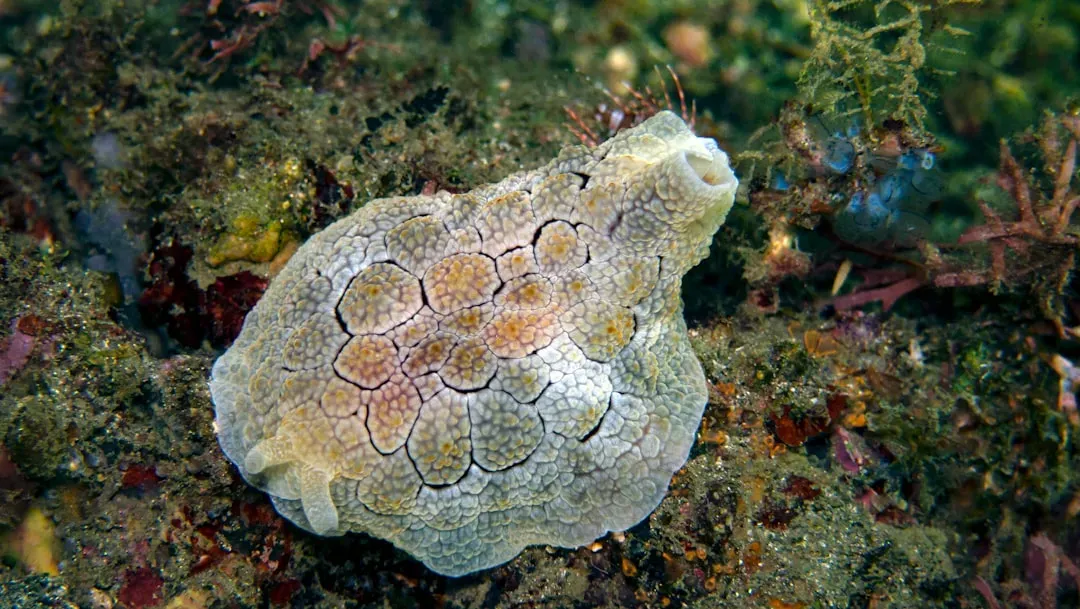
Now here’s where things get truly mind-blowing. A specimen, “Ming” of the Icelandic cyprine Arctica islandica (also known as an ocean quahog), a mollusk, was found to have lived 507 years. This humble clam, sitting quietly on the ocean floor, was born in 1499 and died in 2006. Let that sink in for a second.
At 507 years of age, Ming the clam broke the Guinness World Record as the oldest animal in the world when it was dredged off the coast of Iceland in 2006. The researchers who discovered Ming accidentally killed it while determining its age. Talk about an unfortunate ending to such an extraordinary life.
Clams like the ocean quahog live so long because they do so little, spending their days passively ingesting sea water and filtering out nutrients. Their metabolism is so slow that they barely age. Ocean quahogs grow very slowly, adding thin layers to their shells each year.
Scientists can count these shell rings, similar to how we count tree rings, to determine the clam’s age. The oldest recorded specimen was over 500 years old at the time of its harvest, and scientists don’t know the upper age limit for the long-lived species. There might be even older clams out there, quietly filtering water on the ocean floor, older than any nation currently in existence.
Glass Sponge: Ancient Structures of the Deep
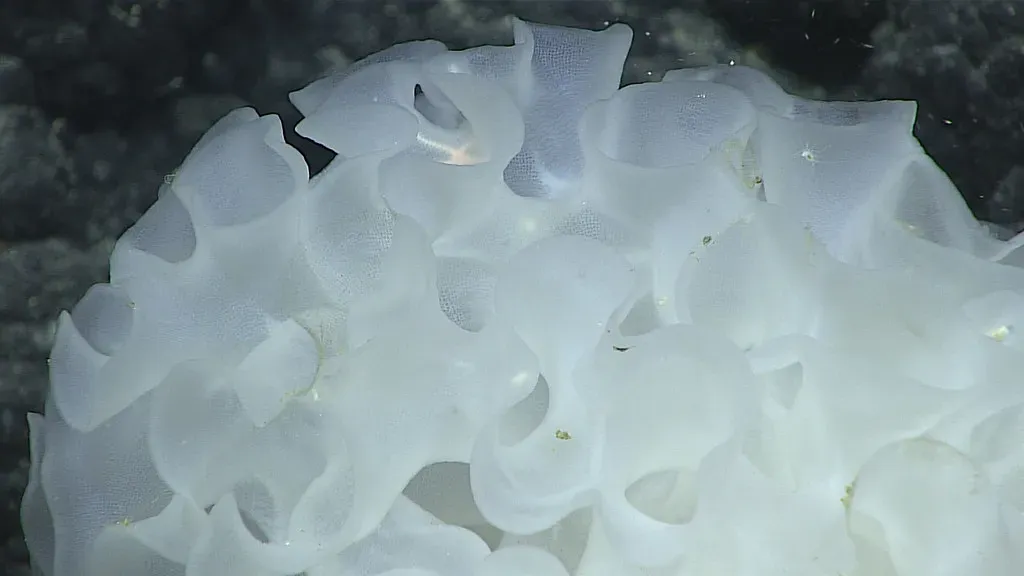
If you thought Ming the clam was impressive, wait until you hear about glass sponges. A sea sponge in Antarctica has lived for 15,000 years. Fifteen thousand years. That predates human civilization as we know it. These aren’t just long-lived individuals either; they’re complex structures that have been filtering water since the last ice age.
The giant barrel sponge, found in the Caribbean Sea, with some individuals found near Key Largo, Florida, may be over 2,300 years old – meaning they began their lives during the time of the Roman Empire. Imagine being a living organism that was already ancient when Julius Caesar walked the earth.
Glass sponges excrete elaborate exoskeletons made out of minerals absorbed from seawater, and glass sponges – which construct delicate, glass-like skeletal structures made of pure silica – first evolved 650 million years ago. These organisms are so old that scientists once thought they were extinct. Glass sponge reefs were thought to have become extinct about 40 million years ago until scientists discovered 9,000-year-old living glass sponge reefs in Canada in 1987.
Their longevity is partly due to their incredibly slow growth rate and the stable, cold deep-sea environments they inhabit. Human activity, like fishing and trawling, impacts their survival, and warming ocean temperatures are doing serious damage.
The Immortal Jellyfish: Biological Immortality Realized
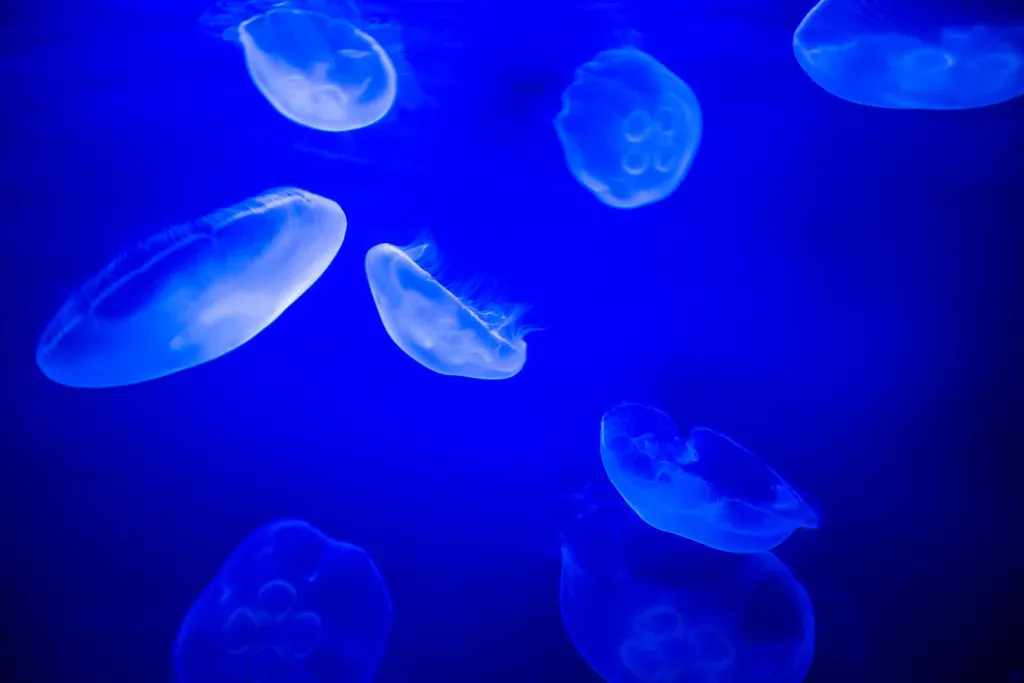
Here’s something that sounds like science fiction but is absolutely real. One example of a species with biological immortality is the aptly named immortal jellyfish. This tiny creature, no bigger than your fingernail, has found a way to essentially cheat death.
Turritopsis dohrnii is called the immortal jellyfish because it can potentially live forever, as jellyfish start life as larvae before establishing themselves on the seafloor and transforming into polyps, then producing free-swimming medusas, or jellyfish, and mature T. dohrnii are special in that they can turn back into polyps if they are physically damaged or starving. It’s like being able to age backwards whenever life gets tough.
This process, called transdifferentiation, allows the jellyfish to revert its cells to an earlier state. Some animals have a rare trait called biological immortality, meaning their cells can regenerate infinitely, preventing biological aging, however, these animals can’t necessarily live forever, as they may still succumb to predation, disease, and changes in their environment.
So while the immortal jellyfish could theoretically live forever by constantly resetting itself, it’s still vulnerable to being eaten or getting sick. Still, the very idea that an animal can reverse its own aging is absolutely fascinating. If only we could figure out how to apply that to humans.
Galápagos Giant Tortoise: Slow and Steady Wins the Race
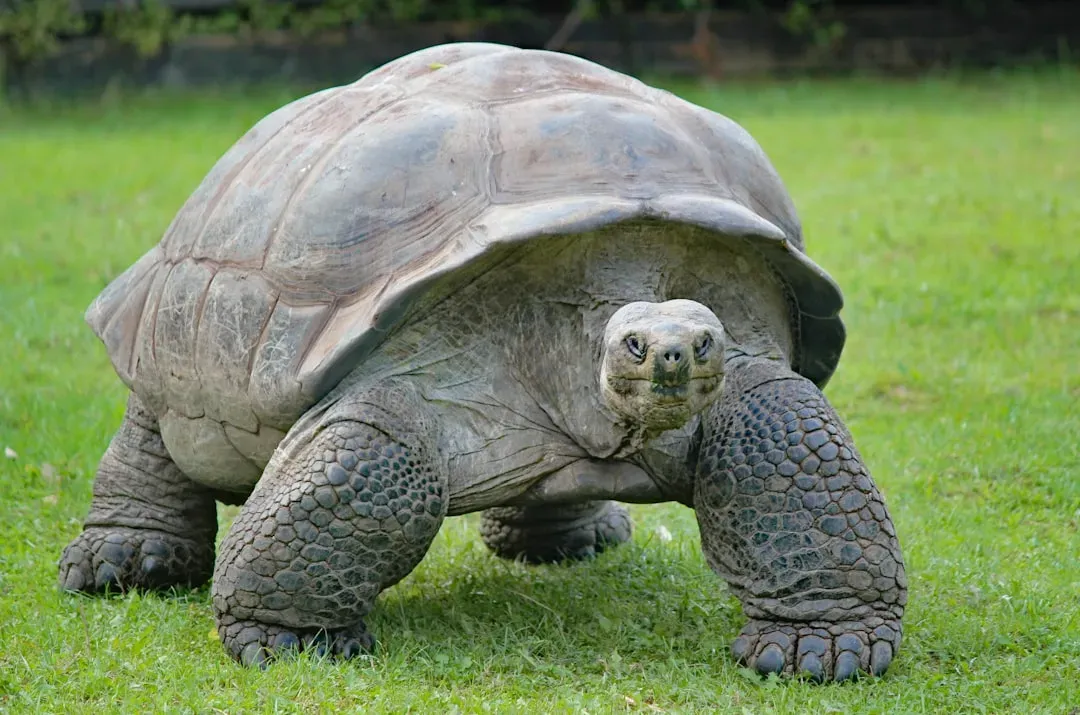
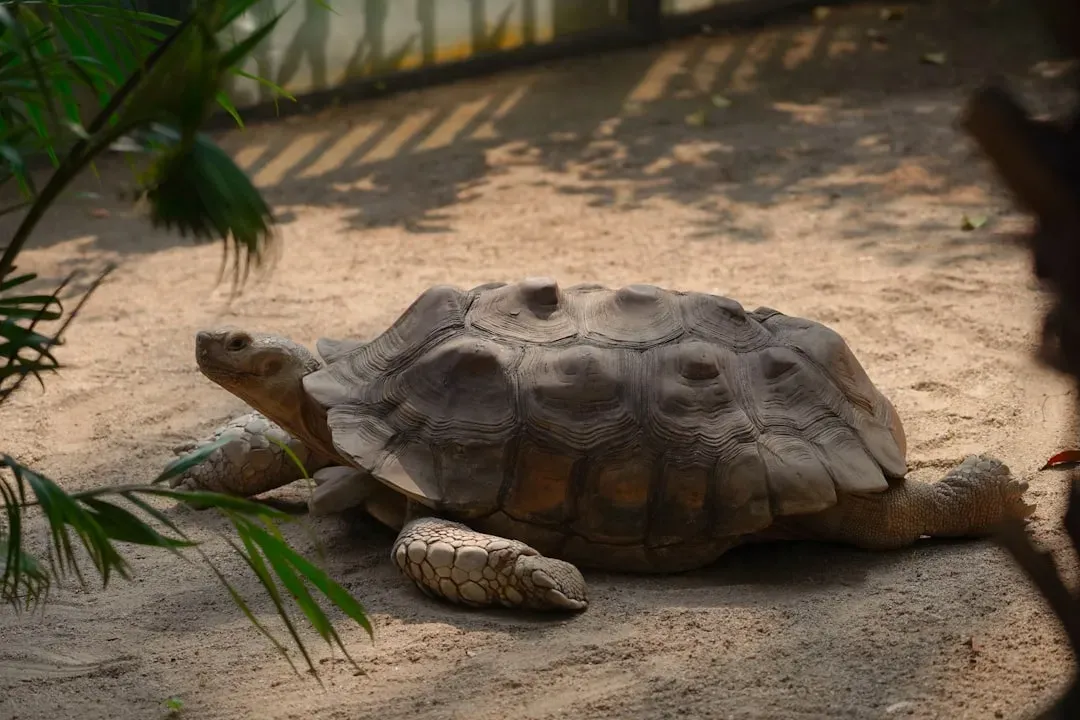
The exact maximum lifespan of Galapagos tortoises is not precisely known, but there have been accounts of tortoises living well over 150 years. These magnificent reptiles are living proof that a slow lifestyle can lead to a very long life. Harriet, a tortoise believed to have been collected by Charles Darwin himself, lived to be an estimated 175 years old!
The longevity of Galapagos tortoises is believed to be a result of their slow metabolism, low reproductive rate, and lack of natural predators in their native habitat. They’ve evolved to survive in an environment where resources can be scarce. These tortoises have evolved to endure periods of scarcity, with the ability to survive for months without food or water.
Their massive domed shells protect them from threats, and their peaceful existence on remote islands means they face few dangers. When you’re not constantly running from predators or fighting for survival, your body can focus its energy on long-term maintenance rather than short-term survival. It’s a biological investment that pays off over the course of more than a century.
The sad reality is that many tortoise populations have been devastated by human activity over the centuries, from hunting to habitat destruction. Fortunately, conservation efforts are helping some populations recover.
Koi Fish: The Controversial Centenarians
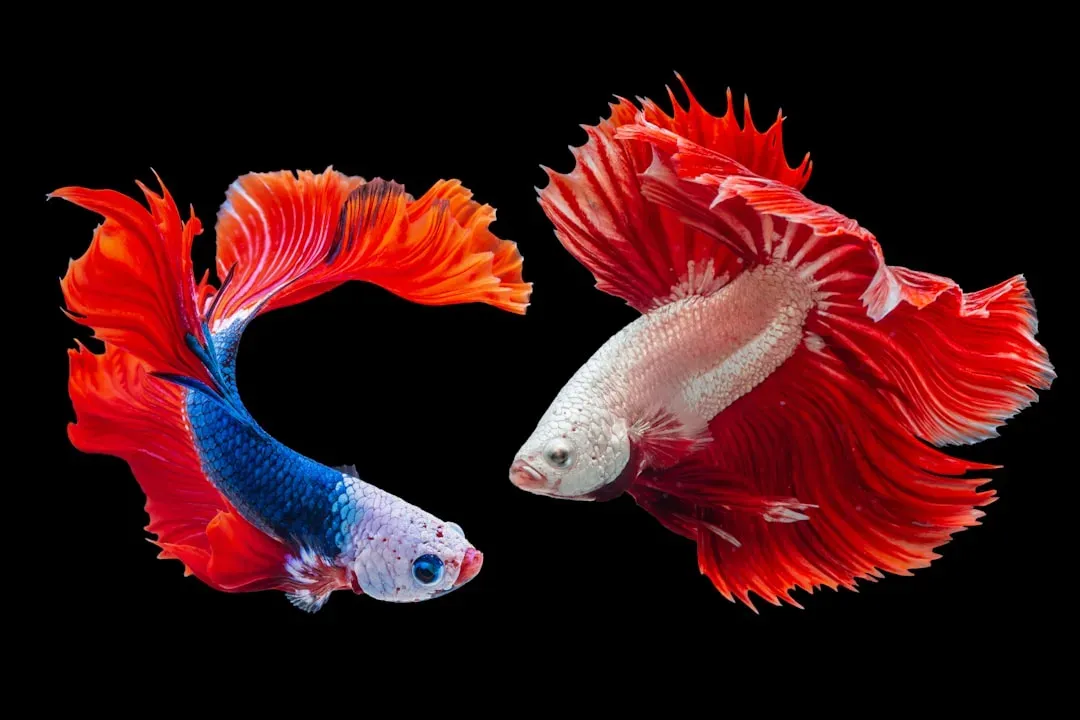
A koi fish named Hanako reportedly died at 226 years old in 1977, making her the longest-lived koi fish ever recorded. If true, that would make Hanako one of the oldest vertebrates ever documented. In 1751, Hanako was born in the first year of Horeki, in Japan’s middle of the Tokugawa Era, and Hanako died on July 7, 1977, at the grand old age of 226.
However, there’s a catch. There is uncertainty as to the veracity of her longevity, with Snopes reporting that no conclusive evidence of her age could be found. Snopes was not able to uncover official historical records or scientific evidence to confirm Hanako’s age – or even existence, and furthermore, an expert told Snopes that the method of dating used to determine Hanako’s age is largely unreliable.
Even if Hanako’s age is disputed, koi are still remarkably long-lived fish. Koi kept in optimal conditions can live as long as 50 or 60 years, and there are even some Japanese koi that can live up to 200 years. Their longevity depends heavily on water quality, diet, and care.
What makes koi particularly interesting is that they’re one of the few domesticated animals with such impressive lifespans. People pass these fish down through generations, creating living heirlooms that outlive their original owners.
Rougheye Rockfish: Deep-Sea Survivors
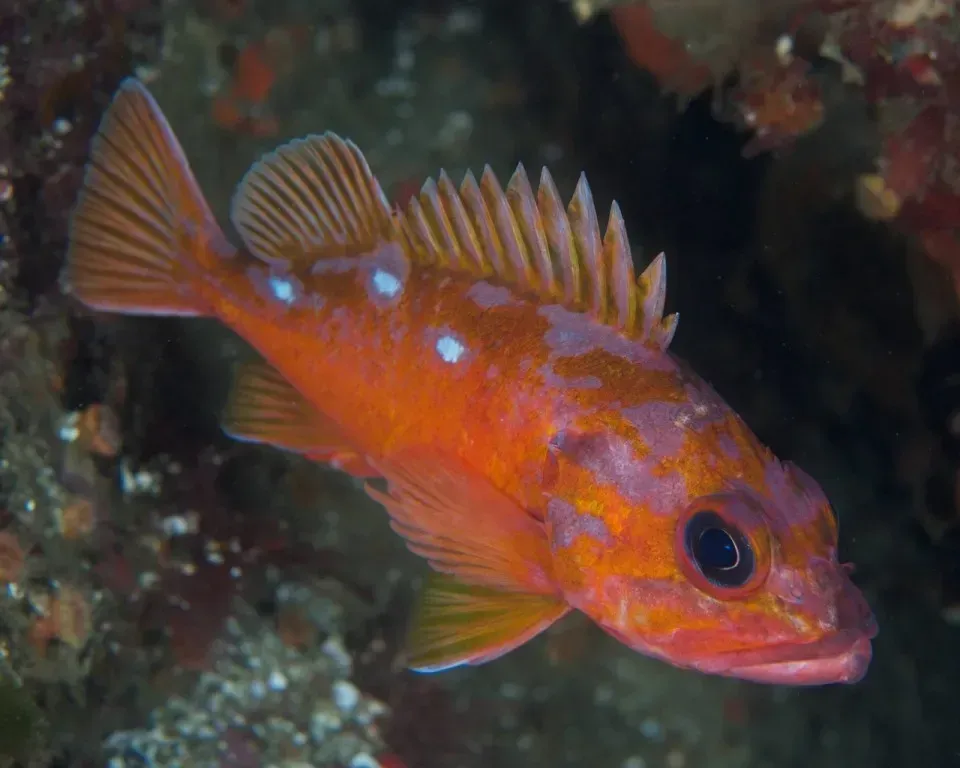
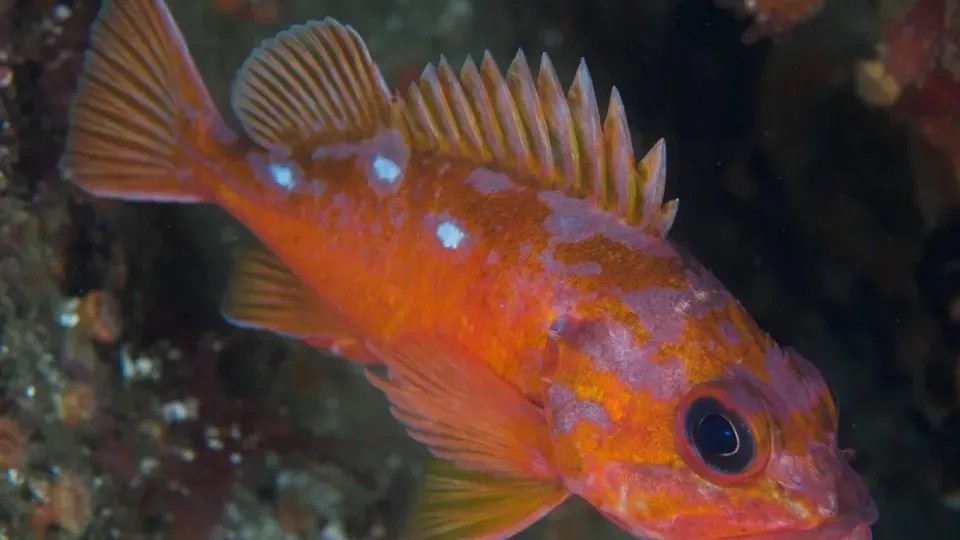
The rougheye rockfish (Sebastes aleutianus) is one of the longest-living fish, with a maximum life span of at least 205 years. These pink and brownish fish inhabit the cold depths of the Pacific Ocean. These fish live in the Pacific Ocean from California to Japan, growing up to 38 inches long and eating other animals, such as shrimp and smaller fish.
The rougheye rockfish can soldier on for more than 200 years, with the oldest known rockfish at 205 years old. What’s remarkable is that scientists have discovered genetic secrets behind their longevity. By comparing the genomes of short-lived rockfish with longer-lived species, researchers identified particular genes that increase longevity, with longer-lived rockfish sporting more genes associated with mending damaged DNA.
These fish also have multiple genes that regulate insulin, a capability linked to longevity in other animals. Their slow growth rate means they take decades to reach reproductive maturity. Longevity may be a requirement for certain rockfish species, as it takes some species decades to reach reproductive maturity, and few of their larvae reach adulthood, so female rockfish need to produce vast amounts of larvae per year.
Sadly, these slow-growing fish are highly vulnerable to overfishing. Once populations decline, it takes them centuries to recover, if they recover at all.
Tuatara: Living Fossils of New Zealand
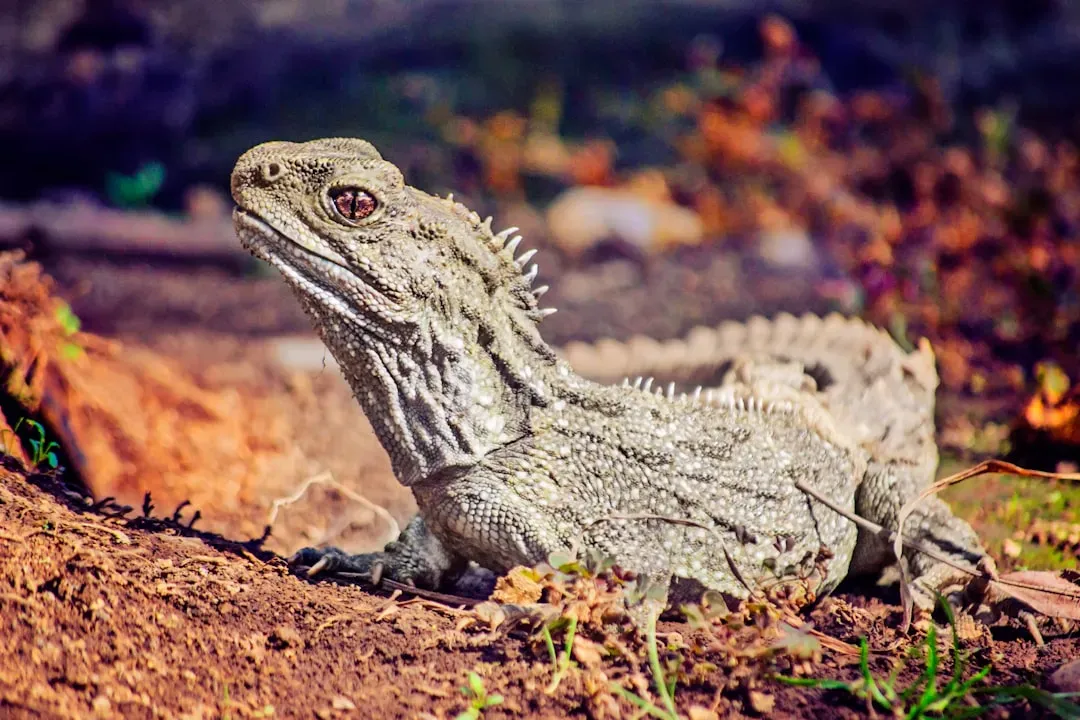
The tuatara is a lizard-like reptile endemic to New Zealand, the last of a type of creature that originated during the Triassic period, having diverged from other reptiles around 250 million years ago, and tuatara can live to well over 100 years. These peculiar reptiles look like lizards but are actually something completely different, a living link to the age of dinosaurs.
Henry, a tuatara in captivity at New Zealand’s Southland Museum, mated for the first time at the age of 111 with an 80-year-old female to father 11 babies. Imagine becoming a father at 111 years old. That’s a reproductive timeline that makes absolutely no sense compared to most animals we know.
During genome sequencing tuatara were shown to contain more genes to protect against aging than any other vertebrate. Their bodies are literally built to last. They have incredibly slow metabolisms and can even survive in near-freezing temperatures where other reptiles would perish.
What’s particularly fascinating is that tuatara hatchlings are born with a third eye, complete with a lens and retina, though it eventually gets covered by scales. It’s these kinds of bizarre adaptations that make you realize how much we still don’t understand about longevity.
Red Sea Urchin: The Spiny Centenarians
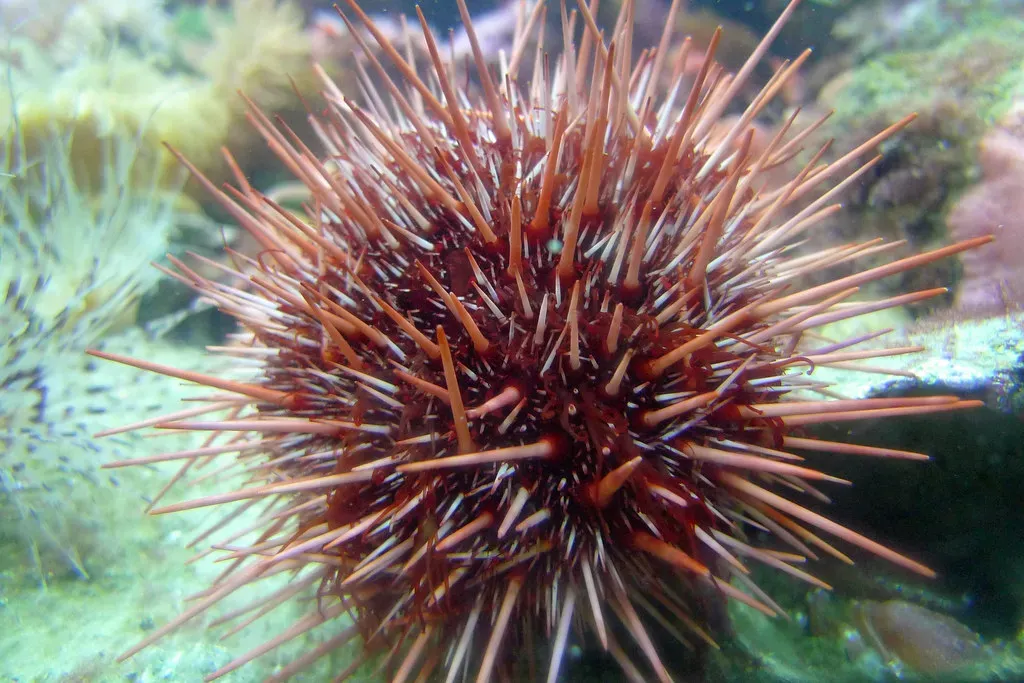
The red sea urchin is a small, spiny invertebrate that lives in shallow coastal waters around the world, and a recent study concluded that the red sea urchin often live to be 100 years old, and some may reach 200 years or more and still in good health. These spiky little creatures are deceptively simple looking, yet they possess an extraordinary ability to live for centuries without showing typical signs of aging.
What’s remarkable about red sea urchins is that they don’t seem to deteriorate as they age. They can reproduce just as effectively at 100 years old as they could at 20. Their cells maintain their vitality, and they show no increase in mortality rate as they get older. It’s as if aging simply doesn’t apply to them in the way it does to most animals.
They inhabit rocky coastal areas where they graze on kelp and algae. Their spines protect them from most predators, and their simple lifestyle doesn’t require much energy. Like many long-lived species, their slow metabolism and stable environment contribute to their impressive longevity.
Scientists are particularly interested in studying sea urchins because they represent a form of what’s called negligible senescence, where the typical aging process is either extremely slow or absent altogether. Understanding how they manage this could unlock secrets about aging in other species.
Longfin Eel: The Century-Old Wanderers
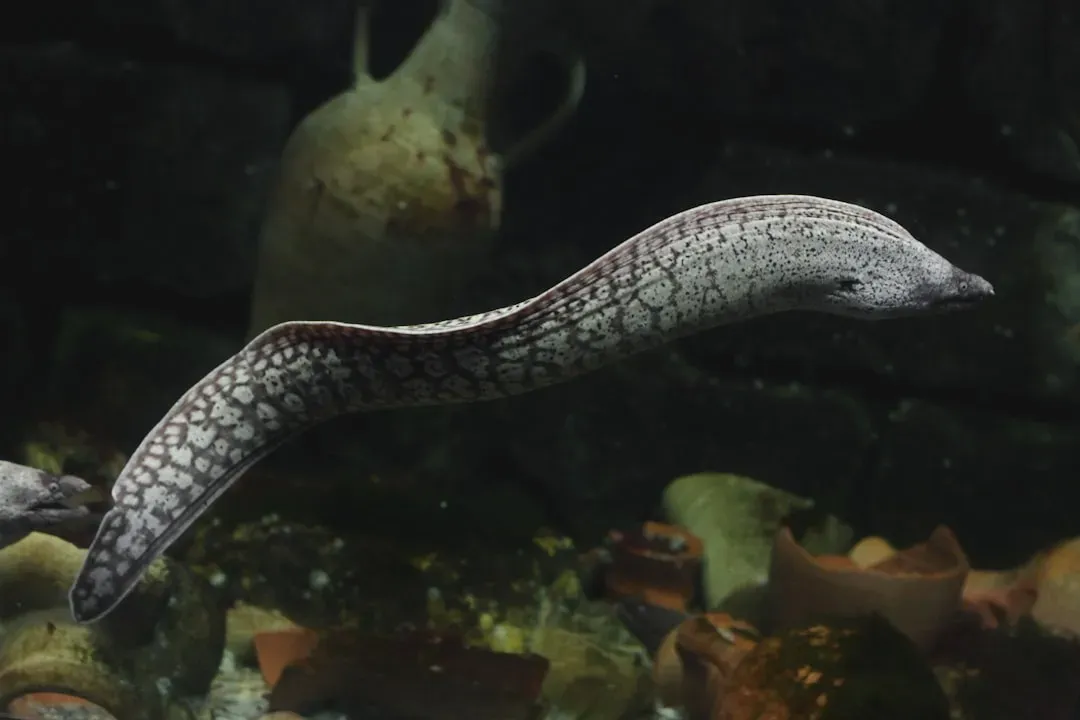
Native to New Zealand and Australia these eels are a traditional food source for the Maori people, and the longfin eel averages an age of around 60 years, and the oldest living longfin eel ever recorded died at 106 years old. These serpentine fish have one of the most fascinating life cycles you’ll ever hear about.
They grow slowly, only 1 to 2 centimeters a year, and can weigh up to 50 pounds, taking the eel 20 to 60 years to reach maturity, but they can live for 100 years! As with the Greenland shark, these eels grow extremely slowly, which helps them reach such old ages.
Here’s the wild part: They leave their freshwater habitat one time in their lifespan, swim thousands of miles out to sea to Tonga where the female deposits its eggs, all 20 million of them. The eel puts off spawning for so many years because after laying its eggs it dies. So they spend nearly a century living in rivers and streams, then make one epic journey to reproduce, and that’s it.
It’s a tragic yet beautiful life cycle. All that time spent growing, surviving, and existing, all building toward one final act of reproduction. Their longevity is both a gift and a burden, as they must survive for decades before they can fulfill their biological purpose.
Conclusion: Timeless Lessons From Ancient Creatures
The animals we’ve explored today share some common threads. Many live in cold environments where slow metabolisms preserve them. Others possess remarkable genetic adaptations for DNA repair and disease resistance. Some simply live quiet, low-stress lives that allow their bodies to focus on long-term survival rather than constant struggle.
What’s truly humbling is realizing that right now, somewhere in the Arctic, there’s a Greenland shark swimming that was alive when the Pilgrims landed at Plymouth Rock. There are clams on the ocean floor older than the United States. Glass sponges that have been filtering water since before written history existed.
These creatures remind us that time is relative, and survival takes many forms. They’ve outlasted empires, weathered climate shifts, and continue to exist in a world that’s changing faster than ever. The real question is whether we’ll protect these ancient survivors long enough for future generations to marvel at them too. What do you think about these incredible animals? Would you have guessed that some could live for centuries?
